| Welcome, Guest |
You have to register before you can post on our site.
|
| Online Users |
There are currently 263 online users.
» 0 Member(s) | 257 Guest(s)
Ahrefs, Amazon, Bing, Claude, Google, Semrush
|
| Latest Threads |
Identifying and Sourcing ...
Forum: Parts , Attachments & Tools
Last Post: MikePhua
01-07-2026, 06:29 PM
» Replies: 0
» Views: 526
|
Cat 931B Brake Parts
Forum: Parts , Attachments & Tools
Last Post: MikePhua
01-07-2026, 06:29 PM
» Replies: 0
» Views: 283
|
Choosing Between Cat 228,...
Forum: General Discussion
Last Post: MikePhua
01-07-2026, 06:28 PM
» Replies: 0
» Views: 554
|
Hydraulic Delay When Lowe...
Forum: Troubleshooting & Diagnosing
Last Post: MikePhua
01-07-2026, 06:27 PM
» Replies: 0
» Views: 445
|
Bale Chopper and Mulcher ...
Forum: General Discussion
Last Post: MikePhua
01-07-2026, 06:26 PM
» Replies: 0
» Views: 320
|
Mini UC Maintenance
Forum: General Discussion
Last Post: MikePhua
01-07-2026, 06:25 PM
» Replies: 0
» Views: 311
|
Locating Wiring Informati...
Forum: General Discussion
Last Post: MikePhua
01-07-2026, 06:24 PM
» Replies: 0
» Views: 344
|
Case Industrial Brown Sub...
Forum: Parts , Attachments & Tools
Last Post: MikePhua
01-07-2026, 06:23 PM
» Replies: 0
» Views: 275
|
Dirt Work in West Virgini...
Forum: Construction & Urban Infrastructure Forum
Last Post: MikePhua
01-07-2026, 06:23 PM
» Replies: 0
» Views: 374
|
D207 P Hydraulic Steering...
Forum: Parts , Attachments & Tools
Last Post: MikePhua
01-07-2026, 06:22 PM
» Replies: 0
» Views: 303
|
|
|
| Electrical Troubleshooting for John Deere 310D Backhoe Loaders |
|
Posted by: MikePhua - 08-12-2025, 04:48 PM - Forum: General Discussion
- No Replies
|
 |
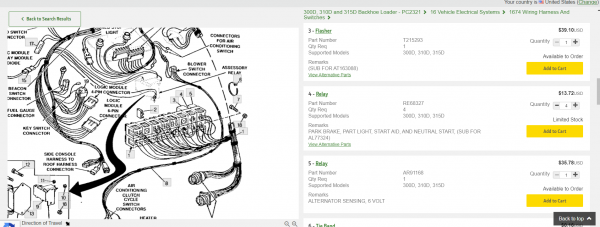
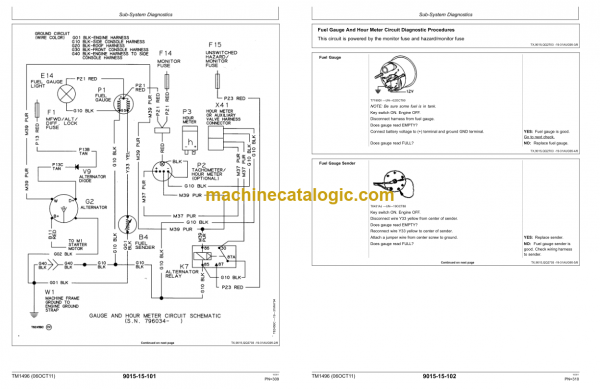
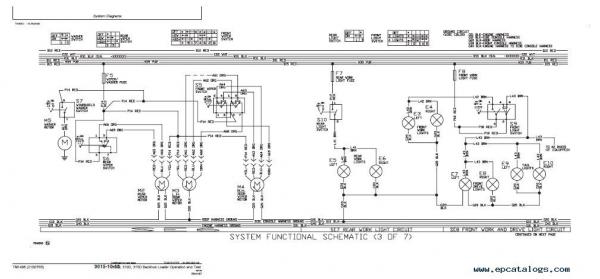
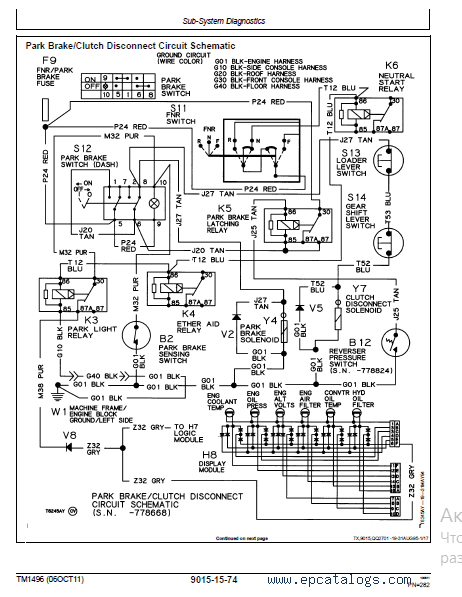
The John Deere 310D backhoe loader, a staple in construction and agricultural operations, is renowned for its durability and versatility. However, like any complex machinery, it can experience electrical issues that hinder performance. Understanding these problems and their solutions is crucial for maintaining the equipment's efficiency and longevity.
Common Electrical Issues and Solutions
- Battery Drain and Charging Failures
A prevalent issue among 310D owners is battery drain, often linked to alternator charging failures. If the alternator's D+ terminal lacks power, the batteries won't charge, even if the alternator is functional. This can be caused by faulty wiring from the ignition switch to the D+ post, or issues with fuses and relays in the charging circuit.
Solution: Inspect the wiring for breaks or corrosion, check fuses and relays, and ensure all connections are clean and secure.
- Starter Motor Not Engaging
Another common problem is the starter motor failing to engage when the key is turned, though it may start if the solenoid is bypassed. This could indicate issues with the neutral safety switch, solenoid, or ignition switch.
Solution: Test the neutral safety switch, solenoid, and ignition switch for proper operation.
- Electric Parking Brake Malfunctions
The electric parking brake may fail to release due to insufficient voltage, often caused by a failing alternator or battery issues.
Solution: Verify the alternator's output, check battery voltage, and inspect the brake switch and solenoid for proper operation.
Diagnostic Tips- Use a Multimeter: Measure voltage at various points in the electrical system to identify discrepancies.
- Check Continuity: Use a continuity tester to ensure there are no breaks in the wiring.
- Inspect Grounds: Ensure all ground connections are clean and secure.
- Consult Wiring Diagrams: Refer to the John Deere 310D wiring diagrams for accurate schematics.
Preventive Maintenance- Regular Inspections: Periodically check the electrical system for signs of wear or damage.
- Clean Connections: Keep all electrical connections clean and free from corrosion.
- Battery Maintenance: Regularly check and maintain the battery to ensure optimal performance.
Conclusion
Electrical issues in the John Deere 310D backhoe loader can be challenging but are manageable with systematic troubleshooting and regular maintenance. By understanding common problems and their solutions, operators can ensure the longevity and reliability of their equipment.
|

|
|
| Reviving a 1974 Case 850 Track Loader: Engine Rebuild, Component Wear, and Restoration Lessons |
|
Posted by: MikePhua - 08-12-2025, 04:46 PM - Forum: General Discussion
- No Replies
|
|
The Machine: A Worn but Workable Case 850
The Case 850 track loader, particularly models from the early 1970s, remains a recognizable workhorse in the compact crawler category. Built for utility work, site clearing, and light excavation, the 850 was often equipped with a backhoe attachment and powered by the Case 301 diesel engine—a 4.375" bore, inline 4-cylinder unit known for its simplicity and torque. But after decades of use, many of these machines show signs of fatigue: blowby, hard starts, cracked heads, and worn undercarriages.
In one restoration effort, a 1974 Case 850 was brought back to life after suffering from severe blowby and a dependency on ether to start. Upon teardown, the team discovered a 1" hole in one piston and a second piston with a smaller burn-through—classic signs of injector failure or prolonged ether abuse.
Terminology Explained
- Blowby: Combustion gases leaking past piston rings into the crankcase
- Ether Addiction: Reliance on starting fluid due to poor compression or injector issues
- In-Frame Overhaul: Engine rebuild performed without removing the engine from the chassis
- Balancer Assembly: A timed counterweight system inside the crankcase to reduce vibration
Engine Rebuild Strategy: Case 301 Diesel
The Case 301 engine, cast with “JIC” markings, was confirmed as original. The rebuild involved: - Removing the cylinder head and inspecting for cracks
- Extracting pistons and liners, revealing excessive ring gap (~0.20")
- Replacing pistons, rings, bearings, and gaskets
- Shimming the balancer assembly to correct backlash (~0.006–0.010")
- Replacing injectors and sending them for bench testing
- Installing a new water pump after the original failed during testing
Torque specs and clearances:- Head bolts: 200–210 ft-lbs
- Connecting rods: 95–105 ft-lbs
- Main bearings: 145–155 ft-lbs
- Valve lash: Intake 0.015", Exhaust 0.025"
Field Story: Ether Damage and Injector Failure
The ventilated pistons suggested long-term abuse. One technician speculated that poor injector spray patterns—possibly from clogged or leaking pencil injectors—led to localized overheating. Combined with frequent ether use, the combustion chamber temperatures likely exceeded safe limits, causing piston melt-through. The team flushed the fuel tank and replaced all injectors to prevent recurrence.
Rear Main Seal and Balancer Timing
Changing the rear main seal during an in-frame rebuild is possible but requires removing the torque converter and flywheel—a labor-intensive process. The balancer assembly, often mistaken for an oil pump, must be timed to the crankshaft using alignment marks. Improper timing can turn the machine into a “vibrating compactor,” as one mechanic warned.
Parts Sourcing and Manual Access
Rebuild kits were sourced from U.S. suppliers, and a reprint of the Case service manual was acquired via eBay. The manual proved essential for shimming the balancer and verifying torque specs. Aftermarket kits from brands like Clevite were considered, though some users noted they often exclude connecting rods and may require separate sourcing for seals.
Recommended parts sources:- Fawcett Tractor Supply (Ontario)
- MinnPar (U.S.)
- Local hydraulic and diesel shops for injector testing
- Case dealers for OEM gaskets and seals
Additional Parameters and Suggestions- Engine displacement: ~4.8L
- Compression ratio: ~17.5:1
- Oil type: 15W-40 conventional diesel oil
- Coolant: Ethylene glycol-based with corrosion inhibitors
- Fuel system: Mechanical injection with pencil-style injectors
Preventive Advice and Restoration Tips- Always perform a compression test before teardown
- Avoid excessive ether use—diagnose root causes of hard starting
- Inspect injector spray patterns and replace all units if one fails
- Flush oil passages and fuel lines during rebuild
- Use break-in oil for initial startup, then switch to standard diesel oil
Conclusion: A Second Life for a Tired Machine
The Case 850 may be decades old, but with careful diagnosis and a thorough rebuild, it can return to productive service. Whether it’s a cracked head, melted piston, or mistimed balancer, each issue tells a story—and solving them requires patience, precision, and a bit of detective work. As one restorer put it, “It’s not just about turning wrenches—it’s about listening to what the metal’s been through.”
|
|
|
|
| Converting an F-800 4x2 to 4x4: A Comprehensive Guide |
|
Posted by: MikePhua - 08-12-2025, 04:46 PM - Forum: General Discussion
- No Replies
|
|
Converting a 4x2 truck to a 4x4, such as the Ford F-800, can significantly enhance the vehicle's capabilities, especially in challenging terrains or for heavy-duty tasks. However, this type of modification requires careful planning, technical know-how, and the right parts to ensure that the conversion is safe, effective, and long-lasting.
Why Convert an F-800 4x2 to 4x4?
The F-800, traditionally a 4x2 chassis, is often used for commercial and construction purposes due to its reliability and hauling power. However, there are instances where the need for 4x4 functionality arises. This may include: - Improved Traction: In off-road environments or in construction sites with muddy, uneven, or snowy conditions, the additional drive axle provides significantly better traction.
- Heavy Loads: When carrying particularly heavy loads or towing, having four-wheel drive (4WD) improves vehicle stability and prevents getting stuck.
- Increased Versatility: A 4x4 conversion makes the truck more versatile, allowing it to operate in more demanding conditions, such as farms, remote construction sites, or rough rural areas.
Converting a 4x2 to a 4x4 is not a simple bolt-on modification. It involves several key components, as well as a deep understanding of drivetrain systems.
Steps Involved in Converting a 4x2 to 4x4
The conversion from a 4x2 to a 4x4 is a major mechanical upgrade that requires several critical steps and specialized parts. The process generally involves the following:
1. Choose the Right Transfer Case and Drivetrain Components
The transfer case is the heart of the 4x4 system. It is responsible for sending power from the engine to both the front and rear axles. When converting a 4x2 to 4x4, it’s important to select a compatible transfer case that will match the truck's transmission, gear ratios, and intended use.
Key Factors to Consider:- Transfer Case Type: There are two main types of transfer cases: part-time and full-time. Part-time systems require the driver to engage 4WD manually, whereas full-time systems are always engaged.
- Drive Shaft: You'll need a front drive shaft to deliver power to the front axle. The length and type will depend on the transfer case and the truck's wheelbase.
- Axle Compatibility: Ensure the front axle is capable of handling the increased torque from the engine. You may need to swap the front axle with one from a 4x4 model to ensure proper fitment.
2. Install a Front Axle and Suspension
The front axle is a crucial part of the 4x4 conversion. Unlike a 4x2, where the power is transmitted to only the rear axle, a 4x4 requires a front axle that is capable of receiving power from the transfer case.- Front Axle: This can be a straight axle or an independent suspension system, depending on the truck's use. For heavy-duty applications, a solid front axle is typically used for better durability and strength.
- Suspension System: In some cases, the truck may require new suspension components, including springs, shocks, and possibly a new suspension crossmember. These components need to handle the added weight and stress that comes with the additional drivetrain.
- Alignment: The front axle needs to be properly aligned with the rear axle to ensure even power distribution and smooth handling.
3. Modify the Drive Train
With the transfer case and front axle installed, the next step is modifying the drivetrain to ensure that power is correctly distributed. This typically includes replacing or modifying the following:- Differentials: Both front and rear differentials need to be matched in terms of gear ratios. If the rear differential is set up for a 4x2, it may have different gear ratios than a 4x4, which can cause problems. It's important to install differentials that are designed for 4WD operation, with matching ratios in both the front and rear axles.
- Transmission: Depending on the specific setup, the transmission might also need modifications to accommodate the transfer case. Some trucks may require a custom driveshaft or new output shaft components to connect properly.
- Driveshaft: The rear and front driveshafts must be custom-made or adjusted to fit the new 4x4 system. Driveshaft length and angles are crucial for optimal performance and avoiding excessive wear.
4. Wiring and Electrical Modifications
Many newer trucks, including the Ford F-800, come with electronic systems that control functions such as 4WD engagement, traction control, and stability. When converting to 4x4, electrical modifications may be needed to support these systems.- Switches and Relays: The vehicle will need new wiring to engage the transfer case. This could involve adding a new switch or relay in the cab to manually engage 4WD.
- Sensors: Some models may require additional sensors or reprogramming of the truck’s ECU (electronic control unit) to manage the added 4x4 system.
5. Test and Fine-Tune the System
Once the conversion is complete, thorough testing is necessary to ensure everything functions correctly. This includes:- Testing the 4WD system in low-traction conditions to ensure that power is being correctly sent to both the front and rear axles.
- Checking for any unusual noises or vibrations, which could indicate misalignment in the drivetrain.
- Testing the suspension and axles under load to ensure that the truck handles weight distribution properly.
Common Challenges During the Conversion Process
Converting a 4x2 to 4x4 can be an ambitious project. Several challenges might arise during the process:
1. Compatibility Issues with Parts
Not all components from a 4x4 system will necessarily fit into a 4x2 frame. This can lead to difficulties in sourcing compatible parts and may require custom modifications to the frame and suspension systems.
2. Budget Considerations
Converting to 4x4 can be expensive. The cost of parts—especially the transfer case, front axle, and suspension—can add up quickly. Additionally, professional labor costs for such a complex task can further increase the overall expense. Before starting, it's essential to weigh the cost of conversion against the benefits of enhanced off-road performance.
3. Increased Maintenance
While the added 4x4 system provides better performance, it also introduces more components that require regular maintenance. A 4x4 system has more moving parts, and the added complexity may result in more frequent repairs.
4. Legal and Regulatory Concerns
In some regions, converting a vehicle to 4x4 may require inspection and approval by local authorities, especially if you’re modifying the suspension or frame. Be sure to check local laws and regulations regarding vehicle modifications before proceeding with the conversion.
Alternative: Buying a 4x4 F-800
For those who need a 4x4 F-800 but don’t want to go through the complexities of conversion, purchasing an existing 4x4 model might be a more straightforward option. Ford F-800s come in various configurations, including factory 4x4 options, and buying one that already has the necessary drivetrain can save a lot of time and effort.
Conclusion
Converting a Ford F-800 from 4x2 to 4x4 is a detailed and challenging process that requires careful planning, the right parts, and professional expertise. While the project can provide increased performance and versatility, it’s essential to consider the cost, technical requirements, and potential maintenance challenges. Whether you choose to tackle the conversion yourself or seek professional help, understanding the components involved and the impact of the conversion on the vehicle's performance will lead to a successful upgrade.
|
|
|
|
| Caterpillar D3G Crawler Dozer: A Comprehensive Overview |
|
Posted by: MikePhua - 08-12-2025, 04:45 PM - Forum: General Discussion
- No Replies
|
|
Introduction
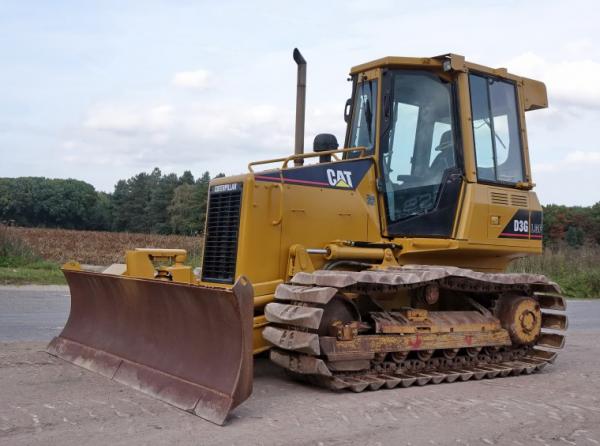
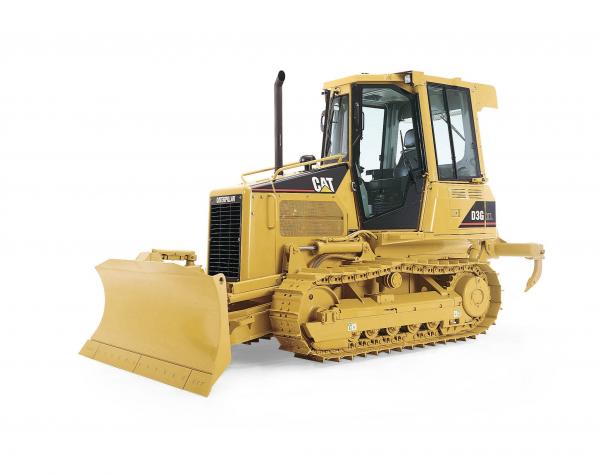
The Caterpillar D3G Crawler Dozer stands as a testament to Caterpillar's commitment to producing durable and efficient machinery for various earthmoving tasks. Introduced in the early 2000s, the D3G series has been a reliable choice for contractors and operators worldwide. This article delves into its specifications, common issues, maintenance practices, and real-world applications.
Technical Specifications
The D3G is equipped with the Cat® 3046T engine, delivering a net power of 70 horsepower (52 kW). Its operating weight varies between 16,227 to 17,160 pounds, depending on the configuration. The dozer features a dual-path hydrostatic transmission, providing smooth and responsive control. The standard blade capacity is approximately 1.9 cubic yards, making it suitable for tasks ranging from grading to light dozing.
Dimensions - Length with Blade: 13.19 ft (4.02 m)
- Width Over Tracks: 6.09 ft (1.85 m)
- Height to Top of Cab: 8.92 ft (2.72 m)
- Length of Track on Ground: 10.19 ft (3.1 m)
- Ground Clearance: 1.23 ft (0.37 m)
Undercarriage- Track Gauge: 4.76 ft (1.45 m)
- Standard Shoe Size: 16 in (40.6 cm)
- Ground Pressure: 6.27 psi (43.3 kPa)
- Number of Shoes per Side: 39
- Number of Track Rollers per Side: 6
Common Issues and Troubleshooting
Despite its robust design, the D3G has encountered certain operational challenges:- Hydraulic System Concerns: Operators have reported instances where the dozer's movement becomes erratic or stalls. This issue is often linked to hydraulic filter blockages or low fluid levels. Regular maintenance, including timely filter replacements, is crucial to prevent such problems.
- Ground Speed Sensor Failures: Some users have experienced the ground speed reading sticking at zero, even when the machine is in motion. This malfunction may be due to faulty sensors or wiring issues. Inspecting the sensor near the final drive and ensuring proper connections can help resolve this.
- Hydrostatic Transmission Calibration: Inconsistent movement or jerking motions can indicate the need for a hydrostatic calibration. Over time, the system may require adjustments to maintain optimal performance.
Maintenance Recommendations
To ensure the longevity and efficiency of the D3G:- Regular Fluid Checks: Monitor hydraulic fluid levels and temperatures. Overheating can lead to system failures.
- Scheduled Filter Replacements: Change hydraulic and fuel filters at recommended intervals to prevent clogging and ensure smooth operation.
- Undercarriage Inspections: Regularly inspect tracks, rollers, and idlers for wear. Addressing issues promptly can prevent costly repairs.
- Software Updates: Stay updated with the latest software calibrations to maintain the dozer's performance and address any known issues.
Real-World Applications
The D3G has proven its versatility across various projects:- Land Development: Its compact size and maneuverability make it ideal for residential and commercial site preparation.
- Road Maintenance: The dozer's grading capabilities are beneficial for maintaining and repairing roads.
- Agricultural Projects: Farmers have utilized the D3G for tasks like land clearing and leveling.
Conclusion
The Caterpillar D3G Crawler Dozer remains a reliable and efficient machine in the construction and earthmoving industry. With proper maintenance and timely interventions, it can continue to serve operators effectively for years. Understanding its specifications, potential issues, and maintenance needs ensures optimal performance and longevity.
|
|
|
|
| Yanmar 3TNE74 Injection Pump Timing: Diagnosis, Setup, and Field Repair Insights |
|
Posted by: MikePhua - 08-12-2025, 04:44 PM - Forum: General Discussion
- No Replies
|
|
Overview of the Yanmar 3TNE74 Engine
The Yanmar 3TNE74 is a compact, three-cylinder diesel engine commonly found in agricultural equipment, compact excavators, and utility machines. Known for its reliability and fuel efficiency, it features mechanical fuel injection and direct injection combustion. Like many small diesel engines, its performance depends heavily on precise injection pump timing. A misaligned pump can lead to hard starting, poor combustion, or complete failure to run.
Common Issue: No Fuel to One Injector After Pump Disassembly
A recurring problem with the 3TNE74 arises when the injection pump is removed or disassembled without proper re-timing. In one case, the engine was purchased non-running, and the previous owner had taken the pump apart. After reassembly, fuel delivery to the third injector ceased entirely. This points to a timing misalignment or internal pump damage.
Terminology Explained
- Injection Pump Timing: The synchronization of fuel delivery with piston position, critical for combustion
- #1 Cylinder Reference: Timing is typically set using the first cylinder as the baseline
- Plunger: A component inside the pump that pressurizes and delivers fuel
- Delivery Valve: Controls fuel flow to each injector line
- Rack and Pinion: Mechanism that adjusts fuel quantity based on throttle input
Timing Procedure for the 3TNE74
According to Yanmar service documentation and field experience, the timing process involves: - Rotating the crankshaft to align the timing mark for cylinder #1
- Ensuring the injection pump cam aligns with the plunger for #1
- Locking the pump in position using alignment dowels or marks
- Verifying fuel delivery sequence to cylinders #1, #2, and #3
- Bleeding air from the injector lines after reassembly
Important notes:- Timing is set based on #1 cylinder; the others follow in sequence
- Incorrect plunger orientation can block fuel to one or more injectors
- Always prime the pump and lines before attempting to start
Field Story: Troubleshooting in Penn Yan, NY
A technician in Penn Yan acquired a non-running 3TNE74 and discovered that the third injector wasn’t receiving fuel. After consulting a Yanmar TN series service manual, he confirmed that the pump timing had been incorrectly set. By realigning the pump using cylinder #1 as reference and verifying plunger movement, he restored fuel delivery to all three injectors. The engine started smoothly after bleeding the lines and adjusting idle speed.
Additional Parameters and Suggestions- Injection timing: Typically 15–20° BTDC (check manual for exact spec)
- Torque spec for pump bolts: ~18–22 ft-lbs
- Injector line torque: ~12–15 ft-lbs
- Fuel type: Ultra-low sulfur diesel (ULSD) recommended
- Idle speed: ~850–950 RPM depending on application
Preventive Advice and Long-Term Maintenance- Never disassemble the injection pump without marking timing positions
- Replace copper washers and seals during reinstallation
- Use clean diesel and regularly replace fuel filters
- Keep a copy of the service manual for reference during repairs
- Train operators to recognize early signs of timing issues (e.g., smoke, misfire, hard start)
Conclusion: Precision Is Key in Small Diesel Timing
The Yanmar 3TNE74 may be compact, but its injection system demands careful attention. Whether restoring a non-running unit or performing routine maintenance, proper timing ensures smooth operation and long engine life. As one mechanic put it, “If the pump’s off by a tooth, the whole engine’s off by a mile.”
|
|
|
|
| Considerations for Purchasing a Used CAT Machine: A Comprehensive Guide |
|
Posted by: MikePhua - 08-12-2025, 04:44 PM - Forum: General Discussion
- No Replies
|
|
Purchasing a used piece of heavy equipment, especially from a brand like Caterpillar (CAT), can offer significant savings compared to buying new machines. However, making an informed decision involves more than just a glance at the price tag. Understanding the machinery's history, assessing its condition, and knowing how to maintain and operate it efficiently are critical steps to ensuring a profitable purchase.
Why Buy Used CAT Equipment?
Caterpillar equipment is renowned for its durability and performance in the heavy equipment sector. Whether you're in construction, mining, or agriculture, CAT machines are built to handle the toughest tasks. However, like any large machinery, they can be expensive when purchased new. By opting for a used machine, buyers can save up to 30-50% of the original cost, depending on the model and its condition. In addition, CAT's wide network of dealerships and parts availability make it easier to maintain and service the equipment, even after it's been used for years.
Key Benefits of Buying Used CAT Equipment:
- Cost Savings: One of the most attractive aspects of buying used is the reduced purchase price. This is especially important for small businesses or those just starting, where initial capital is limited.
- Depreciation: New machinery depreciates rapidly within the first few years. With a used CAT machine, much of that initial depreciation has already occurred, meaning the value will hold steady for a longer period.
- Proven Track Record: CAT equipment is designed for long-term durability. Many used machines still have a lot of life left in them, especially if they have been properly maintained.
- Availability of Parts: CAT's long-established presence in the heavy equipment industry ensures that parts for older machines are still available, making repairs and maintenance easier and more cost-effective.
What to Look for When Purchasing a Used CAT Machine
Purchasing a used CAT machine requires a systematic approach. Below are the key factors to consider before finalizing a purchase:
1. Check the Machine’s History and Service Records
The history of a used machine is one of the most important factors in determining its condition and longevity. It is essential to request detailed service records, including past repairs, maintenance schedules, and any major component replacements.
Key Questions to Ask:- Has the machine had any major engine or hydraulic repairs?
- What components have been replaced or refurbished, and when?
- Was the equipment operated in extreme conditions, such as harsh weather or heavy-duty tasks?
If the seller cannot provide this information, or if the records show frequent breakdowns and repairs, it may be a red flag. The more comprehensive the service history, the better your understanding of the machine’s potential future reliability.
2. Inspect the Overall Condition
While the paperwork is crucial, a visual inspection is equally important. Even if a machine looks good on paper, its physical condition may reveal hidden issues.
Things to Inspect:- Engine and Transmission: Check for leaks, unusual noises, and performance inconsistencies. Ensure that the engine starts smoothly, idles without issues, and performs well under load.
- Hydraulic System: The hydraulic system is a vital part of any CAT machine. Look for any leaks or signs of wear. Check the hydraulic hoses and fittings for cracks or damage.
- Undercarriage: For equipment like skid steers or track loaders, the undercarriage is crucial. Check for wear on the tracks, sprockets, and rollers. Track wear can be costly to repair or replace.
- Cylinders and Pins: Inspect all lift cylinders, pivot points, and pins for signs of wear or corrosion.
A well-maintained machine will have fewer visible signs of wear, and the moving parts should feel smooth without excessive play.
3. Test the Machine’s Performance
Before committing to a purchase, it’s important to operate the machine to assess its performance. During the test, make sure to:- Test all major functions (steering, lifting, hydraulic attachments, etc.).
- Check for smooth operation of the transmission, lifting arms, and other key components.
- Listen for any unusual noises that could indicate mechanical issues.
A competent operator should be able to notice subtle issues with the machine's performance, such as jerky movements or lack of power. If you're not familiar with the specific machine, consider having an experienced mechanic or technician accompany you for an expert opinion.
4. Verify the Hour Meter and Usage
The hour meter is a key indicator of how much the machine has been used. However, some sellers may tamper with or replace hour meters, so verifying the authenticity of the reading is important. Look for signs that the machine has been used excessively or worked hard in difficult conditions.
What to Look for:- Consistent Hour Meter: Ensure the meter shows a reasonable number of hours for the machine’s age.
- Wear vs. Hours: Compare the wear on components like tracks, engine, and hydraulics to the hour reading. Excessive wear with low hours could indicate that the machine was used for more demanding tasks or had irregular maintenance.
5. Research the Model’s Reliability
Different models of CAT equipment have different lifespans and common issues. For example, certain models of skid steers may have a reputation for hydraulic system issues, while others may have known issues with electrical systems.
Research online forums, user reviews, and equipment service bulletins to see if there are common problems with the model you're interested in. Knowing these ahead of time can help you make an informed decision.
Key Considerations When Buying from Private Sellers vs. Dealers
There are distinct differences between purchasing from a private seller and purchasing from a dealer, each with its own set of pros and cons.
Private Sellers- Advantages: Often lower prices, as they don’t have the overhead costs associated with dealerships.
- Disadvantages: Less formal inspection process and limited warranty support. You may also miss out on financing options and after-sale support.
Dealers- Advantages: Offer warranties, certifications, and post-purchase support. They may also offer financing options and detailed service records.
- Disadvantages: Higher prices, as dealers typically add a markup for warranty and support services.
Common Pitfalls and How to Avoid Them
Even experienced buyers can sometimes make mistakes when purchasing used heavy equipment. Here are some common pitfalls and how to avoid them:
1. Skipping the Inspection
It might be tempting to skip the inspection if the machine appears to be in good condition, but this is a mistake. Always inspect thoroughly and, if possible, bring an expert mechanic to check for hidden issues.
2. Not Asking for a Test Drive
You wouldn’t buy a car without taking it for a test drive, so why would you buy a bulldozer or skid steer without testing it in action? Always operate the machine before purchasing.
3. Focusing Solely on the Price
While price is important, it shouldn’t be the only factor in your decision. A cheaper machine may end up costing more in repairs, maintenance, and downtime. Balance the cost against the expected performance and potential repairs.
Conclusion
Purchasing a used CAT machine can be a smart decision if you take the time to properly evaluate the equipment. Focus on understanding the machine’s history, condition, and performance. Whether you are buying from a dealer or a private seller, always inspect the equipment thoroughly and consider any potential future costs. By making informed decisions, you can ensure that your used CAT equipment will serve you reliably and efficiently for years to come.
|
|
|
|
| Case 580K Backhoe Loader: A Comprehensive Overview |
|
Posted by: MikePhua - 08-12-2025, 04:43 PM - Forum: General Discussion
- No Replies
|
|
Introduction
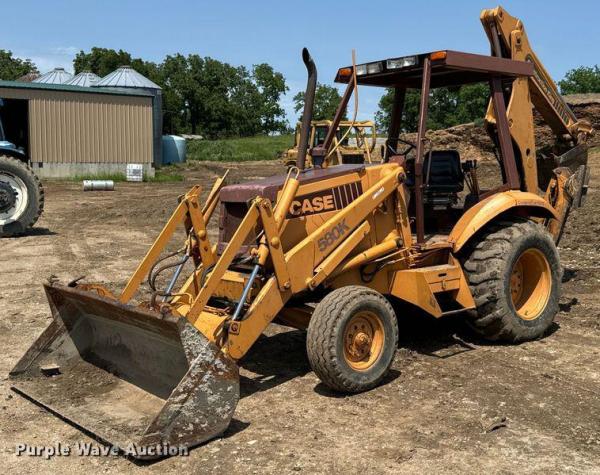
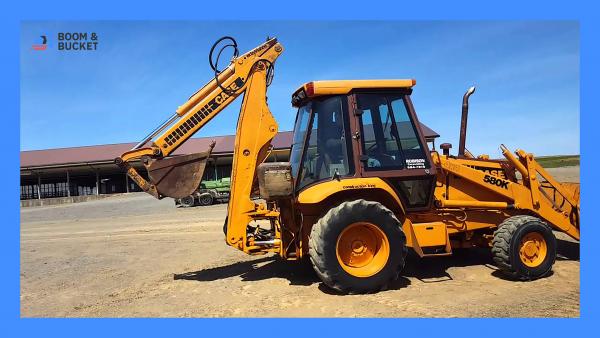
The Case 580K Backhoe Loader stands as a testament to engineering excellence, offering a blend of power, versatility, and durability. Designed for a multitude of tasks, from digging trenches to lifting heavy loads, the 580K has been a preferred choice for contractors and municipalities alike. This article delves into its specifications, maintenance considerations, and real-world applications.
Engine and Performance
At the heart of the Case 580K lies a robust 4-cylinder turbocharged diesel engine, delivering approximately 68 horsepower. This powertrain ensures efficient performance across various tasks. The engine's design emphasizes fuel efficiency and reliability, making it suitable for extended operational hours. Operators have reported consistent performance, even under challenging conditions.
Hydraulic System
The 580K is equipped with a gear-type hydraulic pump, providing a steady flow of hydraulic fluid to the system. The system operates at a pressure of around 2,300 PSI, ensuring effective lifting and digging capabilities. Regular maintenance of the hydraulic system is crucial to prevent issues such as reduced lifting capacity or slow response times.
Dimensions and Capacities - Operating Weight: Approximately 13,426 lbs (6,090 kg) for 2WD models and 13,912 lbs (6,310 kg) for 4WD models.
- Loader Bucket Capacity: 1.25 cubic yards.
- Maximum Digging Depth: 14.3 feet.
- Maximum Reach: 19.4 feet.
- Fuel Capacity: 25 gallons.
- Hydraulic System Fluid Capacity: 22 gallons.
Maintenance Considerations
Regular maintenance is vital to ensure the longevity and optimal performance of the Case 580K. Key maintenance tasks include:- Hydraulic Filter Replacement: Using OEM filters, such as the 84239751, ensures proper filtration and system protection.
- Engine Oil and Filter Changes: Regular oil changes prevent engine wear and maintain performance.
- Air and Fuel Filter Maintenance: Clean filters ensure efficient engine operation and fuel efficiency.
- Transmission Fluid Checks: Maintaining proper fluid levels ensures smooth gear transitions and extends transmission life.
For early models (Phase I), a comprehensive filter maintenance kit is available, covering engine, fuel, air, and hydraulic systems.
Real-World Applications
The Case 580K has been employed in various projects, from municipal infrastructure development to private construction ventures. Its versatility allows for tasks such as trenching, material handling, and site preparation. Operators have praised its stability and ease of use, making it a reliable choice for diverse applications.
Conclusion
The Case 580K Backhoe Loader remains a formidable machine in the construction industry. Its combination of power, versatility, and durability ensures that it continues to meet the demands of modern construction projects. With proper maintenance and care, the 580K will undoubtedly serve operators efficiently for years to come.
|
|
|
|
| Understanding Grey Market CAT D3 Tractors: Insights, Challenges, and Solutions |
|
Posted by: MikePhua - 08-12-2025, 04:42 PM - Forum: General Discussion
- No Replies
|
|
The term "grey market" refers to goods imported and sold outside of authorized distribution channels. This concept is particularly relevant in the heavy machinery industry, where machines like the Caterpillar (CAT) D3 bulldozer can be found in markets that are not directly served by authorized dealerships. These grey market machines are often imported from countries where they are sold at a lower price or where distribution networks are not well-established. Understanding the implications of buying or operating a grey market CAT D3, as well as the challenges associated with maintaining and servicing these machines, is crucial for owners and operators.
What is a Grey Market CAT D3 Tractor?
A grey market CAT D3 tractor refers to a bulldozer that has been imported into a market where it was not officially sold by the manufacturer. These machines may be sourced from regions where pricing structures differ, such as parts of Asia or Europe, and sold in markets like North America or other countries with stricter pricing regulations.
The main appeal of grey market tractors lies in their lower cost compared to their official counterparts. However, they come with their own set of challenges, particularly when it comes to servicing, warranty, and compliance with local regulations.
Common Issues with Grey Market CAT D3 Tractors
While grey market machines may offer an initial cost savings, owners may face several issues related to maintenance, support, and longevity. Here are some of the most common challenges with these machines:
1. Limited Availability of Parts
One of the main concerns with grey market machines is the limited availability of genuine parts. These parts may not be easily accessible through authorized dealers, which means that finding compatible parts can be a time-consuming and expensive process. In some cases, operators may have to resort to using aftermarket parts, which might not offer the same level of reliability or durability as genuine CAT components.
Solution: If you're operating a grey market CAT D3, it's essential to build relationships with reputable independent suppliers who specialize in aftermarket parts. Additionally, keeping a detailed inventory of commonly needed components can help mitigate downtime. In some cases, a CAT dealer may still be able to assist in sourcing the right parts, even if the machine wasn't officially sold through their network.
2. Lack of Warranty Support
Grey market tractors typically do not come with the same warranty coverage as those purchased through authorized dealerships. This is because the manufacturer's warranty usually only applies to machines that are sold through official channels. In the event of a breakdown or need for repairs, owners of grey market machines may have to cover all repair costs themselves.
Solution: It’s important to thoroughly inspect any grey market CAT D3 before purchasing. Consider the machine's age, the hours it has operated, and any maintenance records that can provide insight into its condition. If the machine is under warranty through its original country of sale, you may be able to get some support, but this is often limited to specific regions.
3. Lack of Service History and Documentation
Another challenge with grey market machines is the lack of service history or documentation, especially if the machine has been resold multiple times or imported directly from overseas. Without a full service record, it can be difficult to know what maintenance has been performed, and there may be discrepancies in the machine's original specifications, such as its engine configuration or hydraulic system.
Solution: If you're purchasing a grey market CAT D3, try to obtain as much information as possible from the seller about the machine’s service history. If this is unavailable, consider having the machine thoroughly inspected by a professional mechanic or CAT technician. They can assess the machine’s overall health and provide recommendations for any immediate repairs or upgrades that may be necessary.
4. Compliance with Local Regulations
In some regions, heavy equipment is subject to strict emissions or safety regulations. Grey market machines may not meet the required environmental or safety standards for operation in certain areas. This could lead to fines or even the inability to legally operate the machine.
Solution: Before purchasing a grey market machine, ensure that it complies with local laws regarding emissions and safety standards. In some cases, it may be possible to retrofit a machine to meet these requirements, but this can be costly and time-consuming. Always verify that the machine is legally compliant in your area to avoid potential legal issues.
How to Make the Most of a Grey Market CAT D3 Tractor
While there are clear risks associated with grey market tractors, there are ways to mitigate those risks and make the most of the machine. Here are some tips for operating and maintaining a grey market CAT D3:
1. Build Relationships with Independent Mechanics
Finding a trusted mechanic who specializes in CAT machinery can make a significant difference in the performance and longevity of a grey market machine. Independent mechanics can often offer more flexibility and competitive pricing for repairs and maintenance compared to authorized dealerships. They may also have experience working with grey market machines and can source the necessary parts more efficiently.
2. Invest in Preventative Maintenance
Like any heavy equipment, regular preventative maintenance is essential for keeping your CAT D3 running smoothly. Since grey market machines may have unknown histories or wear and tear, it's important to invest in routine maintenance checks, oil changes, hydraulic fluid changes, and filter replacements. Catching small issues early can help prevent larger, more costly repairs down the road.
3. Monitor Machine Performance Closely
Due to the potential lack of manufacturer support, it’s critical to monitor the performance of your CAT D3 closely. Keep track of operating hours, fuel consumption, and any signs of wear or irregularities. If you notice anything unusual, address it immediately to avoid further damage.
4. Use Aftermarket Parts When Necessary
When parts are not readily available through the official CAT network, consider high-quality aftermarket parts. While these may not always meet the exact specifications of genuine CAT components, many aftermarket manufacturers offer reliable parts that can keep your machine running at an optimal level.
Conclusion
Operating a grey market CAT D3 tractor can be a cost-effective solution for those in need of a bulldozer, but it comes with its own set of challenges. Limited availability of parts, lack of warranty support, and potential legal issues should be taken into consideration before purchasing such a machine. By carefully managing maintenance, sourcing parts from reputable suppliers, and ensuring compliance with local regulations, owners can extend the life of their grey market CAT D3 and maximize its value.
Ultimately, grey market machines can provide significant savings, but they require a proactive approach to maintenance and operation. Understanding the risks and taking the necessary steps to address potential issues can ensure that your machine performs reliably on the job site.
|
|
|
|
| Hydraulic Filter Assemblies for Older Case Backhoe Loaders: A Detailed Guide |
|
Posted by: MikePhua - 08-12-2025, 04:42 PM - Forum: Parts , Attachments & Tools
- No Replies
|
|
Introduction
Older Case backhoe loaders, such as the 580B, 580C, and 580CK models, are renowned for their durability and versatility in various construction and agricultural applications. A critical component in maintaining their hydraulic systems is the hydraulic filter assembly. This guide provides an in-depth look into the importance of hydraulic filter assemblies, common issues, and solutions for these classic machines.
Understanding Hydraulic Filter Assemblies
Hydraulic filter assemblies are designed to remove contaminants from the hydraulic fluid, ensuring smooth operation of the loader's hydraulic components. Over time, these filters can become clogged with debris, leading to reduced efficiency and potential damage to the hydraulic system. Regular maintenance and timely replacement are essential to prolong the lifespan of the equipment.
Common Issues with Hydraulic Filter Assemblies
- Clogging and Contamination: Accumulation of dirt, metal particles, and other debris can clog the filter, restricting fluid flow and causing overheating.
- Leaks: Worn-out seals or improper installation can lead to hydraulic fluid leaks, compromising system pressure and performance.
- Incorrect Replacement Parts: Using non-compatible or aftermarket filters can result in poor fitment, reduced filtration efficiency, and potential damage to the hydraulic system.
Solutions and Recommendations
- Regular Maintenance: Implement a routine maintenance schedule to inspect and replace hydraulic filters as needed.
- Use OEM Parts: Opt for Original Equipment Manufacturer (OEM) parts to ensure compatibility and maintain the integrity of the hydraulic system.
- Proper Installation: Ensure that filters are correctly installed with appropriate seals to prevent leaks and ensure optimal performance.
Case Study: Replacing Hydraulic Filter Assembly on a Case 580B
A Case 580B owner reported experiencing sluggish hydraulic movements and overheating during operations. Upon inspection, the hydraulic filter assembly was found to be clogged with debris. After replacing the filter with an OEM part and flushing the hydraulic system, the machine's performance improved significantly, demonstrating the importance of regular maintenance and using quality replacement parts.
Conclusion
Maintaining the hydraulic filter assembly in older Case backhoe loaders is crucial for ensuring their longevity and optimal performance. By adhering to regular maintenance schedules, using OEM parts, and ensuring proper installation, operators can prevent common issues and keep their machines running efficiently for years to come.
|
|
|
|
| Diagnosing Gearcase Overfill on the CAT 963 Track Loader: Hydrostatic Cross-Leakage and Repair Insights |
|
Posted by: MikePhua - 08-12-2025, 04:41 PM - Forum: Troubleshooting & Diagnosing
- No Replies
|
|
Understanding the Gearcase and Hydrostatic System Relationship
The Caterpillar 963 track loader is a robust machine designed for heavy-duty earthmoving, blending mechanical strength with hydrostatic precision. Its drivetrain includes a hydrostatic transmission and a gearcase located behind the engine. These systems are typically isolated, each with its own fluid reservoir and lubrication circuit. However, when the gearcase begins to overflow while the hydrostatic fluid level drops, it suggests an internal cross-leak—a serious issue that can compromise both systems.
Symptoms and Initial Observations
In one reported case, the operator noticed: - Gearcase oil level rising beyond normal
- Hydrostatic transmission fluid consistently running low
- No external leaks visible
- Machine performance beginning to degrade
This pattern points to internal fluid migration, likely due to seal failure or component breach between the hydrostatic system and gearcase.
Terminology Explained
- Hydrostatic Transmission: A closed-loop hydraulic system that uses fluid pressure to drive the machine
- Gearcase: A mechanical housing containing gears and bearings, lubricated by oil
- Final Drive Motor: A hydraulic motor that converts fluid power into rotational motion for the tracks
- Cross-Leak: Unintended fluid transfer between two separate systems due to internal failure
Probable Cause: Final Drive Motor Seal Failure
A similar issue was documented on a CAT 235, where a leak inside the final drive motor allowed hydrostatic fluid to migrate into the gearcase. This type of failure typically involves:- Worn or ruptured internal seals
- Cracked housing or shaft sleeve
- Pressure imbalance forcing fluid across boundaries
Repairing this issue often requires:- Removing the final drive motor
- Disassembling and inspecting internal seals and bearings
- Replacing damaged components
- Flushing both systems to remove contaminated oil
Cost and Downtime Considerations
In the CAT 235 case, the repair cost reached approximately $8,000 for both final drive motors. For the 963, expect similar expenses depending on parts availability and labor rates. Delaying repairs can lead to:- Gear wear due to incorrect lubrication
- Hydrostatic pump cavitation
- Contaminated oil damaging valves and actuators
- Increased downtime and reduced resale value
Inspection and Repair Recommendations- Monitor fluid levels daily for unusual changes
- Sample oil from both systems and check for cross-contamination
- Use UV dye or pressure testing to locate internal leaks
- Consult service manuals for disassembly procedures and torque specs
- Replace all seals, not just the failed one, to prevent recurrence
Additional Parameters and Preventive Advice- Hydrostatic fluid type: Use CAT HYDO Advanced 10 or equivalent
- Gearcase oil: SAE 30 or 50 depending on ambient temperature
- Seal material: Prefer Viton or high-temp nitrile for durability
- Inspection interval: Every 500 hours or during scheduled service
- Pressure differential: Maintain system balance to reduce seal stress
Field Story: Preventive Overhaul in Ohio
A quarry operator in Ohio noticed similar symptoms on his 963. Rather than waiting for a full failure, he scheduled a teardown during the off-season. The final drive motor showed early seal wear, and the gearcase oil had begun to darken. By catching the issue early, he saved nearly $3,000 in potential damage and kept the machine in rotation for spring work.
Conclusion: Fluid Migration Is a Silent Threat
When hydrostatic fluid begins leaking into the gearcase of a CAT 963, it’s more than a nuisance—it’s a warning sign of internal failure. By understanding the relationship between these systems, monitoring fluid behavior, and acting quickly, operators can prevent costly repairs and extend machine life. As one technician put it, “If your gearcase is gaining weight and your hydrostat’s on a diet, you’ve got a leak—and it’s time to open her up.”
|
|
|
|
|



