| Welcome, Guest |
You have to register before you can post on our site.
|
| Online Users |
There are currently 342 online users.
» 0 Member(s) | 332 Guest(s)
Ahrefs, Amazon, Baidu, Bing, Claude, Google, MJ12, OpenAI, Semrush, Seznam
|
| Latest Threads |
Identifying and Sourcing ...
Forum: Parts , Attachments & Tools
Last Post: MikePhua
01-07-2026, 06:29 PM
» Replies: 0
» Views: 526
|
Cat 931B Brake Parts
Forum: Parts , Attachments & Tools
Last Post: MikePhua
01-07-2026, 06:29 PM
» Replies: 0
» Views: 283
|
Choosing Between Cat 228,...
Forum: General Discussion
Last Post: MikePhua
01-07-2026, 06:28 PM
» Replies: 0
» Views: 554
|
Hydraulic Delay When Lowe...
Forum: Troubleshooting & Diagnosing
Last Post: MikePhua
01-07-2026, 06:27 PM
» Replies: 0
» Views: 445
|
Bale Chopper and Mulcher ...
Forum: General Discussion
Last Post: MikePhua
01-07-2026, 06:26 PM
» Replies: 0
» Views: 320
|
Mini UC Maintenance
Forum: General Discussion
Last Post: MikePhua
01-07-2026, 06:25 PM
» Replies: 0
» Views: 311
|
Locating Wiring Informati...
Forum: General Discussion
Last Post: MikePhua
01-07-2026, 06:24 PM
» Replies: 0
» Views: 344
|
Case Industrial Brown Sub...
Forum: Parts , Attachments & Tools
Last Post: MikePhua
01-07-2026, 06:23 PM
» Replies: 0
» Views: 275
|
Dirt Work in West Virgini...
Forum: Construction & Urban Infrastructure Forum
Last Post: MikePhua
01-07-2026, 06:23 PM
» Replies: 0
» Views: 374
|
D207 P Hydraulic Steering...
Forum: Parts , Attachments & Tools
Last Post: MikePhua
01-07-2026, 06:22 PM
» Replies: 0
» Views: 303
|
|
|
| Troubleshooting Quick Release Pin Issues on the JCB 3CX Front Bucket |
|
Posted by: MikePhua - 08-12-2025, 04:36 PM - Forum: Troubleshooting & Diagnosing
- No Replies
|
 |
Understanding the Quick Release Mechanism
The JCB 3CX backhoe loader is widely used for its versatility and robust design. One of its key features is the front bucket quick release system, which allows operators to swap attachments efficiently. This system relies on two locking pins—left and right—that engage and disengage the bucket from the loader arms. When functioning properly, the pins retract and extend smoothly, securing or releasing the bucket with minimal effort. However, mechanical wear, misalignment, or hydraulic issues can cause one or both pins to malfunction.
Reported Symptoms and Initial Observations
In a recent case, an operator noted the following: - The left pin moves freely but stops about 1 inch short of full retraction, preventing bucket release
- The right pin retracts fully but fails to extend again
- The right indicator shows the pin is extended, despite it being stuck retracted
- The left indicator functions correctly and reflects actual pin position
These symptoms suggest a combination of mechanical obstruction and possible sensor miscommunication.
Terminology Explained
- Quick Release Pin: A hydraulic or mechanical locking pin that secures the bucket to the loader arms
- Indicator Rod: A visual cue showing the position of the locking pin (in or out)
- Hydraulic Actuator: A cylinder or motor that moves the pin based on operator input
- Bucket Carrier Frame: The structure that interfaces between the loader arms and the bucket
Common Causes of Pin Malfunction- Dirt or debris lodged in the pin bore
- Bent or worn pin preventing full travel
- Hydraulic cylinder seal failure causing uneven pressure
- Misaligned bucket frame causing pin binding
- Faulty indicator rods giving false position readings
Field Story: Dust and Misalignment in Western Australia
A contractor in Kalgoorlie experienced similar issues after working in dry, dusty conditions. The left pin would not retract fully, and the right pin remained stuck. Upon inspection, he found compacted dust and small stones inside the pin housing. After cleaning the bores and lubricating the pins, both sides operated normally. He later added rubber boots to shield the pin housings from future contamination.
Inspection and Repair Recommendations- Remove the bucket and inspect pin bores for debris or corrosion
- Clean and lubricate both pins with high-pressure grease
- Check hydraulic lines for leaks or pressure inconsistencies
- Verify that the bucket frame is not warped or misaligned
- Test indicator rods manually to confirm accuracy
Additional Parameters and Suggestions- Pin travel range: Should fully retract and extend without resistance
- Hydraulic pressure: Typically 2,500–3,000 psi for pin actuation
- Grease interval: Every 50–100 operating hours in dusty conditions
- Pin diameter: ~35–40 mm depending on model year
- Indicator rod length: Should match pin stroke for accurate feedback
Preventive Measures and Long-Term Solutions- Install protective boots or shields around pin housings
- Use low-friction bushings to reduce wear
- Replace bent or worn pins during scheduled maintenance
- Train operators to avoid forcing pins during misalignment
- Keep a spare set of pins and indicator rods in the service kit
Conclusion: Precision Matters in Quick Release Systems
The quick release pins on the JCB 3CX are small components with a big job. When they fail to move correctly, productivity suffers and safety risks increase. By understanding the mechanics, inspecting regularly, and responding to early signs of trouble, operators can keep their machines running smoothly. As one technician put it, “A stuck pin isn’t just a nuisance—it’s a signal that something deeper needs attention.”
|

|
|
| Replacing the Engine in a Caterpillar 257B Skid Steer: Options and Considerations |
|
Posted by: MikePhua - 08-12-2025, 04:35 PM - Forum: General Discussion
- No Replies
|
|
Introduction
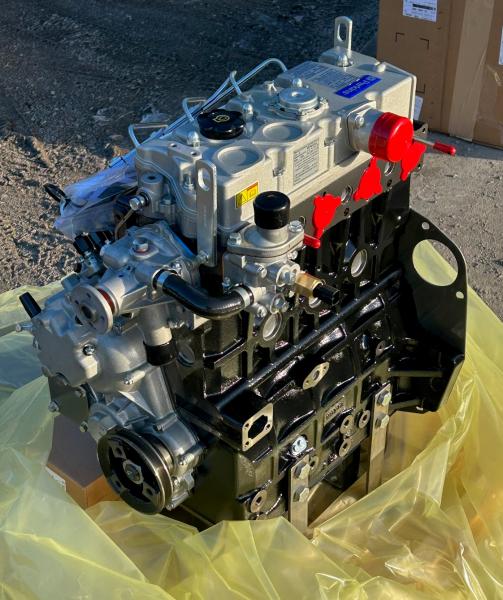
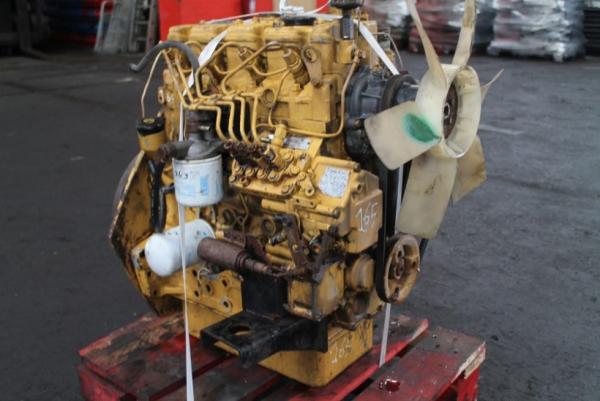
The Caterpillar 257B skid steer loader is a versatile machine widely used in construction, landscaping, and agricultural applications. Over time, engine wear or failure may necessitate a replacement. Understanding the available engine options, compatibility, and considerations for replacement is crucial for maintaining the performance and longevity of the equipment.
Engine Specifications for the Caterpillar 257B
The Caterpillar 257B is typically equipped with the Perkins 3024C engine, a 2.2-liter, 4-cylinder, naturally aspirated diesel engine. This engine is known for its reliability and efficiency in compact construction equipment.
Replacement Engine Options
When considering an engine replacement for the Caterpillar 257B, several options are available:
- OEM (Original Equipment Manufacturer) Replacement Engines
- Caterpillar 3024C Remanufactured Engine: Caterpillar offers remanufactured engines that meet original specifications, ensuring compatibility and performance.
- Aftermarket Engines
- Perkins 3024C Engine: As the original manufacturer, Perkins engines are designed to be compatible with Caterpillar equipment, offering a cost-effective alternative to OEM parts.
- Rebuilt Engines
- Rebuilt Perkins 3024C Engines: Rebuilt engines can be a viable option, provided they are thoroughly inspected and meet the necessary performance standards.
Considerations for Engine Replacement
When replacing the engine in a Caterpillar 257B, consider the following:- Compatibility: Ensure the replacement engine matches the original in terms of size, mounting points, and performance specifications.
- Warranty: Opt for engines that come with a warranty to protect against potential defects or premature failure.
- Cost: Compare the costs of OEM, aftermarket, and rebuilt engines, factoring in installation and potential modifications.
- Installation: Professional installation is recommended to ensure the engine is correctly fitted and operates efficiently.
Alternative Engine Options
In some cases, operators have explored alternative engine swaps. For instance, a Caterpillar 257B was fitted with a Kubota V3300 engine. While this swap may offer certain benefits, such as availability or cost, it requires significant modifications and may affect the machine's performance and warranty. It's essential to consult with professionals before considering such modifications.
Conclusion
Replacing the engine in a Caterpillar 257B skid steer loader requires careful consideration of compatibility, cost, and performance. Opting for OEM or reputable aftermarket engines ensures reliability and maintains the machine's operational standards. Always consult with professionals and consider the long-term implications of engine replacement to make an informed decision.
|
|
|
|
| Bypass Filtration for Engine and Hydraulic Oil: A Key Component in Equipment Longevity |
|
Posted by: MikePhua - 08-12-2025, 04:34 PM - Forum: General Discussion
- No Replies
|
|
Equipment owners and operators know that maintenance is essential for longevity and performance. One of the most critical systems in any machine is the oil filtration system, as it helps keep the engine and hydraulic components free from debris and contaminants that can cause damage. While traditional full-flow filters are essential for basic oil cleaning, bypass filtration offers an additional layer of protection. In this article, we'll explore what bypass filtration is, how it works, and the benefits it offers to heavy machinery and equipment.
What is Bypass Filtration?
Bypass filtration is a method of oil filtration that works in parallel with the main, full-flow filter. While a full-flow filter removes larger particles from the oil, the bypass filter targets finer particles that can cause more subtle, long-term damage to the engine or hydraulic system. This type of filtration system is often seen in high-performance or heavy-duty machines, where the standard filters may not offer sufficient protection.
In a bypass filtration system, only a small portion of the total oil flow is sent to the bypass filter at any given time. This allows for much finer filtration than what a standard full-flow filter can provide. Over time, the bypass filter can trap extremely small particles, which may not be caught by conventional filters, protecting critical components from wear and reducing the risk of breakdowns.
How Does Bypass Filtration Work?
In a typical bypass filtration setup, the system is configured to allow a portion of the oil to be diverted from the main flow to a secondary, high-efficiency filter. The bypass filter is designed to remove smaller particles and contaminants that can cause long-term wear, corrosion, or clogging. This setup works by maintaining the majority of the oil flow through the full-flow filter, but sending a small fraction to the bypass filter.
The oil then flows through the bypass filter at a much slower rate than through the main filter. The bypass filter contains a finer mesh or a more sophisticated filtration media, often capable of filtering out particles as small as 1 to 3 microns. This type of filtration can catch the fine particles that could cause damage to sensitive parts of the engine or hydraulic system. After the oil passes through the bypass filter, it returns to the system, now free of harmful contaminants.
Benefits of Bypass Filtration
- Extended Oil Life: The primary advantage of a bypass filtration system is its ability to significantly extend the life of the oil. By capturing fine particles and contaminants that would otherwise remain in the oil, the oil stays cleaner for longer, reducing the need for frequent oil changes. This can save money on oil and reduce waste disposal costs.
- Improved Engine and Hydraulic System Protection: The fine particles that bypass filters capture can cause long-term wear on sensitive components, such as engine bearings, hydraulic pumps, and valve seats. By filtering out these small contaminants, bypass filtration helps reduce wear and tear, extending the life of critical engine and hydraulic parts.
- Improved Equipment Performance: Cleaner oil means that the engine and hydraulic system can operate more efficiently. A well-maintained filtration system reduces the chances of clogging, overheating, and unnecessary strain on the system, which leads to better overall performance and less downtime.
- Lower Maintenance Costs: Since bypass filtration reduces the rate of wear on components and extends oil life, maintenance costs can be lower over time. With fewer breakdowns and less need for oil changes, operators can focus on other maintenance tasks, leading to reduced operational costs.
- Environmental Benefits: Reduced oil consumption not only saves money but also reduces the environmental impact of frequent oil changes. Extended oil life reduces the frequency of oil disposal, which in turn lowers the environmental impact associated with oil waste.
Types of Bypass Filtration Systems
There are different types of bypass filtration systems, each with its own features and applications. The most common systems include:
- Full-Flow Bypass Filtration: In this system, the entire oil flow passes through a full-flow filter and a bypass filter. The bypass filter provides an additional level of protection to remove fine particles, while the full-flow filter handles the larger contaminants.
- Secondary Bypass Filtration: In this setup, a small portion of the oil is diverted from the main system and sent to a separate bypass filter. The bypass filter works independently of the full-flow filter, often with a much finer filtration capacity. This type of system is often used in high-end engines or hydraulic systems where maximum protection is needed.
- Dual-Stage Filtration: A dual-stage filtration system incorporates both full-flow filtration and bypass filtration in two distinct stages. The first stage captures larger particles, while the second stage provides additional filtration to remove smaller particles. This system is often used in high-performance machinery, such as military vehicles or specialized industrial equipment.
- Magnetic Filtration: Some systems use magnets in combination with a bypass filtration setup. Magnets are used to capture ferrous particles, which are then removed from the system by the bypass filter. This helps prevent metal shavings and debris from circulating in the oil.
Installation of a Bypass Filtration System
Installing a bypass filtration system is relatively straightforward for machines that already have a full-flow filtration system in place. It involves tapping into the existing oil circuit to divert a small portion of oil to the bypass filter. A bypass filter unit is installed in a location where it can easily filter the oil and return it to the system. The entire process may take a few hours and generally requires minimal modifications to the machine.
When installing a bypass filtration system, it's important to follow manufacturer guidelines to ensure that the system is installed correctly and works efficiently. In some cases, the use of high-quality oil and proper seal maintenance can improve the overall effectiveness of the system.
Choosing the Right Bypass Filtration System
When considering the addition of a bypass filtration system to your equipment, there are several factors to take into account:
- Oil Capacity and Flow Rate: Consider the oil capacity of your machine and the flow rate of the system. This will help determine the size and type of bypass filter needed to efficiently filter the oil.
- Operating Conditions: The operating environment of the machine plays a significant role in the filtration requirements. If the machine works in dusty or dirty environments, a more robust filtration system may be needed to protect sensitive components.
- Budget and Maintenance Costs: Bypass filtration systems can range in price, so it's essential to consider your budget. However, the long-term savings on oil changes and reduced wear on components often outweigh the initial investment.
- Manufacturer Recommendations: Always consult the manufacturer’s guidelines to ensure that the bypass filtration system is compatible with your equipment. Some manufacturers may offer their own filtration systems or recommend specific products for your machine.
Conclusion
Bypass filtration offers significant advantages for anyone operating heavy machinery, particularly in environments that place a lot of strain on engines and hydraulic systems. By providing a finer level of filtration, these systems extend oil life, protect sensitive components, and improve overall equipment performance. While there is an initial investment in installing a bypass filter, the long-term savings and benefits can be substantial, making it a worthwhile consideration for heavy-duty equipment owners.
Regular maintenance, proper installation, and using high-quality filters are key factors to ensure the system functions efficiently. With the added protection of bypass filtration, equipment owners can improve the reliability and longevity of their machines, keeping them in optimal working condition for years to come.
|
|
|
|
| Diagnosing Washboard Distortion in Asphalt Pavement: Causes, Mechanisms, and Mitigation Strategies |
|
Posted by: MikePhua - 08-12-2025, 04:34 PM - Forum: General Discussion
- No Replies
|
|
What Is Washboarding and Why It Matters
Washboarding in asphalt pavement refers to a series of rhythmic undulations or ripples that form across the surface, resembling the ridges of an old-fashioned washboard. These distortions can be visually apparent or subtly felt through vehicle vibration. While often dismissed as a cosmetic issue, washboarding can accelerate surface degradation, reduce ride quality, and increase maintenance costs—especially in high-traffic zones.
Primary Causes of Washboarding
Washboarding is rarely caused by a single factor. Instead, it results from a combination of mechanical, material, and environmental influences. Common contributors include: - Uneven base preparation
- Inconsistent hot mix asphalt (HMA) laydown
- Overloaded screed during paving
- Poor compaction techniques
- Traffic-induced deformation, especially from braking heavy trucks
- Temperature fluctuations during paving or curing
- Segregation of mix components during transport or placement
Terminology Explained
- Screed: The flat plate at the rear of a paver that levels and partially compacts the asphalt
- Segregation: Separation of coarse and fine aggregates in the mix, leading to uneven texture and strength
- Clarco: A type of material transfer vehicle that can contribute to mix segregation
- Base Failure: Structural weakness in the subgrade or base layer beneath the asphalt
Field Observations and Operator Insights
Operators have noted that washboarding often appears near intersections or stop signs, where loaded trucks decelerate. The braking force pushes the asphalt forward, creating ripples. In other cases, washboarding is felt but not seen—suggesting issues with the screed or mix density.
One contractor in Grand Rapids recalled a project where excessive material was placed in front of the screed. The paver struggled to climb over the pile, leaving behind a series of ridges. The solution was to maintain a consistent feed height—keeping material halfway up the augers to ensure smooth flow.
Subgrade and Equipment Influence
Washboarding can begin as early as the subgrade phase. If a dozer or motor grader leaves subtle waves in the base, these imperfections may be amplified through successive layers. Once the base is compromised, even perfect paving won’t eliminate the problem.
Recommendations:- Use laser grading or GPS-controlled blades for subgrade precision
- Compact base layers to 95% modified Proctor density
- Avoid high sand content in base material, which migrates under load
- Allow proper curing time before opening pavement to traffic
Mix Design and Temperature Sensitivity
Certain asphalt mixes are highly sensitive to temperature during compaction. Cold spots or oil-rich batches—especially early morning loads from batch plants—can lead to uneven density and premature surface failure.
Suggestions:- Monitor mix temperature at laydown (ideally 275–300°F)
- Avoid placing cold mix or oil-heavy loads first thing in the morning
- Use insulated trucks to maintain temperature during transport
- Minimize mix handling to reduce segregation
Traffic Behavior and Timing
Releasing traffic too soon onto freshly laid asphalt is a common mistake. High ambient temperatures combined with heavy loads can compress the surface unevenly, especially if the mix hasn’t cooled adequately.
Preventive measures:- Delay traffic access until surface temperature drops below 150°F
- Use signage and barriers to control vehicle flow
- Monitor pavement response during initial loading phase
Additional Parameters and Solutions- Screed pressure: Adjust to match mix stiffness and depth
- Roller pattern: Use staggered passes to avoid repetitive compaction lines
- Auger feed rate: Maintain consistent material flow to screed
- Paver speed: Avoid abrupt changes that cause screed bounce
- Truck type: Prefer end dumps over belly dumps to reduce segregation
Conclusion: Washboarding as a Symptom of Deeper Issues
Washboarding is not merely a surface flaw—it’s a reflection of underlying inconsistencies in base preparation, mix handling, paving technique, and traffic timing. By addressing each layer of the process with precision and care, contractors can minimize the risk of ripple formation and extend pavement life. As one seasoned foreman put it, “If the road starts singing to you, it’s time to look beneath the surface.”
|
|
|
|
| Tampo Rollers: Essential Equipment for Effective Soil Compaction |
|
Posted by: MikePhua - 08-12-2025, 04:33 PM - Forum: General Discussion
- No Replies
|
|
Introduction
In the realm of construction and civil engineering, achieving optimal soil compaction is paramount for the stability and longevity of structures. Tampo rollers, a specialized type of compaction equipment, play a crucial role in this process. Renowned for their efficiency and reliability, Tampo rollers are indispensable in various applications, particularly in compacting cohesive soils like clays and silts.
Understanding Tampo Rollers
Tampo rollers, often referred to as tamping or sheepsfoot rollers, are characterized by their cylindrical drums adorned with protruding pads or "feet." These pads create a kneading action on the soil, effectively compacting it to greater depths than smooth drum rollers. This unique design makes Tampo rollers particularly effective for compacting cohesive soils that require deep and uniform compaction.
Key Specifications and Models
Several models of Tampo rollers are available, each tailored to specific compaction needs: - Tampo RH58D: Operating at a weight of 25,990 lbs, this model is designed for heavy-duty compaction tasks.
- Tampo RP16D: Weighing 13,600 lbs, the RP16D is suitable for medium-scale projects, offering a balance between power and maneuverability.
- Tampo RP520D: At 7,165 lbs, this model is ideal for lighter compaction tasks and areas with limited access.
- Tampo RP58D: Weighing 32,000 lbs, the RP58D is built for large-scale compaction projects, providing maximum efficiency and depth.
- Tampo RS166A: This model features a double drum configuration, enhancing stability and uniform compaction across wider surfaces.
Applications of Tampo Rollers
Tampo rollers are employed in various construction scenarios:- Road Construction: Compacting subgrades and sub-bases to ensure a stable foundation for roadways.
- Dams and Embankments: Achieving the necessary density in embankment fills to prevent settlement and ensure structural integrity.
- Landfills: Compacting waste materials to reduce volume and prevent air pockets.
- Railroad Ballast: Ensuring proper compaction of ballast to maintain track stability.
Advantages of Using Tampo Rollers- Deep Compaction: The kneading action of the pads allows for compaction at greater depths, which is essential for cohesive soils.
- Uniform Density: The design ensures consistent compaction across the surface, reducing the risk of weak spots.
- Versatility: Suitable for various soil types and construction applications.
Maintenance and Operational Tips
To ensure the longevity and efficiency of Tampo rollers:- Regular Inspection: Check for wear on the pads and replace them as necessary to maintain compaction effectiveness.
- Hydraulic System Maintenance: Regularly inspect and maintain the hydraulic system to ensure smooth operation of the drum and pads.
- Proper Storage: Store the roller in a dry, sheltered location to prevent rust and corrosion.
Conclusion
Tampo rollers are vital tools in the construction industry, offering deep and uniform compaction for cohesive soils. By understanding their specifications, applications, and maintenance requirements, construction professionals can leverage these machines to enhance the stability and durability of their projects.
|
|
|
|
| Dealing with a Broken Axle on a Case 580B: Causes, Solutions, and Preventative Measures |
|
Posted by: MikePhua - 08-12-2025, 04:33 PM - Forum: Troubleshooting & Diagnosing
- No Replies
|
|
The Case 580B is a popular backhoe loader known for its versatility in construction and agricultural tasks. However, like all heavy machinery, it’s susceptible to wear and tear. One of the more significant and often costly failures that can occur on this machine is a broken axle. In this article, we will delve into the potential causes of a broken axle, how to diagnose the issue, and what steps can be taken to repair and prevent such failures in the future.
Understanding the Case 580B Axle System
The axle system on the Case 580B plays a critical role in the overall operation of the machine. These axles are responsible for transferring power from the engine to the wheels, allowing the machine to move and perform tasks such as digging and lifting. Axles on backhoe loaders like the Case 580B are subjected to significant stress, especially in rough terrains or when carrying heavy loads. There are two main types of axles that can fail: the front axle and the rear axle.
The front axle typically helps with steering and distributing power for the front wheels, while the rear axle supports the majority of the machine’s weight and power transfer to the rear wheels. A failure in either of these components can lead to reduced performance or complete immobility, causing delays in the work schedule.
Common Causes of Axle Breakage in the Case 580B
Understanding the causes behind a broken axle is key to preventing future damage. Some common reasons for axle failure include:
- Overloading: The most common cause of axle failure in backhoe loaders is overloading. When the machine is required to carry or push more weight than the axle is rated for, it can put excessive strain on the components. This is particularly true when using the machine for heavy-duty tasks like lifting large objects or performing deep excavation work.
- Lack of Maintenance: Regular maintenance is essential to keep the axle in good working condition. Over time, seals and bearings can wear out, causing increased friction and stress on the axle. If not addressed, this can lead to failure. Additionally, if the machine is not regularly greased, it may cause parts to seize, further compromising the integrity of the axle.
- Improper Use or Misuse: Rough handling, such as slamming the backhoe’s bucket into the ground repeatedly or sudden jerking motions, can place a lot of stress on the axles. This type of misuse can lead to the breaking of critical components in the axle system.
- Poor Terrain Conditions: Operating the backhoe on rocky, uneven, or rough terrain without proper care can cause excessive wear and tear on the axles. For example, frequent high-impact landings from digging deep into the ground or operating on steep slopes can weaken the axle over time.
- Manufacturing Defects: Although less common, manufacturing defects in the axle or its components can cause premature failure. If an axle is improperly welded or assembled, it may be more susceptible to cracking or breaking under stress.
Symptoms of a Broken Axle
Recognizing the signs of a broken axle early on can prevent further damage and reduce the cost of repairs. Here are some common symptoms that could indicate an axle issue:- Uneven or Wobbling Wheels: If you notice that the wheels on the Case 580B are wobbling or not spinning evenly, it could be a sign of a broken or damaged axle.
- Grinding or Screeching Sounds: Unusual noises, such as grinding or screeching, can indicate that the axle or bearings are damaged and need immediate attention.
- Loss of Power or Slow Movement: If the machine is struggling to move forward or backward, or if there’s a noticeable loss of power, it could be a result of the axle not transmitting power effectively.
- Visible Cracks or Deformities: In some cases, you might see visible signs of damage such as cracks or bending in the axle or its components.
How to Diagnose a Broken Axle
Diagnosing a broken axle on the Case 580B involves a series of steps to determine the extent of the damage. Here’s how to proceed:
- Visual Inspection: Begin by inspecting the axle and its components. Look for visible signs of damage, such as cracks, breaks, or wear. Check the joints, seals, and bearings for any signs of deterioration.
- Check for Leaks: Axles typically have grease or oil to lubricate the moving parts. A leak in the axle seals can indicate a problem with the bearings or seals, which may eventually lead to a broken axle.
- Test the Movement: Drive the machine and pay attention to how the wheels behave. If one side of the machine is dragging or making odd noises, it could point to a broken axle on that side.
- Check the Fluid Levels: Ensure that the hydraulic fluid and differential oil levels are correct. Low fluid levels could be contributing to the failure of the axle or its components.
- Look for Unusual Vibrations: Vibrations while driving or during specific tasks may indicate that the axle is compromised.
Repairing a Broken Axle
Once you’ve identified a broken axle on the Case 580B, repairing or replacing it should be a top priority. Here's what to do:
- Disassemble the Axle Components: Start by removing the necessary parts surrounding the axle. This typically involves detaching the wheels and possibly the brake components.
- Remove the Damaged Axle: After the surrounding components are out of the way, the broken axle can be removed. Be sure to take care when removing the axle to avoid causing further damage to the machine.
- Install a New or Repaired Axle: Once the old axle is removed, install a new one or, if the damage is minimal, consider repairing the broken axle. Ensure that all bolts and fasteners are properly torqued to prevent future issues.
- Lubricate and Reassemble: After installing the new or repaired axle, lubricate the components to ensure smooth operation. Reassemble the machine, ensuring all components are properly aligned and functioning.
- Test the Machine: Before returning the machine to full operation, test it on a small scale. Look for any abnormal noises or performance issues, and ensure that the axle operates smoothly under load.
Preventing Future Axle Failures
To avoid future axle failures on your Case 580B, consider the following preventative measures:
- Regular Maintenance: Make sure to regularly inspect the axles for wear and tear. Keep up with lubrication schedules and replace worn-out seals and bearings before they fail.
- Don’t Overload the Machine: Always adhere to the recommended load limits for the Case 580B. Overloading puts unnecessary stress on the axles, leading to premature failure.
- Use the Machine Properly: Operate the backhoe in a controlled manner, avoiding sudden jerks or impacts that could damage the axle. Try to minimize travel on rough or uneven terrain whenever possible.
- Upgrade the Axle: If you often work with heavy loads or on challenging terrain, consider upgrading the axle system to one with a higher weight capacity or better durability.
- Regular Fluid Checks: Ensure that the axle and differential fluids are topped off and are of the correct grade. Low or degraded fluids can cause excessive friction, leading to axle damage.
Conclusion
A broken axle on a Case 580B can significantly disrupt your workflow, but understanding the causes, symptoms, and solutions can help minimize downtime. By taking proactive steps in maintaining the axle system and adhering to the manufacturer’s guidelines, you can extend the lifespan of your machine and avoid costly repairs. Proper diagnosis, timely repairs, and preventative maintenance are key to keeping your Case 580B running smoothly for years to come.
|
|
|
|
| Diagnosing Rear Sprocket Backlash on the CAT D6C Dozer: Wear Patterns, Bearings, and Preventive Maintenance |
|
Posted by: MikePhua - 08-12-2025, 04:32 PM - Forum: Troubleshooting & Diagnosing
- No Replies
|
|
Understanding Backlash in Final Drive Assemblies
Backlash in a dozer’s final drive refers to the amount of free movement between gear teeth when the sprocket is rocked back and forth. On the Caterpillar D6C—a classic mid-size dozer known for its durability—excessive backlash can signal wear in bearings, gear teeth, or seals. While some play is normal, significant differences between the left and right sprockets may indicate deeper mechanical issues.
Symptoms and Initial Observations
In one case, a technician replacing track chains on a D6C noticed that the right rear sprocket had noticeably more gear mesh movement than the left. Using a dial indicator, the measurements revealed: - Left side backlash: 0.030 inches
- Right side backlash: 0.130 inches
This discrepancy raised concerns about gear wear, bearing failure, or seal degradation. However, after flushing the differential housing with solvent and inspecting the drained fluid, no metal debris was found—suggesting that catastrophic wear had not yet occurred.
Terminology Explained
- Backlash: The clearance between mating gear teeth, allowing for thermal expansion and lubrication
- Final Drive: The gear assembly that transmits torque from the transmission to the tracks
- Duo-Cone Seal: A mechanical face seal used to prevent oil leakage and contamination
- Labyrinth Guard: A protective shield that prevents debris from entering bearing cavities
Common Causes of Excessive Backlash- Worn sprocket hub bearings
- Loss of bearing preload
- Degraded duo-cone seals allowing contamination
- Worn gear teeth from high-hour operation
- Misalignment due to uneven track tension or frame distortion
A veteran technician from the UK noted that when installing new undercarriage components on D6C or D6D models, he routinely removed the outer final drive cases to inspect the hub bearings and seals. He often found worn labyrinth guards and failing rear hub bearings—issues that, if ignored, could lead to gear failure.
Inspection and Maintenance Recommendations- Use a dial indicator to measure backlash at the sprocket teeth
- Compare left and right sides for symmetry
- Drain and inspect final drive oil for metal particles
- Remove outer final drive covers to inspect bearings and seals
- Replace duo-cone seals and worn guards during undercarriage rebuilds
Additional Parameters and Suggested Intervals- Acceptable backlash: ≤ 0.050 inches for tight gear mesh
- Bearing preload: Should resist lateral movement under load
- Oil inspection interval: Every 250–500 hours
- Final drive teardown: Recommended every 6,000–8,000 hours
- Transmission service: At 8,000–10,000 hours depending on duty cycle
Field Story: Preventive Overhaul in Texas
A contractor in Elgin, Texas reported light-duty use on his D6C, primarily for pasture clearing and fence line grading. Despite the machine’s relatively low workload, he noticed the right sprocket had excessive play. After flushing the housing and finding no debris, he opted to monitor the situation rather than perform an immediate teardown. However, seasoned mechanics advise that even light-use machines benefit from proactive inspections—especially when installing new chains or sprockets.
Solutions and Long-Term Strategy- If backlash exceeds 0.100 inches, consider bearing replacement
- Always inspect both sides to avoid asymmetrical wear
- Replace seals and guards during undercarriage service
- Keep detailed service logs to track wear trends
- Use high-quality gear oil and maintain proper fill levels
Conclusion: Backlash as a Window into Final Drive Health
On machines like the CAT D6C, rear sprocket backlash isn’t just a number—it’s a diagnostic clue. While some movement is expected, significant differences between sides can reveal hidden wear or impending failure. By combining dial indicator measurements, oil analysis, and visual inspections, operators can make informed decisions about when to repair, rebuild, or monitor. And as one technician put it, “Backlash is the whisper before the scream—listen early, and you’ll save the gears.”
|
|
|
|
| Trailer Cargo Weight Limits: Understanding and Compliance |
|
Posted by: MikePhua - 08-12-2025, 04:31 PM - Forum: Logistics & Transportation
- No Replies
|
|
When it comes to transporting goods, especially on highways and across long distances, trailers are essential tools for many businesses. However, ensuring that you stay within the proper weight limits for trailer cargo is crucial, not only for the safety of the driver and the public but also for the longevity of the vehicle and the compliance with legal regulations. This article delves into the importance of understanding trailer cargo weight limits, how to calculate them, the risks of overloading, and provides tips for safe loading.
Why Trailer Weight Limits Matter
Every trailer and vehicle combination comes with a specific weight limit designed to ensure the vehicle performs optimally, safely, and legally. Overloading a trailer can have several consequences:
- Safety Hazards: Overloaded trailers can be harder to control, especially when braking. The risk of tire blowouts, jackknifing, or even flipping increases when a trailer exceeds its weight limit. Additionally, the chances of losing control while turning or going downhill rise significantly.
- Increased Wear and Tear: Carrying excessive weight can strain the trailer’s components, including the tires, suspension, and brakes. This results in more frequent repairs and a shorter lifespan for the equipment.
- Legal Consequences: Each state and country has regulations regarding weight limits for trailers. Violating these laws can lead to fines, penalties, or even the confiscation of your vehicle.
- Fuel Efficiency: The more weight a trailer carries, the harder the vehicle has to work. This translates to higher fuel consumption, making overloading not only unsafe but also expensive.
Understanding Trailer Weight Limits
There are a few key terms related to trailer weight that are essential to understand for proper load management:
- Gross Trailer Weight (GTW): This is the total weight of the trailer, including both the trailer itself and the cargo. It is important to ensure that the total weight does not exceed the trailer’s rated capacity.
- Gross Vehicle Weight (GVW): This refers to the combined weight of the towing vehicle (such as a truck or tractor) and the trailer when it’s fully loaded.
- Gross Combined Weight Rating (GCWR): This is the maximum allowable weight of both the towing vehicle and the trailer combined. It’s crucial to ensure that the GCWR is not exceeded, as this can lead to both safety and legal issues.
- Payload Capacity: This is the amount of weight a trailer can safely carry in addition to its own weight. The payload capacity is the difference between the Gross Trailer Weight (GTW) and the trailer's empty weight.
- Tongue Weight: This is the downward force exerted by the trailer on the towing vehicle’s hitch. Ensuring the correct tongue weight is essential for stability. Too much or too little tongue weight can result in unsafe driving conditions.
Calculating Trailer Weight Limits
To ensure you're within the proper limits, you need to consider several factors. Here's how you can calculate whether your trailer is overloaded:
- Check the Manufacturer’s Ratings: The trailer's weight limits, including GTW, GVW, and GCWR, should be listed on the manufacturer’s label or documentation. Always refer to these numbers as a baseline.
- Measure the Weight of Your Cargo: Before loading, it’s important to know the weight of your cargo. If you don’t have a scale available, you can use a portable weight scale or take the cargo to a weigh station to get an accurate measurement.
- Calculate the Total Weight: Add the weight of the trailer, cargo, and any equipment that is permanently affixed to the trailer. Ensure that the sum is below the Gross Trailer Weight (GTW) and Gross Combined Weight Rating (GCWR).
- Tongue Weight: The tongue weight is typically 10-15% of the total trailer weight. If your trailer’s tongue weight is too light, it can cause the trailer to sway, making the vehicle unstable. On the other hand, too much tongue weight can overload the towing vehicle’s rear axle, causing handling problems.
Risks of Overloading a Trailer
Overloading is one of the most common causes of trailer-related accidents. It’s not just about breaking laws, it’s also about making sure the load is safe to transport. Below are some of the risks associated with overloading:
- Increased Stopping Distance: A heavier trailer requires more braking power to stop. Overloading can result in longer stopping distances, especially in emergencies.
- Tire Blowouts: When a trailer is overloaded, the tires are under more pressure. This can cause them to overheat and potentially blow out, creating a dangerous situation for the driver.
- Damaged Suspension: Overloading can also cause the trailer’s suspension system to wear out prematurely. The springs and shock absorbers that are meant to absorb road shocks and maintain stability can be overstressed, leading to breakdowns.
- Legal Fines: Many jurisdictions impose fines on vehicles that are found to be over the weight limit. Depending on the location, these fines can be significant, and repeat offenders may face additional penalties.
Practical Tips for Safe Trailer Loading
Here are some practical tips to ensure that your trailer is loaded safely and within the correct limits:
- Distribute the Load Evenly: Always make sure that the weight is distributed evenly across the trailer. Proper weight distribution ensures that the trailer and towing vehicle maintain balance and stability.
- Balance the Load with the Tow Vehicle: Be mindful of the towing vehicle’s capacity. While loading the trailer, ensure that the combined weight doesn’t exceed the Gross Combined Weight Rating (GCWR) of both the trailer and the towing vehicle.
- Use Proper Tie-Downs: Secure the cargo using high-quality tie-down straps or chains. This will prevent the load from shifting during transit and reduce the risk of accidents caused by shifting cargo.
- Check the Tires: Before hitting the road, check the condition and air pressure of both the trailer and towing vehicle tires. Under-inflated tires can contribute to overheating, blowouts, and reduced performance.
- Regular Weighing: It’s always a good idea to weigh your trailer, especially after loading. If possible, stop at a truck stop or a certified weigh station to ensure you’re within the legal limits.
Solutions for Overloading Problems
If you find yourself in a situation where your trailer is overloaded, there are a few solutions you can consider:
- Unload Some Cargo: The most immediate solution is to reduce the load by removing unnecessary cargo. Ensure that the remaining load is evenly distributed to prevent any other issues.
- Upgrade Your Trailer: If you frequently find yourself exceeding weight limits, it might be worth investing in a larger trailer with a higher Gross Trailer Weight (GTW) and higher payload capacity.
- Optimize Load Distribution: If your cargo is too heavy, consider spreading it across multiple trailers or vehicles to share the load.
- Upgrade Tow Vehicle: If your towing vehicle is underpowered for the weight you’re trying to pull, it might be time to consider a more powerful vehicle that can handle a higher Gross Combined Weight Rating (GCWR).
Conclusion
Understanding trailer cargo weight limits is essential for safety, efficiency, and legal compliance. By knowing the terms, calculating the proper weight, and taking care to avoid overloading, you can prevent accidents, reduce wear on your vehicle, and avoid costly fines. Following the loading and maintenance tips will ensure that your trailer operates at its peak performance for years to come. Always remember that safety comes first, and taking the time to load properly will help you avoid unnecessary risks.
|
|
|
|
| Addressing Hydraulic Imbalance in the Case 580C Loader-Backhoe |
|
Posted by: MikePhua - 08-12-2025, 04:31 PM - Forum: Troubleshooting & Diagnosing
- No Replies
|
|
Introduction
The Case 580C loader-backhoe, a staple in construction and excavation, is renowned for its versatility and durability. However, operators have occasionally reported an issue where the loader rises when the backhoe is in operation. This hydraulic imbalance can compromise safety and efficiency. Understanding the underlying causes and implementing corrective measures is essential for optimal machine performance.
Understanding the Hydraulic System
The Case 580C's hydraulic system is a closed-loop design, utilizing a single pump to supply fluid to both the loader and backhoe. This configuration ensures efficient power distribution but also means that any imbalance in one circuit can affect the other.
Potential Causes of Loader Lift During Backhoe Operation
- Relief Valve Malfunction
The relief valve regulates the maximum pressure within the hydraulic system. If this valve is faulty or set incorrectly, it can cause pressure fluctuations, leading to unintended movements in the loader. Regular inspection and calibration are recommended to maintain system integrity.
- Load Check Valve Issues
Load check valves prevent backflow in hydraulic circuits. Deterioration or contamination of these valves can result in pressure loss, allowing the loader to rise unexpectedly. Replacing worn or damaged load check valves can rectify this issue.
- Hydraulic Cylinder Seal Failures
Worn or damaged seals in the loader's hydraulic cylinders can lead to internal leakage, reducing the effectiveness of the backhoe and causing the loader to lift. Regular maintenance and timely seal replacements can prevent this problem.
- Improper Valve Sequencing
The hydraulic valves control the sequence of operations. Incorrect sequencing can result in simultaneous movements of the loader and backhoe, leading to hydraulic imbalance. Ensuring proper valve adjustment and synchronization is crucial.
Case Study: Stabilizer Valve Malfunction
An operator reported that one stabilizer on their Case 580C raised slowly, indicating uneven hydraulic pressure. Upon inspection, a malfunctioning stabilizer valve was identified as the cause. Replacing the faulty valve restored proper hydraulic balance, allowing both stabilizers to function simultaneously.
Maintenance Recommendations- Regular Pressure Checks: Use a pressure gauge to monitor system pressure and ensure it remains within specified limits.
- Hydraulic Fluid Quality: Use high-quality hydraulic fluid and replace it at recommended intervals to prevent contamination.
- Seal Inspections: Regularly inspect hydraulic cylinder seals for wear and replace them as necessary to maintain system integrity.
- Valve Calibration: Periodically calibrate hydraulic valves to ensure proper sequencing and prevent unintended movements.
Conclusion
Hydraulic imbalance in the Case 580C loader-backhoe, such as the loader rising during backhoe operation, can stem from various causes, including relief valve malfunctions, load check valve issues, cylinder seal failures, and improper valve sequencing. By understanding these potential issues and adhering to regular maintenance practices, operators can ensure the longevity and reliability of their equipment. Addressing these concerns promptly not only enhances safety but also optimizes machine performance, leading to increased productivity on the job site.
|
|
|
|
| Inside the ICUEE Expo: Innovation, Demonstration, and Industry Connection |
|
Posted by: MikePhua - 08-12-2025, 04:30 PM - Forum: General Discussion
- No Replies
|
|
What Is the ICUEE Expo and Why It Matters
The International Construction & Utility Equipment Expo (ICUEE), held biennially at the Kentucky Exposition Center in Louisville, is one of North America’s largest trade shows dedicated to utility and construction equipment. Often referred to as the “Demo Expo,” it stands apart by offering hands-on demonstrations of heavy machinery, trenching tools, aerial lifts, vacuum excavators, and more. For contractors, fleet managers, and municipal buyers, ICUEE is not just a showcase—it’s a proving ground.
What Makes ICUEE Unique Among Trade Shows
Unlike static exhibitions, ICUEE emphasizes live equipment testing. Attendees can operate machines in simulated jobsite conditions, compare performance across brands, and speak directly with engineers and product managers.
Key features include: - Outdoor demonstration zones for trenchers, dozers, and loaders
- Interactive booths with hydraulic and electrical testing rigs
- Safety workshops and operator training sessions
- Networking events for utility contractors and municipal buyers
- Product launches from top-tier OEMs like Caterpillar, Vermeer, and Ditch Witch
Terminology Explained
- Demo Expo: A trade show format where attendees can operate equipment in real-world conditions
- OEM: Original Equipment Manufacturer; companies that produce branded machinery
- Vacuum Excavator: A machine that uses suction to remove soil, often used near buried utilities
- Fleet Manager: A professional responsible for maintaining and purchasing equipment for a company
Field Story: First-Time Attendee from Tennessee
A utility contractor from Tennessee discovered ICUEE while attending a truck show earlier in the year. Curious about the scale and offerings, he made plans to attend in October. Upon arrival, he was struck by the sheer size—over two days, he tested compact excavators, compared hydraulic systems, and attended a seminar on Tier 4 engine compliance. “It was like a playground for grown-ups,” he said, “but with serious business behind every booth.”
Planning Your Visit: Tips for Maximizing the Experience- Allocate at least two full days to explore the show
- Wear comfortable boots—demo zones are often muddy or uneven
- Bring a notebook or tablet to record specs and vendor contacts
- Attend early morning workshops for quieter, focused sessions
- Use the event app to schedule demos and track booth locations
Additional Parameters and Suggestions- Show duration: Typically 3 days in early October
- Attendance: Over 18,000 industry professionals
- Exhibitors: 900+ across construction, utility, and safety sectors
- Demo area size: Over 1 million square feet of outdoor space
- Recommended hotel booking: 3–6 months in advance due to high demand
Beyond Equipment: The Human Side of ICUEE
The expo also fosters community. Attendees often organize informal meetups, share stories over dinner, and build long-term professional relationships. One year, a group of operators from Pennsylvania and Kentucky hosted a “field party” in the hotel parking lot—complete with grilled food, tool talk, and impromptu troubleshooting sessions.
Conclusion: More Than a Trade Show—A Hands-On Industry Summit
ICUEE is where innovation meets application. It’s where a contractor can test a new trencher, a fleet manager can compare telematics platforms, and a young operator can sit in the cab of a machine they’ve only seen in catalogs. For anyone serious about construction and utility work, ICUEE isn’t just worth attending—it’s essential. As one veteran attendee put it, “You don’t just see the future here—you drive it.”
|
|
|
|
|



