| Welcome, Guest |
You have to register before you can post on our site.
|
| Online Users |
There are currently 67 online users.
» 0 Member(s) | 58 Guest(s)
Ahrefs, Amazon, Baidu, Bing, Claude, DotBot, MJ12, OpenAI, Semrush
|
| Latest Threads |
Identifying and Sourcing ...
Forum: Parts , Attachments & Tools
Last Post: MikePhua
01-07-2026, 06:29 PM
» Replies: 0
» Views: 527
|
Cat 931B Brake Parts
Forum: Parts , Attachments & Tools
Last Post: MikePhua
01-07-2026, 06:29 PM
» Replies: 0
» Views: 283
|
Choosing Between Cat 228,...
Forum: General Discussion
Last Post: MikePhua
01-07-2026, 06:28 PM
» Replies: 0
» Views: 555
|
Hydraulic Delay When Lowe...
Forum: Troubleshooting & Diagnosing
Last Post: MikePhua
01-07-2026, 06:27 PM
» Replies: 0
» Views: 446
|
Bale Chopper and Mulcher ...
Forum: General Discussion
Last Post: MikePhua
01-07-2026, 06:26 PM
» Replies: 0
» Views: 320
|
Mini UC Maintenance
Forum: General Discussion
Last Post: MikePhua
01-07-2026, 06:25 PM
» Replies: 0
» Views: 311
|
Locating Wiring Informati...
Forum: General Discussion
Last Post: MikePhua
01-07-2026, 06:24 PM
» Replies: 0
» Views: 344
|
Case Industrial Brown Sub...
Forum: Parts , Attachments & Tools
Last Post: MikePhua
01-07-2026, 06:23 PM
» Replies: 0
» Views: 275
|
Dirt Work in West Virgini...
Forum: Construction & Urban Infrastructure Forum
Last Post: MikePhua
01-07-2026, 06:23 PM
» Replies: 0
» Views: 374
|
D207 P Hydraulic Steering...
Forum: Parts , Attachments & Tools
Last Post: MikePhua
01-07-2026, 06:22 PM
» Replies: 0
» Views: 303
|
|
|
| Diagnosing and Repairing Reverse Gear Failure in the John Deere 450 Crawler Loader |
|
Posted by: MikePhua - 08-12-2025, 07:54 PM - Forum: Troubleshooting & Diagnosing
- No Replies
|
 |
Introduction
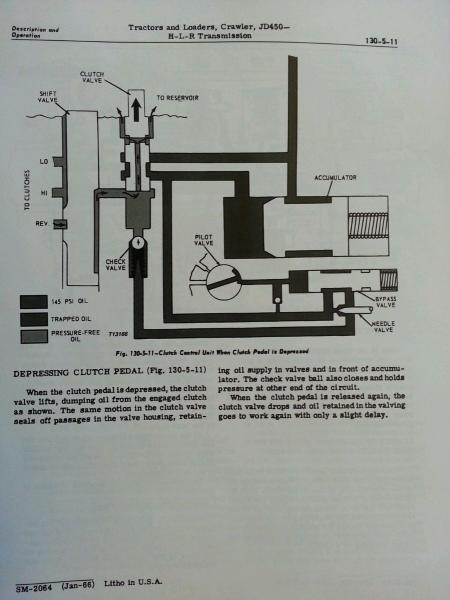
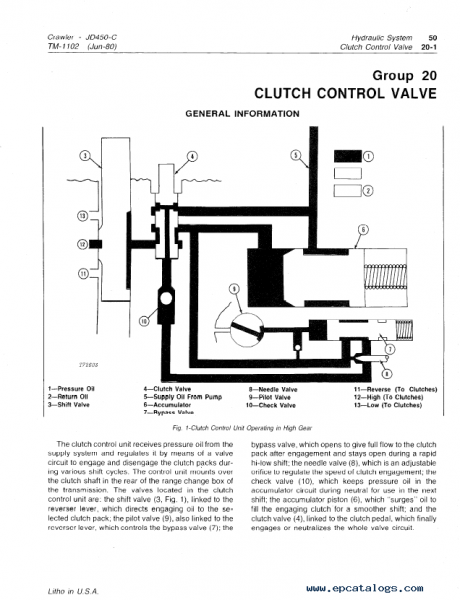
The John Deere 450 crawler loader, a staple in construction and agricultural machinery, is renowned for its durability and performance. However, like all mechanical systems, it is susceptible to issues over time. One such problem is the failure of the reverse gear in the High/Low/Reverse (HLR) transmission system. This article delves into the causes, diagnostic procedures, and solutions for this issue, drawing insights from real-world experiences and technical manuals.
Understanding the HLR Transmission System
The HLR transmission in the John Deere 450 is a powershift system that allows the operator to select high, low, or reverse gears without manual clutching. The system relies on hydraulic pressure to engage the appropriate clutch packs, enabling smooth transitions between gears. The key components involved include: - Hydraulic Pump: Supplies pressurized oil to engage the clutch packs.
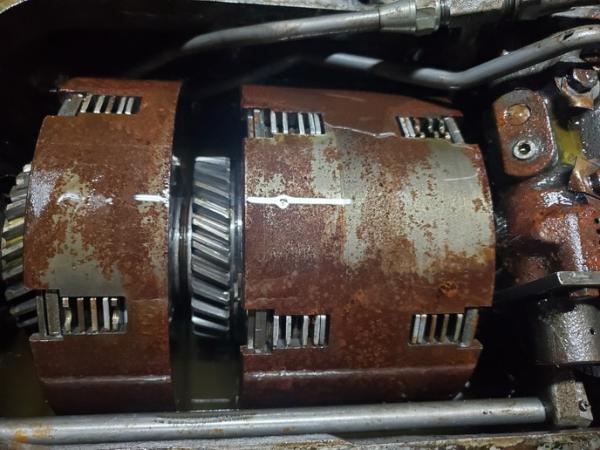
- Clutch Packs: Assemblies of friction discs that engage and disengage gears.
- Control Valve: Directs hydraulic fluid to the appropriate clutch pack based on the selected gear.
- Pressure Relief Valve: Protects the system from excessive pressure.
Common Causes of Reverse Gear Failure
Several factors can contribute to the failure of the reverse gear in the HLR transmission:
- Worn or Damaged Clutch Packs: Over time, the friction discs within the clutch packs can wear out or become damaged, leading to insufficient engagement in reverse.
- Low Hydraulic Pressure: Inadequate hydraulic pressure can prevent the reverse clutch pack from engaging properly.
- Faulty Control Valve: A malfunctioning control valve may fail to direct hydraulic fluid to the reverse clutch pack.
- Mechanical Failures: Issues such as a sheared woodruff key on the reverse gear input shaft can disrupt the engagement of reverse gear .
Diagnostic Procedures
To accurately diagnose the cause of reverse gear failure, the following steps are recommended:
- Check Hydraulic Fluid Levels and Quality: Ensure that the hydraulic fluid is at the correct level and is free from contaminants.
- Measure Hydraulic Pressure: Using a pressure gauge, measure the hydraulic pressure at the manifold. A healthy system should exhibit pressures around 150 psi in all gears. A significant drop in pressure in reverse gear may indicate an issue .
- Inspect Clutch Packs: Disassemble the HLR unit to inspect the condition of the clutch packs. Look for signs of wear, damage, or contamination.
- Examine the Control Valve: Test the functionality of the control valve to ensure it is directing hydraulic fluid correctly.
- Check for Mechanical Failures: Inspect the reverse gear input shaft and associated components for any signs of mechanical failure.
Real-World Case Studies- Case 1: A John Deere 450 owner reported that after a complete HLR rebuild, reverse gear still failed to engage. Upon further inspection, a sheared woodruff key on the reverse gear input shaft was discovered, preventing reverse engagement .
- Case 2: Another operator experienced a loss of reverse gear functionality despite normal operation in high and low gears. After thorough diagnostics, it was found that the reverse clutch pack was worn out, necessitating replacement .
Solutions and Recommendations
Based on the diagnostic findings, the following solutions are recommended:
- Replace Worn or Damaged Clutch Packs: If the clutch packs are found to be worn or damaged, replace them with new or refurbished units.
- Repair or Replace Faulty Control Valve: If the control valve is malfunctioning, repair or replace it to ensure proper hydraulic fluid direction.
- Address Mechanical Failures: Repair or replace any mechanical components, such as the reverse gear input shaft, that are found to be faulty.
- Regular Maintenance: Implement a regular maintenance schedule that includes checking hydraulic fluid levels, inspecting clutch packs, and testing hydraulic pressure to prevent future issues.
Conclusion
Reverse gear failure in the John Deere 450 crawler loader's HLR transmission system can stem from various causes, including worn clutch packs, low hydraulic pressure, faulty control valves, and mechanical failures. By following a systematic diagnostic approach and addressing the identified issues, operators can restore full functionality to their equipment, ensuring continued productivity and longevity. Regular maintenance and timely repairs are crucial in preventing such failures and maintaining the optimal performance of the machine.
|

|
|
| Diagnosing Steering and Track Power Loss on the Hitachi EX60: Swivel Joint Failures and Hydraulic Clarity |
|
Posted by: MikePhua - 08-12-2025, 07:53 PM - Forum: Troubleshooting & Diagnosing
- No Replies
|
|
Introduction: When Heat and Steering Go Hand in Hand
The Hitachi EX60 excavator is a compact yet capable machine, widely used in utility work, forestry, and small-scale earthmoving. But when steering becomes erratic and track power fades as hydraulic oil heats up, the issue often lies deeper than the pump or joystick—it’s a symptom of internal leakage, most commonly within the center swivel joint. This article explores the diagnostic journey behind such failures, explains the hydraulic architecture of the EX60, and offers actionable repair strategies based on field experience.
Symptoms and Initial Observations
Operators reported the following: - Machine steers slightly to one side when cold.
- After warming up, steering becomes difficult and track power drops significantly.
- One track retains slightly more power than the other.
- All other hydraulic functions (boom, arm, bucket, swing) operate normally.
- Hydraulic oil used was #42 weight, raising concerns about viscosity.
These symptoms suggest a localized hydraulic issue affecting the travel circuit, rather than a global pump failure.
Understanding the Hydraulic Architecture of the EX60
The EX60 uses a dual bent-axis axial piston pump system:- Rear Pump: Feeds LH travel, auxiliary, boom II, arm I, and swing.
- Front Pump: Feeds RH travel, bucket, boom I, and arm II.
Each travel motor receives high-pressure oil through a rotary manifold (center swivel), which allows fluid transfer between the upper rotating structure and the lower undercarriage without flexible hoses.
Center Swivel Joint: The Hidden Culprit
The center swivel joint is a multi-channel rotary coupling with internal seals and lands. Over time, these seals wear grooves into the chrome-plated center post, allowing high-pressure oil to leak between channels. This leakage:- Reduces pressure to travel motors.
- Causes heat buildup in the manifold.
- Leads to asymmetric power delivery between tracks.
Operators confirmed that one of the upper hydraulic lines felt significantly hotter than adjacent lines—an indicator of internal leakage.
Field Anecdote: The Rechromed Swivel Fix
One technician had the center post removed and sent to a hydraulic shop for rechroming. The shop replaced all internal seals, polished the lands, and reassembled the unit. Cost: $500–800. Result: full restoration of track power and steering control. This repair is far more economical than replacing pumps or motors unnecessarily.
Hydraulic Line Identification- Top Small Line: Case drain (low-pressure return)
- Top Large Line: Reverse travel
- Bottom Large Line: Forward travel
Understanding these lines helps isolate flow direction and diagnose pressure loss.
Additional Diagnostic Recommendations- Check pilot pressure to both travel motors.
- Inspect bypass flow on return lines—there should be minimal oil draining back to tank.
- Use infrared thermometer to compare line temperatures after 30–60 minutes of operation.
- Confirm hydraulic oil viscosity matches manufacturer specs; thinner oil may exacerbate leakage.
Suggested Parameters for Inspection- Hydraulic Oil Viscosity: Use OEM-recommended spec (typically ISO 46 or equivalent)
- Swivel Joint Seal Count: 5–7 seals depending on blade configuration
- Acceptable Return Flow: Minimal bypass from travel motors
- Temperature Differential: >10°C between lines may indicate leakage
Preventive Maintenance Tips- Replace hydraulic oil at recommended intervals; avoid mixing viscosities.
- Periodically inspect swivel joint for external leaks or excessive heat.
- Monitor track performance symmetry—early signs of internal leakage often appear as steering drift.
- Keep a log of hydraulic temperatures and pressures during routine operation.
Conclusion: The Swivel Joint Tells the Story
When a Hitachi EX60 begins to steer poorly and lose track power as it warms up, the center swivel joint is often the silent culprit. While pumps and motors may seem like the obvious suspects, internal leakage within the rotary manifold can mimic more serious failures. With proper diagnosis, targeted repair, and attention to hydraulic detail, operators can restore full functionality without unnecessary expense.
Final Advice
Before replacing expensive components, start with the swivel. A few seals and a polished center post may be all that stands between frustration and flawless operation. In hydraulic systems, the smallest leak can have the biggest impact.
|
|
|
|
| Navigating the Challenges of a Heavy Equipment Mechanic Apprenticeship |
|
Posted by: MikePhua - 08-12-2025, 07:52 PM - Forum: General Discussion
- No Replies
|
|
Embarking on a career as a heavy equipment mechanic is both rewarding and demanding. This profession offers a blend of hands-on work, problem-solving, and the satisfaction of maintaining machinery that drives industries forward. However, the journey from apprentice to journeyman is fraught with challenges that require resilience, adaptability, and a proactive approach.
Understanding the Role of a Heavy Equipment Mechanic
A heavy equipment mechanic specializes in the maintenance and repair of large machinery used in construction, mining, agriculture, and other industries. These machines include bulldozers, cranes, excavators, and loaders. The role encompasses diagnosing mechanical issues, performing routine maintenance, and ensuring equipment operates efficiently. Mechanics must be adept in various systems, including diesel engines, hydraulics, electrical circuits, and transmissions.
The Apprenticeship Journey
The path to becoming a journeyman mechanic typically begins with an apprenticeship. This structured program combines on-the-job training with classroom instruction, allowing apprentices to learn under the guidance of experienced professionals. In Canada, for instance, apprenticeships often span four years, culminating in certification.
Challenges Faced by Apprentices
- Financial Strain: Many apprentices face financial difficulties due to lower wages during training periods. In Australia, reports indicate that over 60% of automotive apprentices abandon their training, citing the rising cost of living and low starting pay as significant factors.
- Workplace Dynamics: The relationship between apprentices and journeymen can sometimes be strained. Differences in work ethic, communication styles, and expectations can lead to misunderstandings. It's essential for apprentices to approach these situations with professionalism and seek constructive feedback.
- Skill Development: The transition from theoretical knowledge to practical application can be challenging. Apprentices must develop diagnostic skills, learn to use specialized tools, and adapt to the fast-paced nature of the work environment.
Strategies for Success- Effective Communication: Maintain open lines of communication with journeymen and supervisors. Seek clarification when needed and be receptive to feedback.
- Continuous Learning: Stay updated with the latest technologies and repair techniques. Participate in workshops and training sessions to enhance your skill set.
- Time Management: Develop strong organizational skills to manage tasks efficiently. Prioritize responsibilities and meet deadlines consistently.
- Professionalism: Demonstrate a strong work ethic, punctuality, and a positive attitude. These traits are often recognized and valued by employers.
Alternative Career Paths
For those considering a shift or seeking advancement, various specialization certifications can enhance a mechanic's qualifications. These include certifications in diesel engine repair, hydraulic systems, electrical systems, and welding. Specializing can open doors to higher-paying positions and roles with greater responsibilities.
Conclusion
The journey to becoming a journeyman heavy equipment mechanic is challenging but rewarding. By embracing continuous learning, effective communication, and professionalism, apprentices can navigate the complexities of the trade and build a successful career. Despite the challenges, the demand for skilled mechanics remains high, offering promising opportunities for those committed to the profession.
|
|
|
|
| Troubleshooting a Stuck Track on the CAT D5C Series III: Actuator Failures and Hydraulic Insights |
|
Posted by: MikePhua - 08-12-2025, 07:51 PM - Forum: Troubleshooting & Diagnosing
- No Replies
|
|
Introduction: When One Track Refuses to Behave
The Caterpillar D5C Series III dozer is known for its compact power and maneuverability, but when one track—specifically the left—becomes stuck in reverse, it turns a reliable machine into a diagnostic puzzle. This article explores the hydraulic and mechanical systems behind such a failure, focusing on actuator behavior, pilot oil flow, and pump control logic. Drawing from field experience and technical schematics, we’ll walk through the symptoms, probable causes, and repair strategies for resolving unilateral track movement.
Symptoms and Initial Observations
The operator reported the following: - Left track stuck in reverse; right track responds normally to joystick input.
- Hydraulic line “F” on the pilot joystick was capped to test for internal bypass.
- Actuator on the front pump was found stuck in the reverse position.
- Required a 3 lb hammer to free the actuator—ball peen hammer was ineffective.
- Air was blown through line F to confirm actuator movement.
- After reassembly, the left track remained stuck in reverse.
- Hydraulic filters were replaced and inspected—only minor brass particles found, consistent with normal wear.
These observations suggest a mechanical or hydraulic fault in the actuator or pump control system, rather than a catastrophic failure.
Understanding the Drive System: Hydrostatic vs. Powershift
The D5C Series III includes both hydrostatic and powershift variants. In hydrostatic models:- Each track is driven by a separate hydraulic pump and motor.
- Direction and speed are controlled by pilot oil signals to over-center actuators.
- The actuator adjusts pump swashplate angle, determining flow direction and volume.
In powershift models:- A torque converter and transmission manage drive power.
- Track movement is mechanically linked and less sensitive to pilot oil faults.
Given the symptoms, this unit is likely hydrostatic, with the left pump actuator failing to return to neutral.
Probable Causes of Left Track Stuck in Reverse
- Jammed Pump Actuator
- The actuator may be physically stuck due to internal contamination, wear, or misalignment.
- If the actuator remains in the “upstroked” position, the pump continues to drive the track in reverse.
- Pilot Oil Misrouting
- A constant pilot signal on one side of the actuator can cause continuous movement.
- Capping line F ruled out joystick bypass, but other valve faults may exist.
- Centering Adjustment Failure
- The actuator relies on centering springs or mechanical stops to return to neutral.
- If these are misadjusted or broken, the actuator may remain off-center.
- Internal Valve Leakage
- Pilot valves or control blocks may leak internally, sending unintended signals to the actuator.
Recommended Diagnostic Steps- Remove and inspect the actuator fully, despite the labor involved.
- Check centering mechanism for spring tension and alignment.
- Test pilot oil pressure on both sides of the actuator during joystick movement.
- Inspect pump swashplate position visually or via sensor feedback.
- Examine control valve block for internal leakage or spool sticking.
Suggested Parameters for Inspection- Pilot Oil Pressure: Typically 250–400 psi
- Actuator Stroke Range: Confirm full travel and return to center
- Filter Debris: Minor brass acceptable; large flakes indicate pump wear
- Swashplate Angle: Should return to neutral when joystick is centered
Field Anecdote: The Hammered Actuator
One technician shared that freeing a stuck actuator with a hammer is a temporary fix at best. In one case, the actuator re-stuck after a few hours of operation, leading to a full teardown. The root cause was a bent centering rod and worn bushings—issues invisible from the outside but critical to function.
Preventive Measures and Long-Term Solutions- Periodically flush pilot lines to prevent contamination buildup.
- Replace hydraulic filters at recommended intervals and inspect for metallic debris.
- Avoid excessive force when freeing stuck components—disassembly is safer than hammering.
- Document actuator adjustments and spring preload settings during reassembly.
Conclusion: Precision Over Force
When a CAT D5C Series III dozer’s left track is stuck in reverse, the issue often lies in the fine mechanics of the actuator and pilot control system. While temporary fixes may restore movement, lasting solutions require full inspection and careful adjustment. Understanding the interplay between pilot oil, actuator position, and pump control is key to restoring full functionality.
Final Advice
Don’t let a stuck track derail your operation. Take the time to inspect, test, and rebuild the actuator system properly. In hydrostatic drive systems, precision—not brute force—is the path to reliability.
|
|
|
|
| Understanding Battery and Alternator Issues in Heavy Equipment: A Comprehensive Guide |
|
Posted by: MikePhua - 08-12-2025, 07:51 PM - Forum: General Discussion
- No Replies
|
|
Introduction
In the realm of heavy equipment, electrical system failures can lead to significant downtime and costly repairs. Among the most common culprits are issues with the battery and alternator. Understanding the roles of these components and how to diagnose problems can save time and resources.
The Role of the Battery and Alternator - Battery: The battery serves as the initial power source, providing the necessary energy to start the engine and power electrical systems when the engine is off.
- Alternator: Once the engine is running, the alternator takes over, generating electricity to recharge the battery and supply power to the equipment's electrical systems.
Common Symptoms of Electrical Issues- Dim or Flickering Lights: This can indicate a failing alternator or a weak battery.
- Slow Engine Crank: If the engine turns over slowly or struggles to start, it may be due to a low battery charge.
- Warning Lights: Dashboard warning lights, such as the battery or alternator light, can signal electrical system issues.
Diagnostic Steps
- Check Battery Voltage: Using a multimeter, measure the battery voltage. A fully charged battery should read around 12.6 volts when the engine is off.
- Inspect Battery Terminals: Ensure that the battery terminals are clean and securely connected. Corrosion or loose connections can impede electrical flow.
- Test Alternator Output: With the engine running, measure the voltage at the battery terminals. A healthy alternator should produce between 13.8 and 14.7 volts.
- Perform a Load Test: Under load, the battery voltage should remain steady. A significant drop may indicate a weak battery.
- Check for Parasitic Drains: With the equipment off, measure the current draw. Excessive draw can deplete the battery over time.
Common Causes of Electrical Failures- Faulty Alternator: A malfunctioning alternator may fail to charge the battery adequately, leading to power shortages.
- Weak or Old Battery: Over time, batteries lose their ability to hold a charge, especially if they are subjected to frequent deep discharges.
- Corroded or Loose Connections: Poor connections can cause voltage drops and erratic electrical behavior.
- Parasitic Drains: Electrical components that continue to draw power when the equipment is off can drain the battery.
Maintenance Tips- Regular Inspections: Periodically check the battery and alternator for signs of wear or damage.
- Clean Terminals: Keep battery terminals clean and free of corrosion to ensure good electrical contact.
- Replace Old Batteries: Consider replacing batteries that are more than three years old or showing signs of weakness.
- Monitor Electrical Usage: Be mindful of the equipment's electrical demands and avoid overloading circuits.
Case Study: Diagnosing Charging Issues
A fleet manager reported that several pieces of heavy equipment were experiencing starting issues. Upon inspection, it was found that the alternators were not charging the batteries adequately. Further testing revealed that the alternator diodes had failed, preventing proper charging. Replacing the alternators resolved the issue, and the equipment returned to normal operation.
Conclusion
Understanding the interplay between the battery and alternator is crucial for maintaining the reliability of heavy equipment. Regular diagnostics and maintenance can prevent unexpected failures and ensure that equipment remains operational. If electrical issues persist despite troubleshooting, consulting a professional technician is advisable to avoid further complications.
|
|
|
|
| Sourcing Used Doors and Window Frames for CAT 426B Backhoes: Challenges and Strategies |
|
Posted by: MikePhua - 08-12-2025, 07:50 PM - Forum: General Discussion
- No Replies
|
|
Introduction: When OEM Isn’t an Option
Finding replacement doors or window frames for older Caterpillar backhoes—especially models like the 426B built between 1992 and 1996—can be a frustrating endeavor. While dealers may offer new parts, the cost and availability often push operators to seek used or aftermarket alternatives. This article explores the challenges of sourcing cab components for legacy CAT machines, offers practical advice for navigating salvage networks, and shares field anecdotes that highlight the realities of equipment restoration.
Why Cab Doors Are So Hard to Find
Cab doors and window frames are among the most sought-after parts in the heavy equipment salvage world. Several factors contribute to their scarcity: - High Demand: Doors are frequently damaged in rollover incidents, side impacts, or during transport.
- Cab Integrity: Salvage yards often avoid removing doors because a cab without doors is considered unsellable.
- Interchangeability Confusion: While some parts may fit across models (e.g., CAT 416–446), exact compatibility depends on year, cab style, and hinge configuration.
- Aftermarket Gaps: Few manufacturers produce aftermarket doors for older backhoes, leaving used parts as the only viable option.
Field Anecdote: The $25 Door Hunt
One operator offered a $25 reward for help locating doors or window frames for a 426B. After months of monitoring online listings and salvage yards, he found nothing. Even eBay, often a last resort for obscure parts, turned up empty. This underscores the difficulty of sourcing cab components for machines over 25 years old.
Strategies for Locating Used Cab Parts
- Salvage Yards Specializing in CAT Equipment
- Contact yards that dismantle construction equipment exclusively.
- Ask if they have intact cabs or partial units from the 416–446 series.
- Parts Locator Networks
- Use national or regional parts locator services that connect multiple salvage yards.
- Provide exact part numbers or photos to improve search accuracy.
- Online Marketplaces
- Monitor eBay, MachineryTrader, and Facebook Marketplace.
- Set alerts for “CAT 426B door” or “Caterpillar backhoe cab parts.”
- Equipment Forums and Communities
- Engage with operators who may have parted out similar machines.
- Ask about compatibility across models and years.
- Local Fabrication
- In cases where sourcing fails, consider custom fabrication using donor frames or templates.
- Use heavy-gauge steel and polycarbonate windows for durability.
Recommended Parameters for Compatibility- Model Range: CAT 416B, 426B, 436B, and 446B often share cab architecture
- Year Range: 1992–1996 models most likely to interchange
- Door Type: Hinged steel frame with sliding or fixed glass
- Window Frame Material: Aluminum or steel with rubber seals
- Mounting Points: Verify hinge spacing and latch style before purchase
Additional Considerations- Tire Clearance and Fender Fitment
- When replacing doors, ensure tire clearance is maintained—especially if tire sizes have been modified.
- Bent fenders may indicate previous door damage or improper fitment.
- Cab Climate and Sealing
- Replacement doors should seal properly to maintain cab climate control.
- Inspect weather stripping and latch integrity.
Case Study: The 580B Tire Mismatch
In a related restoration effort, an operator discovered mismatched rear tires on a Case 580B—one side had a 17.5L-24 and the other a 16.9-26. The larger tire forced the fender to be bent upward for clearance. This highlights how cab and body components often suffer collateral damage from tire swaps or field improvisations.
Conclusion: Persistence Pays Off
Sourcing doors and window frames for older CAT backhoes is a test of patience and networking. While dealers may be a last resort, salvage yards, online communities, and fabrication shops offer viable paths forward. Understanding model compatibility and being willing to adapt solutions is key to restoring these machines to full functionality.
Final Advice
Start with the part number, expand your search radius, and don’t hesitate to ask fellow operators for leads. In the world of legacy equipment, the best parts often come from unexpected places—and sometimes, a $25 bounty is just enough to spark the right conversation.
|
|
|
|
| Restoring a 1974 Case 350 Crawler Loader: A Comprehensive Guide |
|
Posted by: MikePhua - 08-12-2025, 07:50 PM - Forum: Troubleshooting & Diagnosing
- No Replies
|
|
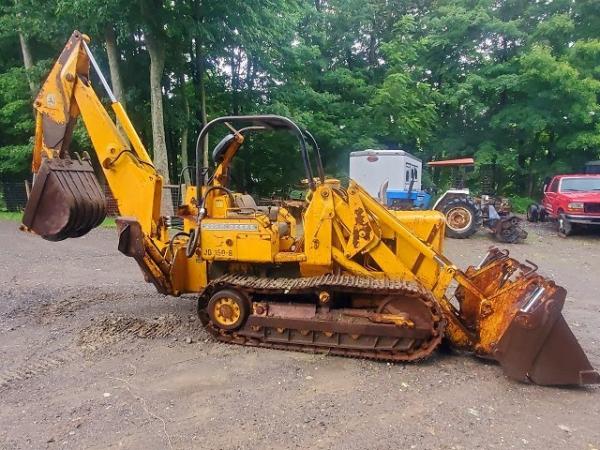
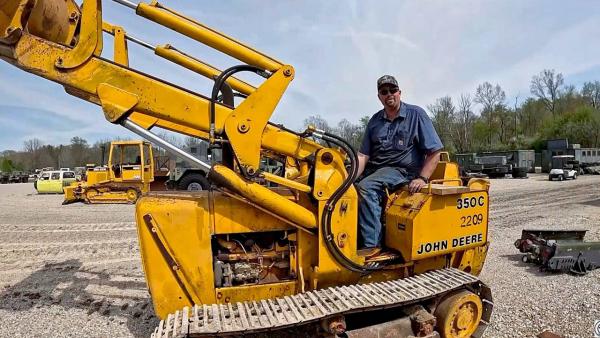
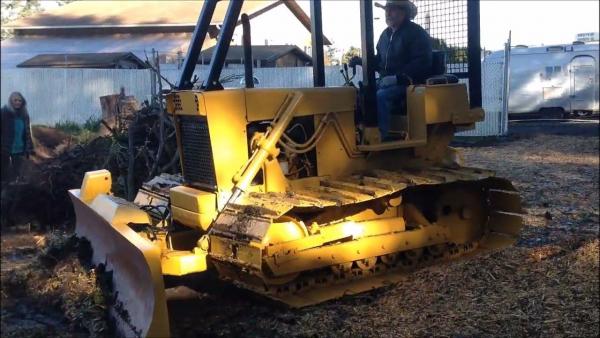
Introduction
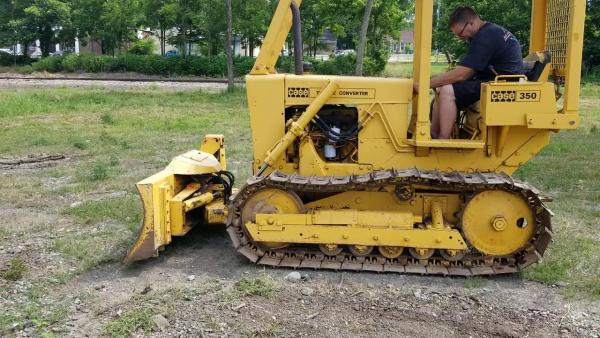
Restoring a vintage piece of machinery like the 1974 Case 350 crawler loader is both a challenging and rewarding endeavor. This model, produced by Case Corporation—a company with a rich history dating back to 1842—is renowned for its durability and versatility in construction and agricultural applications.
Understanding the Case 350 Crawler Loader
The Case 350 crawler loader is a compact yet powerful machine, ideal for tasks such as grading, digging, and material handling. Key specifications include: - Engine: Case G188D, 4-cylinder diesel
- Horsepower: Approximately 44 HP
- Operating Weight: Around 5,000 kg
- Bucket Capacity: 0.57 m³
- Travel Speed: Up to 7.8 km/h
- Dimensions: Length 3.96 m, Width 1.6 m, Height 4 m
- Track Width: 304 mm
These specifications make the Case 350 suitable for various applications, from small-scale construction projects to agricultural tasks.
The Restoration Journey
Embarking on the restoration of a 1974 Case 350 involves several critical steps:
- Initial Assessment and Acquisition
The journey begins with acquiring a machine that may have seen better days. For instance, one owner described purchasing a 1974 Case 350 as a "Craigslist special," highlighting the initial condition challenges. Upon starting the engine, issues like hydraulic line failures and uneven braking were evident.
- Engine Overhaul
A comprehensive in-frame rebuild is essential. This includes replacing pistons, rings, liners, and rod bearings, along with addressing gasket issues. Upgrading components like the injector pump and installing new injectors ensures the engine runs efficiently.
- Hydraulic System Restoration
Rebuilding all six hydraulic cylinders and replacing hydraulic hoses are crucial steps. This ensures the loader's lifting and digging capabilities are restored to optimal performance.
- Cooling and Electrical Systems
Installing a new radiator, water pump, and transmission cooler addresses overheating concerns. Upgrading to LED lights enhances visibility and energy efficiency. Replacing the alternator and wiring ensures reliable electrical performance.
- Transmission and Undercarriage
Addressing transmission issues, such as difficulty engaging first gear, is vital. Inspecting and repairing the undercarriage, including tracks and sprockets, ensures the loader's mobility and stability.
- Final Touches
After mechanical restoration, the loader undergoes a complete strip and repaint, including new decals. This not only improves aesthetics but also protects the machine from environmental wear.
Challenges and Solutions
Restoring a vintage machine comes with its set of challenges:- Parts Availability: Sourcing parts for older models can be difficult. Utilizing online forums, salvage yards, and aftermarket suppliers can help locate necessary components.
- Technical Expertise: Some restoration tasks require specialized knowledge. Consulting service manuals and seeking advice from experienced professionals can provide guidance.
- Time and Budget Management: Restoration projects can be time-consuming and costly. Setting a realistic timeline and budget helps manage expectations and resources.
Conclusion
Restoring a 1974 Case 350 crawler loader is a testament to the durability of vintage machinery and the dedication of enthusiasts. With careful planning, resourcefulness, and a passion for preservation, these machines can continue to serve their purpose for years to come. Whether for personal use or as a collector's item, a restored Case 350 stands as a symbol of engineering excellence and historical significance.
|
|
|
|
| Comprehensive Guide to Removing a Stuck Steering Cylinder Pin on Volvo L50C Wheel Loaders |
|
Posted by: MikePhua - 08-12-2025, 07:49 PM - Forum: General Discussion
- No Replies
|
|
The Volvo L50C wheel loader is a versatile and durable machine commonly used in construction and material handling. However, like all heavy equipment, it is susceptible to maintenance challenges, one of which is the removal of a stuck steering cylinder pin. This issue can arise due to factors such as lack of lubrication, corrosion, or prolonged exposure to harsh operating conditions. Addressing this problem requires a systematic approach, appropriate tools, and sometimes, creative problem-solving.
Understanding the Problem
A common scenario involves the steering cylinder pin becoming seized within its housing, making it difficult or impossible to remove using standard methods. Operators have reported using various techniques, including hammers, hydraulic jacks, and pipe wrenches, with limited success. In some cases, the pin remains immovable even after applying significant force, leading to frustration and extended downtime.
Potential Causes of a Stuck Steering Cylinder Pin
- Lack of Lubrication: Over time, the absence of regular greasing can cause the pin to seize within its housing.
- Corrosion: Exposure to moisture and harsh environmental conditions can lead to rust formation, further binding the pin.
- Debris Accumulation: Dirt and other contaminants can enter the joint, causing abrasion and increasing friction.
- Improper Maintenance: Failure to follow recommended maintenance procedures can result in components becoming stuck.
Step-by-Step Guide to Removing the Stuck Pin
- Assess the Situation: Before attempting any removal, ensure that the loader is securely positioned and that all safety protocols are followed.
- Apply Penetrating Oil: Generously apply a high-quality penetrating oil, such as PB Blaster or Liquid Wrench, to the pin and surrounding area. Allow it to sit for several hours or overnight to loosen any corrosion.
- Use Heat Application: Carefully apply heat to the area around the pin using a propane or MAPP gas torch. The expansion and contraction can help break the bond. Be cautious to avoid damaging surrounding components.
- Utilize Impact Tools: If the pin is still stuck, use an air hammer or impact wrench with a suitable attachment to apply rapid, forceful impacts to the pin. This can help dislodge it from its housing.
- Leverage Mechanical Force: Employ a hydraulic puller or a large mechanical press to apply steady, controlled force to the pin. Ensure that the force is applied evenly to prevent damage.
- Seek Professional Assistance: If all else fails, consult with a professional mechanic or technician who has experience with heavy equipment. They may have specialized tools and techniques to remove the stuck pin.
Preventive Measures
To prevent future occurrences of stuck steering cylinder pins:- Regular Lubrication: Implement a routine greasing schedule to ensure that all moving parts are adequately lubricated.
- Environmental Protection: Use covers or seals to protect joints from moisture and debris.
- Routine Inspections: Conduct regular inspections to identify and address potential issues before they become major problems.
Conclusion
Removing a stuck steering cylinder pin on a Volvo L50C wheel loader can be a challenging task, but with the right approach and tools, it is achievable. By understanding the underlying causes and following a systematic removal process, operators can restore their equipment to optimal working condition. Regular maintenance and preventive measures are key to avoiding such issues in the future.
|
|
|
|
| Wheel Loaders vs. Telehandlers: A Comprehensive Comparison |
|
Posted by: MikePhua - 08-12-2025, 07:48 PM - Forum: General Discussion
- No Replies
|
|
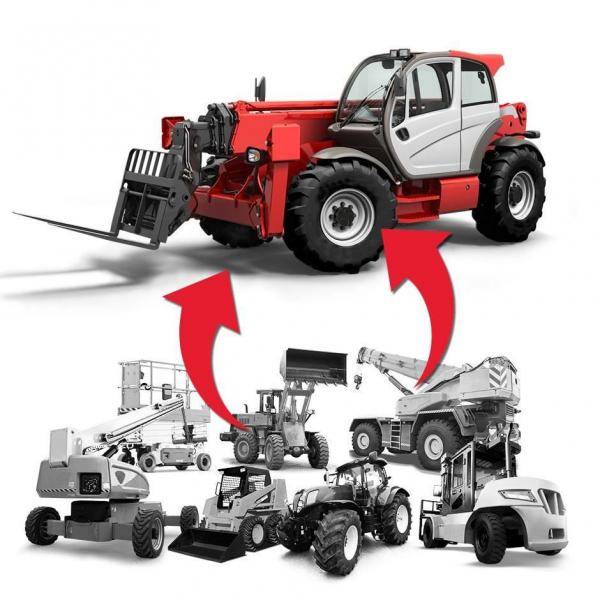
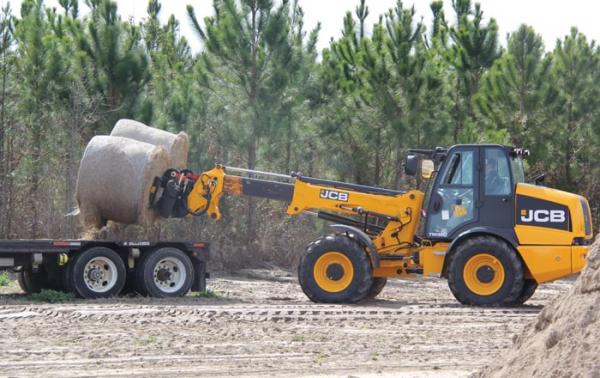
Introduction
In the realm of material handling and construction equipment, wheel loaders and telehandlers are two prominent machines, each designed with specific functionalities in mind. Understanding their differences is crucial for selecting the appropriate equipment for particular tasks.
Wheel Loaders: Power and Bulk Handling
Wheel loaders are robust machines primarily designed for moving large volumes of material over short distances. They are equipped with a front-mounted bucket and are commonly used in construction, mining, and agriculture.
Key Features: - Bucket Capacity: Typically ranges from 1.5 to 10 cubic yards, allowing for the handling of substantial material loads.
- Operating Weight: Generally between 10,000 to 50,000 kg, depending on the model and intended application.
- Engine Power: Varies from 100 to 500 horsepower, providing the necessary force for heavy-duty tasks.
- Maneuverability: While capable of turning within a tight radius, their large size can limit access to confined spaces.
Applications:- Construction Sites: Efficient for loading trucks, stockpiling materials, and clearing debris.
- Mining Operations: Ideal for transporting mined materials over short distances.
- Agriculture: Used for moving soil, gravel, and other bulk materials.
Telehandlers: Versatility and Reach
Telehandlers, or telescopic handlers, combine the functionalities of a forklift and a crane. They are equipped with a telescoping boom that allows for lifting loads to significant heights and extending forward.
Key Features:- Lift Height: Ranges from 6 to 18 meters, depending on the model.
- Lift Capacity: Typically between 2,000 to 5,000 kg.
- Attachments: Can be equipped with various tools such as forks, buckets, and lifting hooks.
- Maneuverability: Offers excellent mobility in tight spaces, especially with four-wheel steering models.
Applications:- Construction Sites: Ideal for placing materials at height, such as lifting steel beams or placing roofing materials.
- Agriculture: Useful for stacking hay bales, unloading trucks, and feeding livestock.
- Industrial Settings: Employable in warehouses for reaching high storage racks.
Comparative Analysis Between Wheel Loaders and Telehandlers- Primary Function
- Wheel Loader: Designed mainly for bulk material handling.
- Telehandler: Primarily used for lifting and placing materials at height.
- Reach
- Wheel Loader: Has limited vertical reach, mostly suitable for ground-level loading.
- Telehandler: Features an extended reach with a telescoping boom allowing for high and forward placement.
- Maneuverability
- Wheel Loader: Offers moderate maneuverability; can turn within a reasonable radius but may struggle in tight spaces.
- Telehandler: Highly maneuverable, especially models equipped with four-wheel steering, ideal for confined areas.
- Attachments
- Wheel Loader: Mainly equipped with buckets designed for scooping and carrying materials.
- Telehandler: Compatible with a variety of attachments such as forks, buckets, and lifting hooks, enhancing versatility.
- Stability
- Wheel Loader: Highly stable and capable of working on rough, uneven terrain with ease.
- Telehandler: Stability is moderate; requires stabilizers when handling heavy loads, especially at extended reaches.
- Cost
- Wheel Loader: Generally less expensive due to simpler design and focused functionality.
- Telehandler: Typically more costly because of the telescoping boom and versatile capabilities.
Case Studies
- Construction Site Material Handling:
A construction company opted for a wheel loader to move large quantities of gravel across the site. The machine's high bucket capacity and powerful engine allowed for efficient material transport, reducing the time required for loading trucks.
- Agricultural Operations:
An agricultural firm utilized a telehandler to stack hay bales in a barn. The telehandler's extended reach and ability to maneuver in tight spaces enabled the workers to efficiently place bales at elevated levels, optimizing storage space.
Conclusion
Both wheel loaders and telehandlers play pivotal roles in various industries. The choice between the two depends on specific operational needs. For tasks requiring bulk material handling over short distances, wheel loaders are the preferred choice. Conversely, for operations necessitating lifting and placing materials at significant heights or in confined spaces, telehandlers offer unparalleled versatility. Assessing the specific requirements of a project will guide the selection of the most suitable equipment.
|
|
|
|
| Diagnosing a No-Start Issue on a CAT 416B: Electrical Gremlins and Ground Truths |
|
Posted by: MikePhua - 08-12-2025, 07:47 PM - Forum: Troubleshooting & Diagnosing
- No Replies
|
|
Introduction: When a Backhoe Refuses to Wake Up
The CAT 416B is a reliable workhorse in the world of tractor-loader-backhoes, but even the most dependable machines can fall victim to elusive electrical faults. When a machine cranks with rapid clicking but refuses to start, the problem often lies not in the battery itself—but in the invisible web of connections that deliver power. This article walks through a real-world diagnostic journey involving a 1999 CAT 416B, highlighting the importance of voltage testing under load, the role of ground connections, and the value of methodical troubleshooting.
Symptoms of the No-Start Condition
The operator reported the following: - Battery voltage at 12.6 VDC, maintained on a conditioner
- Clean battery terminals and connectors
- Rapid clicking sound when turning the key—similar to a snare drum
- Voltmeter on the dash drops to near zero during cranking attempts
- Starter relay and starter suspected as possible culprits
These symptoms suggest a high-resistance connection or voltage drop under load, rather than a dead battery or failed starter motor.
Progressive Failure Pattern
The issue didn’t appear suddenly. Over several weeks, the machine became increasingly reluctant to start. Initially, it would fire intermittently, but eventually degraded into consistent clicking with no crank. This gradual decline often points to corrosion or wear in electrical connections rather than catastrophic component failure.
Diagnostic Strategy: Voltage Testing Under Load
Rather than guessing, technicians recommended a structured approach using a digital multimeter:
- Battery Load Test
- Place voltmeter across battery terminals during cranking.
- If voltage drops below 10V, the battery may be weak despite resting voltage.
- Positive Cable Test
- One lead on battery positive, the other on starter positive terminal.
- Crank and observe voltage drop. More than 1V indicates resistance in the cable or connectors.
- Ground Path Test
- One lead on battery negative, the other on starter case.
- Crank and observe voltage drop. Again, more than 1V suggests poor grounding.
These three tests can isolate the fault to the battery, positive cable, or ground path—eliminating guesswork and unnecessary part replacement.
The Ground Connection Revelation
Despite appearing clean and tight, the ground connection was the culprit. The bolt, washers, and threads were coated in rust beneath the surface, hidden by original yellow CAT paint. Once disassembled, cleaned, and reassembled with polished contact surfaces, the machine started immediately.
This underscores a critical lesson: visual inspection alone is not enough. Corrosion can hide beneath paint, inside threads, or between washers—creating high resistance that disrupts current flow.
Field Anecdote: The $400 Ground Bet
One technician jokingly wagered “$400 on a bad ground,” referencing how often electrical issues trace back to overlooked grounding points. In this case, the bet paid off. The operator admitted to countless hours lost chasing phantom faults, only to discover the ground was the root cause—again.
Recommended Parameters and Solutions- Battery Voltage (Resting): 12.6 VDC
- Battery Voltage (Cranking): ≥10.0 VDC
- Voltage Drop Across Positive Cable: ≤0.5 V
- Voltage Drop Across Ground Path: ≤0.5 V
- Ground Bolt Torque: 25–35 ft-lbs with anti-corrosion compound
- Cleaning Method: Wire brush, dielectric grease, and thread cleaner
Preventive Maintenance Tips- Periodically remove and clean ground connections, even if they look fine.
- Use anti-corrosion paste or dielectric grease on threads and washers.
- Inspect battery cables for internal corrosion or stiffness.
- Perform voltage drop tests annually, especially before winter.
Conclusion: The Invisible Enemy of Electricity
Electrical faults in heavy equipment often masquerade as starter or battery issues, but the true enemy is resistance—especially in ground paths. The CAT 416B’s no-start saga is a textbook example of how corrosion, even when hidden, can cripple a machine. With a multimeter, a methodical approach, and a healthy suspicion of “perfect-looking” connections, operators can restore function and avoid costly downtime.
Final Advice
Before tearing into relays, starters, or wiring harnesses, check the ground. It’s the simplest fix—and often the most overlooked. In the world of heavy equipment diagnostics, the ground truth is more than a metaphor.
|
|
|
|
|



