| Welcome, Guest |
You have to register before you can post on our site.
|
| Online Users |
There are currently 534 online users.
» 0 Member(s) | 525 Guest(s)
Ahrefs, Amazon, Applebot, Bing, Claude, Google, OpenAI, Semrush
|
| Latest Threads |
Identifying and Sourcing ...
Forum: Parts , Attachments & Tools
Last Post: MikePhua
01-07-2026, 06:29 PM
» Replies: 0
» Views: 527
|
Cat 931B Brake Parts
Forum: Parts , Attachments & Tools
Last Post: MikePhua
01-07-2026, 06:29 PM
» Replies: 0
» Views: 283
|
Choosing Between Cat 228,...
Forum: General Discussion
Last Post: MikePhua
01-07-2026, 06:28 PM
» Replies: 0
» Views: 555
|
Hydraulic Delay When Lowe...
Forum: Troubleshooting & Diagnosing
Last Post: MikePhua
01-07-2026, 06:27 PM
» Replies: 0
» Views: 446
|
Bale Chopper and Mulcher ...
Forum: General Discussion
Last Post: MikePhua
01-07-2026, 06:26 PM
» Replies: 0
» Views: 320
|
Mini UC Maintenance
Forum: General Discussion
Last Post: MikePhua
01-07-2026, 06:25 PM
» Replies: 0
» Views: 312
|
Locating Wiring Informati...
Forum: General Discussion
Last Post: MikePhua
01-07-2026, 06:24 PM
» Replies: 0
» Views: 344
|
Case Industrial Brown Sub...
Forum: Parts , Attachments & Tools
Last Post: MikePhua
01-07-2026, 06:23 PM
» Replies: 0
» Views: 275
|
Dirt Work in West Virgini...
Forum: Construction & Urban Infrastructure Forum
Last Post: MikePhua
01-07-2026, 06:23 PM
» Replies: 0
» Views: 374
|
D207 P Hydraulic Steering...
Forum: Parts , Attachments & Tools
Last Post: MikePhua
01-07-2026, 06:22 PM
» Replies: 0
» Views: 303
|
|
|
| Comprehensive Guide to Troubleshooting Hydraulic Issues in Kubota KX161-2 Excavators |
|
Posted by: MikePhua - 08-12-2025, 10:44 PM - Forum: Troubleshooting & Diagnosing
- No Replies
|
 |
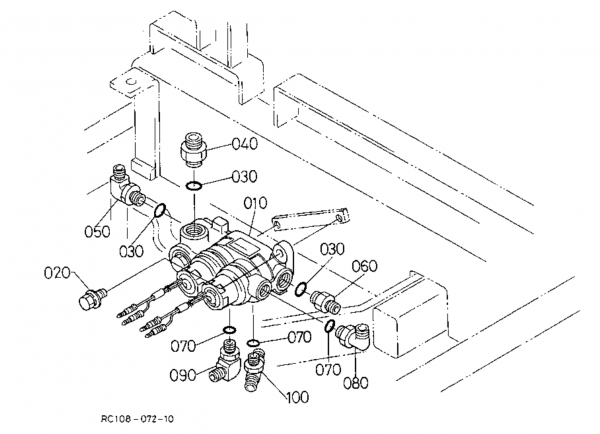
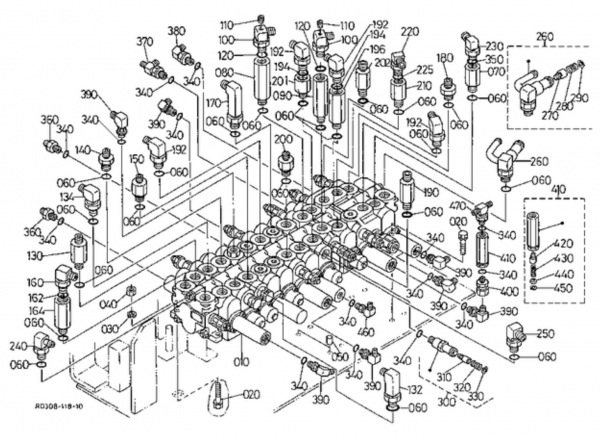
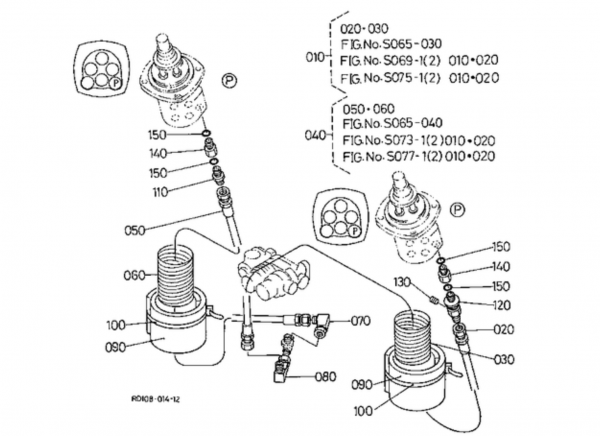
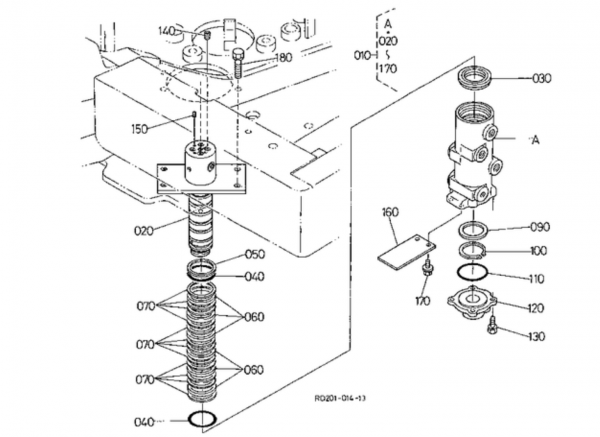
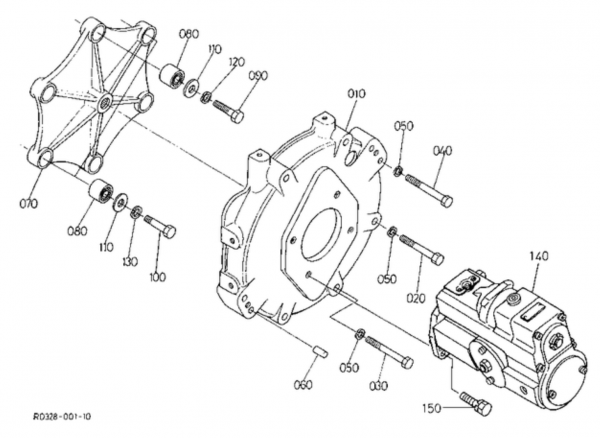
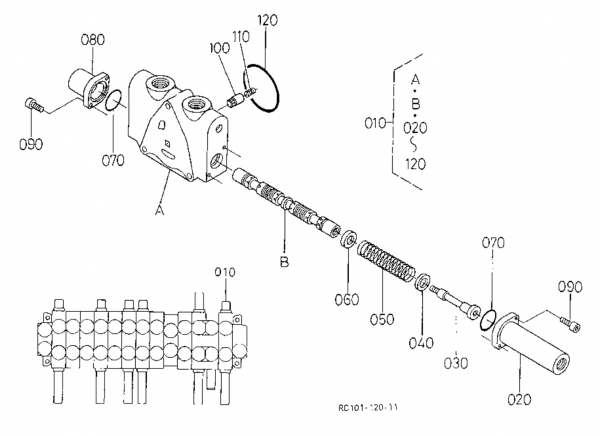
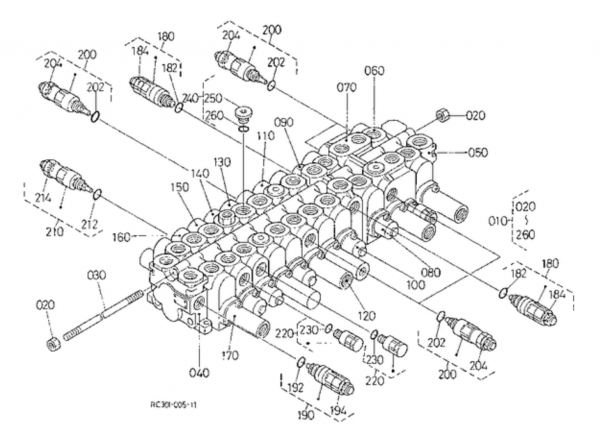
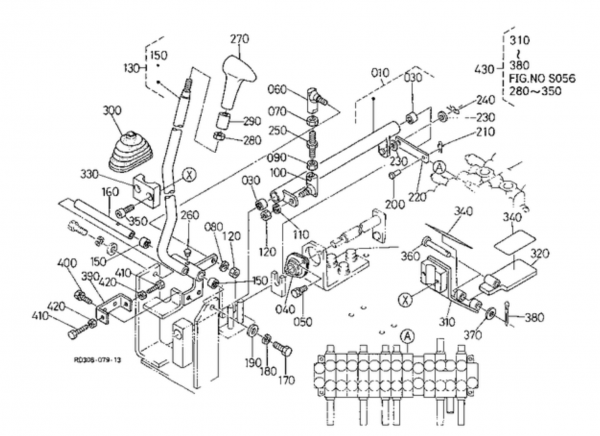
Introduction: Understanding the Hydraulic System
The Kubota KX161-2 is a compact yet powerful mini-excavator renowned for its versatility and performance in various construction tasks. Central to its operation is the hydraulic system, which powers essential functions such as the boom, arm, bucket, and swing. Any malfunction within this system can significantly impact the machine's efficiency and safety.
Common Hydraulic Issues and Their Causes
- Loss of Hydraulic Power
Symptoms: Reduced lifting capacity, sluggish movements, or complete loss of function in certain hydraulic components.
Potential Causes:- Contaminated Hydraulic Fluid: Dirt, metal particles, or degraded fluid can obstruct flow and damage components.
- Clogged Filters: Suction or return filters may become blocked, restricting fluid flow.
- Faulty Hydraulic Pump: A malfunctioning pump may fail to generate adequate pressure.
- Internal Leaks: Worn seals or valves can lead to pressure loss.
Case Study: An operator experienced a sudden drop in power after a small hose between the main hydraulic engine and a smaller pump broke. Upon replacing the hose, the machine exhibited significant power loss, especially when multiple movements were combined. The issue was traced back to contamination from the broken hose, necessitating a thorough system flush and filter replacement.
- Erratic or Unresponsive Joystick Controls
Symptoms: Inconsistent or lack of response from joystick controls.
Potential Causes:- Faulty Solenoids: These electromagnetic valves control hydraulic flow and can fail over time.
- Pilot Pump Issues: The pilot pump generates low-pressure fluid to operate the control valves; any malfunction can disrupt control.
- Electrical Wiring Problems: Loose or damaged connections can impede signal transmission.
Diagnostic Tip: Inspect solenoids for continuity and test valve spool movement manually. Ensure wiring connections are secure and free from corrosion.
- Hydraulic Fluid Overheating
Symptoms: Elevated hydraulic fluid temperature, often accompanied by reduced performance.
Potential Causes:- Inadequate Cooling: A malfunctioning cooling fan or clogged heat exchanger can impede heat dissipation.
- Overworked System: Excessive load or prolonged operation at high pressure can generate excessive heat.
- Contaminated Fluid: Dirty or degraded fluid can increase friction and heat generation.
Preventive Measures: Regularly clean the cooling system, monitor fluid temperature, and avoid overloading the machine.
Diagnostic and Maintenance Procedures
- Hydraulic Fluid Inspection
- Check Fluid Level: Ensure the fluid is at the recommended level.
- Assess Fluid Condition: Look for discoloration, contamination, or burnt smell.
- Replace Filters: Change suction, return, and pilot filters as per the maintenance schedule.
- Pressure Testing
- Measure System Pressure: Use a pressure gauge to check if the system operates within specified limits.
- Test Relief Valve: Ensure the pressure relief valve functions correctly to prevent overpressure situations.
- Component Inspection
- Examine Hydraulic Pump: Listen for unusual noises and check for leaks.
- Inspect Control Valves: Look for signs of wear or damage.
- Check Hoses and Fittings: Ensure there are no cracks, bulges, or leaks.
Recommended Solutions
- System Flush and Filter Replacement
If contamination is suspected, perform a complete system flush and replace all filters to remove debris and prevent further damage.
- Component Replacement
Replace faulty pumps, solenoids, or valves as identified during diagnostics.
- Regular Maintenance
- Scheduled Inspections: Conduct regular checks of the hydraulic system components.
- Fluid Changes: Replace hydraulic fluid at recommended intervals.
- System Monitoring: Use temperature and pressure gauges to monitor system performance.
Conclusion
Addressing hydraulic issues in the Kubota KX161-2 requires a systematic approach, including thorough diagnostics, timely maintenance, and component replacement when necessary. By adhering to recommended practices and staying vigilant for early signs of trouble, operators can ensure the longevity and reliability of their equipment.
|

|
|
| Komatsu PC75 Swing Problem: Causes, Diagnosis, and Solutions |
|
Posted by: MikePhua - 08-12-2025, 10:41 PM - Forum: Troubleshooting & Diagnosing
- No Replies
|
|
Understanding the Swing System on Komatsu PC75
The swing system on the Komatsu PC75 excavator allows the upper structure to rotate left or right, providing flexible operation in tight workspaces. It comprises the swing motor, swing brake, control valves, solenoids, hydraulic circuits, and electronic controls. Proper function relies on smooth hydraulic flow, intact electrical signals to the solenoids, and responsive mechanical parts.
Swing problems often manifest as reduced swing speed, inability to swing in one or both directions, unexpected locking or braking during swing, or complete loss of swing function. These issues directly affect machine productivity and safety.
Common Causes of Swing Problems - Swing Holding Brake Malfunction
If the swing brake engages incorrectly or sticks, the machine may not swing or may stop suddenly. This brake is hydraulically controlled and its malfunction can result from contamination, worn brake pads, or faulty brake control valves.
- Electrical Faults in Swing Solenoids or Wiring
The swing control solenoids modulate hydraulic pressure to the swing motor. Damaged wiring, unshielded or shorted wires, loose connectors, or failed solenoids cause erratic swing behavior or complete failure. Wire insulation damage can cause intermittent shorts activating fault codes and power loss.
- Hydraulic Issues in the Swing Circuit
Contaminated or low hydraulic oil, clogged filters, or internal leaks in the swing motor and control valves reduce hydraulic pressure causing slow or no swing. Seal deterioration inside the motor or valve defects also disrupts swing function.
- Mechanical Wear or Damage
Worn gears, bearings, or swing motor armatures can cause grinding noises, increased resistance, or failure to swing.
Diagnostic Approach- Check for Error Codes on Monitor
Review machine control panels for swing-related fault codes to identify electrical or hydraulic control issues.
- Inspect Wiring and Connectors for Damage
Physically inspect solenoid connectors near the swing control panel and down near the swing motor for corrosion, broken insulation, shorts, or disconnected plugs.
- Test Swing Solenoids
Remove and bench test solenoids with a multimeter for coil resistance and operate to verify response.
- Hydraulic Oil Inspection and Filtration Check
Examine oil condition, levels, and cleanliness. Replace filters and flush if contamination is present.
- Swing Brake Inspection
Test the swing brake functionality manually. Inspect brake pads and the brake control valve for correct operation.
- Mechanical Inspection of Swing Motor
Listen for unusual noises and check for play in swing gear mechanisms. Service or replace worn components.
Real-World Case Study
A frequent swing problem on Komatsu PC75 machines involved an intermittent fault code activating and deactivating during operation. Technicians found unshielded wires in the swing holding solenoid harness were intermittently shorting when the machine took jolts, causing the swing system to lock and the machine to slow down. After repairing the wiring harness and replacing the faulty solenoid, swing function restored fully.
Another operator reported the swing brake locking during slow movement, effectively halting operation until the machine was turned off and restarted. Inspection revealed a sticking brake valve due to contamination; cleaning and replacing brake components resolved the issue.
Maintenance Tips and Solutions- Regular Electrical System Checks
Inspect wiring harnesses for wear and insulation damage. Use dielectric grease on connectors to prevent corrosion. Replace any damaged solenoids promptly.
- Hydraulic System Maintenance
Maintain clean hydraulic oil via scheduled filter replacements. Periodically flush systems to remove sludge and contaminants that can damage valves and motors.
- Swing Brake Service
Follow manufacturer guidelines for brake pad inspection and replacement. Keep brake control valves clean and lubricated.
- Mechanical Component Care
Frequently monitor swing motor performance and noise. Replace worn gears or bearings before failure occurs.
- Operator Training
Avoid sudden machine impacts or jerks that stress electrical wiring and hydraulic components. Smooth machine handling extends component life.
Technical Terms Explained- Swing Motor: Hydraulic motor driving the rotation of the excavator’s upper structure.
- Swing Holding Brake: Brake mechanism preventing unwanted swing movement; hydraulically controlled.
- Solenoid Valve: Electromagnetic valve controlling hydraulic flow to swing motor.
- Hydraulic Cylinder: Actuator converting hydraulic pressure into mechanical motion (in swing system, motor-driven rotation).
- Fault Code: Diagnostic error code stored by the machine’s electronic control system indicating specific malfunctions.
- Harness: Bundle of electrical wires connecting machine controls and sensors.
Additional Considerations- When dealing with intermittent swing problems, using a diagnostic scanner that logs faults over time can help correlate faults with specific conditions.
- Replacing wiring harnesses with sealed, shielded cables in harsh environments significantly reduces electrical faults.
- Some technicians recommend installing protective conduits over exposed wiring near the swing motor to prevent physical damage.
Summary
Swing problems on the Komatsu PC75 excavator commonly arise from electrical shorts in solenoid wiring, hydraulic contamination, swing brake faults, and mechanical wear. Systematic diagnosis involving inspection of electrical connectors, hydraulic oil and filters, brake function, and mechanical condition is essential. Real-world cases highlight the importance of identifying wiring damage and maintaining hydraulic cleanliness.
Routine preventive maintenance focusing on the swing system’s electrical and hydraulic components and careful machine operation prolongs component life and keeps excavators running smoothly. Understanding swing system components, fault indications, and appropriate troubleshooting steps empowers operators and technicians to avoid costly downtime and ensure safe, efficient excavator operation.
|
|
|
|
| Mastering the Operation of the Caterpillar 657 Wheel Tractor-Scraper |
|
Posted by: MikePhua - 08-12-2025, 10:40 PM - Forum: General Discussion
- No Replies
|
|
The Caterpillar 657 Wheel Tractor-Scraper is a formidable machine in the realm of heavy earthmoving equipment. Designed for large-scale construction projects, it combines power, efficiency, and advanced technology to tackle substantial hauling and grading tasks. Understanding its operation is crucial for maximizing productivity and ensuring safety on the job site.
Key Specifications - Engine Power: The 657G model is equipped with a Cat® C18 engine, delivering 510 horsepower. This robust engine enables the scraper to handle demanding tasks with ease.
- Payload Capacity: The scraper boasts a struck capacity of 32 cubic yards (24.5 cubic meters), allowing it to move substantial amounts of material per cycle.
- Dimensions:
- Overall Length: Approximately 58.96 feet (17.97 meters)
- Overall Width: 14.25 feet (4.35 meters)
- Overall Height: 15.45 feet (4.71 meters)
- Wheelbase: 32.66 feet (9.95 meters)
- Transmission: The 657G features a 7-speed transmission, with a top speed of 34.6 mph (55.7 km/h) loaded, facilitating efficient transport between work sites.
Operational Features- Push-Pull Configuration: The 657 can be used in a push-pull setup, where one scraper pushes and another pulls, effectively doubling the hauling capacity and reducing cycle times.
- Sequence Assist: This optional feature automates up to 14 operator commands per cycle, enhancing efficiency and reducing operator fatigue.
- Onboard Payload Estimator: Provides real-time load weighing with up to 95% accuracy, ensuring optimal load management and reducing overloading risks.
- Auto-Stall Feature: Rapidly brings the transmission to operating temperature during startup, allowing the machine to commence work promptly, especially in cold climates.
Maintenance Considerations- Regular Inspections: Frequent checks of the engine, transmission, and hydraulic systems are essential to maintain optimal performance.
- Lubrication: Proper lubrication of moving parts reduces wear and extends the lifespan of the machine.
- Tire Maintenance: Regular inspection and maintenance of tires are crucial, as they bear the weight of the machine and its load.
Real-World Applications
In large-scale grading projects, such as the development of new commercial pads, the 657G's capabilities are fully utilized. Its high payload capacity and efficient hauling reduce the number of cycles needed, accelerating project timelines. Operators often employ push-pull configurations to maximize efficiency, with multiple scrapers working in tandem to move vast amounts of material.
Conclusion
The Caterpillar 657 Wheel Tractor-Scraper stands as a testament to engineering excellence in heavy equipment. Its combination of power, efficiency, and advanced features makes it an invaluable asset in large-scale earthmoving projects. By understanding its specifications and operational features, operators can harness its full potential, ensuring productivity and safety on the job site.
|
|
|
|
| Troubleshooting Hydraulic System Overheating in Grove Cranes |
|
Posted by: MikePhua - 08-12-2025, 10:40 PM - Forum: Troubleshooting & Diagnosing
- No Replies
|
|
Introduction: The Importance of Hydraulic System Maintenance
Hydraulic systems are the backbone of Grove cranes, enabling them to perform heavy lifting and precise movements. However, like any complex system, they are susceptible to issues, with overheating being a common concern. Overheating can lead to reduced efficiency, increased wear on components, and potential system failures. Understanding the causes and solutions for hydraulic system overheating is crucial for maintaining optimal crane performance.
Common Causes of Hydraulic System Overheating
- Clogged or Dirty Hydraulic Filters
Hydraulic filters play a vital role in removing contaminants from the fluid. Over time, filters can become clogged with debris, restricting fluid flow and causing the system to work harder, generating excess heat. Regular inspection and replacement of filters are essential to prevent this issue.
- Faulty Pressure Relief Valves
Pressure relief valves are designed to protect the system from excessive pressure. If these valves malfunction or become stuck in the closed position, they can cause the system to operate under higher pressures, leading to overheating. Regular testing and maintenance of these valves are necessary to ensure proper function.
- Internal Leaks in Hydraulic Components
Internal leaks in components such as pumps, motors, or cylinders can lead to a loss of pressure and increased heat generation. Identifying and repairing these leaks promptly can prevent overheating and potential damage to the system.
- Inadequate Cooling System
The cooling system dissipates heat from the hydraulic fluid. If the cooling fan is malfunctioning or the heat exchanger is clogged, the system's ability to cool the fluid is compromised, leading to overheating. Regular cleaning and maintenance of the cooling system are vital.
- Contaminated or Degraded Hydraulic Fluid
Hydraulic fluid that is contaminated with dirt or has degraded over time can lose its ability to lubricate and dissipate heat effectively. Regularly replacing the hydraulic fluid and ensuring proper filtration can mitigate this issue.
Diagnostic Steps
- Monitor Hydraulic Fluid Temperature
Use the crane's onboard diagnostic system to monitor the hydraulic fluid temperature. If temperatures consistently exceed the manufacturer's recommended range, further investigation is warranted.
- Inspect Hydraulic Filters
Check the condition of hydraulic filters. If they appear clogged or dirty, replace them to ensure proper fluid flow.
- Test Pressure Relief Valves
Test the pressure relief valves to ensure they are functioning correctly. Replace any faulty valves to prevent excessive system pressure.
- Check for Internal Leaks
Inspect hydraulic components for signs of internal leaks. Repair or replace any faulty components to restore system integrity.
- Evaluate Cooling System Performance
Inspect the cooling fan and heat exchanger for proper operation. Clean or replace components as necessary to maintain effective cooling.
Recommended Solutions
- Regular Maintenance
Implement a regular maintenance schedule that includes inspecting and replacing hydraulic filters, testing pressure relief valves, checking for internal leaks, and evaluating the cooling system.
- Use High-Quality Hydraulic Fluid
Ensure that the hydraulic fluid used meets the manufacturer's specifications and is replaced at recommended intervals to maintain system performance.
- Operator Training
Train operators to recognize signs of hydraulic system overheating and to take appropriate actions, such as reducing load or pausing operations to allow the system to cool.
- Implement Remote Monitoring
Utilize remote monitoring technology to track hydraulic system performance in real-time, allowing for proactive identification and resolution of overheating issues.
Case Study: Overcoming Hydraulic System Overheating
An operator reported that their Grove crane's hydraulic system consistently overheated during operations with a heavy lifting attachment. Upon investigation, it was found that the hydraulic filters were clogged, and the cooling fan was malfunctioning. After replacing the filters and repairing the cooling fan, the overheating issue was resolved, demonstrating the importance of regular maintenance in preventing hydraulic system failures.
Conclusion
Hydraulic system overheating in Grove cranes can result from various factors, including clogged filters, faulty pressure relief valves, internal leaks, inadequate cooling systems, and contaminated hydraulic fluid. By implementing regular maintenance practices, monitoring system performance, and addressing issues promptly, operators can ensure the longevity and efficiency of their hydraulic systems.
|
|
|
|
| Resolving Sprocket and Chain Mismatch on the TD-20C Dozer: Pitch Conflicts, Bolt Damage, and Undercarriage Solutions |
|
Posted by: MikePhua - 08-12-2025, 10:39 PM - Forum: Troubleshooting & Diagnosing
- No Replies
|
|
Introduction: When the Wrong Fit Wears Everything Down
The TD-20C dozer, built by International Harvester and later Dresser, is a rugged earthmoving machine often used in agriculture and construction. But even tough machines suffer when undercarriage components don’t match. One Australian operator discovered this the hard way when a sprocket-chain mismatch led to bolt damage, hub contact, and eventual sprocket failure. This article explores the technical misalignment, its consequences, and how to resolve it with proper sizing and sourcing strategies.
The Problem: Undersized Sprockets and Chain Interference - The dozer was fitted with 25-tooth sprockets and an 8½" pitch chain.
- This combination caused the chain to ride too close to the hub.
- As wear progressed, the chain began contacting the hub directly.
- The impact damaged sprocket bolts, causing loosening and breakage.
This setup deviated from the original design, which likely used 29-tooth sprockets with a 7½" pitch chain—providing better clearance and load distribution.
Understanding Sprocket and Chain Compatibility
Sprocket-to-chain compatibility is governed by pitch and tooth count:- Pitch: The distance between chain link centers. Common dozer pitches include 7½" and 8½".
- Tooth Count: Determines the sprocket diameter and engagement points.
- Clearance: Proper pitch and tooth count ensure the chain rides cleanly without contacting adjacent components.
When pitch and tooth count are mismatched:- Chain articulation becomes uneven.
- Hub clearance is reduced, increasing wear.
- Bolt holes may be misaligned or overstressed.
Why the Wrong Parts Were Installed
The sprockets and chain were replaced around 1998, likely due to availability issues. The machine was used on a farm with low hours, so the mismatch didn’t cause immediate problems. Over time, however, wear accumulated and the clearance issue became critical.
Consequences of Improper Fitment- Chain slap against the hub.
- Bolt shearing due to lateral stress.
- Sprocket loosening and eventual failure.
- Accelerated wear on both sprocket teeth and chain links.
Recommended Solutions
- Return to OEM Specifications
- Use 29-tooth sprockets with 7½" pitch chain.
- This restores proper clearance and engagement geometry.
- Source Hard-to-Find Parts
- Contact specialized undercarriage suppliers with experience in legacy machines.
- In Australia, companies like Trackex have been known to supply rare Allis-Chalmers and Dresser parts.
- Custom Fabrication
- If OEM parts are unavailable, consider having sprockets custom-machined to match the original specs.
- Ensure heat treatment and tooth hardening meet industrial standards.
- Upgrade Bolting System
- Use high-strength bolts with thread-locking compound.
- Inspect bolt holes for elongation or cracking before reinstallation.
- Monitor Chain Wear
- Measure pitch elongation and link wear regularly.
- Replace chains before they exceed 2% elongation to prevent hub contact.
Field Anecdote: The Queensland Farm Fix
A farmer in Queensland faced a similar issue with a TD-15C. After months of bolt failures, he discovered the sprockets were aftermarket units with incorrect pitch. He sourced OEM-style sprockets from a mining surplus dealer and rebuilt the undercarriage. The machine ran flawlessly for another decade.
Preventive Maintenance Tips- Always verify pitch and tooth count before installing new sprockets.
- Clean and inspect hubs and bolt holes during sprocket replacement.
- Use torque specs and thread locker on all fasteners.
- Keep a record of undercarriage replacements and part numbers.
- Inspect chain-to-hub clearance annually or every 500 hours.
Conclusion: Precision Matters in Power Transfer
The TD-20C dozer is built to last, but only when its components work in harmony. Sprocket and chain compatibility isn’t just a matter of fit—it’s a matter of function, longevity, and safety. By restoring OEM geometry and sourcing the right parts, operators can avoid costly failures and keep their machines moving with confidence. In the world of heavy equipment, the smallest mismatch can lead to the biggest breakdowns.
|
|
|
|
| Komatsu PC78MR-6 Hydraulic Thumb Pressure Relief System: In-Depth Explanation and Practical Guide |
|
Posted by: MikePhua - 08-12-2025, 10:39 PM - Forum: General Discussion
- No Replies
|
|
Understanding the Hydraulic Thumb and Its Pressure Relief
The hydraulic thumb on the Komatsu PC78MR-6 excavator is an essential attachment used alongside the bucket to grasp, hold, and manipulate materials such as rocks, logs, and debris. It enhances the machine’s versatility in demolition, landscaping, forestry, and excavation tasks by providing a mechanical "hand" to securely hold objects.
A critical component that protects the hydraulic thumb cylinder is the pressure relief system. This system prevents overpressure and potential damage to the thumb cylinders by limiting the maximum hydraulic pressure. Without an effective pressure relief valve or proper adjustment, the thumb cylinder risks bending, leaking, or catastrophic failure when subjected to excessive forces.
How the Pressure Relief System Works
The Komatsu PC78MR-6 includes a hydraulic circuit connected to the thumb cylinder. Within this circuit is an adjustable pressure relief valve, which is designed to open and release hydraulic fluid back to the tank once pressure exceeds a preset threshold. This limits the force exerted on the thumb cylinder and prevents damage.
However, users often find that the adjustable relief valve on this model does not always directly affect the thumb cylinder’s relief pressure as expected. Adjusting it may influence other parts of the circuit but not the cylinder relief perfectly. This can necessitate additional modifications or the use of dedicated relief valves installed closer to the thumb cylinder’s hydraulic lines.
Common Issues and Solutions - Lack of Effective Pressure Relief for Thumb Cylinder
The factory relief valve may not adequately protect the thumb cylinder. Operators sometimes experience bent or damaged thumb cylinders after heavy loads. The solution involves installing a dedicated crossover relief valve near the thumb hydraulic lines to provide responsive relief precisely where it’s most needed. This valve is adjusted to a pressure slightly above normal operating pressure but below the cylinder’s maximum rating.
- Adjusting Relief Pressure
Proper setting of the thumb pressure relief valve is vital. Experienced users suggest setting thumb relief pressure between approximately 1700 to 2300 psi, depending on job demands and cylinder specifications. Too low a setting will cause the thumb to lose grip strength prematurely; too high risks damage under overload.
- Proportional Control and Pressure Tuning
The Komatsu PC78MR-6 thumb is often proportional, meaning the operator can modulate the thumb speed and force via joystick controls. Proper pressure relief adjustment ensures smooth operation without sudden jerks or "hard stops" that stress components.
Installation and Adjustment Recommendations- Locate the thumb hydraulic lines near the attachment connection point.
- Install a high-quality adjustable crossover relief valve in the circuit to provide immediate pressure relief for the thumb cylinder.
- Use a hydraulic pressure gauge to monitor relief valve settings during testing.
- Start with a middle-range setting (~2000 psi) and fine-tune based on operational feedback.
- Test under various loads to confirm the valve effectively prevents cylinder strain without sacrificing gripping force.
Maintenance Advice- Regularly inspect hydraulic hoses and fittings for leaks or wear.
- Ensure relief valves are clean and free of debris to maintain responsiveness.
- Monitor thumb cylinder rod surface for scoring or bends, which signal overpressure events.
- Periodic system pressure checks with diagnostic tools help detect issues before damage occurs.
Terminology Explained- Hydraulic Thumb: An auxiliary attachment on excavators for grasping and holding materials using hydraulically actuated cylinders.
- Pressure Relief Valve: A valve that limits hydraulic system pressure by diverting oil flow when pressure exceeds a preset value.
- Crossover Relief Valve: A specialized pressure relief valve installed on specific hydraulic lines to protect individual cylinders or components.
- Proportional Control: Operator control method allowing variable speed and force application via joystick input.
- Hydraulic Cylinder: Mechanical actuator converting hydraulic fluid pressure into linear motion.
Real-World Example
A demolition contractor reported repeated bending of thumb cylinders on his Komatsu PC78MR-6 while handling heavy concrete debris. Investigation revealed the standard hydraulic relief valve did not adequately protect the thumb. After retrofit installation of a dedicated crossover relief valve near the thumb cylinder lines, set at 2100 psi, the thumb operation became smoother, and damage incidents ceased. The contractor also welded a reinforcing block near the thumb’s linkage to limit overtravel and further protect the cylinder.
Industry Insight and Related News
Effective pressure relief systems prevent costly downtime due to hydraulic cylinder failures. Manufacturers and aftermarket suppliers have developed adjustable hydraulic relief valves tailored to attachments like thumbs. Hydraulic system technicians stress the importance of proper valve sizing, placement, and adjustment to match cylinder specs and operational load profiles.
In news from recent excavator fleet maintenance programs, those integrating custom thumb pressure relief valves reported a 40% decrease in thumb cylinder repairs and higher operational uptime, particularly in heavy material handling and demolition applications.
Summary
The Komatsu PC78MR-6 hydraulic thumb pressure relief system is a vital safeguard to protect thumb cylinders from damage caused by hydraulic overpressure during heavy work. While the excavator may include a standard adjustable relief valve, real-world experience shows the need for dedicated crossover relief valves close to the thumb hydraulic lines for precise and effective pressure control.
Proper adjustment of relief pressure between 1700 and 2300 psi ensures a balance between operational grip strength and cylinder protection. Installation requires careful selection and gauge-assisted tuning to meet job demands. Regular inspection and maintenance of hoses, valves, and cylinders further enhance reliability.
By integrating these pressure relief strategies, operators can maximize the utility and lifespan of hydraulic thumbs on the Komatsu PC78MR-6, reducing repair costs and enhancing overall productivity in demanding excavation and demolition tasks.
|
|
|
|
| Comprehensive Guide to Replacing the Front Window on the John Deere 200C LC Excavator |
|
Posted by: MikePhua - 08-12-2025, 10:38 PM - Forum: Troubleshooting & Diagnosing
- No Replies
|
|
The John Deere 200C LC excavator, produced between 2002 and 2007, is a robust mid-size machine renowned for its performance in construction, demolition, and utility projects. A critical component of its operator's cabin is the front windshield, which ensures visibility and protection. Over time, this windshield may suffer from scratches, cracks, or other damages, necessitating replacement. This guide provides a detailed overview of the replacement process, considerations, and options available for the 200C LC excavator's front window.
Understanding the Components - Windshield Glass: Typically, the front windshield of the 200C LC is made from tempered glass, offering durability and resistance to impacts. For instance, the John Deere 4602562 part number corresponds to the upper front windshield glass, measuring 830 mm in width and 1155 mm in height, with a thickness of 4 mm. This glass is DOT certified and green-tinted, providing UV protection and reducing glare.
- Seals and Gaskets: These components ensure a watertight and airtight seal between the glass and the cab frame, preventing leaks and reducing noise. Over time, seals can degrade, leading to potential water ingress and increased cabin noise levels.
- Frame and Mounting Hardware: The frame provides structural support for the windshield, while mounting hardware, such as clips and fasteners, secures the glass in place. Proper alignment and secure fastening are crucial to prevent vibrations and potential damage during operation.
Replacement Procedure
- Preparation:
- Ensure the excavator is parked on a level surface, and the engine is turned off.
- Gather necessary tools: putty knife, rubber mallet, sealant remover, cleaning agents, and replacement parts.
- Removing the Old Windshield:
- Carefully remove any interior moldings or panels obstructing access to the windshield.
- Use a putty knife to cut through the old sealant between the glass and the frame.
- Gently tap the glass with a rubber mallet to loosen it from the frame.
- With assistance, carefully remove the old windshield to prevent breakage.
- Preparing the Frame:
- Clean the frame thoroughly, removing any old sealant, dirt, or debris.
- Inspect the frame for any signs of damage or corrosion.
- Apply a thin layer of sealant remover to ensure a clean bonding surface.
- Installing the New Windshield:
- Position the new windshield in the frame, ensuring proper alignment.
- Apply a continuous bead of sealant to the frame where the glass will contact.
- Place the windshield into the frame, pressing firmly to ensure a secure bond.
- Reinstall any removed moldings or panels.
- Curing and Testing:
- Allow the sealant to cure as per the manufacturer's instructions.
- Once cured, test the windshield for proper sealing by spraying water around the edges and checking for leaks.
Alternative Materials
While tempered glass is standard, some operators opt for polycarbonate windshields due to their impact resistance and lighter weight. Companies like SHIELDS® offer polycarbonate windshields that replicate the OEM design, complete with mounting holes and post-coating for added durability. These alternatives can be particularly beneficial in environments prone to flying debris.
Case Study: Temporary Fix with Plexiglass
In a real-world scenario, an operator of a John Deere 200C LC experienced a cracked upper front windshield. As a temporary measure, they applied a piece of plexiglass over the damaged area until a proper replacement could be installed. This approach provided adequate protection and visibility, demonstrating the importance of having interim solutions on hand.
Maintenance Tips- Regular Inspections: Periodically check the windshield for any signs of damage or wear.
- Seal Replacement: Replace seals every 1-2 years, depending on environmental conditions.
- Cleaning: Use non-abrasive cleaners to maintain clarity and prevent scratching.
- Professional Assistance: For complex replacements, consider seeking professional help to ensure proper installation and sealing.
Conclusion
Replacing the front windshield on the John Deere 200C LC excavator is a manageable task with the right tools and knowledge. By understanding the components, following the proper procedures, and considering alternative materials, operators can ensure optimal visibility and protection, enhancing safety and productivity on the job site.
|
|
|
|
| Comprehensive Guide to Troubleshooting Hydraulic System Overheating in Cat 390D Excavators |
|
Posted by: MikePhua - 08-12-2025, 10:37 PM - Forum: Troubleshooting & Diagnosing
- No Replies
|
|
Introduction: The Significance of Hydraulic System Efficiency
The hydraulic system in a Caterpillar 390D excavator is integral to its performance, powering functions such as lifting, digging, and swinging. An overheating hydraulic system can lead to reduced efficiency, potential component damage, and increased operational costs. Understanding the causes and solutions for hydraulic system overheating is essential for maintaining optimal machine performance.
Common Causes of Hydraulic System Overheating
- High Ambient Temperatures
Operating the excavator in hot climates or during peak summer months can elevate the hydraulic oil temperature beyond optimal levels. This is especially pertinent for machines like the 390D, which are often used in demanding applications such as demolition or heavy lifting.
- Extended High-Pressure Operations
Utilizing high-pressure attachments, such as hydraulic breakers, for prolonged periods can generate excessive heat. For instance, a user reported consistent hydraulic system overheating when using the excavator with a breaker attachment .
- Inadequate Cooling System Performance
The 390D's hydraulic system relies on a cooling fan to dissipate heat. If the fan is malfunctioning or if the cooling fins are clogged with debris, heat buildup can occur. Regular maintenance and cleaning of the cooling system are crucial to prevent overheating.
- Contaminated Hydraulic Fluid
Dirty or degraded hydraulic fluid can impede heat transfer and increase friction within the system. Regularly replacing the hydraulic fluid and ensuring proper filtration can mitigate this issue .
- Faulty Pressure Relief Valve
A malfunctioning pressure relief valve can cause the system to operate at higher pressures than intended, leading to excessive heat generation. Regular inspection and calibration of the pressure relief valve are recommended to maintain optimal system performance.
Diagnostic Steps
- Monitor Hydraulic Oil Temperature
Use the excavator's onboard diagnostic system to monitor the hydraulic oil temperature. If temperatures consistently exceed the manufacturer's recommended range, further investigation is warranted.
- Inspect Cooling System
Check the hydraulic cooling fan for proper operation. Ensure that the cooling fins are free from debris and that the fan operates at the correct speed.
- Examine Hydraulic Fluid Quality
Inspect the hydraulic fluid for signs of contamination or degradation. If the fluid appears dirty or has a burnt smell, it may need to be replaced.
- Test Pressure Relief Valve
Using appropriate diagnostic tools, test the pressure relief valve to ensure it is functioning within specified parameters. Replace if necessary.
Recommended Solutions
- Optimize Operational Practices
Limit the use of high-pressure attachments to necessary periods and allow the system to cool down between operations. This practice can help prevent excessive heat buildup.
- Regular Maintenance of Cooling System
Schedule regular maintenance to clean the hydraulic cooling fan and surrounding areas. Ensure that the fan operates efficiently to dissipate heat effectively.
- Hydraulic Fluid Replacement
Replace the hydraulic fluid at intervals recommended by the manufacturer. Use high-quality fluid that meets Caterpillar's specifications to ensure optimal performance.
- Pressure Relief Valve Calibration
Regularly calibrate the pressure relief valve to ensure it operates within the specified pressure range. This can prevent the system from operating under excessive pressure, reducing heat generation.
Preventive Maintenance Tips- Regular Fluid Checks
Periodically check the hydraulic fluid level and quality. Ensure that the fluid is clean and at the correct level to maintain system efficiency.
- Scheduled Cooling System Inspections
Inspect the cooling system at regular intervals to ensure it is free from debris and operating efficiently.
- Operator Training
Train operators to recognize signs of hydraulic system overheating and to take appropriate actions, such as reducing load or pausing operations to allow the system to cool.
Case Study: Overcoming Hydraulic System Overheating
An operator reported that their Cat 390D excavator's hydraulic system consistently overheated during operations with a hydraulic breaker attachment. Upon investigation, it was found that the cooling fan was clogged with debris, and the hydraulic fluid had not been replaced in over a year. After cleaning the cooling fan and replacing the hydraulic fluid, the overheating issue was resolved, demonstrating the importance of regular maintenance in preventing hydraulic system failures.
Conclusion
Hydraulic system overheating in Cat 390D excavators can result from various factors, including high ambient temperatures, extended high-pressure operations, inadequate cooling system performance, contaminated hydraulic fluid, and faulty pressure relief valves. By implementing regular maintenance practices, monitoring system performance, and addressing issues promptly, operators can ensure the longevity and efficiency of their hydraulic systems.
|
|
|
|
| Battery Replacement Gone Wrong: Electrical Missteps and Fuse Failures in the Volvo EC160B Excavator |
|
Posted by: MikePhua - 08-12-2025, 10:36 PM - Forum: Troubleshooting & Diagnosing
- No Replies
|
|
Introduction: A Simple Swap with Complex Consequences
Replacing batteries in heavy equipment like the Volvo EC160B excavator may seem routine, but when polarity and fuse protection are overlooked, the results can be costly and confusing. In one real-world case, a well-intentioned battery swap led to a cascade of electrical failures, including blown fuses, disabled systems, and persistent error codes. This article unpacks the technical missteps, explains the underlying electrical architecture, and offers practical solutions for recovery and prevention.
The Initial Problem: No Power After Battery Installation
After installing two new 4D LT batteries, the operator turned on the master disconnect switch and heard a faint “pop” behind the battery compartment. Suddenly, the ignition, radio, and cab electronics were dead—except for dome and exterior lights. Voltage at both batteries was confirmed at 12.5V, but the machine wouldn’t start.
Root Cause: Reversed Polarity Due to Terminal Layout
The original batteries were 4D A models, which have opposite terminal configurations compared to 4D LT batteries. Because the old batteries were covered in dirt, the operator didn’t verify polarity before connecting the new ones. Although the cables were attached in the same positions, the terminals were reversed—effectively flipping polarity across the system.
Understanding Battery Polarity and Terminal Configuration - 4D A Batteries: Positive and negative terminals are positioned for standard OEM wiring.
- 4D LT Batteries: Terminals are reversed, requiring cable repositioning.
- Polarity Reversal: Connecting positive to negative can damage sensitive electronics, diodes, and fuses.
Immediate Effects of Polarity Reversal- Blown diodes near the starter relay.
- Disabled ignition and control systems.
- Potential damage to ECM (Electronic Control Module) or sensors.
- Fuse failures in both the engine bay and cab.
Diagnostic Steps and Component Checks
- Inspect Fuses and Relays
- Remove the tin cover above the battery compartment to access high-amperage fuses (80A and 120A).
- Use a test light to probe fuse terminals for continuity.
- Check Diodes
- Look for small blue plug-like components near the starter relay.
- Diodes are polarity-sensitive and may be “smoked” if reversed.
- Verify Battery Wiring
- Confirm that the ground cable connects to the negative terminal.
- Ensure the positive cable from battery 1 connects to the negative of battery 2 in a 24V series setup.
- Scan for Fault Codes
- Use a diagnostic tool to retrieve any active fault codes.
- Codes may indicate short circuits, sensor failures, or communication errors.
Follow-Up Issue: Persistent Fuse Blowing in Cab
After switching back to correctly configured 4D A batteries, the machine started successfully. However, a 20A yellow fuse in the cab—responsible for the hydraulic thumb and breaker—kept blowing whenever the operator switched to the grapple side of the rocker switch. This also disabled high-speed travel.
Possible Causes of Repeated Fuse Failure- Short Circuit in Grapple Wiring: Damaged insulation or pinched wires could cause a direct short when activated.
- Faulty Rocker Switch: Internal contacts may be arcing or misrouting current.
- Hydraulic Solenoid Overload: If the solenoid draws more than 20A due to wear or obstruction, the fuse will blow.
- Shared Circuit Load: High-speed travel and grapple may share a circuit, compounding current draw.
Recommended Solutions- Inspect wiring harness from cab switch to hydraulic valve block.
- Test rocker switch continuity and resistance.
- Replace hydraulic solenoid if amperage exceeds rated draw.
- Upgrade fuse to 25A only if wiring and components are verified safe.
- Use a clamp meter to measure live current draw during switch activation.
Field Anecdote: Lessons from a Logging Crew
A forestry operator in Oregon once installed mismatched batteries in a Volvo EC210B during a winter storm. The reversed polarity fried the machine’s ECM, costing over $3,000 in repairs and two weeks of downtime. Since then, his crew uses color-coded battery terminal caps and a checklist before every swap.
Preventive Maintenance Tips- Always clean battery terminals before removal.
- Verify polarity with a multimeter before connecting new batteries.
- Label cables and terminals clearly to avoid confusion.
- Keep spare fuses and diodes on hand for emergency repairs.
- Document battery type and terminal layout in the machine’s service log.
Conclusion: Electrical Precision Saves Time and Money
The Volvo EC160B is a reliable excavator, but its electrical system demands respect. A simple oversight in battery polarity can trigger a chain reaction of failures, from diodes to fuses to hydraulic controls. By understanding the system architecture and applying methodical diagnostics, operators can recover quickly and prevent future mishaps. In heavy equipment, even the smallest spark can lead to big lessons.
|
|
|
|
| Case 1830 Tractor Won’t Start: Troubleshooting and Solutions Guide |
|
Posted by: MikePhua - 08-12-2025, 10:24 PM - Forum: Troubleshooting & Diagnosing
- No Replies
|
|
Introduction to Case 1830 Starting Issues
The Case 1830 is a compact tractor model widely used in agriculture and light construction work. Like all machinery, it can encounter starting problems, which often stem from fuel delivery issues, electrical faults, or mechanical malfunctions. Understanding how to systematically diagnose and solve these problems is essential for users and technicians to minimize downtime.
Common Causes of Start Failure in Case 1830
- Fuel Delivery Problems
- Clogged or dirty fuel filters prevent sufficient fuel flow to the carburetor.
- Blocked fuel lines or fuel tank vents can cause fuel starvation or vacuum lock.
- Carburetor issues such as dirt deposits or float malfunctions reduce fuel mixture delivery.
- Electrical System Faults
- Weak or dead batteries cause insufficient power for cranking the engine.
- Loose or corroded battery terminals and cable connections reduce current flow.
- Faulty ignition coil or spark plugs prevent spark generation necessary for combustion.
- Blown fuses or defective ignition switches disrupt electrical circuits.
- Engine Mechanical Issues
- Engine compression loss due to worn piston rings or valves can prevent starting.
- Blocked air intake filters reduce combustion air, leading to difficult starting.
- Cold weather conditions cause thickened oil and fuel mixtures harder to ignite.
Step-by-Step Troubleshooting Process- Check Transmission and Controls
Make sure the transmission gearshift is in neutral or park, and that the throttle lever is pushed forward to the correct start position. Improper gear or throttle settings are common overlooked reasons for start failure.
- Inspect Fuel System
- Verify fuel is present and flowing to the carburetor. Replace fuel filters regularly to prevent clogging.
- Inspect fuel shutoff valves and open any fuel cutoffs.
- Check fuel tank venting to avoid vacuum locks, which stop fuel flow.
- Examine Electrical Components
- Test battery voltage—ensure it is fully charged. Clean and tighten battery connections.
- Inspect ignition coil and spark plug condition. Use a spark tester to verify spark presence.
- Check fuses and replace any blown ones.
- Confirm ignition switch operation and starter solenoid function.
- Assess Engine Air System
Clean or replace air filters to maintain proper air intake. Without enough air, the engine won’t start or runs poorly.
- Consider Environmental Factors
In cold climates, pre-warming the engine or using correct viscosity oil is important to aid starting.
Maintenance and Prevention Tips- Regularly change fuel and air filters according to manufacturer recommendations.
- Keep battery terminals clean and check battery health frequently.
- Use fresh, clean fuel and ensure fuel tanks are sealed properly to prevent contamination.
- Store tractors in sheltered areas when not in use, especially in cold weather.
- Periodically inspect and replace spark plugs and ignition components.
- Perform routine engine tune-ups to maintain compression and overall performance.
Troubleshooting Real-World Case Example
A Case 1830 owner found the tractor wouldn’t start after a period of inactivity. Initial inspection showed fuel was not reaching the carburetor due to a clogged fuel filter. After replacing the filter, the tractor still struggled to start, revealing a partially blocked fuel vent causing vacuum lock. Once the vent was cleared and fresh fuel supplied, the tractor started smoothly. This case illustrates the importance of checking both fuel delivery and venting systems in tandem.
Common Challenges and Solutions- Fuel Getting to Carburetor but Engine Not Starting
This situation indicates potential issues in ignition or compression. Inspect spark plugs, ignition coil, and engine compression levels.
- Engine Cranks Slowly or Clicking Sound Only
Typically caused by weak battery or poor electrical connections. Charging or replacing the battery and cleaning terminals often solves this.
- Stale or Contaminated Fuel Effects
Fuel that has been stored too long can degrade and cause starting problems. Drain old fuel and use fresh fuel to restore engine function.
Technical Terms Explained- Carburetor: Device blending air and fuel for engine combustion.
- Ignition Coil: Transforms battery voltage to a higher voltage needed for spark plugs.
- Vacuum Lock: Fuel flow blockage caused by lack of air venting in fuel tank.
- Throttle Lever: Controls engine speed and fuel flow during starting and operation.
- Fuel Filter: Removes contaminants from fuel to protect engine components.
- Spark Plug: Delivers electric spark to ignite the air-fuel mixture inside the engine cylinder.
- Compression: Pressure generated in the engine cylinder to enable combustion.
Additional Recommendations- If troubleshooting is unsuccessful, consult the service manual for detailed wiring diagrams and component locations.
- Consider using a fuel additive or system cleaner periodically to maintain clean fuel lines and carburetor.
- For engines difficult to start in cold weather, engine block heaters or fuel line heaters can be valuable.
- Keeping a maintenance log helps identify recurring issues and plan preventive actions.
Summary
Starting issues in the Case 1830 tractor are predominantly due to fuel delivery interruptions, electrical faults, or environmental factors. A structured troubleshooting approach—checking transmission position, fuel supply and venting, electrical systems, and engine air intake—can quickly pinpoint and resolve common problems. Regular maintenance, use of quality fuel and components, and awareness of environmental effects will greatly reduce incidents of no-start conditions.
Real-world experience confirms that minor issues like clogged fuel filters or blocked vents are frequently the culprits, yet easily addressed with proper diagnostics. Understanding key technical terms and systematically inspecting each system helps owners and technicians restore reliable tractor operation, improving productivity and minimizing costly repairs.
By applying these detailed insights and practical solutions, the Case 1830 can remain a dependable workhorse for varied agricultural tasks and ensure smooth day-to-day functioning.
|
|
|
|
|



