| Welcome, Guest |
You have to register before you can post on our site.
|
| Online Users |
There are currently 188 online users.
» 0 Member(s) | 178 Guest(s)
Ahrefs, Amazon, Applebot, Bing, Claude, DotBot, Google, OpenAI, Semrush
|
| Latest Threads |
Identifying and Sourcing ...
Forum: Parts , Attachments & Tools
Last Post: MikePhua
01-07-2026, 06:29 PM
» Replies: 0
» Views: 537
|
Cat 931B Brake Parts
Forum: Parts , Attachments & Tools
Last Post: MikePhua
01-07-2026, 06:29 PM
» Replies: 0
» Views: 285
|
Choosing Between Cat 228,...
Forum: General Discussion
Last Post: MikePhua
01-07-2026, 06:28 PM
» Replies: 0
» Views: 573
|
Hydraulic Delay When Lowe...
Forum: Troubleshooting & Diagnosing
Last Post: MikePhua
01-07-2026, 06:27 PM
» Replies: 0
» Views: 451
|
Bale Chopper and Mulcher ...
Forum: General Discussion
Last Post: MikePhua
01-07-2026, 06:26 PM
» Replies: 0
» Views: 333
|
Mini UC Maintenance
Forum: General Discussion
Last Post: MikePhua
01-07-2026, 06:25 PM
» Replies: 0
» Views: 320
|
Locating Wiring Informati...
Forum: General Discussion
Last Post: MikePhua
01-07-2026, 06:24 PM
» Replies: 0
» Views: 353
|
Case Industrial Brown Sub...
Forum: Parts , Attachments & Tools
Last Post: MikePhua
01-07-2026, 06:23 PM
» Replies: 0
» Views: 279
|
Dirt Work in West Virgini...
Forum: Construction & Urban Infrastructure Forum
Last Post: MikePhua
01-07-2026, 06:23 PM
» Replies: 0
» Views: 381
|
D207 P Hydraulic Steering...
Forum: Parts , Attachments & Tools
Last Post: MikePhua
01-07-2026, 06:22 PM
» Replies: 0
» Views: 307
|
|
|
| Understanding the CAT 345BL with 1-Grouser Pads |
|
Posted by: MikePhua - 08-16-2025, 01:11 AM - Forum: General Discussion
- No Replies
|
 |
The CAT 345BL is a robust and reliable hydraulic excavator designed for heavy-duty construction, mining, and earth-moving operations. Over the years, it has been widely regarded for its high performance, durability, and versatility. One of the key modifications that can significantly affect its operational performance is the installation of 1-grouser pads. This article explores the functionality of the CAT 345BL with 1-grouser pads, providing detailed insights into its specifications, benefits, and practical applications.
Introduction to CAT 345BL Excavator
The CAT 345BL is a part of Caterpillar’s 300 series hydraulic excavators. Introduced in the late 1990s, the 345BL was designed to meet the growing demand for larger, more powerful machines that could handle demanding tasks in harsh environments. Powered by a high-performance engine, it is known for its superior digging force, lifting capacity, and operational efficiency.
With a heavy-duty undercarriage and advanced hydraulics, the CAT 345BL is a versatile machine that is ideal for a wide range of tasks, including trenching, lifting, demolition, and mining. It was one of the top choices for contractors and industries looking for an excavator capable of carrying heavy loads and operating in rugged conditions.
What Are 1-Grouser Pads?
1-grouser pads, also referred to as single-grouser track shoes, are components attached to the tracks of an excavator or other tracked machinery. These pads are designed to provide enhanced traction on a variety of surfaces. They are typically used in soft or muddy ground conditions where superior grip is required.
The "grouser" refers to the raised portion of the pad that makes contact with the ground, helping the equipment to "bite" into loose soil or sand and preventing slippage. While traditional track pads may have multiple grousers for increased traction, the 1-grouser design features a single, large grouser that offers increased ground penetration and stability in soft conditions.
Benefits of Using 1-Grouser Pads on the CAT 345BL
- Improved Traction in Soft Conditions
One of the primary advantages of using 1-grouser pads on the CAT 345BL is the enhanced traction they provide in soft, muddy, or slippery ground conditions. The large, single grouser helps distribute the machine’s weight more evenly across the surface, allowing the tracks to sink into the ground for better grip and stability.
- Reduced Ground Pressure
The 1-grouser pads effectively reduce ground pressure compared to other types of track shoes. By spreading the weight of the machine over a larger surface area, they help prevent the machine from sinking or getting bogged down in soft soil. This is particularly beneficial when working in sensitive environments such as wetlands or marshy areas.
- Enhanced Durability and Longevity
The simplicity of the 1-grouser pad design often leads to longer wear life, especially in tough environments. These pads are made from high-quality materials that are resistant to wear and tear, providing extended durability. As a result, operators can achieve more working hours between maintenance intervals, ultimately increasing the machine's overall lifespan.
- Ease of Maintenance
The 1-grouser design is typically easier to maintain than multi-grouser pads. The design reduces the number of parts that can wear out or require replacement, simplifying the maintenance process and reducing downtime. This ease of maintenance translates to lower operating costs over time.
- Ideal for Specialized Applications
While 1-grouser pads are great for soft or uneven ground, they can also be beneficial for certain types of specialized construction, such as road construction, land clearing, or utility trenching, where the machine needs to have good traction but also move over less solid ground.
When to Use 1-Grouser Pads on the CAT 345BL
While 1-grouser pads provide excellent performance in soft conditions, they may not be the best option for all types of terrain. Here are some situations where the use of 1-grouser pads on the CAT 345BL would be advantageous:
- Soft, Mucky, or Muddy Terrain
1-grouser pads are most beneficial when working in soft or swampy ground where traction is difficult to achieve. In conditions where the ground is saturated with water, these pads help prevent the machine from becoming stuck or losing traction.
- Wetland and Marshland Areas
In projects where equipment needs to work on delicate wetland or marshland areas, the reduced ground pressure provided by 1-grouser pads helps prevent damage to the environment. This is especially useful in eco-sensitive construction, such as pipeline laying or environmental restoration.
- Construction in Poorly Compacted Soils
When working in areas with loose or poorly compacted soils, 1-grouser pads can help maintain stability and prevent the machine from sinking, allowing the operator to complete the work without interruption.
Limitations of 1-Grouser Pads
Despite their advantages, 1-grouser pads are not always suitable for every type of terrain or task. For example:
- Hard or Rocky Surfaces
On hard, rocky, or highly compacted surfaces, 1-grouser pads may not provide as much traction as multi-grouser pads, which have a greater surface area for contact with the ground.
- Increased Wear on Hard Surfaces
In applications involving frequent travel on hard surfaces such as concrete or asphalt, 1-grouser pads may experience increased wear and tear compared to other types of track shoes.
- Less Stability on Sloped Surfaces
While 1-grouser pads are excellent for soft ground, they may not provide the same level of stability on steep or uneven slopes as multi-grouser pads, which offer better overall traction on a variety of surfaces.
CAT 345BL with 1-Grouser Pads: Conclusion
The CAT 345BL equipped with 1-grouser pads is an excellent choice for applications that involve soft, muddy, or uneven ground. With enhanced traction, reduced ground pressure, and superior durability, this combination makes the CAT 345BL a versatile and reliable machine for specialized construction projects.
While 1-grouser pads may not be suitable for every condition, their performance in soft and challenging terrain makes them a valuable addition to the CAT 345BL. Contractors who often work in environments where soil conditions are unpredictable or unstable can benefit from the improved mobility and reduced risk of equipment failure that these track pads provide.
In summary, the CAT 345BL excavator with 1-grouser pads offers a powerful combination of performance, traction, and durability, making it an ideal machine for heavy-duty earth-moving tasks in soft or delicate ground conditions.
|

|
|
| Choosing the Right Grease for Heavy Equipment Maintenance |
|
Posted by: MikePhua - 08-16-2025, 01:11 AM - Forum: Parts , Attachments & Tools
- No Replies
|
|
Greasing machinery is a fundamental aspect of maintaining the longevity and performance of heavy equipment. Regular lubrication ensures that moving parts operate smoothly, reducing friction, heat, and wear. However, not all greases are created equal. Selecting the correct type of grease for different parts of the equipment is crucial for optimal performance. This article explores the different types of grease used in heavy equipment, their properties, and how to choose the best grease for your machinery.
Why is Grease Important for Heavy Equipment?
Grease plays a critical role in the maintenance of heavy equipment by providing lubrication to various moving parts. It reduces friction, prevents wear, protects against rust, and improves the overall lifespan of equipment. Without adequate lubrication, parts can seize up, wear prematurely, or even fail, leading to costly repairs and downtime.
Types of Grease and Their Characteristics
There are several types of grease available for heavy machinery. Each type is designed for a specific application based on its properties such as viscosity, thickness, and resistance to heat or moisture. Below are the most common types of grease used in heavy equipment:
- Lithium-Based Grease
- Characteristics: Lithium grease is the most widely used type for heavy equipment. It has excellent water resistance, high melting points, and performs well in a wide range of temperatures.
- Applications: Suitable for general machinery applications, such as bearings, joints, and bushings.
- Advantages:
- Excellent at resisting moisture.
- Effective in a wide temperature range.
- Good for high-speed applications.
- Calcium-Based Grease
- Characteristics: Calcium grease is known for its high resistance to water, making it an excellent choice for equipment exposed to wet environments.
- Applications: Ideal for agricultural machinery and equipment exposed to water, such as hydraulic components and suspension systems.
- Advantages:
- Exceptional resistance to moisture.
- Performs well in humid or wet conditions.
- Polyurea-Based Grease
- Characteristics: Polyurea grease is used for high-temperature and high-speed applications. It has a smooth texture and excellent anti-wear properties.
- Applications: Commonly used in high-speed bearings and electric motor bearings.
- Advantages:
- Performs well under extreme temperatures.
- Superior in high-speed applications.
- Excellent anti-wear properties.
- Aluminum Complex Grease
- Characteristics: Known for its excellent water resistance and ability to withstand extreme temperatures, aluminum complex grease is more stable than other types.
- Applications: Used in applications where high temperatures are common, such as in hot environments or heavy-duty machinery like dump trucks.
- Advantages:
- Superior thermal stability.
- Excellent resistance to water and corrosion.
- Clay-Based Grease
- Characteristics: Clay-based grease is used for specific applications that require superior extreme pressure and load-bearing capabilities.
- Applications: Suitable for heavy-duty mining equipment, like haul trucks, and bulldozers.
- Advantages:
- Great for heavy load and high-pressure environments.
- Excellent extreme pressure properties.
- Molybdenum Disulfide (Moly) Grease
- Characteristics: Moly grease contains a lubricant additive called molybdenum disulfide (MoS2), which provides excellent protection under extreme pressure and high-load conditions.
- Applications: Ideal for machinery operating in harsh environments or under heavy loads, such as wheel loaders or bulldozers.
- Advantages:
- Superior in high-load, high-pressure environments.
- Excellent at preventing wear and corrosion under heavy conditions.
Factors to Consider When Choosing Grease for Heavy Equipment
- Operating Temperature
The temperature range in which the equipment operates is one of the most important factors when choosing grease. For machines operating in high-heat environments, such as loaders or graders, a grease with high thermal stability is required. For colder environments, greases designed to flow easily at low temperatures should be considered.
- Water Resistance
Equipment used in wet or muddy conditions needs grease that can withstand exposure to moisture. Greases with calcium or aluminum complex bases are more water-resistant and help prevent rust and corrosion.
- Load and Pressure Conditions
Some machines are subjected to heavy loads or extreme pressure, such as bulldozers and dump trucks. In such cases, molybdenum grease or clay-based grease with extreme pressure additives should be chosen for their superior load-bearing capabilities.
- Speed of Operation
High-speed machinery, such as electric motors or bearings, requires grease with a lower viscosity and smooth consistency. Polyurea-based greases are ideal for such applications due to their ability to handle high-speed rotations without breaking down.
- Compatibility with Seals and Materials
Ensure that the selected grease is compatible with the seals and materials used in the equipment. Some types of grease can cause degradation of rubber seals or certain metals.
Grease Application Tips for Heavy Equipment
- Regular Greasing Schedule
To ensure the longevity of the equipment, establish a regular greasing schedule. Under-greasing or over-greasing can lead to problems. Always follow the manufacturer’s recommendations for grease intervals.
- Grease the Right Components
Each machine has specific parts that require greasing, including bearings, joints, pins, and bushings. Check the service manual to ensure you are greasing all the necessary components and using the appropriate grease for each part.
- Avoid Contaminants
Ensure that the grease you are using is clean and free from contaminants such as dirt, dust, or water. Contaminated grease can cause damage to internal parts and reduce its effectiveness.
- Check for Over-greasing
Over-greasing can lead to excessive buildup of grease, which may affect machine performance. Ensure that you are using the correct amount of grease and that it is properly distributed.
- Monitor Grease Performance
Keep an eye on the performance of the grease. If you notice that parts are running hotter than usual or are showing signs of excessive wear, it may be time to change the type of grease you are using or adjust your greasing schedule.
Conclusion: Choosing the Best Grease for Your Equipment
Selecting the right grease is a crucial aspect of maintaining heavy equipment, ensuring its reliability, and extending its operational life. With a wide range of greases available on the market, it is important to understand the specifications of your machinery and its operating conditions before making a choice. Using the correct grease can improve performance, prevent costly breakdowns, and enhance safety.
By regularly maintaining and selecting the right grease for each piece of equipment, operators can help reduce downtime, improve fuel efficiency, and ensure the machinery runs at peak performance for years to come.
|
|
|
|
| Kobelco SK300 Mark 3 Excavator Monitor and KPSS Troubleshooting |
|
Posted by: MikePhua - 08-16-2025, 01:10 AM - Forum: Troubleshooting & Diagnosing
- No Replies
|
|
The Kobelco SK300 Mark 3: Background and History
The Kobelco SK300 Mark 3 hydraulic excavator is the result of decades of technological advances led by Kobelco Construction Machinery, a pioneer in the heavy equipment industry. Founded as part of the Kobe Steel Group, the company launched its first crawler-type hydraulic excavator, the H208, in 1967, quickly establishing Kobelco as an innovator. Throughout the late 20th and early 21st centuries, Kobelco's excavators were renowned for their fuel efficiency, such as the well-known 20% consumption reduction compared to previous designs, and their adoption of hybrid and advanced hydraulic systems. Production facilities spread across Asia and beyond, and by the time the SK300 Mark 3 entered the market, the enterprise had solidified itself as a global leader with a diversified and robust sales record.
Technical Overview
The SK300 Mark 3 weighs approximately 30,900kg (68,100lbs) and operates with a HINO J08ETM-KSDQ water-cooled, six-cylinder, direct-injection turbocharged diesel engine. The excavator's travel speeds range from 3.1km/h (1.9mi/h) to 5.2km/h (3.2mi/h), and standard booms and arms provide immense flexibility for a range of applications, from earthmoving to forestry. Kobelco’s design philosophy for the SK300 series centered on durability and system integration, making complex electronics like the KPSS controller an essential part of performance management.
KPSS and Monitor System Annotations - KPSS (Kobelco Power Supply System): The KPSS manages engine control signals for throttle, idle, and diagnostic routines. Modern KPSS controllers interact directly with stepping motors responsible for engine speed regulation.
- Monitor Unit: Located within the cab, this system displays operational data, diagnostics, and error codes, serving as the operator’s main interface for troubleshooting and status updates.
- Stepping Motor: A specialized DC motor that precisely regulates the fuel supply based on KPSS signals, maintaining accurate engine speeds for varying workloads.
Common Failure Phenomena
A frequent issue for SK300 Mark 3 owners is the simultaneous failure of the monitor display and KPSS, often presenting as a blank screen and an unresponsive controller. Troubleshooting can be challenging due to the number of involved components:- Wiring Harness Corrosion: Aging insulation or moisture intrusion can cause short circuits or loss of connectivity between the stepping motor and KPSS.
- Coupler Damage: The four-pin and three-pin connectors that link these devices are subject to wear, leading to intermittent or permanent failures.
- Controller or Motor Faults: Sometimes, even after replacing the KPSS or stepping motor, the issue persists, pointing to deeper problems in signal transmission or electrical grounding.
Diagnostic and Repair Strategies
Technicians recommend a systematic approach for diagnosing SK300 electronic failures:- Inspect all harnesses for physical damage, ensuring connectors are clean and properly seated.
- Use a bypass cable (available from Kobelco Parts) to directly connect the stepping motor to the KPSS controller, isolating wiring faults from device issues. This method frequently resolves cases where standard replacements prove ineffective.
- Monitor Error Codes: Typical messages include “Current NG” or “Step motor start point NG,” which can signal connection or component faults.
- Full System Diagnostics: Modern units often feature service menus accessible by specific button combinations on the monitor panel. Reviewing “Freeze Frame Data” and “Live Data” allows technicians to evaluate sensor outputs, voltages, and other key metrics in real time—a capability essential for identifying elusive faults.
Anecdotes from the Field
A seasoned Canadian excavator operator recounted a winter repair story: during a -20°C snap in Alberta, his SK300 Mark 3 suddenly lost engine responsiveness and the cabin monitor went dark. Diagnosis revealed a pinched wire bundle under the operator seat that had corroded, simultaneously breaking communication to both systems. The quick fix involved replacing several connectors and splicing in new wire, but the downtime cost the crew a week of lost productivity—a reminder of the financial impact of seemingly minor electrical faults.
In another newsworthy incident, forest fire crews using the SK300 Mark 3 in California relied on Kobelco’s service bulletins to bypass the KPSS after repeated “Current NG” errors appeared during high-load excavations. Using a manufacturer-approved bypass method, they kept vital firebreak construction moving without waiting for parts, exemplifying how practical repairs can keep projects on schedule under pressure.
Maintenance Recommendations- Schedule regular inspections focusing on wire harnesses and coupler connections—especially in harsh climates where moisture and vibration are prevalent.
- Log error codes and system warnings promptly, using the monitor unit’s diagnostic features to catch minor issues before they escalate.
- Keep a bypass cable in the maintenance toolkit for rapid troubleshooting.
- Train operators and technicians in accessing and navigating the service diagnostic menus for more effective in-field repairs and preventative maintenance.
Kobelco Company and Sales Record
Kobelco Construction Machinery, part of Kobe Steel, boasts manufacturing plants and sales operations in North America, China, India, and Southeast Asia. Its products—including the SK300—are sold globally, with tens of thousands of units delivered across multiple continents since its release. Kobelco has been recognized for its commitment to innovation, having achieved Guinness World Records for the tallest demolition machine (SK3500D) and leading deployments of hybrid and ultra-low-noise excavators.
Conclusion
The Kobelco SK300 Mark 3 is a testament to advanced hydraulic and electronic engineering. While its monitor and KPSS systems can present diagnostic challenges, proper maintenance, use of bypass solutions, and leveraging on-board diagnostics ensure operators and technicians can keep these powerful machines running efficiently. Kobelco’s focus on innovation and reliability supports owners worldwide, making the SK300 Mark 3 a mainstay of the global construction equipment marketet.
|
|
|
|
| Understanding Weight Limits in Heavy Equipment |
|
Posted by: MikePhua - 08-16-2025, 01:09 AM - Forum: General Discussion
- No Replies
|
|
In the world of heavy equipment, weight limits play a crucial role in ensuring the safe operation of machinery, protecting infrastructure, and minimizing environmental impact. Whether you are dealing with construction vehicles, cranes, or transport machinery, adhering to these weight limits is essential for both the longevity of the equipment and the safety of operators and bystanders.
The Importance of Weight Limits
Weight limits are established for a variety of reasons, including legal requirements, safety considerations, and operational efficiency. Exceeding these limits can lead to catastrophic failure of machinery, damage to roads and bridges, and potential safety risks. By adhering to these limits, businesses can ensure smoother operations, avoid costly repairs, and stay in compliance with local and international regulations.
Factors Affecting Weight Limits
Several factors influence the weight limits of heavy machinery. These include:
- Vehicle Design and Strength: The design of the equipment is the primary factor in determining its weight limit. Stronger frames, heavier axles, and more robust engines can support higher loads. However, even the most durable machine has its limits.
- Tire and Track Durability: The type of tires or tracks on equipment affects how weight is distributed. Proper load-bearing tires or tracks can significantly impact the weight a machine can safely carry.
- Regulations and Legal Requirements: Government authorities regulate the weight limits for vehicles traveling on public roads. These regulations vary by region but are critical for maintaining road infrastructure and ensuring public safety.
- Engine Power and Transmission Efficiency: The engine and transmission must be capable of handling the weight and providing sufficient power for the machine to operate efficiently. Underpowered machines may struggle to move loads within their weight limits.
- Load Distribution: Even if the total weight of the load is within the machine’s limit, improper load distribution can cause instability or damage. Load balancing is crucial to ensure that the equipment can operate effectively.
Common Equipment and Their Weight Limits
Heavy equipment comes in various shapes and sizes, each with its own set of weight limitations. Below are some common examples:- Excavators: Excavators are designed to lift heavy loads, but the weight they can safely handle depends on the size and model. A small excavator may have a lifting capacity of 1-3 tons, while larger models can lift up to 40 tons or more. Always consult the manufacturer’s specifications for exact limits.
- Cranes: Cranes are among the most powerful heavy machines, capable of lifting massive weights. Depending on the type (e.g., truck-mounted, crawler, or tower crane), cranes can lift anywhere from a few tons to several hundred tons. It is important to verify the load chart for each specific crane.
- Dump Trucks: Dump trucks are built to haul heavy loads of material. For example, a typical off-road dump truck can carry between 25 to 45 tons of material, but factors like axle configuration and tire type will impact the exact weight limit.
- Loaders: Loaders, often used in construction and mining, typically have weight limits in the range of 5 to 10 tons depending on the size and model.
The Role of Weight Limits in Safety
The impact of exceeding weight limits can have serious consequences:
- Machine Failure: Overloading a piece of equipment can strain its engine, transmission, and structural components, leading to premature wear or even catastrophic failure.
- Environmental Damage: Heavy machinery that exceeds weight limits can cause significant damage to roads, bridges, and infrastructure. This can be costly to repair and may even cause road closures, affecting the logistics of the project.
- Accidents and Injuries: A machine that exceeds its weight limit can become unstable, potentially tipping over or losing control. This can lead to severe accidents, injuries, or fatalities.
Regulatory Compliance and Weight Limit Enforcement
Governments and regulatory bodies impose weight limits for vehicles on public roads and construction sites. These regulations aim to protect infrastructure, public safety, and the environment. Enforcement often involves weight stations where vehicles are weighed before being allowed to continue. Non-compliance can lead to fines, project delays, or equipment confiscation.
The most common weight-related regulations include:- Gross Vehicle Weight Rating (GVWR): The maximum weight a vehicle is rated to carry, including its own weight and the weight of its load.
- Axle Weight Limits: Specific weight limits are set for each axle to ensure that no individual axle is overburdened, which could lead to damage to the road or machinery.
- Bridge Weigh-in-Motion (B-WIM): Technology used to weigh vehicles as they drive over a bridge, ensuring that vehicles do not exceed the weight capacity of the structure.
How to Avoid Exceeding Weight Limits
To avoid exceeding weight limits and ensure safe operation, consider the following tips:
- Regular Inspections: Regularly inspect the equipment to ensure it is functioning properly and within its weight capacity. Look for signs of wear on tires, axles, and other critical components.
- Consult Manufacturer Specifications: Always follow the manufacturer’s guidelines regarding weight limits, load distribution, and safety features. This can prevent overloading and unnecessary wear.
- Use Proper Load Distribution: Ensure that the load is evenly distributed across the machine to prevent instability.
- Train Operators: Train operators thoroughly in weight limits, machine operation, and safety procedures to ensure that they understand how to work within the parameters of the equipment.
- Monitor Load Weight: Always measure the weight of the load being carried or lifted. Load cells, weighbridges, or other measuring equipment can help ensure accuracy.
Conclusion: The Vital Role of Weight Limits in Heavy Equipment Operations
Weight limits are a critical factor in the safe and efficient operation of heavy equipment. Whether you are moving dirt, lifting steel beams, or hauling materials, understanding the weight capacity of your equipment is paramount. By following manufacturer specifications, adhering to regulations, and practicing safe load management, operators can ensure both the safety of their equipment and the longevity of the infrastructure they work on.
For businesses involved in construction, mining, or logistics, respecting weight limits can save time, money, and prevent costly accidents. It’s not just about moving weight; it’s about moving it safely and responsibly.
|
|
|
|
| Allis-Chalmers M-100: A Classic Tractor with Enduring Legacy |
|
Posted by: MikePhua - 08-16-2025, 01:07 AM - Forum: General Discussion
- No Replies
|
|
The Allis-Chalmers M-100 is a classic piece of machinery that reflects the peak of agricultural innovation during its time. Known for its robust design and reliable performance, this tractor has earned a reputation in the world of farming equipment. Although it is no longer in production, the M-100's legacy endures through its utility and the nostalgic value it holds for many in the industry. In this article, we will take an in-depth look at the Allis-Chalmers M-100, its specifications, historical significance, and why it remains a cherished tractor for collectors and operators alike.
Overview of the Allis-Chalmers M-100
The Allis-Chalmers M-100 was part of the company's extensive lineup of agricultural machinery produced during the 1960s. It was introduced as a versatile and powerful tractor for small to medium-sized farms, capable of performing a range of tasks from plowing to hauling. The M-100’s robust construction and user-friendly design made it an appealing choice for farmers seeking a reliable workhorse.
Specifications of the Allis-Chalmers M-100
The M-100 was powered by a 6-cylinder engine that provided significant horsepower for its time. Here are the key technical specifications: - Engine Model: Allis-Chalmers 6-cylinder
- Horsepower: 100 hp (nominal power)
- Transmission: 8-speed gear transmission
- Weight: Approximately 10,000 lbs (4,500 kg)
- PTO Power: 85 hp
- Tires: 14.9-28 rear tires
- Fuel Tank Capacity: 25 gallons (94.6 liters)
- Hydraulic System: Two-speed hydraulics with a lifting capacity of up to 3,000 lbs (1,360 kg)
These specifications highlight the M-100’s ability to handle both heavy-duty tasks and more delicate operations like mowing or tilling. The tractor’s versatility made it a valuable asset to farmers, capable of operating with a wide range of implements.
Performance and Durability
One of the standout features of the Allis-Chalmers M-100 is its durable and reliable engine. Built to withstand the rigors of heavy farm work, the 6-cylinder engine provided ample power while maintaining fuel efficiency. The 8-speed gear transmission ensured operators could smoothly switch between gears based on the work at hand, offering both power and control.
The hydraulic system was another key component that contributed to the M-100’s performance. It allowed for better control of implements, whether it was for plowing fields, lifting heavy loads, or other tasks that required fine control.
Despite its age, the Allis-Chalmers M-100 remains a popular choice for collectors and hobbyists. Its sturdy frame, combined with reliable mechanical systems, ensures that, with proper maintenance, the M-100 continues to perform well in a variety of farming applications.
Maintenance and Common Issues
Like any vintage machinery, the Allis-Chalmers M-100 requires regular maintenance to keep running smoothly. Here are some of the most common issues that owners might encounter:- Engine Overheating: As the M-100 is an older model, overheating can occur if the cooling system is not properly maintained. Regular flushing of the radiator and checking for leaks is essential.
- Transmission Issues: The 8-speed gear transmission, while reliable, may develop issues over time if not properly lubricated. Regular oil changes are crucial to keep the transmission running smoothly.
- Hydraulic System Leaks: The hydraulic system in the M-100 is prone to leaks, especially as seals age. Owners need to keep an eye on hydraulic fluid levels and check for any signs of leakage around the cylinders and hoses.
- PTO Problems: The Power Take-Off (PTO) system, essential for running various implements, can sometimes wear down, particularly if not regularly maintained.
Restoration and Collectibility
Given its age, the Allis-Chalmers M-100 is a popular tractor among collectors. Many enthusiasts enjoy restoring these machines to their former glory, and there’s a thriving community dedicated to bringing old tractors back into service. Some owners prefer keeping the tractor as close to its original form as possible, while others make upgrades for better performance or more modern features.
Original parts for the M-100 can be hard to find, but there are a variety of aftermarket suppliers and restoration experts who can help bring a machine back to life. The popularity of the M-100 in the vintage tractor community has helped keep the market for replacement parts alive.
Conclusion: A Legacy of Power and Reliability
The Allis-Chalmers M-100 remains an important piece of agricultural history. With its combination of power, durability, and versatility, it made a lasting impact on the farming community during its production years and continues to be a beloved model for collectors and operators. Whether it's for restoring an old family tractor or using it for daily work, the M-100 stands as a testament to the engineering excellence of Allis-Chalmers.
If you come across an M-100 in good condition, don’t hesitate to consider it as part of your collection or for use on the farm. With the right maintenance, this workhorse can continue to serve its purpose for many years to come.
|
|
|
|
| 2010 Lonking LG855B loader, Sichuan-Deyang, $6,040 |
|
Posted by: MikePhua - 08-16-2025, 12:32 AM - Forum: Used Excavators Trade
- No Replies
|
|
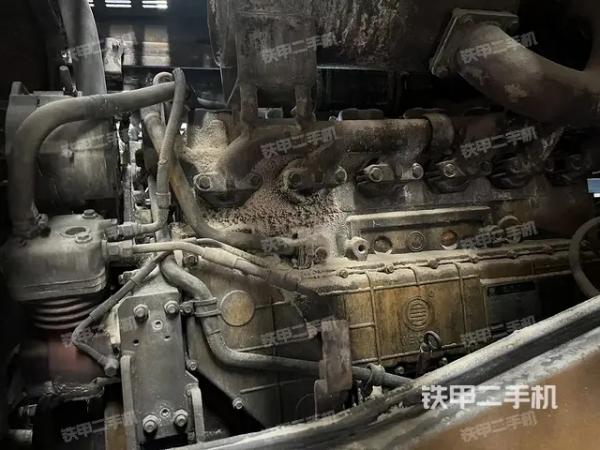
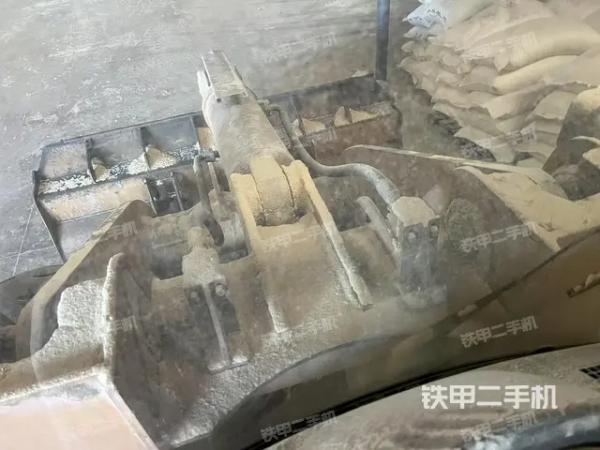
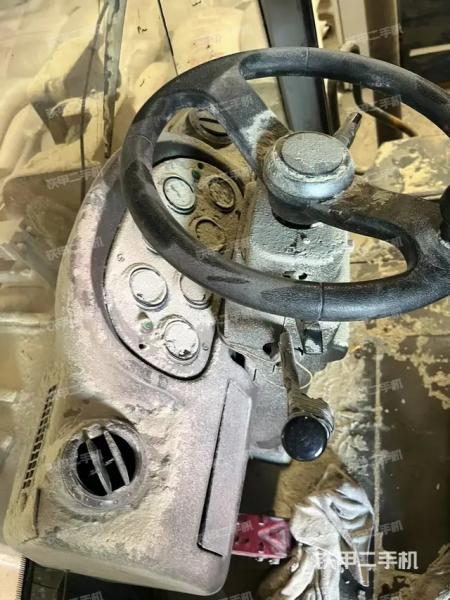
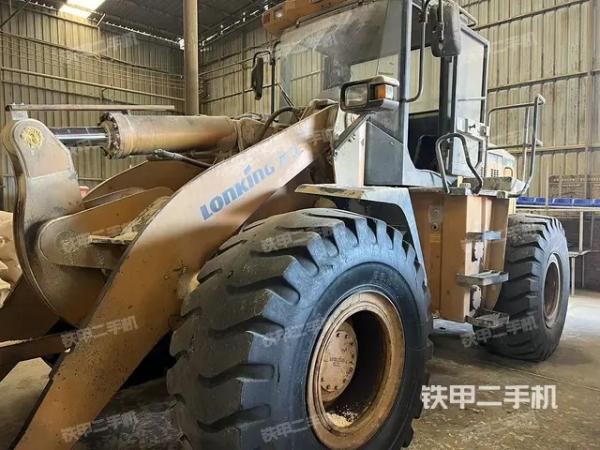
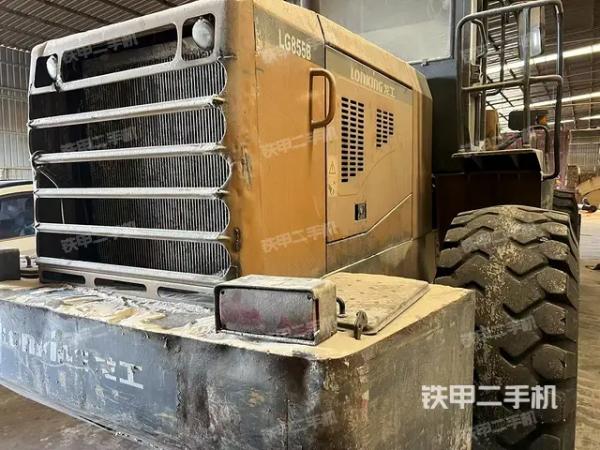
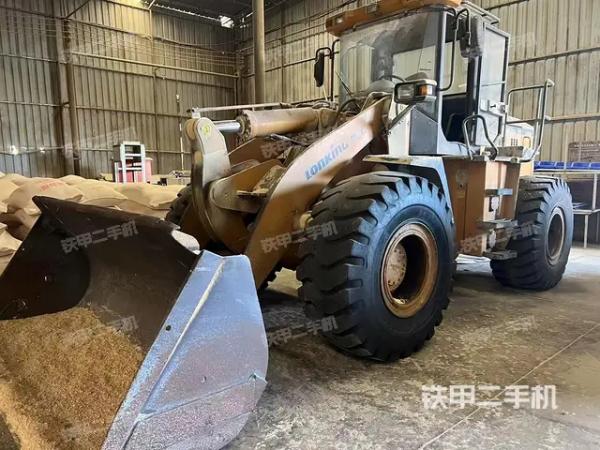
- Brand: Longgong
- Model: LG855B
- Year of Manufacture: 2010
- Operating Hours: 100 hours
- Storage Location: Deyang, Sichuan
- Last Updated: 3 hours ago
ID:1824824
The Longgong LG855B wheel loader is an impressive piece of construction equipment with a blend of powerful engine specifications, operational efficiency, and advanced hydraulics. Manufactured in 2010, this machine has been scarcely used, with only 100 hours of operation, making it a nearly new model despite its age. Currently stationed in Deyang, Sichuan, this loader has been kept in top condition, ready for new tasks.
Engine Specifications- Engine Model: Weichai WD10G220E11 / Shanghai D9-220
- Rated Power: 162 kW at 2200 RPM
- Cooling System: Water-cooled
- Engine Configuration: Inline, water-cooled, four-stroke, direct injection
- Displacement: 9.726L (Weichai) / 8.82L (Shanghai)
The engine is designed for long-lasting durability, with water-cooling ensuring optimal operating temperatures. Its displacement ensures a balance of power and fuel efficiency, making it ideal for demanding construction tasks that require consistent output over long hours.
Operational Performance- Bucket Capacity: 2.7 to 3.0 m³
- Rated Load Capacity: 5 to 6 tons
- Rated Load Weight: 5,000 kg
- Digging Force (Lift Force): ≥170 kN
- Total Operating Weight: 16,600 kg
- Maximum Unloading Height: 3,103 mm
- Unloading Distance: 1,210 mm
The LG855B's bucket capacity ranges from 2.7 to 3.0 cubic meters, offering ample volume for material handling. With a rated load capacity of 5-6 tons, this loader can efficiently handle construction materials, waste, or aggregates. The digging force of ≥170 kN ensures high performance, capable of lifting and moving heavy loads with ease. The unloading height and distance further contribute to its practicality, allowing for smooth operations in varied work environments.
Dimensions and Maneuverability- Wheelbase: 3,230 mm
- Track Width: 2,240 mm
- Overall Length: 7,900 mm
- Overall Width: 3,000 mm
- Overall Height: 3,400 mm
The LG855B is designed to be both compact and powerful. Its length and width allow for excellent maneuverability on construction sites, while the height ensures the loader can handle high lifts without sacrificing stability. Its robust dimensions help it maintain a balance between operational strength and ease of use.
Steering and Hydraulic System- Steering Angle: ±35 degrees
- Hydraulic Flow (Rated Speed): 0.1 L/min
- Rated Working Pressure: 160 bars
The hydraulic system ensures smooth and controlled operations, whether for lifting or digging. The steering angle of ±35 degrees provides enhanced flexibility and turns, making the loader ideal for tight spaces and complex construction tasks. The hydraulic flow and pressure ensure efficient lifting and lowering of loads.
Transmission and Speed- Transmission Type: Planetary-type hydraulic shift transmission
- Speed 1 (km/h): 0-11.5 / 0-16
- Speed 2 (km/h): 0-36
The LG855B features a planetary hydraulic transmission that offers smooth shifting between gears, allowing for seamless transitions during operation. The two-speed transmission enables versatility, with low speeds for fine control and high speeds for faster transport across larger sites.
Performance of Work Device- Lift Time: ≤ 6.0 seconds
- Three-Point Operation Time: ≤ 11.0 seconds
The loader is highly responsive, with a lift time of less than 6 seconds and quick three-point operations. This ensures that the operator can perform tasks efficiently and with minimal delays, essential for high-productivity environments.
Conclusion
The Longgong LG855B wheel loader, though manufactured in 2010, stands out as a powerful, reliable machine with impressive features for any construction project. Its low operating hours make it a great option for anyone looking for a high-performance loader that can handle heavy loads, high lifts, and tight working environments. The combination of solid engine power, efficient hydraulic systems, and smooth transmission guarantees that the LG855B is capable of delivering exceptional results on any job site.
|
|
|
|
| Shandong Lingong E680F Excavator - Equipment Original Factory Parameters |
|
Posted by: MikePhua - 08-16-2025, 12:23 AM - Forum: Equipment Overview
- No Replies
|
|
The Shandong Lingong E680F is a versatile and powerful excavator, designed to tackle a wide range of tasks in the construction and mining industries. Known for its robust performance and durability, this model is especially favored for its fuel efficiency and efficiency in digging operations.
Basic Equipment Information - Brand: Shandong Lingong
- Model: E680F
- Year of Manufacture: 2018
- Operating Hours: 9,000 hours
- Location: Ji'an, Jiangxi
- Last Updated: Recently
Manufacturer Specifications
The E680F is designed with specific parameters that ensure maximum performance and reliability under tough working conditions. Below are the key details of its specifications:
Weight and Capacity- Operating Weight: 7,800 kg
- Bucket Capacity: 0.16-0.32 m³ (Average 0.3 m³)
- Machine Type: Hydraulic Excavator
- Bucket Type: Backhoe
- Power Type: Traditional Diesel Engine
Power System
The power system of the E680F is engineered to provide efficiency and durability:- Engine Model: Yanmar 4TNV98-ZCVLGC
- Rated Power: 44.4 kW at 2,100 rpm
- Cooling System: Water-Cooled
- Bore x Stroke: 98 mm x 110 mm
- Number of Cylinders: 4
- Engine Displacement: 3.319 L
Performance
The excavator offers impressive operational capabilities, delivering both speed and power for a variety of tasks:- Ground Pressure: 32 kPa
- Swing Speed: 0-11 rpm (±0.3)
- Bucket Digging Force: 50 kN
- Arm Digging Force: 56 kN
- Travel Speed: 2.86 km/h (Low) / 5.0 km/h (High)
Fuel and Oil Capacity
Efficiency is paramount in any heavy machinery, and the E680F is no exception:- Fuel Tank Capacity: 135 L
- Hydraulic Oil Capacity: 174 L
- Engine Oil Change Capacity: 12 L
Main Dimensions
The size and configuration of the E680F are optimized for various job sites:- Total Length (Transport): 6,340 mm
- Total Width (Transport): 2,240 mm
- Total Height (Transport): 2,600 mm
- Minimum Ground Clearance: 400 mm
- Rear Swing Radius: 1,895 mm
- Track Length: 2,870 mm
- Track Gauge: 1,780 mm
- Track Plate Width: 450 mm
- Track Roller (Per Side): 1
- Support Wheel (Per Side): 5
Operating Range
The E680F is designed to maximize the effectiveness of its digging and lifting capabilities:- Maximum Digging Radius: 6,330 mm
- Maximum Digging Depth: 4,160 mm
- Maximum Digging Height: 7,216 mm
- Maximum Dumping Height: 5,010 mm
Noteworthy Features and Performance Insights- Powerful Engine Performance: With its Yanmar engine, the E680F delivers ample power, ensuring smooth operations even in challenging digging or lifting tasks.
- Efficient Hydraulic System: The hydraulic oil capacity and the precision of its digging forces make this machine ideal for tough terrain and intensive work such as trenching, lifting, and material handling.
- Compact and Agile Design: Despite its powerful performance, the E680F is designed to be compact, making it suitable for smaller job sites or for operations in confined spaces. Its minimal ground clearance (400 mm) and small turning radius help it operate in areas where larger equipment might struggle.
- Proven Durability: Operating in various conditions, including construction, roadwork, and earth-moving, the E680F has proven to be durable, with high uptime, low maintenance requirements, and a long service life.
Additional Recommendations and Considerations
If you're planning to invest in a machine like the Shandong Lingong E680F, it’s important to ensure regular maintenance, including periodic checks on the hydraulic system and engine oil changes. Keeping the equipment serviced according to the manufacturer’s specifications will help you maximize its lifespan and performance.
Also, if you’re working in areas with soft soil or loose material, the bucket capacity of 0.3 m³ ensures that the machine can handle significant load volumes while maintaining speed and efficiency.
In summary, the Shandong Lingong E680F is a robust, efficient, and reliable machine that offers versatility across various applications, from digging and lifting to material handling and trenching. Its durable power system and precise hydraulic capabilities make it an excellent choice for a wide range of projects. Whether you’re dealing with heavy earth-moving tasks or need a reliable machine for day-to-day construction work, the E680F promises solid performance and long-term value.
|
|
|
|
| John Deere EC360LC Excavator - Equipment Parameters |
|
Posted by: MikePhua - 08-16-2025, 12:17 AM - Forum: Equipment Overview
- No Replies
|
|
The John Deere EC360LC is a hydraulic crawler excavator designed for high performance and efficiency in various construction and excavation tasks. Below are the key specifications and features of the machine in English:
John Deere EC360LC Excavator - OEM Specifications
Engine: - Engine Model: John Deere 6068H
- Engine Type: 6-cylinder, turbocharged, aftercooled
- Rated Power: 220 hp (164 kW) @ 1,800 rpm
- Max Torque: 895 Nm (659 lb-ft) @ 1,400 rpm
- Displacement: 6.8 liters
- Fuel Tank Capacity: 400 liters (105.7 gallons)
Dimensions:- Operating Weight: 36,000 kg (79,366 lbs)
- Overall Length: 11,920 mm (468 inches)
- Overall Width: 3,340 mm (131 inches)
- Overall Height (with cab): 3,365 mm (132.5 inches)
- Undercarriage Width: 3,340 mm (131 inches)
- Track Length on Ground: 4,300 mm (169.3 inches)
- Track Gauge: 2,590 mm (102 inches)
- Ground Clearance: 455 mm (17.9 inches)
Hydraulic System:- Pump Flow: 528 L/min (139.8 gallons/min)
- Main Pump Pressure: 35 MPa (5,077 psi)
- Boom Cylinder Stroke: 2,400 mm (94.5 inches)
- Arm Cylinder Stroke: 1,300 mm (51.2 inches)
- Bucket Cylinder Stroke: 1,030 mm (40.5 inches)
Performance:- Max Digging Depth: 7,710 mm (303 inches)
- Max Reach at Ground Level: 11,120 mm (437.8 inches)
- Max Digging Height: 10,720 mm (422.4 inches)
- Max Dumping Height: 7,730 mm (304.3 inches)
- Max Vertical Digging Depth: 5,290 mm (208.3 inches)
- Max Bucket Breakout Force: 17,800 kg (39,237 lbs)
- Max Arm Force: 14,400 kg (31,746 lbs)
- Swing Speed: 10.5 rpm
- Travel Speed: 5.5 km/h (3.4 mph)
Undercarriage:- Track Type: Steel tracks
- Track Width: 600 mm (24 inches)
- Track Rollers: 8 (each side)
- Number of Shoes: 44 (each side)
Operator’s Cab:- Cab Type: Fully enclosed with air conditioning
- Control System: Joystick controls with selectable patterns (ISO, SAE)
- Seat: Fully adjustable operator seat
- Display System: Digital LCD monitor for machine diagnostics, fuel consumption, and operational parameters
Miscellaneous:- Cooling System Capacity: 33.7 liters (8.9 gallons)
- Hydraulic Tank Capacity: 180 liters (47.5 gallons)
- Engine Oil Capacity: 26 liters (6.9 gallons)
- Swing Mechanism: Hydraulic, with independent drive motors for smooth operation
This equipment is known for its reliability, fuel efficiency, and overall performance in heavy-duty applications. The EC360LC is equipped with advanced hydraulic systems and a powerful engine to provide high productivity for tasks such as digging, lifting, and material handling in construction, mining, and other heavy industries.
|
|
|
|
|



