| Welcome, Guest |
You have to register before you can post on our site.
|
| Online Users |
There are currently 447 online users.
» 0 Member(s) | 437 Guest(s)
Ahrefs, Amazon, Applebot, Bing, Claude, Google, MJ12, OpenAI, Semrush
|
| Latest Threads |
Identifying and Sourcing ...
Forum: Parts , Attachments & Tools
Last Post: MikePhua
01-07-2026, 06:29 PM
» Replies: 0
» Views: 535
|
Cat 931B Brake Parts
Forum: Parts , Attachments & Tools
Last Post: MikePhua
01-07-2026, 06:29 PM
» Replies: 0
» Views: 285
|
Choosing Between Cat 228,...
Forum: General Discussion
Last Post: MikePhua
01-07-2026, 06:28 PM
» Replies: 0
» Views: 572
|
Hydraulic Delay When Lowe...
Forum: Troubleshooting & Diagnosing
Last Post: MikePhua
01-07-2026, 06:27 PM
» Replies: 0
» Views: 451
|
Bale Chopper and Mulcher ...
Forum: General Discussion
Last Post: MikePhua
01-07-2026, 06:26 PM
» Replies: 0
» Views: 333
|
Mini UC Maintenance
Forum: General Discussion
Last Post: MikePhua
01-07-2026, 06:25 PM
» Replies: 0
» Views: 319
|
Locating Wiring Informati...
Forum: General Discussion
Last Post: MikePhua
01-07-2026, 06:24 PM
» Replies: 0
» Views: 353
|
Case Industrial Brown Sub...
Forum: Parts , Attachments & Tools
Last Post: MikePhua
01-07-2026, 06:23 PM
» Replies: 0
» Views: 279
|
Dirt Work in West Virgini...
Forum: Construction & Urban Infrastructure Forum
Last Post: MikePhua
01-07-2026, 06:23 PM
» Replies: 0
» Views: 380
|
D207 P Hydraulic Steering...
Forum: Parts , Attachments & Tools
Last Post: MikePhua
01-07-2026, 06:22 PM
» Replies: 0
» Views: 307
|
|
|
| 2018 Shandong Lingong L953 loader, Sichuan-Chengdu, $13,060 |
|
Posted by: MikePhua - 08-16-2025, 04:45 PM - Forum: Used Excavators Trade
- No Replies
|
 |
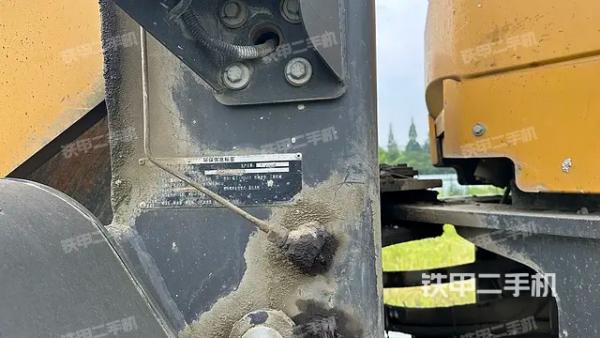
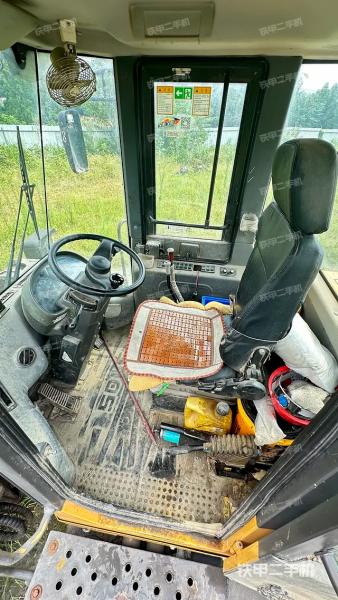
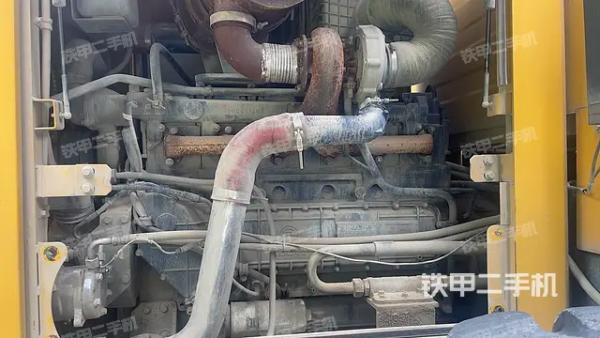
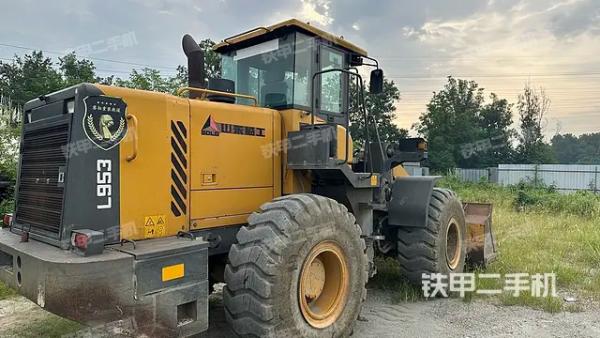
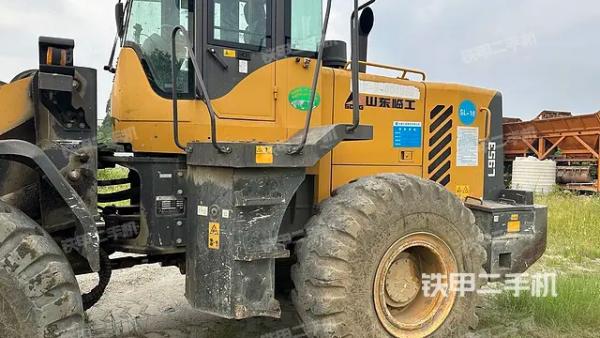
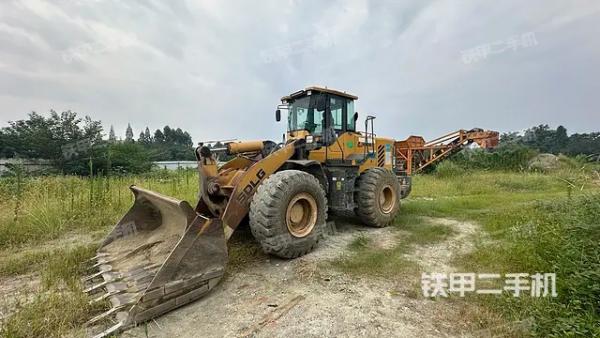
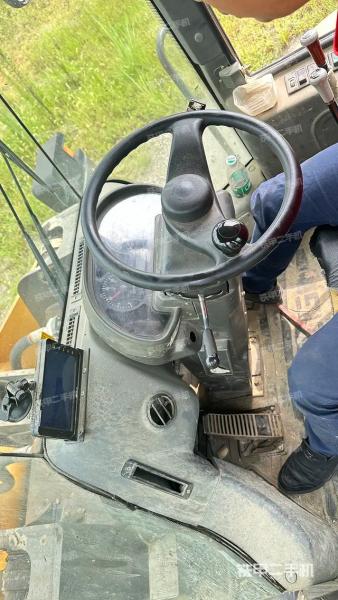
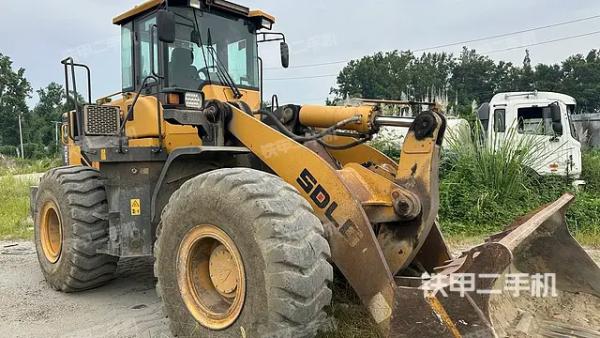
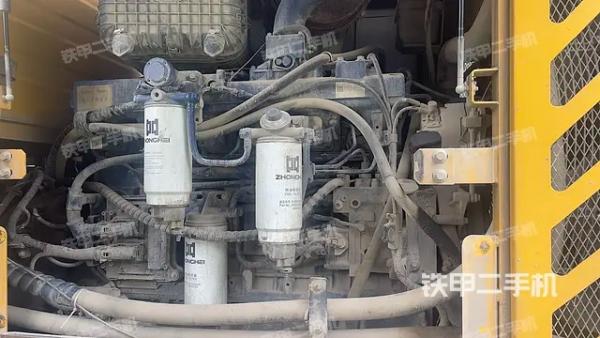
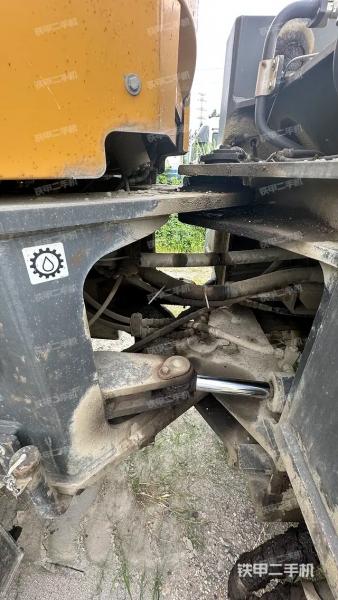
- Brand: Shandong Lingong
- Model: L953
- Year of Manufacture: 2018
- Operating Hours: 3408 hours
- Location: Chengdu, Sichuan
- Last Updated: Updated 20 minutes ago
ID:1824866
The Shandong Lingong L953 is a versatile and reliable wheel loader designed for a wide range of construction and material handling applications. Manufactured in 2018, this machine has quickly become a popular choice in various industries due to its power, efficiency, and robust design. Whether it's moving earth, gravel, or handling heavier materials, the L953 offers impressive performance in demanding environments. This article will provide a detailed overview of the L953, including its key specifications, operational features, and performance advantages.
Brand History and Development of Shandong Lingong
Shandong Lingong, also known as SDLG, is a well-established Chinese construction equipment manufacturer. Founded in 1972, the company has grown to become one of the leading brands in the global heavy equipment market, especially for wheel loaders and excavators. Over the years, SDLG has gained a reputation for producing cost-effective, durable, and reliable machines, making it a go-to choice for both small contractors and large enterprises.
Shandong Lingong's focus on quality and innovation has driven the development of machines like the L953, which combine cutting-edge technology with traditional engineering excellence. The L953 is part of SDLG's strategy to produce machinery that delivers maximum efficiency and reliability in the toughest working conditions.
Key Specifications and Features of the L953
The Shandong Lingong L953 is a 5-6 ton wheel loader that features an impressive set of technical specifications that cater to a variety of construction and material handling needs. Here’s a detailed breakdown of the machine's important parameters:- Engine Specifications:
- Engine Model: WP10G220E341
- Rated Power: 162 kW at 2200 rpm
- Cooling Type: Water-cooled
- Maximum Torque: 950 N·m
- Engine Type: Inline, water-cooled, dry cylinder liner, direct injection
- Displacement: 9.726 L
The engine's robust performance, with a displacement of nearly 10 liters, provides substantial power for both digging and hauling operations. With 162 kW of rated power, the L953 is capable of handling various tasks, including material loading, grading, and transporting heavy loads.- Operational and Performance Features:
- Bucket Capacity: 2.8 m³ (optional sizes: 2.4-4.5 m³)
- Rated Load: 5-6 tons
- Rated Load Weight: 5000 kg
- Digging Force (Lift Force): 175 kN
- Operating Weight: 16,800 kg
- Max Dump Height: 3080 mm
- Dump Reach: 1105 mm
The L953's bucket capacity ranges from 2.4 to 4.5 cubic meters, allowing for flexible adaptation to different material handling needs. With a rated load of 5-6 tons, it offers a balanced mix of power and maneuverability. The machine's digging force of 175 kN ensures that it can handle tough soil and material types, making it ideal for heavy-duty tasks.- Hydraulic and Fuel System:
- Fuel Tank Capacity: 260 L
- Hydraulic Oil Tank Capacity: 240 L
- Engine Oil Capacity: 20 L
The L953 has a well-sized fuel tank that ensures extended operating hours, while the hydraulic oil and engine oil capacities are optimized for smooth, uninterrupted performance throughout long work cycles.- Dimensions and Size:
- Wheelbase: 3000 mm
- Track Width: 2250 mm
- Ground Clearance: 534 mm
- Overall Length: 7920 mm
- Overall Width: 3024 mm
- Overall Height: 3423 mm
With a wheelbase of 3000 mm and an overall width of 3024 mm, the L953 provides a stable platform for work in rough terrain and confined spaces. The ground clearance of 534 mm ensures that it can traverse uneven surfaces without the risk of damaging the undercarriage.- Steering and Transmission:
- Steering Angle: 35°
- Transmission Speeds:
- 1st Gear: 0-13.5 km/h
- 2nd Gear: 0-38 km/h
- Max Speed: 38 km/h
The L953's steering system, with a 35° angle, allows for tight turns and better maneuverability, making it ideal for work on job sites with limited space. Its two-speed transmission offers versatility, with low-speed capabilities for heavy lifting and high-speed travel for covering long distances efficiently.
Advantages of the Shandong Lingong L953
The L953 stands out in the wheel loader market for several reasons:- Powerful Engine: The WP10G220E341 engine provides ample power for all types of material handling and digging operations. With 162 kW of rated power and 950 N·m of maximum torque, the L953 can tackle demanding jobs with ease.
- Versatility: The machine’s adaptable bucket capacity options (from 2.4 to 4.5 m³) allow operators to choose the right configuration for different projects, whether it's loading light material or handling bulk, heavy loads.
- Efficient Operation: The 260 L fuel tank capacity and well-designed hydraulic system ensure that the L953 can operate for long periods without frequent refueling or maintenance downtime.
- Maneuverability: With a compact design and a steering angle of 35°, the L953 is capable of working in tight spaces, making it an excellent choice for urban construction sites or sites with limited space.
- Operator Comfort: Designed with the operator in mind, the L953 provides a spacious and comfortable cabin, which reduces fatigue and improves efficiency during long working hours.
Maintenance and Longevity
The L953 is built to last, with durable components that are designed for ease of maintenance. Regular maintenance, such as checking hydraulic fluid levels, inspecting the bucket and lifting arms, and monitoring engine performance, will ensure the machine’s longevity and reduce unexpected repair costs. Additionally, Shandong Lingong's wide network of service centers ensures that parts and support are readily available, further enhancing the value of the L953 for long-term ownership.
Conclusion
The Shandong Lingong L953 wheel loader is a robust, reliable, and versatile machine that meets the needs of modern construction and material handling projects. With its powerful engine, adaptable bucket sizes, and efficient operation, the L953 is well-suited for a wide range of applications, from digging and grading to hauling materials. Shandong Lingong’s commitment to quality ensures that the L953 remains a valuable tool for contractors and operators who demand efficiency and reliability in their heavy equipment.
|

|
|
| O-Ring Replacement for Heavy Equipment |
|
Posted by: MikePhua - 08-16-2025, 01:29 AM - Forum: Parts , Attachments & Tools
- No Replies
|
|
O-Rings and Their Role in Heavy Equipment
O-rings are deceptively small but vitally important components in heavy machinery, acting as seals that prevent leaks of fluids such as hydraulic oil, fuel, and water. They are made of elastic materials like rubber and fit snugly into grooves between two parts, creating a seal that resists the passage of liquids or gases under pressure. The quality and condition of O-rings directly affect the efficiency and safety of equipment operation.
In heavy equipment, O-rings are used throughout hydraulic systems, fuel injectors, pumps, valves, and connectors. A failed O-ring can cause fluid leakage leading to loss of hydraulic pressure or cause contamination, which could result in machine downtime or damage.
When to Replace O-Rings
O-rings typically require replacement every 3 to 5 years, though harsher working conditions may accelerate wear. Signs indicating the need for replacement include visible cracks, brittleness, fluid leaks, and unusual equipment performance such as sluggish hydraulic response or overheating.
O-rings exposed to incompatible fluids degrade rapidly. For example, an O-ring designed for hydraulic oil may fail if exposed to certain fuel types or chemicals. Proper material compatibility is critical for longevity.
O-Ring Replacement Procedure
Replacing an O-ring involves several careful steps: - First, safely shut down and depressurize the machinery. Drain fluids as necessary to prevent spills.
- Locate the worn O-ring using the machine’s service manual. This reference provides exact locations and specifications.
- Remove the old O-ring gently with a soft tool such as a plastic or brass pick to avoid scratching the groove or mating surfaces.
- Clean the groove thoroughly with a lint-free cloth and appropriate cleaning solution or warm water, ensuring no residue or debris remains.
- Inspect the groove for damage or irregularities that could impair the new seal.
- Select the correct replacement O-ring matching the exact size, material, and hardness specified in the service manual. Using the wrong O-ring can cause premature failure or leaks.
- If recommended, apply a very light lubricant compatible with the O-ring material to ease installation and improve sealing.
- Carefully seat the new O-ring evenly in the groove, avoiding twists or pinching. An O-ring lying flat ensures a uniform seal.
- Reassemble components carefully, ensuring the O-ring remains in place and undamaged during assembly.
- Test the machine after reassembly for leaks and proper operation. Retorque bolts as needed following manufacturer specifications.
Material and Compatibility Considerations
O-rings come in many materials including nitrile, Viton, silicone, and fluorocarbon. Each material has distinct chemical resistance, temperature limits, and mechanical properties. For instance:- Nitrile (Buna-N) is common for hydraulic applications due to good resistance to oils and fuels.
- Viton is suited for high temperature and chemical exposure, used in severe environments.
Material selection should always consider the fluid sealed, temperature extremes, and pressure levels. Manufacturer catalogs and compatibility charts assist technicians in choosing appropriate materials.
Storage and Handling
Improper storage degrades O-rings before use. They should be kept in original packaging, away from sunlight, ozone sources, and extreme temperatures. Rubber O-rings typically have a shelf life of 5 to 10 years.
During installation, avoid stretching or damaging the O-ring. If the O-ring shows any damage like nicks or tears, it should be discarded and replaced with a new one.
Common Challenges and Solutions- Twisting or Pinching: Use installation tools and lubricants to prevent the O-ring from twisting, which compromises the seal.
- Groove Damage: Inspect grooves regularly and repair or replace components with worn sealing surfaces to prevent leaks.
- Bolt Torque: Proper bolt torque ensures uniform compression of the O-ring. Insufficient or excess torque can cause seal failure.
- Contamination: Keep work environment clean during replacement to avoid dirt or debris causing sealing issues.
A Practical Example
On a large hydraulic excavator, a technician noticed a slow arm response due to a leaking hydraulic seal. Upon inspection, the O-ring on one of the control valves was cracked and brittle. Following safety shutdown, the technician carefully removed the valve cover, extracted the old O-ring, cleaned the groove, and installed a new Viton O-ring recommended for high-temperature hydraulic fluid. After reassembly and pressure testing, hydraulic response returned to normal, preventing costly downtime.
Importance in Heavy Equipment Maintenance
O-rings represent one of the most cost-effective maintenance points in heavy machinery. Priced generally between $1 and $10, routine inspection and timely replacement can prevent catastrophic hydraulic system failures.
Terminology Glossary- Gland: The groove where the O-ring is seated to form a seal.
- Torque: The rotational force applied to bolts securing components; critical to seal integrity.
- Hydraulic Fluid: A liquid used to transmit power in hydraulic machinery.
- Nitrile (Buna-N): Common synthetic rubber material for O-rings with good oil resistance.
- Viton: A fluorocarbon rubber offering excellent chemical and heat resistance.
- RTV Silicone: A type of silicone sealant often used alongside O-rings for additional sealing.
Recommendations- Always follow the machine’s service manual instructions precisely for O-ring size and replacement procedures.
- Maintain a clean work environment to avoid contamination during installation.
- Use calibrated torque wrenches to apply manufacturer-recommended bolt torque.
- Consider predictive maintenance programs, including scheduled O-ring inspections and replacements to avoid unexpected failures.
This comprehensive understanding and careful management of O-ring maintenance are vital for sustaining the operational reliability and longevity of heavy equipment.
|
|
|
|
| Caterpillar 955K Bucket Operation: Understanding Key Features and Best Practices |
|
Posted by: MikePhua - 08-16-2025, 01:28 AM - Forum: General Discussion
- No Replies
|
|
The Caterpillar 955K, a classic crawler loader, is well-regarded in the heavy equipment industry for its versatility and reliable performance in demanding environments. One of the most important aspects of this machine is its bucket operation, which is used for a variety of tasks, such as digging, lifting, and moving materials. Understanding the functionality and best practices for using the 955K bucket can enhance productivity and prolong the machine's lifespan.
The Caterpillar 955K: An Overview
Introduced in the 1960s, the Caterpillar 955K was designed as a powerful, compact loader suitable for construction and mining applications. The 955K’s ability to work in tough conditions, combined with its track-driven design, made it highly maneuverable in both soft and uneven terrain.
Powered by a 6-cylinder diesel engine, the 955K provides excellent torque and efficiency, with an operating weight ranging from approximately 15,000 to 17,000 pounds. Over its production span, this model became known for its reliability, durability, and ease of maintenance, which contributed to its widespread use across various industries. Although no longer in production, the 955K remains a favorite for operators and contractors who rely on older, yet robust, equipment.
The Bucket and Its Role in Operations
The bucket of a crawler loader like the Caterpillar 955K plays a central role in its versatility. The primary function of the bucket is to load, lift, and carry materials from one location to another. The 955K comes equipped with a general-purpose bucket, which can be used for a wide range of tasks including digging, scooping, grading, and material handling.
Here are some of the key aspects of the 955K bucket: - Capacity: The bucket capacity typically ranges from 1.25 to 1.5 cubic yards, depending on the specific model and configuration. This makes the 955K suitable for small to medium-sized projects.
- Construction: Made from durable steel, the bucket is designed to withstand the abrasive and heavy-duty demands of construction, mining, and other industrial applications.
- Tilt and Digging Action: The bucket is mounted on a pivoting arm that allows for precise digging and dumping operations. The tilt function allows operators to adjust the angle of the bucket for maximum material retention and efficient loading.
Best Practices for Operating the 955K Bucket
To optimize bucket operation on the Caterpillar 955K, operators must consider several factors to improve efficiency, safety, and machine longevity. Proper handling of the bucket will ensure that it performs at its best and avoid unnecessary wear and tear on the machine.
- Load Distribution: Ensure that the material in the bucket is evenly distributed to prevent an unbalanced load. An uneven load can affect the machine’s stability and increase the risk of tipping.
- Proper Bucket Angle: Maintaining the correct bucket angle during digging and loading is essential. When digging, keep the bucket tilted slightly downward to allow the cutting edge to penetrate the material more easily. When loading, the bucket should be angled upward to retain more material.
- Avoid Overloading: Overloading the bucket can cause excessive strain on the loader’s hydraulics and lift capacity. It is essential to be aware of the machine’s lifting capacity and to stay within safe limits to avoid damaging the equipment.
- Smooth Operation: Sudden or jerky movements while operating the bucket can lead to hydraulic system stress, decreased fuel efficiency, and faster wear of the components. Operators should aim for smooth, gradual movements when raising, lowering, and tilting the bucket.
- Hydraulic System Care: The hydraulic system that controls the bucket’s lift and tilt functions should be regularly maintained. Ensure that hydraulic fluid levels are adequate and that there are no leaks in the system. Contaminants or insufficient hydraulic fluid can lead to sluggish performance and damage over time.
- Bucket Wear: The bucket’s cutting edge and bottom wear plates can wear out over time, especially when operating in abrasive materials like gravel, rock, or concrete. Regularly inspect the bucket for signs of wear and replace components as needed to ensure optimal digging performance.
Common Challenges with 955K Bucket Operation
Despite its robust design, operators of the Caterpillar 955K may encounter some common challenges when operating the bucket. Addressing these issues proactively can prevent downtime and costly repairs.
- Bucket Jamming or Clogging: In certain materials, such as clay or sticky soil, the bucket may become clogged, reducing its efficiency. To minimize this, operators should avoid overfilling the bucket and ensure that the machine operates in a manner that prevents material buildup.
- Hydraulic Slippage or Weak Lifting: If the bucket is unable to lift as expected or the hydraulic system feels sluggish, it could indicate an issue with the hydraulic pump, fluid, or seals. Regular maintenance and timely replacement of worn hydraulic components can resolve these problems.
- Uneven Wear: Uneven wear on the bucket's cutting edge can occur due to improper digging angles or overloading. This can be mitigated by ensuring the bucket is correctly angled and not overloaded during operation.
The Evolution of Loader Buckets
The development of loader buckets, particularly those used in crawler loaders like the 955K, has advanced considerably over the years. Early buckets were relatively simple, made from solid steel and designed for basic material handling. Over time, improvements in design and material science have led to the development of more advanced bucket types, including rock buckets, high-capacity buckets, and heavy-duty configurations designed for specialized tasks.
Today, modern loaders are equipped with buckets that incorporate advanced features like quick-change systems, integrated teeth for enhanced digging performance, and high-strength alloys that improve durability. These advancements have significantly increased the versatility and efficiency of loader machines in industries ranging from construction and mining to forestry and agriculture.
Conclusion
The Caterpillar 955K crawler loader remains a testament to the engineering excellence of Caterpillar’s equipment design. Its bucket operation, central to the loader's overall functionality, is a critical aspect of its performance in demanding environments. By understanding the key features of the bucket and following best practices for operation, operators can ensure that they are maximizing the machine's efficiency and longevity.
Though the 955K is no longer in production, its legacy continues to influence the design of modern loaders. Whether working in construction, agriculture, or mining, the lessons learned from operating the 955K bucket remain valuable for anyone who works with heavy machinery today.
|
|
|
|
| Excavator Technicians in Norwalk Connecticut |
|
Posted by: MikePhua - 08-16-2025, 01:28 AM - Forum: Recruitment & Job Search
- No Replies
|
|
Role and Importance of Excavator Technicians
Excavator technicians play a critical role in the construction and heavy equipment industry by maintaining and repairing excavators, the essential machines used for earthmoving, digging, and material handling. Their expertise ensures that these expensive and complex machines operate efficiently and safely, minimizing costly downtime on construction sites.
Norwalk, Connecticut, as part of an active construction and infrastructure environment, requires skilled excavator technicians to support local projects, ranging from urban developments to utility installations. These technicians troubleshoot hydraulic systems, electronic controls, engines, and structural components of excavators to maintain peak performance.
Salary and Employment Outlook in Norwalk
In 2025, excavator technicians in Norwalk typically earn an average annual salary around $49,000, translating to approximately $23.70 per hour. This salary places Norwalk near the higher pay scale within Connecticut cities for this occupation. Nearby cities like Stamford and Farmington offer slightly more, around $52,000 annually, but Norwalk remains competitive.
Despite this demand for experienced excavator technicians, the job market in Connecticut is described as not very active, suggesting steady but limited openings. Workers with more experience and specialized skills, such as proficiency in diagnosing electronic hydraulic systems or expertise with specific excavator brands, tend to command higher pay, potentially reaching over $25 per hour.
Skills and Expertise Required
The role demands strong mechanical aptitude, electrical knowledge, and familiarity with heavy machinery software diagnostics. Technicians often engage in: - Hydraulic system repairs: Excavators rely heavily on hydraulics for arm and bucket movements, making this a key maintenance area.
- Engine servicing: Diesel engines powering excavators require regular tune-ups and troubleshooting.
- Electronic diagnostics: Modern excavators increasingly utilize computerized control systems, requiring technicians to use tablets and diagnostic tools.
- Structural inspections and repairs: Knowing welds, pins, and boom integrity is essential to safety.
In addition, technicians must be able to read technical manuals and schematics and keep updated on the latest excavator models and technology.
Tools and Technology
Modern excavator technicians use advanced diagnostic software provided by manufacturers such as Caterpillar, Komatsu, and John Deere. Portable electronic testing equipment, hydraulic pressure gauges, and welding tools are also standard in their toolkit.
New trends include telematics systems that transmit machine data remotely, allowing technicians to perform predictive maintenance and reduce unexpected breakdowns. Knowledge of these systems is increasingly valuable.
Training and Certification
Becoming an excavator technician usually involves technical training, either through vocational schools or manufacturer-certified programs. Apprenticeships and on-the-job training remain common pathways. Certifications in diesel mechanics, hydraulics, and electrical systems enhance a technician’s qualifications.
Local community colleges and trade schools around Norwalk provide courses tailored toward heavy equipment maintenance, helping meet the region’s workforce needs.
Work Environment and Challenges
Excavator technicians often work both in workshops and on job sites, sometimes under challenging weather and safety conditions. The physical demands include lifting heavy parts and working in confined machine spaces. Safety protocols for working with heavy machinery and electrical systems are paramount.
Urgent repairs can require technicians to work outside regular hours to minimize project delays.
A Real-Life Incident
A notable example in the Norwalk area involved a critical underground excavation project where a hydraulic failure halted work on a large excavator. The technician diagnosed a leaking hydraulic valve, sourced a replacement part overnight, and returned early the next day to restore function. This quick turnaround saved the project from costly downtime and exemplifies how technician expertise directly impacts construction timelines.
Industry Trends Impacting Excavator Technicians
With construction equipment becoming more technologically advanced, future excavator technicians must embrace continuous learning. Electric and hybrid excavator models are emerging, requiring new maintenance approaches. Telematics and IoT integration improve proactive service but also add complexity.
The growing focus on infrastructure investment in the U.S. is likely to maintain steady demand for skilled technicians, but competition for jobs may increase. Upskilling in electrical systems, software diagnostics, and safety certifications will be key to career sustainability.
Terminology Glossary- Hydraulic System: A system that uses fluid under pressure to generate movement in machinery components like the excavator’s boom and bucket.
- Telematics: Technology that uses telecommunication to send, receive, and store information relating to remote objects like heavy equipment.
- Diesel Engine: The internal combustion engine that powers most excavators, using diesel fuel.
- Diagnostic Software: Manufacturer-provided computer programs allowing technicians to troubleshoot electronic systems.
- Boom: The long arm of an excavator used for digging and lifting.
- Pin: A cylindrical fastener that connects moving parts like booms and buckets.
- Weld: A method to join metal pieces securely, often used in excavator repairs.
The excavator technician role in Norwalk embodies a blend of mechanical skill, technological savvy, and practical problem-solving essential to maintaining the heavy machinery driving the region’s construction and development forward.
|
|
|
|
| 2019 John Deere 26G Mini Excavator: Auxiliary Hydraulic Circuit On/Off Valve |
|
Posted by: MikePhua - 08-16-2025, 01:27 AM - Forum: Parts , Attachments & Tools
- No Replies
|
|
When using a 2019 John Deere 26G mini excavator, many operators may wonder about the auxiliary hydraulic circuit and how to control it effectively. The ability to control this system can have significant implications for the machine's versatility, especially when using attachments that require hydraulic power. The question of whether there is an on/off valve or switch for the auxiliary hydraulic circuit is crucial for those seeking precise control over hydraulic tools like augers, breakers, or mulchers.
Understanding the Auxiliary Hydraulic Circuit in Mini Excavators
Mini excavators, like the John Deere 26G, are designed for efficiency and versatility in tight workspaces. The auxiliary hydraulic circuit is integral to this versatility, as it allows the operator to run various attachments that require additional hydraulic power beyond the basic functions of the machine’s arm, bucket, and boom.
For example, a hydraulic breaker used for breaking concrete or rock, or a grapple that requires hydraulic flow, would both be powered through the auxiliary circuit. The 26G comes equipped with this capability, offering two auxiliary lines: one for standard flow and one for high-flow applications. This configuration ensures that the operator can adapt to a variety of tasks with ease.
Is There an On/Off Valve for the Auxiliary Hydraulic Circuit?
The answer to whether there is an on/off valve or switch for the auxiliary hydraulic circuit depends on the machine’s configuration and the specific setup of the hydraulic system. On the 2019 John Deere 26G, there isn't a simple on/off switch in the traditional sense, but there are controls that serve a similar function.
The auxiliary hydraulic flow is controlled by the machine’s control panel. This allows the operator to engage or disengage the flow to the auxiliary hydraulics as needed. However, this control is typically not an "on/off" switch but a lever or dial that adjusts the flow rate. This system is designed for flexibility, allowing precise adjustments to match the requirements of different attachments. Additionally, some models may feature an automatic function that engages the hydraulic flow when an attachment is plugged in, which could also resemble an on/off switch in practice.
Technical Details of the Auxiliary System
The auxiliary hydraulic system on the John Deere 26G is designed for ease of use and adaptability. Here are some key features and parameters to consider: - Standard Flow Rate: The John Deere 26G provides a standard auxiliary hydraulic flow rate of about 13.2 gpm (gallons per minute), which is sufficient for most attachments.
- High-Flow Option: For more demanding attachments like larger augers or hydraulic mulchers, the high-flow auxiliary circuit offers a flow rate of 19.7 gpm, ensuring powerful performance when required.
- Pressure Settings: The standard system operates at a pressure of 3,000 psi, ensuring that attachments receive sufficient force for various operations. The high-flow option typically operates at 3,000 psi as well, making it suitable for larger, heavier-duty attachments.
- Quick Connect/Disconnect: The auxiliary lines on the 26G are equipped with quick-connect couplers, allowing the operator to easily switch between attachments without the need for additional tools.
Common Issues and Solutions
While the auxiliary hydraulic system on the John Deere 26G is generally reliable, operators may encounter a few common issues related to flow control:
- Inconsistent Flow: If the flow to an attachment seems inconsistent, the problem might be related to a faulty control valve or a clogged filter. Regular maintenance, including cleaning filters and inspecting hoses for damage, is essential.
- Attachment Compatibility: Some attachments might require specific hydraulic flow settings. If you are using a high-flow attachment with a standard-flow system, the performance could be suboptimal. Always ensure that the flow rate and pressure settings match the attachment’s requirements.
- Leaks: Leaks in the hydraulic system can cause a loss of pressure and inefficient operation. Regularly check the quick-connect couplings and hoses for wear or damage.
The Importance of Auxiliary Hydraulics in Modern Excavators
The introduction of auxiliary hydraulics to mini excavators revolutionized the versatility of these machines. Before the widespread use of auxiliary systems, mini excavators were limited in the types of attachments they could operate. The hydraulic system allows for the seamless integration of various attachments, turning the mini excavator into a multi-functional powerhouse.
Over the years, manufacturers like John Deere have continually refined their auxiliary hydraulic systems, improving reliability, efficiency, and ease of use. Today, a mini excavator’s hydraulic system is not just a tool for digging; it’s an essential part of many complex operations, from demolition and trenching to landscaping and grading.
Conclusion
The 2019 John Deere 26G mini excavator’s auxiliary hydraulic system is an essential component for operators looking to extend the machine’s capabilities. Although there isn’t a traditional on/off switch, the system offers precise control over hydraulic flow, with both standard and high-flow options available. Regular maintenance, including checking for leaks and ensuring compatibility with attachments, is key to keeping the system running smoothly. With the versatility provided by this auxiliary system, the John Deere 26G continues to be a valuable tool for a wide range of applications in the construction, landscaping, and demolition industries.
|
|
|
|
| Gone with the Wind in Heavy Equipment Transport |
|
Posted by: MikePhua - 08-16-2025, 01:26 AM - Forum: General Discussion
- No Replies
|
|
Record-breaking Wind Turbine Blade Transport
Transporting massive wind turbine components represents one of the most formidable challenges in heavy equipment logistics. One landmark operation involved the transport of the world’s longest wind turbine blade, measuring 88.4 meters in length and 4.47 meters in height when loaded on a specialized truck. The operation required extraordinary planning and precision because the blade had to navigate under bridges with just a three-centimeter clearance, highlighting the extreme spatial constraints in such transports.
The journey began with extensive route surveys based on preliminary blade designs. As the blade design evolved, increasing in width and height, the transport unit underwent modifications including extending the overhang to accommodate the new dimensions. Along the route, multiple infrastructure adjustments were essential: traffic signals had to be permanently relocated, guardrails and road signs were temporarily dismantled, and even some trees were removed to ensure safe passage.
This complex project demanded coordination among specialist logistics companies, local authorities, police, and road authorities. On-site personnel worked together seamlessly to manage pinch points along the route, ensuring the transport moved efficiently and safely. The transport was completed faster than expected, chiefly due to meticulous prior planning and close collaboration, underscoring teamwork as a critical factor for success in oversized equipment transport.
Heavy Machinery Power and Scope
In the realm of heavy equipment, enormous machines such as 65-ton bulldozers and gigantic draglines are standard for large-scale earthmoving and mining. For example, some draglines boast bucket capacities exceeding 120 cubic meters (approximately 160 cubic yards), which is enough to move massive amounts of material in a single scoop. Such machines can weigh over 6,000 tons—more than 15 times heavier than a Boeing 747 jumbo jet.
Landfill compactors in the ultra-class segment weigh upwards of 57 tons and feature capabilities like 15.8 cubic meter blade capacities and 72 heavy steel wheels for compaction on tough terrain. These machines run on powerful engines, often exceeding 500 horsepower, and have large fuel tanks holding nearly 1,000 liters of diesel to sustain operations across wide job sites.
Historical and Technical Legacy of Heavy Equipment
Many iconic heavy equipment brands have evolved through rich histories intertwined with industrial development. For instance, Caterpillar, founded over a century ago, grew from the vision of combining tractor and engine technologies into versatile machines that revolutionized construction, agriculture, and mining industries. Over the decades, these companies have innovated to produce robust, more efficient, and technologically advanced equipment, driving global infrastructure development and resource extraction.
Older machinery from the early 20th century, such as tractors from the 1920s powered by simple gasoline engines, laid the groundwork for today’s complex hydraulic systems and electronically controlled engines. Although antiquated models may still be found abandoned or restored in rural settings, they represent the engineering progress that led to modern heavy equipment.
Challenges and Solutions in Heavy Equipment Operations
Transporting oversized and heavy equipment poses significant challenges beyond sheer size and weight. - Route Planning and Permits: Detailed route surveys must account for physical clearances, road strength, traffic flow, and regulatory approvals. Coordination with local governments is crucial.
- Infrastructure Adjustments: Temporary modifications like relocating signs, removing obstacles, and reinforcing roads or bridges are often needed.
- Specialized Transport Equipment: Custom trailers with hydraulic steering, extendable frames, and load distribution systems are essential to handle extreme loads.
- Safety Measures: Escort vehicles, flaggers, and communication systems ensure public safety and smooth operation.
Effective solutions require interdisciplinary teamwork involving engineers, transport planners, local authorities, and operators. These collaborations prevent delays, damage, and risks to personnel or public.
Stories from the Field
A notable anecdote from a massive blade transport involved cutting trees and removing crash barriers to create clearance, with workers temporarily shutting down traffic and controlling complex maneuvers of a nearly 90-meter blade. The careful choreography between transport teams and authorities was likened to perfect dance coordination, showing how success in heavy equipment logistics depends on absolute precision and partnership.
Another story from mining operations highlights how operators need to understand the fuel consumption intricacies of ultra-class machines that consume thousands of liters of diesel daily. Efficiency improvements and maintenance schedules are critical to sustain productivity and control costs.
Industry Outlook
The growing focus on renewable energy development, especially wind power, drives demand for transporting and installing ever-larger turbine components. The continuous scaling up of blade sizes and tower heights demands innovations not only in turbine technology but also in heavy equipment transport and lifting solutions.
Meanwhile, manufacturers invest in increasingly powerful, reliable, and eco-efficient machines to meet infrastructure expansion worldwide. Historical lessons continue to inform modern engineering designs that prioritize operational safety, environmental compliance, and technological integration.
Glossary of Terms- Overhang: The part of a load extending beyond the rear or front of the transport trailer.
- Pinch Points: Narrow or difficult sections along a transportation route requiring extra caution.
- Dragline: A large excavator with a bucket suspended from a boom, used in mining and heavy civil projects.
- Ultra-class landfill compactor: A very large compactor used for waste management, characterized by high weight and capacity.
- Hydraulic Steering: Steering mechanism using hydraulic fluid to control large and heavy equipment movement.
- Escort Vehicles: Support vehicles that accompany oversized loads to manage traffic and safety.
This comprehensive overview encapsulates the complexity and grandeur of heavy equipment transport and operations, reflecting industry evolution, technical challenges, and the human element indispensable for success.
|
|
|
|
| Fuel in Oil Issue in Komatsu TH-63 |
|
Posted by: MikePhua - 08-16-2025, 01:25 AM - Forum: Troubleshooting & Diagnosing
- No Replies
|
|
Introduction and Background
The Komatsu TH-63 is a telescopic handler popularly used in construction, industrial, and agricultural sectors for its versatility in lifting and material handling. As a heavy-duty machine, it relies on robust hydraulic and engine systems to ensure smooth, reliable operation. Like all diesel-powered machinery with hydraulic components, the presence of fuel in the engine oil is an issue that requires immediate attention to prevent long-term damage.
Understanding Fuel in Oil Problem
Fuel dilution in engine oil is the unintended mixing of diesel fuel with lubricating oil. This may occur due to incomplete combustion, leaking injectors, prolonged idling, or cold starts that do not allow the engine to reach optimal temperature. When fuel enters the oil, it reduces the lubricant’s viscosity and protective properties, leading to accelerated wear, reduced oil film strength, and potential engine damage.
Key Terminology - Fuel dilution: Mixing of diesel fuel into engine oil.
- Viscosity: The thickness or resistance to flow of the engine oil.
- Injector leak: Failure in the fuel injector allowing fuel to seep into the combustion chamber or oil system.
- Combustion: Process of burning fuel to produce power in the engine cylinders.
Causes of Fuel in Oil in TH-63- Leaking injectors cause unburned fuel to seep into the oil sump.
- Excessive idling or short runs cause fuel to wash down cylinder walls and mix with oil.
- Cold weather starts reduce combustion efficiency, increasing fuel presence in crankcase oil.
- Over-fueling or faulty fuel injection timing can cause fuel wash effects.
- Worn piston rings fail to seal combustion chambers properly, allowing fuel to bypass into the oil.
Diagnosis and Detection
Detection of fuel in oil involves visual and physical inspections:- Oil sample test: Presence of fuel can be detected by smell, reduced viscosity, or lab oil analysis.
- Visual signs: Oil appears thinner and may smell like fuel.
- Performance issues: Engine rough running, increased fuel consumption, and smoke emissions.
Consequences of Untreated Fuel in Oil- Reduced lubrication efficiency leading to accelerated wear on bearings and cylinders.
- Increased risk of engine overheating due to poor oil film.
- Faster oxidation and oil degradation, creating sludge and varnish.
- Possible engine seizure in severe cases.
Recommended Remedies and Solutions- Immediate oil and filter changes to remove diluted oil.
- Injector cleaning or replacement to resolve leaks.
- Adjust or repair fuel injection timing for proper fuel delivery.
- Reducing idling times and ensuring sufficient running to reach operating temperature.
- Regularly monitoring oil condition using dipsticks and lab analysis.
- Engine diagnostics to check for worn piston rings or other mechanical faults.
Preventive Maintenance Tips- Ensure use of proper fuel quality with detergents to keep injectors clean.
- Maintain proper engine operating temperature with functioning cooling systems.
- Schedule regular injector inspections and maintenance.
- Avoid frequent short trips that do not allow full engine warm-up.
Anecdotal Insight
A construction company using Komatsu TH-63 handlers in cold northern climates reported frequent fuel dilution issues during winter months due to extended warm-up periods and short operational cycles. After implementing stricter idle management and injector servicing programs, they significantly reduced engine-related failures, extending operational life.
Conclusion
Fuel in oil is a critical issue in Komatsu TH-63 telescopic handlers that demands prompt diagnosis and corrective action. Understanding the causes—from injector leakage to operational habits—enables operators to maintain engine health effectively. Regular maintenance, oil monitoring, and responsive repairs ensure longevity and reliable performance, avoiding costly downtime in high-value machinery.
|
|
|
|
| John Deere JD400: An Overview and Troubleshooting Guide for New Users |
|
Posted by: MikePhua - 08-16-2025, 01:24 AM - Forum: General Discussion
- No Replies
|
|
The John Deere JD400 is a versatile and durable loader/backhoe that has been a staple in construction and farming industries for many years. Known for its rugged build and reliability, the JD400 continues to be a popular choice among operators in need of a dependable piece of equipment. However, for new users, understanding its features, potential problems, and solutions can make a big difference in ensuring that the machine performs at its best.
Development and History of the John Deere JD400
The John Deere JD400 loader/backhoe was developed as part of John Deere's extensive line of earth-moving machinery. It combines the functionality of a front loader and a backhoe, making it a dual-purpose machine suitable for a wide range of tasks, such as digging, lifting, and material handling. The JD400 was introduced during the 1970s and gained a reputation for its reliability and ease of operation, which made it a favorite for operators who needed a powerful machine for both light construction and agricultural tasks.
With John Deere’s commitment to producing high-quality, long-lasting equipment, the JD400 was built to withstand the harsh demands of heavy-duty operations. Over the years, the model was widely adopted by contractors and farmers alike due to its powerful engine, smooth hydraulic systems, and relatively compact size.
Key Features of the John Deere JD400
Before diving into troubleshooting and repairs, it’s important to understand the key features that make the JD400 a valuable machine. - Engine Power:
The JD400 is powered by a diesel engine, typically the 4045T model, which offers robust power to handle heavy lifting, digging, and hauling tasks. With an engine output ranging between 60 and 70 horsepower, it is well-suited for medium-duty operations.
- Hydraulic System:
One of the JD400's standout features is its efficient hydraulic system, which allows for smooth and precise movements when operating both the loader and the backhoe. The hydraulic system is designed to provide consistent power, ensuring that operators can move materials with ease.
- Loader and Backhoe Configuration:
The JD400 combines the capabilities of both a front-end loader and a backhoe, providing operators with the flexibility to tackle a variety of tasks. The front loader can lift materials such as dirt, sand, or gravel, while the backhoe allows for deep digging and trenching operations.
- Durability and Build:
John Deere's commitment to quality materials and manufacturing processes ensures that the JD400 is built to last. Its rugged construction allows it to handle tough jobs without compromising performance, even in challenging environments.
Common Issues with the John Deere JD400
Like all machines, the John Deere JD400 may encounter some problems over time. New users should be aware of the potential issues they might face and know how to handle them effectively.- Engine Starting Problems:
A common issue that some operators face with the JD400 is trouble starting the engine, particularly in colder weather. This could be due to several factors, such as a weak battery, a faulty starter motor, or a clogged fuel filter. Regular maintenance of the battery and fuel system is essential to avoid these problems.
- Hydraulic System Failures:
The hydraulic system is essential for the loader and backhoe's operation, and issues such as leaks or slow response can impact performance. Common causes of hydraulic problems include low hydraulic fluid levels, worn-out seals, or issues with the hydraulic pump. These problems can often be identified and fixed through routine inspections.
- Transmission Issues:
The JD400's transmission may experience issues such as difficulty shifting gears or slipping. This could be a result of low transmission fluid or a worn-out transmission clutch. Regular maintenance of the transmission system, including fluid checks and changes, can help prevent these problems.
- Steering and Control Problems:
Difficulty in steering or unresponsive controls can be a sign of hydraulic or mechanical issues. If the steering becomes hard or unresponsive, it could be due to air in the hydraulic lines, low fluid levels, or a malfunctioning steering cylinder. Proper maintenance of the steering system is key to avoiding these problems.
Troubleshooting and Solutions
For new users, knowing how to troubleshoot common issues with the JD400 is crucial to keeping the machine in good working condition.
- Starting Issues:
- Battery and Starter: Check the battery for corrosion or damage and ensure it is charged. If the battery is in good condition but the machine still doesn't start, the starter motor might need to be replaced.
- Fuel System: A clogged fuel filter can prevent fuel from reaching the engine. Replace the fuel filter regularly and ensure that the fuel lines are clear.
- Glow Plugs: In colder temperatures, the glow plugs may not be functioning correctly. Ensure that the glow plugs are in working order before attempting to start the machine.
- Hydraulic System Troubles:
- Fluid Levels: Always check the hydraulic fluid levels regularly and top up if necessary. Low fluid levels can cause the hydraulic system to malfunction.
- Leaks: Inspect hydraulic hoses and seals for signs of leaks. Replacing worn-out seals or damaged hoses can help restore the system’s performance.
- Pump or Valve Issues: If the hydraulic system is sluggish or unresponsive, the hydraulic pump or control valves may need to be checked for blockages or damage.
- Transmission Problems:
- Fluid Checks: Regularly check the transmission fluid levels. Low fluid levels can cause shifting issues and reduced performance.
- Clutch Replacement: If the transmission is slipping, the clutch may be worn out and need replacing.
- Inspection of Gears: If gear-shifting issues persist, it may be necessary to inspect the internal components of the transmission for damage.
- Steering and Control Issues:
- Hydraulic Fluid: Check the hydraulic fluid levels and ensure there are no air pockets in the hydraulic lines.
- Steering Cylinder Inspection: Inspect the steering cylinders for leaks or damage. If necessary, replace the cylinders or seals to restore proper steering function.
- Hydraulic Pressure: Low hydraulic pressure can cause control problems, so ensure the hydraulic pump is functioning correctly and providing sufficient pressure.
Maintenance Tips for Long-Term Reliability
To extend the lifespan of your John Deere JD400 and avoid common issues, regular maintenance is crucial. Here are some key tips:- Engine Maintenance: Regularly change the oil and filters, as well as inspect the cooling system to avoid overheating.
- Hydraulic System Care: Periodically check the hydraulic hoses, filters, and fluid levels to prevent leaks and system failures.
- Transmission and Differential: Maintain the transmission fluid levels, and inspect the clutch and differential systems for wear and tear.
- Tire and Undercarriage Checks: Regularly inspect the tires for wear, and the undercarriage for damage or excessive wear. Replace any damaged components to ensure the machine runs smoothly.
Conclusion
The John Deere JD400 is a reliable and versatile loader/backhoe that offers exceptional performance for a wide range of tasks. For new users, understanding the machine’s features, troubleshooting common issues, and performing regular maintenance is crucial to ensuring that the machine performs at its best. By staying proactive in addressing any potential problems and following the manufacturer’s maintenance recommendations, operators can maximize the longevity and efficiency of the JD400, making it a valuable asset on any job site.
|
|
|
|
| Hitachi EX-200-1LC Excavator Oil Leak Diagnosis and Solutions |
|
Posted by: MikePhua - 08-16-2025, 01:24 AM - Forum: Troubleshooting & Diagnosing
- No Replies
|
|
Machine Background
The Hitachi EX-200-1LC is a mid-sized hydraulic excavator designed for versatility and efficiency in general construction, infrastructure, and earthmoving applications. With an operating weight around 20,000 kg (44,000 lbs) and powered by a robust engine producing roughly 131–133 horsepower, this excavator balances power with operator comfort and durability. Advanced hydraulic systems and reinforced structural components make it suitable for tough terrain and varied work environments.
Oil Leak Issues
Oil leaks in the Hitachi EX-200-1LC can pose serious operational and environmental problems. Common sources of leaks include worn seals, damaged hoses, loose fittings, or cracked hydraulic cylinders. Identifying and addressing the leak promptly is crucial to maintaining hydraulic pressure, preventing further component damage, and ensuring operator safety.
Key Terminology - Hydraulic Cylinder: Component using hydraulic fluid pressure to generate linear force and motion.
- Seal Kits: Sets of replacement sealing elements designed to restore integrity to hydraulic cylinders and fittings.
- Hydraulic Hose: Flexible tubing carrying fluid between components under pressure.
- Pressure Testing: Diagnostic method to detect leaks by monitoring fluid pressure changes in hydraulic circuits.
- Service Intervals: Scheduled maintenance points for checking fluid levels and inspecting parts for wear.
Leak Diagnosis Approach- Conduct a visual inspection for any apparent oil where leaks are likely: cylinder rods, hose connections, and fittings.
- Check hydraulic fluid levels in the reservoir to confirm consumption or loss.
- Use pressure gauges and monitoring tools to assess hydraulic system pressure for drops influenced by leaks.
- Evaluate cylinder rod condition for dents, corrosion, or scored surfaces that can compromise seal integrity.
- Inspect hose condition for cracks, wear, or abrasion caused by contact or heat.
Common Leak Causes and Solutions- Rod Seal Failure: Leads to fluid seepage along the piston rod. Replacing rod and wiper seals is often necessary after assessing rod surface condition.
- Flexible Hose Damage: Cracks or wear due to aging or mechanical abrasion require hose replacement.
- Fitting Looseness: Tightening or replacing fittings can restore sealing.
- Cylinder Body Damage: In rare cases, cylinder tubes with cracks or corrosion require full replacement or reconditioning.
Maintenance Best Practices- Use manufacturer-recommended hydraulic fluids with proper viscosity and anti-wear additives.
- Keep hydraulic oil clean by changing filters according to specified intervals.
- Regularly clean around hydraulic connections to quickly detect leaks.
- Avoid operating machinery under pressure without proper safeguards to reduce stress on hoses and seals.
Real-World Case Example
An operator reported a small yet persistent oil leak on an EX-200-1LC’s boom cylinder rod. After detailed inspection, the problem was traced to a worn rod seal aggravated by minor scoring from abrasive material. The repair involved replacing the rod seal and polishing the rod to restore smoothness. Post-repair operation showed no further leak and restored full hydraulic pressure.
Additional Advice
Since Hitachi machines use advanced hydraulic components, using genuine replacement seal kits and parts is recommended to maintain machine performance and warranty compliance. Involving experienced hydraulic specialists during troubleshooting helps identify subtle issues early. Keeping a spare set of basic seal kits and hoses on-site can minimize downtime when leaks develop unexpectedly.
Conclusion
Managing oil leaks in the Hitachi EX-200-1LC hydraulic excavator requires a systematic approach focusing on inspection, diagnosis, and timely repair. Understanding hydraulic system components and leak causes enables effective maintenance strategies, prolonging machine life and ensuring safe, efficient operation in demanding working conditions.
|
|
|
|
| John Deere 790E LC Throttle Issues: Troubleshooting and Solutions |
|
Posted by: MikePhua - 08-16-2025, 01:23 AM - Forum: Troubleshooting & Diagnosing
- No Replies
|
|
The John Deere 790E LC, a prominent model in John Deere's lineup of hydraulic excavators, is known for its powerful performance and versatility in heavy-duty operations. However, like any complex piece of machinery, it can occasionally face issues, including problems with the throttle. In this article, we will explore the common causes of throttle-related problems in the John Deere 790E LC, troubleshooting steps, and how to address these issues to keep your excavator running smoothly.
Development History of the John Deere 790E LC
The John Deere 790E LC is part of John Deere's E-Series hydraulic excavators, introduced to meet the demands of a more efficient, powerful, and environmentally friendly excavator. The 790E LC was designed to handle various construction tasks such as digging, lifting, and material handling, making it a reliable workhorse for medium to large-scale projects.
John Deere, a brand known for its innovation in agricultural and construction machinery, ensured that the 790E LC offered powerful engines, advanced hydraulics, and user-friendly controls to enhance operator efficiency. The model has been a favorite in the industry for its robustness, especially in the challenging terrains where excavators are commonly used.
Symptoms of Throttle Issues in the 790E LC
Throttle problems in the John Deere 790E LC can manifest in different ways, often affecting the machine's overall performance. The most common signs of throttle issues are: - Unstable Engine Speed: The engine may surge or fluctuate unexpectedly. This might occur when trying to maintain a steady throttle or during load changes, affecting the operator’s ability to control the machine.
- Throttle Response Lag: There may be a noticeable delay in throttle response when the accelerator pedal is pressed, or the engine may fail to increase speed when required. This can make operating the excavator more difficult, especially in precision tasks.
- Loss of Power: Throttle issues can lead to a drop in engine power, making the excavator sluggish or unresponsive, particularly when pushing through tough materials or during lifting operations.
- Erratic Throttle Movement: If the throttle lever or pedal feels unusually stiff or sticky, or if the throttle moves without responding to the operator’s input, it could indicate a mechanical or electronic issue.
Potential Causes of Throttle Problems
Understanding the potential causes of throttle issues can help pinpoint the problem faster. Some of the common causes include:- Faulty Throttle Linkage:
The throttle linkage connects the throttle pedal to the engine’s throttle valve. If the linkage is damaged, loose, or misaligned, it can result in erratic throttle movement or a delayed response. This can cause the engine to behave unpredictably.
- Air Filter Blockage:
A clogged or dirty air filter can reduce airflow to the engine, causing it to struggle with reaching proper speeds. This issue can lead to poor engine performance, which could be mistaken for a throttle problem.
- Fuel System Issues:
Throttle problems can also arise from issues with the fuel delivery system, such as a clogged fuel filter, a failing fuel pump, or a fuel injector problem. Insufficient fuel flow can result in the engine not receiving enough power, affecting throttle response.
- Throttle Pedal or Sensor Malfunction:
The 790E LC uses electronic throttle control, where the pedal sends signals to the engine control unit (ECU). A malfunction in the throttle sensor or a dirty pedal mechanism can cause inconsistencies in throttle performance.
- Hydraulic System Problems:
In some cases, throttle irregularities could be linked to the hydraulic system, particularly the main pump. When the hydraulic system is under strain or the fluid is low, it can cause fluctuations in engine speed, which may mimic throttle problems.
- Electrical Issues:
As with many modern machines, electrical malfunctions or a weak battery can also affect throttle control. Issues with wiring or faulty electronic components can disrupt the communication between the throttle pedal and the engine, leading to erratic behavior.
Troubleshooting the Throttle Problem
If you’re experiencing throttle issues with your John Deere 790E LC, a methodical approach to troubleshooting is key to identifying and resolving the issue. Here's a step-by-step guide:
- Inspect the Throttle Linkage:
Begin by checking the throttle linkage for any signs of damage, wear, or misalignment. Ensure that the linkage moves smoothly without obstruction. If the linkage appears to be sticking, lubricate the components and adjust any loose connections.
- Check the Air Filter:
Inspect the air filter for any blockages or excessive dirt. A clogged air filter reduces airflow to the engine, which can affect throttle performance. Replace or clean the air filter if needed to ensure optimal airflow.
- Examine the Fuel System:
Check the fuel filter for clogs and ensure that fuel is flowing freely to the engine. If the fuel system is clogged or the fuel pump is malfunctioning, replace the necessary components. Inspect the fuel injectors for signs of damage or blockage as well.
- Test the Throttle Pedal and Sensor:
If the pedal feels stiff or unresponsive, check for dirt or debris around the pedal mechanism. Clean the pedal and ensure it moves freely. If the throttle sensor is malfunctioning, it may need to be recalibrated or replaced.
- Inspect Hydraulic and Electrical Systems:
Examine the hydraulic fluid levels and check for any leaks in the hydraulic system. If the fluid is low or the system is under pressure, this can affect engine performance. Additionally, check the battery voltage and inspect the electrical wiring for any loose connections or faults.
Solutions for Throttle Issues
Once the cause of the throttle problem is identified, the next step is implementing the solution:- Adjust or Repair Throttle Linkage:
Tighten any loose connections and replace damaged components. Ensure that the throttle linkage moves freely without any interference from surrounding parts.
- Replace Air Filter:
If the air filter is clogged or excessively dirty, replace it with a new one to improve airflow to the engine.
- Clean or Replace Fuel Filter:
Replace a clogged fuel filter and ensure the fuel pump is working properly. Consider cleaning the fuel injectors if you suspect that they are contributing to the issue.
- Recalibrate or Replace Throttle Sensor:
If the electronic throttle sensor is malfunctioning, it may need to be recalibrated or replaced by a qualified technician to ensure proper communication with the ECU.
- Top Off Hydraulic Fluid:
Ensure the hydraulic fluid is at the recommended level, and replace any faulty hydraulic components that could be causing issues with engine performance.
- Electrical System Repair:
Fix any faulty wiring and replace components like the battery or fuses if necessary.
Conclusion
The John Deere 790E LC is a powerful and reliable excavator that can face throttle-related issues due to a variety of mechanical, fuel, hydraulic, or electrical problems. Troubleshooting these issues requires a careful examination of the throttle linkage, air filter, fuel system, sensors, and hydraulic and electrical systems. By following the proper steps for diagnosis and repair, operators can ensure that their machine continues to perform at its best, minimizing downtime and improving productivity on the job site.
Regular maintenance, such as changing air filters, checking fuel systems, and monitoring hydraulic fluid levels, can help prevent throttle problems from occurring in the first place. With proper care and attention, the John Deere 790E LC will continue to be a valuable asset in any construction fleet.
|
|
|
|
|



