| Welcome, Guest |
You have to register before you can post on our site.
|
| Online Users |
There are currently 236 online users.
» 0 Member(s) | 226 Guest(s)
Ahrefs, Amazon, Applebot, Bing, Claude, Google, MJ12, OpenAI, Semrush
|
| Latest Threads |
Identifying and Sourcing ...
Forum: Parts , Attachments & Tools
Last Post: MikePhua
01-07-2026, 06:29 PM
» Replies: 0
» Views: 537
|
Cat 931B Brake Parts
Forum: Parts , Attachments & Tools
Last Post: MikePhua
01-07-2026, 06:29 PM
» Replies: 0
» Views: 285
|
Choosing Between Cat 228,...
Forum: General Discussion
Last Post: MikePhua
01-07-2026, 06:28 PM
» Replies: 0
» Views: 573
|
Hydraulic Delay When Lowe...
Forum: Troubleshooting & Diagnosing
Last Post: MikePhua
01-07-2026, 06:27 PM
» Replies: 0
» Views: 451
|
Bale Chopper and Mulcher ...
Forum: General Discussion
Last Post: MikePhua
01-07-2026, 06:26 PM
» Replies: 0
» Views: 333
|
Mini UC Maintenance
Forum: General Discussion
Last Post: MikePhua
01-07-2026, 06:25 PM
» Replies: 0
» Views: 320
|
Locating Wiring Informati...
Forum: General Discussion
Last Post: MikePhua
01-07-2026, 06:24 PM
» Replies: 0
» Views: 353
|
Case Industrial Brown Sub...
Forum: Parts , Attachments & Tools
Last Post: MikePhua
01-07-2026, 06:23 PM
» Replies: 0
» Views: 279
|
Dirt Work in West Virgini...
Forum: Construction & Urban Infrastructure Forum
Last Post: MikePhua
01-07-2026, 06:23 PM
» Replies: 0
» Views: 381
|
D207 P Hydraulic Steering...
Forum: Parts , Attachments & Tools
Last Post: MikePhua
01-07-2026, 06:22 PM
» Replies: 0
» Views: 307
|
|
|
| Unexpected Discoveries in Heavy Equipment Maintenance |
|
Posted by: MikePhua - 08-15-2025, 11:12 PM - Forum: General Discussion
- No Replies
|
 |
In the world of heavy equipment, there’s always something new to learn, even for experienced operators and mechanics. Whether it’s a surprise part failure, an unanticipated issue, or just a “why didn’t I notice that earlier?” moment, the complexities of machinery keep everyone on their toes. One such situation arose recently when a seasoned operator found himself stumped by an issue that was not as straightforward as it seemed at first glance.
The Situation
A seasoned mechanic, working on a well-known piece of heavy equipment, was confronted with an issue that should have been routine. But what seemed to be a typical repair turned into a lesson in the importance of thorough investigation and attention to detail. The operator had been experiencing some operational inconsistencies with their machine, and, at first, it seemed like a simple fix. However, as they delved deeper into the issue, they discovered a far more complex underlying cause than they initially suspected.
The Discovery
What was initially thought to be a straightforward mechanical issue soon turned out to be more of a puzzle. The system that was suspected to be malfunctioning wasn’t the true culprit at all. Instead, it was another, less obvious part of the machine that had been causing the disruption. This common scenario emphasizes the importance of not jumping to conclusions and the necessity of approaching each repair with a fresh perspective, especially when machines start behaving erratically.
Lessons Learned
- Thorough Investigation
The experience reinforced the value of never assuming the obvious is the cause. Too often, mechanics and operators rush into repairs based on surface-level symptoms without digging deeper. This incident showed how crucial it is to take the time to fully assess all components of the system, rather than focusing on one part or area.
- Experience Isn’t Always Enough
No matter how much experience you have, each piece of equipment and every repair presents new challenges. Even the most seasoned professionals can overlook simple issues or misdiagnose problems when they become too comfortable or accustomed to certain patterns. This situation was a stark reminder that even the most experienced mechanics need to stay sharp and remain open to learning new things.
- The Importance of Documentation
Another valuable takeaway from this experience is the role of documentation. Over time, the maintenance history of each machine builds up a record that can help identify recurring problems or even predict future failures. A detailed service log is invaluable for diagnosing issues efficiently. Relying on past experience alone, without consulting records or newer information, can lead to misdiagnosis.
Application to Other Machinery
This incident is a reminder of how important it is to maintain a methodical and comprehensive approach to diagnosing issues in all types of heavy machinery, whether it's a skid steer, backhoe, or a massive bulldozer. The larger and more complex the machine, the more parts there are that can potentially go wrong. This is particularly true for machines that rely heavily on hydraulic systems, electrical components, and integrated technology.
For instance, if a hydraulic issue arises, it might seem to be the fault of the pump or valve. But the issue could also be traced back to something as simple as a clogged filter or a minor leak in the system. Similarly, with electrical problems, the issue might not be in the wiring but in a faulty sensor or controller. An operator or mechanic’s ability to follow a logical process, test all potential causes, and use their knowledge of the machine is key to solving such problems efficiently.
Taking Action
When faced with a complex problem, it’s essential to:
- Start with a basic inspection and eliminate obvious issues (check fluid levels, electrical connections, and external components).
- Consult service manuals for troubleshooting guides and diagrams, as well as any technical updates or revisions.
- Take the time to cross-check with other operators or mechanics who may have encountered similar problems.
- Keep an open mind. If the first solution doesn’t work, don’t be afraid to revisit the issue from a different angle.
Conclusion
This situation serves as an important reminder that in the world of heavy equipment, nothing is ever entirely predictable. Even experienced mechanics and operators can face unexpected challenges. The key to overcoming such challenges lies in patience, thoroughness, and a willingness to learn, even after years of experience. Heavy machinery isn’t just about knowing the parts and the systems; it’s about adapting to new problems and finding innovative solutions. As the saying goes, there’s always more than meets the eye. Sometimes, a little extra curiosity and effort can uncover the answers that make all the difference.
|

|
|
| Case 580B Shuttle Transmission Issues |
|
Posted by: MikePhua - 08-15-2025, 11:10 PM - Forum: Troubleshooting & Diagnosing
- No Replies
|
|
The Case 580B is a reliable and robust backhoe loader, widely used in construction and other heavy equipment fields. However, like any complex machine, it comes with its share of potential issues. One of the more common problems reported by operators and technicians is with the shuttle transmission system, a crucial component in the efficient functioning of the machine.
Understanding the Shuttle Transmission in the Case 580B
The shuttle transmission is responsible for allowing the operator to shift between forward and reverse gears smoothly. It’s designed for ease of use, especially in applications where frequent shifting between directions is required, such as digging, trenching, or loading tasks. Unlike a traditional gearbox, the shuttle transmission simplifies direction changes by not requiring the clutch to be fully disengaged.
The Case 580B, like many construction machines, uses this system to improve productivity and ease of operation. However, as the machine ages or undergoes extensive use, issues with the shuttle transmission can arise, leading to performance problems that can halt operations.
Common Problems with the Shuttle Transmission
Several issues can affect the shuttle transmission system in a Case 580B. While each case might differ, here are the most common symptoms and causes:
- Difficulty Shifting Between Gears
Operators may notice that the shuttle transmission becomes hard to engage, especially when trying to shift between forward and reverse. This could be due to a variety of issues, including low hydraulic pressure, contaminated fluid, or worn internal components such as the shift fork or shuttle valves.
- Slipping or Unresponsive Gears
When the shuttle transmission slips or fails to respond when shifting, it is often due to the failure of internal clutch packs. These clutches are responsible for transferring power from the engine to the transmission. When worn or damaged, the clutch can’t properly engage, leading to a lack of movement or poor performance.
- Leaks and Low Fluid Levels
Another common issue is leakage of hydraulic fluid, which can directly affect the shuttle transmission's ability to operate properly. Low fluid levels due to leaks reduce the hydraulic pressure in the system, preventing the transmission from working as it should. This can result in jerky movement, inability to shift smoothly, or complete failure to engage.
- Overheating
Overheating of the transmission is also a reported issue in the Case 580B, especially in harsh environments where the machine is constantly used under load. Overheating can cause the fluid to break down, leading to reduced lubrication and subsequent wear on critical components like the pump and valves.
- Electrical or Sensor Failures
The Case 580B shuttle transmission system might also experience electrical issues, especially when sensors or wiring become faulty. These electrical failures can disrupt the normal functioning of the transmission, leading to erratic shifting behavior or complete system failure.
Troubleshooting and Fixing Shuttle Transmission Problems
When dealing with shuttle transmission issues on the Case 580B, it’s important to follow a structured troubleshooting approach to identify the root cause of the problem. Below are some steps to guide operators and technicians:
- Check Fluid Levels and Quality
Start by inspecting the hydraulic fluid levels. Low fluid levels due to leaks can impair the operation of the shuttle transmission. Additionally, check the fluid for contamination or degradation. If the fluid appears dirty or smells burnt, it’s time to replace it with fresh hydraulic fluid to restore proper functioning.
- Inspect for Leaks
Hydraulic fluid leaks are often visible around the shuttle transmission area. Look for signs of wetness or pooling fluid around hoses, seals, and the transmission casing. Fixing these leaks and refilling the system with proper hydraulic fluid can solve many issues related to slipping or unresponsiveness.
- Test Hydraulic Pressure
If the transmission is not shifting smoothly, testing the hydraulic pressure at the transmission may reveal issues. Low pressure can cause hard shifting and unresponsive gears. If pressure is low, the issue could be a failed pump, clogged filter, or a stuck valve. In some cases, replacing the pump or cleaning the valve may restore normal operation.
- Inspect Internal Components
If you suspect internal transmission problems, such as slipping or unresponsive gears, the machine may require a full teardown to inspect the clutch packs, shift forks, and other internal parts. If worn or damaged components are found, replacing them is the only solution.
- Check Electrical and Sensor Connections
If the shuttle transmission is experiencing electrical or sensor issues, it’s essential to inspect the wiring and connectors. Faulty sensors or loose connections can disrupt the system’s operation. Cleaning the connections or replacing damaged sensors should resolve these issues.
- Consult the Service Manual
Every machine comes with its own specific set of procedures for diagnosing and fixing issues. The service manual for the Case 580B contains valuable information on proper diagnostics, part numbers, and the exact process for disassembling and reassembling the shuttle transmission system. Always refer to the manual for detailed instructions.
Preventive Maintenance Tips for the Shuttle Transmission
The best way to avoid shuttle transmission problems is through preventive maintenance. Regular maintenance can extend the life of the transmission and keep your Case 580B running at peak performance. Here are some tips:
- Regular Fluid Checks
Always keep an eye on the hydraulic fluid levels. Regularly check for leaks, contamination, or degraded fluid. Replacing the fluid every 500-1000 hours or as recommended by the manufacturer can help prevent issues related to fluid breakdown.
- Routine Filter Replacements
Replacing the hydraulic filters on a regular schedule is critical. Clogged filters can lead to poor fluid flow, reduced pressure, and, eventually, transmission failure.
- Inspect for Leaks
Frequently inspect the shuttle transmission for hydraulic fluid leaks, especially around seals and hoses. Fixing leaks as soon as they are detected will prevent fluid loss and potential damage to the transmission.
- Monitor Machine Usage
Overloading the machine or using it in extreme conditions can put additional strain on the shuttle transmission. Avoid overloading, and try to operate the machine within its rated capacity to reduce wear on the transmission components.
Conclusion
The Case 580B shuttle transmission is an important component that helps make the machine more efficient by allowing smooth directional shifts. However, like all mechanical systems, it’s susceptible to issues such as slipping, overheating, or fluid leaks. Regular maintenance and timely repairs are essential to keeping the shuttle transmission in good working order.
By staying proactive with maintenance, troubleshooting common problems, and using the proper diagnostic tools, operators can ensure that their Case 580B continues to function reliably for many years. If problems persist despite troubleshooting, seeking professional assistance from a certified technician may be necessary to resolve more complex transmission issues.
|
|
|
|
| The Importance of Having Manuals for Case 590 SLE |
|
Posted by: MikePhua - 08-15-2025, 11:09 PM - Forum: General Discussion
- No Replies
|
|
Owning and operating heavy machinery such as the Case 590 SLE is a significant investment, and with that comes the need for detailed manuals and documentation. These resources are essential for troubleshooting, maintenance, and repair. Without the proper manuals, operators may find themselves facing costly downtime or unnecessary repairs due to the lack of clear operational and service guidelines. For anyone working with Case 590 SLE equipment, understanding the need for having the right manuals is crucial for both longevity and optimal machine performance.
Why Manuals are Essential for Heavy Equipment
Heavy equipment like the Case 590 SLE is engineered to endure challenging environments. However, like any complex machine, it requires regular maintenance and care to ensure it runs smoothly. Here’s why having a manual for your machine is so important:
- Maintenance and Service Schedules: Manuals provide the correct maintenance intervals for critical components such as the engine, hydraulics, transmission, and electrical systems. They offer step-by-step guidance on tasks such as oil changes, filter replacements, and fluid checks.
- Troubleshooting: When something goes wrong, a manual can be a lifeline. Whether you’re dealing with a performance issue or a malfunction, manuals typically contain troubleshooting guides and diagnostic tips. These can save time and prevent unnecessary repairs.
- Part Identification: When ordering replacement parts, it’s essential to know exactly what parts are compatible with your machine. A manual often includes part numbers and diagrams, which make ordering parts much easier and more accurate.
- Operating Guidelines: For operators unfamiliar with the machine, manuals provide instructions on safe and efficient operation. This includes load limits, recommended operating speeds, and other key operational procedures that help avoid damaging the machine.
What Type of Manuals Should You Have for the Case 590 SLE?
For a machine like the Case 590 SLE, there are several types of manuals that will be beneficial:
- Operator’s Manual: This manual is crucial for anyone using the machine. It contains detailed instructions on how to safely operate the Case 590 SLE, including controls, features, and best practices for various tasks. It typically also includes a troubleshooting section and basic maintenance tips.
- Service Manual: The service manual is more technical and geared towards maintenance personnel. It contains detailed information on how to disassemble, repair, and reassemble components of the Case 590 SLE. This is especially valuable when it comes to hydraulic systems, the engine, and other complex mechanical parts. Service manuals often include torque specs, electrical schematics, and diagnostic procedures.
- Parts Manual: The parts manual is essential for anyone who needs to order or replace parts. It typically includes exploded diagrams showing the individual components and the corresponding part numbers. This helps to ensure that replacements are accurate, and parts are sourced efficiently.
- Maintenance Manual: This manual outlines scheduled maintenance tasks and procedures. It is crucial for ensuring that the machine stays in peak operating condition. Scheduled maintenance may include things like hydraulic oil changes, engine filter replacements, and tracking the wear of various components.
Challenges in Finding the Right Manuals
While Case 590 SLE is a well-established piece of equipment, there are challenges that owners may face when looking for manuals, especially for older models. Many users report difficulties in locating service manuals, parts guides, and operator manuals due to limited availability or outdated documentation.
- Limited Online Resources: Sometimes, official manuals may not be readily available online, particularly for machines that are no longer in production or have been discontinued. This makes it harder for owners to find the exact manuals needed for repairs and upkeep.
- Cost of Reprints: If you’re looking to acquire an official manual, there may be associated costs for reprints or digital versions. Manufacturers typically offer these at a price, which can be a barrier for some owners.
- Generic vs. Machine-Specific Manuals: Generic manuals might offer some help, but they often lack the specificity needed for a precise repair or maintenance task. Manuals tailored specifically to the Case 590 SLE contain the unique details necessary for safe and effective operation.
Where to Find Manuals for the Case 590 SLE
If you’re in need of a manual for the Case 590 SLE, there are several avenues to explore:
- Case Dealerships and Service Centers: Authorized Case dealerships and service centers often maintain records of the machines they sell and service. They may be able to provide or order the correct manuals for you.
- Online Manufacturer Websites: Case may have digital versions of the operator and service manuals available for download on their official website. Some manufacturers also have a customer service portal where you can request specific manuals.
- Third-Party Providers: Several third-party websites specialize in offering both free and paid equipment manuals. However, the quality of these manuals may vary, so it’s important to verify the authenticity before using them for major repairs.
- Used Equipment Parts Dealers: Some dealers that specialize in used equipment parts may also provide manuals or connect you with sources that offer the manuals. Many of these dealers have networks with service centers and mechanics who can help locate manuals.
- Online Marketplaces: Websites like eBay often have listings for manuals, including older versions or hard-to-find service guides for models like the Case 590 SLE. While these may be used copies, they can be a viable option if you are struggling to find an official version.
Benefits of Having Access to the Right Manuals
Once you have access to the right manuals for your Case 590 SLE, there are several tangible benefits that will enhance your experience with the equipment:
- Increased Longevity of Equipment: Following the prescribed maintenance schedule and knowing how to fix problems properly can significantly extend the lifespan of your Case 590 SLE. Regular maintenance reduces the likelihood of expensive breakdowns and repairs.
- Improved Efficiency: Manuals help operators use the machine more effectively, reducing the learning curve. This leads to better productivity and fewer mistakes on the job site.
- Cost Savings: Having detailed manuals at hand means you’re more likely to avoid unnecessary repairs, minimize downtime, and even perform certain maintenance tasks yourself, saving money on professional repair services.
- Safety: By following the manufacturer’s guidelines and understanding the equipment’s limitations, you help ensure a safer work environment for operators and other personnel.
Conclusion
The Case 590 SLE is a powerful and versatile machine used across various industries, from construction to agriculture. However, without the right manuals, owners may find themselves struggling to maintain, repair, and operate the machine efficiently. Whether it’s the operator’s manual, the service guide, or the parts manual, each document serves a vital purpose in keeping the machine in top condition.
By securing these manuals, users gain the necessary resources to maximize the life, performance, and safety of their equipment, ensuring that their investment continues to provide reliable service for years to come.
|
|
|
|
| Caterpillar 416C Backhoe |
|
Posted by: MikePhua - 08-15-2025, 11:08 PM - Forum: General Discussion
- No Replies
|
|
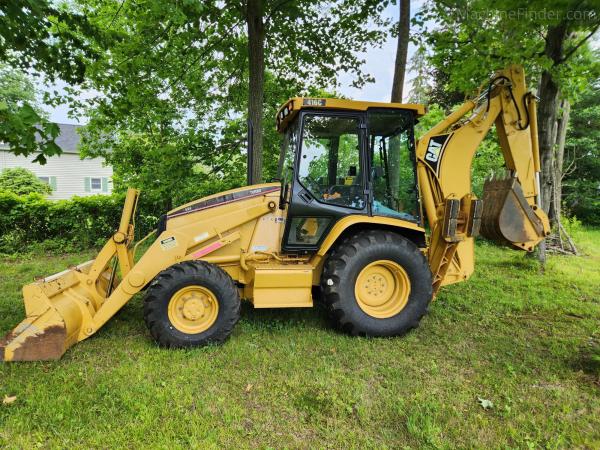
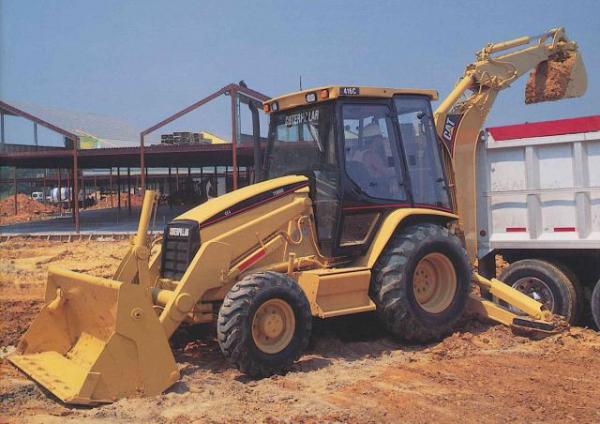
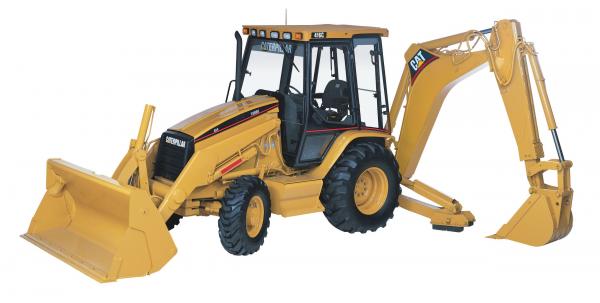
Caterpillar 416C Backhoe
The Caterpillar 416C stands as a hallmark in Cat’s backhoe loader lineage, blending robust capability with thoughtfully engineered design. Emerging between 1996–2001 as part of the third-generation series, it succeeded the original 416 series introduced in 1985 with years of design refinement and user feedback .
Key Specifications - Engine & Powertrain
- Powered by a Perkins-built Cat 3054 turbocharged diesel engine, displacing 4 liters with a 4-cylinder layout .
- Delivers approximately 75 hp (56 kW) net, with gross ratings up to 78 hp (59 kW) .
- Dimensions & Weight
- Operating weight ranges from 13,900 lb (6.3 t) nominal to 21,400 lb (9.7 t) at maximum .
- Transport measurements: Length 22.91 ft, Width 7.72 ft, Height 11.77 ft, Wheelbase 6.89 ft, Ground clearance 0.98 ft, Cab height 9.09 ft .
- Backhoe Capabilities
- Standard digging depth reaches 14.5 ft, expandable via E-Stick to 18.2 ft .
- Maximum reach spans 18.5 ft from swing pivot .
- Standard bucket rotation: 43 °; bucket digging force approx. 11,700 lb .
- Stick dig force: 9,894 lb .
- Loader Performance
- Bucket capacity (general purpose): 8.66 yd³.
- Lift capacity at full height: 5,780 lb.
- Dump height and reach: moderate spec with extended reach of 89 in at maximum tilt .
- Hydraulic System
- Closed-center, variable-flow axial piston pump delivering 43.1 gpm, system pressure around 3,000 psi .
- Mobility & Fuel
- Top travel speeds: forward 20 mph ( 32 km/h), reverse lower .
- Fuel capacity: around 34 gal; other fluid capacities: engine oil, hydraulic system, axles detailed in spec sheets .
Maintenance and Common Challenges- Hydraulic Dynamics: The 416C’s hydraulic system may experience sluggish function, drift, or overheating. Troubleshooting documents describe issues like air in the oil, improper viscosity, and pump wear as common sources .
- Idle and Fuel Delivery Issues: Users have reported erratic idle and low RPM concerns, often due to fuel line leaks, injector clogging, or compromised air intake systems. Regular filter replacement and fuel system inspections help maintain smooth performance .
- Power Loss Under Load: Loss of drive on inclines or under heavy load may signal slipping transmission or hydraulic pressure issues. Checking fluid levels, pump output, and system temperature are essential diagnostics .
- Front Loader Actuation Faults: Some operators observed intermittent front loader lift failure. In many cases, pilot control valve leakage or malfunctioning spools/resolvers disrupt hydraulic signal flow. Maintenance often involves cartridge and O-ring replacement within valve blocks .
Maintenance & Operator Tips- Develop a routine maintenance checklist: daily inspections, fluid checks, filtering intervals, and hydraulic testing .
- Monitor hydraulic temperatures, change fluids at recommended intervals, and maintain clean circuits.
- Listen for control valve quirks and act early to prevent cascading failures.
- Always reference official service manuals or consult a Cat dealer for correct part identification and torque specs.
Why Detail Matters
Each Caterpillar 416C is a testament to engineering evolution. Born from extensive market research and rapid CAD-driven development, the model combines thoughtful ergonomics, solid hydraulics, and adaptable performance—qualities that shine in both construction and utility tasks .
Owners who invest in responsible upkeep preserve not just a machine, but nearly two decades of Caterpillar’s backhoe legacy.
|
|
|
|
| Understanding the Importance of Production Year for Heavy Equipment |
|
Posted by: MikePhua - 08-15-2025, 11:06 PM - Forum: General Discussion
- No Replies
|
|
When purchasing or evaluating heavy equipment, one of the most critical pieces of information to understand is the production year. Knowing the production year of a machine can influence everything from its market value to its performance, reliability, and parts availability. For those in the construction, agriculture, and mining industries, understanding how the production year affects a machine's features, life expectancy, and repair needs is vital for making informed decisions.
What is Production Year and Why Does it Matter?
The production year of a piece of equipment refers to the year in which the machine was manufactured and first sold. This detail is often used by manufacturers and dealerships to categorize equipment, allowing them to track improvements, service life cycles, and warranty coverage. The production year is different from the model year, as the model year may refer to the equipment's design or features rather than its actual manufacturing date.
The production year holds importance for several reasons, including: - Depreciation Rates: The value of heavy equipment depreciates over time, and knowing the production year helps determine how much the equipment has lost in value.
- Warranty and Service Coverage: The production year plays a role in warranty coverage. Some manufacturers offer limited warranties that expire after a set number of years.
- Parts Availability: Older machines may face difficulty in sourcing replacement parts, as manufacturers may discontinue certain parts after a certain period.
- Technological Advancements: Equipment produced in later years often comes with improved technology, safety features, fuel efficiency, and overall performance. Older machines may lack these enhancements.
- Inspection and Maintenance: The age of the equipment can give a rough estimate of when major maintenance items, such as engine overhauls or hydraulic system replacements, might be required.
How to Find the Production Year of Your Equipment
Locating the production year on heavy machinery is relatively straightforward, but it can vary by manufacturer. Here are the most common ways to determine the production year:
- VIN or Serial Number: Most heavy equipment has a unique serial number or VIN (Vehicle Identification Number) that can be used to determine its production year. The serial number is usually stamped on a plate on the machine’s frame, engine, or other easily accessible components.
- Manufacturers often provide a breakdown of serial numbers on their websites or in user manuals, helping owners or potential buyers to pinpoint the exact year of manufacture.
- Manufacturer's Documentation: User manuals, service records, or purchase documents often contain the production year. This is especially helpful if the machine has undergone modifications or has been repainted, which may obscure identifying plates.
- Dealer Records: If the machine was purchased from a dealer, they may have records on file with the production year.
- Online Tools: Some manufacturers, like Caterpillar and John Deere, offer online tools that allow owners to input a serial number to find information about their equipment, including the production year, model details, and more.
The Impact of Production Year on Performance
As with most industrial machines, the production year of equipment can directly influence its performance. Older machines may not perform as efficiently as newer models due to advances in technology and engineering. Here’s how the production year can affect various aspects of equipment performance:
- Fuel Efficiency: Newer equipment tends to be more fuel-efficient, thanks to technological advancements, tighter emission regulations, and the development of more efficient engines. For example, newer excavators may feature advanced fuel injection systems that minimize fuel consumption.
- Hydraulic Systems: Hydraulic systems on newer machines are generally more refined, allowing for smoother operation and increased lifting power. Older machines may have outdated hydraulic components that don’t function as efficiently.
- Emissions Compliance: Newer equipment is typically designed to meet stricter environmental regulations. The introduction of Tier 4 Final engines, for instance, has reduced emissions significantly, improving air quality but also adding complexity to the equipment.
- Safety Features: Safety advancements are common in newer machines. For example, features like better visibility, rollover protection, and advanced braking systems have become standard on more recent models.
Maintenance and Repair Considerations
The age of a machine can influence its maintenance and repair needs. As equipment gets older, certain components are more likely to wear out. Some of the key maintenance considerations include:- Engine and Transmission: Older machines often require more frequent engine and transmission maintenance, as components begin to wear. For example, older diesel engines may require more regular oil changes, air filter replacements, and fuel system cleaning.
- Track and Undercarriage: For machines like bulldozers and excavators, the track and undercarriage are subject to a lot of wear. Newer models typically feature more durable track systems that can withstand more hours of use.
- Electrical and Wiring Issues: Older models may face more frequent electrical issues, such as faulty wiring, battery failure, or malfunctioning sensors. Newer models often come equipped with more reliable electrical systems.
- Corrosion: Over time, exposure to the elements can cause corrosion, particularly in parts of the machine that are regularly exposed to moisture. A production year helps assess how much rust or corrosion may be present in key structural components.
Depreciation and Resale Value
Understanding the production year is essential for estimating the depreciation rate of a machine. Heavy equipment typically depreciates faster in the first few years of its life and then slows down as it ages. Here are some important factors to consider when assessing depreciation:- First Few Years: In the first few years, a machine can lose up to 25-30% of its value due to depreciation. This is a major consideration if you plan on reselling or trading in equipment soon after purchase.
- Mid-Life Machines: Machines that are 5-10 years old still retain significant value, especially if they’ve been well-maintained. However, they may begin to show signs of wear, and maintenance costs can increase.
- Older Machines: Machines over 10 years old may see a significant drop in resale value. However, if well-maintained and if parts are still readily available, some older equipment may still have significant value in niche markets.
Conclusion
The production year of heavy equipment plays a crucial role in understanding its history, performance, and potential for future repairs. By knowing the year of production, operators, buyers, and service technicians can make better-informed decisions regarding maintenance schedules, repair costs, and even the decision to buy or sell a piece of equipment. While newer models often bring in better fuel efficiency, safety, and emissions compliance, older equipment can still provide reliable service if properly maintained. Ultimately, the production year serves as a valuable tool for maximizing the lifespan and value of heavy machinery.
|
|
|
|
| Diagnosing and Fixing Bad Joystick Issues in Case 850 |
|
Posted by: MikePhua - 08-15-2025, 11:06 PM - Forum: Troubleshooting & Diagnosing
- No Replies
|
|
The Case 850 is a popular dozer used in various construction and landscaping applications. Known for its durability and versatility, the 850 has earned a solid reputation in the industry. However, like all machinery, it can sometimes experience mechanical issues, and one common problem is a malfunctioning joystick. Joystick malfunctions can disrupt the machine's control system, leading to erratic movements, reduced efficiency, and potentially hazardous conditions. This article explores the causes, symptoms, and solutions for joystick issues in the Case 850, providing a comprehensive guide for troubleshooting and repair.
Understanding the Joystick Control System in the Case 850
In the Case 850, the joystick is a critical component for controlling the machine's movements. It interfaces with the hydraulic system and provides the operator with precise control over the blade, steering, and other functions. The joystick system is typically electronic or hydraulic, depending on the model and configuration. It uses sensors to relay the operator's input to the machine's control systems, which then adjust the hydraulic pressure or electric signals accordingly to achieve the desired movement.
When the joystick fails or malfunctions, it can affect the machine's responsiveness, making it difficult for operators to perform tasks efficiently and safely.
Common Symptoms of Joystick Malfunctions
Joystick issues in the Case 850 typically present themselves through various symptoms, which can range from subtle to severe. Here are some of the most common signs of a bad joystick: - Unresponsive controls: The joystick may fail to respond to the operator's input, making it difficult to control the machine’s movements.
- Erratic movements: The dozer may move unexpectedly or in an uncontrolled manner, even when the joystick is at rest.
- Partial loss of function: Certain joystick controls (such as blade lift or tilt) may stop working entirely or work intermittently.
- Sticking or stiff movement: The joystick may become stiff or sticky, requiring more force than usual to operate it.
- Inconsistent sensitivity: The joystick may be overly sensitive or unresponsive, making fine control difficult.
- Warning lights or error codes: In machines with diagnostic systems, a malfunctioning joystick may trigger warning lights or error codes related to the control system.
These issues can compromise the safety and efficiency of operations, making it crucial to address joystick problems promptly.
Common Causes of Joystick Issues
Joystick malfunctions in the Case 850 can arise from various sources, including mechanical, electrical, and hydraulic issues. Here are some of the most common causes:
- Worn or Damaged Joystick Components: Over time, the internal components of the joystick, such as the potentiometer (which detects the position of the joystick), switches, or cables, can wear out. This can lead to poor or erratic response.
- Electrical or Wiring Problems: Joysticks in modern dozers often rely on electrical systems to send signals to the machine's control system. Damaged wires, poor connections, or short circuits in the wiring harness can cause inconsistent or unresponsive joystick behavior.
- Faulty Sensors: Many joysticks contain sensors that detect the position and force applied by the operator. These sensors can malfunction or become misaligned, leading to inaccurate input readings.
- Hydraulic System Issues: In hydraulic joystick systems, the joystick controls valves that regulate the flow of hydraulic fluid to the various functions of the machine. A blockage, leak, or air in the hydraulic lines can affect the performance of the joystick.
- Software or Calibration Problems: Some modern Case 850 dozers are equipped with electronic joysticks that require proper calibration. If the system’s software is not calibrated correctly or the joystick sensors are not aligned, it can cause erratic or unresponsive movements.
Troubleshooting Joystick Issues
If you’re experiencing joystick malfunctions, the first step is to perform a thorough inspection of the system. Here's a step-by-step guide to troubleshooting joystick issues:
- Check for Error Codes: If your Case 850 is equipped with a diagnostic system, use the on-board diagnostic tool to check for any error codes. These codes can provide valuable insights into the specific issue with the joystick or related components.
- Inspect the Joystick for Physical Damage: Look for any visible signs of wear or damage to the joystick itself. Check for cracked or broken parts, as well as any loose or damaged connections.
- Examine Wiring and Connections: Inspect the wiring and connectors that link the joystick to the control system. Ensure that there are no loose wires, frayed cables, or signs of corrosion that could interfere with signal transmission.
- Test the Joystick’s Potentiometer: The potentiometer is responsible for detecting the position of the joystick. Use a multimeter to test the resistance values at different joystick positions. If the readings are inconsistent or out of range, the potentiometer may need to be replaced.
- Check the Hydraulic System: If the joystick operates a hydraulic system, check the hydraulic lines for leaks, blockages, or air in the system. Low hydraulic fluid levels or contamination can affect joystick performance.
- Inspect the Sensors: If your joystick has sensors, check for proper alignment and ensure they are free from dirt, debris, or corrosion. A faulty sensor can result in unresponsive or erratic joystick behavior.
- Recalibrate the Joystick: If the joystick uses electronic sensors, check the machine’s manual for calibration instructions. Recalibrating the joystick can sometimes resolve issues related to sensitivity or responsiveness.
Solutions to Common Joystick Problems
Depending on the results of your troubleshooting, you may need to perform one or more of the following solutions:
- Replace Damaged Components: If the joystick’s internal components, such as the potentiometer, switches, or sensors, are worn or damaged, replace them with new parts. It’s important to use genuine Case parts to ensure compatibility and reliability.
- Repair or Replace Wiring: If the issue is caused by damaged wiring, repair or replace the affected cables. Make sure to check all connections to ensure they are secure and free of corrosion.
- Clear Hydraulic Blockages: If the joystick is linked to a hydraulic system, flush the hydraulic lines and replace any filters that may be clogged. Make sure to top up the hydraulic fluid to the proper level.
- Recalibrate the Control System: If the joystick’s electronic components are not calibrated properly, follow the manufacturer’s instructions to recalibrate the system. This may involve using diagnostic software to realign the joystick sensors.
- Consult a Professional Technician: If you are unable to diagnose or repair the joystick issue yourself, consider seeking professional help. A qualified technician can provide expert assistance and ensure that the repair is done correctly.
Conclusion
Joystick issues in the Case 850 dozer can disrupt operations and reduce efficiency, but with careful troubleshooting and timely repairs, these problems can be resolved. By understanding the common causes of joystick malfunctions and following a step-by-step diagnostic process, operators can restore the machine to full functionality. Regular maintenance and early detection of issues are key to preventing joystick problems and ensuring that the Case 850 continues to perform at its best.
|
|
|
|
| Snow Plowing with a Motor Grader: Practical Techniques for New Operators |
|
Posted by: MikePhua - 08-15-2025, 11:05 PM - Forum: General Discussion
- No Replies
|
|
Introduction: Learning the Art of Winter Road Maintenance
Operating a motor grader for snow removal is a skill that blends mechanical finesse with terrain awareness. For new operators, especially in northern climates like Wisconsin or Canada, mastering the grader’s moldboard, wing, and traction systems is essential for keeping roads safe and passable. This guide distills field-tested advice from seasoned operators, covering everything from blade float settings to chain configurations and drift management.
Understanding the Equipment Setup
Typical rural snow removal fleets include: - A motor grader (e.g., John Deere 770 or 672G) with moldboard and wing
- A dump truck with front plow and wing
- V-plow attachment for deep drifts
- Tire chains for improved traction
- Heated shop for overnight storage and maintenance
Each machine has its strengths. While dump trucks offer speed, graders provide precision and visibility—especially when clearing tight corners, intersections, and gravel roads.
Terminology Clarification
- Moldboard (MB): The main blade beneath the grader used for cutting and pushing snow.
- Wing: A side-mounted blade used to clear snowbanks and widen the plowed path.
- Float Mode: A hydraulic setting that allows the blade to follow the road surface without downward pressure.
- Crabbing: Angling the rear wheels to offset the grader’s path, allowing wider clearing in one pass.
- Windrow: A ridge of snow left along the edge of the road after plowing.
Blade Control: Float vs. Manual Pressure
Opinions vary on whether to use float mode on paved surfaces. Some operators prefer letting the blade float to avoid damaging manhole covers or new asphalt. Others argue that float lacks responsiveness and prefer manually controlling blade pressure.
Best practices include:- Use float on smooth blacktop with light snow
- Apply manual pressure when breaking up hardpack or ice
- Avoid excessive downforce on gravel roads to prevent dishing and gravel loss
- Adjust moldboard tilt periodically to refresh the cutting edge
On gravel roads, carry the blade slightly above the surface. Watch your mirrors—if you see bare ground, you’re cutting too deep. Leaving an inch of snow is often better than peeling off gravel.
Wing Operation and Cable Management
Cable-operated wings require vigilance:- Keep the cable taut during use
- Avoid slack, which can lead to snapping under load
- Carry spare cable and clamps in the cab
- Photograph the cable routing for reference during repairs
- Replace seals and inspect lift cylinders before winter
One operator recalled replacing a wing cable in –30°F wind with bare hands—photos and spare parts saved the day.
Traction and Chain Configuration
Tire chains are essential in icy conditions. While some operators chain only one axle, many recommend chaining all four tandem wheels to avoid uneven stress and potential damage to the tandem case.
Chain tips:- Install early in the season and leave on until spring
- Carry extra links and repair tools
- Avoid mixing chained and unchained wheels under load
- Monitor for chain wear and tension regularly
Lighting and Visibility Upgrades
Older graders often have dim or foggy incandescent lights. Upgrading to LED lights improves visibility and safety during early morning or nighttime plowing.
Consider:- LED floodlights for moldboard and wing visibility
- Heated LED options to prevent ice buildup
- Low-draw systems compatible with existing wiring
- Board approval for upgrades if operating under municipal budgets
Drift Management and Route Strategy
When facing deep drifts:- Work uphill when possible—if the drift breaks over the V-plow, backing downhill is safer
- Avoid pushing too far into drifts without escape options
- Use the wing as a rudder to steer around corners once snowbanks harden
- Prioritize high-traffic roads and school bus routes early in the storm
- Leave minimal windrows at driveways to avoid complaints
One operator noted that speed is your friend—plowing at 15 mph allows snow to roll cleanly off the blade, but adjust based on conditions.
Operator Tips and Seasonal Strategy- Use moldboard tilt to adjust pressure rather than constantly adjusting both ends
- Learn your roads—some gravel routes may be little more than cow paths
- Keep a part-time helper or mentor nearby for advice and backup
- Use heated shops to thaw equipment and simplify maintenance
- Sand steep hills and intersections early to prevent sliding into traffic
Preventive Maintenance Checklist- Inspect wing cylinders and seals before winter
- Check moldboard cutting edges and replace worn sections
- Test all lights and replace cracked lenses
- Grease pivot points and cable pulleys
- Verify chain tension and tire condition
- Stock up on fuel, sand, and de-icing materials
Conclusion: Confidence Through Experience
Snow plowing with a motor grader is a dynamic task that rewards attentiveness and adaptability. Whether you’re navigating icy hills, managing windrows, or adjusting blade pressure on the fly, each storm teaches something new. With the right equipment, a thoughtful approach, and a few shared stories from the field, even a new operator can become a trusted winter road warrior.
|
|
|
|
| Troubleshooting Throttle Issues in Case TR320 Skid Steer |
|
Posted by: MikePhua - 08-15-2025, 11:04 PM - Forum: Troubleshooting & Diagnosing
- No Replies
|
|
The Case TR320 is a reliable skid steer loader widely used in construction, landscaping, and material handling applications. However, like all heavy machinery, it can experience various mechanical issues that affect performance. One common problem faced by operators is throttle-related issues, where the machine fails to respond to throttle input, resulting in inconsistent engine speed, reduced power, or an unresponsive machine. Addressing this issue requires a systematic approach to identify the root cause and apply the necessary solutions.
Understanding Throttle Mechanisms in Skid Steers
Before delving into the specifics of troubleshooting, it’s essential to understand the basic operation of a throttle system in skid steers. The throttle controls the engine speed, which in turn dictates the machine's power and functionality. The throttle system in modern machines like the Case TR320 is typically electronic, integrated into the machine’s overall control system. This allows for smoother, more precise control, but it also introduces potential points of failure related to sensors, wiring, or electronic components.
Common Symptoms of Throttle Problems
Operators who experience throttle issues in their Case TR320 might notice one or more of the following symptoms: - Erratic engine speed: The engine revs up or down without consistent input from the throttle.
- Engine stalling: The machine stalls or shuts down unexpectedly, especially under load.
- Lack of power: Despite increasing the throttle, the engine fails to deliver sufficient power for normal operations.
- Inconsistent throttle response: The throttle feels unresponsive or delayed when trying to accelerate or decelerate.
These issues can significantly hinder productivity and may cause downtime, which is costly on busy job sites.
Possible Causes of Throttle Issues
Several factors can contribute to throttle problems in the Case TR320. These include:
- Faulty Throttle Position Sensor (TPS): The TPS is an electronic component that monitors the position of the throttle and communicates with the engine control unit (ECU). If the sensor becomes faulty or its wiring is damaged, it can send incorrect readings to the ECU, leading to erratic throttle behavior.
- Clogged or Dirty Fuel Filter: A clogged fuel filter can restrict fuel flow to the engine, affecting its performance. Inconsistent fuel delivery can cause the engine to lose power or struggle to reach higher RPMs.
- Electronic Control System Malfunctions: Since the throttle in modern skid steers is electronically controlled, any malfunction in the ECU or wiring system can cause the throttle to behave erratically. This could be due to software issues, faulty sensors, or poor connections.
- Fuel System Problems: Issues such as air in the fuel lines, a weak fuel pump, or contamination in the fuel can prevent the engine from running at full power, leading to throttle inconsistencies.
- Worn Throttle Cable (in non-electronic systems): While the Case TR320 typically uses an electronic throttle, older models or certain configurations might still use a mechanical throttle cable. If the cable becomes worn or stretched, it can cause issues with throttle response and power delivery.
- Dirty or Malfunctioning Air Filter: A clogged or dirty air filter can restrict airflow to the engine, reducing its efficiency and causing the throttle to feel sluggish or unresponsive.
Steps to Diagnose and Resolve Throttle Issues
Diagnosing throttle problems in the Case TR320 requires a methodical approach. Below are the steps operators can follow to identify and address the issue:
- Check for Error Codes: If the machine is equipped with a diagnostic system, check for any error codes related to the throttle, TPS, or engine control unit. These codes can give you a starting point for identifying the problem.
- Inspect the Throttle Position Sensor: A faulty TPS is a common culprit. Inspect the sensor and its wiring for any visible damage or corrosion. If the sensor is malfunctioning, it may need to be replaced. Be sure to recalibrate the sensor after installation to ensure accurate throttle readings.
- Examine the Fuel System: Inspect the fuel filter, lines, and fuel pump for any signs of clogging or wear. Replace any clogged filters and check for leaks in the fuel system. Ensure the fuel pump is delivering adequate pressure to the engine.
- Inspect the Air Filter: A dirty air filter can reduce engine performance and cause throttle issues. Check the air filter and clean or replace it if necessary.
- Check for Wiring Issues: Given the electronic nature of the throttle system, inspect the wiring and connectors between the throttle, TPS, and ECU. Loose connections or damaged wires can result in unreliable throttle control.
- Test the Throttle Control Lever: If the machine uses a manual throttle lever, check for any signs of wear or damage. Ensure the lever moves freely and does not become stuck or difficult to operate.
- Perform a Fuel Pressure Test: If the engine is experiencing power issues, perform a fuel pressure test to ensure the fuel system is operating correctly. Low fuel pressure can cause stalling or hesitation when accelerating.
- Perform a Diagnostic on the ECU: If all else fails, the ECU might be malfunctioning. Running a diagnostic on the ECU can help detect software or hardware failures that may be affecting throttle performance.
Preventative Measures to Avoid Throttle Issues
Preventing throttle issues requires regular maintenance and proactive care of the skid steer. The following measures can help reduce the likelihood of encountering throttle problems in the future:- Regularly replace the air and fuel filters: Clogged filters are a common cause of engine issues. Ensure they are replaced according to the manufacturer’s maintenance schedule.
- Perform routine fuel system maintenance: Regularly inspect fuel lines, pumps, and filters for damage or clogs.
- Inspect and clean the throttle system: Regularly clean the throttle position sensor and check the throttle cable (if applicable) for wear and tear.
- Monitor the engine control system: Use diagnostic tools to monitor the health of the ECU and other critical components.
- Keep the machine clean: Dirt and debris can interfere with sensors and throttle controls, so it’s important to keep the machine clean and free of contaminants.
Conclusion
Throttle issues in the Case TR320 skid steer are not uncommon, but they are usually solvable with a systematic approach to diagnostics and maintenance. By addressing the root cause—whether it’s a faulty throttle position sensor, a clogged fuel system, or an issue with the ECU—operators can restore the machine to full functionality. Regular maintenance is key to preventing these problems and ensuring that the skid steer continues to perform at its best. By taking the time to diagnose and repair throttle issues promptly, operators can minimize downtime and maintain productivity on the job site.
|
|
|
|
| Exploring the Use of Heavy Equipment Attachments |
|
Posted by: MikePhua - 08-15-2025, 11:02 PM - Forum: Parts , Attachments & Tools
- No Replies
|
|
Heavy equipment operators have long sought ways to increase the versatility and productivity of their machines. One effective way to do this is through the use of various attachments that allow a single piece of machinery to perform multiple tasks. A wide variety of attachments are available for different types of equipment, ranging from skid steers to backhoes and excavators. These attachments can significantly enhance the capabilities of the machinery, making it more adaptable for different job sites and applications.
What Are Heavy Equipment Attachments?
Heavy equipment attachments are tools that can be affixed to machinery like skid steers, loaders, or excavators, allowing them to perform tasks beyond their base functionality. These attachments are designed to be easily swapped out, enabling the operator to transition quickly from one job to the next. Some of the most commonly used attachments include: - Buckets: Different sizes and types of buckets are used for digging, scooping, and lifting materials.
- Forks: Used for lifting and moving pallets or large pieces of material.
- Augers: Ideal for drilling holes in the ground, often used for fence posts or landscaping.
- Grapples: These are used for handling bulky materials, such as logs, rocks, or debris.
- Hydraulic Hammers: Used for breaking rock or concrete, often in demolition or roadwork projects.
- Snow Plows and Blades: Used in winter operations for clearing snow and ice.
Each attachment is designed to increase the efficiency and performance of the machine, making it more versatile and suitable for a wider range of tasks.
Benefits of Using Attachments
- Increased Productivity: The primary benefit of using attachments is the ability to perform a wide variety of tasks with a single machine. Instead of needing to invest in multiple machines for different jobs, a single piece of equipment can handle many different tasks, saving both time and money.
- Cost Savings: Purchasing a new machine for every job can be prohibitively expensive. Attachments allow operators to expand the capabilities of their existing equipment, making it a cost-effective solution for increasing machine versatility.
- Enhanced Job Site Flexibility: Attachments allow for quick and easy adaptation to changing conditions on the job site. Whether it’s digging, lifting, or clearing debris, operators can quickly switch between tasks without needing to call in a different machine.
- Reduced Downtime: Since attachments are designed to be swapped quickly, they help reduce downtime during transitions between tasks. This can be particularly useful on busy job sites where time is money.
Choosing the Right Attachment for Your Machine
When selecting an attachment for a specific piece of equipment, there are several factors to consider:
- Compatibility: Not all attachments are compatible with every machine. Be sure to choose an attachment that is designed for the make and model of your equipment. Attachments are typically sold by machine type (e.g., skid steer, excavator) and size.
- Work Type: The type of work you will be doing should heavily influence your attachment choice. For instance, if you are working in construction, a hydraulic hammer may be necessary, while a landscaping project might require a bucket or auger.
- Durability: Make sure the attachment is built to withstand the type of conditions it will be used in. Some tasks may require attachments with reinforced materials or additional features for handling tough conditions.
- Ease of Use: Attachments should be easy to install and remove. Look for designs that streamline the attachment process and require minimal downtime for setup.
Challenges of Using Attachments
While there are numerous advantages to using attachments, there are also challenges that operators should be aware of:
- Initial Cost: Although using attachments is more cost-effective than purchasing multiple machines, the initial investment in attachments can still be significant. It’s important to weigh the long-term savings against the upfront cost.
- Storage and Maintenance: Attachments can take up a considerable amount of space and require regular maintenance to keep them in good working order. Improperly stored or neglected attachments can lead to wear and tear, which may reduce their lifespan or performance.
- Learning Curve: Some attachments may require specific training or experience to use effectively. For example, using a hydraulic hammer or precision auger requires knowledge of proper technique to ensure safety and productivity. Operators may need to undergo additional training or practice to get the most out of certain attachments.
Common Heavy Equipment Attachments
Let’s explore some of the most commonly used heavy equipment attachments in more detail:- Skid Steer Buckets: These are probably the most versatile attachment for skid steers. They come in different sizes and types, including general-purpose, light material, and heavy-duty buckets. The versatility of the skid steer bucket allows it to be used for digging, loading, and grading tasks.
- Excavator Attachments: Excavators can be equipped with a range of attachments, including buckets, thumbs, and augers. The versatility of excavator attachments makes them useful in various industries, such as construction, landscaping, and utility work. One of the most popular attachments is the hydraulic thumb, which allows operators to grab and move large debris such as rocks and logs.
- Fork Attachments: Whether for skid steers or telehandlers, fork attachments are commonly used for lifting and moving heavy loads, such as pallets or large materials. This attachment improves productivity on tasks that require lifting and transporting.
- Grapples: Common in logging and demolition, grapples are designed to handle large, irregularly shaped objects. Whether handling logs or scrap metal, grapples provide the gripping power needed for safe and efficient operation.
- Augers: Augers are commonly used for drilling holes in the ground, making them ideal for planting, fence installation, or geotechnical work. These attachments come in various sizes to suit different hole depths and diameters.
Case Study: Universal Loader Attachments
In one case, a construction company using skid steer loaders for grading and material handling decided to invest in a variety of attachments to improve the performance and adaptability of their fleet. By purchasing a hydraulic auger, a grapple, and a snowplow attachment, the company was able to handle everything from foundation digging to snow clearing in winter months. This flexibility allowed the company to expand its range of services without the need to invest in additional specialized equipment, ultimately saving thousands of dollars in operational costs.
Conclusion
Heavy equipment attachments are an essential part of modern construction, landscaping, and agricultural operations. They allow operators to enhance the capabilities of their existing machines, enabling them to perform a wider range of tasks efficiently and cost-effectively. Whether it's a bucket for a skid steer or a hydraulic hammer for an excavator, selecting the right attachment for the job is crucial to maximizing productivity and reducing downtime. By carefully considering the type of work and compatibility with the machine, operators can significantly improve their workflow and get the most out of their equipment.
|
|
|
|
| EX-200 LC Excavator Stuck in Rabbit Mode |
|
Posted by: MikePhua - 08-15-2025, 10:58 PM - Forum: Troubleshooting & Diagnosing
- No Replies
|
|
The Hitachi EX-200 LC excavator model is known for its robust performance and versatility in earthmoving operations. However, a recurring issue reported by operators is the machine being seemingly stuck in rabbit mode, the higher-speed travel mode, also known as the “fast mode.” This problem manifests as the excavator continuously operating at high travel speed without switching down to turtle mode (slow speed), affecting precision work and control.
Understanding Travel Modes Rabbit vs. Turtle
Excavators like the EX-200 LC come equipped with two travel modes: “rabbit” and “turtle.” - The rabbit mode is designed for higher speeds, used for moving quickly around a site.
- The turtle mode provides slower, more controlled travel, optimized for precise maneuvers and safety during heavy digging or delicate work.
Operators switch between these modes depending on the task, but when the machine is stuck in rabbit mode, the slow speed functionality is effectively lost, which can lead to difficult handling, potential safety risks, and reduced productivity.
Common Causes of Being Stuck in Rabbit Mode
- Hydraulic Control Valve Misconfiguration
The EX-200 LC uses a hydraulic valve block controlling travel speeds by shifting hydraulic lines. A common cause for being stuck in rabbit mode is the misrouting of hydraulic hoses connected to this valve block. During maintenance or repairs, hoses must be connected correctly according to the control pattern diagrams. A simple swapping or crisscrossing hose error can lock the machine in rabbit mode.
- Electrical Issues in the Control Circuit
The travel mode selector on the operator panel relies on electrical signals transmitted to solenoids controlling hydraulic valves. A blown fuse, faulty solenoid, or wiring fault can cause the signal to get stuck in one mode. Electrical shorts or damaged wiring harnesses can mimic being stuck in rabbit mode by failing to send the proper commands for mode switching.
- Mechanical or Planetary Transmission Problems
Though less frequent, internal wear or damage in the travel drive’s planetary gear set can cause torque delivery issues that resemble stuck travel modes. This mechanical fault affects the speed and torque characteristics and may need detailed inspection.
Diagnosis and Troubleshooting- Verify Hydraulic Hose Connections
Check the hydraulic valve block under the side panels. Look for color-coded zip ties or markings left by previous mechanics to ensure hoses are matched correctly. If unsure, consult the machine’s hydraulic schematic or maintenance manual to confirm hose positions and re-route if necessary.
- Inspect Electrical Components
Test fuses related to travel mode control. Inspect and test solenoid coils on the valve block for proper operation. Check wiring connectors and cables for damage, corrosion, or loose connections.
- Test Travel Speed Functions
Observe if the travel mode indicator switches between rabbit and turtle but without any speed difference. This might indicate internal transmission issues or sensor faults.
- Valve Adjustments and Maintenance
Excavators require periodic valve adjustments to maintain control precision. Regular valve lash and spool valve adjustments can prevent erratic speed control and stuck modes.
Practical Solutions and Tips- If hose rerouting is needed, label each hose clearly before disconnection. Use photos or diagrams to avoid mistakes. Marking hoses with colored zip ties aligned with the control diagram simplifies reinstallation.
- Electrical faults can sometimes be temporarily bypassed by wiring directly to bypass faulty solenoids for testing, but permanent repairs are required for safety and reliability.
- Valve block cleaning and maintenance reduce sticking and pressure loss issues that can affect mode switching.
- Keep the operator’s manual and maintenance guides handy; they include valuable hydraulic diagrams, electrical schematics, and adjustment procedures specific to EX-200 LC.
Relevant Terminology- Rabbit Mode: High-speed travel setting on excavators for quick movement.
- Turtle Mode: Low-speed travel setting for precision work.
- Hydraulic Valve Block: A complex component controlling hydraulic fluid flow to actuators, dictating machine functions.
- Solenoid: An electrically activated component that shifts hydraulic valves.
- Planetary Gear Set: Transmission system in tracks that modulates speed and torque.
- Valve Adjustment: Periodic maintenance to ensure hydraulic valves operate within design parameters.
Illustrative Story
A contractor working on a tight urban site reported an EX-200 LC that refused to slow down from rabbit mode, making tight maneuvers impossible. After hours of fruitless troubleshooting, the electrician discovered a previous service had left two hoses swapped under the hydraulic valve block panel. Once corrected, the travel modes switched smoothly again, saving the team from costly downtime. This anecdote highlights the importance of meticulous hydraulic hose management and confirms how a small oversight can lead to costly operational headaches.
Additional Suggestions- Regularly check hydraulic hose condition and routing during scheduled maintenance.
- Keep electrical system inspection on the checklist, especially after heavy machine use or exposure to harsh environments.
- Update operators on the importance of recognizing travel mode symptoms early to avoid increased wear or safety issues.
Conclusion
The EX-200 LC stuck in rabbit mode can stem from simple hose misplacements, electrical faults, or mechanical wear. Understanding the travel modes and their control systems empowers operators and technicians to diagnose and correct the issue efficiently. Following systematic troubleshooting steps—starting from hose routing to electrical inspection and mechanical checks—ensures minimal operational disruption. Proper maintenance, clear labeling, and awareness of machine functions are key to preventing and resolving stuck travel mode issues on excavators like the EX-200 LC.
|
|
|
|
|



