| Welcome, Guest |
You have to register before you can post on our site.
|
| Online Users |
There are currently 106 online users.
» 0 Member(s) | 96 Guest(s)
Ahrefs, Amazon, Applebot, Baidu, Bing, Claude, DotBot, Google, Semrush
|
| Latest Threads |
Identifying and Sourcing ...
Forum: Parts , Attachments & Tools
Last Post: MikePhua
01-07-2026, 06:29 PM
» Replies: 0
» Views: 528
|
Cat 931B Brake Parts
Forum: Parts , Attachments & Tools
Last Post: MikePhua
01-07-2026, 06:29 PM
» Replies: 0
» Views: 283
|
Choosing Between Cat 228,...
Forum: General Discussion
Last Post: MikePhua
01-07-2026, 06:28 PM
» Replies: 0
» Views: 561
|
Hydraulic Delay When Lowe...
Forum: Troubleshooting & Diagnosing
Last Post: MikePhua
01-07-2026, 06:27 PM
» Replies: 0
» Views: 447
|
Bale Chopper and Mulcher ...
Forum: General Discussion
Last Post: MikePhua
01-07-2026, 06:26 PM
» Replies: 0
» Views: 324
|
Mini UC Maintenance
Forum: General Discussion
Last Post: MikePhua
01-07-2026, 06:25 PM
» Replies: 0
» Views: 314
|
Locating Wiring Informati...
Forum: General Discussion
Last Post: MikePhua
01-07-2026, 06:24 PM
» Replies: 0
» Views: 346
|
Case Industrial Brown Sub...
Forum: Parts , Attachments & Tools
Last Post: MikePhua
01-07-2026, 06:23 PM
» Replies: 0
» Views: 275
|
Dirt Work in West Virgini...
Forum: Construction & Urban Infrastructure Forum
Last Post: MikePhua
01-07-2026, 06:23 PM
» Replies: 0
» Views: 377
|
D207 P Hydraulic Steering...
Forum: Parts , Attachments & Tools
Last Post: MikePhua
01-07-2026, 06:22 PM
» Replies: 0
» Views: 304
|
|
|
| 2021 XCMG XE370DK Excavator, Jiuquan, Gansu - $63,202 |
|
Posted by: MikePhua - 08-18-2025, 10:16 PM - Forum: Used Excavators Trade
- No Replies
|
 |
- Brand: XCMG
- Model: XE370DK
- Year of Manufacture: 2021
- Operating Hours: 5200 hours
- Location: Jiuquan, Gansu
- Last Updated: Updated 2 hours ago
ID:1824801
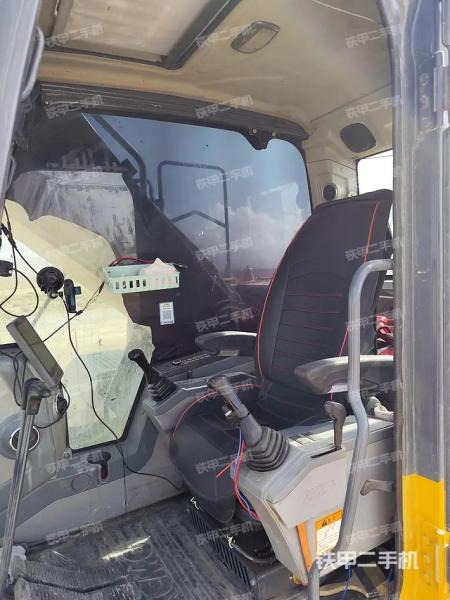
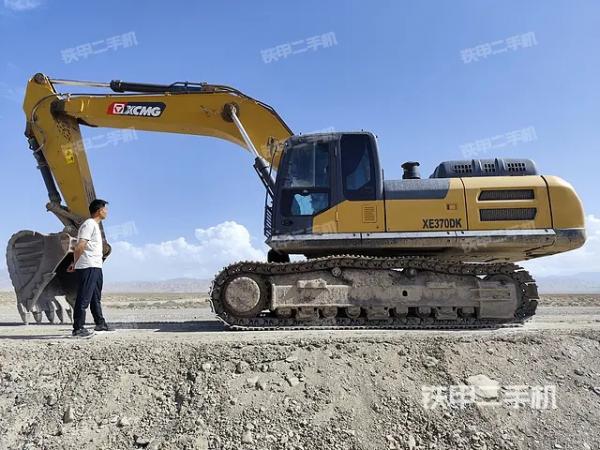
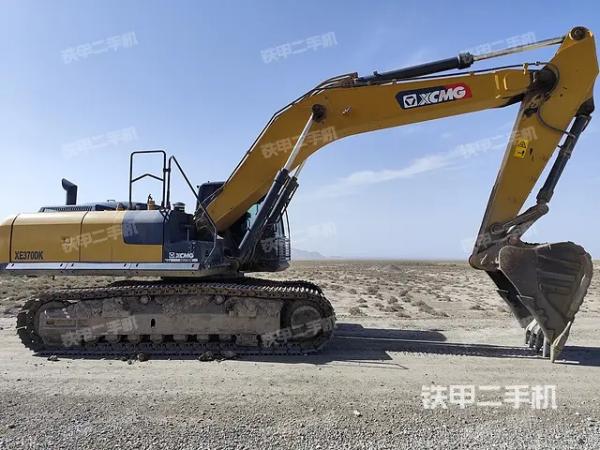
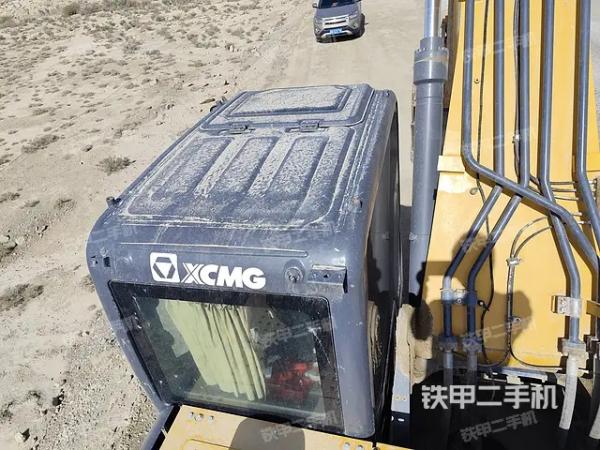
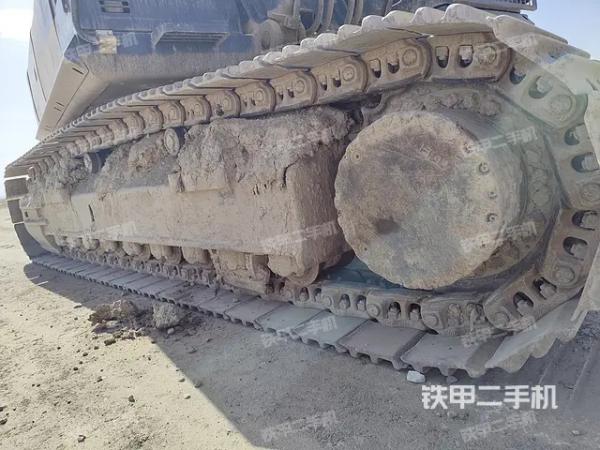
The XCMG XE370DK is a powerful and versatile excavator that stands out in the heavy machinery market. Manufactured in 2021, this machine offers excellent performance in various construction and mining applications. With 5,200 operating hours, it still has plenty of life left for future projects. Let’s take a detailed look at the specifications and features that make this excavator a reliable workhorse.
Basic Information- Brand: XCMG
- Model: XE370DK
- Year of Manufacture: 2021
- Operating Hours: 5,200 hours
- Location: Jiuquan, Gansu
- Last Updated: 2 hours ago
Specifications
The XE370DK is a 37-ton class crawler excavator, designed to offer a balance between performance and efficiency in a wide range of tasks.- Operating Weight: 36,900 kg
- Bucket Capacity: 1.7-1.9 m³
- Engine Power: 212 kW at 2000 rpm
- Bucket Digging Force: 256 kN
- Bucket Type: Backhoe
Engine and Power System
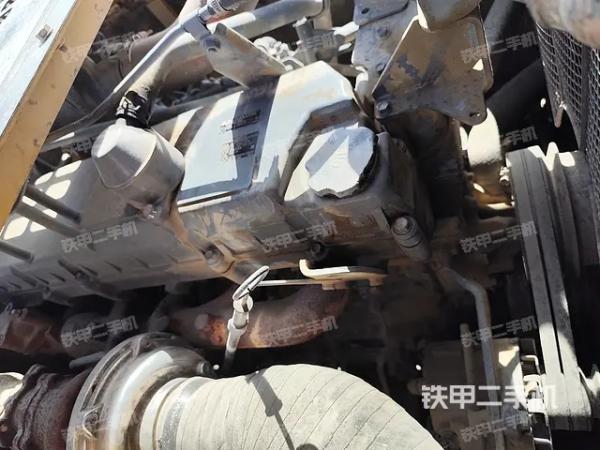
The XE370DK uses a powerful engine that ensures high productivity in tough conditions. The engine produces 212 kW of power at 2000 rpm, allowing the machine to handle large-scale excavation tasks and heavy lifting.- Engine Power: 212 kW
- RPM: 2000
- Cooling Type: Liquid-cooled
Performance
The XE370DK excels in digging force, particularly for its bucket. The bucket digging force is a remarkable 256 kN, making it suitable for demanding excavation and earth-moving operations.
Work Range
The work range of the XE370DK allows it to perform various tasks, from digging deep trenches to reaching significant heights for unloading and material handling.- Max Digging Depth: 6,934 mm
Applications and Versatility
This model is widely used in construction, mining, and infrastructure projects. It is suitable for a variety of tasks, including:- Excavating deep trenches for pipeline projects
- Mining operations requiring high power and durability
- Demolition and heavy lifting
- Earthworks for large-scale construction projects
Durability and Efficiency
One of the key reasons for the XE370DK's popularity is its reliability and durability. The machine’s robust construction and high-quality materials ensure it can withstand tough environments. With 5,200 hours of operation, this excavator has been thoroughly tested in the field and shows minimal signs of wear, which is a testament to its longevity.
Technology and Features
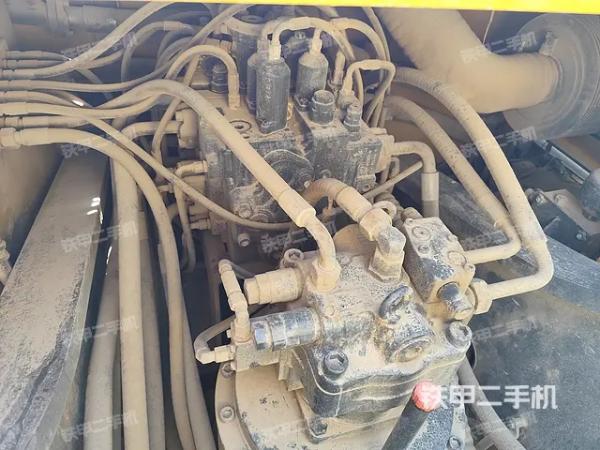
XCMG incorporates advanced hydraulic systems in the XE370DK, enhancing its digging and lifting capabilities. The machine is designed to offer optimal fuel efficiency, helping contractors save costs on long-term projects.
Maintenance and Support
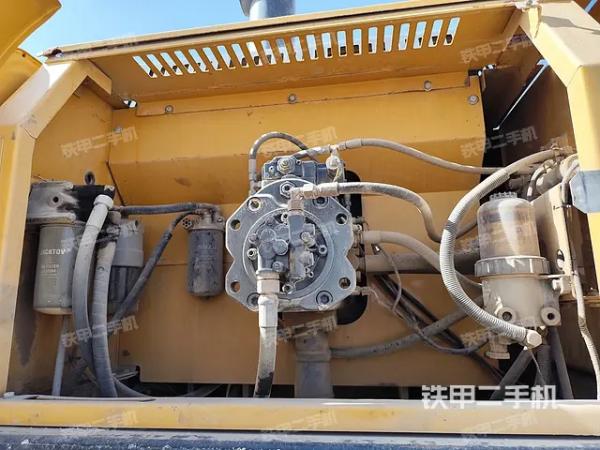
XCMG is known for its comprehensive service network and after-sales support. The XE370DK is designed for easy maintenance, with accessible components that make it easier for technicians to perform routine inspections and repairs.
Conclusion
The XCMG XE370DK is an excellent choice for anyone looking for a durable, high-performance excavator. With its powerful engine, impressive digging force, and efficient operation, this machine is ideal for a variety of heavy-duty tasks. Whether you’re working on a construction site, in mining, or on infrastructure projects, the XE370DK provides the power and reliability needed to get the job done.
|

|
|
| 2021 LiuGong CLG9075E Excavator, Zhanjiang City, Guangdong - $18,960 |
|
Posted by: MikePhua - 08-18-2025, 10:08 PM - Forum: Used Excavators Trade
- No Replies
|
|
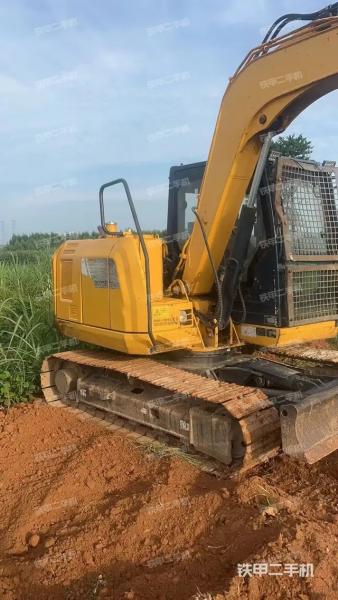
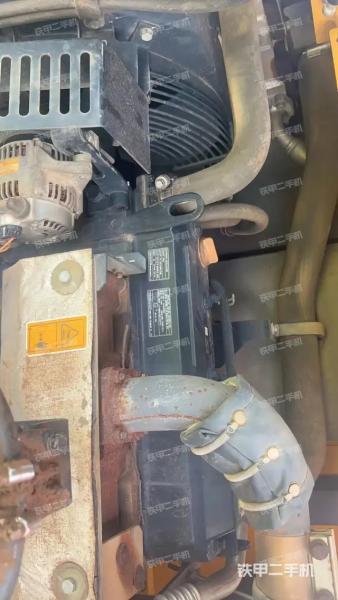
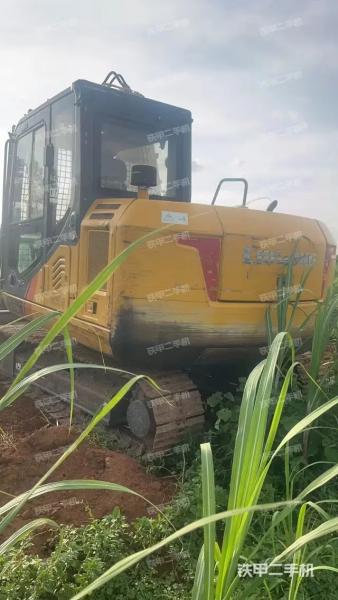
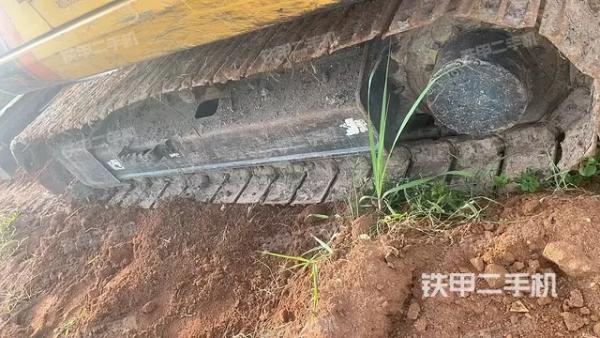
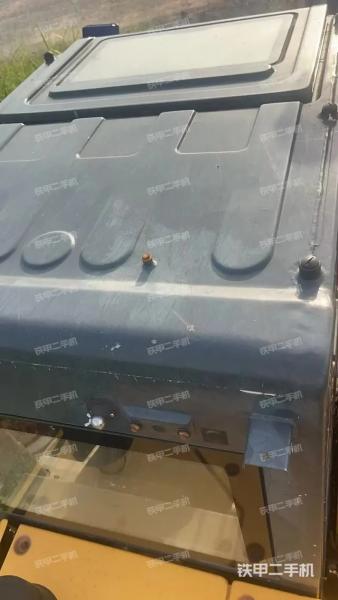
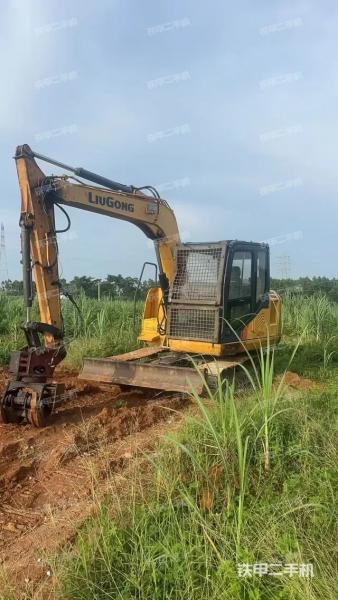
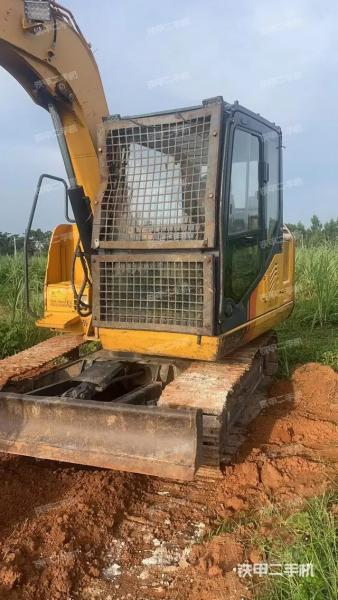
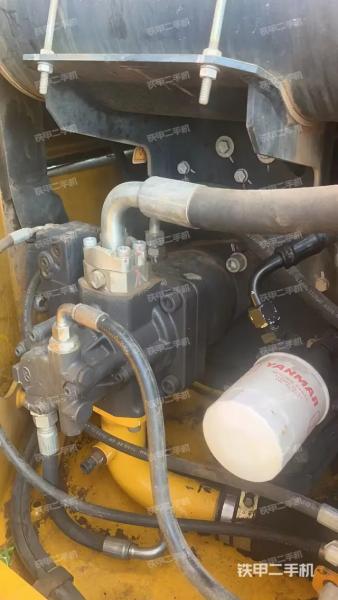
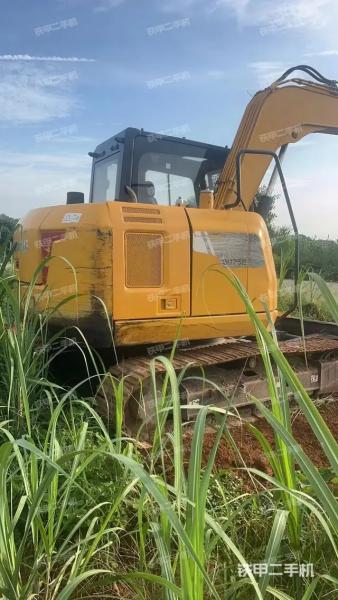
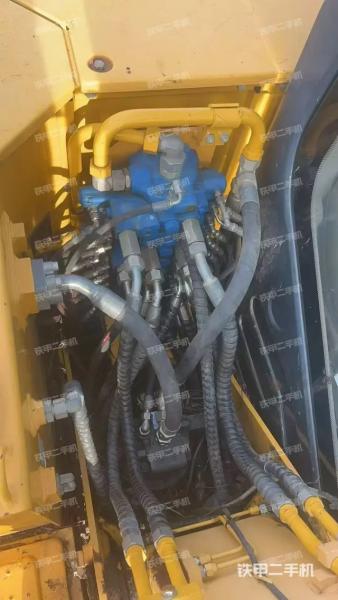
- Brand: LiuGong
- Model: CLG9075E
- Year of Manufacture: 2021
- Operating Hours: 4500 hours
- Location: Zhanjiang City, Guangdong
- Last Updated: Updated 2 hours ago
ID:1825019
The LiuGong CLG9075E excavator, manufactured in 2021, is an advanced piece of construction machinery designed for demanding tasks, such as heavy-duty digging, lifting, and earth-moving projects. With its solid build and reliable performance, it has found its place on numerous job sites, particularly in the construction, mining, and infrastructure sectors. Below is a detailed breakdown of the machine’s specifications, features, and capabilities, as well as its strengths and potential applications.
Basic Information- Brand: LiuGong
- Model: CLG9075E
- Year of Manufacture: 2021
- Operating Hours: 4500 hours
- Location: Zhanjiang, Guangdong
- Last Updated: 2 hours ago
Original Specifications
The CLG9075E is a 7-ton excavator, known for its superior strength, efficiency, and versatility. Let’s take a closer look at its technical parameters and features.
Machine Weight and Size- Operating Weight: 7500 kg
- Bucket Capacity: 0.32 m³
- Boom Length: 3710 mm
- Arm Length: 1650 mm
- Ground Clearance: 360 mm
- Min Swing Radius: 1785 mm
- Track Gauge: 1750 mm
- Track Shoe Width: 450 mm
Powertrain Specifications
The powertrain is at the heart of the excavator’s performance, providing the necessary energy to handle heavy-duty tasks.- Engine Model: Yanmar 4TNV98
- Rated Power: 46.3 kW @ 2200 rpm
- Cooling System: Water-cooled
- Bore x Stroke: 98 mm x 110 mm
- Maximum Torque: 245 Nm @ 1650 rpm
- Cylinders: 4
- Displacement: 3.319 L
- Engine Type: Inline 4-cylinder, water-cooled, direct injection, EGR (Exhaust Gas Recirculation)
Hydraulic System
The hydraulic system is designed to provide powerful movements for digging and lifting.- Travel Hydraulic Circuit Pressure: 29.4 MPa
- Swing Hydraulic Circuit Pressure: 23.5 MPa
Performance Features- Ground Pressure: 33.3 kPa
- Swing Speed: 11 rpm
- Climbing Ability: 35°
- Bucket Digging Force: 56 kN
- Arm Digging Force: 38 kN
- Travel Speed: 4.8 km/h (high) / 2.8 km/h (low)
Oil Capacities- Fuel Tank Capacity: 140 L
- Hydraulic Oil Tank Capacity: 80 L
- Hydraulic System Oil Capacity: 110 L
Machine Dimensions
The compact yet powerful design allows for flexibility in confined spaces.- Transport Length: 6100 mm
- Transport Width: 2260 mm
- Transport Height: 2700 mm
Working Range
The CLG9075E is engineered to provide outstanding performance across a variety of tasks, from digging deep trenches to handling large loads.- Max Digging Radius: 6270 mm
- Max Digging Depth: 4030 mm
- Max Digging Height: 7115 mm
- Max Dump Height: 5080 mm
- Max Vertical Digging Depth: 3240 mm
- Dozer Lift/Push Depth: 425 mm / 440 mm
- Max Digging Radius at Standstill: 6125 mm
Key Strengths- High Performance: With powerful hydraulics and a strong engine, the LiuGong CLG9075E is capable of performing tasks with heavy loads and tough terrain.
- Efficient Fuel Use: The water-cooled Yanmar engine, combined with the hydraulic efficiency, allows for a good balance between power output and fuel economy.
- Compact Size: Despite its powerful features, the excavator maintains a compact size that allows for greater maneuverability in tight spaces.
- Versatile Operation: Whether it’s trenching, material handling, or site preparation, the CLG9075E offers versatility across many different applications.
Applications
The CLG9075E’s ability to handle a wide range of tasks, from road construction to utility digging, makes it a popular choice among contractors. Its large digging depth and height, paired with excellent lift capabilities, allow it to excel in both vertical and horizontal digging. Whether used for heavy material handling in mining or for precise digging in residential development projects, this machine proves its worth on various job sites.
A Story from the Field
In a recent project in Zhanjiang, Guangdong, a LiuGong CLG9075E was deployed for a large-scale excavation and site preparation job. The machine’s smooth operation in soft and rocky ground, along with its ability to dig deep trenches efficiently, saved the construction team valuable time. Thanks to the advanced hydraulic system and its rugged build, the operator was able to work through the day without experiencing any major issues, a testament to the machine's reliability.
Conclusion
The LiuGong CLG9075E is a remarkable example of modern excavator technology, offering robust performance, fuel efficiency, and reliability in a compact, easy-to-operate design. Its impressive work range and hydraulic power make it an excellent choice for a wide variety of construction tasks. For anyone in the market for an efficient and versatile excavator, the CLG9075E should be considered a top contender.
|
|
|
|
| Transmission Issues in RTL014613B Equipment: Diagnosis and Solutions |
|
Posted by: MikePhua - 08-18-2025, 08:51 PM - Forum: Troubleshooting & Diagnosing
- No Replies
|
|
The RTL014613B transmission system is commonly used in a variety of construction and agricultural machinery, known for its durability and performance. However, as with all mechanical systems, its transmission can encounter issues that may disrupt operations. This article explores the common transmission issues in the RTL014613B, provides diagnostic methods, and offers potential solutions for effective maintenance and repair.
Understanding the Transmission System in RTL014613B Equipment
The RTL014613B transmission system is typically found in hydrostatic drive systems, often used in track-type tractors and loaders. These transmissions are designed to offer seamless power transfer and smooth operation, even under heavy load conditions. The system operates by using hydraulic pumps and motors to manage power distribution to the wheels or tracks, providing the required torque and speed control for various operations.
Transmission failures or issues can severely impact the equipment's performance, making timely diagnosis and repair crucial for maintaining productivity.
Common Transmission Issues in RTL014613B
The RTL014613B transmission, though robust, can experience a few recurring problems. Below are the most common issues faced by operators:
- Loss of Power or Sluggish Performance
- This issue is often linked to hydraulic fluid problems, such as low fluid levels or contamination, leading to improper power distribution.
- Possible Causes:
- Low hydraulic fluid levels
- Contaminated or dirty hydraulic fluid
- Worn-out hydraulic pump or motor
- Damaged or clogged filters
- Solution:
- Check and maintain proper fluid levels.
- Replace contaminated fluid and clean or replace filters.
- Inspect the hydraulic pump and motor for wear or damage.
- Transmission Slipping
- Slipping can occur when the transmission fails to engage properly, leading to erratic or delayed responses when shifting gears or moving forward.
- Possible Causes:
- Worn or damaged clutch packs
- Fluid contamination or low fluid levels
- Faulty shift valve or solenoid
- Solution:
- Inspect and replace damaged clutch packs.
- Ensure fluid levels are adequate and free from contamination.
- Test the shift valve or solenoid and replace as needed.
- Erratic Shifting or No Shifting
- Erratic or no shifting can cause significant delays in operation and is often a result of control valve issues or a faulty electronic control system.
- Possible Causes:
- Malfunctioning shift valve or control solenoid
- Damaged or worn-out electronic control system
- Blocked or malfunctioning hydraulic lines
- Solution:
- Check the shift valve and control solenoid, replacing if necessary.
- Inspect the hydraulic lines for blockages or leaks and repair accordingly.
- Test the electronic control system and replace defective components.
- Overheating Transmission
- Overheating is a critical issue in many hydraulic transmissions and can lead to catastrophic failure if not addressed.
- Possible Causes:
- Overloaded transmission
- Insufficient cooling due to clogged filters or dirty radiators
- Low fluid levels or old fluid
- Solution:
- Ensure the transmission is not overloaded beyond its rated capacity.
- Clean the filters and check the cooling system to ensure it’s functioning correctly.
- Replace old fluid and maintain proper fluid levels.
- Noise and Vibration
- Excessive noise or vibration during operation is often a sign of internal wear or damage in the transmission components.
- Possible Causes:
- Worn or damaged bearings or gears
- Contaminated or dirty fluid causing poor lubrication
- Misalignment of the transmission components
- Solution:
- Inspect and replace damaged bearings or gears.
- Drain and replace contaminated hydraulic fluid.
- Ensure proper alignment of transmission components during reassembly.
Diagnosis and Troubleshooting
Proper diagnosis is essential to pinpointing the specific issue within the transmission system of the RTL014613B. Here’s a step-by-step troubleshooting approach:
- Check Fluid Levels and Condition:
- Begin by checking the hydraulic fluid levels and condition. Low or contaminated fluid is often the root cause of transmission problems.
- Clean or replace fluid as necessary, ensuring it meets the specifications outlined in the equipment manual.
- Inspect Filters and Coolers:
- Clogged filters or inefficient cooling systems can lead to overheating or poor fluid flow, causing the transmission to fail.
- Inspect and clean the filters. If necessary, replace them. Ensure the cooler is clear and functions effectively to prevent the system from overheating.
- Test the Hydraulic System:
- Using diagnostic tools, test the hydraulic pressure and flow to ensure the pump is operating at the correct pressure and the fluid is circulating efficiently.
- If the hydraulic system fails to meet performance standards, inspect the pump, motor, and valves for any signs of wear or malfunction.
- Inspect the Clutch and Valve Systems:
- Worn-out clutch packs or faulty valves can cause slipping or erratic shifting.
- Remove the transmission cover, inspect the clutch packs, and ensure the valve systems are clean and free of debris. Test the solenoids and replace them if they show signs of malfunction.
Preventative Maintenance Tips
To avoid transmission problems in the future, consider implementing the following maintenance tips:- Regular Fluid Checks: Regularly check hydraulic fluid levels and ensure the fluid is clean and in good condition. Changing the fluid at intervals recommended by the manufacturer will help extend the life of the transmission.
- Inspect Filters and Clean Coolers: Clean or replace filters at regular intervals to ensure that the hydraulic fluid is free of contaminants. Clean the cooler to prevent overheating and maintain the system's efficiency.
- Monitor Temperature: Keep an eye on the transmission’s operating temperature. If the temperature begins to rise unexpectedly, this may signal fluid issues or a malfunctioning cooling system.
- Timely Repairs: Address minor issues promptly to prevent them from developing into major problems. Early repairs can save time, money, and prevent unnecessary downtime.
Conclusion
The RTL014613B transmission is a robust system designed to provide reliable performance in a variety of heavy-duty machinery. However, as with all mechanical systems, it requires regular maintenance and timely repairs to avoid costly downtime and ensure longevity. By understanding common transmission issues, implementing preventive maintenance, and troubleshooting effectively, operators can keep the RTL014613B running smoothly and continue to rely on its high performance for years to come.
|
|
|
|
| Case 580C Hydraulic System Maintenance and Troubleshooting |
|
Posted by: MikePhua - 08-18-2025, 08:51 PM - Forum: Troubleshooting & Diagnosing
- No Replies
|
|
The Case 580C is one of the most iconic backhoe loaders produced by Case Construction Equipment. Known for its power, versatility, and reliability, it has been a popular choice for contractors, municipalities, and farmers alike. However, like any heavy equipment, its hydraulic system can encounter issues that may require troubleshooting and repair. This article delves into the hydraulic system of the Case 580C, discussing common problems, maintenance strategies, and practical solutions to ensure the smooth operation of your machine.
Overview of the Case 580C Backhoe Loader
The Case 580C was first introduced in the mid-1980s and quickly became a staple in the construction industry due to its performance and ease of use. It features a robust hydraulic system that powers its loader, backhoe, and other attachments, making it ideal for digging, lifting, and moving materials. Over the years, it has remained a reliable workhorse for various industries, offering operators a combination of power and precision.
Key specifications of the Case 580C include: - Engine: 4.5L, 4-cylinder diesel engine
- Hydraulic System: Closed-center, load sensing
- Hydraulic Flow: 30-40 GPM (depending on the model)
- Operating Weight: Around 14,000-16,000 lbs
- Bucket Digging Force: Approximately 7,000-9,000 lbs
- Loader Lift Capacity: 3,000-4,000 lbs
Its balanced design, along with the powerful hydraulic system, allows the 580C to perform a wide range of tasks efficiently and effectively.
Common Hydraulic Problems in the Case 580C
Despite its reliability, hydraulic issues in the Case 580C are not uncommon. Here are a few of the most frequently encountered hydraulic problems and their possible causes:
- Weak Hydraulic Performance:
- One of the most common complaints is the loss of hydraulic power, particularly when operating the loader or backhoe.
- Possible Causes:
- Low hydraulic fluid levels
- Contaminated hydraulic fluid
- Worn or damaged hydraulic pump
- Clogged filters
- Solution:
- Always ensure that the hydraulic fluid is at the correct level. Regularly check for contamination and replace the fluid if necessary. Inspect and replace hydraulic filters, and if the problem persists, have the hydraulic pump inspected for wear.
- Hydraulic Leaks:
- Hydraulic fluid leaks can be a major concern, as they not only reduce system efficiency but can also cause environmental hazards.
- Possible Causes:
- Damaged hoses or fittings
- Worn seals on cylinders or pumps
- Loose connections
- Solution:
- Inspect all hoses and fittings regularly for signs of wear or damage. Replace any cracked hoses or damaged seals. Tighten loose connections to prevent leaks, and ensure proper hydraulic fluid levels are maintained.
- Slow or Jerky Hydraulic Movements:
- If the loader arms or backhoe movements are slow or jerky, it may indicate issues within the hydraulic circuit.
- Possible Causes:
- Air in the hydraulic system
- Contaminated hydraulic fluid
- Faulty or worn-out valve controls
- Solution:
- Bleed the air from the hydraulic system by following the manufacturer's procedures. Drain and replace the hydraulic fluid if it has become contaminated, and check the valve controls for any signs of damage or malfunction.
- Overheating of Hydraulic System:
- Overheating is another issue that can affect the hydraulic system, causing premature wear and potential system failure.
- Possible Causes:
- Low hydraulic fluid levels
- Clogged or dirty hydraulic filters
- Malfunctioning cooling system
- Solution:
- Regularly check hydraulic fluid levels and replace them when necessary. Clean or replace hydraulic filters, and ensure that the hydraulic cooling system is functioning correctly.
- Erratic or Non-responsive Hydraulics:
- Sometimes, the hydraulic system may stop responding altogether, or its actions may become unpredictable.
- Possible Causes:
- Faulty hydraulic pump
- Broken hydraulic relief valve
- Internal leakage within the hydraulic cylinders
- Solution:
- Inspect the hydraulic pump for any signs of wear or failure. Check the relief valve to ensure it is operating properly. If necessary, have the cylinders disassembled and inspected for internal leaks.
Hydraulic System Maintenance and Best Practices
Proper maintenance is essential to keeping the Case 580C's hydraulic system operating smoothly and preventing costly repairs. Here are some essential maintenance practices:
- Regular Fluid Checks and Changes:
- One of the most important maintenance tasks for the hydraulic system is ensuring the fluid is at the correct level and in good condition. Hydraulic fluid should be changed at regular intervals as specified in the operator’s manual.
- Hydraulic Filter Replacement:
- Replace hydraulic filters every 500-1,000 hours or as recommended by the manufacturer. Clogged filters can restrict fluid flow and cause serious damage to the hydraulic components.
- Hose and Fitting Inspections:
- Inspect all hydraulic hoses and fittings for signs of wear, cracks, or leaks. Damaged hoses should be replaced immediately to prevent fluid loss and ensure safe operation.
- Bleed the Hydraulic System:
- Air in the hydraulic lines can cause slow or erratic movements. Be sure to bleed the system if you experience any issues with hydraulic responsiveness.
- Lubricate Moving Parts:
- Regularly lubricate all moving parts, including hydraulic cylinders, to reduce friction and wear. Use the manufacturer-recommended grease to ensure proper lubrication.
- Monitor Operating Temperature:
- Overheating is a common issue for hydraulic systems. Keep an eye on the hydraulic temperature gauge to ensure the system remains within its optimal temperature range.
Conclusion
The Case 580C is a highly versatile backhoe loader, with its hydraulic system being central to its performance. By understanding the common hydraulic issues, staying on top of maintenance tasks, and addressing problems early, operators can keep their 580C running efficiently for many years. The key to long-term success with this machine lies in routine inspections and preventative care, which helps to avoid costly downtime and extends the life of the equipment. Whether you're dealing with leaks, sluggish performance, or overheating, the right maintenance and troubleshooting steps will keep your machine operating at peak performance.
|
|
|
|
| A Detailed Look at the Komatsu D39EX Crawler Dozer |
|
Posted by: MikePhua - 08-18-2025, 08:42 PM - Forum: General Discussion
- No Replies
|
|
The Komatsu D39EX is a well-regarded crawler dozer in the world of heavy equipment. Known for its reliable performance in a variety of demanding tasks, the D39EX is favored for its versatility, durability, and impressive fuel efficiency. In this article, we will dive into the specifics of this machine, exploring its capabilities, typical issues, and maintenance practices.
Komatsu D39EX: Development and Background
Komatsu, a major player in the construction and mining industries, introduced the D39EX as part of its D-Series of crawler dozers. These machines are designed for a broad range of operations, including land clearing, road building, and trenching. The D39EX is a mid-sized model, with a powerful engine and advanced features that make it ideal for medium-to-heavy duty work.
The D39EX is powered by a SAA6D107E-1 engine, offering around 130 horsepower (97 kW), making it strong enough to handle a wide variety of jobs but still compact enough to be maneuvered in tighter spaces. This model, like most Komatsu products, is recognized for its fuel-efficient engine and low operating costs, which have made it a popular choice among contractors and rental fleets.
Features and Specifications of the Komatsu D39EX
- Engine and Powertrain:
- Engine Type: Komatsu SAA6D107E-1
- Horsepower: 130 hp (97 kW)
- Torque: Approximately 592 Nm
- Transmission: Hydrostatic with electronic control for smooth operation
- Dimensions:
- Operating Weight: Approximately 16,000 kg (35,274 lbs)
- Blade Width: 2.8 meters (9.2 ft)
- Overall Length: 5.68 meters (18.6 ft)
- Height: 3.22 meters (10.6 ft)
- Hydraulics:
- Hydraulic Flow: 160 L/min
- Hydraulic Pressure: 20,000 kPa
- Lift Capacity: 6,600 kg (14,550 lbs)
- Undercarriage:
- Track Type: Sealed and lubricated track (SALT)
- Track Length: 2.79 meters (9.1 ft)
- Track Gauge: 1.79 meters (5.9 ft)
- Cab and Operator Comfort:
- Operator's Cab: Spacious and comfortable, with excellent visibility and ergonomic controls.
- Air Conditioning: Standard in most models, providing comfort in harsh environments.
The combination of power, efficiency, and operator comfort makes the D39EX an excellent choice for a variety of applications, from commercial construction to residential projects and roadwork.
Common Issues and Solutions for the Komatsu D39EX
While the D39EX is a solid machine overall, like any heavy equipment, it can experience certain issues. Below are some common problems that operators might face, along with potential solutions:
- Hydraulic System Problems:
- The hydraulic system on the D39EX, while robust, can sometimes face issues due to contamination, overheating, or improper fluid levels.
- Solution: Regular maintenance, including fluid changes and filter replacements, is essential. Operators should also check for leaks and ensure that the cooling system is functioning properly.
- Undercarriage Wear:
- As with most tracked equipment, the undercarriage of the D39EX is subject to wear over time. Tracks can become loose or damaged, and sprockets may begin to wear out, especially when the machine is used in rugged terrain.
- Solution: Inspect the undercarriage regularly for wear and tear. If tracks are excessively worn, it might be necessary to replace them to maintain optimal performance.
- Transmission or Gearbox Issues:
- The D39EX uses a hydrostatic transmission, which can sometimes experience issues like slipping or jerking if not maintained properly.
- Solution: Ensure that the transmission fluid is at the correct level and that it is changed regularly according to the manufacturer’s recommendations. If the problem persists, it may be necessary to inspect the pump and motor for faults.
- Electrical Problems:
- Electrical issues, such as malfunctioning sensors, switches, or warning lights, can occur due to moisture, poor connections, or aging components.
- Solution: A thorough inspection of the electrical system is needed. Tightening loose connections and replacing faulty sensors or switches will resolve most electrical problems.
- Engine Performance:
- The engine might experience rough idling or loss of power, especially if the fuel system is clogged or the air filter is dirty.
- Solution: Regularly replace fuel filters, air filters, and inspect the fuel injectors. Keeping the fuel system clean and well-maintained will ensure the engine operates at its best.
Maintenance Tips for the Komatsu D39EX
Regular maintenance is key to ensuring the longevity and performance of the Komatsu D39EX. Here are a few tips to help operators maintain their dozer effectively:
- Check Fluid Levels Frequently:
- Ensure that hydraulic oil, coolant, and engine oil levels are checked frequently to prevent overheating and excessive wear.
- Clean the Air Filters:
- Dirty air filters can reduce engine performance and fuel efficiency. Clean or replace air filters every 250 hours or as per the manufacturer’s recommendation.
- Inspect the Undercarriage:
- The undercarriage is critical for the performance of a tracked dozer. Inspect the tracks, rollers, and sprockets for signs of wear every 500 hours of operation.
- Lubricate Regularly:
- Keep all moving parts lubricated, including the pins and bushings in the blade and undercarriage. Lubrication intervals will depend on the operating conditions.
- Monitor for Overheating:
- Overheating can lead to catastrophic engine and transmission failures. Regularly clean the radiator and ensure the cooling system is functioning properly to avoid engine overheating.
Komatsu D39EX in the Field
The Komatsu D39EX has earned a reputation for reliability in various sectors, including construction, landscaping, and utility work. Its ability to perform in tight spaces without sacrificing power or efficiency has made it a popular choice for both small and large-scale projects.
For instance, in landscaping projects, the D39EX's compact size allows it to maneuver around obstacles while still being powerful enough to handle tough terrain. In utility work, the dozer’s ability to move and shape the earth efficiently makes it an invaluable tool.
The D39EX is often used for grading, cutting, and levelling, with operators praising its smooth controls and fuel-efficient operation, making it an ideal machine for both novice and experienced operators.
Conclusion
The Komatsu D39EX is a versatile, durable, and efficient crawler dozer that serves a wide range of applications in construction and earth-moving industries. Its design incorporates both power and comfort, allowing operators to perform tasks efficiently and safely. While it has some common issues, regular maintenance and attention to detail can prevent most problems. For those looking for a reliable mid-sized dozer that can handle various tasks, the Komatsu D39EX is an excellent option that combines performance and longevity.
|
|
|
|
| Heavy Equipment Wiring: Understanding Systems, Troubleshooting, and Solutions |
|
Posted by: MikePhua - 08-18-2025, 08:41 PM - Forum: General Discussion
- No Replies
|
|
In the realm of heavy equipment, electrical systems are critical for the proper functioning of various components, from engine management to hydraulic systems and lighting. A malfunctioning wiring system can lead to significant downtime and expensive repairs. Understanding the basics of wiring in heavy equipment, the common issues, and how to troubleshoot them can help operators and maintenance professionals keep machines running smoothly.
Wiring Systems in Heavy Equipment
Wiring in heavy equipment refers to the electrical cables and connectors that carry power and signals to various machine parts. These systems include everything from the starting circuit and battery connections to complex sensor networks. Wiring serves to connect the vehicle's electrical power source to critical components such as the engine, fuel system, hydraulic systems, and even user interfaces like joysticks and monitors.
Typically, heavy equipment uses 12V or 24V systems, with the larger machinery often opting for the 24V systems due to the need for more power to run multiple devices simultaneously.
Common Wiring Components
- Wires and Cables:
- Wire Gauge: The size of the wire, determined by its gauge, plays an important role in how much current can safely pass through it. Larger gauges are used for high-current applications, while smaller gauges are used for signals or low-power tasks.
- Insulation: Wires in heavy equipment are typically insulated to protect them from the elements, prevent electrical shorts, and ensure safety. The most common types of insulation include rubber, PVC, and Teflon.
- Connectors:
- Electrical connectors allow different parts of the wiring system to be joined. They are essential in heavy machinery for quick repairs and maintenance. Common connector types include spade terminals, ring terminals, and quick-disconnect plugs.
- Fuses and Circuit Breakers:
- Fuses and circuit breakers protect wiring systems from overcurrent situations that can cause overheating and fires. These devices will automatically break the circuit when an overcurrent is detected, safeguarding the electrical system.
- Relays and Switches:
- Relays are used to control the flow of electricity to various parts of the machinery, while switches are used to manually turn devices on or off. These components are often found in the control panel of heavy equipment.
- Grounding:
- Grounding is essential for electrical safety in heavy equipment. A poor or broken ground connection can cause equipment to malfunction or even result in dangerous electrical hazards.
Common Wiring Issues in Heavy Equipment
- Corrosion and Wear:
- Over time, wiring in heavy equipment is exposed to the elements, including water, dirt, and chemicals. Corrosion on wires and connectors can lead to poor connections, which in turn results in equipment failure. Regular inspections of the wiring system are necessary to spot and address corrosion before it causes more severe damage.
- Loose or Frayed Connections:
- A common issue that arises in heavy equipment wiring is the loosening or fraying of connections due to vibrations and the stresses of everyday use. Loose connections can cause intermittent faults, which are often difficult to detect. If left unaddressed, these connections can eventually cause electrical failures or even fires.
- Blown Fuses or Tripped Circuit Breakers:
- Fuses and circuit breakers are integral to preventing electrical fires by cutting off power in the event of an overload. A blown fuse or tripped circuit breaker can halt machine operation. Diagnosing the cause of the overload and replacing fuses or resetting the breakers is a common part of electrical maintenance.
- Short Circuits:
- A short circuit occurs when two wires that should not be connected come into contact. This can lead to a massive surge of electricity that can melt wires, cause sparks, or damage critical components. Short circuits are often caused by damaged insulation, moisture, or improperly routed cables.
- Poor Wiring Routing:
- Improperly routed or unsecured wires can lead to premature wear, damage from friction, or exposure to harsh environmental conditions. Proper wire routing is crucial for preventing unnecessary wear and maintaining the integrity of the wiring system.
Diagnosing and Troubleshooting Wiring Problems
When an electrical issue arises, identifying the problem is crucial. Here are some steps that can help diagnose and troubleshoot common wiring issues in heavy equipment:
- Check Fuses and Circuit Breakers:
- The first step in troubleshooting is to check the fuses and circuit breakers. If one is blown or tripped, this can be a sign of an overload. Replace blown fuses or reset tripped breakers. If the fuse blows again or the breaker trips, the issue might be more complex, requiring further investigation.
- Test for Voltage:
- Use a multimeter to test for voltage across different parts of the circuit. If voltage is not present where it should be, this could indicate a broken wire or loose connection.
- Inspect Wires and Connectors:
- Visually inspect the wiring and connectors for signs of wear, corrosion, or fraying. Damaged or loose connectors should be replaced or tightened.
- Look for Grounding Issues:
- Poor grounding can lead to malfunctioning equipment. Test the grounding connections to ensure they are secure and free from corrosion.
- Use a Continuity Tester:
- A continuity tester can help identify broken wires or open circuits. If the tester doesn't beep when attached to the suspected broken wire, this indicates a fault in the wire.
Preventive Maintenance for Wiring Systems
Preventing wiring issues before they arise is the best way to ensure reliable equipment performance. Here are some maintenance tips for prolonging the life of your equipment's wiring system:
- Routine Inspections:
- Conduct regular inspections of the wiring system to catch issues such as frayed wires, corrosion, and loose connections. Inspections should be part of regular maintenance schedules.
- Protect Wiring from Environmental Damage:
- Install protective covers or conduit for wiring exposed to harsh environmental factors. For example, heat-resistant sleeves can protect wiring in areas exposed to high temperatures, while waterproof connectors can be used in areas exposed to moisture.
- Proper Wire Routing:
- Make sure that wires are routed properly and are not subject to unnecessary wear from friction or sharp edges. Using cable ties to secure wires and prevent them from moving excessively can also help.
- Cleanliness:
- Keep the wiring system clean and free of debris. Dirt and moisture can cause corrosion and shorten the lifespan of the electrical components.
Conclusion
Wiring issues are among the most common causes of equipment downtime. Understanding how the wiring system works and how to maintain it is essential for ensuring your heavy equipment runs smoothly. Regular inspection, careful routing, and proper grounding are all vital steps in maintaining the integrity of the wiring system. By staying proactive with maintenance and troubleshooting, operators and mechanics can avoid costly repairs and ensure the longevity of their equipment.
|
|
|
|
| Skid Steer Wheels: Selection, Maintenance, and Common Issues |
|
Posted by: MikePhua - 08-18-2025, 08:40 PM - Forum: Parts , Attachments & Tools
- No Replies
|
|
Skid steer loaders are among the most versatile and widely used equipment in construction, agriculture, and landscaping industries. One crucial component that often requires attention is the wheel system, which plays a key role in providing traction, maneuverability, and stability. Understanding the different types of skid steer wheels, their function, and maintenance is essential for ensuring the equipment operates efficiently and safely.
What Are Skid Steer Wheels?
Skid steer wheels are the primary contact between the loader and the ground. Unlike wheeled loaders, skid steers are typically known for their ability to pivot and turn within their own footprint, thanks to the independent movement of the wheels on either side. These wheels are integral for the machine's ability to move and perform tasks such as digging, lifting, and pushing material. Depending on the type of terrain and application, skid steer loaders can be fitted with either pneumatic (air-filled) or solid rubber wheels.
Types of Skid Steer Wheels
- Pneumatic Tires (Air-Filled):
- Advantages: These tires are typically softer and provide better traction, especially on rough or uneven surfaces. They also help absorb shock, making them ideal for outdoor construction environments where rough terrain is common.
- Disadvantages: Pneumatic tires are prone to punctures, which can lead to downtime if not properly maintained or inspected. They also wear down more quickly when used on harsh surfaces like concrete or asphalt.
- Solid Rubber Tires:
- Advantages: Solid rubber tires are more durable and resilient. They are less susceptible to punctures and cuts, making them ideal for environments where sharp debris or abrasive surfaces are common. These tires offer excellent stability and a longer lifespan than pneumatic tires.
- Disadvantages: They offer less shock absorption and may not provide as much traction on loose or wet ground. They are also more rigid, which can lead to a rougher ride when compared to pneumatic tires.
- Polyurethane Tires:
- Advantages: These are a hybrid solution that combines the durability of solid rubber tires with the traction benefits of pneumatic ones. Polyurethane tires are typically more resistant to wear and tear and are ideal for indoor use or in environments where puncture resistance is crucial.
- Disadvantages: Similar to solid rubber tires, polyurethane tires may not offer the best traction on rough outdoor terrain.
Choosing the Right Skid Steer Wheels
Selecting the appropriate type of wheel depends on several factors, such as the type of work, ground conditions, and the frequency of use. Here are some guidelines for choosing the right wheel:- For Rough Terrain: Pneumatic tires are the best option for outdoor work where the skid steer will encounter uneven, rocky, or muddy terrain.
- For Paved Surfaces: Solid rubber or polyurethane tires are preferred for applications that primarily involve smooth, paved surfaces such as urban construction or indoor maintenance.
- For Frequent Load Handling: Solid rubber tires or polyurethane tires are more suitable for high-load tasks, as they can withstand the wear and tear better than pneumatic tires.
Common Skid Steer Wheel Problems
Like any part of a skid steer, the wheels and tires experience wear over time. Below are common problems associated with skid steer wheels:
- Flat Tires:
- This is one of the most common issues with pneumatic tires. Flat tires can be caused by sharp objects, overinflation, or underinflation. Regularly inspecting tire pressure and condition is essential to prevent unexpected downtime.
- Worn Tires:
- Over time, even the best tires will show signs of wear. This is especially true for pneumatic tires, which can wear out faster depending on the terrain. Worn-out tires reduce the traction and efficiency of the machine, which can affect performance.
- Tire Deformation:
- Overloading or improperly inflated tires can lead to tire deformation. This affects the stability of the skid steer and may lead to more severe damage to the wheel system. Deformation can also lead to uneven wear and decreased handling capability.
- Loose or Damaged Wheel Bearings:
- Over time, the wheel bearings in a skid steer can wear out, especially if the equipment is regularly subjected to heavy loads or rough terrains. Damaged or loose wheel bearings can result in poor steering and unsafe operation.
- Cracked or Split Tires:
- Tires made of solid rubber or polyurethane can crack over time, especially in extreme temperature conditions. Cracked tires are prone to breakage and should be replaced to maintain optimal performance.
Maintaining Skid Steer Wheels
Proper maintenance of skid steer wheels is crucial for ensuring the longevity of both the wheels and the overall machine. Here are some key maintenance steps to consider:
- Regular Inspections:
- Periodically inspect the wheels for signs of damage, wear, or punctures. This is particularly important for pneumatic tires, as they are more susceptible to external damage. Look for any debris, cuts, or cracks in the tire.
- Proper Inflation:
- Ensure that the pneumatic tires are properly inflated. Under-inflated tires lead to excessive wear and poor traction, while over-inflation can cause the tire to become brittle and prone to rupture. Refer to the manufacturer's recommended pressure levels.
- Tire Rotation:
- Rotating the tires at regular intervals helps ensure even wear, particularly when one side of the skid steer is used more frequently. This extends the lifespan of the wheels and ensures balanced performance.
- Tire Replacements:
- Replace tires that have significant wear or damage. Continuing to use worn-out tires can lead to reduced performance, decreased safety, and potentially costly repairs. If pneumatic tires are consistently being punctured, consider switching to solid rubber or polyurethane tires for more durability.
- Check for Leaks:
- Keep an eye out for hydraulic fluid or oil leaks around the wheel system. Leaks can cause fluid contamination in the wheel assembly, leading to long-term damage. Fix any leaks promptly to avoid further issues.
Conclusion
Skid steer wheels are essential components for the performance and safety of the machine. Selecting the right tires based on the working environment and performing regular maintenance can significantly increase the lifespan and efficiency of the skid steer loader. By staying on top of common issues, such as tire wear and damage, and adhering to proper maintenance procedures, operators can ensure smooth operation and reduce costly downtime. As with all heavy equipment, paying attention to the smallest details—like tire selection and upkeep—goes a long way in enhancing productivity and reducing long-term repair costs.
|
|
|
|
| Case 580SK Hydraulic Oil in Transmission: Troubleshooting and Solutions |
|
Posted by: MikePhua - 08-18-2025, 08:39 PM - Forum: Troubleshooting & Diagnosing
- No Replies
|
|
The Case 580SK, a popular backhoe loader model, is widely known for its robust performance in construction, agriculture, and excavation tasks. However, one issue that some operators may encounter is hydraulic oil mixing with the transmission fluid, which can lead to several operational challenges. This problem needs prompt attention to ensure the machine continues to function efficiently and avoid costly repairs.
In this article, we explore the causes, symptoms, troubleshooting techniques, and solutions for when hydraulic oil ends up in the transmission system of the Case 580SK.
Overview of the Case 580SK Backhoe Loader
Introduced as part of Case's Series 580 lineup, the 580SK is designed to handle demanding tasks with precision and efficiency. Known for its versatility, it features a front loader bucket and a rear backhoe, which can be easily adapted for a wide range of digging and lifting tasks. The 580SK's reliability and ease of maintenance make it a favorite among construction crews, municipalities, and farmers. - Engine Power: 82 hp (61 kW)
- Operating Weight: 14,500 lbs (6,577 kg)
- Digging Depth: Up to 14 feet (4.27 meters)
- Transmission Type: Powershift or manual transmission options
- Hydraulic System: Open-center hydraulic system with a variable displacement pump
The Hydraulic Oil and Transmission System in the 580SK
The 580SK's transmission system is responsible for transmitting power to the wheels or tracks, while the hydraulic system operates the backhoe, loader, and other attachments. These systems rely on specific types of oil to perform optimally:- Hydraulic Fluid: Used to transfer power to the implements, such as the backhoe and loader arms. This fluid needs to maintain high viscosity and provide proper lubrication to prevent overheating.
- Transmission Fluid: Used to lubricate and cool the transmission components. The right fluid ensures smooth gear shifting and prevents wear and tear on transmission parts.
When hydraulic fluid mixes with transmission fluid, it can cause significant issues. The most common cause of this problem is contamination from a failing seal, a malfunctioning hydraulic pump, or a ruptured hydraulic line. The contamination can cause transmission components to wear prematurely, leading to costly repairs and potential downtime.
Causes of Hydraulic Oil in the Transmission
Several factors can lead to hydraulic oil mixing with the transmission fluid in the Case 580SK. Identifying the root cause is crucial to fixing the problem efficiently. Here are some of the primary causes:
- Faulty Seals or Gaskets: The hydraulic pump and transmission pump are often separated by seals or gaskets. If these seals deteriorate over time due to wear or improper installation, they can allow hydraulic fluid to leak into the transmission compartment.
- Damaged Hydraulic Lines: Hydraulic lines carry fluid from the pump to the various hydraulic cylinders, valves, and components. If a hydraulic line becomes damaged, fluid may escape and mix with the transmission oil.
- Transmission Cooler Leaks: Some backhoe loaders, including the Case 580SK, use a transmission cooler to regulate transmission fluid temperature. If the cooler develops a leak, hydraulic oil could flow into the transmission system, causing contamination.
- Improper Maintenance or Fluid Overfill: Overfilling the hydraulic system can result in excessive pressure, which may push fluid into unintended areas, including the transmission.
Symptoms of Hydraulic Oil in the Transmission
When hydraulic oil mixes with the transmission fluid in the Case 580SK, several noticeable symptoms may arise, indicating the need for immediate attention. These include:- Erratic Transmission Behavior: Slipping gears, delayed shifting, or sudden loss of power when engaging the transmission may indicate contamination in the fluid system.
- Reduced Hydraulic Performance: The hydraulic system may become sluggish, with slower or unresponsive movements of the backhoe or loader arms.
- Discoloration of Transmission Fluid: Transmission fluid typically has a reddish or amber color. If the fluid becomes milky or takes on a cloudy appearance, it may be contaminated with hydraulic fluid.
- Increased Heat: Contaminated transmission fluid can cause the transmission to overheat, leading to higher temperatures and potential damage to internal components.
- Unusual Noises: Grinding or whining sounds coming from the transmission or hydraulic system may suggest fluid contamination.
Troubleshooting and Diagnosing the Issue
To address the issue of hydraulic oil in the transmission, it is important to follow a systematic troubleshooting approach. Here's a step-by-step guide to diagnose the problem:
- Check Fluid Levels and Condition: Inspect both the hydraulic and transmission fluid levels and their condition. Look for signs of cross-contamination, such as milky fluid or color changes. Check the level of each fluid to ensure that it is within the specified range.
- Inspect Seals and Gaskets: Examine the seals and gaskets between the hydraulic pump and transmission pump. Look for signs of wear, damage, or leaks that could allow fluid to mix. Replacing these seals is often the first step in resolving the issue.
- Examine Hydraulic Lines and Components: Inspect all hydraulic lines for damage, leaks, or signs of wear. If any lines are compromised, they should be replaced. Also, inspect the hydraulic cylinders, valves, and filters to ensure they are functioning properly.
- Check the Transmission Cooler: If the 580SK is equipped with a transmission cooler, check for leaks or signs of fluid cross-contamination. Replace any damaged coolers and flush the system to ensure clean fluid circulation.
- Perform a Fluid Flush: If contamination is confirmed, the hydraulic and transmission systems should be flushed to remove the mixed fluid. Replace the affected fluids with the correct type and amount, following the manufacturer's recommendations.
Solutions to Fix Hydraulic Oil in Transmission Issues
Once the root cause of hydraulic oil in the transmission is identified, there are several solutions to address the problem:
- Replace Faulty Seals or Gaskets: If the seals between the hydraulic and transmission pumps are damaged, they need to be replaced. This is a relatively straightforward repair but should be done carefully to prevent further issues.
- Repair or Replace Damaged Hydraulic Lines: If hydraulic lines are damaged, they should be repaired or replaced immediately. This prevents further leakage of fluid into the transmission system.
- Flush Both Systems: After identifying the source of contamination, it is important to flush both the hydraulic and transmission systems thoroughly. This will remove the mixed fluid and prevent further damage to the components.
- Check for System Overfill: Ensure that the hydraulic system is not overfilled. If overfill is the cause, drain the excess fluid to return the system to its correct level.
- Monitor Fluid Levels Regularly: Once repairs are completed, it’s important to monitor fluid levels regularly. Consistent checks will help catch any future issues early on and prevent potential damage.
Preventive Measures for Long-Term Maintenance
To avoid hydraulic oil contamination in the transmission of the Case 580SK, the following preventive measures should be taken:
- Regular Fluid Changes: Follow the manufacturer's recommended fluid change intervals to ensure that the hydraulic and transmission systems operate efficiently. Regular fluid changes help prevent the buildup of contaminants and keep the systems in optimal condition.
- Routine Seal Inspections: Inspect seals and gaskets periodically for signs of wear. Address any issues immediately to prevent fluid cross-contamination.
- Proper Fluid Storage and Handling: Always use the correct type of hydraulic and transmission fluids as specified by the manufacturer. Store fluids in a clean, dry environment to prevent contamination.
- Training and Awareness: Ensure that operators are trained to recognize the signs of fluid contamination and know how to respond quickly. Proper maintenance and awareness of potential issues will help extend the life of the machine.
Conclusion
Hydraulic oil mixing with transmission fluid in the Case 580SK can lead to significant operational issues if not addressed promptly. By understanding the causes, symptoms, and solutions to this problem, operators can ensure their backhoe loader continues to perform efficiently and reliably. Regular maintenance, fluid monitoring, and timely repairs will not only prevent this issue but also enhance the machine's overall performance and longevity.
|
|
|
|
| Caterpillar D6K Bulldozer Overview |
|
Posted by: MikePhua - 08-18-2025, 08:38 PM - Forum: General Discussion
- No Replies
|
|
Introduction and History
The Caterpillar D6 series has long been a staple in the medium bulldozer category, recognized for its versatility and durability. The D6 model evolution began in 1935 as the RD6 and continued through various iterations such as the 4R, 5R, 8U, 9U, and later series. The D6K variant emerged in 1996, offering significant improvements in power, weight, and technology.
This model has been widely adopted in construction, forestry, and agriculture, with thousands produced annually, maintaining Caterpillar’s reputation for reliable and powerful earthmoving equipment. The D6K was designed to provide 125 hp and a manageable operating weight around 28,400 pounds, making it suitable for a broad range of jobs requiring balance between power and maneuverability.
Key Specifications - Engine: Caterpillar 6.6L 6-cylinder diesel engine with ACERT technology
- Power: 125 horsepower (93 kW) net power
- Operating Weight: Approximately 27,802 to 28,409 pounds (12,600 to 12,886 kg)
- Fuel Capacity: 77.9 gallons (295 liters)
- Hydraulic System Capacity: 15.3 gallons (58 liters) with load-sensing hydraulics
- Tracks: Typically 22-inch wide, designed for traction and stability
- Transmission: Hydrostatic, allowing precise speed and directional control
- Electrical System: Dual 12-volt batteries with a 95-amp alternator for reliable starts and electrical power
Technological Features
The D6K's hydrostatic transmission offers smooth steering and speed control, enhancing operator efficiency in detailed grading and excavation. This transmission technology enables better maneuverability compared to traditional gear drives.
Load-sensing hydraulics optimize power delivery to implements, reducing fuel consumption and improving hydraulic performance. The machine is also designed with operator comfort in mind, featuring a spacious cab with air conditioning and ergonomic controls.
Operational Benefits
The balanced weight and power of the D6K make it ideal for site clearing, grading, landscaping, and medium-duty earthmoving tasks. Its track design provides excellent ground contact and low ground pressure, allowing more stability and less damage to sensitive surfaces.
Fuel efficiency improvements introduced with ACERT engine technology help reduce operational costs while meeting stringent emissions regulations, such as EPA Tier 3.
Relevant Industry Developments
Recent Caterpillar models in the same class, like the D6K2 or the renamed D4, continue to build on the legacy of the D6K by adding advanced technologies such as automated blade control systems, eco modes for improved fuel economy, and traction control enhancements for adverse ground conditions.
Terminology- Hydrostatic Transmission: A type of transmission using hydraulic fluid power to transmit engine power to the tracks, allowing variable speed control.
- ACERT Technology: Caterpillar's advanced combustion technology for engines to improve fuel efficiency and reduce emissions.
- Load Sensing Hydraulics: A system that adjusts hydraulic power output based on the load requirements, conserving energy.
- Operating Weight: The total weight of the machine including fuel, operator, and standard equipment.
- Ground Pressure: The pressure exerted by the machine’s tracks on the ground, influencing stability and soil disturbance.
Summary
The Caterpillar D6K bulldozer represents a mature balance of power, control, and operator comfort tailored to medium-duty operations. Its combination of a fuel-efficient engine, hydrostatic transmission, and thoughtful design features has kept it competitive in its segment over decades. The model's adaptability, reliability, and proven performance have made it a favorite among contractors and equipment operators worldwide.
|
|
|
|
| CAT D6C Compatible Fluids and Maintenance Considerations |
|
Posted by: MikePhua - 08-18-2025, 08:38 PM - Forum: Parts , Attachments & Tools
- No Replies
|
|
The Caterpillar D6C, a versatile and reliable bulldozer, has been a cornerstone of heavy equipment for decades. Known for its power and durability, it is commonly used in construction, mining, and other heavy-duty tasks. Proper maintenance of the D6C, including selecting the right fluids, is essential for ensuring the machine's long-term performance and minimizing downtime.
In this article, we explore the different fluids required for the CAT D6C, the importance of using compatible fluids, and how to maintain the bulldozer to ensure its optimal functioning.
Overview of the CAT D6C Bulldozer
The CAT D6C is part of the D6 series of bulldozers from Caterpillar, a company recognized for producing some of the most reliable construction and mining equipment globally. Introduced in the 1960s, the D6C was designed to provide a perfect balance between power and precision in the most challenging environments. The D6C is commonly used for tasks like: - Earthmoving and grading
- Construction site preparation
- Road building
- Mining operations
Key Specifications of the CAT D6C:- Engine Power: 160 hp (119 kW)
- Operating Weight: 32,000 lbs (14,515 kg)
- Blade Capacity: 5-7 cubic yards (3.8-5.4 cubic meters)
- Hydraulic System Pressure: 2500 psi (17.24 MPa)
- Fuel Tank Capacity: 60 gallons (227 liters)
Like all heavy equipment, the D6C requires specific fluids for various systems, including the engine, transmission, hydraulic systems, and cooling system. Using the wrong fluids can compromise performance, reduce lifespan, and cause system failures.
Engine Oil for the D6C
The engine oil in the CAT D6C plays a crucial role in lubricating the engine's moving parts, reducing friction, and preventing wear. The correct engine oil must be used to ensure that the engine runs smoothly and efficiently.- Recommended Oil Type: Caterpillar recommends using SAE 15W-40 or 10W-30 multi-viscosity oils for the D6C, depending on ambient temperatures.
- Oil Capacity: Approximately 12 quarts (11.4 liters)
- Oil Change Interval: Typically, engine oil should be changed every 250 hours of operation or annually, whichever comes first.
Using oils that meet the API (American Petroleum Institute) classification of CH-4 or higher ensures proper lubrication and protection against wear and corrosion.
Transmission Fluid for the D6C
The transmission fluid is responsible for transferring power from the engine to the track and blade systems. This fluid must provide consistent lubrication and cooling under varying load conditions.- Recommended Fluid: Caterpillar recommends using TO-4 or TO-4M transmission fluid in the D6C. These fluids are designed to meet the specific requirements of Caterpillar's transmissions and hydraulic systems.
- Fluid Capacity: Approximately 26 gallons (98 liters)
- Fluid Change Interval: Transmission fluid should be checked regularly and replaced at intervals of about 1,000 hours of operation.
Using non-compatible fluids in the transmission can lead to overheating, poor performance, and even damage to the internal components.
Hydraulic System Fluid for the D6C
The hydraulic system in the D6C is used for controlling the blade, ripper, and other implements. Ensuring that the hydraulic fluid is at the proper level and is of the correct type is vital for maintaining efficiency and responsiveness.- Recommended Fluid: Caterpillar recommends using Cat HYDO 10 or an equivalent hydraulic fluid that meets Caterpillar's specification for hydraulic systems.
- Fluid Capacity: The hydraulic fluid capacity in the D6C is approximately 35 gallons (132 liters).
- Fluid Change Interval: Hydraulic fluid should be checked regularly for contamination and changed every 2,000 hours or as needed, based on operating conditions.
The hydraulic fluid plays a vital role in maintaining system pressure, lubrication, and the smooth functioning of attachments and implements.
Cooling System Fluid for the D6C
The cooling system fluid is responsible for maintaining the engine's optimal operating temperature. Overheating can lead to severe engine damage and reduced efficiency.- Recommended Fluid: A 50/50 mixture of water and an ethylene glycol-based antifreeze is recommended for the cooling system. This mixture helps to prevent freezing in colder climates while offering protection against corrosion.
- Cooling System Capacity: The cooling system in the D6C holds approximately 40 gallons (151 liters) of fluid.
- Coolant Change Interval: The coolant should be replaced every 2,000 hours of operation or every two years, whichever comes first.
Proper coolant maintenance ensures that the engine operates at the right temperature, preventing overheating and minimizing the wear on critical engine components.
Grease for Lubrication
Grease is used in various points of the D6C, such as joints, pivots, and other moving parts, to prevent friction and wear.- Recommended Grease: Use a high-quality grease, such as Cat SD or equivalent, designed to withstand extreme pressures and temperatures.
- Grease Application Points: Apply grease to the pin joints, track rollers, and other critical moving components at regular intervals as specified in the operator's manual.
Choosing the Right Fluids for Longevity and Performance
Using the correct fluids in the CAT D6C is crucial for ensuring the longevity and optimal performance of the machine. While using non-Caterpillar fluids might seem like a cost-saving strategy, it can lead to significant problems, such as:- Reduced Lubrication Efficiency: Incorrect oils or fluids can fail to lubricate parts effectively, leading to premature wear or even mechanical failure.
- Increased Wear and Tear: Non-approved fluids might not provide the same level of protection against rust and corrosion, resulting in faster degradation of parts.
- Void Warranty: Using fluids that do not meet the specifications could void the warranty of your machine, leaving you with costly repairs.
Real-World Example: The Importance of Using Compatible Fluids
An example of the importance of using the right fluids can be seen with a contractor working on a construction site who ignored the recommendations for hydraulic fluid. The machine began exhibiting signs of slow performance and jerky movement in the hydraulics, which led to a breakdown during an important project. After inspecting the hydraulic system, it was found that the wrong fluid had caused the hydraulic pump to fail. The result was a delay in the project and costly repairs that could have been avoided by simply following the manufacturer’s recommended fluid specifications.
Common Mistakes to Avoid
- Overfilling Fluids: Overfilling the oil or hydraulic fluid reservoirs can lead to excessive pressure and leaks. Always check fluid levels with the machine on level ground and ensure they are within the specified range.
- Using Generic Fluids: Generic fluids may not meet the specifications required by the D6C. Always use fluids that are approved by Caterpillar to ensure compatibility with the machine’s systems.
- Neglecting Regular Fluid Changes: Failing to change fluids at the recommended intervals can result in contamination and reduced efficiency. Set a regular schedule for fluid checks and replacements.
Conclusion
Proper maintenance, including the use of compatible fluids, is critical for the longevity and reliability of the CAT D6C bulldozer. Using the right oils, hydraulic fluids, and coolants not only ensures the smooth operation of the machine but also helps avoid costly repairs and downtime. By following the recommended fluid specifications, operators can maximize the performance and extend the life of their D6C, making it a valuable investment for years to come.
|
|
|
|
|



