| Welcome, Guest |
You have to register before you can post on our site.
|
| Online Users |
There are currently 65 online users.
» 0 Member(s) | 55 Guest(s)
Ahrefs, Amazon, Applebot, Bing, Claude, Google, MJ12, OpenAI, Semrush
|
| Latest Threads |
Identifying and Sourcing ...
Forum: Parts , Attachments & Tools
Last Post: MikePhua
01-07-2026, 06:29 PM
» Replies: 0
» Views: 528
|
Cat 931B Brake Parts
Forum: Parts , Attachments & Tools
Last Post: MikePhua
01-07-2026, 06:29 PM
» Replies: 0
» Views: 283
|
Choosing Between Cat 228,...
Forum: General Discussion
Last Post: MikePhua
01-07-2026, 06:28 PM
» Replies: 0
» Views: 561
|
Hydraulic Delay When Lowe...
Forum: Troubleshooting & Diagnosing
Last Post: MikePhua
01-07-2026, 06:27 PM
» Replies: 0
» Views: 447
|
Bale Chopper and Mulcher ...
Forum: General Discussion
Last Post: MikePhua
01-07-2026, 06:26 PM
» Replies: 0
» Views: 323
|
Mini UC Maintenance
Forum: General Discussion
Last Post: MikePhua
01-07-2026, 06:25 PM
» Replies: 0
» Views: 314
|
Locating Wiring Informati...
Forum: General Discussion
Last Post: MikePhua
01-07-2026, 06:24 PM
» Replies: 0
» Views: 346
|
Case Industrial Brown Sub...
Forum: Parts , Attachments & Tools
Last Post: MikePhua
01-07-2026, 06:23 PM
» Replies: 0
» Views: 275
|
Dirt Work in West Virgini...
Forum: Construction & Urban Infrastructure Forum
Last Post: MikePhua
01-07-2026, 06:23 PM
» Replies: 0
» Views: 377
|
D207 P Hydraulic Steering...
Forum: Parts , Attachments & Tools
Last Post: MikePhua
01-07-2026, 06:22 PM
» Replies: 0
» Views: 304
|
|
|
| Weeks Marine Caterpillar 5110 Overview |
|
Posted by: MikePhua - 08-19-2025, 12:19 AM - Forum: General Discussion
- No Replies
|
 |
Introduction to Weeks Marine and Caterpillar 5110
Weeks Marine is a prominent marine construction and dredging company known for operating an extensive fleet including cranes, dredges, tugboats, and barges. One of the heavy equipment pieces in their arsenal is the Caterpillar 5110 excavator, a powerful machine built for heavy-duty tasks in mining, construction, and marine environments.
Caterpillar 5110 Specifications and Design
The Caterpillar 5110 is a large hydraulic excavator designed to deliver unmatched durability, performance, and versatility. It is powered by a Cat 3412E HEUI engine, which delivers a net power of approximately 696 hp (519 kW). This 12-cylinder, four-stroke, air-to-air aftercooled engine features dual turbochargers and dual exhaust systems, ensuring efficient power delivery and reliable operation even in demanding conditions.
Structurally, the 5110 boasts a robust frame built to handle heavy shock loads and vibration. It comes in a standard (STD) and extended (L) undercarriage configuration, with the longer version providing enhanced stability and reach for rough terrain. The operating weight reaches around 275,000 lb (125,000 kg), reflecting its heavy-duty classification.
Hydraulic and Control Systems
The 5110 is equipped with a sophisticated hydraulic system—the Cat Proportional Priority Pressure Compensating (PPPC) system—that ensures smooth, efficient, and precise operation. This load-sensing hydraulic system organizes flow among different machine functions (boom, stick, bucket) based on real-time demand, enabling multitasking without loss of hydraulic speed.
Computer controls coordinate the pumps and engine for maximum efficiency, automatically adjusting to power needs and preventing excessive engine lugging, which enhances fuel economy. Hydraulic cooling is optimized with a dedicated core radiator and temperature-sensing system, allowing reliable operation up to ambient temperatures of 50°C (122°F).
Undercarriage and Mobility
The 5110’s undercarriage features a wide track gauge, large track rollers, and automatic hydraulic track tensioning for superior traction and stability. Travel motors offer independent two-speed operation for smooth travel and tight turns. The undercarriage design incorporates impact-resistant components and guarded hydraulic lines to withstand harsh environments encountered in marine and construction operations.
Usage and Application in Weeks Marine
Weeks Marine utilizes the Caterpillar 5110 for their marine and construction projects, which often demand heavy excavation, trenching, and material handling capabilities. The machine’s high bucket fill factor and rapid cycle times help maximize productivity, while its robust design withstands the vigorous conditions typical of marine environments.
The 5110 supports heavy lifting and precise motion control required for dredging, pipeline installation, and demolition tasks, complementing Weeks Marine’s fleet of cranes and tugboats. The machine’s extended undercarriage version enables safe maneuvering over uneven ground and over water-adjacent job sites.
Maintenance and Operational Efficiency
The Caterpillar 5110 incorporates a modular design for easier maintenance, with components engineered for longevity and field repairability. Hydraulic hoses utilize high-pressure Cat XT hoses with reusable couplings to minimize leaks and downtime. The hydraulic tank design reduces complexity and risk during operation, with sight gauges for easy fluid level monitoring.
The engine management system (ECM) adjusts fuel injection timing and duration electronically, optimizing performance for fuel efficiency and emission compliance. It also automatically adjusts engine speed during idle to reduce noise and fuel consumption.
A Real-World Insight
In marine construction projects, operators have praised the 5110 for its balance of power and precision. One notable project involved pipeline trenching in challenging tidal environments where the machine’s hydraulic responsiveness and robust frame minimized downtime and improved task accuracy, contributing to the timely completion of the project under budget.
Terminology Explanation - HEUI (Hydraulically actuated Electronically controlled Unit Injection): Advanced fuel injection technology improving efficiency and emissions.
- Load Sensing Hydraulic System: A system that automatically adjusts hydraulic flow based on the load demand of different functions.
- Track Gauge: The distance between the left and right tracks, affecting stability.
- Cycle Time: The time it takes to complete one full operation, such as digging and dumping.
- Bucket Fill Factor: A measure of how efficiently the bucket loads material relative to its rated capacity.
The Weeks Marine Caterpillar 5110 stands as a high-capacity, reliable excavator that meets the demanding needs of large-scale marine and construction projects, combining cutting-edge hydraulics, robust mechanical design, and operator-focused features for optimal performance.
|

|
|
| Where to Get Operator’s Manuals for Heavy Equipment |
|
Posted by: MikePhua - 08-19-2025, 12:18 AM - Forum: General Discussion
- No Replies
|
|
Importance of Operator’s Manuals
Operator’s manuals are essential documents for anyone using heavy machinery. They provide crucial information about safe operation, daily maintenance routines, troubleshooting tips, and specifications. Having the correct manual not only ensures safety but also improves equipment longevity and performance by guiding proper use.
Types of Heavy Equipment Manuals - Operator’s Manuals: Focus on daily use instructions, safety protocols, controls explanation, and routine maintenance tasks.
- Service and Repair Manuals: Detailed guides for diagnosing problems, performing repairs, and technical overhauls, often used by technicians.
- Parts Catalogs: Include diagrams and part numbers to help with ordering replacements and understanding component assemblies.
Reliable Sources to Obtain Manuals- Manufacturer Websites: The most authoritative and accurate source. Brands like Caterpillar, Volvo, John Deere, Komatsu, and Bobcat typically offer downloadable operator manuals online. Users often need to enter the model and serial number to access the right manual. These manuals are OEM-approved and updated regularly but might require registration or subscription fees.
- Specialized Manual Vendors: Dedicated online platforms such as Manualskart.com and Heavy-EquipmentManual.com offer extensive collections of operator, service, and parts manuals in PDF format. They often provide instant downloads, searchable content, and affordable prices compared to dealer sources. These sites cover a wide range of manufacturers and models, including legacy equipment.
- Dealerships and Authorized Service Centers: Local dealerships can provide physical or digital manuals upon request. While convenient, this option may be costlier and slower than online sources.
- Online Marketplaces and Forums: Sites like eBay or specialized equipment forums sometimes offer manuals. However, quality and reliability vary, and caution is advised to avoid outdated or incomplete documents.
Tips for Finding the Correct Manual- Verify the exact model number and serial number of your equipment before searching. Having accurate machine details ensures compatibility and relevancy of the manual.
- Choose manuals in PDF format when possible, as they are searchable, printable, and easy to store digitally.
- Prioritize OEM-compliant manuals to guarantee the accuracy of repair and safety information.
- Consider purchasing manuals that include both operator and service sections for comprehensive guidance.
Benefits of Having the Right Manual- Reduces downtime by providing clear troubleshooting steps.
- Enhances safety by educating operators on proper procedures and hazard awareness.
- Lowers maintenance costs by guiding preventive upkeep and correct repair methods.
- Helps train new operators quickly and effectively.
A Real-World Example
A construction company once faced repeated hydraulic failures on its skid steer loaders. After investing in the correct operator and service manuals for their specific models, the maintenance crew identified improper operation and low hydraulic fluid levels as root causes. Using the manuals’ guidance, they trained operators and implemented routine checks, reducing failures by 30% over six months.
Additional Resources- Many manufacturers provide mobile apps or online portals that allow instant access to manuals anytime on-site.
- Some platforms offer user support including help finding manuals or troubleshooting assistance.
- When purchasing used equipment, request the original manuals to maintain machine knowledge continuity.
Terminology Explanation- OEM (Original Equipment Manufacturer): The company that manufactures the machine and its components, responsible for original manuals.
- Serial Number: A unique identification code for each machine, critical for matching manuals.
- PDF (Portable Document Format): A widely used file format for manuals, readable across devices and searchable.
- Preventive Maintenance: Routine maintenance tasks designed to prevent breakdowns before they occur.
Having access to accurate and detailed operator’s manuals is a critical part of managing heavy equipment efficiently and safely. Whether sourced from manufacturer websites, specialized manual providers, or authorized dealers, the right manual can save time, money, and lives by guiding proper operation and upkeep.
|
|
|
|
| Excessive Blow-by in the Caterpillar D3B with 3204 Engine: Causes and Solutions |
|
Posted by: MikePhua - 08-19-2025, 12:18 AM - Forum: Troubleshooting & Diagnosing
- No Replies
|
|
Blow-by is a common issue that many operators and maintenance professionals encounter in heavy equipment, particularly in engines like the Caterpillar 3204 used in the D3B dozer. Blow-by refers to the leakage of combustion gases past the piston rings into the crankcase, which can lead to a series of performance and maintenance challenges. This article provides a detailed examination of blow-by issues in the Caterpillar D3B with the 3204 engine, explaining the causes, symptoms, troubleshooting methods, and possible solutions.
Overview of the Caterpillar D3B and 3204 Engine
The Caterpillar D3B is a well-established model in the world of small to medium-sized dozers, introduced by Caterpillar in the 1980s. Its compact size and versatile powertrain make it a reliable machine for a variety of tasks, such as land clearing, grading, and construction. The D3B is equipped with a Caterpillar 3204 engine, a 4-cylinder diesel engine that was used in several other Caterpillar models of the era.
The 3204 engine is known for its durability and relatively simple design, but like all engines, it can experience issues over time. One such issue is blow-by, which can severely affect engine performance, fuel efficiency, and the overall longevity of the equipment.
What is Blow-by and Why Does It Happen?
Blow-by occurs when the combustion gases from the engine’s cylinders leak past the piston rings and enter the crankcase. This is undesirable because the combustion gases carry carbon and other contaminants, which can degrade the engine oil and lead to increased wear of internal engine components.
Blow-by typically happens due to the following factors:
- Worn Piston Rings: Over time, the piston rings that seal the combustion chamber can wear down, allowing gases to escape. This is especially common in older engines with high hours of operation.
- Cylinder Wall Wear: If the cylinder walls become scored or worn from prolonged use, the piston rings may no longer create an effective seal, leading to blow-by.
- Improper Maintenance: Lack of regular oil changes, poor-quality oil, or improper engine care can contribute to the deterioration of piston rings and cylinder walls, exacerbating blow-by issues.
- Overheating: Excessive engine temperatures can cause expansion and contraction in the piston rings, leading to improper sealing and, in turn, blow-by.
Symptoms of Blow-by in the D3B with 3204 Engine
The most noticeable symptom of blow-by is an excessive buildup of smoke from the engine’s breather or crankcase vent. This smoke may appear white or blue, indicating the presence of combustion gases that have leaked past the piston rings. Other common symptoms include:- Loss of Engine Power: If blow-by is severe, it can reduce the engine’s overall power and efficiency due to the loss of compression within the cylinders.
- Oil Contamination: Combustion gases entering the crankcase can contaminate the engine oil, turning it a milky color and leading to rapid oil degradation.
- Excessive Oil Consumption: Blow-by can cause an increase in oil consumption as gases and contaminants enter the crankcase, leading to the need for more frequent oil top-ups.
- Increased Exhaust Smoke: A noticeable increase in exhaust smoke, especially during startup, is another sign that blow-by may be occurring.
Diagnosing Blow-by in the 3204 Engine
Diagnosing blow-by in the Caterpillar D3B with the 3204 engine requires a few key diagnostic steps. Start with the following:
- Visual Inspection of the Breather: The engine breather or crankcase vent is the first place to check. If excessive smoke or pressure is emanating from the vent, this may be an indication of blow-by.
- Compression Test: A compression test on each cylinder can reveal whether the combustion chamber is sealing properly. Low compression in one or more cylinders is a clear sign that blow-by may be occurring due to worn piston rings or cylinder walls.
- Oil Analysis: Send a sample of the engine oil for analysis. The presence of fuel or combustion gases in the oil can confirm blow-by and help assess the severity of the issue.
- Oil Pressure Test: Check the oil pressure with a mechanical gauge. Low oil pressure can be a symptom of blow-by, as the contaminated oil may cause the pump to work inefficiently.
Solutions and Repairs for Blow-by in the 3204 Engine
Addressing blow-by in the 3204 engine typically requires either repairs or replacements of the affected components. The severity of the problem will dictate the repair method:
- Replace Worn Piston Rings: In many cases, worn piston rings are the primary cause of blow-by. Replacing the piston rings can restore proper compression and seal, reducing or eliminating the blow-by. This procedure may require a full engine teardown, which is a labor-intensive task but can extend the engine’s lifespan significantly.
- Recondition or Replace the Cylinders: If the cylinder walls are scored or worn, they may need to be reconditioned or replaced. Cylinder reboring is a common solution, but in extreme cases, the entire engine block may need to be replaced.
- Improve Cooling and Oil Maintenance: Ensure that the engine’s cooling system is functioning correctly to prevent overheating, which can exacerbate blow-by. Additionally, sticking to a regular oil change schedule with the right type of oil can help reduce the likelihood of blow-by in the future.
- Install a Crankcase Ventilation System: If blow-by is minor, installing or upgrading the crankcase ventilation system might help. This will redirect the combustion gases and reduce their entry into the oil system, alleviating some of the symptoms associated with blow-by.
Preventing Blow-by in the Future
To prevent blow-by from occurring or worsening in the future, operators of the Caterpillar D3B with the 3204 engine should adhere to the following best practices:
- Regular Oil Changes: Make sure to change the oil at the intervals recommended by Caterpillar. Use high-quality oil that meets the specifications for your engine to reduce internal wear.
- Engine Monitoring: Regularly monitor engine performance, including temperature, oil pressure, and power output, to detect early signs of blow-by or other issues.
- Proper Load Management: Avoid overloading the dozer or pushing the engine beyond its rated capacity. Operating the equipment within its designed limits reduces the strain on the engine and can prevent excessive wear.
- Routine Engine Inspections: Conduct regular inspections of the engine, including checking the breather, inspecting for exhaust smoke, and performing compression tests. Early detection of blow-by can prevent further damage and costly repairs.
Conclusion
Excessive blow-by in the Caterpillar D3B with the 3204 engine is a serious issue that can reduce engine performance and longevity. By understanding the causes, symptoms, and diagnostic methods associated with blow-by, operators and maintenance professionals can take the necessary steps to address the problem before it leads to severe engine damage. Regular maintenance, prompt diagnosis, and appropriate repairs can ensure that the D3B continues to perform reliably in even the toughest work environments.
|
|
|
|
| Track Pattern Options and Opinions for Compact Track Loaders |
|
Posted by: MikePhua - 08-19-2025, 12:17 AM - Forum: General Discussion
- No Replies
|
|
Introduction to Track Patterns
Compact Track Loaders (CTLs) rely on their track systems to deliver traction, flotation, and durability critical for challenging terrains. The tread pattern on rubber tracks affects ground disturbance, grip, ride comfort, and wear life. Choosing the right track pattern is essential to matching machine performance with jobsite demands.
Wide vs. Narrow Tracks
Wide tracks provide increased flotation by distributing the machine’s weight across a larger contact area. This reduces ground pressure and minimizes damage to soft soils, turf, and landscaped areas. They are preferable in muddy, sandy, or delicate environments. Narrow tracks concentrate the machine’s weight on a smaller footprint, increasing ground pressure and traction. They excel on firm, slippery or icy surfaces and when higher push force is desired.
Common Track Tread Patterns - Multi-Bar Lug Pattern: This durable, all-season pattern provides excellent traction in wet conditions and extended wear on hard flat surfaces such as dirt and sand. It offers reliable performance for general construction and is available in non-marking options for turf. While durable, it's less suited for rocky terrain.
- C-Pattern Tread: Recognized for its sideways "C" shaped lugs, this versatile tread excels in dirt, mud, and a variety of surfaces. It balances traction, durability, and operator comfort by reducing vibration. However, it is not ideal for icy or snowy conditions. Premium versions deliver enhanced grip for demolition and rock.
- Zigzag Pattern: Designed for muddy, wet, or slippery slopes, zigzag treads maximize traction and clean out mud efficiently. This pattern is effective for snow removal but should be avoided on turf or demolition where ground disturbance or track damage is concern.
- Hex Pattern: This pattern provides a smooth, comfortable ride with minimal ground impact, making it excellent for turf and gravel applications. It delivers moderate traction and durability but is not recommended for extremely wet environments.
- H-Pattern: A multi-application tread known for reducing vibration and undercarriage wear. Great for general construction, it performs well on rock, concrete, mud, or sloped surfaces but has a shorter wear life compared to other patterns.
- Staggered Block Tread: A standard pattern on many manufacturers’ machines, staggered blocks are abrasion-resistant and wear well on paved and gravel surfaces. They minimize turf damage and are suitable for asphalt, clay, sand, and mud.
Performance Considerations- Traction vs. Ground Disturbance: Patterns with more aggressive lugs (Zigzag, Multi-Bar) offer superior traction but can increase ground disturbance, disadvantageous in landscaping.
- Durability: Track patterns with larger, tougher blocks tend to resist wear better, extending track life.
- Ride Comfort: Tracks with designs that reduce vibration (C-Pattern, Hex) improve operator comfort and reduce fatigue.
Industry Insights and Manufacturer Offerings
Major brands like Bobcat, Caterpillar, John Deere, and ASV offer multiple track pattern options tailored for different applications, incorporating rubber compounds that enhance wear resistance and grip. Some manufacturers produce specialized tracks for extreme conditions such as deep snow or sensitive terrains.
Maintenance and Longevity Tips- Choose the track width and pattern based on the primary soil and surface conditions you expect to encounter.
- Rotate track patterns seasonally if operating in diverse environments to optimize performance and wear.
- Regularly inspect tracks for tread wear, cuts, or damage to avoid costly downtime.
- Maintain proper undercarriage alignment to extend track life.
A Real-World Example
A landscaping company dealing primarily with delicate turf surfaces switched from a multi-bar lug to a hex pattern track. The change significantly reduced grass damage and improved ride comfort during prolonged use. However, when working on gravel delivery, the hex pattern wore faster, leading them to keep a set of multi-bar lug tracks in rotation.
Summary of Track Pattern Strengths- Multi-Bar Lug: All-season traction, durable on flat/hard surfaces
- C-Pattern: Versatile, good traction, reduced vibration, not for snow
- Zigzag: Wet/mud traction, good for snow, not turf-friendly
- Hex: Turf-friendly, smooth ride, moderate traction
- H-Pattern: Multi-use, vibration reduction, shorter wear life
- Staggered Block: Durable, abrasion-resistant, good general use
Selecting the right track pattern involves balancing traction, machine wear, terrain type, and operator comfort. Matching these factors with the correct track setup enhances CTL productivity and longevity.
Terminology Explanation- Flotation: The ability of a machine to stay on top of soft surfaces without sinking.
- Ground Disturbance: Damage or alteration of soil or turf caused by machine operation.
- Lugs: Raised parts of the track tread that provide traction.
- Non-marking Tracks: Tracks made with rubber compounds that don't leave marks on finished surfaces.
- Undercarriage: The lower running gear of tracked vehicles, including track, rollers, and sprockets.
This comprehensive review offers insights to help CTL operators and fleet managers optimize track performance based on jobsite conditions and machine application.
|
|
|
|
| Hydraulic Line Issues in the Case 555E Loader |
|
Posted by: MikePhua - 08-19-2025, 12:16 AM - Forum: Troubleshooting & Diagnosing
- No Replies
|
|
Hydraulic systems are integral to the performance of heavy equipment like the Case 555E loader, allowing machines to operate with precision and efficiency. However, when problems occur with the hydraulic lines, it can lead to downtime, costly repairs, and even complete equipment failure if not addressed in a timely manner. This article delves into common issues with hydraulic lines in the Case 555E, the causes behind these issues, and practical steps for troubleshooting and repair.
Understanding the Case 555E Loader
The Case 555E loader, a product from CNH Industrial, is a robust machine used for various construction and agricultural tasks. With its powerful engine and versatile hydraulics, the 555E can perform tasks like loading, lifting, and digging with ease. Its hydraulic system, designed to support a wide range of attachments and implement functions, is central to its operation. However, like all complex systems, the hydraulic lines that carry fluid to the cylinders and other components are prone to wear and damage over time.
The 555E loader, introduced in the mid-1990s, has been a popular choice for many operators due to its reliability and ease of maintenance. However, as with any piece of heavy equipment, regular maintenance and troubleshooting are necessary to ensure longevity.
Common Hydraulic Line Problems
Hydraulic lines on the Case 555E loader can experience a range of issues, each affecting performance and potentially causing operational delays. The most common hydraulic line problems include:
- Leaks: Leaking hydraulic fluid is one of the most common problems with hydraulic lines. Leaks can occur due to damaged hoses, loose connections, or worn-out seals. Hydraulic fluid leaks not only reduce the efficiency of the system but can also lead to safety hazards, environmental concerns, and costly repairs if left unchecked.
- Crimped or Pinched Hoses: Hoses that are crimped or pinched due to improper handling, installation, or wear can lead to reduced fluid flow and pressure. This can affect the performance of hydraulic cylinders and the entire system, potentially leading to slower operation or failure to operate.
- Clogged Lines: Contaminants such as dirt, rust, and debris can enter the hydraulic system, causing blockages in the lines. Clogged lines can restrict fluid flow, leading to inefficient operation or even system failure if the pressure builds up beyond safe limits.
- Overheated Fluid: If the hydraulic fluid gets too hot, it can cause the lines to degrade more quickly, reducing their lifespan. Overheating can occur due to poor maintenance, overuse, or a malfunction in the cooling system, resulting in performance issues and increased wear on the hydraulic components.
- Air in the System: Air entering the hydraulic lines can lead to a phenomenon known as cavitation, which causes vibrations and noise in the system. Air bubbles can form in the fluid due to leaks, faulty seals, or low fluid levels, affecting the overall efficiency of the loader.
Troubleshooting Hydraulic Line Issues
When faced with hydraulic line problems, operators and maintenance personnel must first diagnose the issue to determine the necessary repairs. Here are some steps to follow for troubleshooting:
- Visual Inspection: Begin with a thorough visual inspection of all hydraulic lines and components. Look for signs of wear, abrasions, or leaks in the hoses, fittings, and seals. Leaking fluid is often visible around joints and connections, and staining or puddles of hydraulic oil on the ground are clear indicators of a leak.
- Check for Pressure Loss: If the loader is operating sluggishly or if hydraulic functions are not performing as expected, the system may be losing pressure. Use a pressure gauge to check the pressure in the hydraulic lines to ensure it meets the specifications outlined in the Case 555E's operator manual.
- Listen for Unusual Sounds: Pay attention to the sound of the loader while it operates. If there are whining, banging, or grinding noises, this could indicate air in the system or internal damage to the pump or other hydraulic components.
- Examine Fluid Condition: Check the hydraulic fluid for contamination, discoloration, or evidence of overheating. If the fluid appears murky, dark, or smells burnt, it may indicate that the system is overheating or that debris is present.
- Test the Fluid Flow: To check for blockages, you can disconnect the hydraulic lines at various points in the system and check for proper fluid flow. Blockages or restrictions will cause reduced fluid flow and may indicate a clog or damaged filter.
Repairing Hydraulic Lines
Once the problem has been identified, repairs can be carried out based on the severity of the issue. Here are some common repair steps:
- Replacing Leaking Hoses: If you find that a hose is leaking, the best solution is to replace the damaged hose with a new one that matches the original specifications. Ensure that the fittings are tight and secure to prevent future leaks.
- Clearing Clogs: If a line is clogged, it may be necessary to flush the hydraulic system to remove any contaminants or debris. Use a filter cleaning kit or a dedicated flushing procedure to clear the lines and restore proper fluid flow.
- Replacing Seals and O-Rings: Worn-out seals and O-rings can cause fluid leaks. Inspect and replace any damaged seals to prevent leaks and maintain system pressure.
- Checking Fluid Temperature: If the system is overheating, inspect the hydraulic oil cooler and fan for proper operation. If the cooler is clogged or malfunctioning, it may need to be cleaned or replaced. Additionally, ensure that the fluid levels are correct and that the cooling system is functioning as designed.
- Bleeding Air from the System: To remove air from the hydraulic lines, you can bleed the system by loosening the fitting at the highest point in the hydraulic lines and allowing air to escape. Ensure that the system is free of air before operating the loader again.
Preventing Future Hydraulic Line Issues
Preventing hydraulic line problems on the Case 555E loader requires regular maintenance and attention to detail. Here are some tips to help prevent future issues:- Use High-Quality Hydraulic Fluid: Ensure that the hydraulic fluid meets the specifications recommended by Case for the 555E. Using poor-quality fluid can lead to contamination and premature wear of the hydraulic components.
- Regularly Inspect Hoses and Fittings: Perform regular inspections to check for signs of wear or damage to the hoses, seals, and fittings. Replace any worn parts promptly to prevent leaks or failure.
- Keep the System Clean: Prevent contamination by keeping the hydraulic lines clean and free of debris. Regularly replace filters and clean out any dirt or dust that may enter the system.
- Monitor Fluid Temperature: Ensure the hydraulic system is not running too hot. Keep an eye on fluid temperatures and take necessary action if the system overheats.
Conclusion
Hydraulic line issues in the Case 555E loader can have significant consequences if not addressed properly. By understanding the common problems, troubleshooting effectively, and implementing regular maintenance practices, operators can avoid costly repairs and keep the loader running at peak performance. With the right knowledge and maintenance, hydraulic systems can continue to provide the power and reliability needed for demanding construction and agricultural tasks.
|
|
|
|
| Track Replacement for Caterpillar D3B: A Comprehensive Guide |
|
Posted by: MikePhua - 08-19-2025, 12:15 AM - Forum: Parts , Attachments & Tools
- No Replies
|
|
Maintaining the tracks on heavy equipment is essential for ensuring smooth operations and reducing downtime. The Caterpillar D3B, a well-known model in the Caterpillar family, is a compact crawler dozer that has been used in a wide variety of industries, from construction to mining. One of the most critical components for ensuring that the D3B performs efficiently is its track system. Understanding when and how to replace the tracks, as well as choosing the right replacement parts, is vital for extending the life of the dozer.
The Importance of Tracks on the D3B
The Caterpillar D3B was first introduced in the 1980s and quickly became a favorite for operators due to its compact size, power, and versatility. The tracks on this machine are responsible for providing the traction needed for tasks like grading, digging, and pushing heavy materials across a variety of terrains. The condition of the tracks directly impacts the efficiency and safety of the machine, as well as the overall cost of ownership.
Over time, tracks naturally wear out due to continuous use. They can become loose, worn, or even broken, leading to reduced performance and, in some cases, mechanical failure. Replacing the tracks at the right time is essential to maintaining the dozer’s operational capabilities and avoiding costly repairs or downtime.
Understanding Track Components and Terminology
Before delving into the process of replacing tracks, it’s essential to understand the various components involved in a track system. The key parts include: - Track Shoes: These are the large, heavy metal components that make direct contact with the ground. They are responsible for distributing the weight of the dozer evenly across the terrain.
- Track Links: These are the interconnected metal links that form the track chain. They are held together by pins and bushings and work with the track shoes to move the machine.
- Sprockets: The sprockets are the toothed wheels that engage with the track to propel the dozer forward or backward.
- Idler and Tensioner: The idler helps guide the track, while the tensioner is used to adjust the tension of the track to ensure proper fit and operation.
Choosing the Right Tracks for the D3B
Selecting the right replacement tracks for the D3B is crucial to maintaining the machine's performance. When choosing tracks, consider the following factors:
- Track Type: There are two primary types of tracks available for the D3B—rubber tracks and steel tracks. Rubber tracks are typically used for less aggressive applications, providing a smoother ride and reducing ground disturbance. Steel tracks, on the other hand, are more durable and better suited for heavy-duty work on rough terrain, such as construction sites or quarries.
- Track Size: The correct track size for your D3B will depend on the specific model and the type of work you plan to do. The size is determined by the width, pitch, and number of links in the track. Caterpillar provides detailed specifications for the appropriate track sizes, and aftermarket parts suppliers also offer cross-referenced sizes.
- Track Material: Tracks are made from a variety of materials, including hardened steel, high-quality rubber, or composite materials. While steel tracks tend to offer more durability, rubber tracks offer quieter operation and less soil compaction.
- Track Wear and Longevity: Look for tracks that offer a long service life, especially for tough working conditions. Tracks with reinforced links or a specialized coating may provide better resistance to wear, abrasion, and corrosion.
- Aftermarket vs. OEM: Original Equipment Manufacturer (OEM) tracks are designed specifically for the D3B and are typically the most reliable option. However, aftermarket options are often more affordable and can provide similar performance if they meet or exceed OEM specifications. Make sure to verify the compatibility and quality of aftermarket tracks before purchasing.
How to Replace Tracks on the D3B
Replacing tracks on a Caterpillar D3B requires a certain level of mechanical skill and understanding of the dozer's track system. Below is a step-by-step guide to replacing the tracks on your D3B:
- Prepare the Dozer: Before starting, ensure the dozer is on level ground and the engine is turned off. Raise the dozer slightly to relieve tension on the tracks. Use the machine's hydraulic system or a jack to lift the machine.
- Remove the Old Tracks:
- Use a wrench to remove any bolts securing the track system.
- Loosen the track tension using the tensioner mechanism to release the pressure on the tracks.
- Use a hydraulic track adjuster or manual method to remove the track from the sprockets and idler.
- Install the New Tracks:
- Position the new tracks in place, ensuring they are aligned with the sprockets and idler.
- Attach the track by fitting it onto the sprockets, ensuring proper engagement.
- Use the tensioner to adjust the track tension, ensuring that the track is neither too loose nor too tight.
- Secure the track in place with the necessary bolts and hardware.
- Check Alignment and Tension: Once the new tracks are installed, check the alignment to ensure they are running smoothly. Make sure the tension is evenly distributed and make adjustments as necessary.
- Test the Dozer: After replacing the tracks, test the dozer to ensure proper operation. Listen for any unusual sounds or vibrations and inspect the tracks for proper engagement with the sprockets and idlers.
Maintaining Tracks for Longevity
Proper maintenance of tracks can extend their lifespan and improve the overall performance of the D3B. Here are some tips for maintaining tracks:- Regular Inspections: Check the tracks regularly for signs of wear, cracks, or loose components. Pay attention to the condition of the track shoes, links, and sprockets.
- Proper Tensioning: Tracks should be properly tensioned to prevent excessive wear. Too much tension can cause the tracks to stretch or break, while too little tension can cause slippage and excessive wear on the sprockets.
- Keep the Tracks Clean: Regularly clean the tracks to remove debris, dirt, and mud. This helps prevent damage to the track system and keeps the components in good working order.
- Lubricate Regularly: Lubricate the track components, including the pins, bushings, and links, to reduce friction and prevent premature wear.
Conclusion
The tracks on your Caterpillar D3B are crucial to the machine’s performance and overall lifespan. By understanding the components of the track system, selecting the right replacement tracks, and maintaining them properly, you can ensure that your dozer continues to operate efficiently for years to come. Whether you choose OEM or aftermarket tracks, proper installation and maintenance are key to avoiding costly repairs and ensuring that your D3B can handle the toughest work environments.
|
|
|
|
| CTL Hydraulic Cylinder Noise Causes and Solutions |
|
Posted by: MikePhua - 08-19-2025, 12:15 AM - Forum: Troubleshooting & Diagnosing
- No Replies
|
|
Introduction to CTL Hydraulic Cylinders
Compact Track Loaders (CTL) are versatile machines used for construction, landscaping, and material handling. Their hydraulic cylinders provide the force needed for lifting and tilting attachments. These cylinders convert hydraulic pressure into linear motion. Like all hydraulic components, they sometimes develop operational noises that can indicate performance problems or wear.
Common Types of Noise from Hydraulic Cylinders
Noise or unusual sounds from hydraulic cylinders often manifest as knocking, chattering, whining, or clattering. These sounds indicate that the cylinder’s smooth operation is disrupted by internal or external mechanical and hydraulic factors. The noise can be a warning sign of impending failure or reduced efficiency.
Primary Causes of Hydraulic Cylinder Noise - Aeration and Cavitation: When air infiltrates hydraulic fluid, tiny bubbles form and collapse in the high-pressure environment of the cylinder. This process—called cavitation—causes distinct knocking or rattling sounds. Aeration happens when fluid foams due to turbulence or leaks that introduce air. Both impair smooth piston movement and can erode cylinder components.
- Seal Wear or Damage: Worn rod seals fail to maintain hydraulic pressure, allowing fluid to bypass piston rings or leak externally. This leads to pressure fluctuations inside the cylinder, causing vibration and noise. Damaged seals also let in contaminants, accelerating wear.
- Contaminated Hydraulic Fluid: Dirt and debris suspended in hydraulic oil cause friction and irregular pressure flow, producing uneven piston motion and resulting noise. Proper filtration and fluid replacement reduce contamination-related problems.
- Rod Misalignment or Bending: If cylinder rods become bent or are installed misaligned, the piston cannot move smoothly in the bore. This mechanical stress causes vibration and harsh noises during cylinder operation.
- Excessive Load or Pressure: Operating beyond the cylinder’s design limits leads to mechanical strain. The rod may deflect or the seals may lose integrity under high pressure, resulting in loud noises and possible failure.
Diagnosing Hydraulic Cylinder Noise
A systematic approach helps pinpoint the source of noise:- Visually inspect the rod and cylinder for scratches, dents, or corrosion that may cause irregular motion.
- Check hydraulic fluid for air bubbles or discoloration and test fluid levels and viscosity.
- Examine seals for visible leaks or damage.
- Observe cylinder motion for irregular speed, jerky movements, or vibration during operation.
- Listen carefully to noise characteristics—sharp knocking indicates cavitation, while continuous chatter suggests seal issues.
Solutions and Maintenance Practices- Bleed Hydraulic System: Removing trapped air by bleeding prevents aeration and cavitation noises. It also restores consistent hydraulic pressure.
- Replace Worn Seals: High-quality seals compatible with the hydraulic fluid improve pressure retention and noise control.
- Polish Cylinder Rod: Smoothing the rod surface removes scratches or pits, reducing friction and vibration. Polishing tools include fine sandpaper or crocus cloth to achieve a mirror finish.
- Fluid Maintenance: Regularly filter, monitor, and replace hydraulic oil using manufacturer-recommended fluids to eliminate contaminants.
- Correct Alignment: Proper mounting and alignment of cylinders prevent rod bending, ensuring smooth piston travel.
- Load and Pressure Control: Maintaining operations within specified limits protects cylinder components and reduces noise generation. Adjust pressure relief valves as necessary.
- System Upgrades: Some modern machines have sensors and electronic controls that monitor cylinder performance, alerting operators to irregular vibrations and facilitating proactive maintenance.
Industry Perspective and Data
Hydraulic cylinder failures due to chatter and noise account for a significant portion of downtime in compact equipment fleets. Industry studies show replacing seals and ensuring fluid cleanliness can extend cylinder life by up to 40%. Proper operator training on load limits and maintenance schedules also improves machine reliability.
A Practical Story
In a midwestern landscaping business, a CTL started producing loud knocking noises during lifting operations. Initial suspicion was of a bent rod, but after thorough inspection, technicians found tiny air bubbles in the hydraulic fluid due to a leaking hose fitting. Fixing the leak and bleeding the system eliminated the noise and saved replacing costly cylinder parts.
Conclusion
Noisy hydraulic cylinders in CTLs indicate underlying mechanical or hydraulic issues, primarily due to aeration, seal wear, contamination, misalignment, or excessive pressure. By understanding these causes and performing regular maintenance—such as bleeding, seal replacement, rod polishing, and fluid management—operators can prevent noise, improve performance, and extend equipment lifespan.
Terminology Explanation- Aeration: Air trapped and mixed in hydraulic fluid, causing foam and noise.
- Cavitation: Formation and collapse of vapor bubbles within fluid under low pressure, damaging components.
- Piston Rod: The moving part of a hydraulic cylinder connected to the load; must remain straight and smooth.
- Seals: Components that prevent fluid leakage and maintain pressure inside the cylinder.
- Bleeding: Removing trapped air from hydraulic systems to restore normal function.
- Pressure Relief Valve: A safety valve that limits maximum hydraulic pressure to protect components.
This comprehensive overview of CTL hydraulic cylinder noise blends technical explanation, practical advice, and real-world insights for operators and maintenance professionals.
|
|
|
|
| Filter Number Cross-Reference Guide for Heavy Equipment |
|
Posted by: MikePhua - 08-19-2025, 12:14 AM - Forum: Parts , Attachments & Tools
- No Replies
|
|
Understanding the correct filter number for heavy equipment is crucial to ensuring optimal performance, maintenance, and longevity of machinery. Filters, whether for air, oil, fuel, or hydraulic systems, play an essential role in keeping engines and components free of contaminants, which can cause damage and decrease efficiency. However, finding the right filter number can often be confusing, especially when dealing with multiple equipment brands and models. This article provides a detailed overview of filter cross-referencing, including tips for selecting the right filter and ensuring proper maintenance.
The Importance of Filters in Heavy Equipment
Filters serve a pivotal function in heavy equipment by removing debris and impurities from critical systems. Without filters, engines and hydraulic components would be subjected to excessive wear due to the accumulation of contaminants like dirt, dust, and metal shavings. Filters are used in several systems: - Oil Filters: Keep engine oil clean and free of contaminants.
- Air Filters: Prevent dirt and dust from entering the engine, ensuring proper combustion.
- Fuel Filters: Clean fuel before it enters the engine, preventing clogging and damage.
- Hydraulic Filters: Maintain the cleanliness of hydraulic fluid to ensure smooth operation of the equipment.
The right filter not only improves the efficiency of the equipment but also prevents costly repairs caused by engine or hydraulic system failure. A filter that does not fit correctly or is of poor quality can damage the components it’s designed to protect.
Understanding Filter Numbering Systems
Filter numbers, typically found on the filter housing or in the operator’s manual, are critical for selecting the right component. These numbers can differ between manufacturers and even across regions, but they serve to identify specific characteristics of the filter, such as size, material, and compatibility.- OEM Numbers: Original Equipment Manufacturer (OEM) filter numbers are typically provided by the equipment maker, ensuring that the filter meets the specific needs of the machine. Using the OEM filter is often recommended to maintain warranties and avoid performance issues.
- Aftermarket Filters: These filters, made by third-party manufacturers, can often serve as cost-effective alternatives to OEM filters. However, they must meet or exceed OEM specifications to be reliable. Aftermarket filters usually provide their own reference numbers, which can often be cross-referenced with the OEM numbers.
For example, a Bobcat loader might use a specific fuel filter number from the manufacturer. When replacing it, users may look for the same number or consult a filter cross-reference guide to find an aftermarket filter that fits the same specifications.
Cross-Referencing Filter Numbers
Cross-referencing filter numbers is essential when sourcing replacement filters from different manufacturers or when the OEM number is unavailable. Various online platforms, parts suppliers, and manufacturers offer cross-reference charts to help users match OEM filter numbers with their compatible alternatives.
For example, a John Deere excavator might have an OEM oil filter number like RE523827. Users could consult a cross-reference table to find equivalent filters from brands like Fleetguard, Donaldson, or Wix that match the specifications of the RE523827 filter. Many filters are cross-referenced based on:- Size: The diameter and length of the filter must match.
- Thread Size: The thread size of the filter mount must be compatible.
- Micron Rating: Filters are rated by the size of the particles they can filter out (usually measured in microns).
- Capacity: The filter must handle the same volume of oil, fuel, or hydraulic fluid.
How to Use Cross-Reference Charts
When using a cross-reference chart to find the right filter, it’s important to input the correct information. This includes the machine model and the OEM filter number. Once identified, you can cross-check the corresponding numbers from aftermarket manufacturers, which are typically listed alongside the OEM equivalent.
For example, if the OEM filter number is P550879 for a hydraulic filter, you could find the equivalent number from various aftermarket brands, such as Wix 51585 or Donaldson P181518.
It’s advisable to consult multiple sources, including:- Manufacturer websites
- Authorized dealerships
- Third-party parts suppliers
Selecting the Right Filter
While cross-referencing filters is helpful, it's important to ensure that the selected filter matches the operational requirements of the machine. When choosing between OEM and aftermarket filters, consider the following:- Quality and Performance: OEM filters are usually of higher quality and reliability, but aftermarket filters can be just as effective if they meet or exceed OEM standards.
- Cost: Aftermarket filters tend to be more affordable, but they may require additional research to confirm their compatibility and quality.
- Availability: OEM filters may not always be readily available, especially for older or less common equipment, in which case aftermarket options can be a good alternative.
Filter Maintenance and Replacement
Maintaining filters is critical to ensuring the longevity and reliability of your equipment. Regularly changing filters based on manufacturer recommendations is essential. Neglecting to replace filters on time can lead to system failure, decreased fuel efficiency, and damage to components. Here are a few key maintenance tips:- Follow Manufacturer Recommendations: Always consult the operator’s manual for the recommended intervals between filter changes.
- Inspect Filters: Check filters for damage, clogging, or leaks regularly.
- Use the Right Tools: When replacing filters, make sure to use the correct tools to avoid damaging the housing or mounting threads.
- Proper Disposal: Used filters contain contaminants and should be disposed of according to local regulations.
Conclusion
Choosing the correct filter number is an essential part of maintaining the performance and reliability of heavy equipment. Cross-referencing filter numbers and selecting the right filter for your machine ensures optimal efficiency and avoids unnecessary repair costs. By understanding the filter numbering system and consulting cross-reference guides, operators can find compatible filters from both OEM and aftermarket brands. Regular filter maintenance and timely replacements will help ensure the longevity of the machine and prevent breakdowns caused by dirty or damaged filters.
Whether you are operating a bulldozer, an excavator, or a skid steer, proper filtration is a key factor in keeping your equipment running smoothly.
|
|
|
|
| Decelerator on Skid Steer |
|
Posted by: MikePhua - 08-19-2025, 12:13 AM - Forum: Parts , Attachments & Tools
- No Replies
|
|
Overview of Skid Steer Basics
A skid steer loader is a compact, versatile piece of heavy equipment widely used in construction, landscaping, and agriculture. Its distinctive feature is differential steering: the wheels on each side spin at different speeds to enable turning, usually with zero-radius turns by driving one side forwards and the other backwards. Skid steers are usually equipped with lift arms that can attach to various tools like buckets, forks, or augers, making them multipurpose machines.
Understanding the Accelerator and Decelerator Concept in Skid Steers
Unlike typical vehicles that have separate accelerator and decelerator pedals, skid steers operate with hydraulic or hydrostatic drive systems controlled by levers or pedals. Traditionally, to slow down or “decelerate” in a skid steer, the operator reduces the throttle or moves the controls to neutral. However, the concept of converting or adapting an accelerator pedal into a decelerator pedal has occasionally been discussed among operators for specialized control or comfort preferences.
One proposed idea involves swapping the accelerator cable and return spring mechanisms so that pressing the pedal acts to reduce engine speed or power, effectively reversing the pedal’s function. This is not a common or manufacturer-supported modification, but it represents an inventive attempt to use existing controls for deceleration.
Hydrostatic and Hydraulic Control Systems in Skid Steers
Most modern skid steers use hydrostatic transmissions, which deliver power through hydraulic fluid under pressure, replacing traditional gear transmissions. Such systems provide instant and precise control of speed and direction, making the machine responsive to operator input. Because fluids are incompressible, hydrostatic systems transmit power smoothly without lag.
Operators control movement with levers connected to separate hydraulic pumps for the left and right drive wheels or tracks. Forward, reverse, and steering are managed by varying the flow and pressure individually on each side. This system’s strong responsiveness explains why operators usually maneuver by “ramming” levers to the desired position rather than needing a dedicated decelerator pedal.
Operational Practices Related to Deceleration in Skid Steers
Smooth operation of a skid steer involves careful control of hydraulic flow and throttle. Rather than abruptly slowing the machine with a pedal, experienced operators modulate the levers and throttle for controlled, balanced deceleration, using the machine’s weight and hydraulic pressure to their advantage.
Deceleration by releasing the throttle while simultaneously adjusting the steering levers helps maintain stability and tire traction during tight maneuvers. Overuse or aggressive control of the levers can cause excessive tire wear and ground disturbance.
Practical Solutions and Recommendations for Improved Control - Operators are encouraged to run skid steers at full throttle for maximum hydraulic pressure and control precision.
- Learning to “feather” the steering levers and throttle improves deceleration smoothness and overall machine efficiency.
- Advanced operators may explore programmable control systems or electronic pedals with customizable responses, although such modifications often require manufacturer approval due to safety and warranty concerns.
- Regular maintenance of accelerator cables, return springs, and hydraulic components ensures reliable and predictable machine response.
Related Engineering Insights
Hydraulic drive systems benefit from fewer mechanical parts, reducing wear points and maintenance costs. They also support auxiliary hydraulic tools on skid steers, increasing machine versatility. The use of hydrostatic transmissions permits smooth reversing and stopping under load, essential for efficient deceleration without abrupt jerks.
Anecdote from the Field
An experienced operator in Colorado once experimented with modifying a Volvo skid steer’s accelerator to function as a decelerator, swapping cables and springs. While the theory seemed sound, the practical outcome was inconsistent machine response and difficulty in mastering the new control scheme, confirming that traditional lever-based hydraulic steering offers the best balance of power and control.
Conclusion
While the idea of converting an accelerator into a decelerator pedal on skid steers is an intriguing concept, it is not a practical or widely adopted modification. The inherent design of hydrostatic drive systems and lever controls already provides superior, instantaneous control for acceleration and deceleration in these versatile machines. Operators looking for smoother or different control experiences should focus on mastering hydraulic flow modulation and consider advanced electronic control options approved by manufacturers.
Terminology Notes- Hydrostatic Transmission: A power transmission system that uses pressurized fluid to transmit power rather than gears.
- Differential Steering: A steering system where two sides of a vehicle’s drive system operate at different speeds to enable turning.
- Return Spring: A spring mechanism that returns a pedal or lever to its default position after being pressed.
- Throttle: Control mechanism that regulates engine power and speed.
- Auxiliary Hydraulic Lines: Extra hydraulic connections that power attachments other than the machine’s lift arms.
This detailed explanation enriches the understanding of skid steer operation, deceleration concepts, and potential control modifications based on mechanical and hydraulic principles.
|
|
|
|
| 2014 Volvo EC380D Excavator, Xinjiang - Bortala Mongol Autonomous Prefecture $37,921 |
|
Posted by: MikePhua - 08-18-2025, 11:34 PM - Forum: Used Excavators Trade
- No Replies
|
|
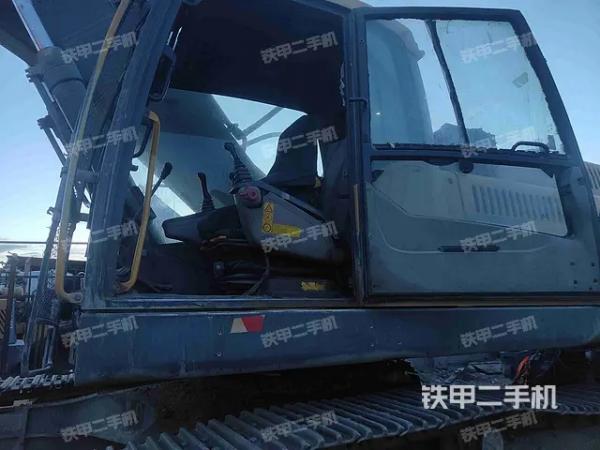
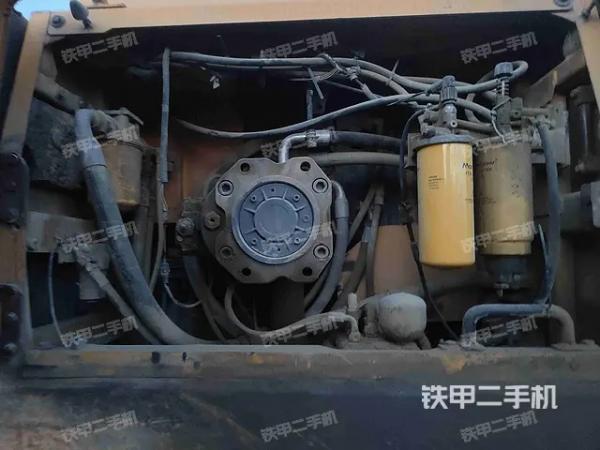
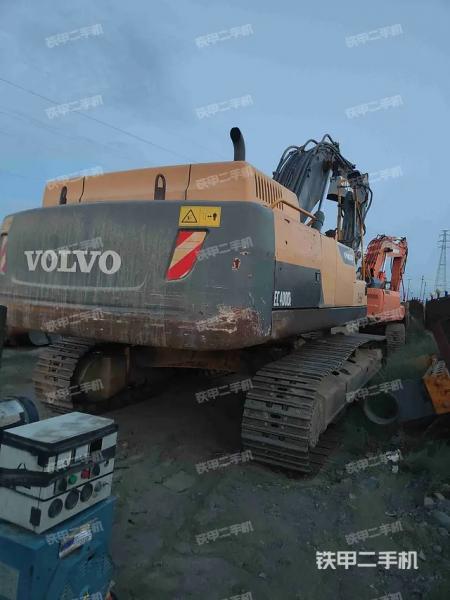
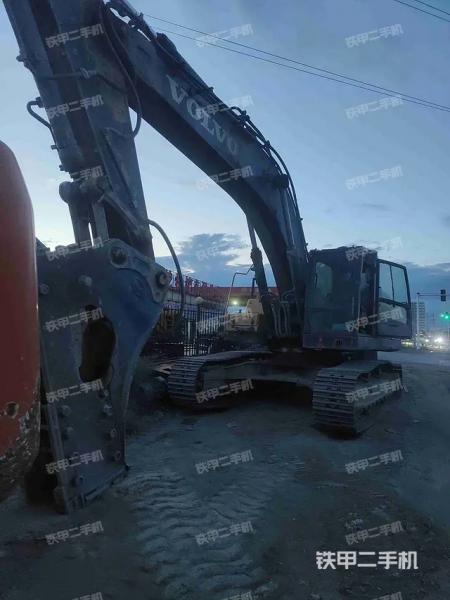
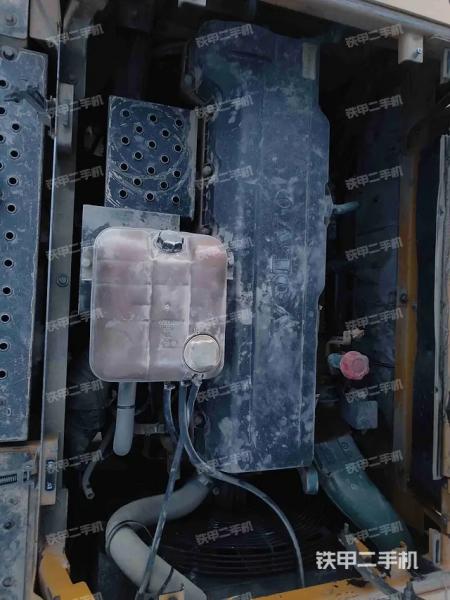
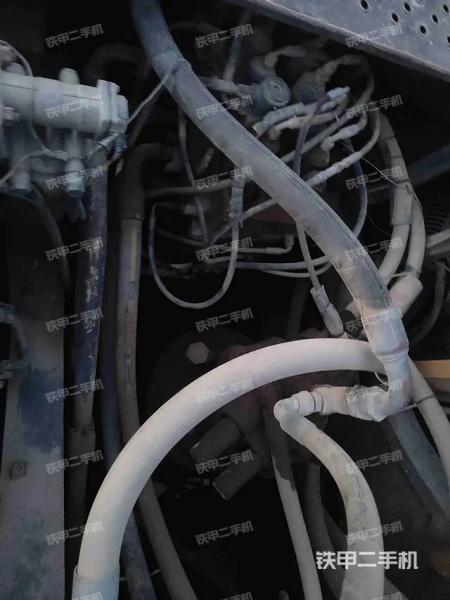
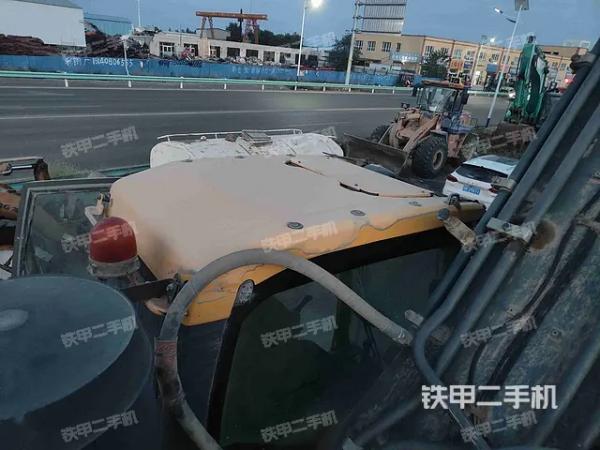
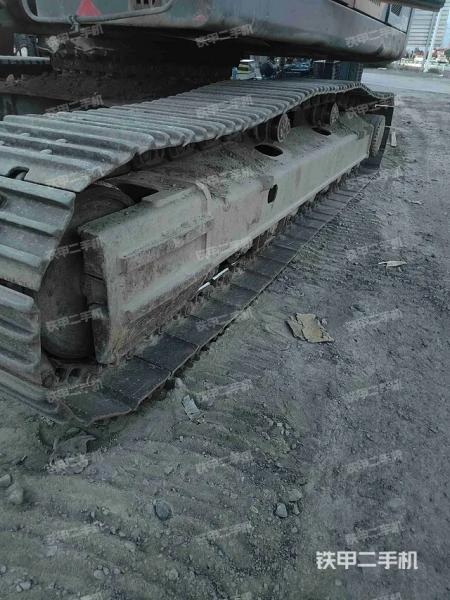
ID:1825030
Volvo, a name synonymous with quality and durability, has long been a trusted brand in the heavy machinery industry. The Volvo EC380D excavator, produced in 2014, stands as a testament to the brand's commitment to combining power with efficiency. This machine, designed for heavy-duty tasks in challenging environments, offers top-notch performance and versatility. With a robust powertrain and superior hydraulic system, the EC380D is a go-to choice for those in need of a reliable, efficient excavator.
Key Specifications and Features
The EC380D is a 38-ton hydraulic crawler excavator. It is equipped with a range of features designed for maximum efficiency in various digging and lifting tasks. Below are the core specifications and features of the EC380D: - Weight and Dimensions:
- Operating weight: 38 tons
- Track length: 5180 mm
- Track gauge: 2740 mm
- Track plate width: 600/700/800/900 (triple tooth); 600 (double tooth)
- Overall width of tracks: 3340 mm
- Engine and Power:
- Engine displacement: 12.8L
- Work form: Air-to-air cooled, meeting Tier4i US and EU IIIB emission standards
- This engine ensures that the EC380D operates in compliance with the latest environmental regulations while delivering exceptional fuel efficiency and power.
- Hydraulic Performance:
- Bucket Cylinder: 1-145×1285 mm
- Arm Cylinder: 1-175×1750 mm
- Boom Cylinder: 2-160×1530 mm
- The hydraulic system of the EC380D is designed for optimal digging and lifting force, allowing operators to complete tasks quickly and efficiently.
- Performance Metrics:
- Bucket Digging Force: 144.4 kN (standard) / 157.4 kN (boosted)
- Travel Speed: 3.4 km/h (low), 5.53 km/h (high)
- These performance metrics make the EC380D an excellent choice for tough, large-scale projects where digging depth and lifting capabilities are crucial.
Operating Capacity and Range
The Volvo EC380D is built to handle extensive and rigorous operations, ensuring high performance in various working conditions. The following operational capabilities are crucial for understanding the versatility of the machine:- Maximum Digging Depth: 8000 mm
- Maximum Reach on the Ground: 11520 mm
- No Bulldozer Blade Lift or Push Depth: While the machine does not come with a bulldozer blade, its robust reach and digging depth make it a versatile choice for many digging, lifting, and grading tasks.
These features, paired with the powerful hydraulic system, make the EC380D ideal for tasks such as mining, earthworks, and major construction projects.
Why Choose the Volvo EC380D?
The Volvo EC380D excavator is engineered to excel in demanding environments. It integrates advanced technology to improve fuel efficiency, increase uptime, and reduce maintenance costs. This makes it an excellent choice for companies looking to maximize productivity while keeping operating costs low.- Durability: Volvo machines are known for their durability, and the EC380D is no exception. Designed to withstand heavy use and tough conditions, it is built to perform for years, even in harsh environments.
- Comfort: Operators will find the cabin of the EC380D to be spacious and comfortable, with low noise and vibration levels, making long hours of operation less tiring.
- Advanced Technology: The machine includes smart hydraulics and engine systems that ensure higher performance with lower fuel consumption. The onboard diagnostics system provides real-time feedback, enabling better maintenance planning.
Company History and Brand Overview
Volvo Construction Equipment (CE) has a long history in the heavy machinery industry. Known for its commitment to quality, Volvo CE has produced machines that are used worldwide, including in the most demanding construction and mining projects. Founded in 1832, the Swedish company has always been at the forefront of innovation in the construction equipment industry. The company’s mission is to help customers in the construction, mining, and infrastructure sectors achieve higher productivity with lower operating costs.
Today, Volvo CE operates in over 190 countries, and its products, including the EC380D, are recognized for their superior quality and performance. With an ever-growing market presence, Volvo continues to expand its lineup of excavators and other heavy machinery, meeting the needs of the modern construction and mining industries.
Conclusion
The Volvo EC380D is a prime example of high-performing excavators designed to handle tough jobs with ease. Whether it's in the mining, construction, or infrastructure sectors, this machine's reliability and performance make it a valuable asset for any operator. From its powerful engine to its superior hydraulic system, the EC380D ensures operators can complete tasks efficiently and with precision. When looking for a durable, versatile, and cost-efficient excavator, the Volvo EC380D should undoubtedly be on the radar for consideration.
|
|
|
|
|



