| Welcome, Guest |
You have to register before you can post on our site.
|
| Online Users |
There are currently 99 online users.
» 0 Member(s) | 91 Guest(s)
Ahrefs, Amazon, Bing, Claude, DotBot, Google, OpenAI, Semrush
|
| Latest Threads |
Identifying and Sourcing ...
Forum: Parts , Attachments & Tools
Last Post: MikePhua
01-07-2026, 06:29 PM
» Replies: 0
» Views: 530
|
Cat 931B Brake Parts
Forum: Parts , Attachments & Tools
Last Post: MikePhua
01-07-2026, 06:29 PM
» Replies: 0
» Views: 283
|
Choosing Between Cat 228,...
Forum: General Discussion
Last Post: MikePhua
01-07-2026, 06:28 PM
» Replies: 0
» Views: 563
|
Hydraulic Delay When Lowe...
Forum: Troubleshooting & Diagnosing
Last Post: MikePhua
01-07-2026, 06:27 PM
» Replies: 0
» Views: 449
|
Bale Chopper and Mulcher ...
Forum: General Discussion
Last Post: MikePhua
01-07-2026, 06:26 PM
» Replies: 0
» Views: 324
|
Mini UC Maintenance
Forum: General Discussion
Last Post: MikePhua
01-07-2026, 06:25 PM
» Replies: 0
» Views: 314
|
Locating Wiring Informati...
Forum: General Discussion
Last Post: MikePhua
01-07-2026, 06:24 PM
» Replies: 0
» Views: 347
|
Case Industrial Brown Sub...
Forum: Parts , Attachments & Tools
Last Post: MikePhua
01-07-2026, 06:23 PM
» Replies: 0
» Views: 275
|
Dirt Work in West Virgini...
Forum: Construction & Urban Infrastructure Forum
Last Post: MikePhua
01-07-2026, 06:23 PM
» Replies: 0
» Views: 379
|
D207 P Hydraulic Steering...
Forum: Parts , Attachments & Tools
Last Post: MikePhua
01-07-2026, 06:22 PM
» Replies: 0
» Views: 305
|
|
|
| Identifying the Year of the Hyster H210XL Forklift |
|
Posted by: MikePhua - 08-18-2025, 08:31 PM - Forum: General Discussion
- No Replies
|
 |
The Hyster H210XL is part of Hyster Company's long legacy in manufacturing high-quality forklifts and material handling equipment. Known for its robustness and reliability, the H210XL has been widely used in various industries, including warehousing, logistics, and construction. For owners and operators, understanding how to identify the production year of the Hyster H210XL is crucial, especially when dealing with maintenance, parts replacement, and resale.
The History of Hyster Forklifts
Hyster Company, founded in 1929, has been a major player in the forklift and material handling equipment market for nearly a century. Initially focused on producing lift trucks for the logging industry, Hyster quickly expanded its product range to serve various sectors, including manufacturing, retail, and construction.
Hyster is known for building durable forklifts that stand up to the toughest working environments. The company's commitment to quality has allowed it to maintain a strong reputation, both in the US and globally. The Hyster H210XL, introduced in the mid-1990s, was a response to increasing demand for versatile and heavy-duty lift trucks that could handle larger loads in more complex environments.
Key Features of the Hyster H210XL
The Hyster H210XL is a high-capacity forklift designed for heavy-duty applications. It is known for its exceptional lifting capacity, powerful engine, and long-lasting durability. The forklift can lift up to 21,000 pounds, making it suitable for tasks such as lifting large pallets, handling heavy materials, and transporting oversized loads. Some of the notable features include: - Lift Capacity: 21,000 pounds (9,500 kg)
- Engine Power: V8 or Diesel engine options, depending on configuration
- Mast Options: Available with both standard and high-lift masts
- Tires: Pneumatic tires for improved stability on uneven surfaces
- Hydraulics: Advanced hydraulic system for precise control of lift and tilt functions
Understanding the Identification Process
Identifying the year of manufacture of a Hyster H210XL forklift can sometimes be tricky, especially if the forklift is older or the serial number has worn away. However, there are several reliable ways to determine the year of production:
- Serial Number Lookup: Hyster forklifts come with a unique serial number plate, usually located on the chassis or the operator's side of the frame. The serial number plate will include a variety of information, including the model number, serial number, and often the year of production.
- Where to Find the Serial Number Plate: Typically, it is located on the main frame, near the engine or the mast base. Check near the driver's side or the engine compartment for the plate.
- How to Decode the Serial Number: Hyster serial numbers typically contain both the model and production year embedded in them. Decoding this sequence can give you a direct answer to the year of manufacture.
- Manufacturer’s Date Codes: If the serial number plate is illegible or missing, Hyster forklifts usually have other components stamped with manufacturer’s date codes. These codes are found on components like the engine, transmission, and hydraulics. You can cross-reference these codes with Hyster’s records or contact the manufacturer for assistance in determining the year of production.
- Service History and Documents: If you have access to the forklift’s service records, these may contain information about when the machine was first sold or serviced, providing a clue about its year of manufacture.
- Consulting the Dealer or Manufacturer: If you're still unable to determine the year, contacting a Hyster dealer with the serial number can help. The manufacturer can easily pull up the details from their system based on the forklift’s serial number.
Common Challenges in Identifying the Year of the Hyster H210XL
There are several common challenges that operators and technicians might face when trying to identify the production year of a Hyster H210XL forklift:- Worn Serial Numbers: Over time, serial number plates can wear down, especially if the forklift has been used in harsh environments, such as construction sites or outdoor warehouses. This can make it difficult to read the important information.
- Rebuilt or Refurbished Forklifts: Some forklifts, including the H210XL, may have undergone significant refurbishment or rebuilding, leading to confusion regarding the original year of manufacture. Rebuilt parts may have newer date codes that don't necessarily match the original forklift's age.
- Lack of Documentation: If the forklift is second-hand or purchased without documentation, it can be challenging to trace the history of the machine. In these cases, relying on the serial number or date codes is crucial.
Maintenance and Upkeep for the Hyster H210XL
Once the year of manufacture has been identified, it’s important to maintain the forklift to ensure its longevity and performance. The Hyster H210XL, like all heavy machinery, requires regular maintenance to perform optimally. Key maintenance areas include:
- Engine and Transmission: Routine oil changes, air filter replacement, and coolant checks are vital to keeping the engine running smoothly.
- Hydraulic System: Inspecting hydraulic hoses, checking fluid levels, and ensuring the hydraulic pumps are functioning correctly are essential to prevent costly repairs.
- Tires and Lift Chains: Regular inspection of the forklift’s pneumatic tires and lift chains will ensure that the forklift is stable and can safely lift heavy loads.
- Brakes and Steering: The brake system should be checked regularly for wear, and the steering system should be maintained to ensure ease of maneuverability.
The Importance of Properly Identifying Your Forklift
Properly identifying the year of your Hyster H210XL forklift is crucial for several reasons. It helps in ordering the correct parts for repairs, understanding the lifespan of certain components, and ensuring that the forklift complies with any necessary safety and emissions regulations. Additionally, knowing the year can help when selling or buying second-hand equipment, as the resale value can vary based on the age and condition of the forklift.
Conclusion
The Hyster H210XL forklift is a powerful and versatile machine, but understanding its history and production year can make a significant difference in managing its maintenance and repair needs. By utilizing serial number lookup, examining manufacturer’s date codes, and consulting with experts, you can accurately identify the year of production and ensure that your forklift remains in top working condition.
Whether you're working with a newer model or an older, refurbished unit, maintaining your H210XL will keep it functioning at its best for years to come. Knowing the forklift’s origin is a key step in ensuring that you continue to get the most out of this robust and reliable piece of machinery.
|

|
|
| Understanding ISM PX-9 Code in Heavy Equipment Engines |
|
Posted by: MikePhua - 08-18-2025, 08:31 PM - Forum: Troubleshooting & Diagnosing
- No Replies
|
|
The ISM PX-9 engine is a significant component within heavy-duty machinery, primarily related to medium-duty trucks and commercial vehicles. This engine is part of the PACCAR PX series, known for robust performance and reliability. When a PX-9 code appears on the diagnostic system of these vehicles, it is an indicator that there is a specific fault or operational condition that requires attention. Addressing this code promptly is crucial for maintaining engine health and preventing costly downtime.
Background of the PX-9 Engine
The PX-9 is a 9-liter inline six-cylinder diesel engine developed by PACCAR, a company with a strong heritage in designing heavy-duty truck engines. PACCAR was established in 1905 and has grown into a global leader in commercial vehicle manufacturing. The PX-9 engine evolved from earlier models like the PX-7 and PX-6, designed for efficiency, power, and compliance with stringent emissions regulations such as EPA 13 and GHG17 standards. With technologies such as common rail fuel injection and advanced electronic controls, the PX-9 offers improved fuel economy, reduced emissions, and enhanced durability.
Common Causes Behind ISM PX-9 Diagnostic Codes
Several conditions trigger an ISM PX-9 code warning on the engine control module (ECM). These can range from sensor malfunctions to fuel system issues or emission control system faults. For example, blocked or dirty fuel filters, injector nozzle problems, or failures in the Diesel Exhaust Fluid (DEF) system can prompt these error codes. Since the PX-9 engine uses complex emission control strategies including selective catalytic reduction (SCR) and diesel particulate filters (DPF), any malfunction in these systems can trigger a diagnostic alert.
Key Parameters and Tests Related to PX-9 Engine Diagnostics
Diagnostic tools for the PX-9 often run a variety of tests to identify faults, including: - DEF Doser Pump Override Test: Verifies proper operation of the DEF dosing pump, essential for SCR emission compliance.
- DEF System Heater Test: Ensures the DEF system heater works correctly to prevent fluid freezing.
- Cylinder Misfire Monitor Test: Detects misfiring cylinders, which can affect engine performance and emissions.
- Fuel Leakage Test: Checks for any leaks in the fuel system which can be hazardous and cause performance issues.
- SCR Performance and System Test: Assesses the overall function of the SCR system responsible for reducing NOx emissions.
These tests help isolate exact fault sources, allowing mechanics to efficiently diagnose and repair the engine.
Symptoms and Impact of PX-9 Engine Problems
When a PX-9 code appears, operators might notice symptoms such as reduced power output, increased fuel consumption, or warning lights on the dashboard. Ignoring these codes can lead to engine damage or failure to meet emission standards, potentially resulting in regulatory penalties or costly repairs.
Solutions and Maintenance Recommendations
Effective solutions begin with comprehensive diagnostics using specialized software and adapters compatible with the PX-9 control system. Regular maintenance practices include:- Timely replacement of fuel and air filters.
- Monitoring and refilling DEF fluid with recommended quality.
- Inspecting and cleaning fuel injectors.
- Conducting scheduled emission system checks and component resets.
Operators are urged to use original manufacturer parts and update ECM software regularly to benefit from the latest improvements in engine management.
Technical Terms Explained- DEF (Diesel Exhaust Fluid): A urea-based fluid used in SCR systems to reduce nitrogen oxide emissions.
- SCR (Selective Catalytic Reduction): An emission control technique that converts NOx into harmless nitrogen and water.
- ECM (Engine Control Module): The computer that controls engine functions and diagnostics.
- Injector Nozzle: The component that sprays fuel into the combustion chamber.
- Common Rail Fuel Injection: A modern fuel injection system providing precise control of fuel delivery and pressure.
A Real-World Example
A medium-duty truck operator once noticed the PX-9 code accompanied by a loss of power when climbing hills. After inspection, it was discovered that the DEF doser pump had ceased functioning due to contamination. The operator replaced the DEF filter and flushed the system, saving thousands in potential repairs. This story highlights how immediate response to PX-9 codes preserves vehicle uptime and engine longevity.
Conclusion
Understanding the ISM PX-9 code in heavy equipment is vital for maintaining the performance and compliance of PACCAR PX-9 engines. Regular diagnostics backed by effective maintenance can prevent severe engine problems, ensuring reliability and longevity for these powerful diesel engines. As emission regulations tighten, knowledge about these codes and their solutions becomes increasingly important for operators and mechanics alike.
|
|
|
|
| Mack R Model: The Unlikely Story Behind an Iconic Truck |
|
Posted by: MikePhua - 08-18-2025, 08:30 PM - Forum: General Discussion
- No Replies
|
|
The Mack R Model is a renowned name in the world of heavy-duty trucks, and its legacy is one that spans several decades. Known for its durability, reliability, and robustness, the R Model became a workhorse for a wide range of industries, from construction to refuse hauling. However, the story behind the Mack R Model is not just about a popular truck; it's also about an unlikely beginning that transformed into a powerful brand identity.
The Birth of the Mack R Model
The Mack R Model was introduced in the early 1960s, during a time when the truck manufacturing industry was undergoing significant changes. Mack Trucks, a company that was already known for its high-quality heavy-duty trucks, saw the need for a vehicle that could handle tougher tasks and provide better service to industries that demanded strength and endurance.
Mack had already made a name for itself in the industry by producing reliable vehicles, but with the growing demand for more powerful trucks, the company aimed to create a model that could stand up to the toughest conditions. The Mack R Model, introduced in 1963, was designed with this purpose in mind. It was made to handle everything from construction sites to hauling debris and materials. With its distinctive look and powerful performance, the R Model quickly became a popular choice.
Features of the Mack R Model
One of the standout features of the Mack R Model was its exceptional durability. Built with a heavy-duty steel frame, it was designed to withstand extreme conditions and heavy loads, making it ideal for industries that required a reliable truck for tough jobs. The R Model was equipped with a range of powerful engines, including the Mack Thermodyne engine, which provided both power and fuel efficiency.
The truck also featured a cab-over-engine design, which allowed for better visibility and maneuverability, especially in tight spaces. This was particularly beneficial for operations in urban areas or construction sites with limited space. The Mack R Model was available in a variety of configurations, from tandem-axle models to single-axle models, allowing it to be customized to suit a range of applications.
The Mack R Model’s Rise to Prominence
The Mack R Model quickly gained traction in various industries, particularly in construction and refuse hauling. Its strength and durability made it the go-to choice for those who needed a truck that could handle rough terrain and heavy loads. The R Model’s ability to perform in these challenging environments earned it a reputation for being a reliable workhorse.
In the construction industry, the R Model was used to transport materials such as sand, gravel, and other heavy loads. Its powerful engine and durable frame allowed it to perform these tasks efficiently, even in harsh conditions. The refuse industry also found the R Model to be an ideal vehicle for hauling waste, thanks to its large cargo capacity and ability to navigate through tight spaces.
Challenges and Innovations
While the Mack R Model became a popular choice, it was not without its challenges. One of the key issues that owners faced with the R Model was its fuel consumption. As with many heavy-duty trucks, fuel efficiency was a concern, especially in industries where trucks were on the road for long hours.
Mack Trucks addressed this issue by continuously improving the engine technology. They introduced the Mack Thermodyne engine, which was designed to offer more power while maintaining better fuel efficiency. The addition of this engine improved the overall performance of the R Model, making it even more desirable to truck operators who needed a truck that could handle both power and efficiency.
The Evolution of the Mack R Model
The Mack R Model went through several iterations and updates during its production run. One of the major updates was the introduction of the Mack R600 series, which offered enhanced features, including a new cabin design and improved engine options. The R600 series was designed to offer even better performance, particularly for those working in the toughest environments.
In the 1980s, Mack Trucks faced increased competition from other manufacturers, such as Peterbilt and Kenworth, which offered similar heavy-duty trucks. Despite this, the Mack R Model remained a favorite among those who valued its durability and performance. The R600 series, in particular, became a symbol of reliability, and it was not uncommon to see these trucks still in operation well into the 2000s.
The End of an Era
By the late 1990s, the Mack R Model was phased out of production as Mack Trucks shifted focus to newer models with more modern features and technologies. The R Model was replaced by the Mack Granite series, which incorporated advancements in technology and design. However, the legacy of the R Model continued to live on, as many trucks remained in operation for years after the end of production.
Though no longer in production, the Mack R Model remains an iconic part of Mack Trucks' history. Many of these trucks are still seen on construction sites, hauling materials or waste, showcasing the longevity of a well-built vehicle. For truck enthusiasts and collectors, the Mack R Model holds a special place in the history of heavy-duty trucks.
Impact on the Trucking Industry
The Mack R Model had a significant impact on the trucking industry, particularly in the United States. Its design and performance set a standard for heavy-duty trucks, and many of the features introduced in the R Model were adopted by other manufacturers. The R Model’s success paved the way for Mack Trucks to continue innovating and creating vehicles that would meet the demands of a growing industry.
One of the key takeaways from the Mack R Model’s success was the importance of durability and reliability in heavy-duty trucks. As trucking companies looked for ways to reduce costs and improve efficiency, the R Model's rugged design and ability to handle tough jobs made it a valuable asset in the fleet.
Conclusion
The Mack R Model is a testament to the importance of design, durability, and performance in the heavy-duty truck industry. From its early days in the 1960s to its lasting impact in the decades that followed, the R Model became an icon of American trucking. Although the model is no longer in production, its influence can still be seen in the trucks on the road today.
With its powerful engine, durable frame, and ability to perform in harsh conditions, the Mack R Model left an indelible mark on the trucking industry. Whether hauling construction materials, waste, or other heavy loads, the R Model was the go-to choice for those who needed a truck they could rely on, day in and day out. Its story is a reminder of how innovation and reliability can shape the course of an entire industry.
|
|
|
|
| Dresser TD9: Undercarriage Wear Specifications and Maintenance |
|
Posted by: MikePhua - 08-18-2025, 08:29 PM - Forum: Troubleshooting & Diagnosing
- No Replies
|
|
The Dresser TD9 is a reliable crawler tractor that has earned a place in the history of heavy equipment. Known for its durability and robust design, it continues to be used on construction and industrial sites, even decades after its initial production. One of the key aspects of maintaining the TD9 is managing the wear and tear of its undercarriage, a critical component that ensures its effective performance in rough terrains. This article delves into the wear specifications of the TD9's undercarriage and provides valuable insights into its maintenance and care.
The Dresser TD9: A Brief History
Dresser Industries, a name synonymous with heavy equipment, manufactured the TD9 in the mid-20th century. The TD9 was designed as a compact, yet powerful crawler tractor capable of tackling a variety of tasks such as land clearing, grading, and trenching. The machine became popular for its strong build quality, ease of operation, and efficient performance, making it a favorite among construction and agricultural professionals.
The TD9 was produced with different configurations to meet the needs of various industries. Over the years, it underwent several updates, improving its overall performance and reliability. However, as with all machines, regular maintenance and timely repairs were crucial to ensuring the TD9’s longevity, particularly in the undercarriage, which often faced the most wear.
Undercarriage Components and Common Wear Issues
The undercarriage of a crawler tractor like the Dresser TD9 consists of several critical components, each subject to wear during operation. These include the track chains, sprockets, idlers, rollers, and the track frame. The undercarriage is constantly subjected to stresses from friction, pressure, and environmental factors, making it essential to monitor these parts closely.
The most common wear issues in the TD9's undercarriage typically involve the following components: - Track Chains: These are exposed to constant tension and friction as they move across the terrain. Over time, they can become elongated or worn, reducing their ability to provide optimal traction.
- Sprockets: The sprockets mesh with the track chains to provide motion. As the chains wear, the sprockets can become misaligned or worn down, leading to further issues in the drive system.
- Idlers and Rollers: These components support the track chain and maintain the tension. They are vulnerable to damage from rough terrain, which can lead to misalignment, wear, or failure if not properly maintained.
Identifying Undercarriage Wear in the Dresser TD9
Monitoring the undercarriage of the TD9 is crucial to avoid catastrophic failures. Regular inspections can help identify signs of wear before they result in costly repairs or equipment downtime. Key indicators of undercarriage wear include:- Excessive Track Slack: If the track chains are loose or sagging, it’s a sign that the tensioning system may be worn or improperly adjusted.
- Track Link Wear: Over time, the individual links in the track chain may become worn, elongated, or broken. This can lead to inefficient power transfer and increased fuel consumption.
- Sprocket Wear: Worn sprockets can lead to slipping of the track chain, causing further wear on both the sprocket and the track links.
- Roller Damage: If rollers are excessively worn or damaged, it can result in poor track performance and a rough ride for the operator.
Maintenance Recommendations for the TD9’s Undercarriage
Proper maintenance of the TD9’s undercarriage is essential to keep the machine operating efficiently. Here are some key maintenance practices that can extend the life of the undercarriage components:
- Regular Inspections: Conducting regular visual inspections of the track chains, sprockets, and rollers is the first step in identifying wear. Pay close attention to any signs of damage, such as cracks, wear spots, or misalignment.
- Track Tension Adjustment: Maintaining the proper track tension is critical. Over-tightening or under-tightening the tracks can cause premature wear on the chains and rollers. Ensure the tracks are neither too tight nor too loose.
- Track Lubrication: Lubricating the track links and components helps reduce friction and wear. Regularly applying lubricant can extend the life of the track chains and reduce the risk of corrosion.
- Proper Alignment: Misaligned components, such as the sprockets, can accelerate wear. Ensure that the sprockets and track chains are properly aligned to prevent uneven wear.
- Replace Worn Parts Promptly: As with any piece of machinery, replacing worn-out components before they fail is essential. This includes track links, sprockets, rollers, and idlers. Waiting too long to replace these parts can lead to more expensive repairs and potential damage to other components.
Dresser TD9 Undercarriage Wear Specifications
Understanding the wear specifications of the Dresser TD9’s undercarriage components is key to maintaining the machine’s efficiency. Below are some general wear limits and specifications to follow:- Track Chain Elongation: Track chain elongation of more than 1/4 inch per link indicates significant wear. At this point, it’s advisable to replace the track chains to prevent further damage to the undercarriage.
- Sprocket Wear: Sprockets should be replaced if the teeth are worn down by 30% or more. Worn sprockets can cause the track chains to slip, which can lead to further damage to both the tracks and the sprockets.
- Roller Wear: Rollers should be replaced if they show signs of deep pitting or damage, or if they are no longer properly supporting the track chain.
Common Problems and Solutions
While regular maintenance can prevent many issues, some common problems still arise with the Dresser TD9’s undercarriage. These include:
- Track Slippage: This can occur if the sprockets become worn, causing them to lose their grip on the track. Replacing the sprockets and ensuring proper alignment can resolve this issue.
- Uneven Track Wear: If one side of the track wears faster than the other, it may be a sign of improper alignment or issues with the tensioning system. Check the alignment and adjust the track tension as needed.
- Damaged Rollers: Rollers that are damaged or excessively worn can cause instability and rough operation. Replacing the damaged rollers is the best solution.
Conclusion
The Dresser TD9 is a machine built to last, but like all heavy equipment, its undercarriage requires regular maintenance to ensure it continues to perform at its best. By understanding the wear specifications, conducting regular inspections, and addressing issues early, you can extend the life of the TD9 and maintain its efficiency on the job site.
Investing in the proper care for the undercarriage will pay off in the long run, reducing downtime and repair costs while ensuring that the machine continues to perform reliably under demanding conditions. Regular maintenance not only ensures operational efficiency but also enhances the overall longevity of the equipment, making it a wise choice for both operators and fleet managers alike.
|
|
|
|
| Case 580K Backhoe Loader Phase 1 Versus Phase 2 Distinctions |
|
Posted by: MikePhua - 08-18-2025, 07:47 PM - Forum: General Discussion
- No Replies
|
|
Introduction to Case 580K Backhoe Loaders
The Case 580K backhoe loader remains a classic in construction equipment, especially for those seeking reliability and versatility in earthmoving and utility projects. Developed by Case Corporation, an industry leader founded in 1842 and headquartered in Wisconsin, the Case brand built its reputation on agricultural machinery before expanding robustly into construction. By the time the 580K arrived in the late 1980s, Case was recognized in North America and worldwide for its user-centric engineering and durable machines. The 580 series has sold hundreds of thousands of units globally, with the 580K model being one of the most popular—often cited in industry news for record-breaking versatility and lasting fleet presence.
Development History and Evolution
The “K” designation followed the highly successful “E” and “D” series, introducing upgraded hydraulics, improved controls, and more efficient engine options in response to operator demands and tighter environmental regulations. Over its the production lifecycle, Case refined the 580K to better suit evolving jobsite requirements and regulatory landscapes, resulting in the subdivision into “Phase 1” and “Phase 2” versions.
Identifying Phase 1 and Phase 2 Models
For owners, operators, and buyers, determining whether their 580K is Phase 1 or Phase 2 can impact maintenance, parts sourcing, and resale value. The primary method to distinguish the two is by referencing the serial number—Phase 1 typically includes serial numbers from the launch up to a certain manufacturing threshold, while Phase 2 continues onward. Although no universally published "decoder ring" exists, Case dealership technicians often use serial number charts to confirm each phase. Anecdotal stories from mechanics in Toronto and beyond tell of buyers mistaking Phase 1 machines for Phase 2 due to superficial bolt-on upgrades, later discovering subtle hydraulic or cab differences after weeks on a jobsite.
Core Differences in Design and Components
Phase 2 machines frequently feature upgraded components compared to Phase 1. These enhancements may include: - Hydraulic System Updates: Improved pump designs offer more consistent flow rates and better responsiveness—vital for operators working urban utility trenching during winter months when sluggish hydraulics can stall productivity.
- Cab Comfort and Controls: Phase 2 models often have ergonomically repositioned levers, upgraded heater systems, and better sound insulation. For example, an operator in Alberta highlighted the reduced fatigue after switching to Phase 2, citing decreased noise and quicker cab heat-up during subzero mornings.
- Electrical Systems: Wiring harnesses were sometimes rerouted or better shielded, lowering the incidence of shorts associated with Phase 1 units. Those managing rental fleets recall fewer downtime incidents after moving to Phase 2 models.
- Rear Dipper and Boom Design: Modifications to steelwork and joint geometry enabled increased digging force and reliability on heavier duty cycles.
Common Technical Terms- Dipper: The articulated section that connects the main boom to the bucket.
- Hydraulics: The system of pressurized fluid that powers movement and tool operation.
- Loader Frame: The front assembly to which the bucket or forks attach.
- Serial Number: The unique identifier vital for parts ordering and phase distinction.
Market Performance and Service Insights
Following its introduction, the 580K regularly set service longevity records, with numerous units logging over 10,000 operational hours while maintaining core performance. North American sales peaked in the early 1990s, and used models remain in high demand today—especially Phase 2 machines, prized by municipal fleet managers for their reliability and newer component designs.
Technical Recommendations for Prospective Buyers- Serial Number Verification: Always check the serial number against dealer documentation before purchasing. Upgraded stickers or panels do not guarantee a Phase 2 machine.
- Maintenance Records: Older Phase 1 machines may have had components retrofitted. Seek thorough ownership documentation to prevent surprises.
- Parts Availability: Phase 2 machines tend to have broader aftermarket support for consumables like hydraulic seals, wiring harnesses, and cab comfort items.
Industry Context and Anecdotes
A notable anecdote comes from a large infrastructure project in the Midwest, where a fleet of Phase 2 580Ks outperformed older Phase 1 units in both fuel economy and downtime. The job foreman stated that warranty claims dropped by over 30% after switching to Phase 2 loaders, which ultimately contributed to the project finishing ahead of schedule—demonstrating the operational advantage of keeping up with model upgrades.
Conclusion
The distinction between Phase 1 and Phase 2 Case 580K backhoe loaders is more than nominal—it affects daily operation, serviceability, and long-term ownership value. By understanding the production evolution, recognizing key physical and mechanical differences, and paying close attention to serial numbers, operators and owners can maximize the jobsite performance and longevity of their equipment while making informed investment decisions.
|
|
|
|
| Euclid Dump Trucks: A Legacy in Heavy Duty Hauling |
|
Posted by: MikePhua - 08-18-2025, 07:47 PM - Forum: General Discussion
- No Replies
|
|
Euclid is a name synonymous with the evolution of heavy-duty hauling, particularly in the realm of off-road dump trucks. The company’s legacy stretches back over a century, marking a significant chapter in the development of equipment used in construction, mining, and other large-scale industrial operations. This article explores the history of Euclid dump trucks, their development, and the role they played in shaping the world of heavy equipment.
The Birth of Euclid Trucks
Euclid, founded in the early 20th century, was originally established as a small manufacturer of heavy-duty machinery for the mining industry. It wasn't long before they turned their attention to the need for robust and durable dump trucks designed to handle the harsh environments of construction and mining sites. By the mid-1920s, Euclid had already gained a reputation for producing some of the toughest hauling machines, capable of withstanding the demanding conditions of mining operations.
Technological Innovations and Evolution
As Euclid’s reputation grew, so did their drive to innovate. They were pioneers in the use of diesel engines in dump trucks, a significant leap from the steam engines used in earlier models. The company quickly realized that to remain competitive in the booming construction industry, it needed to focus on producing dump trucks that could carry heavy loads efficiently while offering enhanced reliability.
Euclid was also known for its innovative solutions in truck suspension, wheel designs, and durability. For instance, the company was one of the first to implement a unique "all-wheel drive" system, providing enhanced traction and performance on uneven terrains, a common requirement in mining and heavy construction work.
Euclid’s Impact on the Mining Industry
Euclid's machines gained significant traction in the mining industry due to their ruggedness. With increasing demand for more efficient haulage vehicles, Euclid was quick to rise to the occasion. One of their notable contributions was their dump trucks' ability to transport larger loads, which led to increased productivity and better safety standards for operators.
The company's heavy-duty trucks, including models like the Euclid R22 and R35, were designed to handle steep inclines, large payloads, and rough terrain, which made them indispensable in mining operations around the world. Their performance on mountainous and rocky surfaces set a new benchmark in the industry.
The Transition to Electric Drive and Other Innovations
By the late 1950s, Euclid began exploring new ways to improve the efficiency and performance of its dump trucks. One of the most groundbreaking innovations was the introduction of electric-drive systems in the 1960s. These electric-drive dump trucks were designed to reduce fuel consumption and improve the overall efficiency of operations in both mining and construction sectors. The electric drive mechanism helped reduce the wear and tear on the truck's components, thus increasing the lifespan of the vehicles.
Euclid’s Market Share and Growth
As Euclid continued to innovate, its market share expanded globally. By the 1970s and 1980s, Euclid had a dominant presence in North America and parts of Europe, with sales figures reaching remarkable heights. The company’s trucks were in high demand for their power, durability, and efficiency, particularly in regions with challenging terrain. Euclid trucks became the go-to choice for many large-scale mining projects and were often seen as the backbone of mining and construction fleets.
Euclid and the Merger with GM
In 1968, Euclid underwent a significant change when it was acquired by General Motors (GM), which saw the potential to integrate Euclid's innovative heavy-duty equipment with its own industrial products. This merger further fueled the development of Euclid trucks, as GM provided increased resources and technological expertise. The collaboration led to the introduction of even more powerful models, including the Euclid C-Series, which featured cutting-edge improvements in efficiency and payload capacity.
Despite the success of the GM-Euclid partnership, by the late 1980s, GM began to shift its focus away from the heavy machinery market. This led to a decline in Euclid's dominance in the industry.
Euclid’s Legacy and Its Influence on Modern Hauling Equipment
Though Euclid trucks no longer dominate the global market as they once did, their legacy lives on in the design and engineering of modern heavy-duty dump trucks. Many of the innovations introduced by Euclid, such as electric drive systems and rugged suspension systems, are now standard in the design of modern trucks.
The company’s influence can be seen in the design of today's off-road dump trucks. Manufacturers continue to build on the foundations laid by Euclid, incorporating more advanced technologies to improve fuel efficiency, emissions, and payload capacity.
Notable Euclid Models and Their Specifications - Euclid R22 (1950s): A classic model, known for its strong performance in mining operations. With a 22-ton payload capacity, it featured a diesel-powered engine and advanced suspension system for its time.
- Euclid R35 (1960s): A larger and more powerful version of the R22, the R35 was designed for hauling even heavier loads and featured improved braking systems and durability.
- Euclid C-Series (1970s): Introduced under GM’s ownership, the C-Series was a major step forward, featuring electric-drive systems and greater fuel efficiency, setting a new standard for large-scale hauling vehicles.
Challenges and Decline of the Euclid Brand
Despite its earlier success, Euclid began facing stiff competition from other manufacturers in the 1980s. Companies like Caterpillar, Komatsu, and Hitachi entered the market with their own versions of off-road trucks, which led to a shift in market dynamics. Additionally, GM’s decision to focus on other automotive ventures left Euclid without the financial backing it once had.
By the late 1990s, Euclid ceased to be a standalone entity, with its brand and technologies absorbed into other GM-affiliated divisions. While Euclid trucks are no longer in production, the company’s machines remain highly regarded among heavy equipment collectors, and many Euclid trucks are still operational on construction and mining sites around the world.
Euclid in the Modern Era
Today, the legacy of Euclid trucks can still be seen in the continued use of their equipment. Many mining and construction companies maintain fleets of older Euclid models, finding them reliable despite their age. These trucks, known for their simplicity and ruggedness, are often maintained by specialized technicians and are sometimes refurbished to meet modern standards.
The evolution of Euclid trucks serves as a testament to the progress made in the heavy machinery industry. From the early days of basic haulage to modern-day innovations in efficiency and fuel management, Euclid played a critical role in shaping the industry.
Conclusion
The story of Euclid trucks is one of innovation, resilience, and legacy. From the first diesel-powered trucks to the electric-drive systems that revolutionized hauling, Euclid’s impact on the heavy equipment market is undeniable. While the company is no longer producing new models, the lessons learned from Euclid’s designs continue to shape the machines that power modern industries. The rugged and reliable nature of Euclid trucks, as well as their pioneering technologies, ensures that they will remain an important part of heavy machinery history for years to come.
|
|
|
|
| 2015 John Deere WL53 loader, Guangdong-Guangzhou, $8,146 |
|
Posted by: MikePhua - 08-17-2025, 11:59 PM - Forum: Used Excavators Trade
- No Replies
|
|
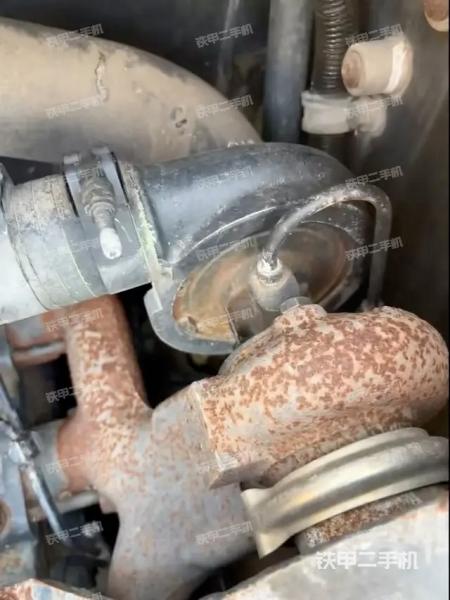
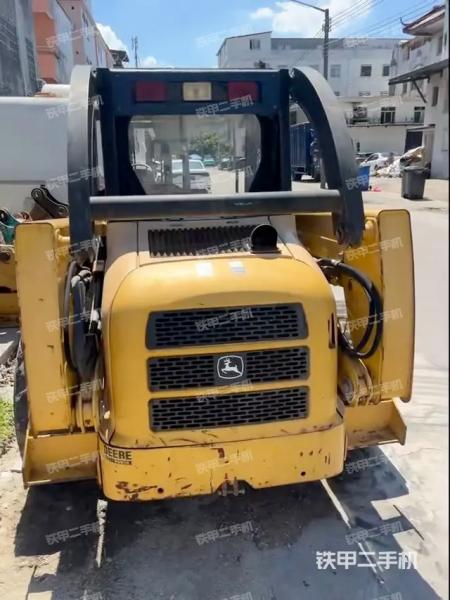
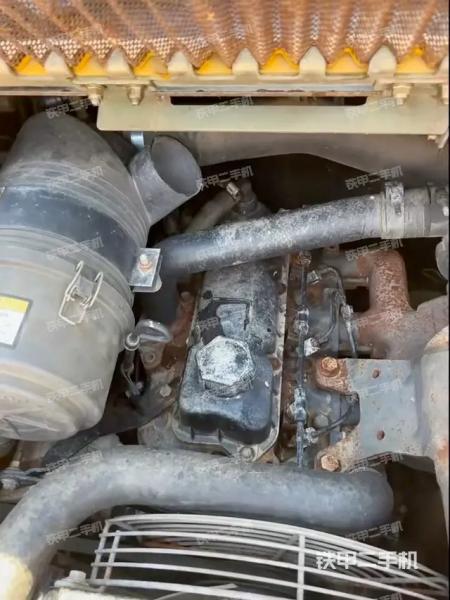
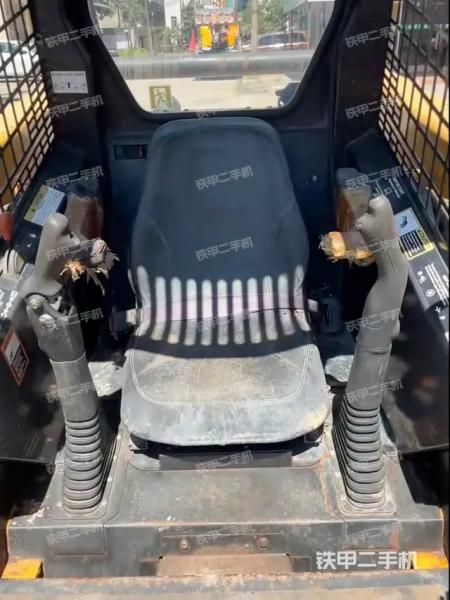
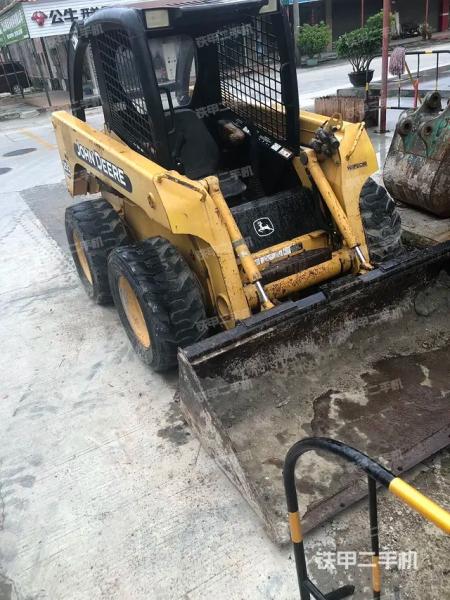
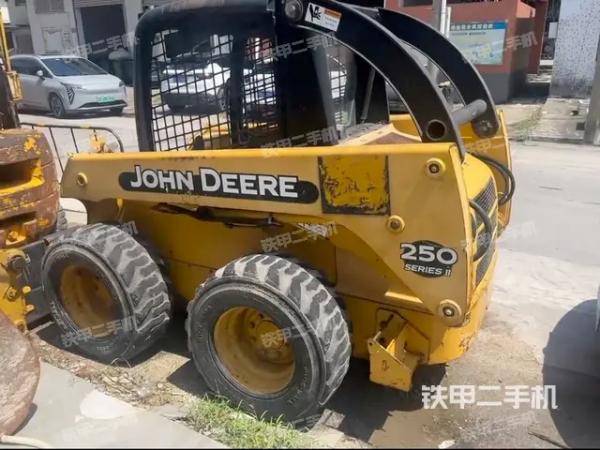
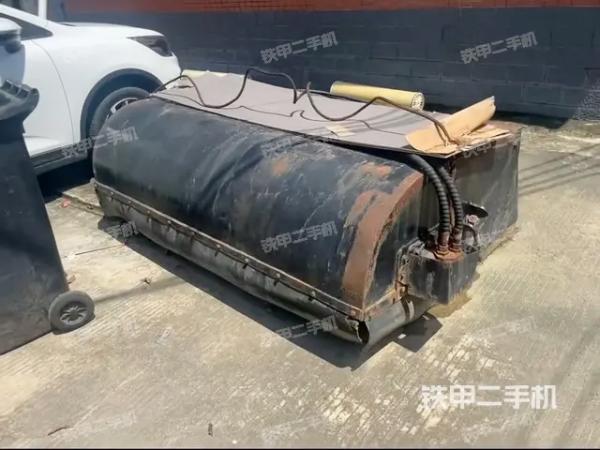
- Brand: John Deere
- Model: WL53
- Year of Manufacture: 2015
- Operating Hours: 529 hours
- Location: Guangzhou, Guangdong
- Last Updated: 12 hours ago
ID:1824892
John Deere, a globally renowned American brand in agricultural and construction machinery, is recognized for its durable, high-performance equipment. The John Deere WL53, manufactured in 2015, is a robust wheel loader designed for heavy-duty tasks, offering impressive features and specifications. With only 529 hours of operation, this machine is an excellent choice for those looking for efficiency and reliability.
Engine and Performance
The John Deere WL53 is equipped with the John Deere 6068H engine, a 6.8-liter, turbocharged, and intercooled diesel engine. It delivers a rated power of 160 kW at 2200 rpm, providing ample force for tough worksite conditions. The engine operates using a wind-cooling system and boasts a turbocharger for enhanced power efficiency and better fuel economy. The WL53's hydraulic system flows at 315.32 L/min with a maximum pressure of 21,000 bars, making it highly effective for intensive lifting and digging operations.- Engine Model: John Deere 6068H
- Engine Power: 160 kW at 2200 rpm
- Displacement: 6.8L
- Cooling Type: Air-cooled
- Fuel Capacity: 258L
- Hydraulic System Capacity: 28L
Design and Build
The John Deere WL53 is built to last with a total machine weight of 16,868 kg. It features a bucket capacity of 3.1 m³ and can handle loads of 5-6 tons, which makes it suitable for large-scale projects that require substantial digging and lifting. With a dump height of 3019 mm and a dumping distance of 1079 mm, it excels in high-load operations. The large front bucket width of 2963 mm ensures high productivity in material handling, while its ground clearance of 1600 mm allows for operation in rough terrains.
Dimensions- Machine Length: 8202 mm
- Machine Width: 2963 mm
- Machine Height: 3436 mm
- Wheelbase: 3200 mm
- Minimum Ground Clearance: 1600 mm
- Bucket Width: 2963 mm
Hydraulic and Steering Systems
The hydraulic system operates at 315.32 L/min, ensuring that the machine can handle heavy lifting and digging tasks efficiently. The Z-type linkage system makes the loader’s operation smooth, ensuring precise control during work. It offers a lifting time of 5.49 seconds, an unloading time of 1.8 seconds, and a lowering time of 3.9 seconds, which provides excellent operational speed for various tasks.
The machine features a minimum turning radius of 5777 mm (measured from the centerline of the outer wheel) and a bucket turning radius of 6444 mm, which is excellent for maneuvering in tight spaces.
Transmission and Mobility
The John Deere WL53 has two-speed transmission, with the first gear allowing the machine to travel at speeds of 11.45 km/h to 11.5 km/h, making it suitable for slow, precise movements. In second gear, the machine can reach up to 40.82 km/h, ensuring fast transportation across the worksite when needed.
Brake and Safety Systems
For enhanced safety, the WL53 is equipped with a wet-type, inbuilt disc brake system for traveling. This system ensures strong stopping power, even under heavy load conditions. The parking and emergency braking system is spring-loaded hydraulic release, ensuring safe operation even in the event of system failure.
Work Device Performance- Lifting Time: 5.49 seconds
- Unloading Time: 1.8 seconds
- Lowering Time (Empty Bucket): 3.9 seconds
- Full Operation Cycle (3-stage): 11.19 seconds
Efficiency and Versatility
The John Deere WL53 excels not only in performance but also in versatility. Its well-engineered design allows it to handle a wide range of tasks on construction sites, from material handling to heavy-duty digging and lifting. The 2015 model, with only 529 hours of use, makes it a relatively low-hour machine, which translates to reduced wear and tear and longer service life for the buyer.
Conclusion
The John Deere WL53 is a powerful and versatile wheel loader that combines impressive performance with durability and operational efficiency. Its powerful engine, hydraulic system, and precise steering make it ideal for a variety of industrial applications. With a relatively low operating time of just 529 hours, it represents a great opportunity for construction and mining industries looking to increase productivity and reduce downtime.
Whether working on construction sites, material handling, or earth-moving operations, the John Deere WL53 proves to be an excellent choice, offering a combination of speed, power, and stability. The machine’s overall design, backed by the reliability of John Deere, guarantees both efficiency and safety in demanding environments.
|
|
|
|
| 2021 Doosan DX200-9C Excavator Hebei-Shijiazhuang $33,707 |
|
Posted by: MikePhua - 08-17-2025, 11:54 PM - Forum: Used Excavators Trade
- No Replies
|
|
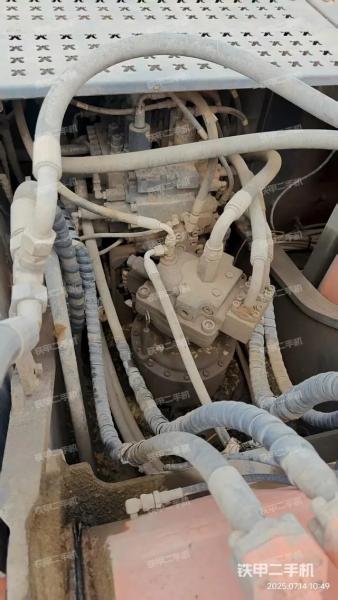
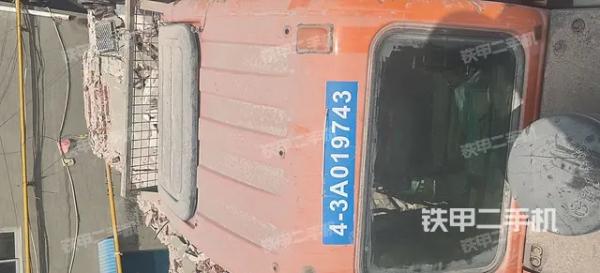
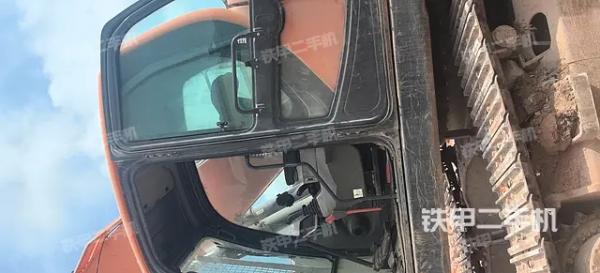
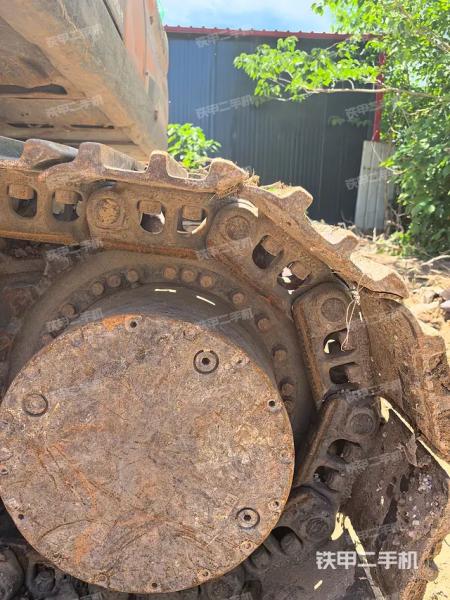
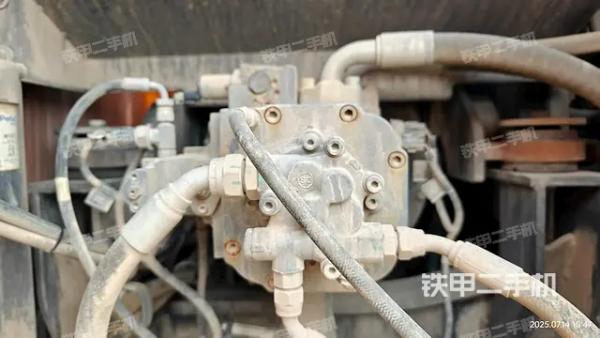
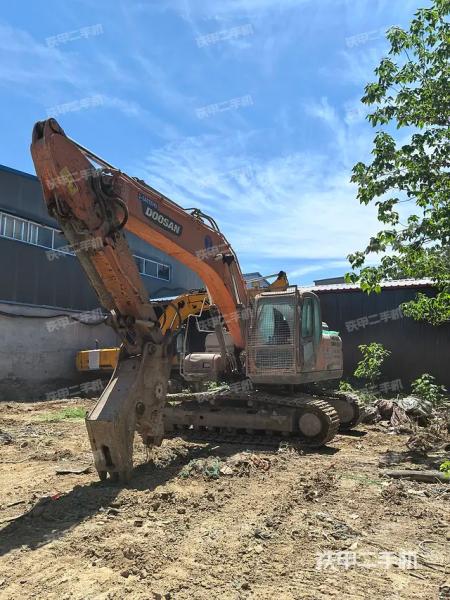
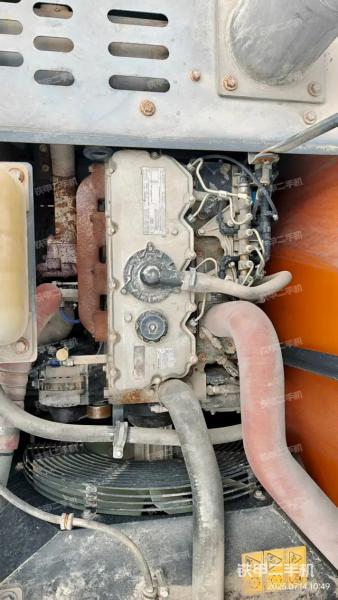
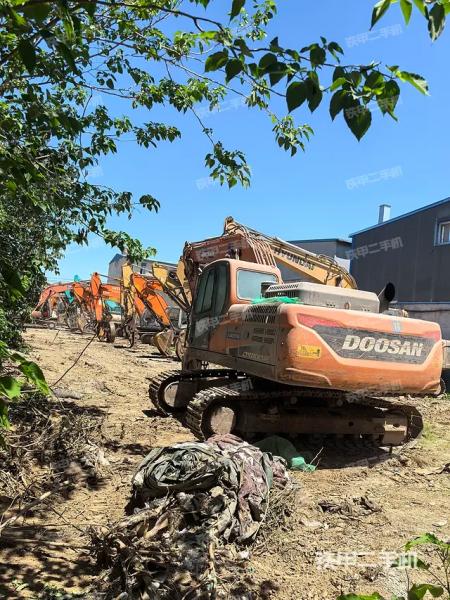
- Brand: Doosan
- Model: DX200-9C
- Manufacture Year: 2021
- Operating Hours: 4,300 hours
- Location: Shijiazhuang, Hebei
- Last Updated: 11 hours ago
ID:1824894
The Doosan DX200-9C is a well-regarded excavator designed for various heavy-duty applications. Launched in 2021, this machine is a key player in the construction and mining industries, known for its efficiency, performance, and advanced hydraulic systems. With a weight of 19,800 kg, it delivers robust performance in both digging and lifting tasks, making it a versatile piece of equipment for different projects.
Specifications- Operating Weight: 19,800 kg
- Bucket Capacity: 0.45 m³
- Arm Length: 5,600 mm
- Boom Length: 2,600 mm
- Engine Model: Perkins 1104D
- Rated Power: 102 kW at 2,200 rpm
- Displacement: 4.4 liters
- Engine Type: 4-Cylinder, Water-Cooled
- Hydraulic System: Variable Displacement Piston Pump
- Fuel Tank Capacity: 400 liters
- Hydraulic Oil Tank Capacity: 141 liters
Key Features and Performance
The Doosan DX200-9C boasts several features that make it suitable for various tasks in construction, mining, and earthworks. Its powerful Perkins engine, paired with a variable displacement piston pump, delivers excellent fuel efficiency while ensuring ample power for demanding tasks. Below are some notable performance attributes:- Rotational Speed: 10.54 rpm
- Bucket Digging Force: 118.6 kN
- Arm Digging Force: 86.3 kN
- Travel Speed: 5.09 km/h (high) / 3.05 km/h (low)
- Max Digging Radius: 9,500 mm
- Max Digging Depth: 6,210 mm
- Max Dumping Height: 6,648 mm
- Maximum Vertical Digging Depth: 4,890 mm
These specifications indicate a machine that is capable of high-performance operations while maintaining fuel efficiency and reliability.
Design and Dimensions
The design of the DX200-9C is centered around maximizing productivity while ensuring the machine is easy to maneuver and operate in confined spaces. With a total length of 9,425 mm, width of 2,800 mm, and height of 3,173 mm, the machine is designed for a balance between compactness and operational efficiency. The undercarriage, with its 600 mm-wide tracks and 4,060 mm track length, provides excellent stability during operation.- Transport Length: 9,425 mm
- Transport Width: 2,800 mm
- Transport Height: 3,173 mm
- Min Ground Clearance: 475 mm
- Rear Swing Radius: 2,794 mm
Hydraulic System
The DX200-9C comes with an advanced hydraulic system, designed to deliver exceptional performance in demanding conditions. Its variable displacement piston pump helps optimize fuel consumption while delivering maximum power. The machine's hydraulic cylinders are specifically designed to handle the stresses of continuous digging operations:- Bucket Cylinder: 1 unit, 110 mm bore x 70 mm stroke x 1,060 mm
- Arm Cylinder: 1 unit, 125 mm bore x 90 mm stroke x 1,443 mm
- Boom Cylinder: 2 units, 115 mm bore x 80 mm stroke x 1,263 mm
Applications and Versatility
The Doosan DX200-9C is designed to handle a wide variety of tasks, from earthmoving and construction to digging and trenching. Its powerful engine, coupled with its advanced hydraulic system, makes it well-suited for work on large construction sites, mining operations, and infrastructure projects. With impressive digging depths and lifting capacities, it can take on tasks that require high precision and power.
Its ability to handle heavy lifting, combined with its effective fuel consumption, allows it to be used in a range of environments. The versatility of the DX200-9C ensures it remains a key piece of equipment for contractors and operators around the world.
Maintenance and Reliability
The 4,300 operational hours on this particular model suggest that it has been well-maintained, ensuring its continued reliability for future projects. The Perkins engine, with a 4.4-liter displacement, is known for its durability and long-lasting performance, which is a significant advantage for long-term operational costs.
To ensure optimal performance, regular maintenance such as engine oil changes, hydraulic fluid replacements, and inspections of the undercarriage components is essential. Proper maintenance helps extend the machine’s lifespan and ensures it performs optimally on the job site.
Conclusion
The Doosan DX200-9C is a versatile and powerful excavator that excels in a wide range of applications. With its efficient engine, advanced hydraulic system, and robust design, it is built to meet the demands of tough construction and mining jobs. Whether you need it for digging, lifting, or trenching, the DX200-9C is equipped to handle it all. As a result, it remains a solid choice for operators looking for a reliable and high-performance machine for their projects.
|
|
|
|
| 2017 Lonking CDM855N loader, Hebei-Baoding, $11,657 |
|
Posted by: MikePhua - 08-17-2025, 11:50 PM - Forum: Used Excavators Trade
- No Replies
|
|
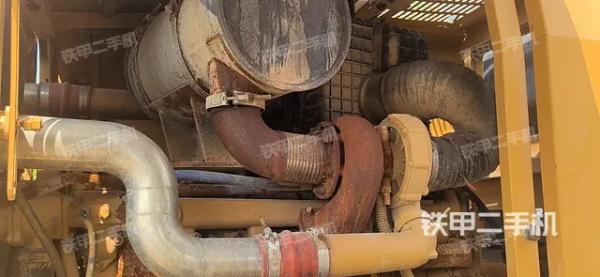
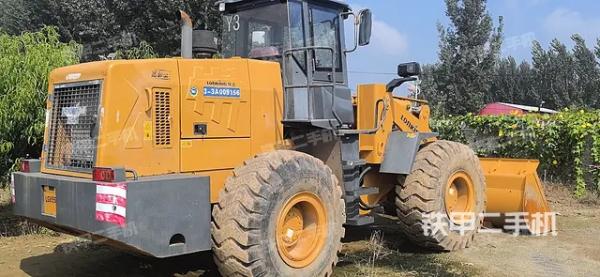
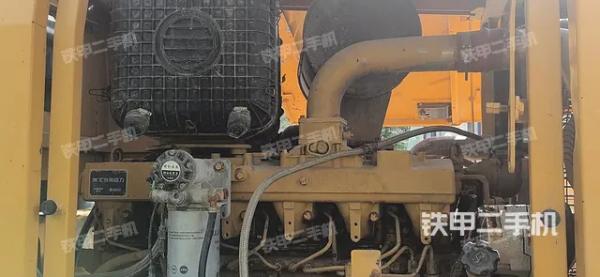
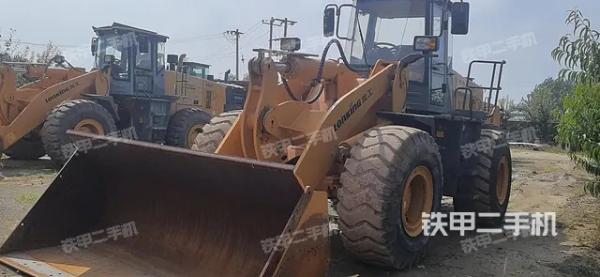
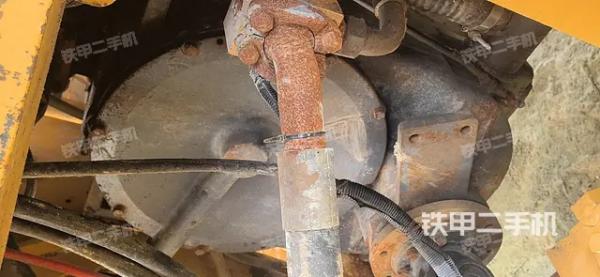
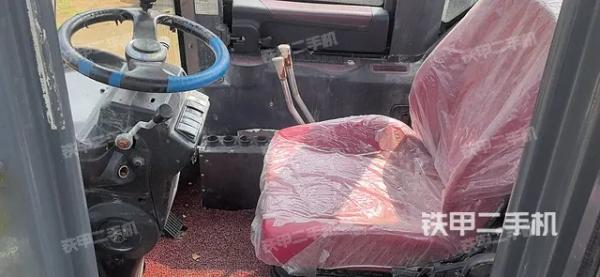
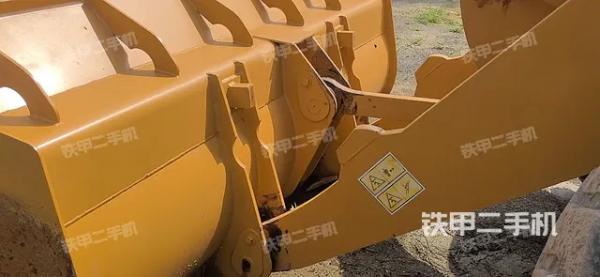
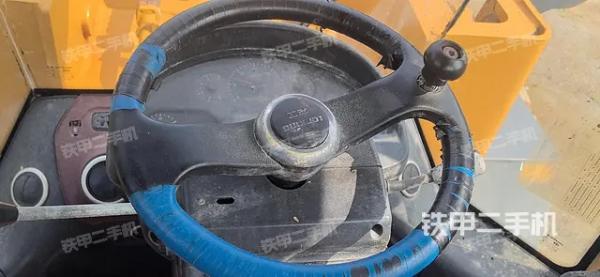
- Model: CDM855N
- Year of Manufacture: 2017
- Hours of Operation: 3600 hours
- Location: Baoding City, Hebei
- Last Updated: 11 hours ago
ID:1824896
When it comes to construction and heavy equipment, one of the names that often stands out is Lonking, a leading manufacturer in China, recognized for producing durable machinery suited for a variety of tasks. One such machine is the CDM855N, a loader that has made its mark in the industry since its release in 2017. Known for its strength, performance, and reliability, this model has proven to be an essential part of many construction sites around the world.
Key Specifications and Performance
The Lonking CDM855N is built for heavy-duty operations, designed to carry out tough tasks in construction, mining, and other large-scale projects. Below are the key specifications of this model:- Engine Power: 162 kW (at a standard RPM)
- Rated Load Capacity: 5 to 6 tons
- Operating Weight: 17,400 kg
- Maximum Speed: 35 km/h
- Machine Dimensions:
- Length: 8,420 mm
- Width: 3,010 mm
- Height: 3,380 mm
These specifications demonstrate the robust nature of the CDM855N, making it suitable for carrying heavy loads and moving efficiently on job sites. The 162 kW engine provides the machine with sufficient power to tackle even the most demanding tasks.
Engine and Transmission System
The heart of any machine lies in its engine and transmission. The Lonking CDM855N is equipped with a powerful engine that ensures high performance under strenuous working conditions. The 162 kW engine provides an ample amount of power for lifting and moving heavy materials while maintaining fuel efficiency. The transmission system of this loader allows for speeds of up to 35 km/h, making it both fast and efficient when transporting materials over large distances.
For construction professionals, the transmission speed and engine performance are critical to the efficiency of the machine. In high-demand tasks, the CDM855N’s power and speed ensure timely completion of projects while reducing wear and tear.
Build and Dimensions
The dimensions of the CDM855N are designed to balance both stability and mobility. With a total machine length of 8,420 mm, a width of 3,010 mm, and a height of 3,380 mm, it has a compact but sturdy frame that enhances its maneuverability on different job sites. Its robust build allows it to carry out tasks with great stability, even when handling large loads.
Applications and Versatility
The Lonking CDM855N is a versatile loader that can be used in a variety of settings, ranging from construction sites to mining and industrial areas. It excels in earthmoving, material handling, and loading and unloading tasks, making it an ideal choice for large-scale projects.
Its ability to handle up to 6 tons of material makes it invaluable on busy job sites, where heavy lifting and transportation are crucial. Furthermore, the loader’s relatively high-speed capabilities make it effective in operations that require moving large amounts of material over significant distances.
Lonking: A Company Known for Innovation
Lonking Holdings Limited, the parent company behind the CDM855N, was established in 1993 and has since grown to be one of China’s most recognized manufacturers of heavy machinery. With a reputation for quality and innovation, Lonking has successfully penetrated both domestic and international markets. Its products range from wheel loaders to excavators, and it continues to provide high-performance solutions for industries worldwide.
In recent years, Lonking has focused on improving the efficiency and sustainability of its machines. By embracing new technologies and design improvements, the company has maintained its status as one of the top manufacturers in China’s competitive heavy machinery market.
Maintenance and Longevity
A key feature of the CDM855N is its low operating hours, with only 3,600 hours logged as of the latest update. This relatively low usage suggests that the loader has a long lifespan ahead, making it a valuable investment for anyone in need of reliable construction machinery. Regular maintenance is crucial for extending the life of heavy equipment, and Lonking machines are known for their ease of maintenance and long-lasting durability.
Conclusion
In conclusion, the Lonking CDM855N is a robust and reliable machine suited for a variety of demanding tasks. With its powerful engine, efficient transmission, and durable construction, it is a solid choice for construction companies and contractors looking to boost productivity. The loader’s versatility and proven track record make it an indispensable asset on large-scale construction and industrial projects.
As industries around the world increasingly focus on productivity and efficiency, machines like the CDM855N remain vital to the development of infrastructure. With Lonking’s ongoing innovations and the loader’s proven reliability, the CDM855N is poised to continue serving as a key player in the global heavy machinery market.
|
|
|
|
| 2009 Sany SY215C excavator, Henan-Xuchang, $7,303 |
|
Posted by: MikePhua - 08-17-2025, 11:45 PM - Forum: Used Excavators Trade
- No Replies
|
|
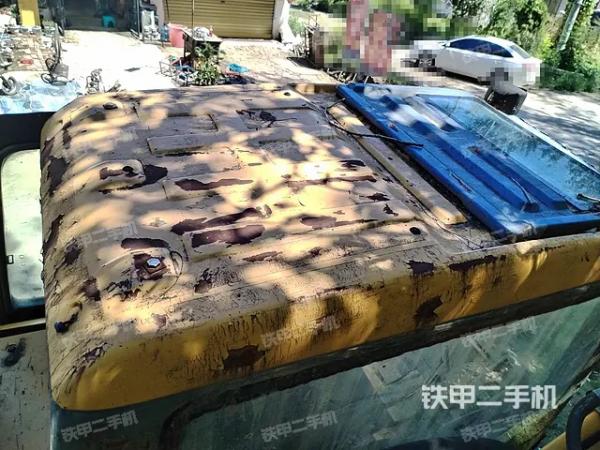
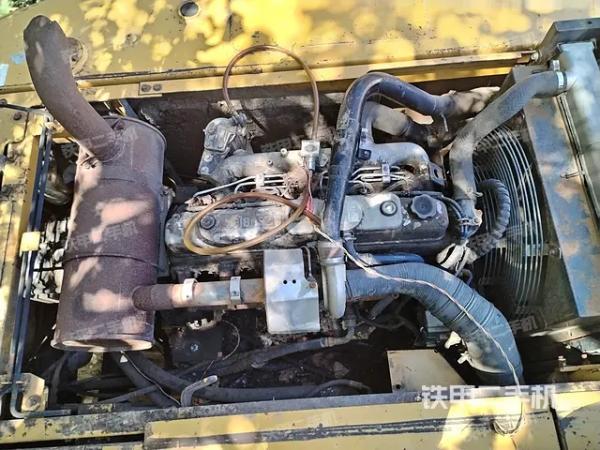
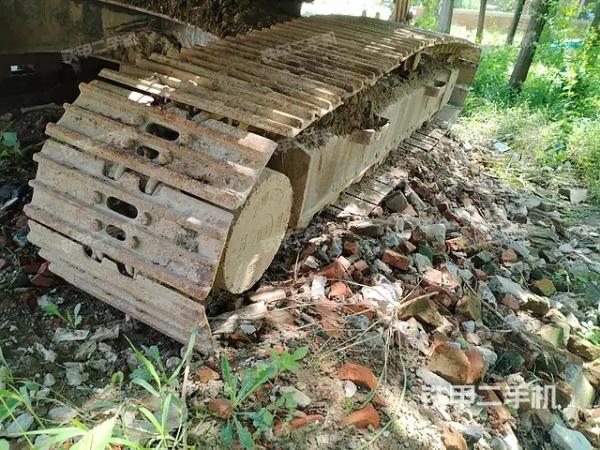
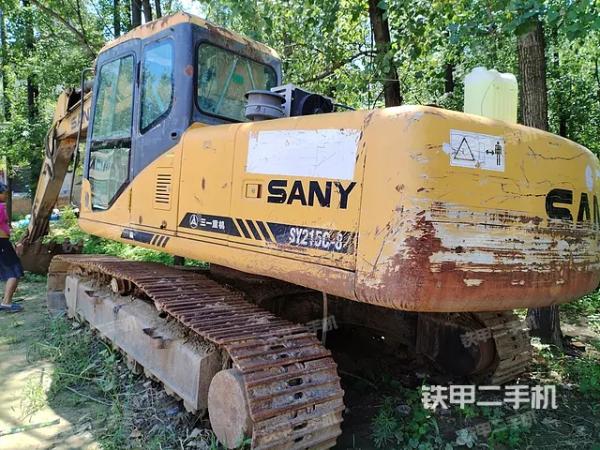
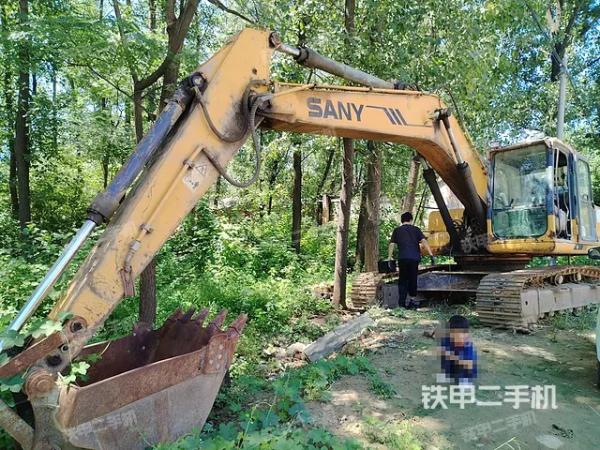
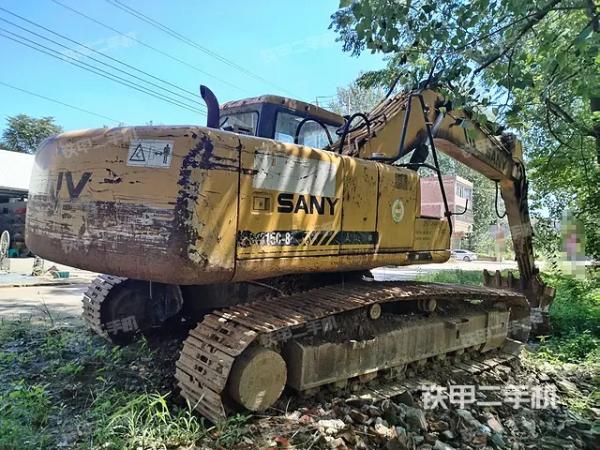
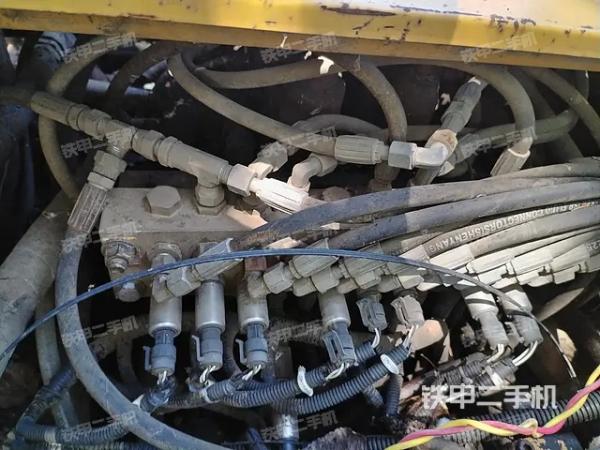
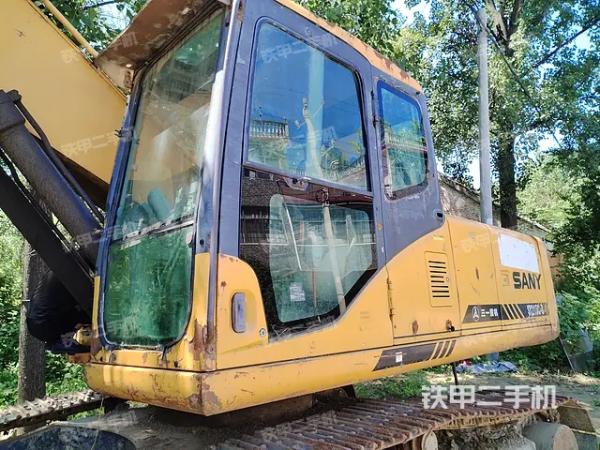
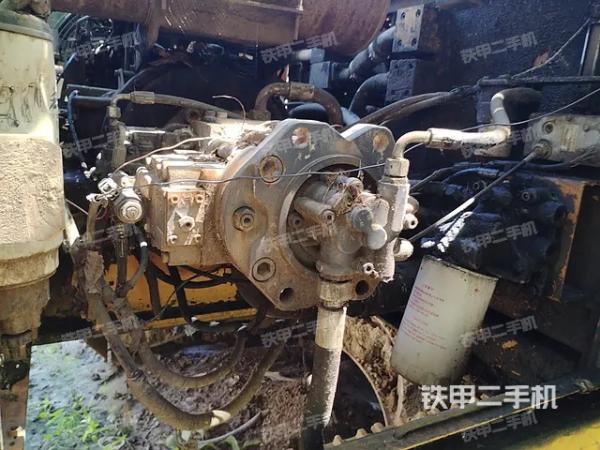
- Model: SY215C
- Year of Manufacture: 2009
- Hours of Operation: 8888 hours
- Location: Xuchang City, Henan
- Last Updated: 11 hours ago
ID:1824899
The SANY SY215C is a reliable and powerful hydraulic excavator that has been a cornerstone in the construction machinery sector since its release in 2009. With 8,888 hours of operation, this excavator has seen considerable use but remains a trusted workhorse in heavy-duty applications. Known for its efficiency and robust performance, the SY215C is designed to excel in various tasks, such as excavation, material handling, and demolition.
Key Specifications- Weight and Size: The SANY SY215C weighs 21,900 kg, making it an ideal mid-size excavator for a range of construction tasks. It is equipped with a 1.1 m³ bucket capacity, capable of handling substantial amounts of material, while maintaining maneuverability.
- Engine and Power: The excavator is powered by the Mitsubishi 4M50 engine, which delivers 118 kW at 2,000 rpm. This engine is water-cooled and offers a maximum torque of 580 Nm at 1,600 rpm, ensuring efficient operation in demanding environments.
- Performance:
- Ground Pressure: The SY215C has a ground pressure of 47.4 kPa, which allows it to maintain traction while preventing excessive ground disturbance.
- Swing Speed: The swing speed is 11 rpm, allowing for quick and precise movements during operations.
- Climbing Ability: With a 70% (35°) slope climbing ability, the excavator can handle a variety of terrain, including steep inclines, which is crucial in mining and construction sites.
- Walking Speed: The machine can travel at 5.4 km/h in high gear and 3.3 km/h in low gear, ensuring both speed and control.
Engine and Hydraulics- Engine: Mitsubishi 4M50
- Rated Power: 118 kW at 2,000 rpm
- Maximum Torque: 580 Nm at 1,600 rpm
- Engine Displacement: 4.9 L
- Cooling Method: Water-cooled
- Hydraulic System:
- Fuel Tank Capacity: 390 L
- Hydraulic Tank Capacity: 239 L
- Engine Oil Capacity: 22 L
Design and Dimensions- Transport Dimensions:
- Length: 9,680 mm
- Width: 2,980 mm
- Height: 3,440 mm
- Cab Height: 3,075 mm
- Ground Clearance: 440 mm
- Track Dimensions:
- Track Length: 4,250 mm
- Track Gauge: 2,380 mm
- Track Width: 600 mm
- Track Ground Length: 3,445 mm
- Swing and Rotation:
- Front Work Equipment Minimum Swing Radius: 3,730 mm
- Rear Swing Radius: 2,900 mm
- Maximum Height at Minimum Swing Radius: 7,680 mm
- Number of Track Rollers (One Side): 2
- Number of Idlers (One Side): 8
- Number of Track Shoes (One Side): 47
Work Range and Performance
The SY215C offers excellent reach and digging capabilities, making it versatile for a variety of construction and excavation applications.- Maximum Digging Radius: 10,280 mm
- Maximum Digging Depth: 6,600 mm
- Maximum Digging Height: 9,600 mm
- Maximum Unloading Height: 6,730 mm
The SANY Brand
SANY Heavy Industry is a renowned Chinese manufacturer of construction equipment with a global presence. Since its establishment in 1989, the company has expanded its reach worldwide, providing high-quality machinery to a variety of industries. The SANY SY215C is an example of the company's commitment to producing durable, efficient, and versatile machines for the construction sector.
Why Choose the SANY SY215C?- Proven Durability: Despite having 8,888 hours of operation, the SY215C remains a dependable machine in the field. Its robust build and efficient engine ensure that it can handle tough workloads over time.
- Fuel Efficiency: With a reasonable fuel consumption rate, the SY215C minimizes operational costs while maintaining high performance.
- High Performance: The SY215C's impressive digging depth and reach make it an ideal choice for tasks ranging from trenching to large-scale excavation projects.
Conclusion
The SANY SY215C is a workhorse in the world of hydraulic excavators. Built for efficiency, performance, and durability, it is well-suited for construction, mining, and heavy excavation projects. With a strong engine, versatile hydraulics, and a solid design, the SY215C offers excellent value for money. Whether you're a contractor looking for a reliable machine or a large construction firm requiring a durable and efficient excavator, the SY215C is designed to meet your needs.
|
|
|
|
|



