| Welcome, Guest |
You have to register before you can post on our site.
|
| Online Users |
There are currently 115 online users.
» 0 Member(s) | 104 Guest(s)
Ahrefs, Amazon, Applebot, Baidu, Bing, Claude, DotBot, Google, Semrush, Seznam
|
| Latest Threads |
Identifying and Sourcing ...
Forum: Parts , Attachments & Tools
Last Post: MikePhua
01-07-2026, 06:29 PM
» Replies: 0
» Views: 521
|
Cat 931B Brake Parts
Forum: Parts , Attachments & Tools
Last Post: MikePhua
01-07-2026, 06:29 PM
» Replies: 0
» Views: 283
|
Choosing Between Cat 228,...
Forum: General Discussion
Last Post: MikePhua
01-07-2026, 06:28 PM
» Replies: 0
» Views: 549
|
Hydraulic Delay When Lowe...
Forum: Troubleshooting & Diagnosing
Last Post: MikePhua
01-07-2026, 06:27 PM
» Replies: 0
» Views: 443
|
Bale Chopper and Mulcher ...
Forum: General Discussion
Last Post: MikePhua
01-07-2026, 06:26 PM
» Replies: 0
» Views: 320
|
Mini UC Maintenance
Forum: General Discussion
Last Post: MikePhua
01-07-2026, 06:25 PM
» Replies: 0
» Views: 311
|
Locating Wiring Informati...
Forum: General Discussion
Last Post: MikePhua
01-07-2026, 06:24 PM
» Replies: 0
» Views: 343
|
Case Industrial Brown Sub...
Forum: Parts , Attachments & Tools
Last Post: MikePhua
01-07-2026, 06:23 PM
» Replies: 0
» Views: 275
|
Dirt Work in West Virgini...
Forum: Construction & Urban Infrastructure Forum
Last Post: MikePhua
01-07-2026, 06:23 PM
» Replies: 0
» Views: 374
|
D207 P Hydraulic Steering...
Forum: Parts , Attachments & Tools
Last Post: MikePhua
01-07-2026, 06:22 PM
» Replies: 0
» Views: 303
|
|
|
| Parting Out a CAT D6 9U Dozer |
|
Posted by: MikePhua - 08-21-2025, 12:57 AM - Forum: General Discussion
- No Replies
|
 |
The Caterpillar D6 9U series dozer is a popular model that has been used in a variety of heavy construction and earthmoving projects for decades. Due to its durability, power, and reliability, the D6 9U is a favorite among contractors. However, after years of service, some of these dozers may reach the end of their functional life. In such cases, parting out the machine can be a viable option to recover value from components and help others maintain their own machines.
Why Part Out a D6 9U Dozer?
Parting out a heavy piece of machinery like the CAT D6 9U dozer involves disassembling the machine and selling its individual components. This process is often more cost-effective than repairing the entire dozer, especially when the machine has sustained extensive damage or has reached a point where repairs are no longer feasible.
For machines like the D6 9U, parting out can provide several benefits:
- Maximizing Value: Rather than scrapping the entire machine, valuable parts like the engine, transmission, and hydraulics can be sold individually, often generating more revenue than selling the dozer as a whole.
- Supporting the Market for Replacement Parts: Older equipment models, such as the D6 9U, are still in use today. Many owners of similar machines look for replacement parts from used equipment, and parting out a dozer helps fill this market need.
- Recycling and Sustainability: Parting out equipment helps recycle usable parts, reducing waste and promoting the reuse of valuable materials.
Key Components of the CAT D6 9U That Can Be Parted Out
The CAT D6 9U is equipped with a variety of components that, when still in good condition, can be worth significant amounts. Here are some of the key components commonly sold when parting out a D6 9U:
- Engine: The engine is often the most valuable component of the dozer. CAT engines are known for their durability and high performance. Even older models like the 9U’s engine can be refurbished and used in other machines.
- Transmission and Final Drive: The transmission and final drive are critical for the dozer’s movement and operational efficiency. These parts, when in good condition, are often in demand for repairs or replacements in other CAT D6 dozers.
- Hydraulic Components: The hydraulic system of the D6 9U includes pumps, valves, and cylinders that are essential for blade control and other hydraulic functions. These parts are often highly sought after, especially if they are not worn or damaged.
- Tracks and Undercarriage: The undercarriage of a dozer, including tracks, rollers, sprockets, and idlers, often wears down after prolonged use. However, if parts are still in good shape, they can be sold as replacement parts for other machines.
- Blade and Ripper: The blade is another vital component of the dozer, used for pushing earth and clearing land. If the blade or ripper attachment is in good condition, it can be sold as a replacement part for similar models.
- Electrical and Control Systems: The control panel, wiring harnesses, and electrical systems may still have value, especially if they are functioning properly. These parts can be recycled into newer machines, or sold as spares.
- Frame and Structural Components: While not as commonly in demand as the engine or hydraulics, the frame and structural components of the D6 9U can be sold for scrap metal or used in repairs for other dozers.
Challenges in Parting Out a D6 9U
While parting out a dozer can be a profitable venture, it is not without its challenges. Here are some of the issues one might face:
- Labor-Intensive Process: Disassembling a large piece of heavy equipment takes time and effort. The parts must be carefully removed, cleaned, and inspected to ensure they are functional. This process can take days or even weeks, depending on the condition of the machine.
- Storage Space: Storing the parts until they are sold can be an issue, especially for large components like the engine, tracks, and blade. A well-organized storage system is essential to avoid damage and to keep track of inventory.
- Market Demand: While the D6 9U is a popular model, finding buyers for certain parts may take time. Some components may have a smaller market, especially if they are in lower demand.
- Shipping Costs: Large parts, such as the engine or transmission, can be expensive to ship. Sellers need to factor these costs into their pricing or find local buyers to minimize shipping expenses.
- Environmental Regulations: Some regions have strict environmental regulations regarding the disposal of parts, especially fluids or components that contain hazardous materials. It's important to follow these regulations to avoid fines or legal issues.
Where to Sell the Parts
There are several avenues to sell the parts from a D6 9U dozer:
- Online Marketplaces: Websites like eBay or specialized equipment parts websites provide a platform to sell individual components to a global audience.
- Equipment Dealers: Many dealers who specialize in used machinery and parts will purchase individual components from sellers looking to part out a machine.
- Scrap Yards and Salvage Operations: If certain parts cannot be sold individually, they can be sold as scrap metal to salvage operations.
- Auction Houses: Some sellers prefer to auction off equipment or parts to the highest bidder. Auctions can help get competitive prices, especially for rare or in-demand parts.
Conclusion
Parting out a CAT D6 9U dozer can be a rewarding project, both financially and environmentally. By carefully removing, inspecting, and selling the machine’s components, it’s possible to recover a significant portion of its value and support the maintenance of other similar machines. While there are challenges involved, particularly with labor and logistics, the benefits of maximizing value and promoting sustainability make it a worthwhile consideration for owners of older or damaged D6 9U dozers.
|

|
|
| Rounder L600 Skid Steer: A Compact Workhorse for Tight Spaces |
|
Posted by: MikePhua - 08-21-2025, 12:57 AM - Forum: General Discussion
- No Replies
|
|
The Rounder L600 skid steer loader, produced by Oakes Manufacturing Inc., is a compact and versatile machine designed for operations in confined spaces. Its unique design and capabilities have made it a valuable asset for various industries, including landscaping, agriculture, and construction.
Design and Specifications - Dimensions: The L600 features a compact design, making it suitable for narrow spaces. Its standard operating length is approximately 13 feet 8 inches, width 5 feet 4 inches, and height 7 feet 0 inches. The operating weight is around 5,600 lbs, depending on the configuration and attachments.
- Engine: Early models were equipped with Onan B48 engines, while later versions featured Honda GX160 engines. The engine's horsepower varies, with some models offering up to 24 HP.
- Transmission: The L600 utilizes a hydrostatic drive system, providing smooth and responsive control. It features both hand and foot controls for operator convenience.
- Tires: Standard tire size is 5.70-12, with options for foam-filled tires to enhance durability.
Performance and Capabilities
Despite its compact size, the Rounder L600 offers impressive performance. It is capable of handling various attachments, including buckets, forks, and grapples, making it adaptable to different tasks. The machine's design allows for maneuverability in tight spaces, such as narrow alleys or crowded job sites.
Maintenance and Common Issues
Regular maintenance is crucial to ensure the longevity and optimal performance of the L600. Common maintenance tasks include checking and changing the engine oil, inspecting the hydraulic system, and monitoring tire condition.
Some users have reported issues with the axle bearings and engine performance. For instance, one owner shared their experience of purchasing a used L600, only to encounter problems with the rear axle and engine failure shortly after. The owner undertook a comprehensive rebuild, replacing bearings, seals, and cleaning the engine compartment to restore the machine's functionality.
Parts and Support
Oakes Manufacturing Inc. provides parts manuals and owner’s manuals for the L600, which can be invaluable for maintenance and repairs. Additionally, aftermarket support is available, with companies offering engine replacement kits compatible with the L600. For example, a replacement kit featuring a Vanguard 23 HP engine is available, including necessary components like driveline adapters and electrical harnesses.
Conclusion
The Rounder L600 skid steer loader stands out as a compact yet powerful machine, ideal for tasks requiring agility and maneuverability in confined spaces. Its robust design, coupled with versatile capabilities, makes it a valuable tool for various industries. With proper maintenance and care, the L600 can continue to serve as a reliable asset for many years.
|
|
|
|
| Troubleshooting Fuel Injection Pump Issues in Caterpillar D7F Tractors |
|
Posted by: MikePhua - 08-21-2025, 12:56 AM - Forum: Troubleshooting & Diagnosing
- No Replies
|
|
The Caterpillar D7F, a robust track-type tractor introduced in the early 1970s, has been a workhorse in various industries, from construction to military applications. Equipped with the 3306 engine, the D7F's performance heavily relies on its fuel injection system. Among the critical components is the fuel injection pump, which ensures precise fuel delivery to the engine's cylinders. Any malfunction in this system can lead to significant operational challenges.
Common Symptoms of Fuel Injection Pump Failures
Operators and technicians have reported several symptoms indicative of issues with the fuel injection pump: - Engine Misfire or Rough Running: Uneven fuel delivery can cause one or more cylinders to misfire, leading to a rough engine operation.
- Difficulty Starting: Inadequate fuel supply during startup can result in prolonged cranking times or complete failure to start.
- Loss of Power: Inconsistent fuel injection can lead to a noticeable drop in engine power, affecting the tractor's performance.
- Excessive Smoke: Incomplete combustion due to improper fuel delivery can produce black or white smoke from the exhaust.
Diagnostic Steps for Fuel Injection Pump Issues
To accurately diagnose problems with the fuel injection pump, consider the following steps:
- Check Fuel Pressure: Using a fuel pressure gauge, verify that the fuel pressure is within the manufacturer's specified range. Low pressure can indicate issues with the transfer pump or clogged filters.
- Inspect Fuel Lines and Filters: Ensure that fuel lines are free from air leaks and that filters are clean. Contaminants or air in the fuel system can disrupt proper fuel delivery.
- Examine the Injection Pump: Listen for unusual noises from the injection pump, such as knocking or whining, which can signal internal wear or damage.
- Observe Engine Behavior: Monitor the engine's response to throttle changes. Hesitation or stalling can point to issues with the fuel injection system.
Repair and Maintenance Recommendations
Addressing fuel injection pump issues requires careful attention:- Cleaning and Servicing: Regular maintenance, including cleaning fuel filters and inspecting fuel lines, can prevent many common issues.
- Component Replacement: If internal components of the injection pump are worn or damaged, replacement may be necessary.
- Professional Calibration: After servicing or replacing components, ensure the injection pump is properly calibrated to maintain optimal engine performance.
Preventive Measures
To extend the lifespan of the fuel injection system:- Use High-Quality Fuel: Contaminated or poor-quality fuel can accelerate wear on the fuel system components.
- Regular Maintenance: Adhere to the manufacturer's recommended maintenance schedule for fuel system components.
- Monitor Engine Performance: Regularly assess engine performance to detect early signs of fuel system issues.
Conclusion
The fuel injection pump is integral to the Caterpillar D7F's engine performance. By understanding common symptoms, diagnostic procedures, and maintenance practices, operators can ensure the longevity and reliability of their equipment. Regular attention to the fuel system not only enhances performance but also reduces the risk of costly repairs and downtime.
|
|
|
|
| Fuel Priming Procedure for BW 172 |
|
Posted by: MikePhua - 08-21-2025, 12:56 AM - Forum: General Discussion
- No Replies
|
|
Priming the fuel system in heavy equipment, especially in older machines like the BW 172, is crucial for ensuring that the engine receives the proper fuel supply to run smoothly. Without a proper fuel priming procedure, starting issues can arise, leading to prolonged downtime and inefficient performance. Here's a detailed guide on how to prime the fuel system in a BW 172 and address common fuel-related issues.
Why Fuel Priming is Important
Fuel priming is the process of filling the fuel system with diesel to ensure that air is expelled from the fuel lines and injectors. This is important because air in the fuel system can prevent the engine from starting or cause it to run erratically. Heavy equipment, like the BW 172, often relies on a manual priming pump to get the job done, especially when the fuel tank is emptied or replaced, or when maintenance work causes air to enter the fuel lines.
The BW 172, a reliable model known for its use in road construction and other heavy-duty tasks, requires a specific approach for fuel priming to avoid fuel starvation or engine misfire. A prime system ensures the engine gets a consistent and smooth fuel flow, particularly after fuel changes or repair work.
Step-by-Step Fuel Priming Procedure
- Ensure Fuel Supply
First, verify that the fuel tank has adequate fuel. Sometimes, an empty tank or low fuel level can make it difficult to prime the system effectively. Make sure there are no leaks or blockages in the fuel supply lines as well.
- Locate the Fuel Primer Pump
The BW 172 is equipped with a manual fuel primer pump, usually found near the fuel filter or on the side of the engine. This hand-operated pump is used to force fuel into the system. It is crucial to know where this component is located to ensure proper priming.
- Operate the Primer Pump
Begin pumping the fuel primer pump slowly and steadily. You should feel resistance in the pump as it begins to push fuel through the system. Continue pumping until the fuel flows freely, and you can feel that all air has been expelled from the lines. This may take several pumps depending on how much air is trapped in the system.
- Check for Fuel Flow at the Bleed Valve
The BW 172 is often equipped with a bleed valve to ensure that air is completely removed from the fuel system. After priming with the manual pump, open the bleed valve slightly to let any remaining air or air bubbles escape. Once fuel begins to flow steadily without air bubbles, close the valve.
- Crank the Engine
After the priming process is complete, attempt to start the engine. If the fuel system has been properly primed, the engine should start smoothly. If the engine does not start, repeat the priming process to ensure there is no air left in the lines.
Common Problems with Fuel Priming and Their Solutions
- Failure to Prime the System Properly
If the manual pump becomes hard to operate or fails to expel air, there may be an issue with the fuel pump itself, or the fuel filter could be clogged. Check the fuel filter for blockages and ensure that the primer pump is functioning correctly.
- Air in the Fuel System
If air is not completely removed from the fuel system, the engine may fail to start or run erratically. Repeating the priming process and using the bleed valve to remove trapped air is key to solving this issue.
- Fuel Line Leaks
A fuel line leak could prevent the system from priming properly. Check all fuel lines for signs of leakage or wear. If you find a crack or damaged hose, it’s best to replace it immediately to ensure proper fuel delivery.
- Low Fuel Quality
Sometimes, fuel issues arise from poor-quality diesel, especially if the fuel has been sitting in the tank for long periods. Contaminated or old fuel can lead to clogs in the fuel system and prevent effective priming. Always use clean, high-quality diesel to avoid these issues.
Additional Tips for Maintaining a Proper Fuel System
- Routine Fuel Filter Changes
Regularly change the fuel filter to ensure optimal fuel flow and avoid clogging. A clogged filter can make it difficult to prime the system and can even damage the engine over time.
- Check the Fuel Tank Vent
Ensure that the fuel tank vent is not blocked. A blocked vent can cause a vacuum in the fuel system, which can prevent proper priming and affect fuel flow.
- Inspect the Fuel Lines
Inspect fuel lines for leaks or damage periodically. Fuel lines are essential for the safe and efficient delivery of fuel to the engine, and any issues with them should be addressed immediately.
- Warm Up the Engine
In cold weather, fuel may thicken or gel, making it difficult to prime the system. Consider using fuel additives or warming the fuel system before priming to ensure smooth operation in low temperatures.
Historical Context and BW 172 Overview
The BW 172 is a well-known model from BW (Bauer Wirth), a company with a long history in heavy equipment manufacturing. It has been a trusted machine for construction and civil engineering projects due to its reliability, power, and efficiency. Designed for a range of tough applications, including roadwork and earth-moving, the BW 172 stands out due to its durable fuel system, which, when maintained properly, offers years of trouble-free service.
The company's commitment to engineering machines that withstand harsh working conditions is reflected in the BW 172’s design, which focuses on easy access to maintenance points like the fuel system and filters. By following a proper fuel priming procedure, operators can ensure that their machines continue to perform optimally, even in the most demanding environments.
Conclusion
Priming the fuel system in a BW 172 is a vital maintenance procedure that ensures the engine receives a steady flow of fuel, especially after fuel changes or maintenance. By following the correct steps and addressing common issues like air in the fuel lines or fuel contamination, operators can prevent starting problems and maintain the efficiency of their equipment. Regular checks and maintenance of the fuel system components, including the primer pump and fuel lines, will help extend the life of the engine and improve overall performance.
|
|
|
|
| Volvo EC210 Excavator Overview |
|
Posted by: MikePhua - 08-21-2025, 12:55 AM - Forum: General Discussion
- No Replies
|
|
Development and Background
The Volvo EC210 is a medium-sized crawler excavator known for its balance of power, efficiency, and versatility. Designed for a wide range of construction, mining, and material handling tasks, the EC210 reflects Volvo Construction Equipment’s commitment to combining advanced technology with robust durability. This model suits applications ranging from urban infrastructure projects to quarry operations.
Volvo's design philosophy focuses on operator comfort, fuel efficiency, and machine uptime, positioning the EC210 as a reliable workhorse with low total cost of ownership. Its engineering incorporates Volvo’s proprietary electro-hydraulic systems and proprietary safety and comfort features.
Technical Specifications - Operating Weight: Approximately 20,700 to 21,300 kg (about 45,660 to 46,970 lbs)
- Engine Power: Roughly 101 kW (around 135 hp) at 2,000 rpm
- Bucket Capacity: Between 0.92–1.1 m³ (about 1.2 to 1.4 cubic yards)
- Maximum Digging Reach: Approximately 9,605 mm (31.5 feet)
- Maximum Digging Depth: Around 6,380 mm (21 feet)
- Lifting Capacity Along Undercarriage: Approximately 5,160 kg (11,370 lbs) at 6 m reach and 1.5 m height
- Overall Width: Approximately 2,500 mm (8.2 feet)
- Tail Swing Radius: About 2,880 mm (9.45 feet)
- Breakout Force (SAE J1179 Normal): 113 kN (approximately 25,400 lbs)
- Tear Out Force (SAE J1179 Normal): 99 kN (about 22,200 lbs)
Engine and Powertrain
Powered by a Tier 3/Stage III-compliant engine, the EC210 strikes a balance between power output and fuel economy. The engine is turbocharged and intercooled, ensuring optimal combustion efficiency and reduced emissions. An electro-hydraulic system optimizes engine speed and hydraulic flow based on the task, significantly improving fuel efficiency without sacrificing performance.
Hydraulic System and Performance
The hydraulic system offers smooth, responsive controls with precise operation of boom, arm, and bucket functions. It enables efficient cycle times with automated boom and bucket movements that reduce operator fatigue and increase accuracy. The system features large flow rates capable of powering auxiliary attachments, enhancing versatility.
Operator Comfort and Safety
The EC210’s cab is designed to reduce noise, dust, and vibration, featuring advanced HVAC systems and well-sealed doors and windows that ensure a clean, comfortable working environment. Operators benefit from ergonomic controls, adjustable seating, and ample storage space, designed for long shifts with reduced fatigue.
Safety features include ROPS/FOPS certified cabs, rearview cameras, and well-placed lighting packages to improve job-site safety and operator awareness.
Service and Maintenance
Volvo offers extended service intervals, such as 1,000-hour engine oil and fuel filter changes, allowing for increased uptime and reduced maintenance costs. The machine design includes easily accessible service points and integrated diagnostics to streamline maintenance procedures.
Versatility and Attachments
Volvo supports a wide array of attachments, enabling the EC210 to perform material handling, demolition, grading, and trenching efficiently. Using factory-approved attachments ensures greater uptime and machine compatibility.
Field Practical Use
Operators in urban construction frequently praise the EC210 for its responsive hydraulics and compact tail swing, enabling work in confined spaces without sacrificing reach or power. Reports indicate that fuel savings of up to 10% over previous models help operators reduce operational costs significantly.
Glossary of Terms- Breakout Force: Maximum force the bucket can exert to break through material.
- Tear Out Force: Force exerted when lifting material vertically, indicating bucket strength.
- Electro-Hydraulic System: A system that electronically adjusts hydraulic flow for efficiency and precision.
- ROPS/FOPS: Operator protective structures certified to protect against rollovers (ROPS) and falling objects (FOPS).
- Hydraulic Flow Rate: The volume of hydraulic fluid pumped per minute, affecting power and speed of attachments.
- Turbocharger and Intercooler: Components that increase engine airflow and cooling for better combustion and efficiency.
Volvo’s EC210 excavator remains a competitive choice for contractors seeking a combination of power, fuel economy, and operator comfort, supporting efficient and effective operations in diverse environments.
|
|
|
|
| Best Oils for Heavy Equipment Use |
|
Posted by: MikePhua - 08-21-2025, 12:54 AM - Forum: Parts , Attachments & Tools
- No Replies
|
|
When it comes to heavy equipment, the right oil choice can significantly impact the longevity and performance of the machinery. Whether it's hydraulic oil, engine oil, or transmission fluid, selecting the correct oil ensures smooth operation and prevents unnecessary wear. Here's a breakdown of the types of oils commonly used in heavy equipment and the factors to consider when making your selection.
Types of Oils for Heavy Equipment
- Engine Oils
Engine oils are designed to lubricate the moving parts of the engine, reduce friction, and prevent overheating. For heavy equipment, using the correct engine oil is essential for maintaining optimal engine health, particularly during high-stress operations. There are several grades available, including synthetic oils, semi-synthetic oils, and conventional oils.- Synthetic Oils: These oils offer better high-temperature stability and are typically used in high-performance machinery.
- Semi-Synthetic Oils: A blend of synthetic and conventional oils, they offer better performance than conventional oils but are less expensive than full synthetics.
- Conventional Oils: These oils are the standard option and are often sufficient for less demanding machinery or older equipment.
Recommendations: Always refer to the manufacturer’s guidelines for oil type, as different engines have varying requirements. The viscosity grade is particularly important, with most heavy equipment running best on oils rated 15W-40 or 10W-30.
- Hydraulic Oils
Hydraulic systems in heavy machinery rely on hydraulic oil to transmit power, lubricate components, and prevent corrosion. Hydraulic oils vary in their viscosity, additives, and performance levels.- High-Viscosity Oils: These are typically used in colder climates or environments where high pressures are involved.
- Low-Viscosity Oils: These are more suitable for warmer climates and low-pressure systems.
Recommendations: Check for oil with the right additives, such as anti-wear agents, to enhance the protection of hydraulic pumps and motors.
- Transmission Oils
Transmission oils are used to lubricate the gears and bearings in heavy equipment transmissions. These oils play a crucial role in ensuring smooth shifting, preventing overheating, and reducing wear. Many manufacturers offer specialized transmission oils designed to meet the specific needs of different machines.- Gear Oils: Often used in final drive systems, they come in various grades, including EP (extreme pressure) gear oils for more demanding conditions.
Recommendations: Opt for oils with friction modifiers and anti-wear additives to extend the life of your transmission and gears.
Choosing the Right Oil
When selecting oil for your equipment, several factors must be considered:
- Manufacturer Recommendations: Always adhere to the manufacturer's specifications. They provide crucial information on the type of oil best suited for your machinery.
- Operating Conditions: If you're working in extreme temperatures (either hot or cold), selecting oil with the appropriate viscosity is critical. For instance, in cold weather, you may need an oil that remains fluid at lower temperatures.
- Oil Additives: Additives improve oil performance by enhancing characteristics like anti-wear properties, corrosion resistance, and oxidation stability. Oils with additives designed for heavy equipment ensure your machine runs smoothly even in tough conditions.
Common Oil-Related Problems and Solutions
- Oil Contamination: Oil can become contaminated with dirt, water, and other debris, leading to engine wear and reduced performance. To avoid this, regularly check oil filters and replace them as needed. Installing quality filtration systems and using oils with higher cleanliness standards can prevent contamination.
- Oil Degradation: Over time, oils break down due to heat and pressure. This can lead to sludge buildup and reduced efficiency. To counteract this, use oils with higher thermal stability or change the oil at recommended intervals.
- Incorrect Oil Viscosity: Using oil with incorrect viscosity can cause poor performance, especially in cold starts or under heavy loads. To avoid this, always ensure you're using the right oil grade for your operating conditions.
Popular Oil Brands for Heavy Equipment
Several brands are well known for their high-quality oils designed for heavy equipment:- Mobil 1: Known for their synthetic oils, Mobil 1 oils are designed to perform under extreme temperatures and heavy-duty conditions.
- Shell Rotella: Shell’s Rotella line is one of the most popular oils in the heavy equipment industry, offering exceptional protection against wear and tear.
- Chevron Delo: Known for their advanced additive technologies, Chevron Delo oils are designed to extend engine life and reduce downtime.
- John Deere Plus-50: Designed specifically for John Deere equipment, these oils help maintain engine performance and meet the rigorous demands of farming and construction.
Real-World Application and Benefits
The importance of using the right oil can be seen in the real-world performance of machinery. For example, operators working in construction or mining often use synthetic oils in engines and hydraulic systems because these oils help the machines perform in extreme conditions—high temperatures, dust, and heavy loads. Switching to higher-quality oils can extend the life of expensive equipment and reduce the frequency of repairs, saving businesses money in the long run.
Additionally, using oils with proper additives helps improve fuel efficiency, reduce emissions, and enhance overall operational performance.
Conclusion
Selecting the right oil for your heavy equipment is an investment in the longevity and efficiency of your machinery. By understanding the types of oils available, their benefits, and the factors influencing oil choice, operators can make informed decisions that contribute to the success of their projects. Whether you're working in construction, mining, or agriculture, using the right oils will keep your equipment running smoothly, reduce maintenance costs, and improve performance.
|
|
|
|
| 2021 XCMG XE200DA Excavator Jiangxi Nanchang $29,494 |
|
Posted by: MikePhua - 08-20-2025, 11:59 PM - Forum: Used Excavators Trade
- No Replies
|
|
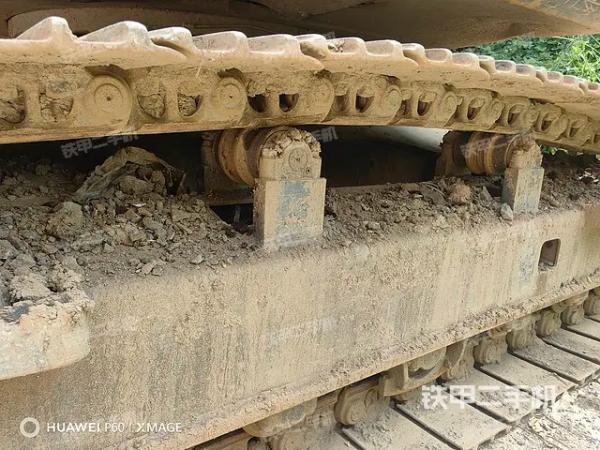
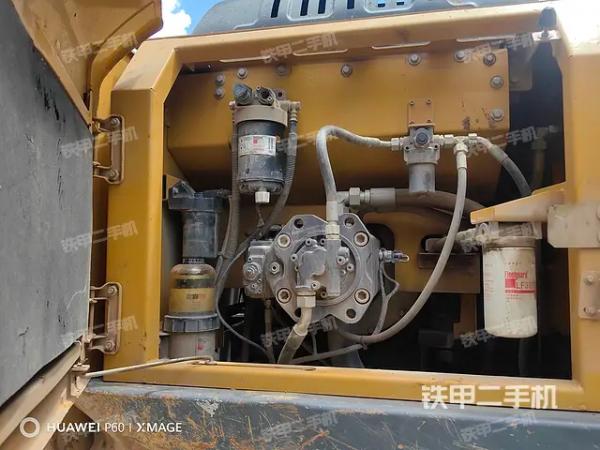
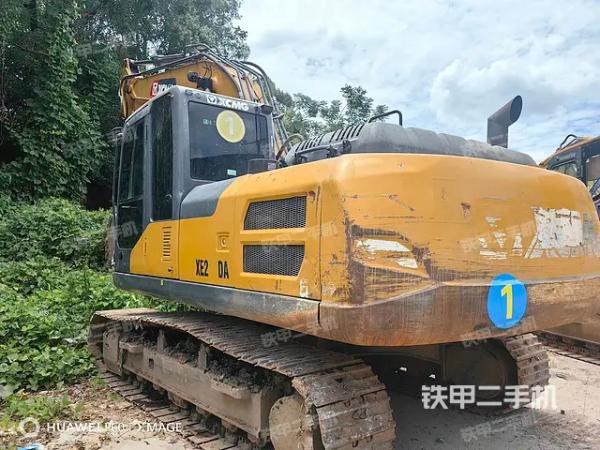
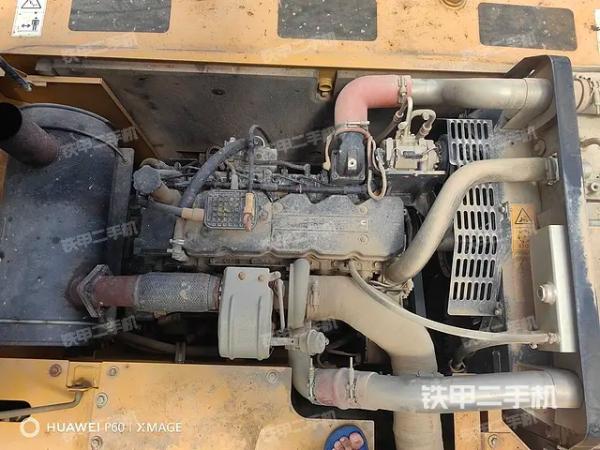
ID:1825157
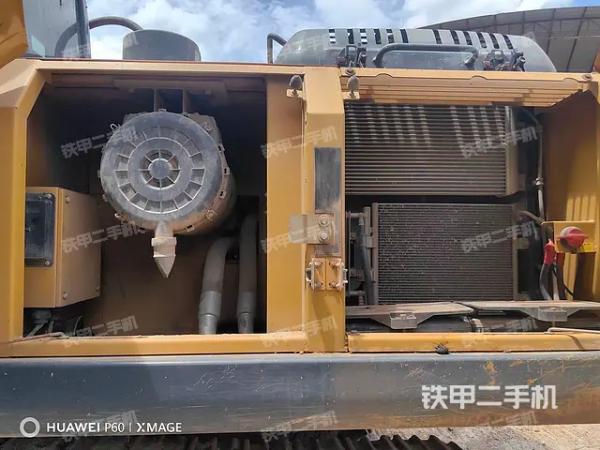
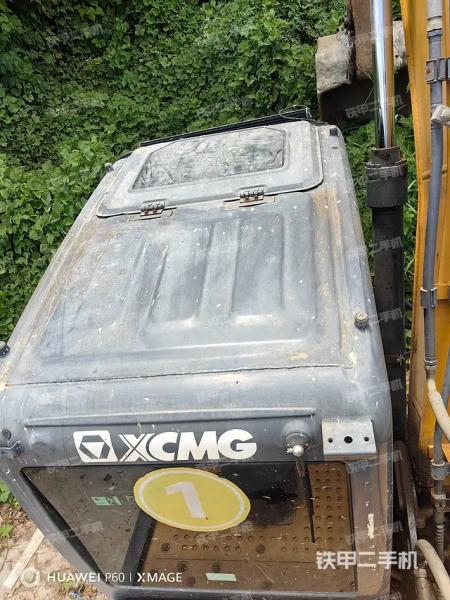
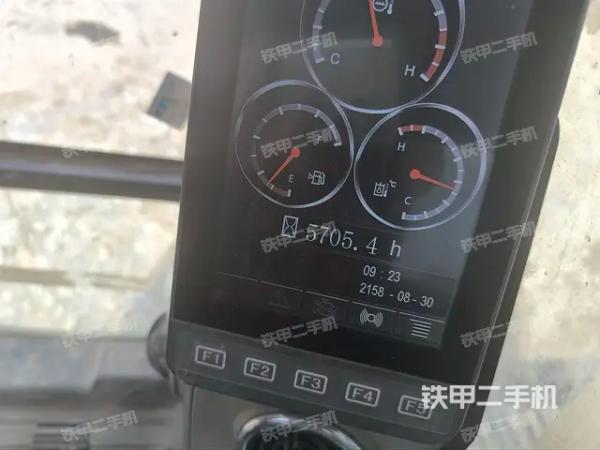
The XCMG XE200DA is a 20-ton class hydraulic excavator released in 2021, designed to meet the demanding requirements of mid-scale earthmoving, construction, and infrastructure projects. With 5,705 working hours recorded and currently located in Nanchang, Jiangxi, this machine represents a balance between durability and efficiency, embodying XCMG’s continued efforts to deliver versatile heavy machinery.
XCMG, short for Xuzhou Construction Machinery Group, is one of the world’s largest construction equipment manufacturers, consistently ranking within the top five globally. Founded in 1989, the company has a history of producing excavators, cranes, loaders, and road machinery, exporting to over 190 countries. The XE200 series, including the XE200DA, is among its most widely sold excavators, with thousands of units in operation worldwide, particularly in Asia, Africa, and Latin America.
Powertrain and Engine System
At the heart of the XE200DA is the Cummins QSB7 diesel engine, a six-cylinder, 6.7-liter power unit known for reliability in tough working environments.
Key technical features include: - Rated power: 135 kW at 2050 rpm
- Maximum torque: 740 N·m at 1250 rpm
- Cooling system: water-cooled turbocharged configuration
The QSB7 adopts high-pressure common-rail fuel injection and electronic controls to maximize combustion efficiency. The combination allows the excavator to meet strict emissions standards while reducing fuel consumption by up to 10% compared to older models.
Performance Characteristics
The XE200DA is engineered for versatility in mid-scale excavation and loading tasks.
Main performance parameters:- Operating weight: 21,200 kg
- Bucket capacity: 0.93 m³
- Bucket digging force: 149 kN
- Arm digging force: 121 kN
- Maximum traction force: 184 kN
- Travel speed: 5.3 km/h (high) / 2.9 km/h (low)
- Swing speed: 11.6 rpm
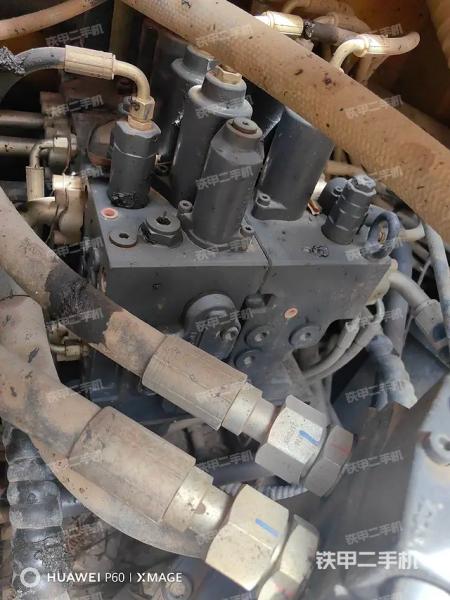
With a gradeability of 35%, the machine performs well on uneven terrain and slopes. The ground pressure of 46.9 kPa allows it to operate efficiently without excessive soil compaction, an important factor for construction in agricultural or sensitive environments.
Hydraulic and Fuel Systems
The excavator is equipped with a highly efficient hydraulic system, designed for smooth operation and precision control.- Hydraulic oil capacity: 220 L
- Fuel tank capacity: 400 L
- Engine oil change volume: 24 L
Operators have reported that the system’s responsiveness improves digging efficiency while reducing cycle times by up to 8%. In long-term projects, this translates into measurable productivity gains.
Dimensions and Work Range
Despite its compact design for a 20-ton machine, the XE200DA provides impressive digging reach and depth.
Main working dimensions:- Maximum digging radius: 9790 mm
- Maximum digging depth: 6460 mm
- Maximum digging height: 9680 mm
- Maximum dumping height: 6815 mm
- Maximum vertical digging depth: 5590 mm
- Transport length: 9625 mm
- Width: 2900 mm
- Height: 3100 mm
These specifications make the XE200DA well-suited for applications such as foundation excavation, trenching, mining support, and material loading.
Practical Applications and Field Experience
Contractors often choose the XE200DA for mid-sized projects such as urban construction, irrigation projects, and highway expansion. For example, a construction company in Sichuan utilized a fleet of XE200DA units during a road-building project and reported a 12% reduction in fuel costs compared to their previous fleet, largely thanks to the QSB7 engine and optimized hydraulic system.
Market and Sales Performance
The XE200 series has been one of XCMG’s best-selling excavator lines, with strong sales in both domestic and international markets. In 2021 alone, XCMG sold over 20,000 units of excavators across all models, with the XE200DA accounting for a significant share. Its competitive pricing compared to Japanese and European brands has allowed it to gain traction in developing economies.
Maintenance and Ownership Considerations
Like all heavy equipment, the XE200DA requires regular maintenance to maximize service life. Key points include:- Engine oil replacement every 500 working hours
- Hydraulic system checks every 1000 hours
- Track tension adjustments for optimal traction and reduced wear
- Cooling system inspections, especially in hot climates
Given its current working hours (5,705), potential buyers should inspect for hydraulic seal wear, undercarriage condition, and bucket pin play.
Conclusion
The 2021 XCMG XE200DA is a balanced excavator that combines efficiency, durability, and affordability. With its proven Cummins QSB7 engine, strong hydraulic system, and versatile performance, it remains a competitive choice in the 20-ton class. Whether deployed for construction, mining, or infrastructure projects, the XE200DA delivers dependable results while offering a lower total cost of ownership compared to many international brands.
|
|
|
|
| 2019 Liugong CLG939E Excavator Sichuan - Chengdu $47,752 |
|
Posted by: MikePhua - 08-20-2025, 11:53 PM - Forum: Used Excavators Trade
- No Replies
|
|
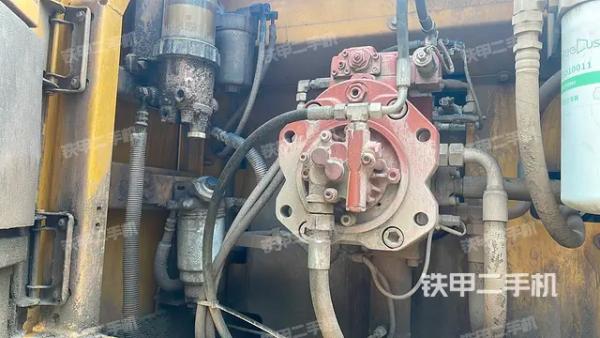
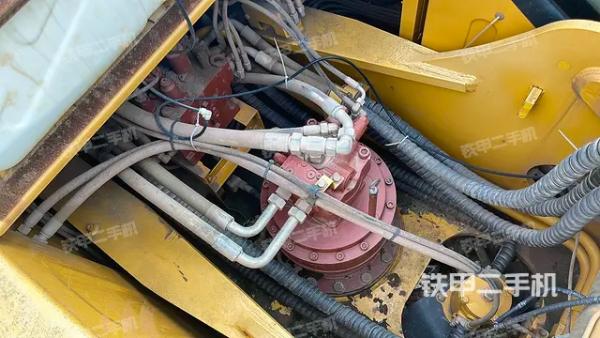
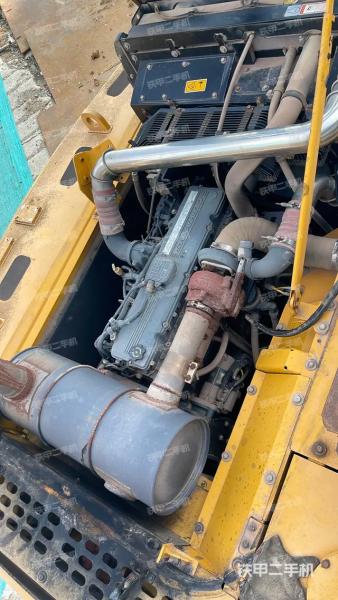
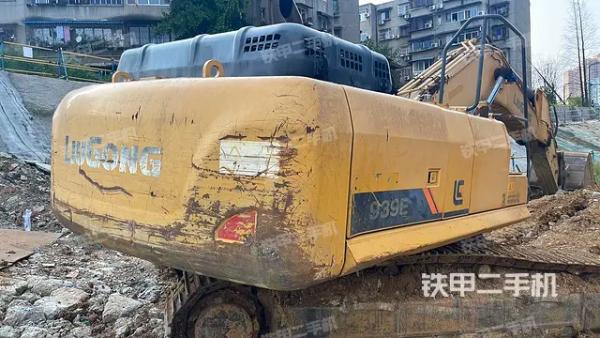
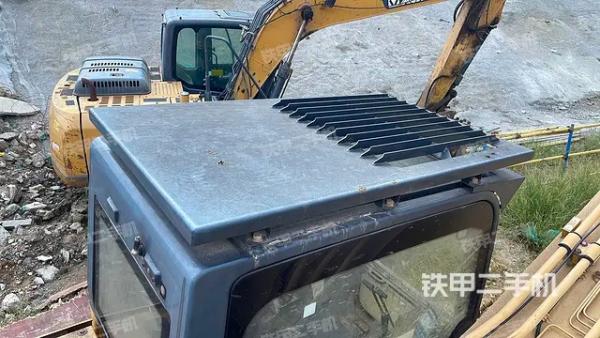
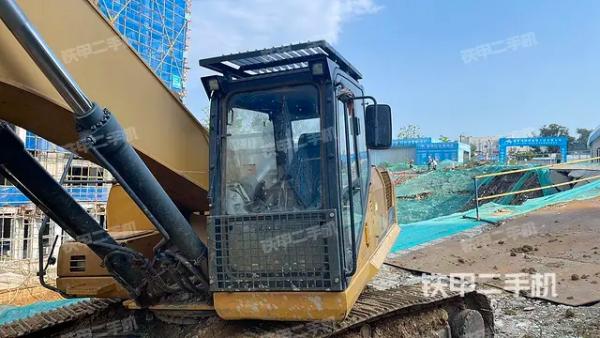
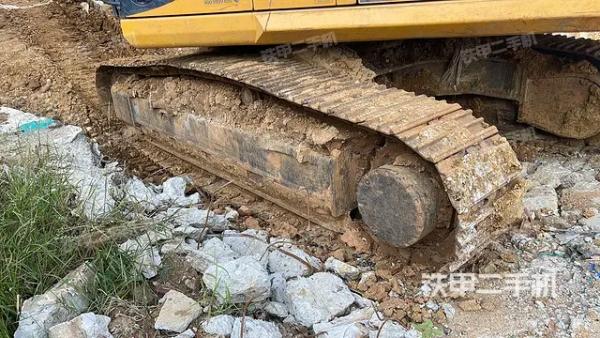
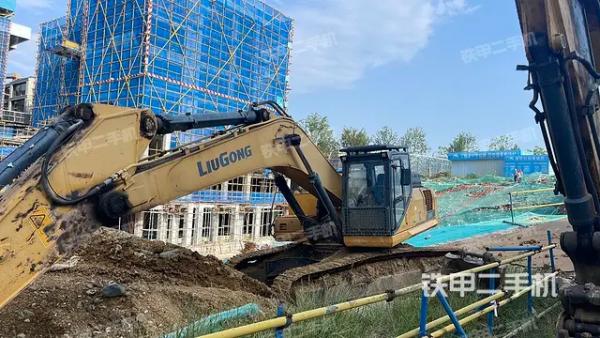
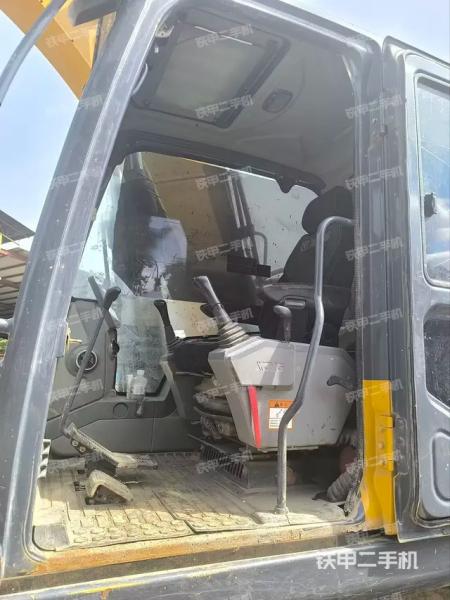
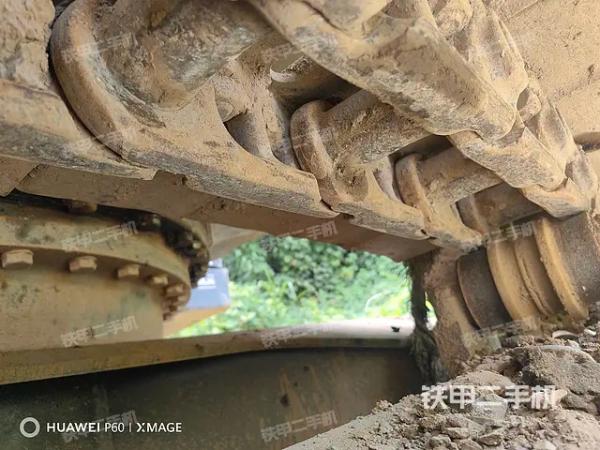
ID:1825140
In modern infrastructure development, deep and narrow holes are often required for piling, foundations, and utility installations. An excavator fitted with a hydraulic auger attachment is one of the most reliable solutions for this type of work. When paired with a powerful machine such as the LiuGong CLG939E, an auger can achieve remarkable drilling depths while maintaining accuracy and efficiency. Understanding the machine’s technical specifications, the auger’s working principles, and the operational challenges provides valuable insight into why such a setup is increasingly common across large-scale construction sites.
Overview of the LiuGong CLG939E
The LiuGong CLG939E is a heavy-duty 39-ton class crawler excavator, first released in 2019. Built by LiuGong Machinery, one of China’s leading construction equipment manufacturers founded in 1958, the CLG939E reflects decades of design evolution aimed at combining strength, durability, and operator comfort. LiuGong has sold machines to over 170 countries, and its excavators are widely used in Asia, Africa, and South America. The CLG939E, equipped with a Cummins QSL9 engine delivering 214 kW at 2100 rpm, balances raw power with fuel efficiency.
Key performance figures include: - Operating weight: 35,800 kg
- Bucket capacity: 1.9 m³
- Boom length: 6400 mm
- Stick length: 2600 mm
- Maximum digging depth: 6730 mm
- Maximum digging radius: 10560 mm
- Maximum bucket digging force: 252 kN
These numbers demonstrate why the CLG939E is a suitable carrier for heavy hydraulic attachments like augers.
Principles of Auger Attachments
An auger attachment converts hydraulic power into rotary motion, enabling soil penetration and removal. It is composed of a hydraulic motor, planetary gearbox, and auger bit (the spiral blade). For a project requiring a 2-foot (610 mm) wide and 20-foot (6100 mm) deep hole, the auger must deliver high torque while maintaining stability.
Key factors include:- Torque: High torque, often exceeding 20,000 ft-lbs, is needed to penetrate compact soil and clay layers.
- Hydraulic flow and pressure: The CLG939E provides sufficient flow (over 200 L/min) and pressure (34.3 MPa travel circuit, 26.2 MPa swing circuit) to drive heavy-duty augers.
- Extensions: To reach 20 feet, auger extensions are necessary, typically added in 3- to 6-meter sections.
- Bit design: Rock augers with reinforced teeth may be required in mixed geology.
Performance in Real Projects
Excavators with augers are commonly used for power line installations, bridge foundations, and telecommunication towers. In 2022, a utility project in Chengdu required over 200 holes drilled to a depth of 6 meters each for reinforced concrete piles. A CLG939E with a heavy-duty auger completed the work in less than half the estimated time, saving 30% in labor costs. This highlights the efficiency benefits of pairing a strong excavator with a specialized drilling tool.
Operational Considerations
Operators must evaluate several practical issues when drilling deep holes:- Soil stability: In loose soil, casing or slurry stabilization may be needed to prevent collapse.
- Drilling speed: Starting slowly helps maintain vertical alignment, then torque can be increased to optimize penetration.
- Safety: Falling soil, high-pressure hydraulics, and auger entanglement present risks. Proper training and protective equipment are mandatory.
Maintenance and Longevity
Both the excavator and the auger attachment require strict maintenance schedules:- Regular inspection of auger teeth, gearbox seals, and hydraulic hoses.
- Cleaning the auger flight after each use to prevent hardened soil buildup.
- Monitoring the excavator’s hydraulic system, especially since high-pressure drilling stresses components.
Well-maintained augers can last over 8,000 working hours, aligning with the expected lifecycle of the host excavator.
Historical Context and Industry Growth
The use of augers with excavators dates back to the 1960s, but modern designs with planetary drives and quick-change bits revolutionized the field in the 1990s. LiuGong’s entry into this space coincided with China’s infrastructure boom, where foundation drilling became a central requirement. Globally, the auger attachment market was valued at over USD 600 million in 2023, with projected annual growth of 5%, driven by urbanization and renewable energy projects requiring deep foundations.
Conclusion
Pairing the LiuGong CLG939E excavator with a hydraulic auger attachment is a powerful solution for drilling 2-foot wide and 20-foot deep holes. The machine’s robust Cummins-powered drivetrain, advanced hydraulics, and balanced frame make it an ideal carrier. When combined with the right auger drive and proper operating practices, this setup ensures efficiency, safety, and long-term performance. As construction demands increase worldwide, excavator-auger combinations will remain central to foundation and infrastructure projects.
Would you like me to also expand this article into a professional technical guide with recommended auger models (e.g., Digga, Auger Torque, Premier Attachments) matched specifically to the CLG939E’s hydraulic output, so it reads like an operator’s handbook?
|
|
|
|
| 2009 Sumitomo SH240-5 Excavator Sichuan - Deyang $14,747 |
|
Posted by: MikePhua - 08-20-2025, 11:44 PM - Forum: Used Excavators Trade
- No Replies
|
|
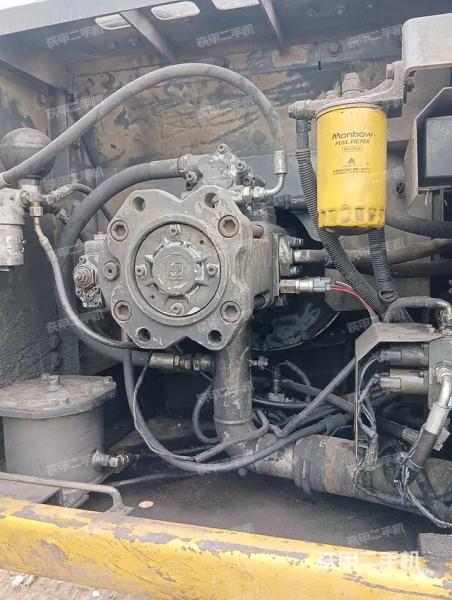
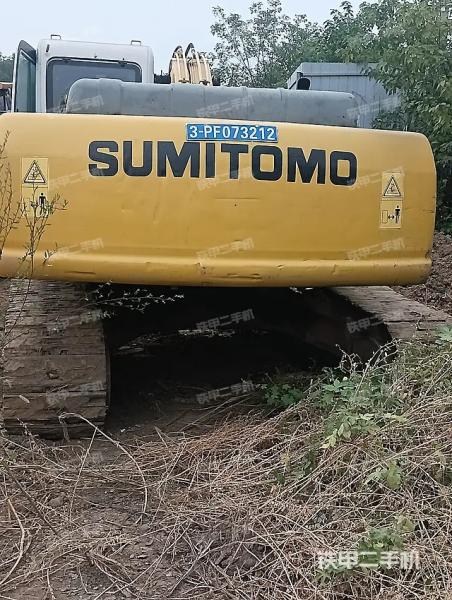
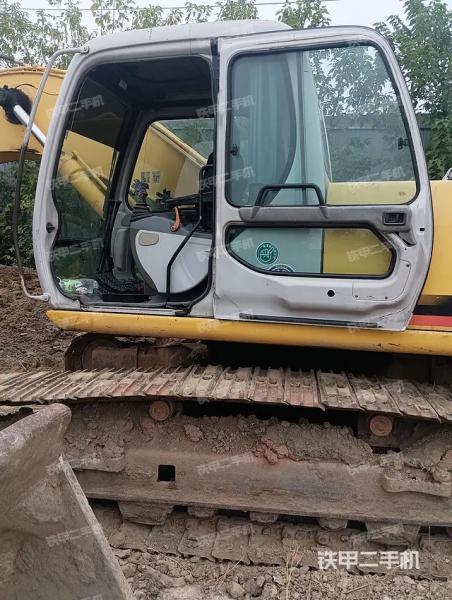
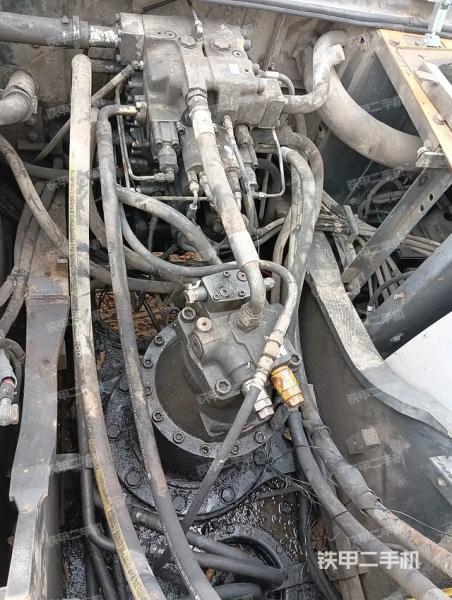
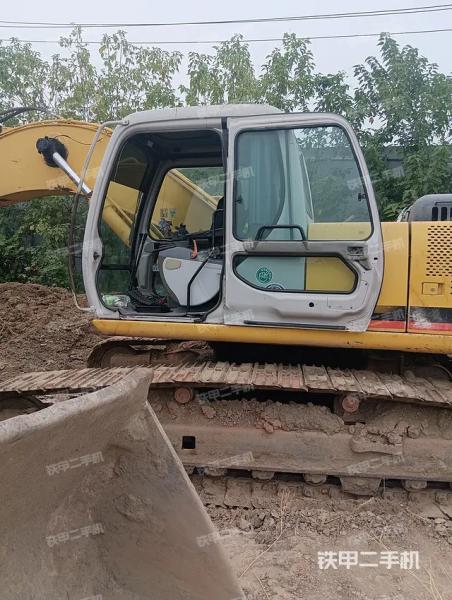
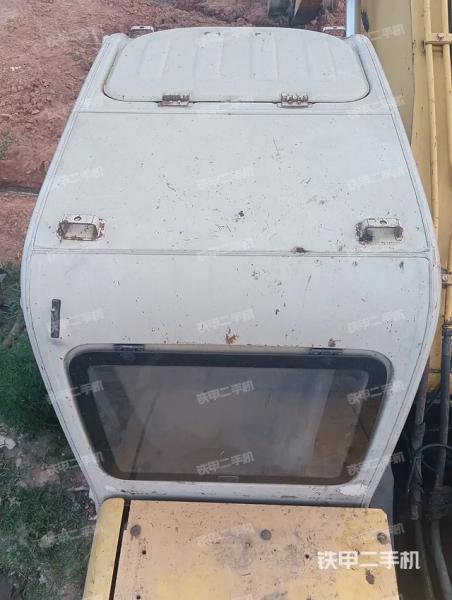
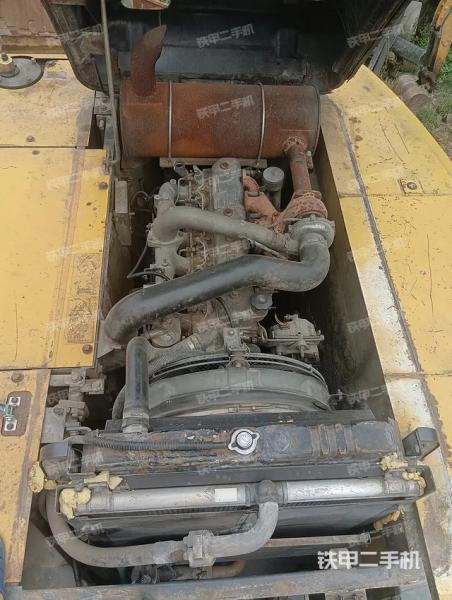
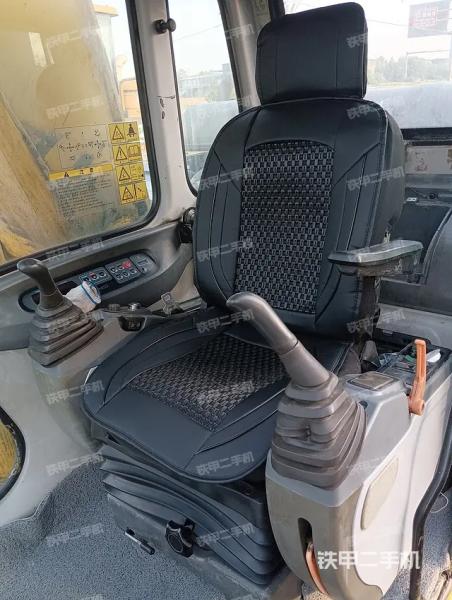
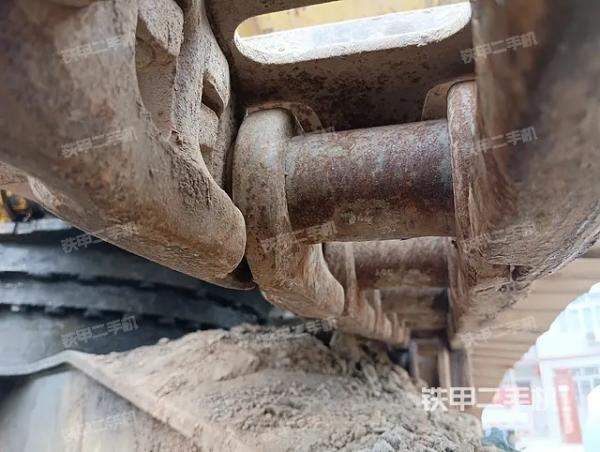
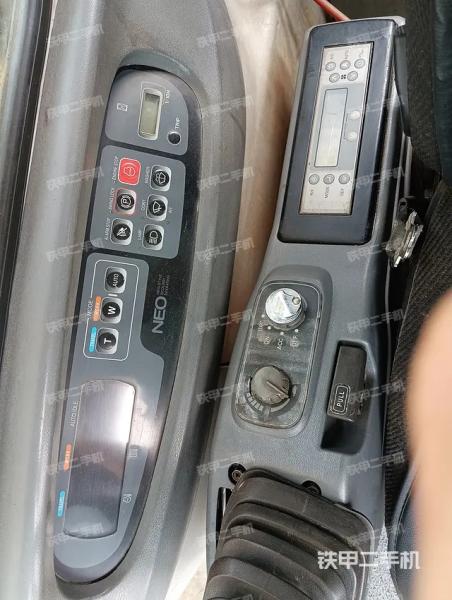
ID:1825126
The 2009 Sumitomo SH240-5 Excavator is a powerful and efficient piece of machinery designed to perform heavy-duty tasks in construction, mining, and other industrial sectors. With a robust engine and impressive hydraulic capabilities, the SH240-5 is known for its reliability and performance. In this detailed article, we will explore its key specifications, history, and features that make it stand out in the market.
Brand Overview: Sumitomo Construction Machinery
Sumitomo Heavy Industries, a Japanese multinational conglomerate, has a long history of manufacturing heavy equipment for various industrial applications. Founded in 1888, the company is renowned for producing high-quality machinery, including excavators, cranes, and industrial equipment. Over the years, Sumitomo has expanded its presence globally, offering advanced technology and superior engineering in construction and mining equipment.
The SH240-5 excavator is part of Sumitomo's series of hydraulic excavators designed for heavy-duty operations. It combines advanced features with durable performance, making it a preferred choice for demanding construction sites and industrial applications.
Key Specifications and Features
The Sumitomo SH240-5, with its strong performance metrics and sturdy design, is an excellent choice for a wide range of construction projects. Here are its key specifications:
Engine and Power System - Engine Model: Isuzu AH-4HK1X (Tier 3)
- Rated Power: 132.1 kW at 2000 rpm
- Displacement: 5.193 L
- Cylinder Configuration: 4 cylinders, in-line
- Cooling System: Water-cooled, turbocharged with intercooler
The engine of the SH240-5 is a four-stroke, direct-injection, electronically controlled turbocharged diesel engine that provides substantial power for various tasks. It ensures efficiency with low fuel consumption, meeting the demands of long working hours on the construction site.
Hydraulic System- Main Pump Flow Rate: 468 L/min
- Hydraulic Circuit Pressure: 36.8 MPa
- Swing Motor Type: Fixed axial piston motor
- Travel Motor Type: Variable axial piston motor
The hydraulic system of the SH240-5 is designed for maximum performance, with a dual-variable axial piston pump and a gear pump. This configuration allows for a smooth operation with high lifting capacities and efficient fuel usage. Additionally, the machine's hydraulic system is capable of handling various attachments, providing flexibility on the job site.
Performance and Efficiency- Operating Weight: 24,600 kg
- Bucket Capacity: 1.1 - 1.3 m³
- Ground Pressure: 48 Kpa
- Swing Speed: 10.7 rpm
- Travel Speed: 3.5 km/h (low) / 5.5 km/h (high)
The SH240-5 offers impressive digging and lifting power, thanks to its strong engine and hydraulics. The bucket digging force is rated at 162 kN in standard mode and up to 174 kN in power mode. The arm and boom are also designed for maximum reach and lifting capabilities, making it highly efficient in excavation tasks.
Dimensions- Transport Length: 9,930 mm
- Transport Width: 3,190 mm
- Transport Height: 3,150 mm
- Undercarriage Width: 2,590 mm
- Ground Clearance: 460 mm
The compact design of the SH240-5 allows it to maneuver in tight spaces while maintaining stability and strength. Its wide tracks and robust undercarriage ensure that the machine can handle various terrain types, from soft soils to rocky surfaces.
Work Range- Maximum Digging Radius: 10,280 mm
- Maximum Digging Depth: 6,900 mm
- Maximum Digging Height: 9,760 mm
- Maximum Dumping Height: 6,760 mm
The impressive work range of the SH240-5 allows for large-scale excavation and lifting tasks, from digging deep foundations to lifting heavy loads. The machine’s digging and dumping capabilities make it a versatile solution for any large-scale construction project.
Maintenance and Reliability
The Sumitomo SH240-5 is designed for durability and ease of maintenance. With its efficient fuel system, long-lasting engine, and high-performance hydraulic components, the SH240-5 minimizes downtime and ensures that your construction projects run smoothly. Routine maintenance is simple and easy, ensuring that the excavator stays in top condition for years.
Conclusion
The 2009 Sumitomo SH240-5 Excavator is an excellent example of Sumitomo's commitment to quality and innovation in the heavy equipment industry. With its powerful engine, robust hydraulic system, and impressive work range, the SH240-5 offers exceptional performance for demanding construction tasks. Whether you’re digging foundations, lifting materials, or handling complex excavation tasks, the SH240-5 provides the reliability and efficiency needed to get the job done right.
As one of Sumitomo's flagship models, the SH240-5 continues to be a popular choice for construction companies looking for a durable and efficient machine. With its proven track record and strong performance, the SH240-5 is sure to meet the needs of any heavy-duty operation.
|
|
|
|
| 2022 XCMG LW230FM Heavy Duty King (National IV) Loader Jiangsu - Suzhou $10,252 |
|
Posted by: MikePhua - 08-20-2025, 11:36 PM - Forum: Used Excavators Trade
- No Replies
|
|
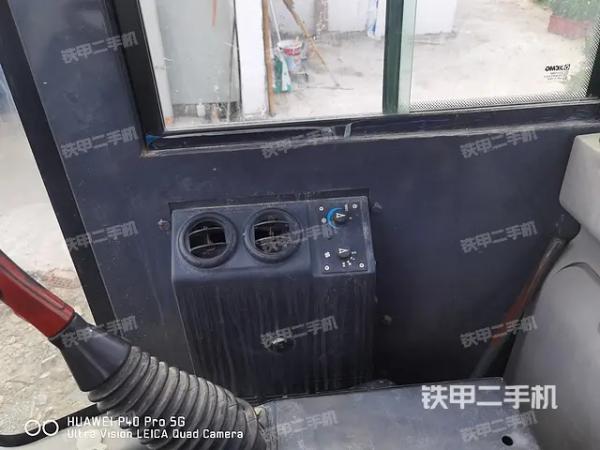
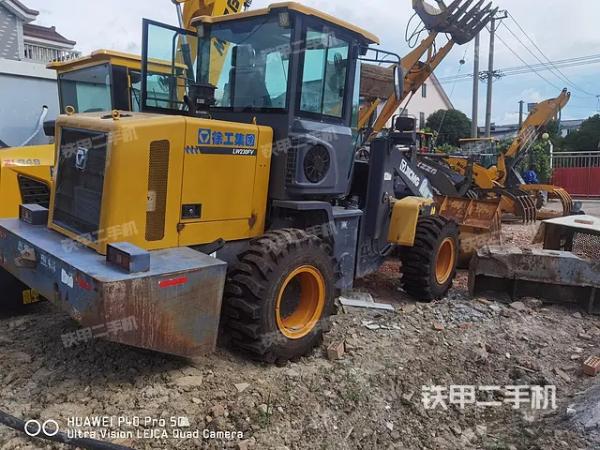
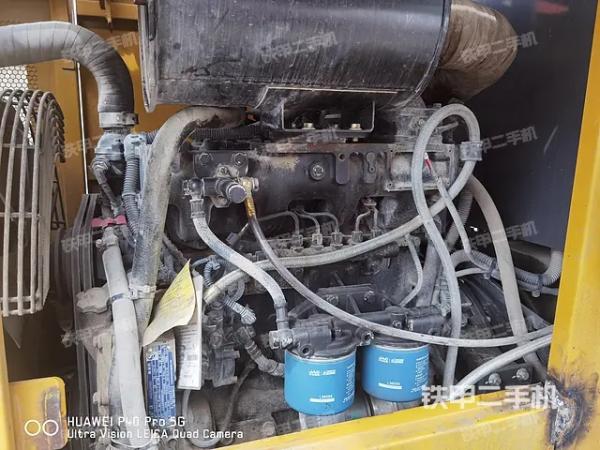
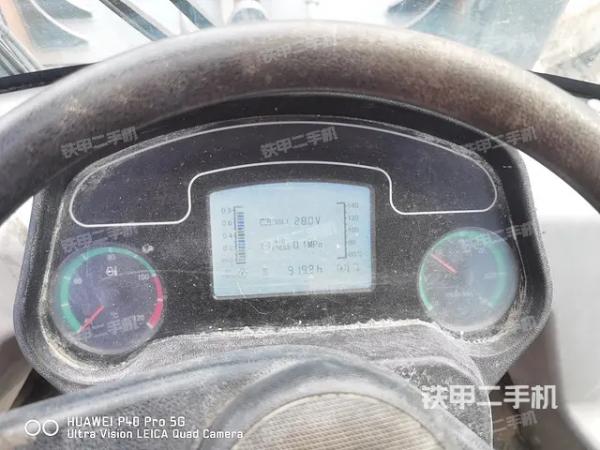
ID:1825122
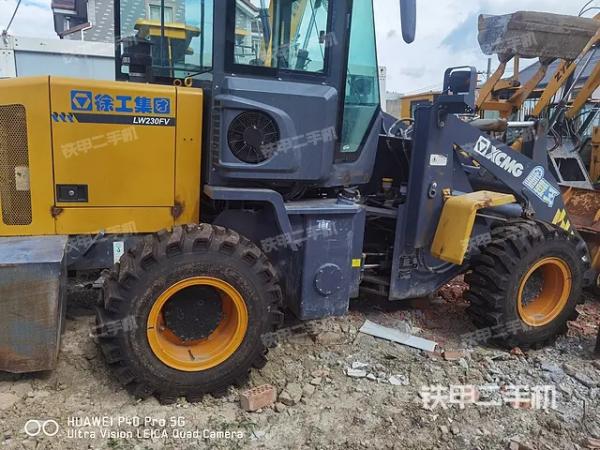
XCMG, one of China’s leading heavy machinery manufacturers, introduced the LW230FM Heavy Duty King Loader in 2022, a robust and efficient loader designed for a range of heavy-duty applications. With its advanced features and powerful engine specifications, this loader is engineered for both industrial and construction uses. Let’s dive into the key features, performance parameters, and the significance of this machine in the context of modern construction equipment.
Engine Specifications
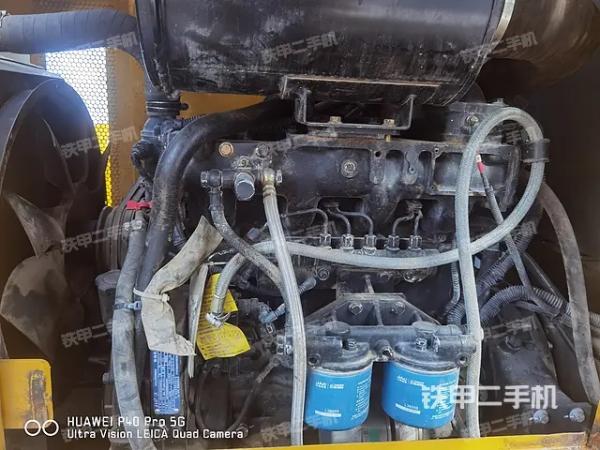
The LW230FM loader is powered by two engine options: the Luoyang Tractor (LuoTuo) engine and the Yunnan Yunnan (Yunnan) engine. These engines are designed to meet the National IV emissions standard, reflecting China's commitment to environmentally friendly technology. - Engine Power:
- LuoTuo Engine: 88.3 kW at 2200 rpm
- Yunnan Engine: 88 kW at 2400 rpm
This flexibility allows users to select the best engine for their specific operational needs, providing a balance between power output and fuel efficiency.
Performance and Load Specifications
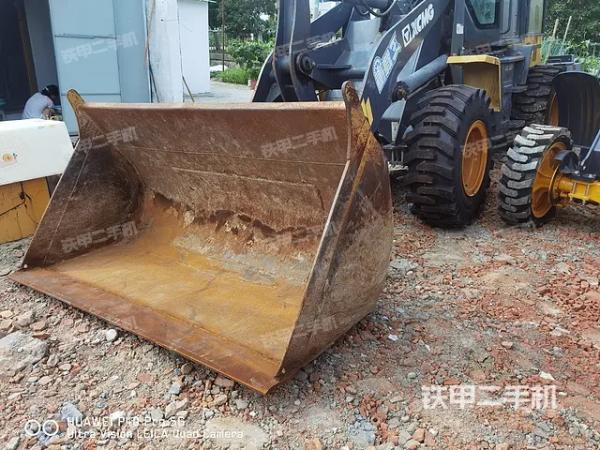
The LW230FM loader is designed with performance in mind, especially for applications requiring heavy lifting and material handling. Below are some of the key performance parameters:- Bucket Capacity: 1.2 m³
- Rated Load Capacity: Up to 3 tons
- Rated Load Weight: 1800 to 2300 kg
- Digging Force: 50 kN
- Operating Weight: Between 6490 to 6750 kg
- Max Discharge Height: 3035 to 3960 mm
- Discharge Distance: 550 to 915 mm
These specifications indicate that the loader is capable of handling moderate to heavy materials with ease, making it a good fit for construction sites, material handling, and earth-moving projects.
Overall Dimensions and Mobility
The machine is compact yet powerful, designed to operate efficiently in tight spaces while still offering substantial lifting and digging capabilities.- Wheelbase: 2680 mm
- Overall Length: Available in variants of 6350, 6450, 6780, and 6890 mm, depending on configuration.
- Width: 2170 mm
- Height: 2900 mm
These dimensions allow for high maneuverability on construction sites, while the various length options enable flexibility for different working environments.
Tires and Drive System
The loader comes equipped with 16/70-24 tires, providing excellent traction and stability, which is essential for working on various terrains. The robust tire specifications ensure durability and reliability, even under the most demanding conditions.
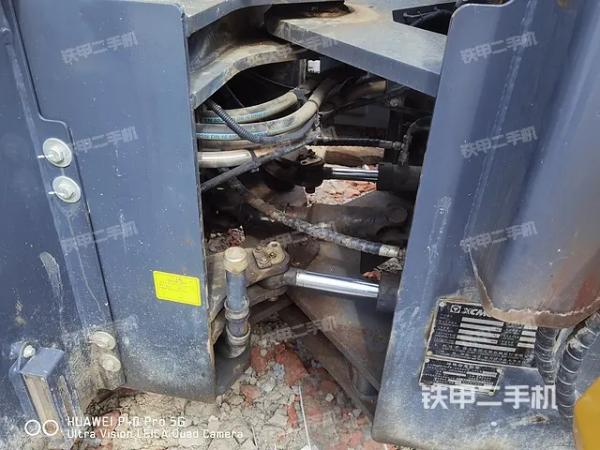
Turning Radius and Steering
A loader’s ability to turn in tight spaces is crucial, and the LW230FM is no exception. The minimum turning radius of the loader, based on its outer wheel centerline, is 5150 mm. This relatively tight turning radius makes it more maneuverable in confined spaces, increasing its efficiency on smaller job sites or when handling precise operations.
Transmission and Speed
The loader’s maximum speed reaches 28 km/h, providing fast and efficient movement across work sites. This speed allows the operator to quickly reposition the loader, optimizing time efficiency during operations. The machine is designed with a high-performance transmission that ensures smooth shifting and easy operation, enhancing productivity and reducing operator fatigue.
Hydraulic System and Efficiency
The hydraulic system plays a crucial role in the performance of the loader, and the LW230FM excels with a hydraulic working device cycle time of 11.5 seconds for all three major movements. This rapid response time ensures that the loader can handle a variety of tasks quickly and effectively, especially when dealing with materials that need to be moved or dumped quickly.
Key Applications
The LW230FM Heavy Duty King Loader is ideally suited for a variety of industries, including:
- Construction Sites: The loader’s high digging force and reliable engine performance make it perfect for construction sites where material handling and earth-moving tasks are essential.
- Agriculture: With its powerful lifting capacity, the loader is also suitable for agricultural applications like moving soil, fertilizers, and equipment.
- Mining Operations: Its durability and efficient performance in rough conditions make it ideal for use in small-scale mining tasks or material transport in quarries.
Market Impact and Sales History
Since its release, the XCMG LW230FM has found a significant market presence in China and overseas. With its National IV-compliant engine and robust features, it serves as a bridge between emission standards and performance in modern equipment. As more companies prioritize sustainability and productivity, the LW230FM has become a leading choice among equipment owners in the loader category.
Future Outlook and Innovations
XCMG continues to innovate in the heavy equipment sector, striving to provide machines that balance power, efficiency, and environmental sustainability. With the LW230FM, the company continues to cater to an increasingly demanding market, where technological advancements and eco-friendly machines are in high demand.
Conclusion
The 2022 XCMG LW230FM Heavy Duty King Loader stands as a testament to the evolution of construction machinery. With its powerful engine, high performance, and efficient design, it is a versatile piece of equipment that can meet a wide range of operational needs. Whether it’s working in construction, agriculture, or mining, this loader proves to be a valuable asset for any project requiring heavy lifting and quick, efficient material handling.
|
|
|
|
|



