| Welcome, Guest |
You have to register before you can post on our site.
|
| Forum Statistics |
» Members: 79
» Latest member: cioCruch
» Forum threads: 47,411
» Forum posts: 47,417
Full Statistics
|
| Online Users |
There are currently 262 online users.
» 0 Member(s) | 251 Guest(s)
Ahrefs, Applebot, Bing, Claude, DotBot, Google, MJ12, OpenAI, Petalbot, Semrush
|
| Latest Threads |
Identifying and Sourcing ...
Forum: Parts , Attachments & Tools
Last Post: MikePhua
01-07-2026, 06:29 PM
» Replies: 0
» Views: 517
|
Cat 931B Brake Parts
Forum: Parts , Attachments & Tools
Last Post: MikePhua
01-07-2026, 06:29 PM
» Replies: 0
» Views: 282
|
Choosing Between Cat 228,...
Forum: General Discussion
Last Post: MikePhua
01-07-2026, 06:28 PM
» Replies: 0
» Views: 542
|
Hydraulic Delay When Lowe...
Forum: Troubleshooting & Diagnosing
Last Post: MikePhua
01-07-2026, 06:27 PM
» Replies: 0
» Views: 440
|
Bale Chopper and Mulcher ...
Forum: General Discussion
Last Post: MikePhua
01-07-2026, 06:26 PM
» Replies: 0
» Views: 318
|
Mini UC Maintenance
Forum: General Discussion
Last Post: MikePhua
01-07-2026, 06:25 PM
» Replies: 0
» Views: 308
|
Locating Wiring Informati...
Forum: General Discussion
Last Post: MikePhua
01-07-2026, 06:24 PM
» Replies: 0
» Views: 341
|
Case Industrial Brown Sub...
Forum: Parts , Attachments & Tools
Last Post: MikePhua
01-07-2026, 06:23 PM
» Replies: 0
» Views: 274
|
Dirt Work in West Virgini...
Forum: Construction & Urban Infrastructure Forum
Last Post: MikePhua
01-07-2026, 06:23 PM
» Replies: 0
» Views: 372
|
D207 P Hydraulic Steering...
Forum: Parts , Attachments & Tools
Last Post: MikePhua
01-07-2026, 06:22 PM
» Replies: 0
» Views: 302
|
|
|
| John Deere 544J Ride Control System: Enhancing Operator Comfort and Machine Performance |
|
Posted by: MikePhua - 08-21-2025, 09:27 PM - Forum: General Discussion
- No Replies
|
 |
Introduction
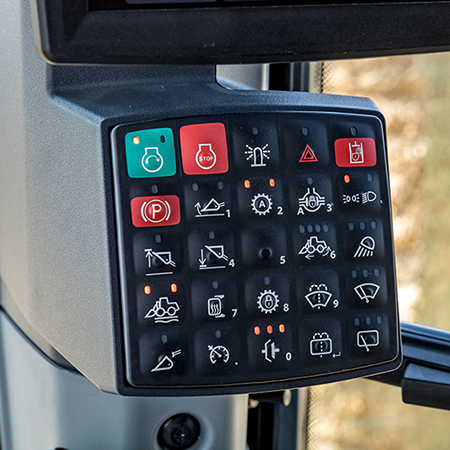
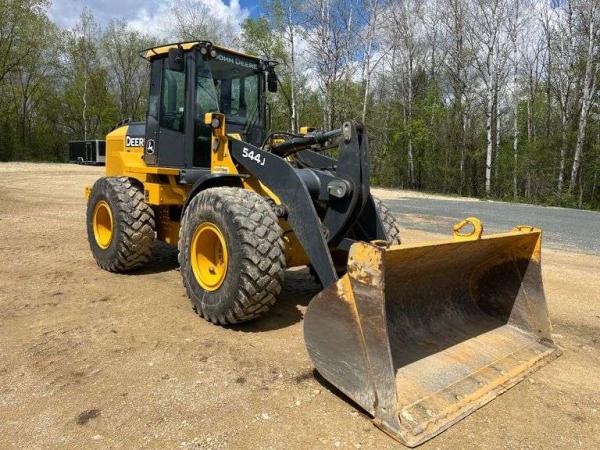
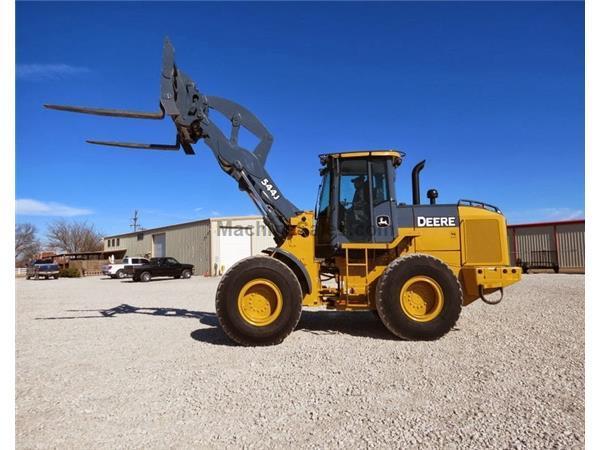
The John Deere 544J wheel loader, part of the J-Series lineup, is renowned for its durability and versatility in various construction and material handling applications. One of its standout features is the Ride Control system, designed to improve operator comfort and enhance machine performance, particularly when operating over rough terrain.
Understanding the Ride Control System
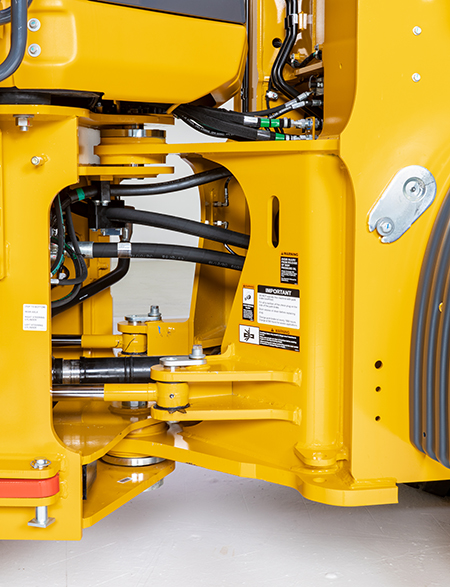
The Ride Control system on the 544J utilizes the loader's hydraulic lift cylinders as shock absorbers. This setup allows the loader to navigate uneven surfaces more smoothly, reducing the impact of bumps and jolts on both the operator and the machine. The system's actuation speed is adjustable between 2 and 15 mph, providing flexibility based on the terrain and operational requirements.
Components of the Ride Control System
- Ride Control Valve (Part Number AT332291): This valve is integral to the system, regulating hydraulic fluid flow to the lift cylinders. A malfunctioning valve can impede the system's performance.
- Accumulator: The accumulator stores hydraulic fluid under pressure, enabling the lift cylinders to act as shock absorbers. Regular maintenance, including checking the nitrogen charge, is essential for optimal performance.
- Solenoids and Electrical Components: These components control the activation of the Ride Control system. Issues such as faulty solenoids or electrical connections can prevent the system from engaging properly.
Common Issues and Troubleshooting
Operators have reported various issues with the Ride Control system on the 544J. A common problem is the system failing to engage or provide the expected cushioning effect. In one instance, an operator found that a missing Teflon seal in the valve assembly led to inadequate performance. After replacing the seal and servicing the valve, the system functioned correctly.
Maintenance Tips
To ensure the Ride Control system operates efficiently:- Regularly Check Hydraulic Fluid Levels: Low fluid levels can affect system performance.
- Inspect and Clean Valves and Solenoids: Dirt and debris can cause blockages or malfunctions.
- Monitor Accumulator Pressure: Use the appropriate tools to check and maintain the correct nitrogen charge.
- Replace Worn Seals and O-Rings: Damaged seals can lead to leaks and reduced system effectiveness.
Conclusion
The Ride Control system on the John Deere 544J wheel loader significantly enhances operator comfort and machine performance, especially in challenging terrains. Regular maintenance and prompt attention to any issues are crucial for keeping the system functioning optimally. By understanding its components and common problems, operators can ensure a smoother and more productive operation.
|

|
|
| Replacing Brakes on a CAT 416 Backhoe Loader |
|
Posted by: MikePhua - 08-21-2025, 09:26 PM - Forum: Troubleshooting & Diagnosing
- No Replies
|
|
The CAT 416 backhoe loader is an essential piece of equipment for many construction and excavation jobs. Over time, like any heavy machinery, its brake system may require maintenance or replacement due to wear and tear. Replacing the brakes on a CAT 416 is a vital task that, when done correctly, ensures the safe and efficient operation of the machine. This article will guide you through the process of replacing the brakes, along with tips and tricks for troubleshooting common brake problems.
Understanding the Brake System on the CAT 416
The CAT 416, like many construction vehicles, is equipped with hydraulic brakes that are integrated into the machine’s overall hydraulic system. The brake system relies on hydraulic fluid pressure to apply force to the brake pads or shoes, which in turn slows or stops the machine. Over time, these components wear out due to constant use, heavy loads, and environmental conditions like dust and moisture.
In addition to the standard braking system, the CAT 416 may also include a parking brake and emergency brake system. The parking brake is crucial for securing the machine when not in use, while the emergency brake serves as a backup system in case the primary brake system fails.
Signs That Brake Replacement is Needed
Before diving into the brake replacement process, it is essential to recognize the signs that the brakes on the CAT 416 need attention. Here are the key indicators: - Reduced Stopping Power: If the machine takes longer to stop or the braking force feels weaker, it could be a sign of worn brake pads, damaged brake lines, or hydraulic fluid issues.
- Squealing or Grinding Noise: This is often caused by worn-out brake pads or shoes. If you hear a high-pitched squeal or grinding sound when applying the brakes, it’s time for replacement.
- Vibration or Pulling: Uneven brake wear can cause vibrations or cause the machine to pull to one side when the brakes are applied.
- Fluid Leaks: Leaking hydraulic fluid can indicate a problem with the brake system, such as worn seals or damaged lines.
- Warning Lights: Many newer models of the CAT 416 come equipped with diagnostic systems that will alert the operator to brake issues through warning lights or codes.
Tools and Materials Required for Brake Replacement
Before starting the replacement process, ensure that you have the necessary tools and materials to complete the job. The following items are typically required:- Hydraulic brake fluid (recommended by the manufacturer)
- Jack and jack stands
- Wrenches and socket sets
- Brake pads or brake shoes (ensure compatibility with your specific model)
- Brake fluid bleeder kit
- Screwdrivers
- Torque wrench
- Replacement seals and o-rings
- Safety gloves and goggles
Step-by-Step Guide to Replacing the Brakes
1. Prepare the Machine
Begin by securing the CAT 416 on a level surface. Engage the parking brake to ensure that the machine doesn’t move during the replacement process. Place the machine in neutral and lift the rear of the machine using a jack. Secure the machine with jack stands to ensure safety during the work.
2. Remove the Wheels
To access the brake components, the wheels need to be removed. Use a wrench or impact gun to loosen the lug nuts and take off the wheels. This will give you better access to the brake assembly and allow you to replace the brake pads or shoes.
3. Inspect the Brake System
Before replacing the parts, take the time to inspect the brake components for wear or damage. Look for:- Worn brake pads or shoes: These need to be replaced if the friction material is thin.
- Damaged brake lines or hoses: Check for cracks, leaks, or wear.
- Brake fluid level: Ensure the brake fluid is at the appropriate level. If the fluid appears dirty or contaminated, consider flushing the system before replacing the brakes.
- Brake cylinders: Inspect the brake cylinders for leaks or signs of wear. If the cylinders are damaged, they should be replaced as well.
4. Replace the Brake Pads or Shoes
Once the old brake parts are removed, install the new brake pads or shoes. Be sure to follow the manufacturer’s guidelines for part numbers and specifications to ensure compatibility. The brake pads or shoes should be installed in the same position as the old ones, making sure that all the hardware is securely in place.- Tip: Lubricate the back of the brake pads lightly with a high-temperature brake lubricant to ensure smooth operation.
5. Bleed the Brakes
After installing the new brake pads or shoes, it’s essential to bleed the brakes to remove any air from the hydraulic system. Air in the brake lines can cause reduced braking efficiency and create dangerous operating conditions. Use a brake fluid bleeder kit to ensure that the brake lines are free from air and that the hydraulic fluid is at the proper level.- Tip: Always top off the brake fluid reservoir with the recommended hydraulic fluid. Low fluid levels can compromise braking power.
6. Reassemble and Test
Once the brakes have been replaced and the system has been bled, reassemble the machine by reinstalling the wheels and tightening the lug nuts. Make sure that all bolts are torqued to the proper specifications to avoid any issues during operation.
Start the CAT 416 and test the brakes by applying them gently. Check for any unusual noises, vibrations, or pull. Ensure that the machine stops smoothly and quickly.
7. Check Brake Fluid Regularly
After completing the brake replacement, it is essential to monitor the brake fluid regularly. Low or contaminated fluid can quickly lead to braking issues, so it’s important to maintain the brake system for consistent performance.
Troubleshooting Common Brake Issues
Even after replacing the brakes, some issues might persist. Below are some common brake problems and their solutions:
1. Weak Brakes
If the brakes feel weak after replacement, it could be due to air in the hydraulic system. Make sure to properly bleed the brakes and check the hydraulic fluid level. If the problem persists, inspect the brake lines for leaks or cracks.
2. Brake Pulling
If the machine pulls to one side when braking, check the brake pads or shoes for uneven wear. This could indicate that the brake assembly was not installed correctly or that the brake components are worn unevenly.
3. Noisy Brakes
Squealing or grinding noises can occur due to worn pads, improperly installed parts, or contamination on the braking surface. Ensure that the pads are properly seated and that there is no debris or rust on the brake surface.
4. Brake Fluid Leaks
Leaks in the brake system can lead to a loss of braking power. Check all brake lines and seals for signs of damage, and replace any components that show signs of wear.
Conclusion
Replacing the brakes on a CAT 416 backhoe loader is a straightforward task if done methodically and with the right tools. By following proper maintenance schedules and addressing brake issues promptly, you can ensure the continued safety and performance of your machine. Regular inspection of the brake system, along with timely replacement of worn components, will help extend the lifespan of the equipment and prevent costly downtime.
Taking care of the CAT 416’s brake system not only ensures the safe operation of the machine but also improves the operator’s confidence when navigating rough or challenging terrain. Whether you are working on a construction site or managing a fleet of machinery, maintaining the brakes is an essential part of ensuring efficient and safe machine operation.
|
|
|
|
| Troubleshooting Electrical Problems in CAT 315BL Excavators |
|
Posted by: MikePhua - 08-21-2025, 09:25 PM - Forum: Troubleshooting & Diagnosing
- No Replies
|
|
Electrical issues in heavy machinery like the CAT 315BL excavator can pose significant challenges, affecting performance and safety. Identifying and resolving electrical faults in such machines requires a methodical approach. This article dives into common electrical problems with the CAT 315BL, how to troubleshoot them, and offers insights into maintaining the electrical systems for reliable operation.
Understanding the Electrical System of the CAT 315BL
The CAT 315BL is equipped with a sophisticated electrical system that controls various critical components such as the engine, hydraulics, lights, and other key systems. This system relies on sensors, wiring, fuses, relays, and controllers to function properly. Any failure in these components can lead to operational issues, ranging from engine stalling to malfunctioning hydraulics.
The electrical system is also tied to the vehicle's onboard computer (ECU), which receives and processes data from multiple sensors across the machine. When the system detects abnormalities, it triggers warning lights or error codes, signaling that attention is needed.
Common Electrical Problems in the CAT 315BL
1. Battery and Charging Issues
A weak or dead battery is a common issue that can stop a CAT 315BL from starting. The battery powers the initial startup of the engine and is also essential for the operation of various electronic systems. - Symptoms of Battery Issues:
- Slow engine cranking or no start.
- Warning lights or flickering dash indicators.
- Electrical components failing intermittently.
- Troubleshooting:
- Check battery voltage: A healthy battery should read around 12.6 volts when the engine is off. When the engine is running, it should read around 13.5 to 14.5 volts.
- Inspect connections: Ensure the battery terminals are clean and free of corrosion. Loose or corroded connections can cause electrical failures.
- Test alternator: The alternator charges the battery while the engine is running. A faulty alternator can lead to undercharging, causing the battery to drain.
2. Faulty Fuses and Relays
Fuses and relays protect the electrical components by interrupting the circuit in the event of an overload. Over time, fuses can blow, or relays can fail, leading to specific system failures.- Symptoms of Fuse or Relay Failure:
- Specific functions (e.g., lights, sensors, engine) stop working while others remain operational.
- No power to certain areas of the cabin or hydraulics.
- Troubleshooting:
- Check fuses: The fuse box is located under the operator’s seat in the CAT 315BL. Inspect the fuses for any signs of damage, such as visible breaks or burns.
- Replace faulty fuses: If a blown fuse is found, replace it with one of the same rating to avoid further issues.
- Test relays: Relays can be tested using a multimeter. If a relay is suspected to be faulty, swap it with another known working relay to see if the problem is resolved.
3. Wiring Issues
Wiring issues, including shorts, fraying, or loose connections, are common causes of electrical malfunctions in heavy equipment. These issues can affect anything from the starting system to sensors and hydraulic components.- Symptoms of Wiring Problems:
- Intermittent electrical failure.
- Malfunctioning of multiple components at once.
- Sparks or smoke from electrical connections.
- Troubleshooting:
- Inspect wiring harnesses: Check for frayed wires, loose connections, or exposed cables. Look for areas where wires may be rubbing against metal parts or areas that could cause a short circuit.
- Look for signs of overheating: Discolored wires, burnt smell, or melted insulation often indicate overheating.
- Test continuity: Use a multimeter to check for continuity in wires that seem suspicious.
4. Sensor Malfunctions
The CAT 315BL relies on various sensors to monitor and control engine performance, hydraulic functions, and even the temperature of the machine’s components. A malfunctioning sensor can cause erratic behavior in the equipment or false error codes.- Symptoms of Sensor Issues:
- Warning lights indicating a specific system failure (e.g., hydraulic, engine, or temperature warnings).
- Performance issues like reduced engine power or slow hydraulics.
- Inaccurate readings on the operator display.
- Troubleshooting:
- Check the error codes: The machine’s onboard diagnostic system can provide error codes, which can guide you in locating faulty sensors.
- Inspect sensor wiring: Ensure that the sensor wires are intact and properly connected. Sometimes a loose or damaged wire can cause inaccurate readings.
- Test sensors: Use a multimeter to test the output of sensors, such as temperature or pressure sensors. Compare the readings with the manufacturer's specifications.
5. ECU (Engine Control Unit) Problems
The Engine Control Unit (ECU) is the brain of the machine’s electrical system, managing engine performance and responding to inputs from sensors. A malfunctioning ECU can lead to significant performance issues or prevent the machine from starting.- Symptoms of ECU Issues:
- Engine refuses to start or stutters during operation.
- Display shows unusual warning lights or error codes.
- Irregular behavior from hydraulic or electrical systems.
- Troubleshooting:
- Check for software or firmware updates: Sometimes the ECU requires a software update to fix bugs or improve performance.
- Diagnostic testing: Use a diagnostic tool to check for any error codes or faulty programming in the ECU. If necessary, reset the ECU or reprogram it.
- Inspect the ECU connections: Ensure that the wiring harness connected to the ECU is secure and free from damage.
Preventive Maintenance Tips
1. Regular Battery Maintenance
A clean, fully charged battery is essential for a reliable start. Regularly inspect the battery terminals for corrosion and clean them when necessary. Additionally, keep the battery at an optimal charge by ensuring the alternator is functioning properly.
2. Keep Wiring and Connections Clean
Ensure that wiring and connectors are free from dirt, moisture, or corrosion. Regularly check for signs of wear and replace any faulty or damaged wires to avoid future electrical issues.
3. Monitor Electrical System Performance
Pay attention to warning lights or error codes that may indicate early signs of electrical failure. Keeping track of these alerts and performing diagnostics before the issue becomes serious can save time and reduce repair costs.
Conclusion
Electrical issues in the CAT 315BL excavator, while common, can often be resolved with careful troubleshooting and preventive maintenance. Regularly inspecting the battery, wiring, fuses, relays, sensors, and ECU is key to identifying potential problems early and avoiding costly downtime. By following a methodical diagnostic approach and ensuring that all components are functioning correctly, operators can ensure the longevity and reliability of their equipment.
Through attention to detail and maintaining the integrity of the electrical system, operators can prevent minor issues from becoming major failures and keep their CAT 315BL running efficiently throughout its lifespan.
|
|
|
|
| LeTourneau Tournapull Scrapers: Pioneering Earthmoving Technology |
|
Posted by: MikePhua - 08-21-2025, 09:24 PM - Forum: General Discussion
- No Replies
|
|
Introduction
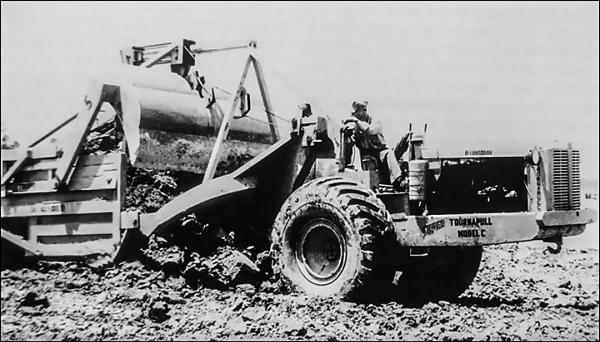
The LeTourneau Tournapull series revolutionized the earthmoving industry by introducing the first self-propelled motor scraper. Conceived by R.G. LeTourneau during his recovery from a car accident in 1937, the Tournapull combined the functionality of a bulldozer and a scraper into a single, mobile unit. This innovation significantly increased efficiency in large-scale earthmoving projects.
Development and Evolution
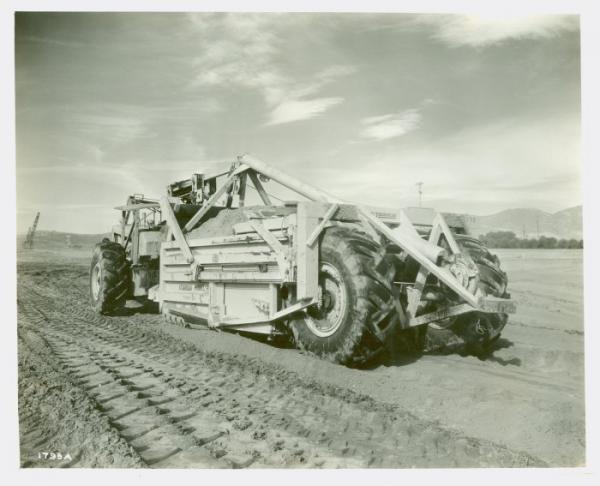
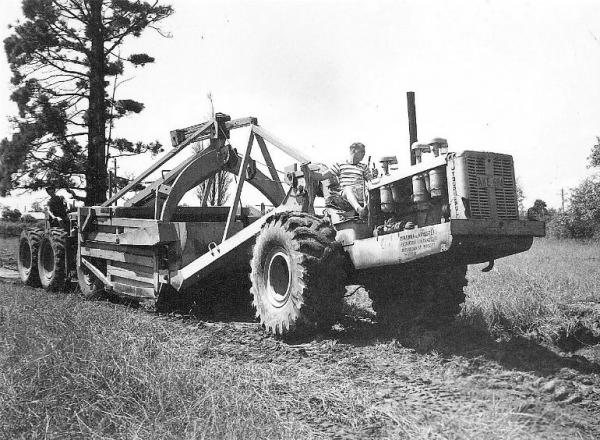
The initial model, the Tournapull Model A, was introduced in 1937. It featured a single-axle design and was powered by a 160 hp (119.3 kW) 8-cylinder Caterpillar D17000 engine, allowing it to reach speeds up to 20 mph (32.2 km/h) . Subsequent models, including the Model B and Model C, saw improvements in power, capacity, and versatility. The Model C, for instance, was equipped with a 150 hp Cummins HBID600 engine and could be paired with various Carryall scrapers ranging from 8.5 to 15 cubic yards in capacity .
Design Features
Tournapull scrapers were characterized by their unique design: a single rear axle with large pneumatic tires, a front-mounted operator's station, and a cable-controlled scraper bowl. This configuration allowed for greater maneuverability and speed compared to traditional towed scrapers. The cable control system enabled precise operation of the scraper bowl, enhancing efficiency and control during excavation .
Applications
LeTourneau Tournapull scrapers were utilized in a variety of applications, including large-scale construction projects, military engineering tasks, and infrastructure development. Notably, during World War II, these machines played a crucial role in constructing the Alaska Highway, with LeTourneau equipment accounting for over half of the machinery used in its construction . Their ability to efficiently move large volumes of earth made them invaluable in such projects.
Maintenance and Challenges
While the Tournapull series was groundbreaking, it was not without its challenges. Operators often reported issues with the cable control system, particularly in maintaining the cleanliness and alignment of the cables, which could affect performance . Additionally, the complex mechanical systems required regular maintenance to ensure optimal operation.
Legacy
The LeTourneau Tournapull series left a lasting impact on the earthmoving industry. Its innovative design paved the way for modern motor scrapers, influencing the development of future equipment in the field. Today, vintage Tournapull machines are preserved in museums and collections, serving as a testament to the ingenuity and vision of R.G. LeTourneau .
Conclusion
The LeTourneau Tournapull scrapers represent a significant milestone in the evolution of construction machinery. Through innovation and determination, R.G. LeTourneau transformed the earthmoving industry, leaving a legacy that continues to inspire engineers and operators worldwide.
|
|
|
|
| Essential Tips for Cold Weather Operations |
|
Posted by: MikePhua - 08-21-2025, 09:23 PM - Forum: General Discussion
- No Replies
|
|
As the colder months approach, equipment operators must adapt to harsher working conditions. Preparing your heavy machinery for winter is crucial to avoid unexpected breakdowns, improve safety, and ensure that your equipment performs at its best despite the challenging environment. This article covers essential maintenance and operational tips to keep your machines in optimal condition during the winter months.
Importance of Winterizing Heavy Equipment
Winter weather brings a unique set of challenges for operators, from freezing temperatures to snow and ice buildup. While modern machinery is designed to handle a variety of conditions, extreme cold can take a toll on engines, hydraulics, and other critical components. Proper winterization not only extends the life of your equipment but also helps avoid costly repairs and downtime.
Winterizing is more than just an oil change—it's a comprehensive process that ensures all systems of your machine are ready to handle freezing temperatures, wet conditions, and the increased strain of winter tasks.
Key Steps for Winterizing Your Equipment
1. Engine Care and Fluids
One of the most critical areas to address when preparing equipment for winter is the engine. Cold temperatures can cause engine oil to thicken, making it harder for the engine to start and run efficiently. To mitigate this, operators should: - Switch to winter-grade oil: Ensure that the oil used is suitable for low temperatures. Winter-grade oils flow more easily in cold weather and provide better lubrication for the engine, reducing the risk of damage from cold starts.
- Check and replace filters: Dirty air and fuel filters can hinder engine performance. Inspect and replace them as necessary to maintain optimal engine function.
- Use block heaters: Block heaters help maintain engine temperature overnight and ensure quicker, smoother starts when the workday begins.
2. Hydraulics and Fluids
Cold temperatures can also impact hydraulic systems, causing fluid to thicken and reducing the effectiveness of the system. For equipment with hydraulic functions such as loaders, backhoes, or excavators, follow these steps:- Check hydraulic fluid: Cold weather can cause hydraulic fluid to thicken, making it difficult for the system to perform as intended. Consider switching to a hydraulic fluid designed for low temperatures.
- Inspect hoses and fittings: Inspect hydraulic hoses for signs of wear or leaks, which can be exacerbated by freezing temperatures. Ensure that all fittings are secure and that there are no weak spots in the system.
3. Battery Care
Batteries are highly susceptible to cold weather and can lose charge quickly in low temperatures. To prevent battery failure:- Inspect the battery: Ensure that the battery terminals are clean and corrosion-free. If corrosion is present, use a mixture of baking soda and water to clean the terminals.
- Check the battery charge: In cold weather, the battery needs to be fully charged to ensure reliable starting. If the battery is old or showing signs of wear, consider replacing it before the weather turns cold.
- Use a battery blanket: A battery blanket or charger designed for winter can help maintain the battery's charge in extreme temperatures.
4. Tires and Tracks
Winter conditions can be particularly hard on the tires or tracks of your equipment. Snow, ice, and cold ground can lead to poor traction, so it’s essential to ensure that your tires or tracks are winter-ready:- Check tire pressure: Cold weather can cause tire pressure to drop, which may result in reduced traction, poor fuel efficiency, and an increased risk of flats. Check tire pressure regularly and ensure that it meets the manufacturer's recommendations.
- Consider winter tires or tracks: If your equipment will be working in snow and ice, consider switching to winter tires or tracks with better tread patterns designed for slippery conditions. For tracked vehicles, check that the track tension is adjusted to ensure proper performance in snow or wet ground.
5. Fuel System Preparation
Cold temperatures can cause fuel to gel, especially in diesel-powered equipment. This can lead to clogging of fuel lines and injectors, causing engine failure. To prevent this:- Use winter-grade fuel: In colder months, it’s crucial to use fuel specifically designed for winter conditions. Winter diesel contains additives to prevent gelling and ensure proper flow even in freezing temperatures.
- Add fuel additives: In addition to winter-grade fuel, fuel additives can prevent the fuel from gelling and keep the system running smoothly.
6. Protect the Cooling System
The cooling system must also be winterized to prevent freezing. If the coolant is diluted with water, there’s a risk of the coolant freezing, which could cause significant engine damage.- Check the coolant mixture: Ensure that the coolant mixture has the correct antifreeze-to-water ratio (usually a 50/50 mix) to prevent freezing. In extremely cold areas, you might need a stronger antifreeze mixture.
- Inspect hoses: Cold weather can cause rubber hoses to become brittle and crack. Inspect all hoses in the cooling system to ensure they are in good condition.
Operational Tips for Winter Work
Once your equipment is properly winterized, it’s important to adjust your operational practices to handle the unique demands of working in cold conditions:
1. Avoid Starting and Stopping Abruptly
Frequent starting and stopping of equipment in cold weather can stress the engine and hydraulic systems. Start the equipment slowly and allow it to warm up before putting it to work. Avoid sudden stops and starts as much as possible to allow the fluids and systems to operate at the proper temperatures.
2. Use a Low Idle Speed
In cold conditions, it’s advisable to use a low idle speed to reduce the stress on the engine and hydraulic system. Allowing the engine to idle at lower speeds for a few minutes before beginning work can help warm up the fluids and prevent unnecessary strain on components.
3. Watch for Ice and Snow Build-Up
Snow and ice can accumulate quickly on equipment, especially on exposed areas like tracks, tires, and working parts. Keep your equipment clear of snow and ice during operation to maintain visibility and avoid blockages in the hydraulic systems or cooling systems.
Storing Equipment in Cold Weather
If your equipment will not be in use for an extended period, proper storage is crucial to prevent damage during the off-season:- Store in a sheltered area: Whenever possible, store your equipment in a garage, shed, or other protected area. This helps prevent snow and ice from accumulating on sensitive parts.
- Use covers: If storage indoors isn’t an option, use covers for seats, engines, and electronics to protect them from the elements.
- Check periodically: Even when not in use, periodically check the equipment for any signs of freezing, leaks, or other issues.
Conclusion
Preparing heavy equipment for winter is an essential task for anyone working in construction, mining, or other outdoor industries. By ensuring that engines, hydraulics, fuel systems, and other key components are properly winterized, operators can reduce the risk of failure, increase equipment lifespan, and maintain optimal performance throughout the colder months. Regular maintenance and the right operational habits can make a significant difference in keeping machinery running smoothly despite the challenges of winter weather.
Ultimately, winterizing your equipment isn’t just about preventing breakdowns—it’s about safeguarding your investment and ensuring that your work can continue uninterrupted through the harshest conditions.
|
|
|
|
| Understanding the Caterpillar D3C Series 3 Dozer |
|
Posted by: MikePhua - 08-21-2025, 08:46 PM - Forum: General Discussion
- No Replies
|
|
The Caterpillar D3C Series 3 is a standout in the world of compact dozers, blending power, maneuverability, and efficiency to meet the needs of operators in various industries, such as construction, mining, and land reclamation. Known for its solid build quality and reliable performance, this dozer has become a popular choice among professionals who require a robust machine capable of performing demanding tasks in tight spaces.
Overview of the Caterpillar D3C Series 3 Dozer
The Caterpillar D3C Series 3 is part of the D3 family, which has a long history of successful models dating back to the early 20th century. The Series 3 iteration represents an upgrade in terms of power, efficiency, and technology, continuing the tradition of reliability that Caterpillar machines are known for. The D3C Series 3 is designed for heavy-duty applications, offering exceptional versatility while maintaining a compact profile, making it an ideal choice for both urban construction projects and rural land development.
One of the key selling points of the D3C Series 3 is its hydrostatic transmission, which delivers smoother operation and better speed control. This feature allows operators to perform precision work with ease, which is particularly useful when working on small, intricate sites or in spaces where traditional dozers might struggle.
Key Features of the D3C Series 3
1. Powerful Engine
The Caterpillar D3C Series 3 is powered by a reliable Cat 3054C engine, which offers 55 horsepower—a balance of power and efficiency. The engine is designed to deliver a steady supply of torque, ensuring that the dozer can handle tough workloads such as grading, trenching, and clearing without losing momentum. Its fuel-efficient design minimizes operational costs, a crucial factor for contractors working within tight budget constraints.
2. Hydrostatic Transmission
The hydrostatic transmission (HST) system is a key feature of the D3C Series 3. HST provides smoother acceleration and deceleration, which improves overall control. Unlike traditional mechanical transmissions, the hydrostatic system uses a pump and motor to vary power and speed without relying on gears. This provides infinite speed control, which is invaluable for jobs requiring fine adjustments, such as landscaping or precision grading.
3. Enhanced Operator Comfort
Caterpillar has always focused on operator comfort, and the D3C Series 3 is no exception. The cabin is ergonomically designed with an adjustable seat, easy-to-use controls, and a spacious interior, providing the operator with a comfortable environment for long hours of work. The rollover protection system (ROPS) and falling object protection system (FOPS) are standard, ensuring safety for the operator while on the job.
4. Compact Yet Powerful
Despite its compact size, the D3C Series 3 delivers impressive lifting capacity and maneuverability. With a tracked undercarriage that is both stable and durable, the dozer can operate effectively on uneven terrain or slopes. This versatility makes it ideal for a wide range of tasks, from simple land clearing to more complex grading projects.
Common Issues and Troubleshooting Tips for the D3C Series 3
While the D3C Series 3 is known for its reliability, like any machine, it can experience problems over time. Here are some common issues that owners or operators may encounter:
1. Transmission Problems
One of the more common problems faced by operators is issues related to the hydrostatic transmission. Symptoms such as sluggish movement, erratic speeds, or failure to engage can indicate issues with the transmission system, including low hydraulic fluid levels or wear in the hydrostatic pump or motor.
Solution: Always ensure that the hydraulic fluid is at the correct level and check for leaks. Regularly inspect the pump and motor for wear, and replace any worn components to avoid more serious damage.
2. Engine Power Loss
A drop in engine power or difficulty starting the engine may be attributed to several issues, including dirty air filters, fuel system problems, or engine misfiring due to poor-quality fuel.
Solution: Regularly check and replace air and fuel filters. Ensure that the fuel system is clean, and use high-quality fuel to avoid clogging the injectors. If the issue persists, a thorough inspection of the fuel system or engine components may be required.
3. Hydraulic System Leaks
Hydraulic system issues are common in older machines and can result in loss of power or slow operation. Leaks in the hydraulic lines, cylinder seals, or the hydraulic pump can significantly affect performance.
Solution: Inspect the hydraulic hoses and cylinders for signs of wear or damage. If a leak is detected, replace the faulty seals or hoses promptly to prevent further damage.
Routine Maintenance for Optimal Performance
To keep your Caterpillar D3C Series 3 in top condition and maximize its lifespan, regular maintenance is essential. Some of the key maintenance tasks include: - Engine oil and filter changes: Follow the manufacturer's recommended schedule to keep the engine running smoothly.
- Hydraulic system checks: Monitor hydraulic fluid levels and inspect hoses and cylinders for leaks.
- Undercarriage inspection: Regularly check the tracks and rollers for wear and tear, and replace parts as needed to avoid costly repairs.
- Air and fuel filter replacement: Clean or replace filters regularly to ensure optimal engine performance and fuel efficiency.
By adhering to a regular maintenance schedule, operators can ensure that the D3C Series 3 remains efficient, reliable, and ready for any task at hand.
Conclusion
The Caterpillar D3C Series 3 is a powerful and versatile dozer that combines compact size with excellent performance. Its features, such as the hydrostatic transmission, reliable engine, and operator-friendly cabin, make it an ideal choice for a wide variety of applications. However, as with any machine, it is important to perform regular maintenance and address common issues such as hydraulic system leaks or transmission problems promptly.
The D3C Series 3’s reputation for durability and efficiency has made it a popular choice among heavy equipment operators around the world. By understanding its key features and keeping up with maintenance, you can ensure that your dozer continues to provide high levels of productivity for years to come.
|
|
|
|
| Hitachi EX100-2 Excavator: Comprehensive Overview and Troubleshooting Guide |
|
Posted by: MikePhua - 08-21-2025, 08:46 PM - Forum: General Discussion
- No Replies
|
|
Introduction
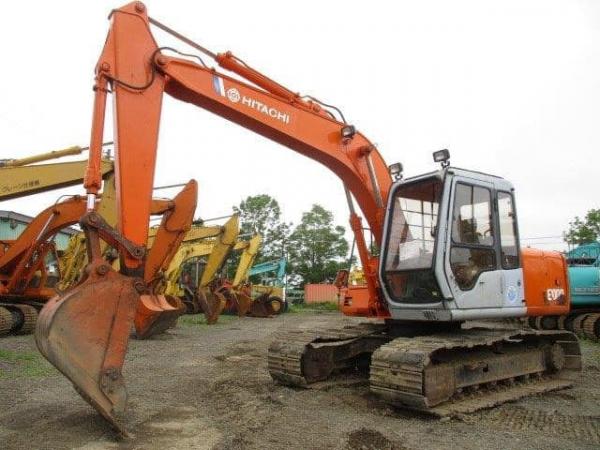
The Hitachi EX100-2 is a mid-sized hydraulic crawler excavator that gained popularity in the 1990s for its reliability and versatility in construction, demolition, and utility applications. Manufactured by Hitachi Construction Machinery, the EX100-2 was part of the EX series, which was known for its robust design and efficient performance. Over time, the EX100-2 has become a sought-after model in the used equipment market due to its durability and cost-effectiveness.
Technical Specifications - Operating Weight: Approximately 19,200 lbs (8,700 kg)
- Engine: Isuzu 4BG1T turbocharged diesel engine
- Engine Power: Approximately 85 hp (63 kW)
- Hydraulic System: Open-center hydraulic system with a variable displacement pump
- Travel Speed: High: 3.0 km/h; Low: 1.8 km/h
- Swing Speed: 10.5 rpm
- Bucket Capacity: 0.4 m³ (standard)
- Dimensions:
- Length: Approximately 7.11 m
- Width: Approximately 2.46 m
- Height: Approximately 3.4 m
- Maximum Digging Depth: Approximately 4.2 m
- Maximum Reach: Approximately 7.43 m
Common Issues and Troubleshooting
- Hydraulic Power Loss
A common issue reported by operators is a loss of hydraulic power, particularly when attempting to dig or operate attachments. This can be caused by several factors:- Clogged or Worn Hydraulic Filters: Over time, filters can become clogged with debris, restricting fluid flow and reducing system pressure.
- Faulty Hydraulic Pump: A failing pump may not generate adequate pressure, leading to sluggish or unresponsive hydraulics.
- Internal Leaks: Leaks within the hydraulic system can cause a drop in pressure, affecting performance.
Solution: Regular maintenance, including timely replacement of filters and inspection of the hydraulic pump, can help prevent these issues.
- Travel Motor Problems
Issues with the travel motor can manifest as the machine not moving, moving slowly, or exhibiting uneven movement. Potential causes include:- Worn or Damaged Final Drive: The final drive unit, which transmits power from the engine to the tracks, can wear out over time.
- Low Hydraulic Fluid Levels: Insufficient fluid can impair the operation of the travel motor.
- Contaminated Hydraulic Fluid: Dirt or debris in the fluid can cause internal damage to the motor.
Solution: Regularly check and replace hydraulic fluid, and inspect the final drive for signs of wear or damage.
- Electrical System Failures
Electrical issues can affect various components, including the starter motor, alternator, and control systems. Common problems include:- Corroded Battery Terminals: Corrosion can impede electrical flow, leading to starting issues.
- Faulty Wiring: Worn or damaged wires can cause intermittent electrical failures.
- Defective Sensors: Sensors that monitor engine and hydraulic system parameters can fail, leading to incorrect readings or system shutdowns.
Solution: Regular inspection and cleaning of electrical connections, along with timely replacement of faulty components, can mitigate these issues.
- Undercarriage Wear
The undercarriage, comprising tracks, rollers, and sprockets, is subject to significant wear, especially in challenging operating conditions. Excessive wear can lead to:- Uneven Track Tension: Uneven wear can cause tracks to become misaligned.
- Increased Fuel Consumption: Worn components can increase rolling resistance, leading to higher fuel usage.
- Reduced Stability: A compromised undercarriage can affect the machine's stability and safety.
Solution: Regular inspection and maintenance of the undercarriage, including timely replacement of worn components, are essential for optimal performance.
Maintenance Tips- Regular Fluid Checks: Monitor hydraulic fluid levels and quality, and replace filters as per the manufacturer's recommendations.
- Scheduled Inspections: Conduct routine inspections of the engine, hydraulic system, and undercarriage to identify potential issues early.
- Use OEM Parts: Whenever possible, use original equipment manufacturer (OEM) parts for replacements to ensure compatibility and reliability.
- Operator Training: Ensure that operators are trained in the proper use and maintenance of the excavator to prevent misuse and premature wear.
Conclusion
The Hitachi EX100-2 excavator, with its robust design and reliable performance, remains a valuable asset in various construction applications. By adhering to regular maintenance schedules and promptly addressing any issues, operators can ensure the longevity and efficiency of the machine. Understanding common problems and their solutions is key to maximizing the EX100-2's operational lifespan and minimizing downtime.
|
|
|
|
| Diagnosing and Solving Hard Starting Issues in the Caterpillar C7 Engine |
|
Posted by: MikePhua - 08-21-2025, 08:45 PM - Forum: Troubleshooting & Diagnosing
- No Replies
|
|
The Caterpillar C7 engine is known for its performance and durability, commonly used in a variety of heavy-duty equipment such as trucks, construction machines, and generators. However, like any mechanical system, it may encounter starting issues over time. One of the most common problems faced by owners of machines with the C7 engine is a hard starting condition. This issue, where the engine struggles to start or takes longer than usual to crank, can be frustrating, particularly when operating under time-sensitive conditions.
Understanding the causes of hard starting issues and knowing how to troubleshoot and resolve them can significantly improve the longevity and performance of your equipment. In this article, we will explore the potential causes of hard starting in the C7 engine and suggest practical solutions to address these problems.
Potential Causes of Hard Starting in the C7 Engine
1. Fuel System Problems
The fuel system is one of the first areas to check when experiencing hard starting. The C7 engine relies on a complex fuel delivery system, including fuel injectors, fuel pumps, and fuel filters, to provide the correct amount of fuel to the combustion chambers. If any component in this system fails, it can lead to insufficient fuel delivery, causing the engine to struggle during startup.
Common fuel system issues include: - Clogged Fuel Filters: Over time, fuel filters can become clogged with contaminants, restricting fuel flow to the engine. This can result in hard starting or stalling.
- Weak Fuel Pump: If the fuel pump is not delivering the correct fuel pressure, the engine may not receive the necessary fuel to start.
- Air in the Fuel Line: Air bubbles in the fuel line can prevent the proper flow of fuel to the engine, making it harder for the engine to start.
Solution: Replace the fuel filters regularly as part of routine maintenance. If the fuel pump is weak or failing, it may need to be replaced. Bleeding the fuel system to remove air bubbles can also help ensure smooth fuel delivery.
2. Battery and Electrical System Issues
The electrical system plays a crucial role in starting any engine, and the C7 engine is no exception. A weak or discharged battery can result in insufficient cranking power, making it difficult to start the engine.
Potential electrical issues include:- Weak Battery: A battery with low voltage or insufficient charge will struggle to provide the necessary power to start the engine.
- Corroded or Loose Battery Terminals: Corrosion or loose connections at the battery terminals can prevent the electrical system from receiving the proper voltage, hindering the starting process.
- Faulty Starter Motor: If the starter motor is worn out or malfunctioning, it may not be able to turn the engine over efficiently, resulting in hard starting.
Solution: Ensure that the battery is fully charged and in good condition. Regularly clean the battery terminals to prevent corrosion and tighten any loose connections. If the starter motor is faulty, consider replacing it to restore proper starting performance.
3. Faulty Glow Plugs
Glow plugs are essential for starting diesel engines like the C7, particularly in colder conditions. These plugs heat the air inside the combustion chamber, making it easier for the fuel to ignite. If the glow plugs fail, it may result in difficulty starting the engine, especially in colder temperatures.
Symptoms of faulty glow plugs include:- Hard Starting in Cold Weather: If the engine is particularly hard to start in cold conditions, faulty glow plugs may be the cause.
- Misfiring or Rough Idle: A failing glow plug can cause an uneven combustion process, leading to misfiring or rough idling after startup.
Solution: Test the glow plugs and replace any that are not functioning correctly. If glow plug failure is common, ensure that the glow plug relay or control module is also inspected, as these components control the heating cycle.
4. Low Oil Pressure or Incorrect Oil
Oil plays a critical role in engine performance, and low oil pressure or using the wrong type of oil can affect starting. If the engine's oil pressure is low, the oil pump may not be circulating oil effectively, leading to difficulty starting and potential damage to internal components.
Possible causes of oil-related starting issues include:- Low Oil Level: Insufficient oil in the engine can cause poor lubrication and hinder the engine’s ability to start.
- Viscosity Issues: Using oil with incorrect viscosity, particularly in colder temperatures, can cause the oil to thicken and prevent proper circulation.
Solution: Regularly check and maintain the proper oil level. Ensure that the correct oil viscosity is used, especially in colder climates where thicker oils may cause starting issues.
5. Air Intake and Exhaust Blockages
Air intake and exhaust systems are vital for proper engine operation. If either system is blocked, it can cause a lack of air in the combustion chamber, making the engine hard to start.
Common causes of air intake or exhaust blockages include:- Clogged Air Filter: A dirty or clogged air filter can restrict airflow to the engine, causing poor combustion and difficult starting.
- Exhaust System Issues: A blocked or restricted exhaust system can prevent exhaust gases from exiting the engine, which could result in excessive backpressure and hard starting.
Solution: Replace the air filter if it is dirty or clogged. Ensure that the exhaust system is clear of obstructions and in good condition to prevent backpressure.
6. Fuel Quality Issues
The quality of the fuel used in the C7 engine is another factor that can affect starting. Contaminants or water in the fuel can disrupt the combustion process and cause hard starting.
Signs of fuel quality problems include:- Cloudy or Milky Fuel: Water contamination can cause the fuel to appear cloudy or milky, which can lead to misfires and difficulty starting.
- Dirty or Contaminated Fuel: Low-quality or contaminated fuel can clog fuel injectors and cause poor combustion.
Solution: Always use clean, high-quality fuel and ensure that the fuel tank is kept sealed to prevent contamination. If water is suspected in the fuel, the tank should be drained, and the system should be flushed.
Preventive Measures to Avoid Hard Starting
Regular maintenance is the best way to prevent hard starting issues in the Caterpillar C7 engine. Below are some preventive tips:- Perform regular maintenance checks, including inspecting fuel filters, air filters, and oil levels.
- Test the battery periodically to ensure it is in good working condition and replace it if necessary.
- Monitor fuel quality and ensure the use of clean, uncontaminated fuel.
- Inspect glow plugs before winter or cold weather to ensure they are in good condition.
- Clean the air intake and exhaust systems to prevent blockages.
Conclusion
Hard starting issues in the Caterpillar C7 engine can be caused by a variety of factors, from fuel system problems to electrical failures. By systematically diagnosing the problem and addressing the root cause, operators can avoid costly repairs and reduce downtime. Regular maintenance and attention to key components such as fuel filters, batteries, and glow plugs are essential to ensuring the engine runs smoothly and reliably. Addressing these issues promptly will enhance the machine's overall performance, making sure that it continues to provide the power and efficiency expected from a Caterpillar engine.
|
|
|
|
| John Deere 690E LC Travel Motor Troubleshooting |
|
Posted by: MikePhua - 08-21-2025, 08:44 PM - Forum: Troubleshooting & Diagnosing
- No Replies
|
|
Introduction
The John Deere 690E LC is a robust hydraulic excavator renowned for its performance in various construction and mining applications. However, like any heavy machinery, it may encounter issues over time. One such concern is problems with the travel motor, which can affect the machine's mobility and efficiency. This article delves into common travel motor issues, their causes, and potential solutions.
Understanding the Travel Motor System
The travel motor, part of the final drive system, is responsible for propelling the excavator's tracks. It operates through hydraulic power, converting fluid pressure into mechanical movement. Key components include the hydraulic motor, planetary gear set, and brake system. Maintaining the integrity of these parts is crucial for optimal performance.
Common Travel Motor Issues
- Loss of High-Speed Travel
A prevalent issue is the loss of high-speed travel functionality. Operators may notice that the excavator moves slower than usual, even when the high-speed mode is engaged. This can be attributed to:- Faulty speed control valves or solenoids.
- Worn or damaged travel motor components.
- Hydraulic fluid contamination or low fluid levels.
- Issues with the hydraulic pump delivering insufficient pressure.
Addressing these requires a thorough inspection of the hydraulic system and components.
- Uneven Track Movement
Inconsistent movement between tracks can lead to instability and uneven wear. Potential causes include:- Internal leakage within the travel motor.
- Blockages in hydraulic lines or filters.
- Malfunctioning control valves.
Regular maintenance and timely replacement of worn parts can mitigate this issue.
- Travel Motor Stalling
Instances where the travel motor stalls during operation are concerning. This may result from:- Overheating due to excessive load or insufficient cooling.
- Contaminated hydraulic fluid causing blockages.
- Electrical faults affecting solenoid valves.
Implementing proper load management and regular fluid checks can help prevent stalling.
Diagnostic Steps
To accurately diagnose travel motor issues:- Inspect Hydraulic Pressure: Use a pressure gauge to check if the hydraulic pump provides adequate pressure to the travel motor.
- Examine Hydraulic Fluid: Ensure the fluid is clean and at the correct level. Contaminated or low fluid can impair motor function.
- Check for Leaks: Inspect hoses, seals, and connections for any signs of leakage that could affect performance.
- Test Control Valves: Verify that control valves are operating correctly and not causing flow restrictions.
Maintenance Tips- Regular Fluid Changes: Adhere to the manufacturer's recommended schedule for hydraulic fluid changes to prevent contamination.
- Monitor Operating Conditions: Avoid prolonged operation under heavy loads to prevent overheating.
- Component Inspections: Regularly inspect the travel motor and associated components for signs of wear or damage.
Conclusion
The travel motor is integral to the John Deere 690E LC's performance. Understanding common issues and their causes allows for proactive maintenance and timely repairs. By adhering to recommended diagnostic procedures and maintenance practices, operators can ensure the longevity and reliability of their equipment.
|
|
|
|
| Understanding Transmissions in Heavy Equipment |
|
Posted by: MikePhua - 08-21-2025, 08:44 PM - Forum: Parts , Attachments & Tools
- No Replies
|
|
Transmissions are among the most critical components in heavy equipment, enabling the machine to perform at optimal levels in various work conditions. A transmission in a piece of machinery functions to transfer power from the engine to the wheels or tracks, adjusting speeds and power based on the operational needs. Whether you are dealing with construction equipment like bulldozers, excavators, or wheel loaders, understanding how transmissions work and how to maintain them is key to maximizing the efficiency and lifespan of your machinery.
Types of Transmissions in Heavy Equipment
Heavy equipment vehicles typically use one of three types of transmissions: manual, automatic, or powershift. Each type has distinct characteristics and is chosen based on the machine’s application, terrain, and operator preference.
Manual Transmission
In manual transmissions, the operator is responsible for shifting gears using a clutch pedal and gear lever. This type of transmission provides the operator with complete control over the gear shifts, allowing for better performance on rough or variable terrain. However, it can be physically demanding, especially in machines with many gears or when operating in tough environments.
Advantages: - Provides full control over the gear selection.
- Typically less costly to repair compared to automatic or powershift transmissions.
Disadvantages:- Requires more operator skill and attention.
- Can cause operator fatigue in long work shifts.
Automatic Transmission
Automatic transmissions do not require manual shifting, as the machine's computer system adjusts gear changes based on speed and load. While automatic transmissions are easier to operate, especially for less experienced workers, they may not be as responsive or durable in all conditions, especially in heavy-duty applications.
Advantages:- Easier for operators to use, with less learning curve.
- Better for continuous use in certain applications due to less operator fatigue.
Disadvantages:- Typically more expensive to repair or replace.
- Might lack the control and durability needed in some high-torque operations.
Powershift Transmission
The powershift transmission is an automatic system that allows for quick shifting between gears without interrupting the flow of power from the engine. Powershift transmissions are common in heavy equipment like backhoes, wheel loaders, and graders. They allow for smooth operation and the ability to adjust speeds quickly under load.
Advantages:- Provides quick, smooth shifting.
- Offers the durability of manual control with the convenience of automatic operation.
Disadvantages:- Can be more expensive to maintain and repair.
- May require a more complex hydraulic system to operate effectively.
Transmission Problems in Heavy Equipment
Despite the advances in modern transmission systems, these components can experience issues over time. Regular maintenance is essential to ensure long-term performance. Some common transmission problems in heavy equipment include:
1. Slipping Gears
One of the most common transmission problems is slipping gears, which can occur in any type of transmission. This issue happens when the gears do not properly engage, causing the machine to lose power or function erratically. In automatic transmissions, slipping may be a result of low fluid levels or a malfunctioning hydraulic system. In manual and powershift systems, slipping could be caused by worn-out components or improper maintenance.
Causes:- Low transmission fluid or improper fluid levels.
- Worn-out clutch or gear components.
- Faulty hydraulic system.
Solution: Inspect fluid levels and replace or top off transmission fluid regularly. If the problem persists, checking for worn gears or damaged components will be necessary.
2. Overheating
Transmission overheating is another common issue, especially in heavy equipment operating under constant strain or in hot climates. Overheated transmissions can cause seals to break, resulting in fluid leaks and further mechanical issues. Excessive heat can also damage the transmission fluid, reducing its ability to lubricate and cool the internal components.
Causes:- Overloading the equipment.
- Dirty or clogged cooling lines.
- Low or degraded transmission fluid.
Solution: Ensure that the equipment is not being overloaded. Regularly check the cooling system, ensuring that no blockages or leaks are present. Flushing and replacing transmission fluid on schedule will help maintain proper cooling and lubrication.
3. Grinding or Noisy Gears
Grinding noises when shifting gears are often an indication that the transmission components are worn out or damaged. This could be due to inadequate lubrication or long-term wear. In automatic or powershift transmissions, grinding could signal issues with the hydraulic or clutch systems.
Causes:- Lack of lubrication.
- Worn-out gears or bearings.
- Hydraulic or clutch system failure.
Solution: Perform a routine inspection of the transmission fluid and replace it if necessary. If the grinding persists, disassembling the transmission and inspecting for worn parts will be necessary.
4. Leaking Transmission Fluid
Fluid leaks are a serious concern, as low fluid levels can cause irreversible damage to the transmission. Leaks are most commonly found around seals, gaskets, or connectors.
Causes:- Worn or damaged seals.
- Cracked or damaged fluid lines.
- Overheating of the system causing cracks.
Solution: Inspect the seals and gaskets for signs of wear. Replace any damaged components and make sure all fluid lines are securely connected. Regular fluid checks can help detect and address leaks early.
Maintaining Heavy Equipment Transmissions
Transmission issues can be minimized with proper maintenance. Here are some essential tips to extend the lifespan of your equipment's transmission:
1. Regular Fluid Changes
The transmission fluid plays a vital role in keeping the system lubricated and cool. Make sure to follow the manufacturer’s guidelines for changing the transmission fluid and filter. Regular fluid changes will help prevent overheating, ensure smooth shifting, and reduce wear on components.
2. Check for Leaks
Frequent inspections of the transmission for leaks can help catch issues before they escalate. Look for any signs of fluid under the machine and on transmission components. Leaking fluid should be replaced promptly, and any damaged seals or gaskets should be addressed.
3. Monitor Operating Conditions
Overloading your machine can put additional strain on the transmission. Ensure that your machine is not being used beyond its rated capacity, as doing so can lead to overheating, slipping gears, and even component failure.
4. Address Issues Promptly
When you notice any unusual behavior from your transmission, such as slipping gears, grinding noises, or slow response, it’s essential to address the issue promptly. Delaying repairs can lead to more severe and expensive problems down the road.
Conclusion
The transmission is one of the most important components in heavy equipment, ensuring that the engine’s power is properly transferred to the wheels or tracks. Understanding the different types of transmissions, common problems, and maintenance strategies will help keep your machinery running smoothly. Regular inspections, fluid changes, and prompt repairs will ensure that your transmission performs optimally, reducing downtime and extending the life of your equipment.
As the demand for efficient construction and mining equipment increases, manufacturers continue to innovate transmission systems for greater durability and smoother performance. By staying ahead of maintenance schedules and understanding how to troubleshoot transmission issues, operators can ensure their equipment continues to deliver high-quality work without costly repairs.
|
|
|
|
|



