| Welcome, Guest |
You have to register before you can post on our site.
|
| Forum Statistics |
» Members: 79
» Latest member: cioCruch
» Forum threads: 47,411
» Forum posts: 47,417
Full Statistics
|
| Online Users |
There are currently 903 online users.
» 0 Member(s) | 891 Guest(s)
Ahrefs, Amazon, Applebot, Bing, Claude, Facebook, Google, OpenAI, Petalbot, Semrush, Twitter
|
| Latest Threads |
Identifying and Sourcing ...
Forum: Parts , Attachments & Tools
Last Post: MikePhua
01-07-2026, 06:29 PM
» Replies: 0
» Views: 517
|
Cat 931B Brake Parts
Forum: Parts , Attachments & Tools
Last Post: MikePhua
01-07-2026, 06:29 PM
» Replies: 0
» Views: 282
|
Choosing Between Cat 228,...
Forum: General Discussion
Last Post: MikePhua
01-07-2026, 06:28 PM
» Replies: 0
» Views: 542
|
Hydraulic Delay When Lowe...
Forum: Troubleshooting & Diagnosing
Last Post: MikePhua
01-07-2026, 06:27 PM
» Replies: 0
» Views: 440
|
Bale Chopper and Mulcher ...
Forum: General Discussion
Last Post: MikePhua
01-07-2026, 06:26 PM
» Replies: 0
» Views: 318
|
Mini UC Maintenance
Forum: General Discussion
Last Post: MikePhua
01-07-2026, 06:25 PM
» Replies: 0
» Views: 308
|
Locating Wiring Informati...
Forum: General Discussion
Last Post: MikePhua
01-07-2026, 06:24 PM
» Replies: 0
» Views: 341
|
Case Industrial Brown Sub...
Forum: Parts , Attachments & Tools
Last Post: MikePhua
01-07-2026, 06:23 PM
» Replies: 0
» Views: 274
|
Dirt Work in West Virgini...
Forum: Construction & Urban Infrastructure Forum
Last Post: MikePhua
01-07-2026, 06:23 PM
» Replies: 0
» Views: 372
|
D207 P Hydraulic Steering...
Forum: Parts , Attachments & Tools
Last Post: MikePhua
01-07-2026, 06:22 PM
» Replies: 0
» Views: 302
|
|
|
| Canadian Oil Sands: A Deep Dive into Extraction, Economics, and Environmental Impact |
|
Posted by: MikePhua - 08-21-2025, 09:50 PM - Forum: Mining Industry Forum
- No Replies
|
 |
Introduction
Canada's oil sands, primarily located in Alberta, represent one of the world's largest reserves of crude oil. These unconventional resources have been a focal point of energy production, economic growth, and environmental debate. Understanding the complexities of oil sands extraction, the industry's economic significance, and its environmental implications is crucial for comprehending Canada's energy landscape.
Historical Context and Development
The story of Canada's oil sands dates back millions of years, with bitumen deposits forming from ancient organic materials. Commercial interest began in the 19th century, but significant development accelerated in the mid-20th century. In the 1960s, Syncrude initiated large-scale extraction, marking the beginning of modern oil sands operations. Over the decades, technological advancements have enabled more efficient extraction methods, including surface mining and in-situ techniques like steam-assisted gravity drainage (SAGD).
Extraction Methods
- Surface Mining: Used when bitumen is near the surface, this method involves removing large quantities of earth to access the oil sands. The bitumen is then separated from the sand using hot water and chemicals.
- In-Situ Extraction: For deeper deposits, in-situ methods like SAGD inject steam into the ground to heat the bitumen, reducing its viscosity and allowing it to flow to the surface for extraction.
Economic Significance
Canada's oil sands are a cornerstone of its energy sector. As of recent estimates, the country holds approximately 168 billion barrels of proven oil sands reserves, making it the fourth-largest globally . The industry contributes significantly to Canada's GDP, employment, and energy exports. Major players include Suncor Energy, Cenovus Energy, and Canadian Natural Resources Limited .
Environmental and Social Considerations
While economically beneficial, oil sands extraction has raised environmental concerns:- Greenhouse Gas Emissions: The process emits more carbon dioxide compared to conventional oil extraction, contributing to climate change .
- Water Usage and Pollution: Oil sands operations require vast amounts of water, leading to concerns about water scarcity and contamination of local water sources .
- Land Degradation: Surface mining leads to deforestation and habitat destruction, impacting local wildlife and ecosystems.
- Air Quality: Studies have shown that emissions from oil sands operations can be significantly higher than reported, affecting air quality and public health .
- Indigenous Rights: Many Indigenous communities have raised concerns about the impact of oil sands development on their traditional lands and way of life .
Technological Innovations and Industry Trends
The oil sands industry has made strides in improving efficiency and reducing environmental impact:- Automation and AI: Companies are integrating autonomous vehicles and AI-driven systems to optimize operations and reduce costs.
- Carbon Capture and Storage (CCS): Investments in CCS technologies aim to mitigate greenhouse gas emissions from extraction processes.
- Reclamation Efforts: Companies are increasingly focusing on land reclamation to restore ecosystems affected by mining activities.
Conclusion
Canada's oil sands are a significant component of the nation's energy portfolio, offering substantial economic benefits. However, balancing economic interests with environmental stewardship and social responsibility remains a complex challenge. Ongoing advancements in technology and a commitment to sustainable practices will be essential in shaping the future of oil sands development.
|

|
|
| Common Fuel System Issues in Skid Steer Loaders: Troubleshooting the 325JD Skid Fuel Problem |
|
Posted by: MikePhua - 08-21-2025, 09:49 PM - Forum: Troubleshooting & Diagnosing
- No Replies
|
|
Skid steer loaders are vital machines in construction, landscaping, and agricultural industries due to their versatility and compact size. However, like all heavy machinery, they can experience fuel system problems that can halt operations and lead to costly repairs. One such issue often encountered by operators of the John Deere 325JD skid steer loader involves fuel problems, which can cause the machine to underperform or fail to start altogether.
In this article, we will explore the common fuel system issues that can arise in skid steer loaders, focusing on the John Deere 325JD model, and provide insights into troubleshooting and potential solutions.
Understanding the Fuel System in Skid Steer Loaders
The fuel system in any skid steer loader is responsible for delivering fuel to the engine, where it is mixed with air and ignited to create the power necessary for the loader's operation. The fuel system comprises several components that work together, including the fuel tank, fuel filter, fuel lines, fuel pump, and injectors.
For the John Deere 325JD, understanding how these components work together can help in diagnosing and fixing fuel-related issues. Common problems that affect the fuel system in skid steer loaders include fuel contamination, clogged filters, fuel pump failure, and issues with the fuel injectors.
1. Fuel Contamination
One of the most frequent causes of fuel system issues in skid steers is contaminated fuel. Fuel can become contaminated with dirt, water, or debris, which can lead to poor engine performance or complete engine failure.
Symptoms of Fuel Contamination: - Hard starting or failure to start
- Reduced engine power or hesitation during acceleration
- Excessive smoke from the exhaust
- Rough idling or stalling
Troubleshooting Fuel Contamination:
To check for contamination, begin by inspecting the fuel filter. If the filter appears dirty or clogged, it may be restricting fuel flow. Replacing the filter is often a simple and effective solution. Additionally, checking the fuel tank for any visible debris or water is important. If water is detected, you may need to drain the fuel tank and refuel with clean fuel.
It’s also advisable to inspect the fuel lines for any cracks or leaks that could introduce contaminants into the system. In severe cases of contamination, the fuel injectors may need to be cleaned or replaced.
2. Clogged or Dirty Fuel Filter
The fuel filter plays a critical role in preventing contaminants from reaching the engine. Over time, the filter can become clogged with dirt, rust, and other debris, restricting the flow of fuel to the engine.
Symptoms of a Clogged Fuel Filter:- Engine sputtering or stalling
- Loss of engine power under load
- Difficulty starting the engine
Troubleshooting a Clogged Fuel Filter:
To diagnose a clogged fuel filter, first check the performance of the loader. If you notice power loss or difficulty starting, the filter may be the issue. Replacing the fuel filter is the best solution, and it should be done regularly as part of routine maintenance.
Always use the manufacturer-recommended filter to ensure optimal performance. A clogged filter may also indicate an issue with fuel contamination, so be sure to inspect the fuel tank and fuel lines as well.
3. Fuel Pump Failure
The fuel pump is responsible for delivering fuel from the tank to the engine. A failure of the fuel pump can lead to inadequate fuel supply, causing the engine to run poorly or not start at all.
Symptoms of Fuel Pump Failure:- The engine cranks but does not start
- Engine sputters or runs intermittently
- Loss of power while operating the loader
Troubleshooting Fuel Pump Failure:
To check if the fuel pump is working, listen for a distinct humming sound from the fuel pump when the ignition is turned on. If no sound is heard, the pump may be faulty. Additionally, you can check the fuel lines for pressure by using a fuel pressure gauge.
If the pump is faulty, it will need to be replaced. In some cases, the pump may simply need to be cleaned or lubricated to restore functionality.
4. Issues with Fuel Injectors
Fuel injectors play a vital role in ensuring the right amount of fuel is injected into the engine at the right time. Malfunctioning injectors can cause incomplete combustion, leading to engine performance issues such as rough idling, decreased power, or excessive exhaust smoke.
Symptoms of Faulty Fuel Injectors:- Engine misfires or runs rough
- White or black smoke from the exhaust
- Decreased fuel efficiency
- Poor acceleration or lack of power
Troubleshooting Fuel Injectors:
Inspect the injectors for signs of clogging, such as carbon buildup or uneven spray patterns. If the injectors are dirty, they may need to be cleaned with a specialized injector cleaner or replaced altogether.
It’s important to use high-quality fuel to prevent excessive carbon buildup, as low-quality fuel is often the cause of injector problems.
5. Air in the Fuel System
Air in the fuel system is another common problem that can prevent the engine from starting or running smoothly. This typically occurs if there’s a fuel leak or if the system has been opened for maintenance.
Symptoms of Air in the Fuel System:- Difficulty starting the engine
- Engine sputters or runs unevenly
- Loss of power while operating the loader
Troubleshooting Air in the Fuel System:
To diagnose air in the fuel system, check for visible fuel leaks around the fuel lines, fuel filter, and injectors. If a leak is found, it should be repaired immediately. In some cases, bleeding the fuel system may be necessary to remove any trapped air.
Maintenance Tips for Preventing Fuel System Problems
Regular maintenance is key to preventing fuel-related issues in your John Deere 325JD skid steer. Below are some tips to keep your fuel system in top condition:- Use Clean Fuel: Always use high-quality fuel from reputable sources. Contaminated fuel is a leading cause of fuel system issues.
- Replace Fuel Filters Regularly: Make fuel filter replacement part of your routine maintenance schedule. Check the filter every 250-500 hours of operation, depending on the machine’s usage.
- Check Fuel Lines for Leaks: Inspect fuel lines regularly for cracks or leaks, especially if the machine has been exposed to harsh conditions or heavy use.
- Keep the Fuel Tank Clean: Periodically clean out the fuel tank to remove any dirt, water, or debris that may have accumulated.
- Monitor Fuel Pump and Injectors: Listen for any unusual sounds from the fuel pump, and inspect the fuel injectors periodically for wear and carbon buildup.
Conclusion
Fuel system problems in skid steer loaders, particularly the John Deere 325JD, can significantly impact machine performance and uptime. By understanding the common issues that arise—such as fuel contamination, clogged filters, fuel pump failure, and injector problems—operators can take proactive steps to troubleshoot and resolve these issues.
Regular maintenance, using clean fuel, and addressing problems early can help ensure that the fuel system remains in optimal condition. If the problem persists despite troubleshooting, it may be necessary to consult with a qualified technician or service center to further diagnose and repair the issue.
By taking care of your skid steer’s fuel system, you can extend the life of your equipment and maintain consistent performance on the job site.
|
|
|
|
| Hydraulic Fluid Compatibility for 2007 Komatsu PC78MR-6: Shell Spirax S4 CX 10W |
|
Posted by: MikePhua - 08-21-2025, 09:47 PM - Forum: Parts , Attachments & Tools
- No Replies
|
|
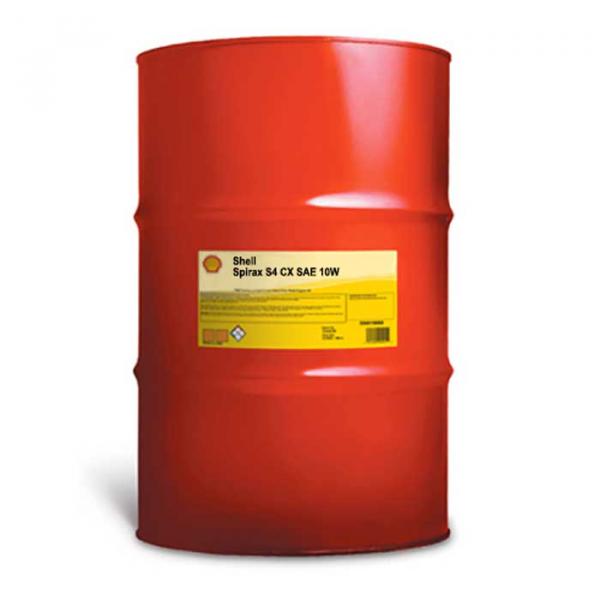
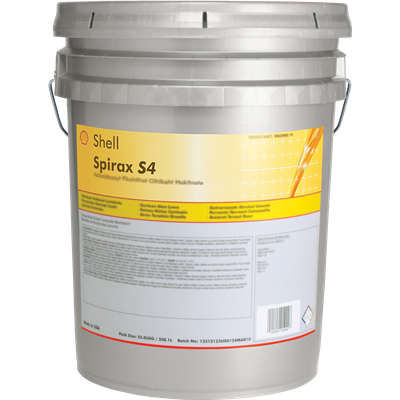
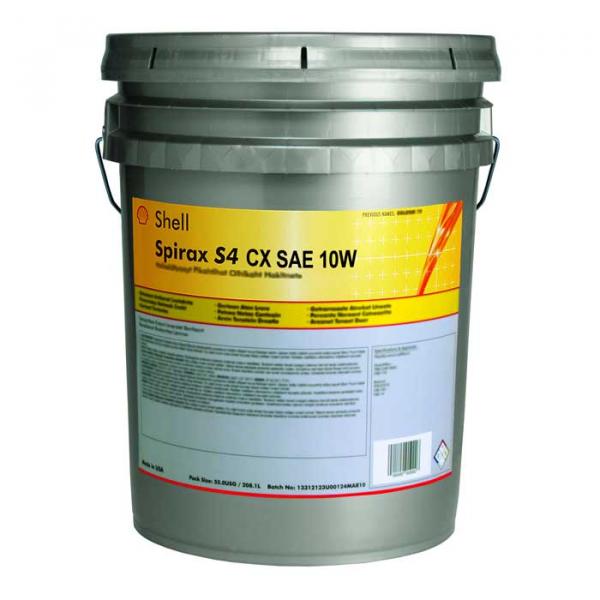
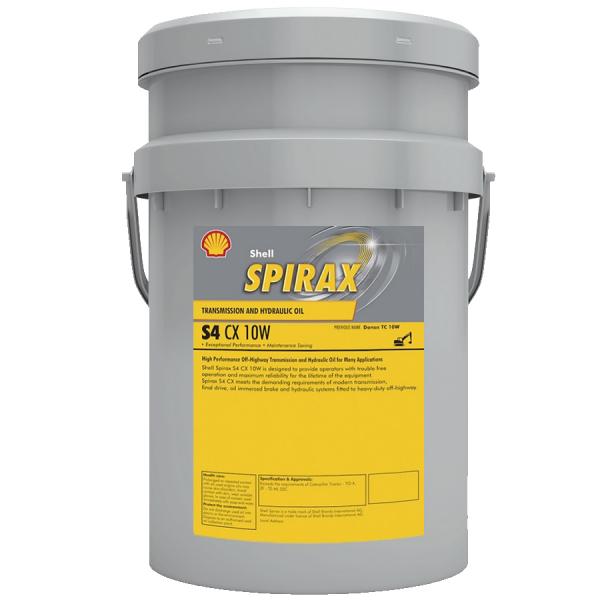
The 2007 Komatsu PC78MR-6 midi excavator, renowned for its compact size and powerful performance, requires specific hydraulic fluid to ensure optimal operation and longevity. The manufacturer's manual recommends using SAE 30W, SAE 10W-30, or SAE 15W-40 engine oils for its hydraulic system, depending on ambient temperatures. However, advancements in hydraulic fluid technology have introduced alternatives like Shell Spirax S4 CX 10W, which may offer enhanced performance characteristics.
Shell Spirax S4 CX 10W: An Overview
Shell Spirax S4 CX 10W is a high-performance off-highway transmission and hydraulic oil designed to meet the demanding requirements of modern transmission, oil-immersed brake, and hydraulic systems fitted to heavy-duty off-highway equipment. It is recommended for use in heavy-duty off-highway equipment produced by leading manufacturers, including Komatsu.
Key Specifications: - SAE Grade: 10W
- Viscosity:
- Kinematic Viscosity @ 40°C: 36 cSt
- Kinematic Viscosity @ 100°C: 6 cSt
- Pour Point: -36°C
- Flash Point: 200°C
- Density @ 15°C: 884 kg/m³
- Specifications & Approvals:
- Caterpillar TO-4
- ZF TE-ML 03C
- Allison C-4
Performance Features:- Frictional Performance and Material Compatibility: Provides highly consistent and reliable friction performance when used with advanced metallic and non-metallic materials found in modern systems.
- Anti-Wear Protection: Offers excellent protection against wear, extending the life of components.
- Low Temperature Characteristics: Ensures efficient operation in low-temperature conditions.
- Oxidation Stability: Maintains oil performance over extended periods, reducing the need for frequent changes.
- Foam Suppression: Reduces foaming, ensuring consistent hydraulic performance.
Compatibility with Komatsu PC78MR-6
While the Komatsu PC78MR-6 manual specifies certain SAE grades for hydraulic fluid, Shell Spirax S4 CX 10W meets the specifications required for Komatsu equipment. Its performance characteristics align with the demands of modern hydraulic systems, potentially offering improved efficiency and protection.
Considerations for Use- Ambient Temperature: Ensure that the operating temperature range of Shell Spirax S4 CX 10W aligns with the environmental conditions where the equipment will be used.
- Viscosity Requirements: Verify that the viscosity of Shell Spirax S4 CX 10W is suitable for the hydraulic system's design and operating conditions.
- Manufacturer Recommendations: Consult with Komatsu or a qualified technician to confirm the suitability of Shell Spirax S4 CX 10W for the specific model and operating conditions.
Conclusion
Shell Spirax S4 CX 10W appears to be a viable alternative to the traditionally recommended SAE grades for the Komatsu PC78MR-6 hydraulic system. Its advanced formulation may offer enhanced performance, particularly in terms of wear protection and low-temperature operation. However, it's essential to consider ambient temperatures, viscosity requirements, and manufacturer recommendations before making a switch. Consulting with Komatsu or a qualified technician will ensure that the chosen hydraulic fluid meets the equipment's needs and maintains optimal performance.
|
|
|
|
| Exploring the Benefits of Dumper Trucks in Construction |
|
Posted by: MikePhua - 08-21-2025, 09:46 PM - Forum: General Discussion
- No Replies
|
|
Dumper trucks, often referred to as dumpers, are an essential piece of equipment in many construction, mining, and heavy-duty industries. These robust machines are designed for transporting loose materials, such as dirt, sand, gravel, and debris, from one point to another, making them invaluable for a wide range of tasks. This article will delve into the functionality, advantages, and considerations when looking at a dumper for your operations.
What is a Dumper Truck?
A dumper truck is a type of off-road vehicle that is typically equipped with a large open-box bed, which can be raised to unload materials. Dumper trucks are commonly used in construction, demolition, mining, and landscaping projects. They are available in several sizes and configurations, from small site dumpers to larger articulated models designed to carry heavy loads over rough terrain.
There are two main types of dumpers: - Site Dumpers: These are typically smaller, designed for use in tight spaces and on rough, uneven ground. They are often used for transporting smaller loads over short distances, such as moving dirt within a construction site.
- Articulated Dump Trucks (ADT): These are larger vehicles designed for longer-distance transportation, capable of carrying significantly heavier loads over more rugged terrain. They are commonly seen in mining, quarrying, and large-scale construction sites.
Key Features and Benefits of Dumper Trucks
Dumper trucks come with a variety of features that enhance their performance, durability, and efficiency. Below are some of the key features and benefits that make dumpers a popular choice in many industries.
1. High Payload Capacity
One of the primary reasons for using dumper trucks is their ability to carry large quantities of material in a single trip. The payload capacity varies depending on the size and model of the dumper. Smaller site dumpers typically carry between 1 and 5 tons, while larger articulated dump trucks can carry up to 30 tons or more.- Smaller Dumpers: Ideal for light-duty tasks and urban construction, often used to transport excavated soil, gravel, or construction debris.
- Larger Dumpers: Suitable for large-scale projects, especially where significant quantities of material need to be moved quickly and efficiently.
2. Off-Road Capability
Dumper trucks are built for challenging terrains, which makes them invaluable for construction and mining operations. The larger models are equipped with articulated frames, all-wheel drive, and heavy-duty suspension systems that allow them to traverse rough, muddy, and uneven ground that would be impassable for standard trucks or smaller vehicles.- Articulated Frames: In articulated dump trucks, the front and rear parts of the vehicle are connected by a pivot, allowing the vehicle to maneuver around obstacles and navigate sharp turns with ease.
- Rough Terrain Performance: These machines are capable of operating in environments where conventional vehicles would struggle, such as quarries, mines, and steep hillsides.
3. Versatility in Applications
Dumper trucks are incredibly versatile, serving a variety of purposes in different industries:- Construction: Used for transporting materials like sand, gravel, cement, and rubble across construction sites, dumpers help streamline the process of moving materials to where they are needed.
- Landscaping: In landscaping projects, dumpers are used for transporting soil, mulch, rocks, and other materials, allowing landscapers to efficiently move supplies around large sites.
- Mining and Quarrying: Articulated dump trucks are particularly useful in mining operations, where large quantities of materials, such as rocks and minerals, need to be moved over rough terrain.
- Waste Management: Dumpers are often employed for moving waste, debris, and recyclable materials from demolition or construction sites to designated disposal areas.
4. Safety Features
Modern dumpers come with various safety features designed to protect both the operator and the environment:- Roll-Over Protection: Many models are equipped with roll-over protection structures (ROPS), which safeguard the operator in the event of a tip-over.
- Stability Controls: Advanced stabilization systems help maintain the balance of the vehicle, even when operating on slopes or uneven ground.
- Visibility Enhancements: To reduce blind spots and improve operator awareness, many dumpers are equipped with high-visibility cabs, cameras, and mirrors.
Selecting the Right Dumper for Your Needs
Choosing the right dumper truck depends on several factors, including the specific requirements of your job site, the terrain, the materials you plan to transport, and your budget.
1. Payload Capacity
As mentioned earlier, dumper trucks come in different sizes with varying payload capacities. It's crucial to match the payload capacity with your job requirements. A machine that is too small will require more trips, increasing time and fuel costs, while a machine that is too large for the task may lead to unnecessary wear and higher operational costs.- Small Jobs: For light-duty tasks like transporting debris or small amounts of material, a smaller dumper with a 1-5 ton capacity may be sufficient.
- Heavy-Duty Work: For larger projects such as mining or large-scale construction, an articulated dump truck with a 20+ ton capacity will be necessary to handle heavier loads efficiently.
2. Terrain Considerations
Consider the type of terrain you will be operating on. If you're working on uneven or rough terrain, you'll need a machine that offers high mobility and stability. Articulated dump trucks are ideal for navigating steep, rocky, or wet conditions, while site dumpers can handle more level surfaces with ease.
3. Fuel Efficiency and Maintenance
Fuel efficiency is an important consideration, especially for long-duration projects. Larger dumpers with heavy engines may consume more fuel, which can lead to higher operational costs. Some models feature fuel-efficient engines or hybrid technologies that help reduce fuel consumption and environmental impact.
In addition, maintaining a dumper truck is crucial for ensuring its longevity. Regular maintenance, such as checking the hydraulic systems, tires, and engine, will help reduce downtime and ensure the vehicle remains in top working condition.
Challenges and Considerations
While dumper trucks are powerful and versatile, they also come with challenges that operators must be aware of:
1. Cost of Ownership
Dumper trucks, especially the larger articulated models, can be expensive to purchase and maintain. This can make them a significant investment, particularly for small businesses or contractors working with limited budgets.
2. Operator Training
Operating a dumper, particularly the larger, articulated models, requires skill and experience. Proper training is essential to ensure safe and efficient operation, as well as to prevent accidents or damage to the equipment.
3. Environmental Impact
Like many heavy-duty vehicles, dumpers are known for their fuel consumption and emissions. However, many manufacturers are focusing on creating more eco-friendly models, with reduced carbon emissions and better fuel efficiency. It’s essential to factor in environmental considerations, especially when working in environmentally sensitive areas.
Conclusion
Dumper trucks, with their strong payload capacity, off-road capabilities, and versatility, continue to be a valuable asset in construction, mining, and other industries that require efficient material handling. When selecting a dumper for your operations, it is essential to consider factors such as payload capacity, terrain, fuel efficiency, and maintenance requirements to ensure you choose the best fit for your needs.
By understanding the various types and applications of dumpers, businesses can make informed decisions that will lead to greater efficiency, productivity, and long-term cost savings on their projects. Whether you're involved in large-scale construction or handling waste management tasks, a well-chosen dumper truck can make a significant difference in the success of your operations.
|
|
|
|
| Traction Differences Between Large and Small Skid Steer Loaders |
|
Posted by: MikePhua - 08-21-2025, 09:45 PM - Forum: General Discussion
- No Replies
|
|
Skid steer loaders, a versatile class of compact construction equipment, are widely used for landscaping, construction, agriculture, and snow removal. Two main categories exist: large skid steers and small skid steers. Each has unique characteristics affecting traction, stability, and operational efficiency.
Machine Overview
Skid steer loaders were first developed in the 1950s, with BobCat being one of the pioneering manufacturers. Today, companies like John Deere, Caterpillar, and Case produce models ranging from compact 1,000-pound machines to large 10,000-pound loaders. Large skid steers typically weigh between 6,000 and 10,000 pounds, while small skid steers range from 1,500 to 5,000 pounds. Sales trends indicate that compact models dominate urban landscaping projects, whereas larger machines are favored for heavy-duty construction and material handling.
Traction Principles
Traction refers to the loader’s ability to grip the surface and transfer power effectively. Factors affecting traction include: - Weight Distribution: Large skid steers exert more downward force on their wheels or tracks, improving grip on soft or uneven surfaces.
- Tire Size and Type: Wider tires or tracks on large loaders increase surface contact, reducing slippage.
- Surface Conditions: Loose gravel, mud, or snow affects traction differently for large and small machines. Large skid steers maintain better stability in soft terrain.
- Hydraulic Flow and Power: Higher hydraulic flow in large machines ensures consistent movement of arms and attachments under load, indirectly influencing traction by stabilizing operations.
Comparing Large and Small Skid Steers- Stability and Load Capacity:
Large skid steers can carry heavier attachments like brush cutters or pallet forks without losing traction. Small skid steers excel in confined spaces but may experience wheel spin under heavy loads.
- Operational Efficiency:
In loose soil or wet conditions, large skid steers tend to perform better due to greater weight and traction. Small skid steers are faster to maneuver in tight spaces but may require careful load management to avoid slipping.
- Fuel Efficiency:
Small skid steers generally consume less fuel per hour of operation. Large skid steers, despite higher fuel consumption, complete heavy tasks more efficiently due to fewer passes needed.
- Attachment Compatibility:
Large skid steers can handle heavy-duty attachments requiring stable traction. Small models are limited to lighter attachments but can still accomplish a broad range of tasks.
Operational Tips- Tire Selection: For both large and small loaders, choosing tires appropriate for the surface—industrial, turf, or lugged tires—improves traction.
- Weight Management: Adding ballast to the rear of small skid steers can enhance traction without exceeding machine limits.
- Surface Preparation: Removing debris or improving ground compaction can significantly reduce slippage for all skid steer sizes.
- Hydraulic Settings: Adjusting hydraulic flow and speed can prevent wheel spin when operating heavy attachments.
Case Example
A landscaping company in Pennsylvania compared a 4,500-pound small skid steer with a 7,500-pound large skid steer on a muddy job site. The large skid maintained traction throughout the day, completing pallet fork tasks efficiently, while the small skid required multiple repositionings and occasional matting to avoid getting stuck. This illustrates the practical differences in traction and operational efficiency.
Conclusion
Choosing between a large and small skid steer loader depends on operational needs, terrain, and attachment requirements. Large skid steers offer superior traction and stability for heavy-duty tasks, while small skid steers excel in maneuverability and fuel efficiency. Proper tire selection, weight management, and hydraulic settings further optimize performance, ensuring safe and efficient operation in various conditions.
|
|
|
|
| Michigan 175 A Series 2 Wheel Loader |
|
Posted by: MikePhua - 08-21-2025, 09:44 PM - Forum: General Discussion
- No Replies
|
|
The Michigan 175 A Series 2 wheel loader is a piece of heavy machinery that has made its mark in various industries, from construction to mining, providing reliable performance and versatility in material handling. Known for its robust design and efficiency, this loader has become a go-to choice for businesses that require a machine capable of tackling tough tasks, all while maintaining optimal operational performance.
Introduction to Michigan Wheel Loaders
Michigan Wheel Loaders, manufactured by the Michigan Tractor Company, are recognized for their durability and ability to handle a wide range of tasks. The company, which originally began manufacturing tractors and other construction equipment, transitioned into producing wheel loaders in the mid-20th century. The 175 A Series 2, introduced as part of Michigan's larger product lineup, gained popularity for its balanced performance, ease of maintenance, and solid engineering.
The Series 2 version represents a second-generation model, offering significant upgrades over its predecessor, including improved hydraulic systems, a more comfortable operator cabin, and enhanced load capacity. This machine is often seen on construction sites, quarries, and other industrial settings, where heavy lifting, moving, and hauling are required.
Key Features of the Michigan 175 A Series 2
The Michigan 175 A Series 2 is equipped with features that cater to high-demand tasks in harsh working conditions. Below are some of its most notable features:
Engine Power and Performance - Engine Type: Powered by a robust diesel engine, the 175 A Series 2 offers impressive horsepower for its class, ensuring that it can handle heavy loads and operate for extended hours.
- Horsepower: The engine typically delivers around 150 to 180 horsepower, depending on the specific configuration and modifications, making it suitable for heavy lifting and high-productivity environments.
- Transmission: The machine is equipped with a powershift transmission, providing smooth shifting and allowing operators to switch gears without losing momentum, a crucial feature when working in demanding conditions.
Hydraulic System- The 175 A Series 2 incorporates an advanced hydraulic system that delivers consistent and powerful lifting force. This hydraulic system is designed to provide fast cycle times and increased lifting capacity, making it efficient for moving heavy materials such as gravel, sand, and construction debris.
- Hydraulic Capacity: The hydraulic system can handle significant load-bearing, enhancing the loader's performance when working with large buckets or attachments.
Operator Comfort and Control- The Series 2 wheel loader features an upgraded cabin that improves visibility, comfort, and ease of use. The operator’s seat is ergonomically designed to reduce fatigue during long hours of operation, and the controls are well-positioned for efficiency.
- Cab Features: The cabin includes air conditioning, a well-designed dashboard with clear gauges, and high-quality seating, allowing the operator to remain comfortable and focused on the task at hand.
- Joystick Control: The joystick controls are intuitive, offering better precision for boom lift and tilt functions. Operators appreciate the responsiveness, particularly in complex, multi-step operations.
Durability and Maintenance- The 175 A Series 2 is built to last, with a heavy-duty frame and strong components that are designed to withstand challenging environments. Whether operating in cold winters or extreme heat, the machine’s components are engineered for longevity.
- Maintenance: Maintenance of the Michigan 175 A Series 2 is straightforward, with easily accessible service points for routine checks and repairs. The simplicity of the design makes it easier for technicians to troubleshoot and maintain the machine, leading to less downtime.
- Longevity: The loader is known for its long-lasting performance, often exceeding 10,000 to 15,000 operational hours before major components need significant servicing.
Applications of the Michigan 175 A Series 2
The Michigan 175 A Series 2 is versatile and can be used in a wide range of industries and applications:- Construction: The loader is particularly useful for handling materials such as dirt, sand, gravel, and cement. It’s capable of loading trucks, moving materials around the site, and assisting in excavation tasks.
- Mining and Quarrying: With its powerful engine and hydraulic system, the 175 A Series 2 is ideal for use in mining and quarrying operations, where it is used to move mined materials, load hoppers, or transport aggregates.
- Material Handling: The loader excels in environments where materials need to be moved across short distances. Whether it’s a lumber yard or a recycling facility, the loader can assist in efficiently moving heavy and bulky items.
- Landscaping: The machine’s size and power make it an excellent choice for large landscaping projects where heavy lifting and precise placement of materials are required.
Challenges and Limitations
While the Michigan 175 A Series 2 is a reliable and robust machine, there are a few challenges and limitations to consider:
1. Fuel Efficiency
As with many older machines, fuel efficiency can be an issue when compared to newer models with advanced fuel-saving technologies. The 175 A Series 2, while powerful, may not be as fuel-efficient as modern, emission-compliant loaders, leading to higher operational costs in terms of fuel consumption.
2. Spare Parts Availability
Since the Michigan 175 A Series 2 is no longer in production, finding replacement parts can sometimes be a challenge. While aftermarket parts are often available, sourcing original parts may require some effort, particularly for machines that are no longer supported by the manufacturer.
3. Age of the Equipment
As with any older machine, the age of the equipment can lead to issues with wear and tear. While the Michigan 175 A Series 2 is known for its durability, it’s crucial to ensure that the machine is regularly serviced and that any signs of wear are addressed promptly.
Operator Training and Safety
Ensuring that operators are well-trained in the use of the Michigan 175 A Series 2 is crucial for safety and performance. The machine’s large size and heavy lifting capabilities require careful handling to prevent accidents or damage.
1. Training
Operators should undergo thorough training on the proper use of the loader, including familiarization with its controls, safety procedures, and maintenance requirements. Training should also cover best practices for handling materials, driving in various terrains, and performing routine checks.
2. Safety Features
The Michigan 175 A Series 2 is equipped with basic safety features, such as rollover protection, but operators should also use proper safety gear, such as helmets and seat belts, when operating the machine. Additionally, ensuring that the machine is properly maintained and that all safety systems are functional is essential.
Conclusion
The Michigan 175 A Series 2 wheel loader remains a reliable and powerful piece of equipment that has served industries like construction, mining, and material handling for years. With its strong engine, efficient hydraulic system, and operator-friendly features, it continues to be a valuable asset to many businesses, even as newer models take center stage. However, as with any older equipment, maintaining its operational efficiency and ensuring safety are key to getting the most out of the machine for years to come.
For businesses looking for an affordable, durable loader with a proven track record, the Michigan 175 A Series 2 remains an excellent option—though attention to maintenance and spare part availability is essential to keeping it running at its best.
|
|
|
|
| Near Miss Reporting in Heavy Equipment Operations |
|
Posted by: MikePhua - 08-21-2025, 09:42 PM - Forum: General Discussion
- No Replies
|
|
Near misses are often considered minor events in heavy equipment operations, but they carry significant potential for improvement in safety culture. While they may not result in injury or property damage, near misses highlight vulnerabilities in the safety system that, if unaddressed, could lead to serious accidents. Understanding the importance of near miss reporting, the methods for identifying near misses, and how to create a culture of safety in heavy equipment operations is essential for reducing risk and improving workplace safety.
What is a Near Miss?
A near miss is an incident in which a hazard or dangerous situation has the potential to cause harm or damage but does not due to either luck, intervention, or timely avoidance. In construction or heavy equipment settings, this could be anything from a forklift almost hitting a worker to a piece of machinery malfunctioning without causing any immediate harm.
While these events don’t result in direct consequences, they represent a warning signal of a problem that could cause serious injury or damage in the future. Identifying these situations early and addressing the root causes can help prevent more severe accidents from occurring.
Why is Near Miss Reporting Important?
Near miss reporting plays a crucial role in identifying patterns and systemic issues that could otherwise go unnoticed. It offers several benefits to organizations:
1. Preventive Action
Reporting near misses allows companies to identify hazards before they lead to actual accidents. By understanding these "close calls," employers can address underlying issues, implement safety procedures, and introduce changes to prevent future incidents. For instance, if a worker reports that a piece of equipment nearly caused an accident due to a malfunction, the company can inspect and repair the machinery before the situation worsens.
2. Building a Safety Culture
Encouraging near miss reporting fosters a proactive safety culture where employees feel comfortable voicing concerns without fear of reprisal. This culture of openness helps in building trust between workers and management, ultimately contributing to better safety practices across the organization.
3. Identifying Training Gaps
Near miss reports can reveal patterns of behavior, inexperience, or improper training. If a particular type of near miss occurs regularly, it may point to a gap in employee training. Addressing this gap can improve competency and reduce the likelihood of similar incidents happening in the future.
4. Legal Compliance
Many industries, including construction and heavy equipment operations, have regulatory bodies that require the reporting of near misses as part of their safety and compliance regulations. For example, the Occupational Safety and Health Administration (OSHA) requires that incidents are documented, and near misses are often seen as part of good safety management practices.
How to Encourage Near Miss Reporting
Creating a robust reporting system that encourages employees to report near misses without fear of judgment or punishment is key to improving workplace safety. The following strategies can help in achieving this:
1. Make Reporting Easy
For near miss reporting to be effective, the process must be simple and accessible. Provide employees with easy-to-use tools such as mobile apps, incident report forms, or direct communication channels to report any near misses quickly. These systems should be easy to navigate, even for field workers operating machinery or working remotely.
2. Anonymity and Protection
To encourage honest and transparent reporting, workers should be given the option to report near misses anonymously. Fear of retaliation or disciplinary action may discourage employees from coming forward, especially in cases where they may feel they made an error that led to a close call. Protecting their identity builds trust and encourages more reports.
3. Provide Feedback and Recognition
It is essential to not only collect near miss reports but also provide feedback to the employees who submitted them. Acknowledging their efforts in improving safety can motivate others to follow suit. Offering rewards or public recognition for reporting near misses can promote a more positive approach to safety reporting.
4. Educate and Train
Train employees on what constitutes a near miss, why reporting it is important, and how it can prevent future accidents. Many workers may not know the difference between a minor issue and a potential hazard, so clear guidelines and examples are necessary. Safety meetings and workshops can be great ways to emphasize the importance of near miss reporting.
Challenges in Near Miss Reporting
While near miss reporting is invaluable, there are challenges that companies may face in getting workers to report. These challenges include:
1. Lack of Awareness
Some employees may not recognize a near miss when they see one or might not understand the value of reporting it. It’s crucial that all personnel understand that near misses are not only accidents waiting to happen but also opportunities for the company to take preventive action.
2. Fear of Blame or Retribution
If workers fear that reporting a near miss will result in disciplinary action or blame, they may avoid reporting incidents altogether. Ensuring that the reporting process is viewed as a tool for improving safety, rather than a way to assign blame, is vital to fostering a culture of openness.
3. Inadequate Reporting Systems
If the near miss reporting system is too complex, slow, or difficult to use, employees may not take the time to report incidents. An efficient system, such as a user-friendly mobile app or simplified online form, can reduce these barriers.
Steps to Take After a Near Miss Is Reported
After a near miss is reported, it’s critical that the following actions are taken:
1. Investigation
Every near miss should be thoroughly investigated to understand the root cause. This investigation should include analyzing the equipment, the environment, the actions of the workers, and any other factors that contributed to the incident. Gathering all the facts ensures that corrective measures are appropriate and effective.
2. Root Cause Analysis
Once the investigation is complete, perform a root cause analysis to identify any systemic issues. It could be related to equipment maintenance, poor working conditions, insufficient training, or unclear safety protocols. Correcting these root causes will help prevent future incidents.
3. Corrective Actions
Once the root causes have been identified, implement corrective actions. This could include repairs to faulty equipment, changes in procedures, or additional employee training. Ensure that all employees are informed of the corrective actions taken and understand how they contribute to preventing future accidents.
4. Monitor and Review
After corrective actions are taken, monitor the situation to ensure that the changes are effective. It may take some time for new safety practices to be fully integrated into daily operations, so continuous monitoring and follow-up are necessary.
Benefits of a Strong Near Miss Reporting System
Organizations that invest in a strong near miss reporting system see numerous benefits: - Reduced accidents and injuries: Identifying risks early on allows companies to address issues before they escalate into full-blown accidents.
- Improved morale: A culture that prioritizes safety and open communication boosts employee morale, leading to a more motivated and engaged workforce.
- Enhanced compliance: A robust reporting system ensures compliance with industry standards and regulations, avoiding potential fines or penalties.
- Cost savings: By preventing accidents, companies can avoid costly downtime, legal fees, and repairs, leading to significant cost savings over time.
Conclusion
Near miss reporting is a critical component of a successful safety program in heavy equipment operations. By encouraging employees to report these incidents and using the information to make meaningful improvements, companies can prevent future accidents, improve overall safety, and foster a culture of openness and trust. It’s essential to recognize that near misses, while not resulting in immediate harm, are valuable learning opportunities that can significantly reduce risk and enhance the safety of operations in the long run.
|
|
|
|
| John Deere 310A Backhoe Oil Cooler Specifications |
|
Posted by: MikePhua - 08-21-2025, 09:42 PM - Forum: Parts , Attachments & Tools
- No Replies
|
|
The John Deere 310A backhoe loader, a robust machine designed for various construction tasks, is equipped with an oil cooler to maintain optimal engine and hydraulic temperatures. Understanding the specifications and maintenance of this component is crucial for ensuring the longevity and efficiency of the equipment.
Oil Cooler Specifications
The oil cooler for the John Deere 310A backhoe loader is identified by the part number AT165536. This cooler is integral to the machine's hydraulic system, facilitating the dissipation of heat generated during operation. The specifications are as follows: - Core Dimensions: 4-3/8 inches x 7-7/8 inches x 5-1/4 inches
- Port Sizes: Two 7/8-inch hose ports and two 3/4-inch SAE ports
- Weight: Approximately 40 lbs
- Material: Typically constructed from durable metals to withstand harsh operating conditions
These dimensions and features ensure efficient heat exchange, preventing overheating and potential damage to the hydraulic system.
Maintenance and Replacement
Regular maintenance of the oil cooler is essential to prevent clogging and ensure efficient operation. Operators should:- Inspect Regularly: Check for any signs of leaks, corrosion, or blockages.
- Clean Periodically: Remove debris and sediment that may accumulate, especially in dusty or muddy environments.
- Replace When Necessary: If the cooler shows signs of significant wear or damage, replacement is recommended to maintain system integrity.
Common Issues and Troubleshooting
Operators may encounter several issues related to the oil cooler:- Overheating: If the hydraulic system operates at higher temperatures than usual, it may indicate a problem with the oil cooler.
- Reduced Performance: Sluggish hydraulic movements or decreased lifting capacity can result from inadequate cooling.
- Visible Leaks: Oil stains or drips near the cooler area suggest potential leaks that need immediate attention.
In such cases, it's advisable to consult the machine's service manual or seek professional assistance to diagnose and resolve the issue promptly.
Alternative Options
While the OEM part AT165536 is recommended for optimal performance, alternative parts may be considered:- AT349656: A compatible oil cooler with similar specifications, suitable for various John Deere models.
- Aftermarket Brands: Several manufacturers offer oil coolers compatible with the John Deere 310A, often at a lower cost. However, it's crucial to ensure these parts meet the required specifications to maintain system performance.
Conclusion
The oil cooler is a vital component of the John Deere 310A backhoe loader's hydraulic system. Regular maintenance and timely replacement of this part ensure efficient operation and prolong the lifespan of the equipment. Operators should always refer to the machine's service manual for specific maintenance guidelines and consult with professionals when necessary to address any issues promptly.
|
|
|
|
| Case 580 Powershift Oil Leak Troubleshooting |
|
Posted by: MikePhua - 08-21-2025, 09:41 PM - Forum: Troubleshooting & Diagnosing
- No Replies
|
|
The Case 580 backhoe loader, a popular model in the construction and agricultural industries, is known for its reliability and performance. However, like any piece of heavy equipment, it can encounter mechanical issues over time. One such issue that operators may face is an oil leak in the powershift transmission system. This article will explore the causes, troubleshooting methods, and solutions for dealing with a powershift oil leak in the Case 580.
Overview of the Case 580 Powershift Transmission System
The Case 580 is a robust backhoe loader that features a powershift transmission system designed to provide smooth operation and durability in demanding conditions. The powershift system allows operators to change gears seamlessly, offering improved control and precision during heavy digging and lifting tasks.
The transmission system is lubricated by oil, which is circulated to prevent friction and overheating. If there is an oil leak in the system, it can result in poor performance, increased wear, and potential damage to internal components. Identifying and addressing this issue promptly is crucial to keeping the machine in optimal working condition.
Common Causes of Powershift Oil Leaks in the Case 580
Several factors can lead to oil leaks in the powershift transmission system of the Case 580. The most common causes include:
1. Worn or Damaged Seals
Seals are critical components in any transmission system, as they prevent oil from leaking out and contaminants from entering the system. Over time, seals can wear out due to heat, pressure, or exposure to chemicals. Worn or damaged seals are one of the most common causes of oil leaks in the powershift transmission system.
Solution: Inspect the seals around the transmission housing, output shaft, and hydraulic lines for signs of wear or damage. Replacing damaged seals can effectively resolve the issue and prevent further oil leakage.
2. Loose or Damaged Gaskets
Gaskets play an essential role in sealing the connections between transmission components. A loose or damaged gasket can lead to oil leakage at these junctions. This problem is especially common in older models that may have undergone frequent disassembly and reassembly.
Solution: Inspect all gaskets around the transmission for any visible damage or signs of leaks. Tighten any loose bolts or fasteners and replace any gaskets that are cracked or worn out.
3. Cracked or Damaged Transmission Housing
A cracked transmission housing is a more severe problem and typically results from heavy-duty usage, impacts, or corrosion over time. If the housing cracks, oil can leak from the damaged area, potentially leading to significant loss of lubrication and damage to internal parts.
Solution: Inspect the entire transmission housing for any signs of cracks or damage. If a crack is identified, the housing will likely need to be replaced, as welding or patching may not provide a durable solution.
4. Excessive Pressure in the Transmission System
Excessive internal pressure can result from a clogged or malfunctioning pressure relief valve. When this happens, the pressure buildup can force oil out through seals, gaskets, or other weak points in the system.
Solution: Check the pressure relief valve for proper operation. If the valve is stuck or malfunctioning, clean or replace it to restore the proper pressure balance in the transmission system.
5. Overfilled Transmission Fluid
Overfilling the transmission fluid reservoir can lead to increased pressure inside the system, which may cause leaks at various points. This problem can also lead to foaming of the fluid, which reduces its ability to lubricate the transmission effectively.
Solution: Verify that the transmission fluid level is within the recommended range. If the fluid is overfilled, drain the excess and ensure the level is correct before operating the machine again.
Steps to Identify and Fix Powershift Oil Leaks in the Case 580
If you're facing an oil leak in the powershift transmission of your Case 580, follow these steps to identify and fix the problem:
Step 1: Safety First
Before attempting any troubleshooting or repairs, ensure the machine is turned off and the engine is cool. Disconnect the battery to prevent accidental starting during repairs. Also, ensure you are working in a well-ventilated area with proper lighting.
Step 2: Check for Oil Leakage Points
Visually inspect the transmission area for signs of oil leakage. Common leak points include: - Transmission pan gasket
- Hydraulic lines and fittings
- Output shaft seals
- Pressure relief valve area
Use a flashlight to examine any hidden areas, such as the underside of the transmission and the rear axle connections.
Step 3: Inspect Seals, Gaskets, and Housings
Once you've identified potential leak points, inspect the seals and gaskets for any visible damage. If the seals appear worn, cracked, or deformed, they should be replaced. Additionally, check the transmission housing for any signs of cracks or damage.
Step 4: Test the Pressure Relief Valve
A malfunctioning pressure relief valve can cause excess pressure inside the transmission, leading to oil leaks. Test the valve by operating the machine at low speed and monitoring the pressure gauge. If the pressure is unusually high or the valve fails to relieve pressure, it may need to be replaced or cleaned.
Step 5: Correct Fluid Levels
Overfilled or underfilled transmission fluid can contribute to oil leaks and system inefficiencies. Check the fluid level using the dipstick or sight glass, and ensure it is within the recommended range. If the fluid is overfilled, drain the excess; if it's low, add the appropriate type of transmission fluid.
Step 6: Perform the Repair
After identifying the source of the leak, perform the necessary repairs:- Replace any worn seals or gaskets.
- Tighten any loose bolts or fasteners.
- Replace cracked or damaged transmission housings if necessary.
- Clean or replace the pressure relief valve if it is malfunctioning.
- Ensure the fluid level is correct.
Step 7: Test the System
Once the repair is complete, start the machine and monitor the transmission for any signs of continuing oil leakage. If the problem persists, double-check your work or consult a professional mechanic.
Preventative Measures to Avoid Future Oil Leaks
To avoid future oil leaks in your Case 580 powershift transmission, consider the following preventative measures:- Routine Inspections: Regularly inspect the seals, gaskets, and hydraulic lines for signs of wear or damage. Address minor issues before they become major problems.
- Use the Correct Fluid: Always use the recommended transmission fluid type for your Case 580. Using the wrong fluid can cause poor lubrication and increased wear on internal components.
- Proper Fluid Levels: Ensure the transmission fluid is neither overfilled nor underfilled. Follow the manufacturer’s guidelines to maintain optimal fluid levels.
- Timely Repairs: If you notice any signs of oil leakage, address them promptly to prevent further damage to the transmission system.
Conclusion
Oil leaks in the powershift transmission of the Case 580 can cause significant performance issues if left unchecked. By understanding the common causes of these leaks and following a systematic troubleshooting process, you can effectively diagnose and resolve the issue. Regular maintenance and timely repairs will help keep your Case 580 backhoe loader running smoothly and prevent future issues, ensuring its longevity and reliability on the job site.
|
|
|
|
| Fecon Mulcher Teeth: Selection, Maintenance, and Performance |
|
Posted by: MikePhua - 08-21-2025, 09:40 PM - Forum: Parts , Attachments & Tools
- No Replies
|
|
Fecon mulchers are renowned for their durability and efficiency in land clearing and vegetation management. A critical component of these machines is the mulcher teeth, which directly impact performance, wear resistance, and overall productivity. Understanding the different types of mulcher teeth, their applications, and maintenance practices is essential for operators seeking optimal results.
Types of Fecon Mulcher Teeth
Fecon offers a variety of mulcher teeth, each designed for specific tasks and terrains. The primary categories include: - Cubit Knife Teeth: These are standard-duty teeth suitable for general mulching tasks. They are designed to provide a balance between durability and cutting efficiency.
- Viking Axe® Teeth: Heavy-duty teeth designed for aggressive mulching of dense vegetation. Their robust design allows for efficient processing of tough materials.
- Viking Sword® Teeth: These teeth are designed for high-flow applications, offering enhanced performance in demanding conditions.
- FGT Double Carbide Teeth: Featuring dual carbide inserts, these teeth are built for extreme-duty applications, providing superior wear resistance and longevity.
- HDT Single and Double Carbide Teeth: Legacy teeth designed for older Fecon Bull Hog® attachments, offering durability and performance for various mulching tasks.
- Chipper Knife Teeth: Specialized teeth designed for chipping applications, providing clean cuts and efficient material processing.
- Stone Teeth: Designed to withstand the challenges of rocky terrains, these teeth are built with materials that resist wear from abrasive surfaces.
Selecting the Right Mulcher Teeth
Choosing the appropriate mulcher teeth depends on several factors:- Terrain and Material Type: For rocky or abrasive terrains, carbide teeth offer superior wear resistance. For soft soils and light brush, steel teeth may suffice.
- Machine Compatibility: Ensure that the selected teeth are compatible with your Fecon mulcher model.
- Desired Finish: Different teeth produce varying mulch sizes and textures. Consider the required finish for your specific application.
Maintenance and Replacement
Regular maintenance is crucial for extending the life of mulcher teeth:- Inspection: Regularly check teeth for signs of wear, cracks, or damage.
- Sharpening: Steel teeth can often be sharpened to restore cutting efficiency. However, carbide-tipped teeth are generally not designed for sharpening.
- Replacement: Replace worn or damaged teeth promptly to maintain optimal performance.
- Storage: Store replacement teeth in a dry, clean environment to prevent corrosion and damage.
Performance Considerations
The performance of mulcher teeth directly affects the efficiency of the mulching process:- Cutting Efficiency: Sharp, well-maintained teeth ensure clean cuts and efficient material processing.
- Wear Resistance: High-quality materials, such as tungsten carbide, offer superior wear resistance, reducing the frequency of replacements.
- Productivity: Properly selected and maintained teeth can significantly increase productivity by reducing downtime and improving mulching efficiency.
Conclusion
Understanding the different types of Fecon mulcher teeth and their applications is essential for operators seeking to optimize their equipment's performance. Regular maintenance and timely replacement of teeth ensure efficient mulching operations and extend the lifespan of the equipment. By selecting the appropriate teeth for the specific task and terrain, operators can achieve superior results and maximize productivity.
|
|
|
|
|



