| Welcome, Guest |
You have to register before you can post on our site.
|
| Forum Statistics |
» Members: 79
» Latest member: cioCruch
» Forum threads: 47,411
» Forum posts: 47,417
Full Statistics
|
| Online Users |
There are currently 407 online users.
» 0 Member(s) | 399 Guest(s)
Ahrefs, Amazon, Applebot, Bing, Claude, Petalbot, Semrush
|
| Latest Threads |
Identifying and Sourcing ...
Forum: Parts , Attachments & Tools
Last Post: MikePhua
01-07-2026, 06:29 PM
» Replies: 0
» Views: 517
|
Cat 931B Brake Parts
Forum: Parts , Attachments & Tools
Last Post: MikePhua
01-07-2026, 06:29 PM
» Replies: 0
» Views: 282
|
Choosing Between Cat 228,...
Forum: General Discussion
Last Post: MikePhua
01-07-2026, 06:28 PM
» Replies: 0
» Views: 542
|
Hydraulic Delay When Lowe...
Forum: Troubleshooting & Diagnosing
Last Post: MikePhua
01-07-2026, 06:27 PM
» Replies: 0
» Views: 440
|
Bale Chopper and Mulcher ...
Forum: General Discussion
Last Post: MikePhua
01-07-2026, 06:26 PM
» Replies: 0
» Views: 318
|
Mini UC Maintenance
Forum: General Discussion
Last Post: MikePhua
01-07-2026, 06:25 PM
» Replies: 0
» Views: 308
|
Locating Wiring Informati...
Forum: General Discussion
Last Post: MikePhua
01-07-2026, 06:24 PM
» Replies: 0
» Views: 341
|
Case Industrial Brown Sub...
Forum: Parts , Attachments & Tools
Last Post: MikePhua
01-07-2026, 06:23 PM
» Replies: 0
» Views: 274
|
Dirt Work in West Virgini...
Forum: Construction & Urban Infrastructure Forum
Last Post: MikePhua
01-07-2026, 06:23 PM
» Replies: 0
» Views: 372
|
D207 P Hydraulic Steering...
Forum: Parts , Attachments & Tools
Last Post: MikePhua
01-07-2026, 06:22 PM
» Replies: 0
» Views: 302
|
|
|
| Choosing the Best Low-Hours Used Loader |
|
Posted by: MikePhua - 08-21-2025, 09:58 PM - Forum: General Discussion
- No Replies
|
 |
When it comes to purchasing a used loader, one of the key factors to consider is the number of hours on the machine. A lower hour count often implies less wear and tear, but it’s not always the most important factor when selecting the right equipment for your needs. The right decision requires a deeper understanding of how a loader performs over time, how to assess its overall condition, and the potential costs associated with its maintenance and repair. This article delves into the details of evaluating a used loader, particularly focusing on low-hour machines, and provides tips to ensure you make the best choice for your operations.
Understanding Loader Hours and Their Significance
A "loader hour" refers to the total time a loader has spent in operation. This metric is recorded by the machine's hour meter, typically located on the dashboard. The number of hours a loader has been used directly correlates with how much stress and strain the components have undergone. However, this doesn’t necessarily mean that a loader with fewer hours is always in better condition.
While lower hours can indicate that the machine has been used less, it’s essential to also consider the nature of its previous work. A loader that has spent a lot of time in heavy, demanding operations could have experienced more wear, despite having fewer hours. Conversely, a machine with higher hours but lighter duties, such as occasional landscaping, may be in better condition.
Evaluating the Loader's Condition Beyond Hours
When evaluating a used loader, the number of hours should be just one aspect of the decision-making process. Here are other critical factors to consider:
1. Maintenance and Service History
A loader that has undergone regular maintenance and repairs will typically be in better condition than one that has been neglected, regardless of its hour count. Ask the seller for the machine’s service records to verify if the loader has received the proper care over its life.
Regular service checks—such as oil changes, hydraulic system maintenance, and replacement of worn-out parts—are essential for ensuring the loader's longevity. A well-maintained loader with more hours on the clock can be a better investment than one with fewer hours but poor maintenance.
2. Inspection of Critical Components
Before purchasing a used loader, a thorough inspection of its key components is necessary. These include: - Hydraulic System: Check for leaks, fluid levels, and the condition of hoses. A poorly maintained hydraulic system can lead to costly repairs.
- Engine and Transmission: Look for signs of oil leaks, listen for any strange noises, and check the oil and transmission fluid for contamination.
- Undercarriage: Inspect the condition of the tires or tracks. Worn-out tracks or tires can be expensive to replace and could indicate that the loader has been used heavily.
- Bucket and Loader Arms: The bucket should not show significant wear, cracks, or bending. Loader arms should be checked for straightness and wear as well.
3. Age of the Loader
While a lower hour count is desirable, the age of the loader is equally important. An older loader with low hours may have outlived its useful life, with parts becoming brittle due to age, even if they haven't been heavily used. Age-related issues can include rust, worn-out seals, and outdated technology.
For example, a loader manufactured 10 years ago with only 3,000 hours on it might have fewer hours than a more recent model with 5,000 hours, but it could still present issues like outdated electronics or a less efficient engine. Modern loaders often have better fuel efficiency, improved hydraulics, and better technology for tracking performance.
The Cost of Owning a Low-Hours Used Loader
When purchasing a loader, understanding the long-term costs is crucial. The upfront cost of a low-hours used loader may be attractive, but be sure to factor in maintenance, repairs, and parts replacement. These costs can add up quickly, especially if the machine is older, even if it has low hours.- Depreciation: All machines lose value over time, and low-hours machines are no exception. However, a well-maintained loader can retain its value better than one that has been poorly maintained.
- Parts Availability: Some older loader models may have limited parts availability, which can increase repair costs. It’s important to check if parts are readily available and at reasonable prices.
- Fuel Efficiency: Newer models tend to be more fuel-efficient. While they may come at a higher price, they could save you significant money in fuel costs over the loader’s lifetime.
Advantages of Low-Hours Used Loaders
Despite the need for thorough inspections, there are clear advantages to purchasing a low-hours used loader:
1. Longer Remaining Useful Life
A loader with low hours is likely to have more life left in it, assuming it has been well maintained. The engine, transmission, and other major components will typically last longer compared to a machine with high hours.
2. Less Wear on Major Components
A low-hours machine may have fewer issues with the engine, hydraulics, and transmission, which could result in fewer repairs over time.
3. Better Resale Value
If you decide to upgrade in the future, a low-hours machine typically holds better resale value. Buyers often look for loaders with low hours to minimize their risk of repairs and maintenance.
Tips for Buying the Best Low-Hours Loader
Here are some expert tips for buying a low-hours used loader:
1. Choose the Right Brand and Model
Certain brands have a reputation for durability and long-lasting performance. Caterpillar, John Deere, and Komatsu are known for producing reliable loaders with high resale value. Research different models and their history of performance to find one that best suits your needs.
2. Verify the Hour Meter
Ensure the hour meter is functioning correctly and hasn’t been tampered with. Some sellers may attempt to roll back the meter to make the machine appear less used. Have a mechanic check the machine to confirm the accuracy of the meter.
3. Get a Professional Inspection
Hiring a qualified mechanic or service technician to inspect the loader before purchase can help identify potential problems that may not be visible during a basic inspection. This could save you money in the long run by preventing you from buying a machine with hidden issues.
4. Consider the Loader’s History
Ask about the loader's work history. Has it been used on a farm, construction site, or in a less-demanding environment? The loader’s prior use can give you a good indication of how much stress it has been under.
Conclusion
Choosing the best low-hours used loader is not as simple as picking the machine with the fewest hours on the meter. A thorough inspection of the machine's condition, maintenance records, and overall age should always factor into your decision. While a low-hours loader may seem attractive, it’s the overall condition of the machine, the reputation of the manufacturer, and the suitability for your specific tasks that should guide your purchase.
By considering these factors, you can find a used loader that provides good value for money, delivers long-term reliability, and helps you tackle your projects efficiently.
|

|
|
| Military Cargo Trucks: From M35 to M1070 |
|
Posted by: MikePhua - 08-21-2025, 09:57 PM - Forum: General Discussion
- No Replies
|
|
Introduction
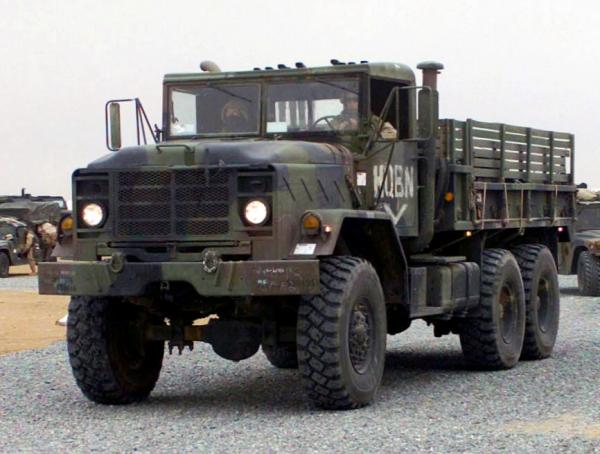
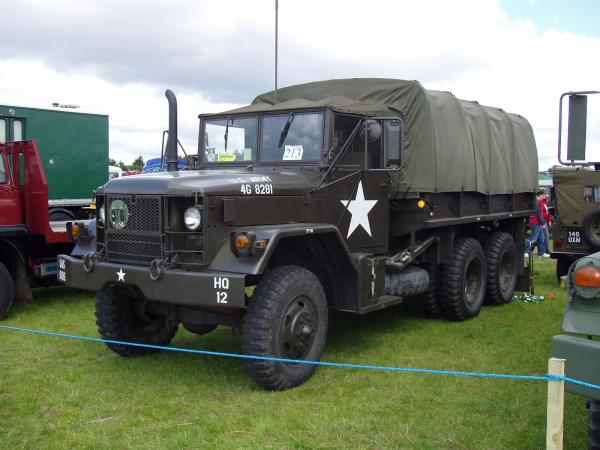
Military cargo trucks have played a pivotal role in the logistics of armed forces, ensuring the timely delivery of supplies, equipment, and personnel. Among the most iconic of these vehicles are the M35, M939, and M1070 series, each representing a significant advancement in military transportation capabilities.
M35 Series: The "Deuce and a Half"
The M35 series, introduced in the early 1950s, was designed to replace the World War II-era GMC CCKW trucks. Nicknamed the "Deuce and a Half" due to its 2½-ton capacity, the M35 became a workhorse for the U.S. military. Its design emphasized simplicity and durability, making it suitable for various terrains and conditions.
Specifications and Features: - Engine: Originally equipped with a gasoline engine, later models featured multifuel engines
- Transmission: 5-speed manual
- Drive Configuration: 6×6
- Payload Capacity: 2½ tons off-road, 5 tons on paved roads
- Dimensions: Length 24 feet, Width 8 feet, Height 10 feet
- Notable Features: Simple design, versatile use, capable of towing artillery, transporting personnel and supplies
M939 Series: The 5-Ton Workhorse
Introduced in the early 1980s, the M939 series replaced the aging M809 series trucks. With a higher payload capacity and improved features, it addressed the evolving needs of modern military operations.
Specifications and Features:- Engine: Cummins NHC-250 6-cylinder diesel, 240 horsepower
- Transmission: 5-speed manual
- Drive Configuration: 6×6
- Payload Capacity: 5 tons
- Dimensions: Length 27 feet, Width 8 feet, Height 10 feet
- Notable Features: Improved cab comfort, air brakes, automatic transmission in later models, used extensively in Gulf War operations
M1070 Series: Heavy Equipment Transporter
The M1070 series was developed to transport heavier equipment, such as the M1 Abrams main battle tank. Introduced in the early 1990s, it has since undergone upgrades for enhanced performance.
Specifications and Features:- Engine: Detroit Diesel 8V-92TA 12.06-liter, 500 horsepower
- Transmission: Allison CLT-754 5-speed automatic
- Drive Configuration: 8×8
- Payload Capacity: Up to 70 tons with M1000 trailer
- Dimensions: Length 30 feet, Width 8.5 feet, Height 13 feet
- Notable Features: Heavy equipment transporter, M1000 trailer, upgraded engine and transmission in M1070A1 variant
Comparison Summary- M35: Payload 2½ tons, Varies engine power, 5-speed manual, 6×6, simple design and versatile use
- M939: Payload 5 tons, 240 hp, 5-speed manual, 6×6, improved comfort and air brakes
- M1070: Payload up to 70 tons, 500 hp, 5-speed automatic, 8×8, heavy equipment transporter with M1000 trailer
Conclusion
The evolution of military cargo trucks from the M35 to the M1070 series reflects advancements in engineering and changing logistics needs. Each series addressed the specific challenges of its era, ensuring armed forces had reliable transportation for personnel and heavy equipment. The legacy of these trucks continues to influence modern military vehicle design.
|
|
|
|
| The Value of a Reliable Backhoe in DIY Projects |
|
Posted by: MikePhua - 08-21-2025, 09:56 PM - Forum: Parts , Attachments & Tools
- No Replies
|
|
When it comes to tackling large-scale home improvement projects, having the right tools can make all the difference. This holds especially true for those projects that require digging, lifting, and heavy lifting. A backhoe, often dubbed the "old hoe" in informal circles, is one such essential tool that can make otherwise daunting tasks manageable. This article explores the importance of a backhoe for residential construction projects, how it contributes to efficiency, and the benefits of owning and maintaining older equipment.
The Importance of Heavy Equipment in Home Improvement
Home improvement projects, especially those that involve landscaping, excavation, or foundation work, can quickly become overwhelming without the right equipment. While many homeowners rely on hired labor or subcontractors, having a piece of heavy machinery on hand can save time and money, especially for DIY enthusiasts. The backhoe loader is one of the most versatile pieces of machinery in this regard.
A backhoe loader combines the capabilities of both a front loader and a backhoe. The front loader can scoop and carry materials, while the backhoe, mounted on the rear of the machine, can dig deep into the earth. This makes the backhoe perfect for digging trenches, removing soil, and even breaking up concrete or other hard materials.
For many, the thought of buying such a piece of equipment for personal use seems excessive, but the value of having access to a reliable backhoe, especially when the project demands repeated digging, becomes evident. The ability to use your equipment on demand for multiple tasks is one of the primary reasons many choose to invest in a backhoe for their DIY home improvement projects.
Why Older Backhoes Still Hold Value
While new backhoes can cost tens of thousands of dollars, older models offer a cost-effective alternative for homeowners and small contractors alike. An older backhoe, especially one that is well-maintained, can still deliver exceptional performance without the hefty price tag of a new machine.
For example, the Case 580, a model often found on residential job sites, has been a staple in the construction industry for decades. These machines are known for their durability, ease of use, and availability of parts. Many owners of older models appreciate the simplicity and ruggedness that newer, more technologically advanced machines can sometimes lack.
An "old hoe" might not have the latest electronic controls or the smoothest ride, but for someone who is familiar with its quirks and maintenance requirements, it can become a reliable workhorse that continues to perform day in and day out.
How a Backhoe Enhances DIY Projects
Using a backhoe in a home improvement project has a number of clear advantages, particularly in tasks that involve significant manual labor or require moving large amounts of material. Here’s how a backhoe can make a difference:
1. Excavation and Digging
Whether you’re digging a foundation for a new shed, trenching for plumbing or electrical work, or leveling ground for a new driveway, a backhoe can significantly speed up the process. The combination of the bucket and the powerful hydraulic system allows you to dig deeper and more efficiently than manual labor alone.
2. Lifting and Moving Materials
The front loader is great for lifting and moving large quantities of material, such as dirt, sand, gravel, or mulch. This can save hours of backbreaking work when prepping areas for landscaping or foundation work. The loader’s ability to carry materials to different parts of the property reduces the need for wheelbarrows or shovels.
3. Breaking Through Concrete and Rocks
Some DIY projects, like installing a pool or building a retaining wall, require breaking through tough materials like concrete or rocky terrain. Many backhoes come equipped with specialized attachments like a hydraulic breaker, which makes short work of even the toughest materials.
4. Greater Precision
With the right attachments, a backhoe allows for precise excavation work, ensuring that you can dig trenches or holes to the exact specifications required for your project. This precision helps avoid costly mistakes and ensures that the job is done right the first time.
Maintaining Older Equipment
Older equipment can often provide just as much value as new machines, but it’s essential to keep it well-maintained to ensure long-term performance. Regular maintenance for a backhoe includes checking the hydraulic systems, replacing worn-out hoses, ensuring that the engine is properly lubricated, and making sure that the tires are inflated to the proper levels.
A few tips for maintaining an older backhoe include: - Hydraulic System Checks: Inspect the hydraulic lines for any signs of wear or leaks. The hydraulic fluid should also be checked and replaced at regular intervals.
- Engine and Transmission Maintenance: Ensure the engine runs smoothly by changing the oil and checking for any blockages in the air filter. Keep the transmission fluid at the right level to avoid slipping or overheating.
- Tire Pressure and Wear: The weight of the backhoe can quickly wear out tires if they’re not properly inflated. Make sure to check tire pressure and inspect for damage.
- Lubricating Moving Parts: Regular lubrication of joints and pivot points is critical to prevent unnecessary wear and tear on the equipment.
By performing these checks, you can extend the life of your backhoe, keeping it running efficiently for years.
A Personal Touch: The Value of an Old Hoe
Using an older backhoe is not just about efficiency—it’s also about developing a personal connection with your equipment. For many DIYers, their old backhoe is more than just a tool; it’s a trusted partner in completing important tasks. These machines have been through multiple projects, weathered the seasons, and become indispensable on the worksite.
Moreover, using a well-maintained, older backhoe gives a sense of accomplishment. The owner knows the ins and outs of the machine, which can make working with it feel more intuitive. In a way, the backhoe becomes a personal symbol of hard work and determination—something that gets the job done when it needs to.
Conclusion
For anyone tackling a major home improvement project, a backhoe can be an invaluable tool that increases both speed and efficiency. Older backhoes, in particular, can offer a cost-effective alternative to newer, more expensive models while still providing reliable performance. Proper maintenance and care can keep your "old hoe" in working condition for many years to come, allowing you to complete even the toughest projects with ease.
Whether you're leveling land for a new garden, digging a foundation for a barn, or handling landscaping projects, a backhoe is a versatile and essential machine that can make all the difference in the success of your DIY efforts.
|
|
|
|
| Dozer to Haul Truck: Optimizing Heavy Equipment Transport |
|
Posted by: MikePhua - 08-21-2025, 09:55 PM - Forum: Logistics & Transportation
- No Replies
|
|
In the realm of heavy construction and mining operations, the efficient transportation of equipment is paramount. One of the most challenging tasks is moving large machinery, such as bulldozers, from one location to another. This process requires careful planning, specialized equipment, and a deep understanding of both the machinery involved and the terrain over which it must travel.
Understanding the Equipment
A bulldozer, often referred to as a dozer, is a powerful tracked tractor equipped with a large metal blade at the front. Its primary function is to move material during construction work. The first bulldozer was developed in the early 20th century by attaching a blade to a tractor, revolutionizing earthmoving tasks. Over the years, dozers have evolved in terms of size, power, and functionality, with modern models boasting advanced features like GPS systems and automated controls.
Haul trucks, on the other hand, are massive vehicles designed to transport heavy loads over rough terrains. In mining operations, haul trucks can carry payloads ranging from 40 to nearly 500 short tons. These trucks are characterized by their robust construction, large tires, and high ground clearance, enabling them to navigate challenging environments.
The Challenge of Transporting a Dozer
Transporting a bulldozer involves several considerations: - Weight and Size: Modern bulldozers can weigh upwards of 100 tons, making them challenging to move.
- Terrain: Navigating rough, uneven, or soft ground requires specialized equipment and planning.
- Safety: Ensuring the safety of personnel and equipment during the move is crucial.
Historically, transporting such heavy machinery was a daunting task. In the 1970s, for instance, the 350-ton Terex Titan and the 235-ton WABCO 3200/B were among the few tri-axle haul trucks capable of carrying such loads. These trucks were not only rare but also required specialized routes and permits to operate.
Modern Solutions
Today, the transportation of bulldozers has been streamlined through the use of specialized equipment and techniques:- Lowboy Trailers: These trailers have a low deck height, allowing for the transportation of tall equipment without exceeding height restrictions.
- Hydraulic Ramps: Used to load and unload heavy machinery onto trailers.
- Escort Vehicles: Ensure that the transport vehicle adheres to legal and safety requirements during transit.
For instance, the Caterpillar 797F mining truck, one of the largest haul trucks in the world, has a rated payload of 256 tons and a gross machine weight of 851,000 pounds. Transporting such a massive vehicle requires meticulous planning and coordination.
Real-World Application
A notable example of dozer transportation occurred during the construction of the Hoover Dam. To move heavy machinery across the rugged terrain, engineers employed a combination of bulldozers and haul trucks. The bulldozers would clear paths and prepare the ground, while the haul trucks transported materials and equipment. This coordinated effort was instrumental in the successful completion of the dam.
Conclusion
The evolution of dozer and haul truck technology has significantly improved the efficiency and safety of transporting heavy machinery. While challenges remain, advancements in equipment and techniques continue to streamline the process. As construction and mining projects grow in scale and complexity, the importance of efficient equipment transport cannot be overstated.
|
|
|
|
| Maintenance Tips for the Case 580CK Backhoe Loader |
|
Posted by: MikePhua - 08-21-2025, 09:55 PM - Forum: General Discussion
- No Replies
|
|
The Case 580CK backhoe loader is a well-known and durable piece of equipment used in a variety of industries, including construction, agriculture, and landscaping. Introduced in the 1960s, it became popular for its versatility, ease of operation, and robust design. This article provides an in-depth guide on maintaining the Case 580CK, ensuring longevity and optimal performance.
Understanding the Case 580CK Backhoe Loader
The Case 580CK was part of the Case 580 series, which was designed for multiple functions, including digging, lifting, and loading. It was powered by a diesel engine and featured a backhoe for digging, a front loader for lifting, and a four-wheel-drive system for better traction. It also came with various optional attachments for specialized tasks, such as hydraulic augers, grapple buckets, and snowplows.
Key features include: - Engine: Powered by a 4-cylinder, diesel engine.
- Transmission: Available with a manual transmission, offering reliable power delivery.
- Hydraulics: The hydraulics system provides the power needed for lifting, digging, and operating various attachments.
- Attachments: The 580CK can accommodate a variety of attachments, making it highly versatile for different construction tasks.
Importance of Regular Maintenance
Like all heavy machinery, the Case 580CK requires consistent maintenance to ensure it runs smoothly and reliably. Regular maintenance helps prevent costly breakdowns, improves safety, and prolongs the life of the equipment. Whether it’s routine checks on the engine, hydraulic system, or other components, maintaining a regular service schedule is key.
Routine Maintenance Tasks for the Case 580CK
Here’s a breakdown of the essential maintenance tasks for the Case 580CK:
Engine Maintenance- Oil and Filter Changes: One of the most critical maintenance tasks for any diesel engine. Check the owner’s manual for the recommended oil change intervals (usually every 100-150 hours of operation). Using the proper grade of oil and replacing the oil filter will ensure the engine remains well-lubricated, reducing wear.
- Coolant Level: Ensure the coolant is at the proper level and that it’s in good condition. Overheating can cause serious damage to the engine. Regularly inspect the radiator for debris or blockages that can impede airflow.
- Air Filter: Clean or replace the air filter regularly to prevent dirt and debris from entering the engine. A clogged air filter can reduce engine efficiency and increase fuel consumption.
Hydraulic System Maintenance
The Case 580CK uses hydraulic power to operate the backhoe and front loader, so ensuring the system remains in good condition is crucial.- Hydraulic Fluid: Regularly check the hydraulic fluid levels, ensuring they meet the required specifications. Low hydraulic fluid levels can lead to poor performance or even equipment failure.
- Hydraulic Hoses and Connections: Inspect all hoses, lines, and connections for leaks or wear. Hydraulic leaks can lead to loss of power and can also pose safety risks.
- Hydraulic Filters: Just like the engine oil filter, the hydraulic filter should be replaced at regular intervals to prevent contaminants from damaging the system.
Transmission and Drive Train Maintenance- Transmission Fluid: Check the transmission fluid level and ensure that it’s clean and free of debris. If the fluid appears dirty or low, replace it according to the manufacturer's recommendations.
- Differential and Axle Lubrication: Inspect the differential and axle assemblies to ensure they are properly lubricated. Worn or inadequate lubrication can cause premature wear and failures in the drive train.
- Tire and Wheel Inspection: Inspect the tires regularly for wear, damage, and proper inflation. Uneven tire wear can affect the machine’s performance, especially when operating on uneven terrain.
Braking System
The braking system is essential for the safety and operation of the backhoe loader.- Brake Fluid: Ensure that the brake fluid is at the proper level. If the brake pedal feels soft or the brakes are less responsive, there may be air in the brake lines or low fluid levels.
- Brake Pads and Shoes: Inspect the brake pads and shoes for wear. If they are too worn down, they should be replaced immediately to maintain proper braking performance.
Electrical System- Battery Maintenance: Check the battery’s charge and clean the terminals to prevent corrosion. A weak or dead battery can prevent the backhoe loader from starting, which can be problematic on job sites.
- Lights and Indicators: Ensure that all lights, including headlights, tail lights, and turn signals, are functional. The warning indicators on the dashboard should also be tested periodically to ensure they are working.
Additional Maintenance Tips
Fuel System- Fuel Filters: Replace the fuel filter regularly to prevent contaminants from entering the engine. A clogged fuel filter can lead to poor engine performance and possible damage.
- Fuel Quality: Use clean, high-quality fuel to avoid clogging the injectors. Contaminated fuel can lead to poor combustion and engine knocking.
Greasing and Lubrication- Grease Points: The Case 580CK has several grease points, including the loader arms, backhoe joints, and other pivot points. Regularly apply grease to these points to prevent wear and ensure smooth operation.
- Lubricating Pins and Bushings: Worn pins and bushings can cause significant issues with movement and alignment. Make sure they are properly lubricated and replaced as needed.
Final Drive and Steering- Final Drive Oil: Check the oil in the final drive unit periodically. Low or dirty oil can cause excessive wear on the gears and bearings.
- Steering System: Ensure that the steering system operates smoothly. Check for leaks or any issues with the steering components, such as tie rods or hydraulic steering cylinders.
Signs of Potential Problems
While regular maintenance can significantly reduce the risk of unexpected breakdowns, being aware of early signs of trouble is equally important. Watch for:- Unusual Noises: Grinding or squealing noises from the engine, hydraulics, or transmission can indicate worn components.
- Leaks: Any sign of fluid leaks should be investigated immediately, especially hydraulic or fuel leaks, as they can compromise performance and safety.
- Decreased Performance: If the loader or backhoe arm operates more slowly than usual or if the transmission doesn’t shift smoothly, it could be a sign of a more serious issue.
Conclusion
The Case 580CK backhoe loader is a powerful and versatile piece of machinery, but like any heavy equipment, it requires regular maintenance to function at its best. By adhering to a consistent maintenance schedule and addressing any potential issues promptly, operators can ensure the longevity and reliability of their equipment. Regular oil changes, hydraulic fluid checks, and inspections of the transmission, brakes, and electrical systems are all key to keeping the 580CK running smoothly. Proper maintenance not only improves performance but also helps avoid costly repairs down the line, ensuring that the backhoe loader remains a valuable asset for years to come.
|
|
|
|
| Transforming an IH Bread Truck into a Deck Truck |
|
Posted by: MikePhua - 08-21-2025, 09:53 PM - Forum: General Discussion
- No Replies
|
|
The transformation of an International Harvester (IH) bread truck into a deck truck is a fascinating example of vehicle repurposing for more specialized tasks. This modification is not only cost-effective but also demonstrates the versatility and potential of older vehicles. Whether for hauling heavy loads, carrying equipment, or transporting goods, converting a bread truck into a deck truck offers a practical solution for businesses looking to get more use out of their vehicles.
Understanding the Original IH Bread Truck
International Harvester, commonly known for its commercial trucks, built robust and dependable vehicles for various industries, including the food industry. The bread truck, designed for delivering goods like bread, pastries, and other baked products, was built to handle regular city deliveries and tight schedules. These trucks often feature a large cargo area with a boxy design, optimized for easy loading and unloading.
Bread trucks are usually equipped with: - High Payload Capacity: To carry heavy deliveries.
- Boxed Cargo Area: Designed for storing products in bulk.
- Flat Floors: Easy to navigate with carts or dollies.
- Strong Chassis: Designed to withstand frequent stops and starts during urban routes.
While these trucks excel in the food delivery sector, they are not necessarily optimized for heavy-duty construction or equipment hauling. That’s where the concept of converting them into deck trucks comes into play.
What is a Deck Truck?
A deck truck is a vehicle designed for carrying larger, bulkier items such as heavy equipment, machinery, or construction materials. Unlike traditional box trucks, deck trucks typically have flatbed or open-top designs, allowing for easy loading and unloading using cranes, forklifts, or ramps.
Key features of a deck truck include:- Flatbed Design: Provides a large, open surface for transporting various materials or equipment.
- Heavy-Duty Suspension: Capable of carrying substantial loads without compromising the vehicle’s stability.
- Versatile Loading and Unloading: Unlike enclosed trucks, deck trucks allow items to be loaded from any side.
Deck trucks are commonly used in construction, landscaping, and other heavy-duty industries. The ability to customize the truck bed for specific needs makes them particularly popular in businesses that require specialized hauling.
Repurposing the IH Bread Truck: The Conversion Process
Converting an IH bread truck into a deck truck involves several key modifications, which can be done depending on the intended use of the vehicle. While the conversion may seem like a complex project, it is a cost-effective solution for businesses that need a heavy-duty truck but do not want to invest in a new, expensive vehicle.
Step 1: Removing the Cargo Box
The first step in the transformation process is to remove the cargo box that was originally designed for bread deliveries. This can involve cutting or unbolting the box from the truck chassis. The space that was once enclosed will now be exposed and open, providing more flexibility for loading and unloading.
Step 2: Reinforcing the Chassis
Once the cargo box is removed, the chassis will need to be reinforced. The original structure of a bread truck is not designed for heavy-duty hauling, so adding additional support is essential. Reinforcements can include installing stronger frame rails and crossmembers to handle the increased weight and stress from hauling large loads.
Step 3: Installing a Flatbed
The next step is installing the flatbed. Depending on the truck’s intended purpose, the flatbed can be made from various materials such as steel or aluminum. The flatbed needs to be sturdy enough to support the weight of the items being hauled, as well as any tools and machinery required for securing loads.
In some cases, businesses might opt to add:- Tie-Down Points: To secure cargo and prevent shifting during transit.
- Side Rails: To prevent items from falling off the sides of the truck.
- Ramps or Lift Gates: To allow easy loading and unloading of equipment or materials.
Step 4: Upgrading Suspension and Brakes
To ensure that the deck truck can safely handle heavy loads, the suspension system and brakes must be upgraded. The stock suspension on a bread truck is usually not designed to carry the additional weight associated with hauling machinery, so reinforcing or replacing the suspension with heavy-duty components is necessary.
Similarly, upgrading the braking system to accommodate the increased load is crucial for safety. This may include installing larger brake pads, reinforced brake lines, and upgraded calipers.
Step 5: Adding Custom Features
Depending on the needs of the business, custom features can be added to the deck truck to make it more versatile and functional. Some common additions include:- Hydraulic Hoists: To lift heavy loads onto the truck.
- Toolboxes: To store tools and other equipment.
- Lighting and Reflective Tape: To increase visibility, especially for night work.
- Engine and Transmission Upgrades: To ensure the vehicle can handle the additional strain from heavy hauling.
Cost of Conversion and Benefits
The cost of converting a bread truck into a deck truck can vary depending on the complexity of the modifications and the materials used. On average, the cost of converting a bread truck can range from $5,000 to $20,000 or more, depending on the desired upgrades and customizations.
While this may seem like a significant investment, the long-term benefits can be substantial:- Cost-Effective Solution: Repurposing an existing vehicle rather than purchasing a new deck truck can save significant money.
- Customizable to Specific Needs: Unlike factory-built deck trucks, the conversion can be tailored to the unique needs of the business.
- Environmental Impact: Repurposing older vehicles contributes to sustainability by reducing the need for new manufacturing and lowering the vehicle's carbon footprint.
Potential Challenges
While repurposing a bread truck is a cost-effective option, there are potential challenges to consider:- Legal and Regulatory Requirements: Depending on the region, certain modifications may need to be inspected and approved by local transportation authorities. It’s important to ensure the vehicle remains compliant with local laws, particularly regarding weight limits, safety features, and emissions standards.
- Durability Concerns: Although bread trucks are durable, their frames may not be as strong as those of purpose-built heavy-duty trucks. Overloading the truck or subjecting it to extreme conditions could lead to premature wear and tear.
Conclusion
Transforming an International Harvester (IH) bread truck into a deck truck is an innovative way to repurpose older vehicles for modern hauling needs. The process involves several modifications, from removing the cargo box to reinforcing the chassis and installing a flatbed. By upgrading key components such as the suspension and braking systems, businesses can create a functional and cost-effective deck truck tailored to their specific needs.
The conversion not only saves money compared to buying a new truck but also contributes to sustainability by giving older vehicles a second life. With the right modifications, a repurposed bread truck can become an invaluable asset to any business in need of a heavy-duty hauling solution.
|
|
|
|
| Support for IHI Excavators in Australia |
|
Posted by: MikePhua - 08-21-2025, 09:53 PM - Forum: General Discussion
- No Replies
|
|
IHI Corporation, a well-known Japanese manufacturer of construction machinery, has made significant strides in the global market with its compact and efficient excavators. These machines are designed for tasks ranging from urban construction projects to rural agricultural work. While IHI's presence in the Australian market has not been as pronounced as other global brands, the demand for reliable and durable machinery has brought the IHI excavators into focus. This article discusses the current landscape for IHI excavators in Australia, including support, parts availability, and the growing interest in these machines in the region.
Overview of IHI Excavators
IHI's excavators are known for their compact design, fuel efficiency, and versatility. The company manufactures a variety of machines, including mini-excavators and larger models, suited for construction, landscaping, and industrial purposes. Key features of IHI excavators include: - Compact Design: Ideal for working in confined spaces.
- Fuel Efficiency: Built with smaller engines, IHI machines consume less fuel without compromising on performance.
- Reliability: Known for durability in harsh working conditions.
- Advanced Hydraulics: IHI excavators are equipped with responsive hydraulic systems for precise control.
One of the most popular series of IHI excavators includes the IHI 20NX and IHI 35NX, both of which are well-suited for tough construction environments. These machines boast a strong reputation for offering high performance at a reasonable price.
IHI Excavator Support in Australia
For any machine, reliable after-sales support is crucial for maximizing uptime and performance. The situation with IHI excavators in Australia, however, presents both opportunities and challenges.
Availability of Parts
IHI excavators are not as common in Australia as some other brands like Caterpillar, Komatsu, or Hitachi. As a result, parts availability can sometimes be a challenge. However, there are several strategies that operators can use to ensure their IHI machines remain operational:- Third-Party Suppliers: Many independent suppliers and aftermarket parts providers in Australia specialize in hard-to-find components for various machinery brands. These suppliers often carry parts compatible with IHI excavators.
- Online Parts Marketplaces: International online platforms, such as eBay, Alibaba, or specific machinery parts websites, often feature IHI parts, providing a global network of suppliers.
- Local Distributors and Service Centers: Though not as widespread as other brands, certain distributors in larger cities like Sydney or Melbourne may offer IHI parts, and local workshops may provide support for repairs.
Servicing and Repairs
While IHI does not have an extensive direct service network in Australia, some regional mechanics and service centers have trained technicians familiar with the brand. Additionally, third-party contractors specializing in Japanese machinery can provide the necessary servicing and repairs. It’s important to check the expertise of the service providers to ensure they have the correct knowledge and equipment for IHI machines.- Independent Mechanics: Many independent service centers can handle repairs for IHI excavators, though availability may depend on the specific model and location.
- Maintenance Contracts: Some local contractors offer maintenance packages, ensuring regular checkups and repairs, which are critical for extending the life of IHI excavators.
Operator Training
Operator training is crucial for maintaining machine performance and longevity. Although IHI does not have a formal operator training program in Australia, several independent training providers offer courses for excavator operators, including those who work with IHI machinery.
Training programs cover topics like:- Machine Operation and Safety: Learning how to operate excavators safely and efficiently is vital, especially when using machinery in confined spaces.
- Routine Maintenance: Simple maintenance tasks such as checking fluid levels, inspecting hydraulic systems, and cleaning air filters can significantly extend the life of the equipment.
- Troubleshooting and Basic Repairs: Understanding how to address minor issues before they develop into major problems can save money in repair costs and minimize downtime.
IHI Excavators in Australia’s Construction Market
Australia’s construction industry has been growing steadily, with increasing demand for compact and versatile machinery. While large-scale excavators are still the go-to machines for many heavy-duty tasks, the demand for mini-excavators and compact equipment has increased, particularly in urban areas where space constraints are a significant factor.
IHI’s compact excavators are well-positioned to meet the needs of this market. The company’s focus on fuel-efficient and highly functional models makes them a solid choice for small to medium-sized contractors in urban construction, landscaping, and even mining exploration.
Market Perception
Despite not being one of the top three brands in Australia, IHI excavators have earned a niche following due to their competitive pricing and quality construction. For many contractors and operators, the upfront cost of purchasing an IHI excavator is appealing, especially when compared to premium brands that may come at a higher price point.
Challenges for IHI in Australia
IHI faces some challenges in penetrating the Australian market at a larger scale, especially in comparison to more established brands like Caterpillar, Komatsu, and Hitachi, which have a significant service and parts network in Australia. Furthermore, the lack of a widespread dealer network for IHI machines can be a deterrent for buyers who prioritize local service options. However, these challenges also present opportunities for growth, as smaller operators or companies in remote regions may be drawn to IHI’s offerings if local support becomes more accessible.
The Future of IHI Excavators in Australia
Looking forward, IHI’s presence in Australia could increase as the demand for mini and compact excavators continues to grow. Several factors could contribute to this, including:- Increased Demand for Compact Machines: As urbanization continues and construction projects grow in cities with limited space, compact machines are becoming more desirable. This is where IHI excels, providing machines that fit these specific needs.
- Improved Support Network: Should IHI decide to expand its network of distributors and parts suppliers in Australia, it would help increase its market share. Offering better local support would make IHI excavators a more appealing option for operators who need timely repairs and parts.
- Cost-Effectiveness: As the price of machinery remains a key decision factor, IHI's competitive pricing for high-quality equipment will likely continue to attract buyers who are looking for an affordable yet reliable option.
Conclusion
In conclusion, IHI excavators provide a viable solution for those seeking compact, reliable, and fuel-efficient machinery in the Australian market. While support and parts availability remain challenges, operators can find workarounds through independent suppliers and service centers. As demand for mini-excavators rises and the company works on strengthening its network, IHI’s presence in the Australian market is expected to grow. For businesses looking for a cost-effective solution for their excavation needs, IHI presents a strong option, especially if local support improves in the future.
|
|
|
|
| Understanding the Wiring System of the 1988 Ford F800 |
|
Posted by: MikePhua - 08-21-2025, 09:52 PM - Forum: General Discussion
- No Replies
|
|
The 1988 Ford F800 is a prominent member of the Ford medium-duty truck series, engineered to deliver both performance and durability in demanding commercial applications. Whether it’s used for transportation, construction, or hauling heavy loads, the F800 has been a reliable workhorse. However, like all vehicles, the electrical system and wiring can present challenges over time, especially as the vehicle ages. In this article, we will explore the wiring system of the 1988 Ford F800, highlight common issues, and provide tips on troubleshooting and maintaining the electrical system for optimal performance.
The Electrical System of the 1988 Ford F800
The electrical system in the 1988 Ford F800 is complex, with multiple components working together to power the truck’s lights, engine, sensors, and accessories. It consists of the main wiring harness, fuses, relays, and a variety of sensors and control modules. Understanding how this system functions is essential for troubleshooting electrical issues and maintaining the truck’s reliability.
1. Main Wiring Harness
The main wiring harness in the F800 connects all major electrical components in the vehicle. It serves as the central nervous system of the truck, providing power to the engine, transmission, lights, brakes, and other essential systems. Over time, the wiring harness can suffer from wear and tear, especially in older trucks like the 1988 F800. Exposed wires, frayed insulation, or corroded connectors can cause electrical shorts or power loss to critical systems.
2. Fuses and Relays
The fuse box and relay system in the 1988 Ford F800 are responsible for protecting electrical components from power surges or short circuits. The fuses will "blow" or disconnect if an electrical circuit becomes overloaded, preventing damage to sensitive components. Relays, on the other hand, control the flow of electrical current to various systems, such as the starter motor, fuel system, and lighting.
3. Charging System and Alternator
The alternator in the F800 is a crucial part of the electrical system, responsible for charging the vehicle’s battery while the engine is running. It converts mechanical energy from the engine into electrical energy, replenishing the battery’s charge and powering the electrical components. If the alternator is faulty or the wiring to the alternator is damaged, the battery may not charge properly, leading to starting issues or power loss.
4. Grounding and Connections
Proper grounding is essential for the electrical system in the 1988 Ford F800. Grounding wires ensure that electrical components have a path to return the current to the battery, preventing short circuits or erratic operation. Over time, corrosion can build up on grounding connections, leading to electrical malfunctions. Cleaning and tightening these connections is an essential part of electrical maintenance.
Common Wiring and Electrical Issues in the 1988 Ford F800
Electrical issues in the 1988 Ford F800 can arise from a variety of sources, from worn-out wiring to malfunctioning components. Below are some common problems and solutions that owners may encounter.
1. Blown Fuses
Blown fuses are one of the most common electrical issues in older vehicles like the F800. A blown fuse can cause a complete loss of power to specific components, such as the lights, radio, or even the engine control system. The first step in diagnosing a blown fuse is to inspect the fuse box for any visible signs of damage or burnt fuses.
Solution: - Locate the fuse box, usually found under the dashboard or near the engine compartment.
- Check the fuses corresponding to the affected systems (e.g., lights, ignition).
- Replace any blown fuses with the correct amperage fuse to restore functionality.
2. Faulty Alternator or Charging System
A failing alternator can prevent the battery from charging properly, leading to starting issues or dimming lights. In the 1988 Ford F800, a malfunctioning alternator can also cause the engine to stall or run inefficiently.
Solution:- Test the alternator’s output using a voltmeter. A healthy alternator should produce between 13.5 to 14.5 volts.
- If the voltage is too low, replace the alternator or inspect the wiring for loose connections or damage.
3. Corroded Battery Terminals
Corroded battery terminals are another common issue in the electrical system. The corrosion buildup on the battery terminals can cause poor electrical connections, leading to difficulty starting the truck or electrical power loss.
Solution:- Disconnect the battery before cleaning the terminals.
- Use a mixture of baking soda and water to clean the corrosion from the terminals.
- Tighten the battery connections after cleaning to ensure a solid electrical connection.
4. Broken Wiring or Damaged Insulation
As trucks age, the wiring insulation can break down, leading to exposed wires or even short circuits. The wiring in the F800 can be vulnerable to damage from road conditions, heat, or general wear and tear.
Solution:- Visually inspect the wiring for any signs of damage or wear.
- Repair or replace damaged wiring as needed, ensuring that new insulation is used to prevent future issues.
5. Poor Grounding Connections
If the electrical components in the 1988 Ford F800 are not grounded properly, the truck may experience issues such as erratic lighting or malfunctioning sensors. Grounding problems can often be traced to corroded or loose ground connections.
Solution:- Inspect the vehicle’s ground connections, typically found near the engine block, frame, or battery.
- Clean any corroded connections and tighten them to ensure proper grounding.
Wiring Diagram and Repair Manual for the 1988 Ford F800
For more detailed electrical troubleshooting, having a wiring diagram or service manual for the 1988 Ford F800 is invaluable. These manuals provide the exact layout of the wiring system, showing the specific locations of fuses, relays, and connections for each electrical component. Understanding the wiring diagram can make it easier to diagnose and repair electrical issues.
Where to Find a Wiring Diagram:- Ford Dealerships or Service Centers: They can provide you with service manuals or wiring diagrams for the F800.
- Online Forums and Communities: There are various online communities and resources where users share their experiences and provide access to wiring diagrams and repair manuals.
- Aftermarket Manual Providers: Companies like Haynes and Chilton often provide comprehensive repair manuals with wiring diagrams included.
Preventive Maintenance for Electrical Systems
To avoid electrical issues and ensure the longevity of your 1988 Ford F800, regular preventive maintenance is essential. Some key practices to keep in mind include:- Check the battery and alternator regularly to ensure they are working efficiently.
- Inspect wiring and connections for wear, damage, or corrosion.
- Replace blown fuses promptly and always use the correct amperage rating.
- Perform routine cleaning and tightening of the battery terminals and ground connections.
- Use protective coverings or insulation on any exposed wiring to prevent damage from environmental factors.
Conclusion
The 1988 Ford F800’s electrical system is crucial to its operation, and understanding its wiring can help owners troubleshoot and resolve common issues. While electrical problems in older trucks are inevitable, regular maintenance and timely repairs can prevent long-term damage. Whether it’s a blown fuse, faulty alternator, or corroded wiring, addressing electrical issues early on ensures that the F800 continues to serve reliably in the field.
|
|
|
|
| Locating and Understanding Steering Control Solenoids in Heavy Equipment |
|
Posted by: MikePhua - 08-21-2025, 09:51 PM - Forum: Parts , Attachments & Tools
- No Replies
|
|
Introduction
Steering control solenoids play a pivotal role in the hydraulic steering systems of heavy equipment, such as backhoe loaders and wheel loaders. These solenoids regulate the flow of hydraulic fluid, enabling precise control over steering responsiveness. Understanding their location and function is essential for troubleshooting steering issues and ensuring optimal machine performance.
Function and Importance of Steering Control Solenoids
In hydraulic steering systems, solenoids are electrically controlled valves that manage the flow of hydraulic fluid to the steering mechanism. By adjusting the flow, they influence the steering effort and responsiveness. This capability allows operators to switch between different steering modes, such as two-wheel, four-wheel, or crab steering, depending on the machine's design.
Common Locations of Steering Control Solenoids
The placement of steering control solenoids varies depending on the equipment's make and model. However, several common locations include: - Near the Steering Control Unit (SCU): The SCU is typically located above the rear axle, attached to the main chassis. Solenoids associated with the SCU can be found on each side of the central manifold block. These solenoids have two positions and are detented, meaning they are only energized momentarily to move the spool. Emergency hand-operating pins are often present to manually move the control spool without energizing the solenoid.
- Underneath the Floor Plate: In certain models, such as the Caterpillar D6M, steering and brake solenoids are located under the floor plate. This placement allows for easy access during maintenance.
- Behind the Fuel Tank: For some machines, transmission solenoids are situated behind the rear cover beneath the fuel tank. This location is specific to certain models and may require removal of surrounding components for access.
Troubleshooting Steering Control Solenoids
Identifying and addressing issues with steering control solenoids involves several steps:
- Visual Inspection: Check for visible signs of damage, wear, or leaks around the solenoid and associated wiring.
- Electrical Testing: Use a multimeter to verify that the solenoid is receiving the correct voltage when activated.
- Hydraulic Pressure Check: Measure the hydraulic pressure at various points in the steering system to ensure proper function.
- Manual Override: If equipped, use the emergency hand-operating pin to manually operate the control spool and assess functionality.
Maintenance Tips- Regular Inspection: Periodically inspect solenoids for signs of wear or damage.
- Clean Connections: Ensure that electrical connections are clean and free from corrosion.
- Check Hydraulic Fluid: Maintain proper hydraulic fluid levels and quality to prevent contamination and ensure smooth operation.
- Follow Manufacturer Guidelines: Always refer to the equipment's service manual for specific maintenance procedures and intervals.
Conclusion
Steering control solenoids are integral components in the hydraulic steering systems of heavy equipment. Understanding their function and location aids in effective troubleshooting and maintenance, ensuring that machines operate efficiently and safely. Regular attention to these components can prevent costly repairs and downtime, contributing to the longevity and reliability of the equipment.
|
|
|
|
| Exploring the GMC Medium Duty Trucks |
|
Posted by: MikePhua - 08-21-2025, 09:50 PM - Forum: General Discussion
- No Replies
|
|
The GMC Medium Duty Trucks have earned a well-deserved reputation in the commercial vehicle sector for their reliability, versatility, and performance. These trucks are engineered to tackle demanding jobs, whether for transportation, construction, or delivery, offering a powerful balance between capability and efficiency. The GMC medium-duty series has evolved over the years to meet the changing needs of industries that rely on durable, heavy-duty trucks for everyday operations. In this article, we will delve into the features, history, common issues, and maintenance considerations associated with GMC medium-duty trucks.
Introduction to GMC Medium Duty Trucks
GMC, a well-known American brand under the General Motors umbrella, has been manufacturing commercial vehicles for over a century. The medium-duty truck series is designed to bridge the gap between light-duty vehicles (like full-size pickups) and heavy-duty trucks (such as semi-trucks and large box trucks). These vehicles are perfect for tasks that require higher payload capacities, stronger towing abilities, and longer durability.
Medium-duty trucks generally fall in the Class 4 to Class 6 range according to the U.S. classification system, with GVWRs (Gross Vehicle Weight Ratings) between 14,001 to 26,000 pounds. GMC offers these trucks with various configurations and engine options to cater to industries ranging from construction to delivery services.
Key Features of GMC Medium Duty Trucks
The GMC medium-duty trucks come with a range of features tailored to meet the diverse needs of commercial industries. These features focus on providing a robust platform for both short and long-haul operations.
1. Engine Options
GMC medium-duty trucks are known for their powerful engine options, allowing operators to choose an engine that fits their performance and fuel efficiency needs. The trucks typically offer both gasoline and diesel engine choices, with diesel engines providing superior torque and towing capabilities, while gasoline engines are often preferred for less demanding jobs.
Common engine options include: - Duramax Diesel Engines: Known for their torque and fuel efficiency, the Duramax engine is a top choice for GMC’s medium-duty lineup. These engines are designed for demanding tasks, providing long-lasting performance and better fuel economy.
- Vortec Gasoline Engines: Vortec engines provide adequate power for less demanding jobs and are often more fuel-efficient for lighter operations. These engines are commonly used in trucks that are used for city deliveries or light-duty tasks.
2. Transmission and Drivetrain
GMC medium-duty trucks typically come with automatic or manual transmission options. The automatic transmission systems, such as Allison transmissions, offer smooth gear shifts and greater ease of driving, especially for operators working in stop-and-go traffic or those who prioritize fuel efficiency.
All-wheel or four-wheel drive systems are available depending on the specific model, providing additional traction in off-road conditions or inclement weather.
3. Towing Capacity and Payload
One of the standout features of GMC medium-duty trucks is their remarkable towing capacity. These trucks are designed to handle heavy loads, whether for transporting materials, towing trailers, or hauling large equipment. Typical towing capacities for these trucks range from 10,000 to 20,000 pounds or more, depending on the specific model and engine configuration.
The payload capacity of these trucks typically varies from 6,000 to 10,000 pounds, depending on factors like the truck's axle configuration and load distribution. This makes them ideal for hauling construction materials, equipment, or goods.
4. Versatility and Configurations
GMC offers various configurations of its medium-duty trucks to meet specific business needs. From flatbeds to box trucks to dump trucks, these vehicles are customizable for a range of applications. The cab configuration can also be adjusted to include regular cabs, extended cabs, and crew cabs, depending on the needs of the operators.
GMC’s medium-duty trucks can also be equipped with specialized bodies for specific industries, such as refrigeration units for food transport or cranes for construction sites.
Common Issues with GMC Medium Duty Trucks
While GMC medium-duty trucks are generally known for their reliability, they are not without their challenges. Like all heavy-duty vehicles, medium-duty trucks require regular maintenance and attention to keep them running at optimal levels.
1. Transmission Issues
One of the most common issues experienced with GMC medium-duty trucks, especially in older models, involves transmission problems. Transmission fluid leaks, difficulty shifting gears, and even complete transmission failure are potential concerns.
Allison automatic transmissions, though renowned for their reliability, can also develop issues such as faulty torque converters, gear slippage, or overheating in extreme conditions. Regularly checking and replacing transmission fluid can help prevent some of these problems.
2. Engine Overheating
Engine overheating can occur, especially under heavy loads or in hot climates. The cooling system, including the radiator and thermostat, needs to be maintained regularly to avoid this issue. Failing to maintain proper coolant levels or using the wrong type of coolant can cause the engine to overheat, leading to costly repairs.
3. Suspension and Steering Issues
Medium-duty trucks are often used for hauling heavy loads, which places additional strain on the suspension and steering systems. Common problems include worn-out shocks, struts, or bushings, which can result in poor ride quality, handling issues, or even suspension failure if left unaddressed.
4. Brake Wear
Due to the significant weight of medium-duty trucks and the heavy loads they carry, the braking system tends to wear out more quickly than in lighter vehicles. Regular brake inspections and prompt replacements of pads, rotors, and fluid are necessary to maintain safe operation.
Maintenance Tips for GMC Medium Duty Trucks
To ensure that your GMC medium-duty truck performs at its best, regular maintenance is essential. Below are some key tips for keeping your truck in good working order:- Check Fluids Regularly: Regularly check the engine oil, transmission fluid, brake fluid, and coolant levels. These fluids are critical to the smooth operation of the vehicle.
- Tire Maintenance: Given the heavy load these trucks carry, tire wear can become a significant issue. Ensure that the tires are inflated properly, check for wear and tear, and replace them as needed.
- Brake System Inspections: Always perform routine brake inspections. The brake pads and rotors should be replaced when they reach the end of their lifespan.
- Fuel System Cleaning: Diesel trucks, in particular, require periodic fuel system cleaning to prevent clogging and ensure optimal fuel efficiency.
- Preventive Diagnostics: Regularly run diagnostic checks on the truck’s engine, transmission, and suspension systems. Preventive maintenance can help catch minor issues before they turn into costly repairs.
Conclusion
The GMC medium-duty truck series continues to serve industries that require a tough, versatile, and reliable vehicle to handle heavy workloads. Whether you are transporting goods, heavy equipment, or materials, these trucks are built to perform under demanding conditions.
With the right maintenance and attention to detail, GMC medium-duty trucks can offer years of service. By addressing common issues like transmission wear, engine overheating, and suspension problems early on, operators can maximize the truck’s lifespan and avoid costly repairs down the road.
If you're considering investing in a GMC medium-duty truck, understanding these essential features, common issues, and maintenance practices will help you make a well-informed decision for your business needs.
|
|
|
|
|



