| Welcome, Guest |
You have to register before you can post on our site.
|
| Forum Statistics |
» Members: 79
» Latest member: cioCruch
» Forum threads: 47,411
» Forum posts: 47,417
Full Statistics
|
| Online Users |
There are currently 799 online users.
» 0 Member(s) | 787 Guest(s)
Ahrefs, Amazon, Applebot, Bing, Claude, DotBot, Google, MJ12, OpenAI, Semrush, Trendiction
|
| Latest Threads |
Identifying and Sourcing ...
Forum: Parts , Attachments & Tools
Last Post: MikePhua
01-07-2026, 06:29 PM
» Replies: 0
» Views: 518
|
Cat 931B Brake Parts
Forum: Parts , Attachments & Tools
Last Post: MikePhua
01-07-2026, 06:29 PM
» Replies: 0
» Views: 282
|
Choosing Between Cat 228,...
Forum: General Discussion
Last Post: MikePhua
01-07-2026, 06:28 PM
» Replies: 0
» Views: 543
|
Hydraulic Delay When Lowe...
Forum: Troubleshooting & Diagnosing
Last Post: MikePhua
01-07-2026, 06:27 PM
» Replies: 0
» Views: 440
|
Bale Chopper and Mulcher ...
Forum: General Discussion
Last Post: MikePhua
01-07-2026, 06:26 PM
» Replies: 0
» Views: 318
|
Mini UC Maintenance
Forum: General Discussion
Last Post: MikePhua
01-07-2026, 06:25 PM
» Replies: 0
» Views: 308
|
Locating Wiring Informati...
Forum: General Discussion
Last Post: MikePhua
01-07-2026, 06:24 PM
» Replies: 0
» Views: 341
|
Case Industrial Brown Sub...
Forum: Parts , Attachments & Tools
Last Post: MikePhua
01-07-2026, 06:23 PM
» Replies: 0
» Views: 274
|
Dirt Work in West Virgini...
Forum: Construction & Urban Infrastructure Forum
Last Post: MikePhua
01-07-2026, 06:23 PM
» Replies: 0
» Views: 372
|
D207 P Hydraulic Steering...
Forum: Parts , Attachments & Tools
Last Post: MikePhua
01-07-2026, 06:22 PM
» Replies: 0
» Views: 302
|
|
|
| Finding Rare Tires for Heavy Equipment |
|
Posted by: MikePhua - 08-21-2025, 08:42 PM - Forum: Parts , Attachments & Tools
- No Replies
|
 |
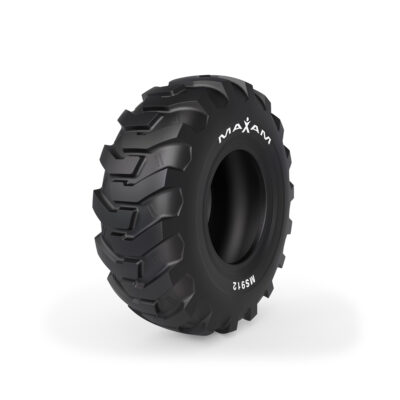
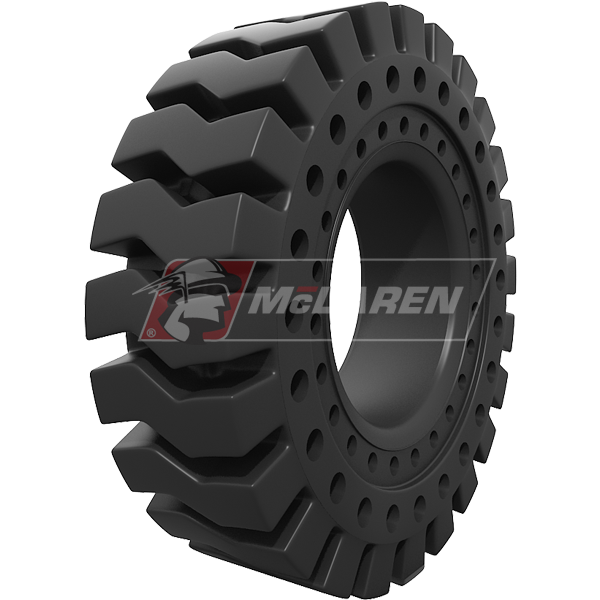
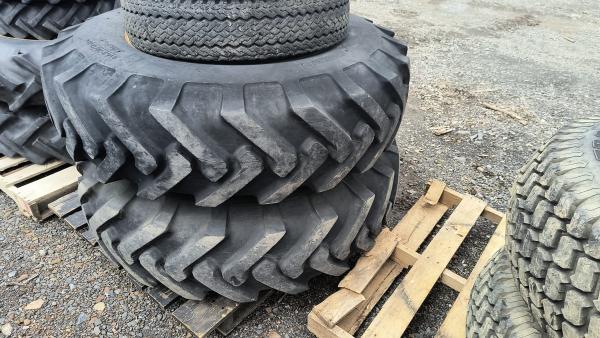
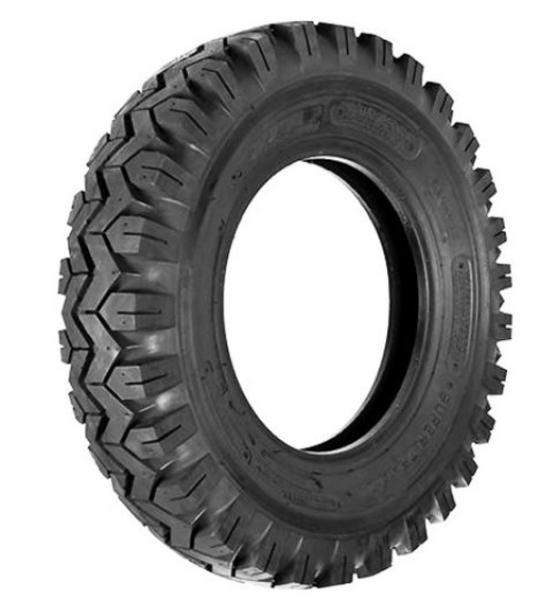
Introduction
Locating rare or obsolete tires for heavy equipment can be a daunting task. Whether you're restoring vintage machinery or maintaining specialized vehicles, sourcing the right tires is crucial for safety and performance. This guide explores strategies and resources to help you find those elusive tires.
Understanding Tire Specifications
Before embarking on your search, it's essential to understand the specific tire requirements for your equipment. Tires are categorized based on their application, such as construction, forestry, or mining. Key specifications include: - Tire Size: Indicated by numbers like 14.9-28 or 20.5R25, representing width, aspect ratio, and rim diameter.
- Tread Pattern: Determines traction and durability; options include R-4 (industrial), L-2 (loader), and E-3 (earthmover).
- Load Rating: Indicates the maximum weight a tire can safely carry.
- Speed Rating: Specifies the maximum speed at which the tire can operate.
Challenges in Sourcing Rare Tires
The difficulty in finding rare tires often stems from:- Discontinued Models: Manufacturers may cease production of specific tire sizes or types.
- Limited Production Runs: Some tires are produced in small quantities for specialized equipment.
- Obsolescence: Older machinery may require tires that are no longer in production.
Strategies for Finding Rare Tires
- Contact Original Equipment Manufacturers (OEMs): Reach out to the equipment manufacturer for information on compatible tire models or potential suppliers.
- Utilize Online Marketplaces: Platforms like eBay and Mascus often list used or surplus tires.
- Consult Specialty Tire Suppliers: Companies like OTRTires.com specialize in hard-to-find off-the-road tires.
- Join Industry Forums and Groups: Engage with communities such as Practical Machinist or Heavy Equipment Forums to seek advice and leads.
- Explore Salvage Yards: Some salvage yards stock used tires from decommissioned equipment.
Alternative Solutions
If sourcing the exact tire proves impossible, consider:- Retrofitting: Adapting your equipment to fit a more readily available tire size.
- Custom Fabrication: Engaging manufacturers to produce a custom tire, though this can be costly.
- Solid or Foam-Filled Tires: These alternatives eliminate the need for air pressure but may alter ride quality.
Conclusion
Finding rare tires for heavy equipment requires persistence and resourcefulness. By understanding your equipment's specifications and leveraging various resources, you can increase your chances of locating the necessary tires. Remember to consider all options, including alternatives and modifications, to ensure the continued operation of your machinery.
|

|
|
| Stone 43 Roller Vibration Coupler |
|
Posted by: MikePhua - 08-21-2025, 08:41 PM - Forum: Parts , Attachments & Tools
- No Replies
|
|
The Stone 43 roller is a widely used compactor in the construction industry, designed for efficient compaction of soil, asphalt, and other materials. A critical component of this machine is its vibration coupler, which plays a key role in the compaction process by transmitting vibration from the engine to the drum. This article will provide a comprehensive overview of the Stone 43 roller’s vibration coupler, its function, common issues, and maintenance tips to keep your roller running efficiently.
Overview of the Stone 43 Roller
Stone Construction Equipment, founded in the 1970s, has built a strong reputation in the construction machinery sector, particularly with its rollers and compactors. The Stone 43 roller is one of their most popular models due to its durability, ease of operation, and powerful compaction capabilities.
The roller is designed for a variety of uses, from small to medium-sized paving projects to base material preparation and road repairs. The vibration mechanism of the Stone 43 roller ensures that the materials being compacted achieve the desired density for long-lasting performance.
Function of the Vibration Coupler in the Stone 43 Roller
The vibration coupler in a compactor like the Stone 43 roller is essential for generating the compaction force. The coupler transmits the rotational energy from the engine or hydraulic system to the roller drum, causing it to vibrate. This vibration helps to break down air pockets in the material being compacted, increasing the material’s density and improving the uniformity of the surface.
The vibration process is controlled by the machine’s engine speed, the hydraulic system’s pressure, and the setting of the coupler. By adjusting the frequency and amplitude of the vibrations, operators can fine-tune the compaction for different material types, from granular soils to dense asphalt mixtures.
Common Problems with the Vibration Coupler
While the vibration coupler is designed to be durable, it can experience wear or failure due to several factors. Here are some of the common issues reported with the vibration coupler on the Stone 43 roller:
1. Loss of Vibration Power
One of the most noticeable issues is the loss of vibration power. When the coupler malfunctions, the vibration generated by the drum will either be too weak or nonexistent. This can significantly reduce the roller's effectiveness in compacting material, resulting in poor quality of work.
Potential Causes: - Wear and tear of the coupler components.
- Hydraulic issues, such as low fluid levels or a malfunctioning pump.
- Air or debris in the hydraulic lines.
Solution: The first step is to inspect the hydraulic system, ensuring that fluid levels are adequate and there is no air trapped in the system. If the coupler components are worn, they may need to be replaced. Regularly changing hydraulic filters and performing system maintenance can help avoid these issues.
2. Vibration at Incorrect Frequency
Another issue that can arise is improper vibration frequency, which may cause uneven compaction or failure to meet project specifications. Incorrect frequency can also lead to excessive wear on the roller components, affecting overall performance.
Potential Causes:- Incorrect calibration of the vibration system.
- Faulty vibration control sensors.
- Hydraulic valve malfunctions.
Solution: Recalibrate the vibration system according to the manufacturer’s specifications. If sensors or valves are malfunctioning, they should be replaced to restore proper function. It is also important to regularly inspect the system for debris that may affect vibration control.
3. Excessive Vibration
Excessive vibration can be just as problematic as insufficient vibration. This may lead to equipment damage, excessive wear on the drum, and even injury to the operator if not addressed.
Potential Causes:- Misalignment of the vibration coupler.
- Hydraulic pressure problems.
- Damaged vibration isolators or coupler components.
Solution: Inspect the alignment of the vibration coupler and make any necessary adjustments. Ensure that hydraulic pressure is within the recommended range for optimal operation. If vibration isolators or coupler parts are damaged, replace them to reduce the impact of excessive vibrations.
Vibration Coupler Maintenance and Tips
Proper maintenance of the vibration coupler is essential to ensure that the Stone 43 roller continues to perform efficiently. Below are some maintenance tips that will help extend the life of the coupler and prevent downtime:
1. Regular Inspection of Hydraulic System
The vibration coupler relies heavily on the hydraulic system to function properly. Regularly inspect hydraulic fluid levels, check for leaks, and ensure the hydraulic pump is functioning as expected. If there is a noticeable decrease in vibration power or responsiveness, check for air in the system or low fluid levels.
2. Check for Wear and Tear
Over time, the vibration coupler components may experience wear, especially in harsh conditions. Check for any loose or worn parts, and replace seals and gaskets as needed to prevent leaks. Pay particular attention to the bearings and mounting hardware, as these parts can deteriorate with prolonged use.
3. Monitor Vibration Frequency
Ensure that the vibration frequency is within the manufacturer’s recommended specifications. Improper frequency can lead to uneven compaction or cause excessive wear on the roller and the materials being compacted. Use frequency meters to monitor and adjust the settings accordingly.
4. Use Proper Lubrication
Lubricating the vibration coupler and its components is essential to reduce friction and prevent damage. Use the proper type of lubricant as recommended by the manufacturer and ensure that lubrication is performed regularly to keep the system running smoothly.
5. Prevent Contamination
Contamination in the hydraulic system can cause major damage to the vibration coupler. Use high-quality hydraulic fluid, and regularly replace filters to prevent contaminants from entering the system. It is also important to clean and inspect the machine after use to avoid dirt and debris buildup.
Conclusion
The Stone 43 roller is a powerful machine widely used in construction for its efficiency and compacting capabilities. The vibration coupler is an essential component that helps to transmit the vibration energy needed for optimal compaction. By maintaining the hydraulic system, monitoring vibration frequency, and performing regular checks, operators can avoid common issues such as loss of vibration power, incorrect frequency, and excessive vibrations.
Like all heavy machinery, the Stone 43 roller requires periodic maintenance and attention to detail to ensure it remains a reliable tool for road construction, paving, and other material compaction projects. Understanding the role of the vibration coupler and staying ahead of potential issues will help you maximize the performance and longevity of the machine, keeping it running at its best for years to come.
|
|
|
|
| Land Clearing Equipment and Techniques |
|
Posted by: MikePhua - 08-21-2025, 08:41 PM - Forum: General Discussion
- No Replies
|
|
Introduction
Land clearing is a fundamental step in preparing a site for construction, agriculture, or other land-use projects. The process involves removing trees, shrubs, stumps, rocks, and other obstacles to make the land suitable for its intended purpose. Selecting the appropriate equipment and techniques is crucial to ensure efficiency, cost-effectiveness, and minimal environmental impact.
Types of Land Clearing Equipment
- Bulldozers: These heavy-duty machines are equipped with large blades to push soil, vegetation, and debris. They are ideal for leveling terrain and creating access roads.
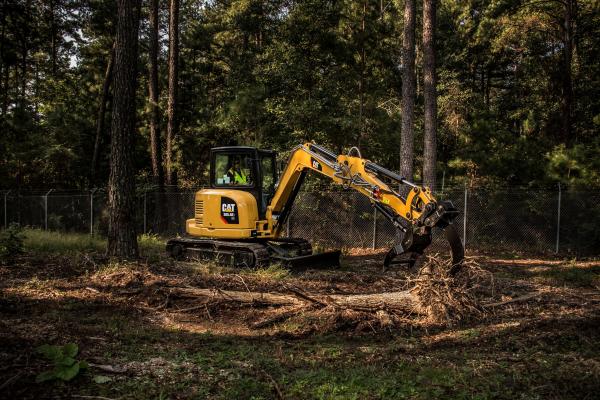
- Excavators: Versatile machines with a bucket arm, excavators can dig trenches, remove stumps, and handle large debris. Attachments like grapples and shears enhance their functionality.
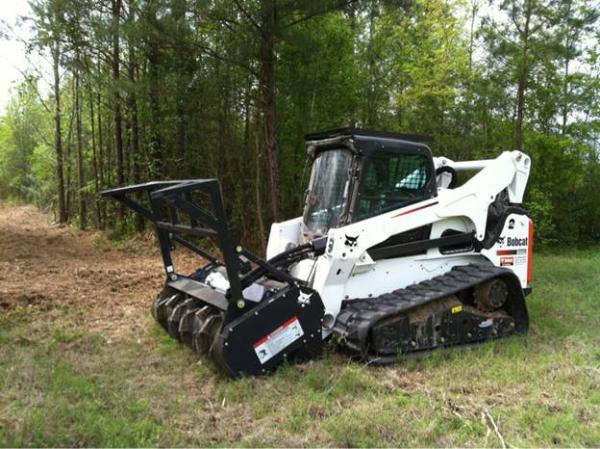
- Skid Steer Loaders: Compact and maneuverable, skid steers are suitable for smaller areas. They can be fitted with various attachments such as mulchers, rakes, and stump grinders.
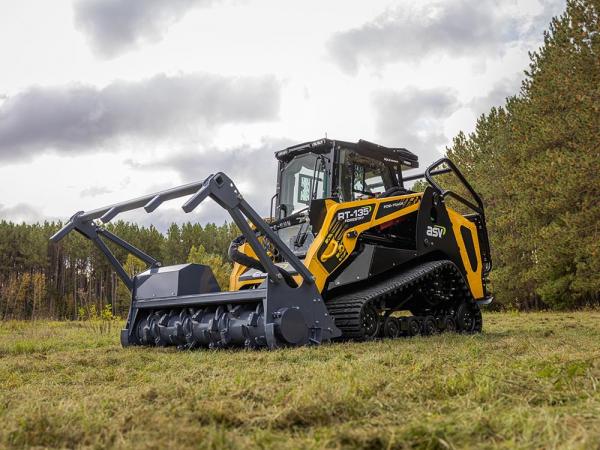
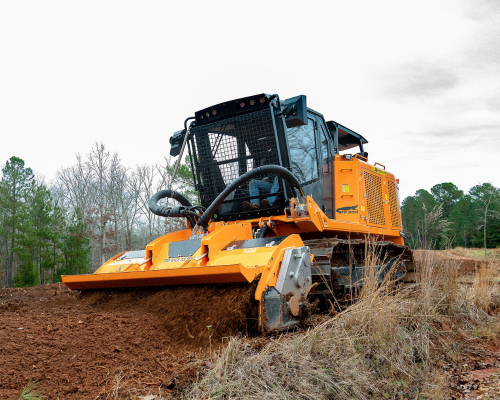
- Forestry Mulchers: These machines shred vegetation into mulch, which can be left on-site to decompose, enriching the soil. They are efficient for clearing dense brush and small trees.
- Stump Grinders: Used to grind tree stumps below ground level, preventing regrowth and facilitating smooth land surfaces.
- Chippers: These machines break down branches and smaller trees into chips, which can be used for landscaping or mulching.
- Motor Graders: Essential for final grading, motor graders level the ground and create precise slopes, ensuring proper drainage.
Land Clearing Techniques
- Mechanical Clearing: Utilizes heavy machinery to remove vegetation and debris. This method is efficient for large areas but can be disruptive to the soil.
- Manual Clearing: Involves the use of handheld tools like chainsaws and machetes. Suitable for small areas or when machinery access is limited.
- Controlled Burning: Used to clear brush and small trees, this method reduces debris and enriches the soil. However, it requires careful planning and adherence to local regulations.
- Chemical Clearing: Involves applying herbicides to vegetation to kill it before removal. This method is effective but may have environmental implications.
Factors Influencing Equipment Selection- Terrain Type: Rough or uneven terrain may require specialized equipment like tracked vehicles for stability.
- Vegetation Density: Dense forests necessitate powerful machinery capable of handling large volumes of material.
- Project Size: Large-scale projects benefit from high-capacity equipment to maintain efficiency.
- Budget: Cost considerations may influence the choice between purchasing and renting equipment.
Safety Considerations- Operator Training: Ensure that all operators are trained and familiar with the equipment.
- Personal Protective Equipment (PPE): Operators should wear appropriate PPE, including helmets, gloves, and eye protection.
- Site Assessment: Conduct a thorough assessment of the site to identify potential hazards such as power lines or unstable ground.
- Environmental Impact: Consider the potential environmental effects of the clearing process and take steps to mitigate them.
Conclusion
Effective land clearing requires a combination of the right equipment, techniques, and safety measures. By carefully assessing the project requirements and selecting appropriate methods, landowners and contractors can ensure a successful and sustainable clearing process.
|
|
|
|
| Hitachi LX20 and Similar Equipment: Owner's Manual Insights and Practical Tips |
|
Posted by: MikePhua - 08-21-2025, 08:39 PM - Forum: General Discussion
- No Replies
|
|
The Hitachi LX20 is a compact wheel loader known for its powerful performance, versatility, and durability in various construction and material handling applications. Whether you are a first-time owner or an experienced operator, understanding the equipment's manual is essential for optimal operation, maintenance, and troubleshooting. In this article, we will explore the key features of the Hitachi LX20, common issues, and essential tips from the owner's manual to help you get the most out of this reliable machine.
The Hitachi Brand and LX20 Overview
Hitachi Construction Machinery, a subsidiary of Hitachi Ltd., has a long history of producing heavy equipment known for their reliability, advanced technology, and performance. Founded in 1970, Hitachi has earned a strong reputation in the construction and mining sectors with its innovative machinery. The LX20, part of the LX-series of compact wheel loaders, is designed to handle a variety of tasks, including digging, lifting, transporting materials, and grading.
The LX20 is particularly known for its user-friendly features, efficient fuel consumption, and powerful engine, which make it an excellent choice for smaller, high-performance jobs in urban environments and on construction sites. Equipped with a robust hydraulic system, durable frame, and strong lifting capacity, the LX20 offers versatility in both light and heavy-duty tasks.
Key Specifications of the Hitachi LX20
Here are some of the key specifications and features that define the Hitachi LX20 compact wheel loader:
- Engine Power: The LX20 is powered by a 4-cylinder, water-cooled engine that delivers approximately 40-50 horsepower (depending on the specific model variant). The engine provides sufficient power for lifting, digging, and material handling tasks, ensuring maximum productivity.
- Operating Weight: The operating weight of the LX20 is around 5,000 to 6,000 kg (approximately 11,000 to 13,000 lbs), which makes it a mid-sized loader in its category. This weight allows for stable operation and effective load handling, without compromising on mobility.
- Hydraulic System: The LX20 features a hydraulic system designed for powerful lifting and digging. The system includes a high-flow pump that ensures smooth and quick operation. The hydraulic system is engineered for long life and reliable performance, even under demanding conditions.
- Bucket Capacity: The standard bucket capacity for the LX20 is between 0.8 and 1.2 cubic meters, depending on the configuration. This allows operators to handle various materials efficiently, from loose soil and gravel to heavier loads like sand and small rocks.
- Lift Height: The LX20 offers impressive lift height, making it suitable for a range of material handling tasks. With a lifting height of approximately 3.2 meters (10.5 feet), it is capable of loading materials into high vehicles or stacking heavy items with ease.
- Transmission and Drive: The loader is equipped with a hydrostatic transmission, which ensures smooth operation, especially in environments with frequent direction changes or when navigating difficult terrain.
- Cab and Operator Comfort: The operator's cab in the LX20 is designed for comfort and efficiency. It features a spacious cabin with excellent visibility, air conditioning, ergonomic controls, and an adjustable seat, ensuring that operators can work efficiently even during long hours.
Key Considerations for Operating the Hitachi LX20
Although the LX20 is built for performance, it’s important for operators to follow best practices to ensure the loader functions optimally throughout its lifespan. Here are some key considerations:
- Pre-Operational Checks: Before starting the machine, operators should always perform a pre-operational check. This includes inspecting hydraulic fluid levels, checking tire pressure, ensuring that the bucket and lifting arms are in good condition, and verifying that the engine coolant and oil levels are optimal. Routine checks can help avoid expensive repairs and extend the life of the machine.
- Safe Operating Practices: The LX20 is designed for heavy lifting and material handling. However, operators should avoid overloading the loader, as this can lead to tipping or damage to the hydraulic system. Always use the loader within its rated lifting and operating capacity.
- Hydraulic System Maintenance: Regular maintenance of the hydraulic system is crucial for maintaining optimal performance. This includes checking hoses, cylinders, and pumps for leaks or wear. Cleaning and replacing filters at regular intervals will help prevent hydraulic fluid contamination, which can lead to system failure.
- Fuel Efficiency: One of the key advantages of the LX20 is its efficient fuel consumption. To maximize fuel efficiency, operators should focus on smooth, gradual acceleration and deceleration. Avoiding sudden starts and stops can help reduce fuel consumption and increase the loader's operational efficiency.
- Lubrication: Keeping moving parts properly lubricated is essential for reducing wear and ensuring smooth operation. The LX20’s components, such as the steering, bucket, and arm pivot points, should be lubricated according to the manufacturer’s guidelines to prevent premature wear and tear.
Common Issues and Troubleshooting
While the Hitachi LX20 is a reliable machine, like all heavy equipment, it can experience occasional issues. Here are some common problems reported by operators and how to troubleshoot them:
1. Engine Starting Problems
If the engine is slow to start or fails to start altogether, the most likely causes are battery issues or fuel system malfunctions. A drained or faulty battery can prevent the engine from turning over, while a clogged fuel filter or fuel line blockage can restrict fuel flow.
Solution: Check the battery for charge and ensure connections are clean and tight. If the battery is older than 3-4 years, consider replacing it. Inspect the fuel lines and filter for clogs and replace the fuel filter as part of regular maintenance.
2. Hydraulic Problems
A common issue with the hydraulic system could be a loss of hydraulic pressure, causing weak or unresponsive operation of the lift arms or bucket. This can be due to low hydraulic fluid levels, damaged hoses, or malfunctioning pumps.
Solution: Always monitor hydraulic fluid levels and top them up if necessary. Regularly inspect hydraulic hoses for signs of wear or leaks. If there’s a significant loss of pressure, check the hydraulic pump for failure and replace it if needed.
3. Transmission Issues
If the loader struggles to change gears or operates slowly, it could indicate problems with the hydrostatic transmission. Common issues can include low fluid levels, a clogged filter, or damaged transmission components.
Solution: Check the transmission fluid levels and replace any dirty or contaminated fluid. Clean or replace the transmission filter as needed to maintain smooth operation.
4. Overheating
Overheating of the engine is a sign of potential problems, such as a clogged radiator or insufficient coolant levels. If the temperature gauge rises too high, immediate action should be taken to prevent engine damage.
Solution: Ensure the radiator is clean and free of debris. Check coolant levels and ensure that the cooling system is functioning properly. Regularly replace coolant to maintain optimal cooling efficiency.
Maintaining the Hitachi LX20 for Longevity
To maximize the longevity of your Hitachi LX20 loader, it is crucial to follow the maintenance schedule outlined in the operator's manual. Regular maintenance tasks include:- Checking and changing engine oil and filters.
- Inspecting and replacing hydraulic oil and filters.
- Cleaning and maintaining the cooling system.
- Regularly lubricating all moving parts.
- Inspecting the tires for wear and ensuring proper inflation.
By adhering to a proactive maintenance plan, operators can ensure that the Hitachi LX20 continues to perform reliably for many years, minimizing downtime and repair costs.
Conclusion
The Hitachi LX20 compact wheel loader is a versatile and durable machine that offers a great balance of power and efficiency for a wide range of construction tasks. By understanding the key specifications, following best practices for operation, and maintaining the machine as per the owner's manual, operators can enjoy long-term reliability and optimal performance. As with all heavy machinery, proper care and timely repairs are essential to keeping the LX20 running smoothly. With its efficient fuel use, high lifting capacity, and robust design, the LX20 is a trusted workhorse for many industries.
|
|
|
|
| Case 590SM Backhoe Loader Directional Solenoid |
|
Posted by: MikePhua - 08-21-2025, 08:39 PM - Forum: Parts , Attachments & Tools
- No Replies
|
|
Introduction
The Case 590SM backhoe loader, renowned for its versatility and durability, is a staple in construction and agricultural operations. Central to its performance is the directional solenoid, a critical component in the transmission system that controls the flow of hydraulic fluid, enabling the machine to shift gears smoothly. Understanding the function, common issues, and maintenance of this solenoid is essential for operators and technicians to ensure optimal performance and longevity of the equipment.
Function and Importance
The directional solenoid in the Case 590SM is an electrically operated valve that directs hydraulic fluid to specific parts of the transmission system. When the operator selects a gear, the solenoid activates, allowing fluid to flow in a manner that engages the appropriate clutch pack, thereby facilitating smooth transitions between forward, neutral, and reverse gears. This precise control is vital for the efficient operation of the backhoe loader, affecting everything from digging and lifting to traveling across job sites.
Common Issues and Symptoms
Over time, the directional solenoid may experience wear or failure, leading to various operational issues. Common symptoms of a faulty solenoid include: - Erratic Shifting: Unpredictable or delayed gear changes can occur, making the machine difficult to control.
- Sticking in Gear: The loader may remain in a selected gear, even when the operator attempts to shift.
- No Movement: In some cases, the machine may fail to move entirely if the solenoid is not directing fluid correctly.
- Warning Lights: Illumination of transmission-related warning indicators on the dashboard.
These issues can stem from electrical faults, such as damaged wiring or connectors, or from mechanical failures within the solenoid itself.
Diagnostic Steps
To diagnose problems with the directional solenoid, technicians should:
- Inspect Electrical Connections: Check for loose, corroded, or damaged wires and connectors associated with the solenoid.
- Test Solenoid Operation: Using a multimeter, verify that the solenoid is receiving the correct voltage and that it is activating appropriately when the gear selector is moved.
- Check Hydraulic Pressure: Ensure that the hydraulic system is functioning within specified pressure ranges, as inadequate pressure can affect solenoid performance.
- Examine Fluid Quality: Low or contaminated hydraulic fluid can impair solenoid operation; regular fluid checks are recommended.
Maintenance and Replacement
Regular maintenance of the directional solenoid involves:- Cleaning: Removing debris and contaminants from the solenoid and surrounding components.
- Lubrication: Applying appropriate lubricants to moving parts to reduce wear.
- Inspection: Regularly checking for signs of wear or damage.
If a solenoid replacement is necessary, it's crucial to use OEM (Original Equipment Manufacturer) parts to ensure compatibility and reliability. For the Case 590SM, part number 87421832 is commonly used for solenoid coil replacements. Aftermarket options are also available, such as the 87456900 solenoid kit, which is compatible with various Case loader backhoe models, including the 590SM.
Conclusion
The directional solenoid is a pivotal component in the Case 590SM backhoe loader's transmission system. Understanding its function, recognizing potential issues, and performing regular maintenance can significantly enhance the machine's performance and lifespan. Operators and technicians should prioritize the health of this component to ensure seamless operation and reduce downtime on the job site.
|
|
|
|
| CAT 235C: A Robust Excavator for Heavy-Duty Work |
|
Posted by: MikePhua - 08-21-2025, 08:38 PM - Forum: General Discussion
- No Replies
|
|
The Caterpillar CAT 235C is a track-mounted hydraulic excavator known for its exceptional performance and reliability in construction and heavy-duty applications. As part of Caterpillar's line of hydraulic excavators, the CAT 235C boasts advanced engineering and versatility, making it suitable for a range of tasks from digging and lifting to grading and material handling. In this article, we will explore the CAT 235C's specifications, common issues, maintenance tips, and how it stands out in the world of heavy equipment.
Caterpillar's Legacy and the CAT 235C
Caterpillar, or CAT, is one of the most trusted names in the heavy equipment industry, producing machinery that is essential for construction, mining, and infrastructure projects worldwide. Since its founding in 1925, Caterpillar has led the way in engineering durable and efficient machines that meet the needs of operators in tough work environments.
The CAT 235C excavator was introduced as part of CAT’s Series C line of mid-sized hydraulic excavators. It was designed to offer a balanced combination of performance, fuel efficiency, and operator comfort. The 235C, which was often used in construction, landscaping, and road-building projects, gained a reputation for its ability to tackle demanding workloads with ease.
Key Features and Specifications
The CAT 235C offers a range of features that make it a formidable piece of machinery in the heavy equipment sector. Here are some of its most notable specifications:
- Engine Power: The CAT 235C is powered by a 6-cylinder, 3306 T engine, which provides 118 horsepower (88 kW). This engine is known for its durability and efficiency, enabling the excavator to handle heavy lifting and digging tasks without issue.
- Operating Weight: The machine has an operating weight of approximately 23,000 kg (50,700 lbs), making it ideal for mid-range tasks. This weight allows for a strong lifting capacity while maintaining stability and control on uneven terrain.
- Hydraulic System: The hydraulic system on the CAT 235C is equipped with a powerful pump that provides high flow rates, ensuring the excavator is capable of quick and efficient operations. The hydraulic system is also designed for durability, ensuring longevity even in tough working conditions.
- Digging Depth and Reach: The CAT 235C offers a maximum digging depth of around 7.3 meters (24 feet), with a reach of about 9.3 meters (30 feet). These numbers allow operators to access deep trenches or work in large excavations.
- Bucket Capacity: The CAT 235C comes with a bucket capacity ranging from 1.2 to 1.6 cubic meters, depending on the configuration. This allows for high material handling efficiency, whether it’s earth, gravel, or other construction materials.
- Undercarriage and Tracks: The undercarriage is built to withstand the stresses of rough terrains, and the tracks provide stability and mobility. The CAT 235C’s tracks are particularly effective for off-road and muddy conditions, providing a firm grip.
- Cab and Operator Comfort: Caterpillar has ensured that the 235C is equipped with an ergonomically designed cab, offering comfort during long working hours. Features such as air conditioning, adjustable seats, and an intuitive control panel help to keep the operator comfortable and productive.
Common Problems with the CAT 235C
While the CAT 235C is known for its reliability, like any piece of heavy equipment, it can experience problems with age or improper maintenance. Some of the most common issues reported by operators include:
1. Hydraulic System Failures
The hydraulic system is critical to the excavator’s performance. Common problems in this area include:- Hydraulic Leaks: Over time, seals and hoses can degrade, leading to fluid leaks. If left unaddressed, hydraulic fluid loss can reduce system pressure and performance.
- Pump Failures: The hydraulic pump can wear out over time, especially if proper maintenance isn’t followed. A failing pump can lead to weak or slow hydraulic operation.
Solution: Regularly inspect hydraulic hoses, seals, and pumps for wear and leaks. If any damage is found, replace the parts promptly. Regular oil and filter changes are also vital to ensure the hydraulic fluid remains clean and effective.
2. Electrical System Issues
The CAT 235C uses a complex electrical system to manage everything from engine power to the control of hydraulic functions. Common issues may include:- Battery Drainage: The battery can lose its charge if the electrical system isn't maintained properly, especially in extreme weather conditions.
- Wiring Issues: Over time, wiring can become brittle or damaged, causing issues with power transmission to various components.
Solution: Perform regular inspections of the electrical system, checking wiring for signs of wear. Replace damaged or corroded parts immediately. Keep the battery terminals clean and ensure the battery is adequately charged.
3. Track and Undercarriage Wear
The tracks and undercarriage are subject to constant wear due to the rough conditions in which the CAT 235C operates. Issues can arise, including:- Track Slippage: This can occur when the tracks become loose or the sprockets are worn down.
- Undercarriage Misalignment: Uneven wear or misalignment of the undercarriage components can affect the stability and maneuverability of the machine.
Solution: Regularly inspect the undercarriage, checking for track tension and alignment. Keep the tracks clean from debris to reduce wear, and lubricate moving parts as recommended by the manufacturer.
4. Engine Problems
The engine of the CAT 235C is a powerhouse, but issues can arise with age, especially if the maintenance schedule is not adhered to:- Overheating: If the engine overheats, it can lead to a breakdown or even permanent damage. Common causes of overheating include clogged radiators or coolant leaks.
- Starting Issues: Difficulty starting the engine can be due to a variety of factors, including battery problems or fuel system issues.
Solution: Ensure that the engine’s cooling system is regularly flushed and cleaned. Check for any signs of wear on hoses or leaks, and always monitor the engine temperature. Regularly change the engine oil and fuel filters to keep the engine running smoothly.
Maintenance and Care for Longevity
To get the most out of your CAT 235C, regular maintenance is key. Operators should follow these guidelines:
- Daily Checks: Before using the excavator, always check the hydraulic fluid levels, engine oil, and cooling system. Ensure that the tracks are in good condition, and inspect for any leaks or damage.
- Scheduled Service: Caterpillar recommends scheduled servicing every 250 hours for major maintenance tasks, such as changing the hydraulic fluid and replacing filters.
- Cleanliness: Keeping the machine clean is crucial. Dirt and debris can clog filters, reduce efficiency, and wear down components. Wash the machine regularly and ensure the air filters are cleaned frequently.
- Proper Operation: Ensure operators are trained and familiar with the proper handling of the machine. Avoid overloading the excavator or operating it at high speeds on rough terrain to prevent unnecessary wear.
Conclusion
The CAT 235C is a durable and reliable machine that offers impressive performance for various heavy-duty tasks. While it’s built to handle challenging environments, like all heavy equipment, it requires regular maintenance and proper care to ensure a long lifespan. By addressing common issues such as hydraulic system failures, electrical problems, and track wear, operators can keep their CAT 235C in optimal working condition, maximizing productivity and reducing downtime.
Regular maintenance, careful operation, and attention to detail are the keys to ensuring this excavator continues to perform at its best for years to come. Whether on construction sites or in industrial settings, the CAT 235C remains a valuable piece of equipment in the Caterpillar fleet, trusted by operators across the globe.
|
|
|
|
| Caterpillar 416B Backhoe Loader |
|
Posted by: MikePhua - 08-21-2025, 08:38 PM - Forum: General Discussion
- No Replies
|
|
Introduction
The Caterpillar 416B backhoe loader, introduced in the early 1990s, stands as a testament to Caterpillar's commitment to engineering excellence and versatility in construction equipment. Building upon the foundation laid by the original 416 model, the 416B was designed to offer enhanced performance, improved operator comfort, and greater durability. This model quickly became a favorite among contractors and municipalities for tasks ranging from trenching and excavation to material handling and landscaping.
Development and Evolution
Caterpillar's journey into the backhoe loader market began in 1985 with the launch of the 416 model. This move was the result of extensive market research, including over 2,000 customer interviews and thousands of hours of competitive product evaluations . The success of the 416 led to the development of the 416B, which debuted in 1992. The 416B featured several upgrades over its predecessor, including improved hydraulics, enhanced operator controls, and a more powerful engine, solidifying its position as a reliable and efficient machine in the backhoe loader category.
Specifications - Engine: The 416B is powered by a 4.4L, 4-cylinder diesel engine, delivering approximately 74 horsepower (55.2 kW) .
- Transmission: Equipped with a 4-speed power shuttle transmission, offering smooth shifting and enhanced control.
- Hydraulics: Features a hydraulic system with a maximum pressure of 3,000 psi (206.8 bar) and a total flow rate of 41 gallons per minute (155.2 L/min), ensuring efficient operation of the loader and backhoe functions .
- Dimensions:
- Operating Weight: Approximately 13,500–14,500 lbs (6,123–6,577 kg) .
- Length: 23 ft (7.01 m).
- Width: 7 ft 2 in (2.18 m) over tires.
- Height: 8 ft 10 in to 9 ft (2.69–2.74 m) to cab top .
- Tires:
- Front: 12.5/80-18.
- Rear: 19.5-L24 .
Performance and Capabilities
The 416B's hydraulic system provides powerful digging forces and lifting capacities, making it suitable for a wide range of applications. Its extendable backhoe arm (Extend-a-Hoe) allows for increased digging depth and reach, enhancing productivity on the job site. The machine's versatility is further complemented by its ability to be equipped with various attachments, such as forks, augers, and hydraulic hammers, adapting to different tasks and challenges.
Operator Comfort and Safety
Caterpillar prioritized operator comfort and safety in the design of the 416B. The machine features an ergonomically designed cab with adjustable seating, intuitive controls, and excellent visibility, reducing operator fatigue during extended work periods. Safety features include ROPS (Roll-Over Protective Structure) and FOPS (Falling Object Protective Structure) certified cabs, ensuring protection in hazardous environments.
Maintenance and Longevity
Routine maintenance is crucial to ensure the longevity and optimal performance of the 416B. Regular checks of the hydraulic fluid, engine oil, and air filters are recommended. Caterpillar's extensive dealer network provides access to genuine parts and service expertise, facilitating straightforward maintenance and repairs. The machine's robust construction and quality components contribute to its reputation for reliability and extended service life.
Market Presence and Legacy
The Caterpillar 416B has left a lasting impact on the backhoe loader market. Its combination of power, versatility, and operator comfort made it a preferred choice for many professionals in the construction industry. Even as newer models have been introduced, the 416B remains a testament to Caterpillar's engineering prowess and commitment to meeting the needs of its customers.
Conclusion
The Caterpillar 416B backhoe loader exemplifies the evolution of construction equipment, combining advanced technology with practical design to meet the demands of the industry. Its enduring popularity underscores its effectiveness and reliability, making it a valuable asset for various construction and excavation projects.
|
|
|
|
| CAT 215 Steering Issues: Troubleshooting and Solutions |
|
Posted by: MikePhua - 08-21-2025, 08:32 PM - Forum: Troubleshooting & Diagnosing
- No Replies
|
|
The CAT 215 is a well-known model in Caterpillar's lineup of hydraulic excavators. It’s designed for demanding operations and renowned for its power and versatility. However, like all machinery, it can experience issues from time to time. One of the more common problems faced by operators is when the steering stops functioning properly. This issue can hinder productivity and, if not addressed quickly, can lead to costly repairs or even downtime.
This article will explore the possible causes of steering failure in the CAT 215, how to troubleshoot the issue, and what steps can be taken to resolve it.
Understanding the Steering System in the CAT 215
The CAT 215 features a hydraulic steering system that allows for smooth and precise control of the machine’s movement. Hydraulic steering systems in heavy equipment like the CAT 215 generally rely on hydraulic pumps, actuators, and fluid to operate the steering cylinders that turn the wheels or tracks. These systems are powered by the engine and rely heavily on proper fluid flow, pressure, and valve operation to function correctly.
Common components involved in the steering system include:
- Hydraulic Pump: This generates the necessary pressure to drive the steering cylinders.
- Steering Valve: Directs the flow of hydraulic fluid to the appropriate cylinder.
- Steering Cylinders: These actuators convert hydraulic pressure into mechanical movement to steer the machine.
- Hydraulic Fluid: Vital for transmitting power through the system.
- Steering Motor: In some models, a dedicated steering motor assists with turning.
When steering issues arise, it's often a problem in one of these components, leading to a breakdown in functionality.
Common Causes of Steering Problems in the CAT 215
If the CAT 215 suddenly has steering issues, there are a few key areas to check that might explain the malfunction.
1. Low Hydraulic Fluid Levels
One of the simplest causes of steering failure is low hydraulic fluid. Hydraulic fluid is essential for generating the necessary pressure for the steering system to function. If the fluid levels are low, the pump won't be able to generate enough pressure to move the steering cylinders, leading to a complete loss of steering power.
Symptoms of low fluid levels:- The steering becomes sluggish or unresponsive.
- The steering may work intermittently.
- Hydraulic fluid warning light may illuminate (if the machine is equipped with one).
Solution: Check the hydraulic fluid levels using the dipstick or gauge. If the fluid is low, top it up with the appropriate hydraulic oil. Be sure to use the manufacturer-recommended fluid type to avoid further issues.
2. Contaminated Hydraulic Fluid
Over time, hydraulic fluid can become contaminated with dirt, metal shavings, or other particles. This contamination can clog filters, reduce fluid flow, and damage components such as the steering valves and pump. In some cases, contaminated fluid can cause a complete failure of the steering system.
Symptoms of contaminated fluid:- A jerky or erratic steering response.
- The steering becomes hard to turn, even when the hydraulic fluid is at the correct level.
- Unusual noises coming from the hydraulic pump or steering components.
Solution: If contamination is suspected, drain the old hydraulic fluid and replace it with fresh, clean fluid. Also, replace or clean the hydraulic filters to prevent any debris from circulating back into the system.
3. Failed Steering Valve
The steering valve is responsible for directing hydraulic fluid to the correct side of the steering cylinders. If this valve fails or becomes stuck, it can cause a complete loss of steering control.
Symptoms of a faulty steering valve:- The steering becomes unresponsive or difficult to control.
- Hydraulic pressure readings may be irregular or drop unexpectedly.
- The steering system may fail to return to neutral after turning.
Solution: Inspect the steering valve for signs of wear, leaks, or damage. In some cases, the valve may need to be replaced entirely. If the valve is clogged, it may need cleaning to restore normal function.
4. Steering Cylinder Issues
The steering cylinders themselves may suffer from issues such as leaks or internal damage. If a cylinder fails, the steering system may lose its ability to turn in one or both directions.
Symptoms of steering cylinder failure:- Uneven steering response in one direction.
- Visible hydraulic fluid leakage around the cylinder.
- A decrease in overall steering power or performance.
Solution: Inspect the steering cylinders for visible signs of damage, such as leaks, cracks, or bent rods. If necessary, replace the damaged cylinder or have it repaired by a professional.
5. Hydraulic Pump Failure
The hydraulic pump is responsible for generating the pressure required to move the steering system. If the pump fails, the steering system will be unable to receive the pressure it needs to function properly.
Symptoms of a failed hydraulic pump:- Complete loss of steering power.
- High-pitched noise from the hydraulic pump when the steering is engaged.
- Lack of hydraulic pressure, as indicated by gauges.
Solution: If the pump is faulty, it may need to be replaced. Pump failure is often caused by inadequate maintenance, poor fluid quality, or an overload of the hydraulic system. It’s crucial to use the right fluid and ensure the system is free from contaminants.
6. Damaged Steering Motor
Some CAT 215 models use a dedicated steering motor to assist with turning the wheels or tracks. If the steering motor fails, it can lead to a loss of steering power. A damaged motor can be caused by a lack of lubrication, contamination, or age-related wear.
Symptoms of a damaged steering motor:- Difficulty turning in one or both directions.
- Loss of steering power, even with proper fluid levels and pressure.
- Noisy or erratic operation of the steering system.
Solution: Check the motor for any visible damage or wear. If the motor is found to be faulty, it will need to be replaced or rebuilt.
Preventative Measures to Avoid Steering Failures
To prevent steering issues in the future, regular maintenance of the hydraulic system is essential. Here are a few tips to keep the steering system of your CAT 215 in top condition:
- Regular Fluid Checks: Ensure that the hydraulic fluid is checked regularly, and top it up if needed. Change the fluid as recommended by the manufacturer to maintain performance.
- Use Proper Filters: Replace hydraulic filters as part of the regular maintenance schedule to prevent contamination and ensure smooth operation.
- Inspect for Leaks: Regularly inspect the hydraulic hoses, cylinders, and connections for leaks. Address any issues as soon as they arise.
- Monitor for Unusual Noises: Pay attention to any strange noises coming from the hydraulic pump or steering system. These could be early signs of an issue that needs attention.
- Operate Within Limits: Avoid overloading the machine or pushing the steering system beyond its design limits, which can cause undue stress on the components.
Conclusion
Steering issues in the CAT 215, though frustrating, can often be resolved with careful troubleshooting and timely repairs. By understanding the components of the hydraulic steering system and recognizing the common causes of failure, operators can quickly identify and address issues before they lead to costly downtime. Regular maintenance and prompt attention to any signs of trouble can ensure that your CAT 215 remains a reliable and efficient piece of equipment for years to come.
|
|
|
|
| Diagnosing and Addressing Transmission Noise in a 1985 Peterbilt 359 |
|
Posted by: MikePhua - 08-21-2025, 08:32 PM - Forum: Troubleshooting & Diagnosing
- No Replies
|
|
The 1985 Peterbilt 359 is a classic heavy-duty truck known for its durability and performance. However, like any aging vehicle, it may encounter mechanical issues over time. One such issue reported by owners is an odd noise emanating from the transmission when in high gear. This article aims to explore potential causes of this problem and suggest possible solutions.
Understanding the Transmission System
The Peterbilt 359 typically comes equipped with a 13-speed Road Ranger transmission. This transmission system allows for a wide range of gear ratios, providing flexibility for various driving conditions. The high side of the transmission, which includes gears 7 through 13, is designed for highway speeds and efficient fuel consumption.
Common Symptoms and Observations
Owners have reported hearing a rhythmic "clunking" noise when the truck is in high gear, especially around 9th gear. Notably, this noise persists even when coasting and does not correlate with engine RPMs. The noise becomes more pronounced as the vehicle's speed increases. Importantly, the noise is absent when the truck is in neutral, suggesting that the issue is related to the transmission's operation in high gear.
Potential Causes
Several factors could contribute to the transmission noise:
- Worn Synchronizers: The synchronizers in the transmission are responsible for matching the speeds of gears during shifting. If these components are worn or damaged, they may fail to engage properly, leading to noise and potential gear misalignment.
- Gear Wear: Over time, the teeth on the gears can wear down, especially if the truck has been used extensively in high gears. Worn gears may produce grinding or clunking noises during operation.
- Insufficient Lubrication: Low or degraded transmission fluid can lead to inadequate lubrication of moving parts, increasing friction and causing noise. Regular maintenance and fluid checks are essential to prevent this issue.
- Bearing Issues: Worn or damaged bearings within the transmission can result in abnormal noises. These components support the rotating shafts and gears, and their failure can lead to significant mechanical problems.
Diagnostic Steps
To accurately diagnose the issue, consider the following steps:
- Fluid Inspection: Check the transmission fluid level and condition. Low or contaminated fluid should be replaced to ensure proper lubrication.
- Visual Inspection: Examine the transmission for any visible signs of wear or damage. Look for metal shavings in the fluid, which could indicate internal wear.
- Listen for Specific Noises: Pay attention to the nature of the noise. A rhythmic clunking sound, especially when coasting in high gear, may point to issues with synchronizers or gear teeth.
- Professional Assessment: If the problem persists, consult with a qualified mechanic experienced in heavy-duty truck transmissions. They can perform a thorough inspection and recommend necessary repairs.
Preventive Measures
To prevent transmission issues in the future:- Regular Maintenance: Adhere to the manufacturer's recommended maintenance schedule, including fluid changes and inspections.
- Proper Driving Techniques: Avoid overloading the truck and ensure smooth shifting to reduce stress on the transmission components.
- Timely Repairs: Address any unusual noises or performance issues promptly to prevent further damage.
Conclusion
Experiencing odd noises from the transmission in a 1985 Peterbilt 359 can be concerning. However, by understanding the potential causes and taking proactive steps, owners can address the issue effectively. Regular maintenance and prompt attention to unusual symptoms are key to ensuring the longevity and reliability of this classic truck.
|
|
|
|
| Case Methane-Powered Loader: An Innovative Shift Towards Sustainable Equipment |
|
Posted by: MikePhua - 08-21-2025, 08:31 PM - Forum: General Discussion
- No Replies
|
|
As the world becomes more focused on sustainability and reducing carbon footprints, the heavy equipment industry is embracing alternative fuels to power their machines. One notable example is the Case methane-powered loader, which represents a significant step towards greener machinery in the construction and industrial sectors. By utilizing methane—a cleaner, more sustainable fuel compared to traditional diesel—this loader aims to reduce emissions while maintaining the power and efficiency required for heavy-duty work.
The Need for Sustainable Equipment in Heavy Machinery
The construction and mining industries are among the largest consumers of diesel fuel, contributing significantly to greenhouse gas emissions. As pressure mounts for industries to lower their environmental impact, many companies are turning to alternative fuels and technologies. One promising fuel source is methane, which has a much lower carbon footprint compared to traditional fossil fuels. Methane-powered machinery offers a viable option to reduce air pollution and improve air quality on job sites.
Methane, primarily composed of natural gas, is abundant and has become an attractive option due to its cleaner-burning properties. It is also cost-effective, as natural gas is generally less expensive than diesel fuel, and the technology to run equipment on methane is improving steadily.
What Is a Methane-Powered Loader?
A methane-powered loader is a piece of heavy equipment that utilizes methane as its primary fuel source for operation. The loader is designed to perform the same tasks as a traditional diesel-powered loader, such as lifting, digging, and moving material, but with reduced emissions and potentially lower operating costs.
Key Features of Methane-Powered Loaders:
- Clean Energy Source: Methane is a cleaner alternative to diesel, producing fewer emissions of carbon dioxide (CO2), nitrogen oxides (NOx), and particulate matter.
- Cost-Effective: Natural gas is generally less expensive than diesel fuel, which can result in lower fuel costs over the lifespan of the machine.
- Reduced Noise: Methane-powered engines tend to run quieter than diesel engines, contributing to a more pleasant working environment.
- Similar Performance: These loaders are designed to offer similar power, speed, and operational capacity to their diesel counterparts, ensuring that they can handle the demands of heavy-duty work.
- Government Incentives: Many governments offer tax incentives and grants for adopting alternative fuel technologies, making it more economically viable to switch to methane-powered machines.
Advantages of Methane over Diesel
- Lower Emissions: One of the primary advantages of methane is its reduced environmental impact. A methane-powered loader emits significantly lower amounts of carbon dioxide compared to a diesel loader. In fact, methane produces up to 25% less CO2 than diesel when burned as a fuel, helping to reduce the overall carbon footprint of construction operations.
- Cleaner Air: In addition to lower CO2 emissions, methane produces fewer harmful pollutants like particulate matter and NOx, which are linked to respiratory problems and other health issues in urban areas. This makes the methane-powered loader a great option for use in densely populated areas or projects that need to prioritize air quality.
- Cost Savings: Methane, or natural gas, tends to be less expensive than diesel, leading to potential cost savings for operators. The lower fuel prices can make a significant difference in the overall cost of operation, especially in long-term projects.
- Energy Independence: By relying on a domestic fuel source like natural gas, companies can reduce their reliance on imported oil, helping to stabilize energy prices and avoid the volatility of global fuel markets.
Challenges of Methane-Powered Loaders
While methane-powered loaders offer many benefits, there are challenges that must be addressed before they can be fully embraced by the industry:
- Fuel Infrastructure: One of the most significant hurdles is the need for a robust fueling infrastructure. Unlike diesel, which has a well-established and widespread refueling network, methane stations are still relatively limited, particularly in rural or remote areas. This lack of fueling stations may make it difficult to operate methane-powered equipment over long distances or in certain locations.
- Storage and Handling: Storing and transporting methane requires specialized tanks and equipment to ensure safety. Methane is stored at high pressure in gas tanks, which can pose safety risks if not handled correctly. This adds an additional layer of complexity to operating methane-powered equipment compared to diesel.
- Initial Costs: Although the operating costs of methane-powered loaders may be lower, the initial purchase price of these machines can be higher than their diesel counterparts. However, government incentives and long-term fuel savings can help offset this initial investment.
- Technology Integration: Retrofitting existing diesel-powered loaders to run on methane can be complex and costly. While some manufacturers are developing loaders that come pre-equipped with methane engines, retrofitting old models may not be practical for all companies.
The Case Methane-Powered Loader: An Overview
Case Construction Equipment has made significant strides in developing methane-powered machinery. By utilizing advanced engine technology and innovative design, the company has produced a methane-powered loader that provides the same power and durability as traditional diesel-powered models while being more environmentally friendly.
The Case methane-powered loader uses a high-performance engine specifically designed to run on compressed natural gas (CNG). CNG is a cleaner-burning alternative to diesel, and it’s stored in high-pressure tanks on the loader for easy refueling. The engine is designed to provide optimal torque and lifting capabilities while minimizing emissions.
Case’s methane-powered loader offers the following specifications:- Engine: High-performance, natural gas engine optimized for efficiency and power
- Fuel Type: Compressed Natural Gas (CNG)
- Power Output: Comparable to traditional diesel-powered loaders, ensuring it meets the heavy-duty demands of construction projects
- Fuel Economy: Lower operating costs due to the reduced price of CNG compared to diesel
- Emissions: Reduced CO2, NOx, and particulate emissions, helping to improve air quality and comply with stringent environmental regulations
- Performance: Designed for the same performance as diesel-powered counterparts, ensuring that it can handle tasks like lifting, digging, and pushing materials.
Looking Ahead: The Future of Methane-Powered Loaders
As the industry continues to evolve, more manufacturers are likely to develop and introduce methane-powered machines. The push for greener equipment is not just driven by environmental concerns but also by the desire for more cost-effective and efficient solutions. With improvements in technology, better fueling infrastructure, and further regulatory support, methane-powered loaders could become a common sight on job sites worldwide.
The transition to alternative fuels like methane is not just a trend but a necessity in the face of growing environmental concerns. Companies that adopt these technologies early can not only benefit from cost savings but also contribute to a more sustainable future for the construction industry.
Conclusion
The Case methane-powered loader is a groundbreaking machine that represents the future of construction equipment. By utilizing methane, a cleaner and more affordable fuel, these loaders reduce emissions, lower fuel costs, and promote energy independence. While there are challenges to overcome, such as fuel infrastructure and initial costs, the benefits make it a compelling option for the future.
As methane technology continues to advance and infrastructure improves, methane-powered loaders will become a more viable and widely accepted solution in the construction and heavy equipment industries. With the focus on sustainability growing stronger each year, companies that invest in this technology now will be ahead of the curve in meeting both environmental and economic challenges.
|
|
|
|
|



