| Welcome, Guest |
You have to register before you can post on our site.
|
| Forum Statistics |
» Members: 79
» Latest member: cioCruch
» Forum threads: 47,411
» Forum posts: 47,417
Full Statistics
|
| Online Users |
There are currently 93 online users.
» 0 Member(s) | 83 Guest(s)
Ahrefs, Amazon, Baidu, Bing, Claude, Facebook, Google, OpenAI, Semrush, Twitter
|
| Latest Threads |
Identifying and Sourcing ...
Forum: Parts , Attachments & Tools
Last Post: MikePhua
01-07-2026, 06:29 PM
» Replies: 0
» Views: 495
|
Cat 931B Brake Parts
Forum: Parts , Attachments & Tools
Last Post: MikePhua
01-07-2026, 06:29 PM
» Replies: 0
» Views: 276
|
Choosing Between Cat 228,...
Forum: General Discussion
Last Post: MikePhua
01-07-2026, 06:28 PM
» Replies: 0
» Views: 519
|
Hydraulic Delay When Lowe...
Forum: Troubleshooting & Diagnosing
Last Post: MikePhua
01-07-2026, 06:27 PM
» Replies: 0
» Views: 435
|
Bale Chopper and Mulcher ...
Forum: General Discussion
Last Post: MikePhua
01-07-2026, 06:26 PM
» Replies: 0
» Views: 308
|
Mini UC Maintenance
Forum: General Discussion
Last Post: MikePhua
01-07-2026, 06:25 PM
» Replies: 0
» Views: 297
|
Locating Wiring Informati...
Forum: General Discussion
Last Post: MikePhua
01-07-2026, 06:24 PM
» Replies: 0
» Views: 332
|
Case Industrial Brown Sub...
Forum: Parts , Attachments & Tools
Last Post: MikePhua
01-07-2026, 06:23 PM
» Replies: 0
» Views: 269
|
Dirt Work in West Virgini...
Forum: Construction & Urban Infrastructure Forum
Last Post: MikePhua
01-07-2026, 06:23 PM
» Replies: 0
» Views: 366
|
D207 P Hydraulic Steering...
Forum: Parts , Attachments & Tools
Last Post: MikePhua
01-07-2026, 06:22 PM
» Replies: 0
» Views: 296
|
|
|
| Sharq Edges System: Revolutionizing Road Maintenance |
|
Posted by: MikePhua - 08-23-2025, 05:22 PM - Forum: Construction & Urban Infrastructure Forum
- No Replies
|
 |
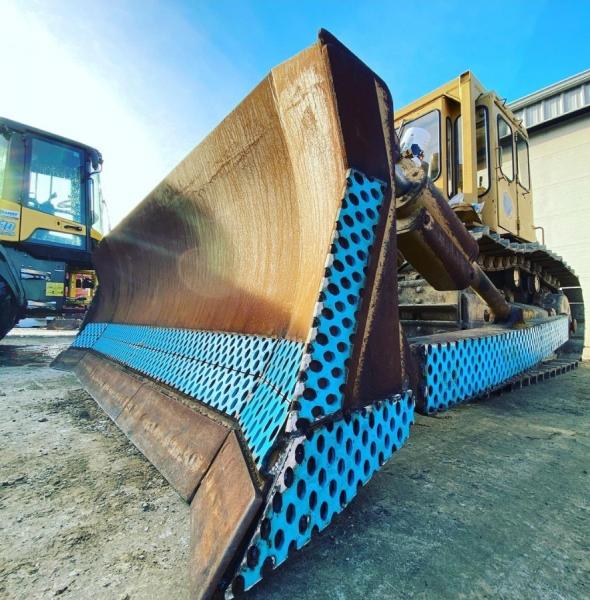
Introduction
In the realm of road maintenance, efficiency, durability, and cost-effectiveness are paramount. The Sharq Edges System, developed by Olofsfors, has emerged as a groundbreaking solution for graders and snow plows. This innovative system addresses common challenges faced by operators, offering enhanced performance and reduced operational costs.
Development and Innovation
Olofsfors, a Swedish company renowned for its expertise in wear-resistant steel, introduced the Sharq Edges System to meet the evolving demands of road maintenance. The system was designed to provide a quick-change solution for grader blades, enabling operators to replace blades swiftly without the need for specialized tools or extensive downtime. This innovation was born from the company's commitment to sustainability and efficiency in road maintenance practices.
Key Features and Benefits
- Quick-Change Blades
The Sharq Edges System utilizes 3-foot and 4-foot sections that are lightweight and easy to handle. Operators can change blades on-site using a hammer, eliminating the need to return to the shop for blade replacements. This feature significantly reduces downtime and enhances operational efficiency.
- Fuel Efficiency
By allowing the moldboards to roll back with minimal down pressure, the Sharq system enables the blades to cut through road imperfections and ice more effectively. This design reduces engine RPMs, leading to fuel savings of up to 1 to 3.5 gallons per hour. Operators can cover more ground in less time, contributing to overall fuel efficiency.
- Durability and Performance
The Sharq blades are constructed from high-quality steel, ensuring longevity and consistent performance. Operators have reported increased blade life, with some experiencing up to 100 hours of use compared to the 40 hours typical with traditional blades. The system's design also minimizes wear on tires, hydraulics, and the A-frame, extending the lifespan of the equipment.
- Enhanced Safety and Operator Comfort
The Sharq Edges System reduces vibration and noise within the operator's cabin, leading to a more comfortable working environment. The system's efficiency also reduces the physical strain on operators, promoting safety and well-being during extended shifts.
Applications and Versatility
The Sharq Edges System is versatile, suitable for various road conditions, including gravel roads, snow, and ice. Its adaptability makes it an ideal choice for municipalities, contractors, and operators working in diverse climates and terrains. The system's effectiveness in maintaining road surfaces and clearing snow has made it a preferred option in regions with harsh winter conditions.
Customer Testimonials
Operators across North America have praised the Sharq Edges System for its performance and cost-saving benefits. For instance, Troy from Canby, MN, reported that the system doubled his blade life and saved between 1.5 to 2 gallons of fuel per hour. Similarly, Mike V. from Osceola County, Iowa, noted a 20% reduction in fuel usage and doubled blade life during a demo trial, leading to improved road conditions and increased public satisfaction.
Conclusion
The Sharq Edges System represents a significant advancement in road maintenance technology. Its quick-change blades, fuel efficiency, durability, and operator comfort make it a valuable investment for any operation. As the industry continues to prioritize sustainability and cost-effectiveness, the Sharq Edges System stands out as a leading solution for modern road maintenance challenges.
|

|
|
| Square Shooter SS836 Telehandler Parts and Maintenance |
|
Posted by: MikePhua - 08-23-2025, 05:21 PM - Forum: Troubleshooting & Diagnosing
- No Replies
|
|
Introduction
The Square Shooter SS836, manufactured by Baraga Products Inc. (BPI), is a robust telehandler designed for heavy-duty lifting and material handling in construction and industrial applications. Equipped with a John Deere PowerTech 4045D or 4045T engine, the SS836 offers impressive lifting capacities and reach. However, like any complex machinery, it requires regular maintenance and occasional part replacements to ensure optimal performance. This article provides an overview of the SS836's key components, common issues, and guidance on sourcing replacement parts.
Key Components of the SS836 - Engine Options: The SS836 is powered by either a John Deere PowerTech 4045D (non-turbo) or 4045T (turbocharged) engine, delivering reliable performance for demanding tasks.
- Hydraulic System: The telehandler features a Vickers hydraulic pump and 7-316 hydraulic cylinders, providing the necessary force for lifting and extending the boom.
- Transmission: An intermediate drop transmission ensures smooth power delivery to the wheels, facilitating precise control during operation.
- Boom Assembly: The SS836 is equipped with a durable boom assembly, comprising small, middle, and large boom sections, designed to handle heavy loads at extended reaches.
Common Issues and Troubleshooting
- Hydraulic System Leaks
Operators have reported issues with the main boom slowly "bleeding out," where the boom lowers even when the machine is running or shut off. This problem often indicates internal hydraulic leaks, such as worn seals or valves. Regular inspection and maintenance of the hydraulic system are crucial to prevent such issues.
- Intermittent Boom Lift Power
Intermittent boom lift power can result from low hydraulic fluid levels, air in the hydraulic lines, or a failing hydraulic pump. Ensuring proper fluid levels, bleeding the system to remove air, and checking the hydraulic pump for consistent output can help address this issue.
Sourcing Replacement Parts
When sourcing replacement parts for the SS836, it's essential to use OEM (Original Equipment Manufacturer) components to maintain the machine's performance and reliability. Baraga Products Inc. provides a comprehensive parts book for the SS836, detailing part numbers and descriptions for various components.
Key Components and Part Numbers- Hydraulic Cylinders: 7-316 series hydraulic cylinders are used throughout the SS836's hydraulic system.
- Hydraulic Pump: The Vickers hydraulic pump is a critical component for the SS836's hydraulic system.
- Engine Components: For engine-related parts, the John Deere PowerTech 4045D and 4045T engines share many components, such as filters, seals, and gaskets.
Maintenance Tips- Regular Fluid Checks: Monitor hydraulic fluid levels and quality regularly. Low or contaminated fluid can lead to system inefficiencies and potential damage.
- System Bleeding: Periodically bleed the hydraulic system to remove any trapped air, ensuring smooth operation of the boom and other hydraulic functions.
- Component Inspections: Regularly inspect key components like hydraulic cylinders, hoses, and the hydraulic pump for signs of wear or damage. Early detection can prevent costly repairs.
Conclusion
The Square Shooter SS836 is a durable and capable telehandler suitable for various industrial applications. By understanding its key components, recognizing common issues, and sourcing quality replacement parts, operators can ensure the longevity and reliability of their equipment. Regular maintenance and prompt attention to potential problems are vital for keeping the SS836 in optimal working condition.
|
|
|
|
| John Deere 772CH Heating System Troubleshooting |
|
Posted by: MikePhua - 08-23-2025, 05:20 PM - Forum: Troubleshooting & Diagnosing
- No Replies
|
|
Introduction
The John Deere 772CH motor grader is a robust piece of machinery designed for precision grading and road maintenance. However, like any complex machine, it can encounter issues over time. One common problem operators face is a malfunctioning heating system. A functional heater is crucial for maintaining operator comfort, especially in colder climates. This article delves into the potential causes of heating system failures in the 772CH and offers guidance on diagnosis and repair.
Common Causes of Heating System Failures
- Clogged Heater Core
The heater core functions similarly to a small radiator, transferring heat from the engine coolant to the air blown into the cabin. Over time, debris, rust, or scale can accumulate within the heater core, obstructing coolant flow and reducing heating efficiency. Regular maintenance and flushing of the cooling system can prevent such blockages.
- Faulty Thermostat
The thermostat regulates the engine's operating temperature by controlling coolant flow. A malfunctioning thermostat may cause the engine to run too cool, leading to insufficient heat generation. Replacing a faulty thermostat can restore proper engine temperature and heating performance.
- Air Pockets in the Cooling System
Air trapped within the cooling system can impede coolant circulation, leading to overheating and reduced heating efficiency. Bleeding the cooling system to remove air pockets ensures optimal coolant flow and heater performance.
- Damaged Heater Hoses
Heater hoses transport hot coolant to the heater core. Over time, these hoses can degrade, crack, or become loose, leading to coolant leaks and reduced heating capacity. Inspecting and replacing damaged hoses can resolve such issues.
- Faulty Blower Motor
The blower motor circulates air through the heater core and into the cabin. A malfunctioning blower motor may fail to deliver adequate airflow, rendering the heater ineffective. Testing and replacing a faulty blower motor can restore proper air circulation.
Diagnostic Steps
- Check Coolant Levels
Low coolant levels can lead to insufficient heating. Ensure the coolant reservoir is filled to the recommended level and top up if necessary.
- Inspect Heater Core
Examine the heater core for signs of leaks or blockages. If the core appears clogged, consider flushing the cooling system or replacing the heater core if necessary.
- Test Thermostat Functionality
Remove the thermostat and test it by placing it in hot water. It should open at the specified temperature. If it doesn't, replace it with a new one.
- Bleed the Cooling System
To remove air pockets, run the engine with the radiator cap off until the thermostat opens, allowing trapped air to escape. Refill the coolant to the proper level.
- Examine Heater Hoses
Inspect all heater hoses for signs of wear, cracks, or leaks. Replace any damaged hoses to ensure proper coolant flow.
- Evaluate Blower Motor Operation
Turn on the heater and listen for the blower motor's operation. If no sound is heard or airflow is weak, the blower motor may need to be repaired or replaced.
Preventive Maintenance Tips- Regularly Flush the Cooling System
Flushing the cooling system every 2-3 years removes debris and prevents scale buildup, ensuring efficient heater operation.- Inspect Hoses Periodically
Regularly check heater hoses for signs of wear or leaks and replace them as needed to prevent heating issues.
Keep an eye on coolant levels and top up as necessary to maintain optimal heating performance.
Periodically inspect the blower motor for proper operation and clean it to prevent dust buildup, which can impede airflow.
Conclusion
A malfunctioning heating system in the John Deere 772CH can stem from various issues, including clogged heater cores, faulty thermostats, air pockets in the cooling system, damaged hoses, or blower motor failures. By systematically diagnosing and addressing these potential causes, operators can restore heating functionality and ensure a comfortable working environment. Regular maintenance and prompt attention to issues are key to prolonging the life of the heating system and maintaining overall machine performance.
|
|
|
|
| Airman AX-15 Starting Issues: Troubleshooting and Solutions |
|
Posted by: MikePhua - 08-23-2025, 05:19 PM - Forum: Troubleshooting & Diagnosing
- No Replies
|
|
Introduction
The Airman AX-15 is a compact mini excavator known for its versatility in construction and landscaping tasks. However, like any machinery, it can experience starting issues that hinder its performance. Understanding the potential causes and solutions for these problems is essential for maintaining the equipment's efficiency and longevity.
Common Causes of Starting Problems
- Battery Issues
A weak or dead battery is a prevalent cause of starting difficulties. Over time, batteries can lose their charge capacity or develop internal faults. Ensure the battery terminals are clean and connections are tight. If the battery is old or shows signs of corrosion, consider replacing it.
- Fuel System Blockages
Contaminated or stale fuel can clog the fuel filter, preventing proper fuel flow to the engine. Additionally, air in the fuel lines can disrupt the fuel supply. Regularly inspect and replace fuel filters, and ensure the fuel tank contains clean, fresh diesel. Bleeding the fuel system to remove air pockets can also resolve starting issues.
- Starter Motor and Solenoid Failures
A malfunctioning starter motor or solenoid can prevent the engine from turning over. Listen for clicking sounds when attempting to start the machine; a single click often indicates a faulty solenoid, while rapid clicking may point to a weak battery. Inspect the starter motor and solenoid for wear or damage and replace them if necessary.
- Safety Switch Interference
Modern mini excavators are equipped with safety switches that prevent starting under unsafe conditions. Ensure that all safety features, such as seat belts and control levers, are properly engaged. A malfunctioning safety switch can inadvertently prevent the machine from starting.
- Electrical Connection Issues
Loose or corroded electrical connections can disrupt the starting circuit. Inspect all wiring and connectors for signs of wear or corrosion. Cleaning or replacing faulty connections can restore proper electrical flow and resolve starting problems.
Diagnostic Steps
- Check Battery Voltage
Use a multimeter to measure the battery voltage. A healthy battery should read around 12.6 volts when fully charged. If the voltage is significantly lower, recharge or replace the battery as needed.
- Inspect Fuel System
Examine the fuel filter for clogs and replace it if necessary. Ensure the fuel lines are free from obstructions and that the fuel tank contains clean, fresh diesel. Bleed the fuel system to remove any air pockets.
- Test Starter Motor and Solenoid
Listen for any unusual sounds when attempting to start the machine. If the starter motor fails to engage or produces abnormal noises, it may require repair or replacement.
- Verify Safety Switches
Ensure all safety switches are properly engaged. Check for any faulty switches that may be preventing the machine from starting.
- Examine Electrical Connections
Inspect all wiring and connectors for signs of wear or corrosion. Clean or replace any faulty connections to restore proper electrical flow.
Preventive Maintenance Tips- Regular Battery Maintenance
Check the battery voltage periodically and clean the terminals to prevent corrosion. Replace the battery every 2-3 years, depending on usage and environmental conditions.
Use high-quality diesel fuel and replace fuel filters at recommended intervals. Avoid storing fuel for extended periods to prevent contamination.
Inspect the starter motor and solenoid for wear and replace them as needed. Lubricate moving parts to ensure smooth operation.
Regularly inspect wiring and connectors for signs of wear or corrosion. Address any issues promptly to prevent electrical failures.
Conclusion
Starting problems in the Airman AX-15 mini excavator can stem from various sources, including battery issues, fuel system blockages, starter motor failures, safety switch interference, and electrical connection problems. By systematically diagnosing and addressing these potential causes, operators can ensure reliable performance and extend the lifespan of their equipment. Regular maintenance and prompt attention to issues are key to keeping the Airman AX-15 running smoothly.
|
|
|
|
| Hydraulic Troubleshooting for the Bobcat S300 Skid-Steer Loader |
|
Posted by: MikePhua - 08-23-2025, 05:18 PM - Forum: Troubleshooting & Diagnosing
- No Replies
|
|
Introduction
The Bobcat S300 is a versatile skid-steer loader known for its powerful performance and compact size. Equipped with a 81-hp V3300-DI-T engine and a rated operating capacity of 3,000 lbs, it's designed to handle a variety of tasks in construction, landscaping, and agriculture. However, like any complex machinery, the S300 can experience hydraulic system issues that may affect its performance. Understanding common problems, diagnostic procedures, and maintenance practices is essential for keeping the S300 in optimal working condition.
Common Hydraulic System Issues
- Hydraulic Pump Cycling and Limited Gear Engagement
Operators have reported instances where the hydraulic pump cycles frequently, and the transmission struggles to engage beyond second gear. Such symptoms often point to potential leaks or pressure loss within the steering or transmission circuits. Inspecting hydraulic lines near the steering gear and engine components for leaks or damage is crucial. Additionally, examining the hydraulic pump’s pressure relief valve and accumulator can help identify faults causing pressure drops.
- Hydraulic Lock-Up During Startup
A prevalent issue involves the hydraulics locking up when starting the engine. This problem is frequently associated with the hydraulic pump not being internally set to neutral. If no hydraulic function is engaged during startup, the starter motor may attempt to operate the pump, leading to excessive load and potential engine stalling. This condition may result from a stuck swash plate or unloading valve within the pump.
- Hydraulic Pump Overheating and Noise
Excessive pump noise and overheating are indicative of underlying problems. Possible causes include low oil levels in the hydraulic reservoir, air in the system, vacuum conditions, or the use of incorrect oil viscosity. To address these issues, ensure the reservoir is filled to the proper level with the recommended hydraulic fluid and operate the system until purged. Checking inlet lines and fittings for air leaks and verifying the correct oil viscosity for ambient temperatures are essential steps.
Diagnostic and Troubleshooting Steps
- Check Hydraulic Fluid Levels and Quality
Begin by inspecting the hydraulic fluid levels. Low or contaminated fluid can impair system performance. Ensure the fluid is clean and at the recommended level.
- Inspect Hydraulic Lines and Components
Examine all hydraulic lines, fittings, and components for signs of wear, leaks, or damage. Particularly focus on the suction side of the hydraulic system, as any air intake can lead to cavitation and pump failure.
- Test Hydraulic Pump and Pressure Relief Valve
Utilize test ports to measure the pressure at various points in the hydraulic system. This can help identify issues with the hydraulic pump or pressure relief valve. Ensure the pump is delivering the correct pressure and that the relief valve is functioning properly.
- Examine Electrical Components and Sensors
Inspect all electrical connections, sensors, and solenoids associated with the hydraulic system. Faulty sensors or solenoids can lead to improper hydraulic function and should be tested and replaced if necessary.
Preventive Maintenance Practices
- Regular Fluid and Filter Changes
Adhere to the manufacturer's recommended schedule for changing hydraulic fluid and filters. Regular maintenance helps prevent contamination and ensures the system operates efficiently.
- Monitor System Performance
Regularly monitor the performance of the hydraulic system, including pump noise, temperature, and responsiveness. Early detection of anomalies can prevent major failures.
- Educate Operators
Ensure that all operators are trained in the proper use and maintenance of the skid-steer loader. Proper operation reduces the risk of hydraulic issues and extends the lifespan of the equipment.
Conclusion
While the Bobcat S300 is a powerful and versatile machine, hydraulic system issues can arise over time. By understanding common problems, implementing thorough diagnostic procedures, and adhering to preventive maintenance practices, operators can ensure the longevity and optimal performance of their equipment. Regular attention to the hydraulic system not only prevents costly repairs but also enhances the safety and efficiency of operations.
|
|
|
|
| Airman AX-15 Starting Issues: Diagnosis and Solutions |
|
Posted by: MikePhua - 08-23-2025, 05:18 PM - Forum: Troubleshooting & Diagnosing
- No Replies
|
|
Introduction
The Airman AX-15 mini excavator, powered by a Kubota engine, is a compact and reliable machine widely used in construction and landscaping projects. However, like any mechanical equipment, it may encounter starting problems that can hinder its performance. Understanding the potential causes and solutions for these issues is crucial for maintaining the machine's efficiency and longevity.
Common Causes of Starting Problems
- Battery Issues
A dead or weak battery is a prevalent cause of starting difficulties. Over time, batteries can lose their charge capacity or develop internal faults. Ensure the battery terminals are clean and connections are tight. If the battery is old or shows signs of corrosion, consider replacing it.
- Fuel System Blockages
Contaminated or stale fuel can clog the fuel filter, preventing proper fuel flow to the engine. Additionally, air in the fuel lines can disrupt the fuel supply. Regularly inspect and replace fuel filters, and ensure the fuel tank contains clean, fresh diesel. Bleeding the fuel system to remove air pockets can also resolve starting issues.
- Starter Motor and Solenoid Failures
A malfunctioning starter motor or solenoid can prevent the engine from turning over. Listen for clicking sounds when attempting to start the machine; a single click often indicates a faulty solenoid, while rapid clicking may point to a weak battery. Inspect the starter motor and solenoid for wear or damage and replace them if necessary.
- Safety Switch Interference
Modern mini excavators are equipped with safety switches that prevent starting under unsafe conditions. Ensure that all safety features, such as seat belts and control levers, are properly engaged. A malfunctioning safety switch can inadvertently prevent the machine from starting.
- Electrical Connection Issues
Loose or corroded electrical connections can disrupt the starting circuit. Inspect all wiring and connectors for signs of wear or corrosion. Cleaning or replacing faulty connections can restore proper electrical flow and resolve starting problems.
Diagnostic Steps
- Check Battery Voltage
Use a multimeter to measure the battery voltage. A healthy battery should read around 12.6 volts when fully charged. If the voltage is significantly lower, recharge or replace the battery as needed.
- Inspect Fuel System
Examine the fuel filter for clogs and replace it if necessary. Ensure the fuel lines are free from obstructions and that the fuel tank contains clean, fresh diesel. Bleed the fuel system to remove any air pockets.
- Test Starter Motor and Solenoid
Listen for any unusual sounds when attempting to start the machine. If the starter motor fails to engage or produces abnormal noises, it may require repair or replacement.
- Verify Safety Switches
Ensure all safety switches are properly engaged. Check for any faulty switches that may be preventing the machine from starting.
- Examine Electrical Connections
Inspect all wiring and connectors for signs of wear or corrosion. Clean or replace any faulty connections to restore proper electrical flow.
Preventive Maintenance Tips- Regular Battery Maintenance
Check the battery voltage periodically and clean the terminals to prevent corrosion. Replace the battery every 2-3 years, depending on usage and environmental conditions.
Use high-quality diesel fuel and replace fuel filters at recommended intervals. Avoid storing fuel for extended periods to prevent contamination.
Inspect the starter motor and solenoid for wear and replace them as needed. Lubricate moving parts to ensure smooth operation.
Regularly inspect wiring and connectors for signs of wear or corrosion. Address any issues promptly to prevent electrical failures.
Conclusion
Starting problems in the Airman AX-15 mini excavator can stem from various sources, including battery issues, fuel system blockages, starter motor failures, safety switch interference, and electrical connection problems. By systematically diagnosing and addressing these potential causes, operators can ensure reliable performance and extend the lifespan of their equipment. Regular maintenance and prompt attention to issues are key to keeping the Airman AX-15 running smoothly.
|
|
|
|
| Hydraulic Troubleshooting for the Lull 1044C-54 Telehandler |
|
Posted by: MikePhua - 08-23-2025, 05:17 PM - Forum: Troubleshooting & Diagnosing
- No Replies
|
|
Introduction
The Lull 1044C-54 Series II is a robust telehandler renowned for its horizontal load placement capability, achieved through its unique Transaction boom design. Powered by a 115-hp John Deere 4045TF275 engine, it utilizes Barnes load-sensing, pressure-compensating gear pumps to deliver hydraulic flow. Despite its advanced features, operators have occasionally reported hydraulic issues, including pump cycling, gear engagement problems, and hydraulic lock-up. This article delves into common hydraulic system problems, diagnostic approaches, and maintenance practices to ensure optimal performance of the Lull 1044C-54.
Common Hydraulic System Issues
- Hydraulic Pump Cycling and Limited Gear Engagement
Operators have noted instances where the hydraulic pump cycles frequently, and the transmission struggles to engage beyond second gear. Such symptoms often point to potential leaks or pressure loss within the steering or transmission circuits. Inspecting hydraulic lines near the steering gear and engine components for leaks or damage is crucial. Additionally, examining the hydraulic pump’s pressure relief valve and accumulator can help identify faults causing pressure drops.
- Hydraulic Lock-Up During Startup
A prevalent issue involves the hydraulics locking up when starting the engine. This problem is frequently associated with the hydraulic pump not being internally set to neutral. If no hydraulic function is engaged during startup, the starter motor may attempt to operate the pump, leading to excessive load and potential engine stalling. This condition may result from a stuck swash plate or unloading valve within the pump.
- Hydraulic Pump Overheating and Noise
Excessive pump noise and overheating are indicative of underlying problems. Possible causes include low oil levels in the hydraulic reservoir, air in the system, vacuum conditions, or the use of incorrect oil viscosity. To address these issues, ensure the reservoir is filled to the proper level with the recommended hydraulic fluid and operate the system until purged. Checking inlet lines and fittings for air leaks and verifying the correct oil viscosity for ambient temperatures are essential steps.
Diagnostic and Troubleshooting Steps
- Check Hydraulic Fluid Levels and Quality
Begin by inspecting the hydraulic fluid levels. Low or contaminated fluid can impair system performance. Ensure the fluid is clean and at the recommended level.
- Inspect Hydraulic Lines and Components
Examine all hydraulic lines, fittings, and components for signs of wear, leaks, or damage. Particularly focus on the suction side of the hydraulic system, as any air intake can lead to cavitation and pump failure.
- Test Hydraulic Pump and Pressure Relief Valve
Utilize test ports to measure the pressure at various points in the hydraulic system. This can help identify issues with the hydraulic pump or pressure relief valve. Ensure the pump is delivering the correct pressure and that the relief valve is functioning properly.
- Examine Electrical Components and Sensors
Inspect all electrical connections, sensors, and solenoids associated with the hydraulic system. Faulty sensors or solenoids can lead to improper hydraulic function and should be tested and replaced if necessary.
Preventive Maintenance Practices
- Regular Fluid and Filter Changes
Adhere to the manufacturer's recommended schedule for changing hydraulic fluid and filters. Regular maintenance helps prevent contamination and ensures the system operates efficiently.
- Monitor System Performance
Regularly monitor the performance of the hydraulic system, including pump noise, temperature, and responsiveness. Early detection of anomalies can prevent major failures.
- Educate Operators
Ensure that all operators are trained in the proper use and maintenance of the telehandler. Proper operation reduces the risk of hydraulic issues and extends the lifespan of the equipment.
Conclusion
While the Lull 1044C-54 Series II telehandler is a powerful and versatile machine, hydraulic system issues can arise over time. By understanding common problems, implementing thorough diagnostic procedures, and adhering to preventive maintenance practices, operators can ensure the longevity and optimal performance of their equipment. Regular attention to the hydraulic system not only prevents costly repairs but also enhances the safety and efficiency of operations.
|
|
|
|
| Caterpillar 924G Turbocharger Oil Leak: Diagnosis and Solutions |
|
Posted by: MikePhua - 08-23-2025, 05:16 PM - Forum: Troubleshooting & Diagnosing
- No Replies
|
|
Introduction
The Caterpillar 924G wheel loader, introduced in 2000 and produced until 2008, is equipped with the 3056E engine, a 6.0L, 137 hp (102 kW) powerplant. This model is renowned for its compact size, versatility, and durability in various construction and material handling applications. However, like any complex machinery, it is susceptible to certain mechanical issues, one of which is oil leakage from the turbocharger. This problem can lead to performance degradation and potential engine damage if not addressed promptly.
Understanding Turbocharger Oil Leaks
The turbocharger in the 924G serves to increase engine efficiency by compressing air entering the engine, thereby allowing more fuel to be burned and increasing power output. It operates under high temperatures and pressures, making it prone to wear and potential oil leaks. An oil leak from the turbocharger is typically characterized by oil accumulation at the compressor outlet or around the wastegate actuator area.
Common Causes of Turbocharger Oil Leaks
- Excessive Oil Pressure: High oil pressure can cause seals within the turbocharger to fail, leading to oil leakage.
- Inadequate Drainage: If the oil drain line is too small, improperly routed, or positioned in a location where oil can back up, it can cause oil to leak past the seals.
- Crankcase Pressure: Improper venting or excessive crankcase pressure can force oil past the turbocharger seals.
- Seal Wear and Tear: Over time, the seals within the turbocharger can degrade due to heat and mechanical stress, leading to oil leaks.
Diagnosis and Inspection
To diagnose a turbocharger oil leak in the 924G, begin by inspecting the turbocharger for visible signs of oil seepage, particularly around the compressor outlet and wastegate actuator. Use a clean cloth to wipe the affected areas and observe if oil reappears after running the engine. Additionally, check the oil drain line for proper routing and condition.
Repair and Maintenance
If a turbocharger oil leak is confirmed, the following steps are recommended:
- Replace Faulty Seals: Install new seals to prevent oil leakage.
- Check Oil Pressure: Ensure that the engine oil pressure is within the manufacturer's specified range.
- Inspect Oil Drain Line: Verify that the oil drain line is properly sized, routed, and free from obstructions.
- Monitor Crankcase Pressure: Check the crankcase ventilation system for proper operation and address any issues.
Regular maintenance, including timely oil and filter changes, can help prevent turbocharger oil leaks. Following the manufacturer's maintenance schedule and using recommended lubricants are essential practices.
Conclusion
While turbocharger oil leaks in the Caterpillar 924G wheel loader are not uncommon, they can be effectively managed with proper diagnosis and maintenance. By understanding the causes and implementing corrective measures, operators can ensure the longevity and reliability of their equipment.
|
|
|
|
| Hydraulic Issues in the 2007 Bobcat S300 Skid-Steer Loader |
|
Posted by: MikePhua - 08-23-2025, 05:16 PM - Forum: Troubleshooting & Diagnosing
- No Replies
|
|
Introduction
The 2007 Bobcat S300 Skid-Steer Loader is a versatile machine widely used in construction, landscaping, and agriculture. However, some operators have reported hydraulic system malfunctions, including issues with lift, tilt, and auxiliary functions. Understanding the potential causes and solutions can help maintain the machine's performance and longevity.
Hydraulic System Overview
The S300's hydraulic system comprises several key components: - Hydraulic Pump: Provides the necessary pressure for hydraulic functions.
- Hydraulic Fluid Reservoir: Stores the fluid that powers the system.
- Control Valves: Direct the flow of hydraulic fluid to various actuators.
- Actuators: Include cylinders and motors that perform the mechanical work.
- Filters and Relief Valves: Ensure the system operates efficiently and safely.
Common Hydraulic Issues
Several hydraulic issues have been reported by S300 operators:
- Lift and Tilt Malfunctions: Some users have experienced complete failure of lift and tilt functions, even after replacing components like the lift tilt actuator. In one instance, a user noted that the actuator replacement did not resolve the issue, suggesting the problem might be electrical rather than hydraulic.
- Auxiliary Hydraulic Problems: Intermittent or complete loss of auxiliary hydraulic functions can occur. In some cases, replacing the handle switch did not rectify the problem, indicating potential issues with the solenoids or wiring.
- Hydraulic Lock-Up: Some operators have reported that the hydraulics lock up when starting the engine. This issue is often linked to electrical grounding problems or solenoid valve faults. Even with clean grounds and stable voltage, solenoids can intermittently fail, causing the hydraulics to lock.
- Charge Pressure Shutdown: The S300 may shut down shortly after startup due to low hydraulic charge pressure. This can be caused by a worn-out charge pump, a loose or worn drive belt, or a faulty pressure sensor. In one case, replacing the drive belt tensioner resolved the issue.
Diagnostic and Troubleshooting Steps
To address hydraulic issues in the S300, consider the following steps:
- Check Hydraulic Fluid Levels: Ensure the hydraulic fluid is at the recommended level and is clean. Low or contaminated fluid can impair system performance.
- Inspect the Drive Belt: A loose or worn drive belt can lead to low charge pressure. Ensure the belt is properly tensioned and in good condition.
- Test Solenoids and Electrical Connections: Use a multimeter to check the solenoids for proper function. Inspect wiring and connectors for signs of wear or corrosion.
- Monitor Charge Pressure: Install a pressure gauge to monitor the charge pressure during operation. This can help identify issues with the charge pump or pressure sensor.
- Consult Diagnostic Codes: If available, retrieve diagnostic codes from the machine's onboard computer to pinpoint specific issues.
Preventive Maintenance Tips
Regular maintenance can help prevent hydraulic issues:- Regular Fluid Changes: Change the hydraulic fluid and filters at the intervals recommended in the operator's manual.
- Inspect Components Periodically: Regularly check hoses, fittings, and cylinders for signs of wear or leaks.
- Keep Electrical Connections Clean: Ensure all electrical connections are clean and free of corrosion.
- Follow Manufacturer Guidelines: Always adhere to the manufacturer's maintenance schedule and procedures.
Conclusion
While the 2007 Bobcat S300 Skid-Steer Loader is a robust and reliable machine, hydraulic issues can arise over time. By understanding common problems, performing regular maintenance, and following troubleshooting steps, operators can ensure the longevity and optimal performance of their equipment.
|
|
|
|
| Bobcat 763 Skid-Steer Loader |
|
Posted by: MikePhua - 08-23-2025, 05:15 PM - Forum: General Discussion
- No Replies
|
|
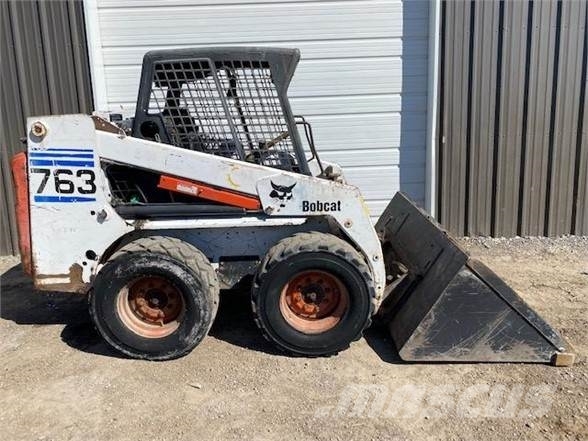
Introduction
The Bobcat 763 Skid-Steer Loader, introduced in 1994, marked a significant advancement in compact construction equipment. As part of Bobcat's C-Series, the 763 combined power, versatility, and durability, making it a popular choice for various applications, including construction, landscaping, and material handling.
Development and Evolution
Bobcat Company, originally known as Melroe Manufacturing, was founded in 1947. The company revolutionized the construction industry with the introduction of the world's first skid-steer loader, the M400, in 1960. The 763 model was developed as part of Bobcat's ongoing efforts to enhance machine performance and operator comfort. It featured a long wheelbase design, providing a smoother ride and improved stability compared to its predecessors.
Specifications - Engine: Kubota V2203-EB, 4-cylinder, liquid-cooled diesel engine
- Horsepower: 46 hp (34.3 kW)
- Operating Weight: Approximately 5,368 lbs (2,435 kg)
- Rated Operating Capacity: 1,500 lbs (680 kg)
- Tipping Load: 3,000 lbs (1,361 kg)
- Hydraulic Pump Capacity: 15 gpm (56.8 L/min)
- Travel Speed: 7 mph (11.3 km/h)
- Tire Size: 10-16.5
Performance and Capabilities
The Bobcat 763 was designed to handle a wide range of tasks efficiently. Its 46-hp engine provided ample power for lifting and digging operations. The 15 gpm hydraulic system enabled quick attachment changes and efficient operation of hydraulic tools. The machine's compact size and maneuverability made it ideal for working in confined spaces, such as urban construction sites and residential areas.
Legacy and Impact
The 763 model was succeeded by the 763 G-Series in 1999, which introduced enhancements such as improved hydraulics and operator comfort features. Despite being discontinued, the 763 remains a testament to Bobcat's commitment to innovation and quality in the compact equipment industry. Many units are still in operation today, reflecting their durability and reliability.
Conclusion
The Bobcat 763 Skid-Steer Loader played a pivotal role in advancing compact construction equipment. Its combination of power, versatility, and durability made it a valuable asset for contractors and operators. The legacy of the 763 continues to influence the design and development of modern skid-steer loaders, ensuring that Bobcat remains at the forefront of the industry.
|
|
|
|
|



