| Welcome, Guest |
You have to register before you can post on our site.
|
| Forum Statistics |
» Members: 79
» Latest member: cioCruch
» Forum threads: 47,411
» Forum posts: 47,417
Full Statistics
|
| Online Users |
There are currently 122 online users.
» 0 Member(s) | 108 Guest(s)
Ahrefs, Amazon, Applebot, Bing, Claude, DotBot, Facebook, Google, OpenAI, Petalbot, Semrush, Sogou, Twitter
|
| Latest Threads |
Identifying and Sourcing ...
Forum: Parts , Attachments & Tools
Last Post: MikePhua
01-07-2026, 06:29 PM
» Replies: 0
» Views: 493
|
Cat 931B Brake Parts
Forum: Parts , Attachments & Tools
Last Post: MikePhua
01-07-2026, 06:29 PM
» Replies: 0
» Views: 276
|
Choosing Between Cat 228,...
Forum: General Discussion
Last Post: MikePhua
01-07-2026, 06:28 PM
» Replies: 0
» Views: 516
|
Hydraulic Delay When Lowe...
Forum: Troubleshooting & Diagnosing
Last Post: MikePhua
01-07-2026, 06:27 PM
» Replies: 0
» Views: 434
|
Bale Chopper and Mulcher ...
Forum: General Discussion
Last Post: MikePhua
01-07-2026, 06:26 PM
» Replies: 0
» Views: 307
|
Mini UC Maintenance
Forum: General Discussion
Last Post: MikePhua
01-07-2026, 06:25 PM
» Replies: 0
» Views: 295
|
Locating Wiring Informati...
Forum: General Discussion
Last Post: MikePhua
01-07-2026, 06:24 PM
» Replies: 0
» Views: 329
|
Case Industrial Brown Sub...
Forum: Parts , Attachments & Tools
Last Post: MikePhua
01-07-2026, 06:23 PM
» Replies: 0
» Views: 269
|
Dirt Work in West Virgini...
Forum: Construction & Urban Infrastructure Forum
Last Post: MikePhua
01-07-2026, 06:23 PM
» Replies: 0
» Views: 365
|
D207 P Hydraulic Steering...
Forum: Parts , Attachments & Tools
Last Post: MikePhua
01-07-2026, 06:22 PM
» Replies: 0
» Views: 295
|
|
|
| Takeuchi TB035 Hydraulic Filter Maintenance |
|
Posted by: MikePhua - 08-24-2025, 01:08 PM - Forum: Parts , Attachments & Tools
- No Replies
|
 |
Introduction to the Takeuchi TB035
The Takeuchi TB035 is a compact mini-excavator renowned for its versatility and reliability in various construction and landscaping tasks. Manufactured by Takeuchi Mfg. Co., Ltd., a Japanese company established in 1963, the TB035 model has been a staple in the mini-excavator market. Its compact size and powerful hydraulics make it ideal for urban construction sites where space is limited.
Importance of Hydraulic System Maintenance
The hydraulic system in the TB035 is crucial for the operation of various components, including the boom, arm, and bucket. Regular maintenance of the hydraulic system ensures optimal performance and longevity of the machine. One critical aspect of this maintenance is the replacement of the hydraulic filter.
Locating the Hydraulic Filter
The hydraulic filter in the TB035 is typically located near the hydraulic tank. For precise identification and location, it's advisable to consult the machine's service manual. The manual provides detailed diagrams and instructions specific to the TB035 model.
Hydraulic Filter Replacement Procedure
- Preparation: Ensure the machine is on a level surface and the engine is turned off. Engage the parking brake and allow the hydraulic system to cool down.
- Accessing the Filter: Remove any panels or covers obstructing access to the hydraulic filter.
- Draining Hydraulic Fluid: Place a suitable container beneath the hydraulic tank. Carefully remove the drain plug to allow the hydraulic fluid to drain completely.
- Removing the Old Filter: Using an appropriate tool, unscrew the old hydraulic filter. Dispose of the old filter and fluid according to local environmental regulations.
- Installing the New Filter: Lubricate the rubber seal of the new filter with a small amount of clean hydraulic fluid. Screw the new filter into place by hand, ensuring it is snug but not overtightened.
- Refilling Hydraulic Fluid: Replace the drain plug and refill the hydraulic tank with the recommended type and amount of hydraulic fluid.
- Testing the System: Start the engine and operate the hydraulic functions to check for proper operation and to ensure there are no leaks.
Recommended Hydraulic Fluids
For the TB035, Takeuchi recommends using hydraulic fluids that meet the specifications of TDTO (Takeuchi Drive Train Oil) or equivalent. It's essential to use the correct fluid to maintain the efficiency and longevity of the hydraulic system.
Common Issues and Troubleshooting- Slow Hydraulic Response: This can be caused by a clogged hydraulic filter, low fluid levels, or air in the hydraulic lines. Regular maintenance and timely filter replacement can prevent this issue.
- Hydraulic Leaks: Leaks can occur due to worn seals or loose fittings. Regular inspection and maintenance can help identify and rectify these issues promptly.
Conclusion
Regular maintenance of the hydraulic system, including timely replacement of the hydraulic filter, is vital for the optimal performance and longevity of the Takeuchi TB035. By following the manufacturer's guidelines and using recommended parts and fluids, operators can ensure their machines remain in excellent working condition.
|

|
|
| 1990 Ford L8000 Service Manual: Essential Information and Tips |
|
Posted by: MikePhua - 08-24-2025, 01:02 PM - Forum: General Discussion
- No Replies
|
|
The 1990 Ford L8000 is a part of the Ford L-Series, known for its robust design and high performance in the heavy-duty truck segment. Popular for construction, transportation, and utility applications, the L8000 is equipped with strong components, making it a reliable workhorse in tough conditions. However, like any heavy-duty equipment, it requires regular maintenance and troubleshooting to ensure optimal performance and prevent costly repairs. One of the most useful tools for maintaining a Ford L8000 is its service manual, which provides detailed guidance on everything from routine maintenance to complex repairs.
In this article, we will cover the essential aspects of the 1990 Ford L8000 service manual, offering practical insights into its key systems, maintenance requirements, and troubleshooting steps to help owners and operators get the most out of their trucks.
Overview of the 1990 Ford L8000
The Ford L8000 is a Class 8 truck, meaning it is designed to handle heavy loads and operate under demanding conditions. Built primarily for construction, mining, and long-haul transport, the L8000 is equipped with a powerful engine and advanced transmission system, making it suitable for hauling large loads over long distances.
Key features of the 1990 Ford L8000 include: - Engine Options: Typically equipped with a 7.8L or 8.3L engine, the L8000 offers a strong power output for heavy-duty hauling.
- Transmission System: The L8000 comes with manual and automatic transmission options, providing versatility depending on the operator's preferences.
- Payload Capacity: With a gross vehicle weight rating (GVWR) of up to 33,000 lbs, this truck is designed to handle substantial payloads.
- Suspension and Chassis: Its suspension system is engineered to absorb shocks and provide stability under heavy loads.
While the L8000 is a durable and reliable truck, keeping it in good working order requires a thorough understanding of its components and the maintenance tasks required to extend its life.
Importance of the Service Manual
A service manual for the 1990 Ford L8000 is an invaluable resource for truck owners and mechanics. It contains detailed instructions for operating, maintaining, and troubleshooting the vehicle, which is essential for keeping the truck running smoothly and efficiently. The manual provides information on various systems within the truck, including the engine, transmission, hydraulics, electrical system, and more.
By following the guidelines in the service manual, operators can:
- Ensure Proper Maintenance: Regular maintenance, such as oil changes, filter replacements, and tire checks, is crucial for preventing major breakdowns and increasing the truck’s lifespan.
- Perform Troubleshooting: The manual outlines common issues, including engine problems, electrical faults, and hydraulic failures, providing solutions and step-by-step instructions on how to fix them.
- Maintain Safety: Following the service manual ensures that the truck is operating safely and efficiently, reducing the risk of accidents or equipment failures on the job site.
Key Areas of the 1990 Ford L8000 Service Manual
The service manual for the 1990 Ford L8000 covers various systems and components of the truck. Here are some of the key sections to focus on:
- Engine and Fuel System Maintenance
- Engine Specifications and Components: The manual provides detailed information on the engine configuration, fuel system components, and recommended oils and fluids. Proper engine maintenance is vital for ensuring smooth operation and avoiding costly engine repairs.
- Fuel System Troubleshooting: Issues like fuel contamination, clogged filters, and fuel pump malfunctions can affect performance. The manual offers guidance on identifying and addressing these problems.
- Transmission and Drivetrain
- Transmission Fluid: Regular checks of transmission fluid levels and condition are critical for smooth gear shifting and preventing overheating or wear.
- Clutch and Gearbox Issues: The manual offers troubleshooting steps for clutch slipping, rough shifting, or gear-related problems that could compromise the truck’s performance.
- Braking and Suspension System
- Brake Maintenance: Given the size and weight of the L8000, maintaining the braking system is essential for safe operation. The manual includes specifications for brake fluid, pads, and rotors, as well as guidance on adjusting or replacing worn parts.
- Suspension Checks: The suspension system absorbs shocks and ensures smooth driving under heavy loads. The manual provides instructions for checking shock absorbers, springs, and bushings to ensure the system is functioning correctly.
- Electrical and Wiring Systems
- Battery and Charging System: Electrical failures can prevent the truck from starting or lead to performance issues. The service manual provides steps for inspecting the battery, alternator, and wiring connections to troubleshoot electrical issues.
- Lighting and Signal System: Ensuring that lights, indicators, and safety signals are working properly is critical for operational safety.
- Hydraulic and Cooling Systems
- Hydraulic Maintenance: For trucks used in construction or utility work, maintaining the hydraulic systems is crucial. The manual offers procedures for checking hydraulic fluid levels, inspecting hoses, and troubleshooting leaks.
- Cooling System Checks: The radiator, hoses, and water pump must be maintained to prevent engine overheating, especially during heavy-duty work.
Troubleshooting Common Issues
Although the Ford L8000 is a robust truck, certain issues may arise over time. Here are some common problems and the steps you can take to troubleshoot them:
- Engine Misfires or Poor Performance:
- Check for issues such as clogged fuel filters, faulty spark plugs, or poor fuel quality.
- Inspect the fuel injection system and ensure that it is operating efficiently.
- Transmission Slipping:
- Low transmission fluid levels or a worn-out clutch could be causing the issue. Check the fluid levels and inspect the clutch for signs of wear.
- Adjust the linkage and cables to ensure proper shifting.
- Braking Issues:
- If the brakes feel spongy or unresponsive, check for air in the brake lines or worn brake pads.
- Bleed the brake lines and replace any worn parts, including the master cylinder or brake booster.
- Electrical Failures:
- Test the battery and alternator for voltage output. If the battery is old or not charging properly, replace it.
- Inspect fuses and relays and replace any that are damaged.
Preventive Maintenance Tips
To keep your 1990 Ford L8000 in top condition, follow these preventive maintenance tips:
- Perform Regular Fluid Checks:
Regularly check and replace engine oil, transmission fluid, and hydraulic fluid. This will ensure optimal performance and prevent long-term damage.
- Inspect the Tires:
Check tire pressure and tread wear frequently. Uneven tire wear can be a sign of alignment or suspension issues.
- Schedule Regular Inspections:
Even if the truck seems to be running smoothly, have it inspected periodically by a professional mechanic to catch any potential issues early.
- Keep the Truck Clean:
Clean the truck regularly, especially after working in dusty or muddy conditions. This will prevent dirt and debris from affecting moving parts and internal components.
Conclusion
The 1990 Ford L8000 is a powerful and durable truck that, when properly maintained, can provide years of reliable service in demanding applications. The service manual is an indispensable tool for owners and operators, providing the knowledge needed to perform maintenance, troubleshoot issues, and keep the truck in optimal condition. Regular checks and following the manufacturer’s maintenance guidelines will help prevent common issues and ensure that the L8000 continues to perform at its best for years to come.
|
|
|
|
| Takeuchi TB035 Hydraulic Filter Maintenance |
|
Posted by: MikePhua - 08-24-2025, 01:01 PM - Forum: Troubleshooting & Diagnosing
- No Replies
|
|
Introduction to the Takeuchi TB035
The Takeuchi TB035 is a compact mini-excavator renowned for its versatility and reliability in various construction and landscaping tasks. Manufactured by Takeuchi Mfg. Co., Ltd., a Japanese company established in 1963, the TB035 model has been a staple in the mini-excavator market. Its compact size and powerful hydraulics make it ideal for urban construction sites where space is limited.
Importance of Hydraulic System Maintenance
The hydraulic system in the TB035 is crucial for the operation of various components, including the boom, arm, and bucket. Regular maintenance of the hydraulic system ensures optimal performance and longevity of the machine. One critical aspect of this maintenance is the replacement of the hydraulic filter.
Locating the Hydraulic Filter
The hydraulic filter in the TB035 is typically located near the hydraulic tank. For precise identification and location, it's advisable to consult the machine's service manual. The manual provides detailed diagrams and instructions specific to the TB035 model.
Hydraulic Filter Replacement Procedure
- Preparation: Ensure the machine is on a level surface and the engine is turned off. Engage the parking brake and allow the hydraulic system to cool down.
- Accessing the Filter: Remove any panels or covers obstructing access to the hydraulic filter.
- Draining Hydraulic Fluid: Place a suitable container beneath the hydraulic tank. Carefully remove the drain plug to allow the hydraulic fluid to drain completely.
- Removing the Old Filter: Using an appropriate tool, unscrew the old hydraulic filter. Dispose of the old filter and fluid according to local environmental regulations.
- Installing the New Filter: Lubricate the rubber seal of the new filter with a small amount of clean hydraulic fluid. Screw the new filter into place by hand, ensuring it is snug but not overtightened.
- Refilling Hydraulic Fluid: Replace the drain plug and refill the hydraulic tank with the recommended type and amount of hydraulic fluid.
- Testing the System: Start the engine and operate the hydraulic functions to check for proper operation and to ensure there are no leaks.
Recommended Hydraulic Fluids
For the TB035, Takeuchi recommends using hydraulic fluids that meet the specifications of TDTO (Takeuchi Drive Train Oil) or equivalent. It's essential to use the correct fluid to maintain the efficiency and longevity of the hydraulic system.
Common Issues and Troubleshooting- Slow Hydraulic Response: This can be caused by a clogged hydraulic filter, low fluid levels, or air in the hydraulic lines. Regular maintenance and timely filter replacement can prevent this issue.
- Hydraulic Leaks: Leaks can occur due to worn seals or loose fittings. Regular inspection and maintenance can help identify and rectify these issues promptly.
Conclusion
Regular maintenance of the hydraulic system, including timely replacement of the hydraulic filter, is vital for the optimal performance and longevity of the Takeuchi TB035. By following the manufacturer's guidelines and using recommended parts and fluids, operators can ensure their machines remain in excellent working condition.
|
|
|
|
| Bobcat S175 A.I. Lite Error and Non-Operation: Troubleshooting and Solutions |
|
Posted by: MikePhua - 08-24-2025, 01:01 PM - Forum: Troubleshooting & Diagnosing
- No Replies
|
|
The Bobcat S175 is a popular skid-steer loader known for its reliability and versatility in construction and agricultural applications. However, like all machinery, it is susceptible to operational issues, including electronic malfunctions. One such issue is the appearance of the A.I. Lite warning and the loader’s failure to operate. This problem can cause significant disruption to work sites, and understanding how to diagnose and resolve it is essential for both owners and operators. In this guide, we will delve into the common causes of this error, possible solutions, and preventative maintenance practices to avoid such issues in the future.
Overview of the Bobcat S175
The Bobcat S175 is part of Bobcat’s renowned line of skid-steer loaders. Known for its robust build, this machine is equipped with a powerful engine, superior lifting capacity, and excellent maneuverability, making it ideal for tasks like digging, grading, material handling, and demolition. It uses the Bobcat patented Quick-Tach system for fast attachment changes and is particularly favored for its ease of use and compact size, allowing it to work efficiently in tight spaces.
Despite these advantages, operators occasionally face issues with its electronic systems, particularly when the A.I. Lite warning appears and the machine ceases to function. The A.I. Lite is an electronic feature that helps monitor and manage various aspects of the loader’s functionality, including the hydraulic system, engine, and drive mechanisms. Understanding the underlying causes of A.I. Lite errors can save time, money, and frustration.
What Does the A.I. Lite Error Mean?
A.I. Lite, which stands for Artificial Intelligence Lite, is part of Bobcat's onboard diagnostic system. This system monitors and manages several key functions of the machine, including the engine’s performance, hydraulic systems, and safety features. When the A.I. Lite error light comes on, it typically indicates a problem with one or more of these systems. The loader may stop operating entirely or only perform limited functions. Understanding the root causes of this issue can help determine whether it is a minor electrical glitch or a more serious mechanical failure.
Common Causes of A.I. Lite Errors and Non-Operation
There are several potential reasons why the A.I. Lite system might trigger an error and prevent the Bobcat S175 from operating properly. Here are the most common causes:
- Battery or Charging System Issues
One of the most common culprits for electrical errors in Bobcat loaders is a weak or faulty battery. If the battery is not providing sufficient voltage, the A.I. Lite system may not function correctly, causing the loader to fail to start or operate. Charging system issues, such as a malfunctioning alternator or loose cables, can also prevent the battery from charging properly.
- Faulty Fuses or Relays
The A.I. Lite system relies on a number of fuses and relays to function correctly. If any of these components fail, the error light may illuminate, and the machine will stop operating. This is usually a simple fix but requires identifying the specific fuse or relay responsible for the issue.
- Electrical Connection Problems
Loose or corroded electrical connections are another common cause of A.I. Lite errors. Over time, wires can loosen or become corroded, disrupting the flow of electricity to critical components. This can lead to intermittent issues or a complete failure of the loader’s systems.
- Faulty Sensors or Control Modules
The Bobcat S175 is equipped with several sensors that monitor various functions of the machine, such as the hydraulic pressure and engine temperature. If any of these sensors malfunction or send faulty readings to the control module, the A.I. Lite system may trigger an error. These sensors may need to be cleaned, calibrated, or replaced to restore normal function.
- Hydraulic System Malfunctions
Since the A.I. Lite system also monitors the hydraulic system, any issues with the hydraulics, such as low fluid levels or a faulty pump, can trigger the error. It is essential to check the hydraulic fluid and ensure that all connections are secure to prevent this issue.
How to Diagnose the A.I. Lite Error
- Inspect the Battery and Charging System
- Start by checking the battery voltage with a multimeter. A healthy battery should provide around 12.6 volts when the machine is off and 13.7 to 14.7 volts when running.
- Check the battery terminals for any corrosion and clean them if necessary.
- Inspect the charging system by ensuring the alternator is functioning properly. If the charging system is faulty, it may need to be replaced.
- Check the Fuses and Relays
- Refer to the Bobcat S175 manual to locate the fuse and relay panel. Inspect all fuses related to the A.I. Lite system and replace any that are blown.
- Test the relays with a multimeter to ensure they are functioning properly. If a relay is found to be defective, replace it with a new one.
- Examine Electrical Connections
- Inspect all wiring, especially around the battery, control modules, and sensors. Look for loose, frayed, or corroded wires and connectors.
- Tighten any loose connections and clean any corrosion with a wire brush or electrical contact cleaner.
- Check Sensors and Control Modules
- If the issue persists after addressing the electrical system, check the sensors, particularly the hydraulic pressure sensor, temperature sensors, and speed sensors. These can often be cleaned or recalibrated.
- If a sensor is damaged, it will need to be replaced.
- Similarly, control modules should be inspected for any visible damage. A malfunctioning module may need to be replaced or reprogrammed.
- Inspect the Hydraulic System
- Check the hydraulic fluid level and top it off if necessary. Low hydraulic fluid can cause the system to malfunction, triggering the A.I. Lite error.
- Inspect hoses, pumps, and filters for any signs of damage or leaks that could be affecting the system.
Preventative Maintenance for Avoiding A.I. Lite Errors
To avoid future A.I. Lite errors and ensure your Bobcat S175 continues to perform at its best, follow these preventative maintenance tips:
- Regularly Inspect the Battery and Charging System
Perform regular checks on the battery, charging system, and electrical connections to ensure they are functioning properly. Clean the terminals and check the voltage regularly to prevent any unexpected electrical issues.
- Maintain the Hydraulic System
Keep the hydraulic fluid at the proper level and replace it according to the manufacturer’s recommendations. Regularly check for leaks and inspect hoses and pumps for wear and tear.
- Replace Fuses and Relays as Needed
Regularly inspect fuses and relays and replace them when necessary. Carry spare fuses and relays on hand to quickly address any electrical issues.
- Address Electrical Connections Promptly
If you notice any electrical issues, address them immediately to prevent further damage. Check all connections for tightness and cleanliness.
- Use Compatible Parts
Always use manufacturer-approved parts and fluids when performing maintenance or repairs. This ensures compatibility and prolongs the life of your equipment.
Conclusion
The A.I. Lite error on the Bobcat S175 can be frustrating, but understanding its causes and how to troubleshoot the issue is crucial to minimizing downtime. By inspecting the battery, fuses, electrical connections, sensors, and hydraulic system, most issues can be resolved quickly and efficiently. Preventative maintenance, such as regular checks on electrical systems and hydraulic components, will help avoid this problem in the future and ensure your machine remains in top operating condition. Always refer to the Bobcat S175’s manual and consult with a certified technician if needed for more complex repairs.
|
|
|
|
| Case 580B Backhoe Loader — Classic Workhorse Explained |
|
Posted by: MikePhua - 08-24-2025, 01:00 PM - Forum: General Discussion
- No Replies
|
|
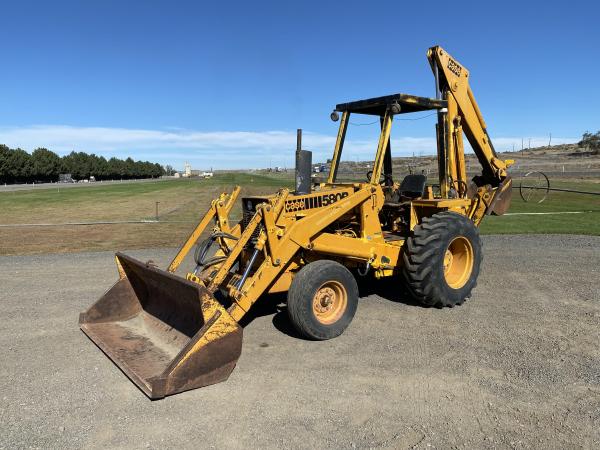
Origins and Legacy
The Case 580B, part of Case’s landmark '580' series, traces its roots back to the early 1970s. Launched in 1971 as the "Construction King," this backhoe loader belonged to a family of rugged machines designed to cover both digging and loading tasks efficiently. By 1973, Case had introduced the refined 580B variant, a model that went on to become a staple in construction, farming, and landscaping fleets around the world .
Serial Number History
Understanding your 580B’s year of manufacture is as easy as cross-referencing its serial number, typically located beside the dash or under the door frame: - 1971: 8,674,001 – 8,691,900
- 1972: 8,691,901 – 8,712,000
- 1973: 8,712,001 – 8,736,601
- 1974: 8,736,601 – 8,770,000
- 1975: 8,770,001 – 8,797,500
- 1976+: 8,797,501 onward
Core Specifications
Here’s a detailed breakdown of what defines the Case 580B’s performance:- Operating Weight: Approximately 11,000 lb (5,000 kg)
- Engine: J.I. Case 3.1L (188 ci) 4-cylinder diesel, rated around 50 hp gross, 43 hp net, delivering a maximum torque near 132 lb-ft
- Hydraulics: Loader system provides 26 GPM (98 LPM) flow at 2,200 PSI (~151 bar), enabling robust digging and lifting performance
- Backhoe Performance: Dig force of about 9,400 lb (4,264 kg), standard dig depth reaching 14 ft (4 m), extendable to 18 ft (5 m), with load height near 11 ft and reach beyond 25 ft with extension
- Dimensions:
- Transport length: ~22 ft
- Width: ~6.4 ft
- Height: ~7.65 ft
- Wheelbase: ~6.5 ft
- Ground clearance: ~1.15 ft
Engine & Transmission Setup
Multiple drivetrain options were offered to suit varied operator preferences:- Mechanical Shuttle: Manual clutch engagement plus pressure plate for direct steering control
- Power Shuttle: Torque converter-assisted system that enables seamless direction changes without manual clutch use
- Steering hydraulic, with mechanical disc/band brakes; operators had choice between ROPS or enclosed cab configurations
Common Wear Points & Maintenance Tips- Steering Cylinder Leaks: Frequent maintenance is needed—prefer full seal kit replacements over quick patch fixes
- Hydraulic Hose & Cylinder Reliability: Utilize quality replacement kits to prevent recurring leaks
- Transmission & Shuttle Wear: Inspect regularly for slipping or gear engagement issues; torque converters may need overhaul after heavy use
- Pins, Bushings, & Brake Components: High-wear areas, particularly in loader arms, benefit from periodic replacement to maintain stability and braking efficacy
Utility and Operator Stories
During its heyday, the 580B excelled in light roadwork, trenching, and material handling—most notably in rural projects where its simplicity and serviceability made it a trusted machine. Rural contractors fondly recall machines logging over 10,000 hours with basic upkeep and genuine parts. Its blend of loader and excavator functions made it an all-in-one favorite detailed in nostalgic recollections.
Defining Terms- Construction King: Early Case branding for heavy-duty, integrated loader-backhoe models.
- Power Shuttle: Transmission system enabling forward/reverse shifts under load without clutch.
- Dig Reach / Depth: Extended arm positions allowing material manipulation well beyond chassis length.
Summary Snapshot- Decade of production: 1971–1976 (580B)
- Engine: ~43 hp diesel
- Dig depth: up to 18 ft
- Weight: ~11,000 lb
- Available transmissions: Mechanical or Power Shuttle
- Notable: Durable, widely supported, iconic in restoration and vintage fleets
|
|
|
|
| WA250-3PT Stuck in 2nd Gear: Troubleshooting and Solutions |
|
Posted by: MikePhua - 08-24-2025, 12:59 PM - Forum: Troubleshooting & Diagnosing
- No Replies
|
|
Heavy machinery, like wheel loaders, is built to endure the rigors of tough construction and mining sites. However, even the most reliable machines can face mechanical issues. One such issue, commonly reported by operators, involves the gear shift mechanism. In particular, the WA250-3PT model, a part of Komatsu’s renowned wheel loader lineup, can experience problems with getting stuck in 2nd gear. If you're experiencing this issue or want to learn how to troubleshoot such problems, this guide will walk you through the steps, possible causes, and solutions.
Overview of the Komatsu WA250-3PT
The Komatsu WA250-3PT wheel loader is a highly respected machine in the construction and mining industries. Known for its robust build, powerful engine, and impressive lifting capabilities, the WA250-3PT can handle a variety of tasks, including material handling, digging, and lifting. This model typically features a powerful hydraulic system, a reliable transmission, and a high-capacity bucket, which makes it an essential piece of equipment on many job sites.
Despite its reputation for durability, like any complex machine, the WA250-3PT may experience issues with its drivetrain components. A common problem that some operators face is when the vehicle’s transmission gets stuck in 2nd gear, which can severely affect performance and make operation difficult.
Common Causes for a Stuck Gear in WA250-3PT
There are a few reasons why the Komatsu WA250-3PT wheel loader may be stuck in 2nd gear. Below are the most common causes for this issue:
- Transmission Linkage Problems
One of the first things to check when facing this issue is the transmission linkage. Over time, the shift linkage may become worn, misaligned, or damaged, preventing the transmission from shifting properly. This can cause the loader to become stuck in a specific gear.
- Low or Contaminated Transmission Fluid
Transmission fluid plays a crucial role in ensuring smooth operation of the gears. If the fluid is low or contaminated, it can lead to gear slippage or difficulty shifting. This problem is common if the fluid hasn’t been changed in a while or if a leak in the system allows air or dirt to enter.
- Clutch Problems
If the clutch is not fully disengaging, the loader may not shift gears properly. A worn or damaged clutch, or issues with the clutch linkage, can make it difficult for the machine to shift out of 2nd gear.
- Faulty Gear Synchronizers
Gear synchronizers are responsible for making sure that the gears engage smoothly. If a synchronizer becomes damaged or worn, it can prevent the loader from shifting out of a gear, such as 2nd.
- Internal Transmission Damage
In some cases, there could be internal damage within the transmission itself. Gear teeth can wear down or become chipped, causing the loader to become stuck in a gear. This is a more serious issue and often requires a professional mechanic to inspect and repair.
How to Diagnose and Fix the Issue
- Inspect the Transmission Linkage
- Start by inspecting the transmission linkage to ensure there is no visible damage or wear. Look for misalignments, cracks, or loose connections that could prevent smooth shifting.
- Lubricate the linkage if it appears to be stiff or dry. Make sure all pivot points move freely.
- Check the Transmission Fluid
- First, check the transmission fluid level. Low fluid levels can result in poor transmission performance. If the fluid is low, top it up with the correct type of fluid as recommended by Komatsu.
- If the fluid appears dirty or contaminated, it may be time for a fluid change. Ensure you replace the fluid and the filter to prevent contaminants from interfering with the transmission.
- Examine the Clutch System
- Check the clutch system to ensure it is disengaging fully. If there is any play or slippage, this could be preventing proper gear engagement.
- A worn-out clutch may need to be replaced. This requires disassembling the clutch system and replacing the necessary components, which may include the clutch plate or pressure plate.
- Inspect the Gear Synchronizers
- Gear synchronizers help smooth the engagement of gears. If they are damaged, they can cause the loader to get stuck in a particular gear. Check the synchronizers for any signs of damage or wear.
- If damage is detected, the transmission will need to be disassembled, and the synchronizer rings may need to be replaced.
- Internal Inspection of the Transmission
- If the above steps don’t resolve the issue, it may be necessary to inspect the transmission internally for damage. This is a more involved process that will require specialized tools and expertise.
- If you suspect internal damage, consult a professional mechanic or a Komatsu service center. They can disassemble the transmission and identify issues such as worn gears or damaged components.
Preventative Maintenance Tips for the WA250-3PT
While many of these issues can be fixed, they can also be prevented through regular maintenance. To keep your Komatsu WA250-3PT in optimal condition and avoid gear-shifting issues, follow these maintenance tips:
- Regular Fluid Checks
Ensure that the transmission fluid is checked regularly and replaced according to the manufacturer’s recommendations. Changing the fluid regularly can prevent contamination and keep the transmission running smoothly.
- Clutch Inspections
Periodically inspect the clutch system for signs of wear or damage. Pay attention to the feel of the clutch pedal and ensure that the clutch is engaging and disengaging smoothly.
- Lubricate Moving Parts
Keeping the shift linkage well-lubricated and free from dirt and debris will help maintain smooth operation and prevent wear.
- Early Detection of Issues
Always be on the lookout for any changes in the way your machine operates. If the loader starts making strange noises, has trouble shifting, or feels sluggish, it’s essential to diagnose the issue early before it escalates.
Conclusion
Getting stuck in 2nd gear can be frustrating, but with proper troubleshooting, most issues with the Komatsu WA250-3PT can be identified and fixed without too much difficulty. Whether the problem is linked to the transmission linkage, fluid issues, or internal transmission damage, understanding the root cause is key to resolving the issue quickly and efficiently.
Regular maintenance, including fluid checks, clutch inspections, and lubrication, will go a long way in ensuring that your loader stays in top working condition. If you're unable to resolve the issue on your own, always seek assistance from a certified mechanic to avoid causing further damage to the machine. Proper care and maintenance will help you get the most out of your Komatsu WA250-3PT, extending its service life and ensuring reliable performance for years to come.
|
|
|
|
| Comparing the Cummins 400 Big Cam and N14 Engines |
|
Posted by: MikePhua - 08-24-2025, 12:58 PM - Forum: Parts , Attachments & Tools
- No Replies
|
|
Cummins Heavy-Duty Engine Legacy
Cummins Inc., founded in 1919, has been a cornerstone of diesel engine innovation for over a century. By the 1980s and 1990s, Cummins had solidified its dominance in the North American heavy truck market with two iconic engine families: the Big Cam series and the N14. These engines powered everything from long-haul rigs to vocational trucks and heavy equipment, earning reputations for durability, torque, and field-serviceability.
The Big Cam 400 and N14 engines represent two generations of Cummins engineering—each with distinct strengths, quirks, and loyal followings. Understanding their differences is essential for operators, rebuilders, and fleet managers deciding between legacy power and electronic precision.
Terminology Explained - Big Cam: A nickname for Cummins engines with large camshaft profiles and variable timing, introduced in the mid-1970s.
- N14: A later model series based on the L10 architecture, introduced in the early 1990s with electronic control modules (ECMs).
- PT Fuel System (Pressure-Time): A mechanical fuel delivery system used in Big Cam engines, relying on camshaft-driven pressure pulses.
- Celect and Celect Plus: Cummins’ proprietary ECM platforms used in N14 engines for electronic fuel injection and diagnostics.
Big Cam 400 Overview
The Big Cam 400 was one of the final iterations of the Big Cam series, offering 400 horsepower and up to 1,150 lb-ft of torque. It featured:- Mechanical PT fuel system with variable timing.
- Four-stroke inline-six configuration.
- Cast iron block and head with wet liners.
- No ECM—purely mechanical operation.
These engines were prized for their simplicity and field-repairability. Mechanics could adjust fuel timing, replace injectors, and rebuild heads without laptop diagnostics. The Big Cam 400 was especially popular in logging, oilfield, and off-road applications where electronic systems were vulnerable to vibration and moisture.
N14 Overview
The N14, introduced in 1991, was a modernization of the L10 platform, scaled up for Class 8 trucks. Key features included:- Electronic fuel injection via Celect or Celect Plus ECMs.
- Horsepower ratings from 310 to 525 hp.
- Torque output up to 1,850 lb-ft.
- Improved emissions control and fuel efficiency.
The N14 quickly became a fleet favorite due to its balance of power and diagnostics. With electronic control, it offered smoother idle, better cold starts, and adaptive fueling based on load and RPM. It also supported fault code readouts and programmable parameters, making it easier to manage across large fleets.
Performance and Reliability Comparison- Fuel Economy
The N14 generally delivers better fuel economy—up to 0.5 mpg improvement over Big Cam engines—thanks to precise injection timing and load-based fueling.
- Cold Weather Operation
N14 engines start more reliably in freezing conditions due to electronic glow plug control and fuel mapping. Big Cam engines often require ether or block heaters.
- Torque Curve
Big Cam engines produce torque earlier in the RPM range, making them ideal for off-road and low-speed hauling. N14 engines have a flatter torque curve, better suited for highway cruising.
- Maintenance
Big Cam engines are easier to repair in the field, with fewer electronic components. N14 engines require diagnostic tools and ECM expertise but offer longer intervals between major services.
Field Anecdote and Operator Insight
A fleet manager in Montana ran both Big Cam 400s and N14s in his gravel hauling operation. He noted that the Big Cam trucks were “unstoppable in the pit” but required more frequent injector and head gasket attention. The N14s, while more finicky electronically, ran quieter and consumed less fuel on long hauls.
One winter, a Big Cam truck refused to start despite multiple ether shots. The N14 next to it fired up immediately, thanks to its ECM-controlled fueling. That day, the N14 hauled three loads while the Big Cam waited for a tow and a heated shop.
Known Issues and Solutions- Big Cam 400
- Injector O-ring leaks: Replace every 100,000 miles.
- Cam follower wear: Inspect during valve adjustments.
- PT pump timing drift: Recalibrate annually.
- N14 Celect
- ECM failures: Keep a spare or upgrade to Celect Plus.
- Injector solenoid shorts: Replace with updated units.
- Crank sensor faults: Clean and reseat connectors regularly.
Rebuild and Upgrade Considerations- Big Cam engines can be rebuilt with aftermarket kits for under $6,000, assuming core integrity.
- N14 rebuilds often exceed $10,000 due to ECM, injector, and turbo costs.
- Some operators retrofit Big Cam engines into older trucks for simplicity, while others upgrade N14s with performance ECM tunes and ceramic injectors.
Conclusion
The Cummins Big Cam 400 and N14 engines each represent a distinct era of diesel engineering. The Big Cam offers mechanical reliability and raw torque, ideal for rugged conditions and hands-on mechanics. The N14 brings electronic precision, better fuel economy, and smoother operation—perfect for modern fleets and long-haul routes. Choosing between them depends on application, service environment, and operator preference. In the end, both engines have earned their place in diesel history, powering millions of miles across North America and beyond.
|
|
|
|
| Best Demolition Saw Blades: Choosing the Right Blade for the Job |
|
Posted by: MikePhua - 08-24-2025, 12:58 PM - Forum: Parts , Attachments & Tools
- No Replies
|
|
In the world of demolition, whether for tearing down structures, cutting through concrete, or preparing materials for recycling, the right tools can make all the difference. One of the most essential tools in a demolition contractor's arsenal is the demolition saw, and the blade it uses plays a critical role in its effectiveness. With various types of demolition saw blades available on the market, choosing the best one can be a daunting task. This article will guide you through the considerations for selecting demolition saw blades, explain the differences between them, and highlight some of the top brands in the industry.
Understanding Demolition Saw Blades
Demolition saw blades are specialized cutting tools designed for high-performance tasks, particularly in challenging demolition environments. These blades are designed to handle tough materials such as concrete, brick, stone, metal, and even some plastics. The primary purpose of these blades is to provide precision, durability, and efficiency when performing tasks like: - Cutting through walls, floors, and ceilings during building demolition.
- Cutting rebar, steel pipes, and other reinforcing materials.
- Cutting through concrete and masonry in construction and renovation projects.
The blade's design and materials play a significant role in its performance. A poorly chosen blade can lead to inefficient cutting, increased wear, and potential safety hazards.
Key Factors When Choosing a Demolition Saw Blade
- Material of the Blade
The material of the saw blade affects both its performance and lifespan. Most demolition blades are made from high-grade steel, carbide, or a combination of both. Some of the common materials include:- High-Speed Steel (HSS): Known for its toughness, HSS blades are suitable for light to medium demolition work and provide a good balance of performance and cost.
- Carbide-Tipped Blades: These blades are much harder and more durable than HSS blades, making them ideal for cutting through concrete, steel, and other hard materials.
- Diamond Blades: Diamond blades are the top choice for cutting through extremely hard materials like concrete, asphalt, and stone. The diamonds on the edge provide unparalleled cutting power and wear resistance.
- Tooth Design
The tooth design on the blade plays an important role in how efficiently the saw blade cuts through materials. The two main tooth designs for demolition saw blades are:- Flat Teeth: These are best for making straight, clean cuts in soft to medium materials.
- Serrated Teeth: These are ideal for harder materials, as the jagged edges can better grip and slice through tougher surfaces.
- Blade Size and Thickness
Demolition saw blades come in a variety of sizes, ranging from small blades for handheld saws to large ones used with industrial cutting equipment. The blade’s diameter and thickness should be chosen based on the type of saw and the material being cut. A thicker blade will generally be more durable but may also reduce cutting speed.
- Cutting Speed and Efficiency
Blades are often rated by their cutting speed, which determines how quickly they can cut through materials. Faster cutting blades are ideal for high-demand demolition tasks. However, there’s a balance to consider: higher-speed blades may wear out quicker under tough conditions.
- Durability and Longevity
The lifespan of a demolition saw blade is critical in reducing operational costs. Blades made with harder materials, such as carbide or diamonds, tend to last longer and perform better when cutting through tough surfaces. However, these blades are generally more expensive upfront.
Top Brands for Demolition Saw Blades
When it comes to purchasing a demolition saw blade, the brand is an essential factor. Here are some of the best-known brands that consistently produce high-quality demolition saw blades:
- Hilti
Known for producing high-quality tools and blades, Hilti offers a wide selection of demolition saw blades designed for concrete, masonry, and other tough materials. Their blades are often praised for their durability and fast cutting performance.
- Makita
Makita is a popular brand that produces demolition saw blades for a range of applications. Their blades, particularly those for their power saws, offer a perfect blend of cost and performance, making them suitable for both professionals and DIYers.
- Diablo (by Freud)
Diablo’s high-performance demolition saw blades are known for their sharpness, speed, and long life. They manufacture blades for both circular saws and reciprocating saws and offer options specifically designed for cutting through metals, concrete, and wood.
- DeWalt
DeWalt is a well-established brand in the construction industry, and their demolition saw blades are no exception. They are widely known for their reliable blades that cater to a variety of materials, from soft woods to metals and concrete.
- Bosch
Bosch offers premium-quality saw blades that are designed for heavy-duty demolition work. Their blades are ideal for cutting through tough materials such as concrete, stone, and metal.
- MK Diamond
MK Diamond is renowned for its high-quality diamond blades, which are excellent for cutting through hard materials like concrete, asphalt, and granite. These blades are designed for high-speed, long-lasting cuts.
When to Replace Your Demolition Saw Blade
No matter how durable a blade is, it will eventually wear out. Identifying when to replace the blade can significantly impact the quality of your work and your overall safety. Signs that your demolition saw blade needs replacing include:
- Excessive Vibration
If you notice excessive vibration or shaking while cutting, it could mean that the blade is worn out, imbalanced, or damaged.
- Dull or Burned Edges
A blade with dull edges or burn marks may be struggling to cut efficiently and could be in danger of breaking or cracking.
- Slower Cutting Speed
If the blade is no longer cutting at its usual speed, even after adjusting the saw, it’s time for a replacement.
- Visible Cracks or Chips
Any visible cracks or chips on the blade could cause it to fail suddenly, leading to potential safety risks.
Conclusion
Choosing the right demolition saw blade is essential for ensuring smooth, efficient, and safe demolition work. Factors such as the blade’s material, tooth design, size, and durability should guide your selection process. With a variety of trusted brands, including Hilti, Makita, Diablo, DeWalt, Bosch, and MK Diamond, demolition professionals have access to a wide range of high-performance options suited to every job.
By regularly maintaining your saw blades and replacing them when necessary, you can significantly reduce downtime, increase cutting efficiency, and extend the lifespan of your tools. Whether you're cutting through concrete, brick, metal, or other tough materials, having the right saw blade makes all the difference.
|
|
|
|
| Cat 226 (5FZ) Skid Steer Designation Explained |
|
Posted by: MikePhua - 08-24-2025, 12:57 PM - Forum: General Discussion
- No Replies
|
|
Model Context and Development
The Caterpillar 226 skid steer loader is part of Cat's long-established lineup of compact loaders known for durability and versatility across construction, agriculture, landscaping, and snow removal. Introduced in the early 2000s, the 226 features a 70-hp engine and approximately 1,500 lbs of rated operating capacity—metrics that made it a popular choice in its class.
Serial Prefix—“5FZ”
The identifier “5FZ” marks a specific production series or configuration for the Cat 226. It’s used primarily in service and parts manuals (e.g., Repair, Parts Catalog, and Operation & Maintenance manuals) to ensure compatibility with engine type, hydraulic setups, and component configurations.
Notable Specifications for 5FZ Series - Engine: 70 hp, diesel-powered, paired with a hydrostatic drive system.
- Operating Weight & Capacity: Capability to lift around 1,500 lbs.
- Fluid Capacities (Hydraulic tank: 9.2 gal; Hydraulic system: 14.5 gal; Fuel tank: 17 gal)
- Dimensions: Approximately 10.6 ft long (with bucket), 6 ft wide, and nearly 6.4 ft in cab height.
Service and Maintenance Access
A range of manuals target the 5FZ-specific platform, including:- Service Repair Manual: Includes step-by-step disassembly and reassembly procedures, such as a detailed guide for the hydrostatic piston pump.
- Parts Catalog: Offers exploded diagrams and part numbers covering engine, hydraulics, undercarriage, attachments, and more.
- Operation & Maintenance Manual: Contains operational procedures, safety instructions, lubrication schedules, and routine maintenance recommendations.
Why 5FZ Series Matters
Aligning your machine to the correct serial prefix ensures proper part fitment, accurate service intervals, and prevents component mismatches. For example, hydraulic system configurations (hoses, pumps, fittings) or optional attachments can vary across serial ranges, so referencing the appropriate manual is crucial.
Owner Tip
Always keep a record of your machine’s serial number and prefix. Having the correct suffix (like 5FZ) at the ready speeds up repair, parts ordering, and technical support.
Summary of Key Points- Model: Cat 226 skid steer loader with 70 hp and ~1,500 lb lift capacity.
- Prefix: "5FZ" identifies specific serial range/configuration.
- Documentation: Service, parts, and operation manuals are tailored to this prefix.
- Benefits: Ensures correct components, maintenance procedures, and efficient repairs.
|
|
|
|
| Dozer Blade Push Arms Inside or Outside |
|
Posted by: MikePhua - 08-24-2025, 12:57 PM - Forum: General Discussion
- No Replies
|
|
The Evolution of Dozer Blade Architecture
Since the early 20th century, crawler dozers have been central to earthmoving, mining, and land-clearing operations. Caterpillar, Komatsu, and Liebherr have led the industry in refining blade design and mounting systems. One of the most debated design choices is whether the blade push arms should be mounted inside or outside the track frame. This decision affects not only blade functionality but also machine strength, maneuverability, and maintenance.
By 2020, Caterpillar alone had sold over 500,000 dozers globally, with models ranging from the compact D1 to the massive D11. Across this range, blade configurations vary widely depending on intended use—whether for finish grading, bulk pushing, or scraper support.
Terminology Explained - Push Arms: Structural members that connect the dozer blade to the mainframe, transmitting force during pushing.
- Inside-Mounted Arms: Arms located between the tracks, allowing blade angling and narrower blade profiles.
- Outside-Mounted Arms: Arms mounted outside the track frame, offering greater structural rigidity and wider blade support.
- VPAT (Variable Pitch Angle Tilt) Blade: A blade that can be angled, tilted, and pitched hydraulically, typically requiring inside-mounted arms.
- C-Blade: A narrow blade used for pushing scrapers, often with inside-mounted arms for tight clearance.
Advantages of Inside-Mounted Push Arms
Inside-mounted arms are typically found on dozers equipped with VPAT or angle blades. These configurations offer:- Improved Blade Articulation
The narrower mounting allows the blade to angle left or right, essential for finish grading, slope work, and trench backfilling.
- Scraper Compatibility
C-blades are designed to follow scrapers through cuts without risking tire damage. The inside arms keep the blade narrow and precise.
- Reduced Side Load Stress
Angled blades distribute force more evenly across the frame when pushing diagonally, reducing wear on pivot points.
This setup is common on mid-size dozers like the Caterpillar D6N and D5K, which are often used in road building and utility work.
Advantages of Outside-Mounted Push Arms
Outside-mounted arms are standard on dozers with U-blades or SU-blades, which are designed for heavy pushing and material accumulation. Benefits include:- Increased Structural Strength
The wider mounting points allow for greater leverage and resistance to torsional stress, especially when prying rocks or pushing full blade loads.
- Simplified Maintenance
Outside arms are easier to access for inspection and replacement, and they transmit force directly to the track frame rather than the body.
- Lower Push Point
Mounting arms lower on the track frame improves traction and reduces lift during aggressive pushing.
This configuration dominates in large dozers like the D8T, D9R, and D10T, which are used in mining, quarrying, and large-scale land clearing.
Regional Preferences and Blade Variants
In Canada, the A-blade—an angled blade with outside-mounted arms—is more popular than in the U.S. Operators appreciate its manual angling and robust frame connection. The A-blade’s push arms mount lower on the track frame, which improves grade control and reduces bounce on frozen or rocky terrain.
Pipeline contractors often use modified outside-arm dozers with angle blades for re-spread operations. These machines balance strength with the ability to contour spoil piles and maintain trench profiles.
Field Anecdote and Operator Insight
A veteran operator in Ontario recalled using a D6C with inside-mounted arms for scraper support. The narrow blade allowed him to push without worrying about clipping tires or misaligning the load. Later, he transitioned to a D8H with outside arms and a U-blade for quarry work. The difference in pushing power was dramatic—he could move boulders that would stall the smaller machine.
His takeaway: “Inside arms are surgical. Outside arms are brute force. Pick your weapon based on the job.”
Design Trade-Offs and Hybrid Solutions
Some manufacturers have experimented with hybrid designs—outside-mounted arms with limited blade angling. These are rare but useful in niche applications like landfill dozing, where material needs to be spread and compacted simultaneously.
Hydraulic pitch control has also blurred the lines. On some VPAT-equipped machines, pitch adjustment compensates for the lack of full angling, allowing better material flow and slope shaping.
Maintenance and Upgrade Considerations
When evaluating blade arm configuration for retrofits or rebuilds:- Inspect pivot bushings and arm welds every 1,000 hours.
- Use high-strength bolts and torque to spec—loose arms can cause frame damage.
- Consider blade width relative to track width; wider blades on inside-arm machines may require reinforcement.
- Upgrade hydraulic cylinders to match blade weight and articulation demands.
Conclusion
The choice between inside and outside push arms on a dozer blade is more than a structural detail—it defines how the machine interacts with terrain, material, and attachments. Inside-mounted arms favor precision and flexibility, while outside-mounted arms deliver raw strength and durability. Understanding these differences allows operators and fleet managers to match machines to tasks, ensuring optimal performance and longevity in the field.
|
|
|
|
|



