| Welcome, Guest |
You have to register before you can post on our site.
|
| Forum Statistics |
» Members: 79
» Latest member: cioCruch
» Forum threads: 47,411
» Forum posts: 47,417
Full Statistics
|
| Online Users |
There are currently 124 online users.
» 0 Member(s) | 110 Guest(s)
Ahrefs, Amazon, Applebot, Bing, Claude, DotBot, Facebook, Google, OpenAI, Petalbot, Semrush, Sogou, Twitter
|
| Latest Threads |
Identifying and Sourcing ...
Forum: Parts , Attachments & Tools
Last Post: MikePhua
01-07-2026, 06:29 PM
» Replies: 0
» Views: 493
|
Cat 931B Brake Parts
Forum: Parts , Attachments & Tools
Last Post: MikePhua
01-07-2026, 06:29 PM
» Replies: 0
» Views: 276
|
Choosing Between Cat 228,...
Forum: General Discussion
Last Post: MikePhua
01-07-2026, 06:28 PM
» Replies: 0
» Views: 516
|
Hydraulic Delay When Lowe...
Forum: Troubleshooting & Diagnosing
Last Post: MikePhua
01-07-2026, 06:27 PM
» Replies: 0
» Views: 434
|
Bale Chopper and Mulcher ...
Forum: General Discussion
Last Post: MikePhua
01-07-2026, 06:26 PM
» Replies: 0
» Views: 307
|
Mini UC Maintenance
Forum: General Discussion
Last Post: MikePhua
01-07-2026, 06:25 PM
» Replies: 0
» Views: 295
|
Locating Wiring Informati...
Forum: General Discussion
Last Post: MikePhua
01-07-2026, 06:24 PM
» Replies: 0
» Views: 329
|
Case Industrial Brown Sub...
Forum: Parts , Attachments & Tools
Last Post: MikePhua
01-07-2026, 06:23 PM
» Replies: 0
» Views: 269
|
Dirt Work in West Virgini...
Forum: Construction & Urban Infrastructure Forum
Last Post: MikePhua
01-07-2026, 06:23 PM
» Replies: 0
» Views: 365
|
D207 P Hydraulic Steering...
Forum: Parts , Attachments & Tools
Last Post: MikePhua
01-07-2026, 06:22 PM
» Replies: 0
» Views: 295
|
|
|
| Kubota R420 Versatility and Longevity in Compact Loader Applications |
|
Posted by: MikePhua - 08-24-2025, 02:21 PM - Forum: General Discussion
- No Replies
|
 |
The Rise of Kubota in Compact Construction
Kubota, founded in 1890 in Osaka, Japan, began as a cast iron pipe manufacturer before expanding into agricultural and industrial machinery. By the 1970s, Kubota had become a global name in compact tractors and diesel engines. The R-series wheel loaders, including the R420, were introduced to meet growing demand for nimble, multi-purpose machines in urban construction, landscaping, and utility work.
The R420, part of Kubota’s compact wheel loader lineup, gained traction in the early 2000s. With its small footprint, articulated steering, and compatibility with a wide range of attachments, it quickly became a favorite among contractors handling small-scale excavation, material handling, and site cleanup. Though exact sales figures are proprietary, Kubota’s compact loader segment has consistently ranked among the top sellers in North America and Australia, with thousands of R420 units still in operation today.
Core Specifications and Performance Highlights - Engine: Kubota D1503-M-T-E3, 3-cylinder, liquid-cooled, turbocharged diesel
- Power Output: 41.2 hp at 2,600 rpm
- Transmission: Load-sensing hydrostatic with electric shuttle shift
- Articulation: 40° left/right steering angle
- Oscillation: 8° frame movement over uneven terrain
- Bucket Capacity: Approximately 0.75 cubic yards (heaped)
- Breakout Force: Just over 2 metric tons
- Auxiliary Hydraulics: Standard
- Differential: 4WD with limited-slip capability
- Parking Brake: Electric automatic
- Optional Attachments: Side-shift backhoe, forks, trencher, skid steer adapter
Operator Experience and Field Adaptability
The R420’s compact width makes it comparable to a skid steer, but its height varies depending on whether it’s equipped with a ROPS or enclosed cab. Operators have praised its turf-friendly articulation and smooth hydraulic response, especially when maneuvering in tight residential lots or soft ground conditions.
One contractor in Connecticut reported using his R420 for over 8,000 hours, often preferring it over his excavator or skid steer for small jobs. He would drive it between sites, complete tasks quickly, and move on without needing a trailer. The side-shift backhoe attachment, while showing signs of wear after years of use, remained functional and efficient for trenching and utility work.
In South Australia, a student operator described using the R420 to move 2-ton pallets of batteries with ease, noting no loss of power or lift height. He also experimented with a chain trencher on the front, showcasing the machine’s flexibility in unconventional setups.
Attachment Compatibility and Coupler Options
The R420 supports a quick-attach system, allowing users to switch between buckets, forks, and specialty tools. For those seeking skid steer compatibility, Kubota offers mechanical (K7915) and hydraulic (K7916) coupler options. While swapping couplers can be cumbersome if using both OEM and skid steer implements, the upgrade expands the R420’s utility dramatically.
One general contractor in New Hampshire acquired a used backhoe attachment for his R420 at $5,000, a bargain compared to the $14,000 price tag for a new unit. This highlights the importance of timing and market awareness when sourcing accessories.
Comparative Insights and Alternatives
While Kubota dominates the compact loader niche, other manufacturers like TCM and Yanmar offer similar machines. The TCM 810A, for example, was praised by a South Australian business owner for its over-engineered reliability and ability to lift over 2 tons without excessive operator fatigue. However, Kubota’s widespread dealer network and parts availability give the R420 a long-term advantage in serviceability.
Fleet managers in Canada have reported owning over 20 Kubota loaders, including R420, R510, and R520 models. These machines endure daily abuse from inexperienced operators yet continue to perform reliably. The 520 R/S variants, in particular, are noted for their loaded rear tires and backhoe setups, which enhance stability and lifting power.
Maintenance Considerations and Common Issues- Hydraulic Fluid: Use Kubota-approved low-viscosity fluid for optimal cold-weather performance
- Tire Pressure: Maintain consistent inflation to preserve articulation geometry
- Electrical System: Inspect shuttle shift wiring and parking brake circuits annually
- Backhoe Wear: Monitor pivot bushings and hydraulic cylinder seals after 5,000 hours
- Coupler Alignment: Ensure proper seating to avoid implement drift or misfire
A known issue in older R400-series units involves hydrostatic pump slippage when hot. While not widespread in the R420, similar symptoms may indicate pump wear or fluid breakdown. Rebuilt pumps can range from $2,000 to $4,000 depending on region and supplier.
Conclusion
The Kubota R420 compact wheel loader stands out for its blend of agility, power, and attachment versatility. Whether used as a substitute for a skid steer and excavator combo or as a dedicated material handler, it delivers consistent performance across a wide range of applications. With proper maintenance and thoughtful upgrades, the R420 remains a valuable asset for contractors, landscapers, and utility crews seeking reliability in a compact footprint.
|

|
|
| Snow Plowing in Saskatchewan: Equipment and Techniques |
|
Posted by: MikePhua - 08-24-2025, 02:20 PM - Forum: General Discussion
- No Replies
|
|
Snow plowing is a critical task in regions with heavy winter snowfall, and Saskatchewan is no exception. The province experiences some of the harshest winters in Canada, with long periods of snow and ice accumulation on roads, highways, and driveways. Proper snow clearing is essential for maintaining safety, accessibility, and efficiency during the winter months. In this article, we explore the methods, challenges, and equipment used for snow plowing in Saskatchewan, offering insights into how operators handle the region's tough conditions.
The Challenges of Snow Plowing in Saskatchewan
Saskatchewan's climate presents unique challenges for snow removal. The province is known for its cold, dry winters, with average snowfall ranging from 100 cm to over 150 cm (39 to 59 inches) annually. This snow accumulation can affect everything from public roadways to rural driveways, and the need for efficient snow plowing operations is critical. Some of the challenges snowplow operators face in Saskatchewan include:
- Heavy Snowfalls: Blizzards and large snowstorms are common, and they can drop significant amounts of snow in a short period. Plowing during or after a snowstorm requires fast, efficient, and reliable equipment to clear roads and prevent hazardous conditions.
- Extreme Temperatures: The extreme cold, with temperatures often reaching -20°C (-4°F) or lower, can make plowing difficult. Frozen equipment, thick ice build-up, and the risk of frostbite for operators all increase the difficulty of the job.
- Wind Drifts: Strong winds, especially during winter storms, often cause snow to accumulate in drifts, which can block roads and make snow clearing even more difficult.
- Rural Areas: A significant portion of Saskatchewan is rural, with long, isolated roads that require constant attention throughout the winter months. Plowing these areas takes longer due to their remoteness and the lack of immediate backup services.
Snow Plowing Equipment
Given the challenges, snowplow operators in Saskatchewan rely on specialized equipment to clear snow efficiently and safely. The choice of equipment depends on the type of terrain, the amount of snow, and the urgency of the task. Some of the most common equipment used for snow plowing in Saskatchewan includes:
- Heavy Duty Plow Trucks: These are the most common machines used for plowing highways and city streets. Equipped with large, adjustable plow blades, these trucks can clear significant snow accumulation in one pass. Many of these trucks are mounted with salt spreaders to prevent ice build-up on the roads.
- Skid Steers: In rural areas and for more detailed work, such as clearing driveways or small roads, operators often use skid steers with snow plow attachments. These versatile machines are ideal for tight spaces and maneuvering through challenging conditions like snowdrifts.
- Wheel Loaders: These machines are often used for clearing large amounts of snow, especially in industrial settings or large parking lots. Wheel loaders can scoop up snow and move it to designated areas or load it into trucks for disposal.
- Tractor-Mounted Snow Blowers: In some rural and agricultural areas, operators use tractor-mounted snow blowers, which can throw the snow a great distance. These are particularly useful when clearing wide stretches of unpaved roads and fields.
- Snowplow Attachments for 4WD Vehicles: For smaller residential or less-traveled roads, snowplows attached to 4WD trucks are used. These vehicles are often used in smaller municipalities or by private companies to clear snow from streets, parking lots, and driveways.
Techniques for Effective Snow Clearing
In Saskatchewan, the methods used for snow plowing depend largely on the type of snow, the area to be cleared, and the equipment available. However, some general techniques are widely used to maximize efficiency and minimize the impact of winter weather:
- Layered Plowing: Operators often use a layered plowing technique where the snow is pushed in stages. This method allows the plow to gradually clear large amounts of snow without overloading the machine. Layered plowing is particularly effective in snowstorms when snow continues to accumulate while clearing is ongoing.
- Plowing at Night: Many operators choose to plow during the nighttime when roads are less trafficked, and snow accumulation is at its peak. This method is more efficient as it reduces the risk of delays or obstacles and allows the equipment to work without interference.
- Salting and Sanding: Once the snow is cleared, salt or sand is often applied to prevent ice formation. Salt helps to melt snow and ice, while sand increases traction, making roads safer for drivers. In Saskatchewan, where road safety is a concern due to the extreme cold, salting and sanding are crucial to ensure that roads stay clear and safe.
- Snow Fencing: In certain regions of Saskatchewan, snow fences are set up along highways and roads to prevent the wind from carrying snow across the road and creating dangerous drifts. These fences are particularly useful in areas with strong winds, such as the southern and central parts of the province.
Common Issues and Maintenance for Snow Plowing Equipment
Snowplow operators in Saskatchewan face a variety of mechanical and operational challenges. Some of the most common issues and maintenance tips include:
- Frozen Hydraulics: In extreme cold, the hydraulic systems in snowplows can freeze, causing the plow blade or other parts to become inoperable. To prevent this, operators should ensure that all hydraulic components are properly maintained and lubricated.
- Worn Blades: After extensive use, plow blades can wear down and lose their effectiveness. Regular inspection and replacement of blades are essential for efficient snow clearing.
- Salt and Ice Build-Up: The combination of salt, snow, and ice can cause equipment parts to corrode. Operators should clean their machines thoroughly after each shift to prevent long-term damage.
- Engine Overheating: Long hours of operation in freezing conditions can cause snowplow engines to overheat, particularly if the radiator becomes clogged with snow and debris. Keeping the engine properly maintained and ensuring airflow is not obstructed are critical to preventing breakdowns.
Snow Plowing in Saskatchewan: A Lifesaver for Winter Operations
Snow plowing is essential in Saskatchewan for ensuring the safety and accessibility of roads and highways during the harsh winter months. The right equipment, skilled operators, and effective techniques are key to keeping roads clear and preventing accidents. As temperatures continue to drop, operators in Saskatchewan remain vigilant, utilizing a mix of traditional methods and modern technology to keep their communities moving safely through the winter.
Whether it's a heavy snowstorm or a light dusting, snow plowing in Saskatchewan remains a vital part of the province's winter infrastructure, with ongoing improvements and solutions to address the unique challenges posed by the region's weather.
|
|
|
|
| Comparing the Caterpillar D6R XW Series II and John Deere 850J LGP Crawler Dozers |
|
Posted by: MikePhua - 08-24-2025, 02:19 PM - Forum: General Discussion
- No Replies
|
|
Introduction
When evaluating medium-sized crawler dozers for demanding construction tasks, the Caterpillar D6R XW Series II and the John Deere 850J LGP are two prominent models that often come under comparison. Each offers unique features tailored to specific operational needs. This article delves into a detailed comparison of these two machines, examining their specifications, performance, and suitability for various applications.
Caterpillar D6R XW Series II Overview
The Caterpillar D6R XW Series II is a high-track, wide-gauge crawler dozer designed for heavy-duty applications requiring enhanced stability and flotation. Its specifications include: - Engine: Caterpillar C9, 213 hp (159 kW)
- Operating Weight: 40,400 lbs (18,322 kg)
- Blade Capacity: 5.7 m³
- Ground Pressure: 6.5 psi (45 kPa)
- Track Gauge: 6.67 ft (2.03 m)
- Length with Blade: 17.82 ft (5.43 m)
- Width Over Tracks: 8.99 ft (2.74 m)
- Height to Top of Cab: 10.5 ft (3.20 m)
- Length of Track on Ground: 9.26 ft (2.82 m)
- Ground Clearance: 1.26 ft (0.38 m)
- Length without Blade: 13.39 ft (4.08 m)
The D6R XW Series II is equipped with a high-track undercarriage, providing increased ground clearance and improved stability on uneven terrains. Its wide-gauge design enhances flotation, making it suitable for soft or marshy conditions. The machine's powerful engine and robust blade capacity enable efficient material handling and earthmoving operations.
John Deere 850J LGP Overview
The John Deere 850J LGP is a low-ground-pressure crawler dozer engineered for applications where minimizing ground disturbance is crucial. Its specifications include:- Engine: John Deere PowerTech 6068, 205 hp (152 kW)
- Operating Weight: 45,375 lbs (20,577 kg)
- Blade Capacity: Varies based on configuration
- Ground Pressure: Approximately 4.6 psi (31.7 kPa)
- Track Gauge: Varies based on configuration
- Length with Blade: Varies based on configuration
- Width Over Tracks: Varies based on configuration
- Height to Top of Cab: Varies based on configuration
- Length of Track on Ground: Varies based on configuration
- Ground Clearance: Varies based on configuration
- Length without Blade: Varies based on configuration
The 850J LGP features a low-ground-pressure design, reducing soil compaction and making it ideal for sensitive environments such as wetlands and agricultural lands. Its powerful engine and advanced hydrostatic transmission system provide smooth and responsive operation, enhancing productivity.
Performance Comparison- Engine Power: The John Deere 850J LGP offers a higher horsepower rating at 205 hp compared to the Caterpillar D6R XW Series II's 213 hp. However, the D6R's higher operating weight may contribute to greater traction and pushing power.
- Ground Pressure: The 850J LGP's lower ground pressure of approximately 4.6 psi allows it to operate in softer soils with minimal ground disturbance, whereas the D6R XW Series II's 6.5 psi is more suited for firmer terrains.
- Undercarriage Design: The D6R XW Series II's high-track undercarriage provides increased ground clearance and stability on uneven terrains, while the 850J LGP's low-ground-pressure design minimizes soil compaction.
Suitability for Applications- Caterpillar D6R XW Series II: Ideal for heavy-duty applications such as road construction, land clearing, and mining operations where enhanced stability and flotation are required.
- John Deere 850J LGP: Suited for applications in sensitive environments like wetlands, agricultural lands, and reclamation projects where minimizing ground disturbance is essential.
Conclusion
Both the Caterpillar D6R XW Series II and the John Deere 850J LGP are formidable machines in their own right, each tailored to specific operational needs. The D6R XW Series II excels in heavy-duty applications requiring enhanced stability and flotation, while the 850J LGP is designed for sensitive environments where minimizing ground disturbance is crucial. Choosing between these models depends on the specific requirements of the job site and the nature of the tasks at hand.
|
|
|
|
| Electrical Troubleshooting and Wiring Challenges in the Case 850G Dozer |
|
Posted by: MikePhua - 08-24-2025, 01:20 PM - Forum: Troubleshooting & Diagnosing
- No Replies
|
|
The Case 850G and Its Evolution
The Case 850G crawler dozer was introduced in the late 1990s as part of Case Construction’s mid-size dozer lineup. Designed for grading, site prep, and light earthmoving, the 850G featured a turbocharged diesel engine, hydrostatic transmission, and a fully modular electrical system. Case, founded in 1842 and now part of CNH Industrial, built the 850G to compete with the likes of the John Deere 650H and the Caterpillar D5M. With thousands of units sold globally, the 850G became a favorite among contractors for its balance of power, maneuverability, and serviceability.
Unlike earlier models that relied heavily on mechanical gauges and analog switches, the 850G incorporated a more centralized wiring harness and electronic monitoring system. This shift improved diagnostic capabilities but also introduced new challenges—especially when wiring schematics are missing or incomplete.
Terminology Clarified - Wiring Schematic: A diagram showing the electrical connections and components in a machine.
- Harness: A bundled group of wires that connect various electrical components.
- Ground Circuit: The return path for electrical current; critical for proper function.
- Relay: An electrically operated switch used to control high-current circuits.
- Fuse Block: A centralized location for protective fuses that prevent overloads.
Why Wiring Schematics Matter
In machines like the 850G, electrical issues can mimic mechanical failures. A faulty ground can disable the starter, a broken wire can prevent fuel solenoid activation, and a misrouted harness can cause intermittent shutdowns. Without a proper schematic, technicians are left tracing wires manually—an error-prone and time-consuming process.
One operator in Missouri spent three days diagnosing a no-start condition on his 850G, only to discover a corroded ground wire hidden behind the battery box. With a schematic, the issue could have been resolved in under an hour.
Common Electrical Issues in the 850G- No Crank or No Start
Often caused by poor ground connections, faulty starter relay, or broken ignition switch wiring.
- Intermittent Shutdowns
Usually traced to loose connections at the fuse block or vibration-damaged wires near the engine.
- Gauge Cluster Failure
Can result from a failed voltage regulator or broken signal wire from the alternator.
- Lighting Malfunctions
Typically due to corroded connectors or blown fuses in the main panel.
Diagnostic Strategy Without a Schematic
When a wiring diagram is unavailable, technicians can follow a structured approach:
- Visual Inspection
Look for frayed wires, melted insulation, or signs of rodent damage.
- Continuity Testing
Use a multimeter to check if current flows between suspected points.
- Voltage Drop Analysis
Identify weak grounds or high-resistance connections by measuring voltage loss across circuits.
- Component Isolation
Disconnect and test individual components to rule out internal faults.
- Harness Mapping
Create a hand-drawn diagram while tracing wires to build a custom schematic.
Preventive Measures and Best Practices- Apply dielectric grease to all connectors during service intervals.
- Use loom wrap and zip ties to prevent wire chafing in high-vibration areas.
- Label wires during repairs to simplify future diagnostics.
- Replace corroded terminals with sealed connectors rated for outdoor use.
Industry Trends and Case’s Response
As of 2025, CNH Industrial has begun digitizing legacy schematics for older Case models, including the 850G. These documents are being made available through dealer portals and service apps. In parallel, aftermarket companies have started offering simplified harness kits for common failure points, such as starter circuits and lighting systems.
In 2022, a fleet manager in Alberta retrofitted his 850G with a custom-built harness using marine-grade wire and weatherproof connectors. The upgrade eliminated recurring electrical faults and extended service intervals by 30%.
Conclusion
Electrical troubleshooting on the Case 850G dozer can be daunting without a wiring schematic, but a methodical approach and field-tested strategies can overcome the challenge. As machines age, wiring degradation becomes inevitable—but with proper tools, preventive care, and a technician’s intuition, even the most elusive faults can be tracked down and resolved. The 850G remains a reliable workhorse, and with a solid understanding of its electrical system, it can continue pushing dirt for years to come.
|
|
|
|
| JCB 814 Overview and Key Considerations |
|
Posted by: MikePhua - 08-24-2025, 01:19 PM - Forum: General Discussion
- No Replies
|
|
The JCB 814 is a popular model in JCB's range of compact and versatile equipment, specifically designed to handle demanding tasks in construction, agriculture, and material handling industries. Known for its durability and excellent performance, the 814 is often used in a variety of environments, from heavy-duty construction sites to more delicate landscaping projects.
In this article, we will explore the features, common issues, and maintenance tips for the JCB 814, offering insights into the operational characteristics and potential challenges associated with this piece of equipment.
Key Features of the JCB 814
The JCB 814 is a telehandler, a type of material handler that combines the versatility of a forklift with the reach of a crane. It is designed to lift and place materials at a significant height, making it ideal for stacking, loading, and unloading. Some of its key features include:
- Lift Capacity: The JCB 814 typically offers a lift capacity of up to 4,000 kg (approximately 8,800 lbs), which makes it capable of handling substantial loads with ease.
- Lift Height: The machine’s telescopic boom can extend to a height of approximately 6.7 meters (22 feet), providing impressive reach for high stacking and material handling in difficult-to-reach areas.
- Four-Wheel Drive (4WD): Equipped with 4WD, the JCB 814 offers enhanced traction, making it suitable for rough and uneven terrains often encountered on construction sites or agricultural fields.
- Powerful Engine: The JCB 814 is typically powered by a diesel engine with a power output of around 75 horsepower, which ensures sufficient power for lifting and driving tasks.
- Compact Design: Despite its power, the JCB 814 has a relatively compact size, making it agile and easy to maneuver in tight spaces. This is particularly valuable when working in congested areas or limited spaces on construction sites.
- Hydraulic System: The machine is equipped with a robust hydraulic system that facilitates smooth operation of the lifting mechanism, ensuring quick and precise movements when handling materials.
Common Issues with the JCB 814
Despite its reputation for durability and reliability, the JCB 814 can encounter certain issues over time, especially if it is heavily used or not properly maintained. Some of the common issues reported by owners and operators of the JCB 814 include:
- Hydraulic System Leaks: The hydraulic system is a critical component of the JCB 814, and leaks can occur in the hoses, valves, or seals. These leaks can lead to a decrease in lifting power and overall efficiency. Regular inspection of the hydraulic system is important to catch any leaks early and prevent further damage.
- Electrical Issues: Some owners report problems with the electrical system, including issues with the battery, starter motor, or alternator. These electrical problems can cause difficulty starting the engine or result in poor battery charging, potentially leading to unexpected breakdowns.
- Transmission Problems: In some cases, the transmission of the JCB 814 may experience issues, such as slipping or hesitation in shifting. This could be caused by low fluid levels, worn components, or other mechanical problems.
- Engine Overheating: Like many diesel-powered machines, the JCB 814 is susceptible to overheating if the cooling system is not properly maintained. Clogged air filters, low coolant levels, or malfunctioning radiators can cause the engine to run hot, potentially leading to engine damage.
- Tire Wear: As a machine designed to work in rugged environments, the tires of the JCB 814 often face significant wear and tear. Over time, the tires may lose tread, leading to decreased traction and stability. Regular tire inspections and timely replacements are essential to ensure safety and performance.
Maintenance Tips for the JCB 814
Maintaining a JCB 814 is key to ensuring its longevity and reliable operation. Here are some essential maintenance tips to keep the machine in top condition:
- Regular Fluid Checks: Check engine oil, hydraulic fluid, coolant, and transmission fluid levels regularly. Low or dirty fluids can lead to poor performance and damage to the engine or hydraulic systems.
- Hydraulic System Maintenance: Inspect hydraulic hoses, fittings, and seals regularly for leaks or signs of wear. Replace any damaged components immediately to prevent fluid loss and maintain lifting efficiency.
- Tire Maintenance: Inspect the tires for wear and tear, especially if the machine is used in challenging terrain. Proper tire pressure is also important to maintain optimal performance and avoid uneven tire wear.
- Engine Cooling System: Ensure the cooling system is functioning properly by checking coolant levels and the condition of the radiator. Clean out any debris or dirt that may block airflow, as this can lead to overheating.
- Electrical System Inspections: Regularly inspect the battery and electrical wiring for signs of corrosion or wear. Clean the battery terminals and ensure the alternator is functioning correctly to prevent charging issues.
- Preventive Lubrication: Apply lubricant to all moving parts and joints as part of a regular maintenance schedule. This will help reduce wear and tear on the components, ensuring smooth operation of the boom, steering, and other parts.
- Check the Operator’s Manual: Always follow the manufacturer’s maintenance schedule as outlined in the operator’s manual. This will ensure that you are addressing all critical areas on time and in accordance with JCB’s recommendations.
Upgrades and Accessories for the JCB 814
Over time, you may want to enhance the performance or versatility of your JCB 814 with certain upgrades and accessories. Some useful options include:
- Fork Attachments: Fork attachments are a common upgrade for material handling, allowing the JCB 814 to handle pallets or large items with ease.
- Extendable Booms: If you need more reach or lifting height, consider upgrading to an extendable boom, which can increase the machine’s versatility for a wider range of tasks.
- Heavy-Duty Tires: Depending on the terrain you are working on, upgrading to heavy-duty tires can provide better durability and traction, especially in more rugged or off-road environments.
- Additional Lighting: For operations in low-light conditions, adding extra lighting can improve visibility and safety during evening or night shifts.
- Cab Enclosures: A cab enclosure can be added for operator comfort, especially in harsh weather conditions. This provides additional protection from rain, snow, and wind.
Conclusion
The JCB 814 is a powerful and versatile machine, ideal for a range of applications requiring both lifting and reach capabilities. With its compact design, robust engine, and efficient hydraulic system, the 814 remains a popular choice among construction and material handling professionals.
However, like all machinery, the JCB 814 requires regular maintenance and occasional repairs to ensure it continues performing at its best. By staying on top of common issues such as hydraulic leaks, electrical problems, and transmission maintenance, you can extend the life of your equipment and ensure smooth operation on your job site. Regular inspections, timely repairs, and upgrades when necessary are key to keeping the JCB 814 in top working condition.
|
|
|
|
| Understanding the Cat 335F CB2 Linkage System |
|
Posted by: MikePhua - 08-24-2025, 01:18 PM - Forum: Parts , Attachments & Tools
- No Replies
|
|
Introduction
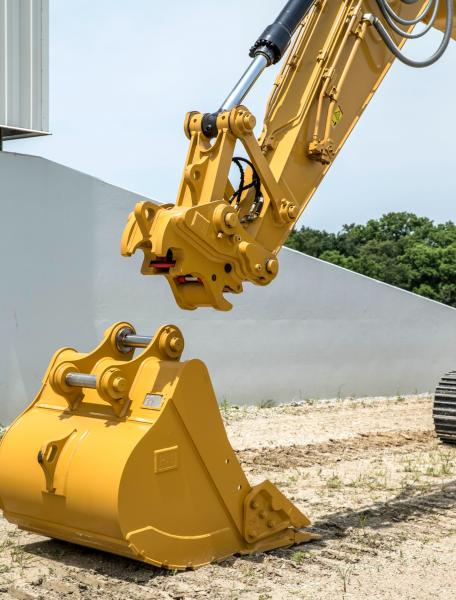
The Caterpillar 335F series excavators are renowned for their versatility and performance in various construction applications. A critical component contributing to their adaptability is the CB2 bucket linkage system. Understanding its design, advantages, and maintenance requirements is essential for operators and fleet managers to maximize the machine's efficiency and longevity.
CB2 Linkage Overview
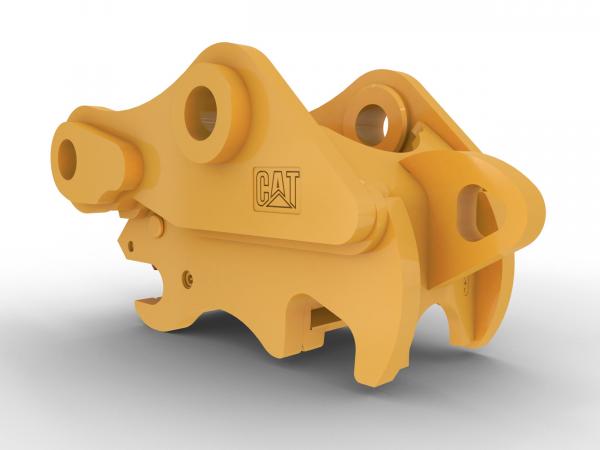
The CB2 bucket linkage is a specialized attachment system designed for Cat 335F series excavators. It is part of the CB (Coupler Bucket) family and is characterized by its robust design, allowing for quick and secure attachment changes. The CB2 linkage is particularly beneficial in applications requiring frequent bucket swaps, such as trenching, lifting, and material handling.
Design Features and Specifications - Pin Spread: The CB2 linkage typically features a pin spread of 512 mm, accommodating larger buckets and enhancing lifting capacity.
- Lifting Eye: Equipped with a lifting eye, the CB2 linkage facilitates the use of lifting tools, adding to the machine's versatility.
- Compatibility: Designed to work seamlessly with various Cat buckets, including the CB1500GD (1.76 m³) and CB1350HD (1.54 m³), ensuring optimal performance across different tasks.
Advantages of the CB2 Linkage- Enhanced Productivity: The quick coupler mechanism allows operators to switch attachments swiftly, reducing downtime and increasing jobsite efficiency.
- Improved Safety: The secure locking system minimizes the risk of accidental detachment, ensuring safer operations.
- Versatility: The CB2 linkage supports a wide range of attachments, from buckets to specialized tools, making the 335F excavator adaptable to various tasks.
Maintenance and Care
Regular maintenance of the CB2 linkage is crucial to ensure its longevity and reliable performance. Key maintenance practices include:- Lubrication: Regularly grease the linkage pins to prevent wear and corrosion.
- Inspection: Routinely check for signs of wear, cracks, or damage, especially after heavy-duty operations.
- Cleaning: Keep the linkage area free from dirt and debris to prevent interference with the locking mechanism.
Conclusion
The CB2 bucket linkage system significantly enhances the functionality of the Cat 335F series excavators. By understanding its design and maintenance requirements, operators can ensure optimal performance and extend the lifespan of their equipment. Regular upkeep and proper handling of the CB2 linkage are essential for maximizing the machine's capabilities and achieving efficient, safe operations on the jobsite.
|
|
|
|
| Case 580E Front Engine Mount Issues and Solutions |
|
Posted by: MikePhua - 08-24-2025, 01:17 PM - Forum: Troubleshooting & Diagnosing
- No Replies
|
|
The Case 580E is a well-known backhoe loader, widely used in construction and agriculture due to its versatility, strength, and reliability. A major component that ensures the smooth operation of the engine and transmission is the engine mount. For the Case 580E, the front engine mount plays a crucial role in absorbing engine vibrations, preventing excessive wear on surrounding components, and maintaining the alignment of the engine.
However, over time, the front engine mount can experience wear and tear, leading to a variety of issues, including excessive engine movement, vibration, and even potential damage to other engine components. This article will explore the common causes of front engine mount failure in the Case 580E, how to diagnose and address the problem, and provide insights into maintaining and replacing the mount to extend the life of your backhoe loader.
Understanding the Role of the Front Engine Mount
The front engine mount is an integral part of the engine support system in the Case 580E backhoe loader. It is designed to hold the engine securely in place while absorbing the vibrations produced by the engine during operation. The engine mount also helps align the engine with the transmission and other drivetrain components, ensuring smooth power delivery.
A worn-out or damaged engine mount can lead to several issues:
- Increased Vibration: Without a properly functioning engine mount, engine vibrations can be transferred to the frame, operator's cabin, and other components.
- Misalignment: The engine may shift position, causing misalignment with the drivetrain, which can lead to additional wear and tear on transmission components.
- Excessive Engine Movement: The engine may move excessively, potentially causing damage to the radiator, hoses, and other parts.
- Unusual Noises: A failing engine mount can result in clunking or banging sounds as the engine moves more than it should.
Common Causes of Engine Mount Failure in the Case 580E
There are several reasons why the front engine mount in the Case 580E may fail. These can range from simple wear and tear due to regular use, to more specific issues related to overloading, improper maintenance, or the use of substandard replacement parts. Some common causes include:
- Normal Wear and Tear: Engine mounts are subjected to constant stress from engine vibrations, heat, and the forces of normal operation. Over time, the rubber or composite materials used in the mounts can degrade, leading to cracks, tears, or complete failure.
- Overloading: Using the backhoe for tasks that exceed its rated capacity can put additional strain on the engine and mounts. Overloading the machine may lead to premature failure of the front engine mount.
- Improper Mount Installation: Incorrect installation of the engine mount can result in improper alignment or insufficient support. This can lead to excessive stress on the mount and other engine components, causing failure.
- Corrosion and Environmental Factors: Exposure to harsh environmental conditions, such as extreme temperatures, moisture, and chemicals, can contribute to the degradation of engine mounts. Saltwater and road salts used in winter conditions can also accelerate corrosion.
- Defective or Substandard Parts: Using low-quality or non-OEM engine mounts can lead to premature wear and failure. It's essential to replace mounts with parts that meet the specifications outlined by Case for optimal performance and longevity.
Symptoms of a Failing Front Engine Mount
When the front engine mount in the Case 580E begins to fail, certain symptoms may become noticeable during operation. These include:
- Excessive Vibration: One of the first signs of a failing engine mount is an increase in engine vibration. The operator may feel the vibrations more in the cabin, or notice that the loader is not as smooth to operate as usual.
- Engine Movement: A clear sign of a bad mount is the engine moving excessively in the engine bay. This may be noticeable when starting the engine, shifting gears, or during operation.
- Clunking or Banging Noises: As the mount deteriorates, it may no longer hold the engine securely in place. This can cause clunking or banging sounds, especially when accelerating or decelerating.
- Misalignment: If the engine is no longer aligned correctly with the transmission, the backhoe loader may experience problems with gear engagement or difficulty in moving.
- Increased Engine Strain: A worn engine mount can lead to additional strain on the engine, causing it to overheat or operate inefficiently.
Diagnosing and Troubleshooting Front Engine Mount Problems
If you suspect that the front engine mount in your Case 580E is causing issues, it's important to properly diagnose the problem before replacing the mount. Here's a step-by-step guide to troubleshooting:
- Visual Inspection: Begin by performing a visual inspection of the engine mount. Look for signs of cracking, splitting, or other visible damage. If the mount appears to be worn, it may be time to replace it.
- Check for Excessive Engine Movement: With the engine off, try to move the engine by hand. If the engine shifts excessively or moves noticeably, the mount may have failed.
- Listen for Unusual Noises: Start the engine and listen for any clunking or banging noises coming from the engine compartment. These noises could indicate that the engine mount is no longer absorbing vibrations properly.
- Test for Vibration Issues: While operating the backhoe, pay attention to any increase in vibrations or a rough ride. Excessive vibration may be a sign that the engine mount is failing.
- Check for Alignment Issues: Inspect the alignment of the engine and transmission. If the engine appears misaligned with the transmission, the engine mount may be to blame.
Replacing the Front Engine Mount in the Case 580E
If the front engine mount is determined to be the cause of the issue, replacing it is the best solution. Here's a general guide on how to replace the engine mount:
- Lift the Engine: To access the engine mount, you will need to lift the engine slightly using a lifting device or a hoist. This will relieve the pressure on the mount and make it easier to remove.
- Remove the Mounting Bolts: Use the appropriate tools to remove the bolts securing the engine mount to the engine and the frame. Be sure to keep track of all bolts and hardware for reinstallation.
- Remove the Old Mount: Once the bolts are removed, carefully take out the old engine mount. If the mount is damaged, it may come apart easily. If not, you may need to apply some force to remove it.
- Install the New Mount: Place the new engine mount into position and secure it with the appropriate bolts. Make sure the mount is aligned correctly and tightened to the manufacturer’s specifications.
- Lower the Engine: Once the new mount is in place, lower the engine back into its original position. Double-check that the engine is properly aligned with the transmission.
- Test the Backhoe: After installation, test the backhoe to ensure that the issue has been resolved. Pay attention to any vibrations, noises, or movement of the engine.
Preventive Measures to Avoid Front Engine Mount Issues
To prevent future front engine mount issues, follow these preventive measures:
- Regular Inspections: Perform routine checks on the engine mount and other engine components to catch any signs of wear early.
- Use Quality Parts: Always replace engine mounts with OEM parts or high-quality replacements to ensure optimal performance and longevity.
- Avoid Overloading: Ensure that the backhoe is not overloaded, as excessive strain on the engine can lead to premature mount failure.
- Proper Maintenance: Follow the manufacturer’s maintenance schedule to keep the engine and drivetrain components in top condition.
Conclusion
The front engine mount plays a vital role in ensuring smooth operation and long-term reliability in the Case 580E backhoe loader. While engine mount failure is common due to wear and tear, understanding the symptoms and causes can help you address the problem promptly. Regular inspections, proper maintenance, and using high-quality replacement parts can help prevent mount issues and extend the life of your backhoe loader.
|
|
|
|
| Caterpillar 420D Backhoe Loader: Serial Number Identification and Hydraulic Thumb Integration |
|
Posted by: MikePhua - 08-24-2025, 01:17 PM - Forum: General Discussion
- No Replies
|
|
Introduction
The Caterpillar 420D Backhoe Loader is a versatile and widely used piece of equipment in the construction and excavation industries. Understanding its serial number and the integration of attachments like the hydraulic thumb is crucial for maintenance, compatibility, and operational efficiency.
Serial Number Identification
The serial number of a Caterpillar 420D Backhoe Loader is essential for identifying the specific machine model, engine type, and manufacturing details. For instance, a machine with the serial number FDP07987 was built on April 12, 2002, and is equipped with a 3054 engine, serial number 7BJ67947. This information is vital for sourcing compatible parts and ensuring proper maintenance.
Locating the Serial Number
Typically, the serial number plate is located on the left side of the machine, near the rear axle or on the frame. It's important to clean the area before inspecting to ensure the number is legible. In some cases, the engine serial number can also be found on the engine block itself.
Hydraulic Thumb Integration
The hydraulic thumb is an attachment that enhances the versatility of the backhoe loader by allowing it to grasp and manipulate materials like logs, rocks, and debris. For the 420D model, the installation of a hydraulic thumb is supported, and the standard stick is specified for this purpose. This setup ensures optimal performance and compatibility.
Installation Considerations
When installing a hydraulic thumb on the 420D Backhoe Loader, several factors should be considered: - Compatibility: Ensure that the thumb is designed for the 420D model to guarantee proper fit and function.
- Hydraulic Flow: Verify that the machine's hydraulic system can support the additional flow requirements of the thumb.
- Mounting: The thumb should be securely mounted to the stick, with proper alignment to prevent undue stress on the hydraulic system.
- Control: Ensure that the operator has intuitive control over the thumb, typically through the existing joystick or auxiliary controls.
Benefits of a Hydraulic Thumb
Integrating a hydraulic thumb offers several advantages:- Increased Efficiency: It allows for better handling of materials, reducing the need for additional equipment.
- Enhanced Precision: Provides greater control over the material being moved, improving accuracy.
- Versatility: Expands the range of tasks the backhoe loader can perform, from lifting to sorting materials.
Conclusion
Understanding the serial number of your Caterpillar 420D Backhoe Loader is essential for maintenance and part compatibility. Integrating a hydraulic thumb enhances the machine's versatility and efficiency, making it a valuable addition for various tasks. Always ensure that the thumb is compatible with your specific machine model and that installation is performed correctly to maximize performance and safety.
|
|
|
|
| Transmission Reversal and Gear Loss in the Case 821B Wheel Loader |
|
Posted by: MikePhua - 08-24-2025, 01:16 PM - Forum: Troubleshooting & Diagnosing
- No Replies
|
|
The Case 821B and Its Industrial Footprint
The Case 821B wheel loader was introduced in the mid-1990s as part of Case Construction’s push to modernize its fleet with electronically controlled transmissions and improved operator ergonomics. Built for mid-range earthmoving, aggregate handling, and municipal work, the 821B featured a 6-cylinder turbocharged diesel engine, a four-speed powershift transmission, and a load-sensing hydraulic system. Case, founded in 1842 and later merged with New Holland under CNH Industrial, has long been a staple in the North American heavy equipment market. The 821B sold well across the U.S., Canada, and Australia, with thousands of units deployed in quarries, landfills, and road-building operations.
Despite its rugged build, the 821B’s transmission system has occasionally presented puzzling issues—especially in older units with high hours. One such issue involves reversed gear engagement and partial gear loss, which can severely impact productivity and safety.
Terminology Explained - Powershift Transmission: A type of transmission that allows gear changes under load using hydraulic clutches and electronic controls.
- Shift Lever: The operator’s input device for selecting forward, reverse, and gear ranges.
- Valve Body: The hydraulic control center that directs fluid to engage specific transmission clutches.
- Solenoid: An electromechanical actuator that opens or closes hydraulic passages based on electrical signals.
Symptoms of Transmission Reversal
Operators have reported the following unusual behavior:- Moving the shift lever to “Forward” causes the loader to move in reverse.
- Selecting “Reverse” results in forward motion.
- Only 3rd and 4th gears are available; 1st and 2nd are non-functional.
- No diagnostic codes are displayed, and fluid levels appear normal.
This pattern suggests a miscommunication between the shift lever and the transmission control system, possibly due to mechanical misalignment or electrical polarity reversal.
Mechanical vs. Electrical Shift Systems
The 821B was offered with both mechanical and electronic shift configurations, depending on production year and market. Mechanical systems use rods and linkages to actuate the valve body directly, while electronic systems rely on solenoids triggered by the shift lever’s position sensor.
In mechanical setups, a slipped spline or over-centered linkage can cause the shift lever to operate in reverse—similar to how a windshield wiper arm behaves when it crosses its pivot point. In electronic systems, reversed polarity or miswired solenoids can produce the same effect. A technician in Alberta once discovered that a battery replacement had inadvertently reversed the polarity on a transmission solenoid, causing the loader to behave as if the shift lever were inverted.
Loss of Lower Gears and Possible Causes
The absence of 1st and 2nd gear engagement points to a failure in the hydraulic or electrical control of the corresponding clutch packs. Possible culprits include:- Solenoid Failure
If the solenoids controlling 1st and 2nd gear are stuck or burned out, those gears will not engage.
- Valve Body Contamination
Debris or varnish buildup can block hydraulic passages, preventing clutch actuation.
- Wiring Damage
Rodent damage or abrasion in the harness can interrupt signals to specific solenoids.
- Gear Selector Calibration
In electronic systems, the selector may require recalibration to correctly map lever positions to gear commands.
Diagnostic and Repair Strategy
To resolve these issues, technicians should follow a structured approach:
- Identify Shift System Type
Confirm whether the loader uses mechanical or electronic gear selection.
- Inspect Linkages or Wiring
For mechanical systems, check for slipped splines or bent rods. For electronic systems, test solenoid polarity and continuity.
- Scan for Fault Codes
Use diagnostic tools to check for hidden transmission errors, even if the dash shows none.
- Test Solenoid Functionality
Apply direct voltage to each solenoid to verify actuation. Replace any that fail to respond.
- Flush and Inspect Valve Body
Remove and clean the valve body to eliminate internal blockages.
- Recalibrate Gear Selector
If electronic, follow manufacturer procedures to reset gear mapping.
Preventive Maintenance Recommendations- Replace transmission fluid every 1,000 hours or annually, whichever comes first.
- Inspect shift linkages and wiring harnesses during every service interval.
- Use dielectric grease on electrical connectors to prevent corrosion.
- Train operators to report unusual gear behavior immediately to prevent clutch damage.
Industry Context and Operator Experience
Transmission issues like these are not unique to Case. Similar problems have been reported in Komatsu WA380 loaders and Caterpillar 950H models, especially in machines with over 10,000 hours. In 2021, a fleet manager in Nevada retrofitted his 821B with a simplified mechanical shift conversion after repeated electronic failures. The modification restored reliability and reduced downtime, though it sacrificed some ergonomic features.
Conclusion
The Case 821B remains a workhorse in the mid-size loader category, but its transmission system—particularly the shift control interface—can present challenges as machines age. Reversed gear engagement and partial gear loss often stem from mechanical misalignment or electrical faults in the shift system. With methodical diagnostics and preventive care, these issues can be resolved, allowing the 821B to continue delivering dependable performance in demanding environments.
|
|
|
|
| Hitachi ZX75 Excavator Common Issues and Troubleshooting |
|
Posted by: MikePhua - 08-24-2025, 01:15 PM - Forum: Troubleshooting & Diagnosing
- No Replies
|
|
Introduction
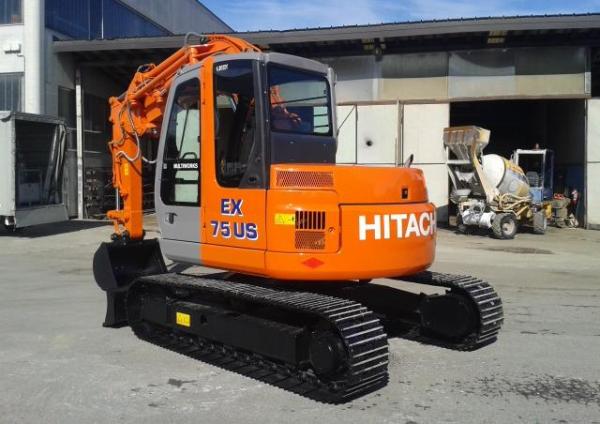
The Hitachi ZX75 excavator, renowned for its compact design and robust performance, is a staple in urban construction, landscaping, and utility projects. However, like all machinery, it is susceptible to specific issues that can impact its efficiency. Understanding these common problems and their solutions can help operators maintain optimal performance and extend the machine's lifespan.
Hydraulic System Overheating
A prevalent issue among ZX75 users is hydraulic system overheating. This problem often manifests when the hydraulic oil becomes excessively hot during operation. The underlying causes can include: - Clogged Filters: Over time, hydraulic filters can become obstructed with debris, restricting oil flow and causing the system to overheat.
- Low Oil Levels: Insufficient hydraulic fluid can lead to increased friction and heat generation.
- Contaminated Oil: The presence of dirt or water in the hydraulic oil can degrade its lubricating properties, leading to overheating.
Solution: Regularly inspect and replace hydraulic filters, ensure proper oil levels, and use high-quality hydraulic fluid to prevent contamination.
Final Drive Overheating
Another concern is the overheating of the final drive, which can result in reduced track power and potential damage. Contributing factors include:- Low or Dirty Final Drive Oil: Insufficient or contaminated oil can cause increased friction and overheating.
- Worn Seals: Damaged seals can lead to oil leaks, reducing lubrication and causing overheating.
Solution: Periodically check and replace final drive oil, inspect seals for wear, and ensure proper lubrication to maintain optimal performance.
Fuel Delivery Issues
Fuel-related problems can prevent the engine from starting or cause it to stall during operation. Common causes are:- Clogged Fuel Filters: Over time, fuel filters can become obstructed, restricting fuel flow to the engine.
- Air in Fuel Lines: Air pockets can disrupt fuel delivery, leading to starting issues.
- Injector Malfunctions: Faulty injectors can cause uneven fuel distribution, affecting engine performance.
Solution: Regularly replace fuel filters, bleed the fuel system to remove air pockets, and inspect injectors for proper function.
Electrical and Control System Failures
Electrical issues can lead to erratic behavior of the excavator's controls, such as unresponsive joysticks or sudden loss of power. Potential causes include:- Wiring Faults: Damaged or loose wiring can cause intermittent connections, leading to control failures.
- Control Valve Malfunctions: Issues with control valves can result in unresponsive or erratic movements.
Solution: Conduct thorough inspections of wiring and control valves, ensuring all connections are secure and components are functioning correctly.
Preventative Maintenance Tips
To minimize the occurrence of these issues, operators should adhere to a strict maintenance schedule:- Daily Checks: Inspect fluid levels, filters, and hoses before operation.
- Regular Servicing: Follow the manufacturer's recommended service intervals for oil changes and component inspections.
- Operator Training: Ensure that all operators are adequately trained to handle the excavator properly, reducing the risk of operator-induced issues.
Conclusion
The Hitachi ZX75 excavator is a reliable machine when properly maintained. By understanding common issues and implementing proactive maintenance strategies, operators can ensure the longevity and efficiency of their equipment. Regular attention to the hydraulic system, final drive, fuel delivery, and electrical components will minimize downtime and enhance overall performance.
|
|
|
|
|



