| Welcome, Guest |
You have to register before you can post on our site.
|
| Forum Statistics |
» Members: 79
» Latest member: cioCruch
» Forum threads: 47,411
» Forum posts: 47,417
Full Statistics
|
| Online Users |
There are currently 162 online users.
» 0 Member(s) | 152 Guest(s)
Ahrefs, Amazon, Applebot, Bing, Claude, Google, OpenAI, Semrush, Trendiction
|
| Latest Threads |
Identifying and Sourcing ...
Forum: Parts , Attachments & Tools
Last Post: MikePhua
01-07-2026, 06:29 PM
» Replies: 0
» Views: 492
|
Cat 931B Brake Parts
Forum: Parts , Attachments & Tools
Last Post: MikePhua
01-07-2026, 06:29 PM
» Replies: 0
» Views: 276
|
Choosing Between Cat 228,...
Forum: General Discussion
Last Post: MikePhua
01-07-2026, 06:28 PM
» Replies: 0
» Views: 516
|
Hydraulic Delay When Lowe...
Forum: Troubleshooting & Diagnosing
Last Post: MikePhua
01-07-2026, 06:27 PM
» Replies: 0
» Views: 434
|
Bale Chopper and Mulcher ...
Forum: General Discussion
Last Post: MikePhua
01-07-2026, 06:26 PM
» Replies: 0
» Views: 307
|
Mini UC Maintenance
Forum: General Discussion
Last Post: MikePhua
01-07-2026, 06:25 PM
» Replies: 0
» Views: 295
|
Locating Wiring Informati...
Forum: General Discussion
Last Post: MikePhua
01-07-2026, 06:24 PM
» Replies: 0
» Views: 329
|
Case Industrial Brown Sub...
Forum: Parts , Attachments & Tools
Last Post: MikePhua
01-07-2026, 06:23 PM
» Replies: 0
» Views: 269
|
Dirt Work in West Virgini...
Forum: Construction & Urban Infrastructure Forum
Last Post: MikePhua
01-07-2026, 06:23 PM
» Replies: 0
» Views: 365
|
D207 P Hydraulic Steering...
Forum: Parts , Attachments & Tools
Last Post: MikePhua
01-07-2026, 06:22 PM
» Replies: 0
» Views: 295
|
|
|
| Caterpillar D5G Jerking and Bucking in Forward and Reverse |
|
Posted by: MikePhua - 08-24-2025, 02:46 PM - Forum: Troubleshooting & Diagnosing
- No Replies
|
 |
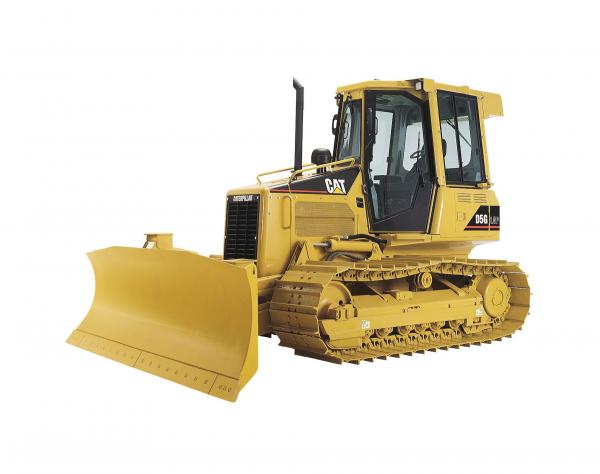
The Caterpillar D5G is a robust and versatile dozer widely used in construction, mining, and land clearing. However, some operators have reported issues with jerking or bucking movements when shifting between forward and reverse gears. These symptoms can be indicative of underlying mechanical or electrical problems that require prompt attention to ensure safe and efficient operation.
Understanding the D5G Transmission System
The D5G is equipped with a hydrostatic transmission system that provides smooth and responsive control over the machine's movement. This system utilizes hydraulic pumps and motors to transmit power to the tracks, allowing for precise speed and direction control. The transmission is electronically controlled, with sensors and actuators that monitor and adjust various parameters to optimize performance.
Common Causes of Jerking and Bucking
Several factors can contribute to jerking or bucking movements in the D5G:
- Contaminated or Low Hydraulic Fluid: Dirty or insufficient hydraulic fluid can cause erratic movement and delayed response times. Regularly checking and replacing the hydraulic fluid is essential for maintaining smooth operation.
- Faulty Sensors: The D5G relies on various sensors to monitor engine speed, transmission pressure, and other critical parameters. Malfunctioning sensors can send incorrect signals to the transmission control module, leading to improper gear engagement. For instance, a speed sensor on the flywheel housing can accumulate debris or rust, affecting its performance. Cleaning or replacing faulty sensors can resolve such issues.
- Electrical Connection Issues: Loose or corroded electrical connections can disrupt communication between the transmission control module and other components, resulting in jerking or bucking movements. Inspecting and repairing wiring harnesses and connectors can help eliminate these problems.
- Transmission Control Module (TCM) Faults: The TCM is responsible for interpreting sensor data and controlling the transmission's operation. Software glitches or hardware failures in the TCM can lead to erratic behavior. Recalibrating or replacing the TCM may be necessary to restore proper function.
Diagnostic and Repair Procedures
To diagnose and address jerking or bucking issues in the D5G:
- Retrieve Diagnostic Codes: Using Caterpillar's Electronic Technician (ET) software, retrieve any stored diagnostic codes from the TCM. These codes can provide insights into specific sensor or system malfunctions.
- Inspect and Clean Sensors: Check sensors, such as the speed sensor on the flywheel housing, for debris or corrosion. Clean or replace sensors as needed to ensure accurate readings.
- Examine Electrical Connections: Inspect wiring harnesses and connectors for signs of wear, corrosion, or loose connections. Repair or replace damaged components to restore proper electrical communication.
- Check Hydraulic Fluid: Verify the hydraulic fluid level and quality. Replace the fluid if it appears contaminated or has deteriorated over time.
- Recalibrate the TCM: If no hardware issues are found, recalibrate the TCM using the ET software to ensure it is correctly interpreting sensor data and controlling the transmission.
Preventive Maintenance Tips
To minimize the risk of jerking or bucking movements in the future:- Regularly Inspect and Maintain Sensors: Schedule routine inspections of sensors and clean or replace them as necessary to prevent buildup of debris or corrosion.
- Maintain Clean Hydraulic Fluid: Use high-quality hydraulic fluid and replace it at intervals recommended by the manufacturer to ensure optimal performance.
- Monitor Electrical Connections: Regularly check wiring harnesses and connectors for signs of wear or corrosion and address any issues promptly.
- Keep Software Updated: Ensure that the TCM software is up to date to take advantage of any improvements or bug fixes released by Caterpillar.
Conclusion
Jerking or bucking movements in the Caterpillar D5G can be caused by various factors, including contaminated hydraulic fluid, faulty sensors, electrical connection issues, and transmission control module faults. By systematically diagnosing and addressing these potential causes, operators can restore smooth and responsive operation to their machines. Regular maintenance and timely repairs are essential for ensuring the longevity and reliability of the D5G dozer.
|

|
|
| Logging Videos: The Evolution and Importance of Visual Content in Forestry |
|
Posted by: MikePhua - 08-24-2025, 02:45 PM - Forum: Farming, Landscaping, Forestry Industry Forum
- No Replies
|
|
Logging is a crucial part of the forestry industry, enabling the extraction of timber for various applications, from construction materials to paper products. Over the years, logging has evolved significantly, with the introduction of advanced machinery and innovative techniques. Alongside these advancements, logging videos have become an increasingly valuable resource for training, showcasing technology, and sharing experiences within the industry.
This article explores the role of logging videos in modern forestry, highlighting their importance for education, equipment demonstrations, and community building.
The Rise of Logging Videos in Forestry
In the past, logging was primarily understood through firsthand experience, word-of-mouth, or printed materials. However, with the advent of digital technology and the internet, logging videos have provided an accessible and dynamic medium to understand the industry. Logging videos are now widely used across various platforms such as YouTube, Vimeo, and social media to capture real-world logging operations, showcase the capabilities of machinery, and teach techniques to a broader audience.
These videos provide an excellent platform to see logging equipment in action and understand the complex process of harvesting timber. Whether it’s a crane loading logs onto a truck or a high-tech feller buncher cutting down trees, these videos allow users to witness operations that are often difficult to observe in person due to the remote nature of logging sites.
The Role of Logging Videos for Training and Education
Logging is a skilled and dangerous occupation, requiring specialized knowledge of equipment and safety procedures. Logging videos serve as an essential tool for both seasoned professionals and new entrants into the industry.
- Training Operators:
- Logging equipment such as harvesters, forwarders, and skidders requires operators to have deep knowledge of machine functions and maintenance. Through videos, operators can observe correct operating procedures, how to adjust settings for specific terrain, and best practices for maintaining equipment. These videos help build confidence among new operators before they work on actual job sites.
- Safety and Protocols:
- Logging is known for its inherent dangers, from falling trees to handling heavy machinery in difficult conditions. Videos often emphasize safety protocols, including proper techniques for tree felling, machinery maintenance, and emergency response. Through visual demonstrations, workers are more likely to retain safety information, reducing the risk of accidents.
- Technical Demonstrations:
- In addition to showing the operation of equipment, videos can demonstrate how machinery performs under different conditions. For example, a video could show a feller buncher working in dense forests versus open fields, explaining how the settings and techniques differ. Such content enables operators to learn from real-world applications.
Showcasing Equipment and Innovations in Logging
Logging videos also play a vital role in showcasing the advancements in logging equipment. From the development of more efficient and environmentally friendly machinery to the integration of automation and GPS technology, these videos provide a platform for manufacturers to highlight their products and innovations.
- Equipment Reviews:
- Logging videos offer a space for reviews of various logging machines. These reviews often include firsthand accounts of how different pieces of equipment perform in real-world logging operations. Videos can explore the features of a new timber harvester, a new attachment, or a logging truck, giving potential buyers insight into its capabilities.
- Technological Integration:
- The logging industry has seen significant advancements in technology, such as the introduction of GPS-based logging machines that optimize cutting paths and fuel efficiency. Logging videos help to highlight how these technologies improve productivity, reduce waste, and lower environmental impact.
- Environmental Considerations:
- As sustainability becomes an increasing concern, logging videos are being used to show environmentally responsible practices in the industry. Videos often feature discussions on the environmental benefits of selective logging, sustainable harvesting methods, and how machinery is evolving to reduce the carbon footprint of logging operations.
Community Building and Sharing Experiences
Logging videos are more than just instructional content; they also foster a sense of community among industry professionals. Whether through forums, social media, or video-sharing platforms, logging videos allow individuals to share their experiences, exchange tips, and discuss industry trends.
- Connecting Global Audiences:
- Logging operations can differ significantly from one region to another, depending on the type of terrain, tree species, and regulations. Videos allow individuals from all over the world to share their local practices and learn from one another, expanding knowledge across borders.
- Inspiring the Next Generation:
- Young people interested in forestry careers often turn to videos as a way to understand what it takes to work in the logging industry. From showcasing the rugged nature of the job to highlighting career opportunities in forestry management, logging videos are key to attracting and inspiring the next generation of professionals.
- Documenting History:
- Logging videos also serve as historical records. By documenting logging operations and the evolution of machinery, these videos preserve the industry's history for future generations. They provide a visual representation of how logging practices have evolved, including changes in equipment, environmental practices, and safety protocols.
Popular Logging Videos and Channels
Several YouTube channels and other platforms have risen to prominence for their logging videos, providing content ranging from equipment reviews to real-life logging operations. Here are a few examples of popular logging content creators:
- Loggers World:
- This channel showcases logging equipment, interviews with industry experts, and on-site logging operations. It’s a favorite among equipment enthusiasts and professionals looking for updates on the latest logging technology.
- Machinery Pete:
- Known for its detailed reviews and insights into machinery, Machinery Pete offers a vast collection of logging equipment videos. The channel covers both used and new machines, making it a useful resource for those in the market for logging equipment.
- Timber Falling Films:
- This channel provides a front-row seat to tree felling operations, capturing some of the most difficult and technical aspects of the logging industry. It’s a great resource for those looking to understand the intricacies of tree cutting and safety in logging.
Conclusion
Logging videos have become an indispensable resource for the modern logging industry, providing educational value, showcasing innovations, and building a sense of community among professionals. With the increasing reliance on technology and automation in forestry, logging videos will continue to play an essential role in educating, informing, and inspiring both current and future generations of forestry workers.
As the logging industry continues to evolve, it’s clear that videos will be at the forefront of training, innovation, and community engagement. Whether you're an operator, a manufacturer, or simply an enthusiast, logging videos offer a unique and insightful look into the world of forestry.
|
|
|
|
| Caterpillar 320L Hydraulic System Performance Issues |
|
Posted by: MikePhua - 08-24-2025, 02:44 PM - Forum: Troubleshooting & Diagnosing
- No Replies
|
|
The Caterpillar 320L hydraulic excavator, a prominent model in Caterpillar's lineup, is designed for various heavy-duty applications. However, some operators have reported issues related to hydraulic performance, particularly concerning the main pump. Understanding these issues and their potential causes is crucial for effective troubleshooting and maintenance.
Hydraulic System Overview
The 320L is equipped with a closed-center hydraulic system, which ensures that hydraulic fluid is continuously circulated, providing consistent pressure and flow to various components. This system is powered by a variable displacement piston pump, which adjusts its output to meet the demands of the machine's functions. The main pump's performance is critical for the efficient operation of the excavator's boom, arm, and swing functions.
Reported Hydraulic Performance Issues
Operators have observed several symptoms that may indicate issues with the hydraulic system: - Weak Pump Performance: Reduced lifting capacity and sluggish response during operation.
- Uneven Track Power: Inconsistent movement or power between tracks, affecting stability and control.
- Low Swing Power: Reduced ability to rotate the upper structure, impacting maneuverability.
These issues can significantly affect the efficiency and safety of operations.
Potential Causes
Several factors could contribute to the observed hydraulic performance issues:- Pump Wear or Damage: Over time, the main pump's internal components can wear out, leading to decreased efficiency and performance.
- Contaminated Hydraulic Fluid: Dirt, debris, or degraded fluid can cause blockages or damage to the hydraulic system components.
- Clogged Filters: Hydraulic filters prevent contaminants from entering the system; if they become clogged, they can restrict fluid flow and pressure.
- Valve Block Malfunctions: Issues with the valve block can disrupt the distribution of hydraulic fluid, leading to uneven power delivery.
Diagnostic Steps
To accurately diagnose the cause of hydraulic performance issues:
- Check Hydraulic Fluid Levels and Quality: Ensure that the fluid is at the proper level and is free from contaminants.
- Inspect and Replace Filters: Examine the hydraulic filters for clogging and replace them if necessary.
- Test Hydraulic Pressure: Use a pressure gauge to measure the system's pressure and compare it to the manufacturer's specifications.
- Examine the Main Pump: Inspect the pump for signs of wear or damage.
- Assess Valve Block Operation: Check for proper operation of the valve block and ensure there are no obstructions or malfunctions.
Maintenance Recommendations
To prevent hydraulic performance issues:- Regular Fluid Changes: Change the hydraulic fluid at intervals recommended by the manufacturer to maintain system cleanliness.
- Routine Filter Replacements: Replace hydraulic filters as part of regular maintenance to ensure proper fluid flow.
- System Flushing: Periodically flush the hydraulic system to remove contaminants and prevent buildup.
- Component Inspections: Regularly inspect the main pump, valve block, and other critical components for signs of wear or damage.
Conclusion
The Caterpillar 320L hydraulic excavator is a robust machine designed for demanding tasks. However, like all complex systems, its hydraulic components require regular maintenance and attention. By understanding potential issues and implementing proactive diagnostic and maintenance practices, operators can ensure optimal performance and longevity of their equipment.
|
|
|
|
| Troubleshooting Dynapac CC10 Roller That Does Not Move |
|
Posted by: MikePhua - 08-24-2025, 02:43 PM - Forum: Troubleshooting & Diagnosing
- No Replies
|
|
Dynapac CC10 rollers are widely recognized for their efficiency in compaction tasks, particularly for asphalt and soil. These compact, tandem vibratory rollers are used across construction sites to create smooth and stable surfaces for roads, pavements, and foundations. However, like any heavy equipment, they are prone to occasional operational issues, one of which is failure to move or drive.
If you encounter a situation where your Dynapac CC10 roller won’t move, understanding the possible causes and solutions is key to minimizing downtime and getting back to work quickly. In this article, we’ll break down the potential reasons for this issue and how you can troubleshoot and resolve the problem.
Key Features of the Dynapac CC10 Roller
Before diving into the troubleshooting process, it’s important to understand the key features of the Dynapac CC10 roller. This machine is known for its powerful vibration system and high compaction efficiency, making it ideal for small- to medium-scale projects.
- Engine Power and Transmission
- The CC10 typically operates with a diesel engine, offering sufficient power for compacting materials such as soil, gravel, and asphalt. The roller’s drive system is connected to a hydrostatic transmission, allowing smooth and consistent movement during operation.
- Vibration System
- The roller is equipped with a dual vibration system that ensures efficient compaction. The vibration helps to break down material, allowing it to compress more effectively for stable ground surfaces.
- Tandem Drum Design
- The CC10 features a tandem drum configuration, which includes two large rollers at the front and rear of the machine. This design provides superior stability and even compaction.
- Hydraulic System
- Like most heavy equipment, the CC10 roller utilizes a hydraulic system for various functions, including lifting the drum and controlling the vibratory functions.
Common Reasons for Dynapac CC10 Roller Not Moving
If your Dynapac CC10 roller fails to move, there could be a number of factors at play. Below are some common reasons and how they can be addressed.
1. Hydraulic System Malfunction- The Dynapac CC10 roller relies on hydraulic power for its drive system, which means any issue within the hydraulic system could result in the machine failing to move. This could include low fluid levels, air in the lines, or a malfunctioning pump or motor.
- Solution: Inspect the hydraulic fluid level and check for leaks in the system. Bleed any air from the hydraulic lines and ensure the pump and motor are functioning correctly. If necessary, replace any worn or damaged components.
2. Faulty Transmission- The hydrostatic transmission is responsible for transferring power from the engine to the wheels of the roller. If the transmission malfunctions, the roller may not move, despite the engine running smoothly.
- Solution: Check the transmission fluid levels and ensure there are no leaks. Inspect the hydraulic hoses connected to the transmission. If there’s a problem with the transmission pump or motor, you may need professional repair or replacement.
3. Clogged or Faulty Hydraulic Filters- Clogged or worn-out hydraulic filters can restrict the flow of hydraulic fluid, causing a loss of power to the wheels and the vibration system.
- Solution: Replace the hydraulic filters according to the manufacturer’s recommendations. Clean or replace any parts that may be restricting fluid flow.
4. Electrical System Issues- Modern machines like the Dynapac CC10 are often equipped with sensors, relays, and electrical systems that control different functions. A faulty sensor or electrical issue could cause the machine to fail to engage its movement or vibratory systems.
- Solution: Inspect the electrical system, including wiring, fuses, and connections. If any components are damaged or corroded, replace them. Pay particular attention to the system that controls the drive and vibratory mechanisms.
5. Low or Poor Fuel Supply- Sometimes, the issue could be as simple as inadequate fuel supply to the engine, preventing it from generating the power needed to move the machine.
- Solution: Check the fuel system, including the tank, fuel lines, and filters. Ensure that fuel is flowing properly and there are no obstructions or leaks.
6. Wheel or Drum Damage- A damaged wheel or drum could prevent the roller from moving effectively. If one of the wheels is stuck, damaged, or locked up, the roller may not be able to move forward or backward.
- Solution: Inspect the wheels and drums for visible damage or obstruction. Check the bearings and axles to ensure they are properly lubricated and functioning.
7. Engine Performance Issues- While less common, engine-related issues such as a misfire or fuel delivery problems can also prevent the roller from moving.
- Solution: Perform an engine diagnostic check to identify any issues with fuel delivery, ignition, or engine performance. Check for any clogged fuel injectors or air filters, and ensure the engine is running at the proper RPM.
Additional Considerations and Tips for Troubleshooting- Consult the Service Manual: Always refer to the service manual provided by Dynapac for specific troubleshooting and maintenance instructions. The manual provides detailed information on the machine’s components, which can be extremely helpful when diagnosing problems.
- Regular Maintenance: Regularly maintaining the Dynapac CC10 roller, including checking fluid levels, cleaning filters, and inspecting key components, can prevent many of the issues mentioned above.
- Consult a Professional: If you cannot diagnose the issue yourself or if the problem requires advanced repair, it’s always a good idea to consult a professional mechanic or technician familiar with Dynapac rollers.
Conclusion
The Dynapac CC10 roller is a robust and reliable piece of equipment, but like all machinery, it can experience operational failures. Understanding the key components and common issues can help you identify the root cause when the roller fails to move. From hydraulic system issues and faulty transmissions to electrical problems and clogged filters, troubleshooting these problems systematically can help restore the machine’s performance quickly.
By following the solutions outlined and performing regular maintenance, you can keep your Dynapac CC10 roller in optimal working condition, ensuring efficiency and reliability on your construction site.
|
|
|
|
| Understanding Hydraulic Pump Fittings on the John Deere 310B Backhoe Loader |
|
Posted by: MikePhua - 08-24-2025, 02:43 PM - Forum: Parts , Attachments & Tools
- No Replies
|
|
The John Deere 310B backhoe loader, a staple in construction and agricultural operations, is renowned for its robust performance and versatility. Central to its functionality is the hydraulic system, which powers various components such as the loader arms, backhoe boom, and steering. A critical element within this system is the hydraulic pump, which requires precise fittings to ensure optimal operation.
Hydraulic System Overview
The 310B is equipped with a closed-center hydraulic system, designed to provide consistent pressure and flow to all hydraulic functions. This system type is characterized by a continuous loop, ensuring that hydraulic fluid is always circulating, even when valves are in neutral positions. The pump flow capacity is approximately 38 gallons per minute (GPM), with a system pressure of around 2,320 psi. This setup allows for smooth and efficient operation of the backhoe loader's various hydraulic functions .
Hydraulic Pump Specifications
The main hydraulic pump used in the 310B is identified by part number AR101288. This pump has a displacement of 65 cubic centimeters per revolution (4.0 cubic inches) and is commonly used across several John Deere models, including the 310B, 410, 500C, 640, 670, 740, and 740A .
Fitting Specifications
Proper hydraulic fittings are essential for maintaining system integrity and preventing leaks. The AR101288 hydraulic pump features specific port sizes: - Top Inlet: 1-5/16" -12 thread
- Right Inlet: 1-5/8" -12 thread
- Left Inlet: 1-3/8" -12 thread
- Discharge: 1-1/16" -12 thread
These measurements are crucial when sourcing replacement hoses or fittings to ensure compatibility and prevent potential hydraulic failures.
Maintenance and Replacement Considerations
Regular maintenance of the hydraulic system is vital for the longevity and performance of the 310B backhoe loader. This includes checking for leaks, ensuring proper fluid levels, and inspecting hoses and fittings for wear. When replacing hydraulic components, it's essential to use parts that meet or exceed the original specifications to maintain system integrity.
Conclusion
The hydraulic pump and its associated fittings play a pivotal role in the performance of the John Deere 310B backhoe loader. Understanding the specifications and ensuring the use of compatible parts are key to maintaining the efficiency and reliability of the machine's hydraulic system. By adhering to these guidelines, operators can ensure optimal performance and extend the service life of their equipment.
|
|
|
|
| Wheel Dozers: A Comprehensive Overview of the Versatile Earthmovers |
|
Posted by: MikePhua - 08-24-2025, 02:42 PM - Forum: General Discussion
- No Replies
|
|
Wheel dozers, a unique category of earthmoving equipment, combine the power and performance of traditional tracked dozers with the mobility and speed of wheeled machines. These versatile machines are used across various industries, from mining and construction to land reclamation and highway work. In this article, we’ll explore the key features, applications, benefits, and considerations when working with wheel dozers.
What Are Wheel Dozers?
A wheel dozer, also known as a wheeled bulldozer, is a type of bulldozer mounted on large, heavy-duty tires rather than tracks. This design allows wheel dozers to provide the same earth-moving capability as traditional tracked dozers but with added speed and maneuverability. The wheels make them ideal for projects that require quick transportation between job sites and for working on hard, stable ground like asphalt, concrete, or compacted dirt.
Unlike track-mounted dozers, wheel dozers are more mobile on finished surfaces and paved roads, reducing the time and effort required for repositioning. This mobility, however, comes at a cost, as wheel dozers are less effective in soft, muddy, or rocky conditions where tracked dozers excel.
Key Features of Wheel Dozers
- Wheeled Mobility
- The primary feature of a wheel dozer is its large, robust tires that provide excellent traction on hard, solid surfaces.
- With tires ranging from 33 inches to over 50 inches in diameter, these machines are optimized for stability and load-bearing capacity.
- Powerful Engine and Transmission
- Most wheel dozers are equipped with high-horsepower engines ranging from 150 to 500 horsepower, depending on the model and intended use.
- The engines are paired with sophisticated transmission systems that deliver smooth power transfer, ensuring consistent performance during grading and pushing tasks.
- Blade Options
- Wheel dozers can be fitted with various blade configurations, such as straight blades, semi-u blades, or full-u blades. These blades are designed for different types of earth-moving tasks, such as cutting, leveling, or moving soil and debris.
- Larger blades provide greater efficiency, allowing operators to move more material in less time.
- Hydraulic Systems
- The hydraulic system on wheel dozers is typically used to control the blade’s angle, height, and tilt, ensuring precision and control during operations.
- Some models may also include hydraulic attachments such as rippers, scarifiers, or winches, adding to their versatility.
- Comfortable Operator Cab
- Wheel dozers often feature spacious, air-conditioned operator cabins, ensuring comfort during long work hours. The cab is designed with ergonomic controls, excellent visibility, and noise-reducing features.
- Advanced models also include joystick controls, automatic climate control, and integrated digital screens for real-time performance monitoring.
Advantages of Wheel Dozers
- Increased Mobility
- The most significant advantage of wheel dozers is their speed and mobility on finished surfaces. Unlike tracked dozers, they can easily travel on paved roads without damaging the surface, reducing the time spent transporting equipment between job sites.
- This mobility is particularly beneficial in urban construction, road maintenance, or jobs that require frequent re-positioning.
- Lower Operating Costs
- Wheel dozers generally have lower maintenance costs than their tracked counterparts. They experience less wear and tear on solid surfaces, and tire replacement is often less expensive than track replacement.
- Additionally, they typically consume less fuel than tracked dozers, making them more cost-effective for projects that require a lot of ground movement.
- Higher Speeds
- On hard and flat surfaces, wheel dozers can travel at speeds much higher than tracked dozers, allowing operators to complete work more efficiently.
- This is particularly useful in road construction, where speed is essential for meeting tight deadlines.
- Better Maneuverability
- The steering capabilities of wheel dozers allow for more precise turns and adjustments when maneuvering around obstacles or working in tight spaces. This makes them ideal for urban development projects or when working in areas with restricted access.
Common Applications of Wheel Dozers
- Road Construction
- In road construction projects, wheel dozers play a crucial role in grading, leveling, and clearing large areas. Their ability to travel quickly between job sites allows for efficient material handling and site preparation.
- Wheel dozers are particularly useful for finishing and contouring work, such as smoothing the base of a roadbed before asphalt is laid.
- Land Reclamation
- In land reclamation projects, wheel dozers are used to reshape and clear land for future development. Whether it's moving earth, creating berms, or leveling ground, the versatility and mobility of these machines make them indispensable.
- These dozers are also commonly used in quarry operations to maintain haul roads and manage stockpiles.
- Mining and Material Handling
- In mining operations, wheel dozers are used for moving and stockpiling materials such as sand, gravel, and mined materials.
- Their speed and ease of transport make them ideal for open-pit mining sites where materials need to be moved quickly to processing plants or other locations.
- Agriculture and Landscaping
- Wheel dozers are also employed in large-scale agricultural operations, particularly for land clearing and leveling work. Their wide blades and efficient engines allow them to clear large tracts of land quickly and effectively.
- In landscaping, wheel dozers are used to create contours, build berms, and perform rough grading.
Limitations of Wheel Dozers
While wheel dozers offer several advantages, they do have certain limitations that should be considered before purchase or deployment:
- Reduced Performance on Soft or Rocky Terrain
- Wheel dozers struggle in soft, muddy, or rocky conditions, as the tires can sink into the ground or lose traction, especially when moving heavy material. Tracked dozers are much better suited for these conditions.
- Higher Initial Cost
- Wheel dozers are often more expensive than their tracked counterparts due to their complex tire systems and advanced mobility features. This higher initial cost may be a barrier for some operators, particularly in markets where budget constraints are tight.
- Tire Wear
- While maintenance costs for wheel dozers are generally lower, tire wear can be a significant factor. In highly abrasive environments or on rough terrains, tires can degrade faster, requiring more frequent replacements.
Conclusion
Wheel dozers represent a blend of efficiency, speed, and power in the earthmoving industry. With their ability to operate at higher speeds and on finished surfaces, they provide a distinct advantage in projects that demand mobility and quick repositioning. However, they do have limitations, particularly when working in soft or rugged terrains. Understanding these strengths and weaknesses is essential for operators when selecting the right machine for the job.
Whether used in road construction, mining, land reclamation, or landscaping, wheel dozers have proven to be a versatile and reliable solution for various earthmoving tasks. Their rapid travel, low operating costs, and ability to carry out precise grading and leveling work make them indispensable in modern construction projects.
|
|
|
|
| Understanding Wheel Compatibility for Case 590 Super Series 4WD Backhoe Loaders |
|
Posted by: MikePhua - 08-24-2025, 02:41 PM - Forum: General Discussion
- No Replies
|
|
The Case 590 Super series backhoe loaders, including models like the 590 Super L, 590 Super M, and 590 Super N, are renowned for their versatility and robust performance in various construction and agricultural applications. These machines are equipped with four-wheel drive (4WD) systems, enhancing their traction and stability on challenging terrains. A crucial aspect of maintaining these machines is ensuring proper wheel compatibility, especially when replacing or upgrading wheels.
Wheel Specifications for Case 590 Super Series 4WD Models
The front wheels of the Case 590 Super series 4WD backhoe loaders are designed to accommodate specific tire sizes and lug patterns. For instance, the front wheel rim part number D126930 is compatible with 12.00 x 16.5 tires and features an 8-lug pattern, making it suitable for various Case models, including the 480E, 480F, 580E, 580 Super E, 580K, and 580 Super K . Additionally, the 590 Super N model utilizes 14x17.5 front tires and 21Lx24 rear tires, both of which are specific to the 4WD configuration .
Interchangeability with Other Equipment
When seeking compatible wheels for the Case 590 Super series 4WD backhoe loaders, it's essential to consider wheels from other equipment that share similar specifications. For example, wheels from other Case 4WD backhoe models, such as the 570LXT, 570MXT, and 570NXT, may be compatible due to similar lug patterns and tire sizes . However, it's crucial to verify the specific dimensions and lug patterns to ensure proper fitment and safe operation.
Considerations for Wheel Replacement
When replacing wheels on the Case 590 Super series 4WD backhoe loaders, several factors should be considered: - Tire Size Compatibility: Ensure that the new wheels are compatible with the intended tire sizes, such as 12.00 x 16.5 or 14x17.5 for front tires.
- Lug Pattern: Verify that the lug pattern matches the existing configuration to ensure secure attachment.
- Load Rating: Select wheels with an appropriate load rating to handle the operational demands of the backhoe loader.
- Material and Durability: Choose wheels made from durable materials to withstand the rigors of construction and agricultural environments.
Conclusion
Proper wheel compatibility is vital for the optimal performance and safety of the Case 590 Super series 4WD backhoe loaders. By understanding the specific wheel specifications and considering interchangeability with other equipment, operators can ensure reliable operation and longevity of their machines. Always consult with equipment manuals and professionals when selecting replacement wheels to maintain the integrity and functionality of the backhoe loader.
|
|
|
|
| CAT D7 3T: An Overview of the Legendary Bulldozer |
|
Posted by: MikePhua - 08-24-2025, 02:41 PM - Forum: General Discussion
- No Replies
|
|
The Caterpillar D7 3T is a part of the iconic D7 series of bulldozers produced by Caterpillar Inc. This model has earned a reputation for its powerful performance, robust design, and versatility, making it a popular choice in heavy construction, mining, and land reclamation projects. In this article, we will delve into the technical aspects of the D7 3T, its capabilities, maintenance, and the history of its development.
Development History of the Caterpillar D7 Series
The D7 series of bulldozers from Caterpillar has been one of the most successful and long-lasting lines of machines in the construction equipment industry. Originally introduced in the late 1940s, the D7 bulldozer has seen numerous iterations and updates over the decades, with each version improving upon the last in terms of power, reliability, and operator comfort. The D7 3T, a particularly notable model, was part of the broader D7 family, offering a blend of traditional bulldozer ruggedness with updated technology and design.
The "3T" designation refers to a specific version of the D7, typically identified by its tractor-type design and suitability for various types of earthmoving work. It has been used in a range of applications, including highway construction, pipeline work, and even military operations, where powerful earthmoving equipment is crucial.
Key Features and Specifications of the D7 3T
- Engine and Power
- The D7 3T is powered by a robust diesel engine that delivers impressive horsepower, typically in the range of 200 to 250 horsepower, depending on the specific variant.
- This engine allows the D7 3T to operate efficiently under heavy load conditions, whether it's pushing large quantities of dirt or grading rough terrain.
- Hydraulic System
- One of the standout features of the D7 3T is its hydraulic system, which is designed to handle heavy-duty tasks with ease.
- The hydraulic power is responsible for operating the blade and attachments, ensuring precision and strength during operations such as dozing and grading.
- Blade and Attachments
- The D7 3T is often equipped with a wide, powerful blade that can be used for a variety of earthmoving tasks. The blade is typically capable of moving large volumes of soil and rock, making it ideal for leveling, pushing, and grading.
- In addition to the standard blade, the D7 3T can be outfitted with various attachments, including rippers, winches, and scarifiers, depending on the specific needs of the project.
- Track System and Mobility
- The track system on the D7 3T ensures that it can handle difficult and uneven terrain. The tracks provide excellent traction and stability, even in soft, muddy, or rocky environments.
- Caterpillar's innovative track technology ensures minimal slippage and maximum performance, even on rugged job sites.
- Operator Comfort
- Over the years, the D7 3T has been designed with operator comfort in mind. The cab is spacious and equipped with controls that are easy to operate, reducing fatigue during long shifts.
- Some models include features like air conditioning, adjustable seats, and improved visibility, all of which contribute to a more comfortable working environment.
Common Applications of the D7 3T
The versatility of the D7 3T makes it an ideal machine for various construction and earthmoving tasks. Some of the most common applications include:
- Site Preparation and Grading
- The D7 3T's powerful blade allows it to quickly and efficiently clear and grade large areas of land, making it an essential tool for site preparation.
- Whether it's flattening out terrain for new construction or leveling uneven surfaces, the D7 3T excels in preparing job sites for further development.
- Road Construction
- In road construction projects, the D7 3T is often used for cutting and moving large amounts of soil and gravel.
- Its heavy-duty blade and exceptional hydraulic power allow for effective cutting and contouring, especially in the initial phases of road construction.
- Mining and Land Reclamation
- The D7 3T is also used in mining operations for overburden removal and material handling.
- Its ability to push large quantities of earth and rock makes it invaluable in preparing the land for excavation and restoration after mining operations.
- Agricultural Land Management
- The D7 3T is often employed for land clearing and preparation in agricultural settings.
- Its powerful engine and rugged design make it suitable for tasks such as clearing forests, leveling fields, and preparing soil for planting.
Maintenance and Longevity of the D7 3T
Like any piece of heavy machinery, the longevity and reliability of the D7 3T depend largely on proper maintenance. Regular checks and servicing are essential to ensure that the bulldozer operates smoothly and efficiently. Key maintenance practices include:
- Engine Maintenance
- Regular oil changes, air filter replacements, and inspection of the cooling system are essential to keep the engine running smoothly.
- Keeping the engine clean and well-maintained ensures optimal performance, especially under heavy load conditions.
- Track and Undercarriage Care
- The tracks and undercarriage should be inspected regularly for wear and tear, as they are integral to the machine’s mobility.
- Regular lubrication and timely replacement of worn parts can extend the life of the track system and ensure smooth operation.
- Hydraulic System Checks
- The hydraulic system, responsible for powering the blade and other attachments, must be monitored for fluid levels, leaks, and pressure.
- Regularly checking the hydraulic oil and replacing it when necessary helps prevent system failures and maintains optimal functionality.
Conclusion
The Caterpillar D7 3T bulldozer is a prime example of Caterpillar's long-standing reputation for producing durable and reliable heavy equipment. Whether used for grading, site preparation, road construction, or land reclamation, the D7 3T continues to serve as a go-to machine for earthmoving professionals around the world.
With its impressive horsepower, versatile attachments, and robust track system, the D7 3T is designed to tackle a wide range of challenging tasks. Proper maintenance is crucial for ensuring the longevity and performance of the bulldozer, but when well cared for, the D7 3T can provide years of reliable service in the harshest environments.
|
|
|
|
| Hitachi ZX80SB: A Compact Excavator with Rotating Tower |
|
Posted by: MikePhua - 08-24-2025, 02:40 PM - Forum: General Discussion
- No Replies
|
|
The Hitachi ZX80SB, introduced in the mid-2000s, is a compact crawler excavator designed for urban construction and confined space operations. Its standout feature is the rotating tower, allowing the upper structure to rotate 360 degrees, providing enhanced maneuverability in tight spaces.
Design and Specifications
Weighing approximately 7.9 tons, the ZX80SB is powered by an Isuzu CC-4JG1 engine delivering 40.5 kW (54.3 hp). It features a 450 mm track width, making it suitable for narrow work sites. The machine's dimensions are 6.90 m in length, 2.32 m in width, and 2.88 m in height.
Rotating Tower Mechanism
The rotating tower mechanism is a pivotal design element of the ZX80SB. Unlike traditional excavators, this feature allows the upper structure to rotate fully, providing operators with greater flexibility and efficiency in operations where space is limited.
Applications
The ZX80SB is ideal for tasks such as trenching, lifting, and material handling in urban environments. Its compact size and rotating tower make it particularly effective in areas with restricted access or space.
Maintenance and Considerations
Regular maintenance is crucial to ensure the longevity and optimal performance of the ZX80SB. Operators should be aware of the wear on components like the rotating tower mechanism and hydraulic systems. Proper lubrication and timely servicing can prevent common issues such as hydraulic leaks or rotation stiffness.
Conclusion
The Hitachi ZX80SB, with its rotating tower and compact design, offers a versatile solution for construction projects in confined spaces. Its innovative features and reliable performance make it a valuable asset in urban construction equipment fleets.
|
|
|
|
| Komatsu PC40MR-2 and the Realities of Compact Excavator Maintenance |
|
Posted by: MikePhua - 08-24-2025, 02:39 PM - Forum: General Discussion
- No Replies
|
|
Komatsu’s Compact Excavator Legacy
The Komatsu PC40MR-2 is part of Komatsu’s MR (Minimum Radius) series, developed to meet the growing demand for compact excavators capable of working in tight urban spaces without sacrificing power or hydraulic finesse. Komatsu, founded in 1921 in Japan, has long been a global leader in earthmoving equipment, and its compact line reflects decades of refinement in hydraulic control, emissions compliance, and operator ergonomics.
The PC40MR-2, introduced in the early 2000s, features an operating weight of approximately 4,000 kg, a 1.7-liter Komatsu engine rated around 29 kW (39 hp), and a zero-tail-swing design that allows full rotation within the machine’s footprint. It quickly became popular among utility contractors, landscapers, and rental fleets across Asia, Europe, and North America. Though exact sales figures are proprietary, Komatsu’s compact excavator line consistently ranks among the top five globally in its class.
Key Features and Technical Highlights - Zero Tail Swing: Allows the upper structure to rotate without extending beyond the track width, ideal for confined job sites.
- Hydraulic System: Load-sensing hydraulics with variable displacement pumps offer smooth control and fuel efficiency.
- Auxiliary Hydraulics: Standard auxiliary lines enable the use of attachments like breakers, augers, and thumbs.
- Cab Design: Enclosed ROPS/FOPS cab with ergonomic controls and optional air conditioning.
Terminology Clarified- ROPS/FOPS: Roll-Over Protective Structure / Falling Object Protective Structure, safety standards for operator cabins.
- Auxiliary Hydraulics: Additional hydraulic circuits used to power attachments beyond the standard boom and bucket.
- Load-Sensing Hydraulics: A system that adjusts hydraulic flow based on operator input and load demand, improving efficiency.
Troubleshooting Realities in the Field
One of the recurring challenges with the PC40MR-2 involves diagnosing hydraulic or engine performance issues when prior service records are incomplete. For instance, when filters are replaced without inspection or documentation, technicians lose critical clues about contamination, wear, or fluid degradation.
A common scenario involves a machine that has undergone filter changes but still exhibits sluggish hydraulics or intermittent stalling. Without access to the removed filters, it becomes difficult to determine whether the issue stems from fuel contamination, hydraulic cavitation, or clogged return lines.
Field Anecdote and Diagnostic Strategy
A rental yard in Oregon reported a PC40MR-2 that stalled intermittently under load. The filters had been changed by a third-party service crew, but the originals were discarded. The technician began by checking fuel delivery—starting with the lift pump and fuel strainer. Upon finding no blockage, he moved to the hydraulic side, inspecting the pilot control pressure and main relief valve settings.
Eventually, the issue was traced to a partially collapsed return hose that restricted flow under high demand. The hose had softened internally due to prolonged exposure to degraded hydraulic fluid. This case highlights the importance of inspecting removed components and maintaining service logs.
Recommendations for Owners and Technicians
To ensure reliable operation and effective troubleshooting:- Always retain replaced filters for inspection, especially during diagnostics.
- Document service intervals, fluid types, and part numbers.
- Use Komatsu’s diagnostic port to check hydraulic pressures and engine fault codes.
- Inspect hoses for internal collapse, not just external wear.
- Replace hydraulic fluid based on hours and contamination level, not just calendar time.
Preventive Maintenance Tips- Clean the fuel strainer every 250 hours.
- Replace hydraulic filters every 500 hours or sooner if contamination is suspected.
- Check battery terminals and ground connections monthly.
- Grease all pivot points weekly, especially in dusty environments.
- Monitor coolant levels and radiator cleanliness to prevent overheating.
Industry Trends and Attachment Use
Compact excavators like the PC40MR-2 are increasingly used with specialized attachments, including tiltrotators, grading beams, and hydraulic thumbs. This trend places additional demand on auxiliary hydraulics and control systems. Komatsu has responded by offering factory-installed proportional control valves and programmable joysticks on newer models.
In urban redevelopment projects, compact excavators are often the first machines on site, breaking concrete, trenching utilities, and prepping foundations. Their versatility and transportability make them indispensable—but only if they’re maintained with the same rigor as larger machines.
Conclusion
The Komatsu PC40MR-2 remains a workhorse in the compact excavator category, blending maneuverability with robust hydraulic performance. However, its reliability hinges on disciplined maintenance and thoughtful diagnostics. Whether you're a fleet manager, independent contractor, or technician, treating every filter, hose, and service record as a clue—not just a chore—can mean the difference between downtime and dependable productivity. As compact machines continue to evolve, so must our approach to caring for them.
|
|
|
|
|



