| Welcome, Guest |
You have to register before you can post on our site.
|
| Forum Statistics |
» Members: 74
» Latest member: Tomo
» Forum threads: 47,413
» Forum posts: 47,419
Full Statistics
|
| Online Users |
There are currently 97 online users.
» 0 Member(s) | 88 Guest(s)
Amazon, Bing, Claude, DotBot, Google, OpenAI, Semrush, Seznam, Trendiction
|
| Latest Threads |
Identifying and Sourcing ...
Forum: Parts , Attachments & Tools
Last Post: MikePhua
01-07-2026, 06:29 PM
» Replies: 0
» Views: 468
|
Cat 931B Brake Parts
Forum: Parts , Attachments & Tools
Last Post: MikePhua
01-07-2026, 06:29 PM
» Replies: 0
» Views: 271
|
Choosing Between Cat 228,...
Forum: General Discussion
Last Post: MikePhua
01-07-2026, 06:28 PM
» Replies: 0
» Views: 489
|
Fix It or Part It Out
Forum: General Discussion
Last Post: MikePhua
01-07-2026, 06:27 PM
» Replies: 0
» Views: 337
|
Hydraulic Delay When Lowe...
Forum: Troubleshooting & Diagnosing
Last Post: MikePhua
01-07-2026, 06:27 PM
» Replies: 0
» Views: 423
|
Bale Chopper and Mulcher ...
Forum: General Discussion
Last Post: MikePhua
01-07-2026, 06:26 PM
» Replies: 0
» Views: 297
|
Mini UC Maintenance
Forum: General Discussion
Last Post: MikePhua
01-07-2026, 06:25 PM
» Replies: 0
» Views: 287
|
Locating Wiring Informati...
Forum: General Discussion
Last Post: MikePhua
01-07-2026, 06:24 PM
» Replies: 0
» Views: 321
|
Case Industrial Brown Sub...
Forum: Parts , Attachments & Tools
Last Post: MikePhua
01-07-2026, 06:23 PM
» Replies: 0
» Views: 263
|
Dirt Work in West Virgini...
Forum: Construction & Urban Infrastructure Forum
Last Post: MikePhua
01-07-2026, 06:23 PM
» Replies: 0
» Views: 356
|
|
|
| Case 780 Backhoe A Heavyweight Legacy in Utility Work |
|
Posted by: MikePhua - 08-27-2025, 03:22 AM - Forum: General Discussion
- No Replies
|
 |
The Evolution of the Case 780 Series
The Case 780 backhoe loader emerged during a pivotal era in construction equipment history. Manufactured by J.I. Case Company—founded in 1842 and later merged into CNH Industrial—the 780 series was introduced in the late 1970s as a high-capacity alternative to the popular 580 and 680 models. Designed for demanding excavation, utility trenching, and farm work, the 780 was equipped with a robust frame, extended reach, and powerful hydraulics that made it a favorite among municipalities and rural contractors.
The 1980 model featured a 336 Turbo Diesel engine, a 6-cylinder powerhouse that delivered ample torque for rocky terrain and deep trenching. While exact production numbers are hard to pin down, the 780 series was widely distributed across North America, with thousands of units still in operation today—especially in agricultural and homestead settings.
Terminology Clarification
- Backhoe Loader: A machine combining a front loader and rear excavator arm
- Boom Cylinder: Hydraulic cylinder that raises and lowers the backhoe boom
- Stabilizer Pads: Outriggers that extend to stabilize the machine during digging
- Kingpins: Pivot points in the front axle that require regular greasing
- Planitaries: Gear systems in the wheel hubs that distribute torque
First Impressions and Field Performance
Operators who acquire a Case 780 often remark on its sheer size and digging power. One user, after trading a compact Bobcat for the 780, was struck by its ability to start faster than his modern car and dig through rocky soil with surprising smoothness. The machine’s weight and reach make it ideal for heavy-duty excavation, though its bulk can be a limitation on tight residential lots.
In rocky environments like Colorado’s Front Range or Pennsylvania’s shale belt, the 780 excels. Its turbocharged diesel engine maintains consistent power under load, and the hydraulic system—holding up to 57 gallons depending on serial number—ensures smooth arm movement even under strain.
Maintenance Essentials and Fluid Specs
Proper maintenance is critical for longevity. Key fluid capacities include: - Hydraulic system: 57 gallons total, 13–25 gallons in tank
- Transmission and torque converter: 5 gallons of TCH fluid
- Engine oil: 9–11 quarts of SAE 30 (single grade)
- Differential: 8 quarts of 135-H EP gear lube
- Planitaries: 2.5–7.5 quarts per side of 135-H EP gear lube
Operators are advised to change engine oil every 100–150 hours, especially in older units. Later B-series models featured a larger oil pan with up to 17 quarts capacity, extending service intervals slightly.
Routine checks should include:- Greasing front kingpins
- Draining condensation from air tanks
- Inspecting boom cylinder clearance from stabilizer pads
- Avoiding contact between bucket teeth and stabilizer rods
Learning Curve and Operator Adaptation
For first-time backhoe owners, the Case 780 presents a steep but rewarding learning curve. While basic controls are intuitive, understanding the full range of switches and hydraulic behaviors takes time. Some operators invest in training manuals or online courses to accelerate their proficiency, especially when transitioning from skid steers or compact loaders.
One technician recalls a customer who mistakenly used the stabilizer pads as digging leverage, damaging the hydraulic rods. After a few sessions of hands-on training and a walkthrough of the hydraulic schematics, the operator became one of the most efficient trenchers in his county.
Comparative Insights and Use Cases
Compared to smaller 500-series backhoes, the 780 offers superior breakout force and reach. While compact units are suitable for 80% of residential tasks, the 780 shines in the remaining 20%—where boulders, deep frost lines, or clay layers demand brute strength.
However, its size can be a drawback for transport. Trailering a 780 requires a heavy-duty flatbed and often special permits, especially in urban zones. For contractors working on small lots or tight alleyways, a 580 or 590 may be more practical.
Modern Relevance and Legacy Machines
Despite its age, the Case 780 remains relevant. Many units have been retrofitted with LED lighting, upgraded seats, and auxiliary hydraulic lines for attachments. In rural areas, these machines are passed down through generations, often outlasting newer models due to their mechanical simplicity and rugged build.
In 2023, a Nebraska farmer restored a 1981 Case 780B to full working condition, using it to dig irrigation trenches and clear debris after a tornado. His story was featured in a local newspaper, highlighting the enduring value of legacy equipment in modern agriculture.
Recommendations for New Owners
For those acquiring a Case 780 today:- Source a service manual and parts catalog for your specific serial number
- Perform a full fluid change before first use
- Inspect hydraulic hoses and electrical wiring for age-related wear
- Practice digging in open terrain before tackling precision jobs
- Join local operator groups or forums for troubleshooting tips
Conclusion
The Case 780 backhoe is more than just a machine—it’s a testament to durable engineering and practical design. While it may lack the digital dashboards and joystick controls of modern loaders, its raw capability and mechanical reliability continue to earn respect. For operators willing to learn its quirks and maintain it properly, the 780 offers decades of dependable service and a direct connection to the golden age of American heavy equipment.
|

|
|
| Loss Of Power In JS145 Excavator |
|
Posted by: MikePhua - 08-27-2025, 03:22 AM - Forum: Troubleshooting & Diagnosing
- No Replies
|
|
Development Background And Company Origins
The JS145 series emerged in the early 2000s from a legacy of innovation rooted in a company that began more than seventy years ago. Over decades, the brand built its reputation crafting durable, high-performance construction machinery. By the time JS145 rolled off production lines, the company had already produced hundreds of thousands of advanced diesel engines, tested over 100,000 service hours across diverse applications to ensure reliability and endurance. The JS145 itself represents a midpoint in their product evolution, blending robust structural engineering and versatile hydraulics into a mid-weight excavator adopted by contractors globally.
Model Evolution And Market Reach
The JS145 tracked excavator—especially the HD variant made from around 2000 to 2011—weighs approximately 16.6 tonnes, sporting a 600 mm track width and Isuzu 4JJIX diesel engine producing roughly 73 kW. Sales numbers are not publicly detailed, but this model was a staple in mid-range excavator segments, prized for its balance of power and transportability. Its long-reach configuration, later offered, extended reach to over 13 meters and powered by an 81 kW to 109 hp engine, geared for tasks requiring reach, such as dredging or water-course work. This flexibility underlined its popularity on varied job sites.
Understanding Loss Of Power
When an excavator like the JS145 experiences a subtle reduction in lifting or digging performance, it can stem from issues in hydraulic pressure, hydraulic flow, or both. Diagnosing requires careful measurement: pressure gauges identify pressure drops, while flow testing reveals reduced oil volume movement.
Possible Causes And Diagnostics - Hydraulic seal wear or internal leakage—pressure may fall under heavy load.
- Contaminated or degraded hydraulic fluid—affects viscosity and flow.
- Clogged filters or degraded pump performance—limits pump output.
- Engine air-inlet restrictions—dirty filters reduce combustion and power.
- Fuel delivery issues—clogged filters or low-grade fuel impact engine output.
- ECU or throttle calibration errors—common fault codes may mismanage engine response.
Term Notes- Hydraulic pressure: force generated by hydraulic fluid per unit area, critical for lift power.
- Hydraulic flow: volume of hydraulic fluid delivered per minute, crucial for operational speed.
- Throttle calibration: electronic adjustment of engine acceleration response.
Historical Anecdote And Field Story
On a riverbank project, an operator noticed the JS145 eased into mud but lacked shallow-river-bank push capability. Mechanics discovered a clogged hydraulic filter reducing oil flow; cleaning restored full tear-out capacity. A small task with direct operational impact—removing a filter turned a sluggish excavator into a robust machine again.
Common Symptoms And Suggested Solutions- Symptom: Sluggish digging or slow cycle times
- Check hydraulic and fuel filters—replace if dirty.
- Measure pressure and flow with gauges to isolate low-pressure or low-flow issues.
- Inspect for oil contamination or aeration (air bubbles), especially after overheats.
- Symptom: Engine lacks RPM under load
- Clean or replace air intake filters; aim for optimal airflow.
- Ensure fuel quality and filter integrity.
- Verify throttle calibration settings, especially if the machine logs an error.
- Symptom: Error codes like '314 thr cal' appear
- Run recalibration as per service manual procedures.
- Check sensors for failing readings; replace if erratic.
Preventive Maintenance Recommendations- Clean or replace air filters every 500 hours or before dusty jobs.
- Service hydraulic oil filters every 1,000 hours; full hydraulic oil changes about every 5,000 hours.
- Monitor hydraulic fluid clarity—change it if discoloration or debris appear.
- Schedule throttle and sensor checks during regular servicing.
Operator Advice And Anecdotes
Long-serving operators recall that during deep-dig projects, fatigue-like performance often traced back to plugged filters or inconsistent fuel. One field anecdote: swapping in fresh fuel and filters mid-shift turned performance around, reminding teams that prevention beats breakdowns.
Conclusion
Persistent but manageable loss of power in JS145 excavators often signals hydraulic or engine intake/filter issues rather than catastrophic failure. Root causes usually involve reduced pressure or flow, dirty components, or calibration drift. With service intervals aligned to manufacturer guidance, and proactive diagnostics—filter checks, gauge testing, calibration—these machines continue to deliver productivity across mid-range tasks. Integrating historical insights, standard figures, term explanations, and practical field stories ensures a comprehensive understanding for operators and technicians alike.
|
|
|
|
| Challenges of Matching Port Fittings on Imported Final Drives |
|
Posted by: MikePhua - 08-27-2025, 03:21 AM - Forum: Parts , Attachments & Tools
- No Replies
|
|
Background on Final Drives and Hydraulic Fittings
Final drives are essential components in tracked construction equipment, enabling the conversion of hydraulic power into rotational movement to propel machines such as excavators, skid steers, and bulldozers. The final drive’s effectiveness depends not only on its core mechanical assembly but also on the compatibility of its hydraulic ports and fittings. Proper hydraulic port connections ensure system integrity, operational performance, and safety.
Globalization and the Import Trend
In recent years, construction equipment owners have increasingly sourced final drive units from international e-commerce platforms. Asian-manufactured drives, often purchased through global marketplaces, offer cost advantages over domestic units. Reports indicate that the Asia-Pacific market for hydraulic final drive motors continues to grow steadily, reflecting both increased local production and expanding overseas sales. Despite these benefits, buyers frequently face issues integrating these drives into their existing equipment, especially regarding hydraulic fittings and adapters.
Common Issues with Port Fittings
Upon receiving an imported final drive, many operators discover that the hydraulic ports do not match the standard fittings used in European, North American, or even other Asian equipment. Differences can include: - Port thread type: Some Asian drives use metric threads, while others use BSPP (British Standard Parallel Pipe) or NPT (National Pipe Taper) threads, which are not always compatible.
- Port diameter: Standard sizes like 1/2", 3/4", and 1" may vary in both metric and imperial units.
- Sealing mechanisms: O-ring boss (ORB), flat face (FF), and cone seal types each require the correct corresponding adapter and fitting.
For example, replacing a final drive on a common excavator model with an unbranded Asian drive may require custom fabrication or special-order adapters, as standard U.S. or European fittings may not fit. Some users report needing to consult hydraulic parts specialists to source the correct adapters, resulting in delays and increased costs.
Practical Strategies for Identifying and Adapting Fittings
Experts suggest the following when dealing with unfamiliar port fittings:- Carefully measure the thread pitch and diameter with precise calipers and thread gauges, rather than relying on visual inspection.
- Photograph and catalog the ports before seeking replacement fittings—local hydraulic shops can often match fittings using detailed reference photos.
- Consult component diagrams from the overseas manufacturer, if available, to identify thread standards and recommended adapters.
- Test for leaks under low pressure before operating at full capacity after fitting adapters, as a mismatch can cause catastrophic hydraulic failure.
Technical and Safety Considerations
Adapters are available from most hydraulic supply shops, but not all are rated for the pressures seen in heavy construction equipment. It is crucial to select fittings rated for high-pressure systems, exceeding typical operational pressures by at least 25% for safety margins. Users should periodically inspect hydraulic connections for signs of leakage or wear after installation, especially on equipment used intensively or in harsh conditions.
Evolution and Standardization of Final Drives
Final drives have evolved dramatically from simple mechanical units in the late 1800s to advanced hydraulic motors with integrated planetary gearboxes. Originally, differences in standards emerged locally—German, Japanese, American, and increasingly, Chinese manufacturers adopted their own port thread and diameter preferences. As Chinese hydraulic motor manufacturers like Qingdao Weitai and Weihai Zhongyi invested in advanced production technology, their drives gained popularity worldwide due to a blend of affordability and improved reliability. However, the lack of universal standardization continues to be a pain point for cross-border buyers and equipment integrators.
Market Data and Manufacturer Profiles- The global market for hydraulic final drive motors is projected to expand significantly in Asia-Pacific, with sustained demand for new construction machinery and replacement parts.
- Leading Chinese manufacturers, now using advanced CNC processing and automated quality control, have reduced failure rates below 1% in some models, though variability persists among suppliers.
- Companies such as Qingdao Weitai Hydraulics invest heavily in R&D and have closed the quality gap with traditional Japanese and German brands, helping drive the export surge.
Lessons from the Field
A construction contractor in Ontario recalled ordering an Asian final drive online to save money. Upon installation, the ports turned out to be metric sizes not available through local suppliers. In order to avoid downtime on a municipal contract, the contractor had to consult an industrial supplier who fabricated custom adapters. While this solution worked, the lesson was clear: always verify port compatibility before purchasing imported hydraulic components.
Glossary of Common Terms- Final drive: A gearbox and hydraulic motor assembly that drives the tracks or wheels of heavy equipment.
- Port fitting: The threaded connection on a hydraulic component that interfaces with hoses or pipes.
- Metric/BSPP/NPT/ORB: Different thread and sealing standards used globally in hydraulic systems.
- Case drain: A line returning low-pressure fluid from hydraulic components back to the tank.
- Adapter: A connector that allows two incompatible thread types or sizes to be joined.
Conclusion and Recommendations
Anyone considering sourcing a replacement or upgrade final drive from Asia should treat the port fittings as a critical check-point. Gathering thread pitch, diameter, and sealing details before buying can prevent expensive and time-consuming delays. Working with a knowledgeable hydraulic supplier is valuable, especially if custom adapters must be sourced or fabricated. As final drive technology and distribution networks continue to globalize, the need for improved documentation and standardized port options is likely to increase—ultimately benefiting equipment owners of all scales.
|
|
|
|
| Is Automation in Paving Equipment Actually Beneficial |
|
Posted by: MikePhua - 08-27-2025, 03:20 AM - Forum: General Discussion
- No Replies
|
|
The Rise of Automation in Road Construction
Over the past two decades, automation has steadily infiltrated the paving industry, promising greater precision, reduced labor dependency, and improved surface quality. Major manufacturers like Caterpillar, Volvo, and Dynapac have integrated grade control systems into their pavers and mills, often partnering with technology providers such as Topcon and MOBA. These systems use sonic sensors, laser receivers, and GPS modules to regulate screed height and slope in real time, minimizing human error and material waste.
By 2020, over 60% of new highway paving projects in North America involved some form of automated grade control. Departments of Transportation in states like Florida and California have even mandated automation on certain bridge and interstate resurfacing contracts.
Terminology Clarification
- Grade Control: A system that maintains consistent elevation and slope during paving
- Screed: The flat metal plate at the rear of a paver that levels and compresses the asphalt
- Sonic Tracker: A sensor that uses sound waves to measure distance from a reference surface
- Non-contact Ski: A long beam with multiple sensors used to average elevation over a distance
- Slope Control: A function that adjusts the screed angle to maintain cross-slope or crown
Mixed Results in Field Trials
Despite the promise, real-world results can vary. In one training session involving a Caterpillar AP1000 paver equipped with a 27-foot non-contact ski and four sonic trackers, the system failed to lay stone dust at the intended depth. The slope function was disabled due to suspected wiring issues, and only grade control was active. Even under the supervision of a factory technician, the mat was significantly thinner than expected.
This discrepancy raised concerns about system calibration, sensor placement, and the inherent limitations of relying solely on averaging algorithms. While some operators praised the system’s consistency, others noted that the screed naturally averages surface variations without electronic input—making the automation seem redundant or even counterproductive in certain scenarios.
Operator Experience and System Familiarity
Technicians with extensive experience in setting up Topcon and MOBA systems emphasize that success hinges on proper configuration and familiarity. Key variables include: - Machine-specific valve response times
- Travel speed and material flow rate
- Sensor alignment and calibration
- Cable integrity and signal continuity
One technician keeps a logbook of parameters for each machine in his service truck, checking them before every shift. He notes that damaged cables—especially those with internal shorts hidden beneath rugged jackets—are a frequent source of failure. In most cases, issues stem from simple oversights rather than complex system faults.
Training and Crew Integration
Automation is only as effective as the crew operating it. A well-maintained system in the hands of a trained team can lay thousands of tons of mix with minimal deviation. However, new users often struggle with setup and troubleshooting, leading to inconsistent results.
To address this, some companies are developing multimedia training programs that include narrated videos, annotated diagrams, and real-world case studies. These resources aim to demystify grade control and empower crews to use the technology confidently. One technician is even considering publishing his training materials online to support broader industry adoption.
Lessons from DOT Projects and Bridge Work
In a resurfacing project on a 600-foot interstate bridge, the local DOT required automated paving. The results mirrored the earlier training trial: a thin mat and uneven finish. This highlights a critical issue—automation does not guarantee quality unless the system is properly tuned and the crew understands its behavior.
Bridge decks, with their variable elevations and tight tolerances, are particularly challenging. Averaging sensors may misinterpret expansion joints or surface irregularities, leading to inconsistent screed response. In such cases, manual override or hybrid control may yield better results.
Recommendations for Successful Automation
To maximize the benefits of paving automation:- Conduct pre-shift system checks, including cable inspection and sensor calibration
- Maintain detailed setup logs for each machine and job type
- Train crews with hands-on experience and visual aids
- Use hybrid control strategies when full automation proves unreliable
- Collaborate with manufacturers to refine system parameters for specific conditions
Conclusion
Automation in paving equipment offers undeniable advantages—but only when implemented with care, expertise, and adaptability. It is not a magic solution, but a tool that requires thoughtful integration into the paving process. As technology evolves, so too must the skills and strategies of the crews who operate it. In the end, the best results come not from machines alone, but from the synergy between human judgment and digital precision.
|
|
|
|
| Caterpillar 973C Track Loader: Evolution, Specifications, and Applications |
|
Posted by: MikePhua - 08-27-2025, 12:15 AM - Forum: General Discussion
- No Replies
|
|
The Caterpillar 973C track loader stands as a testament to Caterpillar's commitment to engineering excellence and innovation in the realm of heavy machinery. Introduced in the mid-1990s, the 973C was designed to enhance productivity in various industries, including construction, forestry, and mining. Its development marked a significant advancement from its predecessors, incorporating more powerful engines, improved hydraulics, and enhanced operator comfort.
Development and Production
The 973C was part of Caterpillar's strategic initiative to modernize its track loader lineup. Building upon the foundation laid by the 973B, the 973C featured a more robust Caterpillar 3306 turbocharged aftercooled diesel engine, delivering approximately 210 horsepower at 2,200 RPM. This upgrade provided the machine with increased power and efficiency, making it more capable of handling demanding tasks.
Production of the 973C was relatively limited, with only 307 units manufactured between 1982 and 1995. This limited production run adds to the model's exclusivity and desirability among collectors and heavy equipment enthusiasts.
Technical Specifications - Engine: Caterpillar 3306 turbocharged aftercooled diesel engine
- Horsepower: Approximately 210 hp at 2,200 RPM
- Transmission: Hydrostatic drive system
- Operating Weight: Approximately 66,000 lbs (29,900 kg)
- Bucket Capacity: Up to 4.2 cubic yards (3.2 m³)
- Breakout Force: Approximately 47,992 lbs (21,769 kg)
- Maximum Speed: 6 mph (9 km/h)
- Fuel Capacity: 113 gallons (428 liters)
- Hydraulic System Fluid Capacity: 45 gallons (169 liters)
Design and Features
The 973C was engineered with a rear-mounted engine, providing optimal balance when the bucket was loaded. This design not only improved stability but also offered the operator an unobstructed view of the work area. The machine utilized a Z-bar loader linkage, which amplified force through its superior geometry, resulting in high breakout force and efficient material handling.
Equipped with a hydrostatic drive system, the 973C allowed for smooth and precise control of speed and direction. This system eliminated the need for gear changes, offering better speed and direction adjustments compared to conventional gear-driven systems. The hydrostatic transmission was standard, contributing to the machine's versatility and ease of operation.
Applications and Performance
The 973C was versatile, excelling in various applications such as land clearing, road construction, and material handling. Its powerful engine and robust design made it suitable for heavy-duty tasks, while its hydrostatic drive system ensured smooth operation in diverse conditions. Operators appreciated the machine's ability to perform multiple functions, reducing the need for additional equipment on job sites.
Legacy and Collectibility
Despite its relatively short production span, the 973C has left a lasting impact on the heavy equipment industry. Its combination of power, efficiency, and versatility has made it a sought-after model among collectors and professionals. The limited number of units produced adds to its rarity and value in the market.
In conclusion, the Caterpillar 973C track loader represents a significant milestone in the evolution of track loaders. Its innovative design and features set a new standard for performance and reliability in the industry, ensuring its place in the annals of heavy machinery history.
|
|
|
|
| Komatsu D31 Dozer Common Issues |
|
Posted by: MikePhua - 08-27-2025, 12:14 AM - Forum: Troubleshooting & Diagnosing
- No Replies
|
|
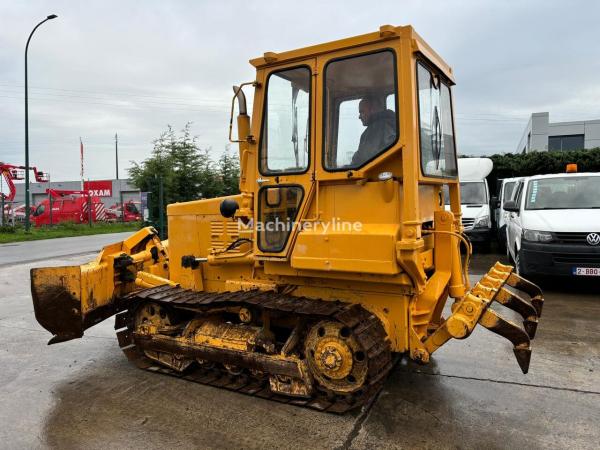
Introduction
The Komatsu D31 series dozers have been a staple in the construction and forestry industries due to their reliability and performance. However, like all heavy machinery, they are not without their challenges. Understanding these common issues can help operators and maintenance personnel address problems promptly, ensuring the longevity and efficiency of the equipment.
Hydraulic Steering Failures
One of the most frequently reported issues with the Komatsu D31 dozers is hydraulic steering failure. Operators have noted that the machine becomes difficult to steer or completely unresponsive to steering inputs. This problem is often attributed to low or contaminated hydraulic fluid, leading to a loss of pressure in the steering system. Regular maintenance, including checking fluid levels and replacing contaminated fluid, can mitigate this issue. Additionally, inspecting the steering cylinder for damage or blockage and ensuring the control valve operates smoothly are crucial steps in maintaining steering functionality.
Transmission and Drive System Issues
Another common problem involves the transmission and drive system. Operators have experienced situations where the dozer fails to move under load or exhibits delayed engagement in forward or reverse gears. These symptoms often indicate issues such as low hydraulic pressure, contaminated fluid, or worn components within the transmission system. Regular maintenance, including fluid changes and filter replacements, can help prevent these problems. In some cases, inspecting and replacing the transmission filter may resolve the issue.
Engine Overheating
Engine overheating is another concern reported by D31 dozer operators. Possible causes include a malfunctioning thermostat, blocked radiator fins, or issues within the cooling system. For instance, a faulty water pump impeller can cause inadequate coolant circulation, leading to overheating. Regularly checking the radiator for blockages and ensuring the cooling system is functioning properly can help prevent overheating. Using a temperature gun to check the temperature difference between the upper and lower radiator hoses can also aid in diagnosing circulation issues.
Steering Clutch Problems
Steering clutch issues are frequently encountered, especially in older models. Symptoms include the pedals not returning after being pressed or the machine failing to turn as expected. These problems are often due to worn or damaged steering clutches, which may require replacement. In some cases, after prolonged inactivity, the steering clutches may become sticky or unresponsive, necessitating thorough inspection and servicing.
Final Drive and Bevel Gear Wear
The final drive and bevel gears are critical components in the D31 dozer's drivetrain. Over time, these parts can experience wear, especially if the machine has been operated in harsh conditions. Operators have reported issues such as delayed reverse gear engagement, which can be indicative of wear in the bevel gears. Regularly inspecting these components and replacing worn parts can help maintain the dozer's performance.
Conclusion
While the Komatsu D31 dozers are robust machines, they are not immune to common issues that can affect their performance. Regular maintenance, including checking hydraulic fluid levels, inspecting the steering and transmission systems, monitoring engine temperature, and servicing the final drive components, can help prevent these problems. By staying proactive with maintenance, operators can ensure the longevity and reliability of their Komatsu D31 dozers.
|
|
|
|
| Why Is the Arm Stuck on a 2007 Kobelco SK115SR |
|
Posted by: MikePhua - 08-26-2025, 11:46 PM - Forum: Troubleshooting & Diagnosing
- No Replies
|
|
Kobelco’s SK115SR and Its Compact Excavator Legacy
The Kobelco SK115SR was introduced during the mid-2000s as part of Kobelco’s Short Radius (SR) series, designed for urban and confined job sites. Kobelco Construction Machinery, a division of Kobe Steel founded in 1905, had long been a pioneer in hydraulic excavator technology. The SK115SR featured a compact tail swing, advanced hydraulic circuitry, and a reputation for smooth multi-function operation. By 2007, Kobelco had sold tens of thousands of SR-series units globally, especially in North America and Southeast Asia, where tight access and fuel efficiency were critical.
The SK115SR is powered by a 4-cylinder diesel engine paired with a load-sensing hydraulic system. Its arm (or stick) is controlled via pilot-operated joysticks that actuate proportional control valves, feeding fluid to the boom, arm, and bucket cylinders. When the arm becomes stuck in the fully extended position, it suggests a failure in either hydraulic control, mechanical interference, or internal cylinder damage.
Terminology Clarification - Arm/stick: The second section of the excavator’s digging implement, connected between the boom and bucket.
- Pilot control: A low-pressure hydraulic signal used to actuate main control valves.
- Cylinder gland: The threaded collar at the end of a hydraulic cylinder that retains the rod and seals.
- Barrel: The main body of the hydraulic cylinder where the piston travels.
- Spool valve: A sliding valve inside the control block that directs hydraulic flow.
Symptoms and Operator Feedback
In this case, the arm was reported to be stuck in the fully extended position. The operator noted that in previous instances, rapidly toggling multiple functions—such as boom, bucket, and swing—would sometimes “shake loose” the arm. However, this time the arm remained locked, with no visible attempt to retract.
This behavior suggests that the issue is not purely mechanical. If the cylinder were bent or obstructed, the arm would resist movement but still show signs of hydraulic pressure attempting to retract. The complete lack of response points toward a hydraulic control failure or internal cylinder damage.
Cylinder Failure and Gland Separation
One possibility is that the arm cylinder has suffered internal failure, such as gland separation. If the gland begins to unthread or the retaining ring fails, the piston rod may extend fully and jam against the barrel wall. In such cases, the cylinder may appear intact externally but will not respond to hydraulic input.
A similar incident occurred in 2016 on a Komatsu PC138US, where the arm cylinder gland had backed out due to vibration and poor thread engagement. The operator noticed the arm wouldn’t retract, and upon teardown, the gland was found wedged inside the barrel, preventing piston movement. The repair required full cylinder disassembly and rethreading with Loctite 680 to prevent recurrence.
Control Valve and Pilot Pressure Issues
If the cylinder is mechanically sound, the next suspect is the control valve. The SK115SR uses a pilot-operated main valve block, where joystick input sends low-pressure signals to shift spool valves. If the pilot line to the arm spool is blocked, kinked, or leaking, the valve may not shift, leaving the arm stuck.
Additionally, debris in the spool bore can prevent full travel. A partially shifted spool may allow extension but block retraction. This is especially common in machines used for trenching in clay-rich soils, where fine particles infiltrate the hydraulic system.
To diagnose this, one can:- Check pilot pressure at the arm control port
- Inspect pilot lines for damage or disconnection
- Remove and inspect the arm spool for scoring or contamination
- Test solenoid function if electronically actuated
Hydraulic Lock and Pressure Imbalance
Another possibility is hydraulic lock, where pressure becomes trapped in the cylinder due to valve malfunction. If the return path is blocked, fluid cannot exit the cylinder, and the piston remains extended. This can occur if the return line is pinched or if the anti-cavitation valve fails.
In 2019, a fleet of Kobelco SK135SRs in Alberta experienced similar symptoms after a batch of faulty anti-cavitation valves were installed during service. The arms would extend but not retract until the machine was shut down and restarted. Replacing the valves resolved the issue.
Emergency Release Techniques and Risks
Operators sometimes attempt to “shake” the arm loose by cycling other functions. While this can temporarily relieve pressure or dislodge debris, it risks damaging other components. Rapid cycling can spike system pressure, leading to hose rupture or valve seat damage.
A safer method is to:- Shut down the machine
- Bleed pilot pressure manually
- Disconnect the arm cylinder lines and test for flow
- Use a manual valve override if available
Preventive Measures and Long-Term Solutions
To prevent recurrence, consider the following:- Replace hydraulic filters every 500 hours
- Use ISO 46 hydraulic fluid in temperate climates, ISO 32 in cold regions
- Inspect cylinder glands for thread wear and torque annually
- Flush pilot lines during major service intervals
- Install magnetic plugs in valve blocks to catch debris
Conclusion
A stuck arm on a Kobelco SK115SR is rarely a simple issue. It reflects the complexity of modern hydraulic systems, where pilot pressure, valve integrity, and mechanical alignment must work in harmony. Whether the cause is a jammed cylinder gland or a blocked pilot line, the solution requires methodical diagnostics and respect for the machine’s design. In the end, the arm may be stuck—but the path to resolution is anything but.
|
|
|
|
| Common Problems with the Komatsu D31 Dozer |
|
Posted by: MikePhua - 08-26-2025, 11:46 PM - Forum: Troubleshooting & Diagnosing
- No Replies
|
|
Introduction
The Komatsu D31 series dozers are renowned for their durability and versatility in various construction and forestry applications. However, like any heavy machinery, they are susceptible to certain issues that can affect performance and productivity. Understanding these common problems and their solutions can help operators and maintenance personnel keep the equipment running efficiently.
Hydraulic Steering Failures
One of the most prevalent issues with the Komatsu D31 dozers is hydraulic steering failure. Operators have reported instances where the machine becomes difficult to steer or completely unresponsive to steering inputs. This problem is often linked to low or contaminated hydraulic fluid, which can lead to a loss of pressure in the steering system. Regularly checking fluid levels and replacing contaminated fluid can mitigate this issue. Additionally, inspecting the steering cylinder for damage or blockage and ensuring the control valve operates smoothly without obstruction are crucial steps in maintaining steering functionality.
Transmission and Drive System Issues
Another common problem involves the transmission and drive system. Operators have experienced situations where the dozer fails to move under load or exhibits delayed engagement in forward or reverse gears. These symptoms often indicate issues such as low hydraulic pressure, contaminated fluid, or worn components within the transmission system. Regular maintenance, including fluid changes and filter replacements, can help prevent these problems. In some cases, inspecting and replacing the transmission filter may resolve the issue.
Engine Overheating
Engine overheating is another concern reported by D31 dozer operators. Possible causes include a malfunctioning thermostat, blocked radiator fins, or issues within the cooling system. For instance, a faulty water pump impeller can cause inadequate coolant circulation, leading to overheating. Regularly checking the radiator for blockages and ensuring the cooling system is functioning properly can help prevent overheating. Using a temperature gun to check the temperature difference between the upper and lower radiator hoses can also aid in diagnosing circulation issues.
Steering Clutch Problems
Steering clutch issues are frequently encountered, especially in older models. Symptoms include the pedals not returning after being pressed or the machine failing to turn as expected. These problems are often due to worn or damaged steering clutches, which may require replacement. In some cases, after prolonged inactivity, the steering clutches may become sticky or unresponsive, necessitating thorough inspection and servicing.
Final Drive and Bevel Gear Wear
The final drive and bevel gears are critical components in the D31 dozer's drivetrain. Over time, these parts can experience wear, especially if the machine has been operated in harsh conditions. Operators have reported issues such as delayed reverse gear engagement, which can be indicative of wear in the bevel gears. Regularly inspecting these components and replacing worn parts can help maintain the dozer's performance.
Conclusion
While the Komatsu D31 dozers are robust machines, they are not immune to common issues that can affect their performance. Regular maintenance, including checking hydraulic fluid levels, inspecting the steering and transmission systems, monitoring engine temperature, and servicing the final drive components, can help prevent these problems. By staying proactive with maintenance, operators can ensure the longevity and reliability of their Komatsu D31 dozers.
|
|
|
|
| Troubleshooting Torque Converter Engagement in Funk Reversomatic Transmission |
|
Posted by: MikePhua - 08-26-2025, 11:45 PM - Forum: Troubleshooting & Diagnosing
- No Replies
|
|
The Legacy of Funk Manufacturing and the Reversomatic Line
Funk Manufacturing, founded in the early 20th century in Coffeyville, Kansas, built its reputation on durable transmissions for agricultural and industrial equipment. By the 1960s, Funk had become a go-to supplier for OEMs needing rugged, torque-rich gearboxes. Their Reversomatic transmission series was designed specifically for applications requiring shuttle shift capability—such as drill rigs, loaders, and forestry machines—where frequent forward-reverse transitions are essential.
The Reversomatic system integrates a torque converter with a shuttle clutch pack, allowing smooth directional changes without manual clutching. This design became popular in Texoma drill rigs and other utility platforms throughout North America. While Funk was eventually acquired by John Deere Power Systems, their transmissions remain in service decades later, often outlasting the machines they were installed in.
Terminology Clarification - Torque converter: A fluid coupling between the engine and transmission that multiplies torque and allows slippage at low speeds.
- Shuttle clutch: A hydraulic clutch pack that enables forward and reverse gear engagement.
- Governor: A device that regulates engine or hydraulic system speed based on load or RPM.
- Linkage: Mechanical connections between control levers and transmission components.
- Break-in procedure: A controlled operating period after rebuild to seat components and ensure proper lubrication.
Symptoms of Delayed Engagement
In one case involving a Texoma 270 drill rig powered by a Ford 300 inline-six engine, the operator noticed that the transmission would only engage at extremely low RPMs. Both forward and reverse gears were affected, suggesting the issue was not isolated to a single clutch pack or linkage. The transmission had recently been rebuilt, and all break-in procedures—including fluid changes and warm-up cycles—had been followed.
This behavior raised concerns about hydraulic pressure thresholds, governor settings, and possible internal bypassing in the torque converter.
Potential Causes and Diagnostic Pathways
Delayed engagement in torque converter-equipped transmissions can stem from several sources:- Low hydraulic pressure due to worn pump or clogged filters
- Faulty governor not allowing sufficient modulation at higher RPMs
- Incorrect fluid viscosity or contamination
- Internal leakage in clutch packs or converter housing
- Misadjusted or binding control linkage
Given that both forward and reverse were affected, and the linkage had been ruled out, attention turned to the hydraulic control system and torque converter behavior.
Governor and Hydraulic Control Considerations
Many Funk transmissions rely on engine-driven hydraulic pumps to supply pressure to the shuttle clutch packs. These systems often include a governor that modulates engagement based on RPM. If the governor is stuck, misadjusted, or bypassed, it may prevent clutch engagement until the engine drops to idle, where pressure spikes briefly due to reduced flow demand.
In older rigs, governors are mechanical and prone to wear. Springs may weaken, weights may stick, and seals may leak. Replacing or rebuilding the governor can restore proper modulation, allowing engagement across a broader RPM range.
Fluid Viscosity and Seasonal Effects
Transmission fluid viscosity plays a critical role in engagement timing. In colder climates like Saskatchewan, where this rig was operating, fluid thickens and resists flow. If the wrong fluid grade is used—such as a high-viscosity hydraulic oil instead of ATF or low-viscosity synthetic—the converter may struggle to build pressure until the engine slows.
Operators in northern regions often preheat their rigs or switch to synthetic blends during winter. A 2012 study by the Canadian Construction Association found that improper fluid selection accounted for 18% of cold-weather transmission failures in mobile equipment.
Torque Converter Internal Issues
If the torque converter itself was improperly rebuilt or has internal leakage, it may fail to transmit sufficient torque at higher RPMs. Common failure points include:- Worn stator bearings
- Cracked turbine fins
- Damaged one-way clutch
- Improper clearance between impeller and turbine
A converter that engages only at idle may be bypassing fluid internally, unable to build the necessary pressure to activate the clutch packs. In such cases, teardown and inspection are required.
Control Linkage and Operator Feedback
Although linkage was dismissed as a cause, it’s worth noting that even minor misalignments can affect engagement feel. If the control lever doesn’t fully seat the spool valve, pressure may bleed off. In one anecdote from a forestry crew in British Columbia, a Funk-equipped loader refused to engage forward gear until the operator discovered a bent linkage rod caused by a fallen branch. A $12 part had sidelined a $90,000 machine.
Recommendations and Next Steps
To resolve delayed engagement in a Funk Reversomatic transmission, consider the following steps:- Verify fluid type and temperature suitability
- Inspect and clean hydraulic filters and screens
- Test governor operation and replace if necessary
- Measure hydraulic pressure at clutch ports during engagement
- Confirm torque converter rebuild quality and internal clearances
- Check linkage travel and spool valve seating
If no manual is available, sourcing one from John Deere Power Systems or a transmission rebuilder specializing in Funk units can provide critical specifications.
Conclusion
The Funk Reversomatic transmission remains a robust and serviceable component in legacy drill rigs and industrial platforms. While its design is mechanically sound, age, climate, and rebuild quality all influence performance. Delayed engagement at higher RPMs is often a symptom of hydraulic modulation issues, not mechanical failure. With methodical diagnostics and attention to fluid dynamics, even obscure problems can be resolved—keeping these vintage machines drilling, loading, and hauling for years to come.
|
|
|
|
| Choosing an Excavator with Auxiliary Hydraulics |
|
Posted by: MikePhua - 08-26-2025, 11:44 PM - Forum: General Discussion
- No Replies
|
|
Introduction
For those venturing into the world of excavation, selecting the right machine is paramount. An excavator equipped with auxiliary hydraulics can significantly enhance versatility and productivity. This guide delves into the importance of auxiliary hydraulics, considerations when purchasing, and tips for maximizing their potential.
Understanding Auxiliary Hydraulics
Auxiliary hydraulics refer to a secondary hydraulic system that delivers pressurized fluid from the main pump to operate various attachments on an excavator. This system allows the machine to power tools such as hydraulic hammers, grapples, augers, and thumbs, transforming it into a multifunctional asset on the job site. Not all excavators come standard with this feature; hence, it's essential to verify its presence when considering a purchase.
Benefits of Auxiliary Hydraulics - Increased Versatility: Enables the use of a wide range of attachments, making the excavator suitable for various tasks beyond digging.
- Enhanced Productivity: Hydraulic attachments often operate more efficiently than manual tools, leading to faster completion of tasks.
- Improved Safety: Reduces the need for manual handling, minimizing the risk of operator fatigue and injury.
- Cost Efficiency: Investing in a single machine capable of multiple functions can reduce the need for additional equipment and labor.
Key Considerations When Purchasing- Attachment Compatibility: Ensure the excavator's hydraulic system matches the requirements of the intended attachments, including flow rate and pressure specifications.
- Flow Rate Options: Excavators may offer standard or high-flow auxiliary hydraulics. High-flow systems provide greater power for demanding attachments but may come at a higher cost.
- Circuit Type: Determine whether the system is single-acting (flow in one direction) or double-acting (flow in both directions), depending on the attachments' needs.
- Control System: Modern excavators often feature proportional control valves, allowing for precise adjustment of hydraulic flow to attachments.
Installation and Maintenance
For machines not equipped with factory-installed auxiliary hydraulics, retrofitting is possible through conversion kits. These kits typically include necessary hoses, valves, and fittings. Installation should be performed by qualified technicians to ensure safety and proper functionality.
Conclusion
An excavator with auxiliary hydraulics is a valuable investment for those seeking to expand their operational capabilities. By understanding the system's benefits and considerations, operators can make informed decisions that enhance efficiency and safety on the job site.
Visual Reference
For a practical demonstration on operating auxiliary hydraulics, consider watching the following tutorial:
|
|
|
|
|



