| Welcome, Guest |
You have to register before you can post on our site.
|
| Forum Statistics |
» Members: 74
» Latest member: Tomo
» Forum threads: 47,413
» Forum posts: 47,419
Full Statistics
|
| Online Users |
There are currently 53 online users.
» 0 Member(s) | 45 Guest(s)
Ahrefs, Amazon, Bing, Claude, OpenAI, Semrush, Sogou, Trendiction
|
| Latest Threads |
Identifying and Sourcing ...
Forum: Parts , Attachments & Tools
Last Post: MikePhua
01-07-2026, 06:29 PM
» Replies: 0
» Views: 463
|
Cat 931B Brake Parts
Forum: Parts , Attachments & Tools
Last Post: MikePhua
01-07-2026, 06:29 PM
» Replies: 0
» Views: 271
|
Choosing Between Cat 228,...
Forum: General Discussion
Last Post: MikePhua
01-07-2026, 06:28 PM
» Replies: 0
» Views: 483
|
Fix It or Part It Out
Forum: General Discussion
Last Post: MikePhua
01-07-2026, 06:27 PM
» Replies: 0
» Views: 337
|
Hydraulic Delay When Lowe...
Forum: Troubleshooting & Diagnosing
Last Post: MikePhua
01-07-2026, 06:27 PM
» Replies: 0
» Views: 421
|
Bale Chopper and Mulcher ...
Forum: General Discussion
Last Post: MikePhua
01-07-2026, 06:26 PM
» Replies: 0
» Views: 296
|
Mini UC Maintenance
Forum: General Discussion
Last Post: MikePhua
01-07-2026, 06:25 PM
» Replies: 0
» Views: 286
|
Locating Wiring Informati...
Forum: General Discussion
Last Post: MikePhua
01-07-2026, 06:24 PM
» Replies: 0
» Views: 321
|
Case Industrial Brown Sub...
Forum: Parts , Attachments & Tools
Last Post: MikePhua
01-07-2026, 06:23 PM
» Replies: 0
» Views: 262
|
Dirt Work in West Virgini...
Forum: Construction & Urban Infrastructure Forum
Last Post: MikePhua
01-07-2026, 06:23 PM
» Replies: 0
» Views: 355
|
|
|
| Troubleshooting the CVS FL4212 Forklift Control System |
|
Posted by: MikePhua - 08-27-2025, 05:57 PM - Forum: Troubleshooting & Diagnosing
- No Replies
|
 |
The CVS FL4212 and Its Industrial Role
The CVS FL4212 is a heavy-duty forklift designed for container handling and port logistics, particularly in high-throughput environments like shipping terminals and intermodal yards. Manufactured by CVS Ferrari, an Italian company with roots dating back to the 1970s, the FL4212 was part of a broader lineup of reach stackers and forklifts engineered for demanding applications. CVS Ferrari evolved from a merger between Ferrari Belotti and CVS, combining decades of experience in lifting technologies and hydraulic systems.
The FL4212 model was built to handle large loads with precision, often equipped with a spreader attachment for container manipulation. Its lifting capacity typically ranged from 12 to 42 tons depending on configuration, and it featured a robust chassis, high-visibility cab, and advanced hydraulic control systems. While exact production numbers are not publicly available, the FL series was widely adopted across Europe, Africa, and parts of Asia, especially in ports with limited access to newer equipment.
Electronic Control Units and Their Function
At the heart of the FL4212’s operational complexity lies its Electronic Control Units (ECUs), which manage both fork control and spreader functionality. These ECUs are responsible for: - Coordinating hydraulic valve timing
- Monitoring sensor feedback from load cells and position encoders
- Regulating proportional solenoids for smooth lifting and tilting
- Communicating with the operator interface for diagnostics and alerts
The fork control ECU ensures that the forks maintain proper alignment and pressure during lifting, while the spreader ECU manages container locking mechanisms, twist-lock engagement, and telescopic arm extension. These systems rely on real-time data from pressure transducers, limit switches, and CAN bus communication protocols.
Common Failures and Diagnostic Challenges
Over time, ECUs in the FL4212 may suffer from:- Moisture ingress due to harsh port environments
- Connector corrosion from salt exposure
- Software glitches or firmware incompatibility
- Sensor drift or failure, leading to erratic fork movement
Operators often report issues such as forks failing to respond, spreaders not locking properly, or warning lights appearing without clear fault codes. Diagnosing these problems requires a combination of visual inspection, multimeter testing, and access to proprietary diagnostic tools—often limited to authorized service centers.
In one case from Mombasa, Kenya, a technician encountered a non-responsive spreader system. After ruling out hydraulic faults, he traced the issue to a failed ECU board that had suffered water damage. With no local distributor for CVS Ferrari parts, he sourced a refurbished unit from a European supplier and restored functionality after recalibrating the sensors.
Sourcing Replacement ECUs and Components
Finding replacement ECUs for legacy models like the FL4212 can be difficult. CVS Ferrari has transitioned to newer platforms, and parts support for older machines is limited. Technicians have several options:- Contacting European surplus dealers who specialize in port equipment
- Reaching out to CVS Ferrari’s technical support for legacy documentation
- Using cross-compatible ECUs from similar models with firmware updates
- Commissioning custom rebuilds from electronics specialists
In some cases, operators have retrofitted generic hydraulic controllers with manual overrides to bypass faulty ECUs, though this compromises safety and precision. A better solution is to maintain a stock of critical components—such as ECUs, sensors, and wiring harnesses—especially for machines operating in remote or high-demand environments.
Preventive Measures and Long-Term Solutions
To reduce the risk of ECU failure and extend the life of the FL4212’s control systems, operators should:- Seal electrical enclosures with marine-grade gaskets
- Apply dielectric grease to connectors during routine maintenance
- Install desiccant packs inside control boxes to absorb moisture
- Perform regular software updates if supported by the manufacturer
Additionally, training local technicians in electronic diagnostics and control theory can reduce downtime and reliance on external service providers. Investing in a portable CAN bus scanner and oscilloscope allows for real-time signal tracing and fault isolation.
A Glimpse Into the Future of Forklift Controls
Modern container forklifts now feature integrated telematics, remote diagnostics, and predictive maintenance algorithms. Manufacturers like Kalmar, Hyster, and Konecranes are pushing toward electrification and autonomous operation. While the FL4212 represents an earlier generation of control architecture, its continued use in ports around the world highlights the durability and adaptability of well-built machines.
As global trade increases and port infrastructure modernizes, legacy machines like the FL4212 will either be phased out or retrofitted with hybrid control systems. In the meantime, maintaining their ECUs and understanding their logic remains essential for operators who depend on them daily.
Conclusion
The CVS FL4212 forklift is a testament to industrial engineering built for rugged environments and heavy lifting. Its electronic control systems, while aging, still play a vital role in safe and efficient operation. With proper diagnostics, sourcing strategies, and preventive care, these machines can continue serving ports and yards for years to come—bridging the gap between mechanical reliability and electronic precision.
|

|
|
| Understanding Reverse Gear Issues in the Case 580B Backhoe |
|
Posted by: MikePhua - 08-27-2025, 05:57 PM - Forum: Troubleshooting & Diagnosing
- No Replies
|
|
The Case 580B backhoe, a staple in construction and agricultural operations, is renowned for its durability and versatility. However, like any heavy machinery, it can experience mechanical issues over time. One common problem reported by operators is difficulty engaging or maintaining reverse gear. This article delves into the potential causes of this issue, diagnostic steps, and recommended solutions.
Historical Context and Significance of the Case 580B
Introduced in the early 1970s, the Case 580B backhoe loader quickly became a preferred choice for many in the construction industry. Its robust design and powerful hydraulics made it suitable for a variety of tasks, from digging trenches to lifting heavy loads. Over the years, the 580B has seen numerous iterations and improvements, solidifying its place in the heavy equipment sector.
Common Causes of Reverse Gear Problems
- Worn Clutch Packs: The reverse gear mechanism relies on clutch packs to engage and disengage gears. Over time, these clutch packs can wear out, leading to slipping or failure to engage reverse gear .
- Low Hydraulic Pressure: The 580B utilizes hydraulic pressure to operate its transmission system. Insufficient hydraulic pressure can result in delayed or failed gear engagement. This can be caused by low fluid levels, worn pumps, or clogged filters.
- Contaminated or Low-Quality Transmission Fluid: Using the wrong type of fluid or allowing it to become contaminated can impair the transmission's performance. It's essential to use the manufacturer's recommended fluid and change it at regular intervals.
- Faulty Shuttle Valve: The shuttle valve controls the direction of the transmission. If it becomes stuck or malfunctions, it can prevent the machine from shifting into reverse .
- Linkage Issues: Physical components, such as shift levers and linkages, can wear out or become misaligned. This can prevent the operator from selecting reverse gear or cause it to disengage unexpectedly .
- Internal Transmission Damage: Over time, internal components like gears and synchronizers can wear out or become damaged. This can lead to difficulty engaging reverse gear or cause it to slip out of gear.
Diagnostic Steps
To accurately diagnose the issue, operators should consider the following steps:- Check Hydraulic Fluid Levels: Ensure that the hydraulic fluid is at the recommended level and is clean. Low or dirty fluid can impede the transmission's performance.
- Inspect the Shuttle Valve: Examine the shuttle valve for signs of wear or damage. A malfunctioning valve can prevent the machine from shifting into reverse.
- Examine Linkages: Check all shift linkages for wear, misalignment, or damage. Ensure that they move freely and are properly connected.
- Test Hydraulic Pressure: Using a pressure gauge, test the hydraulic pressure to ensure it meets the manufacturer's specifications.
- Listen for Unusual Noises: While operating the machine, listen for any unusual noises that might indicate internal transmission issues.
Recommended Solutions
Depending on the diagnosed issue, the following solutions may be appropriate:- Replace Worn Clutch Packs: If the clutch packs are worn, they should be replaced to restore proper gear engagement.
- Clean or Replace the Shuttle Valve: A malfunctioning shuttle valve should be cleaned or replaced to ensure proper directional control.
- Repair or Replace Linkages: Any worn or damaged linkages should be repaired or replaced to ensure smooth gear shifting.
- Flush and Replace Hydraulic Fluid: If the hydraulic fluid is contaminated, it should be flushed and replaced with the recommended type.
- Repair Internal Transmission Components: If internal components are damaged, the transmission may need to be disassembled and repaired or replaced.
Preventative Maintenance Tips
To prolong the life of the reverse gear mechanism and prevent future issues:- Regularly Check and Replace Hydraulic Fluid: Follow the manufacturer's recommendations for fluid type and change intervals.
- Inspect and Lubricate Linkages: Regularly inspect shift linkages for wear and lubricate them to ensure smooth operation.
- Monitor Hydraulic Pressure: Regularly check hydraulic pressure to ensure it remains within the recommended range.
- Address Issues Promptly: If any issues are detected, address them promptly to prevent further damage.
Conclusion
The Case 580B backhoe is a reliable and durable machine. However, like all equipment, it requires regular maintenance and timely repairs to ensure optimal performance. By understanding the common causes of reverse gear issues and following the recommended diagnostic and maintenance steps, operators can keep their machines running smoothly and efficiently.
|
|
|
|
| Bobcat 310 Skid Steer Hydraulic Issues and Solutions |
|
Posted by: MikePhua - 08-27-2025, 05:56 PM - Forum: Troubleshooting & Diagnosing
- No Replies
|
|
The Bobcat 310, manufactured between 1976 and 1983, is a compact and versatile skid steer loader powered by a single-cylinder Kohler engine delivering about 15.4 horsepower. This lightweight machine, approximately 1980 pounds, is widely used for landscaping, material handling, and light construction. Its simple design and hydraulic system have made it reliable but also prone to specific hydraulic challenges over time.
Hydraulic System Overview
The Bobcat 310 features a belt-driven gear pump providing approximately 6.2 gallons per minute (GPM) at roughly 1500 psi. It uses a single-stage lift arm cylinder system powered through conventional hydraulic lines controlled by operator input. Auxiliary hydraulics may be limited but allow attachment operation like grapple buckets or augers where available.
Common Hydraulic Problems
Users report sluggish lifting, reduced bucket power under load, and delayed or weak hydraulic response. Typical issues stem from: - Pump Wear: The small, belt-driven gear pump may lose efficiency due to internal wear or contamination. This reduces hydraulic flow and pressure, limiting lift speed and power.
- Hydraulic Fluid Contamination or Degradation: Dirty or old fluid compromises system efficiency and damages seals or cylinders. Oil viscosity out of specification leads to inconsistent hydraulic actuation.
- Valve Sticking or Internal Leakage: Wear or debris in control valves may cause unpredictable cylinder response or loss of pressure.
- Hydraulic Cylinder Seal Wear: Aging cylinder seals may leak internally or externally, reducing effective lift force.
- Belt Tension and Drive Alignment: Loose or worn drive belts reduce pump input power.
Troubleshooting and Repair- Check Hydraulic Fluid Levels and Quality: Replace hydraulic oil if contaminated or degraded. Use manufacturer-recommended oil grade (often 10W-30 motor oil is specified for hydraulics in the 310).
- Inspect and Adjust Drive Belt: Ensure proper tension and replace if cracked or worn.
- Pump Condition: If sluggishness persists, pump rebuild kits are rare but possible. Consider professional assessment or replacement of the pump.
- Valve Body Maintenance: Clean and inspect directional control valves; replace worn parts.
- Cylinder Seal Replacement: Service cylinders showing leaks or loss of pressure.
Maintenance Recommendations- Regular hydraulic oil and filter changes to maintain fluid cleanliness and protect components.
- Scheduled inspection of hydraulic hoses for cracks, leaks, or abrasions.
- Timely belt inspection to avoid loss of pump drive.
- Maintain controls and linkages to ensure precise hydraulic valve operation.
Operational Considerations
The Bobcat 310’s hydraulic design suits light-duty tasks, but users needing high auxiliary flow or heavy lifting capacity should consider larger or newer models with advanced hydraulics. Adapting attachments to horsepower and hydraulic capacity ensures better performance.
Real-World Insights
Operators have noted that after replacing hydraulic fluid and tightening the drive belt, the lifting speed improved noticeably. In one situation, removing accumulated sludge and debris from the valve body restored full responsiveness. Persistent hydraulic power loss often traced back to worn pump gears confirmed the pump as a critical maintenance item for this model.
Summary
The Bobcat 310’s hydraulic system is modest but functional, provided proper maintenance is followed. Hydraulic sluggishness and lift limitations frequently relate to fluid quality, belt condition, pump wear, or valve issues. Consistent preventive care and timely parts replacement ensure this classic skid steer loader remains efficient and reliable for light applications.
|
|
|
|
| Takeuchi TB257FR Compact Excavator Review |
|
Posted by: MikePhua - 08-27-2025, 05:56 PM - Forum: General Discussion
- No Replies
|
|
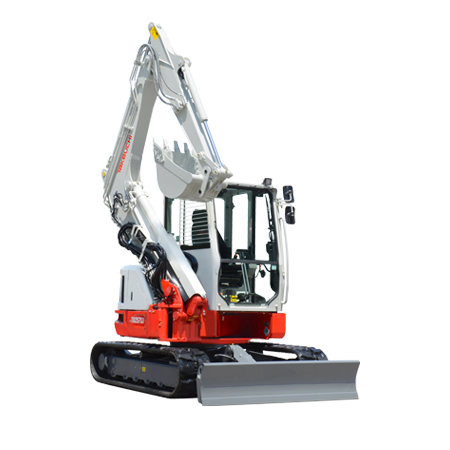
Introduction
The Takeuchi TB257FR is a compact hydraulic excavator that stands out in the mini-excavator category due to its innovative design and robust performance. Introduced as a successor to the TB153FR, the TB257FR incorporates several enhancements aimed at improving operational efficiency and versatility. This review delves into its specifications, features, and user feedback to provide a comprehensive overview of the machine's capabilities.
Engine and Performance
Powering the TB257FR is a Kubota V2403-CR-TE5B turbocharged diesel engine, delivering 52.3 horsepower at 2,200 rpm. This engine meets Tier 4 Final EPA emissions standards through a combination of Diesel Oxidation Catalyst (DOC) and Diesel Particulate Filter (DPF) systems. The engine's maximum torque of 195.6 Nm at 1,500 rpm ensures ample power for various digging and lifting tasks. Operators can select from three working modes—Standard, Eco, and High Altitude—to optimize fuel efficiency and performance based on specific job requirements.
Hydraulic System and Attachments
The TB257FR boasts a hydraulic system capable of delivering a total flow rate of 46.4 gallons per minute (175.6 liters per minute), with auxiliary circuits providing 27.7 gpm (105 l/min) and 11.8 gpm (45 l/min) flows. This robust hydraulic performance supports a wide range of attachments, from buckets to hydraulic hammers. The machine features dual-flow hydraulic lines operated by sliders on both levers, allowing for smooth control of variable flow and detent to accommodate various attachments.
Design and Maneuverability
One of the standout features of the TB257FR is its Side-to-Side (STS) offset boom, which provides full rotation capability, allowing the machine to operate in confined spaces with minimal tail swing. The boom's design enables it to articulate to the right far enough to function similarly to a conventional excavator, with the boom coming up alongside the cab. This design enhances visibility and precision during operation.
Operator Comfort and Safety
The TB257FR is designed with operator comfort in mind. It features a spacious cabin with intuitive controls, reducing operator fatigue during extended use. The cabin is equipped with air conditioning, a heater, and a Bluetooth radio for optimal driver comfort. Safety is also a priority, with features such as a boom holding valve and an overhead lift alarm to prevent accidents during lifting operations.
Maintenance and Durability
Takeuchi has designed the TB257FR with ease of maintenance in mind. The machine features wide-opening hoods and a tilt-up cabin, providing excellent serviceability and reducing downtime. Regular maintenance, including checking hydraulic fluid levels and inspecting filters, is essential to ensure the machine's longevity and optimal performance.
User Feedback
Users have generally praised the TB257FR for its performance and versatility. The machine's ability to operate in tight spaces without sacrificing power has been highlighted as a significant advantage. However, some users have noted that the complexity of the STS boom system introduces additional maintenance considerations. Despite this, the overall consensus is that the TB257FR offers excellent value for its capabilities.
Conclusion
The Takeuchi TB257FR compact excavator is a formidable machine that combines power, versatility, and operator comfort. Its innovative STS boom design sets it apart from traditional mini-excavators, making it an excellent choice for projects requiring maneuverability in confined spaces. While the complexity of its hydraulic system necessitates regular maintenance, the TB257FR's performance and features make it a valuable asset for construction and landscaping professionals.
|
|
|
|
| Preserving Knowledge Through Heavy Equipment Service Manuals |
|
Posted by: MikePhua - 08-27-2025, 05:55 PM - Forum: General Discussion
- No Replies
|
|
Why Service Manuals Still Matter
In the age of digital diagnostics and cloud-based maintenance platforms, the humble printed service manual remains a cornerstone of heavy equipment repair culture. These manuals—often spanning hundreds of pages—contain not just technical specifications but also the accumulated wisdom of decades of engineering, field testing, and operator feedback. For mechanics working on legacy machines, especially those built before the mid-1990s, OEM service manuals are often the only reliable source of accurate procedures, torque specs, wiring diagrams, and troubleshooting logic.
Unlike generic repair guides, OEM manuals are tailored to specific serial number ranges, accounting for production changes, regional variants, and optional configurations. This precision is critical when servicing machines like the Caterpillar 980G wheel loader or the Detroit Diesel 8V71 engine, where even minor differences in fuel system layout or hydraulic routing can lead to costly errors.
The Machines Behind the Manuals
The manuals listed in this collection span a wide range of equipment types and manufacturers, each with its own legacy and impact on the industry.
Caterpillar, founded in 1925, remains one of the most influential names in earthmoving. Models like the 966D and 980C wheel loaders were workhorses of the 1980s and 1990s, widely used in mining, construction, and municipal fleets. The 988A and 988B loaders, introduced in the late 1960s and early 1970s, were among the largest in their class and helped shape large-scale quarry operations across North America and Australia.
Case Corporation, now part of CNH Industrial, produced the 580 Super E backhoe in the mid-1980s, a model known for its reliability and ease of maintenance. John Deere’s 670 grader, supported by technical manuals like TM1188 and PC-1519, was a staple in rural road maintenance programs, especially in the American Midwest.
Other notable entries include: - MOXY 6225B articulated trucks, later rebranded under Komatsu
- Volvo A35C haul trucks, known for their robust drivetrains and Scandinavian engineering
- KATO 1220SE excavators, a Japanese-built machine favored for urban utility work
Each of these machines contributed to infrastructure development in its own way, and their manuals serve as historical records of mechanical evolution.
Understanding the Technical Scope
Service manuals typically include:- Exploded diagrams of assemblies such as transmissions, axles, and hydraulic pumps
- Step-by-step disassembly and reassembly procedures
- Torque specifications for bolts and fasteners
- Electrical schematics with wire color codes and connector pinouts
- Troubleshooting trees for diagnosing faults based on symptoms
For example, the Allison MT643 transmission manual outlines clutch pack clearances, valve body flow paths, and governor calibration procedures. The Cummins VTA-1710 engine manual includes piston ring end gap tolerances, camshaft timing marks, and fuel injector calibration specs.
These details are essential for field technicians who may be rebuilding components in remote areas without access to dealer support. In many cases, the manuals also include operator instructions and preventive maintenance schedules, helping extend machine life and reduce downtime.
The Collector’s Perspective
Retired technicians often accumulate vast libraries of manuals over decades. These collections become valuable not just for their content but for their rarity. As manufacturers shift toward digital platforms, printed manuals for older machines are no longer produced. Some manuals, especially for discontinued models like the Caterpillar D9H or the Detroit Diesel 53 series, are considered collector’s items.
One technician in Victoria, Australia, decided to sell his collection upon retirement, including manuals for dozens of machines ranging from scrapers and graders to transmissions and engines. His decision reflects a broader trend: the transition of knowledge from one generation of mechanics to the next.
In the U.S., a former shop foreman rescued a box of manuals from being burned and sold them online, where they fetched surprising prices. Manuals for the Caterpillar 631 scraper and Eaton Fuller RT9513 transmission sold within days, highlighting the demand among restorers and independent shops.
Shipping and Accessibility Challenges
While the value of these manuals is clear, shipping them internationally poses logistical hurdles. A typical service manual weighs between 1 and 3 kilograms, and international postage can exceed $100 AUD for a 6-kilogram package. This cost often deters buyers outside the seller’s region, though local platforms like Gumtree and Trading Post remain viable options.
Digitization offers a partial solution. Scanning manuals into searchable PDFs allows technicians to access them on tablets or laptops. However, copyright restrictions and the sheer volume of pages make this a time-consuming process. Moreover, many mechanics still prefer the tactile experience of flipping through a binder in the shop.
Recommendations for Preservation and Use
To maximize the utility and longevity of service manuals:- Store them in dry, climate-controlled environments to prevent mildew and paper degradation
- Use plastic sleeves or binders to protect frequently referenced pages
- Digitize rare manuals and back them up on multiple devices
- Share scanned copies with local vocational schools or training centers
- Annotate manuals with field notes, such as updated torque specs or common failure points
For those inheriting a shop or equipment fleet, cataloging the manual collection by machine type and serial number range can save hours during repairs.
Conclusion
Service manuals are more than technical documents—they are bridges between generations of equipment, mechanics, and engineering philosophy. As the industry evolves, preserving these manuals ensures that the knowledge embedded in older machines remains accessible. Whether rebuilding a 1980s scraper or troubleshooting a vintage transmission, these manuals continue to empower the hands that keep heavy equipment moving.
|
|
|
|
| Genie GS-1930 Scissor Lift Operational Problems and Solutions |
|
Posted by: MikePhua - 08-27-2025, 05:54 PM - Forum: Troubleshooting & Diagnosing
- No Replies
|
|
The Genie GS-1930 is a compact electric scissor lift well-known for its maneuverability and efficiency in tight indoor and outdoor spaces. It features a platform height of about 19 feet, with a maximum working height of around 25 feet, and supports up to 500 pounds capacity. Despite its popularity, operators sometimes experience specific operational issues, such as system beeping and erratic driving behavior.
Common Operational Issues
One frequently reported problem involves the lift beeping and refusing to drive when the platform is lowered, but allowing movement once raised. This is typically accompanied by the lift making intermittent attempts to raise, only to drop back down and resume beeping. Symptoms include: - Beeping warnings preventing drive functions when the platform is down.
- Occasional raising of the platform with subsequent immediate lowering.
- Loss of control reliability with inconsistent drive enablement.
Potential Causes
The GS-1930 incorporates various safety interlocks and sensors to prevent unsafe operation. Causes of these symptoms generally relate to:- Platform Safety Sensors: Positioned to detect platform position, these may malfunction or become obstructed, falsely signaling an unsafe state and disabling drive functions.
- Tilt Sensor Activation: The machine has tilt sensors that engage at approximately 3° front/back and 1.5° side-to-side. If the sensors erroneously detect a tilt beyond safe angles, the system disables driving and raising functions, accompanied by beeping alerts.
- Hydraulic or Mechanical Failures: Hydraulic leaks or component wear in the lift system can cause unintended lowering or prevent stable raising.
- Electrical System Faults: Wiring issues, control box malfunctions, or battery voltage irregularities can disrupt normal controls, causing intermittent functionalities.
System Behavior Explanation
The GS-1930 uses integrated Smart Link™ controls to coordinate safety and operational inputs. If sensors report unsafe conditions—such as the platform not being fully locked down, exceeding tilt limits, or system faults—the system activates audible warnings and disables drive or lift functions to prevent accidents.
Troubleshooting Steps- Inspect all safety sensors and switches for dirt, damage, or misalignment.
- Check hydraulic fluid levels, accumulators, and hoses for leaks or damage.
- Test tilt sensors by assessing machine leveling and sensor calibration.
- Examine electrical wiring and connectors for corrosion or loose connections.
- Review battery voltage and charger functionality; replace batteries if voltage drops under load.
- Conduct diagnostic tests using manufacturer diagnostic software if available.
Maintenance and Operator Tips- Regularly clean and inspect sensors and mechanical components to avoid dust or debris interference.
- Perform scheduled hydraulic and electrical system maintenance per manufacturer guidelines.
- Train operators to recognize warning signals early and follow safe startup procedures.
- Use the emergency lowering controls properly to avoid sudden drops or mechanical damage.
Real-world Experiences
Operators often recount situations where repeated beeping and inability to drive due to sensor or control faults led to work stoppages. Prompt sensor cleaning and battery testing typically restore normal function. In one case, replacing a faulty tilt sensor and recalibrating the control system eliminated erratic raising and lowering behavior, vastly improving reliability.
Conclusion
The Genie GS-1930's safety-first design occasionally causes functional lockouts triggered by platform and tilt sensor readings, electrical faults, or hydraulic issues. Resolving these requires careful inspection of sensors, hydraulics, and electrical systems combined with routine maintenance. Understanding these systems and acting on early warning signs ensures safe, efficient lift use and reduces downtime from unexpected beeping or control failures.
|
|
|
|
| Restoring the Clutch on a 1954 Caterpillar 212 Motor Grader |
|
Posted by: MikePhua - 08-27-2025, 05:54 PM - Forum: Troubleshooting & Diagnosing
- No Replies
|
|
Legacy of the Caterpillar 212
The Caterpillar 212 motor grader, introduced in the early 1950s, was part of Caterpillar’s push to expand its grader lineup for municipal and small contractor use. Designed as a lighter-duty alternative to the larger 12 and 14 series graders, the 212 featured a compact frame, mechanical simplicity, and a reputation for reliability in road maintenance and light grading tasks.
Caterpillar Inc., founded in 1925 through the merger of Holt Manufacturing and C.L. Best Tractor Co., had already established dominance in the earthmoving sector. The 212 was produced during a period of post-war infrastructure expansion, and while exact production numbers are scarce, it’s estimated that several thousand units were sold globally between 1952 and 1958. Many were used by county road departments, small towns, and private contractors, especially in North America.
Understanding the Clutch System
The 1954 Caterpillar 212 was typically equipped with a dry-type, single-disc clutch system mounted between the engine and transmission. This clutch allowed the operator to engage or disengage power from the engine to the drivetrain, enabling gear changes and idle operation without stalling.
Key components include: - Clutch disc: A friction plate that transmits torque from the flywheel to the transmission input shaft
- Pressure plate: Applies force to the clutch disc to maintain engagement
- Release bearing: Allows the pressure plate to disengage when the clutch pedal is pressed
- Flywheel: A rotating mass connected to the engine crankshaft, providing inertia and mounting surface for the clutch
Over time, these components wear due to heat, friction, and contamination. Symptoms of clutch failure include difficulty shifting gears, slipping under load, and a burning smell during operation.
Challenges in Sourcing Replacement Parts
Finding replacement parts for a 70-year-old grader is no small feat. Caterpillar discontinued support for the 212 decades ago, and aftermarket suppliers rarely stock components for such vintage machines. Operators often rely on salvage yards, specialty rebuilders, or custom fabrication.
One well-regarded solution is contacting legacy parts suppliers who specialize in obsolete equipment. These businesses often maintain inventories of NOS (new old stock) or remanufactured parts for graders, dozers, and loaders from the mid-20th century. In some cases, clutch assemblies from similar models—such as the Caterpillar 112 or early 12 series—can be adapted with minor modifications.
Field Repair and Rebuild Strategies
When rebuilding the clutch on a 212, operators should follow a methodical approach:- Disassembly: Remove the clutch housing and inspect the flywheel for scoring or cracks
- Measurement: Check clutch disc thickness and pressure plate spring tension against original specs
- Replacement: Install new or refurbished components, ensuring alignment and torque settings are correct
- Adjustment: Set pedal free play and release bearing clearance to prevent premature wear
For field repairs, having access to a service manual or parts diagram is invaluable. In the absence of documentation, experienced mechanics often rely on comparative measurements and visual inspection. A common workaround is using a clutch alignment tool from a similar-era truck or tractor, which can help center the disc during installation.
Operator Anecdotes and Regional Stories
In rural Montana, one operator shared his experience restoring a 1954 212 grader inherited from his grandfather. The machine had sat idle for over a decade, its clutch seized and linkage rusted. With help from a local mechanic and a parts supplier in Idaho, he rebuilt the clutch using components from a 112 grader and returned the machine to service for driveway grading and snow removal.
In Vermont, a small-town road crew still uses a 212 for shoulder work and gravel maintenance. The crew fabricated their own clutch linkage bushings using bronze stock and a lathe, citing the simplicity of the design as a major advantage over newer hydraulic systems.
Preservation and Modern Use
Despite their age, many Caterpillar 212 graders remain in use today, especially in regions where budgets are tight and mechanical skills are abundant. Their mechanical drivetrains, manual blade controls, and straightforward maintenance make them ideal for seasonal or backup use.
To extend the life of these machines, owners should:- Store equipment under cover to prevent rust and moisture damage
- Use modern lubricants compatible with vintage seals and bearings
- Perform regular inspections of clutch linkage, pedal bushings, and flywheel bolts
- Keep a log of repairs and parts sources for future reference
Conclusion
The 1954 Caterpillar 212 motor grader represents a bygone era of earthmoving equipment—one defined by mechanical simplicity, operator skill, and rugged design. Restoring its clutch system is not just a technical task but a tribute to the machine’s enduring legacy. With patience, resourcefulness, and a bit of regional ingenuity, these graders can continue shaping roads and landscapes for years to come.
|
|
|
|
| Kobelco SK125SR and SK135-2 Injector Problems in Bangladesh |
|
Posted by: MikePhua - 08-27-2025, 05:54 PM - Forum: Troubleshooting & Diagnosing
- No Replies
|
|
The Kobelco SK125SR and SK135-2 are popular hydraulic excavators widely used in construction, mining, and infrastructure projects globally, including in Bangladesh. These machines are celebrated for their compact design, efficient operations, and versatility. However, injector problems have emerged as a significant issue impacting performance, particularly in environments with challenging fuel quality and maintenance constraints.
Background on Kobelco SK125SR and SK135-2
These models have undergone various improvements, featuring advanced hydraulic systems, fuel-efficient engines, and operator-friendly cabins. The SK135-2 features a 2.38 m standard arm, a bucket capacity around 0.5 m³, and advanced ITCS (Integrated Total Control System) for refined operation. Both models offer multiple operating modes to balance fuel consumption and power needs, such as H-mode for heavy work and S-mode favoring fuel economy.
Injector Problems: Causes and Symptoms
Injector malfunctions in these Kobelco excavators typically arise from several key factors: - Fuel Quality Issues: In regions like Bangladesh, inconsistent or poor-quality diesel with high contamination levels accelerates injector wear and clogging, reducing fuel atomization quality and engine performance.
- Contaminated Fuel Filters: Failure to replace filters regularly allows particulates to enter injectors, causing incomplete combustion, misfires, rough idling, and smoke emissions.
- Injector Nozzle Wear: Over time, nozzles erode or clog, altering spray patterns, leading to poor fuel delivery and erratic engine behavior.
- Improper Maintenance Practices: Lack of timely servicing and reliance on lower-quality replacement parts contribute to injector damage.
Symptoms reported include rough engine running, power loss under load, increased fuel consumption, visible black smoke, and difficulty starting.
Diagnostic and Repair Measures
Technicians typically conduct several checks:- Measuring fuel pressure and flow rates to identify blockages or leaks.
- Using ultrasonic or cleaning machines to remove carbon buildup from injectors.
- Testing injector spray patterns on diagnostic benches.
- Replacing worn or defective injectors, preferably with OEM or verified high-quality parts.
- Inspecting the fuel delivery pumps and lines for contamination sources or mechanical failure.
Preventive Recommendations- Source high-quality fuel with low sulfur and contaminants, possibly using additives.
- Replace fuel and water separators and filters at manufacturer-recommended intervals.
- Perform periodic injector ultrasonic cleaning as part of preventive maintenance.
- Use OEM-specification injectors and parts to ensure compatibility and durability.
- Train operators to monitor engine behavior and report abnormalities early.
Environmental and Operational Challenges
Bangladesh’s environment presents challenges such as high humidity, fuel adulteration, and limited access to authorized service centers. These conditions aggravate injector problems and impact machine uptime adversely.
Case Study and Anecdotes
One reported case involved an SK135-2 excavator continuously losing power, operating roughly, and emitting black smoke due to injector nozzles clogged with carbon deposits. After comprehensive injector cleaning and replacement of fuel filters, alongside improved operator awareness on fuel quality, machine performance normalized, reflecting the critical role of maintenance and fuel standards.
Additional Solutions
Besides injector-specific repairs, ongoing efforts to educate operators on fuel quality, better storage practices, and incentivizing the use of certified fuel are essential measures.
Summary
Kobelco SK125SR and SK135-2 models serve as reliable workhorses in challenging regions such as Bangladesh but face injector-related issues mainly due to fuel contamination and maintenance gaps. Maintaining fuel quality, routine filter changes, proper injector care, and using quality replacement parts are key to ensuring engine longevity and operational efficiency. Empowering operators and technicians with knowledge and resources creates a sustainable approach to mitigating injector problems and enhancing machine performance.
|
|
|
|
| Cold Starting Issues in Toyota SDK8 Skid Steer Loaders |
|
Posted by: MikePhua - 08-27-2025, 05:53 PM - Forum: Troubleshooting & Diagnosing
- No Replies
|
|
Introduction
The Toyota SDK8 skid steer loader, equipped with the 2J diesel engine, is renowned for its durability and performance in various construction and agricultural applications. However, some operators have reported difficulties with cold starting, particularly in temperatures around 60°F (15°C). This article delves into potential causes and solutions for these cold start issues, drawing insights from user experiences and technical knowledge.
Understanding the 2J Diesel Engine
The 2J engine in the SDK8 is a four-cylinder, naturally aspirated diesel engine known for its reliability. It utilizes a mechanical fuel injection system, which includes components like the injection pump, glow plugs, and fuel lines. Proper functioning of these components is crucial for efficient cold starts.
Common Causes of Cold Starting Problems
- Glow Plug Malfunction
Glow plugs are essential for pre-heating the combustion chamber, especially during cold weather. A failure in one or more glow plugs can lead to extended cranking times or complete starting failure. Users have reported that testing glow plugs for resistance can help identify faulty units. A reading above 2 ohms typically indicates a malfunction.
- Fuel Delivery Issues
Inadequate fuel delivery can result from air in the fuel lines, clogged fuel filters, or issues with the fuel injection pump. Bleeding the fuel system and ensuring clean fuel filters are essential steps in troubleshooting. For instance, after running out of fuel, some operators have had to manually bleed the system to restore proper fuel flow.
- Battery and Electrical System
Cold temperatures can reduce battery efficiency, leading to insufficient power for starting. Ensuring the battery is fully charged and in good condition is vital. Additionally, inspecting the electrical connections for corrosion or loose terminals can prevent starting issues.
- Compression Issues
Low compression can hinder the engine's ability to start in cold conditions. While less common, it's advisable to perform a compression test to rule out this possibility.
Diagnostic and Maintenance Tips- Glow Plug Testing: Use a multimeter to check the resistance of each glow plug. A reading above 2 ohms suggests the glow plug is faulty. Alternatively, applying 12V directly to the glow plug should cause it to heat up within seconds.
- Fuel System Inspection: Bleed the fuel system to remove any air pockets. Ensure the fuel filter is clean and the fuel lines are free from obstructions.
- Battery Check: Test the battery's voltage and capacity. Cold Cranking Amps (CCA) should meet or exceed the manufacturer's specifications.
- Electrical Connections: Inspect all wiring and connections for signs of wear, corrosion, or loose terminals.
Preventive Measures- Regular Maintenance: Adhere to the manufacturer's maintenance schedule, including timely replacement of glow plugs and fuel filters.
- Proper Storage: Store the loader in a sheltered area during cold weather to protect it from extreme temperatures.
- Use of Fuel Additives: In colder climates, consider using fuel additives designed to prevent gelling and improve cold weather performance.
Conclusion
Cold starting issues in the Toyota SDK8 skid steer loader can stem from various factors, including glow plug failure, fuel delivery problems, battery inefficiency, and low compression. By systematically diagnosing and addressing these areas, operators can ensure reliable performance in cold conditions. Regular maintenance and proactive measures are key to preventing cold start problems and extending the lifespan of the equipment.
|
|
|
|
| Are Older Work Trucks Still Worth Using |
|
Posted by: MikePhua - 08-27-2025, 05:52 PM - Forum: General Discussion
- No Replies
|
|
The Enduring Appeal of Vintage Workhorses
In an era dominated by high-tech diesel pickups and emissions-compliant fleet vehicles, the sight of a 1980s GMC C30 flatbed hauling a modern Bobcat S100 might seem like a mismatch. Yet this juxtaposition reflects a deeper truth in the construction and hauling industries: older trucks, despite their age and cosmetic flaws, continue to serve as reliable tools for small contractors, independent operators, and rural businesses.
The appeal of these trucks lies not in their looks but in their simplicity, durability, and low operating costs. Many operators still rely on trucks from the 1960s to the 1980s, such as the International Loadstar 1600, Chevrolet C65, and Ford F-series Super Duty models, which were built with robust frames, straightforward mechanical systems, and minimal electronics. These vehicles, when maintained properly, can outlast newer models burdened by complex emissions systems and proprietary diagnostics.
Mechanical Simplicity and Operator Control
Older trucks often feature carbureted gasoline engines or early diesel powerplants like the Detroit Diesel 8V71 or Caterpillar 3208. These engines, while less efficient than modern counterparts, are easier to repair in the field and require fewer specialized tools. For example: - Carburetors can be rebuilt with basic hand tools
- Mechanical fuel pumps and ignition systems are less prone to electronic failure
- Manual transmissions like the SM465 or NP435 offer direct control and fewer maintenance points
Operators who grew up wrenching on these systems often prefer them over newer trucks that require dealership-level diagnostics. This mechanical transparency fosters a sense of ownership and pride, especially in rural areas where access to service centers is limited.
Cost Advantages and Regulatory Loopholes
From a financial standpoint, older trucks offer several advantages:- Lower purchase price: A well-used 1979 Chevy C65 might sell for under $5,000, compared to $60,000+ for a new diesel pickup
- Reduced insurance premiums: Vintage vehicles often qualify for lower rates due to their limited use and lower replacement value
- Exemptions from emissions testing: In many U.S. states, trucks over 25 years old are exempt from smog checks, reducing compliance costs
These factors make older trucks attractive for local hauling, equipment transport, and seasonal work. However, operators must ensure that the vehicle remains roadworthy, with functioning lights, brakes, and structural integrity. Wooden ramps and rusted frames, while common, pose safety risks and should be addressed before public use.
Cultural Identity and Operator Pride
Beyond economics, older trucks carry cultural weight. They symbolize resilience, independence, and a hands-on approach to work. Stories abound of contractors who bought their first truck with cash from a single job, then used it for decades. One operator in Tennessee still runs a 1979 C65 with original paint and gearing that “gets the job done,” despite its modest horsepower.
Another business owner in Arkansas restored a 1966 Loadstar 1600 dump truck, jokingly branding it “Trailer Park Trucking.” Though the truck had rusted floors and faded paint, it ran reliably and became a local icon. These stories reflect a broader sentiment: maintaining an older truck is a badge of honor, a testament to mechanical skill and resourcefulness.
Manufacturer Legacy and Model Histories
Several classic truck models continue to earn respect decades after their release:- GMC C/K Series (1960–1987): Known for their rugged frames and availability in 1-ton configurations like the C30. GMC was part of General Motors, founded in 1911, and became a staple in commercial fleets across North America.
- International Loadstar (1962–1979): Produced by International Harvester, a company with roots in agricultural machinery dating back to 1902. The Loadstar series was popular among municipalities and small contractors for its versatility and durability.
- Chevrolet C65 (1975–1987): A medium-duty workhorse often used for flatbeds and dump applications. Chevrolet, established in 1911, was a key player in the development of affordable work trucks for American businesses.
While exact sales figures for these models are hard to pinpoint, the continued presence of these trucks on job sites and in classifieds suggests a strong aftermarket and loyal user base.
Modern Challenges and Practical Solutions
Despite their strengths, older trucks face challenges in today’s regulatory and operational landscape:- Limited parts availability: Some components, especially body panels and trim, may be discontinued
- Safety concerns: Lack of airbags, ABS, and modern crash protection
- Fuel economy: Older engines often achieve less than 10 mpg under load
To mitigate these issues, operators can:- Retrofit safety features such as LED lighting, backup cameras, and upgraded brakes
- Source parts from specialty suppliers or salvage yards
- Use older trucks for local or seasonal work, reserving newer vehicles for long hauls
Will Today’s Trucks Become Tomorrow’s Classics
A lingering question among enthusiasts is whether modern trucks like the 2025 Ford Super Duty or Ram 3500 will endure as long as their predecessors. With increasing reliance on electronic control modules (ECMs), emissions systems like diesel particulate filters (DPFs), and proprietary software, the answer remains uncertain.
Some argue that the complexity of modern trucks may limit their longevity, while others point to improved materials and manufacturing standards. Only time will tell whether a 2025 Duramax will still be hauling loads in 2065 like a 1970 Chevy Stepside does today.
Conclusion
Older work trucks are more than just tools—they’re reflections of a working culture that values durability, self-reliance, and mechanical skill. While they may lack the polish of newer models, their continued use speaks volumes about their design and the people who keep them running. For many operators, the choice to use an older truck isn’t just practical—it’s personal.
|
|
|
|
|



