| Welcome, Guest |
You have to register before you can post on our site.
|
| Online Users |
There are currently 168 online users.
» 0 Member(s) | 154 Guest(s)
Ahrefs, Amazon, Bing, Claude, DataForSeo, DotBot, MJ12, OpenAI, Petalbot, Semrush, Seznam, Sogou, Trendiction, Yandex
|
| Latest Threads |
Identifying and Sourcing ...
Forum: Parts , Attachments & Tools
Last Post: MikePhua
01-07-2026, 06:29 PM
» Replies: 0
» Views: 385
|
Cat 931B Brake Parts
Forum: Parts , Attachments & Tools
Last Post: MikePhua
01-07-2026, 06:29 PM
» Replies: 0
» Views: 255
|
Choosing Between Cat 228,...
Forum: General Discussion
Last Post: MikePhua
01-07-2026, 06:28 PM
» Replies: 0
» Views: 404
|
Fix It or Part It Out
Forum: General Discussion
Last Post: MikePhua
01-07-2026, 06:27 PM
» Replies: 0
» Views: 328
|
Hydraulic Delay When Lowe...
Forum: Troubleshooting & Diagnosing
Last Post: MikePhua
01-07-2026, 06:27 PM
» Replies: 0
» Views: 394
|
Bale Chopper and Mulcher ...
Forum: General Discussion
Last Post: MikePhua
01-07-2026, 06:26 PM
» Replies: 0
» Views: 281
|
Mini UC Maintenance
Forum: General Discussion
Last Post: MikePhua
01-07-2026, 06:25 PM
» Replies: 0
» Views: 270
|
Locating Wiring Informati...
Forum: General Discussion
Last Post: MikePhua
01-07-2026, 06:24 PM
» Replies: 0
» Views: 311
|
Case Industrial Brown Sub...
Forum: Parts , Attachments & Tools
Last Post: MikePhua
01-07-2026, 06:23 PM
» Replies: 0
» Views: 252
|
Dirt Work in West Virgini...
Forum: Construction & Urban Infrastructure Forum
Last Post: MikePhua
01-07-2026, 06:23 PM
» Replies: 0
» Views: 336
|
|
|
| Brontosaurus in the Machinery World: From Dinosaur to Land-Clearing Powerhouse |
|
Posted by: MikePhua - 07-30-2025, 06:51 PM - Forum: General Discussion
- No Replies
|
 |
Introduction to the "Brontosaurus" Name in Equipment
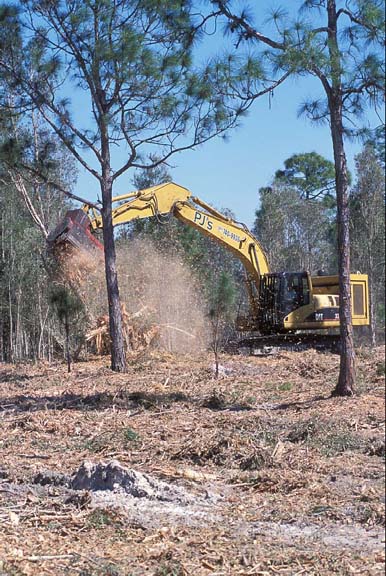
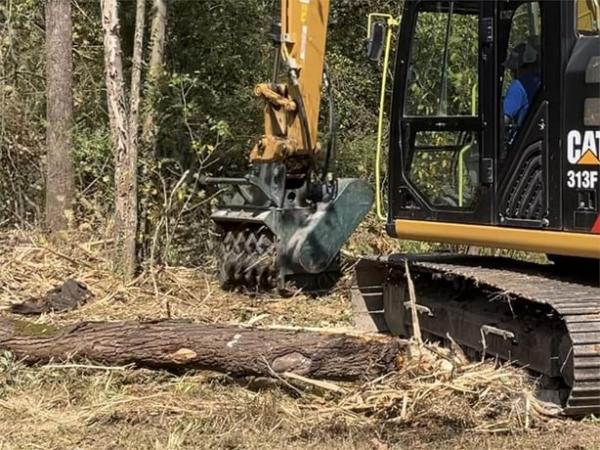
The name Brontosaurus may conjure images of prehistoric giants, but in the heavy equipment world, it refers to a formidable line of land-clearing tools. Designed to tackle dense vegetation and underbrush, the Brontosaurus brush mulcher attachment earned its name due to its raw power and imposing presence. These attachments are most commonly seen mounted on excavators and skid-steer loaders and are engineered to handle tasks ranging from forestry mulching to right-of-way clearing.
Origins and Evolution of the Brontosaurus Attachment
The Brontosaurus line began as a product of John Brown & Sons, Inc., targeting large excavators in the 15 to 20-ton class. These initial models came with their own auxiliary hydraulic power source—essentially a standalone engine and pump system replacing the machine’s counterweight. This gave the cutter head enough horsepower to shred through hardwood and softwood up to 10 inches in diameter.
The Brontosaurus brand quickly grew into a recognized name in land management. They expanded their line to include attachments for skid-steers and smaller excavators, offering multiple cutting widths and tooth options. Known for their heavy-duty construction and minimal grease points, the tools became popular with contractors, municipalities, utility companies, and conservationists.
Technical Specifications and Capacities - Cutting Widths: Ranged from 2.5 to 4 feet depending on the model.
- Material Capacity: Could process up to 8 inches in hardwood and 10 inches in softwood.
- Hydraulic Requirements:
- Large units: 3,500 to 5,000 psi at up to 50 GPM.
- Smaller units: Around 2,500 to 4,000 psi and 29 GPM.
- Weight: Varies from 3,000 to over 4,200 pounds depending on configuration and optional powerpacks.
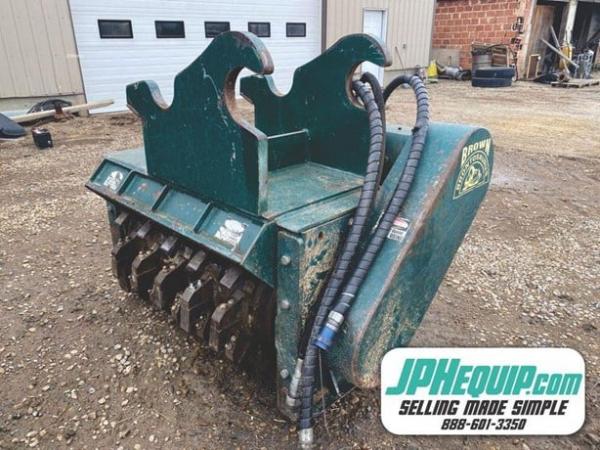
Key Features That Set Brontosaurus Apart- Chain-mounted drum with fixed high-carbon steel cutting teeth for superior shredding.
- Height-adjustable to accommodate uneven terrain.
- Simplified maintenance with only two grease fittings.
- Compatibility with a wide array of excavator and skid-steer platforms.
- Available with integrated auxiliary engines for independent hydraulic power.
Real-World Applications and Case Studies
A Vermont contractor used a Brontosaurus mulcher mounted on an excavator after a major hurricane. Over eight weeks, the equipment was instrumental in clearing storm debris, grinding through trees and dense brush with ease. The consistent mulch output made cleanup fast and minimized erosion risks.
In Texas, a right-of-way management team cleared over 40 miles of pipeline corridor in under a month using two Brontosaurus-equipped machines. The uniform mulch helped reseed native grasses while maintaining regulatory compliance with vegetation management laws.
Wildlife habitat restoration crews in the Northeast used Brontosaurus attachments to clear invasive species like glossy buckthorn and multiflora rose, which choke out native species. By removing dense underbrush efficiently, the equipment allowed for controlled reforestation and ecosystem recovery.
Terminology Glossary for Operators- Brush Mulcher Drum: The rotating shaft with mounted cutting teeth that breaks down brush and wood.
- Auxiliary Powerpack: An external engine and pump system that drives the hydraulic cutter independently of the carrier’s hydraulic system.
- Fixed-Tooth Blades: Permanently mounted cutting edges that provide aggressive cutting, compared to flail-style swinging knives.
- Cutting Width: The total horizontal coverage of the attachment during operation.
- Flow/Pressure Rating: The required hydraulic specifications to operate the equipment at peak performance.
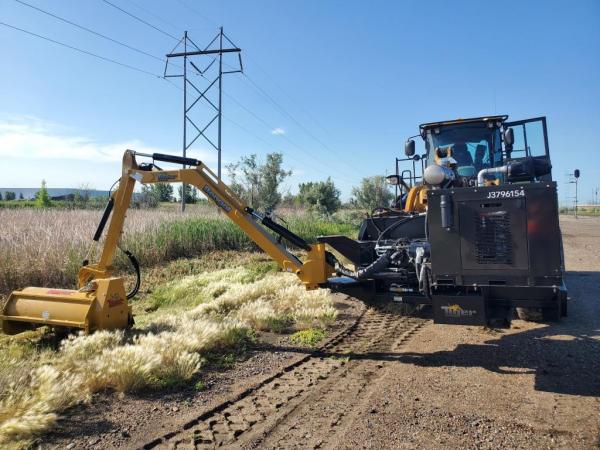
- Right-of-Way Clearing: Maintenance and vegetation control along roads, pipelines, and utility corridors.
Notable Developments and Dealer Expansion
In recent years, the Brontosaurus product line secured significant distribution partnerships, expanding availability across the United States. This increased the brand's presence in municipal contracts and large-scale forestry operations. Dealers reported a spike in demand for attachments that offered reliability, ease of maintenance, and low operational cost per acre cleared.
Why the Name "Brontosaurus" Fits
The dinosaur imagery reflects not just power but reach. Much like the massive creature's long neck, these attachments can reach over obstacles and work across broad swaths. Contractors affectionately refer to them as “dinosaurs of the forest,” capable of taming even the wildest terrain.
Maintenance and Safety Guidelines- Regularly inspect and sharpen blades to maintain efficiency.
- Monitor hydraulic hoses for wear and ensure fittings are secure, especially at high pressures.
- Clean air filters and service powerpacks according to manufacturer guidelines.
- Keep bystanders at a safe distance—mulching debris can be hazardous.
- Train operators on terrain assessment to prevent rollover or cutter damage.
Fun Anecdote: A Dino Among Machines
In Colorado, a gravel pit operator branded his yard with a Brontosaurus logo, leaning into the prehistoric theme. Locals now refer to the equipment yard as “The Dino Pit.” The branding made such an impression that children on school field trips asked more about the dinosaur than the rocks.
Forestry and Environmental Impact
Modern brush mulchers like the Brontosaurus provide an alternative to controlled burns, which can be hazardous and environmentally destructive. Mechanical clearing minimizes emissions, reduces wildfire risk, and allows for selective vegetation control. Agencies managing endangered species habitats have praised these tools for enabling targeted land management.
Summary of Advantages- High material throughput with minimal clogging.
- Durable build suited for both hardwood and softwood.
- Reduced downtime due to minimal maintenance.
- Effective at reducing large vegetation to ground-level mulch.
- Capable of accessing remote or uneven terrain with excavator reach.
Conclusion: A Modern Machine with Prehistoric Power
Brontosaurus-branded equipment has carved out a reputation for dependability and sheer strength. By combining modern hydraulic technology with rugged mechanical design, it delivers unmatched performance in the land-clearing industry. Whether working post-disaster, restoring prairies, or maintaining utility corridors, this equipment lives up to its ancient namesake—massive, efficient, and unyielding.
|

|
|
| Weighing in Motion: The Rise of On-Board Scales in Heavy Equipment |
|
Posted by: MikePhua - 07-30-2025, 06:49 PM - Forum: General Discussion
- No Replies
|
|
Introduction: A New Era of Load Management
In the world of heavy machinery, precision is power. Whether hauling aggregate, excavating soil, or transporting refuse, knowing the exact weight of a load is critical—not just for safety and compliance, but for profitability and operational efficiency. On-board scales have revolutionized how operators manage payloads, replacing guesswork and weighbridge detours with real-time data and smarter decisions.
Understanding On-Board Scales
On-board scales are integrated weighing systems installed directly onto vehicles or machinery. These systems measure the weight of a load during operation, using sensors embedded in hydraulic lines, axles, or suspension components. The data is displayed on in-cab monitors, often with options for mobile printing, cloud reporting, and overload alerts.
Key Terminology Explained - Load Cell: A transducer that converts force into an electrical signal, used to measure weight.
- Hydraulic Pressure Sensor: Measures pressure in hydraulic systems to estimate load weight.
- Tip-Off Mode: Allows operators to fine-tune the load by removing small amounts to reach target weight.
- Gross Vehicle Weight (GVW): Total weight of the vehicle including payload.
- Net Payload: Weight of the material being carried, excluding the vehicle.
- Overload Alarm: A warning system that alerts operators when the load exceeds safe or legal limits.
- Dynamic Weighing: The ability to measure weight while the vehicle is in motion.
Benefits of On-Board Weighing Systems- Time Efficiency
Eliminates trips to stationary scales, saving fuel and labor hours.
- Safety Enhancement
Prevents overloading, reducing the risk of mechanical failure and accidents.
- Regulatory Compliance
Helps operators stay within legal weight limits, avoiding fines and penalties.
- Operational Optimization
Enables precise load tracking, improving dispatch planning and billing accuracy.
- Fleet Management Integration
Many systems offer cloud connectivity for centralized data analysis and reporting.
Applications Across Industries- Construction
Wheel loaders, excavators, and dump trucks use on-board scales to optimize material movement and reduce cycle times.
- Mining
Haul trucks equipped with scales ensure payloads are maximized without exceeding structural limits.
- Agriculture
Grain carts and harvesters benefit from real-time weight tracking during collection and transport.
- Waste Management
Refuse trucks monitor load distribution to prevent uneven wear and improve route efficiency.
- Forestry
Logging trucks use scales to ensure maximum legal payloads, especially on routes paid by the ton.
Challenges and Considerations- Calibration Requirements
Regular calibration is essential to maintain accuracy, especially in harsh environments.
- Environmental Impact
Dust, vibration, and temperature fluctuations can affect sensor performance.
- Installation Complexity
Retrofitting older equipment may require custom mounts and wiring.
- Operator Training
Effective use depends on proper training and understanding of system functions.
Historical Perspective: From Weighbridges to Wireless
Before the advent of on-board scales, operators relied on stationary weighbridges—often located far from job sites. This added logistical complexity and reduced productivity. The shift began in the late 20th century, driven by advances in sensor miniaturization and digital interfaces. Today’s systems offer wireless data transmission, touch-screen controls, and integration with fleet management software.
Global Adoption and Innovation- Australia
Mining companies report up to 15% increases in material moved per shift after adopting on-board scales.
- Russia
VESA Systems developed axle load monitoring platforms that transmit data via satellite modules, enabling real-time cargo tracking across vast distances.
- United States
Forestry operators in Oregon and Montana use SI On-Board Scales to maximize revenue on routes paid by weight, citing reduced fines and improved vehicle longevity.
Real-World Anecdotes
A fleet manager in Alberta shared how installing scales on side-dump trailers eliminated overweight fines and broken springs. “Before the scales, every load was a gamble,” he said. “Now, drivers know exactly when to stop loading. It’s saved us thousands.”
In another case, a waste management company in Florida integrated scales into their refuse trucks. The result? Fewer breakdowns, better route planning, and improved customer billing accuracy.
Modern Features and Technologies- Touchscreen Interfaces
Simplify operation and calibration with intuitive menus.
- Mobile Printing
Allows on-site generation of weight tickets for customer verification.
- Cloud Reporting
Enables centralized data analysis and historical tracking.
- Remote Diagnostics
Reduces downtime by allowing technicians to troubleshoot systems remotely.
- Multi-Language Support
Enhances usability across international fleets.
Economic Impact and ROI
While initial installation costs can be significant, the return on investment is often rapid. Companies report:- Reduced fuel consumption due to optimized loading
- Lower maintenance costs from avoiding overload damage
- Increased revenue from maximizing legal payloads
- Improved customer satisfaction through accurate billing
Future Outlook: Smart Weighing in the Age of IoT
As the Industrial Internet of Things (IoT) continues to evolve, on-board scales are becoming smarter and more connected. Systems now integrate with GPS, telematics, and route optimization software. Predictive analytics may soon allow operators to anticipate wear and adjust loading strategies accordingly.
Conclusion: Precision as a Competitive Edge
On-board scales are more than a convenience—they’re a strategic asset. In industries where margins are tight and regulations strict, the ability to weigh in motion offers a decisive advantage. From the forests of Canada to the mines of Australia, these systems are reshaping how heavy equipment operators think about weight—not as a limitation, but as a lever for performance, safety, and profit.
|
|
|
|
| John Deere 450 Crawler Dozer: Key Maintenance and Troubleshooting Insights |
|
Posted by: MikePhua - 07-30-2025, 06:49 PM - Forum: Troubleshooting & Diagnosing
- No Replies
|
|
The John Deere 450 crawler dozer is a versatile, powerful machine designed for a variety of heavy-duty applications, including construction, grading, and land clearing. With its robust design and high performance, it's a popular choice for many operators. However, like all heavy equipment, it’s prone to issues that can impact performance and productivity. This article delves into some of the most common problems that users may encounter with the John Deere 450, offering troubleshooting tips and maintenance advice to keep it running smoothly.
Key Terminology - Crawler Dozer: A type of tracked vehicle equipped with a blade at the front for pushing material. The tracks allow it to operate in difficult terrain, such as soft or uneven ground.
- Hydraulic System: A system that uses hydraulic fluid to power various components, such as the blade and steering on a dozer.
- Undercarriage: The lower portion of a tracked machine, consisting of tracks, rollers, sprockets, and other components.
- Engine Oil: Lubricates the engine’s moving parts, reducing friction and preventing wear.
- Transmission: Transfers power from the engine to the wheels or tracks of the dozer.
Common Problems in John Deere 450 Crawler Dozer
The John Deere 450, like any heavy equipment, may encounter several issues throughout its lifespan. Below are some common problems and their potential solutions.
1. Hydraulic System Leaks or Loss of Power
Hydraulic issues are among the most common problems encountered with the John Deere 450 crawler dozer. If you notice a loss of power in the blade or steering system, or see hydraulic fluid leaking, it's crucial to address the issue immediately.
Possible Causes:- Hydraulic fluid leaks from the hoses or cylinders.
- Low hydraulic fluid levels.
- Clogged hydraulic filters.
Solution:- Inspect the hydraulic hoses and cylinders for signs of wear, cracks, or leaks. Replace damaged hoses or seals.
- Check the hydraulic fluid level regularly and top it up as needed. Always use the recommended fluid type.
- Replace the hydraulic filters as part of routine maintenance to ensure that the fluid is clean and free of debris.
2. Overheating Engine
An overheating engine can cause severe damage to the dozer's components. This issue is often related to the cooling system, which includes the radiator, fan, and coolant.
Possible Causes:- Low coolant levels.
- Clogged radiator or cooling fins.
- Malfunctioning fan or thermostat.
Solution:- Regularly check the coolant levels and top up as necessary. If the coolant looks contaminated, flush the system and replace it.
- Clean the radiator and fan to ensure proper airflow and cooling. Remove dirt, leaves, and other debris that may obstruct airflow.
- If the thermostat or fan is not functioning properly, replace them to maintain efficient engine cooling.
3. Transmission or Gearbox Problems
The transmission on the John Deere 450 is vital for the dozer's operation, as it controls the movement of the machine. If you experience difficulty shifting gears or notice unusual sounds coming from the transmission, it could indicate a problem.
Possible Causes:- Low transmission fluid.
- Worn transmission components, such as gears or clutch plates.
- Faulty transmission pump.
Solution:- Check the transmission fluid level and ensure it is at the recommended level. Low fluid levels can cause poor shifting and overheating.
- Inspect the transmission components for wear and replace any worn or damaged parts.
- If the transmission pump is faulty, replace it to restore proper gear engagement.
4. Undercarriage Wear
The undercarriage of the John Deere 450 crawler dozer is subjected to heavy stress due to the machine's constant movement across rough terrain. Over time, wear and tear on the tracks, rollers, and sprockets can lead to decreased performance and potential damage.
Possible Causes:- Worn-out tracks or rollers.
- Misalignment of the sprockets.
- Insufficient lubrication.
Solution:- Inspect the tracks, rollers, and sprockets regularly for signs of wear or damage. Replace any worn-out parts promptly to avoid further damage.
- Ensure that the undercarriage is properly aligned to reduce excessive wear on individual components.
- Lubricate the undercarriage components to reduce friction and prolong their lifespan.
5. Electrical Issues
Electrical problems, such as malfunctioning lights, gauges, or starting issues, are not uncommon in heavy machinery like the John Deere 450. These issues can be caused by faulty wiring, blown fuses, or a dead battery.
Possible Causes:- Dead or weak battery.
- Loose or corroded battery terminals.
- Blown fuses or faulty wiring.
Solution:- Inspect the battery and ensure it is charged and in good condition. Replace it if necessary.
- Clean and tighten the battery terminals to ensure proper electrical connection.
- Check the fuses and wiring for damage. Replace any blown fuses and repair or replace damaged wiring.
Preventive Maintenance Tips for the John Deere 450
Regular maintenance is essential for keeping your John Deere 450 crawler dozer running smoothly and avoiding costly repairs. Here are some preventive maintenance tips to help you prolong the life of your machine:
- Change Fluids Regularly: Regularly check and replace engine oil, hydraulic fluid, and transmission fluid as per the manufacturer's guidelines. Dirty or low fluid levels can lead to overheating and component damage.
- Inspect the Undercarriage: The undercarriage is one of the most expensive components to replace, so it’s essential to inspect it frequently. Look for signs of excessive wear on the tracks, rollers, and sprockets and replace worn parts before they fail.
- Clean the Cooling System: Keep the radiator and cooling fins clean to ensure proper airflow and prevent the engine from overheating.
- Grease Moving Parts: Lubricate moving parts, such as the blade, steering components, and undercarriage, to reduce friction and prevent premature wear.
- Monitor Hydraulic System: Regularly check for leaks in the hydraulic system and replace filters to ensure smooth operation of the blade and steering.
Conclusion
The John Deere 450 crawler dozer is a reliable and powerful piece of equipment, but like all machinery, it requires regular maintenance to keep it in good working condition. By understanding common issues such as hydraulic system leaks, engine overheating, transmission problems, undercarriage wear, and electrical issues, operators can take proactive steps to resolve them before they lead to more serious damage.
By staying on top of maintenance tasks and addressing any problems early, you can ensure that your John Deere 450 continues to perform efficiently and reliably for years to come.
|
|
|
|
| Understanding the JCB 215 Torque Converter and Transmission: A Detailed Guide for Owners |
|
Posted by: MikePhua - 07-30-2025, 06:49 PM - Forum: Parts , Attachments & Tools
- No Replies
|
|
Introduction: The Heart of the Powertrain
The JCB 215 is a powerful and compact backhoe loader featuring a torque converter-based powershift transmission. The torque converter acts as a fluid coupling between the engine and transmission, providing smooth torque multiplication at low speeds and shock absorption during load changes. Over time, questions arise about maintenance—especially whether the torque converter shares fluid with the transmission and whether it should be drained separately. This guide offers clarity, practical procedures, real-world stories, and key term explanations.
Torque Converter and Transmission: Fluid Systems Explained - The torque converter and transmission may or may not share the same fluid, depending on model and build year
- Some units use a single shared sump, where a single fill hole covers both
- Others have separate sumps, with the converter having its own drain plug, requiring separate maintenance
- JCB parts manuals and serial-specific specs should be consulted to confirm configuration
Why Separate Maintenance Matters- Torque converters accumulate heat and microscopic debris, which if unchecked, can damage clutch packs or stator seals
- Transmission filters may not efficiently clean converter-borne contamination
- Drain cycles solely targeting the transmission reservoir may leave converter fluid stagnating and degrading over time
- Failing to drain the converter could reduce power delivery or cause hesitation during gear engagement
A Real-World Story: Deon’s 1995 JCB 215 Restoration
Deon, a hobby farmer and former Mack mechanic, purchased a 1995 215 with unknown service history. During a full fluid replacement, he noticed the operator’s manual only referencing transmission fluid, not the torque converter. He eventually discovered a dedicated drain plug on the converter housing and realized the converter had its own fluid. Once drained, the converter held a different grade fluid from the transmission—leading him to refill it using the specified torque converter oil separate from transmission fluid. This attention restored smooth gear engagement and eliminated hesitation under load. His methodical approach underlines the importance of knowing that many machines have separate fluid systems despite manuals implying a shared sump.
Symptoms Indicating Converter Fluid Issues- Delayed or sluggish gear engagement
- Excessive heat or smell of burned oil from the converter region
- Chattering or shuddering under load
- Transmission overheating without load faults
- Fluid swirl or debris visible after draining converter or transmission
Step-by-Step: Torque Converter Service- With engine off, locate the drain plug on the torque converter housing
- Drain the fluid into a clean pan, noting fluid color and odor
- Remove the transmission fill/dipstick to check fluid level
- Refill the converter using correct oil grade per parts manual (e.g. Dexron III, ESP-M2C 33G or JCB-approved spec)
- Reinstall the drain plug and torque per spec (JCB torque tables available)
- Start engine, warm at idle, shift through gears, and verify smooth operation and correct fluid level
Transmission Fluid and Brake System Concerns
Some owners asked whether IHM Spec 7308 mineral oil was acceptable for top-up. That fluid is brake/clutch oil, not transmission oil. JCB transmissions commonly require Dexron III or J20D transhydraulic fluid, not DOT‑3 brake fluid. Using brake fluid risks damage to internal clutch packs and seals—only a transmission-grade fluid should be used.
Technical Insights: Transmission Construction- JCB 215 powershift includes multi-plate clutch packs, an electro-hydraulic 4x4 option, torque converter drive, and optional torque converter lock-up
- Drivetrain includes constant mesh planetary gearing and oil-immersed brakes for smooth shifting
- Internal solenoids supply flow to clutch packs for upshifts, downshifts, and shuttle directions
Case Study: Solenoid Replacement Didn’t Fix It All
A 2022 backhoe sale included the note "bad transmission solenoid." After replacement, the machine shifted into reverse only, forward was still weak. That turned out to be worn clutch packs and not just a faulty solenoid. It took full clutch pack overhaul plus proper fluid to restore normal forward and reverse operation.
Terminology Explained- Torque Converter: A fluid coupling that multiplies torque under low output speed and smoothes power flow
- Fluid Coupling: A hydrodynamic device transferring rotational energy through fluid movement
- Stall Ratio: The torque multiplier when engine is revved and output shaft is stationary
- Powershift Transmission: Provides gear shifting hydraulically via pressure without clutch pedal
- Multi-plate Clutch Pack: Stacked clutch discs immersed in oil—used in modern powershift transmissions
- Hydraulic Solenoid Valve: An electrically-operated valve that directs hydraulic pressure to clutch packs
- Separate Sump: An independent fluid reservoir for the torque converter separate from the transmission oil pan
- Brake/Clutch Oil: DOT‑rated fluids used only in braking and clutch systems—not suitable for transmission
Best Practices for Long-Term Reliability- Change torque converter fluid separately if drain plug exists
- Use correct fluid: for transmission, use Dexron III or alternate transhydraulic fluid per spec; for brake/clutch systems use DOT‑listed oil
- Replace transmission filters per schedule, and purge contaminated fluid promptly
- Perform transmission diagnostic checks when slippage or shifting delay occurs
- Maintain clean transmission and converter fill caps to prevent debris ingress
- Retorque fill/drain plugs per JCB torque specifications to avoid leaks or plug damage
Conclusion: Knowledge Is Power in Transmission Care
Knowing whether your JCB 215’s torque converter shares fluid with the transmission or has a separate reservoir can mean the difference between reliable shifting and costly repairs. Attention to correct fluids, scheduled maintenance, and understanding component separation empowers more confident, longer-lasting ownership. Replace fluid and filters correctly, service each system as intended, and your machine will remain predictable and powerful under heavy work
Would you like diagrams now for transmission layout or converter cutaway?
|
|
|
|
| Troubleshooting Overheating Issues in Bobcat 773 Skid Steers |
|
Posted by: MikePhua - 07-30-2025, 06:45 PM - Forum: Troubleshooting & Diagnosing
- No Replies
|
|
Bobcat 773 skid steers are known for their reliability and versatility, often used in various applications like landscaping, construction, and material handling. However, like all machinery, they are susceptible to issues over time. One of the common problems reported by Bobcat 773 owners is overheating. This issue can significantly affect the performance of the machine and, if left unresolved, may lead to expensive repairs and downtime. Understanding the causes of overheating and how to address them is crucial for maintaining your Bobcat 773 in top condition.
Key Terminology - Skid Steer Loader: A small, engine-powered machine with lift arms used to attach a variety of labor-saving tools or attachments. Bobcat 773 is a well-known model of this equipment.
- Overheating: When the engine or hydraulic system operates at temperatures higher than normal, causing potential damage and performance issues.
- Radiator: A component that helps dissipate heat from the engine and hydraulic systems to keep them running at optimal temperatures.
- Cooling System: A mechanism designed to regulate the temperature of the engine and hydraulic system, typically composed of components like the radiator, water pump, thermostat, and fan.
- Hydraulic Fluid: A type of fluid used in the hydraulic systems of machines like skid steers to transfer power and provide lubrication.
Causes of Overheating in Bobcat 773
Overheating issues in the Bobcat 773 can stem from several underlying causes. It's important to identify the root cause in order to effectively address the issue and prevent further damage to the machine.
1. Low or Contaminated Coolant
One of the most common reasons for overheating in any machine, including the Bobcat 773, is low coolant levels or contaminated coolant. Coolant, also known as antifreeze, plays a crucial role in absorbing heat from the engine and maintaining optimal operating temperatures.
Signs of low coolant or contamination:- The temperature gauge on the dashboard reads high or is in the red zone.
- The engine becomes hot to the touch after running for a short period.
- A noticeable decrease in engine performance or power.
How to fix:- Regularly check the coolant level and top it up if necessary. Use the coolant type recommended in the operator’s manual.
- Flush the cooling system and replace the coolant if it's dirty or contaminated. This ensures that the system continues to work efficiently and prevents corrosion within the engine.
2. Faulty or Clogged Radiator
The radiator is responsible for cooling the engine by dissipating heat. Over time, it can become clogged with debris, dirt, or even old coolant residue. When the radiator is obstructed, airflow is reduced, causing the engine to overheat.
Signs of a clogged radiator:- The engine temperature rises quickly during operation.
- There is visible dirt or debris on the radiator fins.
- The fan appears to be running slowly or is not functioning at all.
How to fix:- Clean the radiator by carefully removing any debris that might be obstructing airflow. This can be done with compressed air or a soft brush.
- If the radiator is damaged or corroded, it may need to be replaced.
3. Malfunctioning Thermostat
The thermostat regulates the flow of coolant through the engine. If the thermostat becomes stuck in the closed position, the coolant won’t circulate properly, causing the engine to overheat.
Signs of a malfunctioning thermostat:- The engine runs hot even after a short period of operation.
- There is inconsistent temperature reading on the dashboard.
How to fix:- Test the thermostat to check if it opens and closes at the correct temperatures.
- If the thermostat is faulty, replace it with the appropriate part for your Bobcat 773 model.
4. Faulty Cooling Fan
The cooling fan helps expel hot air from the radiator, which is crucial for maintaining the proper temperature within the engine and hydraulic system. If the fan is malfunctioning or the fan belt is loose, the system may not cool the engine effectively.
Signs of a cooling fan issue:- The fan makes strange noises or is not operating at full speed.
- The engine temperature rises significantly during use, especially when under load.
How to fix:- Inspect the fan belt for signs of wear or slack. Tighten or replace the belt if needed.
- Check the fan motor to ensure it is functioning properly. If the motor is faulty, it should be replaced.
5. Hydraulic System Problems
The hydraulic system on the Bobcat 773 uses hydraulic fluid to operate the arms and attachments. If there’s an issue with the hydraulic system, such as low hydraulic fluid or a failing pump, it can cause the system to overheat and affect the performance of the skid steer.
Signs of hydraulic overheating:- The hydraulic fluid temperature gauge reaches high levels.
- The hydraulic system becomes sluggish or unresponsive.
- You notice a decrease in lifting capacity or power.
How to fix:- Check the hydraulic fluid level regularly. If it's low, top it up with the correct type of hydraulic fluid.
- Inspect the hydraulic lines for leaks and replace any damaged hoses.
- Change the hydraulic fluid and filter to ensure clean and efficient operation.
6. Airflow Restrictions
Proper airflow is essential for keeping the engine and cooling system at optimal temperatures. Over time, dirt, leaves, and other debris can clog the air intake, preventing air from circulating effectively.
Signs of restricted airflow:- The engine temperature increases rapidly.
- The machine appears to be working harder than usual, even under normal loads.
How to fix:- Inspect and clean the air intake system regularly.
- Ensure that air filters are clean and replace them if they appear clogged.
Preventive Maintenance Tips for Avoiding Overheating
To minimize the risk of overheating in your Bobcat 773, regular maintenance is key. Here are some helpful tips:
- Regularly check coolant levels: Ensure that the coolant is topped up and free from contamination. Replace coolant as recommended by the manufacturer.
- Clean the radiator: Keep the radiator free from debris and dirt to ensure proper airflow. Clean it regularly, especially after working in dusty or dirty environments.
- Inspect the fan and thermostat: Check the fan’s performance and make sure the thermostat is functioning properly.
- Monitor hydraulic fluid: Keep an eye on the hydraulic fluid levels and ensure the fluid is changed regularly to avoid overheating the hydraulic system.
- Air filter maintenance: Change the air filters as part of your regular service to maintain good airflow through the engine.
Conclusion
Overheating issues in the Bobcat 773 can be caused by a variety of factors, including low coolant levels, clogged radiators, faulty thermostats, and hydraulic system problems. Identifying the source of the overheating early can prevent extensive damage to the engine and hydraulic systems, saving you both time and money on repairs. By performing regular maintenance and addressing any issues promptly, you can extend the life of your Bobcat 773 and ensure it continues to operate efficiently.
|
|
|
|
| Troubleshooting the JCB 507-42 Loader Backhoe That Won’t Go Into Gear: A Detailed Guide |
|
Posted by: MikePhua - 07-30-2025, 06:44 PM - Forum: Troubleshooting & Diagnosing
- No Replies
|
|
Overview of the Problem
The JCB 507-42 is a versatile loader backhoe widely used in construction and agriculture for its compact size and robust performance. One common issue faced by operators is the machine’s failure to engage gears, rendering it immobile despite attempts to drive it. This problem can stem from various mechanical and hydraulic causes, often requiring systematic troubleshooting to pinpoint and resolve.
Common Causes for Gear Engagement Failure - Transmission linkage misalignment or damage: Wear or misadjustment in the mechanical linkages connecting the gear selector to the transmission can prevent proper gear engagement.
- Hydraulic transmission system issues: The 507-42 typically uses a hydrostatic transmission; leaks or air in hydraulic lines can reduce pressure necessary to engage gears.
- Transmission control valve malfunction: Faulty control valves may fail to direct hydraulic fluid correctly, blocking gear actuation.
- Drive shaft or differential faults: Mechanical failure in drivetrain components like the differential or universal joints can mimic gear engagement failure.
- Brake system interference: Some machines incorporate interlocks preventing gear engagement if parking brakes are applied or not fully released.
Step-by-Step Troubleshooting Approach
1. Verify Basic Controls and Operator Inputs- Ensure the parking brake is fully released.
- Confirm that the gear selector lever moves freely through its range.
- Check for error codes or warning lights on the operator display indicating transmission faults.
2. Inspect Transmission Linkages- Examine linkages for bends, breaks, or excessive wear.
- Check that all mounting points and pivot pins are secure and lubricated.
- Adjust linkage alignment according to manufacturer specifications to ensure full gear travel.
3. Check Hydraulic Transmission Components- Inspect hydraulic fluid level and quality; low or contaminated fluid can reduce system pressure.
- Look for visible leaks in transmission hoses and fittings.
- Bleed hydraulic lines if air contamination is suspected, following proper safety procedures.
- Test transmission pressure using diagnostic ports and gauges if available.
4. Examine Transmission Control Valves- Access the valve bank and verify function and condition of solenoids or manual valves controlling gear engagement.
- Replace or rebuild faulty valves if necessary.
- Clean any accumulated debris or contamination that may restrict valve movement.
5. Assess Drivetrain Integrity- Inspect drive shafts, universal joints, and differential housing for signs of damage or excessive play.
- Rotate wheels manually to check for binding or unusual noises.
- Replace worn or damaged components to restore mechanical integrity.
6. Review Brake System and Interlocks- Confirm parking brake release mechanism operates smoothly.
- Check for any interlock switches or sensors that may be preventing gear engagement.
- Repair or bypass faulty switches cautiously, ensuring safety compliance.
Real-World Example: Restoring Gear Engagement on a JCB 507-42
An operator reported the 507-42 would not go into any forward or reverse gear despite the engine running normally and all controls appearing functional. Initial inspection revealed the transmission linkage had worn pivot pins causing excessive play and incomplete gear selection. After replacing these pins and properly lubricating linkages, the machine’s gear selector moved fully, and gears engaged reliably. Hydraulic fluid was also topped off and lines bled, which further improved responsiveness.
Technical Terms Explained- Hydrostatic transmission: A transmission system using hydraulic fluid pressure to transfer power through variable displacement pumps and motors rather than direct mechanical gears.
- Control valve bank: A set of valves directing hydraulic fluid to various systems, including transmission and implement controls.
- Interlock: A safety device preventing certain machine functions unless conditions (like brake release) are met.
- Universal joint (U-joint): A flexible coupling allowing rotation between non-aligned shafts in the drivetrain.
- Pivot pin: A pin acting as a rotational axis for linkages and control arms, critical for precise movement.
Preventive Maintenance Tips to Avoid Gear Engagement Issues- Regularly inspect and lubricate transmission linkages and pivot points.
- Maintain hydraulic fluid cleanliness and proper levels according to the service schedule.
- Routinely check for leaks or damage in hydraulic lines and fittings.
- Test brake interlocks and release mechanisms for proper function.
- Schedule periodic transmission diagnostic checks by qualified technicians.
Conclusion
Gear engagement failure in the JCB 507-42 can have multiple origins, often involving both mechanical linkages and hydraulic systems. A structured troubleshooting process focusing on controls, linkages, hydraulics, drivetrain, and safety interlocks can effectively identify and resolve the root cause. With routine maintenance and timely repair, operators can minimize downtime and keep their loader backhoes running smoothly in demanding environments.
|
|
|
|
| Adjusting the Auxiliary Hydraulic Flow on a 2004 Caterpillar 307C Mini Excavator |
|
Posted by: MikePhua - 07-30-2025, 06:43 PM - Forum: General Discussion
- No Replies
|
|
Introduction to the 307C’s Auxiliary Hydraulic System
The 2004 Caterpillar 307C is a compact mini excavator powered by a Mitsubishi 4M40‑E1 engine (approximately 64 hp). One of its defining features is the optional auxiliary hydraulic valve, which enables operation of attachments such as mulching heads, hydraulic thumbs, or breakers. The system uses stackable auxiliary valves, allowing up to two additional valve sections on the main control valve bank. This versatility lets owners install single-function tools like breakers or two-function attachments such as thumbs and mulchers.
The machine’s hydraulic layout is compact and efficient, placing major components close together to minimize hose length, reduce friction loss, and ensure sharp, responsive cycle times.
For operators installing high-demand tools like mulcher heads, the standard flow capacity of the auxiliary circuit (capped at about 17 GPM) may prove inadequate. Previous users report that aftermarket installations might include flow-limiting adjustments that further reduce performance.
Symptoms of Insufficient Auxiliary Flow - Tool operates sluggishly or stalls under load
- Mulching head or thumb lacks power compared to expectations
- Full-rated flow not reaching the attachment, despite correct machine GPM
Often, lower-than-needed flow results from:- Factory or aftermarket flow limiting during prior installation
- Incorrect settings in the auxiliary valve control block
- Clogged filters or restrictions upstream of the valve
Step-by-Step Adjustment Procedure
1. Identify the Auxiliary Valve Bank- Locate the auxiliary valve assembly on the main hydraulic control manifold. On the 307C, up to two stackable auxiliary valves may be present, particularly when running dual-function accessories like a thumb or mulcher
- Ensure the correct valve section corresponds to the tool in use
2. Find the Flow Adjustment Screw- Most auxiliary valve assemblies incorporate an adjustment screw or variable orifice control. This screw sets the maximum flow or limits pressure to the tool
- Some aftermarket installers pre-set or seal this screw to limit flow, which may be why the attachment underperforms
3. Adjust the Flow- Safely park the machine, relieve all hydraulic pressure, and locate the adjustment screw. Consult the hydraulic schematic or spec sheet for factory torque and position guidelines
- Turn the adjustment screw gradually—in small increments—while testing tool operation between adjustments. The goal is to restore full rated GPM without creating overpressure
- Replace any plug or locking nut securely once proper flow is achieved
4. Verify Actual Flow- Monitor performance under load: if the tool operates at full effectiveness, flow likely matches machine capacity (around 17 GPM)
- If available, install a flow meter inline in one of the hydraulic lines to confirm real flow rate
5. Inspect Filters and Pilot Supply- Auxiliary attachment performance can be impaired by clogged suction or pilot filters. Inspect and clean filters per standard maintenance routine
- The 307C features a cross-sensing hydraulic system and enhanced pilot pressure to improve linkage and circuit responsiveness
Real-World Example: Restoring Flow to a Mulcher Head
A machine owner fitting a mulcher head on a 2004 307C discovered performance issues despite the tool being specified for the machine. Original hoses from a hydraulic thumb were reused, but flow remained poor.
After disassembling and inspecting the auxiliary valve bank, they found a sealed adjustment screw previously turned down during thumb installation. Once the screw was reopened and carefully reset, flow improved immediately. The mulcher operated at nearly full power again, and recovery required only a few turns of fine-tuning. The fix was completed in under an hour and restored satisfactory GPM without replacing components.
Technical Insights and System Features- The stackable auxiliary valve design lets owners prioritize attachments; only the active valve section supplies flow to the tool, and others remain closed
- The hydraulic system’s short component layout helps maintain high efficiency and minimizes pressure loss and heat buildup
- Pilot system pressure improvements in the 307C enhance movement smoothness and reduce operator fatigue
Maintenance Best Practices for Auxiliary Systems- Operate attachments under load periodically to confirm adequate flow and pressure
- Replace suction and pressure filters every 500–1,000 hours—or sooner if performance dips
- Grease valve levers and linkage periodically to ensure smooth actuation
- Label auxiliary hoses and adjuster screws clearly to prevent future mis-adjustment
- Keep operating and hydraulic manuals onboard for reference when troubleshooting
Terminology Explained- Auxiliary hydraulic valve: A valve section dedicated to powering optional attachments beyond bucket/boom functions
- Stackable valve: Modular valve sections that bolt onto the main control valve, enabling multiple functions without separate manifolds
- Flow adjustment screw: A hydraulic or mechanical screw that limits or adjusts the maximum tool flow rate
- Cross‑sensing hydraulic system: An arrangement where multiple pump outputs sense each other, providing power-sharing and better responsiveness
- Pilot hydraulic pressure: A low‑pressure control signal hydraulic circuit used to actuate main valves precisely
Conclusion: Precision Flow Enables Accessory Performance
A 2004 CAT 307C can deliver up to 17 GPM to auxiliary attachments—ample for many tools. However, aftermarket modifications or misadjustments often restrict effective flow. Understanding the auxiliary valve architecture and knowing how to locate and adjust the flow screw can restore tool function without expensive replacements.
With proper inspection, incremental adjustment, and preventive care, owners can confidently operate mulchers, thumbs, breakers, and other hydraulic tools at optimal performance. The 307C’s reliable hydraulic layout rewards attention to detail, transforming potential underperformance into smooth, productive operation.
|
|
|
|
| Exploring Old Mack Trucks: A Look at Classic Mack Models on Craigslist |
|
Posted by: MikePhua - 07-30-2025, 06:43 PM - Forum: General Discussion
- No Replies
|
|
Mack Trucks have long been synonymous with heavy-duty hauling, offering durability, reliability, and impressive performance for industries ranging from construction to freight hauling. Known for their distinctive bulldog logo, Mack trucks are an iconic part of American trucking history. Whether you're a collector, a mechanic, or simply someone interested in the history of heavy equipment, the presence of old Mack trucks on platforms like Craigslist offers a fascinating glimpse into the world of classic vehicles.
Key Terminology - Mack Trucks: A leading manufacturer of heavy-duty trucks, renowned for their rugged construction and long-lasting performance. Known for producing trucks used in construction, garbage collection, and long-distance hauling.
- Craigslist: An online platform where individuals can buy and sell items, including vehicles, tools, and equipment. It's a popular site for finding used trucks and machinery, including vintage and classic models.
- Bulldog Logo: The symbol that has become synonymous with Mack Trucks, representing toughness, reliability, and enduring strength.
- Diesel Engine: A type of internal combustion engine that uses diesel fuel. Mack trucks are traditionally powered by diesel engines, offering better fuel efficiency and torque for heavy-duty applications.
The Appeal of Classic Mack Trucks
Classic Mack trucks have a unique charm for truck enthusiasts and collectors. These vehicles have a reputation for their rugged design and reliable engines, making them a staple of the trucking world for many decades. Even as newer models with advanced technology and better fuel efficiency take over the roads, vintage Mack trucks hold a special place in the hearts of trucking aficionados. They often symbolize an era when simplicity and toughness were the key to vehicle design, and many of these old trucks have stories to tell.
The Allure of Vintage Mack Trucks
One of the main reasons classic Mack trucks remain popular is their build quality. Many of the older models, such as the Mack B-series or the Mack DM, were built to last and often outlived their expected service life. For instance, Mack's heavy-duty trucks from the mid-20th century are still in use today in some industries, proving their longevity. This durability has earned Mack Trucks a cult-like following, especially among those who appreciate vintage engineering.
Additionally, Mack trucks have a rich history in the trucking and construction industries. For example, the Mack R-Series, which was produced from the 1960s through the 1980s, was a popular model used in long-haul trucking and even military applications. Today, these older models are often sought after by collectors and those interested in restoring them to their former glory.
Mack Trucks on Craigslist: A Treasure Hunt
Craigslist is often the first place where people check when searching for used vehicles, including Mack trucks. The site's popularity for buying and selling used goods makes it an excellent resource for finding vintage trucks that may not be listed through traditional dealers. Some sellers post rare finds that may have been well-maintained or in original condition, giving enthusiasts the opportunity to own a piece of trucking history.
While Craigslist may not always offer the pristine condition of an antique dealership, many sellers are passionate about their trucks and are willing to negotiate with buyers who share their enthusiasm for restoring and preserving these machines. When browsing Craigslist, buyers often find old Mack trucks that have been in storage for years or those that have been carefully restored by dedicated owners.
Common Issues to Watch Out For in Classic Mack Trucks
Buying a vintage Mack truck requires careful inspection, as these older models may have accumulated wear and tear over the years. Here are some common issues to watch for when considering a purchase:
- Engine Condition: Given that Mack trucks are known for their diesel engines, it is essential to inspect the engine’s performance. Look for signs of engine wear, leaks, and ensure it runs smoothly. Over time, diesel engines can develop issues with fuel injectors, pumps, or the turbocharger.
- Rust and Corrosion: Many older trucks, especially those that were exposed to harsh weather conditions or salt on roads, may have significant rust damage. Check the chassis, frame, and axles for rust and corrosion.
- Transmission and Drivetrain: Transmission issues can arise in any vehicle, but older Mack trucks with manual transmissions can be prone to problems. Listen for grinding or difficulty shifting gears and inspect the drivetrain for any wear.
- Electrical Systems: Wiring issues can be common in older trucks, so it's important to test the electrical systems thoroughly. Check for faulty lighting, gauges, or other critical electrical components.
- Suspension and Tires: Given the heavy-duty nature of Mack trucks, the suspension system should be inspected for wear. Look for cracks in the springs and shocks. The tires on classic Mack trucks might also need to be replaced, depending on their age and usage.
Restoring a Classic Mack Truck
Many buyers of classic Mack trucks choose to restore their vehicles to working condition. Restoring a Mack truck can be a rewarding process, though it requires patience, knowledge, and money. Restorations generally fall into one of three categories:- Mechanical Restoration: This involves fixing or replacing the engine, transmission, and drivetrain components to ensure the truck runs smoothly. Mechanical restoration is often the most expensive part of the process, as older parts may be difficult to find.
- Cosmetic Restoration: This includes repairing the truck’s body, restoring the paint job, and fixing any external damages. Mack trucks have a unique appearance, and restoring the classic bulldog logo is often one of the most rewarding aspects.
- Complete Restoration: A full restoration includes both mechanical and cosmetic fixes, essentially bringing the truck back to its original factory condition. This is the most comprehensive and expensive option but results in a truck that looks and performs as if it just left the factory floor.
Why Mack Trucks Remain Popular
Even though new trucks continue to dominate the industry, classic Mack trucks hold a timeless appeal. Their legendary durability, iconic design, and rich history make them sought after by collectors and those passionate about the trucking world. Whether it's the Mack B-series, the DM series, or a late-model R-series, these trucks hold a special place in the hearts of many.
Conclusion
Old Mack trucks, available on platforms like Craigslist, are a testament to the enduring legacy of American heavy-duty trucks. Whether you're a collector, mechanic, or someone who simply appreciates classic machinery, these trucks provide a unique window into the past of the trucking industry. Restoring an old Mack can be a challenging but rewarding experience, one that brings history back to life and helps preserve these iconic vehicles for future generations to enjoy.
By understanding the common issues with older Mack trucks and knowing what to look for when browsing online listings, buyers can ensure they’re making a smart investment in a piece of automotive history.
|
|
|
|
| Komatsu PC78US‑6: An In‑Depth Owner’s Guide to the Compact Midi Excavator |
|
Posted by: MikePhua - 07-30-2025, 06:42 PM - Forum: General Discussion
- No Replies
|
|
Overview and Design Philosophy
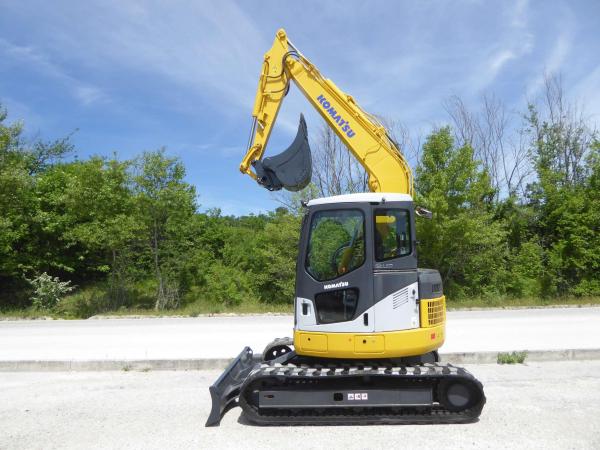
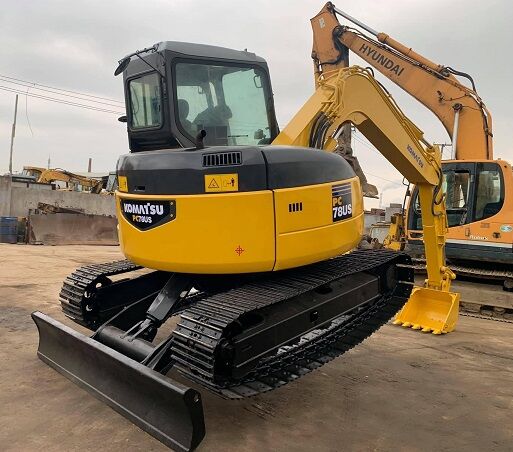
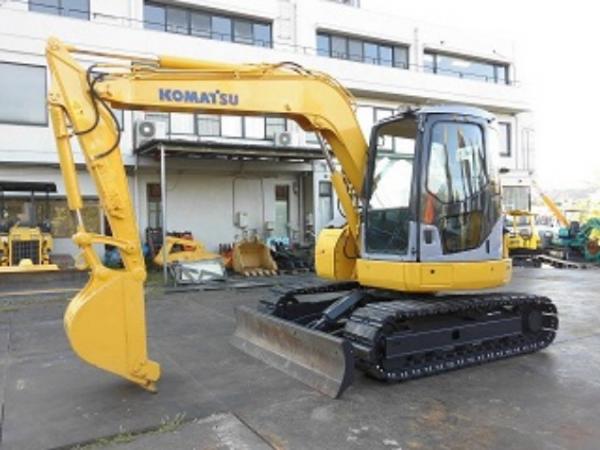
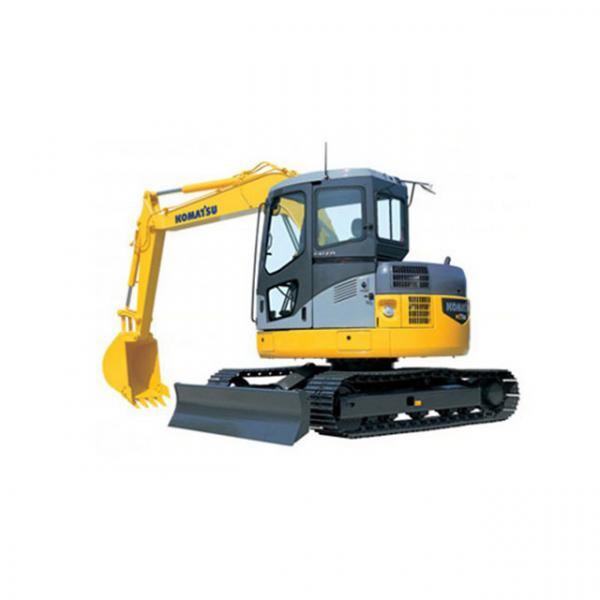
The Komatsu PC78US‑6 is a short-tail swing midi excavator introduced in 2001 as part of Komatsu’s GALEO series. It was engineered for tight jobsite environments where a reduced tail swing radius is critical. The US‑6 variant builds on the earlier PC78US model by offering improved operator comfort, increased fuel capacity, reduced noise, and easier maintenance access.
Key design objectives included: - Enhanced cab size with lower operator fatigue
- Tail projection limited to approximately 80 mm beyond the tracks
- Larger fuel tank for extended runtime
- Simplified maintenance via accessible radiator and fuel drain
Technical Specifications- Engine: Komatsu S4D95LE‑3, turbocharged four-cylinder diesel producing around 54–55 hp (40 kW)
- Operating Weight: Approximately 7,190 kg (15,850 lb), depending on configuration
- Hydraulic Capacity: ~125 liters fuel tank, ~110 liters hydraulic fluid, ~7 liters engine oil
- Bucket Sizes: Standard 0.28 m³; options from 0.2 to 0.37 m³ available
- Digging Reach & Depth: Maximum depth ~4,100 mm; reach ~6,380 mm
- Undercarriage: 39 shoes per side, 1 carrier roller, 5 track rollers, ground pressure around 0.31 kg/cm² (4.4 psi)
- Travel & Swing: Travel speed ~3 km/h (low) to ~4.5 km/h (high); swing speed ~10 rpm
Operational Strengths
Operators often highlight several benefits:- Excellent maneuverability in confined spaces due to short tail swing
- Smooth and responsive hydraulic system with dual-variable pumps
- Comfortable cab with A/C, defroster, radio, and enhanced visibility
- Mode selection: A‑mode for productivity, E‑mode for fuel efficiency
- Simplified maintenance with quick-clean radiator and extended service intervals
Common Issues and Caveats
Field experience reveals a few known problems:- Low power or engine stalling during heavy hydraulic use, such as deep digging or simultaneous multi-function operation
- Clogging in hydraulic filters or pilot control valves may cause sluggishness
- Gray-market units may include non-standard components, complicating part sourcing and servicing
Inspection and Pre‑Purchase Checklist- Test travel gears for smooth engagement and response
- Operate bucket, boom, and swing under load; check for hydraulic lag
- Drain water separator; inspect fuel for contamination
- Examine undercarriage for wear—especially tension springs and shoes
- Ensure all cab electronics and HVAC are functioning
- Check radiator fins and debris screens
- Confirm the unit’s serial number matches the correct US‑6 parts catalog
Real‑World User Story
A landscaping contractor in Massachusetts bought a 2006 PC78US‑6 with 3,500 hours on the meter. Despite its age, the machine worked reliably in tight backyard spaces due to its compact swing radius. When performance dipped, the issue was traced to a clogged suction filter and minor valve leakage. After cleaning and resealing, full function was restored. Five years later, the machine is still in service with minimal repairs, thanks to preventive maintenance.
Case Study: Urban Utility Installation
A contractor in Seattle used the PC78US‑6 to install fiber-optic conduits in tight urban alleyways. The machine’s short tail swing eliminated the risk of striking nearby buildings or fences. The hydraulic strength was sufficient for trenching and lifting double conduit lines. Over two seasons, it only required hose replacement and routine service, proving its reliability in complex environments.
Terminology Clarified- Short‑tail swing excavator: A machine with a rear counterweight that does not extend significantly beyond the track width, ideal for limited space
- Midi excavator: An excavator between mini (1–5 tons) and full-size (12+ tons), typically weighing 7–10 tons
- GALEO: Komatsu’s design line focused on advanced technology, operator comfort, and easy serviceability
- A‑mode / E‑mode: Selectable operating modes—A for high power, E for fuel economy
- Drawbar pull: The pulling force a machine can generate through its tracks
- Greasing interval: Time between lubrication of moving joints—up to 250 hours for this model
Maintenance Tips for Longevity- Use the recommended greasing schedule with sealed bushings
- Replace hydraulic filters every 1,000 hours
- Keep radiator and oil coolers clean to avoid overheating
- Use manufacturer-approved hydraulic oil and fuel filters
- Inspect auxiliary circuits for leaks and solenoid valve response
- Check engine and fluid levels seasonally—especially in freezing or high-heat conditions
Conclusion
The Komatsu PC78US‑6 offers a well-balanced package of compact power, maneuverability, and operator comfort. Its short-tail swing makes it perfect for tight worksites, and its thoughtful design streamlines both performance and maintenance. While some early signs of wear may appear on older models, particularly related to hydraulics, these are usually manageable with routine care. For contractors needing versatility without sacrificing toughness, the PC78US‑6 remains a solid choice in the 7-ton range.
|
|
|
|
| Troubleshooting a John Deere 320D That Won’t Start After a Filter Change |
|
Posted by: MikePhua - 07-30-2025, 06:40 PM - Forum: Troubleshooting & Diagnosing
- No Replies
|
|
The John Deere 320D is a compact track loader commonly used in construction, agriculture, and landscaping. This powerful machine is designed to handle tough tasks, but like any piece of heavy equipment, it can experience issues from time to time. One common issue reported by operators is when the machine won't start after performing maintenance tasks like a filter change. In this article, we will go over some key factors that may cause this issue, steps to diagnose the problem, and how to resolve it.
Key Terminology: - Fuel Filter: A component in the fuel system designed to filter out contaminants and debris from the fuel before it enters the engine.
- Hydraulic Filter: A filter in the hydraulic system that removes impurities from the fluid, which can damage components like pumps, cylinders, and valves if not properly filtered.
- Air Filter: A component that prevents dirt, dust, and debris from entering the engine, ensuring optimal combustion.
- Prime: To prepare or pressurize a system, such as the fuel system, to ensure proper function before starting.
- Airlock: A blockage caused by air entering a hydraulic or fuel system, which can prevent the system from functioning correctly.
Common Causes of a No-Start Condition After a Filter Change
Changing filters on a John Deere 320D—or any heavy machinery—is a necessary part of routine maintenance. However, if the filters are changed incorrectly or if air enters the system, it can cause the machine to fail to start. Below are some common causes that could be behind this issue:
- Air in the Fuel System (Airlock):
One of the most common issues after changing the fuel filter is the presence of air in the fuel system. If air is allowed into the fuel lines during filter replacement, it can prevent the fuel from reaching the engine, leading to a no-start situation. This air is known as an "airlock," and it can block fuel flow, making it impossible for the engine to start.
- Fuel Filter Incorrectly Installed:
Another possible cause is that the fuel filter was installed incorrectly. If the filter is not properly sealed or oriented, it can cause fuel flow problems, leading to a failure to start. A clogged or improperly fitted fuel filter can block the fuel lines, preventing the engine from receiving the necessary fuel to run.
- Dirty or Clogged Air Filter:
While changing the fuel filter, the air filter should also be inspected. If the air filter is clogged or dirty, it can restrict airflow to the engine, which can cause hard starting or no-start conditions. The engine needs a proper air-fuel mixture for combustion, and an obstructed air filter can prevent this from happening.
- Hydraulic Filter Issues:
If any hydraulic filters were changed during the maintenance, improper installation or air trapped in the system can affect the hydraulic functions. While hydraulic filter issues are not usually related to starting, they can affect other systems of the loader, and any issues with hydraulics can create problems that affect the overall function of the machine.
- Fuel Line Leaks:
A fuel line leak could also prevent the engine from starting, especially if air is drawn into the system during the filter change. If any fuel line connections were loosened during maintenance, it’s possible they were not properly tightened afterward, leading to leaks or air intake.
Steps to Diagnose and Fix the Issue
1. Check the Fuel System for Airlocks
After replacing the fuel filter, the first step is to check the fuel system for airlocks. Many machines, including the John Deere 320D, come equipped with a fuel priming pump. This pump is used to pressurize the fuel system and remove any air trapped in the lines.
To bleed the air from the system, perform the following steps:- Locate the fuel primer pump (usually located near the fuel filter assembly). It’s a small hand pump used to manually pressurize the fuel system.
- Pump the primer to expel air from the fuel lines. Continue pumping until you feel resistance, indicating that the fuel system has been pressurized and the air has been purged.
- Once you’ve primed the system, attempt to start the machine again. If air was the problem, this step should resolve the issue.
2. Check for Proper Fuel Filter Installation
Ensure the fuel filter is installed correctly. Verify the following:- The filter is installed with the proper orientation. Fuel filters typically have an inlet and outlet side, and installing the filter backward can cause problems.
- The filter is fully seated and sealed to prevent leaks.
- Check for any debris or dirt that may have entered the system during the filter change process.
If the filter was installed incorrectly, remove it, inspect the o-rings, and reinstall it according to the manufacturer’s specifications.
3. Inspect the Air Filter
If the fuel system checks out, inspect the air filter. A dirty or clogged air filter can cause poor engine performance or prevent the engine from starting. To inspect or replace the air filter:- Locate the air filter housing, usually near the engine intake.
- Remove the air filter and visually inspect it for dirt, dust, or any signs of clogging.
- If the filter is clogged, replace it with a new one. If it’s relatively clean, reassemble the housing and attempt to start the machine again.
4. Check for Fuel Line Leaks
Inspect all fuel lines for leaks or loose connections. A fuel leak could allow air into the system, leading to a no-start condition. Tighten any loose fuel line connections, and replace any damaged fuel lines or components. Also, inspect the fuel shutoff valve to make sure it is fully open.
5. Inspect the Hydraulic System (If Applicable)
If the hydraulic filter was also changed, check for air or leaks in the hydraulic system. In some cases, air trapped in the hydraulic lines can cause the system to behave erratically. To purge the hydraulic system:- Check hydraulic fluid levels to ensure they are adequate.
- Inspect the hydraulic hoses for any signs of damage or airlocks.
- If necessary, operate the machine’s hydraulic functions (such as raising and lowering the arms) to help purge any trapped air.
6. Verify Battery and Electrical Connections
While it’s unlikely that the electrical system is the direct cause of a no-start after a filter change, it’s always good to check the battery and electrical connections. Ensure the battery is fully charged and that all electrical connectors are clean and secure. A weak or dead battery can contribute to starting problems.
Preventive Measures for Future Maintenance
After resolving the no-start issue, there are several things you can do to prevent similar problems in the future:- Use Proper Parts: Always use genuine John Deere parts or OEM-equivalent parts when replacing filters. This ensures that the parts fit properly and function as expected.
- Follow Maintenance Intervals: Refer to the John Deere 320D owner’s manual for recommended maintenance intervals. Keeping up with regular filter changes and fluid checks will help ensure the machine runs smoothly.
- Avoid Contaminants: When performing maintenance, take care to keep dirt and debris out of the fuel system and engine. Contamination can lead to clogs, poor performance, and damage to internal components.
Conclusion
A no-start condition after a filter change on the John Deere 320D can usually be traced to air in the fuel system, improper filter installation, or a clogged air filter. By following the steps outlined above, operators can diagnose and resolve the issue quickly. Always make sure to prime the fuel system properly, check the air filter, and inspect all lines and connections to ensure the machine starts and operates as intended.
Remember, while routine maintenance is crucial to the longevity of heavy equipment, taking the time to properly bleed the system, check filters, and look for leaks will save you time and money in the long run.
|
|
|
|
|



