| Welcome, Guest |
You have to register before you can post on our site.
|
| Forum Statistics |
» Members: 80
» Latest member: jioMAK
» Forum threads: 47,411
» Forum posts: 47,417
Full Statistics
|
| Online Users |
There are currently 767 online users.
» 0 Member(s) | 755 Guest(s)
Ahrefs, Amazon, Applebot, Baidu, Bing, Claude, DotBot, OpenAI, Petalbot, Semrush, Seznam
|
| Latest Threads |
Identifying and Sourcing ...
Forum: Parts , Attachments & Tools
Last Post: MikePhua
01-07-2026, 06:29 PM
» Replies: 0
» Views: 519
|
Cat 931B Brake Parts
Forum: Parts , Attachments & Tools
Last Post: MikePhua
01-07-2026, 06:29 PM
» Replies: 0
» Views: 283
|
Choosing Between Cat 228,...
Forum: General Discussion
Last Post: MikePhua
01-07-2026, 06:28 PM
» Replies: 0
» Views: 548
|
Hydraulic Delay When Lowe...
Forum: Troubleshooting & Diagnosing
Last Post: MikePhua
01-07-2026, 06:27 PM
» Replies: 0
» Views: 440
|
Bale Chopper and Mulcher ...
Forum: General Discussion
Last Post: MikePhua
01-07-2026, 06:26 PM
» Replies: 0
» Views: 320
|
Mini UC Maintenance
Forum: General Discussion
Last Post: MikePhua
01-07-2026, 06:25 PM
» Replies: 0
» Views: 309
|
Locating Wiring Informati...
Forum: General Discussion
Last Post: MikePhua
01-07-2026, 06:24 PM
» Replies: 0
» Views: 343
|
Case Industrial Brown Sub...
Forum: Parts , Attachments & Tools
Last Post: MikePhua
01-07-2026, 06:23 PM
» Replies: 0
» Views: 274
|
Dirt Work in West Virgini...
Forum: Construction & Urban Infrastructure Forum
Last Post: MikePhua
01-07-2026, 06:23 PM
» Replies: 0
» Views: 372
|
D207 P Hydraulic Steering...
Forum: Parts , Attachments & Tools
Last Post: MikePhua
01-07-2026, 06:22 PM
» Replies: 0
» Views: 303
|
|
|
| Managing Surplus Hydraulic Lubricants: Disposal, Repurposing, and Market Strategies |
|
Posted by: MikePhua - 08-11-2025, 11:01 PM - Forum: Parts , Attachments & Tools
- No Replies
|
 |
Introduction: When Surplus Becomes a Burden
In industrial operations, especially those involving deep mining or large-scale hydraulic systems, lubricant management can become unexpectedly complex. One striking example involves a UK phosphate mine generating nearly 20,000 liters of unused Fuchs Aquacent LT100 hydraulic fluid monthly. Despite being unused—merely flushed from lines during scheduled maintenance—the fluid accumulates rapidly, creating logistical and financial challenges. This article explores disposal options, repurposing strategies, and market considerations for surplus hydraulic lubricants, with a focus on nonflammable, water-based formulations.
Understanding the Product: Fuchs Aquacent LT100
Fuchs Aquacent LT100 is a specialized hydraulic lubricant designed for fire-resistant applications. It is: - Water-based, with approximately 41% water content
- ISO VG 100 viscosity grade
- Nonflammable, making it ideal for underground mining
- Priced at approximately £34 per liter when new
Its unique properties make it unsuitable for conventional fuel blending or resale to general-purpose lubricant markets.
Terminology Note: ISO VG and Fire-Resistant Fluids
- ISO VG (Viscosity Grade): A classification system for lubricant thickness. VG 100 indicates a relatively thick fluid suitable for heavy-duty hydraulic systems.
- Fire-Resistant Hydraulic Fluid: A lubricant formulated to reduce flammability risk, often used in mining, steel mills, and foundries.
Challenges in Disposal and Resale
The primary obstacles to repurposing or selling surplus Aquacent LT100 include:- High water content, which limits combustion potential
- Specialized formulation not compatible with standard hydraulic systems
- Geographic limitations—shipping from the UK increases cost
- Limited demand outside niche industries like deep mining or tunnel boring
Suggested Parameters for Evaluation and Handling- Water content: ~41%
- Viscosity: ISO VG 100
- Storage: 1,000-liter IBC totes
- Shelf life: Typically 12–24 months if sealed
- Disposal cost (used fluid): ~$0.10 per liter
- Market value (unused): Potentially £10–£20 per liter if repurposed
Repurposing Strategies and Alternative Uses
While direct resale may be difficult, creative repurposing can unlock value:- Offer to underground mining operations with similar hydraulic systems
- Explore use in hydraulic systems for tunnel boring machines
- Investigate compatibility with industrial kilns or furnaces (low concentration blending)
- Partner with universities or research labs for fluid dynamics testing
- Use in fire-resistant hydraulic training simulators or mock systems
Anecdote: The Kiln Fuel Experiment
In one case, engineers explored blending water-based hydraulic fluid with diesel for use in industrial kilns. The high viscosity of VG 100 required dilution to below 2.5% concentration to avoid altering fuel properties. While technically feasible, the cost of water removal and blending equipment outweighed the benefits. Still, the experiment highlighted the potential for niche applications when approached creatively.
Recommendations for Disposal and Market Outreach- Contact regional waste oil processors to explore bulk disposal contracts
- List surplus fluid on international industrial marketplaces with clear specifications
- Offer samples to potential buyers for compatibility testing
- Negotiate with original suppliers for partial buyback or credit
- Collaborate with OEMs to identify compatible equipment or retrofit opportunities
Alternative Solutions for Surplus Management- Convert surplus into training stock for hydraulic maintenance programs
- Use fluid in non-operational systems for leak testing or flushing
- Partner with fire safety organizations for demonstration purposes
- Explore government or military applications where fire resistance is critical
Case Study: Contractual Constraints and Efficiency Tradeoffs
The mine’s contract required scheduled flushing and continuous supply, regardless of actual usage. Even though only 20% of the fluid was wasted, the inability to reuse or return unused lubricant created a recurring surplus. This situation underscores the importance of flexible procurement contracts and efficiency audits in fluid management.
Conclusion: Turning Waste into Opportunity
Surplus hydraulic lubricant, especially specialized formulations like Fuchs Aquacent LT100, presents a unique challenge—but also an opportunity. With strategic outreach, creative repurposing, and a clear understanding of product limitations, operators can reduce waste, recover value, and contribute to more sustainable industrial practices. In a world where every liter counts, even nonflammable fluid can ignite innovation.
|

|
|
| Hydraulic Troubleshooting for Kubota KX121-2 Mini Excavator: Addressing Jerking Movements in Left Track, Thumb, and Stick |
|
Posted by: MikePhua - 08-11-2025, 11:01 PM - Forum: Troubleshooting & Diagnosing
- No Replies
|
|
Introduction
The Kubota KX121-2 mini excavator is renowned for its compact design and robust performance in various construction and landscaping tasks. However, operators have reported issues where the left track, hydraulic thumb, and stick exhibit jerking or erratic movements, particularly when operating in Power Mode (P2) or Power Mode 1 (P1). These symptoms often indicate underlying hydraulic system problems that require timely attention to maintain optimal machine performance.
Understanding the Hydraulic System
The KX121-2's hydraulic system is integral to its operation, powering the boom, arm, bucket, and auxiliary attachments like the thumb. Key components include: - Hydraulic Pump: Delivers pressurized fluid to various hydraulic circuits.
- Control Valve: Directs hydraulic fluid to specific actuators based on operator input.
- Hydraulic Cylinders: Convert hydraulic energy into mechanical force to move machine parts.
- Hydraulic Lines and Hoses: Transport hydraulic fluid between components.
- Hydraulic Thumb: An auxiliary attachment powered by the hydraulic system to grasp materials.
Common Causes of Jerking Movements
Several factors can contribute to the jerking of the left track, thumb, and stick:
- Contaminated Hydraulic Fluid: Debris or water in the hydraulic fluid can cause erratic valve operation and actuator movement.
- Air in the Hydraulic System: Air pockets can lead to spongy or jerky movements, especially under load.
- Faulty Control Valves: Worn or damaged valves can fail to regulate fluid flow correctly, leading to inconsistent actuator behavior.
- Hydraulic Pump Issues: A malfunctioning pump may not provide consistent pressure, causing jerky movements during operation.
- Worn Hydraulic Cylinders or Seals: Leaks or internal wear can result in loss of pressure, affecting the performance of the thumb and stick.
- Improper Mode Selection: Operating in Power Mode (P2) or Power Mode 1 (P1) without considering load conditions can strain the hydraulic system, exacerbating jerking issues.
Diagnostic Steps
To accurately diagnose and address the jerking issue:
- Inspect Hydraulic Fluid: Check for contamination and ensure the fluid is at the correct level and viscosity.
- Bleed the Hydraulic System: Remove any trapped air by following the manufacturer's bleeding procedures.
- Examine Hydraulic Hoses and Connections: Look for signs of leaks, wear, or loose fittings that could affect fluid flow.
- Test Hydraulic Pressure: Use a pressure gauge to verify that the system is operating within specified parameters.
- Evaluate Mode Selection: Operate the machine in different modes and observe any changes in the jerking behavior.
Preventive Measures
To prevent future hydraulic issues:- Regular Maintenance: Adhere to the manufacturer's recommended maintenance schedule, including fluid changes and filter replacements.
- Use Quality Hydraulic Fluid: Select fluids that meet or exceed OEM specifications to ensure optimal performance.
- Proper Operation: Avoid overloading the machine and select the appropriate operating mode for the task at hand.
- Training: Ensure operators are trained in the correct use and maintenance of the hydraulic system.
Conclusion
Addressing jerking movements in the Kubota KX121-2 mini excavator's left track, thumb, and stick requires a systematic approach to diagnose and rectify hydraulic system issues. By understanding the underlying causes and implementing preventive measures, operators can ensure the longevity and reliability of their equipment.
|
|
|
|
| The Secret Life of Quarries: A Deep Dive into Quarry Operations and Their Impact |
|
Posted by: MikePhua - 08-11-2025, 11:00 PM - Forum: Mining Industry Forum
- No Replies
|
|
Quarries have long been essential to the construction industry, providing raw materials like limestone, granite, and sand for various building projects. While their contribution to society is undeniable, the operations within quarries often remain hidden from public view. The "secret life" of quarries involves a combination of intricate processes, environmental considerations, safety measures, and logistical challenges. This article takes an in-depth look at what happens in a quarry, the technology involved, and the industry's impact on both the environment and local communities.
What is a Quarry?
A quarry is a type of open-pit mine where materials like stone, sand, gravel, and other aggregates are extracted for construction, industrial, and agricultural purposes. These materials are essential for infrastructure projects, including roads, bridges, buildings, and more. The quarrying process involves a combination of blasting, excavation, transportation, and processing to create usable materials.
The Quarrying Process: From Extraction to Finished Product
Quarrying is not simply about extracting rocks from the earth; it involves a complex series of steps that turn raw material into a usable product. Below are the stages involved in the quarrying process:
1. Exploration and Planning
Before any extraction begins, extensive exploration and planning take place. Geological surveys are conducted to determine the type, quality, and quantity of materials in the area. This process includes: - Geological Analysis: Understanding the composition of the material (e.g., granite, limestone) and its suitability for various uses.
- Environmental Assessments: Ensuring that the quarry will not harm the local environment or wildlife.
- Regulatory Approval: Gaining permission from local and national authorities to begin operations, including ensuring the project complies with zoning and environmental laws.
2. Extraction Techniques
Once the necessary approvals are in place, the extraction process begins. Quarrying uses a variety of methods to break and transport materials:- Drilling and Blasting: Large rock formations are often too tough to break apart by hand or machine. Blasting with explosives is used to break the rocks into manageable pieces.
- Cutting and Sawing: For softer materials, cutting machines or saws are employed to extract blocks of stone, which are then shaped and processed further.
- Excavation: Heavy machinery, such as excavators and bulldozers, are used to dig and move materials to the crushing plant.
3. Processing the Material
After extraction, the material is transported to processing facilities where it undergoes several steps:- Crushing: Larger rocks are broken down into smaller, more usable pieces using crushers. These crushers use mechanical force to break down materials into different sizes, depending on the end product.
- Screening: Materials are sorted into various grades and sizes based on customer specifications.
- Washing: Some materials, such as sand, may need to be washed to remove impurities.
4. Transportation and Delivery
Once processed, materials are transported from the quarry to construction sites, typically using trucks, rail, or barges. The logistics involved in quarry transportation can be extensive, with proper planning needed to ensure materials are delivered on time and in the required quantities.
Technology and Innovation in Quarries
Quarries have become increasingly sophisticated over the years, with technology playing a crucial role in improving safety, efficiency, and environmental sustainability. Below are some key technologies used in modern quarries:
1. GPS and Fleet Management
Modern quarries use GPS tracking systems and fleet management software to monitor and optimize the movement of trucks and heavy machinery. These technologies help operators:- Track Equipment and Trucks: Real-time tracking helps ensure that equipment is used efficiently, reducing fuel costs and downtime.
- Optimize Routes: GPS technology helps to minimize transportation costs by identifying the quickest and most efficient routes.
2. Drones for Site Monitoring
Drones have become an invaluable tool in quarry operations, providing real-time aerial views of the site. Drones are used for:- Surveying and Mapping: High-definition cameras and LiDAR (Light Detection and Ranging) sensors can create detailed maps of the quarry, helping with planning and inventory management.
- Monitoring Stockpiles: Drones can measure the volume of stockpiles, providing accurate data for inventory and production planning.
3. Automation and Robotics
Automated machinery is becoming more common in quarries, reducing the need for manual labor and increasing efficiency. Robotic arms, automated drilling rigs, and even autonomous trucks are being used to extract and transport materials with minimal human intervention. This helps to:- Increase Productivity: Machines can work around the clock without breaks, leading to higher output.
- Enhance Safety: Reducing human presence in dangerous areas of the quarry lowers the risk of accidents and injuries.
Environmental Impact and Sustainability
While quarries are essential for the construction industry, they come with significant environmental challenges. Quarrying operations can disrupt ecosystems, cause air and water pollution, and lead to habitat destruction. However, in recent years, there has been a concerted effort to reduce the environmental footprint of quarries through sustainable practices.
1. Land Reclamation
One of the major concerns with quarries is the impact they have on the surrounding landscape. After a quarry is no longer in operation, the land can be rehabilitated for other uses, such as:- Creating Green Spaces: Some quarries are converted into parks, wildlife reserves, or even recreational areas like lakes and golf courses.
- Agricultural Use: Once properly rehabilitated, some quarries are returned to agricultural use, providing land for farming or grazing.
2. Water Management
Water is an essential part of the quarrying process, especially for dust suppression and material washing. However, quarries must ensure that they do not pollute nearby water sources. Measures include:- Recycling Water: Many quarries recycle water from the operations to minimize usage and reduce contamination.
- Constructing Settling Ponds: These ponds help to collect runoff and prevent sediment from entering local water sources.
3. Noise and Dust Control
The noise generated by drilling, blasting, and heavy machinery can have an impact on nearby communities. Similarly, dust from the quarrying process can affect air quality. Measures to reduce these impacts include:- Dust Suppression Systems: Water sprays and dust filters are used to control airborne particles.
- Noise Barriers: Acoustic barriers or walls can be erected around quarries to reduce noise pollution.
Challenges in the Quarrying Industry
Despite advancements in technology and sustainability, the quarrying industry faces several ongoing challenges:- Regulatory Compliance: Stricter environmental and safety regulations require quarries to continuously adapt their operations to remain in compliance.
- Rising Costs: The cost of equipment, labor, and compliance with environmental regulations continues to rise.
- Market Fluctuations: The demand for aggregate materials can fluctuate based on the construction industry’s performance, making it difficult for quarries to predict future profits.
Conclusion: The Hidden Complexity of Quarry Operations
Quarries play an essential role in providing the materials needed for modern construction. However, behind the scenes, these operations are far more complex than most people realize. From extraction to processing, transportation, and sustainability efforts, quarries must balance efficiency with environmental responsibility and safety. As technology continues to evolve, the future of quarrying will likely see even greater innovations aimed at improving productivity, reducing environmental impact, and ensuring the industry remains a key player in global infrastructure development.
|
|
|
|
| Champion 715 Motor Grader: A Comprehensive Overview |
|
Posted by: MikePhua - 08-11-2025, 10:59 PM - Forum: General Discussion
- No Replies
|
|
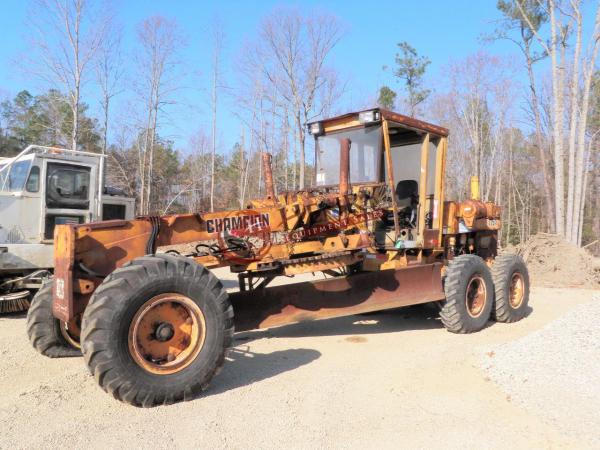
Introduction
The Champion 715 motor grader is a notable piece of heavy equipment that has served various industries, including construction, road maintenance, and municipal services. Manufactured by Champion Road Machinery, the 715 model has been recognized for its durability and performance. Understanding its specifications, features, and real-world applications can provide valuable insights for operators and fleet managers.
Specifications and Features
The Champion 715 motor grader boasts several key specifications that contribute to its effectiveness in grading operations: - Engine: The 715 model is equipped with a Detroit Diesel 4-71 engine, delivering robust power suitable for various grading tasks.
- Moldboard: Typically, the 715 features a 12-foot moldboard, with some variants offering a 13-foot option.
- Scarifiers: Mid-mounted scarifiers are standard, enhancing the grader's ability to break up compacted surfaces.
- Tires: Equipped with 14.00 x 24 tires, the 715 ensures stability and traction on diverse terrains.
- Weight: The operating weight is approximately 31,460 lbs, providing a solid base for grading operations.
These specifications make the Champion 715 suitable for a range of grading applications, from road construction to municipal maintenance.
Real-World Applications
In practice, the Champion 715 has been utilized in various projects. For instance, a 1977 Champion 715-A motor grader, powered by a Detroit Diesel 4-71 engine, was reported to have a 12-foot blade and mid-mounted scarifiers. The machine was noted for its reliability, with the engine and transmission still operational when removed from service. Such examples highlight the longevity and robustness of the 715 model in real-world conditions.
Maintenance and Upkeep
Maintaining the Champion 715 is crucial to ensure its longevity and performance. Regular checks on the engine, transmission, and hydraulic systems are recommended. Additionally, monitoring tire condition and replacing parts as needed can prevent unexpected downtime. Operators should also be aware of the availability of replacement parts, as some components may be specific to the 715 model.
Conclusion
The Champion 715 motor grader remains a valuable asset in various grading operations due to its durable construction and reliable performance. By understanding its specifications and adhering to proper maintenance practices, operators can maximize the lifespan and efficiency of this equipment. Whether for road construction or municipal services, the 715 continues to be a trusted choice in the grading industry.
|
|
|
|
| Diagnosing Final Drive Leaks on the Caterpillar D4G Dozer: Hydraulic Realities and Practical Remedies |
|
Posted by: MikePhua - 08-11-2025, 10:58 PM - Forum: Troubleshooting & Diagnosing
- No Replies
|
|
Introduction: When Both Final Drives Leak at Once
A sudden oil leak from both final drives on a Caterpillar D4G dozer can be alarming—especially when the machine has relatively low hours and has been well maintained. In one case, both sides began leaking simultaneously, prompting questions about breather systems, hydraulic pressure, and seal integrity. This guide explores the anatomy of the D4G’s final drive system, common causes of leakage, and effective diagnostic and repair strategies.
Understanding the D4G Final Drive System
The D4G uses a hydrostatic transmission to power its final drives. Unlike traditional gear-driven systems, hydrostatic drives rely on hydraulic fluid pressure to transmit torque. The final drives are sealed units, and their lubrication and braking systems are integrated into the broader hydraulic architecture.
Key components include: - Hydrostatic transmission pumps
- Final drive motors
- Brake release lines
- Speed sensors
- Case drain lines
- Seals and sprocket hubs
Terminology Note: Hydrostatic Transmission and Case Drain
- Hydrostatic Transmission: A drive system that uses hydraulic fluid under pressure to rotate motors, offering smooth variable speed control and high torque at low speeds.
- Case Drain Line: A low-pressure return line that allows excess fluid from the motor housing to flow back to the reservoir, preventing pressure buildup and seal damage.
The Mystery of the Missing Breather
Operators often expect final drives to have breathers to relieve internal pressure. However, on the D4G, the final drives are sealed and do not include breathers. The lines observed running to the drives are typically brake release hoses—not vent lines. This design minimizes contamination but requires careful monitoring of fluid levels and seal integrity.
Identifying the Source of the Leak
When oil drips from behind the sprocket, the most likely culprit is a failed seal. However, it’s essential to determine whether the fluid is:- Final drive oil (typically thicker, gear-type lubricant)
- Hydraulic oil (lighter, amber-colored, and used in the transmission and brake systems)
To differentiate:- Smell and viscosity: Gear oil has a strong sulfuric odor and is thicker
- Location of leak: Hydraulic oil may leak from brake lines or case drain fittings
- Fluid level checks: Overfilled final drives can push oil past seals
Suggested Parameters for Final Drive Health- Final drive oil capacity: ~2.5 gallons per side
- Normal operating temperature: 180–220°F
- Seal lifespan: 2,000–5,000 hours under normal conditions
- Brake release pressure: ~300 PSI
- Case drain flow: Minimal under normal operation
Common Causes of Simultaneous Leaks- Overfilling due to drive motor bypass or internal leakage
- Clogged case drain lines causing pressure buildup
- Brake release line failure or misrouting
- Seal wear accelerated by contamination or heat
- Incorrect fluid type or viscosity
Recommendations for Inspection and Repair- Clean the area thoroughly to pinpoint the leak origin
- Check fluid levels in both final drives and hydrostatic reservoir
- Inspect brake release lines for cracks or loose fittings
- Remove sprocket to access seal and hub area
- Replace seals using OEM kits and torque specifications
- Flush case drain lines and verify unobstructed flow
- Use UV dye in hydraulic fluid to trace hidden leaks
Anecdote: The Case Drain That Wasn’t
In Ontario, a technician discovered that a D4G’s case drain line had been mistakenly capped during a previous repair. The result? Both final drives began leaking within weeks. Once the line was reopened and the seals replaced, the issue was resolved. This highlights the importance of understanding fluid routing and pressure dynamics in hydrostatic systems.
Alternative Solutions and Preventive Measures- Install pressure gauges on case drain lines to monitor backpressure
- Use synthetic gear oil for improved thermal stability
- Add magnetic drain plugs to capture metal particles
- Schedule fluid sampling every 500 hours to detect early wear
- Train operators to recognize early signs of seal failure (e.g., sluggish travel, oil mist near sprockets)
Conclusion: Precision Matters in Final Drive Maintenance
Final drive leaks on the D4G are not just a nuisance—they’re a warning sign of deeper hydraulic imbalances or seal fatigue. By understanding the system’s design, identifying the fluid type, and inspecting pressure pathways, technicians can resolve leaks efficiently and prevent costly downtime. In hydrostatic machines, every drop of oil tells a story—and listening closely can save thousands in repairs.
|
|
|
|
| Identifying and Understanding Manufacturers of Heavy Equipment Components |
|
Posted by: MikePhua - 08-11-2025, 10:57 PM - Forum: General Discussion
- No Replies
|
|
When it comes to maintaining or repairing heavy machinery, one of the first steps is identifying the manufacturer of various components. Whether you're dealing with hydraulic systems, electrical components, or engine parts, understanding the origins of the equipment is essential for finding replacement parts, troubleshooting issues, or upgrading machinery.
This article discusses the importance of knowing equipment manufacturers, methods for identifying manufacturers, and strategies for sourcing parts or services for equipment repair or upgrades.
Why Identifying the Manufacturer Matters
Knowing the manufacturer of the heavy equipment or its parts provides several advantages:
- Accurate Parts Sourcing: Manufacturers typically offer parts that are designed specifically for the equipment, ensuring better fit and performance.
- Maintenance and Service: Service manuals, troubleshooting guides, and technical support are often based on the specific brand and model of the equipment, so identifying the manufacturer ensures access to the correct resources.
- Quality Assurance: Original equipment manufacturers (OEMs) are often preferred for their reliability and high-quality standards, especially for critical components.
- Warranty and Compatibility: Many manufacturers offer warranties on their parts, and using non-OEM components can sometimes void the warranty or affect the machine’s performance.
Methods to Identify Equipment Manufacturers
Sometimes, identifying the manufacturer of equipment can be straightforward, especially with well-known brands like Caterpillar, Komatsu, or John Deere. However, in many cases, especially with older or less common machines, determining the manufacturer can be challenging. Below are several methods to help identify the manufacturer of your equipment or its components:
1. Manufacturer's Labels and Plates
Most heavy equipment features a manufacturer's label or identification plate, usually located on the frame, engine, or near the control panel. These labels typically include:- Manufacturer’s Name: The brand or company that produced the equipment.
- Model and Serial Numbers: These numbers can provide detailed information about the specific machine, including its production date and variations.
- Part Numbers: Each component is often assigned a unique part number, which can be used to identify the part’s manufacturer and match it to replacement options.
In the case of older equipment or parts, this label may be worn or damaged, making it harder to decipher. In such cases, you can try to locate the numbers in other areas or refer to the equipment manual.
2. Consult Equipment Manuals
For many pieces of heavy equipment, the manual is an invaluable resource for understanding the manufacturer and other technical details. The manual often contains:- Manufacturer Details: The full name of the manufacturer, address, and contact information.
- Component Information: Sometimes the manufacturer of individual parts (e.g., engine, hydraulics) is also listed.
- Part Numbers: Manuals often provide specific part numbers for different machine components, which can be cross-referenced to identify the manufacturer or find replacement parts.
In the absence of a manual, online sources or the manufacturer's website may offer downloadable versions.
3. Online Equipment Databases and Websites
There are many online databases and websites dedicated to cataloging heavy equipment by manufacturer, model, and serial number. Websites such as EquipmentTrader, MachineryTrader, or Construction Equipment Guide allow you to search for specific machines by model and brand, often offering photos and specifications to help identify the correct equipment.
4. Contact the Manufacturer Directly
If the machine is relatively new or you can identify part of the manufacturer's name, contacting the manufacturer directly is a reliable method. Providing the serial number, model number, or a photo of the equipment may allow customer service or technical support to quickly identify the manufacturer and guide you in sourcing parts.
Some manufacturers, especially those involved in the production of complex machinery like cranes or mining equipment, may even have specialized customer support teams dedicated to identifying specific components or troubleshooting machine-specific issues.
5. Use Aftermarket and Third-Party Vendors
Sometimes, equipment is manufactured by lesser-known companies or distributed under a private label, which can make identifying the original manufacturer more difficult. Aftermarket suppliers often offer universal or compatible parts, and contacting them with a description of your equipment can help you find a compatible component.
Several aftermarket vendors specialize in offering replacement parts for hard-to-identify machinery. A knowledgeable aftermarket provider may be able to assist in identifying your machine based on available specifications or part numbers.
Sourcing Parts and Services
Once you’ve identified the manufacturer of your equipment, sourcing parts and services becomes much easier. However, there are several options to consider:
1. OEM Parts from the Manufacturer
Using OEM parts is often the most reliable solution. These parts are designed specifically for the equipment and usually come with a warranty. The advantages include:- Perfect Fit: OEM parts are made to the exact specifications of the machine.
- Reliability: Since the parts come from the original manufacturer, they are expected to perform as the original components did.
- Warranty Support: Many OEM parts come with a warranty, protecting you against defects or performance issues.
However, the downside of OEM parts is that they tend to be more expensive than aftermarket parts.
2. Aftermarket Parts
Aftermarket parts are manufactured by third-party companies and are often designed to fit multiple brands or models of machines. These parts can be much less expensive than OEM parts and are a popular option for older or discontinued machines where OEM parts may no longer be available. Some benefits and considerations when using aftermarket parts include:- Cost Savings: Aftermarket parts are usually less expensive than OEM parts.
- Variety of Options: Aftermarket manufacturers often produce a wider variety of parts, offering more options for repairs.
- Quality Control: Not all aftermarket parts are made to the same standards as OEM parts, so it’s important to buy from a reputable supplier.
3. Authorized Dealers and Service Centers
If you prefer to have your equipment professionally serviced or need expert assistance in finding parts, authorized dealers and service centers are often the best option. Authorized service centers specialize in specific manufacturers’ equipment and offer services like:- Repairs and Maintenance: Technicians at authorized service centers are trained to repair and maintain the equipment according to the manufacturer’s standards.
- Genuine Parts: Dealers often provide access to OEM parts directly from the manufacturer.
- Expert Advice: Service advisors and technicians can offer expert insights into troubleshooting equipment problems and sourcing parts.
Challenges in Identifying Manufacturers
While identifying the manufacturer can sometimes be straightforward, there are several challenges, especially when dealing with:- Older Equipment: Machines that are several decades old may not have easily accessible labels or markings.
- Rebadged Equipment: Some manufacturers sell equipment under various brand names or rebadge products for different regions, which can confuse identification.
- International Machines: Equipment produced in one country or region may have different branding in another, making it more challenging to identify the manufacturer.
Conclusion: The Importance of Knowing the Manufacturer
Knowing the manufacturer of your equipment or its components is key to proper maintenance, sourcing replacement parts, and ensuring the continued operation of your machinery. Through manufacturer labels, equipment manuals, direct inquiries, and trusted third-party suppliers, it is possible to identify the correct maker of your equipment. Understanding the equipment’s origin not only helps in solving immediate issues but also ensures that your equipment operates at peak performance with reliable and compatible parts. Whether you choose OEM parts for maximum reliability or aftermarket parts for cost savings, being knowledgeable about your equipment’s components can make a world of difference in getting the job done efficiently.
|
|
|
|
| Boom Error in Heavy Equipment: Understanding Causes, Troubleshooting, and Solutions |
|
Posted by: MikePhua - 08-11-2025, 10:56 PM - Forum: Troubleshooting & Diagnosing
- No Replies
|
|
Boom errors in heavy equipment, particularly in machines with hydraulic systems, are common issues that operators and technicians face. These errors can arise due to a variety of reasons, ranging from hydraulic system malfunctions to electronic glitches. Addressing a boom error quickly is crucial to maintaining productivity and ensuring the safe operation of the equipment. This article delves into the possible causes of boom errors, troubleshooting methods, and effective solutions for fixing these issues.
What is a Boom Error?
A boom error typically refers to a malfunction in the hydraulic system or control mechanism that governs the operation of the boom in construction or lifting equipment. The boom is an essential part of equipment like excavators, cranes, and aerial lifts, responsible for lifting and extending loads. When a boom error occurs, it may prevent the boom from moving or functioning correctly, which can significantly affect the machine’s performance.
Boom errors may manifest as: - The boom fails to raise, lower, or extend.
- Erratic or jerky movement of the boom.
- Error messages or alarms indicating a fault with the boom or hydraulic system.
Common Causes of Boom Errors
Several issues could cause a boom error, and identifying the root cause is essential for effective troubleshooting. Here are some of the most common reasons behind boom errors:
1. Hydraulic System Issues
Hydraulic problems are often the primary cause of boom errors, as the boom’s movement is controlled by hydraulic cylinders and pumps. Common hydraulic issues include:- Low Hydraulic Fluid Levels: Insufficient hydraulic fluid can lead to the failure of the boom to raise or extend properly. Low fluid levels may also cause erratic or slow movement of the boom.
- Contaminated Hydraulic Fluid: Dirty or contaminated hydraulic fluid can clog filters and affect the performance of the hydraulic pump, leading to boom errors.
- Hydraulic Leaks: Leaks in the hydraulic system can reduce pressure and flow, preventing the boom from functioning correctly.
- Damaged Hydraulic Cylinders: If a hydraulic cylinder that controls the boom’s movement becomes damaged, it can result in poor or no movement at all.
2. Electrical or Control System Failures
In modern heavy equipment, the boom’s operations are often controlled by electronic systems that rely on sensors, wiring, and control modules. Electrical faults can disrupt the communication between the control system and the hydraulic system, resulting in a boom error. Common electrical issues include:- Faulty Sensors or Wiring: Sensors that monitor boom position or load can fail, causing inaccurate readings or the system to stop functioning.
- Control Module Failures: The control module responsible for interpreting commands may malfunction, causing improper boom operations.
- Fuses and Relays: Blown fuses or malfunctioning relays can interrupt power to the hydraulic pumps or control systems, leading to a boom error.
3. Mechanical Problems
Mechanical issues, such as worn-out components, can also cause boom errors. These problems often result from extended use, lack of maintenance, or overloading the machine. Mechanical issues may include:- Worn or Damaged Boom Components: Over time, the boom arm, pivot points, or hydraulic hoses may wear down, causing stiffness or resistance in movement.
- Misaligned or Stiff Joints: If the boom’s joints or hinges become misaligned or stiff, it can prevent smooth extension or retraction, causing an error.
- Overloaded Boom: Attempting to lift too heavy a load or exceeding the boom’s capacity can lead to strain on the mechanical components, resulting in errors or even damage.
How to Troubleshoot a Boom Error
When you encounter a boom error, following a systematic approach to troubleshoot the issue can help you pinpoint the problem and find an appropriate solution. Below is a step-by-step guide to troubleshooting a boom error:
1. Check the Error Code or Message
If your machine is equipped with an onboard diagnostic system, start by checking the error code or message. Many modern machines will display a specific code related to the boom error, which can provide insight into the exact cause of the issue. Refer to the machine's user manual or service manual to interpret the code correctly.
2. Inspect Hydraulic Fluid Levels and Quality- Check Fluid Levels: Begin by checking the hydraulic fluid levels using the dipstick or sight glass. If the fluid is low, top it up with the correct type of hydraulic fluid.
- Inspect for Leaks: Examine the hydraulic hoses, cylinders, and connections for any visible signs of leakage. If you find a leak, it will need to be repaired before the system can function properly.
- Check Fluid Condition: If the hydraulic fluid appears dirty or contaminated, it may need to be replaced. Contaminated fluid can damage the hydraulic system and cause a boom error.
3. Test the Hydraulic System
To diagnose hydraulic system issues, perform the following tests:- Test for Pressure: Use a pressure gauge to test the hydraulic pressure at the pump and cylinder. Low pressure can indicate issues with the pump or a leak in the system.
- Check Hydraulic Pump Function: If the pump is not producing enough pressure or volume, it could be the cause of the boom error. A failing pump will need to be repaired or replaced.
- Examine Cylinders: Inspect the hydraulic cylinders for leaks, damage, or corrosion. A leaking cylinder can cause the boom to lose power, making it difficult to operate.
4. Inspect Electrical and Control Systems- Check Electrical Connections: Ensure all wiring and connections to the control system and hydraulic pumps are secure and free from corrosion. Loose or corroded connections can disrupt communication and cause a boom error.
- Test Sensors: Inspect the sensors responsible for monitoring the boom’s position and load. If a sensor is malfunctioning, it may give incorrect readings, causing the system to shut down or malfunction.
- Inspect the Control Module: If the sensors and wiring appear to be functioning correctly, but the boom still isn’t working, the issue may lie with the control module. Check for any visible signs of damage or failure in the module.
5. Perform a Mechanical Inspection- Check Boom Components: Inspect the boom arm, pivot points, and joints for any signs of wear, damage, or misalignment. If you notice any parts that appear worn or stiff, they may need to be repaired or replaced.
- Check for Overloading: If you have been working with heavy loads, ensure that the machine has not been overloaded. Overloading can put undue stress on the boom and hydraulic system, leading to errors.
Solutions to Boom Errors
Once you’ve identified the cause of the boom error, implementing the correct solution is crucial to restoring functionality. Here are some common solutions to fix boom errors:
- Hydraulic Fluid Management: Ensure the hydraulic fluid is at the correct level, clean, and free of contamination. Replace the fluid and clean the filters if necessary.
- Repair or Replace Leaking Components: Fix any hydraulic leaks, replace damaged hoses, and repair or replace faulty cylinders to restore normal operation.
- Replace Faulty Sensors or Control Modules: If a sensor or control module is malfunctioning, replace it with a compatible part to restore proper communication with the system.
- Fix Mechanical Issues: Replace worn-out or damaged mechanical parts such as the boom arm, pivot points, and hydraulic hoses to ensure smooth movement.
- Avoid Overloading: Ensure that the boom is not being overloaded, and always operate the equipment within its rated capacity.
Preventing Boom Errors: Maintenance Tips
Regular maintenance is essential to prevent boom errors and keep your equipment in top condition. Here are some maintenance tips to ensure the long-term functionality of your boom:- Monitor Hydraulic Fluid: Regularly check the hydraulic fluid level and condition, and replace it as per the manufacturer’s recommendations.
- Inspect Boom Components: Routinely inspect the boom arm, joints, and hydraulic cylinders for wear and tear.
- Check Electrical Systems: Regularly inspect wiring, connectors, and sensors to ensure they are clean and functioning correctly.
- Avoid Overloading: Always operate the equipment within its designed load limits to prevent strain on the hydraulic and mechanical systems.
Conclusion
Boom errors in heavy equipment are often caused by a combination of hydraulic, electrical, and mechanical issues. Identifying the root cause of the error and addressing it through proper troubleshooting can restore your equipment to full functionality. By following a systematic approach and performing regular maintenance, you can reduce the likelihood of boom errors and extend the life of your equipment, ensuring safe and efficient operations on the job site.
|
|
|
|
| Selecting the Right Snow Pusher Size for the Takeuchi TL10: A Comprehensive Guide |
|
Posted by: MikePhua - 08-11-2025, 10:55 PM - Forum: General Discussion
- No Replies
|
|
Introduction
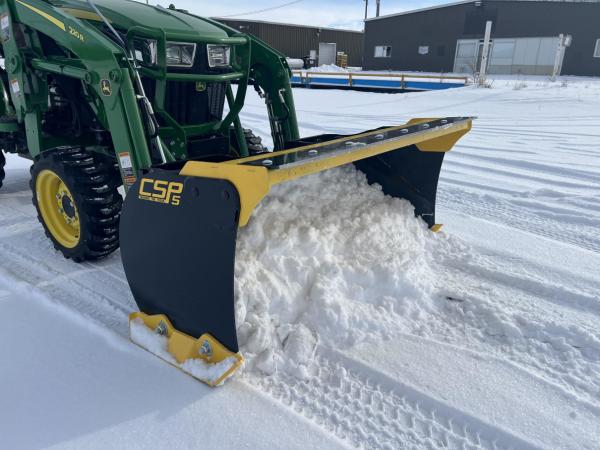
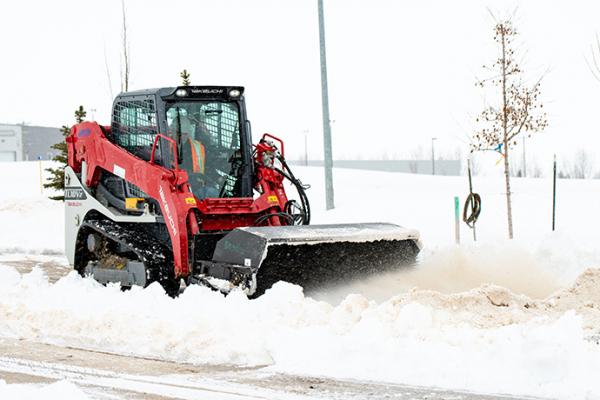
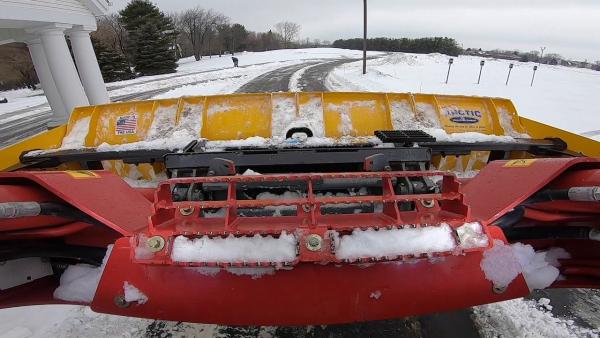
Winter operations demand efficient snow removal equipment, especially for compact track loaders like the Takeuchi TL10. Choosing the appropriate snow pusher size is crucial to ensure optimal performance without overloading the machine. This guide delves into the considerations for selecting a snow pusher size, focusing on the 10-foot option for the TL10.
Understanding the Takeuchi TL10 Specifications
The Takeuchi TL10 is a robust compact track loader known for its versatility and power. Key specifications include: - Engine Power: 74.3 HP
- Operating Weight: 10,270 lbs
- Rated Operating Capacity: 2,522 lbs at 35% tipping load
- Auxiliary Hydraulic Flow: 18.8 gpm (standard), 32.8 gpm (high flow)
- Ground Pressure: 4.9 psi (canopy), 5.1 psi (cab)
- Travel Speed: 4.8 mph (low), 7.0 mph (high)
These specifications highlight the TL10's capability to handle various attachments, including snow pushers.
Snow Pusher Size Considerations
When selecting a snow pusher for the TL10, it's essential to balance the machine's capacity with the attachment size. A 10-foot snow pusher is a common choice, but its suitability depends on several factors:- Machine Capacity: The TL10's rated operating capacity is 2,522 lbs. Overloading can strain the machine's hydraulics and undercarriage.
- Snow Conditions: Heavy, wet snow requires more power to move than light, powdery snow.
- Surface Type: Uneven or icy surfaces can increase resistance, affecting performance.
- Operator Skill: Experienced operators can manage larger attachments more effectively.
Case Studies and Real-World Applications
In real-world scenarios, operators have successfully used 10-foot snow pushers with the TL10. For instance, a user reported:
Quote:"I use the 10' snow push for doing parking lots, and I love it. It makes short work of pushing snow compared to an angle blade."
This feedback suggests that with proper handling, the TL10 can efficiently operate a 10-foot snow pusher.
Recommendations for Optimal Performance
To ensure the TL10 operates efficiently with a 10-foot snow pusher:- Monitor Load: Regularly check the loader's weight distribution and hydraulic pressure.
- Adjust Speed: Operate at lower speeds when dealing with heavy or wet snow.
- Use Appropriate Attachments: Ensure the snow pusher is compatible with the TL10's quick-attach system.
- Maintain Equipment: Regularly service the machine and attachment to prevent wear and tear.
Conclusion
The Takeuchi TL10, with its robust specifications, is capable of handling a 10-foot snow pusher under the right conditions. By considering factors like snow type, surface conditions, and operator experience, the TL10 can efficiently perform snow removal tasks. Always ensure that the chosen attachment is compatible and that the machine is well-maintained to achieve optimal performance.
|
|
|
|
| Resolving Travel Speed Issues on the Hanix S&B 480 Excavator: A Practical Guide to Hydraulic Solenoid Diagnosis |
|
Posted by: MikePhua - 08-11-2025, 10:54 PM - Forum: Troubleshooting & Diagnosing
- No Replies
|
|
Introduction: When Travel Speed Gets Stuck in Low
Older compact excavators like the Hanix S&B 480 are known for their mechanical simplicity and durability, but they can present unique challenges when modified or partially restored. One common issue is the inability to shift out of low travel speed, even when the machine otherwise operates normally. This guide explores the hydraulic and electrical systems behind travel speed control, offering diagnostic strategies, terminology explanations, and real-world solutions.
Understanding the Travel Speed System
The Hanix S&B 480 uses a hydraulic pilot signal to shift between low and high travel speeds. This signal is controlled by a solenoid valve mounted on a hydraulic block, which directs pilot pressure to the center joint. From there, the pressure is split and sent to each travel motor, activating high-speed mode.
Key components include: - Travel speed solenoid valve
- Hydraulic control block
- Pilot hose from port “C”
- Center swivel joint
- Travel motors (left and right)
- Toggle switch or joystick (depending on configuration)
Terminology Note: Pilot Pressure and Center Joint
- Pilot Pressure: A low-pressure hydraulic signal used to control valves or actuators without directly powering them.
- Center Joint: A rotating hydraulic coupling that allows fluid to pass from the upper structure to the undercarriage while the machine turns.
The Challenge of Modified Controls
In some cases, the original electric joystick system is replaced with mechanical cable controls, and the wiring harness is disconnected or removed. This can leave the travel speed solenoid without a control signal, locking the machine in low speed. Without a labeled switch or schematic, identifying and powering the correct solenoid becomes a trial-and-error process.
Diagnostic Strategy: Finding and Testing the Solenoid
To locate the travel speed solenoid:- Remove access panels near the hydraulic control block
- Look for a small solenoid valve labeled “SOL B” or similar
- Identify the pilot hose from port “C” leading to the center joint
- Confirm the solenoid has two wires and a small hydraulic line
To test the solenoid:- Apply 12 volts directly to the solenoid terminals
- Listen for a faint click indicating activation
- Use a screwdriver or Allen key to feel magnetization at the solenoid nut
- Raise one track off the ground and engage travel—observe speed change
- Disconnect the pilot hose and check for flow when energized
Suggested Parameters for Travel Speed Activation- Solenoid voltage: 12V DC
- Pilot pressure: 250–400 PSI
- Hose diameter: ¼ inch (pilot line)
- Travel motor speed (low): ~2.5 km/h
- Travel motor speed (high): ~4.5–5.0 km/h
Common Causes of Travel Speed Failure- Disconnected or missing electrical control circuit
- Faulty solenoid coil or internal blockage
- No pilot pressure due to clogged line or failed pump
- Incorrect wiring or polarity
- Mechanical wear in the travel motor speed selector
Recommendations for Repair and Retrofit- Install a toggle switch on the dash to manually control the solenoid
- Use waterproof connectors and fuse protection for the circuit
- Label solenoids clearly to avoid confusion during future service
- Replace worn pilot hoses with high-quality hydraulic-rated lines
- Clean solenoid valve internals if sticking or weak response is observed
Anecdote: The Solenoid That Clicked but Didn’t Flow
In one case, an operator applied 12 volts to the suspected solenoid and heard a click, but the machine remained in low speed. After raising a track and testing again, the system worked. The issue? The solenoid was functional, but the pilot line had an airlock from previous disassembly. Once the system was primed and the toggle switch installed, the excavator regained full travel speed functionality.
Alternative Solutions for Non-Electrical Systems
If the solenoid is missing or damaged beyond repair:- Install a manual hydraulic selector valve in place of the solenoid
- Use a foot pedal or lever to activate pilot pressure
- Retrofit a new solenoid block with labeled ports and simplified wiring
- Consult hydraulic schematics from similar models (e.g., Takeuchi or Yanmar) for reference
Conclusion: Restoring Speed with Precision and Patience
The Hanix S&B 480 may be a compact excavator, but its travel speed system relies on precise hydraulic and electrical coordination. When original controls are removed or modified, diagnosing and restoring high-speed travel requires methodical testing and a clear understanding of pilot pressure dynamics. With the right tools—and a bit of ingenuity—operators can bring these machines back to full performance, proving that even aging iron still has plenty of ground to cover.
|
|
|
|
| Fiat-Allis FD5 Ignition Switch: Importance, Troubleshooting, and Replacement |
|
Posted by: MikePhua - 08-11-2025, 10:54 PM - Forum: Troubleshooting & Diagnosing
- No Replies
|
|
The Fiat-Allis FD5, a classic piece of heavy equipment, continues to serve industries ranging from construction to agriculture with reliable performance. However, as with any aging machinery, certain components may wear down or fail over time. One such critical component is the ignition switch. A faulty ignition switch can lead to starting issues, making it a priority for operators to ensure it's functioning correctly.
In this article, we’ll dive into the significance of the ignition switch in the Fiat-Allis FD5, how to troubleshoot potential issues, and how to replace the switch when necessary. By understanding how this component works and the best practices for dealing with common issues, you can maintain the reliability of your equipment.
What is the Ignition Switch in the Fiat-Allis FD5?
The ignition switch is a vital part of the electrical system in any vehicle or piece of heavy equipment. In the case of the Fiat-Allis FD5, the ignition switch serves to start the engine by completing the electrical circuit when turned. It activates the starter motor, which in turn starts the engine. Without a properly functioning ignition switch, the engine will not start, regardless of the condition of other components.
The ignition switch also controls other key functions, including power to the electrical systems, such as lights, air conditioning, and the vehicle's onboard diagnostics. Its importance cannot be overstated, as a failure here could bring the machine to a halt.
Common Problems with the Fiat-Allis FD5 Ignition Switch
Over time, several issues may arise with the ignition switch of a Fiat-Allis FD5. These problems are typically related to wear and tear, but they can also stem from poor maintenance or faulty wiring. Some of the most common symptoms of an ignition switch failure include:
- Engine Not Starting:
The most obvious sign that the ignition switch may be faulty is when the engine does not turn over or start. This can occur due to worn-out contacts within the switch, preventing it from completing the electrical circuit.
- Intermittent Power Loss:
A failing ignition switch may result in intermittent power loss to the electrical systems. This can cause the engine to cut out unexpectedly or cause issues with other components, such as lights and controls.
- Difficulty Turning the Key:
If the key becomes hard to turn or gets stuck in the ignition, it could indicate that the ignition switch is worn out or that the locking mechanism is malfunctioning.
- No Response from Electrical Systems:
When the ignition switch is in the "on" position, all electrical systems should function. If nothing happens when you turn the key, this is a sure sign that the ignition switch may be faulty.
How to Troubleshoot Ignition Switch Issues in the Fiat-Allis FD5
Before jumping to replace the ignition switch, it’s essential to troubleshoot the problem thoroughly. Here are a few steps you can take to identify whether the ignition switch is indeed the issue:
- Check the Battery:
A common cause for a non-starting engine is a dead or low battery. Check the battery voltage with a multimeter, ensuring it’s providing the correct voltage (typically 12V for most equipment). If the battery is fine, move to the next step.
- Inspect the Fuses:
Check the fuses associated with the ignition system. A blown fuse could prevent the ignition switch from sending power to the starter motor and other systems. Replace any faulty fuses and test again.
- Test the Switch:
With the ignition switch in the "on" position, use a multimeter to check for continuity at the terminals. If there’s no continuity, the switch may be faulty and require replacement.
- Inspect the Wiring:
Check the wiring leading to and from the ignition switch. Look for signs of corrosion, frayed wires, or loose connections. A damaged wire could cause an electrical fault, mimicking the symptoms of an ignition switch issue.
- Try Jumping the Starter:
If you suspect the switch is faulty, but you still want to get the machine running, you can temporarily bypass the ignition switch by jumping the starter motor with a screwdriver or jumper cables. However, this is not a long-term solution, and you should replace the switch as soon as possible.
Replacing the Ignition Switch in the Fiat-Allis FD5
If the ignition switch is found to be faulty, replacement is the only solution. While this is a task you can undertake yourself with some mechanical knowledge, it’s always recommended to consult the equipment’s service manual or a professional technician. Here’s a general guide on how to replace the ignition switch:
- Remove the Key and Disconnect the Battery:
Before you start working on any electrical system, disconnect the battery to avoid electrical shocks or short circuits.
- Access the Ignition Switch:
On the Fiat-Allis FD5, the ignition switch is typically located on the dashboard or near the steering column. You may need to remove some panels or covers to access the switch.
- Disconnect the Wiring:
Take note of how the wiring is connected to the back of the ignition switch. It’s a good idea to take a photo or make a diagram before disconnecting any wires. Use a socket wrench to disconnect any bolts securing the switch.
- Remove the Old Ignition Switch:
Once the wiring is disconnected, unscrew or unclip the ignition switch from its housing. Carefully remove it from the dashboard or steering column.
- Install the New Ignition Switch:
Position the new ignition switch in place and secure it with the appropriate bolts or clips. Reconnect the wiring to the back of the switch, ensuring that each connection is tight and secure.
- Reconnect the Battery:
Once the new switch is in place, reconnect the battery and test the ignition system. Turn the key to the "on" position and check that the engine starts and all electrical systems function correctly.
Choosing the Right Replacement Ignition Switch
When replacing the ignition switch on the Fiat-Allis FD5, it’s essential to choose a high-quality, compatible part. You can source ignition switches from Fiat-Allis dealerships or trusted aftermarket parts suppliers. Be sure to verify the part number to ensure the new switch matches your equipment’s specifications.
Common Ignition Switch Part Numbers for Fiat-Allis FD5
When replacing an ignition switch, knowing the correct part number is critical. Below are some general part numbers used for Fiat-Allis FD5 ignition switches:- Fiat-Allis Part Number: Check the operator’s manual or contact a Fiat-Allis dealer for the exact part number specific to your FD5 model. This will ensure compatibility and proper fitment.
- Aftermarket Options: Aftermarket suppliers may offer replacement switches that are compatible with the Fiat-Allis FD5. While these can be more affordable, ensure they meet the necessary quality and durability standards.
Tips for Maintaining Your Fiat-Allis FD5 Ignition System
- Regular Inspections:
Inspect the ignition switch periodically to ensure it’s in good condition. Pay attention to any signs of wear, including difficulty turning the key, power loss, or unusual noises when starting the engine.
- Keep the Electrical System Clean:
Corrosion and dirt can interfere with the operation of the ignition switch. Clean the switch and surrounding electrical components regularly to prevent build-up.
- Use the Correct Battery:
Ensure your Fiat-Allis FD5 is using the appropriate battery with sufficient power to handle the ignition system. A weak or incorrect battery can cause starting issues and strain the ignition switch.
- Proper Key Handling:
Avoid forcing the key into the ignition or turning it harshly. Doing so may damage the internal components of the switch, leading to premature failure.
Conclusion
The ignition switch is an essential component of the Fiat-Allis FD5, playing a critical role in starting the engine and powering electrical systems. Understanding how to troubleshoot and replace this component can save time and money, allowing operators to keep their machines running smoothly.
By maintaining the ignition system and using high-quality replacement parts, you can ensure that your Fiat-Allis FD5 continues to perform reliably, extending its service life and improving productivity. Whether you're replacing the switch yourself or seeking professional help, the knowledge of how it works and common issues will help you make informed decisions.
|
|
|
|
|



