| Welcome, Guest |
You have to register before you can post on our site.
|
| Forum Statistics |
» Members: 80
» Latest member: jioMAK
» Forum threads: 47,411
» Forum posts: 47,417
Full Statistics
|
| Online Users |
There are currently 762 online users.
» 0 Member(s) | 750 Guest(s)
Ahrefs, Amazon, Applebot, Baidu, Bing, Claude, DotBot, OpenAI, Petalbot, Semrush, Seznam
|
| Latest Threads |
Identifying and Sourcing ...
Forum: Parts , Attachments & Tools
Last Post: MikePhua
01-07-2026, 06:29 PM
» Replies: 0
» Views: 519
|
Cat 931B Brake Parts
Forum: Parts , Attachments & Tools
Last Post: MikePhua
01-07-2026, 06:29 PM
» Replies: 0
» Views: 283
|
Choosing Between Cat 228,...
Forum: General Discussion
Last Post: MikePhua
01-07-2026, 06:28 PM
» Replies: 0
» Views: 548
|
Hydraulic Delay When Lowe...
Forum: Troubleshooting & Diagnosing
Last Post: MikePhua
01-07-2026, 06:27 PM
» Replies: 0
» Views: 440
|
Bale Chopper and Mulcher ...
Forum: General Discussion
Last Post: MikePhua
01-07-2026, 06:26 PM
» Replies: 0
» Views: 320
|
Mini UC Maintenance
Forum: General Discussion
Last Post: MikePhua
01-07-2026, 06:25 PM
» Replies: 0
» Views: 309
|
Locating Wiring Informati...
Forum: General Discussion
Last Post: MikePhua
01-07-2026, 06:24 PM
» Replies: 0
» Views: 343
|
Case Industrial Brown Sub...
Forum: Parts , Attachments & Tools
Last Post: MikePhua
01-07-2026, 06:23 PM
» Replies: 0
» Views: 274
|
Dirt Work in West Virgini...
Forum: Construction & Urban Infrastructure Forum
Last Post: MikePhua
01-07-2026, 06:23 PM
» Replies: 0
» Views: 372
|
D207 P Hydraulic Steering...
Forum: Parts , Attachments & Tools
Last Post: MikePhua
01-07-2026, 06:22 PM
» Replies: 0
» Views: 303
|
|
|
| Servicing a Steerable Rockwell Rear Axle on Vintage Earthmoving Tractors: Seal Replacement and Structural Insights |
|
Posted by: MikePhua - 08-11-2025, 11:08 PM - Forum: General Discussion
- No Replies
|
 |
Introduction: A Glimpse into Mid-Century Earthmoving Engineering
The 1964 Mississippi Road Service tractor, designed for pulling rear pans in large-scale dirt loading operations, features a unique steerable Rockwell rear axle—specifically the PS 251 HX 12 model. This axle design includes a spherical knuckle joint allowing the rear wheels to pivot, enhancing maneuverability in tight jobsite conditions. While robust, these axles present challenges when seals deteriorate, especially for operators unfamiliar with planetary hub layouts and constant velocity (CV) joints.
Understanding the Steerable Rockwell Rear Axle
This axle configuration integrates several key components: - Spherical knuckle joint for steering articulation
- Planetary reduction hub (3- or 4-gear series)
- CV joint for torque transmission during steering
- Dust and oil seals to protect internal components
- Trunnion caps and tie rods for structural support
Unlike fixed rear axles, the steerable design allows the rear wheels to pivot independently, improving turning radius and load distribution when towing pans or scrapers.
Terminology Note: Trunnion Cap and Planetary Hub
- Trunnion Cap: A bolted plate securing the steering knuckle to the axle housing, typically located at the top and bottom of the joint.
- Planetary Hub: A gear reduction system housed within the wheel hub, using multiple planetary gears to multiply torque and reduce speed.
Seal Identification and Misconceptions
Initial inspection revealed a damaged rubber seal near the knuckle. While it appeared to be an oil seal, further analysis confirmed it was a dust seal—designed to keep contaminants out, not fluid in. The actual oil seal resides deeper within the axle tube, behind the planetary assembly and CV joint.
This distinction is critical. Replacing only the dust seal without addressing the internal oil seal may result in continued leakage and contamination of the brake area.
Suggested Parameters for Seal Inspection and Replacement- Dust seal diameter: ~8–10 inches (varies by model)
- Oil seal location: Behind planetary hub, inside axle tube
- Brake cavity: Should remain dry; presence of oil indicates seal failure
- CV joint spline engagement: Must align precisely during reassembly
- Torque spec for trunnion cap bolts: 120–150 ft-lbs (check OEM manual)
Disassembly Strategy for Seal Access
To access the oil seal, technicians must:- Remove upper and lower trunnion caps
- Disconnect tie rod and steering cylinder
- Slide out the entire knuckle and hub assembly
- Disassemble planetary gears and CV joint
- Extract the seal from the axle tube using a puller or hook tool
This process requires careful alignment during reassembly, especially when reinserting the CV joint splines and ensuring the steering geometry remains intact.
Anecdote: The Mystery Leak on a Pettibone Loader
A similar axle design appeared on a 1970s Pettibone loader, where oil leaked onto the tire from the spherical knuckle. The operator initially replaced the outer seal, but the leak persisted. Only after removing the planetary hub did they discover a torn oil seal deep inside the axle tube. The repair required custom seal sourcing and a hydraulic press to reinstall the hub—highlighting the importance of full disassembly when diagnosing axle leaks.
Recommendations for Vintage Axle Maintenance- Use OEM or high-quality aftermarket seals rated for gear oil exposure
- Inspect planetary gears for wear or pitting during disassembly
- Replace CV joint boots if cracked or brittle
- Clean brake components thoroughly if oil contamination is present
- Apply anti-seize to trunnion bolts to ease future service
- Document seal dimensions and part numbers for future reference
Alternative Solutions for Hard-to-Find Parts
If OEM seals are unavailable:- Measure the seal cavity and shaft diameter precisely
- Source industrial seals from hydraulic or bearing suppliers
- Consider machining a custom seal retainer if tolerances differ
- Use Viton or nitrile rubber for oil resistance and longevity
Conclusion: Preserving Functionality Through Precision
Servicing a steerable Rockwell rear axle on a vintage earthmoving tractor demands mechanical insight, patience, and a clear understanding of seal placement. While the design is rugged, its layered construction means that superficial repairs often miss deeper issues. By committing to full disassembly and careful reassembly, operators can restore steering performance, prevent brake contamination, and extend the life of these historically significant machines. In the world of legacy iron, every seal tells a story—and every leak deserves a closer look.
|

|
|
| Evaluating the Michigan 35A Wheel Loader: Price, Value, and Considerations |
|
Posted by: MikePhua - 08-11-2025, 11:07 PM - Forum: General Discussion
- No Replies
|
|
The Michigan 35A wheel loader, a well-regarded machine in the construction and heavy equipment sectors, has garnered attention due to its powerful performance, reliability, and versatility. Whether you're a contractor, fleet manager, or heavy equipment enthusiast, understanding the factors that influence the price of this equipment is crucial for making an informed purchasing decision.
In this article, we will dive deep into the Michigan 35A wheel loader, examining its pricing factors, potential value, common issues, and tips for evaluating used machines. Additionally, we'll look at how it compares to other machines in its class and provide guidance on ensuring you get the best deal.
Overview of the Michigan 35A Wheel Loader
The Michigan 35A, often referred to as a compact or mid-sized wheel loader, was built for applications requiring heavy lifting, earthmoving, and material handling. While no longer in production, many units are still in operation around the world, especially in quarrying, mining, and construction projects.
A few key features of the Michigan 35A include: - Operating Weight: Approximately 11,000 to 12,000 lbs (5,000 to 5,500 kg).
- Engine Power: Around 75 horsepower (56 kW), which is sufficient for handling moderate tasks efficiently.
- Bucket Capacity: Typically ranges from 1 to 1.5 cubic yards, depending on the configuration.
- Transmission: Manual transmission with a range of gears to optimize performance across various terrains.
While these machines may not be as powerful or modern as some newer loaders, the Michigan 35A has earned its place in the industry for its durability and effectiveness in medium-duty applications.
Factors Influencing the Price of the Michigan 35A Wheel Loader
When it comes to pricing, several variables influence the cost of the Michigan 35A wheel loader. Since it is no longer produced, the price primarily depends on the condition of the machine, its age, and the market demand for used equipment.
1. Machine Condition
The condition of the machine is the most significant factor in determining its price. A well-maintained Michigan 35A with minimal wear and tear will naturally command a higher price than one that has been heavily used or neglected. Key things to check when evaluating condition include:- Engine performance: Does it run smoothly? Are there any unusual sounds or vibrations?
- Hydraulics: Are the hydraulic systems, including the lift arms and bucket tilt, operating without issues? Look for leaks or sluggish movement.
- Transmission: Is the loader shifting smoothly? Rough or hard shifts can indicate a transmission problem.
- Tires and undercarriage: Inspect the tires for wear and ensure the undercarriage is in good shape, as these components can be costly to replace.
2. Hourly Usage and Age
The number of operating hours on the machine will also heavily impact its price. A loader with fewer hours will typically be priced higher, as it is likely to have more service life left. However, this is not always the case, as older machines with extensive hours may still be reliable if properly maintained.- Low-hour machines: These are generally more expensive, especially if they are under 5,000 hours. They are seen as having more value for the long term.
- High-hour machines: While more affordable upfront, they may require more frequent repairs or overhauls, which can add up over time.
3. Market Demand
Market trends also play a role in determining the price of used equipment. If there is a high demand for used wheel loaders, the price may increase due to competition. Conversely, if the market is saturated with used loaders, prices may be more competitive.- Regional differences: Prices for the Michigan 35A may vary by region, as some areas may experience more demand for loaders due to the nature of local industries (e.g., construction or mining).
- Seasonal fluctuations: The price of used heavy equipment often fluctuates with the season. Prices may be higher during peak construction season when demand for machinery is higher.
4. Accessories and Attachments
The inclusion of additional attachments, such as forks, buckets, or specialized tools, can add value to the machine. The price may increase if the machine is sold with these accessories, especially if they are in good condition and suitable for your needs.
Pricing Range for the Michigan 35A Wheel Loader
Given the factors mentioned above, prices for used Michigan 35A wheel loaders can vary significantly. On average, you can expect to pay anywhere from $10,000 to $30,000 USD for a well-maintained, used Michigan 35A, depending on its age, condition, and any additional attachments.- Low-end price: Machines in poor condition or with high hours may start around $10,000 to $15,000.
- Mid-range price: A machine with moderate hours (under 5,000) and in good condition can range from $15,000 to $25,000.
- High-end price: A low-hour, excellent condition machine with new tires or additional attachments may reach $30,000 or more.
It’s important to compare prices from multiple sellers to ensure you’re getting a fair deal. If you're purchasing from a dealer, ask for any warranty or service guarantees to avoid costly surprises after the sale.
Evaluating Used Michigan 35A Wheel Loaders: Tips and Considerations
When considering a used Michigan 35A, here are some tips for evaluating the machine to make sure you're making a smart purchase:
1. Request Maintenance History
One of the most important things to ask for when purchasing a used machine is its maintenance records. A well-documented maintenance history can provide insight into the machine’s past repairs, ensuring that you’re not buying a machine with hidden issues.- Check for major engine repairs, hydraulic system overhauls, or transmission issues that might affect the machine’s performance.
2. Perform a Thorough Inspection
Inspect the machine in person or, if possible, have a professional mechanic or equipment technician perform a detailed inspection. Focus on areas like:- Hydraulic hoses and pumps: Leaks or worn hoses can indicate potential problems.
- Transmission: Test shifting and listen for any grinding or hesitation in gears.
- Bucket and lift arms: Check for excessive wear or bent arms, as this can affect loading capabilities.
3. Factor in Potential Repair Costs
While the Michigan 35A may be an affordable option upfront, consider the potential cost of repairs and upgrades. Common issues with older machines can include worn-out hydraulic pumps, seals, or electrical components. Factor these costs into your budget, especially if the machine is priced on the lower end.
4. Compare with Similar Models
It’s also beneficial to compare the Michigan 35A with similar loaders from brands like Caterpillar, Komatsu, or Volvo. This will give you a better understanding of what you're paying for in terms of features, performance, and overall value.
Conclusion: Is the Michigan 35A a Good Investment?
The Michigan 35A wheel loader remains a reliable workhorse for various industries, offering a good balance of price and performance. When buying a used Michigan 35A, it's crucial to consider factors like condition, hours, attachments, and market demand to ensure you're making a sound investment.
While it may not have the advanced features of newer loaders, its durability and simple design make it a great choice for contractors looking for a budget-friendly machine for tasks like material handling, earthmoving, and general construction work. By following the tips outlined in this article, you’ll be well-equipped to evaluate the condition and price of a used Michigan 35A and determine whether it fits your needs and budget.
Whether you're in the market for a Michigan 35A or another type of wheel loader, taking the time to thoroughly research and inspect the machine will help ensure you get the most value for your money.
|
|
|
|
| Splitting Large Wood Rounds with a Hydraulic Breaker: Innovation, Technique, and Equipment Insights |
|
Posted by: MikePhua - 08-11-2025, 11:07 PM - Forum: Farming, Landscaping, Forestry Industry Forum
- No Replies
|
|
Introduction: Rethinking the Role of Hydraulic Breakers
Hydraulic breakers are traditionally associated with concrete demolition, rock excavation, and trenching. But in recent years, operators have begun experimenting with unconventional uses—one of the most intriguing being the splitting of large wood rounds. This approach offers a potential solution for processing oversized logs that exceed the capacity of conventional log splitters, especially in land clearing, firewood production, and remote forestry operations.
Understanding the Equipment and Setup
To split wood with a hydraulic breaker, the setup typically involves: - A mini excavator or backhoe equipped with a hydraulic breaker
- A blunt or wedge-style tool head (some operators use asphalt cutter heads)
- Large hardwood or softwood rounds, often 24–36 inches in diameter
- A stable surface or containment area to prevent rolling and absorb impact
Terminology Note: Dry-Firing and Asphalt Cutter Head
- Dry-Firing: Operating a hydraulic breaker without contact against a surface, which can damage internal components due to lack of resistance.
- Asphalt Cutter Head: A flat, chisel-like attachment designed for slicing through pavement, which can be repurposed for wood splitting due to its broad impact surface.
Technique and Safety Considerations
Splitting wood with a hydraulic breaker requires finesse. The operator must:- Position the round securely to prevent movement
- Strike near the center or along natural cracks or grain lines
- Avoid dry-firing by maintaining constant contact
- Use controlled, rhythmic impacts rather than brute force
- Wear protective gear and maintain a safe perimeter
Some operators fabricate custom wedges that mount to the breaker or bucket teeth, allowing for more precise splitting and reduced risk of tool damage.
Suggested Parameters for Effective Splitting- Breaker impact energy: 500–1,200 ft-lbs (for mini excavators)
- Round diameter: ≤36 inches for optimal control
- Wood type: Dry hardwoods split more cleanly than green or knotty logs
- Strike frequency: 300–600 bpm (beats per minute)
- Tool head: Blunt or wedge-shaped preferred over pointed chisels
Real-World Anecdotes and Field Innovations
One retired contractor in Minnesota developed a wedge attachment for his 40,000 lb backhoe. He used a vertical steel plate as a splitting base and could process multiple rounds simultaneously. His method was so efficient that he replaced his traditional log splitter entirely, loading split wood directly into his dump truck using the backhoe’s thumb.
Another operator consulted the manufacturer of his hydraulic breaker, who confirmed that wood splitting was acceptable as long as dry-firing was avoided. The manufacturer also recommended experimenting with an asphalt cutter head for better surface contact.
Advantages of Hydraulic Breaker Splitting- Eliminates manual labor for oversized rounds
- Reduces wear on conventional log splitters
- Speeds up processing in land clearing operations
- Allows integration with existing excavator workflows
- Enables remote or off-grid wood preparation without dedicated splitters
Challenges and Limitations- Risk of tool damage if improperly used
- Noise and vibration may exceed acceptable limits in residential areas
- Splitting irregular or knotty wood may require multiple strikes
- Requires skilled operation to avoid injury or equipment stress
- Not suitable for small-scale or indoor use
Recommendations for Operators- Consult breaker manufacturer before repurposing the tool
- Use a wedge-style attachment or fabricate a custom splitting head
- Maintain hydraulic pressure within recommended limits
- Inspect tool head and seals regularly for wear
- Consider adding a containment frame or cradle for stability
- Use the excavator’s thumb or bucket to reposition rounds safely
Alternative Methods for Large Round Splitting
If a hydraulic breaker is unavailable or unsuitable, consider:- Chainsaw cross-cutting followed by wedge splitting
- Vertical splitter with extended ram stroke
- Cone screw splitters mounted to skid steers or excavators
- Manual hydraulic jacks with steel wedges for controlled splitting
Conclusion: Innovation Meets Practicality
Using a hydraulic breaker to split large wood rounds is a compelling example of equipment repurposing. With the right technique, attachments, and safety protocols, operators can transform a demolition tool into a powerful forestry aid. Whether clearing land, preparing firewood, or managing oversized logs, this method offers speed, versatility, and a touch of ingenuity—proving once again that in heavy equipment, creativity is often the sharpest tool in the shed.
|
|
|
|
| Troubleshooting Low Transmission Pressure in Komatsu D61PX-12 Dozers |
|
Posted by: MikePhua - 08-11-2025, 11:06 PM - Forum: Troubleshooting & Diagnosing
- No Replies
|
|
Introduction
The Komatsu D61PX-12 dozer is a robust machine known for its efficiency in various construction tasks. However, like any heavy equipment, it can encounter issues that affect its performance. One such problem is low transmission pressure, which can lead to the dozer not moving or operating at reduced capacity. Understanding the causes and solutions to this issue is crucial for maintaining optimal performance and minimizing downtime.
Symptoms and Initial Observations
Operators may notice the following signs when experiencing low transmission pressure: - Inability to Move: The dozer fails to move forward or backward despite engine operation.
- Erratic Movement: The dozer moves intermittently or with hesitation.
- Warning Indicators: Dashboard alerts indicating low transmission pressure or hydraulic system issues.
Upon inspection, operators might find debris or particles in the transmission oil, suggesting internal wear or damage.
Common Causes of Low Transmission Pressure
Several factors can contribute to low transmission pressure in the D61PX-12 dozer:- Clutch Piston Seal Failure: Damaged or worn seals can lead to pressure loss in the clutch system, affecting gear engagement.
- Contaminated Oil: Presence of debris or foreign particles in the transmission oil can obstruct flow and reduce pressure.
- Scavenging Pump Malfunction: A faulty scavenging pump may fail to maintain adequate oil pressure, leading to system inefficiencies.
- Suction Strainer Blockage: A clogged suction strainer can restrict oil flow, causing pressure drops.
Diagnostic Steps
To accurately diagnose the issue:
- Check Transmission Oil Level and Quality: Ensure the oil is at the correct level and free from contaminants.
- Inspect for Debris: Examine the oil for signs of metal shavings or other foreign particles.
- Test Oil Pressure: Use a manometer to measure the oil pressure at various points in the transmission system.
- Examine Clutch Pistons and Seals: Inspect for wear or damage that could cause pressure loss.
- Assess Scavenging Pump Function: Verify the pump's operation and output pressure.
Repair and Maintenance Recommendations
Depending on the diagnostic findings:- Replace Damaged Seals: If clutch piston seals are compromised, replace them to restore pressure integrity.
- Clean or Replace Oil Filters: Address any contamination by cleaning or replacing filters and strainers.
- Service Scavenging Pump: Repair or replace the scavenging pump if it's found to be malfunctioning.
- Flush Transmission System: Remove any debris by flushing the system with clean oil before refilling.
Preventive Measures
To prevent future transmission issues:- Regular Maintenance: Adhere to the manufacturer's recommended maintenance schedule.
- Use Quality Fluids: Utilize high-quality transmission oil and filters.
- Monitor System Performance: Regularly check for warning signs and address them promptly.
Conclusion
Low transmission pressure in the Komatsu D61PX-12 dozer can stem from various causes, including seal failures, oil contamination, and pump malfunctions. By systematically diagnosing the issue and implementing the appropriate repairs, operators can restore the dozer's functionality and prevent future occurrences. Regular maintenance and vigilance are key to ensuring the longevity and reliability of the machine.
|
|
|
|
| Understanding Hydraulic Return Connections in the TB016 Drive Motor: Troubleshooting and Maintenance |
|
Posted by: MikePhua - 08-11-2025, 11:05 PM - Forum: Troubleshooting & Diagnosing
- No Replies
|
|
The TB016, a compact and efficient mini-excavator, utilizes hydraulic systems to power its drive motor, allowing for smooth and responsive movement across various terrains. However, like any hydraulic system, the return connections that handle hydraulic fluid can experience issues over time. One of the most common concerns among operators is problems with the hydraulic return connection to the drive motor. These issues, if left unchecked, can lead to inefficiencies, reduced performance, and even costly repairs.
In this article, we will delve into the function of the hydraulic return connection in the TB016’s drive motor, common problems associated with it, and the steps you can take to troubleshoot and maintain the system. We will also explore some preventive measures that can help avoid future issues.
What is a Hydraulic Return Connection?
A hydraulic return connection is a critical part of any hydraulic system. In simple terms, it is where the hydraulic fluid, after having been used to power the motor or hydraulic components, returns to the reservoir or tank. The primary function of this connection is to channel used hydraulic fluid away from the motor and back into the system for re-circulation. This allows for a continuous flow of fluid and helps maintain pressure, ensuring optimal performance of the equipment.
In the case of the TB016 mini-excavator, the hydraulic fluid is pressurized and used to drive the motor that powers the tracks. After the fluid has performed its job, it needs to be returned to the hydraulic reservoir, where it is filtered and prepared for re-use.
Common Problems with Hydraulic Return Connections in the TB016 Drive Motor
While hydraulic systems are designed for reliability, there are several issues that can occur over time, particularly in the return connections. Below are some of the most common problems that operators may encounter with the TB016’s drive motor hydraulic return connection:
1. Leaking Return Lines
Leaking return lines are a common issue in hydraulic systems. Over time, the hoses or connections can become worn, cracked, or damaged due to the continuous pressure and temperature fluctuations of the hydraulic fluid. - Symptoms: You may notice visible hydraulic fluid leakage around the return line, or the fluid level in the reservoir may drop rapidly.
- Consequences: A leak in the return line can reduce the system's hydraulic fluid levels, leading to poor performance, overheating, and potential damage to the motor.
Solution: Inspect all hydraulic lines regularly for signs of wear and tear. If a leak is detected, replace the damaged hose or seal promptly. Ensure the system is depressurized before replacing any components to prevent further damage or injury.
2. Clogged Return Filters
Hydraulic return filters play a crucial role in maintaining the cleanliness of the hydraulic fluid as it re-enters the reservoir. Over time, these filters can become clogged with debris, dirt, or metal shavings, reducing the efficiency of the fluid return process.- Symptoms: A clogged return filter may cause sluggish operation of the drive motor or the motor may fail to operate at full capacity.
- Consequences: If the return filter becomes completely clogged, it can lead to a restriction in fluid flow, causing overheating, erratic performance, or even damage to the drive motor.
Solution: Regularly clean or replace the return filter as part of your scheduled maintenance. Ensure that the filter is free from debris and is allowing fluid to pass through smoothly. Check the manufacturer’s recommendations for filter replacement intervals.
3. Contaminated Hydraulic Fluid
Hydraulic fluid contamination can occur when dirt, water, or other foreign particles enter the system. This can happen through poor seals or improper maintenance practices.- Symptoms: Contaminated hydraulic fluid can cause erratic performance, noisy operation, or overheating of the drive motor. You may also notice the fluid appears dirty or has an unusual color.
- Consequences: Contaminants can cause internal wear of the hydraulic system components, including pumps, motors, and valves, leading to premature failure.
Solution: Ensure that hydraulic fluid is stored and handled properly. Always use clean, fresh fluid when topping up or replacing hydraulic oil. If contamination is suspected, perform a thorough flush of the hydraulic system to remove any foreign particles.
4. Improper Fluid Return Flow Rate
In some cases, the return flow rate of the hydraulic fluid may be insufficient or excessive. An incorrect flow rate can be caused by issues such as a faulty pressure relief valve or a clog in the return system.- Symptoms: If the return flow rate is too low, the motor may operate at reduced capacity or fail to function. If the return flow is too high, the system may experience excessive pressure, leading to damage.
- Consequences: Poor flow rates can lead to inefficient operation, increased wear on hydraulic components, and overheating.
Solution: Ensure that the return flow is properly balanced by checking the return line pressure and adjusting any faulty components such as the pressure relief valve. If necessary, consult the service manual for the correct specifications and settings.
Maintenance and Troubleshooting Tips
Regular maintenance is key to ensuring that the hydraulic return system in your TB016 mini-excavator remains in optimal working condition. Below are some useful tips for troubleshooting and maintaining the hydraulic return connection:
1. Regular Inspections- Check for leaks: Inspect the return lines, seals, and connections for any signs of leakage. Tighten loose fittings and replace damaged hoses or seals as needed.
- Monitor hydraulic fluid levels: Keep an eye on the fluid levels and make sure they are within the recommended range. Low fluid levels can lead to overheating and damage to the hydraulic system.
- Look for unusual noises: If you notice any unusual sounds coming from the drive motor, such as whining or grinding, it could indicate a problem with the return system, such as low fluid or contamination.
2. Fluid and Filter Maintenance- Change hydraulic fluid: Regularly change the hydraulic fluid, typically every 1,000 to 2,000 hours of operation, or as specified in the owner’s manual. Old fluid can become contaminated or lose its viscosity, reducing its effectiveness.
- Replace filters: Replace hydraulic filters at regular intervals to prevent clogging and ensure proper fluid flow. Always use the correct filter as specified by the manufacturer.
3. Use of Quality Parts and Fluids- Choose the right hydraulic fluid: Always use high-quality hydraulic fluid that meets the specifications for your TB016 mini-excavator. This helps ensure proper lubrication, cooling, and performance of the hydraulic system.
- Use OEM parts: Whenever possible, replace parts such as seals, hoses, and filters with original equipment manufacturer (OEM) parts to ensure compatibility and quality.
4. Proper Storage and Handling- Protect hydraulic components from dirt: When working on the hydraulic system, ensure that no dirt or debris contaminates the components. Always keep components clean, and use clean rags or tools when handling them.
- Inspect the hydraulic tank: Make sure that the hydraulic tank is clean and free of debris. A clean tank helps prevent contamination and ensures efficient fluid return.
Conclusion: Keeping Your TB016 Drive Motor in Top Condition
The hydraulic return connection in the TB016 drive motor is a critical component of the excavator’s hydraulic system. By understanding its function and potential issues, operators can take proactive steps to ensure that the system remains in optimal condition. Regular maintenance, including checking for leaks, replacing filters, and using high-quality hydraulic fluid, will help extend the life of the machine and prevent costly repairs.
By addressing issues early, such as clogged filters, leaking return lines, or contaminated fluid, you can keep the TB016 performing efficiently and avoid costly downtime. If you’re ever uncertain about the maintenance or troubleshooting of your machine, always consult the service manual or reach out to a professional technician for assistance.
|
|
|
|
| Restoring Electrical Integrity on the John Deere 310C: Wiring Diagram Challenges and Solutions |
|
Posted by: MikePhua - 08-11-2025, 11:05 PM - Forum: General Discussion
- No Replies
|
|
Introduction: The Hidden Complexity Behind a Simple Circuit
The John Deere 310C backhoe loader, produced in the late 1980s, is a rugged and reliable machine—but its electrical system can be deceptively intricate. Operators and technicians often find themselves chasing faults in lighting, charging, and ignition circuits without a clear roadmap. The absence of a comprehensive wiring diagram in standard manuals only compounds the challenge. This article explores the structure of the 310C’s electrical system, common failure points, and practical strategies for troubleshooting and restoration.
Understanding the Electrical Architecture of the 310C
The 310C’s electrical system is built around a 12V DC negative-ground configuration. It includes: - Alternator and voltage regulator
- Starter motor and solenoid
- Battery and ground straps
- Key switch and ignition circuit
- Lighting system (headlights, work lights, dash lights)
- Instrument cluster and warning indicators
- Fuse panel and relays
- Accessory circuits (horn, wipers, heater)
Terminology Note: Key Switch and Voltage Regulator
- Key Switch: The ignition switch that controls power flow to the starter solenoid, accessories, and ignition system.
- Voltage Regulator: A device that maintains consistent voltage output from the alternator to prevent overcharging or undercharging the battery.
The Problem: No Diagram, No Direction
Many owners purchase the operator’s manual, service manual, and engine manual—only to discover that none include a full wiring diagram. This omission leaves technicians guessing wire colors, tracing circuits manually, and risking miswiring during repairs.
Suggested Parameters for Electrical Health- Battery voltage (engine off): 12.6V
- Charging voltage (engine running): 13.8–14.2V
- Starter draw: ≤250 amps during crank
- Fuse ratings: 10A–30A depending on circuit
- Wire gauge: 10–16 AWG for most circuits
- Ground resistance: <0.2 ohms from battery to frame
Common Electrical Issues on the 310C- Corroded ground straps causing intermittent faults
- Loose alternator connections leading to charging failure
- Broken wires near the articulation joint or loader arms
- Failed key switch contacts preventing starter engagement
- Burned-out dash bulbs masking warning signals
- Fuse panel oxidation causing random circuit loss
Recommendations for Troubleshooting Without a Diagram- Use a multimeter to trace voltage from battery to key switch, then to starter
- Label wires during disassembly to avoid confusion
- Clean all terminals with contact cleaner and apply dielectric grease
- Replace corroded connectors with sealed crimp terminals
- Use continuity testing to identify broken wires
- Create your own diagram by mapping each circuit manually
Anecdote: The Alternator That Wasn’t
In one case, a 310C owner replaced the alternator three times, believing it was faulty. The real issue? A broken excitor wire hidden behind the engine block. Without a diagram, the wire was overlooked. Once repaired, the original alternator worked perfectly. This underscores the importance of tracing every wire—especially those that seem unrelated.
Alternative Solutions for Diagram Access- Contact a John Deere dealer and request Technical Manual TM-1419
- Search for aftermarket manuals that include electrical schematics
- Join equipment repair communities that share diagrams and notes
- Use wiring diagrams from similar models (e.g., 310D or 310E) as reference
- Hire a technician to reverse-engineer and document the system
Preventive Measures for Long-Term Reliability- Install a battery disconnect switch to prevent parasitic drain
- Add inline fuses to accessory circuits for added protection
- Replace incandescent bulbs with LED equivalents to reduce load
- Use split loom tubing to protect exposed wires from abrasion
- Document all modifications and keep a copy in the cab
Conclusion: Wiring Without a Map Requires Patience and Precision
The John Deere 310C’s electrical system may not be complex by modern standards, but the lack of a wiring diagram turns simple repairs into detective work. By understanding the system’s layout, using methodical testing, and documenting every step, technicians can restore functionality and prevent future failures. In the world of heavy equipment, a well-grounded wire is worth its weight in uptime.
|
|
|
|
| Understanding the Iveco 2.9 Diesel 3-Cylinder Engine: A Detailed Overview |
|
Posted by: MikePhua - 08-11-2025, 11:04 PM - Forum: Parts , Attachments & Tools
- No Replies
|
|
The Iveco 2.9 Diesel 3-cylinder engine, a powertrain component often found in light commercial vehicles, machinery, and small trucks, is well-regarded for its efficiency, compact size, and reliability. This engine, designed for various applications, combines durability with a balance of performance and fuel efficiency, making it a popular choice for businesses needing consistent engine performance over the long term.
In this article, we’ll explore the key characteristics, common issues, maintenance tips, and real-world applications of the Iveco 2.9 Diesel 3-cylinder engine.
Key Features of the Iveco 2.9 Diesel 3-Cylinder Engine
The Iveco 2.9L diesel engine is engineered to provide a reliable and efficient power source for a range of vehicles and machinery. Below are some of its standout features:
1. Engine Capacity and Configuration - Displacement: The engine has a displacement of 2.9 liters, which is considered ideal for small to medium-sized vehicles.
- Cylinders: The engine is a 3-cylinder configuration, a common design for compact, fuel-efficient engines.
- Fuel Type: As a diesel engine, it is optimized for efficiency and power output, making it suitable for commercial use.
2. Performance and Efficiency- Power Output: This engine typically delivers moderate horsepower, often ranging between 70 to 120 horsepower, depending on the specific variant and application.
- Fuel Economy: Known for its fuel efficiency, the 2.9L diesel engine is designed to offer better fuel economy than larger counterparts, particularly in small and medium-duty trucks or construction vehicles.
- Torque: Diesel engines like this one tend to provide high torque at low RPMs, ideal for applications that require sustained power, such as hauling or moving heavy loads.
3. Durability and Reliability- Long-Lasting: Diesel engines are known for their longevity and ability to withstand high levels of stress and high-mileage use. The Iveco 2.9 is no exception, often lasting well beyond 300,000 miles with proper maintenance.
- Maintenance: While it is a durable engine, regular maintenance is crucial to ensure its longevity. This includes frequent oil changes, air filter replacements, and checking the timing belt.
Common Issues with the Iveco 2.9 Diesel Engine
While the Iveco 2.9 Diesel 3-cylinder engine is generally reliable, no engine is without its challenges. Below are some common issues that owners and operators may encounter:
1. Fuel System Problems- Fuel Injector Issues: Over time, the fuel injectors can become clogged, causing poor fuel atomization and inefficient combustion. This can result in rough idling, reduced power, and increased emissions.
- Fuel Pump Failure: A malfunctioning fuel pump can lead to reduced fuel pressure, causing the engine to lose power or fail to start.
Solution: Regularly cleaning and servicing the fuel injectors and checking the fuel pump for wear can help prevent this issue.
2. Turbocharger Malfunctions
In some variants of the Iveco 2.9 engine, a turbocharger is used to increase air intake and improve efficiency. However, over time, these turbochargers can fail due to:- Oil contamination: Poor oil quality or a lack of oil changes can result in the turbocharger’s bearings becoming damaged.
- Boost leaks: Leaking hoses or connections can cause a loss of pressure, reducing turbocharger performance.
Solution: Routine maintenance, such as checking for oil contamination, changing filters, and ensuring all seals are tight, can prevent turbocharger malfunctions.
3. Cooling System Failures
Diesel engines tend to run hotter than gasoline engines, which means that the cooling system plays a vital role in maintaining engine health. Problems such as:- Radiator Leaks: A common issue in older engines, leaking radiators can cause the engine to overheat, potentially damaging critical components.
- Thermostat Failures: A stuck thermostat can lead to inefficient cooling and overheating.
Solution: Regularly inspect the radiator and thermostat to ensure they are functioning properly, and replace any worn or leaking parts.
4. Timing Belt Wear
Like many diesel engines, the Iveco 2.9 Diesel 3-cylinder engine uses a timing belt to keep the camshaft and crankshaft in sync. Over time, the timing belt can wear or stretch, causing the engine to run poorly or fail entirely.
Solution: Replace the timing belt at regular intervals, as recommended by the manufacturer, to avoid timing issues that could cause engine failure.
Maintenance and Care for the Iveco 2.9 Diesel Engine
Proper maintenance is key to extending the life of the Iveco 2.9 Diesel 3-cylinder engine. Here are some essential maintenance practices:
1. Regular Oil Changes- Why It’s Important: Diesel engines operate under high pressure and generate a lot of heat. Fresh oil ensures that internal components are lubricated, reducing friction and wear.
- Recommended Interval: Typically, oil should be changed every 10,000 to 15,000 kilometers, depending on usage.
2. Air Filter Replacement- Why It’s Important: Clean air filters ensure that the engine receives a steady supply of clean air for combustion. A clogged air filter can lead to decreased power, increased fuel consumption, and potential engine damage.
- Recommended Interval: Replace the air filter every 15,000 to 20,000 kilometers, or more frequently in dusty environments.
3. Check Fuel System Components- Why It’s Important: The fuel system in diesel engines requires regular inspection to ensure that the injectors, pumps, and filters are functioning properly. Any malfunctioning part can lead to engine performance issues.
- Recommended Interval: Inspect the fuel system every 20,000 to 30,000 kilometers.
4. Cooling System Maintenance- Why It’s Important: Maintaining the cooling system is vital to prevent overheating and damage to the engine. Ensure that the radiator is free from leaks, and check coolant levels regularly.
- Recommended Interval: Perform a cooling system inspection every 10,000 kilometers, particularly before the hot summer months.
Real-World Applications of the Iveco 2.9 Diesel Engine
The Iveco 2.9 Diesel 3-cylinder engine is used in a wide range of applications. Its versatility makes it suitable for various vehicles, including:
1. Light Commercial Vehicles
Many small trucks, delivery vans, and other light commercial vehicles rely on the Iveco 2.9 engine for its balance of power and fuel efficiency. These vehicles often need to operate in urban environments where efficiency is paramount.
2. Construction Machinery
The engine is also used in construction equipment such as small excavators, dumpers, and compact loaders. These machines benefit from the engine’s torque and durability, which are crucial for digging and moving materials in rough conditions.
3. Agricultural Equipment
In agricultural machinery, such as tractors or small harvesters, the engine’s efficiency and low fuel consumption are highly valued. The 2.9 diesel engine’s power output is sufficient to handle the demands of farming tasks, while still offering low operating costs.
Conclusion: The Iveco 2.9 Diesel 3-Cylinder Engine's Reliability
The Iveco 2.9 Diesel 3-cylinder engine is a workhorse designed to provide reliable, fuel-efficient performance in a variety of applications. While it may encounter some common issues, regular maintenance and timely interventions can ensure a long lifespan and smooth operation. Whether used in light commercial vehicles, construction machinery, or agricultural equipment, the Iveco 2.9 engine continues to prove its worth across industries.
By paying attention to essential maintenance and addressing potential issues early, operators can maximize the engine's performance and avoid costly repairs down the road.
|
|
|
|
| Understanding and Addressing Turbocharger Failures in John Deere 160G Excavators |
|
Posted by: MikePhua - 08-11-2025, 11:04 PM - Forum: Troubleshooting & Diagnosing
- No Replies
|
|
Introduction
Turbocharger failures in construction equipment, such as the John Deere 160G excavator, can lead to significant operational challenges. Understanding the causes, symptoms, and solutions is crucial for maintaining equipment performance and minimizing downtime.
Symptoms of Turbocharger Failure
Operators may notice several signs indicating potential turbocharger issues: - Loss of Power: A noticeable decrease in engine performance, especially under load, may suggest turbocharger inefficiency.
- Excessive Exhaust Smoke: Blue or black smoke emanating from the exhaust can indicate oil leakage into the combustion chamber or incomplete combustion.
- Unusual Noises: Whining or grinding sounds from the engine compartment might point to bearing wear or internal damage within the turbocharger.
- Oil Contamination: Presence of oil in the intake system or exhaust pipes can be a sign of seal failure within the turbocharger.
Common Causes of Turbocharger Failures
Several factors can contribute to turbocharger malfunctions:- Oil Starvation: Inadequate lubrication due to low oil levels or poor oil quality can lead to bearing damage.
- Contaminated Air Intake: Debris or dirt entering the turbocharger can cause abrasive wear on internal components.
- Excessive Exhaust Temperatures: Operating the engine beyond recommended temperatures can lead to thermal stress and component failure.
- Improper Shutdown Procedures: Turning off the engine immediately after heavy operation without allowing the turbocharger to cool can cause oil coking and seal damage.
Replacement and Maintenance
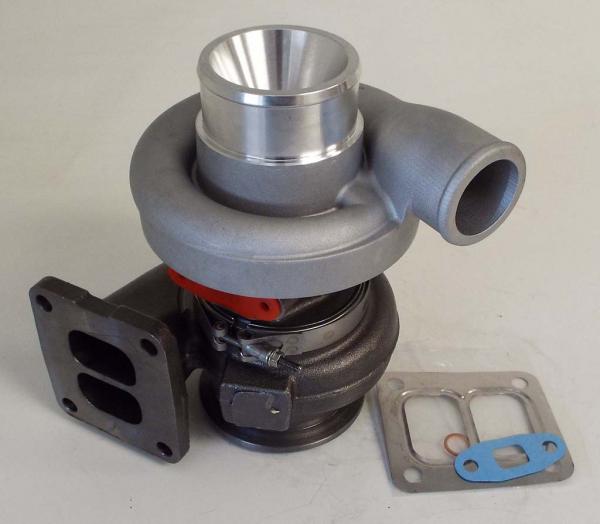
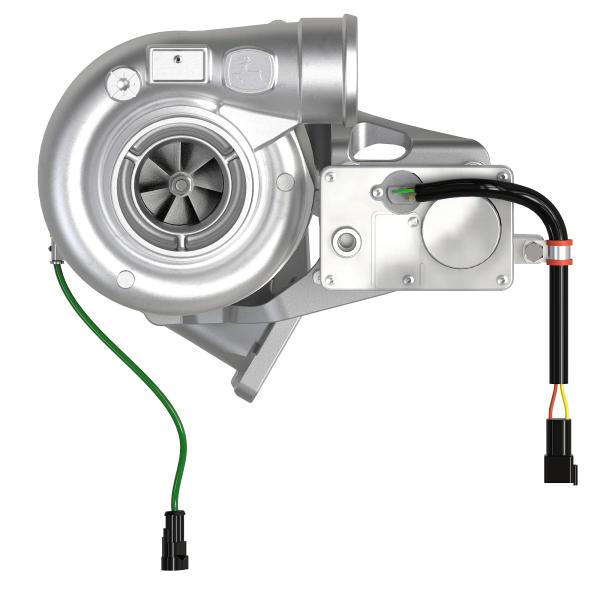
For the John Deere 160G excavator, the turbocharger model B2 (Part No. SE502448) is commonly used. Regular maintenance, including timely oil changes and air filter replacements, can prolong turbocharger life. In cases of failure, replacing the turbocharger with an OEM part ensures compatibility and reliability.
Preventive Measures
To prevent turbocharger failures:- Regular Maintenance: Adhere to the manufacturer's maintenance schedule for oil changes and air filter replacements.
- Quality Fluids: Use high-quality engine oil and fuel to minimize contaminants.
- Proper Operation: Avoid overloading the excavator and ensure gradual acceleration and deceleration.
- Cool Down Period: Allow the engine to idle for a few minutes before shutting down after heavy use to let the turbocharger cool.
Conclusion
Understanding the signs and causes of turbocharger failures in the John Deere 160G excavator is essential for maintaining optimal performance. By implementing preventive measures and adhering to maintenance schedules, operators can minimize the risk of turbocharger issues and ensure the longevity of their equipment.
|
|
|
|
| Comparing the Caterpillar D6T and D8T Dozers for Tile Plowing Applications |
|
Posted by: MikePhua - 08-11-2025, 11:02 PM - Forum: General Discussion
- No Replies
|
|
Introduction
When selecting a bulldozer for tile plowing, particularly for installing 8", 10", or 12" drainage mains, the choice between the Caterpillar D6T and D8T models is crucial. This decision impacts operational efficiency, equipment costs, and overall project success. While the D8T offers superior power and size, the D6T presents a more cost-effective solution for certain applications.
Key Specifications
D6T (Standard): - Engine Power: 215 hp (160.3 kW)
- Operating Weight: 46,263 lb (21,000 kg)
- Blade Capacity: Up to 6.9 m³ (9.0 yd³)
- Track Width Options: Standard, Low Ground Pressure (LGP)
- Transmission: 4-speed power shift
- Fuel Tank Capacity: 97.2 gal (367.9 L)
D8T (Standard):- Engine Power: 310 hp (231.3 kW)
- Operating Weight: 87,733 lb (39,800 kg)
- Blade Capacity: Up to 10.6 m³ (14.0 yd³)
- Track Width Options: Standard
- Transmission: 3-speed power shift
- Fuel Tank Capacity: 123.5 gal (467.5 L)
Performance Considerations- D6T: Equipped with a 4-speed power shift transmission, the D6T offers smoother gear transitions and better adaptability to varying soil conditions. Its lighter weight and smaller size provide greater maneuverability, ideal for precise tile plowing tasks in confined spaces.
- D8T: The D8T’s 3-speed power shift transmission and higher horsepower provide greater raw power for more demanding operations and larger blade capacities. However, its larger size reduces agility, which can be challenging in tight areas during tile plowing.
Cost Analysis
The D8T typically costs about $100,000 more than the D6T. Contractors should weigh this additional expense against the potential benefits of increased power and blade capacity to ensure budget-conscious decisions without compromising project goals.
Operator Experience
Operators often find the D6T easier to manage during tile plowing due to its responsiveness and lighter weight, enhancing efficiency in various soil types. Conversely, the D8T requires more careful handling because of its size, especially in restricted work zones.
Case Study: Tile Plowing with the D6T
A Midwest contractor successfully used a D6T to install 10" drainage mains without pre-ripping or additional towing equipment. The dozer performed reliably, and the project was completed within budget and on schedule. This example underscores the D6T’s effectiveness for tile plowing even when lacking the sheer power of the D8T.
Conclusion
Choosing between the Caterpillar D6T and D8T for tile plowing depends on specific project requirements such as soil conditions, space constraints, and budget. The D8T delivers superior power and capacity, while the D6T offers cost-efficiency and maneuverability. Careful evaluation of these factors ensures optimal equipment selection for performance and financial prudence.
|
|
|
|
| Hammer and Hoe Quick Attach: Enhancing Efficiency in Excavator Attachments |
|
Posted by: MikePhua - 08-11-2025, 11:02 PM - Forum: Parts , Attachments & Tools
- No Replies
|
|
In the world of heavy equipment, efficiency, versatility, and quick adaptability are key drivers of productivity. One such advancement that has significantly impacted the excavation and construction industry is the Hammer Hoe Quick Attach system. This attachment mechanism allows for rapid interchangeability between various implements on an excavator, making the machinery highly adaptable to different tasks.
The quick attach system not only saves time but also ensures that the excavator can handle different jobs without the need for excessive downtime. This article will explore the functionality of the Hammer Hoe Quick Attach, its benefits, types, and practical applications in various industries.
What is a Hammer Hoe Quick Attach System?
The Hammer Hoe Quick Attach system is an attachment interface designed to enable swift and efficient switching of implements like hammers, buckets, grapples, and other tools on an excavator. Traditionally, swapping these attachments would involve a considerable amount of time and effort, often requiring additional tools or manual labor. With a quick attach system, operators can change implements in a matter of minutes, often without leaving the cab of the machine.
The term "Hammer Hoe" generally refers to a category of excavator attachments that include hydraulic hammers (also known as breakers) and hoes (standard digging buckets). This quick-change interface is particularly useful for those who need to transition between multiple tasks, such as breaking rock or digging, quickly and efficiently.
Types of Quick Attach Systems
While the core functionality of all quick attach systems is the same, there are different types designed for various machine models and tasks. Here's a closer look at the most common types:
1. Pin-Style Quick Attach
The pin-style quick attach is one of the most widely used systems in the industry. This design utilizes a series of pins and locking mechanisms to secure the attachment to the excavator's arm. Operators can lock and unlock the attachments with ease, making it one of the most versatile systems on the market. The key benefits of this system include: - Ease of Use: Simple to operate, with minimal training required for operators.
- Wide Compatibility: Compatible with a variety of attachments, such as buckets, grapples, and hammers.
- Durability: Strong locking mechanisms ensure secure attachment even in high-torque applications like rock-breaking.
2. Hydraulic Quick Attach
The hydraulic quick attach system is an automated interface that uses the excavator's hydraulic power to engage and disengage attachments. This system is particularly useful for larger machines, where manual pin systems might be less practical. The hydraulic system is typically operated from the excavator's cab, offering maximum convenience.- Convenience: Eliminates the need to leave the cab to change attachments.
- Speed: Quick and easy attachment changes, allowing for minimal downtime.
- Safety: Reduces the risk of accidents or injuries caused by manual attachment changes.
3. Mechanical Quick Attach
A mechanical quick attach system uses mechanical force to secure the attachment to the arm. This system generally requires more manual effort to operate but is often preferred in smaller machines or applications where quick connect/disconnect is not as critical. It's highly cost-effective and straightforward.- Cost-Effective: Ideal for those on a budget or with less frequent attachment changes.
- Simple Design: Few moving parts, making it durable and easy to maintain.
- Versatile: Compatible with various types of attachments.
Benefits of the Hammer Hoe Quick Attach System
The main appeal of the Hammer Hoe Quick Attach system lies in the convenience it offers. Here are some of the most significant benefits:
1. Increased Productivity
One of the most compelling reasons to use a quick attach system is the time-saving potential. Traditional methods of changing attachments could take several hours, especially if the operator needed to leave the cab or use additional tools. With the quick attach, switching between attachments can be done in a matter of minutes, maximizing machine uptime and overall productivity.
2. Reduced Labor Costs
By allowing operators to change attachments without leaving the cab, the quick attach system reduces the need for extra laborers to assist with equipment changes. This results in fewer delays, less reliance on extra personnel, and lower labor costs in the long run.
3. Versatility for Multiple Tasks
Excavators with quick attach systems are incredibly versatile. They can easily switch between tasks such as digging, lifting, demolition, and material handling. This flexibility makes them highly valuable in industries such as construction, mining, and landscaping. Some tasks that benefit from the Hammer Hoe Quick Attach system include:- Demolition: Hydraulic hammers are used for breaking concrete, asphalt, or rocks.
- Excavation: Standard digging buckets and hoes can be used for earth-moving tasks.
- Material Handling: Grapples and forks are commonly used for material handling, such as transporting logs, pipes, or other heavy items.
4. Improved Safety
Safety is paramount when operating heavy equipment. The quick attach system reduces the need for operators to leave their cab and interact with potentially dangerous machinery during the attachment change process. This minimizes exposure to hazardous situations and improves overall safety on-site.
5. Cost Efficiency
While the initial cost of a quick attach system may be higher, the long-term savings in time, labor, and increased machine utilization make it a cost-effective investment. This is especially true for operators who work on projects that require frequent attachment changes.
Practical Applications of Hammer Hoe Quick Attach Systems
The Hammer Hoe Quick Attach system is particularly beneficial for industries that rely on heavy equipment for versatile tasks. Here are some industries and scenarios where this system is most effective:
1. Construction and Demolition
Excavators are often used in construction for multiple tasks, from digging foundations to clearing debris. The Hammer Hoe Quick Attach system allows construction teams to quickly swap out digging buckets for hydraulic hammers when they need to break through hard concrete or rock. This ability to seamlessly switch attachments saves valuable time and helps ensure the project stays on schedule.
2. Mining and Quarrying
In mining and quarrying operations, excavators often need to break through hard materials. The quick attach system ensures that operators can easily switch between hammers for breaking rock and buckets for transporting materials. This increases the efficiency of mining operations, especially in challenging environments where time is a critical factor.
3. Landscaping
Landscaping companies often need to switch between various tools like grading buckets, rakes, and hammers. With a quick attach system, operators can handle a variety of tasks without unnecessary downtime, from digging trenches to breaking up pavement.
Considerations When Choosing a Quick Attach System
When selecting a Hammer Hoe Quick Attach system for your excavator, there are several factors to consider:
1. Machine Compatibility
Ensure that the quick attach system is compatible with your specific excavator model. Different manufacturers offer different attachment systems, so it’s essential to match the right system with the right machine.
2. Task Requirements
The type of work you do will dictate the type of quick attach system you need. For example, if you're primarily engaged in demolition, a hydraulic quick attach system might be the best choice. For lighter tasks, a pin-style or mechanical system could suffice.
3. Cost and ROI
Evaluate the cost of the system against its potential to increase productivity and reduce labor costs. While hydraulic systems are often more expensive, they offer significant time savings, which may justify the higher initial investment.
Conclusion: Maximizing Efficiency with Quick Attach Systems
The Hammer Hoe Quick Attach system has revolutionized the way excavators are used in various industries. By allowing for rapid attachment changes, this system maximizes machine efficiency, reduces labor costs, and improves safety. Whether you're in construction, demolition, mining, or landscaping, the quick attach system offers unparalleled flexibility and time-saving benefits.
|
|
|
|
|



