| Welcome, Guest |
You have to register before you can post on our site.
|
| Online Users |
There are currently 305 online users.
» 0 Member(s) | 291 Guest(s)
Ahrefs, Amazon, Applebot, Bing, Claude, DotBot, Facebook, Google, OpenAI, Semrush, Seznam, Trendiction, Twitter
|
| Latest Threads |
Identifying and Sourcing ...
Forum: Parts , Attachments & Tools
Last Post: MikePhua
01-07-2026, 06:29 PM
» Replies: 0
» Views: 521
|
Cat 931B Brake Parts
Forum: Parts , Attachments & Tools
Last Post: MikePhua
01-07-2026, 06:29 PM
» Replies: 0
» Views: 283
|
Choosing Between Cat 228,...
Forum: General Discussion
Last Post: MikePhua
01-07-2026, 06:28 PM
» Replies: 0
» Views: 549
|
Hydraulic Delay When Lowe...
Forum: Troubleshooting & Diagnosing
Last Post: MikePhua
01-07-2026, 06:27 PM
» Replies: 0
» Views: 443
|
Bale Chopper and Mulcher ...
Forum: General Discussion
Last Post: MikePhua
01-07-2026, 06:26 PM
» Replies: 0
» Views: 320
|
Mini UC Maintenance
Forum: General Discussion
Last Post: MikePhua
01-07-2026, 06:25 PM
» Replies: 0
» Views: 310
|
Locating Wiring Informati...
Forum: General Discussion
Last Post: MikePhua
01-07-2026, 06:24 PM
» Replies: 0
» Views: 343
|
Case Industrial Brown Sub...
Forum: Parts , Attachments & Tools
Last Post: MikePhua
01-07-2026, 06:23 PM
» Replies: 0
» Views: 274
|
Dirt Work in West Virgini...
Forum: Construction & Urban Infrastructure Forum
Last Post: MikePhua
01-07-2026, 06:23 PM
» Replies: 0
» Views: 374
|
D207 P Hydraulic Steering...
Forum: Parts , Attachments & Tools
Last Post: MikePhua
01-07-2026, 06:22 PM
» Replies: 0
» Views: 303
|
|
|
| Fluid Level Maintenance for John Deere 762: Key Considerations and Best Practices |
|
Posted by: MikePhua - 08-12-2025, 11:19 AM - Forum: General Discussion
- No Replies
|
 |
Proper fluid management is critical for the longevity and optimal performance of heavy machinery like the John Deere 762. Whether you are operating a skid steer, tractor, or other construction equipment, maintaining the correct fluid levels ensures smooth functioning, prevents costly breakdowns, and extends the equipment's lifespan. This article explores the key considerations, procedures, and best practices for managing fluid levels in your John Deere 762.
Understanding the Importance of Fluid Levels
The John Deere 762, like many other heavy equipment models, relies on a variety of fluids to operate efficiently. These include engine oil, transmission fluid, hydraulic fluid, coolant, and differential fluid. Each fluid type plays a crucial role:
- Engine Oil: Lubricates internal engine components, reducing wear and friction.
- Hydraulic Fluid: Powers the hydraulic system, which includes lifting arms, attachments, and other critical components.
- Transmission Fluid: Transmits power from the engine to the wheels or tracks, allowing the equipment to move.
- Coolant: Regulates the engine’s temperature, preventing overheating.
- Differential Fluid: Lubricates the drive axle, ensuring smooth wheel rotation.
Signs of Fluid Issues
Ignoring fluid maintenance can lead to significant issues such as overheating, excessive wear, and even total engine failure. Here are some common symptoms indicating a fluid-related issue in the John Deere 762:
- Engine Overheating: A drop in coolant levels can cause the engine to overheat, potentially leading to severe engine damage.
- Sluggish Performance: Low hydraulic fluid or transmission fluid may result in slow or unresponsive hydraulic functions, or difficulty in moving the machine.
- Excessive Noise: Unusual noise or grinding from the engine or hydraulic system often points to insufficient lubrication, which can lead to more serious damage over time.
- Fluid Leaks: Visible fluid leaks around seals or gaskets could suggest a need for repair or a replacement of parts.
Checking Fluid Levels in the John Deere 762
Maintaining accurate fluid levels is essential, and regularly checking them should be part of your routine maintenance. Here’s a step-by-step guide to checking and maintaining fluid levels in your John Deere 762:
1. Engine Oil
Procedure:- Ensure the engine is off and has cooled down.
- Locate the dipstick (usually on the side of the engine) and remove it.
- Wipe it clean, then reinsert it fully back into the tube.
- Pull it out again and check the oil level. The oil should be between the "low" and "full" marks on the dipstick.
Best Practices:- Change the engine oil according to the manufacturer’s recommended intervals.
- Use the appropriate oil type as specified in the John Deere 762 manual (usually 15W-40 or similar).
- Keep an eye on the oil color; it should be a golden or amber color. If it’s black or gritty, it’s time for an oil change.
2. Hydraulic Fluid
Procedure:- Locate the hydraulic fluid reservoir, which is often situated near the rear of the machine.
- Check the fluid level using the dipstick or sight glass on the reservoir.
- If the fluid is low, add the specified hydraulic oil (often ISO 46 or a similar type, depending on the operating environment).
Best Practices:- Regularly inspect hydraulic hoses and connections for leaks.
- Consider using high-quality hydraulic fluid to ensure optimal performance under heavy loads.
- Avoid overfilling, as excessive hydraulic fluid can lead to overheating or over-pressurizing the system.
3. Transmission Fluid
Procedure:- For checking transmission fluid, you’ll typically need to check it when the machine is running or at operating temperature.
- With the engine running, shift the machine into neutral, then locate the transmission fluid dipstick.
- Remove it, wipe it clean, reinsert, and check the fluid level.
Best Practices:- Always use the recommended transmission fluid type and ensure it matches the manufacturer’s viscosity recommendations.
- Check for fluid contamination (metal particles or discoloration), as this can indicate internal damage to the transmission.
4. Coolant
Procedure:- Check coolant levels when the engine is cool to avoid injury from hot fluids.
- Open the radiator cap (or coolant reservoir, depending on the model) and check the level.
- If low, top off with the recommended coolant mixture (usually a 50/50 mix of water and antifreeze).
Best Practices:- Inspect the cooling system for leaks or cracks, especially in hoses and connections.
- Use the recommended coolant to prevent corrosion and freezing.
- Always ensure that the radiator is clean and free from dirt or debris that can obstruct airflow.
5. Differential Fluid
Procedure:- Differential fluid can be checked through a fill plug on the axle.
- Remove the plug and check the fluid level. If it's low, top it off with the recommended fluid type.
Best Practices:- Regularly inspect the axle seals and the differential casing for leaks.
- Differential fluid should be changed at regular intervals, especially in high-use machines.
Fluid Maintenance Tips for Cold Weather
During colder months, maintaining proper fluid levels becomes even more important. Cold weather can cause fluids to thicken, which can affect the machinery’s performance. Here are some additional tips for cold weather operations:
- Use Winter-Grade Fluids: If you're operating in temperatures below freezing, consider using winter-grade oils and hydraulic fluids that are designed to flow more easily in cold conditions.
- Pre-Warming the Engine: Using engine block heaters or pre-heating the hydraulic oil can prevent the fluids from becoming too thick and reduce wear during start-up.
- Check Fluid Levels More Frequently: Cold weather can cause seals and gaskets to contract, leading to leaks. Check fluid levels regularly to ensure you don’t run low.
Common Fluid Problems and How to Address Them
- Overheating:
- Cause: Insufficient coolant or improper coolant mixture.
- Solution: Check coolant levels and use the correct 50/50 mix of antifreeze and water.
- Poor Hydraulic Performance:
- Cause: Low or contaminated hydraulic fluid.
- Solution: Change the fluid regularly, check for leaks, and ensure the reservoir is filled to the appropriate level.
- Sticking or Sluggish Transmission:
- Cause: Low transmission fluid or incorrect fluid type.
- Solution: Ensure proper fluid levels and use the manufacturer-recommended fluid type.
- Oil Contamination:
- Cause: Dirt or debris entering the oil system.
- Solution: Change the oil regularly, replace filters, and use proper seals.
Conclusion
Maintaining fluid levels in the John Deere 762 is essential to ensure smooth operation and prevent costly repairs. Regular checks of engine oil, hydraulic fluid, transmission fluid, coolant, and differential fluid are critical for the equipment’s long-term performance. By following the best practices for fluid maintenance and addressing issues promptly, you can maximize the lifespan of your machine, reduce downtime, and keep your John Deere 762 running efficiently in all weather conditions. Proper fluid management not only improves the overall health of the equipment but also contributes to safer and more productive workdays on the job site.
|

|
|
| Understanding 8-14.5 Trailer Tires: Specifications, Applications, and Considerations |
|
Posted by: MikePhua - 08-12-2025, 11:18 AM - Forum: Parts , Attachments & Tools
- No Replies
|
|
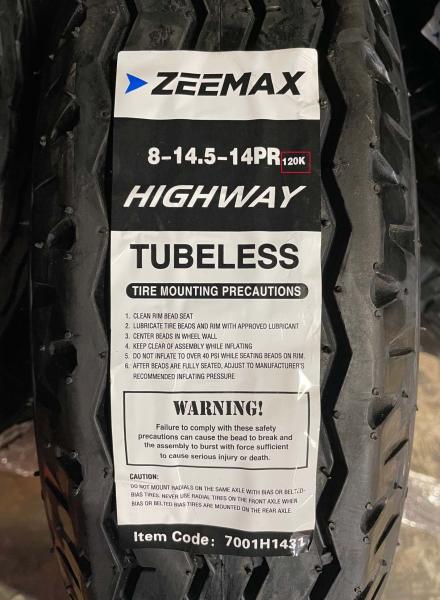
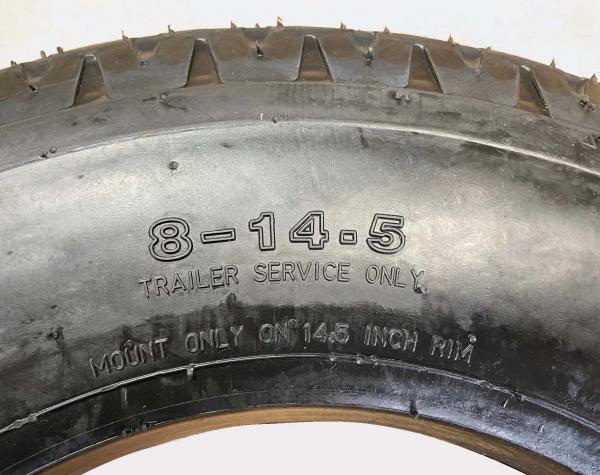
Trailer tires are crucial components that ensure the safety and efficiency of towing operations. Among the various sizes available, the 8-14.5 tire size has been a standard in the industry for many years. This article delves into the specifics of the 8-14.5 trailer tire, its applications, and considerations for selection and maintenance.
Decoding the 8-14.5 Tire Size
The designation "8-14.5" refers to the tire's dimensions and construction: - 8: This number indicates the tire's section width in inches. Therefore, an 8-14.5 tire has a section width of 8 inches.
- 14.5: This represents the rim diameter in inches. The tire is designed to fit a 14.5-inch rim.
It's important to note that the 8-14.5 tire size is an older metric size that is no longer widely used today. As a result, finding replacement tires and rims for this size can be challenging. In many cases, it may be necessary to replace both the tires and wheels to accommodate more modern sizes .
Common Applications
The 8-14.5 tire size has been predominantly used in:- Lowboy Trailers: These trailers are designed for transporting heavy equipment and machinery. The 8-14.5 tires provide the necessary load-bearing capacity and stability.
- Utility Trailers: Used for general-purpose hauling, these trailers often utilize 8-14.5 tires for their durability and availability.
- Mobile Homes: Some mobile homes are transported using trailers equipped with 8-14.5 tires, ensuring safe and stable movement.
Specifications and Load Ratings
When selecting 8-14.5 tires, it's essential to consider the following specifications:- Load Range: Indicates the tire's load-carrying capacity. For instance, a Load Range G tire can carry up to 3,100 lbs when fully inflated to its maximum PSI of 115 .
- Ply Rating: Reflects the tire's strength and durability. A 14-ply rating indicates a robust construction suitable for heavy-duty applications.
- Tread Design: The pattern on the tire's surface affects traction and wear. Common tread designs for 8-14.5 tires include ribbed and bias ply patterns.
Considerations for Replacement
Given the discontinuation of the 8-14.5 tire size, consider the following when seeking replacements:- Compatibility: Ensure that the new tire size is compatible with your trailer's specifications, including rim diameter and load capacity.
- Rim Replacement: In some cases, it may be necessary to replace the rims to accommodate modern tire sizes.
- Professional Consultation: Consult with a tire professional or trailer manufacturer to determine the best replacement options.
Conclusion
The 8-14.5 trailer tire has served the industry well for many years, providing reliable performance in various applications. However, with the advent of newer tire sizes, it's essential to stay informed about available options and ensure compatibility when replacing these tires. Regular maintenance and timely replacement can prolong the life of your trailer and ensure safe towing operations.
|
|
|
|
| Cold Weather Operation: Challenges and Solutions for Heavy Equipment |
|
Posted by: MikePhua - 08-12-2025, 11:15 AM - Forum: General Discussion
- No Replies
|
|
Operating heavy equipment in cold weather presents unique challenges that can affect both the machinery and the operators. Cold temperatures can impact everything from engine performance to hydraulic systems, making it crucial for operators to prepare their equipment and ensure safe, efficient performance during winter months. This article explores the challenges of working with heavy equipment in cold weather and offers solutions to keep machines running smoothly.
Challenges of Cold Weather on Heavy Equipment
Cold weather puts significant stress on machines, causing a range of issues that can impact performance, safety, and longevity. These include:
1. Thickening of Fluids
One of the primary challenges in cold weather is the thickening of lubricants, oils, and hydraulic fluids. As temperatures drop, fluids such as engine oil, transmission oil, and hydraulic fluid become more viscous. This increase in viscosity makes it harder for these fluids to circulate properly, leading to increased wear on engine components and hydraulic systems.
Solution: - Use winter-grade fluids: Many manufacturers offer winter-grade oils and hydraulic fluids designed to flow better in cold temperatures.
- Heaters and warm-up times: Engine block heaters and hydraulic oil heaters can help keep the fluids at an optimal temperature, reducing viscosity and improving fluid flow.
2. Cold Start Issues
Engines, particularly diesel engines, are more challenging to start in cold weather. Cold starts increase the stress on the engine, and the engine may struggle to turn over if the battery is weak or if fuel has gelled due to low temperatures. In extreme cases, the engine may fail to start entirely.
Solution:- Battery maintenance: Ensure the battery is fully charged and in good condition. Cold temperatures can reduce battery performance, so a high-quality battery with a higher cold-cranking amp (CCA) rating is recommended for winter use.
- Fuel additives: Diesel fuel can gel in cold temperatures, causing blockages in fuel lines and filters. Diesel fuel additives that lower the freezing point of the fuel should be used, especially in extremely cold conditions.
- Block heaters: Pre-warming the engine with block heaters can improve cold start performance by keeping the engine oil at a warmer, more fluid consistency.
3. Hydraulic System Freezing
The hydraulic system, which relies on the flow of hydraulic fluid to power various components, can experience issues in cold weather. When hydraulic fluid becomes too thick, it can cause slow operation or even complete failure of the system.
Solution:- Use cold-weather hydraulic fluid: This fluid is designed to remain thinner and flow smoothly even in freezing temperatures.
- Keep equipment indoors: If possible, store the equipment in a heated area during the colder months to prevent freezing in the hydraulic system.
- Check and change filters: Regularly check and change hydraulic filters to ensure optimal fluid flow and prevent contamination.
4. Reduced Tire and Track Performance
In cold weather, tires and tracks can become stiff, reducing traction and increasing the likelihood of failure. Rubber tires can harden in extremely low temperatures, making them more susceptible to cracking and wear.
Solution:- Inspect tires regularly: Before use, inspect tires for signs of wear and cracking. Consider using tires that are specifically designed for colder climates.
- Track maintenance: For tracked equipment, ensure that the tracks are free of ice and snow buildup, as this can cause binding and performance issues.
- Check air pressure: Ensure that tire pressure is appropriate for cold weather, as cold air causes tire pressure to drop.
5. Frozen Fuel Lines and Fuel Systems
Diesel fuel and other liquids used in heavy equipment can freeze in extremely cold temperatures. Frozen fuel lines can prevent fuel from reaching the engine, while moisture in the fuel can freeze and cause blockages.
Solution:- Fuel additives: As mentioned, using fuel additives is essential to prevent diesel fuel from gelling. In colder climates, opt for additives that lower the pour point and prevent fuel freezing.
- Fuel heaters: Installing fuel line heaters or using tank heaters can help keep fuel from freezing and ensure proper flow to the engine.
6. Operator Safety Concerns
Cold temperatures not only affect the equipment but also put the operator at risk. Prolonged exposure to cold can lead to hypothermia, frostbite, and other health issues. In addition, slippery surfaces due to snow and ice can lead to accidents, especially when climbing on and off equipment.
Solution:- Proper clothing: Ensure operators wear insulated, moisture-wicking clothing and safety gear. Thermal gloves, heated vests, and winter boots can keep workers comfortable and safe.
- Cab insulation and heating: A well-insulated cab with a functional heating system is crucial for operator comfort and focus.
- Slip-resistant surfaces: Make sure steps, handrails, and platforms on machinery are clear of ice and snow. Installing slip-resistant mats or coatings can prevent falls.
Winterizing Your Heavy Equipment
Winterizing heavy equipment is essential to ensure that the machinery runs smoothly in cold weather and remains protected during storage. Below are key steps to winterize your heavy equipment:
1. Clean Equipment Thoroughly
Dirt, mud, and debris left on equipment can freeze, potentially damaging parts and making it harder for the equipment to operate. Thoroughly clean all parts, paying special attention to areas such as the engine compartment, hydraulic lines, and undercarriage.
2. Change Fluids
Before the cold weather sets in, change the oil, hydraulic fluid, and coolant. Use fluids designed for winter use that remain effective at lower temperatures. Ensure that the antifreeze mixture in the radiator is appropriate for the climate.
3. Inspect Belts and Hoses
Cold weather can cause rubber components such as belts and hoses to become brittle and crack. Inspect these parts for wear and replace them if necessary. Properly maintaining the engine’s cooling system is essential to preventing overheating in cold temperatures.
4. Grease Moving Parts
Greasing moving parts, such as hinges, joints, and cylinders, will help protect them from the cold and prevent freezing. Ensure that all lubrication points are properly lubricated before the winter season.
5. Test Battery and Charging System
Cold temperatures can reduce battery capacity, so ensure that the battery is in good condition before winter. Test the charging system to ensure that it’s functioning correctly.
6. Store Equipment Properly
When possible, store heavy equipment in a warm, dry place to protect it from the harsh elements. If indoor storage is not available, consider using a weather-resistant cover to shield the equipment from snow, ice, and wind.
Conclusion
Cold weather presents several challenges for heavy equipment, from frozen fuel systems to sluggish hydraulic systems. However, with proper preparation, equipment operators can minimize these risks and keep their machines running smoothly throughout the winter months. By following the above tips for maintenance, winterizing equipment, and safeguarding operator health, you can ensure reliable performance in the harshest conditions. Remember, the right equipment, proper fluid maintenance, and taking the time to prepare will go a long way in making cold-weather operations safe and efficient.
|
|
|
|
| Front Idler Wheel Lock Nut Torque for Caterpillar 277C Multi-Terrain Loaders |
|
Posted by: MikePhua - 08-12-2025, 11:15 AM - Forum: General Discussion
- No Replies
|
|
The front 15-inch idler wheel lock nut on the Caterpillar 277C Multi-Terrain Loader plays a crucial role in maintaining the integrity and performance of the undercarriage system. Proper torque application ensures that the idler wheel remains securely fastened, preventing potential issues such as misalignment, excessive wear, or even detachment during operation.
Torque Specifications - Recommended Torque: 332 ± 37 lb-ft (approximately 450 ± 50 Nm)
Important Notes- Do Not Reuse Lock Nuts: Always replace the lock nut with a new one during maintenance to ensure optimal clamping force and prevent potential failures.
- Post-Torque Rotation: After torquing the lock nut, rotate each of the idler wheel assemblies and bogie wheel assemblies six full revolutions in both directions. This practice helps seat the components properly and ensures even distribution of forces during operation.
Undercarriage Maintenance Tips- Regular Inspections: Frequent checks of the undercarriage components, including idler wheels, rollers, and sprockets, can help identify wear patterns and potential issues early, reducing downtime and repair costs.
- Proper Lubrication: Ensure that all moving parts are adequately lubricated to minimize friction and wear. Using the manufacturer's recommended lubricants and adhering to service intervals is essential.
- Track Tension: Maintaining the correct track tension is vital for optimal performance. Over-tightened tracks can lead to increased wear, while loose tracks may cause derailments or damage to the undercarriage.
Conclusion
Adhering to the specified torque values and maintenance practices for the front idler wheel lock nut on the Caterpillar 277C ensures the longevity and reliability of the undercarriage system. Regular maintenance and attention to detail can prevent costly repairs and keep the machine operating efficiently.
|
|
|
|
| Comprehensive Guide to the Bobcat MT 55: Features, Issues, and Maintenance |
|
Posted by: MikePhua - 08-12-2025, 11:14 AM - Forum: General Discussion
- No Replies
|
|
The Bobcat MT 55, a versatile mini track loader, is designed to tackle a wide variety of tasks in confined spaces where traditional skid steers cannot fit. With its compact design, it excels in both residential and commercial settings, especially for landscaping, site preparation, and material handling. However, like any piece of machinery, it can experience performance issues that require attention. This article aims to provide a detailed exploration of the Bobcat MT 55, highlighting its features, common issues, and tips for maintenance and troubleshooting.
Key Features of the Bobcat MT 55
The Bobcat MT 55 is a mini track loader designed to provide a high level of productivity in tight spaces. Below are some of the key features that set it apart from other small loaders:
- Compact Design: The MT 55’s small size allows it to maneuver through narrow spaces and tight areas, making it ideal for jobs in residential yards, construction sites, and even inside buildings.
- Hydrostatic Drive System: The hydrostatic drive system offers smooth control and better precision, which is essential when working on delicate tasks or in confined spaces.
- Lift Capacity: With a rated operating capacity of approximately 550-700 pounds, depending on the model and attachments, the MT 55 is capable of lifting various materials, from dirt to construction debris.
- Low Ground Pressure: The mini track loader's design allows for low ground pressure, making it useful in sensitive terrains, such as lawns or garden beds, where traditional wheeled loaders might cause damage.
- Variety of Attachments: Like other Bobcat equipment, the MT 55 can be fitted with a wide range of attachments, including augers, snow blades, and pallet forks, making it highly adaptable to different tasks.
- Ease of Transport: The compact size of the MT 55 also makes it easy to transport between job sites, with its lightweight build allowing it to be towed on a flatbed or in the back of a truck.
Common Issues with the Bobcat MT 55
While the Bobcat MT 55 is designed for durability and versatility, like all machinery, it can face operational problems. Here are some of the most common issues that users report, along with their potential causes and solutions:
1. Engine and Hydraulic System Failures
The engine or hydraulic systems can sometimes fail to function properly, resulting in reduced performance, stalling, or a complete failure to start. This can be caused by several factors:- Fuel System Problems: Blocked fuel filters or fuel lines can lead to poor engine performance. In some cases, bad fuel or air in the system may cause the engine to run erratically.
- Hydraulic Fluid Contamination: Contaminants such as dirt or water can compromise the hydraulic system, causing jerky movements or total hydraulic failure.
Solution: To avoid engine and hydraulic problems, it's crucial to regularly check and change the fuel filters. Also, ensure that the hydraulic fluid is clean and topped up, and the fuel system is free from contamination.
2. Overheating and Cooling Issues
The MT 55 can sometimes overheat, especially during long hours of operation or when working in high temperatures. An overheated engine can cause a significant reduction in performance, leading to costly downtime.
Causes:- Clogged air filters
- Low coolant levels
- Faulty cooling system components
Solution: Regularly clean or replace air filters, check coolant levels, and inspect the radiator for blockages. Periodically flush the cooling system to ensure the proper flow of coolant.
3. Track and Undercarriage Issues
The track and undercarriage components on the MT 55 are subject to significant wear and tear due to constant movement and stress. Some issues that can arise in the undercarriage include:- Track Tension Problems: Tracks that are either too tight or too loose can lead to uneven wear or damage to the undercarriage components.
- Track Wear and Tear: Constant use can cause the tracks to wear down, reducing their lifespan and overall performance.
Solution: Regularly inspect track tension and adjust as needed according to the manufacturer’s specifications. Additionally, regularly check for signs of wear on the tracks and replace them when necessary.
4. Electrical Problems
Like many modern machines, the Bobcat MT 55 relies on an electrical system for operation. Electrical issues such as battery drain, faulty connections, or malfunctioning sensors can cause the machine to fail to start or operate erratically.
Solution: Regularly check the battery voltage and clean the terminals to prevent corrosion. Ensure all electrical connections are tight and free from dirt and moisture. If there is a persistent electrical problem, it may require diagnostic equipment to identify the root cause.
5. Lift Arm and Bucket Functionality Issues
The lift arms and bucket are essential for the loader's ability to perform its tasks. Malfunctions in these components may occur due to hydraulic issues, damaged lift cylinders, or faulty control valves.
Solution: Regularly inspect the lift arms and bucket for any signs of wear or damage. Check the hydraulic system for leaks and ensure all valves are functioning properly. If any components are damaged, repair or replace them immediately.
Maintenance Tips for the Bobcat MT 55
Proper maintenance is essential to keeping the Bobcat MT 55 running smoothly and avoiding costly repairs. Here are some key maintenance tips:
1. Regular Oil and Filter Changes
Changing the engine oil and filters regularly is one of the most critical maintenance tasks. Dirty oil can cause excessive wear on engine components and reduce performance.
Recommendation: Follow the manufacturer’s recommended intervals for oil changes, typically every 250-500 hours of operation, depending on usage.
2. Clean and Inspect Air Filters
A clean air filter ensures that the engine is receiving the proper airflow, preventing overheating and boosting fuel efficiency. Clogged air filters can lead to engine performance issues, especially in dusty or dirty environments.
Recommendation: Inspect the air filters every 100 hours of operation and clean or replace them as needed.
3. Check Hydraulic Fluid Levels
Hydraulic fluid is crucial to the proper functioning of the loader’s hydraulics. Low or dirty hydraulic fluid can cause performance issues and lead to expensive repairs.
Recommendation: Regularly check the hydraulic fluid levels and top up with the appropriate fluid. Change the hydraulic fluid every 1,000 hours or as advised by the manufacturer.
4. Inspect Tracks and Undercarriage
As the tracks are subject to constant wear, it’s important to keep an eye on their condition. Properly tensioned tracks will help prevent undue stress on the undercarriage and extend its lifespan.
Recommendation: Check track tension every 50-100 hours of operation and inspect for wear and tear. Replace the tracks as needed to maintain optimal performance.
5. Battery Maintenance
Maintaining the battery and electrical connections is critical to the loader’s operation. Clean battery terminals to avoid corrosion and ensure strong electrical performance.
Recommendation: Inspect the battery and cables every 100 hours of operation, and clean or replace components as necessary.
Conclusion
The Bobcat MT 55 is a powerful and compact mini track loader that can handle a variety of tasks in tight spaces. While the machine is known for its reliability, regular maintenance and timely troubleshooting are essential to ensure its continued performance. By addressing common issues such as engine and hydraulic problems, overheating, and undercarriage wear, operators can extend the life of their equipment and reduce costly downtime. Always follow the manufacturer’s recommended maintenance schedule and address any issues promptly to keep your Bobcat MT 55 in optimal working condition.
|
|
|
|
| 1997 Ford LT9000 Tandem Dump Truck: A Comprehensive Overview |
|
Posted by: MikePhua - 08-12-2025, 11:14 AM - Forum: General Discussion
- No Replies
|
|
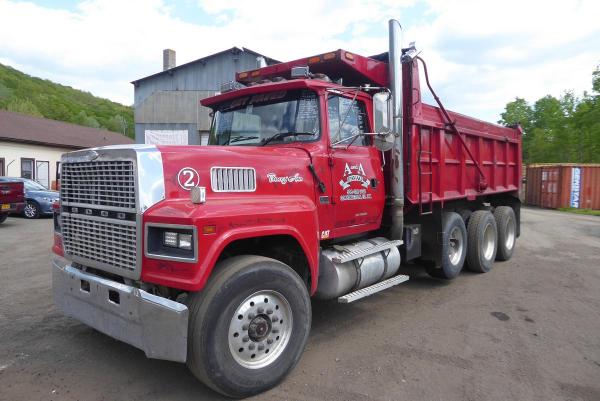
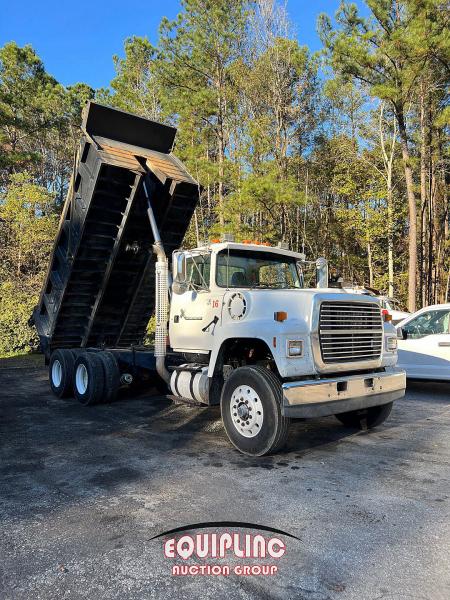
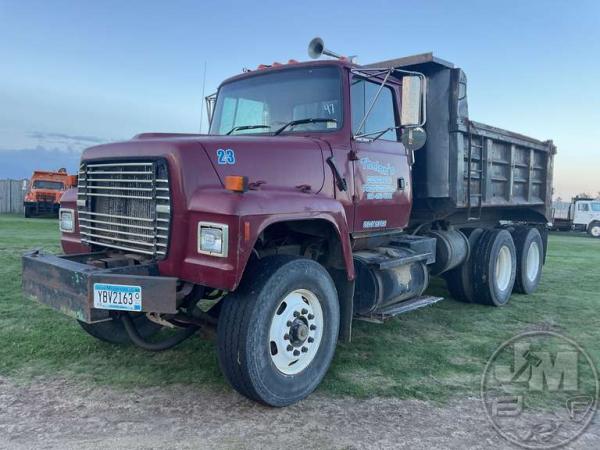
The 1997 Ford LT9000 tandem dump truck stands as a testament to Ford's commitment to heavy-duty performance and durability. Part of the L-Series, which spanned from 1970 to 1998, the LT9000 was designed for demanding applications such as construction, mining, and municipal services. Its robust build and versatile configurations have made it a popular choice among operators seeking reliability and power.
Engine and Powertrain
The LT9000 was typically equipped with the Cummins L10 engine, a 10.0L inline-six diesel engine known for its balance between performance and fuel efficiency. This engine produced approximately 280 to 300 horsepower, depending on the specific configuration and tuning. Paired with an Eaton Fuller manual transmission, often a 9-speed or 13-speed, the LT9000 offered operators precise control over power delivery, essential for navigating challenging terrains and heavy loads.
Chassis and Suspension
Built on a double-frame chassis, the LT9000 was designed to withstand the stresses of heavy hauling. The front axle typically had a Gross Axle Weight Rating (GAWR) of 16,000 lbs, while the rear tandem axles were rated up to 40,000 lbs, allowing for a Gross Vehicle Weight Rating (GVWR) of up to 56,000 lbs. The suspension system often featured a Hendrickson walking beam or air ride, providing stability and comfort, especially when loaded.
Body and Payload Capacity
The LT9000's dump body was usually constructed from steel, with lengths ranging from 12 to 16 feet. These bodies were designed to handle various materials, from sand and gravel to construction debris. With a typical payload capacity of 10 to 15 tons, the LT9000 was well-suited for tasks requiring frequent unloading and material transport.
Common Issues and Maintenance Tips
While the LT9000 is known for its durability, certain issues have been noted by operators: - Transmission Concerns: Some users have reported issues with the transmission, particularly with components like shift forks, poppet balls, and detent springs. These problems can lead to difficulty in shifting or unexpected gear disengagement. Regular inspection and maintenance of the transmission system are recommended to prevent such issues.
- Brake System Anomalies: Instances of the low-pressure warning light remaining illuminated, even when air pressure is normal, have been observed. This could indicate issues with the brake valve or related components. It's advisable to inspect the brake system thoroughly to ensure all components are functioning correctly.
- Rust and Corrosion: As with many heavy-duty trucks, especially those used in regions with harsh winters, rust can be a concern. Areas like the cab corners, frame rails, and suspension components should be inspected regularly for signs of corrosion. Implementing preventive measures, such as undercoating and regular washing, can help mitigate rust formation.
Operator Experiences
Operators have shared various experiences with the LT9000:- One operator mentioned that their LT9000 was a former plow truck, with only the dump box currently in use. Despite its age, the truck remained reliable, thanks to the absence of salt exposure in Alberta. This highlights the importance of operating conditions in the longevity of the vehicle.
- Another operator noted that while the truck had a 9-speed transmission, they rarely needed gears beyond the lower ones for off-road applications. This suggests that the LT9000's gearing is well-suited for heavy-duty tasks requiring low-speed control.
Conclusion
The 1997 Ford LT9000 tandem dump truck remains a robust and reliable choice for heavy-duty applications. Its powerful engine, durable chassis, and versatile body configurations make it well-suited for a variety of tasks. By adhering to regular maintenance schedules and addressing common issues promptly, operators can ensure the LT9000 continues to perform at its best for years to come.
|
|
|
|
| Troubleshooting Fuel System Issues in New Holland 655E: Causes, Solutions, and Best Practices |
|
Posted by: MikePhua - 08-12-2025, 11:12 AM - Forum: Troubleshooting & Diagnosing
- No Replies
|
|
The New Holland 655E loader is a robust machine often used in a variety of construction, landscaping, and material handling applications. However, like any piece of heavy equipment, it is not immune to mechanical or performance issues. One of the most common problems that can affect this machine is fuel system malfunctions. These can range from inconsistent engine performance to complete failure to start, both of which can have serious consequences if not addressed promptly.
In this article, we will explore potential causes of fuel-related problems in the New Holland 655E, offer troubleshooting steps, and provide recommendations for maintenance to ensure the longevity and reliability of the machine.
Identifying Fuel System Issues in the New Holland 655E
When the New Holland 655E loader experiences fuel-related issues, there are several symptoms that operators may notice. These issues can be caused by a variety of components within the fuel system, such as the fuel tank, fuel filters, fuel lines, injectors, or even the fuel pump. Understanding these symptoms and the potential causes behind them can help in diagnosing and fixing the problem efficiently.
Common Symptoms of Fuel Issues
- Engine Stalling: One of the first signs of fuel problems in the 655E is frequent engine stalling or rough idling. This is often a result of clogged or contaminated fuel filters, or an issue with the fuel supply to the engine.
- Difficulty Starting the Engine: If the engine is slow to start or fails to start completely, it could point to problems such as air in the fuel system, faulty fuel injectors, or issues with the fuel pump.
- Reduced Engine Power: A sudden loss of power or sluggish performance could indicate insufficient fuel delivery, possibly due to a blocked fuel line, a malfunctioning fuel pump, or clogged fuel injectors.
- Fuel Leaks: Fuel leaks around the fuel tank, fuel lines, or injectors are a serious concern, as they can lead to both performance issues and safety hazards. A visible leak may be caused by damaged seals or cracked hoses.
- Excessive Exhaust Smoke: If the machine is emitting excessive smoke from the exhaust, this could signal a problem with the combustion process, likely stemming from poor fuel quality, clogged injectors, or improper fuel-to-air ratio.
Potential Causes of Fuel System Problems
Now that we’ve outlined some common symptoms of fuel system problems, it’s essential to understand the potential causes behind these issues. Some of the most common culprits that affect the New Holland 655E include:
1. Clogged or Contaminated Fuel Filters
Fuel filters are designed to trap dirt, rust, and other contaminants that may be present in the fuel. Over time, these filters can become clogged, which restricts the flow of fuel to the engine. This can result in poor engine performance or complete failure to start.- Solution: Check the fuel filters regularly and replace them according to the manufacturer’s recommended schedule. If the machine has been exposed to particularly dirty or contaminated fuel, consider replacing the fuel filters more frequently.
2. Fuel Line Obstructions
Fuel lines can become obstructed due to the accumulation of debris, corrosion, or other contaminants. A blocked fuel line can prevent the proper flow of fuel to the engine, leading to stalling, hard starting, or power loss.- Solution: Inspect the fuel lines for any visible cracks, leaks, or signs of blockage. Clean or replace the fuel lines as necessary. Ensure that the fuel lines are free from corrosion and wear.
3. Air in the Fuel System
Air in the fuel system can disrupt the fuel delivery process, causing the engine to misfire or stall. This can happen if there is a loose or damaged fuel line or if the fuel filter has not been properly sealed.- Solution: Bleed the fuel system to remove any air pockets. Check all fuel lines, connections, and seals for damage and ensure that they are properly tightened.
4. Faulty Fuel Injectors
The fuel injectors are responsible for delivering fuel into the engine's combustion chamber. If these injectors become clogged or damaged, they can lead to uneven fuel delivery, resulting in engine misfires, reduced power, or poor fuel efficiency.- Solution: Inspect the fuel injectors for any blockages or damage. If the injectors are clogged, consider cleaning them or replacing them entirely. Regular maintenance, such as using fuel injector cleaner, can help prevent injector issues.
5. Problems with the Fuel Pump
The fuel pump is responsible for supplying fuel from the tank to the engine. If the fuel pump is malfunctioning or clogged, it can prevent the proper flow of fuel, leading to engine performance issues.- Solution: Check the fuel pump for signs of wear or damage. If the pump is making unusual noises, or if fuel is not being delivered at the proper pressure, it may need to be replaced. Additionally, inspect the fuel lines for leaks that could impact fuel flow.
6. Contaminated Fuel
Using poor-quality or contaminated fuel can lead to a variety of issues, including clogged fuel filters, fuel injector problems, and engine misfires. Water, dirt, and other impurities can damage sensitive fuel system components.- Solution: Always use clean, high-quality fuel from a reliable source. If you suspect that the fuel is contaminated, drain the fuel tank and replace it with fresh fuel. Install a fuel/water separator if one is not already in place.
7. Fuel Tank Issues
A problem with the fuel tank itself, such as rust or sediment buildup, can lead to contaminated fuel entering the system. Additionally, a clogged vent on the fuel tank can create a vacuum, preventing fuel from reaching the engine.- Solution: Inspect the fuel tank for any signs of rust or contamination. Clean the tank regularly and ensure that the vent is functioning properly.
Troubleshooting Fuel System Problems: Step-by-Step Guide
When troubleshooting fuel system issues, it’s important to take a systematic approach to identify the root cause. Follow these steps to effectively diagnose and fix the problem:
- Check Fuel Filters: Start by inspecting the fuel filters for signs of dirt or contamination. Replace the filters if they appear clogged or dirty.
- Inspect Fuel Lines: Examine the fuel lines for visible cracks, leaks, or obstructions. Clean or replace any damaged lines to ensure proper fuel flow.
- Check Fuel Tank and Fuel Quality: Ensure the fuel tank is clean and that the fuel is free from contaminants. Drain the tank if necessary and refill with fresh, clean fuel.
- Inspect Fuel Injectors: If the engine is misfiring or producing excessive smoke, inspect the fuel injectors. Clean or replace clogged injectors as needed.
- Test the Fuel Pump: Verify that the fuel pump is working properly by checking fuel pressure. Replace the pump if it’s not providing sufficient pressure.
- Bleed the Fuel System: If air has entered the fuel system, use the appropriate bleeding procedure to remove the air and restore proper fuel flow.
Preventive Maintenance Tips for Fuel System Longevity
To avoid recurring fuel system issues in the future, implement a routine maintenance schedule for the New Holland 655E. Here are some preventive maintenance tips:
- Regularly Replace Fuel Filters: Fuel filters should be replaced every 500 hours of operation or according to the manufacturer's recommendations.
- Inspect Fuel System Components: Regularly check fuel lines, injectors, and the fuel pump for wear, leaks, or damage.
- Use Clean, High-Quality Fuel: Always purchase fuel from reputable suppliers and avoid using low-quality or contaminated fuel.
- Store the Machine Properly: When the machine is not in use for extended periods, store it in a dry, clean environment to prevent contamination in the fuel system.
- Keep the Fuel Tank Clean: Periodically inspect and clean the fuel tank to remove any debris, rust, or sediment that could contaminate the fuel.
Conclusion
Fuel system issues are a common challenge for operators of the New Holland 655E loader, but with proper maintenance and regular troubleshooting, these issues can be minimized. By understanding the potential causes behind fuel system malfunctions and following a proactive maintenance routine, you can ensure that your loader operates at its peak performance and avoid costly repairs in the future.
|
|
|
|
| Troubleshooting Engine Pull-Down Issues in the Allmand 425 Backhoe |
|
Posted by: MikePhua - 08-12-2025, 11:12 AM - Forum: Troubleshooting & Diagnosing
- No Replies
|
|
The Allmand 425 backhoe, equipped with a Kubota D1105 diesel engine, is a versatile machine commonly used in construction and agricultural applications. However, like any heavy equipment, it can experience operational issues. One such problem is the engine "pulling down" or stalling under load, which can be perplexing to operators.
Understanding the Problem
An operator reported that while using the Allmand 425 backhoe to move dirt, the engine began to "pull down" and eventually stalled. Upon restarting, the engine ran fine when stationary. However, when the steering was turned or the forward pedal was fully depressed, the engine would struggle and stall. Interestingly, the power steering produced a noise similar to low fluid levels, even though the hydraulic filters were new and the fuel tank was full.
Diagnosing the Cause
The issue was traced to a faulty O-ring on the relief valve of the gear pump located behind the hydrostatic transmission. This small but critical component had failed, leading to hydraulic pressure inconsistencies that affected engine performance. Replacing the O-ring resolved the problem, restoring normal operation to the backhoe.
Hydraulic System Overview
The Allmand 425's hydraulic system is integral to its operation, powering functions such as steering, lifting, and digging. Key components include: - Hydrostatic Transmission: Provides variable speed control and direction without the need for manual gear shifting.
- Gear Pump: Supplies hydraulic fluid under pressure to various system components.
- Relief Valve: Protects the system from excessive pressure by diverting flow when preset limits are exceeded.
- O-Rings: Seals that prevent hydraulic fluid leaks and maintain system pressure.
Preventive Maintenance Tips
To avoid similar issues in the future:- Regular Inspection: Periodically check hydraulic components for signs of wear or damage.
- Seal Integrity: Ensure all O-rings and seals are intact and replace them at recommended intervals.
- Hydraulic Fluid Quality: Use the manufacturer's recommended hydraulic fluid and replace it as per the maintenance schedule.
- System Pressure Checks: Regularly test system pressure to ensure it remains within specified limits.
Conclusion
The engine pull-down issue in the Allmand 425 backhoe was a result of a small but significant failure in the hydraulic system. Understanding the hydraulic system's components and their functions is crucial for diagnosing and preventing such problems. Regular maintenance and attention to detail can ensure the longevity and reliability of the equipment.
|
|
|
|
| Troubleshooting Transmission Fluid in Radiator for Case 450B Dozer |
|
Posted by: MikePhua - 08-12-2025, 11:11 AM - Forum: Troubleshooting & Diagnosing
- No Replies
|
|
Experiencing transmission fluid mixing with coolant in the radiator of a Case 450B dozer is a common issue that indicates a failure in the oil cooler. The oil cooler, typically integrated into the radiator, serves to maintain optimal operating temperatures for the hydraulic and transmission systems by dissipating heat. When this component fails, it can lead to significant operational problems.
Understanding the Oil Cooler Failure
The oil cooler in the Case 450B is designed to separate the transmission fluid from the coolant. A failure in this system can result in transmission fluid leaking into the radiator, causing the coolant to become contaminated and potentially leading to overheating and engine damage. This issue is often exacerbated by high pressure in the transmission system, which can force fluid into unintended areas.
Diagnosing the Problem
To accurately diagnose the issue, consider the following steps:
- Inspect the Oil Cooler: Check for visible signs of leaks or damage to the oil cooler.
- Pressure Test: Conduct a pressure test on the oil cooler to identify any internal leaks.
- Check Transmission Pressure: Monitor the transmission pressure to ensure it is within the manufacturer's specified range. Excessive pressure can contribute to cooler failure.
- Examine Coolant Condition: Assess the coolant for signs of contamination, such as discoloration or the presence of oil.
Replacing the Oil Cooler
If the oil cooler is determined to be faulty, replacement is necessary. For the Case 450B, the appropriate replacement part is the R41126 radiator, which includes a built-in oil cooler. This part is designed to fit models with face-side oil cooler ports and is manufactured to meet the original specifications.
Preventive Measures
To prevent future occurrences:- Regular Maintenance: Perform routine inspections and maintenance on the cooling system to identify potential issues early.
- Monitor Fluid Levels: Regularly check and maintain proper fluid levels in both the transmission and cooling systems.
- Pressure Regulation: Ensure that the transmission system pressure is within the recommended range to prevent undue stress on components.
Conclusion
Addressing the issue of transmission fluid in the radiator of a Case 450B dozer promptly is crucial to maintaining the machine's performance and longevity. By accurately diagnosing the problem, replacing faulty components, and implementing preventive measures, operators can minimize downtime and costly repairs. Always consult the manufacturer's service manual for specific procedures and specifications.
|
|
|
|
| Fiat-Allis HD16 Pipelayer: A Comprehensive Overview and Troubleshooting Guide |
|
Posted by: MikePhua - 08-12-2025, 11:10 AM - Forum: General Discussion
- No Replies
|
|
The Fiat-Allis HD16 pipelayer is a robust and versatile piece of heavy equipment designed for laying pipelines in challenging environments. Originally built for tough tasks such as trenching, excavation, and pipe installation, this machine is highly regarded in the construction and pipeline industries for its durability and power. However, like any piece of complex machinery, the Fiat-Allis HD16 pipelayer can encounter issues over time. This guide provides a detailed exploration of the Fiat-Allis HD16 pipelayer, discussing its key features, common issues, troubleshooting strategies, and recommended solutions.
Fiat-Allis HD16 Pipelayer: Key Features and Design
The Fiat-Allis HD16 pipelayer was designed for heavy-duty applications, combining the power of a crawler tractor with the lifting capabilities required for installing large pipes. Some of the key features of the Fiat-Allis HD16 pipelayer include:
- Heavy-Duty Crawler Tracks: The HD16 uses sturdy crawler tracks that help distribute the weight of the machine evenly and provide excellent traction in various soil conditions, making it ideal for rough terrain.
- Hydraulic Lifting System: The hydraulic lifting system is one of the most important features, allowing the pipelayer to lift, move, and position pipes with precision. The hydraulic system also offers the flexibility needed for adjusting the boom and attachments.
- Powerful Engine: Equipped with a high-performance engine, the Fiat-Allis HD16 can handle the demands of continuous operation in tough environments. Its power is essential for lifting heavy pipes and handling challenging site conditions.
- Pipelayer Boom: The machine’s pipelayer boom is specially designed for lifting and placing pipes in the trench, with a reach that can accommodate a variety of pipe sizes.
- Operator Comfort: The Fiat-Allis HD16 also features a comfortable operator’s cabin, designed to minimize fatigue during long workdays in the field.
- Durability: Built to endure the rigors of the construction industry, the HD16’s components are designed for longevity, providing high uptime and low operational costs.
Common Issues with Fiat-Allis HD16 Pipelayer
Despite its rugged design, the Fiat-Allis HD16 pipelayer is not immune to wear and tear, and several issues can arise over time. Below are some of the most common problems reported by operators and maintenance professionals:
1. Hydraulic System Issues
The hydraulic system plays a crucial role in the functionality of the Fiat-Allis HD16. Issues with the hydraulic system can manifest in various ways:- Hydraulic Leaks: Leaking hydraulic fluid is one of the most common issues with older Fiat-Allis HD16 machines. This can occur at the pump, hoses, or fittings, leading to decreased efficiency or complete hydraulic failure if not addressed promptly.
- Slow Boom or Hoist Movements: If the boom or hoist is operating slowly or not lifting properly, it may indicate a problem with the hydraulic fluid level, a clogged filter, or failing components like the hydraulic pump.
- Overheating: Excessive heat buildup in the hydraulic system can result in diminished performance or damage to the system. Regular checks of the oil temperature and proper cooling are crucial to avoiding this issue.
2. Engine and Powertrain Issues
As with any heavy equipment, engine issues can significantly reduce the performance of the Fiat-Allis HD16 pipelayer. Some of the most common engine-related issues include:- Difficulty Starting: Hard starting can be caused by issues with the fuel system, such as clogged fuel filters, air in the fuel lines, or faulty injectors.
- Loss of Power: If the machine is not providing sufficient power during operation, the engine may be losing compression, the fuel injectors may be clogged, or there could be issues with the air intake system.
- Excessive Smoke: Blue or black smoke coming from the exhaust is a sign of incomplete combustion, which could point to issues with the fuel system, air filters, or engine compression.
3. Under-Carriage Wear
The undercarriage of the Fiat-Allis HD16, including the tracks, sprockets, and rollers, is subject to significant wear due to the machine’s operation in tough environments. Some of the common undercarriage issues include:- Track Tension Problems: Tracks that are too loose or too tight can cause uneven wear and may result in track derailment. Regular track inspections and adjustments are necessary to prevent this issue.
- Worn Rollers or Idlers: Over time, the rollers and idlers in the undercarriage can wear down, leading to poor track performance and costly repairs.
- Track Shoe Damage: Damaged or worn track shoes can reduce the efficiency of the machine and lead to costly downtime.
4. Electrical System Malfunctions
The electrical system in the Fiat-Allis HD16, including wiring, batteries, and alternators, can experience problems over time, especially if exposed to harsh working conditions. Common electrical issues include:- Faulty Wiring: Over time, wiring can become worn, leading to shorts or failure of electrical components.
- Battery Draining: A battery that drains quickly could be a sign of an alternator issue or poor battery connections.
- Faulty Fuses or Relays: Blown fuses or malfunctioning relays can lead to electrical components not functioning correctly, such as the machine’s lights, indicators, or starting system.
Troubleshooting and Solutions
If you're encountering any of the issues listed above, it's essential to perform a methodical troubleshooting process. Here are some practical solutions to common Fiat-Allis HD16 problems:
Hydraulic System Troubleshooting- Inspect for Leaks: Check hoses, fittings, and the pump for any visible signs of hydraulic fluid leakage. Tighten any loose connections and replace damaged components.
- Flush and Replace Hydraulic Fluid: If the hydraulic system is sluggish or overheating, consider flushing the system and replacing the hydraulic fluid. Ensure the fluid is at the proper level and free from contaminants.
- Check Filters and Pressure: Replace clogged filters and check the hydraulic pressure to ensure that it's within the manufacturer's recommended range.
Engine and Powertrain Solutions- Fuel System Maintenance: If the engine is having trouble starting, inspect the fuel filters and fuel lines for any blockages or air pockets. Clean or replace as needed.
- Regular Engine Servicing: To prevent loss of power, perform regular engine maintenance, including air filter replacements, oil changes, and checking the fuel injectors.
- Cooling System Inspection: Check the radiator and cooling system for blockages and leaks. Ensure that the engine is not overheating during operation.
Undercarriage Maintenance- Track Tension Adjustments: Regularly check the track tension and adjust it according to the manufacturer’s specifications. Replace worn track shoes as needed.
- Inspect Rollers and Idlers: If the rollers or idlers show signs of wear, replace them promptly to prevent further damage to the undercarriage components.
Electrical System Repair- Inspect Wiring and Fuses: Regularly inspect the electrical wiring for wear or damage. Replace any faulty fuses and relays to prevent electrical malfunctions.
- Battery Testing: Test the battery regularly to ensure it’s holding a charge. If the battery is draining quickly, check the alternator for issues.
Final Thoughts and Recommendations
The Fiat-Allis HD16 pipelayer is a tough and reliable machine when properly maintained. Regular maintenance and timely repairs are key to extending the life of the equipment and preventing costly breakdowns. Operators should follow the manufacturer’s maintenance schedule, perform daily inspections, and address any issues promptly to keep the machine running smoothly.
Whether you're a seasoned operator or new to pipelayers, understanding the common issues and troubleshooting solutions for the Fiat-Allis HD16 will help you ensure that your equipment stays in top condition, delivering the performance you need in even the most challenging pipeline projects.
|
|
|
|
|



