| Welcome, Guest |
You have to register before you can post on our site.
|
| Online Users |
There are currently 101 online users.
» 0 Member(s) | 90 Guest(s)
Ahrefs, Amazon, Applebot, Baidu, Bing, Claude, DotBot, Google, Semrush, Trendiction
|
| Latest Threads |
Identifying and Sourcing ...
Forum: Parts , Attachments & Tools
Last Post: MikePhua
01-07-2026, 06:29 PM
» Replies: 0
» Views: 527
|
Cat 931B Brake Parts
Forum: Parts , Attachments & Tools
Last Post: MikePhua
01-07-2026, 06:29 PM
» Replies: 0
» Views: 283
|
Choosing Between Cat 228,...
Forum: General Discussion
Last Post: MikePhua
01-07-2026, 06:28 PM
» Replies: 0
» Views: 559
|
Hydraulic Delay When Lowe...
Forum: Troubleshooting & Diagnosing
Last Post: MikePhua
01-07-2026, 06:27 PM
» Replies: 0
» Views: 446
|
Bale Chopper and Mulcher ...
Forum: General Discussion
Last Post: MikePhua
01-07-2026, 06:26 PM
» Replies: 0
» Views: 323
|
Mini UC Maintenance
Forum: General Discussion
Last Post: MikePhua
01-07-2026, 06:25 PM
» Replies: 0
» Views: 314
|
Locating Wiring Informati...
Forum: General Discussion
Last Post: MikePhua
01-07-2026, 06:24 PM
» Replies: 0
» Views: 346
|
Case Industrial Brown Sub...
Forum: Parts , Attachments & Tools
Last Post: MikePhua
01-07-2026, 06:23 PM
» Replies: 0
» Views: 275
|
Dirt Work in West Virgini...
Forum: Construction & Urban Infrastructure Forum
Last Post: MikePhua
01-07-2026, 06:23 PM
» Replies: 0
» Views: 376
|
D207 P Hydraulic Steering...
Forum: Parts , Attachments & Tools
Last Post: MikePhua
01-07-2026, 06:22 PM
» Replies: 0
» Views: 303
|
|
|
| In-Depth Analysis and Troubleshooting Guide: Fuel Solenoid Issues on the John Deere 1050C |
|
Posted by: MikePhua - 08-13-2025, 05:08 PM - Forum: Troubleshooting & Diagnosing
- No Replies
|
 |
Understanding the Fuel Solenoid's Role
The fuel solenoid in the John Deere 1050C dozer is a critical component that controls the flow of fuel from the tank to the injection pump. Its primary function is to enable fuel flow when the engine is running and shut off fuel supply when the engine is stopped, thus preventing unwanted engine run-on or "dieseling." The solenoid operates electrically, engaging a plunger that opens the fuel passage when energized.
Common Symptoms of Fuel Solenoid Failure
Owners often notice that the engine cranks but does not start or stalls unexpectedly. In some situations, the solenoid might produce an audible "click" when the ignition is turned on, but fuel flow does not actually commence. This can be a sign that the solenoid is weak or the plunger is not moving fully, resulting in fuel starvation.
Another frequent issue involves intermittent starting problems with the engine responding inconsistently to the key switch. These symptoms often align with solenoid coil failure, wiring faults, or insufficient electrical current reaching the solenoid.
Technical Details and Common Causes of Failure - The solenoid contains coils that require two different circuits: a pull-in coil energized during engine start and a holding coil activated during running. Failure in either coil or wiring to these circuits disrupts operation.
- The solenoid plunger is spring-loaded; when energized, it pulls the plunger to allow fuel flow.
- Over time, components inside the solenoid may corrode or stick due to exposure to fuel and heat, causing incomplete movement.
- Electrical issues such as loose connections, faulty relays, or worn wiring can reduce voltage or current, preventing full engagement.
- A related but often overlooked culprit is the thermistor integrated into the solenoid circuit, which regulates voltage and heat buildup. A failed thermistor can mimic solenoid failure symptoms by obstructing full plunger activation.
Step-by-Step Diagnostic and Troubleshooting Procedures
- Listening for the Solenoid Click
When turning the ignition key to the "On" position, listen closely for a distinct click near the fuel pump area. If absent, this suggests no power or a failed coil.
- Voltage and Load Testing
Use a voltmeter or test light to verify that the solenoid receives proper voltage during key "On" and "Start" positions. However, voltage presence alone is insufficient; load testing with an incandescent bulb or test lamp mimics true operational current and reveals wiring or relay problems.
- Physical Removal and Bench Testing
Remove the solenoid and inspect the plunger movement manually. A functional solenoid will retract the plunger when energized on a test bench. If the plunger is sticky or sluggish, the solenoid likely needs replacement.
- Inspect Wiring Harness and Connections
Check all wiring associated with the solenoid for corrosion, breaks, or loose connections. Pay special attention to ground points and the relay in the fuse panel.
- Examine Related Components
Inspect the injection pump for blockages or mechanical faults that might mimic fuel cut-off. Also, verify there is no air in the fuel lines as this can cause intermittent starting.
Maintenance and Repair Recommendations- Replace the fuel solenoid with a high-quality OEM part rather than inexpensive aftermarket versions to ensure reliability and correct specifications.
- When installing a new solenoid, thoroughly clean the fuel pump head and surrounding area to avoid contamination.
- Regularly inspect and maintain the wiring harness, connectors, and grounding points to prevent electrical issues.
- Consider checking or replacing related sensors, such as the thermistor, which influences solenoid operation through temperature regulation.
- If the engine starts briefly but stalls, this may indicate fuel line air pockets or weak solenoid action, warranting retesting and fuel system bleeding.
Terminology Explained- Fuel Solenoid: An electrically actuated valve controlling fuel flow to the engine.
- Plunger: The moving part inside the solenoid that opens or closes the fuel passage.
- Pull-in Coil: The coil energized to initially move the solenoid plunger during engine start.
- Holding Coil: The coil that keeps the plunger engaged while the engine runs.
- Thermistor: A temperature-sensitive resistor used to protect the solenoid coil from overheating.
- Load Test: A test that applies a real electrical load to a circuit to ensure proper operation under working conditions.
Real-World Case Study
A John Deere 1050C owner experienced persistent no-start conditions despite hearing the solenoid click during ignition. Voltage tests indicated proper power supply, but the engine would crank without firing. Upon removal, the solenoid plunger was observed to move only partially due to internal corrosion and weak spring action. A replacement OEM solenoid was installed, along with cleaning of the fuel pump head and rechecking of fuel lines for air. The tractor started immediately and ran smoothly. This case underscores the importance of component quality, thorough cleaning, and detailed electrical diagnostics.
Additional Tips and Solutions- For those dealing with intermittent starts, carefully inspect the wiring harness along the dash and fuel system connections, as vibration can cause loose or broken wires.
- Using dielectric grease on electrical connectors can prevent corrosion and improve reliability.
- In cold climates, be mindful of fuel solenoid thermistor function, as temperature extremes may impact endurance.
- Consult John Deere manuals or trusted sources for wiring diagrams and solenoid part numbers to ensure proper replacement.
- Join equipment enthusiast communities for shared experiences on troubleshooting tricky solenoid problems.
The fuel solenoid, though small, is a linchpin component in the John Deere 1050C’s fuel delivery system. Proper diagnosis, maintenance, and timely replacement are essential to preserving reliable engine starting and operation, translating to less downtime and smoother workdays.
|

|
|
| Comprehensive Guide to Operating Ho-Pac Compactor Attachments |
|
Posted by: MikePhua - 08-13-2025, 05:07 PM - Forum: Parts , Attachments & Tools
- No Replies
|
|
Ho-Pac compactor attachments are specialized hydraulic tools designed to enhance the versatility of construction equipment, particularly backhoes and excavators. These attachments are primarily used for soil compaction, trenching, and pile driving, offering significant advantages over traditional methods.
Understanding Ho-Pac Compactor Attachments
A Ho-Pac compactor is a vibratory plate compactor that mounts onto the boom of a hydraulic excavator or backhoe. It operates by converting hydraulic energy into high-frequency vibrations, which are transmitted through the base plate to the soil. This process effectively compacts granular soils, improving their load-bearing capacity and stability.
Key Components and Terminology - Base Plate: The flat surface that contacts the soil. Sizes typically range from 18 to 24 inches in width.
- Hydraulic Motor: Powers the eccentric weight that generates vibrations.
- Eccentric Weight: An off-center mass that, when rotated, produces the vibratory force.
- Control Valve: Regulates hydraulic flow and pressure to ensure optimal operation.
- Spring Mounts: Isolate the vibratory forces from the carrier machine, reducing wear and tear.
Operational Procedures
- Attachment and Setup
- Securely mount the Ho-Pac to the carrier machine's boom using the appropriate quick coupler or pin-on brackets.
- Connect the hydraulic lines, ensuring correct flow direction and pressure settings as per the manufacturer's specifications.
- Verify that the control valve is properly adjusted to prevent over-speeding and to manage pressure limits.
- Pre-Operation Checks
- Inspect hydraulic hoses for wear or leaks.
- Ensure that all mounting hardware is tight and secure.
- Confirm that the base plate is free from debris and in good condition.
- Compaction Process
- Position the base plate flat against the soil surface.
- Activate the Ho-Pac, allowing the eccentric weight to generate vibrations.
- Apply downward force using the carrier's boom to enhance compaction.
- Move systematically across the work area, overlapping previous passes to ensure uniform compaction.
- Post-Operation Maintenance
- Clean the base plate to remove any soil or debris.
- Lubricate moving parts as recommended by the manufacturer.
- Store the Ho-Pac in a dry, secure location to prevent damage.
Safety Considerations- Operator Training: Ensure that all operators are trained in the safe use of Ho-Pac attachments.
- Personal Protective Equipment (PPE): Operators should wear appropriate PPE, including hearing protection, gloves, and safety boots.
- Site Safety: Establish a safety perimeter around the work area to protect personnel from flying debris and equipment movement.
- Equipment Inspection: Regularly inspect both the Ho-Pac and the carrier machine for signs of wear or damage.
Case Study: Efficient Compaction in Urban Construction
In a recent urban redevelopment project, a contractor utilized a Ho-Pac compactor attachment to compact trench backfill in a confined space. The Ho-Pac's ability to operate within the narrow confines of the trench, coupled with the carrier machine's mobility, allowed for efficient compaction without the need for manual labor. This approach not only saved time but also reduced labor costs and improved the quality of the compaction.
Conclusion
Ho-Pac compactor attachments are valuable tools that enhance the efficiency and versatility of construction equipment. By understanding their components, operation, and maintenance requirements, operators can maximize the benefits of these attachments, leading to improved project outcomes and cost savings.
|
|
|
|
| Retrofitting a Ripper Attachment to an Excavator: A Detailed Guide to Installation, Operation, and Practical Insights |
|
Posted by: MikePhua - 08-13-2025, 05:07 PM - Forum: Parts , Attachments & Tools
- No Replies
|
|
Introduction to Excavator Ripper Attachments
Retrofitting a ripper attachment to an excavator enhances its capability to break through hard or compacted surfaces, such as rock, frozen ground, asphalt, or roots, which a standard bucket may struggle to penetrate. This makes the excavator more versatile in construction, demolition, agriculture, and landscaping projects. Understanding the retrofit process, operation, and maintenance is essential to maximize the effectiveness and safety of this attachment.
Choosing the Right Ripper for Your Excavator - Select a ripper compatible with your excavator’s size, hydraulic capacity, and arm configuration.
- Consider the ripper’s weight, tooth design, and intended application (e.g., breaking rock vs. ripping roots).
- Verify manufacturer specifications to ensure the ripper fits securely and operates efficiently with your machine.
Step-by-Step Retrofitting and Installation Process
- Preparation and Safety
- Park the excavator on level, stable ground.
- Lower the boom and arm to a safe, accessible position, usually with the boom horizontal and arm vertical.
- Engage the parking brake and follow all safety protocols.
- Removing the Existing Attachment
- Shut off the engine and wait for the hydraulic system and engine to cool.
- Remove pins or bolts securing the existing attachment (usually a bucket).
- Use proper tools such as hammers to carefully tap out hinge pins while keeping them clean.
- With the excavator started again, raise the boom to clear and remove the old attachment.
- Mounting the Ripper Attachment
- Position the ripper upright, ideally with assistance or a hoist for safety due to its weight.
- Align hinge pin holes on the ripper with those at the arm’s bottom by maneuvering the boom and arm carefully.
- Insert the removed hinge pins through corresponding holes and secure them with nuts or cotter pins.
- Lower the ripper gently to confirm secure attachment points and adjust alignment if necessary.
- Hydraulic and Control Testing
- Start the engine and test the hydraulic functions to ensure the ripper moves correctly.
- Perform light pressure tests by lowering the ripper tooth into the ground gradually, verifying hydraulic response and attachment stability.
- Recheck for any hydraulic leaks, loose pins, or unusual noises.
- Operational Adjustment
- Depending on the ripper design, minor adjustments or lubrication of pivot points may be necessary for smooth operation.
- If using quick couplers, ensure locking mechanisms are fully engaged and functional.
Operation Best Practices- Lower the ripper tooth into the ground slowly and apply gradual pressure to penetrate surfaces without sudden shocks to the hydraulic system.
- Use the machine’s forward or backward movement to pull the ripper through the material, breaking it up progressively.
- Avoid excessive force that can damage the ripper teeth or stress the excavator arm.
- Regularly check attachment pins and bushings for wear, lubricate pivot points, and replace worn teeth promptly to maintain ripping efficiency.
Maintenance and Longevity Tips- Frequent inspections of hinge pins, hydraulic hoses, and couplers for signs of wear or damage.
- Keeping pins lubricated reduces friction and extends component life.
- Clean the ripper thoroughly after use to prevent rust and debris buildup.
- Store in a dry place or cover when not in use to avoid weather-related wear.
Terminology Explained- Ripper Attachment: A heavy-duty tool mounted at the end of an excavator arm designed to fracture hard ground or rock.
- Hinge Pins: Metal pins securing the ripper to the excavator arm, essential for safe pivoting and secure attachment.
- Hydraulic System: The arrangement of pumps, hoses, and cylinders powering the movement of excavator attachments.
- Quick Coupler: A mechanism enabling rapid attachment changes using hydraulic locks for efficiency on job sites.
- Pivot Points: Junctions where the attachment moves relative to the arm; require lubrication to reduce wear.
Case Studies and Practical Insights
A contractor retrofitted a ripper on a mid-sized excavator to improve efficiency in a road rehabilitation project where breaking old asphalt and compacted soils were daily tasks. Initially, pin alignment was challenging due to manual adjustments, but with patient maneuvering and assistance from co-workers, the ripper was securely attached. The ripper’s sharp teeth broke through material much faster than manual means or a regular bucket, greatly reducing project time. Regular maintenance after each use was key to sustaining performance.
In a different scenario, a landscaping company retrofitted a small excavator with a ripper to remove deep tree roots and stubborn underground debris in urban garden renovations. The ripper's precision and power prevented damage to surrounding structures compared to heavier demolition equipment, demonstrating how retrofitting can adapt excavators to specialized tasks effectively.
Suggested Enhancements and Solutions- Consider upgrading to hydraulic quick couplers to speed attachment swapping on large projects.
- Use wear-resistant steel ripper teeth to extend service intervals in abrasive materials.
- Train operators specifically on ripper use, emphasizing gradual pressure application and careful pullback techniques to extend machine longevity.
- Implement routine inspection schedules focusing on connection points and hydraulic integrity for safety and performance.
Broader Perspective and Related Advances
Retrofitting excavators with rippers directly connects to advancements in multi-attachment versatility, where machines perform diverse tasks beyond digging. Innovations like tiltrotators complement rippers by offering precise control angles, expanding functionality in challenging terrain.
Many operators value retrofitting as a cost-effective method to adapt existing equipment to new roles without purchasing dedicated machines, blending efficiency with economy. Safety improvements in hydraulic systems and coupler designs further facilitate reliable and secure operation.
Conclusion
Retrofitting a ripper attachment transforms an excavator into a robust tool capable of tackling tough, compacted materials with greater ease and efficiency. By carefully selecting compatible equipment, following detailed installation steps, and maintaining diligent operation and care practices, operators can unlock the full potential of their machinery. Whether breaking rock, ripping asphalt, or removing tough roots, the retrofitted ripper provides significant value and versatility, extending the excavator’s role across varied industries and projects. Combined with proper training and maintenance, retrofitting ensures safer, more productive, and longer-lasting equipment use in demanding environments.
|
|
|
|
| Resolving a Steering Pump Seal Concern on a Caterpillar 950G Wheel Loader |
|
Posted by: MikePhua - 08-13-2025, 05:06 PM - Forum: Troubleshooting & Diagnosing
- No Replies
|
|
It all began when a seasoned mechanic noticed a slow, persistent leak at the junction between the transmission and steering pump on a Caterpillar 950G loader. The steering pump—a vital component mediating hydraulic pressure—relied on a shaft seal and retaining ring to keep high-pressure fluid contained. Once those seals started failing, fluid seepage threatened both performance and safety. Tracking down the correct replacement parts without a working parts manual proved to be a challenge.
Key Components Explained - Steering Pump Seal: A critical sealing component—often including a shaft seal, backup seals, O-rings, and retaining ring—that prevents hydraulic fluid from escaping the pressurized steering system .
- Seal Kit: A collection of seals designed to rebuild or repair hydraulic components, ensuring a proper fit and maintaining oil pressure without leaks .
- Serial Number (S/N): The unique identifier of the machine; essential to pinpoint the correct parts due to variations across production batches .
Practical Troubleshooting and Replacement Guide
- Capture the Serial Number
- The exact S/N helps parts departments match the correct seal dimensions and revisions—many internal components vary even within the same model line .
- Select the Appropriate Seal Kit
- Steering cylinder seal kits for the Cat 950 are identified with part dimensions: Rod 1½″, Bore 3½″, covering cylinder IDs like 5J1388 and 7J9685 .
- Steering pump seal kits—designed for the pump shaft itself—typically include rings, seals, and O-rings; one genuine OEM example is part 575-0974 .
- Aftermarket options are widely available through parts vendors specializing in hydraulic seal supplies .
- Disassemble and Inspect
- Remove access covers and pump assembly carefully.
- Look for signs of fluid seepage—grease buildup, shiny wet patches, or drips at the mating surfaces.
- Prepare for Installation
- Clean all surfaces thoroughly—removing old grease, debris, or remnants of failed seals.
- Ensure mating surfaces are smooth and free of nicks; damaged surfaces can accelerate seal failure.
- Install Seals Methodically
- Follow seal kit instructions or parts manual:
- Install the retaining ring first (if separate).
- Fit the main shaft seal, followed by backup seals and O-rings as per orientation.
- Apply a light film of compatible hydraulic oil to rubber seals to prevent damage during insertion.
- Reassemble and Test
- Reinstall pump and secure mounting hardware.
- Refill hydraulic fluid if needed.
- Start the engine and slowly steer the loader half-lock to engage the pump.
- Observe the previously leaking joint—verify the seal is holding tight under pressure.
Field Stories and Contextual Lessons- In a busy quarry in Arizona, a loader went two weeks with a drip from the steering pump shaft. When pressure finally built during aggressive steering, the leak turned into a spray—soaking electrical connectors nearby. The operator patched it with tape and continued working until a seal kit arrived—underlining the need for timely repairs.
- In fleet maintenance circles, seal replacement is ranked as a top preventive measure; small leaks left untreated often cascade into costly hydraulic damage or environmental spills.
Pro Tips and Maintenance Suggestions- Keep Spare Seal Kits on Hand: Having both steering cylinder and pump seal kits readily available reduces downtime and simplifies repairs.
- Label Seals by Machine S/N: When organizing parts inventory, include the serial number for quick reference.
- Perform Regular Inspections: Include a quick weekly visual check of the pump junction for early leakage signs.
- Document Your Repair: Note the date of repair, seal kit part numbers, S/N, and test results in maintenance logs—this builds a history for future troubleshooting.
Summary of Essential Takeaways- A leaking seal between the transmission and steering pump on a Cat 950G loader requires identifying the correct pump seal kit or cylinder seal kit for your S/N.
- OEM part example: Steering pump seal kit includes shaft seal, backup seals, rings, O-rings—e.g., part 575-0974 .
- Cylinder seal kit specs: Rod 1½", Bore 3½", cylinder IDs 5J1388 or 7J9685 .
- Proper installation and cleanup are essential—light oil lubrication, clean surfaces, and careful alignment prevent early failure.
- Field stories reinforce the value of early intervention and spare parts readiness.
Let me know if you'd like help sourcing the OEM part number for your specific serial number or locating a trusted supplier!
|
|
|
|
| Mastering Excavation: Techniques, Tips, and Practical Insights for Efficient Bucket Digging |
|
Posted by: MikePhua - 08-13-2025, 05:05 PM - Forum: General Discussion
- No Replies
|
|
Introduction to Excavator Bucket Digging
Excavating with heavy equipment involves more than just digging; it requires skillful manipulation of the bucket, understanding the machine’s capabilities, and applying techniques that maximize efficiency while minimizing wear and tear. Successful digging ensures faster completion, reduced fuel consumption, and enhanced operator safety.
Positioning and Stability
A fundamental aspect of effective digging is machine stability. Operators should position the excavator on a large, firm platform to prevent tipping and ensure smooth operation. Stability is especially critical when working near edges or on uneven terrain. Positioning the machine so that digging is done either at the front or rear and dumping bucket loads to the side close by reduces unnecessary movement and conserves fuel.
For long-reach digs, a diagonal digging path across the corners of the tracks promotes the greatest stability and control.
Optimal Digging Angles and Range
The excavator stick (arm) works most efficiently when digging within a specific angle range—approximately 35° to 45° back from vertical. Staying within this range ensures that the bucket is fully loaded by the time the stick returns to a vertical position. Digging beyond this range reduces efficiency and increases cycle times.
As the operator digs, it’s essential to reposition the machine forward or backward to maintain this optimal range, ensuring a steady workflow.
Bucket and Stick Force Techniques
Maximizing the power used during digging involves coordinating the stick crowd force and bucket curl force: - The stick crowd force comes from pushing the stick inward.
- The bucket curl force is generated by curling the bucket around the material.
For best performance, maintain the bucket curl force at least 10-15% greater than the stick crowd force. This balance allows the bucket teeth to effectively break into the soil or material and reduces unnecessary fuel consumption.
Digging Techniques for Trenches and Pits
When digging trenches or pits, start at the top layer and work down gradually rather than digging from the bottom upward. This approach reduces stress on the machine and shortens cycle times. Attempting to dig from the bottom up forces the bucket and arm to extend fully on every pass, increasing wear.
Operators should aim to create clean, flat-bottom trenches by using multiple machine functions simultaneously—curl the bucket inward while pulling the dipper arm back. This coordinated motion helps carve a flat trench or hole bottom, ideal for laying pipes or foundations.
Avoiding Common Pitfalls- Avoid dragging the bucket on the ground prematurely; keep the boom high enough to prevent damage.
- Take material off in layers of 6 to 12 inches instead of one large, deep scoop to maintain control and protect underground utilities that might be present.
- Swing the bucket away from the excavation face when dumping to keep the work area clear and maintain safety.
- Be careful about overextending the boom or digging outside the machine’s maximum reach envelope, which can destabilize the excavator and reduce efficiency.
Special Techniques for Hard Soil and Stability
In tough or compacted soils, operators can use a “pinning” technique: positioning the blade behind the machine and using it to anchor or push against the ground to prevent the excavator from lifting. This increases digging power and prevents the machine from losing traction or becoming unstable.
Maintenance and Safety Suggestions- Regularly inspect bucket teeth and replace them as worn to maintain digging effectiveness.
- Keep hydraulic systems well maintained to ensure smooth bucket curling and stick movement.
- Operators should stay within the optimal digging range to reduce stress on the machine’s components.
- Train operators to develop the “feel” for coordinating movements, ensuring efficient and safe operation.
- When working near underground utilities, always call utility marking services before starting excavation. Dig in layers to minimize risk if hitting unmarked utilities.
Terminology Explained- Stick Crowd Force: The force generated by moving the excavator’s arm (stick) inward toward the machine.
- Bucket Curl Force: The force generated by curling the bucket inward, utilizing the bucket cylinder and linkage.
- Pinning: Using the excavator’s blade to push down or anchor the machine, increasing stability in challenging soil conditions.
- Digging Envelope: The range or area within which an excavator can safely and effectively dig.
- Boom: The arm of the excavator that supports the stick and bucket.
Case Story: Efficient Excavation for a Trench Project
A municipal project required digging a trench for new water lines. The operator positioned the excavator on firm ground beside the trench location and worked from the top down in six-inch layers. By maintaining the stick within the 35° to 45° optimal angle and curling the bucket adequately, the operator achieved full bucket loads each pass. When hitting compact soil, the operator used the pinning technique with the blade to gain extra power. This method shortened the trenching time significantly while preventing damage to the equipment and underground utilities.
Concluding Recommendations
For operators and equipment owners aiming to optimize excavation tasks:- Focus on positioning and stability first.
- Maintain digging within the machine’s optimal operational angles.
- Use coordinated stick and bucket forces for effective soil breakout.
- Employ special techniques like pinning when faced with challenging soils.
- Implement routine maintenance on bucket teeth and hydraulics.
- Always prioritize safety, particularly around underground utilities.
By combining these principles and techniques, excavator operators can enhance productivity, reduce machine wear, and perform excavation projects safely and efficiently. This knowledge supports both novices and seasoned operators in mastering bucket digging challenges across diverse construction and earthmoving environments.
|
|
|
|
| Mastering End Dump Pup Trailer Operations: A Comprehensive Guide |
|
Posted by: MikePhua - 08-13-2025, 05:04 PM - Forum: General Discussion
- No Replies
|
|
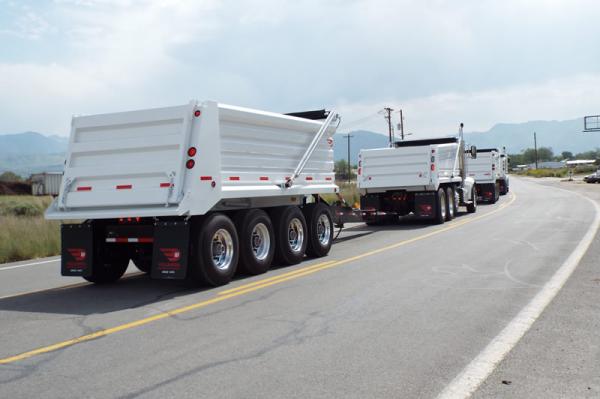
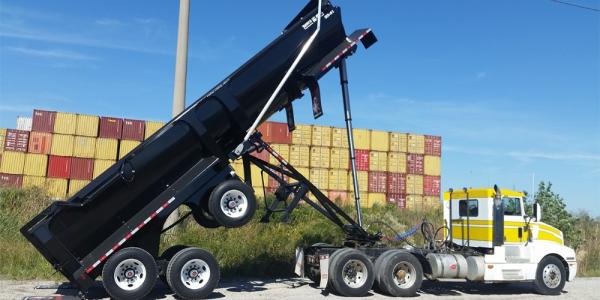
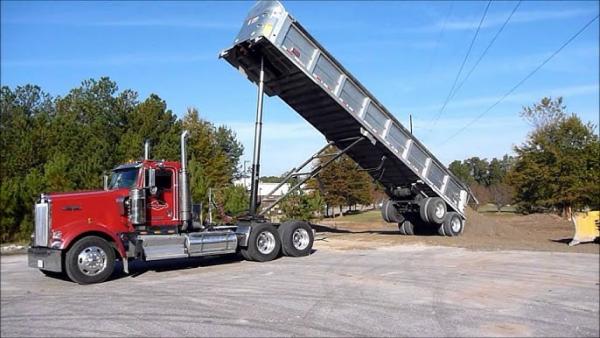
Operating an end dump pup trailer requires a blend of technical knowledge, practical experience, and a keen understanding of safety protocols. These trailers, commonly used in construction, mining, and agricultural sectors, offer efficiency in transporting bulk materials. This guide delves into the intricacies of end dump pup trailer operations, providing insights into their functionality, safety measures, and best practices.
Understanding End Dump Pup Trailers
An end dump pup trailer is a specialized vehicle designed for hauling and unloading bulk materials such as sand, gravel, and aggregates. It consists of two main components: the lead truck and the pup trailer. The lead truck is equipped with a hydraulic system that powers the dumping mechanism of both the truck and the pup trailer.
The pup trailer is typically shorter than a standard dump trailer, often ranging from 26 to 32 feet in length. It is connected to the lead truck via a pintle hitch, allowing for quick detachment and reattachment. This design facilitates efficient unloading in confined spaces, making it ideal for urban construction sites.
Key Components and Terminology - Pup Trailer: A shorter trailer connected to the lead truck, often used in tandem for hauling bulk materials.
- Pintle Hitch: A coupling device that connects the pup trailer to the lead truck, allowing for quick detachment.
- Hydraulic System: Powers the dumping mechanism of both the lead truck and the pup trailer.
- Glad Hands: Air connections that provide braking power to the pup trailer.
- 7-Pin Connector: Electrical connection that controls lighting and other electrical functions of the pup trailer.
Operational Procedures
- Pre-Operation Checks
Before commencing operations, conduct thorough inspections of both the lead truck and the pup trailer. Ensure that all components, including the hydraulic system, brakes, and lighting, are functioning correctly. Verify that the load is evenly distributed and does not exceed the trailer's weight capacity.
- Loading
Load the pup trailer evenly to maintain balance during transport. Uneven loading can lead to instability and potential tipping hazards. Utilize appropriate equipment to load materials, ensuring that the load does not exceed the trailer's rated capacity.
- Transporting
While transporting, maintain a safe speed and distance from other vehicles. Be aware of road conditions and adjust driving accordingly. Regularly check mirrors and surroundings to ensure safe maneuvering, especially when operating in tight spaces.
- Unloading
Upon reaching the unloading site, position the lead truck and pup trailer on stable, level ground. Engage the hydraulic system to raise the dump bed of the pup trailer. Ensure that the area is clear of personnel and obstacles before commencing unloading. Once the load is discharged, lower the dump bed and secure the trailer for transport.
Safety Considerations- Stability: Always operate on level ground to prevent tipping. Uneven terrain can compromise the stability of the trailer during unloading.
- Load Distribution: Ensure that the load is evenly distributed to maintain balance. Uneven loads can lead to swaying and potential accidents.
- Weather Conditions: Be cautious during adverse weather conditions such as high winds or rain, which can affect the trailer's stability and braking efficiency.
- Maintenance: Regularly inspect and maintain the hydraulic system, brakes, and other critical components to ensure safe operation.
Case Study: Efficient Operations in Confined Spaces
A notable example of efficient end dump pup trailer operations can be observed in urban construction projects. In one instance, a contractor was able to unload a full load of materials in a confined space by utilizing the quick detachment feature of the pup trailer. Within 15 minutes, the pup trailer was dropped, the lead truck unloaded, and the pup trailer reattached, showcasing the efficiency of this system in tight urban environments.
Conclusion
Operating an end dump pup trailer demands a comprehensive understanding of its components, operational procedures, and safety protocols. By adhering to best practices and maintaining equipment, operators can ensure efficient and safe transportation of bulk materials. Continuous training and awareness of potential hazards are essential in mitigating risks associated with end dump pup trailer operations.
|
|
|
|
| Comprehensive Overview of the Ingersoll Rand VR-638 Versahandler: Demolition and Material Handling Excellence |
|
Posted by: MikePhua - 08-13-2025, 05:02 PM - Forum: General Discussion
- No Replies
|
|
Introduction to the Ingersoll Rand VR-638
The Ingersoll Rand VR-638 is a versatile telehandler renowned for its robustness and reach, primarily used in demolition, construction, and heavy material handling tasks. Designed with a high lift capacity and substantial reach, it adapts well to challenging environments such as house demolition projects where maneuverability and power are crucial.
Technical Specifications and Capabilities - Equipped with a Perkins 1104C-44 engine delivering approximately 74.5 kW (100 hp) for strong performance.
- Maximum lift capacity rated at around 6,700 pounds (approximately 3,045 kg).
- Maximum fork height reaches up to approximately 38 feet (11.85 meters), providing extensive vertical reach for placing and removing materials.
- Operating weight is roughly 8.3 tons, giving the machine stability during heavy lifts.
- Forks measure about 47.5 inches in length and the machine has a frame leveling capability for uneven terrain.
- Hydraulic coupler for quick attachment changes enhances versatility on the job.
- Dimensions include an overall length of about 18.3 feet, width across tires near 7.35 feet, height approximately 7.8 feet, and a wheelbase close to 9.36 feet.
- The cab is enclosed with air conditioning to provide operator comfort in varied conditions.
Operation and Demolition Use
The VR-638 telehandler excels in demolition settings due to its precise control and strong lifting ability. Its telescopic boom allows reaching confined or elevated areas safely, vital when dismantling structures like houses. Operators benefit from hydraulic controls that facilitate smooth and accurate positioning of loads, reducing risk during fragile or tight demolition operations.
In demolition tasks, the VR-638 is often used to maneuver debris, lift heavy materials like beams or concrete sections, and assist in site clearing. The frame leveling feature allows operation on rough or sloped terrain, ensuring stability which is essential for safety and efficiency.
Maintenance and Reliability
Routine maintenance of the VR-638 focuses on the engine, hydraulic system, and safety components. The Perkins engine is known for durability; however, compliance with emission standards (2005 US EPA label) requires attentive upkeep. Hydraulic couplers and the telescopic boom need frequent inspections and lubrication to maintain smooth operation and prevent downtime.
Engine rebuilding and remanufacturing options are available through specialist providers, ensuring extended machine life and cost-effective repairs.
Terminology Explained- Telehandler: A type of lifting equipment with a telescopic boom, allowing for versatile material handling at varying heights and distances.
- Fork Height: The maximum vertical reach of the forks or attachment on the telehandler.
- Hydraulic Coupler: A mechanism allowing quick exchange of attachments powered through hydraulic lines.
- Frame Leveling: A feature that adjusts the machine’s frame to keep it level on uneven ground, enhancing operator safety and machine stability.
- Operating Weight: The total weight of the machine when ready for use, including all standard equipment and full fuel tanks.
Practical Suggestions for Operators and Restoration Experts- Ensure thorough training in operating telescopic booms and understanding load charts to prevent overloading.
- Regularly check hydraulic fluid levels and seal conditions in the boom and couplers for leak prevention.
- Use proper personal protective equipment (PPE) when conducting demolition or heavy lifting.
- Restoration efforts should prioritize sourcing parts compatible with the Perkins 1104C-44 engine and hydraulic components, considering aging seals and hoses.
- Engage in community forums or manufacturer support groups to exchange tips on maintenance and troubleshooting.
Case Story: Adapting VR-638 to Demolition Challenges
In a recent residential demolition project, a VR-638 was deployed to clear out a multi-story wooden house scheduled for removal. The telescopic boom allowed the operator to lift heavy timber segments from upper floors without needing scaffolding. The machine’s frame leveling proved invaluable when the uneven ground near the foundation threatened stability. The demolition crew reported that the VR-638’s precise control and robust engine minimized downtime and accelerated site clearance.
Modern Considerations and Alternatives
Though the VR-638 remains a competitive machine in demolition and material handling, advances in hydraulic technology and electric powertrains are influencing newer telehandlers' design, offering quieter operation and lower emissions. However, the VR-638's power and reach keep it relevant especially in rugged conditions.
Conclusion
The Ingersoll Rand VR-638 telehandler represents a powerful, reliable option for demolition and material handling tasks requiring precision and strength. Its technical specifications make it suitable for demanding applications like house demolition, while its operational features enhance safety and comfort for the operator. Proper maintenance and skilled use extend its service life, making it a worthy investment for contractors and equipment enthusiasts alike. The machine stands as a testament to durable engineering and adaptability in the heavy equipment sector.
|
|
|
|
| Understanding and Maintaining the Roller Frame Track Guards on the Caterpillar 941B |
|
Posted by: MikePhua - 08-13-2025, 05:01 PM - Forum: Parts , Attachments & Tools
- No Replies
|
|
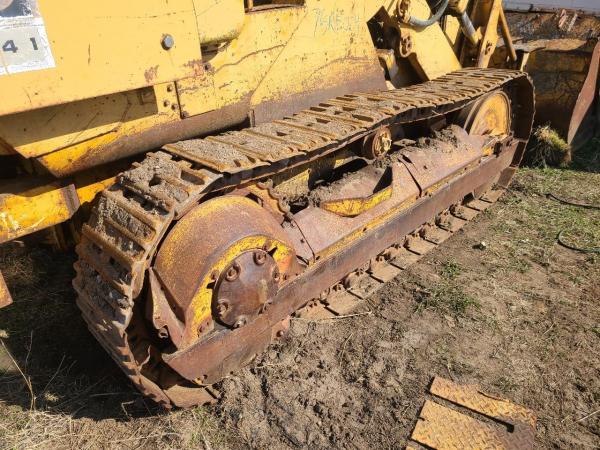
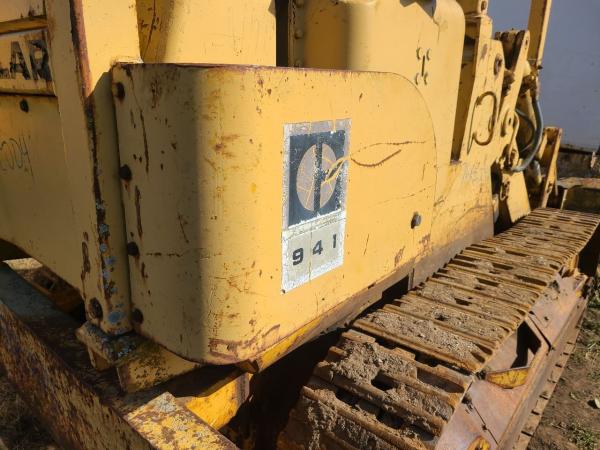
Introduction
The Caterpillar 941B, a track-type loader introduced in the late 1960s, remains a testament to Caterpillar's engineering prowess. One of its critical components is the roller frame track guard, which plays a vital role in the machine's undercarriage system. This article delves into the significance of these guards, their maintenance, and their impact on the machine's performance.
Functionality of Roller Frame Track Guards
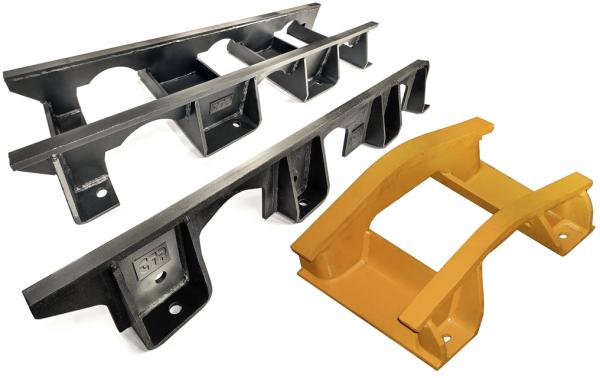
Roller frame track guards are designed to protect the track roller assembly from external debris and environmental factors. By shielding the rollers, these guards ensure smooth operation, reduce wear and tear, and extend the lifespan of the undercarriage components.
Maintenance and Replacement
Regular inspection of the roller frame track guards is essential. Over time, these guards can become damaged due to constant exposure to harsh working conditions. For instance, a user reported the need for new guards after completing maintenance on their undercarriage, highlighting the importance of replacing worn-out components to maintain optimal performance.
Aftermarket Options
For those seeking replacements, several aftermarket suppliers offer roller frame track guards compatible with the 941B. These guards are designed to meet or exceed OEM specifications, ensuring reliability and durability. For example, parts like the 5K8700 roller frame guard are available from various suppliers.
Installation Tips
When installing new roller frame track guards, it's crucial to ensure proper alignment and secure fastening. Misalignment can lead to uneven wear and potential damage to the track system. Always refer to the machine's service manual for specific instructions and torque specifications.
Real-World Considerations
In real-world applications, the condition of roller frame track guards can significantly impact the machine's performance. For instance, in construction projects involving rough terrains, damaged guards can lead to increased maintenance costs and downtime. Therefore, proactive maintenance and timely replacement of these guards are essential to ensure the Caterpillar 941B operates efficiently and reliably.
Conclusion
The roller frame track guards on the Caterpillar 941B are integral to the machine's undercarriage system. Regular maintenance and timely replacement of these guards ensure the longevity and optimal performance of the machine. By understanding their importance and adhering to proper maintenance practices, operators can maximize the utility of their Caterpillar 941B track-type loader.
|
|
|
|
| Detailed Insight into the American 399BC Crawler Crane: Operation, Maintenance, and Legacy |
|
Posted by: MikePhua - 08-13-2025, 05:00 PM - Forum: General Discussion
- No Replies
|
|
Introduction to the American 399BC Crane
The American 399BC is a classic crawler crane, notable for its use before the widespread adoption of hydraulic excavators. Its design features a friction drive system operated by skilled operators, demanding precise handling and constant attention to cable tension. The machine typically has a standard operating length of about 55 feet, but this can vary depending on the configuration and attachments fitted.
Technical Features and Specifications - Operates on a robust 4-cylinder Detroit Diesel engine, specifically the 4-71 model.
- Overall weight is approximately 25 tons.
- Equipped with multiple boom sections including typical lengths of 15 feet for the heel, several 10 and 20-foot sections, a 5-foot section, and a 15-foot head boom.
- Features two split drum winches and a 20-ton McKinsick hook/block system.
- The crane comes equipped either as a dragline or a full crane, each optimized for different types of heavy lifting assignments.
- The friction drive system requires constant attention to cable management, including maintaining proper tension to avoid cable backlash, which would cause operational hazards.
- The drive system is simpler than modern hydraulic systems but also more physically demanding and requires significant operator skill.
Operation and Challenges
Operating the American 399BC demands exceptional operator skill. The friction drive system and cable handling make it unique among cranes. Operators use various levers controlling propulsion, swinging, hoisting, and cable reels. Maintaining tension on cables is critical to prevent dangerous cable entanglements, which would otherwise lead to downtime or accidents.
Notably, operators needed to "have a feel" for the machinery, as improper handling could be fatal, especially when lifting personnel in man baskets. The skill involved was not easily transferrable and often came from extensive hands-on experience.
Maintenance and Longevity
Owners and restorers appreciate the relatively low maintenance requirements of the American 399BC, mainly focusing on lubrication of moving parts and cables. Major components like the 4-71 Detroit Diesel engine are robust and reliable, making the machine last for decades if properly cared for.
User experience indicates that while maintenance is manageable, the machine's drive system can be challenging to service compared to modern machines. The rust and wear over decades can require extensive restoration when acquiring older units, often necessitating the manufacture or sourcing of parts no longer readily available.
Historical Context and Operator Stories
During the heyday of friction cranes, machines like the American 399BC were vital to construction, demolition, and earth-moving tasks. One notable story involves an operator who would lift personnel in a man basket with the crane, often relying solely on his foot to hold a brake. His vivid recollection highlights the inherent risks and intense concentration required to operate these machines safely.
After the era of hydraulic cranes overtook friction systems, enthusiasts and farmers have taken up restoring these machines for use on farms or as historical pieces. Restoration often involves months of labor to return rusted cranes to working condition, illustrating the dedication of heavy equipment enthusiasts.
Suggestions for Current Operators and Restorers- Regular inspection and lubrication of cables and moving parts are essential to safe operation.
- Operators should undergo thorough training to develop the necessary "feel" for manipulating such a machine safely.
- When restoring older cranes, sourcing detailed manuals for engine and drive systems enhances the accuracy and quality of repairs.
- Modern safety gear and protocols should be integrated when using or demonstrating these older machines.
- Consider joining enthusiast communities for shared knowledge on parts sourcing and restoration techniques.
Terminology Explained- Friction Drive: A mechanical drive system that transfers power using frictional contact, requiring careful control of tension and preventing slippage.
- Dragline: A type of crane with a bucket suspended from a boom using wire ropes, used primarily for excavation.
- Boom Sections: Parts of the crane's arm, assembled to provide varying lengths depending on the lifting requirements.
- Man Basket: A safety cage or platform used to lift personnel for work at heights.
- Winch: A mechanical device used to pull in or let out cable or rope, fundamental for crane operation.
- Cable Backlash: The sudden, uncontrolled unwinding or slackening of a cable, possibly leading to entanglement or damage.
Case Study: Restoration and Use on a Farm
An operator purchased a rusted 1961 American 399BC crawler crane for farm use, undertaking a lengthy restoration process. Despite initial surprise at the extent of corrosion, persistent work over months, including rebuilding the boom and re-lubricating parts, enabled the crane to return to service for pond digging and material handling. This case exemplifies the sustainable use of such machinery beyond its original construction context.
Modern Perspective
While hydraulic cranes have largely replaced friction-driven machines for ease of operation and safety, the American 399BC remains a respected symbol of heavy equipment heritage. Restorers and collectors prize them for their robust design and the operator skill they require, often referring to friction cranes as "the real challenge" in the crane operation world.
Conclusion
The American 399BC crawler crane embodies a significant era in heavy equipment history, combining mechanical simplicity with operational complexity. It stands as a testament to engineering before electronics and hydraulics dominated, requiring hands-on expertise and physical dexterity from its operators. Preservation and study of such machinery provide valuable insights into the evolution of construction technology and operator craftsmanship. Maintenance manuals and detailed operational guides remain crucial resources for those interested in keeping these machines functional and preserved for future generations.
|
|
|
|
| Efficient Radiator Removal from a 2009 SK170-8 Tier 3 Excavator |
|
Posted by: MikePhua - 08-13-2025, 04:59 PM - Forum: General Discussion
- No Replies
|
|
Working on a 2009 Tier 3 SK170-8 excavator? Removing the radiator can feel daunting, but with the right approach and a clear plan, it’s a job you can accomplish smoothly. Let’s walk through a robust guide—enhanced with terminology definitions, best practices, helpful stories, and actionable recommendations.
Core Insight - The radiator on the SK170-8 can be removed independently, without the need to disassemble the intercooler or hydraulic oil cooler.
Explaining the Components- Radiator: Cools engine coolant by transferring heat to the air.
- Intercooler: Lowers the temperature of compressed air from the turbocharger, improving engine efficiency.
- Hydraulic Oil Cooler: Cools hydraulic fluid to maintain optimal performance and prevent overheating.
- Independent Removal: Each cooler assembly is mounted so that the radiator can be extracted on its own.
Step-by-Step Removal Guide
- Prepare the Work Area
- Park the machine on level ground.
- Allow the engine to cool completely before beginning.
- Block all casters and ensure no one can accidentally bump components.
- Drain the Coolant
- Place a suitable container beneath the radiator drain valve.
- Fully open the valve to capture used coolant.
- Extract Radiator Hoses
- Loosen and remove the upper and lower coolant hoses from the radiator inlet and outlet.
- Cap or plug the ends to prevent fluid leakage or contamination.
- Disconnect Electrical or Fan Links
- If the radiator features an electric fan or sensors, unplug connectors and wiring harnesses.
- For belt-driven fans, loosen or remove the belt to free the fan assembly if needed.
- Unbolt Mounting Hardware
- Locate and remove the mounting bolts or brackets anchoring the radiator to the frame.
- Support the radiator carefully as you remove the final fasteners.
- Lift Out the Radiator
- With muscles or a small hoist, lift the radiator straight up and out of its housing.
- Set it gently on a clean, sturdy surface for inspection or replacement.
- Inspect the Surroundings
- Look for debris or obstructions in the mounting area.
- Clean cooling fins and examination of neighboring components for signs of wear.
- Reinstall or Replace
- Position the new or serviced radiator back into the housing.
- Reattach mounting hardware, hoses, and electrical connectors.
- Refill coolant to the appropriate level and bleed air from the system following manufacturer guidelines.
Real-World Tip
A technician working in a remote mining site once successfully replaced a radiator within a tight two-hour window by preparing ahead—having spare bolts, drain pans, and replacement antifreeze on hand. The job wrapped up before lunchtime, minimizing downtime.
Recommendations & Best Practices- Use Protective Gear: Wear gloves, goggles, and shop towels. Hot coolant can burn, and fins are sharp.
- Reuse Hang Clips or Cushions: Note how the original unit was mounted—use existing vibration-damping clips when reinstalling.
- Label Any Disconnected Wires: A simple tag prevents confusion during reassembly.
- Test the System After Reinstallation: Run the engine until full operating temperature is reached, monitor for coolant leaks, and check temperature gauge behavior.
- Maintain Coolant Records: Note date, type, and volume of new coolant—track this in your maintenance log for future reference.
Summary- The radiator on a 2009 SK170-8 Tier 3 excavator can indeed be removed on its own—no need to disturb the intercooler or hydraulic oil cooler.
- A structured removal involves draining coolant, disconnecting hoses and any fans or sensors, removing fasteners, and lifting the core out.
- Proper preparation, safety precautions, component labeling, and post-reinstallation testing are critical to a smooth, successful repair.
- Thoughtful practices save hours—and extend the life of your cooling system.
|
|
|
|
|



