| Welcome, Guest |
You have to register before you can post on our site.
|
| Online Users |
There are currently 101 online users.
» 0 Member(s) | 90 Guest(s)
Ahrefs, Amazon, Applebot, Baidu, Bing, Claude, DotBot, Google, Semrush, Trendiction
|
| Latest Threads |
Identifying and Sourcing ...
Forum: Parts , Attachments & Tools
Last Post: MikePhua
01-07-2026, 06:29 PM
» Replies: 0
» Views: 527
|
Cat 931B Brake Parts
Forum: Parts , Attachments & Tools
Last Post: MikePhua
01-07-2026, 06:29 PM
» Replies: 0
» Views: 283
|
Choosing Between Cat 228,...
Forum: General Discussion
Last Post: MikePhua
01-07-2026, 06:28 PM
» Replies: 0
» Views: 559
|
Hydraulic Delay When Lowe...
Forum: Troubleshooting & Diagnosing
Last Post: MikePhua
01-07-2026, 06:27 PM
» Replies: 0
» Views: 446
|
Bale Chopper and Mulcher ...
Forum: General Discussion
Last Post: MikePhua
01-07-2026, 06:26 PM
» Replies: 0
» Views: 323
|
Mini UC Maintenance
Forum: General Discussion
Last Post: MikePhua
01-07-2026, 06:25 PM
» Replies: 0
» Views: 314
|
Locating Wiring Informati...
Forum: General Discussion
Last Post: MikePhua
01-07-2026, 06:24 PM
» Replies: 0
» Views: 346
|
Case Industrial Brown Sub...
Forum: Parts , Attachments & Tools
Last Post: MikePhua
01-07-2026, 06:23 PM
» Replies: 0
» Views: 275
|
Dirt Work in West Virgini...
Forum: Construction & Urban Infrastructure Forum
Last Post: MikePhua
01-07-2026, 06:23 PM
» Replies: 0
» Views: 376
|
D207 P Hydraulic Steering...
Forum: Parts , Attachments & Tools
Last Post: MikePhua
01-07-2026, 06:22 PM
» Replies: 0
» Views: 303
|
|
|
| Comprehensive Guide to the Case 580K Backhoe Loader |
|
Posted by: MikePhua - 08-13-2025, 05:15 PM - Forum: General Discussion
- No Replies
|
 |
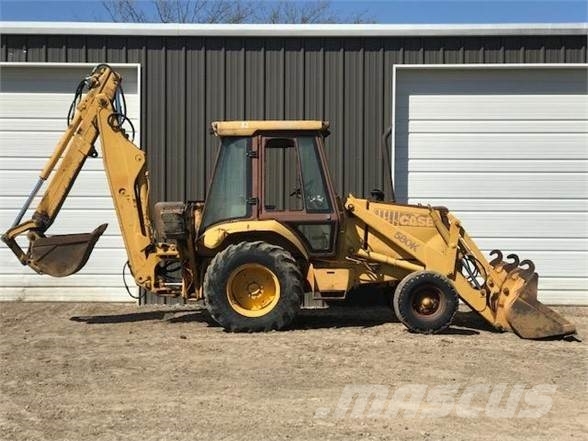
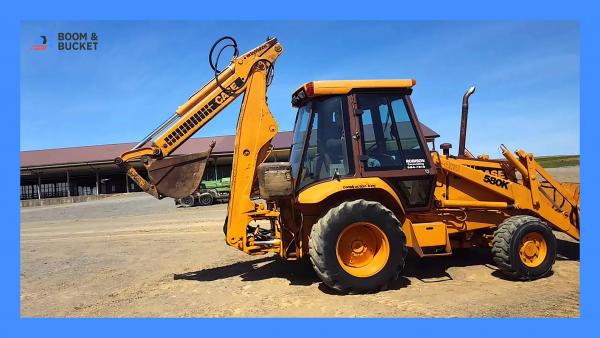
Introduction to the Case 580K Backhoe Loader
The Case 580K Backhoe Loader is a versatile and durable piece of equipment widely used in construction, agriculture, and municipal projects. Known for its reliability and performance, the 580K model has become a staple in the industry. This article provides an in-depth look at the specifications, maintenance practices, and common issues associated with the Case 580K.
Specifications of the Case 580K - Engine: The 580K is equipped with a 4-cylinder diesel engine, delivering up to 68 horsepower.
- Operating Weight:
- 2WD: Approximately 13,426 lbs (6,090 kg)
- 4WD: Approximately 13,912 lbs (6,310 kg)
- Hydraulic System:
- Hydraulic fluid capacity: 22 gallons (81 liters)
- Maximum digging depth: 12.4 feet (3.78 meters)
- Maximum reach: 19.4 feet (5.9 meters)
- Loader Specifications:
- Bucket capacity: 1.25 cubic yards
- Maximum loading height: 11.3 feet (3.44 meters)
- Common issue: Pin and bushing wear leading to "sloppy" loader movement
- Transmission:
- Fluid capacity: 12 gallons (45 liters)
- Recommended fluid: SAE 10W-30 or specified hydraulic/transmission fluid
Maintenance Practices for the Case 580K
Regular maintenance is crucial to ensure the longevity and optimal performance of the Case 580K. Here are some essential maintenance practices:
- Adhere to the Manufacturer’s Schedule: Follow the maintenance intervals outlined in the operator’s manual. Utilize genuine CASE parts and lubricants to maintain warranty protection.
- Conduct Daily Inspections: Before each shift, inspect fluid levels (engine oil, coolant, hydraulic fluid), check for leaks, examine tires for proper pressure and signs of wear, and ensure all lights and attachments are functional.
- Prioritize Engine Maintenance: Regularly check the engine oil level and condition, replacing it according to the manufacturer’s recommendations. Change oil filters at specified intervals and inspect the air intake system for blockages.
- Maintain Hydraulic Systems: Check the hydraulic fluid level and condition, looking for signs of contamination. Replace filters at the intervals specified in the maintenance schedule and inspect hoses for leaks or damage.
- Keep Your Backhoe Clean: Regularly clean the machine, paying special attention to the radiator, engine bay, and undercarriage. Proper storage in a clean, dry environment further protects your investment by preventing corrosion and damage.
- Implement Proper Operating Techniques: Ensure operators are trained to avoid overloading the machine, exceeding speed limits, or using harsh, jerky movements. Smooth operation minimizes stress on components, reducing wear and tear.
- Address Issues Promptly: Listen for unusual sounds, vibrations, or performance changes. Addressing minor issues promptly prevents them from becoming major problems.
Common Issues and Troubleshooting
While the Case 580K is a reliable machine, operators may encounter certain issues:- Fuel System Concerns: Ensure the use of a screen-type filter for the fuel system and maintain a clean fuel tank to prevent clogging and algae growth.
- Return-to-Dig Function: The return-to-dig function is controlled by a magnetic switch located at the bottom of the loader control valve. Adjusting this switch can help in setting the desired position for the loader bucket.
Conclusion
The Case 580K Backhoe Loader is a versatile and durable machine suitable for various tasks. By adhering to recommended maintenance practices and promptly addressing common issues, operators can ensure the longevity and optimal performance of their equipment. Regular inspections, proper fluid management, and operator training are key components in maintaining the efficiency and reliability of the Case 580K.
|

|
|
| Comprehensive Troubleshooting of Bobcat 863 Starting Issues |
|
Posted by: MikePhua - 08-13-2025, 05:13 PM - Forum: Troubleshooting & Diagnosing
- No Replies
|
|
The Bobcat 863 skid-steer loader, a versatile and reliable machine, is widely used in construction, landscaping, and other heavy-duty applications. However, like all machinery, it can encounter starting issues that can halt operations. Understanding the potential causes and solutions is crucial for efficient troubleshooting and minimizing downtime.
Understanding the Starting System of the Bobcat 863
The starting system of the Bobcat 863 is designed to initiate the engine's operation, ensuring the machine is ready for use. Key components include: - Starter Motor: Engages the engine flywheel to begin the combustion process.
- Starter Relay: Acts as a switch to control the high current to the starter motor.
- Fuel Shutoff Solenoid: Controls the flow of fuel to the engine.
- Ignition Switch: The operator's interface to start the machine.
- Fuses and Wiring: Provide the necessary electrical connections and protection.
A malfunction in any of these components can lead to starting issues.
Common Causes of Starting Problems
Several factors can contribute to starting difficulties in the Bobcat 863:
- Faulty Starter Relay: A common issue is a defective starter relay, which can prevent the starter motor from receiving the necessary signal to engage. Swapping the starter relay with another of the same type can help diagnose this problem.
- Blown Fuses: Over time, fuses can blow due to electrical surges or component failures. Regularly checking and replacing fuses is essential to maintain the integrity of the starting system.
- Wiring Issues: Corroded or loose connections can disrupt the flow of electricity, leading to starting failures. Inspecting and cleaning all wiring connections can resolve such issues.
- Fuel Delivery Problems: Issues such as a clogged fuel filter, malfunctioning fuel pump, or faulty fuel shutoff solenoid can prevent the engine from receiving adequate fuel, hindering startup.
- Battery Issues: A weak or discharged battery may not provide sufficient power to the starter motor, leading to cranking but no start conditions.
Step-by-Step Troubleshooting Guide
To effectively diagnose and resolve starting issues, follow these steps:
- Check the Battery: Ensure the battery is fully charged and in good condition. Clean any corrosion from terminals and verify all connections are tight.
- Inspect Fuses: Examine all relevant fuses for continuity. Replace any blown fuses with ones of the correct amperage.
- Test the Starter Relay: Swap the starter relay with another of the same type to determine if the relay is functioning correctly.
- Examine Wiring Connections: Inspect all wiring for signs of wear, corrosion, or loose connections. Repair or replace as necessary.
- Assess Fuel Delivery: Check the fuel filter for clogs and replace if needed. Ensure the fuel pump is operating correctly and that the fuel shutoff solenoid is functioning.
- Verify Starter Motor Operation: If the engine cranks but doesn't start, verify that the starter motor is engaging the flywheel properly.
Case Study: Resolving a No-Start Condition
A Bobcat 863 owner reported that their machine would not start despite the engine cranking. After performing the above troubleshooting steps, it was discovered that a faulty starter relay was preventing the starter motor from receiving the necessary signal. Replacing the relay restored normal operation, highlighting the importance of this component in the starting system.
Preventive Maintenance Tips
To minimize the risk of starting issues:- Regularly Inspect and Clean Battery Terminals: Prevent corrosion and ensure a good connection.
- Replace Fuses Promptly: Address blown fuses immediately to prevent further electrical issues.
- Maintain Clean and Tight Wiring Connections: Regularly check for signs of wear or corrosion.
- Monitor Fuel System Components: Replace fuel filters as recommended and ensure the fuel system is free from contaminants.
- Test the Starter Relay Periodically: Ensure it is functioning correctly to prevent unexpected failures.
Conclusion
Starting issues in the Bobcat 863 can stem from various components within the starting system. By systematically diagnosing each potential cause and performing regular maintenance, operators can ensure reliable performance and minimize downtime. Always refer to the manufacturer's manual for specific procedures and specifications related to your machine.
|
|
|
|
| In-Depth Guide to the Volvo EC13XR Mini Excavator: Features, Operation, and Practical Insights |
|
Posted by: MikePhua - 08-13-2025, 05:13 PM - Forum: General Discussion
- No Replies
|
|
Overview of the Volvo EC13XR
The Volvo EC13XR is a compact mini excavator designed for versatile use in tight spaces while delivering reliable performance. Known for its narrow width and efficient operation, this machine is popular for landscaping, small construction projects, utility work, and other applications where maneuverability and precision matter.
Technical Specifications and Performance - Engine: Powered by a 3-cylinder engine (model L3E2), delivering approximately 11.1 kW (15 hp) at 2150 rpm.
- Operating Weight: Around 2,774 lbs (1,258 kg), making it lightweight and easy to transport.
- Overall Width: Extremely narrow at about 0.95 meters (3.12 feet), allowing operation in confined spaces such as residential backyards or urban environments.
- Bucket Capacity: Typical bucket size around 0.1 cubic yards, suited for light to moderate digging tasks.
- Track Type: Rubber tracks provide minimal ground disturbance and good traction on varied surfaces.
- Hydraulic System: Features precise hydraulic controls for smooth boom, arm, and bucket movement.
- Fuel Type: Diesel-powered, with efficient fuel consumption due to compact engine size.
Operation and Usability
The EC13XR is designed for operators who need a powerful yet compact machine. Thanks to its narrow width, it can fit through gates, doorways, and other restrictive access points that larger excavators cannot. Its hydraulic system enables fluid, controlled digging, lifting, and loading, making it suitable for detailed work in landscaping, trenching for utilities, and small demolition tasks.
Operators benefit from the machine’s simple controls and clear visibility from the cab or operator seat. Despite its size, the excavator offers respectable digging depth and reach for its class, sufficient for typical small-scale earthmoving tasks.
Maintenance and Longevity
Maintenance of the EC13XR focuses on routine checks of the engine, hydraulic fluid levels, and track tension. The durable rubber tracks require inspection for cuts or wear, especially since these mini excavators are often used on rough terrain or tight urban sites with debris.
The 3-cylinder diesel engine is known for reliability but should be serviced regularly in line with manufacturer recommendations to avoid premature wear. Fuel filters, air filters, and oil changes are critical to maintaining optimal performance. Hydraulic connections and cylinders should be checked for leaks and wear.
Terminology Explained- Operating Weight: The total weight of the machine in working condition, including fluids and operator.
- Bucket Capacity: The volume of material the excavator bucket can hold, measured here in cubic yards or meters.
- Hydraulic System: Network of pumps, hoses, and cylinders controlling the arm, boom, and attachments.
- Rubber Tracks: Flexible rubber belts used instead of steel tracks for less ground damage and quieter operation.
- Narrow Tail Swing (XR): A design where the rear counterweight extends less beyond the tracks, improving maneuverability in tight spaces.
Practical Suggestions for Operators- Utilize the EC13XR’s narrow width to access confined job sites inaccessible to larger equipment.
- Regularly inspect the rubber tracks for damage, particularly when working in abrasive or rocky environments.
- Maintain hydraulic fluid quality and check for leaks to ensure smooth operation of the boom and bucket.
- Operators should develop a "feel" for the hydraulic controls to maximize efficiency and precision.
- When transporting, verify the secure mounting due to the compact size and relatively light weight.
Case Story: Effective Utility Work with a Volvo EC13XR
A utility contractor faced the challenge of trenching for fiber optic cable installation in an urban neighborhood with narrow access lanes and delicate landscaping. The contractor chose the Volvo EC13XR due to its slim profile and precise hydraulics. The mini excavator easily maneuvered between parked cars and fences, allowing the crew to dig trenches quickly without property damage. The efficient diesel engine reduced fuel stops, speeding up the project. This case highlights the machine's suitability where space and finesse are crucial.
Enhancements and Troubleshooting Tips- For extended hooking and digging tasks, consider upgrading to enhanced hydraulic oil coolers to handle continuous workloads.
- Keep spare rubber track pads on hand to minimize downtime in case of unexpected damage.
- Use high-quality diesel fuel and additives to keep the engine running smoothly in cold or dusty conditions.
- Train operators on careful boom and bucket movements to avoid sudden shocks to the machine’s hydraulics.
- Use regular lubrication on pivot points to prevent wear and maintain operational smoothness.
Concluding Notes
The Volvo EC13XR mini excavator stands out as a dependable, compact machine designed to deliver comfortable operator experience and precise digging performance in space-restricted environments. With its manageable size, efficient engine, and solid hydraulic system, it meets the needs of landscaping, utility repair, and small-scale construction markets. Proper maintenance and skilled operation extend its life and utility, making it a valuable asset in any compact equipment fleet.
By understanding the EC13XR’s strengths and maintenance demands, operators and owners can optimize performance, reduce downtime, and leverage its unique capabilities for diverse job site challenges. This mini excavator represents a blend of smart engineering and practical adaptability in a small package.
|
|
|
|
| Comprehensive Guide to Engine Oil Filter Replacement for John Deere 748GIII |
|
Posted by: MikePhua - 08-13-2025, 05:12 PM - Forum: General Discussion
- No Replies
|
|
The John Deere 748GIII is a robust log skidder designed for demanding forestry applications. Regular maintenance, particularly the timely replacement of the engine oil filter, is crucial to ensure optimal engine performance and longevity.
Understanding the Importance of Engine Oil Filters
Engine oil filters play a vital role in maintaining engine health by: - Filtering Contaminants: Trapping dirt, metal particles, and other debris to prevent engine wear.
- Maintaining Oil Viscosity: Ensuring the oil remains effective in lubricating engine components.
- Preventing Clogging: Avoiding blockages that can lead to oil starvation and potential engine damage.
Recommended Engine Oil Filter for 748GIII
For the John Deere 748GIII, the recommended engine oil filter is the John Deere DZ118156. This filter is designed to meet the specific requirements of the 748GIII's engine, ensuring optimal filtration and performance. It is compatible with various John Deere models, including the 748G-II, 2054, 2056, 2058, and 2064 .
Specifications of DZ118156 Filter- Type: Spin-on oil filter with gasket/seal/packing.
- Dimensions: Width: 5 inches; Height: 6.8 inches; Length: 5 inches.
- Weight: Approximately 2.58 lbs.
- Compatibility: Designed for use with John Deere 748G-II, 748G-III, and other compatible models.
Replacement Procedure
- Preparation:
- Ensure the engine is turned off and has cooled down.
- Place a drain pan beneath the oil filter to catch any residual oil.
- Wear appropriate personal protective equipment (PPE), such as gloves and safety glasses.
- Removal:
- Locate the engine oil filter on the engine block.
- Using an oil filter wrench, loosen and remove the old filter.
- Allow any remaining oil to drain into the pan.
- Installation:
- Before installing the new filter, lubricate the rubber gasket with a small amount of clean engine oil.
- Screw the new filter onto the mounting base by hand until the gasket contacts the mounting surface.
- Tighten the filter an additional 3/4 turn to ensure a secure seal.
- Post-Installation:
- Check the oil level and top up if necessary.
- Start the engine and allow it to run for a few minutes, then check for any signs of leaks around the filter.
- Dispose of the old filter and any used oil at a certified recycling center.
Alternative Filter Options
While the John Deere DZ118156 is the recommended filter, alternative options include:- Baldwin P7233: A compatible lube filter available for approximately $26.69 .
- Donaldson P551352: Another alternative filter compatible with the 748GIII .
Maintenance Tips- Regular Replacement: Replace the engine oil filter at regular intervals as specified in the operator's manual.
- Use Quality Filters: Always use high-quality, compatible filters to ensure optimal engine protection.
- Monitor Oil Quality: Regularly check the engine oil for signs of contamination or degradation.
Conclusion
Proper maintenance of the engine oil filter in your John Deere 748GIII is essential for ensuring the longevity and performance of the engine. By following the recommended procedures and using quality filters, you can keep your equipment running smoothly and efficiently.
|
|
|
|
| Understanding and Addressing Wheel End Leaks in Heavy Equipment |
|
Posted by: MikePhua - 08-13-2025, 05:12 PM - Forum: Troubleshooting & Diagnosing
- No Replies
|
|
Wheel end leaks are a common issue in heavy equipment, affecting various machinery such as wheel loaders, excavators, and articulated dump trucks. These leaks can lead to significant operational problems, including reduced performance, increased maintenance costs, and potential safety hazards. This article delves into the causes, detection, and solutions for wheel end leaks, providing a comprehensive guide for operators and maintenance personnel.
What Is a Wheel End Leak?
A wheel end leak refers to the unintended escape of lubricants or hydraulic fluids from the wheel end assembly, which comprises components like wheel bearings, seals, and hub assemblies. These leaks can occur at various points, including the axle shaft, wheel hub, or between the seal and bearing surfaces. Over time, such leaks can lead to bearing failure, overheating, and even complete wheel assembly breakdowns.
Common Causes of Wheel End Leaks
Several factors can contribute to wheel end leaks:
- Improper Installation: Incorrect installation of seals or bearings can compromise the integrity of the wheel end assembly, leading to leaks.
- Contamination: The ingress of dirt, water, or other contaminants into the wheel end assembly can damage seals and bearings, causing leaks.
- Excessive Heat: Overheating due to overloading, inadequate lubrication, or prolonged operation at high speeds can cause seals to degrade and leak.
- Incorrect Bearing Adjustment: Improper bearing preload or misalignment can lead to uneven wear and seal failure.
- Clogged Ventilation: Blocked axle vents can cause pressure buildup within the wheel end assembly, leading to seal failure and leaks.
Detecting Wheel End Leaks
Early detection of wheel end leaks is crucial to prevent extensive damage. Operators should regularly inspect the following:- Visual Inspection: Look for signs of oil or grease accumulation around the wheel hub or axle shaft.
- Temperature Checks: Use an infrared thermometer to detect unusually high temperatures at the wheel end, indicating potential overheating.
- Lubricant Condition: Check the color and consistency of the lubricant; contamination can alter its appearance.
- Axle Vent Functionality: Ensure that axle vents are clear and functioning properly to maintain appropriate internal pressure.
Case Study: Persistent Wheel End Leaks in a Construction Fleet
A construction company operating a fleet of wheel loaders faced recurring wheel end leaks despite regular maintenance. Upon investigation, it was discovered that the axle vents were frequently clogged with debris, leading to internal pressure buildup and subsequent seal failure. After implementing a routine cleaning schedule for the axle vents and replacing damaged seals, the frequency of wheel end leaks significantly decreased, highlighting the importance of maintaining proper ventilation.
Preventive Measures and Maintenance Practices
To mitigate the risk of wheel end leaks, consider the following best practices:- Regular Inspections: Conduct routine visual and thermal inspections of wheel end assemblies to identify early signs of leaks.
- Proper Installation: Ensure that seals and bearings are installed according to manufacturer specifications using the correct tools and techniques.
- Use Quality Components: Opt for high-quality seals and bearings that meet or exceed OEM standards.
- Maintain Lubricant Quality: Regularly check and replace lubricants to prevent contamination and degradation.
- Clear Ventilation Paths: Keep axle vents clean and unobstructed to prevent pressure buildup.
Conclusion
Wheel end leaks are a significant concern in heavy equipment operations, but with proactive maintenance and attention to detail, their occurrence can be minimized. By understanding the causes, detecting early signs, and implementing preventive measures, operators can ensure the longevity and reliability of their machinery. Regular training and adherence to best practices are essential in maintaining optimal wheel end performance and preventing costly repairs.
|
|
|
|
| Comprehensive Guide to the 1975 Chevrolet C65 Fuel Sending Unit: Function, Maintenance, and Practical Advice |
|
Posted by: MikePhua - 08-13-2025, 05:11 PM - Forum: General Discussion
- No Replies
|
|
Understanding the Fuel Sending Unit
The fuel sending unit is an essential component of the fuel system in the 1975 Chevrolet C65 truck. It is responsible for measuring the fuel level inside the tank and sending this information to the fuel gauge on the dashboard, providing the operator with an accurate reading of how much fuel remains. Typically, this unit consists of a float connected to a variable resistor that changes resistance based on the fuel level, allowing the gauge to reflect the fuel quantity accurately.
Technical Specifications and Key Features - The fuel sending unit used on trucks from the 1973 to 1987 Chevy and GMC line (including C65 models) commonly operates within a 0-90 ohm resistance range.
- This resistance range corresponds to the empty-to-full fuel indication on stock gauges of this era.
- The unit is adjustable to fit various fuel tank sizes and configurations, making it suitable for both original and aftermarket tanks.
- Components typically included in a sending unit assembly are:
- The sending unit itself (with a variable resistor)
- A float arm designed to move with the fuel level
- Mounting hardware, including a gasket or seal ensuring a fuel-tight fit
- Units are compatible with stock fuel gauges or any gauge calibrated for a 0-90 ohm range.
Operation and Importance
The sending unit operates through a float that moves up and down inside the fuel tank as fuel levels change. Connected to the float is a resistor mechanism; as the float moves, it adjusts the resistance, which the fuel gauge interprets as fuel level. Proper function is crucial to avoid incorrect fuel readings that could lead to running out of fuel unexpectedly or unnecessary refueling stops.
Common Issues and Troubleshooting- Malfunctions in the sending unit often manifest as erratic, stuck, or inaccurate fuel gauge readings.
- Electrical issues such as corrosion, broken wires, or faulty connectors can disrupt signal transmission.
- Mechanical problems can occur if the float arm bends, sinks due to fuel saturation, or if the resistor ring inside wears out.
- Fuel contamination or sediment buildup around the sending unit can cause the float to stick or the resistor to malfunction.
Maintenance and Replacement Tips- Inspect the sending unit regularly, especially in older vehicles where fuel gauge inconsistency is noticed.
- Cleaning the unit carefully can sometimes restore function if residue or rust is causing sticking.
- If replacement is necessary, select a sending unit matching the vehicle's ohm range and tank size.
- Installation involves removing the old sending unit, often accessed at the fuel tank top, and ensuring the new unit is sealed properly to prevent leaks.
Terminology Explained- Fuel Sending Unit: A device inside the fuel tank that measures fuel level and communicates it to the fuel gauge.
- Float Arm: The lever attached to the fuel float which moves the variable resistor inside the sending unit.
- Variable Resistor (Rheostat): A resistor that changes resistance based on float position, altering electrical current to signal fuel quantity.
- Resistance Range: The electrical resistance variation from empty to full, measured in ohms.
- Gasket/Seal: A component that prevents fuel leaks between the sending unit and the fuel tank opening.
Notable Case and Practical Story
A fleet operator managing vintage Chevrolet trucks found that inconsistent fuel gauge readings were due to aging sending units. By replacing the original units with aftermarket 0-90 ohm adjustable sending units designed for their model years, they restored accurate fuel level indications across the fleet. This not only improved operational efficiency but also reduced fuel management errors.
Additional Suggestions and Solutions- For custom or aftermarket fuel tanks, using sending units adjustable to different tank depths and shapes ensures reliable fuel level readings.
- Upgrading electrical connections with corrosion-resistant terminals and using dielectric grease can improve long-term reliability.
- When faced with fuel gauge issues, test wiring continuity and ground connections before replacing the sending unit, as faulty wiring can mimic sender failure.
- If the fuel gauge is not calibrated for a 0-90 ohm sender, a gauge replacement or calibration may be required for accurate readings.
Summary of Installation and Service Considerations- Ensure the vehicle is parked on level ground before servicing the sending unit to obtain accurate fuel level readings.
- Relieve fuel system pressure and properly drain fuel if needed to access the sending unit safely.
- Use proper tools to remove and install the sending unit without damaging the tank or sender.
- After installation, check for leaks and verify gauge accuracy by comparing readings with fuel tank fill-ups.
By understanding the function, maintenance needs, and troubleshooting methods for the 1975 Chevrolet C65 fuel sending unit, owners and mechanics can ensure dependable fuel level monitoring. This supports safer and more efficient vehicle operation, especially for older trucks where wear and electrical issues are more common. Proper care and selective upgrades enhance the longevity and utility of this vital fuel system component.
|
|
|
|
| Troubleshooting No Voltage to Fuel Shutoff Solenoid and Glow Plugs on Bobcat 773F |
|
Posted by: MikePhua - 08-13-2025, 05:11 PM - Forum: Troubleshooting & Diagnosing
- No Replies
|
|
Experiencing no voltage to the fuel shutoff solenoid or glow plugs on a Bobcat 773F can be a challenging issue, often stemming from electrical or control system malfunctions. This guide provides a comprehensive approach to diagnosing and resolving such problems, incorporating insights from experienced technicians and real-world examples.
Understanding the System Components - Fuel Shutoff Solenoid: This solenoid controls the fuel flow to the engine. When the ignition is turned off, the solenoid disengages, stopping fuel delivery and shutting down the engine.
- Glow Plugs: These are heating elements used to preheat the engine's combustion chamber, facilitating easier starts in cold conditions.
- BOSS Controller: The Bobcat Operator Safety System (BOSS) controller manages various safety and operational functions, including the activation of the fuel shutoff solenoid and glow plugs.
Common Causes of No Voltage Issues
- Blown Fuses or Faulty Relays: A blown fuse or malfunctioning relay can interrupt the power supply to the solenoid and glow plugs.
- Wiring Issues: Damaged or disconnected wires, especially in the engine harness, can prevent voltage from reaching critical components.
- BOSS Controller Malfunction: A faulty BOSS controller may fail to send the necessary signals to activate the solenoid and glow plugs.
- Bypassed Safety Features: Improper modifications, such as bypassing safety switches or relays, can lead to operational issues and safety concerns.
Diagnostic Steps
- Inspect Fuses and Relays: Check the fuse panel for any blown fuses related to the fuel system and glow plugs. Swap out relays with known good ones to rule out relay failure.
- Examine Wiring Connections: Thoroughly inspect the engine harness for any signs of wear, corrosion, or disconnections. Pay close attention to the green/yellow wire from the ignition switch, as improper connections here can bypass safety systems and cause issues.
- Test Voltage at Components: Use a multimeter to check for voltage at the fuel shutoff solenoid and glow plugs when the ignition is turned on. Lack of voltage indicates an upstream issue.
- Verify BOSS Controller Operation: Ensure the BOSS controller is receiving power and functioning correctly. A malfunctioning controller may not send the necessary activation signals.
Real-World Example
An operator faced a similar issue with a Bobcat 773F after a complete engine rebuild. Despite having power to all relays, the trigger wires for the relays were not receiving power. By using a jumper wire, the fuel shutoff solenoid could be cycled, indicating a control signal issue. Further investigation revealed that the green/yellow wire from the ignition switch had been removed and rerouted, likely to bypass a malfunctioning BOSS system.
Solutions Implemented- Rewiring: The operator restored the original wiring configuration, ensuring all connections were secure and properly routed.
- Component Replacement: Faulty relays and fuses were replaced with OEM parts to restore proper function.
- BOSS Controller Reset: The BOSS controller was reset to clear any stored faults and reestablish normal operation.
Preventive Measures- Regular Maintenance: Conduct routine inspections of electrical components, including fuses, relays, and wiring, to identify potential issues before they cause failures.
- Avoid Unauthorized Modifications: Refrain from bypassing safety systems or making unauthorized electrical modifications, as these can lead to operational problems and safety hazards.
- Use OEM Parts: Always use original equipment manufacturer (OEM) parts for replacements to ensure compatibility and reliability.
Conclusion
Addressing no voltage issues to the fuel shutoff solenoid and glow plugs on a Bobcat 773F requires a systematic approach to diagnose and resolve underlying electrical or control system problems. By following the diagnostic steps outlined above and implementing preventive measures, operators can restore reliable operation to their equipment.
For a visual guide on troubleshooting glow plug issues in Bobcat machines, consider watching the following video:
|
|
|
|
| Comprehensive Guide to Buying a Used Wheel Loader Up to 40,000 lbs: Features, Selection Tips, and Practical Advice |
|
Posted by: MikePhua - 08-13-2025, 05:09 PM - Forum: General Discussion
- No Replies
|
|
Introduction to Used Wheel Loaders Around 40,000 lbs
Used wheel loaders weighing up to approximately 40,000 lbs are versatile heavy equipment widely used across construction, mining, agriculture, and material handling industries. This size class hits a sweet spot by offering enough power and bucket capacity for medium to heavy tasks while managing maneuverability and operational costs. When considering a used wheel loader within a budget and operational limit, understanding critical specifications, performance capabilities, maintenance requirements, and practical selection advice is essential.
Key Specifications and Performance Attributes - Operating Weight: Typically around 40,000 lbs (18,000 kg range), balancing strong build strength with manageable transportability.
- Engine Power: Commonly in the range of 230 to 260 horsepower, providing reliable torque and operational efficiency.
- Bucket Capacity: Commonly between 3.5 to 4.0 cubic yards, enabling effective bulk material handling and loading in various applications.
- Breakout Force: Approximately 40,000 lbs or higher, essential for tough digging and loading tasks, such as breaking compacted soil or lifting heavy materials.
- Lift Height: Dump heights often exceed 17 feet, enabling efficient loading into trucks or hoppers.
- Transmission: Advanced models use automatic or electronically controlled transmissions for smoother operation and fuel efficiency.
- Hydraulics: Load-sensing, high-pressure hydraulic systems improve bucket control precision and power balance.
Popular Models in This Class- Sany SW405K
- Engine: Deutz TCD 6.1 with 262 hp
- Bucket Capacity: 4 cubic yards
- Breakout Force: 40,466 lbs
- Dump Height: 17'9"
- Noted for a reinforced structural design tailored for heavy-duty mining and construction. Advanced telematics provide performance and maintenance monitoring.
- Case 821G
- Engine: 230 hp Tier 4 Final SCR engine
- Operating Weight: 40,057 lbs
- Breakout Force: Over 40,000 lbs
- Loader Features: Z-bar linkage, ride control, automated bucket controls (return-to-dig, height control)
- Enhanced cooling systems and fuel efficiency with SCR technology, making it suitable for demanding and environmentally conscious applications.
- Caterpillar 950H
- Operating Weight: Around 40,000 lbs
- Known for durability and high uptime in construction and quarry operations.
- Strong dealer and parts support network.
Selection Criteria and Practical Advice- Assess Intended Use: Select a loader that matches your operational needs. High breakout force and bucket capacity are crucial for heavy digging and loading, whereas maneuverability and cycle times matter more for site clearing or material handling.
- Evaluate Machine Condition: A thorough mechanical inspection is vital. Check hydraulic pumps and cylinders for leaks, engine compression and run condition, transmission smoothness, and wear on bucket teeth and linkage pins.
- Consider Maintenance History: Well-documented service records increase confidence in the machine’s reliability and ongoing upkeep.
- Look for Modern Features: Automated functions like return-to-dig, ride control, advanced joystick controls, and telematics improve productivity and operator comfort.
- Hydraulic and Transmission Quality: Load-sensing hydraulics and smooth electronic transmissions reduce fuel consumption and minimize operator fatigue.
- Check Bucket and Attachments: Ensure buckets and any quick couplers are in good shape and consider attachments that prolong machine versatility.
Operation and Maintenance Insights- Regular maintenance of hydraulic systems and engines ensures sustained performance and reduces unscheduled downtime.
- Efficient loaders incorporate cooled hydraulic oil circuits and robust filtration to extend component life.
- Operators should be trained in using automated features and proper bucket control to maximize efficiency.
- Frequent inspection and replacement of wear items such as tires, seals, and bushings extend machine life.
Terminology Explained- Breakout Force: The force exerted by the bucket or attachment to break loose or penetrate material.
- Load-Sensing Hydraulics: Hydraulic systems that adjust pump output based on the load demand, improving efficiency.
- SCR Technology (Selective Catalytic Reduction): Engine emission control technology reducing nitrogen oxides for cleaner operation.
- Ride Control: A hydraulic damping system that smooths loader movements to enhance operator comfort and reduce material spillage.
- Z-Bar Linkage: Loader arm design offering improved lifting capabilities and effective bucket rollback.
Case Story: A Contractor’s Experience with a Used 40,000 lbs Wheel Loader
A medium-sized contractor purchased a used loader similar to the Case 821G model to upgrade their fleet. Initially concerned about emissions compliance and operational costs, they were pleased to find that the Tier 4 Final SCR engine not only met environmental standards but provided better fuel economy than their older equipment. Automated bucket controls reduced cycle times on loading material trucks. They emphasized the importance of initial inspections focusing on hydraulic leaks and pin wear, which were addressed before putting the machine into regular use. This purchase improved overall site productivity significantly.
Additional Recommendations- When buying used, negotiate for a pre-purchase inspection by a trusted mechanic familiar with wheel loaders.
- Request test operation focusing on transmission responsiveness, hydraulic control sensitivity, and cooling system performance.
- Be aware of regional emissions regulations that may affect machine usability and resale value.
- If possible, buy from dealers offering limited warranties or service agreements for peace of mind.
Conclusion
Used wheel loaders weighing up to 40,000 lbs represent a powerful and flexible choice for a variety of heavy equipment needs. Key features to prioritize include engine power, breakout force, bucket capacity, and technology integration that enhance operator comfort and fuel efficiency. Good maintenance and thorough pre-purchase evaluation ensure longevity and value. Whether tackling construction, mining, or agricultural tasks, machines like the Sany SW405K, Case 821G, and Caterpillar 950H exemplify the strength and versatility available in this class of wheel loaders, making them a smart investment for contractors and equipment managers alike.
|
|
|
|
| Comprehensive Troubleshooting of Bobcat T300 Joystick Control System |
|
Posted by: MikePhua - 08-13-2025, 05:09 PM - Forum: Troubleshooting & Diagnosing
- No Replies
|
|
The Bobcat T300, a robust skid-steer loader, is renowned for its efficiency and versatility in various construction and landscaping tasks. However, like any complex machinery, it can experience electrical and hydraulic issues over time. One such issue involves the joystick control system, particularly concerning the right-side reverse solenoid.
Understanding the Joystick Control System
The joystick control system in the Bobcat T300 is integral to its operation, allowing precise control over movement and functions. It comprises: - Joystick Controllers: These are the primary input devices for the operator, translating manual movements into hydraulic commands.
- Drive Solenoids: Electrically actuated valves that control the flow of hydraulic fluid to the drive motors, enabling movement.
- Selectable Joystick Controller (SJC): A central electronic unit that interprets joystick inputs and manages solenoid activation.
Symptoms of a Faulty Right-Side Reverse Solenoid
Operators may notice the following symptoms when the right-side reverse solenoid malfunctions:- Error Code 38-56: This diagnostic code indicates a fault in the right reverse drive solenoid.
- Intermittent or Complete Loss of Reverse Function: The right track may fail to reverse or operate intermittently.
- Machine Shutdown: In some cases, attempting to reverse may cause the machine to shut down entirely.
Potential Causes
Several factors can contribute to issues with the right-side reverse solenoid:
- Wiring Issues: Damaged or corroded wiring can disrupt the signal to the solenoid, leading to malfunction.
- Faulty Solenoid Valve: A malfunctioning solenoid valve may fail to actuate properly, hindering movement.
- Controller Problems: The SJC may have internal faults affecting its ability to process inputs correctly.
- Hydraulic Contamination: Debris or contaminants in the hydraulic system can impede solenoid function.
Case Study: Diagnosing and Resolving the Issue
Consider a scenario where an operator reports that the right-side reverse function intermittently fails, accompanied by error code 38-56. Upon inspection:- Wiring: The wiring harness was intact, with no visible damage or corrosion.
- Solenoid Valve: The solenoid valve was tested and found to be functioning within specifications.
- Controller: The SJC was removed and inspected, revealing no visible faults.
Further investigation uncovered a loose electrical connector at the SJC, causing intermittent signal loss to the solenoid. After securing the connector, the issue was resolved, and normal operation resumed.
Step-by-Step Troubleshooting Guide
- Check for Error Codes: Use the machine's diagnostic system to retrieve any stored error codes.
- Inspect Wiring: Examine the wiring harness for signs of wear, corrosion, or damage.
- Test Solenoid Valve: Measure the solenoid's resistance to ensure it falls within the manufacturer's specified range.
- Inspect Controller: Check the SJC for any signs of internal faults or loose connections.
- Verify Hydraulic System: Ensure the hydraulic fluid is clean and at the proper level, and check for any signs of contamination.
Preventive Maintenance Tips
To minimize the risk of joystick control system issues:- Regularly Inspect Wiring: Periodically check the wiring harness for signs of wear or damage.
- Maintain Clean Hydraulic Fluid: Regularly change the hydraulic fluid and replace filters to prevent contamination.
- Calibrate Joystick Controllers: Follow the manufacturer's guidelines to calibrate the joystick controllers periodically.
- Monitor Error Codes: Regularly check for and address any stored error codes to prevent minor issues from escalating.
Conclusion
The joystick control system in the Bobcat T300 is a sophisticated mechanism that requires regular maintenance and prompt attention to issues. By understanding its components and potential failure points, operators can troubleshoot effectively and ensure the longevity and reliability of their equipment.
|
|
|
|
| Exploring the World of Heavy Equipment: Insights from National Geographic Documentaries |
|
Posted by: MikePhua - 08-13-2025, 05:08 PM - Forum: General Discussion
- No Replies
|
|
National Geographic has long been at the forefront of showcasing the marvels of engineering and heavy machinery through its documentaries. These productions offer viewers an in-depth look at the design, operation, and impact of some of the world's most formidable machines. This article delves into the significance of these documentaries, highlighting key examples and the lessons they impart.
The Significance of Heavy Equipment Documentaries
Heavy equipment documentaries serve multiple purposes: - Educational Value: They provide insights into the complexities of machinery, making it accessible to a broader audience.
- Historical Context: Many machines have played pivotal roles in shaping infrastructure and industry; understanding their evolution offers perspective on technological advancements.
- Safety and Best Practices: By showcasing real-world operations, these documentaries highlight safety protocols and operational challenges, offering valuable lessons for professionals in the field.
Key Documentaries and Their Highlights
- Colossal Machines Series
This series offers an in-depth look at some of the largest and most powerful machines in the world. From massive excavators to towering cranes, the series delves into the engineering feats that make these machines operational.
Example: The series features the world's largest bucket excavator, a machine so immense that it can scoop up entire city blocks in a single pass. Understanding its operation provides insight into large-scale mining and construction projects.
- World's Toughest Fixes
Hosted by Sean Riley, this series focuses on the challenges of repairing and maintaining heavy machinery in extreme conditions. Each episode presents a unique problem, from fixing offshore oil rigs to repairing mining equipment in remote locations.
Example: One episode details the repair of a malfunctioning crane on a deep-sea oil platform, highlighting the complexities of working in such hazardous environments.
- Construction Fails
This documentary examines notable construction failures, analyzing what went wrong and how similar incidents can be prevented in the future. It combines real footage with CGI to reconstruct events and provide a comprehensive understanding of the failures.
Example: The collapse of the Georgia Dome is dissected to understand the structural miscalculations that led to its downfall, offering lessons in engineering and safety.
Lessons Learned from These Documentaries- Importance of Regular Maintenance: Many failures showcased in these documentaries were due to lack of maintenance or oversight. Regular checks and servicing are crucial to ensure the longevity and safety of heavy equipment.
- Understanding Operational Limits: Every machine has its operational limits. Exceeding these can lead to catastrophic failures. Operators must be well-trained and aware of these boundaries.
- Innovative Problem-Solving: The documentaries often highlight creative solutions to complex problems, emphasizing the importance of innovation in the field of heavy machinery.
Conclusion
National Geographic's heavy equipment documentaries offer more than just entertainment; they serve as valuable resources for understanding the intricacies of large-scale machinery and the challenges associated with their operation and maintenance. By studying these productions, professionals and enthusiasts alike can gain a deeper appreciation for the engineering feats that drive the construction and industrial sectors.
|
|
|
|
|



