| Welcome, Guest |
You have to register before you can post on our site.
|
| Forum Statistics |
» Members: 79
» Latest member: cioCruch
» Forum threads: 47,411
» Forum posts: 47,417
Full Statistics
|
| Online Users |
There are currently 193 online users.
» 0 Member(s) | 180 Guest(s)
Ahrefs, Amazon, Applebot, Baidu, Bing, Claude, DotBot, Facebook, Google, Petalbot, Semrush, Twitter
|
| Latest Threads |
Identifying and Sourcing ...
Forum: Parts , Attachments & Tools
Last Post: MikePhua
01-07-2026, 06:29 PM
» Replies: 0
» Views: 516
|
Cat 931B Brake Parts
Forum: Parts , Attachments & Tools
Last Post: MikePhua
01-07-2026, 06:29 PM
» Replies: 0
» Views: 282
|
Choosing Between Cat 228,...
Forum: General Discussion
Last Post: MikePhua
01-07-2026, 06:28 PM
» Replies: 0
» Views: 541
|
Hydraulic Delay When Lowe...
Forum: Troubleshooting & Diagnosing
Last Post: MikePhua
01-07-2026, 06:27 PM
» Replies: 0
» Views: 440
|
Bale Chopper and Mulcher ...
Forum: General Discussion
Last Post: MikePhua
01-07-2026, 06:26 PM
» Replies: 0
» Views: 318
|
Mini UC Maintenance
Forum: General Discussion
Last Post: MikePhua
01-07-2026, 06:25 PM
» Replies: 0
» Views: 307
|
Locating Wiring Informati...
Forum: General Discussion
Last Post: MikePhua
01-07-2026, 06:24 PM
» Replies: 0
» Views: 341
|
Case Industrial Brown Sub...
Forum: Parts , Attachments & Tools
Last Post: MikePhua
01-07-2026, 06:23 PM
» Replies: 0
» Views: 274
|
Dirt Work in West Virgini...
Forum: Construction & Urban Infrastructure Forum
Last Post: MikePhua
01-07-2026, 06:23 PM
» Replies: 0
» Views: 371
|
D207 P Hydraulic Steering...
Forum: Parts , Attachments & Tools
Last Post: MikePhua
01-07-2026, 06:22 PM
» Replies: 0
» Views: 302
|
|
|
| 2021 SANY SY225H Excavator, Chongqing - $44,662 |
|
Posted by: MikePhua - 08-22-2025, 12:13 AM - Forum: Used Excavators Trade
- No Replies
|
 |
ID:1825169
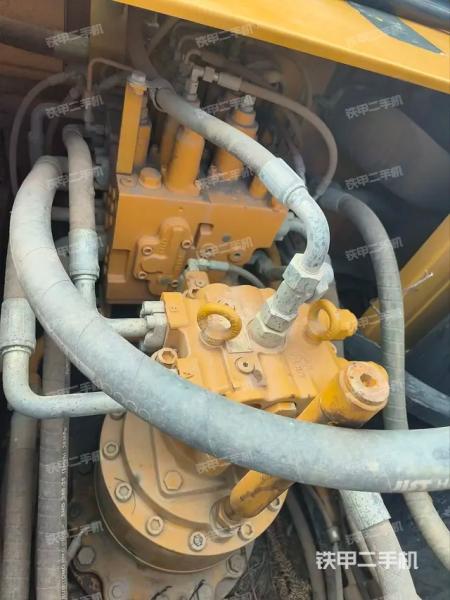
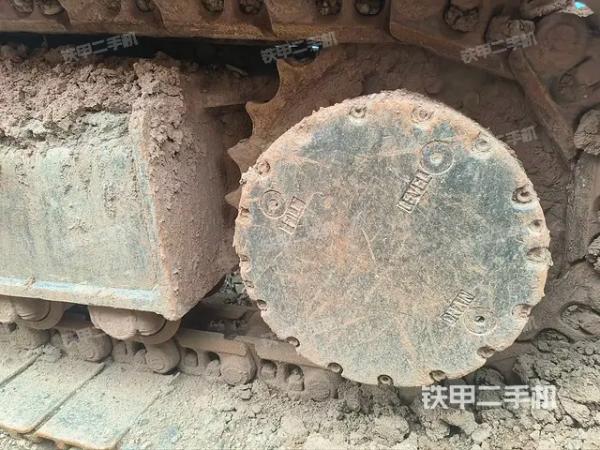
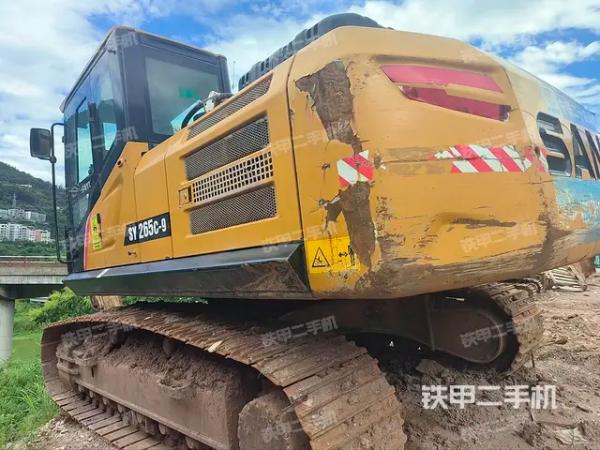
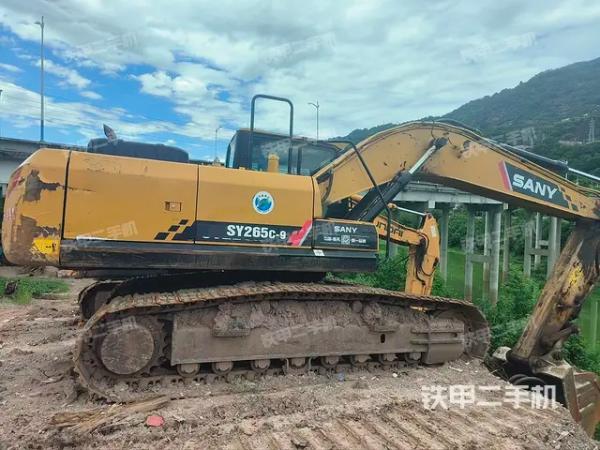
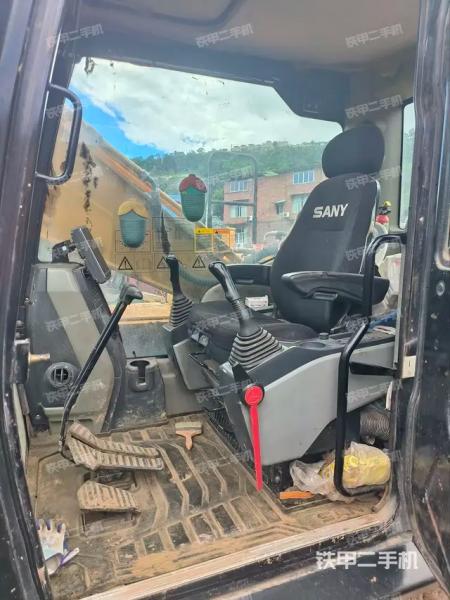
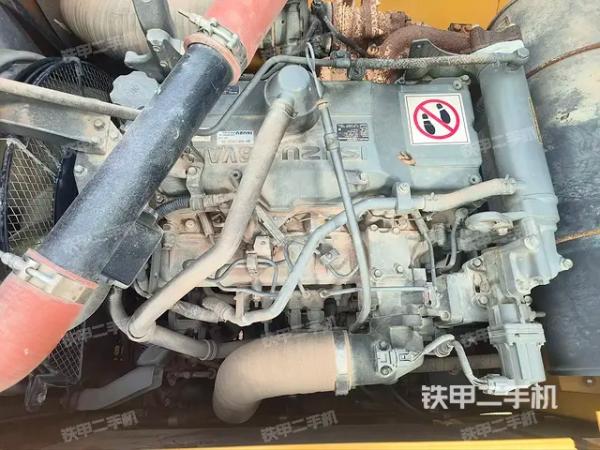
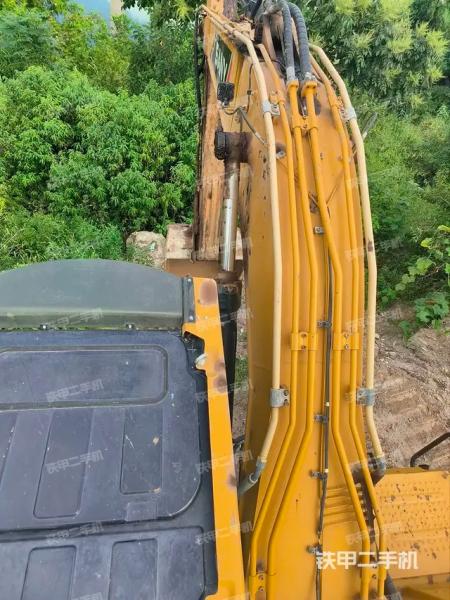
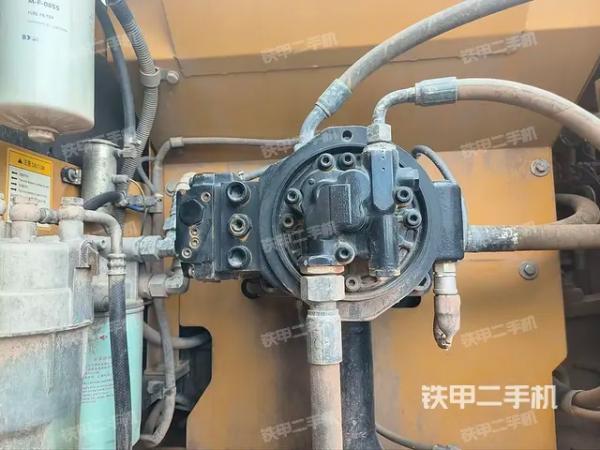
The SANY SY225H is a robust and reliable excavator that has gained popularity due to its impressive features and performance. As one of SANY's prominent models, the SY225H is designed for efficiency, durability, and precision in various heavy-duty tasks. Below, we explore its key specifications, features, and performance metrics, providing a comprehensive understanding of its capabilities.
Key Specifications and Features - Brand: SANY
- Model: SY225H
- Year: 2021
- Operating Hours: 6400 hours
- Location: Chongqing, China
- Operating Weight: 22 tons
- Bucket Capacity: 1.1-1.2 m³ (1.2 m³ standard)
Engine and Power System- Rated Power: 133 kW at 2000 RPM
- Displacement: 5.193 L
- Maximum Torque: 657 Nm at 1500 RPM
- Power Type: Traditional power
- Engine Configuration: Diesel engine with a focus on fuel efficiency and reliability
Performance Capabilities
The SANY SY225H is engineered for superior performance across a range of heavy construction tasks. Its specifications ensure it can tackle demanding excavation projects with ease.- Ground Pressure: 51 Kpa – The ground pressure ensures optimal weight distribution, preventing the machine from causing excessive soil compaction.
- Swing Speed: 10.8 rpm – This is a critical feature for smooth and continuous operation, especially in tight spaces.
- Climbing Ability: 70% (35°) – The SY225H can easily handle steep terrain, making it ideal for projects in challenging environments.
- Bucket Digging Force: 140 kN – Powerful digging capability for effective and efficient earth-moving.
- Arm Digging Force: 107 kN – High force for trenching and lifting materials, ensuring precision in excavation.
- Travel Speed: 5.6 km/h (high) / 3.3 km/h (low) – Dual-speed options for different operational needs, from fast movement to slow, controlled digging.
Hydraulic System
The hydraulic system in the SANY SY225H is engineered to maximize the machine’s performance and reliability. With advanced hydraulic features, the excavator provides precise control over its operations.- Hydraulic Oil Tank Capacity: 270 L – Ensures long operational hours with fewer interruptions for maintenance.
- Hydraulic Oil Flow: High flow capacity, supporting powerful lifting and digging capabilities.
- Fuel Tank Capacity: 370 L – A large fuel tank ensures longer work hours without the need for frequent refueling.
Dimensions and Build
The SY225H’s size and build have been optimized for heavy-duty tasks, ensuring the machine remains stable and maneuverable across different job sites.- Track Width: 600 mm – Wider tracks provide stability on soft or uneven terrain.
- Number of Sprockets per Side: 2 – Ensures smooth operation and distribution of mechanical load.
- Number of Idlers per Side: 8 – Contributes to enhanced balance and longevity of the undercarriage.
- Number of Track Shoes per Side: 47 – These components help distribute weight evenly, promoting efficiency during operation.
Engineered for Efficiency and Durability
SANY’s SY225H is designed to withstand the rigors of daily construction work. The durable engine and hydraulic systems ensure the excavator remains operational for extended hours, offering long-term performance in tough conditions.
SANY has made substantial advancements in making the SY225H not only powerful but also fuel-efficient. The optimized engine design and system integration provide a balance between power and low fuel consumption, which is a major advantage for construction companies focused on reducing operating costs.
Applications
The SY225H is used widely across industries requiring excavation and material handling. Some of its primary applications include:- Construction: For digging, trenching, and lifting heavy materials.
- Mining: For extracting minerals and managing raw material processing.
- Demolition: Due to its powerful arm digging force and precise movement, it is ideal for controlled demolition projects.
- Landscaping: Used for shaping terrain, excavation for foundations, and other landscaping tasks.
Maintenance and Operation Tips
To ensure the longevity and optimal performance of the SY225H, regular maintenance is essential. Operators should focus on checking the hydraulic system for leaks, ensuring proper lubrication, and monitoring fuel consumption. The machine's advanced diagnostics system helps operators stay informed about its health, minimizing downtime and reducing the risk of unexpected repairs.
Conclusion
The SANY SY225H stands out as an excellent choice for a wide variety of heavy-duty applications. Its impressive combination of power, efficiency, and durability makes it a versatile asset in construction and mining operations. With a robust engine, high digging power, and advanced hydraulic system, it provides a smooth and efficient performance that operators can rely on for years to come.
|

|
|
| 2015 Caterpillar CAT®313D2 GC Mini Hydraulic Excavator Guangdong - Guangzhou $24,297 |
|
Posted by: MikePhua - 08-22-2025, 12:07 AM - Forum: Used Excavators Trade
- No Replies
|
|
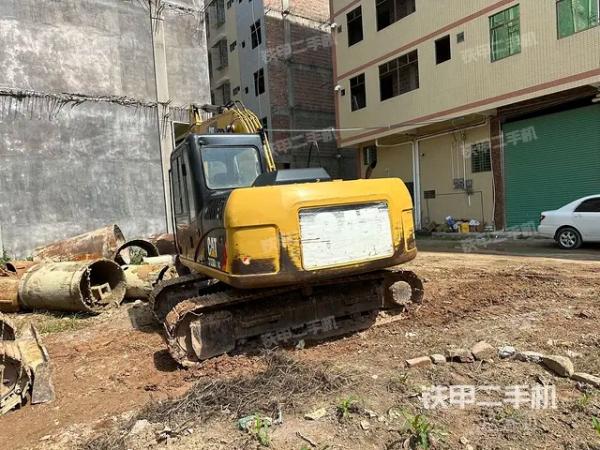
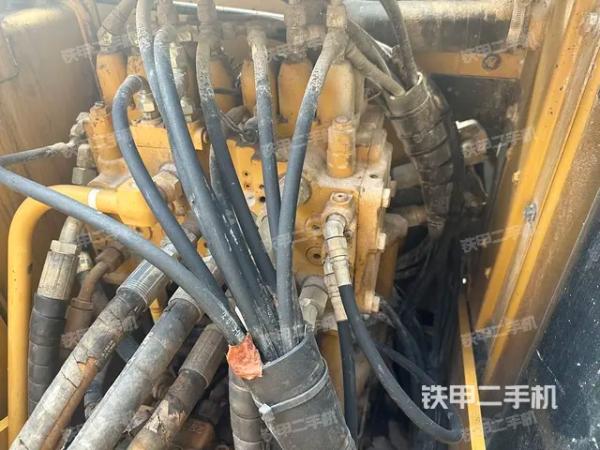
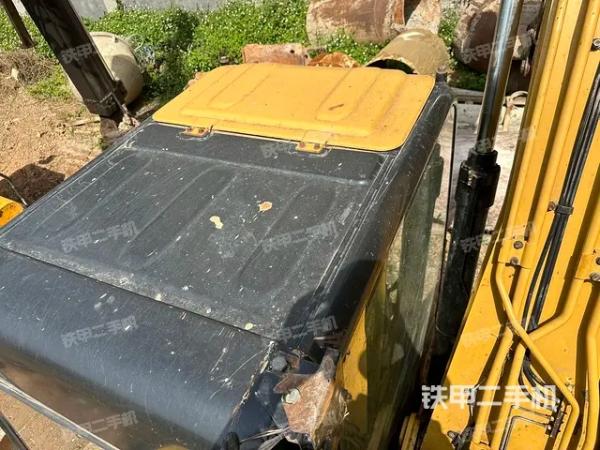
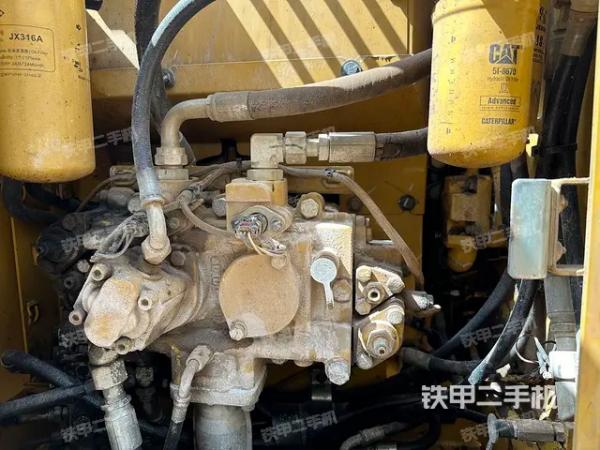
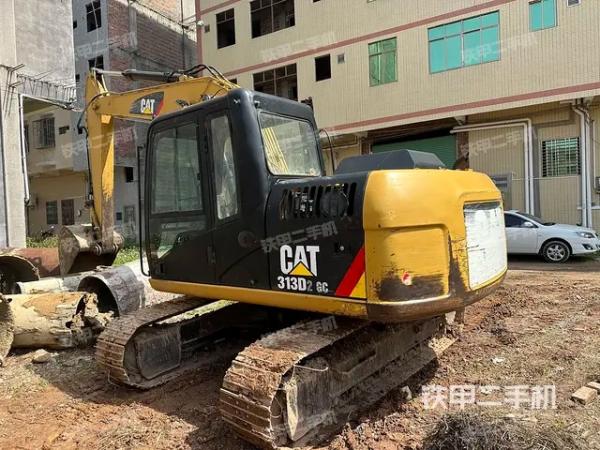
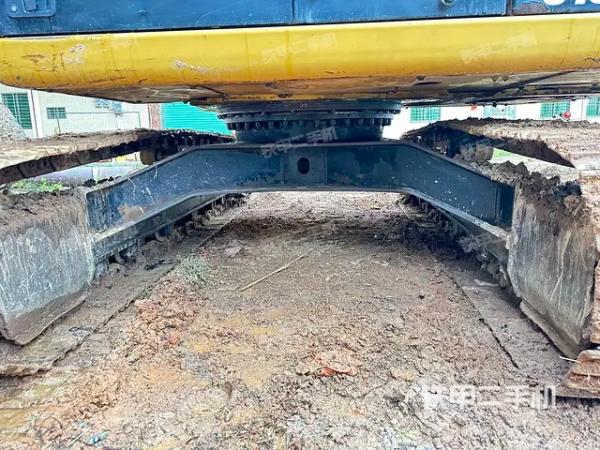
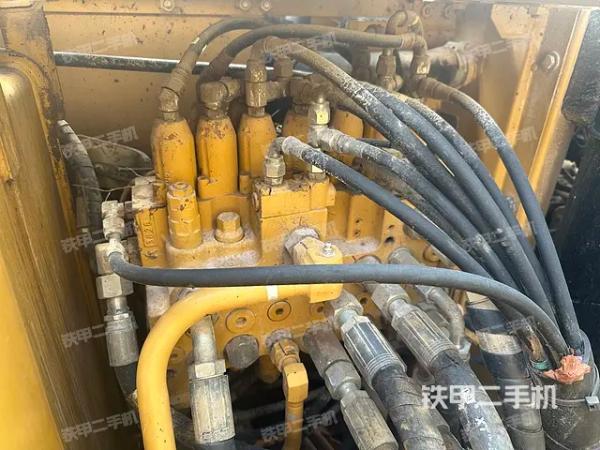
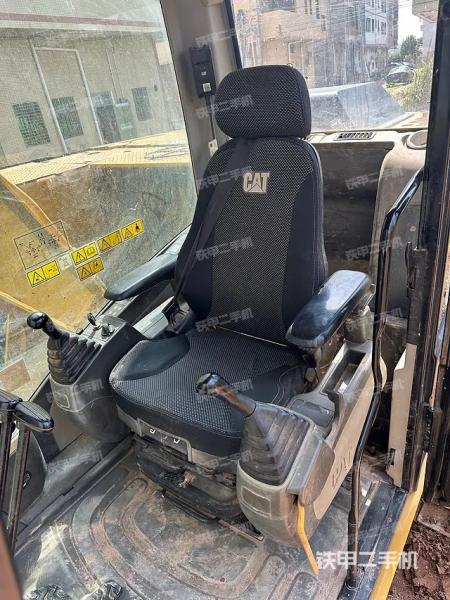
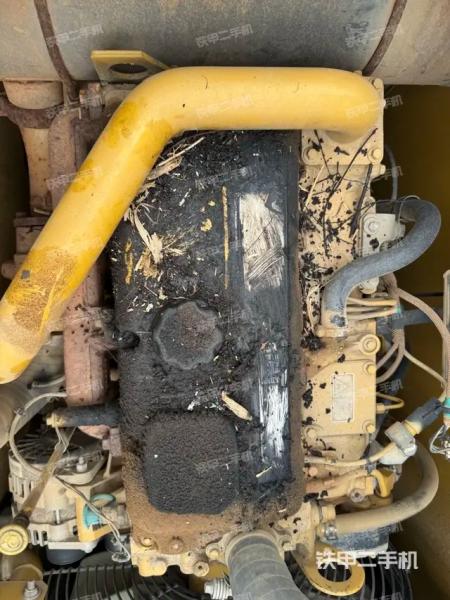
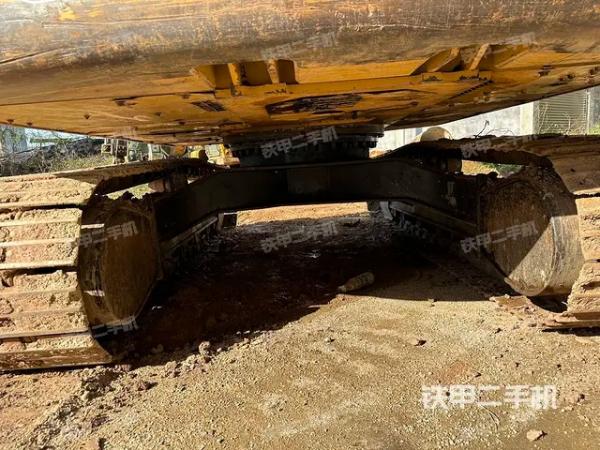
ID:1825166
The Caterpillar CAT®313D2 GC is a compact and powerful hydraulic excavator designed for a range of construction and digging tasks. This machine, manufactured by Caterpillar—a global leader in heavy machinery—boasts a mix of reliability, efficiency, and durability. Its design and performance capabilities are suited for diverse applications, from general excavation to specialized construction tasks.
Brand History and Background
Caterpillar Inc. is an American corporation known for its wide range of heavy equipment. Established in 1925, it has become synonymous with construction and mining machinery. Its products, like the CAT®313D2 GC, are famous for their longevity and ruggedness, ensuring they stand up to the toughest work environments. Over the years, Caterpillar has established itself as a leader in machinery manufacturing, with equipment sold worldwide, making a significant mark on both the construction industry and the broader global economy.
Basic Specifications - Brand: Caterpillar
- Model: CAT®313D2 GC Mini Hydraulic Excavator
- Year of Manufacture: 2015
- Operating Hours: 8,100 hours
- Location: Guangdong, Guangzhou, China
Engine and Power System
The CAT®313D2 GC is powered by a Cat C4.4 engine, known for its efficient fuel consumption and low emissions. This engine is a 4-cylinder, water-cooled turbocharged unit with a displacement of 4.4 liters. With a rated power output of 74.5 kW at 2,100 rpm, the engine delivers the reliability and power necessary for continuous operation in demanding conditions.- Engine Model: Cat C4.4
- Rated Power: 74.5 kW at 2,100 rpm
- Cooling System: Water-cooled
- Bore x Stroke: 105 x 127 mm
- Displacement: 4.4 liters
Performance Features
The CAT®313D2 GC boasts excellent performance specifications, with a high digging force and impressive traction capabilities.- Swing Speed: 11.2 rpm
- Bucket Digging Force: 95 kN
- Arm Digging Force: 58 kN
- Maximum Traction Force: 114 kN
- Travel Speed: 5.1 km/h
- Swing Torque: 30.9 Nm
These features allow the excavator to perform a variety of tasks, from lifting heavy loads to digging in challenging conditions.
Hydraulic System
The hydraulic system of the CAT®313D2 GC plays a critical role in its overall efficiency and versatility. With a maximum flow rate of 232 L/min, the machine ensures high productivity in every task. The pilot pump flows at 21.9 L/min, providing a stable response during operation.- Main Pump Flow Rate: 232 L/min
- Pilot Oil Pressure: 4120 MPa
- Pilot Pump Flow Rate: 21.9 L/min
- Swing System Flow Rate: 116 L/min
Fuel and Oil Capacities- Fuel Tank Capacity: 250 L
- Hydraulic Tank Capacity: 91 L
- Engine Oil Capacity: 16 L
- Cooling Fluid Capacity: 18 L
These capacities allow for extended operation without frequent refueling or oil changes, which is essential for large construction projects.
Dimensions and Operational Range
The CAT®313D2 GC is compact yet capable, making it suitable for tight spaces and crowded job sites. It has a transport length of 7,610 mm and a transport width of 2,760 mm. Its undercarriage provides a minimum ground clearance of 440 mm, ensuring it can navigate uneven terrain.- Transport Length: 7,610 mm
- Transport Width: 2,760 mm
- Transport Height: 2,830 mm
- Ground Clearance: 440 mm
- Rear Swing Radius: 2,140 mm
- Track Length: 3,490 mm
- Track Gauge: 1,990 mm
In terms of operation, the CAT®313D2 GC can achieve impressive digging depths, heights, and radii.- Maximum Digging Depth: 5,540 mm
- Maximum Digging Height: 8,490 mm
- Maximum Dump Height: 6,100 mm
- Maximum Vertical Digging Depth: 4,610 mm
- Maximum Digging Radius: 8,180 mm
These specifications make it highly effective for tasks like trenching, lifting, and loading in construction, demolition, and landscaping jobs.
Key Advantages
- Fuel Efficiency: Powered by the Cat C4.4 engine, the CAT®313D2 GC offers excellent fuel efficiency, lowering operational costs for long-term projects.
- Compact Design: Its compact size and impressive reach make it versatile for both small and large job sites.
- Durability: Built to withstand harsh environments, the CAT®313D2 GC is ideal for continuous operation in construction zones.
- Ease of Operation: Its user-friendly controls and hydraulic system make it easy for operators to perform complex tasks with precision.
Suggested Applications
The CAT®313D2 GC is ideal for a range of applications, including but not limited to:- Excavation: Efficient in digging trenches, foundations, and utility installations.
- Landscaping: Suitable for digging and shaping earth for landscaping projects.
- Demolition: The strong bucket and arm digging force make it perfect for light demolition tasks.
- Material Handling: With its high traction and lifting capacity, it is ideal for lifting and moving heavy materials.
Conclusion
The 2015 Caterpillar CAT®313D2 GC mini hydraulic excavator represents an excellent combination of power, versatility, and durability. Whether used for construction, landscaping, or demolition, it excels in various applications. With its low operating hours and solid performance history, it offers a great value for businesses in need of reliable, cost-effective machinery.
By combining modern technologies with Caterpillar's renowned engineering expertise, this machine is built to deliver on the most demanding job sites.
|
|
|
|
| 2021 Liugong CLG920E Excavator Hubei - Enshi City $39,044 |
|
Posted by: MikePhua - 08-21-2025, 11:22 PM - Forum: Used Excavators Trade
- No Replies
|
|
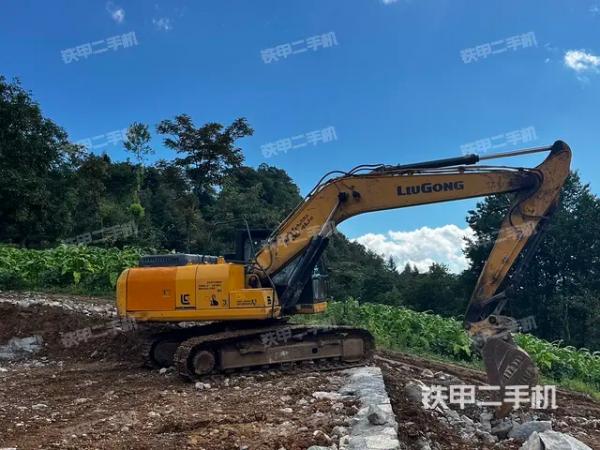
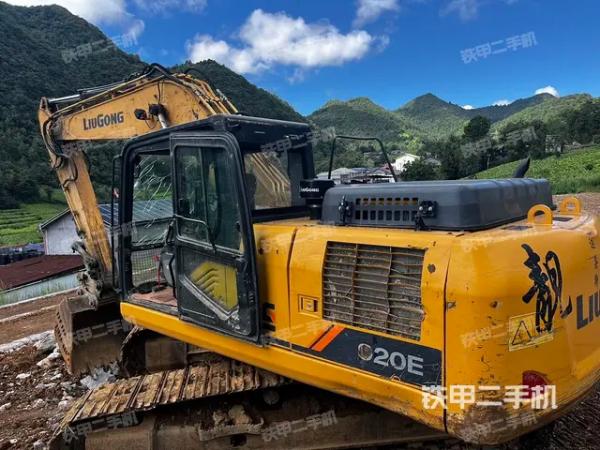
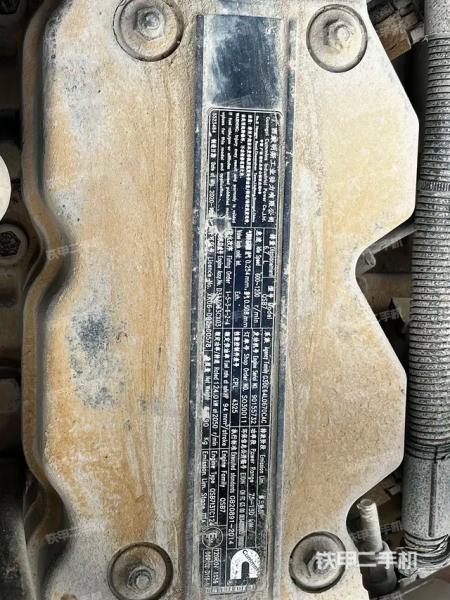
ID:1825163
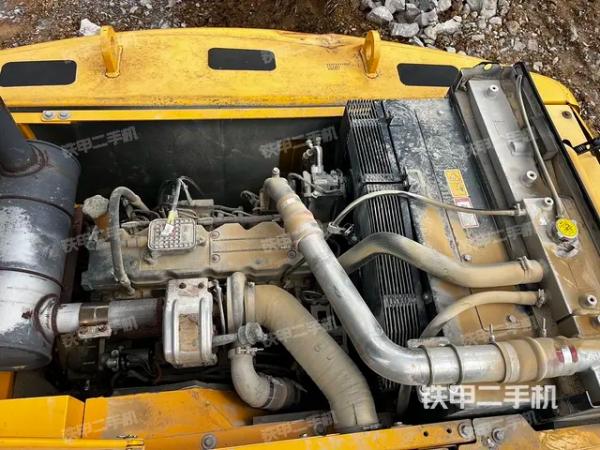
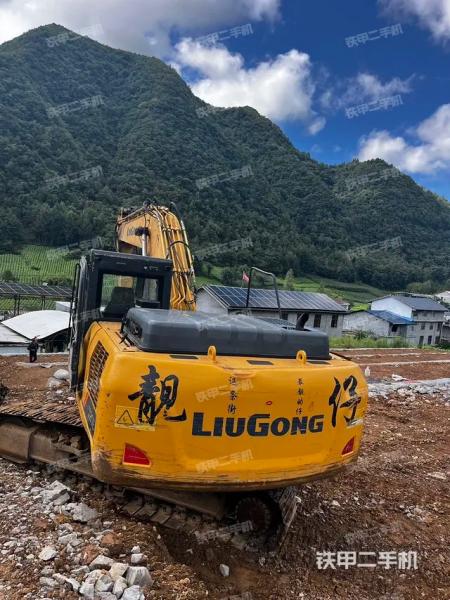
The Liugong CLG920E is a modern excavator that combines advanced engineering, power, and efficiency. Manufactured in 2021 and with only 2900 hours of operation, this 20-ton machine is designed to perform a wide range of tasks with precision. Located in Enshi City, Hubei Province, China, this excavator exemplifies the solid performance and durability that Liugong has built its reputation on.
Key Specifications and Features
The CLG920E comes with robust specifications that make it a formidable player in the world of construction and excavation machinery. - Operating Weight: 21,500 kg (20 tons)
- Bucket Capacity: 0.9 m³
- Arm Length: 5710 mm
- Stick Length: 2915 mm
- Engine: Cummins QSB7 turbocharged engine
- Horsepower: 124 kW at 2050 rpm
- Cooling System: Water-cooled
This heavy-duty excavator is built to handle demanding excavation tasks, with the power needed to dig deep and move large amounts of material. The CLG920E’s reinforced arm and bucket design ensure maximum productivity in various working environments.
Power and Hydraulic System
The heart of the CLG920E is its Cummins QSB7 engine, a six-cylinder, 6.7L turbocharged power unit. With an impressive torque output of 658 Nm at 1200 rpm, this engine provides the strength needed for heavy-duty excavation.
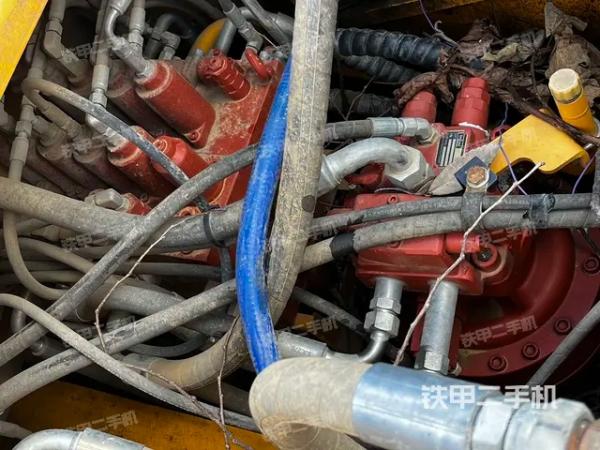
The hydraulic system is equally impressive. With a walking hydraulic circuit pressure of 34.3 MPa and a swing circuit pressure of 25.5 MPa, the machine operates with precision and power. These specifications ensure that the excavator performs optimally, even under the most challenging conditions.
Performance and Operational Efficiency
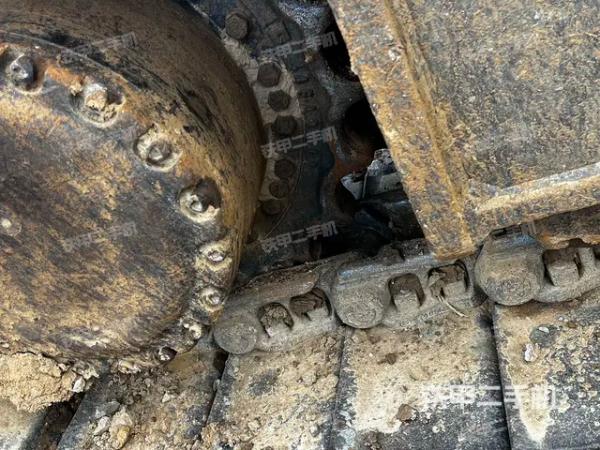
The CLG920E is designed for both high and low-speed operations. Its maximum travel speed ranges from 5.3 km/h to 3.0 km/h, allowing for flexibility in both slow, precise work and faster, long-distance movement. The excavator’s ground pressure stands at 44.2 Kpa, which ensures it remains stable and efficient even when working on softer or more uneven terrain.
When it comes to digging, the CLG920E delivers with significant force:- Bucket Digging Force: 140 kN (Max)
- Arm Digging Force: 97 kN (Max)
- Maximum Traction Force: 220 kN
With these performance figures, the CLG920E is highly capable of tackling tough soil conditions, from solid rock to loose earth. The maximum digging depth of 6562 mm and the working radius of 9870 mm make it an ideal choice for large-scale projects, from digging foundations to trenching and mining.
Fuel Efficiency and Capacities
The fuel capacity of 420 liters and a hydraulic oil capacity of 210 liters, combined with a highly efficient hydraulic system, ensure the excavator can operate for extended hours with minimal downtime for refueling or maintenance. Additionally, the hydraulic system holds 330 liters of oil, ensuring smooth and continuous operation during intense tasks.
Dimensions for Transport and Operation
The machine's transport dimensions make it convenient for moving to various job sites. Its total transport length is 9570 mm, width is 2800 mm, and height is 3140 mm. With a minimum ground clearance of 440 mm, the CLG920E can easily navigate various terrains.
Advanced Excavation Reach
The operational reach of the CLG920E is one of its most impressive features. It boasts a maximum digging radius of 9870 mm, a digging depth of 6562 mm, and a lifting height of 9945 mm. Whether it's lifting materials, reaching deep trenches, or performing precise excavation, the CLG920E excels across all tasks.
Practical Applications
The Liugong CLG920E is a versatile excavator that finds use across many different industries, including construction, mining, and infrastructure development. Its power, coupled with its compact size and impressive reach, makes it perfect for a wide range of excavation tasks. Whether it’s urban construction, road work, or mining operations, the CLG920E offers reliability and efficiency.
In a competitive industry where equipment uptime is crucial, the Liugong CLG920E stands out for its durability and efficiency. This machine can tackle challenging tasks, minimize fuel consumption, and operate smoothly in a variety of environments. Furthermore, its modern engine and hydraulic systems reduce environmental impact while ensuring maximum performance.
Summary
To conclude, the Liugong CLG920E Excavator is a top-tier option for heavy-duty excavation. With its powerful Cummins engine, efficient hydraulic system, and impressive performance capabilities, it is a reliable choice for large-scale construction and mining projects. This excavator's high performance, combined with its fuel efficiency, makes it a cost-effective and environmentally friendly option for businesses seeking durability and power in their fleet of machinery.
Whether digging deep trenches or moving heavy materials, the CLG920E is an asset for any project demanding performance, precision, and reliability.
|
|
|
|
| 2019 Liugong CLG9055E Excavator, Jiangxi - Nanchang City, $8,146 |
|
Posted by: MikePhua - 08-21-2025, 11:17 PM - Forum: Used Excavators Trade
- No Replies
|
|
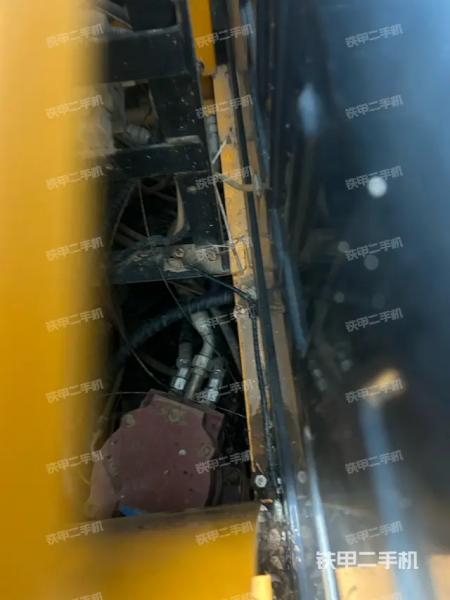
ID:1825160
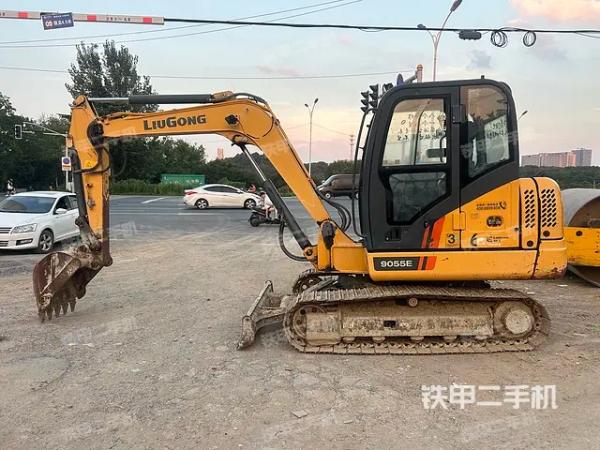
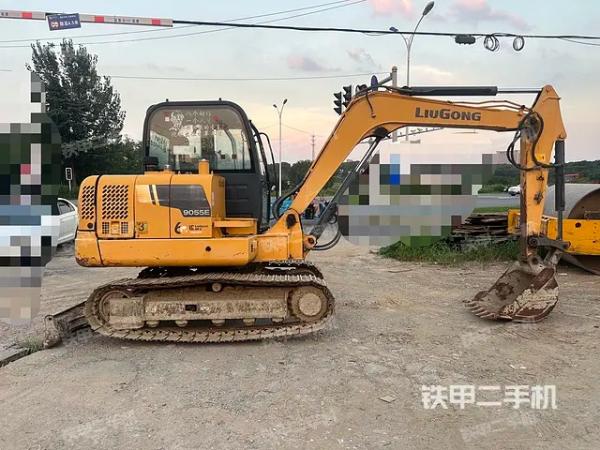
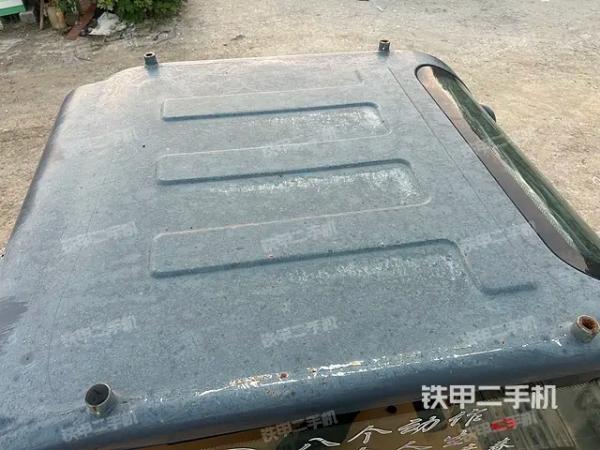
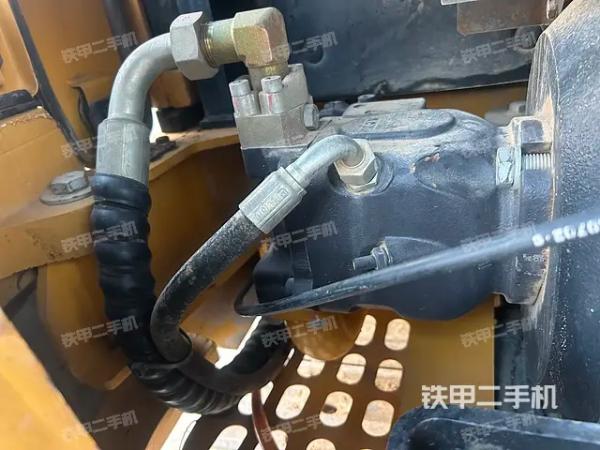
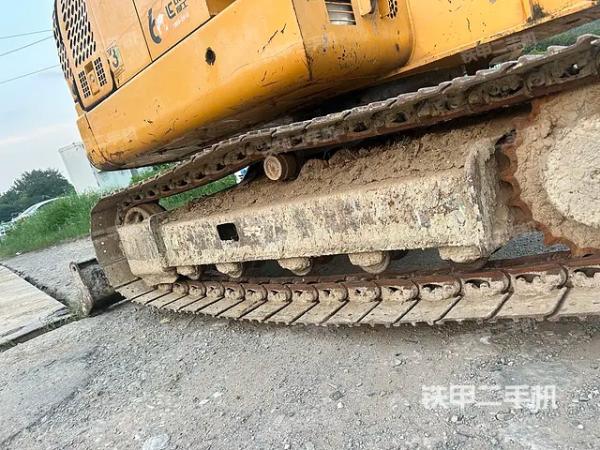
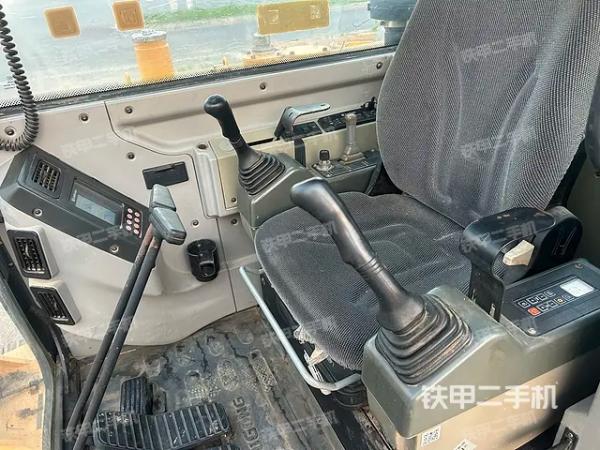
The Liugong CLG9055E is a 5-ton compact excavator that offers a perfect blend of performance, efficiency, and advanced technology, making it an ideal choice for various construction projects. With a notable reputation in the construction equipment industry, Liugong has developed machines that cater to a wide range of tasks, and the CLG9055E is no exception. Manufactured in 2019, this model is known for its durability, fuel efficiency, and high digging capacity. Below is a detailed breakdown of the equipment's specifications, highlighting its power system, performance capabilities, and dimensions.
Key Features of the Liugong CLG9055E - Brand: Liugong
- Model: CLG9055E
- Year of Manufacture: 2019
- Operating Hours: 4500 hours
- Location: Yangzhou, Jiangsu
Engine and Power System
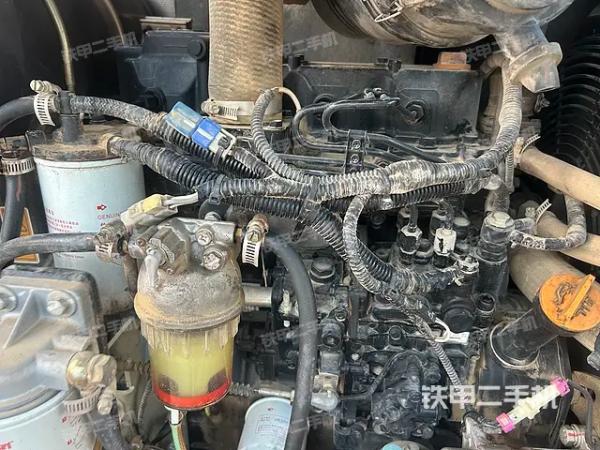
The Liugong CLG9055E is equipped with the Yanmar 4TNV94L engine, a renowned engine in the construction machinery world for its reliability and efficient power delivery. The engine's rated power is 36.2 kW at 2100 RPM, delivering a smooth performance for various tasks, from digging to lifting.
The engine is a 4-cylinder, water-cooled, direct injection system, with a displacement of 3.054L. It provides a maximum torque of 212.7 Nm at 1260 RPM, ensuring ample power even under challenging conditions.
Key engine parameters include:- Bore × Stroke (mm): 94 × 110
- Fuel Tank Capacity: 118L
- Hydraulic Tank Capacity: 75L
- Hydraulic System Capacity: 118L
Performance and Operating Capabilities
The CLG9055E is known for its solid performance on the ground and in various working environments. With a ground pressure of 31.67 kPa, it is ideal for working in soft or unstable terrain without compromising stability. The machine is equipped with a max digging force of 41 kN in the bucket and 31 kN in the arm, making it a versatile tool for digging and material handling.
The machine can operate on slopes with a climbing capacity of 35°, ensuring high performance even on inclined surfaces. The maximum traction force of the excavator is 53.4 kN, which contributes to its ability to maneuver and tow various materials.
Its maximum swing speed is 10.3 RPM, allowing for efficient rotation during operations.- Crawling Speed: 4.2 km/h to 2.7 km/h
- Maximum Digging Radius: 6205 mm
- Maximum Digging Depth: 3875 mm
- Maximum Digging Height: 5790 mm
- Maximum Unloading Height: 4135 mm
- Maximum Vertical Digging Depth: 2940 mm
Hydraulic and Operational Efficiency
The CLG9055E is designed with hydraulic efficiency in mind, ensuring that each operation—whether it's lifting, digging, or pushing—is carried out with precision and minimal fuel consumption. The machine's hydraulic oil capacity is 118L, providing ample fluid for consistent performance during extended working hours. The hydraulic system is essential for delivering high digging force and smooth operation.
Dimensions and Mobility
In terms of size and mobility, the Liugong CLG9055E maintains an optimal balance between power and compactness, making it suitable for working in confined spaces and on narrow sites.- Overall Transport Length: 5900 mm
- Overall Transport Width: 1900 mm
- Overall Transport Height: 2630 mm
- Minimum Ground Clearance: 350 mm
- Track Gauge: 1500 mm
- Track Plate Width: 400 mm
With a transport length of 5900 mm and a width of 1900 mm, it is versatile enough to work in tight areas, but still provides the power and capabilities of a much larger machine.
Advantages of the Liugong CLG9055E Excavator- Fuel Efficiency: The Yanmar engine is designed to maximize fuel efficiency while delivering high power, making it suitable for long operational hours.
- Compact Design: Its compact dimensions make it an excellent choice for working in confined spaces, such as urban construction sites.
- Durability: As a 2019 model with 4500 hours of operation, this machine has proven its durability and ability to handle challenging construction tasks.
- Versatility: With features like the powerful hydraulic system, large digging force, and strong digging radius, it can perform a wide range of functions, from excavation to lifting and grading.
Conclusion
The Liugong CLG9055E is an ideal choice for those who need a compact, efficient, and durable excavator for construction work. Its powerful engine, excellent hydraulic performance, and versatile capabilities make it suitable for a variety of tasks, from digging to lifting and even working on steep terrains. With its 2019 model year, low operational hours, and well-maintained status, it is an excellent option for both small and large-scale projects.
Liugong continues to be a reliable player in the construction machinery industry, producing machines like the CLG9055E that offer exceptional value, quality, and efficiency for operators.
|
|
|
|
| The Rise of Mobile Heavy Equipment: A New Era in Construction |
|
Posted by: MikePhua - 08-21-2025, 11:13 PM - Forum: General Discussion
- No Replies
|
|
The construction industry has witnessed numerous advancements over the years, and one of the most impactful developments has been the shift toward mobile heavy equipment. As construction projects grow larger and more complex, the demand for versatile, mobile, and efficient machinery has skyrocketed. Mobile heavy equipment allows for better maneuverability, improved safety, and enhanced operational efficiency on job sites. But what does "going mobile" mean for heavy equipment, and how is it shaping the future of construction?
The Evolution of Mobile Equipment
Historically, heavy equipment such as bulldozers, excavators, and cranes were designed for stationary use or required significant disassembly for relocation. This made them less versatile and restricted their range of operation. However, over the last few decades, engineers and manufacturers have focused on making these machines more mobile, enabling them to be quickly relocated to different parts of a construction site or even to new job sites.
The advent of mobile equipment can be traced back to the increasing need for flexibility in construction operations. With larger infrastructure projects becoming the norm, it was essential to have machines that could easily navigate between tight spaces and changing terrain. The development of equipment such as crawler loaders, tracked vehicles, and mobile cranes helped meet this demand, giving construction crews more freedom to complete tasks efficiently without the delays of moving stationary machinery.
Types of Mobile Heavy Equipment
There are various types of mobile heavy equipment that play vital roles in modern construction projects. Some of the most common types include:
- Mobile Cranes: Mobile cranes are designed for quick setup and relocation, enabling them to be deployed rapidly to different parts of the job site. These cranes are commonly used in industries such as oil and gas, construction, and mining, where the ability to move between locations is critical.
- Excavators with Track Mobility: Excavators have evolved to become more versatile with track-mounted systems that allow them to maneuver on rough terrains or uneven ground. These tracked excavators are essential in both urban and rural projects, from site clearing to landscaping.
- Wheel Loaders: Unlike traditional loaders, wheel loaders are designed to move efficiently across flat surfaces with the ability to travel at higher speeds. Their mobility is advantageous in large-scale construction sites, mining operations, and material handling tasks.
- Telehandlers: These machines combine the capabilities of a forklift and crane, and they are equipped with an extendable boom for lifting and placing materials at various heights and distances. Telehandlers are perfect for projects that require both mobility and lifting capacity.
- Backhoe Loaders: These versatile machines are widely used for digging, trenching, and material handling. Backhoe loaders are designed to be easily transported from one site to another, making them a go-to for smaller projects and tasks that require flexibility.
- Articulated Dump Trucks (ADT): The ADT is another mobile solution that has transformed the construction and mining industries. With its flexible design, it offers enhanced maneuverability on rough, sloped, or hilly terrains, allowing for efficient transport of materials.
Benefits of Mobile Heavy Equipment
The shift towards mobile equipment offers numerous advantages, both for contractors and workers:
- Increased Efficiency: Mobile equipment can easily move between different areas on the construction site, reducing downtime and improving operational efficiency. This is especially important on larger construction sites where time is a critical factor. Instead of waiting for equipment to be relocated manually, mobile equipment can be repositioned on-site, minimizing delays.
- Improved Safety: Having mobile equipment means that operators can perform tasks more safely, without needing to reposition machinery manually, which can be a hazardous task. Additionally, these machines are often designed with safety features such as roll-over protection, automatic shut-offs, and advanced stability systems.
- Cost Savings: Being able to move equipment around a site without the need for additional transport or disassembly saves costs for contractors. Furthermore, the ability to use equipment across multiple sites without significant downtime reduces the need for multiple machines and optimizes fleet utilization.
- Adaptability: Mobile heavy equipment is designed to handle a variety of tasks and is adaptable to different job site conditions. Whether on uneven terrain, urban locations, or industrial sites, mobile equipment can quickly adjust to the environment, improving overall project flexibility.
- Better Accessibility: Some construction sites can be hard to access due to narrow spaces, rough terrains, or busy urban areas. Mobile equipment, especially track-based machinery, is built to maneuver in challenging conditions, ensuring that workers can operate effectively in almost any environment.
Technological Advancements in Mobile Equipment
Technological innovations continue to enhance the mobility and functionality of heavy equipment. Features such as GPS tracking, telematics, and automation are becoming standard in mobile machines. These technologies enable operators to monitor machine performance, track their locations, and improve maintenance scheduling.- GPS and Telematics: GPS systems integrated into mobile equipment allow for precise tracking, ensuring that machinery is in the right location and operating efficiently. Telematics systems provide data on machine health, fuel consumption, and usage, which helps companies optimize their fleet operations.
- Automation: Automation is another significant advancement in mobile equipment. Machines such as autonomous dump trucks and remote-controlled cranes are becoming more common. These machines can perform tasks without direct human intervention, reducing the need for operators and minimizing human error.
- Electric and Hybrid Power: With a growing focus on sustainability, more manufacturers are designing mobile heavy equipment with electric and hybrid power options. These eco-friendly machines reduce emissions and fuel consumption, making them ideal for urban projects where environmental concerns are a priority.
Challenges and Considerations
While the rise of mobile heavy equipment brings numerous benefits, it also introduces challenges that must be addressed:
- Initial Investment: Mobile heavy equipment can be expensive, particularly advanced machinery with automation and telematics features. Contractors must evaluate their budgets carefully before investing in such equipment.
- Maintenance and Repairs: With the added complexity of mobility, maintaining and repairing mobile equipment requires specialized knowledge and tools. Proper training for operators and maintenance staff is essential to ensure that machines remain in good working condition.
- Regulatory Compliance: As mobile equipment becomes more advanced, it must adhere to stricter environmental and safety regulations. Manufacturers must ensure that their equipment meets local compliance standards, especially regarding emissions, noise levels, and safety features.
- Skill Gap: The integration of advanced technology, automation, and new features in mobile equipment requires skilled operators. Therefore, construction companies must invest in training programs to ensure that their workforce is proficient in using the latest machinery.
Conclusion: Shaping the Future of Construction
The shift towards mobile heavy equipment is a significant development in the construction industry, revolutionizing the way projects are executed. The adaptability, efficiency, and safety benefits offered by mobile equipment are reshaping job sites, making them more dynamic and responsive to changing conditions. As technological advancements continue to push the boundaries of what’s possible, the future of mobile heavy equipment looks increasingly automated, eco-friendly, and data-driven.
For contractors and workers alike, embracing the mobility of modern equipment is a step towards greater efficiency, safety, and success in an ever-evolving industry. The rise of mobile equipment also underscores the importance of continual innovation and adaptation in the construction field.
|
|
|
|
| Evaluating the Stability of the Mauldin PSI 413 Maintainer |
|
Posted by: MikePhua - 08-21-2025, 11:11 PM - Forum: Troubleshooting & Diagnosing
- No Replies
|
|
The Mauldin PSI 413 Maintainer is a specialized piece of equipment designed for precise grading and maintenance tasks, particularly in road construction and municipal maintenance. Its unique design and capabilities make it a valuable tool in various applications. However, potential stability concerns have been noted by operators, especially when working on sloped terrains or uneven surfaces. This article delves into the factors influencing the stability of the PSI 413, offering insights into its design, operational considerations, and maintenance practices to ensure safe and effective use.
Design Features Influencing Stability
The Mauldin PSI 413 Maintainer boasts several design elements aimed at enhancing its performance and stability: - Low Center of Gravity: The machine's design incorporates a low center of gravity, which aids in maintaining balance during operations. This feature is crucial when working on inclines or uneven ground.
- Wide Wheelbase: A broader wheelbase contributes to improved stability, distributing the machine's weight more evenly and reducing the risk of tipping.
- Articulated Frame: The articulated frame allows for better maneuverability and adaptability to various terrains, though it requires careful handling to maintain stability.
Despite these features, operators have reported instances where the machine exhibits instability, particularly on slopes or soft ground.
Operational Practices to Enhance Stability
To mitigate stability issues, operators should adhere to best practices during operation:- Avoid Side-Hill Travel: Operating the machine across slopes can increase the risk of tipping. It's advisable to travel up or down the slope rather than sideways.
- Lower the Blade When Working on Slopes: Keeping the blade lowered and crossways can provide additional stability when performing tasks like scarifying or grading on inclines.
- Reduce Speed on Uneven Terrain: Slower speeds allow for better control and responsiveness, reducing the likelihood of sudden movements that could compromise stability.
- Be Cautious of Soft or Loose Surfaces: Operating on soft or loose surfaces can lead to slippage. It's essential to assess ground conditions before commencing operations.
Maintenance Considerations
Regular maintenance is vital to ensure the stability and overall performance of the PSI 413:- Check Tire Pressure Regularly: Uneven tire pressure can affect the machine's balance. Regular checks and adjustments are necessary.
- Inspect Hydraulic Systems: Ensure that hydraulic systems are functioning correctly, as any issues can impact the machine's stability and control.
- Monitor Weight Distribution: Uneven weight distribution, especially when using attachments, can affect stability. Operators should be mindful of load placement.
Conclusion
The Mauldin PSI 413 Maintainer is a robust and versatile machine suitable for various grading and maintenance tasks. While its design incorporates features aimed at enhancing stability, operators must be vigilant and adhere to recommended practices to mitigate potential stability issues. By understanding the factors that influence stability and implementing proper operational and maintenance procedures, the PSI 413 can be utilized safely and effectively, ensuring optimal performance and longevity.
|
|
|
|
| Understanding the Bobcat S300 Fuel Shutoff Solenoid Issue |
|
Posted by: MikePhua - 08-21-2025, 11:10 PM - Forum: Troubleshooting & Diagnosing
- No Replies
|
|
The Bobcat S300 is a versatile skid-steer loader widely used in construction, landscaping, and agriculture. However, like any complex machinery, it can experience issues that hinder its performance. One such problem is the failure of the fuel shutoff solenoid, which can prevent the engine from starting. This article delves into the causes, symptoms, and solutions related to this issue.
What is the Fuel Shutoff Solenoid?
The fuel shutoff solenoid is an electromagnetic valve that controls the flow of fuel to the engine. When the ignition is turned off, the solenoid closes, stopping the fuel supply and shutting down the engine. Conversely, when the ignition is on, the solenoid opens, allowing fuel to flow and the engine to run. This component is crucial for the proper operation of the engine and is typically located on the fuel injection pump.
Common Symptoms of a Faulty Fuel Shutoff Solenoid
A malfunctioning fuel shutoff solenoid can manifest in several ways: - Engine Cranks but Does Not Start: The engine may turn over without starting, indicating that fuel isn't reaching the combustion chamber.
- Error Codes: Diagnostic systems may display error codes related to the fuel system, such as "Fuel Shutoff Solenoid Circuit Malfunction."
- No Voltage at the Solenoid: Using a multimeter, you might find that there's no voltage at the solenoid when the ignition is on, suggesting an electrical issue.
- No Audible Click: When the ignition is turned on, a functioning solenoid typically emits a clicking sound as it activates. Absence of this sound can indicate a problem.
Potential Causes of Solenoid Failure
Several factors can contribute to the failure of the fuel shutoff solenoid:- Electrical Issues: Damaged wiring, blown fuses, or faulty relays can disrupt the power supply to the solenoid.
- Solenoid Wear and Tear: Over time, the solenoid's internal components can wear out, leading to failure.
- Contamination: Dirt, debris, or fuel contaminants can clog the solenoid, preventing it from operating correctly.
- Overheating: Prolonged engine operation at high temperatures can cause the solenoid to overheat and fail.
Diagnostic Steps
To diagnose a faulty fuel shutoff solenoid:
- Check for Error Codes: Use a diagnostic tool to retrieve any error codes from the machine's computer system.
- Inspect Electrical Connections: Examine the wiring harness, fuses, and relays associated with the solenoid for signs of damage or corrosion.
- Test the Solenoid: Measure the voltage at the solenoid terminals with a multimeter. If there's no voltage when the ignition is on, the issue may be upstream in the electrical system.
- Listen for Activation: Turn the ignition on and listen for a clicking sound from the solenoid. Absence of this sound can indicate a faulty solenoid.
Solutions
Depending on the diagnosis, several solutions may be appropriate:- Repair or Replace Wiring: If damaged wiring is identified, repair or replace the affected sections.
- Replace the Solenoid: If the solenoid is faulty, replacing it with a new one is necessary.
- Clean the Solenoid: If contamination is the issue, cleaning the solenoid may restore its functionality.
- Replace Fuses or Relays: If blown fuses or faulty relays are found, replace them to restore proper electrical flow.
Preventive Maintenance
To prevent future issues with the fuel shutoff solenoid:- Regular Inspections: Periodically check the solenoid and associated components for signs of wear or damage.
- Keep the Fuel System Clean: Use high-quality fuel and replace fuel filters regularly to prevent contaminants from reaching the solenoid.
- Monitor Operating Temperatures: Avoid prolonged operation at high engine temperatures to prevent overheating of the solenoid.
Conclusion
The fuel shutoff solenoid plays a vital role in the operation of the Bobcat S300 engine. Understanding its function and recognizing the signs of failure can help in diagnosing and resolving issues promptly. Regular maintenance and timely repairs will ensure the longevity and reliability of the machine.
|
|
|
|
| Dealing with Stinky Final Drive Oil in Heavy Equipment |
|
Posted by: MikePhua - 08-21-2025, 11:09 PM - Forum: Troubleshooting & Diagnosing
- No Replies
|
|
Final drive oil is a critical component of heavy equipment, such as excavators, skid steers, and bulldozers, as it ensures the smooth functioning of the final drive system, which transfers power from the engine to the wheels or tracks. However, when the final drive oil develops a foul odor, it can signal an underlying issue that requires immediate attention. Understanding why this happens and how to address it can prevent further damage to the equipment and improve its overall lifespan.
Understanding the Final Drive System
The final drive system in heavy machinery consists of several components working together to deliver power from the engine to the wheels or tracks. It typically includes the gearbox, hydraulic motors, and various seals and bearings. The final drive oil plays a crucial role in lubricating these components and dissipating heat generated during operation.
The oil should be kept at the correct viscosity and cleaned to ensure proper lubrication. If the oil becomes contaminated or degrades over time, it may cause problems such as overheating, increased friction, and even catastrophic failure of the final drive components.
Why Does Final Drive Oil Smell?
The unpleasant smell of final drive oil is typically a result of one of the following reasons:
- Burnt Oil: One of the most common causes of a bad odor in final drive oil is overheating, which can cause the oil to break down and develop a burnt smell. Overheating may result from excessive load, insufficient lubrication, or a faulty cooling system. If the oil is subjected to extreme heat for long periods, it can lose its lubricating properties and degrade quickly.
- Contaminated Oil: Final drive oil can become contaminated with dirt, debris, or water. When external contaminants enter the system, they mix with the oil and reduce its effectiveness as a lubricant. The presence of water can cause rusting and corrosion of internal parts, leading to further damage. Contaminated oil often develops a rancid smell due to the buildup of debris and chemical reactions inside the drive system.
- Moisture in the Oil: If there’s a seal failure, moisture can enter the system, mixing with the oil and causing it to smell. The moisture can also cause a range of problems, including rust formation on metal components, which further accelerates wear and tear.
- Poor Oil Quality or Age: Over time, the oil in the final drive breaks down, losing its ability to lubricate effectively. This degradation can cause the oil to emit an unpleasant odor. Old oil may also have absorbed contaminants and become more acidic, which further impacts its performance.
- Chemical Reactions with Additives: Final drive oils often contain additives designed to improve performance, such as anti-wear agents and corrosion inhibitors. However, over time, these additives can break down or react with the oil, causing it to develop a strong, chemical-like odor.
Signs Your Final Drive Oil Needs Attention
Apart from the obvious stinky smell, there are other signs that indicate your final drive oil may be compromised:
- Excessive Heat: If the machinery operates at higher temperatures than usual, this could signal that the oil isn’t doing its job properly, potentially due to contamination or degradation.
- Unusual Noise: A whining, grinding, or high-pitched noise coming from the final drive may indicate insufficient lubrication or wear in the gears and bearings.
- Leaking Oil: If you notice oil leaking from the final drive or hydraulic motor, it could be a sign of a seal failure, which may also introduce moisture or contaminants into the system.
- Poor Performance: If the machine struggles to move, lacks power, or operates erratically, it could be due to insufficient lubrication or damage to the final drive components.
Steps to Solve the Stinky Final Drive Oil Issue
Addressing the stinky oil issue involves several steps:
- Drain and Replace the Oil: If the oil smells burnt or has degraded, the first step is to drain the old oil and replace it with fresh, high-quality final drive oil. Make sure to use the oil recommended by the equipment manufacturer, as this will ensure optimal performance and longevity of the system.
- Check for Contaminants: When draining the oil, inspect it for signs of contamination, such as dirt, water, or metal shavings. If contaminants are present, this may indicate a deeper issue, such as a faulty seal, damaged bearings, or contamination from an external source.
- Inspect and Replace Seals: Inspect the seals and gaskets in the final drive system. Over time, seals can wear out, allowing moisture and contaminants to enter the system. If any seals appear damaged or worn, they should be replaced immediately.
- Clean the System: In some cases, it may be necessary to flush the final drive system to remove any remaining contaminants. This can be done by running clean oil through the system before refilling with the correct final drive oil.
- Monitor Oil Condition Regularly: Regular oil checks and changes are essential to keeping the final drive system in good working condition. Many manufacturers recommend oil changes after a certain number of hours of operation or annually. Monitoring the condition of the oil and replacing it as needed can prevent more serious problems in the future.
- Check Cooling Systems: Ensure that the cooling system for the final drive is working properly. Overheating is a common cause of burnt oil and can lead to more serious damage if not addressed.
Preventative Measures
Preventing the stinky oil issue is far easier than dealing with it after it arises. Here are some preventative steps:
- Regular Maintenance: Stick to the maintenance schedule provided by the manufacturer. Regular oil changes, seal inspections, and system checks can help catch problems before they become major issues.
- Use Quality Oil: Always use the recommended grade and type of oil for your machine. Cheap or low-quality oil can break down quickly and fail to lubricate properly.
- Avoid Overloading the Machine: Operating the machine at or above its rated capacity can lead to excessive heat generation and strain on the final drive. This can cause the oil to degrade more quickly.
- Store the Equipment Properly: When not in use, store the machine in a dry, protected environment. This can help prevent moisture from entering the final drive system and contaminating the oil.
Conclusion
The presence of stinky final drive oil in heavy machinery is a warning sign that shouldn't be ignored. Burnt oil, contamination, or moisture in the oil can lead to severe damage to the final drive components, resulting in costly repairs or even the need for a full replacement. Regular maintenance, oil changes, and timely inspections can help prevent the issue from occurring in the first place, ensuring the longevity and efficiency of your equipment.
If you notice unusual smells, excessive heat, or performance issues with your final drive system, it’s important to act quickly by draining the oil, inspecting the system for damage, and replacing any worn-out components. By staying proactive with maintenance, you can extend the life of your equipment and avoid costly breakdowns.
|
|
|
|
| Converting a Dump Trailer to a Rolloff Trailer |
|
Posted by: MikePhua - 08-21-2025, 11:08 PM - Forum: General Discussion
- No Replies
|
|
Converting a dump trailer to a rolloff trailer is an ambitious and practical project that can increase the versatility of your equipment and provide a more efficient way to handle waste, construction debris, and other heavy materials. Rolloff trailers are designed for easy loading and unloading, making them ideal for hauling large volumes of debris from construction sites or for use in waste management. By adapting a standard dump trailer to a rolloff configuration, you can enjoy the benefits of a rolloff system without having to purchase an entirely new trailer.
Why Convert a Dump Trailer to a Rolloff Trailer?
The decision to convert a dump trailer into a rolloff trailer typically comes down to operational flexibility and cost savings. Here are some key benefits:
- Enhanced Loading and Unloading: Roll-off systems allow for easier loading and unloading of materials. Instead of lifting the dump trailer’s entire load, a rolloff system uses a hydraulic system to tilt the container and slide it off the bed, allowing for a quicker and safer offloading process.
- Cost Efficiency: Rolloff trailers are useful for a wide range of tasks, but they are often more expensive than traditional dump trailers. Converting your existing dump trailer can be a much more affordable solution to obtaining a rolloff trailer, especially if the trailer is still in good condition.
- Increased Versatility: A rolloff trailer can be used for many types of jobs, from hauling debris and scrap materials to transporting large equipment. A converted dump trailer can meet these needs without requiring significant new investments in equipment.
- Space Efficiency: Rolloff trailers allow containers to be placed on the ground at the site, freeing up space for other operations. Once the container is full, it can be easily loaded onto the trailer for transport, making it ideal for construction and waste removal tasks.
Understanding Rolloff Trailer Components
To convert a dump trailer into a rolloff system, it’s important to understand the key components of a typical rolloff trailer:
- Hydraulic Lifting System: This is the heart of the rolloff system. A hydraulic pump and piston system lift and tilt the trailer to a specific angle, allowing the container to roll off the bed. This system can be powered by the trailer's truck or by an onboard hydraulic power unit.
- Rollers or Tracks: Rolloff containers are equipped with rollers or tracks at the bottom, which make it easy for them to roll on and off the trailer. These rollers are generally made of steel and are designed to withstand heavy loads.
- Container Locks: These are used to secure the container onto the trailer when it is loaded. Once the container is placed on the trailer bed, the locks ensure that it stays in place during transit.
- Container: The container is the key element in a rolloff system. It comes in different sizes, typically ranging from 10 to 40 cubic yards, depending on the type of materials being hauled. The container is designed to be lifted, transported, and dropped off at various locations.
Steps to Convert a Dump Trailer to a Rolloff Trailer
- Assess Your Dump Trailer: Before starting the conversion, evaluate your existing dump trailer to ensure it’s structurally sound and capable of supporting a rolloff system. The bed must be strong enough to handle the additional weight of the containers, and the axles must be properly rated for the load.
- Obtain a Rolloff Kit: The easiest way to convert a dump trailer into a rolloff is to purchase a conversion kit. These kits typically include the necessary components such as the hydraulic lifting system, rollers, and lock mechanisms. If you're fabricating your own system, you'll need to source these components individually.
- Install the Hydraulic System: The first step in the conversion is installing the hydraulic system. The hydraulic pump and cylinder must be mounted securely, and the lines should be connected to the trailer’s power source or an auxiliary hydraulic unit. Proper installation is crucial to ensure the system operates smoothly and safely.
- Fabricate or Attach Rollers/Tracks: The next step is to add the rollers or tracks to the bottom of the trailer’s container. These rollers should be aligned with the trailer’s loading area and be capable of handling the weight of the container. Welding or bolting them into place may be necessary.
- Install the Locking Mechanisms: The trailer should have locking systems to secure the containers in place during transport. These locks can be manual or hydraulic and must be strong enough to prevent the container from shifting while on the move. Install these locks on both sides of the trailer bed.
- Modify the Trailer’s Frame: Depending on your trailer's design, you may need to modify the frame to accommodate the new rolloff system. This could involve reinforcing the bed or adding structural support to handle the added stress of rolling containers on and off the bed.
- Test the System: Once the conversion is complete, it’s essential to test the hydraulic system and the stability of the container on the trailer. Make sure that the lifting mechanism works smoothly and that the container can be securely locked into place.
- Make Adjustments as Needed: After testing, make any necessary adjustments to the system. This could involve adjusting the lifting height, ensuring that the locking mechanisms function properly, or reinforcing the bed to improve stability.
Challenges and Considerations
- Weight and Load Capacity: A key factor in converting a dump trailer to a rolloff is ensuring that the trailer can handle the weight of both the rolloff container and the materials inside. Be sure to check the trailer's axle ratings and structural integrity before starting the conversion. An overload could lead to damage and safety issues.
- Hydraulic System Compatibility: Not all dump trailers are equipped with the necessary hydraulic capabilities to support a rolloff system. You may need to upgrade the pump, cylinder, and lines to ensure smooth operation.
- Legal and Safety Regulations: Depending on where you operate, there may be specific safety standards or regulations regarding the use of rolloff systems. Ensure that your converted trailer meets the necessary requirements for your region or industry. This may include securing permits, performing inspections, and adhering to weight limits.
- Cost of Conversion: While converting a dump trailer to a rolloff system can save money compared to buying a new rolloff trailer, the cost of the conversion kit, labor, and additional materials should be considered. The total investment might range from a few hundred to a few thousand dollars, depending on the complexity of the conversion.
Conclusion
Converting a dump trailer into a rolloff trailer can provide excellent value, especially for businesses or individuals needing a versatile solution for hauling and transporting materials. With careful planning, the right components, and proper installation, a dump trailer can be transformed into a functional rolloff system that improves efficiency and reduces operational costs.
Before beginning the conversion, assess your trailer’s condition, review the specifications for the hydraulic system and other components, and follow all safety guidelines. With the proper tools and knowledge, you can enjoy the benefits of a rolloff trailer without the need to invest in an entirely new piece of equipment.
|
|
|
|
| Transmission Fluid Specifications for the Trojan 1500Z |
|
Posted by: MikePhua - 08-21-2025, 11:07 PM - Forum: Parts , Attachments & Tools
- No Replies
|
|
The Trojan 1500Z is a rugged and reliable wheel loader used in various heavy-duty applications such as construction, mining, and material handling. One of the most critical components that ensure the efficient operation of this machine is its transmission system. Proper transmission fluid plays a significant role in maintaining smooth operation, optimal performance, and the longevity of the loader's drivetrain. This article delves into the importance of choosing the right transmission fluid for the Trojan 1500Z, including specifications, maintenance practices, and tips for keeping your machine running at its best.
Understanding the Importance of Transmission Fluid
Transmission fluid serves several key functions in heavy machinery like the Trojan 1500Z, including:
- Lubrication: Transmission fluid lubricates the moving parts of the transmission system to reduce friction and wear.
- Cooling: The fluid helps to dissipate heat generated by the transmission during operation, preventing overheating.
- Hydraulic Function: In many loaders, the transmission fluid also operates hydraulic components, facilitating smooth gear shifts and efficient power transmission.
- Cleaning: The fluid helps clean and remove debris from the transmission, preventing buildup that could impair performance.
Choosing the correct fluid is essential for ensuring the transmission functions smoothly and prevents expensive repairs or premature failure.
Transmission Fluid Specifications for the Trojan 1500Z
The Trojan 1500Z loader, like many heavy-duty machines, requires high-quality transmission fluid that meets specific requirements. For this model, the manufacturer recommends using fluids that comply with the following specifications:
- Viscosity Grade: The ideal viscosity for the Trojan 1500Z's transmission fluid is typically 10W-30 or 10W-40, depending on the operating temperature range. The viscosity grade indicates the thickness of the fluid and its ability to flow at various temperatures. In colder conditions, a lower viscosity fluid is recommended for better flow, while higher viscosity fluids are preferred in warmer climates for added protection.
- API Rating: The fluid should meet the API (American Petroleum Institute) standards, which ensure the fluid meets performance criteria for machinery and vehicle use. A typical recommendation for loaders like the Trojan 1500Z would be API GL-4 or API GL-5 ratings. These classifications indicate that the fluid has the necessary additive packages to protect gears and transmission components under high-stress conditions.
- Additive Packages: The recommended transmission fluid should contain additives that improve wear protection, oxidation stability, and anti-corrosion properties. These additives help maintain the fluid's effectiveness over time and prevent transmission component wear.
- Capacity: The Trojan 1500Z's transmission typically requires around 15 to 20 gallons of fluid, depending on the model and configuration. It's important to verify the exact capacity through the loader’s operator manual to avoid overfilling or underfilling.
- Synthetic vs. Conventional Fluids: Synthetic transmission fluids are often recommended for newer or high-performance machines, as they tend to offer better heat stability, lower viscosity breakdown at higher temperatures, and longer fluid life. However, some owners of older Trojan 1500Z models may still opt for conventional oils that meet the required specifications, as they can be more affordable.
How to Choose the Right Transmission Fluid for the Trojan 1500Z
When selecting a transmission fluid for your Trojan 1500Z, it is essential to consider the following factors:
- Operating Conditions: Extreme operating conditions such as high ambient temperatures, heavy load handling, or continuous usage may require a higher-quality synthetic fluid that offers better performance under stress.
- Fluid Compatibility: Always ensure that the fluid you choose is compatible with the materials used in the Trojan 1500Z’s transmission system. Using non-compatible fluids can lead to gasket degradation, premature wear, and potential failures in the hydraulic or transmission system.
- Manufacturer’s Recommendations: Always refer to the machine’s manual or manufacturer guidelines for the most accurate fluid recommendations. These documents provide specific fluid types, brands, and requirements tailored to the Trojan 1500Z.
- Brand and Quality: Opt for reputable brands known for their high-quality lubricants, such as Shell, Mobil, or Chevron, which are often recommended by equipment manufacturers due to their consistency and reliability in harsh operating environments.
Changing the Transmission Fluid on the Trojan 1500Z
Routine maintenance is key to ensuring the longevity and smooth operation of the transmission system. Changing the transmission fluid at the right intervals will help avoid problems such as slipping gears, overheating, or increased fuel consumption. Here are some steps to follow when changing the fluid:
- Check the Fluid Level: Regularly monitor the fluid level using the transmission dipstick, as a low level can result in inadequate lubrication and cause system wear.
- Draining the Old Fluid: Before changing the fluid, it is essential to drain out the old transmission fluid. This is typically done by opening the drain plug at the bottom of the transmission housing, allowing the fluid to fully drain out.
- Replace the Filter: Some models of the Trojan 1500Z may have a transmission filter that should be replaced when the fluid is changed. A clogged or dirty filter can reduce fluid flow and damage the system.
- Refill with New Fluid: After draining the old fluid and replacing any necessary filters, refill the transmission with the correct amount and type of fluid. Be sure to follow the recommended fluid capacity to prevent overfilling.
- Check Fluid Quality: After refilling the system, run the loader briefly to circulate the fluid and check for leaks. Recheck the fluid level once the loader has warmed up, and top it off as necessary.
Common Transmission Fluid Problems and Solutions
- Fluid Leaks: Transmission fluid leaks are a common problem that can lead to a loss of pressure and ultimately cause transmission failure. Leaks may occur around seals, gaskets, or fluid lines. Inspect regularly for leaks and replace damaged seals or lines as needed.
- Fluid Contamination: Contaminated fluid can cause increased wear, overheating, and poor shifting performance. If the fluid appears dark, gritty, or contaminated with debris, it should be replaced immediately. A fluid flush may also be required if contamination is severe.
- Erratic Shifting: If the loader exhibits erratic or hard shifting, it may indicate issues with the fluid pressure or a problem with the transmission fluid's viscosity. Check the fluid level and replace it with the correct fluid if necessary. Ensure that the fluid is clean and free from contaminants.
- Overheating: Overheating can be caused by using the wrong fluid type, underfilling, or excessive use in hot conditions. Ensure that the correct fluid grade is being used and that the fluid level is always adequate. If overheating persists, have the cooling system and transmission inspected by a professional.
Conclusion
Proper maintenance of the transmission fluid in your Trojan 1500Z is essential to keeping the machine running efficiently and prolonging its life. Regularly check the fluid level, use the right specifications, and change the fluid at recommended intervals to prevent damage and costly repairs. By following the correct maintenance steps and choosing high-quality transmission fluid, you can ensure that your Trojan 1500Z continues to perform at its best in all working conditions. Whether you're operating in construction, material handling, or mining, maintaining a well-functioning transmission will help optimize productivity and reduce downtime.
|
|
|
|
|



