| Welcome, Guest |
You have to register before you can post on our site.
|
| Forum Statistics |
» Members: 79
» Latest member: cioCruch
» Forum threads: 47,411
» Forum posts: 47,417
Full Statistics
|
| Online Users |
There are currently 271 online users.
» 0 Member(s) | 264 Guest(s)
Ahrefs, Amazon, Bing, Claude, Google, OpenAI, Semrush
|
| Latest Threads |
Identifying and Sourcing ...
Forum: Parts , Attachments & Tools
Last Post: MikePhua
01-07-2026, 06:29 PM
» Replies: 0
» Views: 498
|
Cat 931B Brake Parts
Forum: Parts , Attachments & Tools
Last Post: MikePhua
01-07-2026, 06:29 PM
» Replies: 0
» Views: 276
|
Choosing Between Cat 228,...
Forum: General Discussion
Last Post: MikePhua
01-07-2026, 06:28 PM
» Replies: 0
» Views: 520
|
Hydraulic Delay When Lowe...
Forum: Troubleshooting & Diagnosing
Last Post: MikePhua
01-07-2026, 06:27 PM
» Replies: 0
» Views: 436
|
Bale Chopper and Mulcher ...
Forum: General Discussion
Last Post: MikePhua
01-07-2026, 06:26 PM
» Replies: 0
» Views: 309
|
Mini UC Maintenance
Forum: General Discussion
Last Post: MikePhua
01-07-2026, 06:25 PM
» Replies: 0
» Views: 298
|
Locating Wiring Informati...
Forum: General Discussion
Last Post: MikePhua
01-07-2026, 06:24 PM
» Replies: 0
» Views: 333
|
Case Industrial Brown Sub...
Forum: Parts , Attachments & Tools
Last Post: MikePhua
01-07-2026, 06:23 PM
» Replies: 0
» Views: 270
|
Dirt Work in West Virgini...
Forum: Construction & Urban Infrastructure Forum
Last Post: MikePhua
01-07-2026, 06:23 PM
» Replies: 0
» Views: 367
|
D207 P Hydraulic Steering...
Forum: Parts , Attachments & Tools
Last Post: MikePhua
01-07-2026, 06:22 PM
» Replies: 0
» Views: 297
|
|
|
| Troubleshooting Lift Bucket Hydraulic Issues in Trojan L2500 Loaders |
|
Posted by: MikePhua - 08-22-2025, 06:52 PM - Forum: Troubleshooting & Diagnosing
- No Replies
|
 |
Hydraulic systems play a critical role in the performance of heavy equipment like loaders. They are responsible for controlling the lifting and lowering of attachments such as buckets, forks, and other implements. When a hydraulic issue occurs in machines like the Trojan L2500 loader, it can severely affect the machine's functionality, making it a priority to diagnose and address the problem quickly.
This article explores the common hydraulic issues that can impact the lift bucket system of the Trojan L2500 loader, their causes, and the steps you can take to troubleshoot and resolve them. Additionally, we will discuss preventive maintenance strategies to avoid future issues and ensure smooth, long-lasting performance.
Overview of the Trojan L2500 Loader
The Trojan L2500 is a powerful and versatile loader designed for various material handling tasks in construction, mining, and industrial applications. It is equipped with a robust hydraulic system that powers the lift bucket, enabling it to handle heavy loads with ease. The loader's hydraulic system consists of pumps, cylinders, valves, and hoses, which work together to generate the force required for lifting and lowering the bucket.
While the L2500 loader is built to withstand demanding tasks, like all heavy machinery, its hydraulic system can experience wear and tear, particularly if it is subjected to harsh conditions or insufficient maintenance.
Understanding the Lift Bucket Hydraulic System
The lift bucket system in the Trojan L2500 is powered by hydraulic cylinders that control the lifting and lowering motion. These cylinders are actuated by hydraulic fluid pumped through lines and valves that regulate pressure and flow. The fluid travels from the pump to the cylinders, allowing the bucket to raise, lower, and tilt.
If the hydraulic system malfunctions, it could manifest in several ways: - Slow lifting or lowering of the bucket
- Complete loss of lifting power
- Uneven or jerky movements
- Leaks around hydraulic cylinders or hoses
- Excessive noise from the hydraulic pump
Common Hydraulic Issues in the Lift Bucket System
There are a number of potential issues that could cause the lift bucket hydraulic system on the Trojan L2500 to malfunction. Below are some of the most common problems encountered:
1. Low Hydraulic Fluid Levels
One of the simplest but most overlooked causes of hydraulic issues is low fluid levels. Hydraulic fluid is essential for creating the pressure needed to lift and lower the bucket. If the fluid level drops below the recommended threshold, the system may not operate correctly, causing the bucket to move slowly or not lift at all.- Solution: Check the hydraulic fluid levels regularly. If the fluid is low, top it up with the appropriate type of hydraulic fluid. Be sure to follow the manufacturer's recommendations for fluid type and quantity. Additionally, check for any signs of leaks that may have caused the fluid loss.
2. Air in the Hydraulic System
Air in the hydraulic system can cause erratic or slow movement of the bucket, as the air bubbles reduce the overall pressure. This is commonly caused by a leak in the hydraulic lines or during fluid changes when air is introduced into the system.- Solution: Bleed the air from the hydraulic system. This can be done by opening the bleed valve on the hydraulic cylinders, or by operating the lift bucket through its full range of motion while the machine is stationary. This helps release any trapped air and restores proper fluid pressure.
3. Faulty Hydraulic Pump
A malfunctioning hydraulic pump can lead to inadequate pressure and poor performance of the bucket lift system. The pump may lose its ability to generate sufficient flow, causing the bucket to operate slowly or fail to lift heavy loads.- Solution: Inspect the hydraulic pump for signs of wear or damage. Listen for unusual noises such as whining or grinding, which may indicate pump failure. If necessary, replace the hydraulic pump with a new or reconditioned one. Ensure the pump is properly calibrated to provide the required pressure.
4. Leaking Hydraulic Hoses or Fittings
Leaks in the hydraulic lines can lead to a loss of pressure, causing sluggish or unreliable bucket movements. Over time, hoses can degrade due to exposure to the elements, or connections may loosen, causing fluid to escape.- Solution: Inspect all hydraulic hoses and fittings for signs of leaks or wear. Pay particular attention to the connections at the cylinders, valves, and pump. Tighten any loose fittings and replace any damaged hoses. In some cases, it may be necessary to replace a section of the hydraulic lines if the damage is extensive.
5. Worn or Damaged Hydraulic Cylinders
Hydraulic cylinders are essential for lifting the bucket, and if they become worn or damaged, they may lose their ability to generate enough force. Cylinder seals can wear out over time, leading to fluid leakage, reduced pressure, and inconsistent operation.- Solution: Inspect the hydraulic cylinders for leaks, dents, or cracks. If the seals are damaged, they can be replaced, but if the cylinder itself is compromised, it may need to be rebuilt or replaced entirely. Regular maintenance of seals and lubrication can help extend the life of the cylinders.
6. Clogged Hydraulic Filters
The hydraulic system uses filters to keep contaminants like dirt, metal particles, and debris from entering the fluid lines. If the filter becomes clogged, it can cause a restriction in fluid flow, leading to poor performance of the bucket lift.- Solution: Regularly check and replace the hydraulic filters to ensure proper fluid flow. Clean or replace the filters as part of your routine maintenance schedule, particularly if you notice sluggish movements or excessive heat buildup in the hydraulic system.
Preventive Maintenance for Hydraulic Systems
Preventive maintenance is the key to avoiding costly hydraulic issues and ensuring the longevity of the Trojan L2500 loader. Here are a few tips to keep the hydraulic system in optimal condition:- Regular Fluid Changes: Change the hydraulic fluid at regular intervals as recommended by the manufacturer. Old or contaminated fluid can cause internal wear on the components.
- Inspect Hoses and Fittings: Regularly check the hoses and fittings for signs of wear, cracks, or leaks. This can prevent small problems from escalating into larger, more expensive issues.
- Keep the System Clean: Dirt and debris can clog the hydraulic system, leading to damage. Ensure that all components are clean before and after servicing.
- Monitor Performance: Pay attention to any changes in the performance of the lift bucket. If you notice slow or uneven movement, investigate the cause immediately to avoid further damage.
Conclusion
Hydraulic issues in the Trojan L2500 loader’s lift bucket system can be caused by a variety of factors, from low fluid levels to damaged cylinders or faulty pumps. Identifying the root cause of the issue is essential to fixing the problem and restoring the loader’s functionality. By following regular maintenance practices and addressing issues early, you can ensure the hydraulic system remains reliable and performs at its best for years to come.
|

|
|
| Caterpillar D3C Transmission Issues: Intermittent Movement and Troubleshooting |
|
Posted by: MikePhua - 08-22-2025, 06:52 PM - Forum: Troubleshooting & Diagnosing
- No Replies
|
|
Introduction
The Caterpillar D3C is a versatile and robust dozer, widely used in construction and landscaping projects. However, like any heavy machinery, it can encounter mechanical issues over time. One common problem reported by operators is intermittent transmission failure—where the dozer moves perfectly at times and fails to move at others. This erratic behavior can be perplexing and challenging to diagnose.
Symptoms and Observations
Operators have noted that the D3C's transmission sometimes works flawlessly, while at other times, the machine struggles to move or doesn't move at all. A peculiar "whirring" noise, akin to a pump running dry, is often heard during these failures. Additionally, issues with the left brake pedal, such as it being sticky or unresponsive, have been observed. In some instances, when attempting to turn right, the entire machine may come to a halt, as if the left brake pedal is still engaged.
Potential Causes
Several factors could contribute to these transmission issues:
- Low or Contaminated Hydraulic Fluid: Insufficient or dirty hydraulic fluid can impair the transmission's performance. The D3C's transmission relies heavily on hydraulic pressure to function correctly.
- Clogged Filters: Over time, filters can become clogged with debris, restricting fluid flow and causing erratic transmission behavior.
- Worn or Damaged Components: Internal components such as pumps, valves, or seals can wear out or become damaged, leading to inconsistent transmission performance.
- Faulty Pressure Sensors: Malfunctioning pressure sensors may provide incorrect readings, affecting the transmission's operation.
- Steering Clutch Issues: Problems with the steering clutches, such as sticking or improper adjustment, can interfere with the transmission's ability to move the dozer effectively.
Diagnostic Steps
To identify the root cause of the transmission issues:
- Check Hydraulic Fluid Levels and Quality: Ensure the hydraulic fluid is at the proper level and is clean. Replace any contaminated fluid.
- Inspect and Replace Filters: Examine the transmission and hydraulic filters for clogging. Replace them if necessary.
- Test Hydraulic Pressure: Use a pressure gauge to test the hydraulic pressure at various points in the system. Low pressure readings can indicate pump issues or internal leaks.
- Examine Steering Clutches: Inspect the steering clutches for proper operation. Ensure they are not sticking or improperly adjusted.
- Check for Diagnostic Codes: If the dozer is equipped with diagnostic capabilities, check for any stored error codes that could point to specific issues.
Maintenance Recommendations
Regular maintenance is crucial to prevent transmission problems:- Regular Fluid Changes: Change the hydraulic fluid and filters at the intervals recommended in the operator's manual.
- Routine Inspections: Periodically inspect the transmission system for signs of wear or damage.
- Proper Storage: Store the dozer in a dry, clean environment to prevent contamination of the hydraulic system.
- Operator Training: Ensure operators are trained to recognize early signs of transmission issues and report them promptly.
Conclusion
Intermittent transmission issues in the Caterpillar D3C can stem from various causes, including low hydraulic fluid, clogged filters, worn components, faulty sensors, or steering clutch problems. By systematically diagnosing and addressing these potential issues, operators can restore the dozer's reliability and performance. Regular maintenance and prompt attention to any irregularities will help ensure the D3C continues to operate efficiently on the job site.
|
|
|
|
| Dealing with Nearly Rotted or Rotted Steel Hydraulic Lines |
|
Posted by: MikePhua - 08-22-2025, 06:51 PM - Forum: Troubleshooting & Diagnosing
- No Replies
|
|
Hydraulic systems are the backbone of many heavy equipment machines, from excavators to bulldozers. They provide the power necessary to operate moving parts like arms, buckets, and tracks, thanks to the pressurized fluid running through steel lines and hoses. However, over time, these steel hydraulic lines can become corroded, rusted, or even rotted, leading to reduced performance, leaks, and potential safety hazards.
This article explores the problem of rotted steel hydraulic lines, how to identify them, and what steps can be taken to fix or replace them. We will also look into preventive maintenance measures to ensure the longevity of these critical components.
Understanding the Role of Steel Hydraulic Lines
Steel hydraulic lines are designed to carry high-pressure hydraulic fluid to various parts of the machine. They are robust, durable, and capable of withstanding the forces involved in heavy-duty machinery operations. However, despite their strength, steel hydraulic lines are vulnerable to external and internal factors such as corrosion, wear and tear, and environmental exposure.
Steel lines are typically used in the following areas: - Main Hydraulic Lines: These lines carry hydraulic fluid from the pump to the actuator, controlling the movement of various machine components.
- Return Lines: After the hydraulic fluid has done its job, it returns to the reservoir via these lines.
- Pressure Lines: These lines handle higher pressure and must be able to withstand intense forces and temperatures.
While steel is strong, it is susceptible to corrosion, especially when exposed to moisture, dirt, and chemicals. In environments where heavy-duty machinery works in wet, salty, or high-humidity conditions, corrosion can set in more quickly.
Signs of Rotted or Nearly Rotted Steel Hydraulic Lines
Identifying rotted or nearly rotted steel hydraulic lines early is essential to avoid more significant damage. Here are some telltale signs that your steel hydraulic lines might be compromised:
- Visible Rust or Discoloration: One of the most obvious signs is visible rust. If the steel lines are covered in rust or appear discolored, it indicates corrosion has already begun. This can lead to weak spots in the steel, making the lines more prone to failure.
- Leaks or Drips: If there are any hydraulic fluid leaks coming from the lines, particularly near joints or bends, it could be a sign that the steel is compromised. Leaks can also be accompanied by oil stains or puddles under the equipment.
- Decreased Pressure or Power: If the hydraulic system’s performance decreases, such as slower response times or reduced power, this could be due to air getting into the system through a rotted line, or the line is not able to handle the same pressure as before.
- Soft Spots: If you notice soft or bulging spots along the steel lines, this may suggest internal corrosion has weakened the metal. This can also result in a higher likelihood of bursting under pressure.
- Noise or Vibration: Abnormal noises like whining or vibrations in the hydraulic system may indicate that the flow of hydraulic fluid is being obstructed due to a clogged or rotting hydraulic line.
How to Fix Rotted Steel Hydraulic Lines
Once you’ve identified the issue with your steel hydraulic lines, there are several steps you can take to either repair or replace them.
1. Repairing Small Areas of Corrosion
In some cases, if the corrosion is localized to a small area, it may be possible to repair the damaged section of the line. This can be done using the following methods:- Hydraulic Line Clamps and Sleeves: For minor rust or corrosion, you can use a hydraulic line clamp or sleeve. These clamps or metal sleeves fit over the affected area and can provide a temporary seal.
- Rubber Patch Kits: Rubber patch kits can be used to seal small cracks or holes in hydraulic lines. These patches are easy to apply and can provide a quick fix, but they are not a permanent solution.
- Welding: If you have experience and access to the right equipment, welding the affected area of the steel hydraulic line can provide a strong, long-lasting solution. This is best suited for lines with a smaller area of corrosion.
2. Replacing Rotted Hydraulic Lines
If the steel hydraulic line is significantly rotted or if the corrosion has spread over a large area, the best solution is to replace the entire line. This process is more involved but ensures the integrity of the hydraulic system.- Step 1: Identify the Affected Line: First, locate which hydraulic line is rotted. This can be done by visually inspecting the system, checking for leaks, or using pressure testing equipment.
- Step 2: Drain the Hydraulic Fluid: Before working with the hydraulic lines, it’s crucial to drain the hydraulic fluid to avoid spills and injury. This also makes it easier to disconnect the lines.
- Step 3: Remove the Rotted Line: Using the appropriate tools, disconnect and remove the old hydraulic line. You may need to cut the line if it’s difficult to disconnect.
- Step 4: Install the New Line: Once the old line is removed, install the new one. Make sure the new line matches the specifications of the old one in terms of size, pressure rating, and material.
- Step 5: Refill the Hydraulic Fluid: After the new line is installed, refill the hydraulic fluid and bleed the system to remove any air pockets.
- Step 6: Test the System: Run the machine through a test to ensure that the new hydraulic line is functioning properly and that no leaks are present.
3. Preventive Measures to Avoid Future Corrosion
To avoid dealing with rotted steel hydraulic lines in the future, it’s important to take steps to prevent corrosion from occurring. Here are some preventive measures:- Regular Inspections: Periodically inspect the hydraulic lines for signs of corrosion or wear. This will help you spot potential issues early before they turn into serious problems.
- Proper Cleaning: Regularly clean the hydraulic lines, particularly if the machine is used in environments where dirt, debris, and moisture are common. A clean line is less likely to develop rust or corrosion.
- Use Protective Coatings: Some hydraulic lines are coated with anti-corrosion treatments or coatings. These can help protect the steel from moisture and chemicals, significantly prolonging the life of the lines.
- Store Machines Properly: If your machine is not in use, store it in a dry place where it is protected from the elements. Using tarps or covers can also help prevent rust from forming on the hydraulic lines.
Conclusion
Rotted or nearly rotted steel hydraulic lines are a serious issue for any machine with a hydraulic system, especially heavy equipment used in harsh environments. Identifying the problem early and taking steps to either repair or replace the damaged lines can help prevent further damage and downtime. Additionally, implementing preventive measures such as regular inspections and proper storage can significantly extend the lifespan of hydraulic lines, ensuring smoother and safer machine operations.
|
|
|
|
| Komatsu PC28UU-2 Wiring Harness Overview |
|
Posted by: MikePhua - 08-22-2025, 06:51 PM - Forum: Parts , Attachments & Tools
- No Replies
|
|
Introduction
The Komatsu PC28UU-2 is a compact hydraulic excavator designed for versatility and efficiency in various construction and landscaping tasks. Central to its functionality is the electrical system, which relies heavily on the wiring harness to ensure proper operation of its components. Understanding the wiring harness's structure, common issues, and maintenance practices is crucial for operators and technicians to maintain optimal performance.
Wiring Harness Structure and Components
The wiring harness in the PC28UU-2 serves as the nervous system of the machine, connecting various electrical components and facilitating communication between them. Key components include: - Main Wiring Harness (Part No. 21U-06-21822): This primary harness connects the engine, control panel, and other vital systems, ensuring coordinated operation.
- 2-Speed Travel Wiring Harness (Part No. 21U-06-21730): Specifically designed for the 2-speed travel system, this harness manages the electrical signals required for speed selection.
- Monitor Panel Wiring Harness: Connects the monitor panel to the main harness, transmitting data related to machine diagnostics and performance metrics.
Each harness is meticulously designed to withstand the rigors of construction environments, featuring durable insulation and robust connectors.
Common Issues with Wiring Harnesses
Over time, wiring harnesses may encounter several issues:- Wire Fraying or Breakage: Continuous movement and vibration can cause wires to fray or break, leading to intermittent or complete electrical failures.
- Connector Corrosion: Exposure to moisture and harsh chemicals can corrode connectors, resulting in poor electrical contact and potential system malfunctions.
- Short Circuits: Damaged insulation or improper routing can cause wires to short, leading to blown fuses or damaged components.
- Disconnected or Loose Connections: Over time, vibrations can loosen connections, leading to erratic behavior or complete system shutdowns.
Maintenance and Troubleshooting Tips
Regular maintenance and prompt troubleshooting are essential to prolong the life of the wiring harness:
- Routine Inspections: Periodically inspect the wiring harness for signs of wear, corrosion, or damage. Pay close attention to areas prone to movement and exposure.
- Secure Connections: Ensure all connectors are tight and free from corrosion. Use dielectric grease to protect connectors from moisture and corrosion.
- Proper Routing: Ensure that wires are routed away from sharp edges, hot surfaces, and moving parts to prevent abrasion and damage.
- Use OEM Parts: When replacing components, always use Original Equipment Manufacturer (OEM) parts to ensure compatibility and reliability.
- Electrical Testing: Use a multimeter to check for continuity and voltage at various points in the harness to diagnose issues accurately.
Acquiring Replacement Parts
For those needing replacement wiring harnesses or components, several options are available:- Komatsu Authorized Dealers: They provide OEM parts with the assurance of quality and compatibility.
- Aftermarket Suppliers: Companies like AMS Parts offer new, used, and rebuilt parts, providing cost-effective alternatives.
- Online Marketplaces: Platforms like eBay and Amazon list various parts, but it's crucial to verify the seller's credibility and the part's compatibility.
Conclusion
The wiring harness in the Komatsu PC28UU-2 is integral to its electrical system's functionality. Regular maintenance, prompt attention to issues, and sourcing quality replacement parts are vital practices to ensure the machine operates efficiently and reliably. By understanding the wiring harness's role and maintaining it properly, operators can minimize downtime and extend the lifespan of their equipment.
|
|
|
|
| Cat 311B RPM Issues and Troubleshooting After New Pump Installation |
|
Posted by: MikePhua - 08-22-2025, 06:50 PM - Forum: Troubleshooting & Diagnosing
- No Replies
|
|
The Cat 311B is a highly efficient and durable tracked excavator from Caterpillar, designed for a wide range of construction, excavation, and landscaping tasks. However, like any complex machinery, it can experience performance issues over time. One of the more specific concerns often encountered with the Cat 311B is issues related to RPMs (Revolutions Per Minute), especially following the installation of a new hydraulic pump.
This article provides a detailed guide on understanding the causes of RPM issues in the Cat 311B, particularly after a pump replacement, along with possible solutions and troubleshooting steps to resolve the problem.
Overview of the Cat 311B Excavator
The Cat 311B is a part of Caterpillar’s B-series of excavators, which were designed to offer a good balance of power, size, and versatility for small to medium-sized construction jobs. Key features of the Cat 311B include: - Hydraulic System: Equipped with a powerful hydraulic pump that drives the hydraulic cylinders, offering excellent digging force and lifting power.
- Engine: Powered by a turbocharged diesel engine, providing efficient fuel consumption and high torque for demanding operations.
- Compact Design: Suitable for tight spaces, while still delivering impressive performance in terms of lifting capacity and digging depth.
- Advanced Electronics: The 311B uses advanced electronic controls that manage various aspects of the machine’s performance, including its hydraulic system.
While the Cat 311B is well-regarded for its reliability, issues with RPM and the hydraulic system can arise, particularly after the installation of new components such as a hydraulic pump.
RPM Issues After New Pump Installation
After installing a new hydraulic pump in the Cat 311B, some operators report a noticeable issue with the engine RPM not reaching the desired levels, or fluctuating erratically during operation. This issue can be caused by several factors, all of which are worth exploring to ensure the proper functioning of the excavator.
Potential Causes of RPM Issues
There are several reasons why RPM problems may occur after a hydraulic pump replacement. These include:
- Hydraulic Pump Calibration Issues
When a new hydraulic pump is installed, it needs to be properly calibrated to match the specific requirements of the engine and hydraulic system. Incorrect calibration can lead to abnormal RPM behavior.- Symptoms: Engine RPMs are either too low or do not respond correctly to throttle adjustments.
- Possible Solution: Recheck the pump’s calibration settings, ensuring that it is correctly matched to the system’s requirements. Use diagnostic tools to verify the calibration and make necessary adjustments.
- Air in the Hydraulic System
Air trapped in the hydraulic lines can cause erratic behavior in the hydraulic system, which can directly impact engine RPMs. If air is present, it can lead to improper fluid flow, resulting in poor engine performance.- Symptoms: Erratic engine RPMs, slow or jerky movement of hydraulic components.
- Possible Solution: Bleed the hydraulic system to remove air. This can be done by opening the bleed valves at the highest points of the system and running the pump to allow air to escape.
- Incorrect Fluid Levels or Contaminated Fluid
Hydraulic fluid plays a critical role in ensuring the pump operates efficiently. Low fluid levels or the presence of contaminated fluid can cause significant performance issues, including RPM fluctuations.- Symptoms: Low hydraulic pressure, sluggish or unpredictable RPM response.
- Possible Solution: Inspect the hydraulic fluid for cleanliness and level. Replace the fluid if it appears dirty or has been contaminated, and top it up to the required level.
- Faulty Pump Installation
If the pump was not installed properly, such as misalignment or improper fitting, it can lead to reduced pump efficiency, causing RPM irregularities.- Symptoms: Increased engine load, lower-than-normal RPM, or grinding noises from the pump.
- Possible Solution: Check the alignment and mounting of the hydraulic pump. Ensure that all fittings and seals are tight and that the pump is securely mounted in the correct position.
- Issues with the Governor or Throttle Control
The throttle control or governor may be malfunctioning, which can prevent the engine from reaching higher RPMs. The governor controls the engine’s speed by regulating the throttle, and if it fails, it can lead to underperformance.- Symptoms: Engine fails to reach desired RPMs, inconsistent throttle response.
- Possible Solution: Inspect the governor and throttle control mechanisms for any signs of damage or malfunction. Repair or replace any faulty components.
- Worn-out Hydraulic Components
If the hydraulic system is using old or worn-out components, it can result in inefficient operation, causing both hydraulic issues and engine performance problems.- Symptoms: Sluggish hydraulic movement, low RPM, overheating.
- Possible Solution: Inspect hydraulic hoses, valves, and cylinders for wear and tear. Replace any worn components to restore hydraulic system efficiency.
Diagnostic Tools and Techniques
To effectively troubleshoot RPM issues in the Cat 311B, operators can rely on a combination of diagnostic tools and techniques:- Diagnostic Software: Caterpillar’s electronic monitoring system allows operators to connect diagnostic tools to the machine to retrieve fault codes and system data. This helps identify issues in the hydraulic system or engine that could be affecting RPM performance.
- Pressure Gauges: Monitoring hydraulic pressure at various points in the system can help determine whether the hydraulic pump is operating within its specified parameters.
- Sound and Vibration Analysis: Listening for unusual noises or monitoring vibrations from the pump or engine can provide insight into potential mechanical issues, such as misalignment or malfunctioning components.
Preventive Maintenance Tips
Preventing RPM and hydraulic system issues requires proactive maintenance and timely intervention. The following maintenance tips can help keep your Cat 311B running smoothly:
- Regular Hydraulic Fluid Changes: Changing hydraulic fluid and filters according to the manufacturer’s schedule will help prevent fluid contamination and ensure the pump operates efficiently.
- Inspect Hydraulic Components: Regularly check hydraulic hoses, seals, and pumps for signs of wear or leaks. Addressing small issues early can prevent bigger problems later.
- Monitor Engine Performance: Keep track of engine performance and ensure that the throttle and governor are functioning correctly. Regular engine diagnostics can help spot issues before they affect performance.
- Calibrate New Components: Whenever replacing major components like the hydraulic pump, make sure they are properly calibrated to the system’s requirements. Miscalibration is a common cause of performance issues.
Conclusion
RPM issues in the Cat 311B, especially after a new pump installation, can stem from various sources, including improper calibration, hydraulic airlocks, fluid contamination, or faulty components. By methodically diagnosing the issue, using the right tools, and following best practices for maintenance, operators can quickly identify the root cause and take the necessary steps to resolve it. Regular preventive maintenance, including fluid checks, component inspections, and system calibration, will ensure the long-term reliability and performance of your Cat 311B excavator.
|
|
|
|
| Understanding the Hydraulic Output Hose Ports on the Cat 289D Compact Track Loader |
|
Posted by: MikePhua - 08-22-2025, 06:50 PM - Forum: Parts , Attachments & Tools
- No Replies
|
|
Introduction
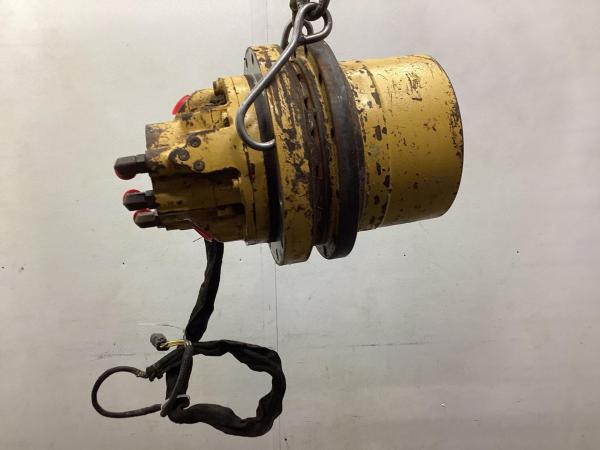
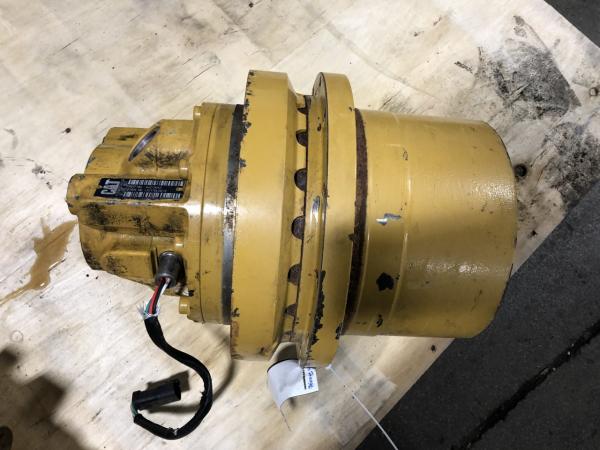
The Caterpillar 289D Compact Track Loader is renowned for its versatility and power in various construction and landscaping applications. A critical component of its performance is the hydraulic system, which powers attachments and assists in lifting and maneuvering heavy loads. Central to this system are the hydraulic output hose ports, which facilitate the flow of hydraulic fluid to and from the hydraulic pump and various attachments. Understanding these ports is essential for maintenance, troubleshooting, and ensuring optimal machine performance.
Hydraulic System Overview
The 289D features a high-flow XPS (Extra High-Pressure System) hydraulic system, designed to deliver maximum hydraulic work tool performance. This system is powered by a Cat C3.3B engine, providing high horsepower and torque while meeting stringent emission standards. The hydraulic system's efficiency is crucial for tasks requiring substantial lifting capacity and precise control.
Hydraulic Output Hose Ports: Function and Importance
Hydraulic output hose ports serve as the interface between the machine's hydraulic system and its attachments. These ports allow hydraulic fluid to flow from the pump to the attachment, enabling movements such as lifting, tilting, or rotating. Proper functioning of these ports ensures that attachments receive the necessary hydraulic power to perform effectively.
Common Issues and Troubleshooting
Over time, hydraulic output hose ports may experience issues such as leaks, blockages, or wear. Common problems include: - Leaks: Caused by damaged seals or fittings, leading to loss of hydraulic fluid and reduced system efficiency.
- Blockages: Debris or contaminants entering the system can obstruct fluid flow, impairing attachment performance.
- Wear: Continuous use can lead to the degradation of hoses and fittings, resulting in diminished hydraulic pressure.
To address these issues:
- Regular Inspection: Periodically check hoses and fittings for signs of wear or damage.
- Cleanliness: Ensure that the hydraulic system is free from contaminants to prevent blockages.
- Proper Maintenance: Follow the manufacturer's guidelines for replacing hoses and seals to maintain system integrity.
Maintenance Tips- Use Genuine Parts: Always replace components with OEM (Original Equipment Manufacturer) parts to ensure compatibility and performance.
- Torque Specifications: Adhere to recommended torque settings when installing hoses to prevent leaks and ensure secure connections.
- Hydraulic Fluid Quality: Use the specified hydraulic fluid and replace it at recommended intervals to maintain system efficiency.
Conclusion
The hydraulic output hose ports on the Cat 289D Compact Track Loader play a vital role in the machine's performance. Regular maintenance and attention to these components can prevent common issues and extend the lifespan of the hydraulic system. By understanding their function and importance, operators can ensure that their equipment operates at peak efficiency, leading to increased productivity and reduced downtime.
|
|
|
|
| Cat 415 Backhoe: Troubleshooting and Key Maintenance Insights |
|
Posted by: MikePhua - 08-22-2025, 06:49 PM - Forum: Troubleshooting & Diagnosing
- No Replies
|
|
The Cat 415 is a powerful and versatile backhoe loader, widely used in construction, landscaping, and various other industries. Known for its durability and performance, the 415 backhoe loader is equipped with a range of features designed to optimize productivity and efficiency. However, like all machinery, it can experience mechanical issues over time. This article provides a comprehensive overview of common problems, maintenance tips, and best practices for keeping your Cat 415 in optimal working condition.
Overview of the Cat 415 Backhoe Loader
The Cat 415 is part of Caterpillar’s 400 series of backhoe loaders, which are renowned for their compact size, powerful hydraulics, and ease of use. Equipped with a turbocharged diesel engine, the Cat 415 provides high torque and excellent digging force, making it ideal for heavy-duty tasks such as trenching, lifting, and material handling.
Some key features of the Cat 415 include: - Hydraulic system: High-performance hydraulic pumps and cylinders designed to provide smooth and efficient operation.
- Transmission: Powershift transmission with manual or automatic shifting options, allowing for easy operation on varied terrain.
- Cab design: Ergonomically designed to ensure operator comfort with intuitive controls for easy handling.
- Versatility: Compatible with a variety of attachments, including buckets, breakers, and augers, enhancing its functionality for different jobs.
Despite its robust design, the Cat 415 can face issues related to its hydraulic system, engine performance, or electrical components. Regular maintenance is essential to keep it running efficiently and to avoid costly repairs.
Common Problems with the Cat 415 Backhoe
While the Cat 415 is a reliable piece of equipment, there are some common problems that operators may encounter. Addressing these issues promptly can prevent further damage and improve the overall lifespan of the machine.
1. Hydraulic Issues
Hydraulic failure is one of the most common issues reported by owners of the Cat 415. The hydraulic system is critical for operating the backhoe’s boom, dipper, and other attachments. Several factors can contribute to hydraulic system problems, including low fluid levels, leaks, or worn-out components.- Symptoms: Slow or unresponsive hydraulics, unusual noises from the hydraulic pump, or leaks around hoses and fittings.
- Solutions:
- Regularly check hydraulic fluid levels and ensure the system is properly filled.
- Inspect hoses, fittings, and cylinders for leaks or signs of wear.
- Replace or reseal damaged components to prevent fluid loss.
- Change hydraulic fluid and filters at the intervals recommended by the manufacturer.
2. Engine Performance Problems
The Cat 415 is powered by a diesel engine, which can experience various performance issues if not properly maintained. Common problems include low power output, hard starting, and overheating.- Symptoms: Engine stalling, lack of power under load, excessive smoke, or difficulty starting.
- Solutions:
- Regularly replace air, fuel, and oil filters to ensure optimal engine performance.
- Inspect the fuel system for clogs or blockages and clean or replace filters as needed.
- Keep the cooling system clean and check coolant levels regularly to prevent overheating.
- Check the fuel injectors and pump for wear or failure, especially if the engine exhibits poor fuel efficiency.
3. Transmission and Drive System Issues
The transmission system is responsible for transferring power from the engine to the wheels and rear axle. Over time, transmission fluid can degrade, leading to shifting issues or loss of power.- Symptoms: Difficulty shifting gears, slipping transmission, or erratic movement of the machine.
- Solutions:
- Check transmission fluid levels regularly and replace fluid as per the maintenance schedule.
- Inspect the transmission filters and replace them if necessary to maintain fluid cleanliness.
- In cases of slipping or grinding, inspect the clutch and gearing for damage or wear, and replace any faulty components.
4. Electrical Failures
Electrical problems can lead to various operational issues, from malfunctioning lights to engine starting problems. These issues are often related to battery failure, poor wiring connections, or damaged alternators.- Symptoms: Difficulty starting the engine, dim or flickering lights, or non-functional electrical components.
- Solutions:
- Regularly check the battery and clean the terminals to ensure proper power flow.
- Inspect fuses and relays for signs of damage and replace any faulty parts.
- Test the alternator to ensure it is charging the battery properly and replace it if necessary.
Preventive Maintenance Tips for the Cat 415 Backhoe
Proper maintenance is crucial to extend the life of your Cat 415 and avoid costly repairs. Here are some essential maintenance tips to keep your backhoe running smoothly:
1. Regular Fluid Checks
Checking fluid levels regularly is key to preventing overheating, engine failure, and hydraulic problems. Ensure the engine oil, transmission fluid, coolant, and hydraulic fluid are all at the proper levels.- Frequency: Inspect fluids daily before use.
- Action: Change fluids according to the manufacturer’s recommended schedule, and use the appropriate fluid types specified in the operator’s manual.
2. Inspect and Replace Filters
Filters play a critical role in maintaining clean fluid systems. Air, fuel, hydraulic, and oil filters should be checked and replaced periodically to prevent contaminants from damaging components.- Frequency: Replace filters every 250-500 hours of operation, depending on the operating conditions.
- Action: Always use genuine Cat filters or high-quality aftermarket options to ensure compatibility.
3. Inspect Hydraulic System Components
The hydraulic system requires regular inspection to ensure that no leaks, cracks, or damage are present. Keeping the hydraulic system in good working order is essential for safe and effective operation.- Frequency: Check hoses, fittings, and cylinders every 500-1000 hours.
- Action: Replace any worn or damaged parts, and tighten any loose fittings to prevent fluid leaks.
4. Monitor Tire and Track Condition
The tires or tracks of the Cat 415 play a crucial role in maintaining traction and stability on various terrains. Regularly inspect them for wear or damage.- Frequency: Inspect tires and tracks before each use.
- Action: Replace worn-out tires or tracks and ensure proper inflation or tension.
5. Cleaning and Inspection of Cooling System
The cooling system ensures that the engine does not overheat during operation. Regularly inspect the radiator, coolant levels, and hoses to prevent blockages or leaks.- Frequency: Inspect the cooling system every 250-500 hours of operation.
- Action: Flush the radiator and replace coolant annually or as specified by the manufacturer.
Conclusion
The Cat 415 backhoe loader is an excellent tool for various construction and landscaping projects, offering durability, power, and versatility. By addressing common issues like hydraulic failure, engine performance problems, and electrical malfunctions early on, you can keep the machine running at peak performance. Regular maintenance, including fluid checks, filter replacements, and system inspections, will help ensure the longevity and efficiency of your Cat 415 backhoe loader.
|
|
|
|
| Hanomag and Massey Ferguson: Shared Roots in Construction Machinery |
|
Posted by: MikePhua - 08-22-2025, 06:49 PM - Forum: General Discussion
- No Replies
|
|
Introduction
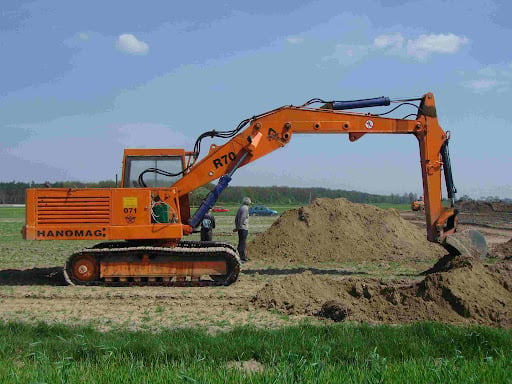
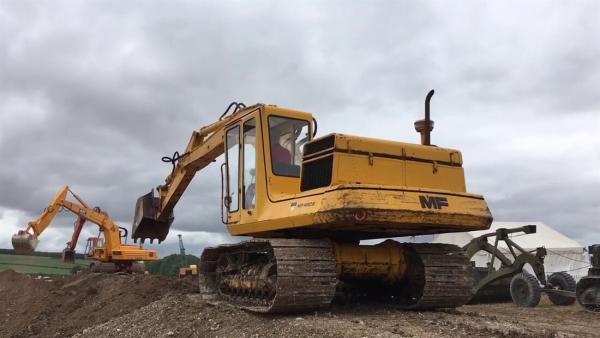
Hanomag and Massey Ferguson are two prominent names in the construction machinery industry, each with a rich history and legacy. While they originated independently, their paths converged over time, leading to shared developments in construction equipment.
Hanomag: A Legacy of Innovation
Founded in 1835 by Georg Egestorff in Hanover, Germany, Hanomag began as a manufacturer of steam engines. By 1846, they had produced their first railway locomotive, marking the beginning of their expansion into various machinery sectors. In 1924, Hanomag introduced its first farm tractor, the WD 26, and by 1931, they had developed the RD 36, their first diesel-powered tractor. Their commitment to innovation continued with the production of construction machinery starting in 1931. Over the years, Hanomag became known for its high-quality construction equipment, including wheel loaders and excavators.
Massey Ferguson: A Canadian Giant
Massey Ferguson's roots trace back to 1847 when Daniel Massey established the Newcastle Foundry and Machine Manufactory in Ontario, Canada. The company evolved through various mergers, notably with A. Harris, Son & Company in 1891, forming Massey-Harris. In 1953, Massey-Harris merged with the Ferguson Company, creating Massey Ferguson. The company expanded its reach globally, becoming a leading manufacturer of agricultural and construction equipment.
Convergence in Construction Machinery
In 1969, Massey Ferguson acquired Hanomag's agricultural division, marking the beginning of their collaboration. By 1974, Massey Ferguson had fully integrated Hanomag's construction equipment division, combining their expertise to produce a range of construction machinery. This partnership allowed for the development of advanced equipment that leveraged the strengths of both companies.
Shared Equipment Models
The collaboration between Hanomag and Massey Ferguson led to the creation of several construction equipment models that bore the influence of both companies. These models combined Hanomag's engineering prowess with Massey Ferguson's design and manufacturing capabilities. While specific model details are varied, the partnership resulted in a range of machinery that served various construction needs.
Legacy and Impact
The merger and subsequent collaboration between Hanomag and Massey Ferguson left a lasting impact on the construction machinery industry. Their combined efforts led to the production of high-quality equipment that set new standards in the industry. Even after the dissolution of their partnership, the legacy of their collaboration continues to influence modern construction machinery design and manufacturing.
Conclusion
The histories of Hanomag and Massey Ferguson are intertwined through their shared commitment to innovation and quality in the construction machinery industry. Their collaboration not only advanced the capabilities of construction equipment but also set a precedent for future partnerships in the industry. Today, their legacy continues to inspire manufacturers and operators alike.
|
|
|
|
| Bobcat T190 Hydraulic System Failure: Causes, Diagnosis, and Solutions |
|
Posted by: MikePhua - 08-22-2025, 06:48 PM - Forum: Troubleshooting & Diagnosing
- No Replies
|
|
The Bobcat T190 is a versatile and widely used skid steer loader, known for its compact design, strong lifting capabilities, and efficient hydraulic system. However, like all machinery, it can face mechanical challenges, particularly in its hydraulic system. Hydraulic failures are one of the most common issues that can cause downtime, affecting both productivity and safety. In this article, we will explore the potential causes of hydraulic failure in the Bobcat T190, methods for diagnosing the issue, and steps to prevent and fix these problems.
Understanding the Bobcat T190 Hydraulic System
The Bobcat T190 skid steer is equipped with a highly efficient hydraulic system that powers various functions, including lifting the boom, operating the attachments, and driving the wheels. The hydraulic system is composed of several components, such as: - Hydraulic pump: Delivers fluid to various hydraulic components.
- Hydraulic hoses and lines: Carry fluid under pressure.
- Control valves: Regulate the flow of hydraulic fluid.
- Cylinders: Convert hydraulic energy into mechanical movement.
- Reservoir: Stores the hydraulic fluid.
For the T190 to operate efficiently, all these components must work in harmony. When any part of the system malfunctions, the performance of the entire machine can be compromised.
Common Causes of Hydraulic Failure in Bobcat T190
Hydraulic failures in the Bobcat T190 can be caused by several factors, including poor maintenance, wear and tear, or component malfunctions. Below are some of the most common causes:
1. Low Hydraulic Fluid Levels
One of the simplest causes of hydraulic failure is insufficient hydraulic fluid. If the fluid level is too low, it can lead to air entering the system, causing erratic performance and even complete failure of hydraulic components.- Symptoms: Reduced lifting power, sluggish operation, or inability to move the loader’s arms.
- Solution: Regularly check and top up hydraulic fluid levels to prevent low fluid conditions.
2. Contaminated Hydraulic Fluid
Contaminants such as dirt, debris, or moisture can easily enter the hydraulic system if the seals are damaged or maintenance is neglected. Contaminated fluid can cause excessive wear on hydraulic pumps, valves, and cylinders.- Symptoms: Strange noises, loss of efficiency, and increased temperature.
- Solution: Replace contaminated hydraulic fluid and install new filters. Regularly inspect the hydraulic system to ensure seals are intact.
3. Faulty Hydraulic Pump
A malfunctioning hydraulic pump can cause the system to lose pressure, affecting the loader’s ability to function. Common issues include worn-out internal components or improper pressure settings.- Symptoms: The loader might struggle to lift or move material, or the system may operate inconsistently.
- Solution: Diagnose the pump's condition using pressure gauges and replace the pump if necessary.
4. Leaking Hydraulic Hoses or Fittings
Hydraulic hoses and fittings can develop leaks over time due to wear, tear, or external damage. Leaks not only reduce hydraulic fluid levels but can also allow air into the system, reducing pressure.- Symptoms: Visible fluid leaks, reduced hydraulic pressure, or sudden loss of power.
- Solution: Inspect hoses and fittings for signs of wear and replace any damaged components. Tighten any loose fittings.
5. Faulty Control Valves
Control valves are responsible for directing hydraulic fluid to the appropriate components. If these valves become clogged, worn out, or misadjusted, they can restrict fluid flow, leading to inefficient or failed operation.- Symptoms: Slow or unresponsive boom movements, difficulty controlling attachments.
- Solution: Check the valves for blockages or misalignment and clean or replace as needed.
6. Damaged Hydraulic Cylinders
Hydraulic cylinders are responsible for converting hydraulic fluid pressure into mechanical movement. Over time, the seals in these cylinders can wear out or get damaged, leading to fluid leaks or decreased performance.- Symptoms: Drooping loader arms, slow boom movement, or hydraulic fluid leakage around the cylinders.
- Solution: Inspect and repair or replace damaged hydraulic cylinders.
7. Overheating Hydraulic System
If the hydraulic system overheats, it can cause the oil to degrade, leading to increased wear and potential failure of hydraulic components. Overheating is often caused by excessive load or insufficient cooling.- Symptoms: High temperature readings, fluid discoloration, or decreased performance.
- Solution: Ensure the cooling system is functioning properly, avoid overloading the machine, and allow the system to cool down during extended use.
Steps to Diagnose Hydraulic Failures in the Bobcat T190
When dealing with hydraulic failures, a methodical approach to diagnosis is necessary to pinpoint the issue. Here are steps to effectively diagnose hydraulic problems:
1. Check Fluid Levels and Condition
Always begin by checking the hydraulic fluid levels. If the fluid is low, top it up and inspect for any visible signs of contamination. If the fluid is clean and at the correct level, move on to more advanced diagnostic steps.
2. Inspect Hoses and Fittings
Look for any signs of wear, cracks, or leaks in the hydraulic hoses. Check the fittings for tightness. If any hoses or fittings appear damaged, replace them immediately.
3. Test the Hydraulic Pump
Use a pressure gauge to test the hydraulic pump’s output. A drop in pressure can indicate pump failure. If the pressure is too low, the pump may need to be replaced.
4. Check the Control Valves
Inspect the control valves for proper operation. If the valves are sticky or clogged, clean them. If they are damaged, consider replacing them.
5. Examine Hydraulic Cylinders
Look for visible signs of leakage or damaged seals around the hydraulic cylinders. If cylinders are leaking, they may need to be resealed or replaced.
Preventive Maintenance Tips for Hydraulic System Longevity
To avoid frequent hydraulic failures, adopting a proactive maintenance routine is crucial. Here are some preventive maintenance tips for the Bobcat T190:- Regular Fluid Changes: Change hydraulic fluid and filters at regular intervals as specified in the operator’s manual.
- Inspect Seals and Hoses: Regularly inspect all seals, hoses, and fittings for wear or damage.
- Avoid Overloading: Overloading the machine places excessive strain on the hydraulic system, leading to overheating and premature wear.
- Clean Hydraulic System: Ensure that the hydraulic fluid is free of contaminants by using high-quality filters and ensuring all connections are properly sealed.
- Monitor Temperature: Keep an eye on the hydraulic system’s temperature and address any issues with cooling systems promptly.
Conclusion
The Bobcat T190’s hydraulic system is integral to its performance, and maintaining it is crucial for avoiding costly repairs and downtime. By understanding the common causes of hydraulic failure and following a regular maintenance schedule, operators can keep their machines in optimal condition. Diagnosing and addressing issues early can prevent more severe damage to the hydraulic components, ensuring the longevity and efficiency of the T190 skid steer loader.
|
|
|
|
| Understanding Coolant Confusion in Heavy Equipment |
|
Posted by: MikePhua - 08-22-2025, 06:47 PM - Forum: General Discussion
- No Replies
|
|
Introduction
In the realm of heavy equipment maintenance, one of the most perplexing issues operators and fleet managers face is coolant confusion. The variety of coolant types, colors, and specifications can lead to significant operational challenges if not properly understood and managed.
The Evolution of Coolant Technology
Historically, heavy equipment utilized a standard green-colored coolant, primarily based on Inorganic Acid Technology (IAT). This formulation was effective but required regular maintenance and frequent changes. As engine designs evolved, particularly with the incorporation of more aluminum components, the need for more advanced coolants became evident. This led to the development of Organic Acid Technology (OAT) and Hybrid Organic Acid Technology (HOAT) coolants, which offer extended service intervals and improved protection against corrosion and scaling.
Types of Coolants
- Inorganic Acid Technology (IAT): Traditional coolant requiring regular maintenance and frequent changes.
- Organic Acid Technology (OAT): Modern coolant offering extended service intervals and improved protection.
- Hybrid Organic Acid Technology (HOAT): Combines elements of IAT and OAT for balanced performance.
- Waterless Coolant: Utilizes a glycol-based liquid without water, offering higher boiling points and reduced corrosion.
The Color Conundrum
Coolant color is often used as an indicator of its type, but this can be misleading. For instance, red-colored coolants can be either OAT or HOAT, depending on the formulation. This color inconsistency has led to confusion among operators, especially when topping off coolant levels in the field. A study by Prestone found that many trucks had mixed coolants due to this very issue.
The Importance of Correct Coolant Use
Using the wrong type of coolant can lead to several problems:- Corrosion: Inadequate protection can cause rust and corrosion, leading to system failures.
- Overheating: Improper coolant can result in inefficient heat transfer, causing engines to overheat.
- Warranty Issues: Using an incorrect coolant may void equipment warranties.
Best Practices for Coolant Management
To mitigate coolant confusion, consider the following steps:- Consult the Owner's Manual: Always refer to the equipment's manual for the recommended coolant type and specifications.
- Use Test Strips: Utilize coolant test strips to identify the current coolant type and condition.
- Regular Maintenance: Implement a routine maintenance schedule to check and replace coolant as necessary.
- Educate Personnel: Ensure that all operators and maintenance staff are trained on coolant types and their importance.
Conclusion
Coolant confusion in heavy equipment is a significant issue that can lead to operational inefficiencies and costly repairs. By understanding the different types of coolants, their characteristics, and implementing best practices for coolant management, operators can ensure the longevity and reliability of their equipment.
|
|
|
|
|



