| Welcome, Guest |
You have to register before you can post on our site.
|
| Forum Statistics |
» Members: 79
» Latest member: cioCruch
» Forum threads: 47,411
» Forum posts: 47,417
Full Statistics
|
| Online Users |
There are currently 223 online users.
» 0 Member(s) | 214 Guest(s)
Ahrefs, Amazon, Applebot, Bing, Claude, DuckDuckGo, OpenAI, Semrush
|
| Latest Threads |
Identifying and Sourcing ...
Forum: Parts , Attachments & Tools
Last Post: MikePhua
01-07-2026, 06:29 PM
» Replies: 0
» Views: 498
|
Cat 931B Brake Parts
Forum: Parts , Attachments & Tools
Last Post: MikePhua
01-07-2026, 06:29 PM
» Replies: 0
» Views: 276
|
Choosing Between Cat 228,...
Forum: General Discussion
Last Post: MikePhua
01-07-2026, 06:28 PM
» Replies: 0
» Views: 520
|
Hydraulic Delay When Lowe...
Forum: Troubleshooting & Diagnosing
Last Post: MikePhua
01-07-2026, 06:27 PM
» Replies: 0
» Views: 436
|
Bale Chopper and Mulcher ...
Forum: General Discussion
Last Post: MikePhua
01-07-2026, 06:26 PM
» Replies: 0
» Views: 309
|
Mini UC Maintenance
Forum: General Discussion
Last Post: MikePhua
01-07-2026, 06:25 PM
» Replies: 0
» Views: 298
|
Locating Wiring Informati...
Forum: General Discussion
Last Post: MikePhua
01-07-2026, 06:24 PM
» Replies: 0
» Views: 333
|
Case Industrial Brown Sub...
Forum: Parts , Attachments & Tools
Last Post: MikePhua
01-07-2026, 06:23 PM
» Replies: 0
» Views: 270
|
Dirt Work in West Virgini...
Forum: Construction & Urban Infrastructure Forum
Last Post: MikePhua
01-07-2026, 06:23 PM
» Replies: 0
» Views: 366
|
D207 P Hydraulic Steering...
Forum: Parts , Attachments & Tools
Last Post: MikePhua
01-07-2026, 06:22 PM
» Replies: 0
» Views: 296
|
|
|
| Dresser TD20G Crawler Tractor: Specifications, Performance, and Legacy |
|
Posted by: MikePhua - 08-22-2025, 07:07 PM - Forum: General Discussion
- No Replies
|
 |
The Dresser TD20G crawler tractor stands as a testament to robust engineering and versatility in heavy machinery. Manufactured during the late 1980s and early 1990s, this model was designed to meet the demanding needs of construction, mining, and land reclamation projects. Its reputation for durability and performance has made it a valuable asset in various industries.
Engine and Powertrain
At the heart of the TD20G is a Cummins LTA10-C diesel engine, delivering approximately 225 horsepower. This engine provides the necessary power to tackle challenging terrains and heavy workloads. The tractor's powertrain is coupled with a three-speed powershift transmission, allowing for smooth gear transitions and efficient operation across different job sites.
Dimensions and Weight
The TD20G crawler tractor boasts the following specifications: - Length: 15 feet 1 inch
- Width: 8 feet 4 inches
- Height: 10 feet 5 inches
- Operating Weight: Approximately 48,700 pounds
These dimensions make the TD20G suitable for a range of applications, from earthmoving to grading and land clearing.
Undercarriage and Traction
Equipped with a heavy-duty undercarriage, the TD20G features wide tracks that distribute its weight evenly, reducing ground pressure and enhancing traction on soft or uneven surfaces. This design is particularly beneficial in marshy or muddy conditions, where other equipment might struggle.
Attachments and Versatility
The TD20G is compatible with various attachments, including:- Semi-U and Straight Blades: Ideal for grading and pushing materials
- Rippers: Useful for breaking up hard soil or rock
- Winches: Assist in pulling heavy loads
These attachments increase the tractor's versatility, allowing it to perform a wide array of tasks on the job site.
Operator Comfort and Safety
The operator's cab of the TD20G is designed for comfort and safety. It features a ROPS (Roll-Over Protective Structure) and FOPS (Falling Object Protective Structure), ensuring the operator is protected in hazardous conditions. The cab is also equipped with heating and ventilation systems to maintain a comfortable working environment.
Maintenance and Durability
Owners of the TD20G often praise its durability and ease of maintenance. The design allows for straightforward access to engine components, making routine servicing and repairs more manageable. Regular maintenance is crucial to keep the tractor operating at peak performance.
Legacy and Market Presence
The Dresser TD20G crawler tractor was a significant player in the heavy equipment market during its production years. Its reliability and performance have led to a strong presence in the used equipment market, with many units still in operation today. The model's legacy continues through its successor, the Dressta TD20M, which builds upon the foundation laid by the TD20G.
Conclusion
The Dresser TD20G crawler tractor remains a respected model in the heavy equipment industry. Its powerful engine, durable undercarriage, and versatile attachments make it a valuable asset for various applications. While newer models have since been introduced, the TD20G's legacy endures, reflecting its impact on the industry and its continued relevance in today's market.
|

|
|
| Hydrostatic vs Powershift: A Comparison of Service Life in Heavy Equipment |
|
Posted by: MikePhua - 08-22-2025, 07:07 PM - Forum: General Discussion
- No Replies
|
|
In the world of heavy machinery, the transmission system plays a vital role in the performance, efficiency, and service life of the equipment. Two of the most common transmission types in modern construction and mining equipment are hydrostatic and powershift transmissions. While both systems have their distinct advantages and applications, understanding the differences between them is crucial for operators and maintenance personnel looking to maximize the longevity of their machines.
Understanding Hydrostatic Transmissions
Hydrostatic transmissions (HST) are widely used in equipment requiring variable speed and torque, such as skid steers, compact loaders, and some agricultural machinery. This system uses hydraulic fluid to transmit power, employing a hydraulic pump and a motor to create smooth and continuous power transfer. The key advantage of a hydrostatic system is its ability to provide seamless speed control without the need for a manual clutch or shifting gears.
The hydrostatic transmission is often praised for its ability to deliver smooth acceleration and deceleration, making it ideal for tasks where precise control is required. Because of its variable nature, this system can maintain torque at low speeds, providing more efficient power delivery to the wheels or tracks.
Key Components of Hydrostatic Transmissions:
- Hydraulic Pump: Converts mechanical energy into hydraulic energy.
- Hydraulic Motor: Converts hydraulic energy back into mechanical energy.
- Control Valves: Direct the flow of hydraulic fluid.
- Coolers: Maintain optimal temperature for hydraulic fluids to prevent overheating.
Powershift Transmissions: Mechanics and Benefits
Powershift transmissions, on the other hand, are typically used in heavier construction machinery, such as bulldozers, wheel loaders, and large excavators. Unlike hydrostatic systems, powershift transmissions use a series of planetary gears and a hydraulic system to shift gears automatically. Powershift transmissions are generally more durable and provide greater power and efficiency when handling heavy loads.
Powershift systems can deliver higher speeds and are more suited to equipment used in high-load and heavy-duty applications, such as construction sites or mining operations. The key benefit of powershift transmissions is their ability to shift between gears automatically or manually without the need for a clutch, making it suitable for high-torque applications where precise control is less critical.
Key Components of Powershift Transmissions:
- Planetary Gears: Offer multiple gear ratios to handle varying load conditions.
- Hydraulic Couplings: Enable smooth shifting between gears.
- Transmission Control Unit (TCU): Manages gear shifts and transmission performance.
Service Life of Hydrostatic vs Powershift Transmissions
When evaluating the service life of these two transmission types, several factors come into play, including the machine's operating conditions, maintenance practices, and the nature of the tasks being performed. Here's a detailed comparison of their expected service lives and the factors that influence them:
Hydrostatic Transmission Service Life
Hydrostatic transmissions typically have a service life ranging from 4,000 to 8,000 hours, depending on maintenance and usage conditions. However, this can vary significantly depending on the load conditions and frequency of fluid and filter changes. Hydrostatic systems require regular maintenance, including checking the hydraulic fluid for contamination, ensuring that pumps and motors are properly lubricated, and addressing leaks promptly.
Factors Influencing Hydrostatic Transmission Life:
- Maintenance Frequency: Regularly changing hydraulic fluid and filters is crucial for extending the system's life.
- Operating Conditions: Excessive heat or dirty fluid can significantly reduce the lifespan of a hydrostatic transmission.
- Load and Usage: Light-duty tasks lead to a longer service life, while high-load applications can accelerate wear.
Powershift Transmission Service Life
Powershift transmissions tend to last longer than hydrostatic transmissions, with a typical service life of 10,000 to 15,000 hours. The main reason for this extended lifespan is the more robust design of the planetary gears and the absence of hydraulic fluid in the power transfer process. While powershift transmissions are highly durable, they still require regular maintenance, particularly the fluid and filter changes, to prevent wear in the planetary gears and hydraulic systems.
Factors Influencing Powershift Transmission Life:
- Proper Fluid Levels and Maintenance: Keeping the transmission fluid at optimal levels and replacing filters regularly is critical.
- Load Handling: Continuous heavy-duty operation without proper cool-down periods can cause wear and shorten the lifespan of the transmission.
- Cooling Systems: Efficient cooling systems are essential to avoid overheating, which can degrade the internal components of a powershift transmission.
Cost Considerations and Efficiency
When comparing the two systems, hydrostatic transmissions are generally more fuel-efficient for lighter, variable-load tasks due to their ability to provide constant torque at low speeds. This makes them ideal for applications like landscaping, small-scale earthmoving, and agricultural work. However, for larger, more demanding tasks such as digging or lifting heavy loads, powershift transmissions offer greater power and efficiency.
Fuel Efficiency Comparison:- Hydrostatic Transmissions: More efficient in variable load applications, especially when precise control is needed.
- Powershift Transmissions: More efficient in high-load applications, as the system is designed to handle larger forces and maintain constant power delivery at higher speeds.
Which System is Right for You?
The choice between hydrostatic and powershift transmissions ultimately depends on the equipment's intended use and the operating conditions. If you're working in an environment that requires heavy lifting and consistent speed under high load, a powershift transmission is likely the better choice. However, if you’re operating in situations requiring variable speeds and fine control, such as in smaller skid-steer loaders or agricultural machinery, a hydrostatic system may be more suitable.
Here are some factors to consider when choosing between the two:- Application: Powershift transmissions excel in heavy-duty applications, while hydrostatic transmissions are ideal for lighter, more variable tasks.
- Maintenance: Hydrostatic systems may require more frequent checks and maintenance of hydraulic fluids, whereas powershift transmissions have a simpler design that demands less frequent intervention.
- Cost: Hydrostatic systems are typically less expensive to maintain over short periods but may require more attention. Powershift systems, while more durable, may come with higher upfront costs but offer lower long-term operational costs for high-load tasks.
Conclusion: Understanding Service Life and Longevity
Both hydrostatic and powershift transmissions have their advantages and drawbacks when it comes to service life. Hydrostatic systems are more suited for lighter, variable-load applications and may require more maintenance to ensure a long service life. Powershift systems, on the other hand, offer greater durability and longevity, particularly for heavy-duty tasks, but they come with their own set of maintenance requirements.
Operators should carefully assess their needs, the type of work they do, and the equipment’s expected workload to determine which system is more appropriate. With proper maintenance and care, both systems can provide many hours of reliable service, ensuring that your equipment performs optimally throughout its lifespan.
|
|
|
|
| Operating a CAT Compact Track Loader Without the Front Window: Safety, Solutions, and Best Practices |
|
Posted by: MikePhua - 08-22-2025, 07:06 PM - Forum: General Discussion
- No Replies
|
|
Operating a CAT Compact Track Loader (CTL) without its front window presents unique challenges, primarily due to safety interlocks designed to protect the operator. These interlocks are integral to the machine's design, ensuring that the loader functions only when certain conditions are met, including the proper closure of safety components like the front window. Understanding these systems and exploring safe alternatives is crucial for maintaining both operational efficiency and safety standards.
Understanding the Safety Interlock System
CAT CTLs are equipped with safety interlocks that prevent the loader from operating unless specific conditions are met. One such condition is the closure of the front window. This design is intended to protect the operator from potential hazards, such as flying debris or accidental contact with moving parts. The interlock system typically involves a switch that detects whether the window is properly closed and secured. If the window is missing or improperly closed, the system may disable certain functions, including hydraulic operations.
Challenges of Operating Without the Front Window
Operating a CTL without the front window can lead to several issues:
- Safety Risks: Without the protective barrier, the operator is more exposed to environmental hazards, including debris and dust, which can lead to injuries or health concerns.
- Machine Limitations: The interlock system may prevent the loader from performing certain functions, such as operating the bucket hydraulics, until the window is properly secured or bypassed.
- Legal and Compliance Issues: In many regions, operating heavy machinery without all safety components in place can violate workplace safety regulations, potentially leading to fines or work stoppages.
Temporary Solutions and Workarounds
While it's generally advisable to replace the front window promptly, there are temporary solutions for operators who need to continue working:
- Bypassing the Safety Switch: Some operators have explored bypassing the safety switch that detects the window's position. This can involve wiring modifications or using jumper plugs. However, this approach is not recommended due to safety concerns and potential violations of safety regulations.
- Fabricating a Temporary Cover: Another approach is to fabricate a temporary cover that mimics the window's presence. This can involve using materials like plexiglass or metal sheets to cover the opening. It's essential that this cover is securely fastened and does not obstruct the operator's view or access to controls.
- Installing a Replacement Window: The most effective solution is to install a replacement window. CAT offers replacement parts, and many dealerships provide installation services. This ensures that the machine operates as designed, maintaining safety and functionality.
Legal and Safety Considerations
Operating a CTL without the front window can have legal implications. In many jurisdictions, workplace safety regulations require that all safety components be in place and functioning. Operating without the window may not only compromise safety but also violate these regulations, leading to potential fines or work stoppages. It's crucial to consult local regulations and ensure compliance when making modifications to heavy machinery.
Conclusion
While operating a CAT CTL without the front window is possible through various workarounds, it's fraught with safety and legal risks. The best course of action is to replace the window promptly to ensure the loader operates as intended, safeguarding both the operator and the machine. Always prioritize safety and compliance with local regulations when making decisions about equipment modifications.
|
|
|
|
| Inspiration Through Persistence: Overcoming Challenges in the Equipment Industry |
|
Posted by: MikePhua - 08-22-2025, 07:05 PM - Forum: General Discussion
- No Replies
|
|
The story of overcoming adversity in the heavy equipment industry can often serve as a powerful source of inspiration for many. The journey of dealing with machinery breakdowns, navigating unforeseen obstacles, and persevering through tough times exemplifies the resilience required in this demanding field. A key theme in these stories is how challenges are tackled head-on, from understanding mechanical failures to managing resources and maintaining a positive outlook. This article delves into the experiences that inspire and motivate professionals working in the equipment industry.
Facing Challenges Head-On
When dealing with heavy machinery, the path is rarely smooth. Issues arise unexpectedly, and it’s easy to become disheartened. However, the ability to face challenges head-on, understand their root causes, and solve problems creatively is what sets apart successful individuals and teams in the industry. Often, the most rewarding experiences are born out of the toughest situations.
Whether it's dealing with a sudden breakdown or managing a fleet of equipment that constantly demands attention, the key is persistence. Problems like fuel issues, electrical failures, or hydraulic system malfunctions can arise without warning. But instead of being overwhelmed, experienced operators and mechanics dive deep into the issue, using their knowledge and resources to troubleshoot, repair, and prevent future occurrences.
The Role of Problem-Solving in Heavy Equipment Maintenance
In the equipment industry, problem-solving is not just about fixing an issue but also preventing its recurrence. A breakdown in a bulldozer, excavator, or loader is more than just an inconvenience – it disrupts work schedules, increases costs, and impacts productivity. This is where the skill and experience of those in the field are tested. Professionals in this area must not only have a deep understanding of the machinery but also the ability to diagnose and troubleshoot effectively.
Consider the importance of keeping hydraulic systems running smoothly. A failure in the hydraulic pump or a clogged filter could halt an operation, causing significant downtime. However, by recognizing the early signs of wear and tear, understanding how to test the system, and replacing components before a breakdown occurs, professionals can ensure that their equipment remains operational. Maintenance checks, including checking fluid levels, testing pressure, and inspecting hoses, are all part of a proactive approach that allows individuals and teams to keep equipment running smoothly.
Learning from Failure and Finding Creative Solutions
In any field, failure is an inevitable part of the journey, but it is also a chance to learn and improve. The equipment industry is filled with stories of trials, errors, and lessons learned from mistakes. Instead of letting failure be a setback, those in the field often use it as an opportunity to build on their knowledge and skills.
For instance, one of the key aspects of maintaining machinery, especially older models, is recognizing when it’s time to upgrade or replace components. It’s a fine line between fixing a problem and investing in a solution that will offer long-term benefits. Many operators have found that upgrading hydraulic lines, swapping out worn-out parts, or even changing the way they handle regular maintenance can drastically improve the longevity and performance of their equipment.
Additionally, every breakdown presents a learning opportunity. By carefully studying each issue, maintenance teams can not only resolve the problem but also develop better practices for the future. It's about finding creative, practical solutions—whether it’s experimenting with new diagnostic tools or trying different methods of preventive maintenance.
The Power of Persistence and Commitment
What truly makes the equipment industry inspiring is the level of commitment required. Whether dealing with complex machinery or managing a team of operators, the persistence to keep moving forward despite obstacles is essential. The men and women working behind the scenes to keep equipment running are an unsung force, often working long hours in challenging conditions to ensure projects are completed on time.
For example, heavy machinery is often used in remote or harsh environments, where operators face extreme weather, rough terrain, or limited resources. Yet, these individuals remain dedicated to getting the job done, often going above and beyond what is required. Their ability to stay focused, motivated, and resourceful in difficult circumstances serves as a true testament to the human spirit.
The Impact of Technology on the Industry
As technology continues to advance, the heavy equipment industry has also evolved. The integration of more sophisticated diagnostics and monitoring systems has revolutionized the way professionals troubleshoot and maintain equipment. Features like real-time diagnostic alerts, GPS tracking, and automated maintenance schedules have reduced the need for manual inspections and allowed for more precise and efficient repairs.
The implementation of telematics, for example, has allowed operators to track equipment performance remotely, receiving data on engine health, fuel usage, and overall productivity. This technology not only helps detect potential issues before they escalate into larger problems but also increases uptime and reduces operational costs.
The ability to troubleshoot remotely, access parts inventory online, and even diagnose issues from the comfort of a control center allows teams to be more efficient. As a result, downtime is minimized, and equipment longevity is maximized. Such advancements in technology are a game-changer in terms of both efficiency and profitability, and they provide a new layer of inspiration to operators and service teams alike.
Inspiration Beyond the Machinery
While the machinery itself is a key part of the equation, it's the people who operate, repair, and maintain it that truly drive the industry forward. Their dedication to keeping equipment running smoothly, even in the face of adversity, is what makes this field so inspiring. Each success, big or small, is the result of hard work, expertise, and resilience.
Take, for example, the stories of mechanics who rebuild an engine or replace a drive motor on a tight schedule. Their ability to turn what seems like an overwhelming task into a success story speaks volumes about their character and professionalism. It's these types of accomplishments that not only keep businesses running but also push individuals to strive for excellence in their work.
Conclusion
The heavy equipment industry is filled with stories of adversity, resilience, and success. From handling complex mechanical issues to managing the logistics of a fleet, professionals in this field face a unique set of challenges daily. However, it’s their commitment to problem-solving, learning from failure, and persistence in the face of obstacles that makes this industry so inspiring. The machinery may be powerful, but the people who maintain and operate it are the true heart of the industry. Their stories of dedication and triumph continue to inspire others to tackle their own challenges with determination and creativity.
|
|
|
|
| Resolving Travel Motor Issues in Link-Belt LS4300 CII Excavator |
|
Posted by: MikePhua - 08-22-2025, 07:03 PM - Forum: Troubleshooting & Diagnosing
- No Replies
|
|
The Link-Belt LS4300 CII excavator is a powerful piece of machinery known for its versatility and durability in heavy construction applications. However, like any complex piece of equipment, it can encounter mechanical issues over time. One such issue that has been discussed extensively is the problem with the travel motor, which is responsible for the excavator's movement. This article delves into the evolving tale of a travel motor issue in the Link-Belt LS4300 CII, exploring the symptoms, causes, troubleshooting methods, and solutions to ensure optimal performance.
The Importance of the Travel Motor in the Link-Belt LS4300 CII
The travel motor is a critical component in any crawler excavator, responsible for driving the tracks and enabling the machine's movement. In the Link-Belt LS4300 CII, the travel motor is hydraulic and is powered by the excavator's hydraulic system. It converts hydraulic power into mechanical energy, propelling the machine forward and backward. Proper functioning of the travel motor is essential not only for mobility but also for the safety and efficiency of the machine. Any failure or malfunction in the travel motor can lead to a significant loss of productivity and might cause safety hazards in the field.
Common Symptoms of Travel Motor Issues
Travel motor issues can manifest in various ways, affecting the performance of the excavator. Below are some common symptoms that may indicate a travel motor malfunction in the Link-Belt LS4300 CII: - Reduced Speed or Loss of Motion: One of the most common signs of a travel motor problem is a reduction in the machine's speed or a complete loss of motion. The excavator may struggle to move or may move more slowly than usual, even when the throttle is applied.
- Uneven Track Movement: If one track is moving slower than the other, this may indicate an issue with the travel motor or related components. Uneven track movement can cause the excavator to drift or turn unexpectedly, affecting stability and maneuverability.
- Strange Noises: Unusual sounds, such as whining, grinding, or clunking, can be signs of internal wear or failure within the travel motor. These sounds may indicate that the motor gears are damaged or that there is a problem with the hydraulic pressure.
- Hydraulic Leaks: Hydraulic leaks around the travel motor or its connections can lead to a loss of power and efficiency. These leaks can sometimes be seen as oily patches near the travel motor area.
- Overheating: If the travel motor is running too hot, it may be a sign of inadequate lubrication or an issue with the hydraulic fluid, leading to the potential failure of the motor.
Troubleshooting the Link-Belt LS4300 CII Travel Motor Issue
Diagnosing the root cause of a travel motor problem in the Link-Belt LS4300 CII requires a systematic approach. The issue could stem from several areas, including hydraulic fluid problems, motor wear, or control valve malfunction. Below are the general steps for troubleshooting the travel motor issue:
Step 1: Inspect Hydraulic Fluid Levels and Quality
The first step is to check the hydraulic fluid levels and the condition of the fluid. Low fluid levels or degraded hydraulic fluid can lead to insufficient pressure in the travel motor, affecting its performance. If the fluid is low, top it up to the recommended level. If the fluid appears dirty or contaminated, a hydraulic fluid change may be necessary.
Step 2: Check for Hydraulic Leaks
Inspect the travel motor and the surrounding hydraulic lines for any signs of leakage. Leaks can occur in the seals or hoses, causing a loss of hydraulic pressure. Tighten any loose connections or replace damaged hoses to prevent further leakage.
Step 3: Test the Travel Motor Pressure
Use a pressure gauge to test the hydraulic pressure going to the travel motor. Insufficient pressure may indicate problems with the hydraulic pump or control valve. If the pressure is within the normal range, the issue might be within the motor itself.
Step 4: Examine the Travel Motor for Wear and Damage
If the hydraulic system checks out, the next step is to inspect the travel motor itself. Look for signs of wear or damage, such as metal shavings in the hydraulic fluid, unusual noises, or overheating. In some cases, the motor may need to be rebuilt or replaced if it is beyond repair.
Step 5: Check the Control Valve
The control valve, which regulates the flow of hydraulic fluid to the travel motor, can also cause issues if it malfunctions. Ensure that the valve is functioning properly and that it is directing fluid to the motor as intended. A faulty valve can disrupt the flow and cause uneven track movement or a loss of motion.
Possible Causes of Travel Motor Issues
The cause of travel motor issues in the Link-Belt LS4300 CII can often be traced to one of the following factors:- Worn Seals: Over time, the seals in the travel motor can wear out, allowing hydraulic fluid to leak and causing a loss of power. Worn seals can also lead to contamination of the fluid, further exacerbating the problem.
- Hydraulic Pump Failure: A failure in the hydraulic pump can lead to a loss of pressure, which in turn can affect the performance of the travel motor. The pump may need to be repaired or replaced if it is the source of the issue.
- Clogged Filters: The hydraulic system in the LS4300 CII relies on clean fluid for optimal performance. Clogged filters can restrict the flow of fluid to the travel motor, reducing its efficiency and causing overheating.
- Improper Calibration: The travel motor may need to be recalibrated if there are issues with the control system. Misalignment or incorrect settings can cause the motor to function improperly.
- Internal Motor Damage: If the travel motor has suffered internal damage, such as broken gears or bearings, it may need to be disassembled and rebuilt or replaced entirely.
Preventative Maintenance for Travel Motor Longevity
To avoid travel motor issues in the future, it is essential to implement a proactive maintenance schedule. Regular maintenance helps to identify potential problems before they become severe and ensures the longevity of the travel motor. Here are some maintenance tips:- Regular Fluid Changes: Change the hydraulic fluid and filters as per the manufacturer’s recommendations. This helps prevent contamination and ensures optimal performance of the travel motor and other hydraulic components.
- Inspect Hoses and Seals: Regularly check the hydraulic hoses and seals for signs of wear or damage. Replacing worn components early can prevent leaks and avoid more serious issues.
- Monitor Hydraulic Pressure: Check the hydraulic pressure periodically to ensure it is within the specified range. Low pressure can lead to inefficient operation of the travel motor.
- Proper Training for Operators: Ensure that operators are properly trained on how to handle the machine, especially when operating in rough conditions. Overloading the excavator or using it incorrectly can stress the travel motor and other components.
Conclusion
The Link-Belt LS4300 CII excavator is a reliable machine that, when well-maintained, can provide years of excellent service. However, like all heavy machinery, it is not immune to wear and tear, particularly when it comes to the travel motor. Understanding the symptoms, troubleshooting methods, and preventive measures associated with travel motor issues can help operators and maintenance personnel keep the machine running at its best. By following a thorough diagnostic process and maintaining the hydraulic system, you can ensure that the travel motor continues to perform efficiently, providing the power and mobility necessary for demanding construction tasks.
|
|
|
|
| Camshaft Timing in 1993 Mack E7 Engine |
|
Posted by: MikePhua - 08-22-2025, 07:02 PM - Forum: Troubleshooting & Diagnosing
- No Replies
|
|
The Mack E7 engine, a part of the renowned Mack family of engines, has been a trusted workhorse for heavy-duty trucks for years. With its robust design and proven reliability, the Mack E7 series has earned its place in the fleet of many transport companies and independent operators. One critical component of the Mack E7 engine is the camshaft, which plays an essential role in controlling the timing of the engine's intake and exhaust valves. Proper camshaft timing is crucial for ensuring optimal engine performance, fuel efficiency, and emissions control. This article will delve into camshaft timing in the 1993 Mack E7 engine, its significance, common issues, and how to troubleshoot timing problems.
The Mack E7 Engine: A Brief Introduction
The Mack E7 is a six-cylinder, turbocharged diesel engine that was commonly used in Mack's heavy-duty trucks, including the CH and CX models. Introduced in the early 1990s, the E7 engine offered impressive power outputs, ranging from 300 to 450 horsepower, making it a popular choice for long-haul trucking and other demanding applications. Known for its durability and fuel efficiency, the Mack E7 quickly became a favorite in the commercial vehicle market.
At the heart of this engine is the camshaft, a crucial component that controls the timing of valve operations, which directly impacts the engine's efficiency and power output. The camshaft is driven by the engine's crankshaft, and its primary function is to open and close the intake and exhaust valves at the appropriate times during the engine's cycle. Proper camshaft timing ensures that the engine operates at peak efficiency, delivering maximum power while minimizing fuel consumption and emissions.
What is Camshaft Timing and Why is It Important?
Camshaft timing refers to the precise coordination of the opening and closing of the engine’s intake and exhaust valves with respect to the position of the piston. This timing affects the engine's ability to breathe, which in turn impacts power production, fuel economy, and emissions output. If the camshaft is not timed correctly, the engine may suffer from reduced performance, excessive fuel consumption, or even engine damage.
In a diesel engine like the Mack E7, the camshaft timing is critical for optimizing the air-fuel mixture in the combustion chamber. If the timing is advanced or retarded too much, it can lead to poor combustion, which affects overall engine performance. The correct timing ensures that the engine operates smoothly, with the intake valves opening at the right moment to allow air in and the exhaust valves opening at the right moment to expel exhaust gases.
Common Camshaft Timing Issues in the 1993 Mack E7
While the Mack E7 engine is known for its durability, camshaft timing issues can still arise due to wear and tear, improper maintenance, or mechanical failures. Some common signs that the camshaft timing may be off include:
1. Poor Engine Performance
If the camshaft timing is incorrect, the engine may not perform at its optimal level. Common symptoms of poor engine performance include rough idling, hesitation during acceleration, and a lack of power. The engine may feel sluggish, and you may notice a decrease in fuel efficiency.
2. Increased Fuel Consumption
Incorrect camshaft timing can cause the engine to burn more fuel than necessary. When the timing is off, the engine may not efficiently complete the combustion process, leading to wasted fuel and reduced overall fuel efficiency.
3. Difficulty Starting
If the camshaft timing is significantly off, the engine may have trouble starting. This is because improper valve timing can affect compression, leading to hard starting or no-start conditions.
4. Engine Misfires or Backfires
Misfires or backfires can occur if the camshaft timing is off. This is particularly noticeable when the timing is advanced or retarded too far, disrupting the normal firing order and combustion process.
5. Excessive Exhaust Smoke
Incorrect camshaft timing can lead to incomplete combustion, which can result in an excess of black or white smoke from the exhaust. This smoke indicates that fuel is not being burned efficiently, leading to higher emissions.
How to Check and Adjust Camshaft Timing on the Mack E7 Engine
If you're experiencing any of the symptoms listed above, it's important to check the camshaft timing and make adjustments if necessary. The process of checking and adjusting camshaft timing in the Mack E7 engine involves several key steps, which are outlined below.
Step 1: Gather Tools and Equipment
Before beginning any maintenance work on the engine, gather the necessary tools and equipment. You will need: - A camshaft timing tool (specific to the Mack E7)
- A crankshaft timing tool
- A torque wrench
- A dial indicator
- Timing marks (usually found on the camshaft gear and crankshaft pulley)
Step 2: Remove Necessary Components
To access the camshaft, you may need to remove components such as the valve cover, timing belt or chain cover, and possibly the front engine accessories. Be sure to follow the manufacturer’s instructions for disassembly to avoid damaging any components.
Step 3: Check the Timing Marks
The Mack E7 engine is equipped with timing marks on both the camshaft gear and the crankshaft pulley. These marks are used to align the camshaft and crankshaft at the correct position. Using a dial indicator, check the timing of the camshaft in relation to the crankshaft. If the timing marks do not align correctly, the camshaft timing is likely off.
Step 4: Adjust the Camshaft Timing
To adjust the camshaft timing, you may need to adjust the camshaft gear. This can be done by rotating the camshaft or using a camshaft timing tool to realign the timing marks. Depending on the severity of the timing issue, you may need to remove the camshaft gear and reinstall it with the correct timing.
Step 5: Reassemble and Test the Engine
Once the camshaft timing has been adjusted, reassemble the components and torque them to the manufacturer's specifications. Start the engine and check for proper operation. Listen for any unusual noises and monitor the engine’s performance. If the issue persists, further inspection may be required.
Preventing Camshaft Timing Problems
To avoid camshaft timing issues in the future, regular maintenance is essential. Here are some key preventive measures:- Regular Timing Checks: Periodically check the camshaft timing during routine maintenance. This can help identify any issues before they become major problems.
- Proper Lubrication: Ensure that the engine’s lubrication system is functioning correctly. Insufficient lubrication can cause premature wear on the camshaft and related components, affecting timing.
- Use Quality Parts: Always use genuine Mack replacement parts or high-quality aftermarket parts to ensure proper fit and function.
- Follow Maintenance Schedules: Adhere to the manufacturer’s recommended maintenance schedule for timing belt/chain replacement, valve adjustments, and other critical engine components.
Conclusion
The camshaft timing in the 1993 Mack E7 engine plays a vital role in its overall performance. Proper timing ensures smooth engine operation, optimal fuel efficiency, and minimal emissions. If you notice any issues with engine performance, fuel consumption, or exhaust smoke, it’s crucial to check and adjust the camshaft timing. Regular maintenance and timely adjustments can help keep your Mack E7 engine running smoothly and extend its service life, making it a reliable partner for years to come.
|
|
|
|
| PC300 Excavator Error Codes: Understanding and Troubleshooting |
|
Posted by: MikePhua - 08-22-2025, 07:00 PM - Forum: Troubleshooting & Diagnosing
- No Replies
|
|
The Komatsu PC300 is a popular model in Komatsu’s line of hydraulic excavators, known for its impressive performance and versatility in construction and earthmoving tasks. However, like any complex machinery, the PC300 can experience errors that might affect its performance. One of the most important tools for diagnosing issues is understanding the error codes that appear on the machine's display. This article will explore the common error codes for the PC300, their meanings, and how to address them.
Overview of the Komatsu PC300 Excavator
The Komatsu PC300 is a mid-sized hydraulic excavator that has been a mainstay in the construction industry for years. Powered by a Komatsu SAA6D125E-5 engine, the PC300 is designed to handle tough applications such as digging, lifting, and grading. It combines strong lifting capabilities with fuel-efficient operation, making it a reliable choice for contractors and heavy equipment operators.
The machine is equipped with advanced hydraulic systems and electronic monitoring systems that help operators maintain control over its performance. One of the critical aspects of managing the PC300 is monitoring error codes and interpreting them correctly to ensure smooth operation and prevent potential damage to the machine.
Understanding PC300 Error Codes
The Komatsu PC300, like many modern construction machines, is equipped with a sophisticated diagnostic system. This system displays error codes when there are issues with various machine components. These error codes are crucial for maintenance and troubleshooting, allowing the operator or mechanic to pinpoint the problem quickly.
Komatsu’s error codes typically cover issues related to the engine, hydraulic systems, transmission, and other critical parts of the excavator. These codes are often displayed in a numeric or alphanumeric format, such as "F001" or "C132", each corresponding to a specific fault. Understanding these codes can help prevent downtime and improve the machine’s lifespan.
Common PC300 Error Codes
Here are some of the most common error codes encountered by PC300 operators and their general meanings:
1. F000 - Fuel System Issue
This code typically indicates a malfunction in the fuel system, such as a problem with the fuel filter, fuel pump, or fuel injectors. The fuel system is essential for maintaining engine performance, and any issue here can lead to poor fuel efficiency or engine stalling.
Possible Solutions: - Inspect and replace the fuel filter if clogged.
- Check the fuel lines for leaks or cracks.
- Ensure the fuel pump is functioning correctly.
2. C150 - Hydraulic Pressure Low
This error indicates that the hydraulic pressure is lower than the normal operating range. Since the PC300 relies heavily on hydraulic power for lifting and digging, low hydraulic pressure can significantly reduce performance and may cause the hydraulic system to fail.
Possible Solutions:- Check hydraulic fluid levels and top them off if necessary.
- Inspect for hydraulic leaks in hoses or connections.
- Examine the hydraulic pump for wear or damage.
3. E020 - Electrical System Fault
The E020 error code usually points to an issue in the electrical system, such as a loose connection or a malfunctioning sensor. Modern excavators, including the PC300, have a network of sensors and controllers that communicate via the electrical system, so any fault can disrupt the operation of the entire machine.
Possible Solutions:- Inspect the battery and alternator for proper charging.
- Check all electrical connections and wiring for wear or corrosion.
- Ensure the fuses are intact and replace any blown fuses.
4. C130 - Coolant Temperature Too High
When the engine’s coolant temperature exceeds safe operating limits, this code is triggered. Overheating can cause severe engine damage if not addressed promptly.
Possible Solutions:- Check the radiator for blockages or dirt buildup.
- Ensure the coolant level is adequate and the coolant is of the correct type.
- Inspect the thermostat and water pump for signs of malfunction.
5. F007 - Engine Speed Sensor Failure
This error code is associated with a failure of the engine speed sensor. The engine speed sensor is crucial for controlling engine RPM and ensuring the engine operates at optimal levels.
Possible Solutions:- Inspect the engine speed sensor for damage or wiring issues.
- Replace the engine speed sensor if necessary.
6. C210 - Transmission Fluid Pressure Low
This code indicates low pressure in the transmission fluid system, which can lead to transmission slippage or damage.
Possible Solutions:- Check the transmission fluid level.
- Inspect the transmission filter for blockages.
- Ensure the transmission pump is working correctly.
How to Troubleshoot and Reset Error Codes
When an error code appears on the display screen, it is essential to diagnose the issue promptly to prevent further damage or performance issues. Here are some steps for troubleshooting and resolving common errors:
- Access the Diagnostic System:
Komatsu excavators, including the PC300, have built-in diagnostic systems that can be accessed through the operator’s panel. The system typically displays error codes with detailed descriptions. For further diagnosis, you may need to use a diagnostic tool or Komatsu's proprietary software.
- Check the Manual:
Refer to the user manual or service manual for a list of error codes specific to the PC300 model. These manuals provide a comprehensive guide to error code meanings, troubleshooting steps, and recommended solutions.
- Perform Visual Inspections:
Before diving into complex troubleshooting, visually inspect the components associated with the error code. For example, if the error relates to hydraulic pressure, check for leaks in the hydraulic lines or low fluid levels.
- Reset the Error Code:
Once the issue has been identified and resolved, you may need to reset the error code. This is typically done by turning off the machine, waiting for a few moments, and then restarting it. Some error codes will reset automatically once the issue is fixed.
- Professional Assistance:
If the error persists despite your troubleshooting efforts, it is advisable to contact a professional mechanic or technician. They may need to use specialized diagnostic tools to assess the problem further.
Preventive Measures and Maintenance Tips
To prevent frequent error codes and ensure the longevity of your Komatsu PC300, regular maintenance and preventive measures are essential. Here are some key tips:- Regular Fluid Checks: Always monitor the fluid levels for engine oil, hydraulic fluid, and coolant. Low levels or contaminated fluids can lead to a wide range of problems, including performance degradation and system failure.
- Clean Filters: Dirty filters can restrict fluid flow and cause system issues. Make sure to clean or replace the filters on a regular schedule.
- Inspect Electrical Components: Regularly check the battery, wiring, and fuses for any signs of corrosion, wear, or loose connections.
- Hydraulic System Care: Keep an eye on the hydraulic hoses and connections for leaks. Hydraulic fluid should be kept clean and replaced as per the manufacturer’s recommendations.
Conclusion
Understanding the error codes displayed on the Komatsu PC300 excavator is crucial for diagnosing and resolving issues before they escalate into costly repairs or downtime. These codes provide vital information about the health of the machine’s systems, allowing operators and mechanics to take swift action to correct problems. Regular maintenance, visual inspections, and prompt troubleshooting are key to ensuring the longevity and optimal performance of the PC300. By addressing common error codes and staying proactive in maintenance, owners can maximize the life and productivity of their Komatsu excavator.
|
|
|
|
| Vibratory Screen: Principles, Applications, and Maintenance |
|
Posted by: MikePhua - 08-22-2025, 07:00 PM - Forum: General Discussion
- No Replies
|
|
Introduction
Vibratory screens are integral to various industries, including mining, recycling, and construction, for sorting materials based on size. Their efficiency in separating particles has made them indispensable in processing plants worldwide. Understanding their working principles, applications, and maintenance is crucial for optimal performance.
Working Principle
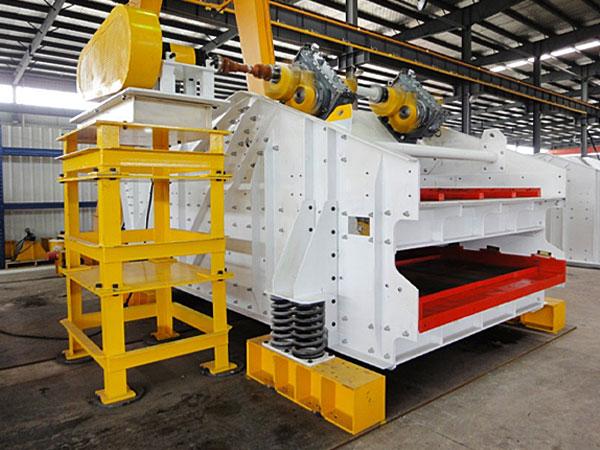
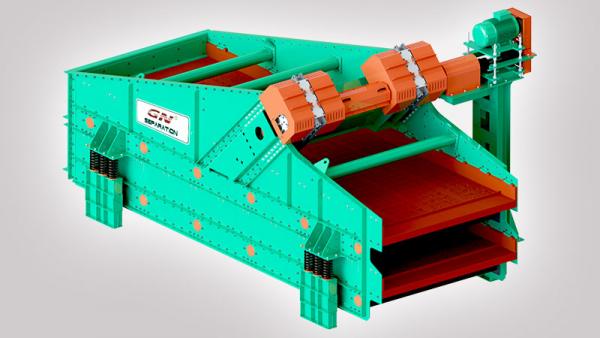
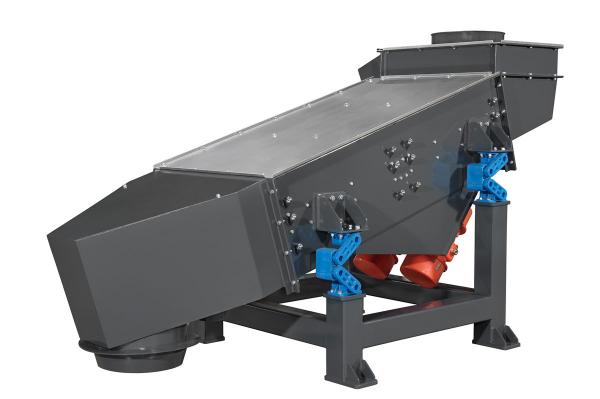
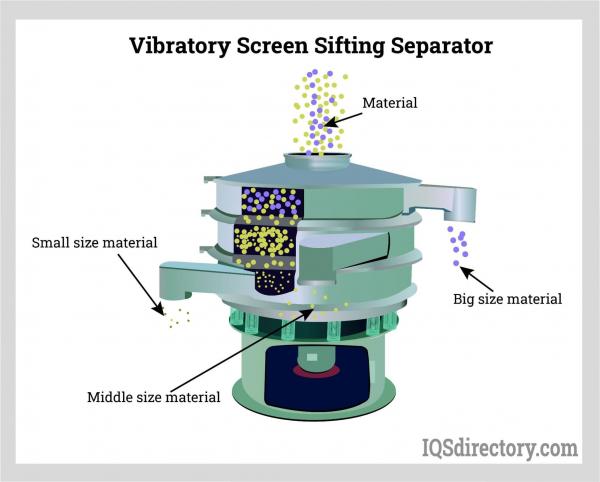
Vibratory screens operate on the principle of inducing vibrations to a screen surface, causing materials to stratify and separate based on size. These screens utilize a vibrating mechanism, often powered by electric or hydraulic vibrators, to create motion that facilitates the movement of materials across the screen surface. The vibration causes particles to move and stratify, allowing smaller particles to pass through the screen openings while larger particles are retained on top.
Types of Vibratory Screens
- Linear Vibrating Screens: These screens produce a linear motion, making them suitable for applications requiring precise separation of materials.
- Circular Vibrating Screens: Characterized by a circular motion, these screens are effective in handling large volumes of materials and are commonly used in mining operations.
- High-Frequency Vibrating Screens: Operating at higher frequencies, these screens are designed for fine material separation and are often used in mineral processing.
Applications
Vibratory screens are employed in various applications, including:- Mining: For separating ores based on size.
- Recycling: Sorting materials like plastics, metals, and paper.
- Construction: Screening sand, gravel, and other aggregates.
- Food Processing: Sieving flour, sugar, and other ingredients.
Maintenance Tips
Regular maintenance is essential to ensure the longevity and efficiency of vibratory screens:- Daily Checks: Inspect for cleanliness, proper lubrication, and any unusual vibrations.
- Weekly Inspections: Examine screen panels for wear and tear, and ensure all fasteners are tight.
- Monthly Maintenance: Check the drive components, including belts and motors, for signs of wear.
- Annual Overhaul: Replace worn-out components and perform a thorough inspection of the entire system.
Conclusion
Vibratory screens play a pivotal role in material processing across various industries. Understanding their working principles, applications, and maintenance requirements is crucial for ensuring optimal performance and longevity. Regular maintenance and timely replacements of components can significantly reduce downtime and enhance productivity.
|
|
|
|
| New Holland LS180 Skid Steer |
|
Posted by: MikePhua - 08-22-2025, 06:59 PM - Forum: General Discussion
- No Replies
|
|
The New Holland LS180 skid steer loader is a highly regarded machine known for its power, versatility, and ease of operation. As part of New Holland's long line of construction equipment, the LS180 has carved out a reputation for being a reliable workhorse on construction sites, agricultural operations, and various other industries. In this article, we’ll explore the history, features, performance, and common issues of the LS180 skid steer, offering a detailed look at its capabilities.
Development History and Overview
The New Holland LS180 is part of the company’s line of skid steers, designed for demanding tasks that require compact but powerful machines. New Holland, a brand with a long history of building agricultural and construction machinery, introduced the LS180 as part of a series of skid steers aimed at offering high lifting capacity and stability, especially in confined spaces. The LS180 was produced in the late 1990s and continued into the early 2000s, positioning it as a durable machine for both construction and agricultural applications.
One of the notable features of the LS180 is its radial lift design. Unlike vertical lift machines, which have a more steep lifting arc, the LS180 offers a flatter lift path, making it ideal for digging, leveling, and performing tasks in lower spaces where height clearance is a concern.
Specifications and Features
The LS180 was built with a balance of power and compact design, making it an excellent option for jobs that require maneuverability in tight spaces. - Engine Power: 60 horsepower (approximately)
- Operating Weight: 6,200 pounds
- Rated Operating Capacity: 1,800 pounds
- Lift Capacity: 3,600 pounds (at 35% tipping load)
- Hydraulic Flow Rate: 18.5 gallons per minute
- Travel Speed: 7.1 mph
- Dimensions: Width – 68 inches, Length – 126 inches
Powerful and Reliable Engine
The LS180 is equipped with a 60-horsepower turbocharged engine, which provides the power needed for demanding tasks. The engine's reliability has been one of the standout features, offering consistent performance even under heavy loads.
Radial Lift Path
The LS180's radial lift system offers excellent digging and lifting power, with a lower lift height than vertical lift machines. The radial lift is perfect for ground-level tasks, such as digging, grading, and lifting heavy materials across rough terrain.
Maneuverability
The compact size of the LS180 allows it to maneuver in tight spaces with ease. Its small footprint makes it an ideal choice for urban construction projects, farms, and other environments where space is limited.
Performance and Capabilities
When it comes to real-world performance, the LS180 excels in various work environments. Whether it’s lifting heavy loads, digging, or grading, operators report that the LS180 is highly reliable and efficient. Its 1,800-pound rated operating capacity makes it suitable for most mid-sized tasks, while its radial lift ensures stability when handling larger loads.
Hydraulic System
The LS180 comes equipped with an advanced hydraulic system that allows for precise control over attachments. This system is highly responsive, which is critical when using a variety of attachments like buckets, forks, or augers. The system's flow rate of 18.5 gallons per minute makes it effective for tasks that require fast and efficient movement of heavy materials.
Stability and Control
The LS180's low center of gravity, combined with its wide stance, gives it excellent stability. This makes it safer to operate, especially when lifting heavy loads or working on uneven surfaces. The machine's smooth and predictable handling is a significant advantage, allowing for greater control in tight working environments.
Common Issues and Maintenance
While the LS180 is generally a reliable machine, there are some common issues that operators and owners should be aware of. Understanding these potential problems can help with preventive maintenance and reduce downtime on the job site.
Hydraulic Leaks
Hydraulic systems in older skid steers, including the LS180, are prone to leaks due to wear on seals, hoses, or fittings. Regular inspection of the hydraulic system can help identify and resolve issues before they cause a significant problem.
Electrical Problems
Electrical issues are another concern in older models, particularly with the wiring and connectors. Over time, exposure to dirt, moisture, and vibration can lead to faulty electrical connections. It’s essential to perform routine checks on the electrical components to avoid malfunctioning systems like the lift or tilt.
Cooling System Issues
Skid steers like the LS180 are often used in hot conditions, and the cooling system can be prone to issues like radiator clogs or fluid leaks. Ensuring the radiator is clear of debris and the coolant levels are regularly checked can help keep the engine running at optimal temperatures.
Wear on Tires and Tracks
As with most skid steers, the tires or tracks on the LS180 will experience wear over time, especially when used on rough terrain or in demanding conditions. Keeping an eye on tire tread or track condition and replacing them when needed will help maintain performance and safety.
Owner and Operator Experience
Most operators of the New Holland LS180 report positive experiences with the machine, citing its ease of use, comfort, and reliability. The operator's cabin is designed to provide ample space and visibility, making it easier for the operator to maneuver the machine. The controls are intuitive and allow for smooth transitions between tasks, whether lifting, digging, or dumping.
The comfort of the cabin is also a key factor in productivity. The seat is adjustable, and the ergonomics of the controls are designed to reduce operator fatigue during long shifts. Some operators have reported that the ride can be rough when traveling over uneven terrain, but this is typical for many skid steers in this class.
Conclusion
The New Holland LS180 skid steer loader is a powerful and reliable machine, offering a combination of performance, maneuverability, and durability. Its compact size, radial lift system, and efficient hydraulics make it ideal for a wide range of applications, from construction to landscaping to farming.
With a few common maintenance issues like hydraulic leaks and electrical problems, owners can keep their LS180 running smoothly with regular checks and preventive maintenance. Overall, the LS180 continues to be a valuable tool in the skid steer market, delivering solid performance for a variety of demanding tasks. For those considering a used skid steer loader, the LS180 remains a great option, offering both power and versatility in one compact package.
|
|
|
|
| Caterpillar 953 Track Loader |
|
Posted by: MikePhua - 08-22-2025, 06:58 PM - Forum: General Discussion
- No Replies
|
|
Introduction
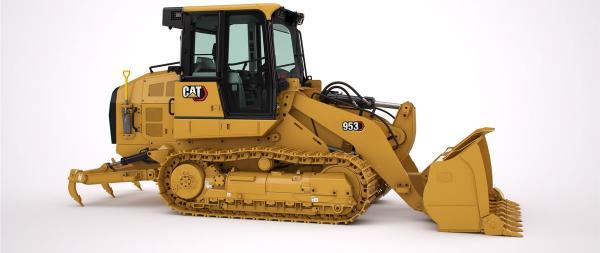
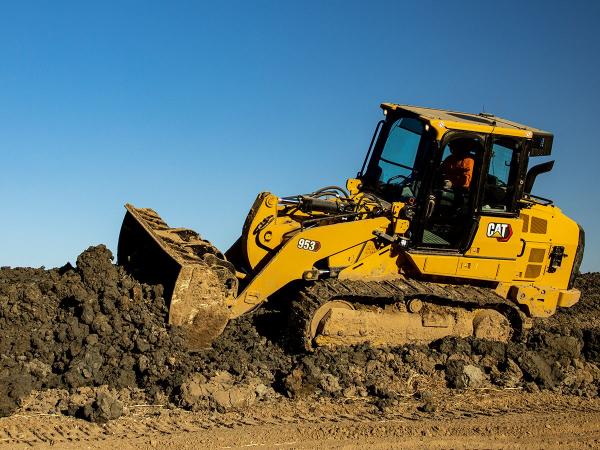
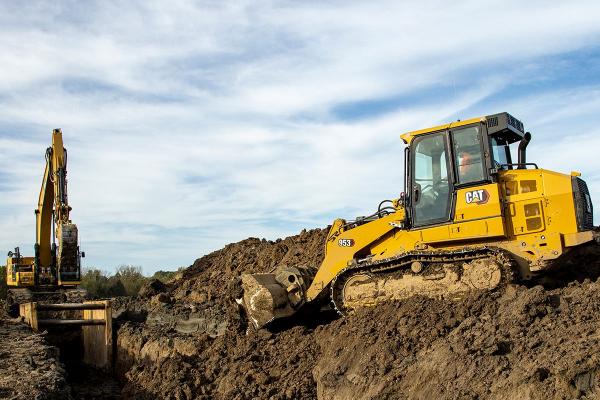
The Caterpillar 953 track loader stands as a testament to Caterpillar's commitment to producing durable and versatile heavy machinery. Since its inception, the 953 series has been a preferred choice for operators dealing with tasks that demand both power and agility. Whether it's construction, landscaping, or forestry, the 953 has proven its mettle in various applications.
Specifications - Engine Power: 160 hp (119 kW)
- Operating Weight: 15,692 kg (34,594 lbs)
- Bucket Capacity: 2.4 yd³ (1.8 m³)
- Ground Pressure: 10 psi (standard), 6 psi (low ground pressure)
- Track Width: 20 inches (standard), 31.5 inches (low ground pressure)
- Track Gauge: 70.87 inches
- Length with Bucket on Ground: 19.25 ft
- Height to Top of Cab: 10.1 ft
- Ground Clearance: 1.24 ft
- Fuel Tank Capacity: 70 gallons (265 liters)
- DEF Tank Capacity: 4.2 gallons (16 liters)
Common Issues and Troubleshooting
- Steering Brake Malfunctions: Some operators have reported issues with the steering brakes, where one side may not engage or disengage properly. This can be attributed to worn-out brake components or hydraulic system issues. Regular inspection and maintenance of the brake system are essential to ensure optimal performance.
- Engine Overheating: Overheating can occur due to clogged radiator fins, exhaust leaks, or dirty air filters. Regular cleaning of the radiator and air filters, along with checking for exhaust leaks, can help maintain proper engine temperature.
- Hydraulic System Leaks: Leaks in the hydraulic system can lead to reduced performance and potential damage. Regular inspection of hoses, fittings, and cylinders for signs of wear or damage is crucial.
- Undercarriage Wear: The undercarriage components, including tracks, rollers, and sprockets, are subject to wear over time. Regular inspection and timely replacement of worn parts can extend the lifespan of the undercarriage.
Maintenance Tips- Regular Fluid Checks: Ensure that engine oil, hydraulic fluid, and coolant levels are within recommended ranges.
- Track Tension: Regularly check and adjust track tension to prevent excessive wear and ensure proper operation.
- Filter Replacement: Replace air, fuel, and hydraulic filters as per the manufacturer's recommendations to maintain system efficiency.
- Greasing: Regularly grease all pivot points and moving parts to reduce friction and wear.
Conclusion
The Caterpillar 953 track loader remains a reliable and versatile machine in the heavy equipment industry. By understanding its specifications, being aware of common issues, and adhering to regular maintenance practices, operators can ensure that the 953 continues to perform efficiently for years to come.
|
|
|
|
|



