| Welcome, Guest |
You have to register before you can post on our site.
|
| Forum Statistics |
» Members: 78
» Latest member: cioMAK
» Forum threads: 47,411
» Forum posts: 47,417
Full Statistics
|
| Online Users |
There are currently 364 online users.
» 0 Member(s) | 354 Guest(s)
Ahrefs, Amazon, Bing, Claude, DotBot, Google, MJ12, OpenAI, Petalbot, Semrush
|
| Latest Threads |
Identifying and Sourcing ...
Forum: Parts , Attachments & Tools
Last Post: MikePhua
01-07-2026, 06:29 PM
» Replies: 0
» Views: 490
|
Cat 931B Brake Parts
Forum: Parts , Attachments & Tools
Last Post: MikePhua
01-07-2026, 06:29 PM
» Replies: 0
» Views: 276
|
Choosing Between Cat 228,...
Forum: General Discussion
Last Post: MikePhua
01-07-2026, 06:28 PM
» Replies: 0
» Views: 512
|
Hydraulic Delay When Lowe...
Forum: Troubleshooting & Diagnosing
Last Post: MikePhua
01-07-2026, 06:27 PM
» Replies: 0
» Views: 433
|
Bale Chopper and Mulcher ...
Forum: General Discussion
Last Post: MikePhua
01-07-2026, 06:26 PM
» Replies: 0
» Views: 305
|
Mini UC Maintenance
Forum: General Discussion
Last Post: MikePhua
01-07-2026, 06:25 PM
» Replies: 0
» Views: 293
|
Locating Wiring Informati...
Forum: General Discussion
Last Post: MikePhua
01-07-2026, 06:24 PM
» Replies: 0
» Views: 327
|
Case Industrial Brown Sub...
Forum: Parts , Attachments & Tools
Last Post: MikePhua
01-07-2026, 06:23 PM
» Replies: 0
» Views: 269
|
Dirt Work in West Virgini...
Forum: Construction & Urban Infrastructure Forum
Last Post: MikePhua
01-07-2026, 06:23 PM
» Replies: 0
» Views: 365
|
D207 P Hydraulic Steering...
Forum: Parts , Attachments & Tools
Last Post: MikePhua
01-07-2026, 06:22 PM
» Replies: 0
» Views: 295
|
|
|
| Finding Reliable Used John Deere Parts for Heavy Equipment Repairs |
|
Posted by: MikePhua - 08-24-2025, 06:25 PM - Forum: Parts , Attachments & Tools
- No Replies
|
 |
The Legacy of John Deere Construction Equipment
John Deere, founded in 1837, began as a plow manufacturer and evolved into one of the most recognized names in agricultural and construction machinery. By the 1970s, Deere had firmly established its construction division, producing dozers, backhoes, and loaders that became staples on job sites across North America. Models like the 850C crawler dozer and 450C track loader were widely adopted for their durability and ease of service. With tens of thousands of units sold globally, the demand for replacement parts—especially used components—remains strong decades after production ceased.
Why Used Parts Matter in Field Repairs
Used parts play a critical role in keeping older machines operational. For legacy models like the 850C, new OEM components can be prohibitively expensive or discontinued. A belly pan, for example, might cost over $1,100 new, while a salvaged unit could be sourced for a fraction of that price. In many cases, structural components like doors, pans, and frames retain full functionality even after fire damage or long-term storage.
Terminology: - Belly Pan: A protective steel plate mounted under the machine to shield hydraulic lines and drivetrain components from debris and impact.
- Salvage Yard: A facility that dismantles and resells parts from decommissioned equipment.
- OEM (Original Equipment Manufacturer): Parts produced by the original manufacturer, often preferred for fit and durability.
Trusted Sources for Used John Deere Parts
Operators and mechanics have identified several reliable sources for used JD parts across the United States. These include:- UTP (Used Tractor Parts) in Jonesboro, Texas
Known for a wide inventory of JD components, including hard-to-find structural parts.
- Shaffer’s in Wolf Lake, Illinois
Specializes in salvaged dozer and loader parts, often from fire-damaged machines.
- Wenger’s of Myerstown, Pennsylvania
Offers both in-person and online sales, with a strong reputation for customer service and part verification.
- Buck & Knobby Equipment Co in Ottawa Lake, Michigan
A long-standing dealer with access to OEM surplus and used parts, often at competitive prices.
- Local distributors in Lancaster, Pennsylvania
Some maintain active eBay storefronts and offer repair services alongside parts sales.
These suppliers often stock parts for models like the 450C, 850C, and 310 series backhoes. While shipping costs for large items like belly pans can be high, the overall savings compared to new parts often justify the expense.
Creative Alternatives and Fabrication Options
In cases where used parts are unavailable or shipping is cost-prohibitive, fabrication may be the best route. Skilled welders can replicate belly pans, doors, and brackets using templates or damaged originals as guides. For example, a contractor in Mississippi fabricated a belly pan from 3/8" plate steel, adding reinforcement ribs and access cutouts tailored to his 850C. The total cost was under $400, and the pan outperformed the original in durability.
Fabrication tips:- Use high-strength low-alloy steel for structural components.
- Include drain holes and access ports for maintenance.
- Apply rust-resistant coatings or galvanization for longevity.
- Match bolt patterns and mounting points precisely to avoid misalignment.
Field Anecdote from New Mexico
A heavy construction contractor in southeastern New Mexico needed a replacement door for his JD 450C. After striking out with local dealers, he contacted a salvage yard in Pennsylvania that had a fire-damaged unit. The steel door was intact, though the paint was scorched. After sandblasting and repainting, the door was installed and functioned perfectly. The total cost, including freight, was under $300—less than a third of the OEM price.
He later shared that the yard also helped him locate a hydraulic pump for a different machine, proving the value of building relationships with knowledgeable parts suppliers.
Best Practices for Sourcing and Verifying Used Parts
To ensure quality and compatibility when purchasing used parts:- Request detailed photos and measurements before buying.
- Verify part numbers and cross-reference with service manuals.
- Ask about the donor machine’s condition and hours.
- Confirm return policies and warranty terms, if available.
For online purchases:- Use platforms with buyer protection and verified seller ratings.
- Avoid listings with vague descriptions or stock photos.
- Communicate directly with sellers to clarify fitment and condition.
Conclusion
Finding used John Deere parts is both an art and a necessity for maintaining older equipment. Whether sourcing from salvage yards, online distributors, or fabricating replacements, operators can keep machines like the 850C and 450C running without breaking the bank. With a mix of resourcefulness, mechanical insight, and trusted suppliers, even discontinued components can be replaced effectively. In the world of heavy equipment, the right part—used or new—can mean the difference between downtime and productivity.
|

|
|
| Caterpillar 305 CR Mini Excavator Overview |
|
Posted by: MikePhua - 08-24-2025, 06:25 PM - Forum: General Discussion
- No Replies
|
|
Machine Overview
The Caterpillar 305 CR is a compact mini hydraulic excavator designed for versatile applications including landscaping, utility work, and general construction. It weighs approximately 12,688 pounds (5,754 kg), making it powerful yet maneuverable in tight job sites. The machine runs on a C1.7 turbocharged engine that offers 45 horsepower (33.6 kW), meeting U.S. EPA Tier 4 Final and EU Stage V emissions standards, showcasing Caterpillar’s commitment to environmental regulations and fuel efficiency.
Performance - Engine Model: Cat C1.7 Turbo diesel
- Net Power: 45 hp at 2400 rpm
- Operating Weight: Around 12,688 lbs (5754 kg)
- Dig Depth: 144.5 inches (3670 mm)
- Maximum Dig Height: 205.3 inches (5215 mm)
- Maximum Reach at Ground Level: 220.1 inches (5590 mm)
- Swing Speed: 9 RPM with swing bearing height of 24.4 inches
- Track Width: 78 inches (1980 mm) with rubber or steel track options
- Blade Width: 78 inches (1980 mm)
- Hydraulic System: Load sensing hydraulics with variable displacement piston pump and flow rates of 21 gal/min primary and 7 gal/min secondary circuits
Features
The 305 CR is engineered with operator comfort and control in mind, featuring:- Spacious cab options with sound reduction for reduced operator fatigue
- Auto idle and engine shutdown features to reduce fuel consumption
- Advanced hydraulic controls ensuring smooth, responsive operation
- Durable track systems with both rubber and steel options
- Vertical wall capability of approximately 8.4 feet (2560 mm), enabling precise digging
Maintenance and Reliability
The machine offers excellent serviceability, with accessible grease points and fluid reservoirs designed to simplify routine upkeep. The robust construction and quality engineering ensure long-term durability in challenging operational environments. Daily greasing and timely hydraulic fluid replacement are essential for maintaining peak performance.
Glossary- Load Sensing Hydraulics: Hydraulic system that adjusts flow and pressure to match load requirements, improving efficiency.
- Variable Displacement Piston Pump: Pump type which varies the fluid flow based on system demand, enhancing fuel economy.
- Swing Bearing: Component allowing the upper structure to rotate smoothly.
- Track Width: The width of the undercarriage tracks, influencing machine stability and ground pressure.
- Auto Idle: Feature automatically reducing engine speed when controls are inactive to save fuel.
User Insights
Operators value the Caterpillar 305 CR’s combination of power, compactness, and fuel efficiency. Its digging precision and manageable size make it ideal for intricate excavation in urban or residential environments. Some users commend the machine’s ease of transport between sites due to its moderate weight.
Conclusion
The Caterpillar 305 CR mini excavator balances power, versatility, and environmental responsibility in a lightweight package. Suitable for a wide range of small to medium scale tasks, its combination of a capable C1.7 engine, advanced hydraulics, and operator-focused features make it a reliable choice in tight working conditions. Proper maintenance and appropriate attachment use maximize its operational value.
|
|
|
|
| The Impact of Downgraded Diesel Fuel on Heavy Equipment Performance |
|
Posted by: MikePhua - 08-24-2025, 06:25 PM - Forum: General Discussion
- No Replies
|
|
Diesel fuel is the lifeblood of many heavy equipment machines, powering everything from construction vehicles to mining machinery. However, not all diesel fuels are created equal. Over time, the quality of diesel fuel can degrade, especially when it is stored improperly or contaminated during the refining, transportation, or storage process. Downgraded diesel fuel can have severe implications for engine performance, leading to costly repairs and downtime. This article examines the causes and effects of downgraded diesel fuel, how to identify it, and the best practices to mitigate its negative impacts.
What is Downgraded Diesel Fuel?
Downgraded diesel fuel refers to fuel that has deteriorated in quality and no longer meets the specifications required for optimal engine performance. Several factors can contribute to the degradation of diesel fuel, including improper storage, contamination by water or dirt, or the natural aging process of the fuel.
Diesel fuel is a mixture of hydrocarbons that power diesel engines. Over time, this fuel can degrade due to oxidation, bacterial contamination, or exposure to air and moisture. This process can result in the fuel losing its energy content, forming harmful deposits, and causing operational issues in diesel engines.
Causes of Downgraded Diesel Fuel
- Improper Storage Conditions
Diesel fuel is susceptible to contamination and degradation when stored improperly. Exposing diesel to high temperatures, sunlight, or air can accelerate oxidation. If fuel is stored in open containers or poorly sealed tanks, it can absorb moisture from the air, leading to microbial growth and rusting.
- Water Contamination
Water is one of the most common contaminants in diesel fuel. It can enter the fuel through condensation, leakage in storage tanks, or during transportation. Water in diesel fuel leads to microbial growth, causing the formation of sludge and biofilms that clog fuel filters, injectors, and the fuel tank itself. This contamination also leads to poor combustion, resulting in reduced engine efficiency.
- Bacterial and Fungal Growth
Diesel fuel, especially when stored for long periods, can be a breeding ground for bacteria and fungi. These microorganisms feed on the hydrocarbons in the fuel, resulting in the formation of sludge and other byproducts that impair the fuel’s quality. Biofouling can cause corrosion of engine components and lead to blockages in fuel lines and filters.
- Aging of Diesel Fuel
Like all organic compounds, diesel fuel degrades over time due to oxidation, which happens when the fuel reacts with oxygen. This is more likely to occur when the fuel is stored for long periods or in conditions where air and moisture can infiltrate the tank. Oxidized fuel can form gums and varnish that clog fuel injectors and combustion chambers, leading to engine performance issues.
- Low-Quality Fuel Supply
Not all fuel suppliers maintain the same standards. If diesel is not properly refined or if impurities are present in the supply chain, it can lead to poor-quality fuel being delivered. Low-quality fuel may contain higher levels of sulfur, particulate matter, or water, which can degrade the overall performance of the engine and affect its long-term durability.
Effects of Downgraded Diesel Fuel on Equipment
The consequences of using degraded diesel fuel can be severe for heavy equipment operators, leading to costly repairs and unnecessary downtime. Some of the key effects include:
- Reduced Engine Efficiency
Downgraded fuel can lead to incomplete combustion in diesel engines. This inefficiency can cause a reduction in power output, increased fuel consumption, and overall lower engine performance. As a result, machines may struggle to perform their intended tasks, requiring more time and fuel to complete a job.
- Clogged Fuel Filters and Injectors
Impurities such as water, dirt, and bacteria can clog fuel filters, leading to fuel starvation and engine misfires. Injectors, which atomize the fuel for combustion, can become clogged with deposits from degraded fuel. This not only hampers engine performance but can also lead to costly repairs or the need for injector replacement.
- Corrosion and Wear of Engine Components
Contaminated fuel can lead to corrosion of metal parts in the engine, including injectors, fuel pumps, and combustion chambers. Water contamination and microbial growth, in particular, create acidic byproducts that accelerate rusting. Over time, this leads to increased wear on critical components, potentially causing permanent damage.
- Increased Emissions
Poor combustion of degraded diesel fuel can result in higher emissions of pollutants, including carbon monoxide (CO), particulate matter, and unburned hydrocarbons. This can not only lead to environmental concerns but also affect equipment compliance with emissions regulations.
- Frequent Breakdowns
When fuel systems are compromised by degraded fuel, operators may experience frequent breakdowns and unplanned downtime. This can lead to delays in project timelines, increased maintenance costs, and decreased productivity. A malfunctioning fuel system may also result in a reduced lifespan of the engine, requiring costly overhauls or replacements.
How to Identify Downgraded Diesel Fuel
Identifying downgraded diesel fuel before it causes major issues in your equipment can save significant costs in repairs and maintenance. Here are some ways to spot degraded fuel:
- Fuel Appearance
Fresh diesel fuel should be a clear, amber color. If the fuel appears darker, cloudy, or murky, it may be contaminated with water or microbial growth. Sludge or particles floating in the fuel are also signs of degradation.
- Fuel Odor
Degraded diesel fuel often develops a sour or musty odor due to bacterial or fungal contamination. If the fuel smells unusual, it may have gone bad, affecting engine performance.
- Engine Performance Issues
If an engine struggles to start, exhibits rough idling, or shows poor power output despite normal load, it may be a sign of degraded fuel. The presence of excessive exhaust smoke or higher-than-usual emissions could also indicate poor fuel quality.
- Clogged Fuel Filters
If the fuel filters become clogged more frequently than usual, it could be due to the presence of contaminants such as dirt, bacteria, or water in the fuel. A rise in filter changes or fuel flow issues could be a sign of degradation.
Preventing Downgraded Diesel Fuel
Preventing the degradation of diesel fuel starts with proper storage and regular maintenance. Here are some strategies to ensure that diesel fuel stays in top condition:
- Proper Fuel Storage
Store diesel fuel in clean, well-sealed containers and tanks to prevent contamination by dirt, moisture, and air. It is also important to store fuel in cool, dry conditions away from direct sunlight. Using additives that stabilize fuel can extend its shelf life.
- Water Management
Regularly inspect and drain any water that may have accumulated in fuel storage tanks. Water separators and fuel filters equipped with water removal capabilities can help reduce water contamination. Use of fuel additives that prevent microbial growth can also be beneficial.
- Use of Fuel Additives
Adding fuel stabilizers or anti-bacterial agents to diesel fuel can prevent microbial contamination and oxidation. These additives help maintain the fuel’s performance, especially if the fuel is stored for extended periods.
- Regular Fuel Testing
It is a good practice to periodically test the quality of stored diesel fuel. Tests for water content, microbial growth, and particulate matter can help identify potential issues before they impact equipment.
Conclusion
Downgraded diesel fuel poses a significant threat to the performance and longevity of heavy machinery. By understanding the causes and effects of fuel degradation, operators can take proactive steps to prevent contamination and maintain optimal fuel quality. Regular maintenance, proper storage, and careful monitoring of fuel can minimize the risk of issues caused by degraded diesel, ensuring that equipment remains operational and productive for longer periods.
|
|
|
|
| Caterpillar 312D L Excavator Overview |
|
Posted by: MikePhua - 08-24-2025, 06:24 PM - Forum: General Discussion
- No Replies
|
|
Machine Overview
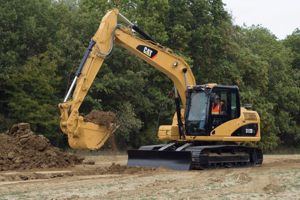
The Caterpillar 312D L is a versatile mid-sized hydraulic excavator popular in construction and earthmoving for its blend of power, precision, and operator comfort. With an operating weight around 13,470 kg (nearly 13.5 metric tons), the “L” designation indicates the long undercarriage version which improves stability and performance on uneven terrain.
Engine and Performance
Powered by the reliable Cat C4.2 ACERT engine, the machine generates a net power of 67 kW (91 hp) at 2200 rpm. This engine complies with EU Stage IIIA and U.S. EPA Tier 3 emissions standards, offering a good balance of power and fuel efficiency while respecting environmental regulations. The engine displacement is 4.25 liters with a bore of 102 mm and stroke of 130 mm.
Hydraulics and Work Tools
The 312D L’s hydraulic system boasts a maximum flow of 127 liters per minute, allowing for rapid, smooth tool operation and high digging forces. Hydraulic pressures can reach up to 35,000 kPa for implements and 30,500 kPa for other systems including travel and swing. The excavator supports a wide array of attachments thanks to the Cat Tool Control system, enhancing versatility across varied job site tasks.
Operational Capabilities - Maximum digging depth: Approximately 5,540 to 6,040 mm (18’2” to 19’10”) depending on stick length
- Maximum reach: Around 8,170 to 8,620 mm (26’10” to 28’3”)
- Bucket capacity: About 0.52 m³ (0.68 yd³)
- Swing speed: 12.4 RPM with swing torque of nearly 30,950 kN·m
- Travel speed: Maximum roughly 5.5 km/h
- Track shoe width: 500 mm for stability, long undercarriage improves ground contact
Operator Comfort
The cab is designed for spaciousness and sound reduction, outfitted with modern controls for only lessened operator fatigue and enhanced job focus. Good visibility around the boom and bucket promotes precision digging.
Maintenance and Reliability
Caterpillar’s reputation for durable machines extends to the 312D L, featuring straightforward access for routine servicing including hydraulic test ports, S·O·S sampling points, and well-placed fluid reservoirs. The durable undercarriage and quality seals contribute to long service life, especially with recommended maintenance intervals.
Glossary- ACERT Technology: Caterpillar’s advanced combustion method reducing emissions while maintaining performance.
- Hydraulic Flow: Volume of fluid moving through hydraulic components influencing attachment speed and force.
- Swing Torque: Rotational power to move the upper frame and boom.
- Tool Control System: Electronic control enabling efficient operation of a wide variety of attachments.
- Long Undercarriage: Extended track base enhancing machine stability on slopes and rough terrain.
Use Case
Ideal for earthmoving, trenching, utility work, and medium-scale demolition, the 312D L adapts readily with attachments like hydraulic thumbs, hammers, and quick couplers to maximize productivity.
User Insights
Users appreciate the 312D L for its fuel efficiency relative to output power and good all-round machine balance. The long undercarriage is especially praised for offering smoother operation in uneven ground without sacrificing maneuverability.
Conclusion
The Caterpillar 312D L combines advanced engine and hydraulic technology with operator-focused design and robust undercarriage stability to deliver a reliable and versatile machine. Its features suit a wide spectrum of construction environments, making it a cost-effective, high-performance excavator choice for contractors worldwide.
|
|
|
|
| JD 410 Backhoe Steering Cylinder Disassembly and Seal Replacement Challenges |
|
Posted by: MikePhua - 08-24-2025, 06:22 PM - Forum: Troubleshooting & Diagnosing
- No Replies
|
|
The JD 410 Backhoe and Its Hydraulic Steering System
The John Deere 410 backhoe loader, introduced in the 1970s, was part of Deere’s push into the compact construction equipment market. Built for versatility and durability, the 410 featured a mechanical drivetrain paired with a robust hydraulic system. Its steering relied on a double-acting hydraulic cylinder mounted between the front axle and frame, allowing precise control even under heavy loads.
By the mid-1980s, the 410 had become a staple in municipal fleets and small contractors’ yards across North America, with thousands of units sold. Its steering cylinder, though simple in design, often becomes a point of frustration during seal replacement due to its tight tolerances and deceptively stubborn piston assembly.
Disassembly Obstacles and Misleading Symptoms
When attempting to rebuild the steering cylinder, one of the most common challenges is removing the piston from the rod. After the retaining nut is removed, the piston may spin freely yet refuse to slide off—leading many to suspect hidden snap rings or threaded assemblies.
Terminology: - Piston: The internal component that divides the hydraulic cylinder into two chambers and transfers force from fluid pressure to mechanical motion.
- Rod: The steel shaft connected to the piston, extending outside the cylinder to transmit movement.
- Seal Kit: A set of replacement seals, including O-rings, wipers, and wear bands, used to restore hydraulic integrity.
In the JD 410’s steering cylinder, the piston is press-fit onto the rod and retained by a nut. Despite appearances, it is not threaded and contains no internal snap rings. Resistance during removal is typically caused by burrs on the rod threads or hardened seals gripping the bore.
Effective Removal Techniques and Safety Tips
Several proven methods can help dislodge a stubborn piston:- Clamp the rod vertically in a bench vise with protective soft jaws.
- Slide the cylinder tube down forcefully onto the piston to break the seal’s grip.
- Use a gear puller to apply axial pressure if the piston remains immobile.
- Avoid excessive hammering, which can deform the rod or damage the piston face.
One technician reported success by locking the piston in a vise and rotating the rod counterclockwise while pulling upward. This technique gradually wore down burrs and allowed the piston to slide free.
Safety tips:- Wear eye protection when applying force to hydraulic components.
- Use aluminum or copper jaw protectors to prevent scoring the rod.
- Keep hands clear of pinch points during vertical impacts.
Seal Installation and the Infamous White Ring
Once disassembled, the next hurdle is installing the internal seals—particularly the narrow white ring that fits inside the piston’s groove. This seal is notoriously difficult to seat due to its stiffness and tight fit.
Recommended approach:- Soak the seal in hot water or hydraulic oil for 10–15 minutes to soften it.
- Fold the seal into a kidney shape and secure with zip ties.
- Insert the bundled seal into the groove, then cut the ties and guide it into place.
- Use a blunt pick or dental tool to avoid tearing the material.
Terminology:- Wiper Seal: A seal that prevents dirt and debris from entering the cylinder.
- Wear Band: A non-metallic ring that prevents metal-to-metal contact between piston and cylinder wall.
One operator joked that installing the white seal was worse than a dental extraction—an experience echoed by many mechanics who’ve spent half an hour wrestling with it. The zip tie trick has become a go-to method in field repairs, saving time and sanity.
Field Story from South Australia
In Port Lincoln, a retired aviation firefighter took on the task of resealing his JD 410’s steering cylinder. After removing the rod and nut, he found the piston spinning but refusing to slide off. Suspecting a hidden snap ring, he hesitated to apply force. After consulting with fellow mechanics and confirming no snap ring was present, he used the cylinder tube to drive the piston off the rod with a controlled impact.
The final challenge came with the white seal. After multiple failed attempts, he succeeded—though not without a few colorful words echoing across the hills. His dog reportedly avoided the workshop for the rest of the day.
Preventive Maintenance and Long-Term Reliability
To extend the life of the steering cylinder and avoid future rebuilds:- Inspect seals annually for signs of leakage or wear.
- Flush hydraulic fluid every 1,000 hours or biannually.
- Use high-quality seal kits with Viton or polyurethane materials.
- Keep the rod clean and free of nicks or corrosion.
Upgrades worth considering:- Install a rod boot to protect against dust and gravel.
- Add a grease fitting to the pivot mount for smoother articulation.
- Use a torque wrench when reinstalling the retaining nut to avoid over-tightening.
Conclusion
Disassembling and resealing the JD 410 backhoe’s steering cylinder is a task that tests both patience and mechanical intuition. While the piston’s behavior may suggest hidden fasteners, the solution often lies in controlled force and careful inspection. With the right tools, techniques, and a bit of humor, even the most stubborn components can be tamed. The JD 410 continues to serve faithfully in the field, and mastering its hydraulic quirks ensures it stays that way for years to come.
|
|
|
|
| The Art of Operating Without Modern Technology |
|
Posted by: MikePhua - 08-24-2025, 06:22 PM - Forum: General Discussion
- No Replies
|
|
In an age where technology is integral to almost every aspect of heavy machinery operation, the question arises: how did operators manage before these technological advancements? While modern technology like GPS, automated controls, and digital diagnostics have made machines more efficient and easier to operate, there's still a lot to be said for the tried-and-tested methods of older equipment. This article explores how operators managed heavy machinery in the past without the luxury of modern technology and offers insights into the techniques, skills, and tools they relied on.
The Age of Manual Skill and Mechanical Mastery
Before the advent of GPS systems, hydraulic controls, and advanced diagnostic tools, heavy machinery operators had to rely heavily on their own senses and mechanical intuition. Skills such as hand-eye coordination, sound recognition, and manual controls were crucial in ensuring that machinery ran smoothly and efficiently. Operators of old used a variety of tricks, techniques, and mechanical tricks to get the job done with minimal breakdowns and maximum output.
- Sound as an Indicator
One of the most relied-upon tools in the absence of modern diagnostics was the operator's ear. Every machine has its own "personality" when it comes to the sounds it makes. For example, the sound of a hydraulic pump or the engine revving can indicate a problem with pressure or airflow. Operators would listen carefully for any abnormal noises such as a knocking engine, screeching belts, or grinding gears. These sounds often provided early warnings of mechanical issues before they became costly problems.
- Manual Gauges and Pressure Readings
Older machines were often equipped with basic analog gauges for monitoring pressure, fuel, temperature, and engine functions. Instead of relying on automated feedback systems, operators had to keep a constant eye on these gauges to ensure the equipment was functioning within safe limits. A skilled operator could recognize when the pressure was too high or when the temperature was rising, often fixing the issue before it escalated into a bigger problem.
- Mechanical Skill and the Importance of Routine Maintenance
With fewer automated systems to manage performance, routine maintenance became paramount. Operators relied on their own mechanical expertise to keep machines in optimal working condition. Daily greasing of pins, checking hydraulic fluid levels, and replacing filters were critical tasks that were manually monitored. Skilled mechanics and operators often performed basic repairs on the job, using a toolbox full of manual tools such as wrenches, hammers, and crowbars to address issues as they arose.
- Hydraulic Systems and Manual Control
Before the widespread use of digital joysticks and sophisticated hydraulic systems, operators would use manual control levers to operate hydraulic functions like lifting, tilting, and rotating. These levers required a good sense of strength, timing, and coordination. Understanding the machine’s hydraulic system and the pressure needed for specific tasks was essential, and operators often had to gauge the right level of power by feel, adjusting their actions based on the feedback the machine gave them.
- Mechanical Troubleshooting
Operators were often their first line of defense when it came to diagnosing and fixing issues. There were no error codes or diagnostic screens to point out where the problem lay. Instead, an operator might spot a leaky hose, a worn-out clutch, or a broken linkage and take corrective action. It was a matter of mechanical intuition, as many operators became well-versed in understanding the intricate workings of their machinery. They could often tell what was wrong with the machine by simply looking at how it was behaving and acting accordingly.
The Value of Experience Over Technology
While modern technology has undoubtedly increased the efficiency and precision of heavy machinery, it’s clear that the art of operating without it involved a level of skill, patience, and experience that is often overlooked today. Here’s why experience still holds immense value in the face of modern innovation:
- Problem-Solving Under Pressure
Without the automatic error reporting systems that modern equipment boasts, operators were often forced to troubleshoot on the spot. They had to think quickly, making adjustments or performing repairs without the luxury of knowing the exact cause of the malfunction. This meant that an operator’s skill and experience were paramount in ensuring that the machine could continue to function until proper repairs could be made.
- Adaptability to Challenging Environments
Operators working with older equipment often had to be incredibly resourceful. Without advanced navigation or terrain analysis tools, they had to rely on their surroundings and environmental cues. The ability to read the land, understand the soil conditions, and predict the behavior of the machine were skills that were honed over years of hands-on experience.
- Workaround Strategies for Malfunctions
In cases where a mechanical failure was inevitable, experienced operators were able to use "workaround" strategies to get the job done. For example, if a pin or part was stuck, operators would use brute force, ingenuity, or even makeshift tools to free it. Such improvisation was a valuable skill that helped operators stay productive even when facing significant challenges.
Modern Technology and its Impact on Operator Skills
Modern technological advancements have certainly made operations more precise and efficient. GPS systems, telematics, and onboard diagnostic tools make it easier to monitor machinery performance, even remotely. However, this doesn’t mean that the basic skills and mechanical knowledge that older operators relied on are no longer useful. In fact, many modern machines still require operators to have a certain level of mechanical understanding.
For example, while modern hydraulic systems are more sophisticated, they still rely on the principles of pressure and fluid dynamics. Operators who understand how these systems work can often troubleshoot problems more effectively and avoid expensive repairs by addressing minor issues before they become major problems.
Moreover, even in the age of automation, human experience still plays a significant role in optimizing machine performance. For instance, the skill of reading soil conditions and understanding the limits of a machine is critical for preventing breakdowns and maximizing the longevity of the equipment. Skilled operators can often spot issues that a sensor or automated system might miss, particularly when it comes to handling machines in extreme environments or complex job sites.
Conclusion
Although modern technology has undeniably transformed the way we operate heavy machinery, there’s something to be said about the wisdom and skill that older operators brought to the table. From recognizing mechanical issues by sound to managing machines without the help of GPS and automated controls, the methods used by past generations of operators were grounded in mechanical understanding and hands-on experience.
As we move forward, it’s essential not to forget the valuable lessons that these operators imparted. Combining their experience with modern technological advancements can provide the best of both worlds—optimizing machine performance while maintaining a deep respect for the craft that made heavy equipment operations possible in the first place.
|
|
|
|
| Heavy Equipment Bidding |
|
Posted by: MikePhua - 08-24-2025, 06:21 PM - Forum: General Discussion
- No Replies
|
|
Overview of Bidding in Heavy Equipment
Bidding for heavy equipment projects is a crucial process that involves submitting offers to purchase, lease, or hire machinery or to complete work using such equipment. Winning a bid requires a blend of market knowledge, thorough cost estimation, and strategic pricing. Whether bidding for government contracts, private projects, or auctions, understanding the nuances of the bidding process enhances chances of success.
Types of Bidding - Open Tendering: Public bidding where any contractor or buyer can participate. It is the most competitive and transparent, commonly used for government or large public infrastructure projects.
- Selective Tendering: Bids are solicited from a pre-approved or selected group of contractors or buyers based on qualifications or past performance. This balances competitiveness with quality assurance.
- Negotiated Tendering: Direct negotiation with a single contractor or supplier often used when specialized expertise or trust is essential, sacrificing some competitiveness in favor of efficiency.
Preparation for Bidding
Successful bidding revolves around understanding project specifications, equipment needs, and market pricing. Preparation involves:- Estimating Costs: Accurate calculation of equipment costs, transport, labor, fuel, maintenance, and contingencies.
- Equipment Matching: Assessing availability and suitability of equipment for specific job requirements.
- Risk Assessment: Identifying potential project challenges and weighing impact on pricing.
- Documentation: Organizing professional bids including company credentials, proposed methods, timelines, pricing breakdowns, and compliance certifications.
Auction Bidding Strategies
Auction bidding for heavy equipment adds a layer of dynamism, where real-time competitive bidding drives prices. Key tips include:- Inspection: Thoroughly examine equipment before bidding to assess condition and realistic market value.
- Budget Setting: Establish clear maximum bids to avoid overpaying.
- Networking: Engage with sellers and other bidders for insights.
- Bid Monitoring: Pay attention to competitor behavior during live bidding events.
Industry Trends
The heavy equipment bidding landscape is shaped by fluctuating material prices, fuel costs, regulatory changes, and labor availability. Contractors leveraging construction estimating software report up to 22% more accurate bids and improved project profitability.
Integration of digital tools from bid solicitation to fleet management streamlines preparation and decision making, reducing errors and enhancing competitiveness.
Glossary- Bid Solicitation: Formal request for bids from contractors or equipment sellers.
- Bid Submission: Detailed offer document outlining costs, methodology, and qualifications.
- Bid Selection: Process of evaluating bids and selecting the winning offer.
- Contingency: Reserved budget or time allowance for unforeseen events.
- Fleet Sizing: Matching the number and type of equipment to project needs.
Practical Insights
Contractors focusing on transparency, detailed documentation, and realistic cost estimation tend to win more bids. Combining traditional experience with digital estimating tools and proactive market analysis shifts proposals from mere price competition to compelling value propositions.
Conclusion
Mastery of heavy equipment bidding requires understanding the bidding types, detailed preparation, risk management, and leveraging technology. For buyers and contractors alike, informed bidding strategies optimize cost efficiency and project success, navigating market dynamics and complex project demands effectively.
|
|
|
|
| Dealing with Frozen Pins in Heavy Equipment |
|
Posted by: MikePhua - 08-24-2025, 06:21 PM - Forum: General Discussion
- No Replies
|
|
Frozen pins are a common issue that can affect various types of heavy machinery, including excavators, bulldozers, loaders, and other tracked or wheeled equipment. These pins, typically part of the articulation system, allow different parts of the machine (like the bucket, arms, or tracks) to move smoothly. When these pins become frozen, it can cause operational inefficiencies, excessive wear, and costly repairs. This article explores the causes of frozen pins, the impact they have on machinery performance, and how to address the issue effectively.
Understanding Frozen Pins and Their Importance
Pins in heavy equipment serve as pivotal components that enable articulation and movement between different parts of the machine. For example, in an excavator, the pins connect the boom to the arm and the arm to the bucket. These pins are designed to withstand high forces while allowing the machine to perform its tasks efficiently. The smooth movement of the pins ensures that the machinery operates as intended, which is critical for tasks such as digging, lifting, and loading.
When these pins freeze, they can no longer rotate freely, leading to a range of issues such as: - Increased wear on surrounding components like bushings and joints.
- Limited range of motion, reducing the machine's effectiveness.
- Excessive strain on the hydraulics, which can lead to overheating or failure.
- Difficulty in performing routine maintenance, as frozen pins may prevent disassembly for inspections or part replacements.
Frozen pins are often caused by the accumulation of contaminants, such as dirt, water, or rust, combined with the effects of wear and tear over time.
Causes of Frozen Pins
Several factors can contribute to the freezing of pins in heavy equipment. Understanding these causes is essential for preventing the problem in the first place or addressing it efficiently when it occurs.
- Water Infiltration and Rust Formation:
Water entering the pin joints can cause rust to form, leading to the freezing of the pin. This is especially common in equipment used in wet or humid environments. Over time, the rust makes it difficult for the pins to move freely, and the corrosion can even increase the friction between the pin and its housing, making it nearly impossible to operate.
- Dirt and Contaminant Buildup:
In construction or mining sites, dirt, dust, and other debris can accumulate around the pins. This buildup can lead to the seals being compromised, allowing contaminants to enter the joint. When dirt and debris mix with lubricants, they can form a gritty paste that wears away at the surface of the pin and bushing, ultimately causing the pin to freeze.
- Lack of Lubrication:
Proper lubrication is essential for preventing pin freeze-ups. Lack of lubrication causes the pin to experience excessive friction, which can wear down both the pin and its housing. This, in turn, leads to the buildup of heat and the potential for the pin to seize.
- Cold Weather:
Extreme cold can also cause frozen pins. In colder climates, the lubricants used in the pin joints can become too thick, preventing proper movement. When the temperature drops significantly, it can cause the grease or oil to solidify, making it harder for the pin to rotate freely.
How Frozen Pins Impact Equipment Performance
The effects of frozen pins extend beyond just the inconvenience of having a machine that doesn't work as efficiently. The following issues are commonly encountered:
- Reduced Operational Efficiency:
Frozen pins limit the movement of important machine components, such as the boom or bucket on an excavator. This can lead to slower work rates and reduced productivity. For machines that need to operate quickly, such as in construction projects, this loss of efficiency can significantly impact timelines.
- Increased Wear and Tear:
When the pins freeze, the surrounding components like bushings, seals, and bearings are subjected to greater wear. The increased friction and lack of movement can cause these components to wear out faster, leading to costly repairs and even part replacements.
- Hydraulic System Strain:
Equipment with frozen pins often experiences increased load on the hydraulic system. The machine may need to exert more force to perform the same tasks, which can cause the hydraulic fluid to overheat and increase the risk of system failure.
- Difficulty in Maintenance:
In cases where a pin is severely frozen, it can become difficult to disassemble the equipment for routine maintenance or repairs. Without the ability to remove or replace pins, the entire machine may be rendered useless until the issue is resolved.
Preventing and Fixing Frozen Pins
Addressing the issue of frozen pins involves a combination of prevention strategies and reactive maintenance. Below are methods to prevent and fix frozen pins:
Preventative Maintenance
- Regular Lubrication:
One of the most effective ways to prevent frozen pins is to ensure that they are regularly lubricated with the correct grease or oil. This will reduce the friction between the pin and its housing and protect the components from rust and wear. It’s essential to use the right type of lubricant for the operating conditions (e.g., high-temperature grease or cold-weather oil).
- Sealing and Protection:
Using high-quality seals around the pins helps to keep contaminants out. Installing mud guards, dust shields, or rubber boots around the pin areas can reduce the amount of dirt and debris that enters the joints. Ensuring the seals are intact and free from cracks will help prevent water and contaminants from seeping into the pin housing.
- Routine Inspections:
Regular inspections are crucial to catch any early signs of pin freezing. Check for unusual noises, signs of rust, or difficulty in operating the boom or bucket. Catching the problem early can prevent more extensive damage to the pin, bushings, and surrounding components.
- Environment Considerations:
If the equipment is operated in a particularly cold environment, consider using lubricants designed to withstand lower temperatures. Regularly clean the pin joints and replace old lubricant to avoid the grease thickening and freezing.
Repairing Frozen Pins
- Heat Treatment:
In some cases, applying heat to the frozen pin can help break it loose. Using a torch or heat gun, you can warm the surrounding metal, making it easier to remove the pin. However, care must be taken not to overheat the machine, as this can cause damage to sensitive parts.
- Penetrating Oil:
If a pin is stuck due to rust, penetrating oils like WD-40 or PB Blaster can be applied to the pin joint. These oils help to break down rust and corrosion, making it easier to free the pin. Allow the oil to sit for several hours before attempting to remove the pin.
- Pin Removal Tools:
When a pin is severely frozen, specialized pin-pulling tools or extraction devices can be used. These tools are designed to apply consistent pressure to remove stubborn pins, even when they are heavily corroded.
- Part Replacement:
If the pin is too damaged to be saved, it may be necessary to replace it. This is especially true if the pin has become so worn or rusted that it compromises the functionality of the machine. Replacing frozen or damaged pins is crucial for maintaining the machine’s performance.
Conclusion
Frozen pins are a common but preventable issue in heavy equipment. With regular maintenance, proper lubrication, and timely inspections, operators can avoid the frustrations and costs associated with frozen pins. When they do occur, addressing the problem quickly with the right tools and techniques will help get the equipment back to full productivity.
|
|
|
|
| Caterpillar 312 Excavator Review |
|
Posted by: MikePhua - 08-24-2025, 06:20 PM - Forum: General Discussion
- No Replies
|
|
Overview
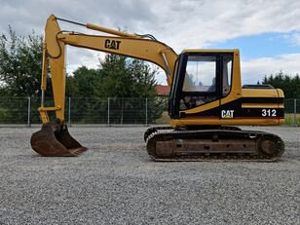
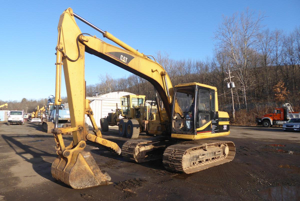
The Caterpillar 312 series excavators are well-regarded mid-sized machines, balancing power, maneuverability, and versatility. Models like the 312D and 312CL serve various civil construction, landscaping, and utility applications with reliable performance and manageable size. Typically weighing around 12 to 13 tons (roughly 28,000 pounds in larger variants), these excavators offer up to approximately 90 horsepower, powered by engines such as the Cat C4.2 ACERT or the Caterpillar 3054C turbo diesel.
Performance and Specifications - Operating Weight: About 12,500 to 13,000 kg (12.5 to 13 tons)
- Engine Power: Around 67 to 90 kW (90 to 120 hp), with turbocharged designs for improved fuel efficiency
- Bucket Capacity: Typically 0.5 to 0.8 cubic meters depending on model and bucket choice
- Digging Depth: Generally up to 5.5 meters (~18 feet)
- Hydraulic System: Advanced pump systems delivering flows around 33.5 liters per minute, with pressures reaching near 5000 psi for strong digging and lifting forces
- Travel Speed: Approximately 5 km/h suitable for jobsite mobility
- Features: Many models come with electronic control systems enhancing fuel economy and hydraulics, vibration-damping cylinders, and ergonomic, enclosed cabs designed for operator comfort and visibility.
Durability and Maintenance
Cat 312 excavators are known for robust build quality, with components designed for enduring tough environments. Hydraulics feature shock absorption to reduce component wear and operator fatigue. Maintenance access is facilitated, and parts availability remains good due to Caterpillar’s extensive aftermarket support.
User Experience
Operators report ease of control, strong breakout forces, and excellent precision in operation, making the 312 a favorite for tasks requiring both power and limited machine footprint. Some owners highlight dealer support and reliability as key advantages. It is also praised for versatility, functioning well in urban and rural environments.
Glossary- ACERT Technology: Caterpillar’s advanced combustion technology for emissions control and leaner fuel consumption.
- Hydraulic Flow: The volume of fluid the hydraulic system supplies, influencing speed and force.
- Swing Torque: The rotational force available for upperstructure movement.
- Breakout Force: The hydraulic force exerted by the bucket to break into soil or materials.
- Digging Depth: The maximum vertical reach of the bucket below ground level.
Practical Advice
Choosing the right attachment, tailoring hydraulic flow settings, and maintaining consistent fluid and filter changes maximize the Caterpillar 312’s productivity and lifespan. Operators intending to use the machine in confined or delicate environments benefit from the 312’s compact tail swing and smooth hydraulics.
Market and Legacy
The 312 series enjoys broad acceptance globally, with high resale values and ongoing production in updated versions. Its combination of size, power, and durability has kept it relevant among contractors needing a reliable mid-sized excavator.
Summary
The Caterpillar 312 excavator series represents a balance of performance, size, and durability well-suited to a wide range of construction and landscaping projects. Its advanced hydraulic systems, dependable engines, and user-friendly features position it as an industry staple, offering consistent operational efficiency and value.
|
|
|
|
| Bobcat S175 Slow Dump Troubleshooting and Valve Body Insights |
|
Posted by: MikePhua - 08-24-2025, 06:20 PM - Forum: Troubleshooting & Diagnosing
- No Replies
|
|
The Bobcat S175 and Its Hydraulic Legacy
The Bobcat S175 skid steer loader was introduced in the early 2000s as part of Bobcat’s mid-frame lineup, designed to balance maneuverability with lifting power. Manufactured by the Melroe Company (later acquired by Doosan and now part of the Bobcat Company under HD Hyundai), the S175 became one of the most popular models in its class, with tens of thousands sold globally. Its compact footprint, rated operating capacity of 1,750 lbs, and robust hydraulic system made it a staple on construction sites, farms, and landscaping projects.
The S175 uses a closed-center hydraulic system with pilot-operated spool valves to control lift, tilt, and auxiliary functions. Its valve body is a critical component, directing pressurized fluid to the cylinders based on joystick or pedal input. When rebuilt improperly or misadjusted, even minor issues can lead to performance degradation—such as slow dump speed.
Understanding the Dump Function and Valve Body Behavior
The dump function on the S175 is controlled by the tilt spool within the main valve body. When the operator activates the pedal or joystick, the spool shifts, allowing hydraulic fluid to flow into the rod end of the tilt cylinders, causing the bucket to rotate forward.
Terminology: - Spool Valve: A cylindrical valve element that slides within a bore to direct hydraulic flow.
- Centering Spring: A spring mechanism that returns the spool to its neutral position when not actuated.
- Seal Retainer: A component that holds the spool seals in place, preventing internal leakage.
A slow dump typically indicates restricted flow to the rod end of the tilt cylinders. This can result from:- Internal leakage due to worn or misinstalled spool seals.
- Misalignment or binding in the spool linkage.
- Incorrect pedal position or linkage pin placement.
- Obstruction or damage within the hydraulic lines or fittings.
Rebuild Challenges and Common Mistakes
In one case, a freshly rebuilt valve body was installed to address oil leakage from the tilt spool. However, the dump function remained sluggish while rollback was unaffected. This asymmetry suggests that the issue lies specifically in the rod-end flow path, not the base-end or return circuit.
A technician from a hydraulic shop reported difficulty removing the centering spring during the rebuild—a red flag. The spring is not typically removed when replacing spool seals, and doing so can lead to misalignment or improper reassembly.
Best practices for spool seal replacement:- Disconnect linkage or actuators before removing the spool.
- Extract the spool from the rear without disturbing the centering spring.
- Replace front and rear seals, O-rings, and dust boots.
- Reinstall the spool carefully, ensuring smooth travel and proper seating.
- Reconnect linkage using the correct pin hole to maintain pedal geometry.
Field Anecdote from Indiana
A contractor in northern Indiana experienced similar symptoms after a winter rebuild. His S175 dumped slowly despite a new valve body and fresh hydraulic fluid. After ruling out linkage and pedal issues, he disassembled the valve again and discovered the rear seal had been installed backward, partially blocking the flow port. Reversing the seal restored full dump speed, and the machine returned to service the same day.
He later added a pressure gauge to the tilt circuit to monitor performance during future repairs—a simple upgrade that helped catch early signs of restriction.
Additional Diagnostic Steps and Solutions
If the dump remains slow after a rebuild, consider the following:- Check hydraulic pressure at the tilt spool using a test port or inline gauge. Normal operating pressure should be 2,800–3,000 psi.
- Inspect the tilt cylinders for internal bypass. A cylinder with worn seals may allow fluid to leak past the piston, reducing force.
- Verify that the pedal linkage is connected to the correct hole. Some linkages have multiple pin positions that affect spool travel.
- Examine the valve body for debris or scoring inside the spool bore. Even minor contamination can restrict movement.
Suggested upgrades:- Install quick-connect test ports on the valve body for easier pressure checks.
- Use Viton or polyurethane seals rated for high-pressure applications.
- Add a magnetic filter to the return line to capture fine metal particles.
Preventive Maintenance and Long-Term Reliability
To avoid future hydraulic issues:- Change hydraulic fluid every 500 hours or annually.
- Replace filters at each fluid change and inspect for metal shavings.
- Grease all linkage points weekly to prevent wear and binding.
- Store the machine indoors or use breathable covers to reduce condensation.
For valve body rebuilds:- Use a clean, dust-free environment.
- Label and organize all components during disassembly.
- Torque bolts to factory specifications using a calibrated wrench.
- Test the valve on a bench rig before reinstalling.
Conclusion
A slow dump on the Bobcat S175 is often a symptom of deeper hydraulic or mechanical misalignment—especially following a valve body rebuild. Understanding the spool valve’s function, seal orientation, and linkage geometry is essential for accurate diagnosis. With proper technique and attention to detail, even complex issues can be resolved efficiently. The S175 remains a reliable workhorse, and with thoughtful maintenance, its hydraulic system can deliver consistent performance for years to come.
|
|
|
|
|



