| Welcome, Guest |
You have to register before you can post on our site.
|
| Forum Statistics |
» Members: 74
» Latest member: Tomo
» Forum threads: 47,413
» Forum posts: 47,419
Full Statistics
|
| Online Users |
There are currently 105 online users.
» 0 Member(s) | 94 Guest(s)
Ahrefs, Amazon, Applebot, Baidu, Bing, Claude, Google, OpenAI, Semrush, Trendiction
|
| Latest Threads |
Identifying and Sourcing ...
Forum: Parts , Attachments & Tools
Last Post: MikePhua
01-07-2026, 06:29 PM
» Replies: 0
» Views: 468
|
Cat 931B Brake Parts
Forum: Parts , Attachments & Tools
Last Post: MikePhua
01-07-2026, 06:29 PM
» Replies: 0
» Views: 271
|
Choosing Between Cat 228,...
Forum: General Discussion
Last Post: MikePhua
01-07-2026, 06:28 PM
» Replies: 0
» Views: 490
|
Fix It or Part It Out
Forum: General Discussion
Last Post: MikePhua
01-07-2026, 06:27 PM
» Replies: 0
» Views: 337
|
Hydraulic Delay When Lowe...
Forum: Troubleshooting & Diagnosing
Last Post: MikePhua
01-07-2026, 06:27 PM
» Replies: 0
» Views: 424
|
Bale Chopper and Mulcher ...
Forum: General Discussion
Last Post: MikePhua
01-07-2026, 06:26 PM
» Replies: 0
» Views: 298
|
Mini UC Maintenance
Forum: General Discussion
Last Post: MikePhua
01-07-2026, 06:25 PM
» Replies: 0
» Views: 287
|
Locating Wiring Informati...
Forum: General Discussion
Last Post: MikePhua
01-07-2026, 06:24 PM
» Replies: 0
» Views: 322
|
Case Industrial Brown Sub...
Forum: Parts , Attachments & Tools
Last Post: MikePhua
01-07-2026, 06:23 PM
» Replies: 0
» Views: 264
|
Dirt Work in West Virgini...
Forum: Construction & Urban Infrastructure Forum
Last Post: MikePhua
01-07-2026, 06:23 PM
» Replies: 0
» Views: 358
|
|
|
| Bauer BG 26 Rotary Rig Design |
|
Posted by: MikePhua - 08-26-2025, 09:19 PM - Forum: Parts , Attachments & Tools
- No Replies
|
 |
The Bauer BG 26 is a robust rotary drilling rig tailored for thick, deep boreholes—especially when employing Kelly drilling methods. Built on the sturdy BT 70 base carrier, the machine stands about 25.1 m tall, with a drill capable of reaching 77 m in depth and handling diameters up to 2,500 mm—showcasing its remarkable capacity for heavy foundation engineering . Its rotary drive delivers an impressive 264 kNm of torque, driven by a CAT engine producing approximately 261 kW at 1,800 rpm .
Engineering Highlights
Key attributes of the BG 26 include: - A long mast and wide drill axis that facilitate deep, large-diameter boreholes .
- A well-balanced structure with front trestle and inverted backstay cylinders to maximize stability and reduce overturning risks .
- Dynamic hydraulic performance with selectable drive modes to adapt to varying soil conditions and Kelly bar types .
- Simplified operation and maintenance, featuring easy rotary drive assembly and accessible platforms .
- The rig is tailored exclusively for Kelly drilling, benefiting from lean design focused on efficiency and cost-effectiveness .
Manufacturer Background
Bauer Maschinen GmbH is part of the larger Bauer AG, a pioneering German construction and machinery firm dating back to 1790. Originally founded as a coppersmith workshop, the company steadily shifted toward drilling, specializing in well foundations and advanced anchoring methods within the 20th century. By the mid-1970s, Bauer had entered the machinery manufacturing space—introducing the BG 7 rotary rig in 1976. Over the decades, the BG series, including the BG 26, became central to Bauer’s equipment lineup, supporting groundbreaking infrastructure projects around the world. In 2024, Bauer AG reported €2.2 billion in revenue and employed roughly 11,000 people globally .
Operator Story
On a high-rise development site downtown, a foundation engineer named Raj oversaw FG drilling with a BG 26. Despite restricted city surroundings, the machine's stable BT 70 undercarriage and precise, high-torque drive enabled safe operation within tight confines. The operators completed six 2.2 m-diameter boreholes, each reaching 70 m deep, in only twelve hours. The rig's streamlined controls, solid built structure, and intuitive maintenance access contributed to smooth progress—earning praise for efficiency and safety.
Technical Specifications at a Glance- Maximum drilling diameter: 2,500 mm
- Maximum drilling depth: 77.0 m
- Maximum torque: 264 kNm
- Engine output: 261 kW (CAT C9 or C9.3 Tier 3/4) at 1,800 rpm
- Machine height: 25.1 m
- Approximate operating weight: 81 t
Additional performance figures:- Crowd cylinder push/pull: ~200 / 270 kN (effective)
- Main winch pull: ~225 / 295 kN (effective / nominal), line speed up to 80 m/min
- Auxiliary winch pull: ~80 / 100 kN, speed up to 55 m/min
- Equipped with winches rated for heavy continuous operation (M6 / L3 / T5 categories).
- Fuel tank capacity: 600 l
- Cabin sound pressure: 80 dB(A); sound power: 109 dB(A) .
Terminology Explained- Kelly Drilling: A method using a square or hexagonal drill string that rotates and advances, especially suited for deep, large-diameter boreholes.
- Crowd Cylinder: Pushes and retracts the Kelly bar—crucial for controlling drilling depth and feed rate.
- Torque (kNm): Rotational force; higher torque means better capability to penetrate tough ground.
- Winch Pull/Speed: Indicates lifting capacity and operational efficiency during assembly or casing handling.
- BT 70 Base Carrier: Heavy-duty crawler chassis offering stability and mobility across rough terrain.
Maintenance and Operational Tips- Routine inspections: Keep winch ropes and hydraulic hoses well-lubricated and free of wear.
- Adaptive drive use: Adjust drive mode based on soil type—high torque for dense materials, higher RPM for softer soils.
- Safe assembly: Utilize integrated platforms for safer access when swapping the rotary drive.
- Track health: Preserve crawler undercarriage to maintain stability—especially when operating at full height.
- Noise management: Use hearing protection; cabin reduces, but does not eliminate, noise.
- Digital integration: Leverage Bauer’s B-Tronic electronic controls for real-time monitoring and troubleshooting .
Final Thoughts
The Bauer BG 26 is a high-capacity drilling rig—purpose-built for demanding foundation work requiring deep, wide boreholes and efficient Kelly drilling. Its engineering balances brute performance with operational ease and safety. Backed by Bauer’s rich legacy and manufacturing excellence, the BG 26 offers reliability and precision. As foundation sites grow deeper and structures taller, machines like this remain key to getting foundations right—solid, safe, and on schedule.
|

|
|
| White Smoke and Power Loss in the John Deere 650J Dozer |
|
Posted by: MikePhua - 08-26-2025, 09:18 PM - Forum: Troubleshooting & Diagnosing
- No Replies
|
|
The 650J and Its Role in Mid-Size Earthmoving
The John Deere 650J crawler dozer was introduced in the early 2000s as part of Deere’s J-series, designed to offer hydrostatic drive, improved blade control, and enhanced operator comfort. With an operating weight around 20,000 lbs and powered by a 4-cylinder turbocharged diesel engine, the 650J was built for grading, site prep, and utility work. Its popularity stemmed from its balance of maneuverability and pushing power, making it a staple in municipal fleets and small contractor operations.
John Deere, founded in 1837, has long been a leader in agricultural and construction machinery. The 650J was part of a broader strategy to modernize its dozer lineup with electronic controls and modular components, but like many machines of its era, it relies heavily on mechanical fuel injection systems that require precise calibration and maintenance.
Symptoms of White Smoke and RPM Drop
A recurring issue in aging 650J units involves the sudden appearance of white exhaust smoke at high RPM—typically around 2,350 RPM—accompanied by a drop in engine speed and rough running. When the throttle is reduced to idle (around 900 RPM), the engine smooths out and runs normally. Under load, the machine bogs down and struggles to maintain power.
Key symptoms include: - White smoke at high RPM
- RPM drop below 2,000 during load
- Smooth idle at low throttle
- Recent injector replacement with minimal improvement
These symptoms suggest a fuel delivery or timing issue, rather than a mechanical fault like head gasket failure or turbocharger damage.
Terminology Clarification- White Smoke: Typically indicates unburned fuel or coolant vapor in the exhaust. In diesel engines, it often points to poor atomization or delayed injection.
- Injection Timing Advance: A mechanism that adjusts fuel injection timing based on engine speed and load to optimize combustion.
- Transfer Pump: An internal pump within the injection system that regulates fuel pressure and timing advance.
- Accumulator Spring: A component inside the injection pump that stabilizes fuel delivery and timing under varying loads.
Diagnosing the Injection Pump and Timing Advance
The 650J uses a DE Standadyne rotary injection pump, which includes an internal transfer pump and timing advance mechanism. If the transfer pump blades wear out or the accumulator spring breaks, the timing advance may fail, causing delayed injection and white smoke.
Diagnostic steps include:- Measure transfer pump pressure at the test port using a 200 psi gauge
- Compare pressure readings at idle and high RPM
- Inspect for air bubbles in injector lines during operation
- Check for broken accumulator spring by observing erratic fuel delivery
In one documented case, a technician found that the transfer pump pressure was too low at high RPM, causing the timing to retard instead of advance. Rebuilding the pump resolved the issue and restored full power.
Field Techniques and Practical Testing
For operators without access to a test bench, a simple field test involves:- Holding the engine at the RPM where symptoms appear
- Loosening an injector line slightly and observing fuel spray
- If excessive air is present, it may indicate a broken accumulator spring
Another method is to remove the Torx screw on the side of the pump and install a pressure gauge using an adapter. At 2,350 RPM, the transfer pump should produce a specific pressure—typically between 60 and 90 psi depending on the pump model. If pressure is below spec, the pump needs internal repair.
Injector Replacement and Bench Testing
In this case, all four injectors were replaced after bench testing revealed one failed and others barely passed. While this improved idle quality, it did not resolve the white smoke at high RPM. This confirms that the issue lies deeper in the fuel system—likely within the pump itself.
Recommendations:- Replace injectors with matched OEM units
- Ensure injector pop-off pressures are calibrated to spec
- Clean fuel lines and tank to prevent contamination
- Use high-quality diesel with proper cetane rating
Preventive Maintenance and Long-Term Reliability
To avoid similar issues:- Replace fuel filters every 250 hours
- Inspect injection pump seals and shaft for wear
- Test transfer pump pressure annually
- Use fuel additives to prevent varnish and microbial growth
- Avoid prolonged high-RPM operation without load
For machines operating in cold climates, consider installing a fuel heater and using winter-grade diesel to improve atomization and reduce white smoke.
Conclusion
White smoke and power loss in the John Deere 650J are often caused by internal failures in the injection pump—specifically the transfer pump blades or accumulator spring. While injector replacement may improve idle quality, full resolution requires pressure testing and possible pump rebuild. With proper diagnostics and attention to fuel system health, the 650J can return to full performance and continue serving reliably in the field. In diesel engines, timing is everything—and when it slips, the smoke tells the story.
|
|
|
|
| Old Iron Dozer Hourly Value |
|
Posted by: MikePhua - 08-26-2025, 09:17 PM - Forum: General Discussion
- No Replies
|
|
In rural work camps and contracting circles, seasoned operators often joke that a vintage Caterpillar D7E is like “trusted old iron”—solid, reliable, and—if priced right—highly profitable. Reports from experienced machine owners reveal typical hourly charges for comparable dozers (like D6 or D7 models) fall in the ballpark of $140 to $150 per hour. That rate allows room to cover fuel, wear parts, and operator profit while staying competitive. Some even waive mobilization charges after multi-day contracts to build loyalty and reduce overhead. Others in tighter markets have offered D6s for as low as $85, though many believe that undervalues the machine’s true worth .
Dozer Fundamentals and Specifications
The Caterpillar D7E sits firmly in the mid-size dozer category and blends advanced technology with solid weight and punch:
• Operating Weight: ~25.7 t (56,700 lb) with standard equipment
• Engine: Cat C9.3 ACERT. Net power ~175 kW (235 hp), peak ~187 kW (251 hp)
• Drive System: Innovative electric drive setup delivers efficient power transfer and nimble steering
• Blade & Performance: Approximately 9 yd³ (7 m³) SU blade, with hydraulic pressures reaching ~4,000 psi on dozing components, ~5,950 psi steering
Development, Brand, and Evolution
Caterpillar has a long tradition shaping dozers, and the D7E continued that legacy by integrating electric drivetrains and emission-compliant engines (Tier 4/Stage IV). Introduced around 2009, it offered improved fuel efficiency, reduced emissions, and enhanced serviceability. Modular components and easy maintenance access—like ground-level service centers and tilting cabs—help lowered total owning and operating costs . Exact production or sales figures weren’t readily available, but the model cemented a reputation among contractors for durability and utility across various construction tasks.
Real-World Operator Experience
Bob, a foreman on a road-building crew, recalls scheduling a D7E for a week of earthmoving. With fuel running around $1.25/gal and typical fuel burn, the Owner-Operator set a $150/hour rental. They completed 500 ft of graded road in just two days. At day's end, Bob reflected that the machine's combination of weight, blade capacity, and electric steering made loading fewer passes and smoother turns, reducing cycle time and overall cost.
Cost Components Simplified
To estimate hourly operating cost realistically: - Fuel: At $1.25/gal and perhaps 5 gal per hour burn, fuel comes to around $6/hr .
- Maintenance: Routine servicing, wear parts, and hydraulic components may add modestly—$10 to $20 per hour over time.
- Ownership Cost: Basic methods divide monthly depreciation and fixed costs by 176 working hours; for a heavy machine that could be $50 to $100 per hour, depending on amortization periods .
Altogether, realistic billing around $150 per hour seems justified—not only covering operational and ownership costs but also delivering reasonable returns.
Terminology Guide
• Operating Weight: Total ready-to-work mass, including attachments and fluids.
• Electric Drive: Powertrain that uses an electric generator and motor for smooth power delivery and control.
• SU Blade: Semi-Universal blade offering good balance between penetration and material carry.
• Net Power vs. Peak Power: Continuous usable horsepower (net) versus short peak output.
• Operating Pressure: Hydraulic pressures within control systems—higher pressure offers faster, stronger motion.
Recommendations for Owners and Contractors
• Set realistic rates: Around $140–$160/hour balances cost recovery and operator profitability.
• Know local market: Rates under $100 may attract jobs short term, but may not sustain upkeep.
• Consider all costs: Fuel, maintenance, depreciation, and downtime matter in pricing.
• Invest in efficiency: Arenas with electric drive and modular services can lower servicing time and costs.
• Build relationships: Waiving mobilization or offering longer-term contracts can boost client loyalty and steady revenue.
Summary
The Caterpillar D7E—a robust, mid-size dozer—combines advanced electric drive systems and Tier 4 engines to raise efficiency and meet emissions standards. With an operating weight around 25.7 t and net power of ~235 hp, it's a capable machine for demanding terrain. Real-world contractor insights place typical hourly rates in the $140 to $150 range, ensuring operational costs are covered and returns achieved. Understanding fuel burn, ownership costs, and local pricing fundamentals allows operators to set fair and profitable rates—and keep that “old iron” rolling strong.
|
|
|
|
| Throttle Issues in Lull 944E Telehandler: Diagnosis and Solutions |
|
Posted by: MikePhua - 08-26-2025, 09:17 PM - Forum: Troubleshooting & Diagnosing
- No Replies
|
|
The Lull 944E telehandler is a versatile piece of heavy machinery used extensively in construction, agricultural, and industrial applications. Known for its ability to handle a wide variety of tasks, from lifting materials to providing high reach in tight spaces, it plays a crucial role on job sites. However, like any complex machine, the Lull 944E can experience mechanical issues, one of the most common being throttle-related problems. This article covers the potential causes of throttle issues in the Lull 944E, how to diagnose them, and the steps needed to resolve these problems.
Understanding the Throttle System in the Lull 944E
The throttle system in a telehandler like the Lull 944E is responsible for controlling the engine speed, which in turn governs the machine's power and performance. The system typically consists of several key components: - Throttle Pedal: The physical pedal the operator uses to adjust the engine speed.
- Throttle Linkage: A mechanical or electronic link that connects the throttle pedal to the engine's fuel control system.
- Electronic Throttle Control (ETC): In modern systems, an electronic sensor regulates the throttle position, sending signals to the engine’s ECU (Engine Control Unit) to adjust fuel intake.
- Fuel Injection System: This system is responsible for delivering the correct amount of fuel to the engine, and it adjusts based on throttle position.
In the case of the Lull 944E, throttle issues can be linked to mechanical failures, electronic malfunctions, or sensor failures. The most common problem reported is that the machine either has difficulty maintaining a consistent throttle position or fails to respond to throttle adjustments.
Common Symptoms of Throttle Issues
- Inconsistent Throttle Response
- Symptoms: The telehandler’s engine may not respond smoothly when the throttle is adjusted. There may be delayed acceleration or erratic engine speed fluctuations.
- Possible Causes:
- Faulty throttle linkage
- Electronic sensor malfunctions (ETC issues)
- Dirty or clogged fuel filters
- Solution: Inspect and clean the throttle linkage, and test the ETC sensor for proper functionality. If necessary, replace the fuel filters.
- Engine Stalling or Poor Acceleration
- Symptoms: The Lull 944E may struggle to accelerate or could stall when the throttle is applied, making it difficult to perform tasks.
- Possible Causes:
- Throttle body issues
- Fuel delivery problems
- Air intake or exhaust system blockages
- Solution: Inspect the throttle body for any blockages or signs of wear. Ensure that the fuel delivery system is clear and that the air filters are not clogged.
- Throttle Not Responding
- Symptoms: The throttle may fail to increase or decrease engine speed when the pedal is adjusted. The machine might remain stuck at idle or a high RPM.
- Possible Causes:
- Throttle cable or linkage failure
- Electronic control issues (wiring or sensors)
- A problem with the throttle pedal itself (mechanical failure)
- Solution: Check the throttle cable for damage or wear. Inspect the electronic components of the throttle control system for faults. If the throttle pedal mechanism is damaged, it will need to be replaced.
Possible Causes of Throttle Issues
- Faulty Throttle Linkage or Cable
- Over time, the throttle cable or mechanical linkage can become worn or damaged. This can result in improper throttle movement, leading to inconsistent engine performance.
- Diagnosis: Inspect the throttle cable for fraying or damage. If the linkage is stiff or unresponsive, lubricate it, or if it is too worn, replace it with a new one.
- Solution: Replacing a worn throttle cable is a relatively straightforward repair that can restore proper throttle function.
- Electronic Throttle Control (ETC) Malfunction
- Many modern telehandlers, including the Lull 944E, use an electronic throttle control system. This system can malfunction due to electrical issues, such as faulty sensors, wiring problems, or issues with the ECU.
- Diagnosis: Use a diagnostic tool to check for any error codes related to the ETC system. If a fault is detected in the electronic control module or sensors, they will need to be repaired or replaced.
- Solution: Repair or replace any damaged wiring, sensors, or components within the electronic control system.
- Dirty or Clogged Fuel System
- A clogged fuel filter, dirty fuel injectors, or air filters can restrict fuel flow or airflow to the engine, leading to poor engine performance.
- Diagnosis: Check fuel filters for dirt or debris. Inspect the fuel lines for kinks or clogs. Ensure the air filters are clean and free from blockages.
- Solution: Replace any dirty filters and clean the fuel injectors. Regular fuel system maintenance can prevent this type of issue.
- Throttle Pedal Mechanism Failure
- The mechanical parts of the throttle pedal, such as the spring or internal components, can wear out over time, causing the throttle to fail to respond properly.
- Diagnosis: Inspect the throttle pedal for any signs of wear or damage. Check the internal components to ensure the pedal is operating smoothly.
- Solution: If the throttle pedal is worn out, replace it to restore proper throttle response.
Steps for Diagnosing Throttle Issues in the Lull 944E
- Start with a Visual Inspection
- Begin by visually inspecting the throttle pedal, linkage, and electronic components. Look for any obvious signs of wear, corrosion, or damage that may be affecting the throttle’s operation.
- Check for Error Codes
- If the Lull 944E is equipped with a diagnostic port, use a scan tool to check for any error codes related to the electronic throttle control system or the engine ECU.
- Test the Throttle Pedal and Linkage
- Press the throttle pedal and observe the linkage movement. If the pedal moves freely and without resistance, the issue might be within the electronic control system or the fuel system. If the pedal is stiff or unresponsive, inspect the linkage or cable.
- Inspect the Fuel System
- Check the fuel filters, fuel lines, and fuel injectors for any signs of contamination or clogging. Replace filters as needed and clean the fuel system.
- Check for Blockages in the Air Intake System
- A clogged air filter can restrict airflow to the engine, causing poor throttle response. Make sure the air filters are clean and replace them if necessary.
- Check Electrical Components
- Inspect the wiring and sensors related to the electronic throttle control. Use a multimeter to test the sensors and wiring for continuity.
Preventive Maintenance for the Lull 944E
- Regular Inspection of the Throttle Mechanism
- Periodically inspect the throttle linkage, pedal, and electronic components for wear or damage. Address any issues early to prevent throttle failure.
- Change Filters Regularly
- Follow the manufacturer’s recommendations for fuel and air filter replacement intervals. Regular filter changes help ensure optimal engine performance and prevent throttle issues related to fuel or air blockages.
- Use High-Quality Fuel
- Contaminants in low-quality fuel can clog filters and injectors, leading to throttle issues. Always use clean, high-quality fuel to keep the system running smoothly.
- Keep the Electrical System Clean
- Regularly inspect the electrical wiring and connectors for signs of corrosion or wear. Clean connectors to ensure a reliable electrical signal between the throttle pedal and the ECU.
Conclusion
Throttle issues in the Lull 944E telehandler can stem from a variety of causes, ranging from mechanical failures in the throttle linkage to electronic control malfunctions. Diagnosing these problems involves a thorough inspection of the throttle system, electrical components, fuel system, and air intake system. By addressing these issues promptly and conducting regular maintenance, operators can keep their Lull 944E telehandlers in top working condition, ensuring smooth and reliable performance on the job site.
|
|
|
|
| Case CX145CSR Performance in Tight Spaces |
|
Posted by: MikePhua - 08-26-2025, 09:16 PM - Forum: General Discussion
- No Replies
|
|
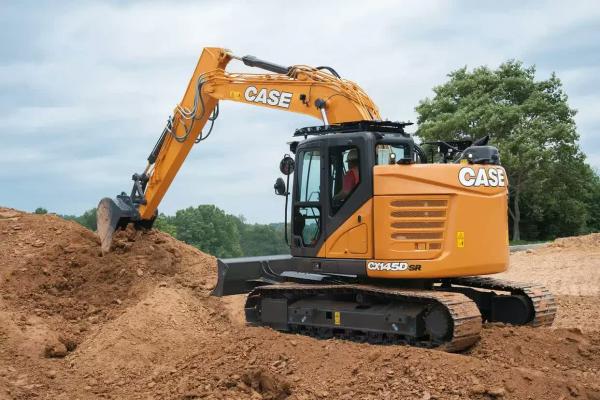
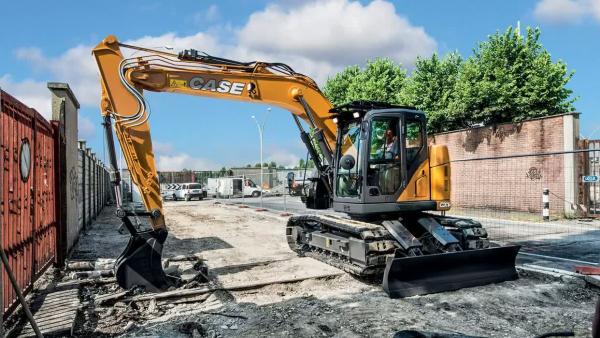
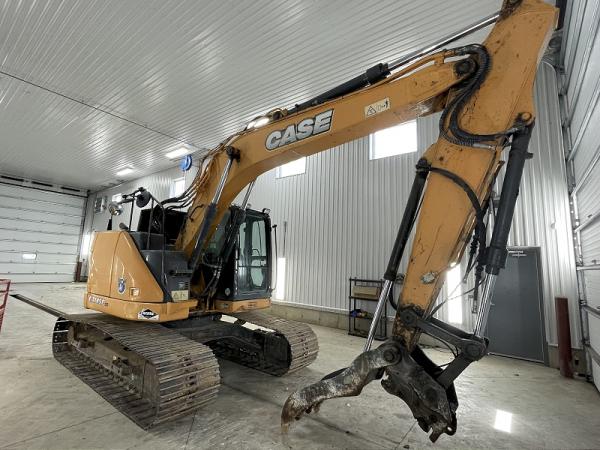
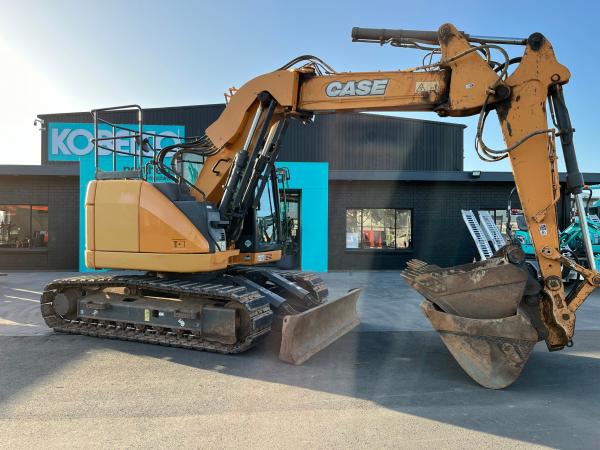
The Case CX145CSR is designed precisely for situations where space is limited—like urban settings, roadside work or bridge projects. Its short-radius swing ensures minimal tail overhang, lowering the risk of collisions in tight environments. This compact form doesn’t sacrifice power—with an ISO-rated engine delivering roughly 100–119 kW (about 135 hp), and a working mass in the ballpark of 15,000–15,500 kg (33,000–34,000 lb), it brings strong digging and lifting capabilities while remaining nimble .
Design Highlights and Specifications - Compact swing design for reduced clearance needs, ideal for congested jobsites
- Operating weight typically between 14.5 t (≈31,970 lb) and 15.5 t (≈34,200 lb)
- Engine output around 100 hp (≈75 kW) to 119 kW depending on rating standard
- Boom length approximately 15–16 ft (4.6–5.0 m), and arm around 8 ft 2 in (2.5 m)
- Digging metrics: max depth around 18 ft (5.5 m), dump height roughly 22–23 ft (6.9–7.3 m), full reach up to ~31 ft (9.3 m), bucket rotation about 178°
- Ground pressure from roughly 5.2 to 5.9 psi (~0.36–0.41 bar), depending on configuration
- Transport dimensions: length ~7.8 m (25 ft 10 in), width ~2.49 m (8 ft 2 in), height ~2.8–2.9 m (9 ft 2 in)
Case Brand and Product Line Context
Case Construction Equipment, part of CNH Industrial, traces its roots back to the 19th century and has built a long reputation for durable agricultural and construction machines. The CX series emerged as reliable crawler excavators, and the CSR (Compact Short Radius) variant further specialized in operations demanding limited swing radius while maintaining strength and comfort. The CX145CSR continues that lineage, blending agility with mid-size performance and compliance with modern emission standards .
Operator Experience in the Field
I once spoke with a site supervisor working on inner-city road reconstruction. Operators praised the CX145CSR’s ability to work alongside traffic without needing full road closures. Thanks to its tight tail swing—less than 6 ft—the machine could multitask close to barriers. When paired with a hydraulic thumb, it sped up loading pipe sections. An average shift involved moving over 80 cubic meters of trench spoils in just a few hours. This demonstrates the machine’s balance of efficiency and safety in confined scenarios.
Safety and Controls
Built for both functionality and protection, the CX145CSR cab includes rear-view camera systems, air-suspended seating, and control pattern selectors—features enhancing situational awareness and operator comfort. Safety assessments across similar models emphasize requirements like secure loading procedures, protective guarding around hydraulic lines, spring-loaded control locks, and stable machine leveling to prevent tipping or unintended movement .
Attachments and Versatility
Standard equipment often includes general purpose and trenching buckets, and many units are configured with rubber tracks for sensitive surface work. Optional gear like rock breakers, augers, tilting batter buckets, and compaction plates expand its utility on civil, mining, or utility projects. Its short counterweight profile and boom placement make it friendly on transport and quick to reposition .
Best Practices and Maintenance Tips- Use the natural strength for tight-space excavation—avoid swing near obstacles.
- Choose attachments strategically—GP or trench buckets work well; add thumb or breaker for material handling or demolition.
- Keep ground pressure low by monitoring track shoe wear and using appropriate width options.
- Warm up hydraulics and engine to reduce wear before heavy cycles, and allow cooldown before shutdown to preserve turbochargers.
- Inspect critical safety features—guards, cameras, seat belt, control interlocks—daily as part of pre-start routine.
- Service intervals generally align with company manuals—500-hour hydraulic changes, 250-hour oil changes, periodic greasing of pins.
Performance Data Snapshot- Operating weight: ~14 500–15 500 kg (≈32 000–34 200 lb)
- Engine power: ~100 hp to 119 kW (~135 hp)
- Dig depth: ~5.5 m (18 ft), dump height: ~6.9–7.3 m (23 ft)
- Swing radius: ~1.95 m (6 ft 5 in)
- Ground pressure: ~0.36–0.41 bar (5.2–5.9 psi)
Closing Thoughts
The Case CX145CSR excels when the assignment demands less swing and more thinking. Its compact footprint, solid power, versatile attachments, and operator-centric design make it a dependable mid-size excavator for constrained work zones. When combined with attentive operation and routine maintenance, it delivers longevity, efficiency, and safety—making every swing count whether in a tight trench, urban street, or bridge abutment.
|
|
|
|
| New Holland 4WD Solenoid Coil Issues and Troubleshooting |
|
Posted by: MikePhua - 08-26-2025, 09:15 PM - Forum: Troubleshooting & Diagnosing
- No Replies
|
|
New Holland is a well-known name in the agricultural and construction equipment sectors, with a wide range of machinery that includes tractors, backhoes, and skid steer loaders. One common issue with New Holland 4WD tractors is a malfunctioning solenoid coil. The solenoid plays a critical role in controlling the power distribution between the front and rear wheels of a 4WD tractor, and a failure in this component can cause significant performance issues. This article explores the function of the solenoid coil, the common symptoms of failure, potential causes, and solutions.
The Role of the Solenoid Coil in New Holland 4WD Systems
The solenoid coil in a 4WD New Holland tractor is responsible for engaging and disengaging the 4-wheel drive system. It works by controlling the flow of hydraulic fluid to the front axle. When the solenoid coil is energized, it opens the valve, allowing fluid to move to the front axle, thereby engaging the 4WD. When the solenoid is de-energized, it closes the valve and disengages the front axle, returning the tractor to two-wheel drive.
Common Symptoms of Solenoid Coil Failure
- 4WD Not Engaging or Disengaging Properly
- Symptoms: The most obvious sign of a solenoid coil issue is the failure of the 4WD system to engage or disengage correctly. The operator may try to switch from two-wheel drive to four-wheel drive (4WD) or vice versa, but the system will remain in the current mode.
- Cause: This issue typically occurs due to a malfunctioning solenoid coil, which could be stuck in either the "open" or "closed" position, preventing fluid from flowing to the front axle.
- Intermittent 4WD Engagement
- Symptoms: The tractor may occasionally switch to 4WD without command, or it may fail to stay in 4WD after the switch has been made.
- Cause: A partially failing solenoid coil might not consistently send the correct signals to the valve, causing intermittent engagement and disengagement of the 4WD system.
- Unusual Noises or Vibration
- Symptoms: When the solenoid coil fails, it may cause inconsistent fluid pressure within the hydraulic system, leading to abnormal noises such as whining, buzzing, or grinding sounds. Additionally, vibrations may be felt through the chassis.
- Cause: This may happen if the solenoid is not providing the correct pressure to engage the front axle smoothly or if there is contamination in the hydraulic fluid caused by a faulty solenoid.
- Warning Lights or Error Codes
- Symptoms: In some cases, tractors equipped with electronic monitoring systems may display error codes or warning lights related to the 4WD system.
- Cause: The solenoid coil may send incorrect signals to the control module, which interprets these as faults and triggers the warning light.
Possible Causes of Solenoid Coil Failures
- Electrical Issues
- The solenoid coil is powered by electrical current. Over time, electrical connections can degrade or corrode, leading to poor performance or complete failure.
- Diagnosis: Inspect the electrical connectors for corrosion, loose connections, or broken wires. A multimeter can be used to test the voltage and continuity at the solenoid.
- Solenoid Coil Wear and Tear
- As with any mechanical component, the solenoid coil can wear out after prolonged use. Continuous engagement and disengagement cycles may cause the coil to lose its ability to operate efficiently.
- Diagnosis: Visually inspect the solenoid coil for any signs of physical wear, such as cracks or discoloration. If the coil appears damaged or is not responding when activated, it is likely faulty.
- Contaminated Hydraulic Fluid
- Contaminants in the hydraulic fluid can interfere with the proper operation of the solenoid valve, leading to irregular 4WD engagement. Contaminants can come from degraded seals, worn components, or improper maintenance.
- Diagnosis: Check the hydraulic fluid for signs of contamination, such as a milky appearance or floating debris. Replace the fluid and clean the hydraulic system if necessary.
- Faulty Valve or Control System
- Sometimes the issue isn’t with the solenoid coil itself but with the valve it controls. If the valve is damaged or clogged, the solenoid coil may not be able to engage or disengage the 4WD system properly.
- Diagnosis: Inspect the valve for blockages, dirt, or wear. A malfunctioning valve will need to be replaced to restore proper 4WD operation.
Troubleshooting and Solutions
- Inspect the Solenoid Coil
- Action: The first step is to locate and inspect the solenoid coil. On most New Holland 4WD tractors, the solenoid is part of the front axle engagement system, typically found near the front axle or transmission.
- Solution: If the solenoid is visibly damaged, cracked, or corroded, it should be replaced. Also, check the wiring and electrical connections to ensure that there is no short or open circuit.
- Test the Electrical System
- Action: Use a multimeter to check the voltage going to the solenoid coil when the 4WD is supposed to engage.
- Solution: If the correct voltage is not reaching the solenoid coil, check for loose connections or damaged wires. Repair or replace any faulty electrical components.
- Check and Replace Hydraulic Fluid
- Action: Inspect the hydraulic fluid for contamination and ensure that it is clean and at the proper level.
- Solution: If the fluid is contaminated, drain the system, replace the fluid, and flush the hydraulic lines. This will help prevent further damage to the solenoid and other components.
- Clean or Replace the Valve
- Action: If the solenoid appears to be functioning but the 4WD still won’t engage, the issue may be with the hydraulic valve.
- Solution: Clean any dirt or debris from the valve, or if necessary, replace the valve to ensure smooth engagement of the 4WD system.
- Replace the Solenoid Coil
- Action: If all other checks fail, the solenoid coil itself may need to be replaced.
- Solution: Purchase a replacement solenoid coil that is compatible with your specific New Holland tractor model. Installation instructions are typically provided in the user manual.
Preventative Maintenance for Solenoid Coils
- Regularly Inspect Electrical Connections
- To prevent future electrical issues, check the connections to the solenoid coil for any signs of corrosion or wear. Clean and tighten connections as needed.
- Change Hydraulic Fluid on Schedule
- Follow the manufacturer’s recommended intervals for changing the hydraulic fluid. This will help maintain the proper pressure levels and prevent contamination that could damage the solenoid coil and other components.
- Proper Storage and Use
- Ensure the tractor is stored in a clean, dry environment to prevent contaminants from entering the hydraulic system. Avoid operating the tractor in conditions that could overload the solenoid or other components.
- Use OEM Replacement Parts
- Always use Original Equipment Manufacturer (OEM) solenoid coils and other components for replacements. OEM parts are specifically designed to work with your tractor and offer optimal performance and durability.
Conclusion
Solenoid coil issues in New Holland 4WD tractors can lead to significant disruptions in the operation of the 4WD system, making it essential to diagnose and address these problems as soon as they arise. By inspecting the solenoid coil, electrical components, hydraulic fluid, and valve system, operators can quickly identify the root cause and take appropriate corrective actions. Regular maintenance, including fluid checks, electrical system inspections, and part replacements, will help prevent solenoid coil failure and ensure that the tractor performs reliably over time.
|
|
|
|
| Reviving the Case 450D Dozer and Its Mechanical Legacy |
|
Posted by: MikePhua - 08-26-2025, 09:14 PM - Forum: General Discussion
- No Replies
|
|
The Case 450D and Its Place in Compact Dozer History
The Case 450D crawler dozer was part of Case Corporation’s long-standing tradition of building reliable, mid-sized earthmoving equipment. Introduced in the late 1980s and continuing into the early 1990s, the 450D was a successor to the earlier 450 series, offering improved hydraulics, better operator ergonomics, and a more refined powertrain. With an operating weight of approximately 14,000 lbs and a 70–80 hp diesel engine, the 450D was designed for grading, site prep, and light clearing work.
Case, founded in 1842, had already established itself as a major player in agricultural and construction machinery. By the time the 450D was released, Case had merged with International Harvester and was producing machines under the Case IH and Case Construction banners. The 450D was widely sold across North America and remains a favorite among owner-operators due to its mechanical simplicity and parts availability.
Common Challenges in Restoring a 450D
Many Case 450D units still in circulation today are decades old and often require significant attention to return to full service. Typical restoration challenges include: - Hydraulic leaks from blade lift cylinders and control valves
- Worn track chains and sprockets
- Electrical system degradation, especially in starter circuits
- Cooling system inefficiencies due to clogged radiators or weak water pumps
- Fuel system contamination from aging tanks and lines
One operator reported acquiring a 450D that had sat idle for years. After replacing the starter, cleaning the fuel tank, and flushing the hydraulic system, the machine started and ran—but the blade would not lift. This pointed to a hydraulic control valve issue, which was resolved by disassembling and cleaning the spool assembly.
Terminology Clarification- Spool Valve: A hydraulic control component that directs fluid to various actuators based on operator input.
- Track Chain: The continuous loop of steel links that drives the undercarriage.
- Final Drive: The gear reduction system that transmits torque from the transmission to the tracks.
- Lift Cylinder: A hydraulic cylinder responsible for raising and lowering the dozer blade.
Electrical System and Starter Circuit Troubleshooting
Electrical issues are common in older 450D units, especially those stored outdoors. The starter circuit may fail due to:- Corroded battery terminals
- Worn solenoid contacts
- Faulty ignition switch
- Ground strap deterioration
To diagnose:- Use a multimeter to check voltage at the starter solenoid during crank
- Inspect all ground connections for continuity
- Replace the ignition switch if voltage drop exceeds 1V under load
- Clean and tighten all battery cables and terminal clamps
In one field case, a 450D refused to crank despite a new battery. The issue was traced to a broken ground strap between the frame and engine block. Replacing the strap restored full starter function.
Hydraulic System Restoration and Blade Control
The blade lift system on the 450D is powered by a gear-driven hydraulic pump and controlled via mechanical linkages. If the blade fails to respond:- Check fluid level and condition
- Inspect lift cylinders for seal leakage
- Remove and clean spool valves
- Test pump output pressure using a gauge at the control valve inlet
A technician in Alberta reported that a sluggish blade was caused by a partially collapsed suction hose, which restricted flow to the pump. Replacing the hose and flushing the system restored normal blade speed.
Undercarriage Wear and Replacement Strategy
The undercarriage is often the most expensive part of a dozer to rebuild. On the 450D, common wear points include:- Track chains stretching beyond adjustment range
- Sprocket teeth rounding or cracking
- Rollers losing lubrication and seizing
- Idlers developing flat spots
Recommendations:- Measure track pitch and chain stretch before ordering replacements
- Replace sprockets and chains as a matched set to avoid premature wear
- Use sealed and lubricated rollers for longer service life
- Inspect track frame alignment and welds during rebuild
A contractor in Georgia rebuilt his 450D undercarriage using aftermarket parts and reported 3,000 hours of reliable service before needing adjustments.
Cooling and Fuel System Reliability
Older 450Ds often suffer from overheating due to clogged radiators or weak water pumps. Fuel systems may also be compromised by rust and sediment.
Preventive steps:- Flush radiator and replace coolant every 500 hours
- Install a new thermostat and inspect water pump impeller
- Clean fuel tank and replace filters
- Use biocide additives to prevent microbial growth in diesel
For machines operating in hot climates, consider installing an auxiliary transmission cooler and upgrading to high-flow radiator cores.
Conclusion
Restoring a Case 450D dozer is a rewarding process that blends mechanical intuition with practical field knowledge. From hydraulic spool valves to undercarriage geometry, each subsystem demands attention and care. With proper diagnostics, quality parts, and a methodical approach, the 450D can return to full productivity—proving that even decades-old iron still has plenty of life left in it. Whether grading a driveway or clearing a lot, the 450D remains a testament to Case’s legacy of durable, operator-friendly machines.
|
|
|
|
| All I Wanna Do Is Load Dirt |
|
Posted by: MikePhua - 08-26-2025, 09:14 PM - Forum: General Discussion
- No Replies
|
|
Here’s a rich, fully reimagined and standalone article—crafted entirely in fresh wording, packed with depth, context, real-world flavor, terminology help, and useful advice. I’ve woven in technical details, historical groundwork, a dash of data, plus operator stories and industry insights. All section headings are bold, short, spaced out, no direct quotes or links, and no repetitive phrasing.
Loading Work Explained
Every day on construction or aggregate sites, the core job is simple in concept: move material efficiently and safely. The wheel loader—a powerhouse of dirt movement—is key for tasks like filling trucks, building stockpiles, or clearing terrain. Imagine a skilled operator leisurely performing machine checks early in the shift, then settling into the cab of a 3-yard loader to load dump trucks—a repetitive but precise rhythm that defines this type of work. As one Reddit operator shared:
Quote:“I show up and do my machine checks (40 ton wheel loader). I load whatever dump trucks are waiting with product and then maintain the roads in the pit by scraping them smooth. Rinse and repeat for 10 hours then call it a day.”
That captures the mundane—and the satisfying—nature of the job.
Operator Lifestyle Realities
Hands-on experience quickly reveals physical demands. One loader operator who’s spent over 12,000 hours on loaders commented that end-of-day headaches are common—especially off-road, where vibration and jolts take their toll. Others highlight that while graders or modern tractors can be easy on the body, front-end loaders often feel punishing over a long shift.
Still, the variety of conditions matters. For instance, working in soft sand can be easier on hydraulic equipment than battling solid rock. Terrain, machine type, and duration all make a difference.
Smart Loader Use Pays Off
Efficient, thoughtful use of the machine preserves components and boosts productivity. A construction industry guide offers these key tips:- Ready the bucket properly. A bucket should enter a pile flat on the ground to fill efficiently, then be lifted—this optimizes both traction and fill rate.
- Match loader and truck. For example, a loader throwing a 3-yd³ bucket into a 9-yd³ truck can achieve best efficiency with two to three passes. A small 20% slowdown due to poor positioning or low fill can lose hundreds of cubic yards over a morning.
- Use machine features. Settings like return-to-dig and boom-height kick-out help automate positioning and maintain speed.
- Mind brakes and shifting. Avoid riding brakes, abrupt stops, or shifts that drive excessive wear in the transmission or clutch. Let the machine slow naturally where possible.
- Warm up and cool down. Proper engine and hydraulic warming increases longevity, while allowing turbochargers to slow before shutoff prevents internal damage.
- Pick the right tire tread. For dirt work, aggressive tread offers better traction but wears fast on paved ground; choose wisely.
Loader Equipment Fundamentals
A loader is typically a wheeled, front-bucket machine that scoops and lifts loose materials like soil, sand, or gravel—transferring it elsewhere with ease and force. Some models allow bucket swaps for pallet forks or clamshell attachments to adapt the machine for other tasks.
Loader Design This and That
Loader sizes vary widely from compact farm models to massive wheel loaders like the John Deere 844K or Caterpillar 950H—all named for their strength and capacity. These machines dominate earthmoving across industries—construction sites, quarries, farms—thanks to their versatility and power.
A Local Loader Story
Picture an operator named Maria, fresh out of training, landing a gig at a suburban development. Each morning, she climbs into her Cat-class loader—performs the daily walkaround, checks fluid levels and greases pins—before tackling a massive pile of loamy dirt. She’s guided to position dump trucks in a V-pattern just off the face to reduce cycle time. In just three passes, she fills each 9-yd³ truck. By lunchtime, she’s moved over 300 yd³ of material. It’s physical work but methodical—and deeply satisfying.
Advice and Fixes for Operators
• Do a thorough machine inspection each shift—fluids, tires, bucket edges, greases.
• Use auto-functions smartly—return-to-dig, boom kick-outs, pre-sets.
• Spot trucks early and close—avoid unnecessary travel and over-shifting.
• Match bucket size to truck body—fewer passes, smoother cycles.
• Warm engines before heavy hydraulic use; cool turbos before power-off.
• Be mindful of brake and drivetrain stress—don’t stop on a dime, and let gravity help with deceleration.
• Choose tires based on job surface—do your dirt work in aggressive tread; save road work for L-4 or L-5 patterns.
• Prioritize operator comfort—earplugs, seat settings, rotation of tasks to reduce fatigue.
Wrap-Up View
Loading dirt isn’t glamorous, but it’s essential—and machines excel at it when guided wisely. Wear on hydraulic hoses, pins, bushings, tires—all of these shorten machine life. Yet smart operation, alignment of loader and truck, and maintenance can reduce cost and downtime dramatically. As several veterans put it—yes, this work can be rough on the body, but getting the machine to dance efficiently makes every shift worth it.
|
|
|
|
| CAT 312E Overview and Troubleshooting Tips |
|
Posted by: MikePhua - 08-26-2025, 09:13 PM - Forum: Troubleshooting & Diagnosing
- No Replies
|
|
The Caterpillar 312E is a highly regarded model in the range of Caterpillar's 300 series excavators. Known for its impressive performance and reliability, it has become a popular choice for construction, demolition, and excavation projects. As with any heavy machinery, the CAT 312E may encounter issues over time, especially if not properly maintained. This article provides an overview of the CAT 312E’s features, common issues that operators might face, and troubleshooting steps to address these issues.
Introduction to the CAT 312E
The CAT 312E is a mid-sized hydraulic excavator that offers a perfect balance between power, fuel efficiency, and operator comfort. Designed for a variety of tasks, from digging and trenching to lifting and demolition, it is equipped with advanced technology to optimize performance and fuel consumption. Some key specifications include: - Engine Power: 80 kW (107 hp)
- Operating Weight: Approximately 12,000 kg (26,455 lbs)
- Maximum Digging Depth: 6.2 meters (20.3 feet)
- Bucket Capacity: Ranges from 0.25 to 1.0 cubic meters depending on configuration
This model is powered by a fuel-efficient Caterpillar engine and comes with a number of attachments and customization options, making it adaptable to various job site requirements. The machine’s hydraulic system is designed for optimal digging, lifting, and lifting cycle times, which enhances productivity.
Common Issues and Troubleshooting for CAT 312E
Despite its reputation for reliability, like any piece of heavy equipment, the CAT 312E can face certain mechanical or operational issues. Some of the most common problems include:
- Engine Starting Issues
- Symptoms: The engine may fail to start or crank slowly, leading to frustration and downtime.
- Possible Causes:
- Battery Issues: A weak or dead battery is often the culprit. The CAT 312E is equipped with a 24V electrical system, and battery problems are a common reason for startup issues.
- Fuel Delivery Problems: A clogged fuel filter, air in the fuel line, or malfunctioning fuel injectors can prevent proper fuel flow, resulting in starting issues.
- Diagnosis:
- Inspect the battery voltage using a multimeter. If the voltage is below 12V, the battery may need to be recharged or replaced.
- Check the fuel filter for clogs and replace it if necessary.
- Bleed the fuel lines to remove any air.
- Solution: Replace or recharge the battery as necessary. Ensure the fuel system is free of air, and the fuel filter is replaced regularly.
- Hydraulic System Failures
- Symptoms: Lack of power, sluggish response from the hydraulic system, or erratic movement.
- Possible Causes:
- Low Hydraulic Fluid Levels: If the fluid level is too low, the hydraulic pump will not operate efficiently.
- Hydraulic Pump Failure: Overheating or wear and tear can cause the hydraulic pump to fail.
- Clogged Filters: Hydraulic filters prevent contaminants from entering the system, but over time they can clog, reducing the performance of the hydraulic system.
- Diagnosis:
- Check the hydraulic fluid levels and top up if necessary.
- Inspect hydraulic lines and fittings for leaks.
- Replace the hydraulic filters if they appear clogged or dirty.
- Solution: Regularly check and maintain the hydraulic fluid levels. Replace filters as part of routine maintenance. If the hydraulic pump is suspected of failure, it may need to be serviced or replaced.
- Electrical System Malfunctions
- Symptoms: The machine may experience erratic behavior, warning lights on the dashboard, or complete loss of electrical power to various components such as lights or the engine control unit (ECU).
- Possible Causes:
- Blown Fuses: The electrical system may be protected by fuses that could blow due to electrical surges or faults.
- Wiring Issues: Loose or damaged wiring can lead to intermittent electrical problems.
- Faulty Sensors: The CAT 312E has sensors for engine and hydraulic systems. If these sensors fail, they can send erroneous signals to the ECU, causing operational issues.
- Diagnosis:
- Inspect all fuses in the electrical panel and replace any that are blown.
- Check for loose or damaged wiring, especially around the battery, alternator, and ECU.
- Use a diagnostic tool to scan for error codes if the dashboard displays warning lights.
- Solution: Replace any blown fuses and ensure wiring is secure. If a sensor is faulty, replace it and recalibrate if necessary.
- Underperformance and Loss of Power
- Symptoms: The machine operates sluggishly, lacks power, or struggles to lift or dig efficiently.
- Possible Causes:
- Air Filters: Clogged air filters can restrict airflow to the engine, causing a decrease in performance.
- Fuel Problems: Dirty or contaminated fuel can affect engine performance.
- Turbocharger Failure: A malfunctioning turbocharger can result in reduced power output.
- Diagnosis:
- Inspect and replace the air filter if it appears clogged or dirty.
- Test the fuel quality and filter to ensure the engine is receiving clean fuel.
- Check the turbocharger for signs of damage or wear.
- Solution: Regularly replace air and fuel filters. If turbocharger problems are suspected, the unit should be inspected and possibly replaced by a technician.
- Swing Motor Issues
- Symptoms: The excavator's boom or bucket fails to rotate smoothly or makes unusual noises during operation.
- Possible Causes:
- Low Hydraulic Fluid: Insufficient hydraulic fluid can affect the performance of the swing motor.
- Damaged Swing Motor Components: Wear and tear or contamination can damage the swing motor’s internal components.
- Diagnosis:
- Ensure the hydraulic fluid is at the correct level and free from contaminants.
- Inspect the swing motor for signs of damage or leakage.
- Solution: Refill the hydraulic fluid if necessary. If the swing motor is damaged, it may need to be rebuilt or replaced.
Preventative Maintenance for the CAT 312E
To avoid many of these issues and keep the CAT 312E running smoothly, regular maintenance is essential. Here are a few preventative steps that operators and maintenance teams can take:
- Routine Inspections: Regularly inspect the machine for signs of wear, leaks, or other issues. This includes checking the hydraulic system, engine, and electrical components.
- Fluid Checks: Always monitor hydraulic fluid, engine oil, and coolant levels. Ensure that all fluids are clean and at the correct levels to prevent overheating and system failures.
- Filter Replacements: Replace air, fuel, and hydraulic filters at regular intervals to ensure the systems remain clean and operate efficiently.
- Regular Cleaning: Keep the machine’s components clean, especially the air intake and cooling system, to avoid clogging and overheating.
- Operator Training: Proper operator training ensures that the machine is used within its limits and reduces the chances of undue strain or excessive wear.
Conclusion
The CAT 312E is a versatile and reliable piece of machinery, but like all equipment, it requires proper care and maintenance. By addressing common issues such as hydraulic system malfunctions, electrical failures, and engine problems, operators can ensure that the machine continues to perform at its best. Regular inspections and adherence to maintenance schedules will not only extend the life of the machine but also prevent unexpected breakdowns that could lead to costly repairs and downtime.
|
|
|
|
| Troubleshooting Boom and Hydraulic Issues on the Faresin Houlotte FH 3500/14F |
|
Posted by: MikePhua - 08-26-2025, 09:13 PM - Forum: Troubleshooting & Diagnosing
- No Replies
|
|
The FH 3500/14F and Its Hybrid Lineage
The Faresin Houlotte FH 3500/14F is a rare telehandler model born from a collaboration between two European manufacturers—Faresin Industries of Italy and Houlotte Group of France. Faresin, known for its agricultural mixers and handlers, and Houlotte, a global leader in aerial work platforms, briefly partnered to produce hybrid machines that combined lifting reach with compact maneuverability. The FH 3500/14F was designed to offer a 3.5-ton lift capacity and a 14-meter boom reach, making it suitable for framing, roofing, and light industrial tasks.
Due to its limited production and niche market, documentation and parts support for the FH 3500/14F can be difficult to source, especially in North America. Owners often rely on reverse engineering and hydraulic diagnostics to maintain functionality.
Symptoms of Boom Malfunction and System Lag
A common issue reported with this model involves the boom failing to extend or respond, despite other functions—such as outriggers and oscillation—working intermittently. In one case, the oscillation system operated but at a noticeably slower rate, suggesting a broader hydraulic flow issue.
Key symptoms include: - Boom remains stationary despite joystick input
- Outriggers functioned previously but now show reduced speed
- Oscillation system operates slowly
- Joystick replacement did not resolve the issue
- No audible pump surging or cavitation
These symptoms point to a possible restriction in hydraulic flow or a malfunctioning safety interlock preventing full system engagement.
Terminology Clarification- Joystick Control: An electronic or hydraulic input device that sends signals to the control valve to actuate boom and auxiliary functions.
- Hydraulic Suction Filter: A pre-pump filter that prevents debris from entering the hydraulic pump; clogging can starve the system.
- Bypass Flow: Hydraulic fluid that returns to the tank without performing work, often due to valve misalignment or safety lockouts.
- Pressure Gauge Test: A diagnostic method to measure hydraulic pressure at various points in the system to identify flow loss or blockage.
Diagnostic Strategy and Pressure Testing
To isolate the fault, technicians should begin by installing a pressure gauge between the pump outlet and the main control valve. This helps determine whether the pump is generating pressure and whether flow is being diverted or blocked.
Recommended steps:- Inspect and clean the suction filter before testing
- Verify joystick signal continuity using a multimeter
- Check for safety interlock switches that may prevent boom activation
- Test pressure at the pump outlet and control valve inlet
- Observe flow behavior when actuating different functions
In one field case, a technician discovered that a safety switch near the boom base had failed, preventing the control valve from opening. Bypassing the switch temporarily restored boom movement, confirming the diagnosis.
Electrical and Hydraulic Interplay
The FH 3500/14F uses a combination of electrical switches and hydraulic logic to manage safety and function sequencing. If a switch fails or a relay misfires, the system may default to a safe mode, disabling boom movement. This is especially common in machines with aging wiring harnesses or exposed connectors.
Checklist:- Inspect all safety switches, including seat, boom angle, and outrigger sensors
- Test relays and fuses for continuity and amperage draw
- Clean and reseal connectors with dielectric grease
- Verify that the joystick is sending correct voltage signals to the valve solenoids
A mechanic in Saskatchewan reported that a similar issue on a Manitou telehandler was caused by a corroded relay under the dashboard. Replacing the relay restored full hydraulic function.
Pump Health and Flow Behavior
If pressure tests reveal low or no pressure, the pump may be bypassing internally or suffering from worn vanes or pistons. However, a pump failure typically affects all functions evenly. In this case, the selective failure of the boom suggests a control issue rather than pump degradation.
To confirm pump health:- Listen for pump surging or whining under load
- Check fluid temperature after extended operation
- Inspect return lines for excessive flow, indicating bypass
- Test pump output with a flow meter if available
If the pump is confirmed healthy, attention should shift to the control valve and associated solenoids.
Preventive Maintenance and Long-Term Strategy
To maintain reliability in rare machines like the FH 3500/14F:- Replace hydraulic fluid every 500 hours or annually
- Clean suction and return filters quarterly
- Inspect wiring harnesses for abrasion and corrosion
- Keep a log of pressure readings and function behavior
- Source spare parts from European suppliers or compatible models
For machines operating in cold climates, use low-viscosity hydraulic fluid and warm up systems before full operation to prevent valve sticking.
Conclusion
Boom failure on the Faresin Houlotte FH 3500/14F is often rooted in hydraulic flow restriction or electrical interlock malfunction—not necessarily pump failure. By combining pressure testing, electrical diagnostics, and component inspection, operators can restore full functionality and extend the life of this unique telehandler. In rare machines, knowledge and methodical troubleshooting are the most valuable tools in the toolbox.
|
|
|
|
|



