| Welcome, Guest |
You have to register before you can post on our site.
|
| Forum Statistics |
» Members: 74
» Latest member: Tomo
» Forum threads: 47,413
» Forum posts: 47,419
Full Statistics
|
| Online Users |
There are currently 78 online users.
» 0 Member(s) | 65 Guest(s)
Ahrefs, Amazon, Applebot, Bing, Claude, DotBot, Facebook, Google, OpenAI, Semrush, Seznam, Twitter
|
| Latest Threads |
Identifying and Sourcing ...
Forum: Parts , Attachments & Tools
Last Post: MikePhua
01-07-2026, 06:29 PM
» Replies: 0
» Views: 468
|
Cat 931B Brake Parts
Forum: Parts , Attachments & Tools
Last Post: MikePhua
01-07-2026, 06:29 PM
» Replies: 0
» Views: 271
|
Choosing Between Cat 228,...
Forum: General Discussion
Last Post: MikePhua
01-07-2026, 06:28 PM
» Replies: 0
» Views: 489
|
Fix It or Part It Out
Forum: General Discussion
Last Post: MikePhua
01-07-2026, 06:27 PM
» Replies: 0
» Views: 337
|
Hydraulic Delay When Lowe...
Forum: Troubleshooting & Diagnosing
Last Post: MikePhua
01-07-2026, 06:27 PM
» Replies: 0
» Views: 424
|
Bale Chopper and Mulcher ...
Forum: General Discussion
Last Post: MikePhua
01-07-2026, 06:26 PM
» Replies: 0
» Views: 298
|
Mini UC Maintenance
Forum: General Discussion
Last Post: MikePhua
01-07-2026, 06:25 PM
» Replies: 0
» Views: 287
|
Locating Wiring Informati...
Forum: General Discussion
Last Post: MikePhua
01-07-2026, 06:24 PM
» Replies: 0
» Views: 321
|
Case Industrial Brown Sub...
Forum: Parts , Attachments & Tools
Last Post: MikePhua
01-07-2026, 06:23 PM
» Replies: 0
» Views: 263
|
Dirt Work in West Virgini...
Forum: Construction & Urban Infrastructure Forum
Last Post: MikePhua
01-07-2026, 06:23 PM
» Replies: 0
» Views: 357
|
|
|
| Komatsu WA270-7 Loader Performance and Maintenance Insights |
|
Posted by: MikePhua - 08-26-2025, 09:38 PM - Forum: General Discussion
- No Replies
|
 |
Komatsu’s Mid-Size Loader Evolution
Komatsu, founded in Japan in 1921, has long been a global leader in construction and mining equipment. The WA270-7 wheel loader represents a key chapter in Komatsu’s mid-size loader development, blending hydrostatic drive technology with Tier 4 emissions compliance and operator-focused design. Introduced in the early 2010s, the WA270-7 was built to replace the WA250PZ-6, offering improved fuel efficiency, enhanced hydraulic control, and better cab ergonomics.
The WA270-7 was particularly popular in North America and Europe, with thousands of units sold into municipal fleets, snow removal contractors, and aggregate yards. Its versatility made it a favorite for both material handling and light excavation tasks.
Core Specifications and Mechanical Layout
The WA270-7 is powered by a Komatsu SAA6D107E-2 engine, a 6-cylinder turbocharged diesel producing approximately 149 horsepower. It uses a hydrostatic transmission (HST), which allows for smooth acceleration and variable speed control without gear shifting. The loader features a parallel Z-bar linkage, combining the lifting power of a traditional Z-bar with the parallel lift capability needed for pallet work.
Key specifications include: - Operating weight: ~28,000 lbs
- Bucket capacity: 2.5–3.0 cubic yards
- Breakout force: ~25,000 lbs
- Travel speed: Up to 24 mph
- Hydraulic flow: ~45 GPM
- Emissions: Tier 4 Interim with Diesel Particulate Filter (DPF)
Terminology Clarification- Hydrostatic transmission (HST): A drive system using hydraulic fluid to transmit power, allowing for variable speed and smooth directional changes.
- Z-bar linkage: A loader arm design that maximizes breakout force and dump clearance.
- DPF (Diesel Particulate Filter): A device that captures soot and particulate matter from diesel exhaust to meet emissions standards.
Common Issues and Field Solutions
Operators have reported several recurring maintenance concerns with the WA270-7, particularly as machines approach 5,000–7,000 operating hours:- DPF Service Intervals
Komatsu recommends replacing or cleaning the DPF around 5,000 hours. Failure to do so can result in reduced engine performance and increased fuel consumption. Some users have mistaken DPF service for DEF (Diesel Exhaust Fluid) requirements, but the WA270-7 does not use DEF—only the WA270-8 introduced that system.
- Hydrostatic Drive Behavior
If the loader hesitates or behaves erratically during acceleration, the issue may stem from debris under the foot pedals. Cleaning the pedal base and recalibrating the HST controls often resolves the problem.
- Cab Airflow Problems
A common complaint is weak airflow from the HVAC vents despite cold air production. This is typically caused by clogged evaporators or blocked fresh air filters. The WA270-7 has two cabin filters: one for outside air under the entry door and one for recirculated air beneath the left front windshield. Both should be inspected and cleaned regularly.
- Blower Motor Access
Replacing the blower motor requires partial disassembly of the dashboard and HVAC housing. Technicians recommend evacuating the A/C system before attempting repairs, as the condenser and diverter doors are difficult to access without full removal.
Operator Anecdotes and Practical Advice
In Pennsylvania, a fleet manager noted that one of their WA270-7 units required a new main hydraulic pump at 5,500 hours due to a swash plate failure. The machine had been used extensively for snow removal, which placed high demand on the hydraulic system during cold starts. After the repair, they implemented a warm-up protocol and saw improved longevity in other units.
A technician in Ontario shared that sandwich bags had once been sucked into the blower intake, causing airflow blockage. Since then, they’ve installed mesh screens over the intake vents to prevent debris intrusion.
In Georgia, an operator described how adjusting the air outlet settings via the keypad near the ignition switch helped redirect airflow more effectively. However, when the diverter door failed to respond, they had to manually inspect the actuator motor behind the dash.
Maintenance Recommendations
To keep the WA270-7 running efficiently, consider the following service practices:- Clean both cabin air filters every 250 hours
- Inspect and flush the DPF every 5,000 hours
- Check pedal assemblies for debris monthly
- Evacuate and recharge A/C system annually
- Monitor hydraulic fluid temperature during heavy-duty cycles
- Use Komatsu’s diagnostic keypad to test HVAC and drive functions
For machines operating in dusty or cold environments, additional steps include installing intake screens, using low-viscosity hydraulic fluid, and performing cold-start warmups to protect the HST system.
Modern Comparisons and Legacy
The WA270-8, introduced later, added DEF and Tier 4 Final compliance, along with improved telematics and fuel economy. However, many operators still prefer the WA270-7 for its simpler emissions system and proven reliability. Its hydrostatic drive offers excellent control for snow plowing and pallet handling, while the Z-bar linkage provides enough breakout force for light excavation.
Komatsu’s commitment to modular design and field serviceability is evident in the WA270-7. While newer models offer more automation, the -7 remains a favorite among mechanics who value mechanical access and straightforward diagnostics.
Conclusion
The Komatsu WA270-7 is a versatile and dependable mid-size loader that continues to perform well in diverse applications. With proper maintenance and attention to its hydrostatic and HVAC systems, it can deliver thousands of productive hours. For operators seeking a balance between power, control, and serviceability, the WA270-7 stands as a solid choice in the Komatsu lineup.
|

|
|
| Identifying a Dozer: Key Factors and Insights |
|
Posted by: MikePhua - 08-26-2025, 09:37 PM - Forum: General Discussion
- No Replies
|
|
Identifying heavy machinery like bulldozers can often be a challenge, especially when the equipment is older or lacks easily recognizable markings. Dozers are essential machines used in construction, mining, and agriculture for tasks such as pushing large quantities of soil, sand, or gravel, leveling ground, and grading surfaces. When trying to identify a bulldozer, it’s important to focus on several key aspects of the equipment’s features, model numbers, and other identifying marks.
In this article, we will delve into the key steps and components that help in identifying bulldozers, including how you can use the serial numbers, engine types, and design features to pinpoint the model and brand of the machine. This will not only help in understanding the specific model but will also guide maintenance and part replacements.
Why is Identifying a Bulldozer Important?
The identification of a bulldozer is crucial for several reasons, particularly for maintenance, repairs, and sourcing parts. When a bulldozer’s model is clearly identified, it simplifies finding the correct replacement parts, getting the right technical manuals, and ensuring that repairs are done to the correct specifications. It also helps in determining the machine's operational history and assessing its suitability for certain tasks.
Additionally, accurate identification allows you to evaluate the resale value of the equipment, negotiate with suppliers for services, or even make informed decisions on renting or purchasing similar machines.
Key Factors to Look for When Identifying a Dozer
There are several areas of a bulldozer to inspect when trying to identify its model. These include its design features, engine type, serial number, and any other identifying marks or plates. Let’s break down these components:
- Engine Type and Configuration
The engine plays a significant role in identifying the dozer model. Bulldozers may have diesel or sometimes gas engines, and the type of engine often correlates with the machine’s size, horsepower, and manufacturer. Common engine manufacturers for bulldozers include Cummins, Caterpillar, and Detroit Diesel. You can typically find engine specifications listed on the engine cover or in the engine compartment.
Things to check for:- The engine horsepower (HP).
- The engine's displacement.
- Whether the engine is turbocharged.
These specifications can help you cross-reference and identify the machine model and its power capacity.
- Serial Number
Perhaps the most reliable way to identify a dozer is through its serial number. The serial number is usually stamped on a metal plate attached to the dozer, often near the engine compartment, frame, or under the operator’s seat. Once you locate the serial number, it can be used to look up the exact model in the manufacturer's database or service records.
Where to look for serial numbers:- Under the operator’s seat.
- Near the engine block.
- On the frame near the front or rear.
- On the dashboard or the equipment's identification plate.
- Track Configuration
A dozer’s track configuration can provide valuable clues to its model. Tracks are typically designed based on the machine’s size and intended use. For example, larger dozers tend to have wider tracks for better flotation on soft ground, while smaller models may feature narrower tracks for more agile operations.
Track types to consider:- Wide tracks vs narrow tracks.
- Crawler tracks vs wheeled.
- The number of track rollers and sprockets.
- Hydraulic System
The design of the hydraulic system, including the type of blade control and the size and configuration of the hydraulic cylinders, can also offer identifying information. Larger dozers tend to have more sophisticated hydraulic systems to handle heavy loads and precise control of attachments.
- Blade Type
The type of blade attached to the bulldozer is a significant feature to consider when identifying the model. Dozers can be fitted with different types of blades, including:- Straight Blade (S Blade): A simple blade design without a curved shape. Typically used for pushing material straight ahead.
- Universal Blade (U Blade): A curved blade, ideal for carrying large volumes of material.
- Semi-U Blade: A hybrid between the straight and universal blades, combining features for better material control.
The size and shape of the blade, including any modifications or attachments, are significant identifiers.
- Design Features and Appearance
The overall design features of a dozer can be a good clue in identifying the model. For instance, the shape and style of the cabin, exhaust configuration, and the placement of various controls or hydraulic lines may point toward specific manufacturers or models.
Features to consider:- Cab design: Is it enclosed or open? Does it have a specific style or safety features?
- Exhaust type: High-mounted exhausts are common in newer models for emission control.
- Ripper attachment: Some models may have a rear ripper or other attachments that distinguish them.
- Tires or Tracks
Dozers typically use either continuous tracks or sometimes pneumatic tires. Continuous tracks are preferred for their superior traction and weight distribution, especially on uneven or loose ground. Observing the type of track or tire configuration can help narrow down the model, especially since certain models are designed with particular types of tracks in mind.
Identifying Older Dozers or Unmarked Models
When identifying older or unmarked bulldozers, the task becomes more complex. In these cases, focusing on design features, such as the arrangement of hydraulic lines, the type of engine, or the configuration of the blade, can be particularly helpful. It's also important to consult original documentation like old catalogs or manuals, if available, which may feature images and technical specifications.
A valuable tip for identifying older models is to search online forums or contact manufacturers directly. Many manufacturers have dedicated customer service departments that assist in identifying heavy machinery based on serial numbers or design features.
The Importance of Accurate Identification
Accurately identifying a dozer ensures that you have the correct model for the job, helps with sourcing parts and accessories, and allows for proper maintenance and repair procedures. Without a clear identification, finding the right components can be a challenge, leading to costly downtime or improper repairs.
Furthermore, understanding your dozer’s history and capabilities is critical when it comes to resale or leasing the equipment. Buyers will often want proof of the machine’s age and service history, which can be much easier to verify with an accurately identified dozer.
Conclusion
Identifying a dozer, especially an older or unmarked model, requires careful examination of several key features. The engine type, serial number, track configuration, blade type, and hydraulic system can all provide important clues. By focusing on these elements and consulting with experts or manufacturers, you can accurately identify the dozer model and ensure you get the proper parts, maintenance, and service to keep the equipment in good working order.
Whether you are working with a modern dozer or a vintage machine, understanding how to identify your equipment will save time, money, and effort in the long run, ensuring that your bulldozer continues to perform at its best.
|
|
|
|
| John Deere 310C Backhoe Loader |
|
Posted by: MikePhua - 08-26-2025, 09:37 PM - Forum: General Discussion
- No Replies
|
|
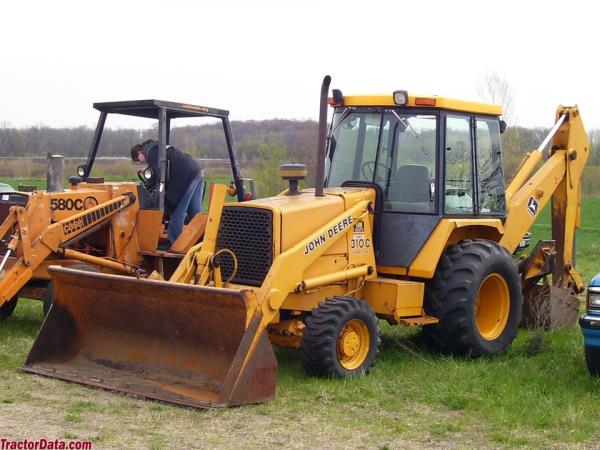
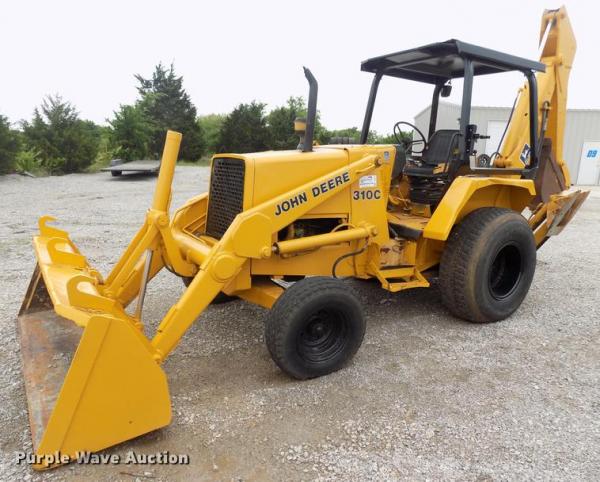
Introduction
The John Deere 310C backhoe loader, introduced in the mid-1980s, stands as a testament to John Deere's commitment to producing durable and versatile machinery. Building upon the foundation laid by its predecessors, the 310C offered enhanced performance, improved hydraulics, and increased operator comfort, making it a popular choice for contractors and municipalities alike.
Key Specifications - Engine: Powered by a 4.239L 4-cylinder diesel engine, the 310C delivers approximately 75 horsepower, providing ample power for various tasks.
- Operating Weight: Approximately 12,400 lbs (5,625 kg), balancing mobility with stability.
- Hydraulic System: Open-center system with a capacity of 21 gallons (79.5 liters) and a maximum pressure of 2,755 psi (190 bar), ensuring efficient operation of both loader and backhoe functions.
- Loader:
- Bucket Capacity: 1.0 cubic yard (0.76 m³)
- Breakout Force: 8,700 lbs (3,946 kg)
- Lift Height: 10.83 ft (3.3 m)
- Reach at Max Dump Height: 2.33 ft (0.71 m)
- Backhoe:
- Dig Depth: 14.24 ft (4.34 m)
- Reach from Swivel: 17.49 ft (5.33 m)
- Bucket Dig Force: 11,569 lbs (5,250 kg)
Design and Features
The 310C featured a unitized frame with a pin-on backhoe, providing durability and ease of maintenance. The isolated engine and operator's station reduced vibrations, enhancing operator comfort during extended use. Additionally, the machine's compact design allowed for maneuverability in tight spaces, making it suitable for urban construction projects.
Performance and Versatility
The 310C was designed for a variety of tasks, including trenching, loading, and material handling. Its powerful hydraulics and strong breakout forces enabled efficient digging and lifting operations. The extendable dipperstick, commonly known as "Extendahoe," allowed for increased reach and digging depth, enhancing the machine's versatility on the job site.
Legacy and Impact
The introduction of the 310C marked a significant advancement in backhoe loader technology. It bridged the gap between earlier models and the more modern 310D, which introduced further improvements in hydraulics and operator comfort. The 310C's reliability and performance solidified its place in John Deere's backhoe loader lineup, paving the way for future innovations.
Conclusion
The John Deere 310C backhoe loader remains a respected model in the construction industry, known for its durability, performance, and versatility. While newer models have since been introduced, the 310C's legacy endures, reflecting John Deere's ongoing commitment to excellence in heavy equipment manufacturing.
|
|
|
|
| Understanding the Control Valve and Detent Lift Spindle of the Case 450CT |
|
Posted by: MikePhua - 08-26-2025, 09:36 PM - Forum: Parts , Attachments & Tools
- No Replies
|
|
The Case 450CT is a popular compact track loader, known for its robust performance and versatility in various construction tasks. Like all heavy machinery, the 450CT relies on a series of sophisticated hydraulic and control systems to perform tasks effectively. One of the essential components of its hydraulic system is the control valve, which directs the flow of hydraulic fluid to different parts of the machine.
A common issue that operators and mechanics face is understanding the functioning and reassembly of the detent lift spindle within the control valve system. This article will dive into the workings of the Case 450CT control valve, focusing specifically on the detent lift spindle mechanism and the process of reassembly.
What is a Control Valve in Heavy Equipment?
A control valve is a device in hydraulic systems that regulates the flow of hydraulic fluid to various machine components. In the Case 450CT, the control valve plays a critical role in controlling the movement of the loader arms, tilt, and lift functions, as well as other attachments. It directs the hydraulic flow in response to operator input, allowing the machine to perform its tasks.
The valve works by using mechanical or electrical solenoids to move a spool within the valve body. This spool shifts to open or close passages for hydraulic fluid, sending it to the appropriate actuator. This allows for precise control over the machine’s movements, which is essential for productivity and safety.
The Role of the Detent Lift Spindle in the Control Valve
The detent lift spindle is a specific feature of the control valve that manages the detent (or “hold”) position for the loader arms. The detent is an important part of the control valve because it allows the loader arms to hold a specific position without constant operator input. This is particularly useful when performing tasks that require the arms to remain in a fixed position, such as lifting heavy loads or holding materials steady while moving.
When an operator moves the control lever, the detent lift spindle is engaged or disengaged, depending on the hydraulic flow direction. The detent mechanism essentially locks the position of the loader arms when necessary, making the operator's job easier and more efficient. However, if this mechanism malfunctions or becomes stuck, it can cause issues with maintaining the position of the loader arms, leading to potential safety concerns or productivity losses.
Common Issues with the Detent Lift Spindle
Common problems with the detent lift spindle on the Case 450CT control valve may include:
- Sticking Detent Mechanism: Over time, dirt, debris, and wear can cause the detent lift spindle to become sticky or stuck, preventing it from properly engaging or disengaging. This can result in the loader arms failing to hold their position when required, or the detent feature not working at all.
- Leaking Hydraulic Fluid: A faulty seal or worn-out component within the detent mechanism can cause hydraulic fluid to leak, leading to a drop in hydraulic pressure and reduced performance of the loader arms.
- Improper Reassembly: When the control valve is disassembled for repairs or maintenance, there’s a risk of incorrectly reassembling the detent lift spindle, which could lead to malfunctioning hydraulics or even damage to the valve assembly.
Reassembly of the Detent Lift Spindle: Step-by-Step Guide
Reassembling the detent lift spindle of the Case 450CT control valve requires attention to detail and careful handling. Below is a general guide for the reassembly process, based on the typical layout of the control valve and detent system:
- Preparation and Safety Measures:
- Ensure the machine is turned off and the hydraulic pressure is released.
- Wear appropriate safety gear, such as gloves and safety glasses.
- Place the machine on a stable, flat surface before beginning any disassembly.
- Remove the Control Valve:
- Disconnect any hydraulic hoses connected to the control valve.
- Remove the valve from the machine, noting the position of any mounting hardware.
- Carefully inspect the valve assembly for any visible wear or damage.
- Disassemble the Control Valve:
- Carefully remove the control valve cover or housing to expose the internal components.
- Take note of the arrangement of the components, as the reassembly process relies on proper placement.
- Remove the detent lift spindle and related components.
- Inspect and Clean Components:
- Inspect the detent lift spindle, hydraulic seals, and spool for any signs of wear or damage.
- Clean the detent lift spindle, valve housing, and other components with a non-abrasive cleaner. Remove any debris or contaminants to prevent further issues.
- Reassemble the Detent Mechanism:
- Begin by installing the new or cleaned detent lift spindle into the valve body. Make sure the spindle is aligned properly and can move freely within its housing.
- Reinstall any springs, seals, or retaining clips that secure the detent lift spindle in place.
- If the valve uses ball bearings or other mechanical components, ensure they are correctly positioned and lubricated.
- Test the Mechanism:
- Before sealing the control valve, manually check the movement of the detent lift spindle. Ensure it moves smoothly and engages/disengages without obstruction.
- Reattach any valve covers or housing components and securely fasten all mounting bolts.
- Reconnect the hydraulic hoses to the control valve.
- Test the Loader Functionality:
- Once the control valve is reassembled and mounted back on the machine, conduct a test operation.
- Operate the loader arms through their full range of motion and check that the detent mechanism is functioning as expected. The arms should hold their position when the detent is engaged, and smoothly move when disengaged.
- Check for any hydraulic leaks or issues with the reassembly.
Troubleshooting Tips for Detent Lift Spindle Problems
If issues persist after reassembling the detent lift spindle, consider the following troubleshooting steps:
- Check for Proper Seal Installation: Incorrectly installed or damaged seals can cause hydraulic fluid leaks, reducing the performance of the detent system. Ensure that all seals are in good condition and installed properly.
- Verify Hydraulic Fluid Levels: Low hydraulic fluid levels can lead to inadequate pressure, preventing the detent mechanism from functioning properly. Ensure that the hydraulic system is filled to the proper levels.
- Inspect for Blockages or Debris: Dirt or debris in the hydraulic system can cause the detent lift spindle to become stuck or fail to engage properly. Clean the system thoroughly to prevent blockages.
- Examine the Spool Valve and Springs: Worn-out springs or a malfunctioning spool valve could prevent the detent mechanism from engaging or disengaging as needed. Replace any worn components to restore proper function.
Conclusion
The control valve and detent lift spindle are crucial components of the Case 450CT’s hydraulic system, and keeping them in good working condition is essential for maintaining the machine’s performance and efficiency. By understanding how these components work and following a detailed reassembly process, operators and technicians can ensure that the loader arms hold their position when needed, minimizing downtime and enhancing overall productivity.
|
|
|
|
| Restoring Heavy Equipment Identity with Replacement Decals |
|
Posted by: MikePhua - 08-26-2025, 09:35 PM - Forum: General Discussion
- No Replies
|
|
The Role of Decals in Equipment Identity and Safety
Decals on heavy equipment are more than just branding—they serve as visual identifiers, safety markers, instructional guides, and regulatory compliance tools. From model numbers and manufacturer logos to hydraulic warning labels and operational instructions, decals help operators, inspectors, and service technicians quickly assess a machine’s configuration and condition.
For machines like the Case 480E 4x4 backhoe loader, decals are especially important in resale, restoration, and fleet management. A well-maintained decal set can increase resale value by up to 10%, according to auction data from North American equipment resellers. Moreover, OSHA and MSHA regulations often require legible safety decals on machines operating in regulated environments.
Case Corporation and the 480E Legacy
The Case 480E was part of Case’s highly successful 480 series, which began in the 1960s and evolved through multiple generations. By the time the 480E was introduced in the late 1980s, Case had refined its backhoe loader design to include improved hydraulics, better operator ergonomics, and more efficient diesel engines. The 480E featured a 4-cylinder Case diesel engine, 4-wheel drive capability, and a mechanical shuttle transmission.
With tens of thousands of units sold globally, the 480E became a staple in municipal fleets, utility contractors, and agricultural operations. Its rugged design and ease of service made it a favorite among operators, but as these machines aged, decals often faded, peeled, or were damaged during repainting.
Terminology Clarification - OEM (Original Equipment Manufacturer): Refers to parts or decals produced by the original manufacturer, ensuring correct fit and appearance.
- Vinyl decal: A sticker made from durable vinyl material, often UV-resistant and weatherproof.
- Vector file: A digital image format used for high-resolution printing, scalable without loss of quality.
- Safety decal: A label that communicates hazards, operating procedures, or regulatory warnings.
Sources for Replacement Decals
Finding accurate replacement decals for older machines can be challenging, especially when OEM support has lapsed. However, several reliable options exist:- Specialty Decal Vendors
Companies like QuipCal and All Things Equipment specialize in reproducing decals for vintage and current models. They often use vector files based on original artwork and offer UV-resistant vinyl for outdoor use.
- Local Print Shops
Many office supply stores and print shops can produce custom decals if provided with a high-resolution JPEG or vector file. This is ideal for one-off restorations or custom branding.
- Online Parts Suppliers
Vendors such as eBackhoeParts offer pre-cut decal kits for popular models like the Case 580CK and 480E. These kits typically include model numbers, safety labels, and manufacturer logos.
- DIY Solutions
For rare models, some restorers scan faded decals and recreate them using graphic design software. While time-consuming, this method allows for precise replication and customization.
Best Practices for Decal Replacement
To ensure a professional finish and long-lasting results, follow these guidelines:- Remove old decals using heat guns and adhesive remover
- Clean the surface thoroughly with alcohol-based cleaner
- Apply decals in warm, dry conditions to prevent bubbling
- Use a squeegee or roller to eliminate air pockets
- Seal edges with clear coat or edge sealer for added durability
For machines operating in harsh environments—such as snow removal or quarry work—consider laminated decals or thicker vinyl to resist abrasion and chemical exposure.
Operator Anecdotes and Restoration Stories
In North Carolina, a contractor restoring a Case 480E for resale noted that the original decals were barely legible. After sourcing a full decal kit from a specialty vendor, he applied them post-paint and saw a noticeable increase in buyer interest. “It looked like a new machine,” he said. “People trust what they can read.”
In Michigan, a fleet manager used custom decals to differentiate machines by department. Each loader had a color-coded stripe and department name, improving accountability and reducing cross-department usage.
Modern Comparisons and Branding Trends
Today’s equipment often features QR-coded decals that link to digital manuals, service records, or safety videos. Manufacturers like Caterpillar and John Deere have begun integrating smart labels that can be scanned with mobile apps. While this technology is not retrofittable to older machines, it highlights the evolving role of decals in equipment management.
Restorers of vintage iron often prefer OEM-style decals for authenticity. At equipment shows and auctions, machines with accurate decals and clean paint consistently outperform those with generic or missing labels.
Conclusion
Replacing decals on heavy equipment is a small investment with outsized impact. Whether restoring a Case 480E or managing a mixed fleet, decals enhance safety, identity, and resale value. With modern printing options and specialty vendors, even rare models can be brought back to life with accurate, durable markings. For operators and restorers alike, decals are more than decoration—they’re a statement of care, history, and pride.
|
|
|
|
| Case Construction Equipment Overview: Innovation and Legacy |
|
Posted by: MikePhua - 08-26-2025, 09:35 PM - Forum: General Discussion
- No Replies
|
|
Case Construction Equipment, often simply referred to as Case, has a rich legacy in the heavy equipment industry, marked by both innovation and reliability. With its range of machines, including backhoes, skid-steers, and excavators, Case has earned a solid reputation for performance and durability. In this article, we’ll explore the history of Case, the development of its machinery, and the key aspects that have made it a prominent name in construction equipment.
The History of Case Construction Equipment
Case was founded in 1842 by Jerome Increase Case in Racine, Wisconsin. Initially, it began as a manufacturer of steam engines and farm equipment, a far cry from the construction equipment it produces today. However, the company’s focus on engineering innovation and high-quality manufacturing soon positioned it as a key player in the industrial machinery space.
In 1957, Case introduced its first fully hydraulic loader, a major step forward in heavy equipment development. Over the years, Case expanded its portfolio, introducing the backhoe loader in the 1950s, a game-changer for construction, agriculture, and municipal applications. With the development of its skid steer loaders and mini-excavators, Case solidified its place in the global construction equipment market.
The company merged with International Harvester in 1985 to form Case IH, further broadening its reach in agricultural and construction machinery. However, Case continued to operate as a separate entity, focused specifically on construction equipment. In 1999, Case became part of CNH Global, a subsidiary of Fiat Chrysler Automobiles (FCA), helping it access global markets while maintaining its distinct brand identity.
Case Construction Equipment Today
Today, Case produces a wide range of construction equipment, including:
- Backhoe Loaders
One of Case’s flagship products, the backhoe loader, remains a favorite in the construction and agriculture sectors. Known for their versatility, these machines can perform both loading and digging tasks. Case backhoes are equipped with powerful hydraulic systems, comfortable cabins, and excellent lifting capacities, making them a top choice for contractors around the world.
- Skid Steer Loaders
Case is a major player in the skid-steer loader market, producing machines that offer high lifting capacity, maneuverability, and ease of use in confined spaces. These machines are known for their stability, comfort, and durability. The Case SR Series, for example, includes some of the most powerful and fuel-efficient skid steers in the market today.
- Mini Excavators
As urbanization continues, the demand for mini-excavators grows. Case offers a range of compact and highly efficient mini-excavators, ideal for projects in tight spaces or with limited access. These machines are equipped with robust digging capabilities, and modern models have improved fuel efficiency and low emissions.
- Crawler Excavators
Case crawler excavators are designed for tough, high-demand work environments. These machines feature heavy-duty tracks, excellent reach and digging depth, and powerful hydraulic systems. With enhanced fuel efficiency and low operating costs, they are popular on large-scale construction projects.
- Wheel Loaders
With robust power, advanced hydraulics, and superior lifting capabilities, Case wheel loaders provide a wide range of applications, from material handling to grading and leveling. These machines are designed to perform efficiently in various conditions, including rough terrain and demanding environments.
Key Innovations in Case Equipment
Case’s commitment to innovation has resulted in numerous technological advancements that have enhanced the functionality and productivity of its machinery. Some of the most notable innovations include:
- Advanced Hydraulic Systems
Case has consistently pushed the boundaries of hydraulic technology. Its backhoe loaders and excavators feature state-of-the-art hydraulic systems that maximize lifting and digging performance while reducing fuel consumption and environmental impact. The introduction of variable flow hydraulics on several Case models allows for more precise control over machine operations.
- Comfort and Ergonomics
Case understands that operator comfort is critical for productivity. The company has invested heavily in the development of operator-friendly cabs, equipped with adjustable seating, climate control, intuitive controls, and high-visibility windows. These ergonomic improvements reduce fatigue and increase safety during long working hours.
- Fuel Efficiency and Emissions Control
As environmental concerns continue to grow, Case has made strides in improving the fuel efficiency of its machines. Newer models feature engines that meet stringent emission standards while reducing fuel consumption. Case’s Tier 4 Final engines provide lower emissions, contributing to a cleaner and more sustainable construction environment.
- Telematics and Connectivity
With the rise of connected machinery, Case has incorporated telematics into its equipment. The company’s “Case SiteWatch” system offers real-time monitoring of fleet performance, machine health, and fuel usage. This technology allows operators and fleet managers to track equipment remotely, enabling better fleet management, maintenance scheduling, and cost control.
Challenges and Solutions in Case Equipment
While Case equipment is known for its reliability and durability, like any heavy machinery, it can experience issues over time. Some common challenges faced by operators and solutions include:
- Hydraulic Failures
Hydraulic issues are a common problem in construction equipment, including Case machines. Hydraulic leaks, low fluid levels, or worn-out hydraulic components can significantly affect performance. Regular inspections and maintenance of the hydraulic system, such as changing hydraulic fluid and seals, can prevent costly breakdowns.
- Engine Overheating
Overheating can be a major issue, especially in hot working conditions. Dust and debris accumulation on radiators and coolers can block airflow, causing engine temperatures to rise. Regular cleaning of cooling systems, ensuring adequate ventilation, and timely engine servicing can help avoid overheating problems.
- Transmission Problems
Transmission issues, such as slipping or rough shifting, can occur in older models. A well-maintained transmission system is essential for smooth operation. Regular checks on transmission fluid levels and replacing filters are essential to keep the transmission running smoothly.
- Electrical Issues
Electrical faults, such as malfunctioning sensors, faulty wiring, or dead batteries, can affect a range of Case machinery. Using a multimeter to check wiring and connections and performing regular electrical system checks can help address and prevent electrical failures.
The Future of Case Construction Equipment
As the construction industry continues to evolve, Case is likely to remain at the forefront of technological innovation. With a growing focus on sustainability and operational efficiency, the company is poised to develop even more advanced machinery, incorporating electric and hybrid models, fully autonomous operations, and enhanced digital connectivity.
Case has been a leader in the development of construction machinery for over a century, and its ongoing commitment to innovation ensures that it will continue to shape the future of the industry. With a range of machines suited for various tasks, from backhoes and excavators to skid-steers and wheel loaders, Case remains a trusted brand for contractors, operators, and fleet managers worldwide.
Conclusion
Case Construction Equipment has established itself as a leader in the heavy equipment industry. The company's legacy of innovation and commitment to quality have made its products highly regarded for reliability, performance, and productivity. Whether it’s a backhoe loader, skid steer, or crawler excavator, Case equipment continues to be a staple in construction projects worldwide.
By focusing on key areas such as hydraulic systems, fuel efficiency, operator comfort, and telematics, Case is paving the way for a future of smarter, more sustainable construction machinery. As the industry faces new challenges, Case’s focus on innovative solutions will ensure its equipment remains indispensable on job sites for many years to come.
|
|
|
|
| Evaluating the Trade of Two D8Ks |
|
Posted by: MikePhua - 08-26-2025, 09:34 PM - Forum: General Discussion
- No Replies
|
|
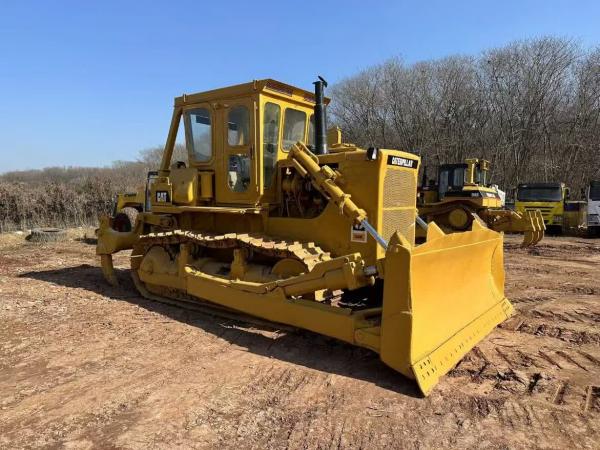
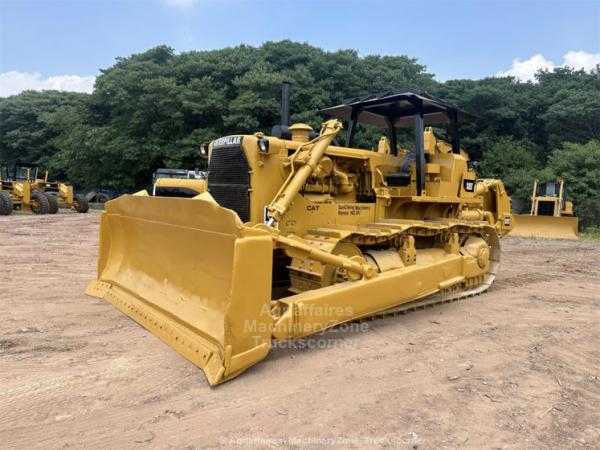
Introduction
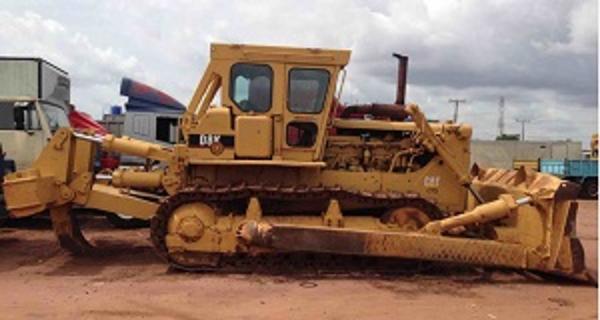
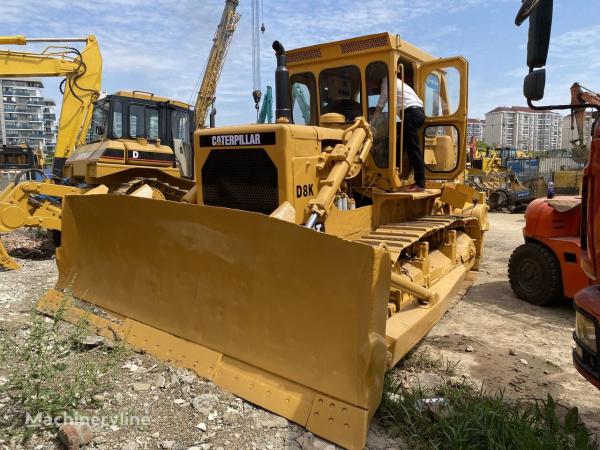
The decision to trade heavy equipment, such as Caterpillar D8K bulldozers, involves a thorough assessment of various factors including machine condition, market value, and operational requirements. This article delves into the considerations and implications of trading two D8K bulldozers, providing insights into their specifications, performance, and the potential benefits and drawbacks of such a trade.
Caterpillar D8K Specifications
The Caterpillar D8K, introduced in 1974, is a robust track-type tractor designed for heavy-duty applications. Its key specifications are as follows: - Engine Model: D342
- Gross Power: 300 hp
- Operating Weight: Approximately 70,503.9 lbs (31,980 kg)
- Fuel Capacity: 169.1 gallons (640 liters)
- Hydraulic System Capacity: 18.5 gallons (70 liters)
- Hydraulic Pressure: 2,500 psi (172.4 bar)
- Pump Flow: 78 gpm (295.2 lpm)
- Transmission: Powershift with 3 forward and 3 reverse gears
- Maximum Speed: 6.8 mph forward, 8.4 mph reverse
- Standard Blade Width: 13.3 ft (4.04 m)
These specifications highlight the D8K's capability to handle demanding tasks such as land clearing, grading, and construction site preparation.
Performance and Longevity
The D8K is renowned for its durability and longevity. With proper maintenance, these machines can operate efficiently for several decades. Regular servicing, timely replacement of wear parts, and adherence to operational guidelines are essential to maximize their lifespan.
Market Value Considerations
The market value of a D8K bulldozer varies based on factors such as age, condition, hours of operation, and the presence of attachments like blades or rippers. Generally, well-maintained units with low operating hours command higher prices. However, due to the D8K's age, potential buyers may factor in the cost of refurbishing or upgrading components.
Implications of Trading Two D8Ks
Trading two D8Ks can offer several advantages:
- Upgrading to Newer Models: Trading allows for the acquisition of more modern equipment with enhanced features, improved fuel efficiency, and compliance with current emission standards.
- Reduced Maintenance Costs: Newer machines often come with warranties and require less frequent maintenance, leading to cost savings over time.
- Improved Productivity: Advanced technologies in newer models can lead to increased productivity and efficiency on the job site.
However, there are also potential drawbacks:
- Depreciation: New equipment depreciates quickly, and the trade-in value of the D8Ks may not fully offset the cost of new machines.
- Operational Familiarity: Operators accustomed to the D8K may face a learning curve with new equipment, potentially affecting productivity during the transition period.
- Financial Considerations: The financial implications of the trade, including any additional costs or financing arrangements, should be carefully evaluated.
Conclusion
Trading two Caterpillar D8K bulldozers can be a strategic decision to modernize equipment fleets and enhance operational efficiency. However, it is crucial to conduct a comprehensive analysis of the trade's financial and operational impacts. Consulting with equipment appraisers, financial advisors, and experienced operators can provide valuable insights to ensure that the trade aligns with the organization's long-term goals and objectives.
|
|
|
|
| Grave Crane Rear Shift Problem: Diagnosis and Solutions |
|
Posted by: MikePhua - 08-26-2025, 09:32 PM - Forum: Troubleshooting & Diagnosing
- No Replies
|
|
Crane operators rely heavily on the seamless operation of all the components of a crane, from the engine to the shifting mechanisms. When an issue arises, such as a rear shift problem, it can significantly disrupt the workflow, potentially leading to delays and costly repairs. One such issue involves rear shifting problems in grave cranes, where the rear section of the crane fails to shift as expected. In this article, we’ll delve into the potential causes of rear shift issues in cranes, particularly in grave crane models, and provide useful solutions for diagnosing and fixing the problem.
Understanding Grave Crane Rear Shift Mechanisms
Grave cranes, commonly used in various heavy-lifting applications, are designed to handle substantial loads and provide stability and efficiency. Their rear shift mechanism plays an important role in allowing the crane to adjust its orientation, making it flexible for different operational needs. This shift is typically controlled by hydraulic or mechanical systems, which help to move the rear part of the crane either forward or backward depending on the load, terrain, or work requirements.
The rear shift mechanism ensures that the crane’s boom is properly positioned for lifting, whether it is moving large materials, adjusting reach, or setting up the crane for more precise operations. However, when the rear shift malfunctions, it can create significant problems, ranging from limited functionality to complete immobilization of the crane.
Common Causes of Rear Shift Problems
Several factors can cause rear shift issues in cranes, and diagnosing the root cause is crucial for ensuring the crane operates efficiently. Below are some of the most common causes:
- Hydraulic System Failures
Most modern cranes, including grave cranes, use hydraulic systems to power the rear shift mechanism. If there is a problem with the hydraulic pump, valve, or fluid levels, the shift function can fail. Low hydraulic fluid levels, a leak in the system, or malfunctioning valves can reduce the pressure needed for proper rear shifting. Hydraulic cylinders that control the movement of the rear section of the crane could also be damaged or worn out over time.
- Control System Issues
Many grave cranes are equipped with electronic control systems that monitor and regulate the operation of various components, including the rear shift mechanism. If there is an issue with the wiring, sensors, or control units, the system may fail to recognize input commands, preventing the rear shift from operating properly.
- Mechanical Wear and Tear
Over time, mechanical parts, such as gears, shift motors, and linkages, can wear down due to continuous use and exposure to harsh environmental conditions. Worn or damaged parts can lead to failure in the rear shift mechanism. If the shift motor or gears are malfunctioning, they may fail to engage the rear section or may not provide sufficient torque to move it.
- Faulty Linkages or Cables
Many cranes use linkages or cables to transfer power from the hydraulic system or shift motor to the rear section. These linkages, if misaligned or broken, can prevent the crane from shifting properly. Over time, the cables or rods may also become frayed, stretched, or corroded, leading to failure in shifting.
- Improper Setup or Calibration
In some cases, rear shift issues can be traced back to improper setup or calibration. If the crane has been recently serviced or parts have been replaced, an incorrect alignment or improper calibration of the shift system can prevent the rear section from moving as needed. This is especially important for electronic-controlled cranes that require precise programming and adjustment to function correctly.
Steps to Diagnose Rear Shift Problems
If you're experiencing rear shift issues with your grave crane, it's essential to follow a systematic approach to diagnose the problem effectively. Here are the key steps for diagnosing rear shift issues:
- Check Hydraulic Fluid Levels
Begin by checking the hydraulic fluid levels in the crane. Low fluid levels can lead to insufficient pressure in the hydraulic system, preventing the rear shift mechanism from operating. If the fluid is low, top it up and check for any signs of leaks around the hydraulic system, especially around cylinders and hoses.
- Inspect for Leaks
Inspect the hydraulic system, including hoses, valves, and connections, for any leaks. Even a small leak can significantly reduce system pressure, causing shifting problems. Look for wet spots or signs of oil around the system to identify any areas that need repair or replacement.
- Test the Control System
For cranes with electronic control systems, check for error codes or warning lights on the operator panel. If the system is malfunctioning, you may need to reset the electronics or calibrate the sensors. Check the wiring and connectors to ensure there are no loose connections, shorts, or frayed wires.
- Inspect Mechanical Components
Inspect the shift motor, gears, and linkages for any signs of wear or damage. If the motor is making unusual sounds or failing to engage the gears, it may need to be replaced. Similarly, if the gears or linkages are worn, they will need to be repaired or replaced to restore proper function.
- Check for Misalignment
Ensure that all components, such as cables, linkages, and the hydraulic cylinders, are correctly aligned. Misalignment can lead to increased wear and tear or failure of the rear shift mechanism. Make sure the cables are not frayed or stretched and that the cylinders are properly connected.
- Consult the Manual
If you're unable to find the cause of the issue, consult the crane’s user manual for troubleshooting tips. The manual may provide specific instructions for diagnosing and fixing common issues related to the rear shift mechanism.
Solutions to Rear Shift Problems
Once you've identified the root cause of the rear shift problem, it's time to implement a solution. Here are some common solutions to the problems discussed above:
- Replace or Refill Hydraulic Fluids
If the issue is related to low hydraulic fluid or leaks, replacing or topping up the hydraulic fluids can restore the necessary pressure for proper rear shifting. Ensure that you are using the correct fluid type and follow manufacturer recommendations for maintenance.
- Repair or Replace Damaged Components
If the issue is due to worn or damaged hydraulic cylinders, gears, or shift motors, these parts will need to be repaired or replaced. Using OEM parts or high-quality aftermarket components can ensure reliable performance.
- Service the Control System
For control system malfunctions, the issue may lie in the electronics, sensors, or wiring. Inspect and repair any damaged wiring, and recalibrate sensors or controllers. Sometimes, software updates may be required for the crane’s control system.
- Adjust or Realign Linkages
If misalignment is the issue, you may need to adjust or realign the linkages, cables, or hydraulic cylinders. Ensuring everything is correctly aligned can prevent additional damage and restore proper shifting.
Conclusion
The rear shift mechanism in grave cranes is a critical component that ensures smooth operation and adaptability. When problems arise with the shifting mechanism, it is essential to follow a systematic diagnostic process to identify the root cause and implement the appropriate solution. Whether the issue is hydraulic, mechanical, or electronic, proper troubleshooting and maintenance can resolve most rear shift problems.
By regularly maintaining your crane’s hydraulic system, control systems, and mechanical components, you can avoid frequent breakdowns and extend the life of your equipment. Always ensure that you are using quality replacement parts and follow the manufacturer’s guidelines for maintenance to keep your grave crane in top working condition.
|
|
|
|
| Cat 318BL Excavator in Structural Demolition and Historical Site Work |
|
Posted by: MikePhua - 08-26-2025, 09:31 PM - Forum: General Discussion
- No Replies
|
|
Caterpillar’s Mid-Size Excavator Lineage
The Caterpillar 318BL excavator belongs to a generation of mid-size hydraulic excavators produced in the late 1990s and early 2000s. Caterpillar Inc., founded in 1925, had long dominated the earthmoving sector with its robust lineup of dozers, loaders, and excavators. The 318BL was designed to fill the gap between compact machines like the 312 and heavier-duty models like the 320, offering a balance of reach, power, and transportability.
With an operating weight of approximately 38,000 lbs and a Cat 3066 turbocharged diesel engine producing around 120 horsepower, the 318BL was well-suited for demolition, trenching, and site preparation. Its hydraulic system featured load-sensing capabilities and pilot-operated controls, allowing precise movement even under variable loads. Though not as widely sold as the 320 series, the 318BL found favor among contractors who needed reach and breakout force without the logistical challenges of larger machines.
Terminology Clarification - Pilot-operated controls: Hydraulic controls that use low-pressure pilot fluid to actuate main valves, improving responsiveness.
- Load-sensing hydraulics: A system that adjusts hydraulic flow based on demand, improving efficiency and control.
- Boom reach: The horizontal distance the excavator arm can extend from the machine’s centerline.
Demolition of Fire-Damaged Structures
In one notable teardown project, a 318BL was used to dismantle a house that had suffered extensive fire damage. The structure included a mix of modern framing and historical log construction dating back to the early 1800s. The fire had gutted much of the newer portion, leaving only charred framing and unstable walls. The excavator was tasked with removing the compromised sections while preserving the older log portion for manual salvage.
This type of selective demolition requires finesse. Operators must avoid lateral pressure that could destabilize adjacent structures, especially when historical preservation is involved. The 318BL’s hydraulic precision and visibility from the cab made it ideal for this task. With a skilled operator, the machine could peel away roof trusses and wall panels without disturbing the log foundation.
Operator Anecdotes and Field Wisdom
A veteran operator in Ontario recalled using a 318BL to remove a fire-damaged barn. “The trick,” he said, “was to start from the roof and work down, keeping the boom high and the bucket curled. You don’t want to punch through and collapse everything at once.”
In another case, a demolition crew in Vermont used a 318BL to dismantle a farmhouse where only the stone foundation remained intact. They installed a thumb attachment to grip and remove beams individually, reducing the risk of uncontrolled collapse. The machine’s stability and hydraulic finesse were key to preserving the foundation for future rebuilding.
Best Practices for Structural Teardowns
When using a mid-size excavator like the 318BL for structural demolition, consider the following:- Use a hydraulic thumb or grapple for controlled removal
- Start from the top and work downward to avoid sudden collapse
- Keep the machine on stable ground and use outriggers if available
- Monitor hydraulic temperatures during prolonged operation
- Inspect the boom and stick pins daily for stress or cracking
For fire-damaged structures, additional precautions include:- Checking for hidden embers or hot spots
- Avoiding contact with compromised electrical systems
- Using water spray to suppress dust and ash
Preservation of Historical Materials
In the Ontario teardown, the remaining log structure was hand-dismantled for salvage. This approach is common in North America, where 19th-century log homes are often repurposed for cabins or museum exhibits. Logs are numbered, tagged, and transported intact, preserving not just the material but the construction technique.
The use of heavy equipment in such contexts must be carefully managed. Machines like the 318BL can assist in lifting and staging logs but should avoid direct contact with fragile joinery. Operators often coordinate with preservation crews to ensure safe handling.
Modern Comparisons and Legacy
Today’s equivalent to the 318BL might be the Cat 319 or 320 GC, which offer improved fuel efficiency, digital diagnostics, and emissions compliance. However, many operators still prefer the mechanical simplicity of the 318BL, especially in remote or low-tech environments.
The 318BL’s legacy lies in its versatility. It was light enough to transport on a standard lowboy trailer, powerful enough for serious excavation, and precise enough for selective demolition. For contractors working on mixed-use sites—where historical preservation meets modern teardown—it remains a trusted tool.
Conclusion
The Caterpillar 318BL excavator exemplifies the balance between power and precision required in structural demolition, especially when historical elements are involved. Its hydraulic control, reach, and stability make it ideal for fire-damaged teardowns and selective removal. As newer models evolve with digital enhancements, the 318BL continues to earn respect for its mechanical reliability and field-tested performance. For operators who value control and durability, it remains a benchmark in mid-size excavation.
|
|
|
|
| John Deere 300D Backhoe Hydraulic Pressure: Troubleshooting and Maintenance |
|
Posted by: MikePhua - 08-26-2025, 09:31 PM - Forum: Troubleshooting & Diagnosing
- No Replies
|
|
Introduction
The John Deere 300D backhoe loader, a versatile machine in construction and landscaping, relies on its hydraulic system for efficient operation. Understanding the hydraulic pressure specifications and recognizing potential issues are crucial for maintaining optimal performance. This article delves into the hydraulic pressure system of the 300D, common problems, and maintenance tips to ensure longevity and reliability.
Hydraulic System Specifications
The John Deere 300D is equipped with an open-center hydraulic system, designed to provide consistent flow and pressure to various components: - System Pressure: 2,700 psi (186.2 bar)
- Pump Flow Capacity: 24 gpm (90.8 L/min)
- Hydraulic Fluid Capacity: 16 gal (60.6 L)
- Relief Valve Pressure: 2,700 psi (186.2 bar)
These specifications are essential for the proper functioning of the backhoe's loader and backhoe operations. Deviations from these pressures can lead to performance issues.
Common Hydraulic Pressure Issues
Several factors can lead to low hydraulic pressure in the 300D backhoe:
- Low or Contaminated Hydraulic Fluid: Insufficient or degraded fluid can cause cavitation and inadequate lubrication, leading to pressure drops.
- Air in the Hydraulic System: Entrapped air can result in spongy operation and erratic pressure readings.
- Worn or Malfunctioning Hydraulic Pump: A failing pump cannot generate adequate pressure, leading to weak operation.
- Clogged Hydraulic Filters: Blocked filters restrict fluid flow, forcing the pump to work harder and leading to overheating.
- Leaky Hoses, Fittings, or Seals: External or internal leaks cause visible or hidden fluid loss, reducing system efficiency.
- Faulty Pressure Relief Valve: If stuck open, the system will struggle to build adequate pressure; if stuck closed, pressure spikes may damage components.
Diagnosing Low Hydraulic Pressure
To diagnose low hydraulic pressure:- Check Hydraulic Fluid Condition and Levels: Inspect the fluid level and look for contamination. A milky or foamy fluid indicates air or water contamination.
- Inspect for Leaks: Look for visible leaks around hoses, fittings, and hydraulic cylinders.
- Test the Hydraulic Pump: Listen for whining or grinding noises indicating a failing pump. Use a flow meter to measure gallons per minute (GPM) and compare it to specifications.
- Check Filters and Screens: Remove and inspect the hydraulic filter for blockages or excessive dirt.
- Evaluate Cylinders and Actuators: Observe the operation of hydraulic cylinders and motors for signs of weak performance.
Maintenance Tips
Regular maintenance is key to preventing hydraulic pressure issues:- Regularly Check and Replace Hydraulic Fluid: Use the correct fluid type and viscosity recommended by the manufacturer.
- Replace Filters at Recommended Intervals: Change primary and secondary filters as per the manufacturer's guidelines.
- Inspect and Replace Worn Hoses and Seals: Regularly check for signs of wear and replace damaged hoses and seals promptly.
- Monitor Hydraulic Pressure: Regularly check system pressure to ensure it remains within specified limits.
- Perform Routine System Flushes: Periodically flush the hydraulic system to remove contaminants and prevent buildup.
Conclusion
Maintaining the hydraulic system of the John Deere 300D backhoe loader is crucial for its performance and longevity. By understanding the system's specifications, recognizing common issues, and adhering to regular maintenance practices, operators can ensure their equipment operates efficiently and reliably.
|
|
|
|
|



