| Welcome, Guest |
You have to register before you can post on our site.
|
| Forum Statistics |
» Members: 74
» Latest member: Tomo
» Forum threads: 47,413
» Forum posts: 47,419
Full Statistics
|
| Online Users |
There are currently 104 online users.
» 0 Member(s) | 97 Guest(s)
Amazon, Bing, Claude, Google, OpenAI, Semrush, Seznam
|
| Latest Threads |
Identifying and Sourcing ...
Forum: Parts , Attachments & Tools
Last Post: MikePhua
01-07-2026, 06:29 PM
» Replies: 0
» Views: 468
|
Cat 931B Brake Parts
Forum: Parts , Attachments & Tools
Last Post: MikePhua
01-07-2026, 06:29 PM
» Replies: 0
» Views: 271
|
Choosing Between Cat 228,...
Forum: General Discussion
Last Post: MikePhua
01-07-2026, 06:28 PM
» Replies: 0
» Views: 489
|
Fix It or Part It Out
Forum: General Discussion
Last Post: MikePhua
01-07-2026, 06:27 PM
» Replies: 0
» Views: 337
|
Hydraulic Delay When Lowe...
Forum: Troubleshooting & Diagnosing
Last Post: MikePhua
01-07-2026, 06:27 PM
» Replies: 0
» Views: 424
|
Bale Chopper and Mulcher ...
Forum: General Discussion
Last Post: MikePhua
01-07-2026, 06:26 PM
» Replies: 0
» Views: 297
|
Mini UC Maintenance
Forum: General Discussion
Last Post: MikePhua
01-07-2026, 06:25 PM
» Replies: 0
» Views: 287
|
Locating Wiring Informati...
Forum: General Discussion
Last Post: MikePhua
01-07-2026, 06:24 PM
» Replies: 0
» Views: 321
|
Case Industrial Brown Sub...
Forum: Parts , Attachments & Tools
Last Post: MikePhua
01-07-2026, 06:23 PM
» Replies: 0
» Views: 263
|
Dirt Work in West Virgini...
Forum: Construction & Urban Infrastructure Forum
Last Post: MikePhua
01-07-2026, 06:23 PM
» Replies: 0
» Views: 356
|
|
|
| Takeuchi TL8 Compact Track Loader: Understanding Its Lifting Capacity |
|
Posted by: MikePhua - 08-26-2025, 10:15 PM - Forum: General Discussion
- No Replies
|
 |
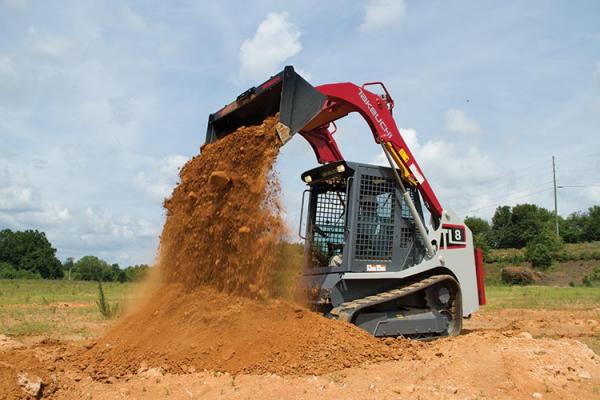
The Takeuchi TL8 is a compact track loader renowned for its versatility and performance in various construction and landscaping applications. Equipped with a 74.3-horsepower Kubota V3307-CR-Turbo engine, it offers a balance of power and maneuverability. Understanding its lifting capacity is crucial for operators to ensure safe and efficient operation.
Rated Operating Capacity (ROC)
The TL8's Rated Operating Capacity, as per SAE J818 standards, is 2,105 lbs (955 kg). This rating is determined by taking 35% of the tipping load, which is 6,020 lbs (2,731 kg). This means that under optimal conditions, the TL8 can safely lift loads up to 2,105 lbs without risking tipping.
Operating Load at 50% of Tipping Load
For tasks requiring higher lifting capacities, the TL8 can handle operating loads up to 50% of the tipping load, equating to 3,010 lbs (1,365 kg). However, lifting at this capacity increases the risk of tipping, so operators should exercise caution and ensure the machine is on stable, level ground.
Optional Counterweight Impact
Adding an optional counterweight to the TL8 increases its Rated Operating Capacity to 2,323 lbs (1,054 kg). This enhancement provides additional stability, allowing the loader to handle slightly heavier loads more safely.
Real-World Application Considerations
In practical scenarios, operators have successfully used the TL8 to lift and move loads around 3,000 lbs, such as pallets of wall blocks. However, these tasks were performed with the load kept low to the ground to maintain stability. It's essential to ensure the machine is on firm, level terrain and that the load is properly secured to prevent accidents.
Conclusion
The Takeuchi TL8 compact track loader offers a balanced combination of power and agility, making it suitable for various lifting tasks. By understanding its lifting capacities and adhering to safety guidelines, operators can maximize the machine's performance while minimizing risks. Always consult the operator's manual and adhere to manufacturer recommendations to ensure safe operation.
|

|
|
| Is DIY Sandblasting Worth It for Heavy Equipment Restoration |
|
Posted by: MikePhua - 08-26-2025, 10:14 PM - Forum: General Discussion
- No Replies
|
|
The Rise of Sandblasting in Equipment Restoration
Sandblasting has long been a go-to method for surface preparation in industrial and automotive restoration. It uses compressed air to propel abrasive media—typically sand, coal slag, or glass bead—against metal surfaces to remove rust, paint, and grime. The process is especially popular among heavy equipment owners seeking to repaint or refurbish aging machines like Gradalls, bulldozers, and lowboys.
The appeal of sandblasting lies in its ability to expose clean, bare metal quickly. However, the reality of executing a full-machine blast is far more complex than most first-timers anticipate. From equipment sizing to environmental containment, the challenges often outweigh the benefits unless the job is approached with professional-grade tools and planning.
Terminology Clarification - Blast pot: A pressurized container that holds abrasive media and regulates its flow during blasting.
- CFM (Cubic Feet per Minute): A measure of air volume delivered by a compressor, critical for maintaining blasting pressure.
- Media recovery: The process of collecting and reusing abrasive material after blasting.
- Containment: Physical barriers or enclosures used to control dust and debris during blasting.
- Etching primer: A paint base that chemically bonds to bare metal, improving adhesion and corrosion resistance.
Equipment Requirements and Practical Limitations
For effective sandblasting on large machines, a 200–300 lb blast pot is recommended. Smaller units (50–100 lb) require constant refilling, interrupting workflow every 10–15 minutes. A compressor rated at 175–185 CFM is essential to maintain consistent pressure, especially when using a ¼-inch nozzle with coarse media like 20/40 coal slag.
Operators must also invest in:- A pressure-rated helmet with filtered air supply
- Leather gloves and full-body cape for protection
- Industrial-grade degreasers for pre-cleaning
- Dry, oil-free air to prevent media clumping
Without these, the process becomes hazardous and inefficient. Moisture in the air or media can clog the nozzle, while inadequate PPE exposes the operator to painful ricochet and toxic dust.
Environmental and Regulatory Concerns
Blasting in open areas—such as paved lots or gravel yards—creates significant dust and debris. While rural operators may scrape up leftover media for backfill, urban or residential settings require containment. Building a temporary enclosure with plastic sheeting is one option, but it adds cost and complexity.
In regions with strict environmental oversight, blasting without containment may attract regulatory attention. While enforcement varies, blasting near food production areas or playgrounds is strongly discouraged due to airborne contaminants like lead paint particles.
Field Anecdotes and Operator Experiences
A farmer in Pennsylvania attempted blasting a 955L loader using a vintage 300 lb unit and a wheeled compressor. Despite dry sand, oil contamination from the compressor caused clogging and media waste. After several frustrating sessions, he outsourced the job to a mobile blasting service found through local classifieds.
In Minnesota, a contractor blasted two trailers outdoors using a 200 lb pot and coal slag. He noted that bare metal rusts rapidly in humid conditions, recommending immediate priming post-blast. He also emphasized the importance of not reusing damp media, which leads to nozzle blockage and uneven finish.
Another operator in Oregon paid $2,500 to have a 40-foot lowboy professionally blasted and painted. He concluded that the time saved and finish quality justified the expense, especially compared to his earlier DIY attempt on a bulldozer.
Alternatives to Full-Machine Blasting
For partial restorations or tight budgets, consider:- Steam cleaning with industrial degreasers
- Wire wheeling rust spots followed by etching primer
- Using a DA (dual-action) sander for flat panels
- Soda blasting for delicate components (requires specialized gear)
- Outsourcing blasting for disassembled parts only
These methods reduce mess and allow targeted surface prep without the logistical burden of full-machine blasting.
Preparation Tips and Workflow Strategy
If blasting is pursued, follow this sequence:
- Disassemble components where possible (boom, cradle, panels)
- Degrease thoroughly using diesel and industrial cleaner
- Pressure wash with hot water to remove residues
- Mask off windows, rubber seals, and wiring with duct tape and cardboard
- Position compressor and blast pot upwind
- Blast in sections and immediately prime exposed metal
- Blow off residual media before painting
Avoid blasting around piston mounts or tight brackets unless parts are removed. Media trapped in crevices will contaminate paint and compromise adhesion.
Conclusion
While sandblasting offers unmatched surface prep for repainting heavy equipment, the process demands serious gear, safety precautions, and environmental awareness. For most operators, outsourcing the blast and focusing on painting yields better results with less frustration. Whether restoring a Gradall or prepping a lowboy, the key is balancing ambition with practicality—and knowing when to call in the pros.
|
|
|
|
| Choosing the Right Equipment for Pond Construction: Ag Tractor with Pan vs. Dozer |
|
Posted by: MikePhua - 08-26-2025, 10:14 PM - Forum: General Discussion
- No Replies
|
|
Introduction
When embarking on pond construction projects, selecting the appropriate equipment is crucial for efficiency and cost-effectiveness. Two primary options are commonly considered: using an agricultural (ag) tractor equipped with a pan scraper or employing a dozer. Each has its advantages and limitations, and the choice often depends on specific project requirements.
Ag Tractor with Pan Scraper
An ag tractor paired with a pan scraper is a versatile combination suitable for various earthmoving tasks. The tractor provides the necessary horsepower and traction, while the pan scraper allows for efficient material hauling and spreading.
Advantages: - Efficiency in Material Transport: The pan scraper can carry substantial loads, reducing the number of trips required to move material.
- Versatility: This setup is adaptable to different soil types and project scales.
- Cost-Effectiveness: For certain projects, this combination may be more economical compared to other equipment options.
Considerations:- Soil Conditions: Performance can vary based on soil type; for instance, clayey soils may present challenges.
- Terrain: Steep or uneven terrain can impact the efficiency of this setup.
Dozer
A dozer is a powerful machine equipped with a large blade used for pushing material. It's particularly effective in moving large volumes of earth over short distances.
Advantages:- Powerful Earthmoving Capabilities: Dozers can move significant amounts of material quickly.
- Effectiveness on Steep Terrain: Their design allows for efficient operation on slopes and uneven ground.
- Versatility: Dozers can be equipped with various attachments, such as rippers, to enhance their functionality.
Considerations:- Speed: While powerful, dozers may not match the hauling efficiency of a pan scraper over longer distances.
- Cost: Operating costs can be higher due to fuel consumption and maintenance.
Case Study: Pond Construction Project
In a recent pond construction project, a combination of both equipment types was employed. The ag tractor with pan scraper was used for transporting material over longer distances, while the dozer handled the initial excavation and shaping of the pond's contours. This approach optimized efficiency and ensured the project was completed within the desired timeframe.
Conclusion
The decision between using an ag tractor with pan scraper or a dozer for pond construction depends on various factors, including soil conditions, terrain, and project scale. In many cases, a combination of both can provide the most efficient and cost-effective solution. It's essential to assess the specific requirements of each project to determine the best equipment choice.
|
|
|
|
| Komatsu D31P-16 Dozer: Root Rake Attachment Overview |
|
Posted by: MikePhua - 08-26-2025, 10:13 PM - Forum: General Discussion
- No Replies
|
|
The Komatsu D31P-16 is a mid-sized crawler dozer renowned for its versatility and durability in various construction and land-clearing applications. Equipped with a 63-horsepower engine and an operating weight of approximately 14,771 lbs, this dozer is well-suited for tasks such as grading, trenching, and land reclamation.
Root Rake Attachment: Purpose and Benefits
A root rake is an essential attachment for dozers, particularly in forestry and land-clearing projects. It consists of a set of heavy-duty tines or teeth mounted on a frame, designed to rake and clear roots, brush, and debris from the ground. This attachment enhances the dozer's ability to prepare land for construction, agriculture, or reforestation by efficiently removing obstructions and promoting soil aeration.
Specifications of the Root Rake Attachment
For the Komatsu D31P-16, a compatible root rake attachment typically features: - Width: Approximately 92 inches
- Material: AR400 steel for durability
- Weight: Around 970 lbs
- Teeth: 8 teeth, each 1¼ inches thick
- Spacing: 11¾ inches between teeth
- Maximum Penetration: 14 inches
These specifications ensure that the root rake can handle the rigorous demands of land-clearing operations.
Installation and Compatibility
Installing a root rake on the Komatsu D31P-16 involves attaching it to the dozer's blade using compatible mounting brackets. It's crucial to ensure that the root rake is properly aligned and securely fastened to prevent operational issues. While specific installation instructions may vary depending on the manufacturer, it's recommended to consult the dozer's service manual and the root rake's installation guide for detailed procedures.
Maintenance and Care
To prolong the lifespan of both the dozer and the root rake, regular maintenance is essential. Key maintenance practices include:- Regular Inspections: Check for wear and tear on the teeth and frame.
- Lubrication: Apply grease to moving parts to reduce friction.
- Cleaning: Remove debris and soil buildup after each use.
- Storage: Store the root rake in a dry, sheltered location to prevent corrosion.
Purchasing a Root Rake for the Komatsu D31P-16
When looking to purchase a root rake for the Komatsu D31P-16, consider the following options:- New Attachments: Manufacturers such as USA Attachments offer new root rakes compatible with the D31P-16.
- Used Attachments: Dealers like Southern Tractor Service & Salvage provide used parts machines, including root rakes, which can be a cost-effective option.
- Custom Fabrication: For specific requirements, custom fabricators can design and build a root rake tailored to your needs.
Conclusion
Equipping your Komatsu D31P-16 dozer with a root rake attachment significantly enhances its capability in land-clearing and forestry applications. By understanding the specifications, installation procedures, and maintenance requirements, operators can maximize the efficiency and longevity of both the dozer and the attachment. Whether opting for new, used, or custom-built options, selecting the right root rake ensures that your equipment meets the demands of challenging terrains and tasks.
|
|
|
|
| Understanding and Troubleshooting Alarm Sounds in Caterpillar Graders |
|
Posted by: MikePhua - 08-26-2025, 10:12 PM - Forum: Troubleshooting & Diagnosing
- No Replies
|
|
Introduction to Alarm Systems in Caterpillar Graders
Caterpillar graders are equipped with sophisticated alarm systems designed to alert operators to potential issues, ensuring safety and optimal performance. These alarms can be auditory, visual, or both, and are categorized based on the severity of the condition they indicate. Understanding these alarm signals is crucial for timely maintenance and avoiding equipment damage.
Categories of Alarm Signals
- Level 1 Alarms: These are minor warnings indicating that the system requires attention soon. The action indicator light will be on, but there will be no sound from the action alarm. Immediate action is not necessary, but monitoring the system is advised.
- Level 2 Alarms: These indicate a more serious condition that requires the operator to change machine operation or perform maintenance. The action indicator light will flash on and off, and the action alarm will sound intermittently. Ignoring this alarm could lead to damage to system components.
- Level 3 Alarms: These are critical warnings that require immediate action. The action indicator light will flash on and off, and the action alarm will pulse on and off. The operator should immediately perform a safe engine shutdown to prevent further damage.
Common Causes of Alarm Sounds- Park Brake Switch Issues: Faulty park brake switches or sensor misalignment can trigger the park brake alarm. Inspecting the park brake switch wiring and connectors for damage or corrosion is recommended. Testing the switch operation by engaging and disengaging the brake while monitoring the alarm can help identify issues.
- Air Compressor Problems: A nonstop air compressor and constant low air buzzer usually indicate a leaking air system or faulty governor. Inspecting air lines, tanks, and fittings for leaks using soapy water, and checking the air compressor governor, which controls cut-in and cut-out pressures, can help diagnose the issue. Regularly draining air tanks to prevent moisture buildup is also advised.
- Electrical System Faults: Issues such as alternator complications or a dead battery can affect a machine’s onboard systems, causing components like lights to stop working. Proper battery storage and replacement, along with checking to ensure lights are off when the equipment is not in use, can prevent these issues.
Troubleshooting Steps
- Visual Inspection: Begin with a basic walk-around inspection to check for any obvious problems such as loose wires or cables.
- Diagnostic Codes: Determine if the ECM has detected any faults. Diagnostic trouble codes can specify each detected fault, aiding in pinpointing the issue.
- Component Testing: Test components such as switches, sensors, and wiring for continuity and proper operation. For example, performing resistance checks between CAN high and CAN low wires can help identify issues.
- Consulting Service Manuals: Refer to the machine's service manual for specific troubleshooting procedures and wiring diagrams. This can provide detailed information on component locations and testing methods.
Preventive Maintenance Tips- Regular Inspections: Conduct regular walk-around inspections to identify potential issues before they become major problems.
- Scheduled Maintenance: Follow the manufacturer's recommended maintenance schedule for tasks such as oil changes, filter replacements, and system checks.
- Training: Ensure that operators are trained to recognize alarm signals and understand the appropriate actions to take.
Conclusion
Understanding and addressing alarm sounds in Caterpillar graders is essential for maintaining equipment reliability and safety. By familiarizing oneself with the different alarm levels, common causes, and troubleshooting steps, operators can effectively manage and mitigate potential issues. Regular maintenance and prompt attention to alarms can extend the lifespan of the equipment and reduce downtime.
|
|
|
|
| Caterpillar D8K Scraper Tractors in Modern Earthmoving |
|
Posted by: MikePhua - 08-26-2025, 10:11 PM - Forum: General Discussion
- No Replies
|
|
The D8K and Its Historical Significance
The Caterpillar D8K was introduced in the early 1970s as part of Caterpillar’s evolution of the D8 series, which dates back to the 1930s. The D8K featured a turbocharged 3408 V8 diesel engine producing approximately 300 horsepower, paired with a torque converter and powershift transmission. With an operating weight exceeding 80,000 lbs when equipped with a scraper, the D8K was designed for high-production earthmoving in mining, road construction, and land development.
Caterpillar, founded in 1925, had by the 1970s become the dominant force in crawler tractor manufacturing. The D8K was a global success, with thousands sold across North America, Europe, and Australia. Its reputation for durability and raw pulling power made it a favorite for scraper duty, especially when paired with Cat 463 or 463G towed scrapers.
Terminology Clarification - Scraper: A towed or self-propelled machine used to cut, lift, and transport soil.
- Push loading: A technique where a second machine assists the scraper by pushing from behind during loading.
- ROPS (Roll-Over Protective Structure): A safety frame designed to protect the operator in case of rollover.
- Elevated sprocket: A design feature introduced in later D8 models (e.g., D8N) that lifts the final drive above the track frame for better durability.
Field Deployment and Operational Strategy
In southeastern England, a contractor operates six D8K units paired with 463 scrapers, supported by two backup D8H machines. These rigs are deployed across multiple sites, with three units working on topsoil stripping and three others handling bulk cut-and-fill operations. The D8K’s ability to maintain traction in wet clay and frost-laden soil makes it ideal for UK conditions, where moisture content often challenges rubber-tired machines.
Operators report that the D8K outperforms newer elevated drive models like the D8N in scraper applications. One D8N equipped with a blade attempted to match the D8K’s performance but struggled with traction and load consistency. The D8K’s lower center of gravity and heavier frame contribute to better grip and smoother loading cycles.
Hydraulic Modifications and Cab Comfort
Several D8K units have been retrofitted with hydraulic conversions on the front gate of the scraper, replacing older cable systems. This improves responsiveness and reduces operator fatigue. In colder regions like the Canadian Prairies, most D8K scraper rigs operate with open ROPS or minimal cab enclosures. Heated cabs are rare, though some machines feature umbrellas for sun protection during summer.
In contrast, UK-based units often include enclosed cabs with basic heating systems, reflecting the region’s colder and wetter climate. One operator noted that frost helps break up the top layer of soil, making initial cuts easier, though it also creates greasy conditions that challenge traction.
Push Loading and Multi-Machine Coordination
When cutting becomes difficult, a D6H or D7G is used as a push cat to assist the D8K-463 combination. This technique reduces cycle time and allows deeper cuts in compacted or rocky material. In one instance, a D6H was deployed to help a D8K load in a frost-hardened field, improving productivity by 20% during morning shifts.
Push loading requires precise coordination between operators. The push cat must align with the scraper’s rear push block and maintain consistent pressure without overloading the transmission. Training and communication are critical, especially when visibility is limited by dust or terrain.
Fleet Composition and Deployment Strategy
The contractor’s fleet includes:- 6 × D8K with 463 scrapers
- 2 × D8H backup units
- 1 × D6H push cat (rotated between sites)
- 3 units deployed on topsoil stripping
- 3 units on bulk excavation upcountry
This modular deployment allows flexibility across multiple jobsites. When rain halts operations at one site, units are shifted to another, minimizing downtime. The D8K’s reliability and ease of field repair make it ideal for such dynamic scheduling.
Operator Culture and Legacy Machines
Veteran operators often prefer the D8K over newer models due to its mechanical simplicity and tactile feedback. Unlike electronically controlled machines, the D8K responds directly to lever inputs, giving the operator a sense of control and connection. One retired operator in New Zealand recalled towing pans with a D8K in wet stockpiles, describing the experience as “exciting and unpredictable.”
The UK-built 463G scrapers in the fleet are distinguishable by their unique push block design, differing from US-built units. These regional variations reflect Caterpillar’s global manufacturing strategy, which adapted components to local preferences and regulations.
Conclusion
The Caterpillar D8K remains a formidable scraper tractor decades after its introduction. Its robust frame, powerful engine, and compatibility with towed scrapers make it a preferred choice for contractors handling large-scale earthmoving in challenging conditions. While newer models offer electronic enhancements, the D8K’s mechanical reliability and operator familiarity continue to earn it a place in active fleets. Whether cutting frost-hardened clay or pushing through gumbo soil, the D8K proves that legacy machines still have a vital role in modern construction.
|
|
|
|
| Replacing Undercarriage Components While Changing Tracks |
|
Posted by: MikePhua - 08-26-2025, 10:11 PM - Forum: Troubleshooting & Diagnosing
- No Replies
|
|
Replacing the undercarriage components of heavy machinery, such as track loaders and excavators, is a critical maintenance task that ensures optimal performance and longevity. When changing tracks, it's an opportune moment to inspect and replace other undercarriage parts that may have worn out over time. This guide provides a detailed overview of the process, including necessary tools, safety precautions, and step-by-step instructions.
Understanding the Undercarriage Components
The undercarriage of a tracked machine comprises several key components: - Tracks: The continuous bands that provide traction and support the machine's weight.
- Rollers: Cylindrical components that support the track and allow it to rotate smoothly.
- Idlers: Guide the track and maintain its tension.
- Sprockets: Engage with the track to propel the machine forward.
- Track Adjusters: Mechanisms that maintain proper track tension.
- Track Shoes: The individual metal plates that make contact with the ground.
Each of these components plays a vital role in the machine's operation, and their condition directly impacts performance and safety.
Tools and Equipment Needed
Before beginning the replacement process, ensure you have the following tools and equipment:- Impact Wrench: For removing and installing bolts.
- Torque Wrench: To tighten bolts to the manufacturer's specifications.
- Hydraulic Jack or Lifting Equipment: To lift the machine safely.
- Track Pin Press or Hydraulic Puller: For removing and installing track pins.
- Safety Gear: Including gloves, safety glasses, and steel-toed boots.
- Replacement Parts: New tracks, rollers, idlers, sprockets, and other necessary components.
Step-by-Step Replacement Process
- Preparation and Safety Measures
- Park the machine on a stable, level surface.
- Engage the parking brake and ensure the machine is powered off.
- Wear appropriate safety gear throughout the process.
- Lifting the Machine
- Use a hydraulic jack or lifting equipment to raise the machine off the ground.
- Secure the machine with jack stands to prevent accidental lowering.
- Removing the Old Tracks
- Loosen and remove the bolts securing the track adjusters.
- Use a track pin press or hydraulic puller to remove the track pins.
- Carefully remove the old tracks from the machine.
- Inspecting Undercarriage Components
- Examine rollers, idlers, sprockets, and other components for signs of wear or damage.
- Replace any parts that are worn beyond acceptable limits.
- Installing New Components
- Install new rollers, idlers, and sprockets, ensuring they are properly aligned.
- Apply anti-seize lubricant to bolts to prevent corrosion.
- Tighten bolts to the manufacturer's specified torque settings.
- Installing New Tracks
- Position the new tracks onto the machine.
- Use a track pin press or hydraulic puller to install the track pins.
- Ensure the tracks are properly aligned and tensioned.
- Final Checks
- Lower the machine to the ground.
- Check track tension and adjust as necessary.
- Test the machine to ensure all components are functioning correctly.
Maintenance Tips for Prolonging Undercarriage Life- Regular Inspections: Periodically check undercarriage components for signs of wear or damage.
- Proper Lubrication: Ensure all moving parts are adequately lubricated to reduce friction and wear.
- Avoid Overloading: Do not exceed the machine's rated capacity to prevent excessive strain on undercarriage components.
- Cleanliness: Keep the undercarriage clean to prevent debris buildup, which can cause premature wear.
- Track Tension: Maintain proper track tension to ensure optimal performance and longevity.
Conclusion
Replacing undercarriage components while changing tracks is an essential maintenance task that ensures the continued performance and safety of heavy machinery. By following the steps outlined in this guide and adhering to maintenance best practices, operators can extend the lifespan of their equipment and reduce the likelihood of costly repairs. Always consult the manufacturer's manual for specific instructions and torque specifications related to your machine model.
|
|
|
|
| Why Is My Cummins Insite 9.0 License Not Showing Up |
|
Posted by: MikePhua - 08-26-2025, 10:10 PM - Forum: General Discussion
- No Replies
|
|
The Role of Cummins Insite in Modern Diagnostics
Cummins Insite is a diagnostic software suite used by technicians worldwide to interface with Cummins engines. It allows users to read fault codes, monitor live data, perform calibrations, and manage engine parameters. Since its launch in the early 2000s, Insite has evolved through multiple versions, with Insite 9.0 introducing a more cloud-integrated licensing model and refined user interface.
Cummins, founded in 1919 in Columbus, Indiana, has long been a leader in diesel engine innovation. With over 1 million engines produced annually and a global service network spanning 190 countries, Cummins software tools like Insite are critical to maintaining uptime across fleets, from mining haul trucks to municipal buses.
Terminology Clarification - ECU (Electronic Control Unit): The onboard computer that manages engine functions such as fuel delivery, timing, and emissions.
- License Manager: A utility within Insite that displays active software licenses and their status.
- Cummins License Configuration Tool: A separate window that allows users to activate, transfer, or troubleshoot licenses.
- Ghosting: A software glitch where a valid license fails to appear or register correctly.
- Update Manager: A Cummins utility that handles software updates and license synchronization.
Common Licensing Confusion in Insite 9.0
One of the most frequent questions among technicians is whether a license should appear in License Manager before connecting to an ECU. The answer is yes—once activated, the license should be visible regardless of whether the software is connected to a vehicle. However, recent updates have introduced inconsistencies.
In early 2025, a software patch caused some licenses to “ghost,” meaning they were valid but not displayed. This led to confusion during field diagnostics, especially when technicians attempted to connect to engines and were met with limited functionality. Cummins acknowledged the issue and rolled back the update via Update Manager, restoring license visibility.
Troubleshooting Steps and Recommendations
If your license is not showing up in Insite 9.0, follow these steps:- Open Insite and navigate to the “Manage Licenses” tab
- Confirm that the Cummins License Configuration Tool opens in a separate window
- Check for active licenses under your user profile
- If no license appears, open Update Manager and verify that all updates are installed
- Restart the software and recheck License Manager
- If still unresolved, contact Cummins technical support for license revalidation
In one case, a technician in Illinois discovered his license had vanished after a routine update. After contacting Cummins, support staff remotely accessed his system and re-synchronized the license database. The issue was resolved within 30 minutes, highlighting the importance of keeping Update Manager current.
Field Anecdote from Colorado
A mechanic in Sheridan, Colorado, experienced license ghosting after installing Insite 9.0 on a new laptop. Despite entering his activation credentials, the license failed to appear. He attempted to connect to a Cummins ISX15 ECU, but the software remained in demo mode. After a brief call to Cummins support, he was advised to roll back the last update and re-register through the License Configuration Tool. The license reappeared instantly, and diagnostics resumed.
Best Practices for License Management
To avoid licensing issues in Insite 9.0:- Always install updates through Update Manager, not third-party tools
- Keep a backup of your license activation credentials
- Avoid installing Insite on multiple machines without proper transfer procedures
- Use the official Cummins License Configuration Tool for activation and troubleshooting
- Monitor license expiration dates and renew proactively
For fleet operations, consider assigning a dedicated technician to manage software licensing across all service laptops. This reduces downtime and ensures compliance with Cummins’ licensing terms.
Software Evolution and Industry Trends
Insite 9.0 reflects a broader shift toward cloud-based licensing and modular diagnostics. Competing platforms like Detroit Diesel’s DiagnosticLink and Volvo’s Tech Tool have also adopted similar models. While these systems offer flexibility, they introduce complexity—especially in offline environments or remote job sites.
Cummins is expected to release Insite 10.0 in late 2025, with enhanced license tracking, mobile compatibility, and predictive diagnostics. Early beta testers report improved stability and faster ECU connection times.
Conclusion
Licensing issues in Cummins Insite 9.0—particularly ghosted licenses—can disrupt diagnostics and delay repairs. Understanding the software’s architecture, using the correct tools, and staying current with updates are essential for smooth operation. Whether servicing a single engine or managing a fleet, proactive license management ensures that Insite remains a powerful ally in the technician’s toolkit.
|
|
|
|
| Ford 7.8L Diesel Engine Overview |
|
Posted by: MikePhua - 08-26-2025, 10:10 PM - Forum: Parts , Attachments & Tools
- No Replies
|
|
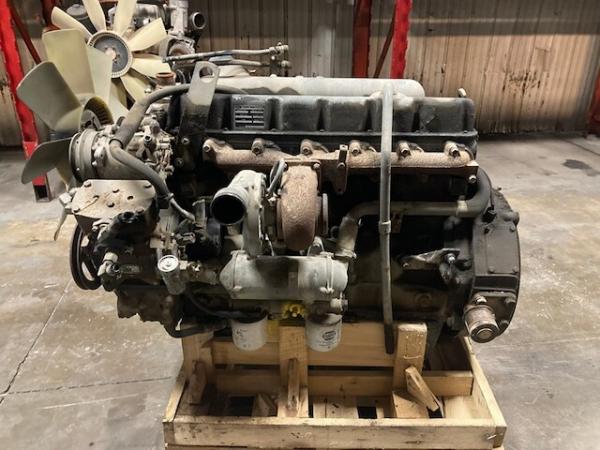
Introduction to the Ford 7.8L Diesel Engine
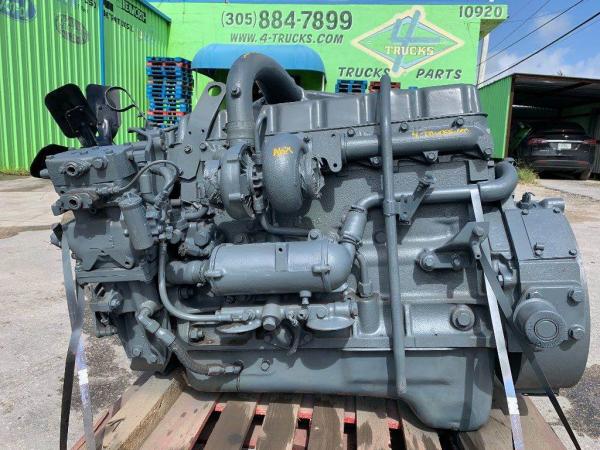
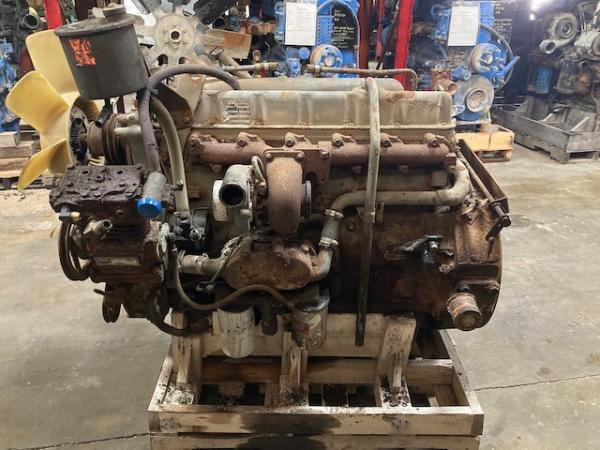
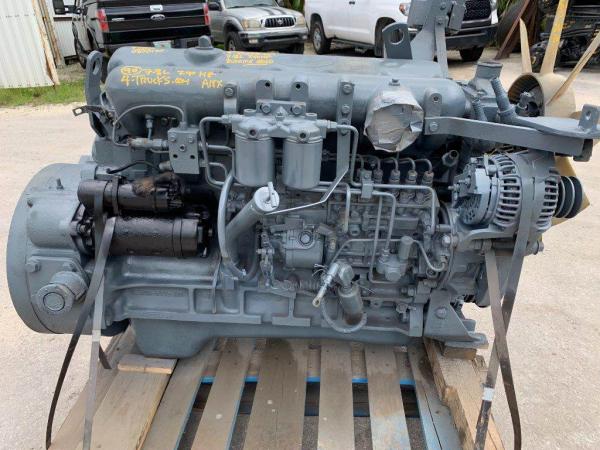
The Ford 7.8L diesel engine is a six-cylinder, turbocharged powerplant that was developed for medium-duty trucks, buses, and industrial applications. It was part of the Ford-New Holland engine family, which also included the 6.6L version. These engines were designed to offer a balance between power output and fuel efficiency, catering to the needs of commercial vehicles and machinery.
Engine Specifications - Configuration: Inline 6-cylinder
- Displacement: 7.8 liters
- Bore x Stroke: 4.4" x 5.2"
- Horsepower: Ranges from 210 to 270 hp, depending on the specific model and configuration.
- Torque: Approximately 606 lb-ft for the higher-output versions.
- Fuel System: Direct injection
- Cooling System: Water-cooled with options for air-to-air or water aftercooling.
- Turbocharging: Standard on most variants.
- Applications: Used in Ford L-Series trucks, B-Series buses, and various industrial equipment.
Development and Production
The 7.8L engine was developed as part of Ford's acquisition of New Holland Machine Company. The engine's design was based on naturally aspirated engines engineered in the 1960s by New Holland. Ford utilized turbocharged versions of the 6.6L and 7.8L engines in various medium-duty applications, including Ford B-Series buses, after their acquisition of New Holland. The engine's official designation is the Ford-New Holland 7.8L.
Performance and Reliability
The 7.8L engine was known for its robust performance and reliability. With horsepower ratings ranging from 210 to 270 hp, it provided sufficient power for medium-duty applications. The engine's torque output, particularly in the higher-output versions, made it suitable for tasks requiring substantial pulling power. Additionally, the engine's design allowed for easier maintenance and parts replacement, contributing to its longevity in service.
Common Issues and Maintenance
While the 7.8L engine was generally reliable, some common issues reported by users included:- Turbocharger Failures: Over time, turbochargers could experience wear, leading to reduced performance.
- Cooling System Leaks: Leaks in the cooling system could lead to overheating if not addressed promptly.
- Fuel System Clogging: Clogging of fuel injectors or lines could result from poor-quality fuel or lack of regular maintenance.
Regular maintenance practices, such as timely oil changes, monitoring of coolant levels, and use of quality fuel, were essential to mitigate these issues.
Legacy and Conclusion
The Ford 7.8L diesel engine served as a reliable power source for various medium-duty applications during its production run. Its robust design and performance characteristics made it a preferred choice for many operators. While newer engine technologies have since emerged, the 7.8L engine's legacy continues in the form of its contributions to Ford's diesel engine development and its role in powering a range of vehicles and equipment.
|
|
|
|
| Komatsu WA320-3 Wheel Loader: Specifications, Maintenance, and Troubleshooting |
|
Posted by: MikePhua - 08-26-2025, 10:09 PM - Forum: General Discussion
- No Replies
|
|
The Komatsu WA320-3 wheel loader, manufactured between 1996 and 2004, is a versatile and durable machine designed for various construction and material handling tasks. With its robust design and advanced features, it has become a popular choice among operators seeking reliability and performance.
Engine and Performance
The WA320-3 is equipped with the Komatsu S6D108E-1 engine, delivering a gross power of 162.3 hp (121 kW) at 2,380 rpm. This engine provides ample power for demanding tasks, ensuring efficient operation in various conditions. The loader's operating weight is approximately 13,350 kg, with a tipping load of 11,430 kg, making it suitable for handling heavy materials.
Hydraulic System
The hydraulic system of the WA320-3 is designed for optimal performance. The loader features a piston pump with a capacity of 180 liters per minute, providing efficient power for lifting and digging operations. The hydraulic system's open-center design ensures smooth and responsive control, enhancing the operator's ability to handle materials effectively.
Transmission and Drivetrain
The WA320-3 is equipped with a fully automatic 4-speed transmission, offering smooth shifting and efficient power delivery. The drivetrain includes a torque converter and a planetary gear system, providing reliable performance and durability. The loader's maximum travel speed is 34 km/h, allowing for efficient movement between job sites.
Bucket and Lift Capacity
The WA320-3 comes with a standard bucket capacity of 3.0 cubic meters (3.9 cubic yards) when heaped. The bucket width is 2.74 meters, suitable for various material handling tasks. The loader's breakout force is approximately 27,600 lbs, enabling it to handle heavy loads with ease.
Operator's Comfort and Safety
Komatsu has designed the WA320-3 with operator comfort and safety in mind. The loader features a spacious cab with excellent visibility, reducing operator fatigue and enhancing productivity. Standard features include air conditioning, adjustable seating, and ergonomic controls, ensuring a comfortable working environment.
Maintenance and Troubleshooting
Regular maintenance is essential to keep the WA320-3 operating at peak performance. Operators should adhere to the manufacturer's recommended service intervals for engine oil changes, hydraulic fluid checks, and filter replacements. Common issues that may arise include hydraulic system leaks, transmission faults, and engine performance problems. Troubleshooting these issues requires a systematic approach, including checking fluid levels, inspecting components for wear, and consulting the service manual for diagnostic procedures.
Conclusion
The Komatsu WA320-3 wheel loader is a reliable and efficient machine suitable for various construction and material handling applications. Its powerful engine, advanced hydraulic system, and operator-friendly design make it a valuable asset on any job site. By adhering to regular maintenance schedules and promptly addressing any issues, operators can ensure the longevity and optimal performance of the WA320-3.
|
|
|
|
|



