| Welcome, Guest |
You have to register before you can post on our site.
|
| Online Users |
There are currently 245 online users.
» 0 Member(s) | 232 Guest(s)
Ahrefs, Amazon, Applebot, Baidu, Bing, Claude, DataForSeo, DotBot, MJ12, Petalbot, Semrush, Seznam
|
| Latest Threads |
Identifying and Sourcing ...
Forum: Parts , Attachments & Tools
Last Post: MikePhua
01-07-2026, 06:29 PM
» Replies: 0
» Views: 358
|
Cat 931B Brake Parts
Forum: Parts , Attachments & Tools
Last Post: MikePhua
01-07-2026, 06:29 PM
» Replies: 0
» Views: 251
|
Choosing Between Cat 228,...
Forum: General Discussion
Last Post: MikePhua
01-07-2026, 06:28 PM
» Replies: 0
» Views: 377
|
Fix It or Part It Out
Forum: General Discussion
Last Post: MikePhua
01-07-2026, 06:27 PM
» Replies: 0
» Views: 322
|
Hydraulic Delay When Lowe...
Forum: Troubleshooting & Diagnosing
Last Post: MikePhua
01-07-2026, 06:27 PM
» Replies: 0
» Views: 387
|
Bale Chopper and Mulcher ...
Forum: General Discussion
Last Post: MikePhua
01-07-2026, 06:26 PM
» Replies: 0
» Views: 276
|
Mini UC Maintenance
Forum: General Discussion
Last Post: MikePhua
01-07-2026, 06:25 PM
» Replies: 0
» Views: 265
|
Locating Wiring Informati...
Forum: General Discussion
Last Post: MikePhua
01-07-2026, 06:24 PM
» Replies: 0
» Views: 305
|
Case Industrial Brown Sub...
Forum: Parts , Attachments & Tools
Last Post: MikePhua
01-07-2026, 06:23 PM
» Replies: 0
» Views: 247
|
Dirt Work in West Virgini...
Forum: Construction & Urban Infrastructure Forum
Last Post: MikePhua
01-07-2026, 06:23 PM
» Replies: 0
» Views: 327
|
|
|
| Need for Proper Excavator Maintenance and Troubleshooting |
|
Posted by: MikePhua - 09-08-2025, 07:52 PM - Forum: Troubleshooting & Diagnosing
- No Replies
|
 |
Introduction to Excavator Maintenance Challenges
Excavators, especially those used in heavy-duty operations like construction, mining, and demolition, are subject to extreme working conditions. These machines play a crucial role in digging, lifting, and moving materials, making them indispensable on the job site. However, maintaining excavators in top operating condition can sometimes be a challenge due to a variety of factors. Issues such as mechanical failures, hydraulic system problems, and engine troubles can emerge if not properly addressed, leading to costly downtime and repairs.
Understanding Common Problems with Excavators
Excavators are complex machines with multiple systems working in tandem. These include the engine, hydraulic system, electrical components, and undercarriage. Each of these systems is susceptible to wear and tear, especially when the machine is used for long hours in tough conditions. Some common problems that owners and operators encounter with excavators include:
- Hydraulic System Failures
The hydraulic system in an excavator is responsible for controlling the boom, bucket, arm, and other moving parts of the machine. If the hydraulic fluid levels are low, or if there are leaks in the system, it can cause a drop in performance or complete failure. A common issue in the hydraulic system is the malfunction of the hydraulic pump or motor, which can result in erratic movements or complete inoperability of the hydraulic arm.
Solution: Regularly checking and replacing hydraulic fluid, ensuring all seals and hoses are intact, and inspecting the pump and motor can prevent these issues.
- Engine Overheating
Excavators rely on powerful engines to perform heavy lifting and digging operations. If the engine gets too hot, it can result in reduced power, damage to internal components, or even engine failure. Overheating can occur due to several factors, including poor coolant circulation, a malfunctioning radiator, or blocked air vents.
Solution: Ensure the cooling system is regularly serviced, the radiator is clean, and the engine’s air filters are free of debris. Also, be mindful of engine load and temperature during operation.
- Undercarriage Wear
The undercarriage of an excavator takes a lot of abuse, especially in rough terrains. Components such as the tracks, rollers, sprockets, and idlers are constantly in motion, and they can wear down over time. If not maintained properly, excessive wear on the undercarriage can cause decreased performance and increased fuel consumption.
Solution: Regular inspection of the tracks and rollers, as well as proper track tensioning, can prolong the life of the undercarriage. Replacing worn-out components before they cause further damage is also critical.
- Electrical System Issues
The electrical system controls the machine's lights, sensors, communication systems, and in some cases, even the engine management. A common problem is faulty wiring or a bad battery, which can cause the excavator to fail to start or perform erratically.
Solution: Regularly checking wiring and connections for any signs of corrosion or damage, as well as ensuring the battery is in good condition, can prevent electrical problems.
Steps to Proper Excavator Maintenance
To avoid costly repairs and ensure maximum productivity, excavator owners and operators should follow a routine maintenance schedule. This will not only extend the lifespan of the machine but also enhance its operational efficiency. The key steps in proper maintenance include:
- Daily Inspections
Each day before operation, it is essential to inspect the machine for visible signs of damage or wear. This includes checking fluid levels, tire pressures, and ensuring that all components are working properly.
Key Daily Checks:- Engine oil and coolant levels
- Hydraulic fluid levels
- Track tension and condition
- Condition of the bucket and arm
- Lights and electrical system functionality
- Scheduled Servicing
Excavators require regular servicing at specific intervals to maintain their performance. This includes changing the engine oil, replacing filters, inspecting the hydraulic system, and performing other checks as specified by the manufacturer.
Service Intervals:- Engine oil change every 250-500 hours
- Hydraulic fluid and filter change every 1000 hours
- Track adjustment and undercarriage inspection every 500 hours
- Lubrication
Proper lubrication is crucial to the longevity of the machine. Ensure that all moving parts, including the joints, pins, and bushings, are regularly greased to reduce friction and wear.
- Monitoring Performance
Many modern excavators are equipped with diagnostic systems that can monitor the health of the machine. These systems can alert operators to any developing issues, such as abnormal temperature readings or low hydraulic pressure, before they become major problems.
Case Study: A Real-World Example of Excavator Troubleshooting
A construction company operating in a remote area faced significant downtime with their excavators. The machines were used for digging trenches and moving large amounts of dirt on a major project. The team noticed that after a few months, the hydraulic systems of several excavators started performing erratically, with some machines completely losing hydraulic power.
Upon inspection, it was found that the hydraulic fluid had become contaminated with debris due to insufficient filtration and long intervals between oil changes. Additionally, the undercarriage of the machines had suffered excessive wear from working on rough terrain without proper maintenance.
To resolve these issues, the company instituted a strict maintenance schedule that included more frequent oil changes, better filtration systems, and regular undercarriage inspections. The result was a noticeable increase in the machines’ efficiency, and the company saved money on costly repairs and replacements.
The Importance of Operator Training
Apart from the mechanical aspects of excavator maintenance, operator training plays a significant role in ensuring that machines are used effectively and without unnecessary strain. Operators should be well-trained in recognizing signs of malfunction, adjusting operating techniques to reduce wear, and performing basic troubleshooting.
Training should include:- Proper loading and unloading techniques to reduce strain on the machine
- Understanding the limits of the machine’s operating capacity
- Recognizing early signs of potential problems such as sluggish movements or unusual noises
Conclusion
Excavators are essential tools for many industries, but they come with their own set of challenges when it comes to maintenance. From hydraulic system failures to engine overheating and undercarriage wear, there are a number of issues that can arise if proper care is not taken. Regular maintenance, operator training, and timely troubleshooting are essential to ensuring the longevity and efficiency of these powerful machines.
By staying ahead of these issues and adopting proactive maintenance practices, operators can minimize downtime and maximize the productivity of their excavators. Regular inspections, servicing, and monitoring are the keys to maintaining a reliable and efficient excavator fleet, ensuring that these machines remain ready to tackle any job that comes their way.
|

|
|
| Stiff Brake Pedal on Case 580C: Troubleshooting and Solutions |
|
Posted by: MikePhua - 09-08-2025, 07:51 PM - Forum: Troubleshooting & Diagnosing
- No Replies
|
|
The Case 580C, a backhoe loader renowned for its versatile performance in construction and excavation tasks, is equipped with hydraulic brakes that can occasionally develop issues, such as a stiff brake pedal. This problem is not uncommon in older models or equipment that has been subjected to heavy use. The brake pedal becoming stiff may lead to difficulty in stopping or controlling the machine, creating both safety and operational concerns. Understanding the potential causes of a stiff brake pedal and the best ways to address them is crucial for maintaining optimal performance and safety.
Understanding the Brake System of the Case 580C
Before diving into troubleshooting, it’s important to understand the brake system on the Case 580C. This machine uses a hydraulic braking system, which relies on hydraulic fluid to transfer force from the brake pedal to the brake components, such as the brake cylinders and pads. The system is powered by the engine and includes several key components: - Master Cylinder: The heart of the braking system, this component converts the mechanical force of the brake pedal into hydraulic pressure.
- Brake Pedal: The component you press to initiate the braking action. A stiff pedal indicates that something in the system is impeding the hydraulic pressure or flow.
- Hydraulic Lines: These tubes carry the hydraulic fluid from the master cylinder to the brakes at each wheel.
- Brake Cylinders and Pads: These are responsible for applying pressure to the wheels to stop the vehicle.
When any part of this system malfunctions, it can cause the brake pedal to become stiff, making it harder to stop the vehicle.
Common Causes of a Stiff Brake Pedal
- Low Hydraulic Fluid Levels
One of the most common causes of a stiff brake pedal is low hydraulic fluid. The brake system depends on the proper amount of hydraulic fluid to create the necessary pressure. If the fluid level is low, the system may not operate correctly, causing the pedal to feel stiff.- Solution: Check the hydraulic fluid level regularly and top it off if necessary. Make sure to use the correct type of hydraulic fluid specified in the Case 580C owner’s manual.
- Air in the Hydraulic Lines
Air trapped in the hydraulic system can prevent the proper transmission of force, leading to a stiff brake pedal. This is often caused by leaks in the hydraulic lines or improper fluid replacement procedures.- Solution: Bleed the brake system to remove any air pockets. This process involves opening the bleed valves on the brake cylinders and allowing the air to escape while ensuring the fluid is topped up.
- Faulty Master Cylinder
The master cylinder is a critical component in the brake system. If it becomes worn or damaged, it may fail to generate the necessary hydraulic pressure. This failure will manifest as a stiff brake pedal.- Solution: Inspect the master cylinder for signs of wear or leakage. If the master cylinder is faulty, it may need to be replaced. A mechanic may need to handle this repair, as it requires expertise to replace and bleed the system.
- Worn or Damaged Brake Pads
If the brake pads on the Case 580C are worn down, they may not engage properly, making the pedal feel stiffer than usual. Worn pads can also affect the overall braking efficiency of the machine.- Solution: Inspect the brake pads for excessive wear. If they are worn out, they will need to be replaced. This is a relatively simple maintenance task that can prevent future issues with the braking system.
- Clogged Brake Lines or Cylinders
Over time, the hydraulic lines or cylinders may become clogged with debris or dirt, which can restrict fluid flow and prevent proper braking action. This can result in a stiff pedal.- Solution: Flush the hydraulic lines and check the brake cylinders for blockages. Cleaning or replacing the lines and cylinders can restore the system’s performance.
- Damaged Brake Booster
The brake booster is responsible for amplifying the force applied to the brake pedal. If the booster is malfunctioning, it can make the pedal feel very stiff.- Solution: Check the brake booster for any signs of damage or failure. If the booster is damaged, it will need to be replaced.
Preventive Maintenance Tips for Brake Systems
Preventive maintenance is key to ensuring that your Case 580C’s brake system functions optimally and remains free of issues such as a stiff brake pedal. Here are some useful tips to maintain your brake system:
- Regular Fluid Checks: Check the hydraulic fluid level at regular intervals, especially before and after extended use. Keeping the fluid level at the correct mark is essential for proper brake function.
- System Bleeding: If you notice any unusual behavior in the brake pedal, such as a spongy or stiff feel, bleed the hydraulic system to remove air. This should be done periodically as part of regular maintenance.
- Inspect Brake Pads: Regularly inspect the brake pads for wear. Replacing worn pads early can prevent more serious damage to the braking system.
- Hydraulic Line Inspection: Inspect the hydraulic lines for leaks or cracks, which could allow air to enter the system or hydraulic fluid to escape.
- Professional Inspection: If you are unsure about the condition of the brake system or encounter problems that cannot be easily fixed, consult a professional mechanic. Brake system failures can lead to dangerous situations on the job site.
Conclusion
A stiff brake pedal in a Case 580C backhoe loader is often the result of issues within the hydraulic braking system, such as low fluid levels, air in the lines, or faulty components like the master cylinder. By understanding the common causes of this problem and following appropriate troubleshooting steps, operators can address the issue before it leads to more serious safety concerns. Regular preventive maintenance, including fluid checks, brake pad inspections, and system bleeding, will go a long way in keeping the machine’s braking system in top condition. Always remember that brakes are one of the most critical safety features of any machine, so taking care of them should be a top priority for any operator.
|
|
|
|
| Driving a Backhoe on Paved Roads: Potential Problems and Considerations |
|
Posted by: MikePhua - 09-08-2025, 07:51 PM - Forum: General Discussion
- No Replies
|
|
Introduction to Backhoe Operations on Paved Roads
Backhoes are a crucial piece of equipment for many construction and excavation tasks. They are designed to perform both digging and lifting functions, making them incredibly versatile on the job site. However, the question of whether it's safe or practical to operate a backhoe on paved roads has been a point of discussion among operators. Backhoes, while not built specifically for road travel, are often required to be driven on paved roads to get from one job site to another. This article explores the potential problems associated with driving backhoes on paved surfaces and offers some practical solutions for those facing this challenge.
Understanding the Backhoe's Design and Purpose
A backhoe is a combination of a tractor and an excavator, typically used for tasks like digging, trenching, and lifting. The rear part of the backhoe (the digging arm) is connected to the tractor body, and the front part is equipped with a loader bucket. The backhoe is often mounted on wheels or tracks, depending on the model and the terrain it’s designed to operate on.
Unlike road-going vehicles, backhoes are not designed for sustained travel on paved surfaces. Their tires are designed for traction on loose surfaces, and their top speeds are usually quite low. The issue arises when these machines are required to travel on smooth, hard roads, as this can put unnecessary strain on certain components of the machine.
Common Problems When Driving a Backhoe on Paved Roads
- Tire Wear and Tear
Backhoes typically have large, knobby tires designed for traction on dirt, gravel, and uneven surfaces. These tires are not suited for the smooth, even surface of paved roads. When driven on paved roads for extended periods, the tires can experience rapid wear. The rubber is often softer and less durable compared to tires made specifically for road use, and the tread pattern designed for off-road traction is not ideal for the hard surface of paved roads.
Solution: Operators should ensure that the tires are suitable for road travel, or invest in road-ready tires that can withstand the pressure of continuous driving on pavement.
- Hydraulic System Stress
Backhoes rely heavily on their hydraulic systems to perform their digging and lifting functions. Prolonged operation on paved roads may result in added strain on the hydraulic system, especially if the backhoe’s speed and movement are inconsistent with the design of the hydraulic components. The lack of terrain variation on paved roads means that the backhoe may not be operating in the optimal conditions for its hydraulic systems.
Solution: Regular maintenance of the hydraulic system, including checking fluid levels and inspecting the system for wear, is crucial for ensuring long-term reliability when driving a backhoe on paved surfaces.
- Increased Fuel Consumption
When driving a backhoe on paved roads, the engine may run at higher RPMs, especially if the operator is attempting to maintain a reasonable travel speed. The design of the backhoe’s engine and transmission is optimized for low-speed, heavy-duty tasks like digging, not high-speed road travel. As a result, the engine may consume more fuel than it would when performing tasks for which it was designed.
Solution: Using the backhoe for short trips on paved roads and avoiding long-distance travel can help mitigate fuel inefficiency. Alternatively, transporting the backhoe via a flatbed truck to job sites can be a more fuel-efficient approach.
- Transmission and Drive Train Stress
Backhoes are not built to sustain long durations of road travel. The transmission system and drivetrain are designed to handle the forces generated by digging, lifting, and pushing, not the continuous rolling motion on a paved surface. Prolonged use on pavement can lead to premature wear and tear on the transmission, drive axles, and other components of the drivetrain.
Solution: Avoiding excessive road travel and limiting the duration of paved-road operations can reduce stress on these vital components. Regular inspections and maintenance of the drivetrain are essential to prevent costly repairs.
- Speed and Handling Issues
Backhoes are generally designed for low-speed operations and are not as nimble as standard road vehicles. Driving at higher speeds on paved roads can compromise the stability of the machine. The combination of a heavy rear boom and a relatively light front bucket can cause instability, especially when turning or making abrupt maneuvers. In addition, the high center of gravity of most backhoes can lead to tipping if not operated carefully at higher speeds.
Solution: Operators should avoid high speeds when driving backhoes on paved roads and exercise caution when turning or handling the machine. Operators should follow all relevant speed limits and driving guidelines for construction equipment.
Alternatives to Driving Backhoes on Paved Roads
- Transportation by Flatbed Trailer
The safest and most efficient way to move a backhoe between job sites is to load it onto a flatbed trailer or lowboy truck. This eliminates the strain on the backhoe’s components and ensures that it arrives at the job site ready to perform without the wear and tear caused by road travel.
- Use of Road-Worthy Attachments
Some backhoes are equipped with road-ready attachments that help them travel more efficiently on paved surfaces. These may include reinforced tires, special axle systems, or even a different transmission designed for road use. Investing in such upgrades can make the backhoe more roadworthy and reduce the risks associated with paved-road travel.
Case Study: Road Travel on Paved Roads
A construction company in a rural area frequently needed to move backhoes from one site to another, which required driving on paved roads. Initially, the company did not take the necessary precautions, leading to rapid tire wear and hydraulic system issues. After experiencing increased downtime and maintenance costs, they switched to transporting the backhoes on flatbed trucks. This decision significantly reduced wear and tear on their equipment and allowed them to use their backhoes more efficiently on-site. The company found that the added cost of transportation was far outweighed by the savings in maintenance and fuel costs.
Conclusion
While backhoes are indispensable on construction and excavation sites, operating them on paved roads is not without its challenges. Tire wear, hydraulic system strain, and transmission stress can all result from road travel, leading to higher maintenance costs and reduced efficiency. By using transportation methods like flatbed trailers or opting for road-ready attachments, operators can mitigate these issues and extend the lifespan of their equipment. Proper maintenance and awareness of the machine’s limitations when driving on paved roads are key to ensuring a long, productive life for the backhoe.
|
|
|
|
| Who Makes the Best Dump Truck in the World? |
|
Posted by: MikePhua - 09-08-2025, 07:50 PM - Forum: General Discussion
- No Replies
|
|
When it comes to heavy-duty vehicles like dump trucks, the question of which manufacturer offers the best option is a common one. Dump trucks play an essential role in the construction, mining, and logistics industries by transporting bulk materials such as sand, gravel, and dirt. Their efficiency and reliability directly impact the productivity and profitability of these industries. To answer the question of which manufacturer makes the best dump truck, we need to explore the leading companies in this market, the specific models that stand out, and what factors determine "best."
Top Dump Truck Manufacturers
- Caterpillar (CAT)
Caterpillar has long been a leading name in the heavy equipment industry, and its dump trucks are no exception. The CAT brand is synonymous with durability and performance, particularly in the mining and construction sectors. The CAT 785 and CAT 789 models, for example, are known for their superior load capacities and ability to operate in the harshest environments.- History and Legacy: Founded in 1925, Caterpillar has built its reputation on providing reliable and powerful machinery. The company’s dump trucks are known for their advanced technology, including fuel-efficient engines, high payload capacities, and easy-to-maintain designs.
- Key Models:
- CAT 777G: A highly efficient off-highway dump truck known for its reliability and excellent fuel economy.
- CAT 797F: A massive haul truck designed for mining operations, capable of carrying up to 400 tons.
- Komatsu
Another heavyweight in the heavy equipment industry, Komatsu offers a wide range of dump trucks that are praised for their cutting-edge technology, fuel efficiency, and operational versatility. Komatsu dump trucks are commonly used in mining, construction, and forestry applications, with a focus on operator comfort and safety.- History and Legacy: Established in 1921, Komatsu has built a strong reputation for producing reliable machinery with advanced technological features. Its mining trucks are renowned for durability and performance under extreme conditions.
- Key Models:
- Komatsu HD785-7: Known for its powerful engine and smooth ride, this model is often used in construction and mining.
- Komatsu 930E-4: A giant in the mining sector, with a payload capacity of up to 300 tons.
- Volvo
Volvo’s trucks are widely considered some of the safest and most comfortable in the industry. They combine advanced technology, ease of operation, and safety features, making them a popular choice in various sectors, including construction, mining, and heavy transport.- History and Legacy: Volvo, founded in 1927, is a leader in producing reliable, efficient, and technologically advanced vehicles. Its dump trucks benefit from over 90 years of engineering excellence, focusing on fuel efficiency and high performance.
- Key Models:
- Volvo A40G: A powerful articulated hauler designed for construction and mining applications, offering exceptional fuel efficiency.
- Volvo A60H: Known for its ability to handle tough terrain and large loads, often used in quarry operations.
- Mack Trucks
A subsidiary of Volvo, Mack Trucks is famous for its rugged and reliable dump trucks. Known for their strong build and ability to handle demanding jobs, Mack dump trucks are particularly popular in the construction and waste management sectors.- History and Legacy: Mack Trucks has been around since 1900 and has earned a reputation for building some of the toughest and most reliable trucks on the market. The company is known for producing vehicles that last and require minimal maintenance.
- Key Models:
- Mack Granite MHD: A heavy-duty dump truck known for its reliability and strength in tough conditions.
- Mack TerraPro: A specialized model designed for waste management, capable of handling large payloads with ease.
- John Deere
While John Deere is primarily recognized for its agricultural equipment, the company also produces dump trucks designed for construction and mining applications. These trucks are known for their simplicity, ease of use, and rugged reliability.- History and Legacy: Founded in 1837, John Deere has a long history of producing quality machinery for agriculture, construction, and forestry. Its foray into dump trucks has been met with success, especially in the construction and utility sectors.
- Key Models:
- John Deere 410E: A mid-sized articulated dump truck designed for maneuverability in tough terrain, often used in road construction and earthmoving projects.
Key Factors in Determining the Best Dump Truck
- Payload Capacity
The most important feature of a dump truck is its ability to carry heavy loads. Dump trucks are designed with different payload capacities depending on their application, ranging from smaller, off-road models to giant mining trucks capable of hauling hundreds of tons. When considering which dump truck is the best, the payload capacity should match the demands of the job. For example, the CAT 797F, with a capacity of 400 tons, is built for massive mining operations, while the Volvo A40G, with a 40-ton capacity, is more suitable for construction sites.
- Fuel Efficiency
In the world of heavy equipment, fuel costs are a significant operational expense. A dump truck that offers better fuel efficiency will help reduce costs in the long term. Models like the CAT 777G and Volvo A40G are known for their fuel-efficient engines, which help lower operating costs and reduce the environmental impact.
- Reliability and Durability
Construction and mining projects often involve running equipment for long hours under harsh conditions. Reliability is key to reducing downtime and ensuring the truck performs consistently. Brands like Caterpillar and Komatsu are renowned for producing highly durable dump trucks that withstand the demands of tough job sites. Additionally, features like robust suspension systems, reinforced frames, and high-quality engines contribute to the overall longevity of the vehicle.
- Operator Comfort and Safety
The safety and comfort of the operator should never be overlooked. A comfortable driver is more likely to work efficiently and with focus, reducing the risk of accidents. Advanced technology, such as climate control systems, adjustable seating, and intuitive controls, are common in higher-end models. Safety features like rollover protection, advanced braking systems, and collision avoidance systems are increasingly becoming standard in premium models from Volvo and Mack.
- Cost of Ownership
The initial cost of purchasing a dump truck is just one part of the equation. Ongoing maintenance, repairs, and parts replacement also contribute to the overall cost of ownership. Brands like Mack and John Deere are known for their durability and lower maintenance costs over time, making them a cost-effective choice for many companies.
Conclusion
The best dump truck depends largely on the specific needs of the job, including payload capacity, fuel efficiency, reliability, and operator comfort. Caterpillar, Komatsu, Volvo, Mack, and John Deere are all leading manufacturers in this field, each offering a range of dump trucks with specialized features to meet the demands of various industries. While large mining operations may require the immense capacities of the CAT 797F or Komatsu 930E-4, smaller construction jobs may find the Volvo A40G or Mack Granite MHD more suitable.
Ultimately, the best dump truck is one that offers a balance of performance, durability, and cost-effectiveness, with a strong aftersales support network. When choosing a dump truck, it's crucial to assess not only the truck's initial price but also its long-term reliability and the support provided by the manufacturer.
|
|
|
|
| Understanding the John Deere 30G Compact Excavator |
|
Posted by: MikePhua - 09-08-2025, 07:50 PM - Forum: General Discussion
- No Replies
|
|
Introduction to the John Deere 30G
The John Deere 30G is a compact hydraulic excavator designed for tight spaces and light to medium construction work. As part of the 3-4 ton class, this machine strikes a balance between power and maneuverability. It’s particularly suited for digging in urban settings, landscaping projects, and smaller construction sites. However, for anyone new to excavators, it’s important to understand its basic features, maintenance needs, and how to operate it effectively.
Design Features of the John Deere 30G
The 30G is designed to provide maximum productivity with minimal downtime. Its compact size doesn’t compromise its ability to handle tough jobs. The excavator is equipped with a highly efficient engine, a spacious cabin, and a range of hydraulic features that enhance its digging and lifting capabilities.
- Engine and Power
- Engine Type: Diesel
- Rated Power: Around 24.8 kW (33 hp)
- Engine Efficiency: Designed for fuel efficiency while maintaining power for optimal operation in tight spaces.
- Hydraulics and Performance
- Hydraulic System: The 30G features a hydraulic system designed to provide consistent power for digging, lifting, and trenching operations.
- Bucket and Arm Power: With a maximum digging depth of about 2.8 meters, it offers a good balance between digging depth and reach, making it versatile for various tasks.
- Cabin and Operator Comfort
- Ergonomically designed cabin with adjustable controls.
- Good visibility: The 30G’s cabin design ensures excellent visibility for the operator, minimizing blind spots while working.
- Joystick controls: Simple, intuitive joystick controls are standard, allowing precise control over the machine’s movements.
- Undercarriage and Track System
- Track Width: The 30G comes with a standard width track system that provides stability while working on uneven surfaces.
- Track Length: Longer tracks provide better flotation and balance, making the machine suitable for soft ground conditions without sinking.
Key Advantages of the John Deere 30G
- Compact and Maneuverable:
- The 30G is known for its small footprint, making it ideal for jobs that require agility and access to narrow spaces. Whether it’s working on tight residential areas or in confined construction sites, the compact size ensures the excavator can reach tight corners without damaging surrounding structures.
- Efficiency and Productivity:
- With its fuel-efficient engine and optimized hydraulics, the 30G provides excellent fuel economy without sacrificing performance. This makes it a popular choice for contractors looking to reduce operational costs on smaller projects while still delivering high productivity.
- Versatility:
- The John Deere 30G is highly versatile, capable of performing multiple tasks with different attachments. From digging trenches and holes to lifting heavy materials, its ability to work with a variety of tools enhances its functionality on various job sites.
- Durability and Reliability:
- Built with durability in mind, John Deere machines are designed to withstand harsh conditions. The 30G’s tough undercarriage and reliable engine make it suitable for both rough and soft ground. This durability reduces downtime and increases the lifespan of the equipment.
Challenges for New Operators
For those who are new to excavators, learning to operate the 30G effectively may take some time. The learning curve for handling hydraulic systems and attachments can be steep, especially if you've never worked with large machinery before. Here are a few common challenges and tips for new operators:
- Understanding the Controls:
Excavators are equipped with various levers and joysticks to control the movement of the boom, arm, and bucket. Initially, this can be overwhelming, but with practice, operators can learn to make precise movements.- Tip: Start by practicing simple movements such as lowering and raising the boom, then gradually work on more complex tasks like swinging and digging.
- Mastering Precision Movements:
Excavators, including the 30G, require smooth and steady control to avoid jerky movements that could damage the machine or cause inefficiency. Learning to use the joystick smoothly is crucial.- Tip: Begin by operating in open areas to get used to the machine’s responsiveness, and as you become more comfortable, practice precise digging and lifting tasks.
- Safety Protocols:
Safety is paramount in heavy equipment operations. New operators should always prioritize safety measures such as wearing protective gear, checking the machine before operation, and understanding the limits of the machine’s reach and load capacity.
Maintenance Tips for the John Deere 30G
Routine maintenance ensures that the John Deere 30G remains operational and efficient over its lifetime. Here are some key maintenance practices:
- Regular Oil and Filter Changes:
Keep the engine oil fresh and change filters regularly to ensure that the engine runs smoothly. Clean oil reduces wear and tear, leading to better engine performance.
- Check Hydraulic Fluids:
Hydraulic fluid levels and cleanliness are essential to maintaining the hydraulic system’s performance. Low or dirty fluids can cause the machine to work inefficiently, or worse, lead to component failure.
- Track Maintenance:
The tracks of the 30G should be kept in good condition to ensure stability during operation. Regularly check for wear and tear, and make sure the tension is correctly adjusted to prevent premature wear.
- Clean the Air Filter:
A clean air filter ensures that the engine gets the proper airflow, preventing debris from entering the engine and causing damage.
- Inspect the Bucket and Attachments:
Regularly inspect the bucket for signs of damage, especially the edges and teeth. Worn-out buckets reduce digging efficiency and can lead to more costly repairs in the future.
Real-Life Experience with the John Deere 30G
In a recent project in a busy urban area, a contractor faced the challenge of digging trenches for utility lines in a densely packed residential neighborhood. The size of the John Deere 30G made it the perfect choice, allowing the team to navigate through narrow alleyways and dig efficiently without disturbing surrounding areas. After the job was completed, the operator praised the machine’s maneuverability, fuel efficiency, and comfortable cab, all of which helped improve overall productivity.
Conclusion
The John Deere 30G compact excavator stands as a versatile, reliable, and efficient choice for small to medium-sized projects. While it presents certain challenges for new operators, with time and practice, its ergonomic design and easy-to-use controls make it an excellent tool for a range of excavation tasks. Regular maintenance, an understanding of the machine's capabilities, and attention to safety will help ensure that the 30G continues to serve effectively and efficiently for many years.
|
|
|
|
| Creating a Heat Dump Box for Heavy Equipment |
|
Posted by: MikePhua - 09-08-2025, 07:49 PM - Forum: Parts , Attachments & Tools
- No Replies
|
|
In the world of heavy equipment, managing heat is a crucial factor in ensuring the longevity and efficiency of machinery. Overheating can lead to premature component wear, engine failure, and reduced operational time. To combat these challenges, creating a heat dump box, or heat dissipation system, is an effective solution. This article delves into the design, functionality, and considerations involved in creating a heat dump box for heavy equipment, such as loaders, bulldozers, and excavators.
Understanding the Importance of Heat Management in Heavy Equipment
Heavy equipment often operates in demanding environments, where extended hours of use under heavy loads can generate substantial amounts of heat. The engine, hydraulic system, and various mechanical components are the primary sources of this heat. If not properly managed, this excess heat can negatively impact performance and increase the risk of breakdowns. This is where heat management systems like the heat dump box come into play.
A heat dump box, in simple terms, is a system designed to absorb, store, and release excess heat generated by the equipment. By directing the heat away from sensitive components and into a controlled environment, these systems help ensure that the equipment operates within safe temperature ranges.
Designing a Heat Dump Box
- Location and Integration with the Equipment
The placement of the heat dump box is essential for its efficiency. It needs to be integrated with the equipment's cooling system without obstructing other essential components. Typically, it is installed near the engine compartment or within the chassis where the temperature build-up is most prominent. The key consideration is ensuring the heat dump box is close enough to absorb heat but also located in an area with sufficient airflow for heat dissipation.
- Material Selection
The material used for constructing a heat dump box plays a vital role in its performance. The box must be made of heat-resistant, durable materials capable of withstanding high temperatures. Common materials include heavy-duty steel, aluminum, or heat-treated alloys. These materials not only withstand the heat but also offer resistance to wear and corrosion, particularly when the equipment operates in harsh environments such as construction sites or mining operations.
- Heat Dissipation Mechanism
One of the most critical aspects of the heat dump box design is its ability to release heat effectively. This can be achieved through several mechanisms:- Radiators and Cooling Fins: These are often integrated into the heat dump box to enhance heat transfer. Radiators use fluid to absorb heat, while cooling fins increase the surface area for heat dissipation.
- Ventilation Channels: The box can be equipped with ventilation ducts or fans that direct airflow over the components, ensuring that the heat is not trapped inside the system.
- Heat Sinks: Some designs incorporate heat sinks, which absorb heat and slowly release it over time. These are often used in smaller, more compact heat dump boxes that require steady, passive heat dissipation.
- Control Systems
To ensure optimal performance, the heat dump box may incorporate temperature sensors that monitor the heat levels within the system. These sensors can trigger automatic fans or cooling systems when the temperature reaches a predetermined threshold. In more advanced designs, electronic control units (ECUs) can integrate with the equipment's central control system to manage the cooling process dynamically.
Advantages of a Heat Dump Box
- Prevents Overheating
By effectively managing the heat produced during operation, a heat dump box helps prevent the equipment from overheating, which can cause engine failure, hydraulic system failure, or damage to other vital components. This extends the life of the machinery and reduces the frequency of repairs and maintenance.
- Improves Efficiency
When the equipment runs at optimal temperatures, its efficiency increases. Overheating can reduce fuel efficiency and cause the engine to work harder, which in turn leads to higher operational costs. A heat dump box helps maintain steady performance, even during long hours of use.
- Reduces Downtime
With a more efficient heat management system, the equipment experiences fewer breakdowns and requires less downtime for repairs. This leads to higher productivity on the job site and less time spent waiting for the equipment to cool down or for components to be replaced.
- Enhances Safety
Excess heat in heavy machinery is not just detrimental to the equipment but also poses safety risks to the operator. Overheating can cause the machine to become unpredictable, potentially leading to accidents. By using a heat dump box, the safety of both the machine and the operator is improved.
Real-World Applications and Case Studies
In the mining industry, for example, large excavators and haul trucks often operate in extremely harsh environments. These machines work under constant heavy loads, generating significant heat. Implementing a heat dump box can help prevent overheating, which in turn reduces the risk of breakdowns and expensive repairs. For instance, a mining company in Nevada experienced a reduction in hydraulic system failures after incorporating a heat dump box in their fleet of excavators, resulting in a significant cost saving over time.
Similarly, construction equipment operating in hot climates, like bulldozers and graders, can benefit greatly from heat management systems. The intense heat from the engine and hydraulic systems can affect the performance of the equipment, causing delays in projects. By installing heat dump boxes, construction companies can ensure their equipment operates efficiently even in high-temperature environments, leading to faster project completion.
Challenges and Considerations
While the benefits of a heat dump box are clear, there are some challenges associated with their design and implementation:
- Cost and Maintenance
Designing and installing a heat dump box can increase the initial cost of the equipment. However, this is often outweighed by the long-term savings resulting from reduced maintenance costs and fewer repairs. Additionally, the heat dump box itself may require periodic cleaning and maintenance to ensure that the ventilation channels and cooling systems remain functional.
- Space Limitations
Space on heavy machinery is often limited, especially in compact models. Integrating a heat dump box without compromising the space needed for other critical components can be challenging. This requires careful planning and design to ensure that the system is both effective and space-efficient.
- Compatibility
Not all heavy equipment may be suitable for a heat dump box, especially older machines without integrated control systems. Retrofitting older equipment can be complex and costly, and in some cases, the design of the equipment may not allow for the addition of a heat dump box.
Conclusion
Creating and implementing a heat dump box is an effective solution for managing excess heat in heavy equipment. By maintaining optimal operating temperatures, these systems improve performance, extend the lifespan of components, and reduce downtime. While the initial investment and space constraints can pose challenges, the long-term benefits far outweigh the drawbacks. As heavy machinery continues to evolve, the integration of advanced heat management systems like heat dump boxes will be essential in maximizing both efficiency and safety on the job site.
|
|
|
|
| Understanding Engine Oil: Importance, Types, and Maintenance Tips |
|
Posted by: MikePhua - 09-08-2025, 07:48 PM - Forum: Parts , Attachments & Tools
- No Replies
|
|
Introduction to Engine Oil
Engine oil is the lifeblood of any engine, playing a critical role in maintaining performance and ensuring the longevity of the machine. Whether it’s in a bulldozer, excavator, or car, engine oil serves several functions such as lubrication, cooling, and cleaning. Regularly maintaining the right type of oil and ensuring proper oil change intervals are essential to avoid costly engine damage and ensure optimal performance.
The Role of Engine Oil
Engine oil serves multiple purposes in an engine, making it one of the most vital components for smooth operation. These functions include:
- Lubrication: Engine oil reduces friction between moving parts like pistons, crankshafts, and camshafts. This is crucial as it prevents parts from wearing out prematurely, ensuring they move smoothly.
- Cooling: As the engine operates, it generates heat. Engine oil helps to dissipate this heat, preventing overheating by absorbing the heat and carrying it away from high-temperature areas like the engine block.
- Cleaning: Engine oil picks up dirt, metal particles, and other contaminants that can accumulate inside the engine. The oil then carries these impurities to the oil filter, where they are removed, ensuring the engine runs clean.
- Sealing: Engine oil forms a thin layer between parts like pistons and cylinder walls, preventing leakage of combustion gases and helping maintain compression within the engine.
Types of Engine Oil
Choosing the right type of engine oil depends on the engine’s design, manufacturer recommendations, and operating conditions. Broadly, engine oils can be categorized into three main types:
- Conventional Oil: This is the most commonly used type of oil and is made from refined crude oil. It is generally less expensive but may not perform as well in extreme temperatures or with heavy-duty engines.
- Synthetic Oil: Engineered through chemical processes, synthetic oils are designed to perform under extreme conditions, offering better resistance to breakdown at high temperatures. These oils are ideal for high-performance or heavy-duty engines that need to maintain peak performance for longer periods.
- Blended Oil: As the name suggests, this oil is a mixture of conventional and synthetic oils. It provides a balance between cost and performance, offering better protection than conventional oils while being less expensive than full synthetic oils.
Choosing the Right Oil for Your Equipment
Each engine, whether in a construction machine like a bulldozer or a vehicle, has unique requirements for the type and viscosity of oil. For example, an excavator running in extremely cold temperatures might require an oil with a lower viscosity to ensure it flows easily at startup. In contrast, a bulldozer working under heavy loads and high temperatures might benefit from synthetic oil that can maintain performance under stress.
Factors to consider when selecting engine oil include:
- Viscosity: This refers to how thick or thin the oil is. Oil viscosity is categorized into multi-grade oils (e.g., 15W-40), where the first number represents the oil’s flow at low temperatures, and the second number represents its flow at high temperatures.
- API Rating: The American Petroleum Institute (API) sets standards for engine oil. Oils with higher API ratings are suitable for high-performance engines. Always check the manufacturer’s recommended oil specifications for your equipment.
- Operating Environment: In colder climates, oils with lower viscosity are needed to prevent the oil from becoming too thick to circulate effectively. On the other hand, extreme heat requires oils that can resist breaking down.
Common Engine Oil Issues
- Oil Leaks: Over time, gaskets, seals, or drain plugs may wear out, leading to oil leaks. Leaks not only lead to a loss of oil but can also cause engine parts to run dry, increasing the risk of damage.
- Oil Contamination: Oil can become contaminated with debris, dirt, and moisture. Contaminants affect the oil’s ability to lubricate and clean the engine, leading to accelerated wear and potential engine failure.
- Oil Degradation: Over time, engine oil breaks down due to heat and the pressure of constant use. When oil becomes degraded, its viscosity changes, leading to reduced lubrication and overheating. This is why regular oil changes are crucial for engine longevity.
- Overfilling or Underfilling: Both overfilling and underfilling engine oil can lead to problems. Overfilling can cause excess pressure in the engine, while underfilling can result in inadequate lubrication and damage to critical engine components.
Engine Oil Maintenance Tips
Maintaining the right oil level and quality is key to ensuring the engine performs efficiently. Here are some important tips:
- Regular Oil Changes: Follow the manufacturer’s recommendations for oil change intervals. Heavy-duty equipment may need more frequent oil changes due to the higher stresses placed on the engine.
- Check Oil Levels Regularly: Regularly check the oil level and top it off as needed. Low oil levels can lead to severe engine damage, while overfilling can result in leakage and excess pressure.
- Use the Right Oil Filter: Always replace the oil filter with each oil change to ensure that impurities and contaminants are removed from the oil as it circulates.
- Monitor Oil Condition: If your oil becomes unusually dark or thick, it may be time to replace it. Also, pay attention to any unusual smells or changes in performance that might indicate oil breakdown.
- Choose High-Quality Oil: It’s always a good idea to invest in high-quality oil that meets your engine’s specifications. Cheap, low-quality oil may save you money initially, but it can lead to premature wear and higher maintenance costs in the long run.
Real-World Example: How Engine Oil Saved a Caterpillar Bulldozer
In a construction site in Texas, a CAT bulldozer experienced repeated overheating, causing frequent shutdowns. Initially, the operator thought the engine might be damaged, but a quick oil check revealed that the oil was severely contaminated and degraded. After replacing the oil with fresh, high-quality synthetic oil and installing a new filter, the bulldozer’s performance improved significantly. The overheating issues stopped, and the bulldozer continued to operate for several more years without further problems. This example highlights the importance of regular oil maintenance to prevent major engine issues.
Conclusion
Engine oil plays an integral role in maintaining the performance and longevity of engines, whether they are in construction equipment, vehicles, or industrial machinery. Regular maintenance, proper oil selection, and timely oil changes are essential to avoid costly repairs and keep equipment running smoothly. By understanding the importance of engine oil and following best practices, operators can ensure their machines stay in peak condition, minimizing downtime and maximizing productivity.
|
|
|
|
| Test Driving Heavy Equipment: What to Expect and Key Considerations |
|
Posted by: MikePhua - 09-08-2025, 07:48 PM - Forum: General Discussion
- No Replies
|
|
Test driving heavy equipment is a critical step when acquiring machinery for construction, mining, or any large-scale industrial project. It allows the buyer to assess the performance, handling, and comfort of the equipment, ensuring that it meets the operational needs of the task at hand. This article will explore the importance of test driving heavy equipment, what to look for during the process, and how to ensure that you’re making a sound investment.
Why Test Drive Heavy Equipment?
Test driving heavy equipment offers potential buyers the opportunity to experience how the machinery performs in real-world conditions. Similar to purchasing a car, it's important to verify that the equipment operates smoothly, fits the specific task requirements, and can withstand the challenges it will face in the field.
When it comes to heavy machinery, there’s no substitute for hands-on experience. A test drive gives you insights into the ergonomics, hydraulic systems, fuel efficiency, and overall durability of the equipment. Whether you're looking at a compact excavator, bulldozer, or crane, a test drive helps uncover any potential issues before making a financial commitment.
Key Factors to Consider During a Test Drive
- Hydraulic Performance
The hydraulic system is the heart of many heavy machines. Whether you're operating a loader, excavator, or dozer, the hydraulics control how effectively the machine lifts, tilts, or digs. During a test drive, it’s essential to check how quickly and smoothly the hydraulic systems respond. Any hesitation, jerking motions, or unusual noises may indicate a problem. Ensure that the loader arms, bucket or blade movements, and other hydraulically-operated parts respond efficiently and consistently.
- Engine Performance and Power Delivery
The engine is another crucial element that must be evaluated during a test drive. Check how easily the engine starts, especially in cold conditions. Listen for any unusual noises, such as knocking or rattling, which might suggest internal issues. Pay attention to how the machine handles different tasks—whether it’s digging, lifting, or pushing material—ensuring that the power is delivered evenly. A well-functioning engine should maintain performance under load without excessive strain or fluctuation.
- Comfort and Operator Visibility
Comfort is a key aspect when considering a piece of heavy machinery, especially if it will be used for long hours. The operator’s seat should be adjustable to allow for proper ergonomics, and the controls should be intuitive and easy to use. Visibility is just as important; the operator must have clear sightlines to the work area. Test the cab's visibility from all angles to ensure that the machine provides adequate sight for safe operation, especially when operating in tight spaces or rough terrain.
- Brakes and Steering
Proper braking and steering are essential for the safety and efficiency of any heavy equipment. During a test drive, make sure that the steering is responsive, and the brakes engage effectively without excessive force. For tracked machines, check how the steering responds in tight turns or when moving in various directions. Similarly, for wheeled machines, test the braking system in different conditions, including when the machine is under load.
- Fuel Efficiency
Fuel consumption is an important consideration, especially for equipment that will be used frequently or for long shifts. A test drive provides a glimpse into how fuel-efficient the machine is. While fuel consumption varies depending on the application and load, take note of the machine's average fuel use per hour, and compare it to the manufacturer’s specs. Lower fuel consumption can help reduce operating costs in the long run.
- Noise Levels and Vibration
Noise and vibration can significantly impact the operator's comfort and long-term health. Excessive noise or vibration could indicate mechanical issues or poorly designed components. During the test drive, assess both the noise levels inside the cabin and the vibrations transmitted through the machine. Ideally, the machine should have noise-dampening features, and the vibrations should be minimal. Machines that generate too much noise or vibration may not only be uncomfortable for the operator but could also violate workplace safety standards.
- Ruggedness and Durability
Depending on the nature of the worksite, the machine needs to be durable and capable of handling the conditions it will face. If the equipment is expected to operate in harsh environments—such as mining, demolition, or construction sites—make sure the machine’s chassis, tracks, tires, and frame are sturdy enough to endure. Heavy-duty machines designed for rough terrains or tough workloads should not show signs of stress or failure during the test run.
- Attachment Compatibility
Many heavy machines are used with different attachments, such as buckets, augers, or hammers. It's important to test how well these attachments function with the machine. Check for ease of attachment and detachment, as well as the performance of the machine with the attachment in use. Some machines come with quick couplers or hydraulic systems that allow for faster and more efficient attachment changes, which can be a big advantage in the field.
Test Drive Checklist for Heavy Equipment- Engine: Check starting, performance, and load handling.
- Hydraulics: Ensure smooth, responsive actions without delay.
- Steering and Brakes: Evaluate responsiveness, control, and safety features.
- Comfort: Assess seat adjustability, visibility, and control ease.
- Fuel Efficiency: Monitor consumption and compare with specifications.
- Noise and Vibration: Ensure acceptable levels for long-term use.
- Durability: Inspect under load conditions, including in rough terrains.
- Attachment Functionality: Test compatibility and ease of attachment.
Case Study: Successful Test Drives in Equipment Sales
One notable example of a successful test drive occurred when a construction company in New Jersey was looking to purchase a new fleet of bulldozers for a large infrastructure project. The company needed reliable, durable equipment that could withstand tough weather conditions and heavy workloads. During the test drive, the operator quickly noted how the bulldozer's hydraulic system responded quickly under load, and the controls were extremely intuitive.
However, the operator did mention that the visibility from the operator’s seat was limited when working in tight spaces. After discussing this feedback with the manufacturer, the company was able to order the bulldozer with additional mirrors and a high-definition camera system for better visibility. The operator also appreciated the fuel efficiency, which was key to reducing costs over the long term. The purchase was a success, and the bulldozers performed excellently on the project, ultimately helping the company meet its deadlines.
Conclusion: Maximizing Your Test Drive Experience
Test driving heavy equipment is an essential step in making an informed purchasing decision. By paying attention to key factors like hydraulics, engine performance, comfort, and fuel efficiency, buyers can ensure that the equipment will meet their operational needs. Additionally, taking the time to conduct thorough evaluations during a test drive helps uncover potential issues early on, preventing costly repairs or replacements in the future.
In the end, test driving heavy equipment is about finding the right fit for your business needs, and it’s well worth the effort to do so thoroughly. The insights gained during the test drive can make a significant difference in selecting equipment that not only performs well but also improves overall productivity and safety on the job site.
|
|
|
|
| CAT D4E Steering Clutch Issue and Solutions |
|
Posted by: MikePhua - 09-08-2025, 07:47 PM - Forum: Troubleshooting & Diagnosing
- No Replies
|
|
Introduction to Steering Clutches in Bulldozers
Steering clutches are critical components in bulldozers, enabling the operator to control the machine’s direction. These clutches allow for turning the tracks independently, which is especially useful when maneuvering in tight spaces or on rough terrain. The CAT D4E, a popular bulldozer model produced by Caterpillar, uses a pair of steering clutches that, when properly maintained, provide smooth operation and precise control.
Common Issues with Steering Clutches on the CAT D4E
One of the most common issues that operators face with the CAT D4E is problems with the steering clutch, specifically related to the inability to disengage or the clutch slipping. The symptoms usually include:
- Inability to Release the Steering Clutch: This issue often results from dirt or debris accumulating in the clutch mechanism, which prevents it from fully disengaging.
- Slipping Clutch: If the clutch does not fully engage, it may slip, causing the bulldozer to lose power when attempting to turn or maneuver.
- Uneven Track Movement: A malfunctioning steering clutch can also cause uneven track movement, leading to imbalanced turning and inefficient operation.
Causes of Steering Clutch Problems
Several factors can lead to steering clutch issues in the CAT D4E. Below are some of the most common causes:
- Hydraulic Fluid Contamination: The steering clutch system is often hydraulically operated. Contamination of hydraulic fluid with dirt, water, or air can cause the clutch to operate erratically or fail to engage properly.
- Worn or Damaged Clutch Plates: Over time, the clutch plates may wear down, reducing their ability to grip and function properly. Worn plates often result in slipping and can even cause the clutch to fail completely.
- Incorrect Adjustment: If the clutch adjustment is not set correctly, the clutch may fail to disengage or engage fully, causing issues with the bulldozer’s steering control.
- Faulty Clutch Release Mechanism: The release mechanism, which disengages the clutch when the operator switches gears, may become worn or misaligned, resulting in an inability to disengage the clutch.
Maintenance Tips to Prevent Steering Clutch Failures
Regular maintenance is the key to ensuring the long-term reliability of the steering clutches in your CAT D4E bulldozer. Here are some maintenance tips to prevent clutch failures:
- Regularly Inspect Hydraulic Fluids: Keep the hydraulic fluid clean and free of contaminants. Change the hydraulic fluid according to the manufacturer’s recommended schedule to maintain smooth clutch operation.
- Clutch Adjustment: Properly adjust the steering clutch according to the manufacturer's specifications. Regularly check the clutch for proper engagement and disengagement.
- Use High-Quality Parts: Always use genuine CAT replacement parts, especially for the clutch and hydraulic components. Low-quality or incorrect parts can lead to premature wear or malfunction.
- Clean the Clutch System: Regularly clean the clutch system, especially in harsh working environments where dirt and debris can accumulate quickly. This helps prevent dirt from clogging the hydraulic system or affecting the clutch mechanism.
Repairing Steering Clutch Issues
When steering clutch problems arise, repair can be time-consuming and costly. However, with the right tools and knowledge, these issues can often be addressed in the field. Here's a general guide to repairing the steering clutch on the CAT D4E:
- Disassemble the Clutch Assembly: Begin by removing the necessary panels and parts to access the clutch assembly. Be sure to mark and keep track of the components as you disassemble them.
- Inspect the Clutch Plates and Hydraulics: Once you have access to the clutch, inspect the clutch plates for wear or damage. Also, check the hydraulic lines and seals for any signs of leakage or contamination.
- Replace Worn Parts: Replace any worn or damaged clutch plates, seals, or hydraulic components. It is also a good idea to replace the hydraulic fluid if contamination is suspected.
- Reassemble and Adjust: Once the components are replaced, reassemble the clutch system and adjust it according to the manufacturer’s specifications. Test the clutch to ensure proper operation before returning the bulldozer to service.
Real-World Example: Solving Steering Clutch Problems in the Field
One example comes from a construction site in Arizona, where a CAT D4E experienced repeated steering clutch failures, causing the bulldozer to veer off course while operating on uneven terrain. The issue was traced back to hydraulic fluid contamination, which was addressed by flushing the system and replacing the hydraulic fluid. The clutch plates were also inspected and found to be worn, requiring replacement. After the repairs, the bulldozer returned to smooth operation with no further issues.
Conclusion
Steering clutch problems on the CAT D4E can significantly affect the bulldozer’s performance and productivity. Regular maintenance, including hydraulic fluid checks, clutch adjustments, and prompt repairs, is essential for ensuring reliable operation. Operators should also be vigilant for signs of clutch slipping or difficulty disengaging, as these are common indicators of underlying problems. With proper care and attention, the steering clutches on the CAT D4E can continue to function effectively, helping to maximize the machine’s lifespan and performance.
|
|
|
|
| 2017 Sumitomo SH200-6 Excavator - Henan, Kaifeng City - $51,966 |
|
Posted by: MikePhua - 09-07-2025, 09:23 PM - Forum: Used Excavators Trade
- No Replies
|
|
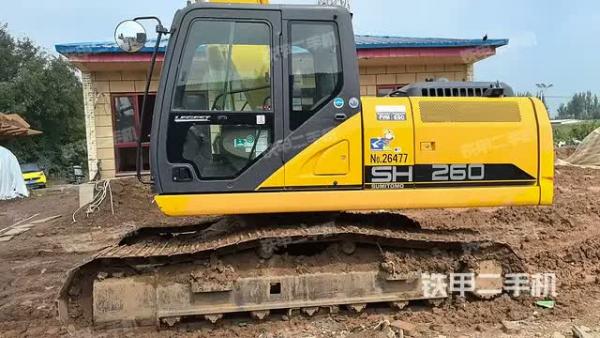
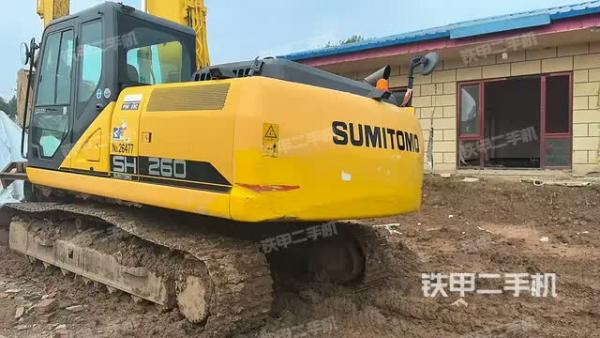
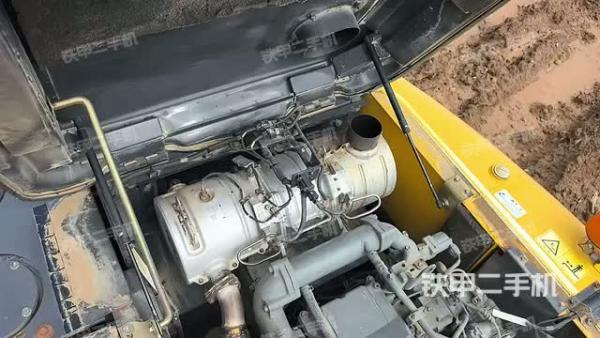
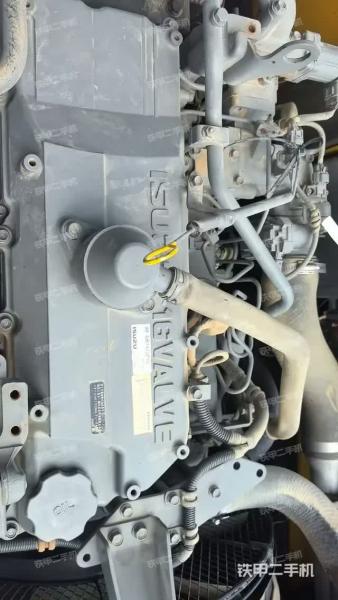
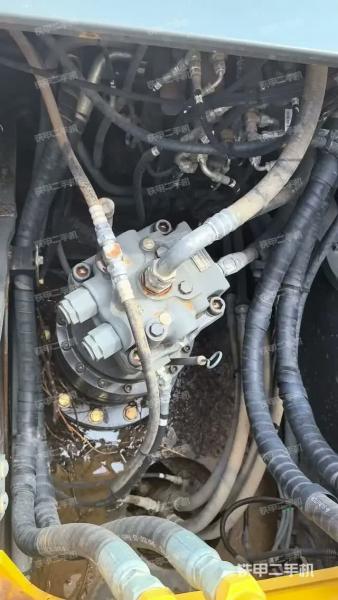
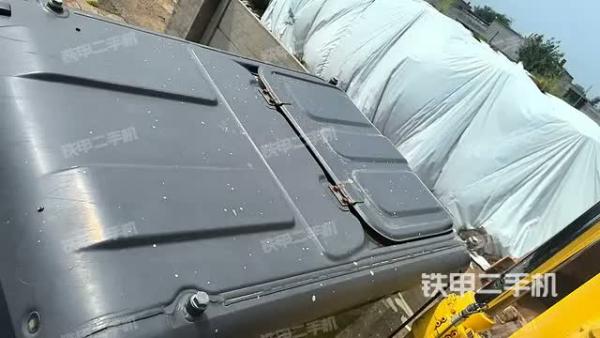
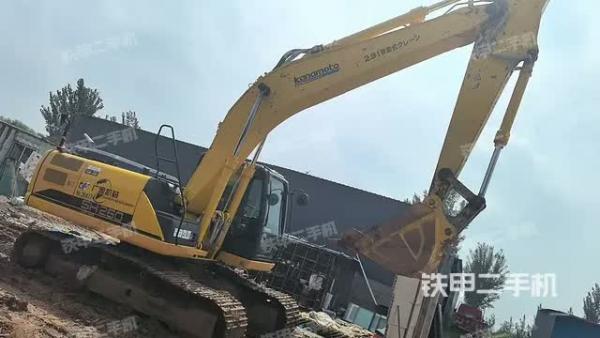
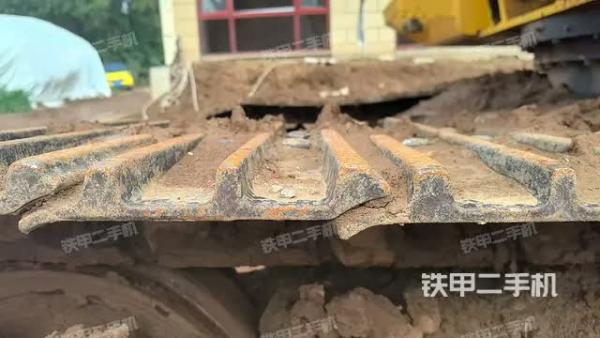
ID:1826427
- Brand: Sumitomo
- Model: SH200-6
- Year of Manufacture: 2017
- Hours: 5847 hours
- Storage Location: Hebei, Cangzhou City
The Sumitomo SH200-6 is a robust and powerful excavator that has been widely appreciated in the construction and mining sectors. Manufactured in 2017, this machine is built to offer excellent performance, reliability, and efficiency in a variety of demanding environments. Let's take a closer look at the details of this model and what makes it a trusted choice for many operators.
Basic Information- Brand: Sumitomo
- Model: SH200-6
- Year of Manufacture: 2017
- Hours: 5847 hours
- Location: Hebei, Cangzhou City
The Sumitomo SH200-6 belongs to the SH series, which is known for its efficiency and durability. The SH200-6 is typically used in earthmoving, construction, and mining projects, and it has been designed with a focus on reducing operating costs while maintaining high productivity levels.
Key Features and Specifications- Operating Weight: 20 tons
- Engine Power: 118 kW
- Bucket Type: Backhoe
- Engine Type: Cummins 6BTA5.9-C
- Fuel Capacity: 330 L
- Hydraulic System: Closed-center load-sensing hydraulic system
Engine and Performance
The SH200-6 is powered by a 6-cylinder Cummins engine, providing ample power for heavy-duty tasks. The engine's performance is bolstered by a closed-center load-sensing hydraulic system that ensures efficient use of energy while reducing fuel consumption. With an operating weight of 20 tons, this machine is capable of digging depths of up to 6.5 meters, making it ideal for various construction and excavation applications.
Hydraulic System and Control
The hydraulic system of the SH200-6 is equipped with advanced components designed to provide optimal lifting force and digging power. With a digging force of 151 kN at the bucket and 109 kN at the arm, the machine performs excellently in tasks such as trenching, material handling, and lifting. The hydraulic system is also designed for smooth operation, ensuring precise control over the machine's movements.
Fuel Efficiency and Maintenance
One of the standout features of the SH200-6 is its fuel efficiency. Thanks to the engine's electronic controls and optimized hydraulic system, the machine consumes less fuel without compromising performance. This translates into lower operational costs, making it a cost-effective choice for long-term operations. Routine maintenance is made easier by the machine’s easy access to key components, ensuring that operators can keep the machine running smoothly for years.
Why Choose the Sumitomo SH200-6?
Sumitomo is a respected name in the construction and heavy equipment industry, known for producing durable, efficient machines. The SH200-6 continues this tradition with its reliable engine, fuel efficiency, and powerful hydraulic system. Whether used for large-scale construction projects, excavation, or material handling, the SH200-6 is designed to handle the demands of any heavy-duty job. The machine's moderate hours of use (5847 hours) indicate that it is still in excellent condition for continued work, and it is priced competitively for those looking for quality used equipment.
Conclusion
In conclusion, the Sumitomo SH200-6 is a versatile, durable, and efficient excavator. Its high digging capacity, advanced hydraulic system, and fuel-efficient engine make it an ideal choice for operators in need of a reliable machine for heavy-duty tasks. Whether you're working on construction, demolition, or mining projects, the SH200-6 stands as a trusted and efficient partner for the job.
|
|
|
|
|



