| Welcome, Guest |
You have to register before you can post on our site.
|
| Online Users |
There are currently 125 online users.
» 0 Member(s) | 111 Guest(s)
Ahrefs, Amazon, Applebot, Bing, Claude, DataForSeo, DotBot, Facebook, Google, MJ12, Semrush, Seznam, Sogou
|
| Latest Threads |
Identifying and Sourcing ...
Forum: Parts , Attachments & Tools
Last Post: MikePhua
01-07-2026, 06:29 PM
» Replies: 0
» Views: 357
|
Cat 931B Brake Parts
Forum: Parts , Attachments & Tools
Last Post: MikePhua
01-07-2026, 06:29 PM
» Replies: 0
» Views: 251
|
Choosing Between Cat 228,...
Forum: General Discussion
Last Post: MikePhua
01-07-2026, 06:28 PM
» Replies: 0
» Views: 376
|
Fix It or Part It Out
Forum: General Discussion
Last Post: MikePhua
01-07-2026, 06:27 PM
» Replies: 0
» Views: 322
|
Hydraulic Delay When Lowe...
Forum: Troubleshooting & Diagnosing
Last Post: MikePhua
01-07-2026, 06:27 PM
» Replies: 0
» Views: 387
|
Bale Chopper and Mulcher ...
Forum: General Discussion
Last Post: MikePhua
01-07-2026, 06:26 PM
» Replies: 0
» Views: 276
|
Mini UC Maintenance
Forum: General Discussion
Last Post: MikePhua
01-07-2026, 06:25 PM
» Replies: 0
» Views: 265
|
Locating Wiring Informati...
Forum: General Discussion
Last Post: MikePhua
01-07-2026, 06:24 PM
» Replies: 0
» Views: 305
|
Case Industrial Brown Sub...
Forum: Parts , Attachments & Tools
Last Post: MikePhua
01-07-2026, 06:23 PM
» Replies: 0
» Views: 247
|
Dirt Work in West Virgini...
Forum: Construction & Urban Infrastructure Forum
Last Post: MikePhua
01-07-2026, 06:23 PM
» Replies: 0
» Views: 327
|
|
|
| Caterpillar D6 9U Hood Repair and Maintenance Considerations |
|
Posted by: MikePhua - 09-10-2025, 12:51 AM - Forum: Troubleshooting & Diagnosing
- No Replies
|
 |
Introduction to the Caterpillar D6 9U
The Caterpillar D6 9U is a well-known model of bulldozer that has earned a reputation for its ruggedness and reliability in demanding work environments. Originally designed for heavy-duty tasks such as land clearing, grading, and construction, the D6 9U continues to be a preferred choice in many industries where powerful and durable equipment is required.
Manufactured by Caterpillar Inc., a global leader in heavy machinery and engines, the D6 series bulldozer is renowned for its robust performance, ease of operation, and long service life. The D6 9U, a variant from the late 1970s and early 1980s, features advanced features for its time, including a durable undercarriage and a powerful engine capable of withstanding the toughest conditions.
In this article, we will explore some of the common maintenance and repair issues faced by D6 9U operators, specifically focusing on the hood and engine components. We will discuss how these components can wear over time, what issues may arise, and how to effectively address them.
Common Problems with the D6 9U Hood
The hood of a bulldozer, including the D6 9U, plays a crucial role in protecting the engine and other critical components from the environment. It shields the internal parts from debris, weather conditions, and dust while also providing easy access for maintenance and repairs. However, like any other part of the machine, the hood can suffer from wear and tear, especially when operating in harsh environments.
Some of the most common issues related to the D6 9U hood include: - Structural Damage: The hood is subject to impacts from falling debris, rocks, and other heavy materials. Over time, these impacts can cause cracks or dents in the metal, weakening the hood's structural integrity. While minor cosmetic damage may not affect performance, more severe damage can result in a compromised protective function.
- Latch and Hinge Failures: The hood’s latching mechanism and hinges are crucial for providing secure closure and easy opening. Failure of these components due to wear or corrosion can prevent the hood from staying closed during operation, leading to safety risks and potential damage to engine components.
- Corrosion and Rust: As the D6 9U is often used in harsh environments, exposure to moisture and chemicals can cause the metal parts of the hood to corrode over time. This can lead to holes or weakening of the metal, compromising the protection of the engine.
- Improper Alignment: Frequent use of the bulldozer and improper maintenance can result in the hood becoming misaligned. A misaligned hood can cause difficulty in opening and closing, or it may not close properly, leading to vibration or rattling during operation.
Causes of Hood Damage on the D6 9U
Understanding the root causes of hood damage is essential to addressing issues before they escalate. Some of the leading factors contributing to damage on the D6 9U hood include:- Harsh Operating Conditions: Bulldozers like the D6 9U are often used in tough environments, such as construction sites, mining operations, and land clearing. These conditions expose the equipment to flying debris, heavy materials, and impacts that can damage the hood over time.
- Lack of Maintenance: Like all heavy equipment, the D6 9U requires regular maintenance to keep the hood and other components in working condition. If the hood is not regularly inspected for damage, small issues such as rust or misalignment can go unnoticed and worsen over time.
- Corrosion from Environmental Exposure: Prolonged exposure to rain, mud, and other environmental factors can cause corrosion on the metal parts of the hood. This is particularly problematic when the bulldozer is stored outdoors or in areas with high humidity.
- Frequent Use without Proper Shutdown: Operating the bulldozer without allowing it to cool down properly can cause the engine and hood to overheat, leading to warping or stretching of the metal. This can affect the alignment and function of the hood.
Repairing and Replacing the D6 9U Hood
When the hood on a D6 9U suffers damage, it is essential to address the issue promptly to avoid further complications. Depending on the extent of the damage, repairs can range from simple adjustments to full replacements of the hood or individual components. Here are some solutions for addressing common hood issues:- Structural Repair: If the hood has minor dents or cracks, a welding professional can often repair the metal. For larger cracks or damaged areas, it may be necessary to replace the entire section of the hood to ensure the structural integrity of the component is restored.
- Replacing Latches and Hinges: If the latching mechanism or hinges have become corroded or worn out, replacement parts are available. Using genuine Caterpillar parts is recommended to ensure compatibility and longevity of the components. Proper lubrication and regular inspections can help prevent future latch and hinge failures.
- Rust Treatment and Prevention: If the hood is showing signs of rust, it should be treated to prevent further corrosion. Sandblasting and applying a rust-resistant coating can help prolong the life of the hood. Storing the machine in a dry location and regularly cleaning the hood can help reduce the likelihood of rust buildup.
- Realigning the Hood: If the hood has become misaligned due to frequent use or impact, it may require realignment. This can be done by adjusting the hinges and latches to ensure proper closure. If the misalignment is due to damage to the frame or other components, it may be necessary to replace parts to restore proper function.
Preventive Measures for Maintaining the D6 9U Hood
Prevention is always better than repair, and regular maintenance of the D6 9U hood can help extend its lifespan and prevent major issues. Here are some preventive measures that can be taken:- Regular Inspections: Inspect the hood regularly for any signs of wear, rust, or damage. This includes checking the hinges, latches, and structural integrity of the metal. Catching small issues early can prevent bigger problems down the road.
- Proper Storage: If possible, store the bulldozer in a covered area or shelter to protect it from environmental exposure. Keeping the equipment dry and protected from the elements can prevent rust and corrosion.
- Lubrication and Adjustments: Regularly lubricate the latches and hinges to ensure smooth operation. Also, check that the hood is properly aligned and adjust it as needed to prevent wear on the components.
- Avoid Overloading: Avoid using the bulldozer for tasks that exceed its capacity, as this can cause unnecessary strain on the frame, engine, and hood.
Conclusion
The Caterpillar D6 9U is a rugged and reliable bulldozer that can withstand tough working conditions. However, like all heavy machinery, it requires regular maintenance and care to ensure that its components, including the hood, remain in top condition. By addressing common issues such as damage to the hood, misalignment, corrosion, and latch failure, operators can ensure the continued safe and efficient operation of the D6 9U.
Regular inspections, timely repairs, and proper storage can significantly extend the lifespan of the bulldozer, keeping it in excellent working condition for many years. Whether performing heavy earth-moving tasks or clearing land, the D6 9U remains an invaluable tool for operators who rely on its strength and reliability in the field.
|

|
|
| Troubleshooting the 2014 CAT 299D Skid Steer: Common Issues and Solutions |
|
Posted by: MikePhua - 09-10-2025, 12:51 AM - Forum: Troubleshooting & Diagnosing
- No Replies
|
|
The 2014 Caterpillar CAT 299D Skid Steer is a powerful and versatile machine, often used for landscaping, construction, and material handling. As with any heavy equipment, regular maintenance and troubleshooting are crucial to ensuring it performs optimally. In this article, we explore the common issues that operators face with the CAT 299D, common symptoms, diagnostic procedures, and solutions.
Overview of the CAT 299D
The CAT 299D is part of Caterpillar’s D Series of compact track loaders, known for their advanced hydraulic systems, high lifting capacity, and robust design. With a powerful 74.3 kW (99 horsepower) engine, the 299D is designed to handle a variety of tasks, from digging and lifting to pushing and hauling. The compact design and rubber tracks allow the machine to operate on softer or more uneven ground compared to wheeled skid steers.
It comes equipped with a Hydraulic Quick Coupler, variable hydraulic flow, and various attachments like bucket, forks, or a planer, making it a highly adaptable machine for various industries.
Common Issues with the 2014 CAT 299D
- Hydraulic System Failures
One of the most common issues with the CAT 299D involves the hydraulic system. Given that the 299D uses hydraulics to power the bucket, lifting arms, and other attachments, any issues here can significantly impact performance. Symptoms of hydraulic issues include:- Slow or unresponsive hydraulic movements
- Leaking fluid
- Strange noises from hydraulic pumps
Possible Causes:- Low Hydraulic Fluid: Ensure the hydraulic fluid levels are within the manufacturer’s recommended range. Low fluid can cause sluggish operation or complete hydraulic failure.
- Clogged Hydraulic Filters: Dirty or clogged filters can restrict fluid flow, leading to reduced performance or erratic movement.
- Damaged Hoses or Seals: Cracked or worn hoses can cause leaks, leading to a loss of pressure in the hydraulic system.
Solution:- Check and replace hydraulic filters as per the maintenance schedule.
- Inspect hydraulic hoses for wear or leaks.
- Ensure fluid levels are topped up and use the appropriate hydraulic fluid recommended by CAT.
- If the issue persists, test the hydraulic pump pressure and replace if needed.
- Engine Performance Issues
While the CAT 299D is known for its reliable engine, like all machinery, it can experience engine performance problems. Common issues include:- Engine misfiring or stalling
- Loss of power
- Increased fuel consumption
Possible Causes:- Dirty Air Filter: A clogged air filter can reduce airflow to the engine, resulting in poor performance.
- Fuel System Blockages: The fuel injectors or fuel filters might be clogged, preventing proper fuel delivery.
- Faulty Sensors: A malfunctioning engine sensor, like the throttle position sensor or mass airflow sensor, could lead to incorrect fuel mixture and engine inefficiency.
Solution:- Inspect and replace the air filter as part of regular maintenance.
- Check and clean the fuel injectors and fuel filters.
- Use a diagnostic scanner to identify sensor issues or perform a visual inspection of the sensors for signs of damage.
- If the issue is related to poor fuel quality, consider using a fuel treatment solution to prevent deposits from building up in the fuel system.
- Electrical Issues
Electrical failures can be frustrating, but they are common in modern equipment with complex electrical systems. Operators might experience:- Inconsistent starting
- Battery drainage
- Malfunctioning electrical controls
Possible Causes:- Battery Issues: Over time, the battery may lose charge capacity or suffer corrosion on the terminals, leading to starting issues.
- Faulty Alternator: A malfunctioning alternator can prevent the battery from charging properly, leading to battery drain.
- Wiring Problems: Loose or damaged wiring can cause electrical shorts, preventing components from receiving power.
Solution:- Check the battery condition, clean terminals, and ensure tight connections.
- Test the alternator’s charging capacity using a voltmeter.
- Inspect wiring connections, especially those to critical components like the ignition system and hydraulic pumps.
- Track and Suspension Problems
Given that the 299D is a tracked loader, issues with the undercarriage can be particularly problematic. Common track-related problems include:- Track slippage or track misalignment
- Uneven wear on tracks
- Noise or vibration from the suspension system
Possible Causes:- Improper Track Tension: Tracks that are either too tight or too loose can cause wear or damage to the undercarriage components.
- Worn Track Rollers: Worn or damaged rollers and sprockets can cause poor track alignment.
- Debris in Track System: Rocks or dirt stuck in the track system can hinder smooth movement and cause excessive wear.
Solution:- Regularly check and adjust track tension to keep them within manufacturer specifications.
- Inspect the undercarriage for any damage or wear, and replace rollers or sprockets as needed.
- Clean the tracks after operating in environments with heavy dirt or debris buildup.
- Overheating Problems
Overheating is a common issue for skid steer loaders and is usually linked to either engine or cooling system problems. Overheating symptoms include:- Temperature gauge showing high readings
- Engine performance dropping under load
- Visible coolant leaks
Possible Causes:- Coolant System Issues: A leaking radiator or blocked cooling fan can cause the engine to overheat.
- Low Coolant Levels: Insufficient coolant levels can result in poor heat dissipation, leading to overheating.
- Clogged Radiators or Coolers: Dirt, debris, or coolant buildup can block the radiator and prevent effective cooling.
Solution:- Regularly check coolant levels and top them up as needed.
- Inspect the radiator and cooling fan for dirt buildup and clean them.
- If coolant leaks are present, check for hose or radiator damage, and replace as necessary.
Final Thoughts on Troubleshooting the CAT 299D
The CAT 299D is a powerful and versatile skid steer, but like all machines, it requires regular maintenance and attention to avoid issues. By following the manufacturer's maintenance schedule, operators can prevent many of the common problems associated with the 299D, such as hydraulic failures, engine performance issues, and electrical malfunctions.
Regular inspections and timely repairs are the keys to keeping this machine in top condition. If problems persist despite routine maintenance, it’s advisable to consult with a professional technician who can diagnose and resolve more complex issues, ensuring the longevity and optimal performance of the CAT 299D.
|
|
|
|
| Case 450 Parts and Maintenance Considerations |
|
Posted by: MikePhua - 09-10-2025, 12:50 AM - Forum: Parts , Attachments & Tools
- No Replies
|
|
Introduction to the Case 450
The Case 450 is a well-regarded model in the Case Construction Equipment lineup, known for its reliability, durability, and strong performance in various applications such as road work, grading, and general excavation tasks. It is a versatile crawler loader used for everything from heavy lifting to precision grading, making it a key tool on many job sites.
Manufactured by Case Construction, which is a division of CNH Industrial, the Case 450 has a long history of serving contractors, farmers, and landscapers alike. Case has been a leading manufacturer of construction equipment since the early 1900s, providing innovative machinery for all types of industries.
The Case 450 crawler loader offers a balance between power and versatility. Whether used for construction, earthmoving, or roadwork, this machine is designed to perform efficiently while maintaining ease of operation.
Common Parts and Maintenance Requirements for the Case 450
Like any heavy machinery, the Case 450 requires regular maintenance and attention to ensure longevity and peak performance. When parts begin to wear out, it is important for operators and owners to know where to find the necessary components for repair and replacement.
Key Parts for the Case 450 Crawler Loader
Some of the most frequently needed parts for the Case 450 crawler loader include: - Transmission and Hydraulic Components: Over time, the transmission and hydraulic systems may show signs of wear. Issues such as slipping gears, low hydraulic pressure, or fluid leaks can occur. These systems require high-quality, durable parts to maintain efficient performance.
- Tracks and Undercarriage: The undercarriage, including the tracks, rollers, and idlers, bears the brunt of the machine’s movement. These components are highly susceptible to wear, especially in harsh working conditions. Regular checks on track tension, wear patterns, and roller conditions are essential.
- Engine Components: The engine is the heart of any machine, and the Case 450 is no exception. Regular checks and replacement of engine parts, such as fuel filters, air filters, oil filters, and gaskets, are vital for smooth operation.
- Steering and Hydraulic Cylinders: The steering components and hydraulic cylinders experience significant stress during operation. It is important to ensure that these components are well-maintained to avoid leaks and steering issues.
- Brake System: The brake system on the Case 450 is a crucial safety feature. Regular inspection of the brake pads, lines, and fluid levels ensures that the machine operates safely at all times.
Sourcing Replacement Parts for the Case 450
When parts for the Case 450 wear out or malfunction, sourcing the right components becomes critical. Here are some suggestions for acquiring high-quality replacement parts:- Authorized Dealers: The best source for replacement parts is through authorized Case dealers. These dealers offer genuine parts that are designed specifically for the Case 450, ensuring compatibility and performance. Additionally, using original parts maintains the warranty and guarantees reliability.
- Aftermarket Suppliers: While genuine parts are the best option, aftermarket parts are often a more affordable solution. When purchasing aftermarket components, it is important to research the supplier’s reputation and ensure that the parts are of high quality and suitable for the Case 450.
- Salvage Yards and Used Parts: For owners looking for more cost-effective solutions, salvage yards or equipment auctions can be an excellent resource. Used parts from a well-maintained machine can offer significant savings, though they require careful inspection to ensure their usability and quality.
- Online Marketplaces: Online platforms like eBay or other specialized machinery parts websites can provide easy access to a variety of parts. However, buyers should be cautious and ensure they are purchasing from reputable sellers to avoid counterfeit or low-quality components.
Common Issues and Troubleshooting for the Case 450
Over the years, the Case 450 may experience certain common issues that owners should be aware of. Understanding these problems and having a troubleshooting guide is essential to minimizing downtime and ensuring smooth operations on the job site.- Hydraulic Leaks: Hydraulic leaks are one of the most common issues in older machines. These leaks may occur at the hose connections, cylinder seals, or pump. Regular inspection of hydraulic lines and seals is critical. Using high-quality hydraulic fluid and maintaining proper fluid levels can help prevent this issue.
- Engine Overheating: An overheating engine can lead to serious damage if left unaddressed. Causes can include low coolant levels, faulty thermostats, or clogged cooling systems. Ensure the coolant is regularly topped up and check for any obstructions in the radiator or cooling fan.
- Steering Problems: Difficulty in steering or unresponsiveness can often be traced back to issues with the hydraulic steering system, including leaks or low fluid levels. Regular maintenance of the hydraulic system, including checking fluid levels and replacing worn seals, can help resolve these issues.
- Track Wear: Worn tracks are a common problem, particularly in machines that operate on rough terrain. Inspecting the tracks regularly and keeping them adjusted to the correct tension can help extend their lifespan.
Tips for Maintaining Your Case 450
Preventive maintenance is key to prolonging the life of the Case 450 crawler loader. Here are some maintenance tips:- Daily Inspections: Before every use, perform a quick inspection of the machine. Check for visible leaks, track wear, and fluid levels. It’s important to catch minor issues before they escalate.
- Regular Oil Changes: Oil changes are critical for maintaining engine health. Follow the manufacturer’s guidelines for oil change intervals and use the recommended oil type to ensure optimal engine performance.
- Clean and Lubricate: Keeping the moving parts clean and well-lubricated reduces wear and tear. This is especially important for the undercarriage and transmission systems.
- Monitor Usage and Avoid Overloading: Overloading the Case 450 can cause excessive strain on the engine, transmission, and hydraulic systems. Always adhere to the recommended load limits for the machine to prevent unnecessary wear.
Conclusion
The Case 450 crawler loader remains a reliable and powerful tool for heavy-duty construction, excavation, and road work. However, like all machines, it requires regular maintenance and occasional replacement of parts to ensure it continues to perform at its best. By understanding the common problems, sourcing the right parts, and performing timely maintenance, owners can keep their Case 450 running efficiently for years to come.
Whether through authorized dealers, aftermarket suppliers, or used parts, there are many options available to ensure the Case 450 remains operational. Regular inspections and preventive maintenance can help avoid costly repairs and extend the life of the equipment, maximizing its value on the job site.
|
|
|
|
| Understanding the Erin Track Jaw Crusher |
|
Posted by: MikePhua - 09-10-2025, 12:50 AM - Forum: Parts , Attachments & Tools
- No Replies
|
|
The Erin Track Jaw Crusher is a mobile crushing solution known for its robust design, powerful performance, and versatility in various applications. Used primarily for demolition and mining operations, this crusher has earned its place as a reliable tool for contractors needing a compact yet effective machine for their aggregate processing needs. In this article, we will explore its specifications, applications, and key features, providing a comprehensive understanding of its capabilities.
Development and Manufacturer Background
The Erin Track Jaw Crusher is produced by Erin Engineering, a company that specializes in providing high-quality, durable equipment for the construction and mining industries. Erin Engineering, established decades ago, has built a reputation for manufacturing equipment that is reliable and efficient, with an emphasis on mobile solutions. Their commitment to quality engineering is reflected in the design of the Track Jaw Crusher, which is crafted for both efficiency and portability.
The Erin Track Jaw Crusher is part of the broader trend towards mobile equipment solutions that help streamline construction processes, especially in sites with space limitations or when materials need to be processed on-site to reduce transportation costs.
Erin Track Jaw Crusher Specifications
The Erin Track Jaw Crusher combines high performance with the ability to move easily across job sites. Below are some key specifications that define its performance: - Engine Power: The Erin Track Jaw is typically powered by a diesel engine capable of producing around 200-300 horsepower, which provides the machine with the strength needed to crush various materials such as concrete, asphalt, and natural rock.
- Crusher Type:
- Type: Jaw Crusher
- Feed opening: Approx. 900mm x 600mm (varies depending on model)
- Discharge opening: Adjustable between 60mm to 150mm.
- Jaw Movement: The crusher features a single toggle jaw, which allows for continuous crushing, producing a consistently high-quality output.
- Tracked Mobility: The track system gives the crusher significant mobility across construction and demolition sites, offering excellent maneuverability even on rough terrain.
- Crusher Output:
- The machine can process up to 250 tons per hour, depending on the material and settings.
- Adjustable crusher settings allow operators to optimize production based on material type and desired output size.
- Dimensions:
- Length: Approx. 12 meters
- Width: Approx. 2.5 meters
- Height: Approx. 3 meters
- Weight: Typically weighs around 30-35 tons, making it a heavy-duty mobile unit.
- Fuel Tank Capacity: The Erin Track Jaw Crusher is equipped with a large fuel tank, with a typical capacity of 300-500 liters, allowing it to run for extended periods before refueling.
Key Features and Advantages
- Versatility in Applications:
The Erin Track Jaw Crusher is highly versatile, making it suitable for various applications in the construction, demolition, and mining industries. Whether used to process waste concrete, rock, gravel, or asphalt, the machine provides a compact yet powerful solution. Its ability to crush large materials and reduce them into usable sizes makes it an essential tool for many contractors.
- Mobile Design:
One of the key benefits of the Erin Track Jaw Crusher is its mobility. Unlike stationary crushers, the track-mounted design allows it to be easily relocated from one area to another, minimizing the need for transportation. This mobility is particularly useful on large construction or demolition sites, where moving equipment quickly is crucial for maintaining project timelines.
- Ease of Operation:
The Erin Track Jaw Crusher is designed with simplicity in mind. The operator's cab features user-friendly controls, making it easy to operate even for those with minimal training. In addition, the adjustable discharge opening allows for quick changes in settings, adapting the machine to different material types or crushing requirements.
- Durability:
Built with robust materials, the Erin Track Jaw Crusher is designed to withstand the wear and tear associated with heavy-duty operations. Its components, such as the jaw plates and crushers, are made from high-strength steel to ensure longevity and reduce the frequency of maintenance.
- Efficient Crushing:
The combination of a single toggle jaw with a large feed opening allows for efficient crushing with minimal downtime. This feature is particularly valuable for high-volume projects, where maintaining consistent output is essential.
Applications in the Field
The Erin Track Jaw Crusher is utilized across various industries, particularly in construction and mining. It is widely used for:
- Demolition Projects: The mobile nature of the machine allows it to easily move around sites and crush materials directly where they are generated. This is ideal for breaking down concrete, brick, and other materials without the need for transporting them to a stationary crusher.
- Construction Aggregates: For road building and large infrastructure projects, the Erin Track Jaw Crusher produces high-quality crushed stone for aggregate use. The ability to adjust the discharge opening ensures that contractors can get the right material for their specific needs.
- Mining Operations: The heavy-duty capabilities of the Erin Track Jaw Crusher make it a viable choice for small to medium-scale mining operations. It can process a wide variety of ores and minerals, providing a cost-effective solution for on-site material processing.
- Recycling: The crusher’s ability to handle waste materials like concrete and asphalt makes it a valuable tool for recycling operations. By crushing the waste material, it can be reused for road construction or other applications, supporting sustainability efforts in construction.
Maintenance and Longevity
The Erin Track Jaw Crusher is known for its durability and long service life. However, like any heavy machinery, it requires regular maintenance to ensure optimal performance. Operators should follow a routine maintenance schedule, including checking the engine, hydraulic systems, and jaw plates for wear. Regular cleaning and lubrication of moving parts will help extend the machine’s lifespan and prevent downtime.
In addition, the machine’s diagnostic system helps identify potential issues early, allowing operators to make necessary repairs before they turn into costly problems.
Conclusion
The Erin Track Jaw Crusher is an essential piece of equipment for contractors who require a mobile, powerful, and efficient solution for crushing materials on-site. Its combination of flexibility, ease of use, and heavy-duty performance makes it suitable for a wide range of applications, from demolition to mining.
With its strong reputation for reliability and productivity, the Erin Track Jaw Crusher continues to be a top choice for contractors seeking to reduce operational costs and improve efficiency. Its ability to adapt to different tasks and materials ensures it remains an indispensable tool in the world of heavy machinery.
|
|
|
|
| Bush Hog 278 Gearbox Problems and Solutions |
|
Posted by: MikePhua - 09-10-2025, 12:50 AM - Forum: Troubleshooting & Diagnosing
- No Replies
|
|
Introduction to the Bush Hog 278 Gearbox
The Bush Hog 278 is a widely used rotary cutter, known for its durability and efficiency in tackling tough mowing jobs in agriculture, construction, and land management. It is especially popular for clearing brush, thick grass, and even small trees. The gearbox is a critical component of this machine, transferring power from the engine to the blade assembly, ensuring efficient operation. However, like many pieces of heavy equipment, the Bush Hog 278 gearbox can face issues that need addressing to ensure smooth operation.
In this article, we will discuss common problems associated with the Bush Hog 278 gearbox, explore the causes behind them, and provide solutions based on real-world experiences and industry practices.
Common Problems with the Bush Hog 278 Gearbox - Overheating: One of the most common issues that users report is overheating of the gearbox. This can occur due to several factors, such as insufficient lubrication, excessive load on the cutter, or lack of proper maintenance. Overheating can cause significant damage to the internal components, leading to costly repairs or replacements.
- Oil Leaks: Gearboxes are designed to be sealed units that retain oil for proper lubrication. However, over time, seals may wear out, leading to oil leaks. This issue is not only inconvenient but can also result in the gearbox running dry, which causes excessive wear and potential failure of the gearbox.
- Gear Wear and Damage: Gearboxes rely on precise gearing mechanisms to transfer power. If these gears are not properly lubricated or are exposed to excessive stress, they can wear down or break. This can lead to grinding noises, difficulty in operation, or a complete failure of the gearbox.
- Failure of Bearings: Bearings are essential for the smooth rotation of the gears within the gearbox. If these bearings fail, it can lead to metal-on-metal contact, creating friction, heat, and ultimately, gearbox failure. Bearing failure is often a result of prolonged use without proper maintenance or the use of low-quality lubricants.
Causes of Gearbox Problems
Several factors contribute to the problems faced by the Bush Hog 278 gearbox. Understanding these causes can help in preventing or addressing issues before they lead to significant damage.- Inadequate Lubrication: The gearbox relies heavily on lubrication to reduce friction and ensure smooth operation. If the oil level is too low or the oil becomes contaminated, it can cause the gears to grind, overheat, and eventually fail. It’s important to regularly check the oil levels and replace it as needed.
- Improper Usage: Operating the Bush Hog 278 under conditions that exceed its recommended load capacity can put excessive strain on the gearbox. This can lead to overheating, gear wear, and failure of internal components. Always follow the manufacturer’s guidelines for optimal operation.
- Neglecting Maintenance: Regular maintenance is essential for keeping the gearbox running smoothly. Failing to clean and lubricate the gearbox regularly can lead to the buildup of debris, which can damage gears and bearings. In addition, neglecting to inspect the gearbox for potential issues can allow small problems to develop into major ones.
- Environmental Factors: Exposure to extreme temperatures, dirt, and moisture can also contribute to gearbox problems. In areas where the equipment is exposed to high humidity or dusty conditions, the seals can degrade faster, and the oil may become contaminated more quickly.
Preventative Measures and Solutions
Addressing gearbox issues before they become major problems is critical to prolonging the life of your Bush Hog 278 rotary cutter and avoiding costly repairs.- Regular Lubrication and Oil Changes: Ensure that the gearbox is always properly lubricated. Regularly check the oil levels and replace the oil according to the manufacturer’s schedule. It’s also important to use the recommended oil type, as using the wrong oil can lead to premature wear.
- Proper Usage and Load Management: Always follow the manufacturer’s guidelines regarding load capacities and operating conditions. Overloading the cutter or running it at high speeds for prolonged periods can put unnecessary strain on the gearbox.
- Routine Inspection and Maintenance: Set up a routine maintenance schedule that includes inspecting the gearbox for signs of wear, checking oil levels, and cleaning out any debris that may have accumulated. Catching issues early can prevent larger problems down the road.
- Seal and Bearing Replacement: If oil leaks are detected, replace the seals immediately to prevent further damage. Bearings should also be checked regularly for signs of wear or damage. Replacing these components early can save you from having to replace the entire gearbox.
- Environmental Considerations: When operating in dusty or wet conditions, it’s important to clean the gearbox more frequently. Protecting the machine from environmental factors such as water and excessive dirt can help preserve the seals and prevent contamination.
Repair and Replacement of the Gearbox
In cases where the gearbox has suffered significant damage, repairs may be necessary. Gearbox repair can be a complex and expensive process, depending on the extent of the damage. It may involve replacing gears, seals, bearings, or even the entire gearbox assembly. In some cases, it may be more cost-effective to replace the gearbox rather than attempting to repair it.
When considering a replacement, always opt for parts that are compatible with the Bush Hog 278 model. Using aftermarket parts can lead to compatibility issues, reduced performance, and potential damage to the equipment. It’s always recommended to source parts from authorized dealers to ensure quality and reliability.
Conclusion
The Bush Hog 278 gearbox is a critical component in ensuring the proper functioning of the rotary cutter. By understanding the common problems that can arise and taking the necessary preventative measures, operators can prolong the life of their equipment and avoid expensive repairs. Regular maintenance, proper lubrication, and attention to operating conditions are key to keeping the gearbox in top shape.
Whether you're clearing fields, preparing land for construction, or maintaining pastures, a well-maintained Bush Hog 278 will continue to perform reliably for many years to come. By addressing issues early and using high-quality parts and lubricants, you can ensure your equipment stays in peak condition, maximizing productivity and minimizing downtime.
|
|
|
|
| Understanding the CAT 420E Backhoe Loader |
|
Posted by: MikePhua - 09-10-2025, 12:49 AM - Forum: General Discussion
- No Replies
|
|
The CAT 420E backhoe loader is one of the most popular models in the Caterpillar lineup. Known for its impressive performance, versatility, and durability, it serves as an essential tool for various construction, landscaping, and agriculture tasks. In this article, we explore the specifications, capabilities, and unique features of the CAT 420E, along with insights into its development and usage in real-world applications.
Development History and Background
Caterpillar has a long legacy in manufacturing construction equipment, with the 420E being a part of their backhoe loader series. The 420E was designed to replace its predecessor, the 420D, offering enhanced engine performance, better hydraulic power, and improved operator comfort. The 420E is a part of Caterpillar’s “E-Series” family, which represents a transition to more efficient and environmentally-friendly machinery.
Caterpillar, founded in 1925, is one of the world's largest manufacturers of construction and mining equipment. The company is known for its continuous innovation and focus on durability, which is why Caterpillar machines are widely respected and sought after in industries worldwide.
CAT 420E Specifications
The CAT 420E backhoe loader comes equipped with a range of features that make it a standout in its class: - Engine:
- Model: C4.4 ACERT
- Rated Power: 92 kW (123 hp)
- Displacement: 4.4 L
- Type: Turbocharged diesel engine (Caterpillar ACERT technology ensures better fuel efficiency and compliance with emission standards)
- Dimensions:
- Operating Weight: 7,850 kg (17,300 lbs)
- Length: 5,850 mm (231.9 in)
- Width: 2,350 mm (92.5 in)
- Height: 3,720 mm (146.5 in)
- Hydraulic System:
- Maximum Flow: 143 L/min
- Digging Force (Backhoe): 6,730 kg (14,830 lbs)
- Digging Force (Loader): 5,640 kg (12,450 lbs)
- Performance:
- Maximum Digging Depth (Backhoe): 5,810 mm (228 in)
- Loader Bucket Capacity: 1.0 m³ (1.3 yd³)
- Transmission:
- Type: Hydrostatic drive
- Speeds: 4 Forward, 4 Reverse gears
- Maximum Speed: 40 km/h (24.8 mph)
- Fuel Capacity:
- 140 L (37 gal), ensuring extended operating hours for large projects.
Key Features and Benefits
The CAT 420E backhoe loader is designed for a variety of tasks, ranging from digging, lifting, and backfilling to material handling and trenching. Let’s look at some key features:
- Advanced Hydraulic System:
The hydraulic system on the 420E delivers more power to the backhoe, allowing for faster cycle times and improved lifting capacity. With a maximum flow of 143 L/min, it ensures smooth and efficient operation, even when working with heavy loads.
- Comfort and Productivity:
The operator's cab of the 420E is designed for comfort. The seating is ergonomically designed with easy access to controls, minimizing operator fatigue during long working hours. The cab is also fully sealed to reduce noise levels and vibration, providing a quieter and more pleasant work environment.
- Fuel Efficiency:
Powered by the C4.4 ACERT engine, the 420E offers significant fuel savings compared to previous models. The engine complies with stringent Tier 3 emissions standards while delivering consistent power, making it an eco-friendly option for construction projects.
- Versatility:
As a backhoe loader, the 420E is capable of performing multiple tasks with just one machine. The loader bucket can be used for lifting, leveling, and digging, while the backhoe arm allows for deep trenching and digging in narrow spaces. This makes it a cost-effective solution for both small and large-scale construction projects.
Applications and Real-World Usage
The CAT 420E is widely used in the construction industry for a range of tasks. From urban infrastructure projects to rural road construction and agricultural work, its versatility has made it a go-to machine for contractors.
For example, in a road construction project, the 420E can be used to dig trenches for utilities, remove dirt, and backfill. The loader bucket can be used to load materials like gravel or soil into trucks, while the backhoe arm is perfect for digging deep holes for foundations. This all-in-one functionality makes the 420E indispensable in many industries.
One real-world case study comes from a highway construction company in the U.S., which used the 420E to speed up the completion of a road project by using the backhoe to quickly dig and load soil, significantly reducing the amount of time spent on labor and equipment switching. By using the 420E for multiple tasks, the company managed to cut its project timeline by several weeks.
Maintenance and Longevity
Like all Caterpillar machines, the CAT 420E is built to last. Routine maintenance is essential to keeping the backhoe running at optimal performance. Regular checks on the hydraulic system, engine, and transmission can extend the machine's life and ensure maximum efficiency. Caterpillar offers comprehensive service packages and genuine parts that ensure the 420E remains in top condition throughout its lifespan.
In addition, the CAT 420E comes with a diagnostic system that alerts operators to any potential issues, helping to prevent costly repairs and downtime.
Conclusion
The CAT 420E backhoe loader is a reliable, powerful, and versatile piece of equipment, ideal for a wide range of construction applications. Its combination of advanced technology, fuel efficiency, and operator comfort makes it an excellent choice for contractors looking for a machine that can handle a variety of tasks with ease.
Whether you're digging trenches, lifting materials, or backfilling, the 420E is designed to perform efficiently and effectively, making it a valuable asset to any construction fleet. As with all Caterpillar equipment, the 420E combines durability with innovation, ensuring it remains a top choice in the construction and heavy machinery markets.
|
|
|
|
| 2012 Komatsu PC270-7 Excavator, Pingdingshan, Henan - $9,831 |
|
Posted by: MikePhua - 09-09-2025, 11:03 PM - Forum: Used Excavators Trade
- No Replies
|
|
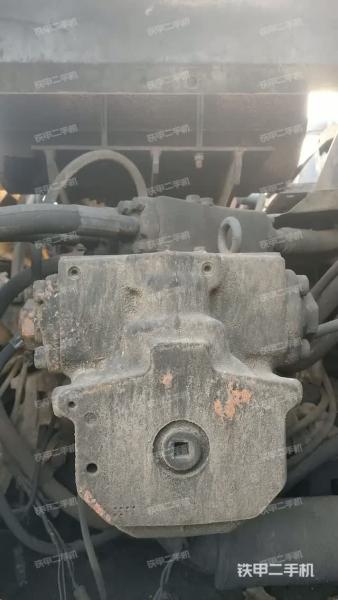
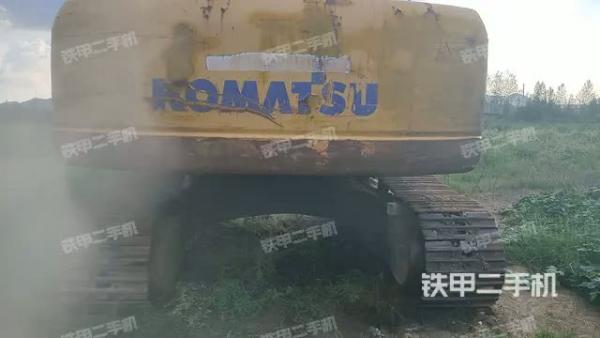
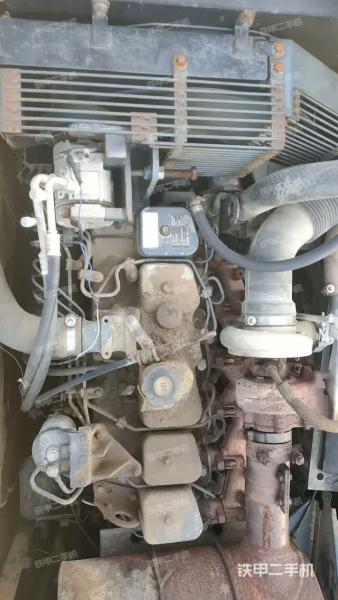
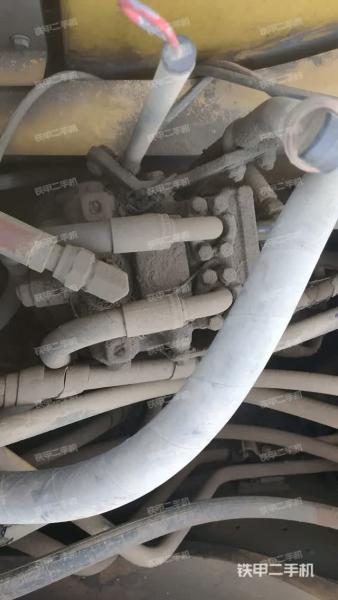
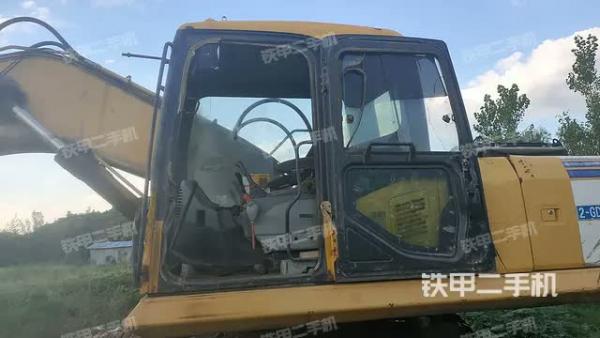
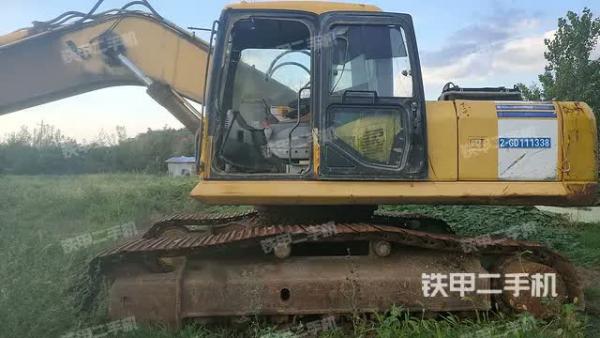
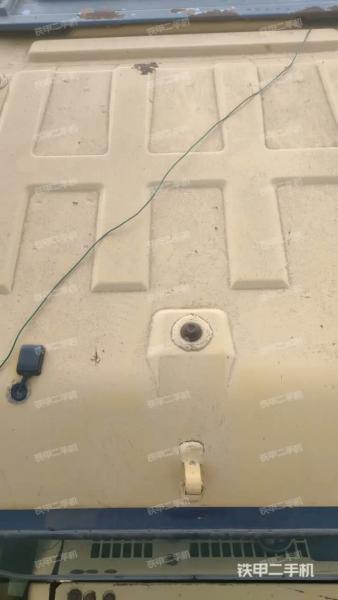
ID:1826544
- Brand: Komatsu
- Model: PC270-7
- Year of Manufacture: 2012
- Hours Worked: 13,500 hours
- Location: Pingdingshan City, Henan Province
Komatsu, a well-known brand in the heavy machinery industry, has long been recognized for its durable and high-performance construction equipment. The Komatsu PC270-7 model, a 27-ton hydraulic excavator, is an example of the company's commitment to reliability and efficiency in the construction and mining sectors. Launched in 2012, this model is built to handle demanding tasks with precision, offering exceptional digging power, stability, and fuel efficiency. Here's an in-depth look at the Komatsu PC270-7, its specifications, performance, and applications.
Basic Information- Brand: Komatsu
- Model: PC270-7
- Year of Manufacture: 2012
- Hours: 13,500 hours
- Location: Pingdingshan, Henan, China
- Operating Weight: 27,460 kg
- Bucket Capacity: 1.3 m³
The PC270-7 is widely used for earth-moving, digging, and grading tasks. Its ability to perform efficiently in a variety of working environments—whether in tight spaces or rough terrain—makes it an ideal choice for construction companies and contractors.
Power System
The PC270-7 is powered by a Komatsu SAA6D102E-2 engine, offering a rated power output of 134 kW at 2,050 rpm. This engine is known for its fuel efficiency and low emissions, meeting both EPA Tier 3 and EU III A standards. Its 5.88L displacement allows for excellent power delivery and operational reliability, ensuring that the machine can perform demanding tasks such as digging, lifting, and hauling.
Hydraulic System and Performance
The hydraulic system in the PC270-7 plays a crucial role in its performance. The main pump delivers a maximum flow rate of 450 L/min, which is critical for controlling the boom, arm, and bucket actions. With a maximum digging depth of 6,460 mm and a maximum reach of 10,100 mm, this excavator excels in both digging and lifting operations. Additionally, the hydraulic breakout force is an impressive 198 kN for the bucket, making it capable of handling tough materials with ease.
Dimensions and Mobility
The PC270-7 measures 9,790 mm in total transport length, 3,390 mm in width, and 3,210 mm in height. Its wide stance and low center of gravity contribute to stability, especially in uneven terrains. The undercarriage length is 4,625 mm, with a track width of 800 mm, ensuring good traction and maneuverability. The ground clearance of 498 mm and rear swing radius of 2,905 mm allow for easy operation in confined spaces.
Operational Reach and Capabilities- Maximum Digging Radius: 10,100 mm
- Maximum Digging Depth: 6,460 mm
- Maximum Digging Height: 10,000 mm
- Maximum Dumping Height: 7,035 mm
- Vertical Digging Depth: 5,650 mm
These specifications make the PC270-7 highly versatile, suitable for both digging deep trenches and reaching over obstacles.
Fuel and Maintenance Efficiency- Fuel Tank Capacity: 400L
- Hydraulic Oil Capacity: 143L
- Engine Oil Capacity: 24L
- Coolant Capacity: 30.9L
The fuel tank allows for extended work durations, reducing downtime for refueling. Additionally, the large hydraulic system ensures that the machine can operate continuously in demanding conditions without frequent maintenance interventions.
Applications in the Field
The Komatsu PC270-7 is designed to handle a variety of construction applications, including:
- Road Construction: With its powerful engine and robust hydraulic system, it can clear land, excavate trenches, and move large amounts of material.
- Mining Operations: The PC270-7 excels in mining tasks, where it needs to extract materials from tough soil or rock.
- Landscaping and Demolition: Its long reach and precise control make it effective in landscaping and demolition projects.
- General Construction: Whether it’s for site preparation or general excavation, the PC270-7 offers the flexibility needed for numerous projects.
Conclusion
The Komatsu PC270-7 excavator remains a top choice for many contractors due to its performance, reliability, and versatility. Whether you're working in construction, mining, or demolition, this machine can handle the job with precision and efficiency. With a long operational history, a proven track record, and modern features, the PC270-7 is well-suited for both small and large-scale projects.
|
|
|
|
| 2018 Caterpillar CAT®313D2 GC Mini Hydraulic Excavator, Hechi City, Guangxi - $30,617 |
|
Posted by: MikePhua - 09-09-2025, 10:59 PM - Forum: Used Excavators Trade
- No Replies
|
|
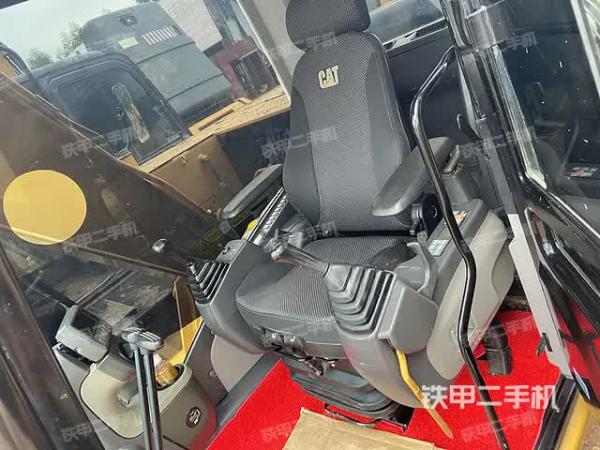
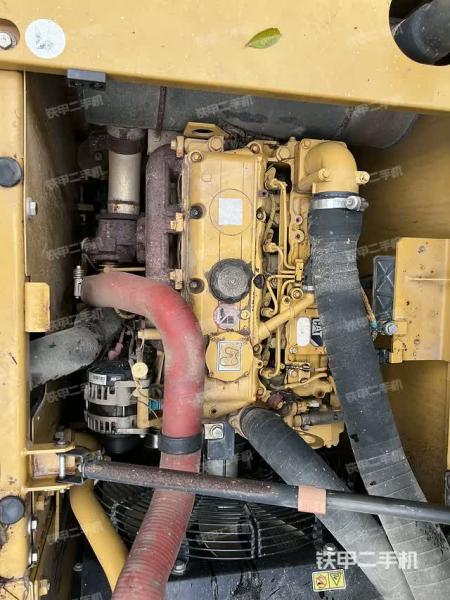
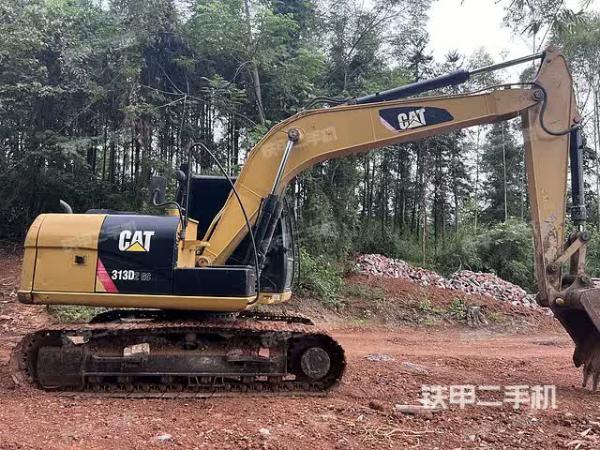
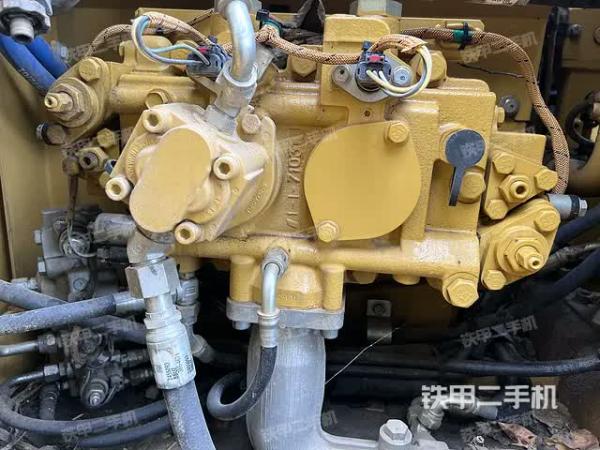
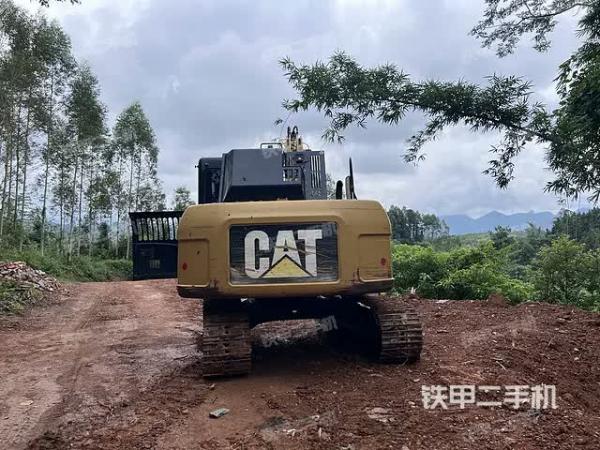
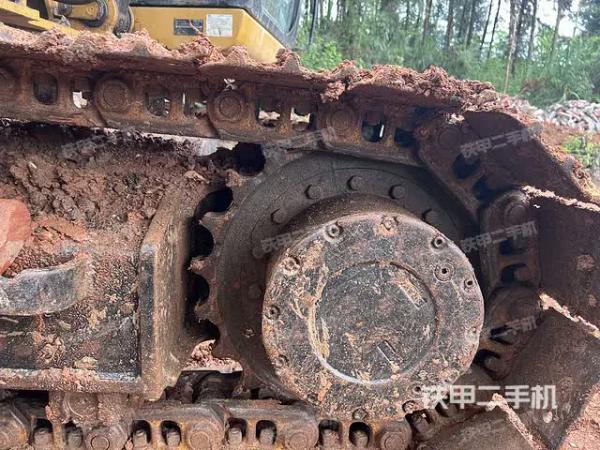
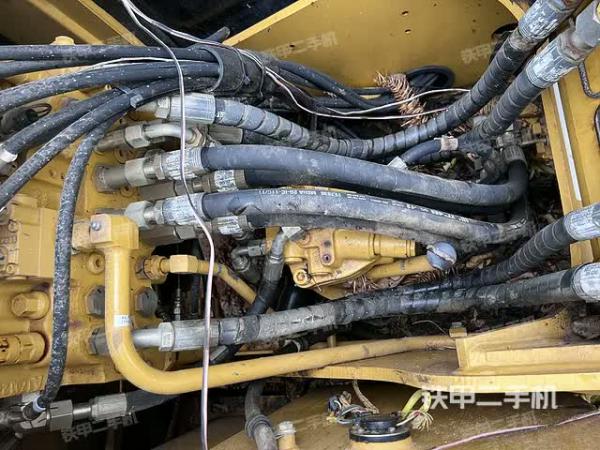
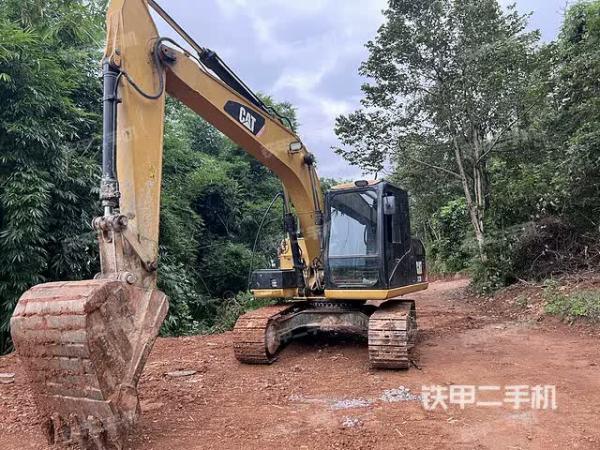
ID:1826540
- Brand: Caterpillar
- Model: CAT®313D2 GC Small Hydraulic
- Year of Manufacture: 2018
- Hours Worked: 6,100 hours
- Location: Hechi City, Guangxi Province
The Caterpillar CAT®313D2 GC mini hydraulic excavator, produced in 2018, is a robust and highly capable machine designed for a wide range of construction and excavation tasks. With a total operating weight of 12,500 kg and a bucket capacity of 0.53 cubic meters, this machine has proven to be efficient in tight spaces where larger machines might struggle. The CAT®313D2 GC model is an ideal choice for those seeking powerful performance in a compact form, offering high fuel efficiency, excellent digging capabilities, and enhanced productivity.
Key Specifications and Features- Weight and Size:
- Total Operating Weight: 12,500 kg
- Bucket Capacity: 0.53 m³
- Boom Length: 4650 mm
- Arm Length: 2500 mm
- Transport Dimensions:
- Total Length: 7610 mm
- Total Width: 2760 mm
- Total Height: 2830 mm
- Power System:
- Engine Model: Cat C4.4
- Rated Power: 74.5 kW
- Engine Displacement: 4.4 L
- Cooling Type: Water Cooled
- Cylinder Bore x Stroke: 105 x 127 mm
- Maximum Torque: 30.9 Nm
- Performance and Hydraulic System:
- Maximum Digging Depth: 5540 mm
- Maximum Digging Height: 8490 mm
- Maximum Vertical Digging Depth: 4610 mm
- Maximum Dumping Height: 6100 mm
- Swing Speed: 11.2 rpm
- Maximum Traction Force: 114 kN
- Walking Speed: 5.1 km/h
The CAT®313D2 GC’s performance is driven by its powerful hydraulic system. The system is equipped with a main pump that delivers a flow of 232 l/min, allowing for smooth and efficient operation, particularly when handling heavy-duty tasks. The advanced hydraulic design of the excavator ensures that operators can make full use of its power without compromising fuel efficiency.
Fuel Efficiency and Maintenance
One of the standout features of the CAT®313D2 GC model is its focus on fuel efficiency. The machine boasts a fuel tank capacity of 250 liters, ensuring that it can operate for longer periods without refueling. Additionally, the engine oil change capacity is 16 liters, while the hydraulic oil tank holds up to 91 liters of oil. This fuel economy reduces operational costs and makes the machine more cost-effective for long-term use.
Reliability and Versatility in Different Conditions
The CAT®313D2 GC is engineered to perform in a variety of challenging environments, from construction sites to excavation projects in confined spaces. Its robust build and high power-to-weight ratio allow it to excel in both high-performance tasks and standard digging jobs. Additionally, its compact size makes it an ideal choice for urban construction projects where space is limited.
The versatility of the 313D2 GC is not only in its physical dimensions but also in its ability to work effectively in diverse soil conditions, from soft dirt to harder surfaces. Operators can rely on its superior digging force—95 kN for the bucket and 58 kN for the arm—ensuring that it performs well even in tough conditions.
Conclusion
Overall, the 2018 Caterpillar CAT®313D2 GC mini hydraulic excavator stands out for its combination of power, efficiency, and versatility. Whether you're digging trenches, lifting materials, or performing complex excavation tasks, this machine is built to handle it all. Its focus on fuel efficiency and reliable performance makes it a great choice for contractors who need a durable and efficient machine for a wide variety of tasks.
|
|
|
|
| 2014 Komatsu PC130-7 Excavator, Shaoguan City, Guangdong - $12,078 |
|
Posted by: MikePhua - 09-09-2025, 10:56 PM - Forum: Used Excavators Trade
- No Replies
|
|
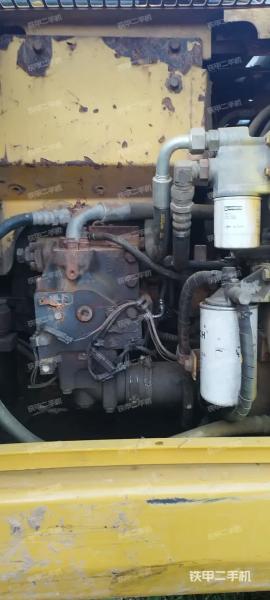
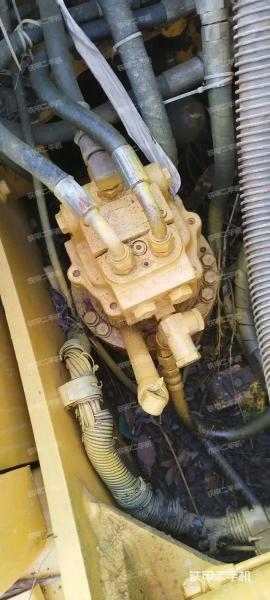
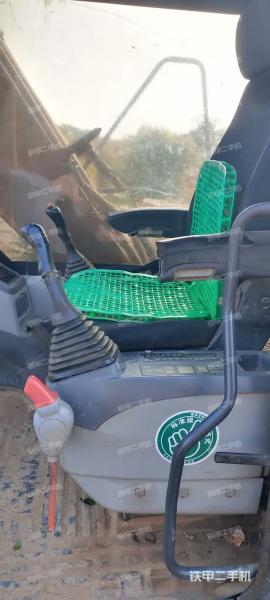
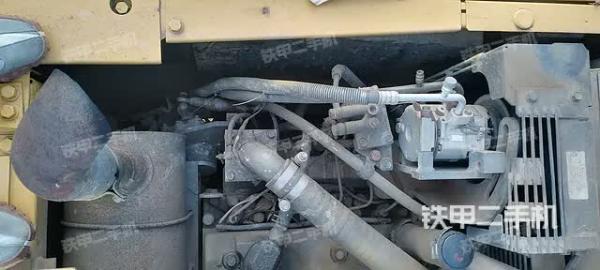
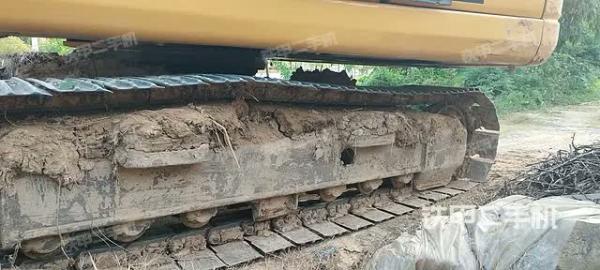
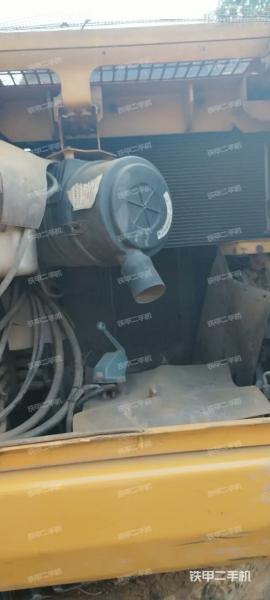
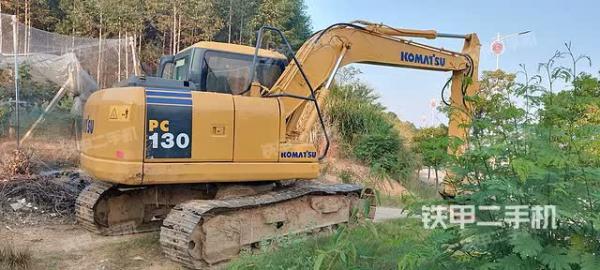
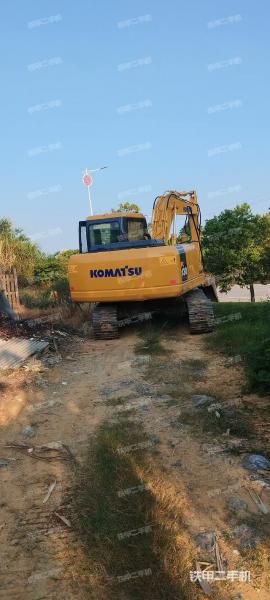
ID:1826538
- Brand: Komatsu
- Model: PC130-7
- Year of Manufacture: 2014
- Hours Worked: 1,020 hours
- Location: Shaoguan City, Guangdong Province
The Komatsu PC130-7 is a reliable mid-size excavator that has gained popularity for its durability and efficiency in a wide range of construction and excavation applications. Manufactured in 2014, this excavator has a low operating hour count of just 1020 hours, making it a well-maintained option in the used equipment market. It is stationed in Shaoguan City, Guangdong Province, and priced at $12,078.
Basic Specifications of Komatsu PC130-7- Brand: Komatsu
- Model: PC130-7
- Year of Manufacture: 2014
- Operating Hours: 1020 hours
- Location: Shaoguan City, Guangdong
- Operating Weight: 12,600 kg
- Bucket Capacity: 0.53 m³
- Arm Length: 2100 mm
- Engine Type: Diesel, Turbocharged, Water-cooled
- Engine Model: Komatsu SAA4D95LE-3
- Power Output: 66 kW at 2200 rpm
- Displacement: 3.26 L
- Hydraulic System: The main pump flow rate is 226 L/min.
This excavator is powered by a turbocharged, water-cooled diesel engine, providing a power output of 66 kW. The SAA4D95LE-3 engine is designed for optimal performance and fuel efficiency, which makes it well-suited for medium to heavy-duty tasks.
Performance and Hydraulic Specifications
The PC130-7 delivers strong performance with excellent digging and lifting capabilities:- Ground Pressure: 38 kPa
- Swing Speed: 11 rpm
- Climbing Capacity: 70% or 30°
- Bucket Digging Force: 93.2 kN
- Arm Digging Force: 61.8 kN
- Travel Speed: 2.7–5.5 km/h
The hydraulic system of the PC130-7 includes a main pump that can deliver a maximum flow rate of 226 L/min, allowing it to handle tough tasks with ease. Its hydraulic pressure settings for the walking, swing, and work circuits ensure optimal machine responsiveness and digging force.
Oil Capacity- Fuel Tank: 247 L
- Hydraulic Tank: 90 L
- Engine Oil Capacity: 11 L
- Cooling Fluid: 13.4 L
The fuel tank capacity of 247 liters ensures that the PC130-7 can work for extended periods without needing frequent refueling, making it ideal for large projects that require continuous operation.
Dimensions and Operating Range
The Komatsu PC130-7 has compact yet efficient dimensions that make it versatile for a variety of work environments, particularly when space is tight.- Transport Length: 7599 mm
- Transport Height: 2175 mm
- Cab Height: 2175 mm
- Ground Clearance: 400 mm
- Rear Swing Radius: 2110 mm
- Track Length: 3610 mm
- Track Gauge: 1990 mm
- Track Width: 500 mm
The maximum digging radius is 8290 mm, and the maximum digging depth is 5520 mm, giving this excavator a robust working range for digging, trenching, and other heavy tasks. It also boasts a vertical digging depth of up to 4940 mm, making it versatile for different types of excavation work.
History and Market Position of Komatsu PC130-7
Komatsu, a leading manufacturer of construction equipment, has consistently produced machines that are known for their reliability and efficiency. The PC130-7, part of the company's mid-sized excavator range, has become a favorite among contractors and businesses for its versatility, fuel efficiency, and easy maintenance. Its design focuses on user-friendly features and smooth hydraulic operations that make it ideal for both urban construction sites and rural, less accessible areas.
Over the years, the Komatsu PC130-7 has been used in various high-profile projects, from road construction to urban excavation. Its balance of power and size enables it to work in spaces where larger machines might struggle.
Conclusion
The Komatsu PC130-7, with its efficient performance and advanced hydraulic system, is a valuable asset for construction and excavation tasks. Whether it's for digging, lifting, or material handling, this machine delivers superior performance with reduced operational costs. Its low hours and well-maintained condition make it an excellent choice for contractors seeking a reliable and durable used excavator.
|
|
|
|
| 2020 Hyundai R215VS Excavator, Nanyang, Henan - $36,516 |
|
Posted by: MikePhua - 09-09-2025, 10:50 PM - Forum: Used Excavators Trade
- No Replies
|
|
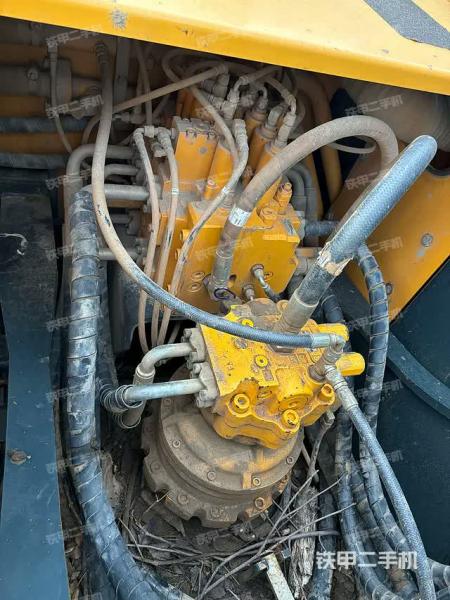
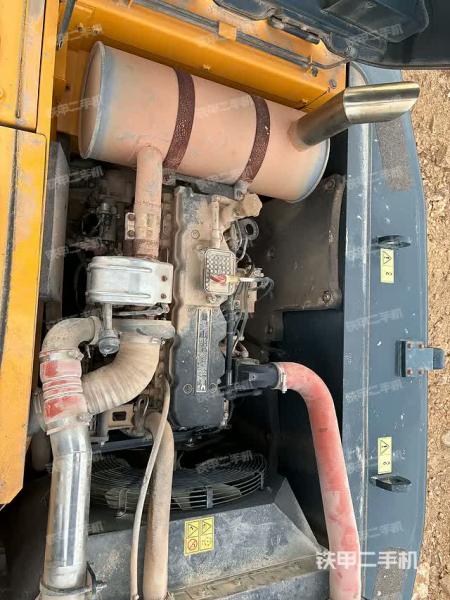
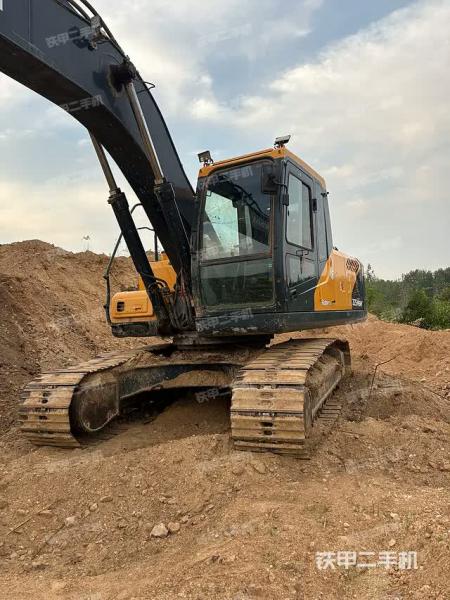
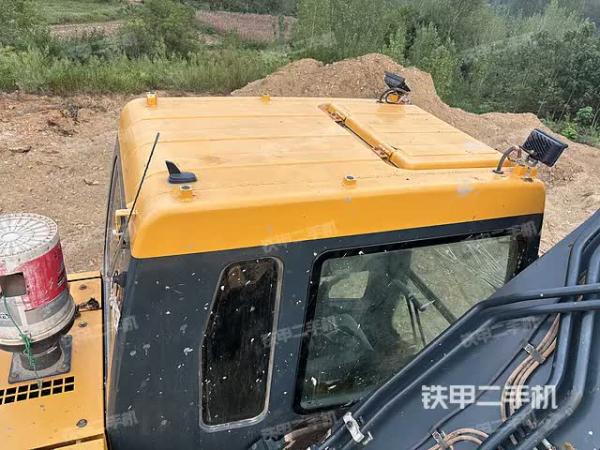
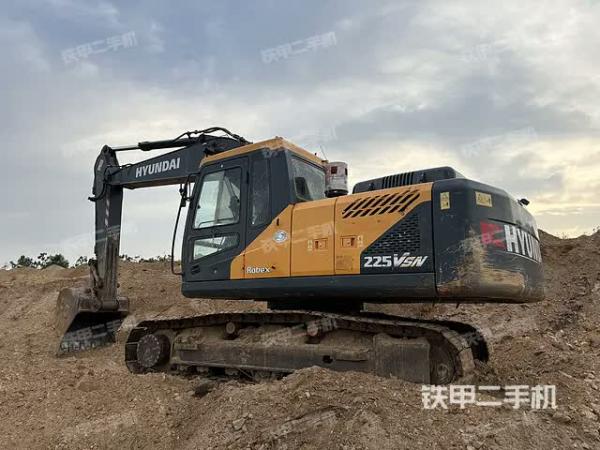
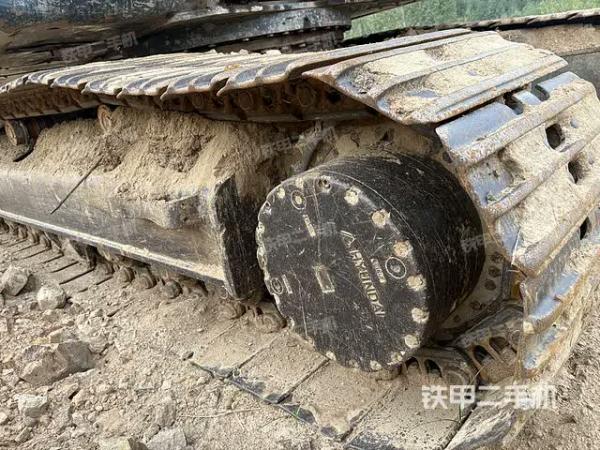
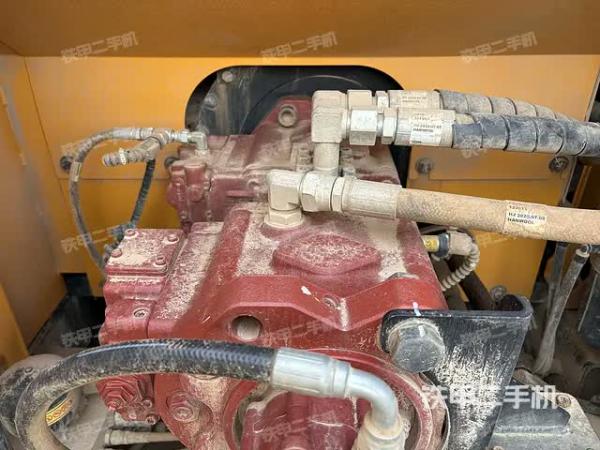
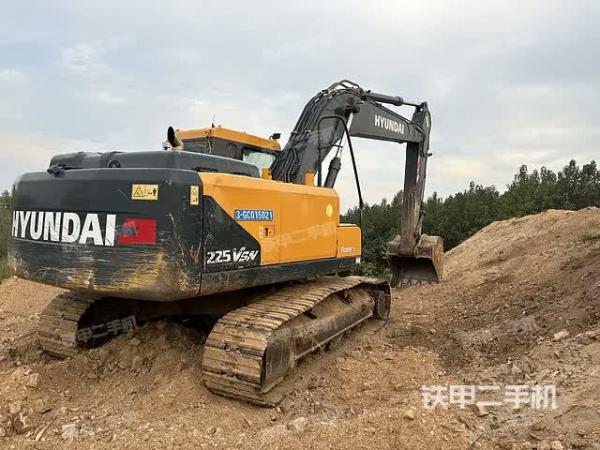
ID:1826537
- Brand: Hyundai
- Model: R215VS
- Year of Manufacture: 2020
- Hours Worked: 5,900 hours
- Location: Nanyang City, Henan Province
The Hyundai R215VS Excavator, manufactured in 2020, has proven to be an outstanding choice for construction projects that require high efficiency and robust performance. This 21-ton excavator, with 5,900 operational hours, is an excellent representation of Hyundai's commitment to delivering top-quality equipment for various industries. Whether you are digging trenches, lifting heavy materials, or performing complex tasks, the R215VS is designed to handle the toughest of jobs with ease.
Specifications and Performance
The Hyundai R215VS comes with a substantial operating weight of 20,900 kg (20.9 tons) and a bucket capacity of 0.92 m³, making it suitable for a wide range of tasks, including large-scale excavation and heavy lifting. Its power system is driven by the Cummins QSB7 engine, a six-cylinder, 4-stroke turbocharged water-cooled engine, with a displacement of 6.7 liters and a rated power output of 125 kW at 1900 rpm. The engine is well-known for its excellent fuel efficiency, durability, and minimal maintenance needs.
The hydraulic system is equipped with two variable displacement axial piston pumps, ensuring maximum flow rates of 222 L/min for smoother and faster operation. With 350 MPa for the traveling hydraulic system and 250 MPa for the swing hydraulic system, the R215VS provides high-performance capabilities with effective load handling and swift movements.
Key digging capabilities of the machine include:- Maximum Digging Radius: 9,930 mm
- Maximum Digging Depth: 6,800 mm
- Maximum Digging Height: 9,730 mm
- Maximum Vertical Digging Depth: 6,060 mm
- Maximum Lifting Height: 6,910 mm
Advanced Hydraulic and Safety Features
The Hyundai R215VS is equipped with an advanced hydraulic system designed to enhance fuel efficiency and reduce wear and tear. The gear-type pilot pump system helps control fuel consumption, making the excavator highly economical for long working hours. Additionally, the hydraulic system’s automatic braking axial piston motor and dual-speed axial piston motor ensure precision and control even in the most demanding conditions.
Hyundai's design incorporates safety features to enhance operational efficiency and protect both the operator and the equipment. The brake valve and parking brake provide safe control when the machine is not in use, while the optimized bucket and arm cylinder sizes ensure smooth operation and easy maneuverability.
Dimensions and Maneuverability
The R215VS features a compact design with a transport length of 9,510 mm, a width of 2,800 mm, and a height of 2,990 mm. The machine’s minimum swing radius is 3,770 mm, offering excellent maneuverability in confined spaces. With two track rollers and seven idlers per side, along with 46 track shoes, the excavator is built to handle rough terrain and maintain stability during operations.
Fuel Efficiency and Durability
The fuel tank capacity is 340 L, providing the machine with a decent range for continuous operations. The hydraulic oil tank can hold up to 180 L, while the engine oil change volume is 24 L. These robust oil systems ensure that the R215VS operates smoothly and efficiently over long periods. With a cooling system capacity of 35 L and hydraulic fluid of 270 L, this excavator is designed to stay cool and operate in high-demand environments without overheating.
Why Choose Hyundai R215VS?
When choosing an excavator for large-scale and high-performance projects, the Hyundai R215VS is a reliable and efficient choice. Its impressive engine power, advanced hydraulic system, and durability make it a standout option for heavy-duty tasks in industries such as construction, mining, and infrastructure development. Hyundai’s commitment to quality and customer satisfaction is evident in this machine’s design, ensuring that it can handle various challenges while providing excellent results.
|
|
|
|
|



