| Welcome, Guest |
You have to register before you can post on our site.
|
| Online Users |
There are currently 133 online users.
» 0 Member(s) | 122 Guest(s)
Ahrefs, Amazon, Baidu, Bing, Claude, DotBot, Google, Petalbot, Semrush, Sogou, Trendiction
|
| Latest Threads |
Identifying and Sourcing ...
Forum: Parts , Attachments & Tools
Last Post: MikePhua
01-07-2026, 06:29 PM
» Replies: 0
» Views: 346
|
Cat 931B Brake Parts
Forum: Parts , Attachments & Tools
Last Post: MikePhua
01-07-2026, 06:29 PM
» Replies: 0
» Views: 249
|
Choosing Between Cat 228,...
Forum: General Discussion
Last Post: MikePhua
01-07-2026, 06:28 PM
» Replies: 0
» Views: 366
|
Fix It or Part It Out
Forum: General Discussion
Last Post: MikePhua
01-07-2026, 06:27 PM
» Replies: 0
» Views: 320
|
Hydraulic Delay When Lowe...
Forum: Troubleshooting & Diagnosing
Last Post: MikePhua
01-07-2026, 06:27 PM
» Replies: 0
» Views: 380
|
Bale Chopper and Mulcher ...
Forum: General Discussion
Last Post: MikePhua
01-07-2026, 06:26 PM
» Replies: 0
» Views: 274
|
Mini UC Maintenance
Forum: General Discussion
Last Post: MikePhua
01-07-2026, 06:25 PM
» Replies: 0
» Views: 264
|
Locating Wiring Informati...
Forum: General Discussion
Last Post: MikePhua
01-07-2026, 06:24 PM
» Replies: 0
» Views: 300
|
Case Industrial Brown Sub...
Forum: Parts , Attachments & Tools
Last Post: MikePhua
01-07-2026, 06:23 PM
» Replies: 0
» Views: 246
|
Dirt Work in West Virgini...
Forum: Construction & Urban Infrastructure Forum
Last Post: MikePhua
01-07-2026, 06:23 PM
» Replies: 0
» Views: 322
|
|
|
| 2018 Caterpillar CAT®305.5E2 Mini Hydraulic Excavator Beijing-China $9,831 |
|
Posted by: MikePhua - 09-13-2025, 12:09 AM - Forum: Used Excavators Trade
- No Replies
|
 |
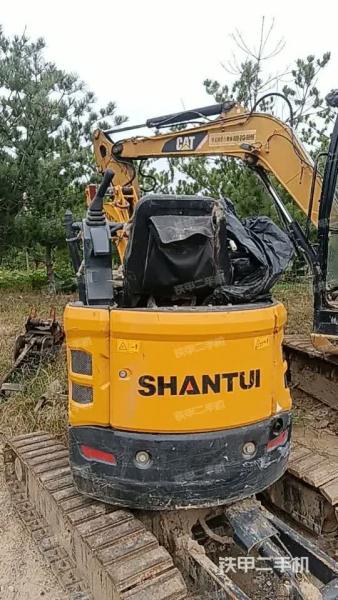
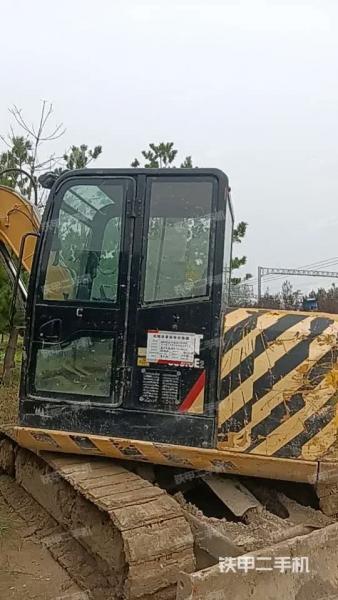
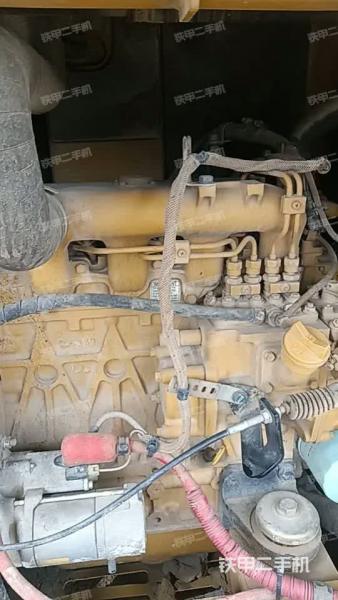
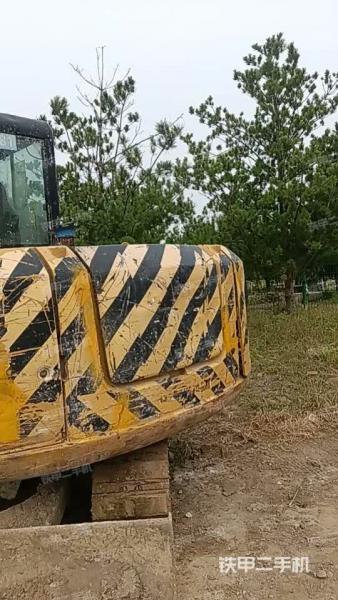
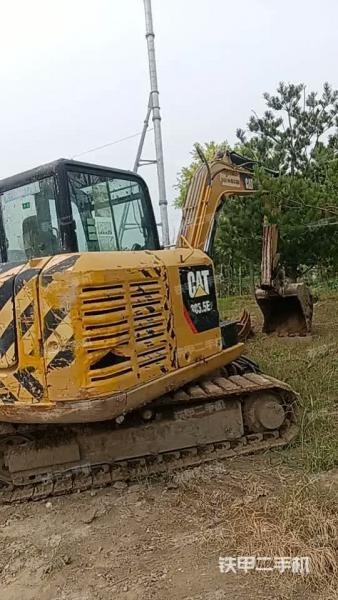
ID:1826865
- Brand: Caterpillar
- Model: CAT®305.5E2 Mini Hydraulic
- Year of Manufacture: 2018
- Hours: 6300 hours
- Location: Beijing - Beijing
The Caterpillar CAT®305.5E2 is a compact hydraulic excavator designed for efficiency in urban construction, landscaping, and light excavation tasks. Introduced in the late 2010s as part of Caterpillar’s line of mini excavators, the CAT®305.5E2 combines reliability, fuel efficiency, and maneuverability, making it a popular choice for contractors and municipal projects worldwide. This model, manufactured in 2018 and located in Beijing, China, has logged 6,300 operational hours, reflecting moderate usage for a machine of its class.
Specifications- Operating weight: 5,400 kg
- Bucket capacity: 0.22 m³
- Boom length: 3,200 mm
- Arm length: 1,500 mm
- Bucket width: 766 mm
- Power source: Conventional diesel
- Manufacturer: Caterpillar joint venture/ imported
- Bucket type: Standard backhoe
Power System
The excavator is powered by a Cat C2.4 DI engine with a displacement of 2.4 liters and cylinder dimensions of 87 mm × 102.4 mm. It produces 34.1 kW of rated power and delivers strong torque suitable for a variety of digging conditions. The engine is optimized for fuel efficiency and durability, with water-cooling and direct injection technology enhancing performance under continuous workloads.
Performance- Swing speed: 10.5 rpm
- Gradeability: 50%
- Bucket digging force: 35.0 kN
- Arm digging force: 27.2 kN
- Maximum drawbar pull: 40.2 kN
- Travel speed: 4.3 km/h high / 2.8 km/h low
- Swing torque: 13.9 Nm
Hydraulic System
The CAT®305.5E2 features a load-sensing hydraulic system equipped with a variable displacement piston pump. Maximum pump flow is 140 L/min, ensuring responsive operation for precision digging and material handling.
Fluid Capacities- Fuel tank: 78 L
- Hydraulic tank: 58 L
- Engine oil: 9.5 L
- Coolant: 9.8 L
- Total hydraulic system: 85 L
Dimensions- Transport length: 5,765 mm
- Transport width: 1,950 mm
- Transport height: 2,540 mm
- Minimum ground clearance: 628 mm
- Rear swing radius: 1,580 mm
- Track length: 2,440 mm
- Track gauge: 1,550 mm
- Track shoe width: 400 mm
- Roller spacing: 1,920 mm
Operational Range- Maximum digging radius: 5,955 mm
- Maximum digging depth: 3,720 mm
- Maximum digging height: 5,460 mm
- Maximum dumping height: 3,835 mm
- Maximum vertical digging depth: 2,210 mm
- Dozer lift/push depth: 365/480 mm
- Dozer blade width × height: 1,950 × 360 mm
- Parking dig radius: 5,830 mm
Additional Notes
The CAT®305.5E2 excels in confined spaces due to its compact dimensions and tight tail swing. Its efficient hydraulic system allows for smooth and precise operation, reducing operator fatigue. The machine has a proven track record in urban infrastructure projects across Asia, where its reliability, low emissions, and fuel efficiency are highly valued. For long-term operation, regular maintenance of hydraulic lines, engine oil, and filters is recommended to extend machine life and ensure consistent performance. This excavator represents a blend of advanced engineering and practical functionality for small- to medium-scale construction projects.
|

|
|
| 2011 Hitachi ZX210H-3G Excavator Zhejiang Shaoxing $15,449 |
|
Posted by: MikePhua - 09-13-2025, 12:04 AM - Forum: Used Excavators Trade
- No Replies
|
|
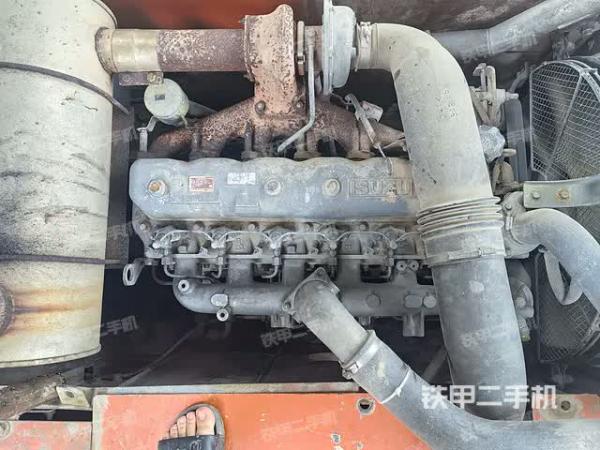
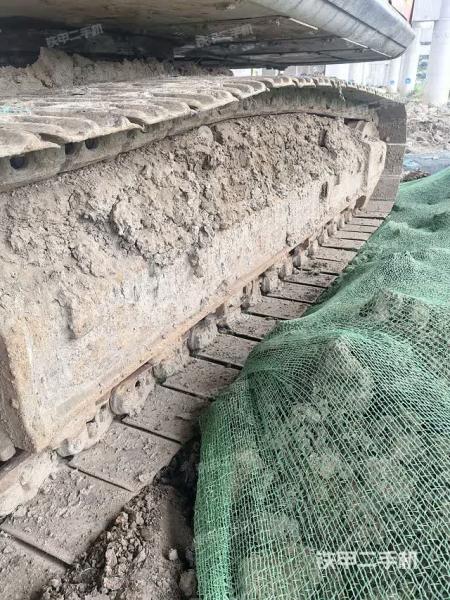
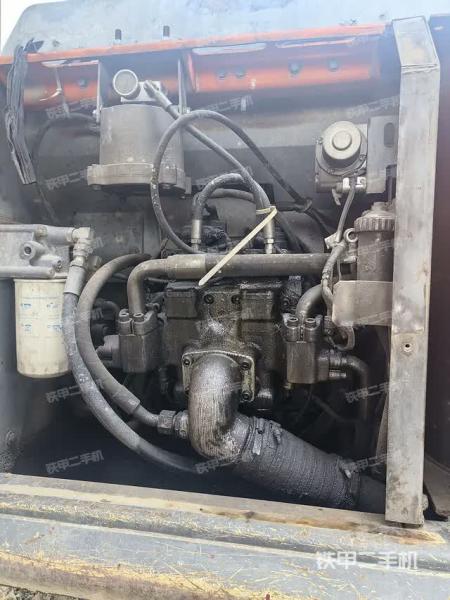
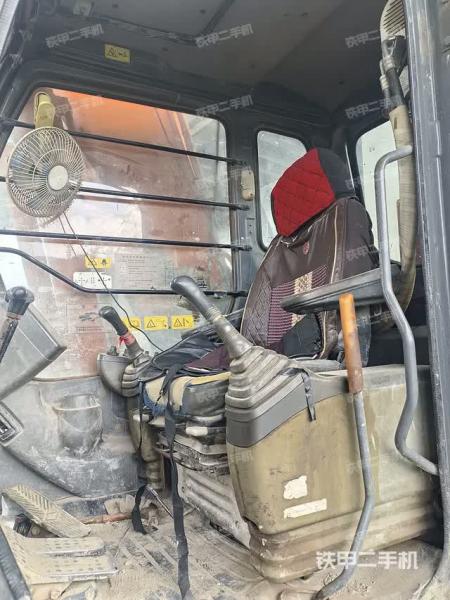
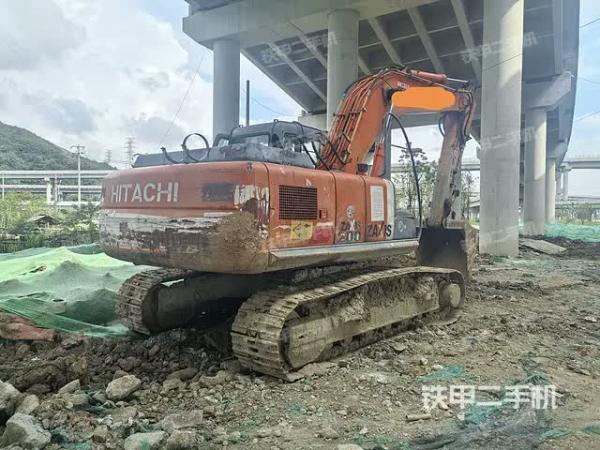
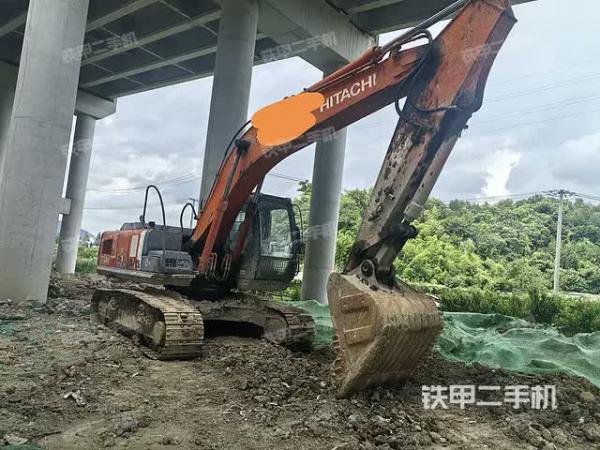
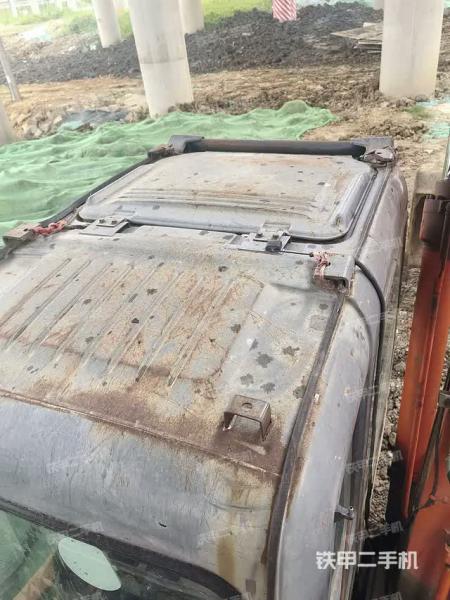
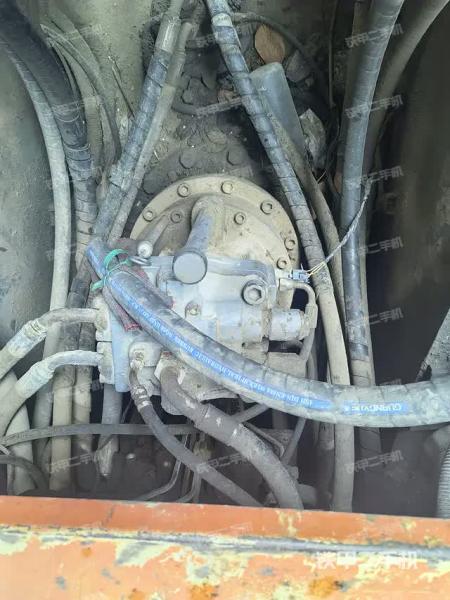
ID:1824176
- Brand: Hitachi
- Model: ZX210H-3G
- Year of Manufacture: 2011
- Hours: 14000 hours
- Location: Zhejiang - Shaoxing
The Hitachi ZX210H-3G, produced in 2011, represents one of the most recognized models in the 21-ton excavator class. With 14,000 working hours and currently located in Shaoxing, Zhejiang, this machine stands as a testament to the durability of Hitachi’s engineering. Priced at $15,449, it offers both affordability and capability for contractors looking for a balance between power and efficiency.
Background of Hitachi Construction Machinery
Hitachi Construction Machinery traces its roots back to the early 20th century, with its modern excavator division gaining momentum during the 1960s. By the 1980s and 1990s, Hitachi was already a major competitor in the global construction machinery market, known for reliability, advanced hydraulics, and refined operator comfort. The ZX series, including the ZX210H-3G, became a popular choice for medium to large-scale earthmoving projects, especially in Asia and Europe. Global sales reports from the 2010s placed Hitachi consistently among the top five excavator manufacturers worldwide.
Core Specifications- Operating weight: 21,100 kg
- Bucket capacity: 0.91 m³
- Boom length: 5.68 m
- Arm length: 2.91 m
- Engine: ISUZU AA-6BG1T, turbocharged with intercooler, water-cooled, direct injection
- Rated power: 110 kW at 2100 rpm
- Maximum torque: 550 Nm at 1600 rpm
- Cylinders: 6, displacement 6.494 L
- Hydraulic pumps: Two axial piston pumps with max flow 194 L/min each
- Swing speed: 13.3 rpm
- Travel speed: 5.5 / 3.6 km/h
- Maximum digging depth: 6660 mm
- Maximum digging height: 9610 mm
- Maximum digging radius: 9910 mm
Performance and Hydraulics
This model features a hydraulic system with dual variable displacement axial piston pumps, capable of sustaining 34.3 MPa in the working circuits. The swing motor is designed for responsive movement, while the travel motors provide enough torque to climb gradients up to 35°. With a bucket digging force of 151 kN and an arm digging force of 109 kN, the ZX210H-3G is well-suited for quarrying, roadwork, and foundation excavation.
Fuel and Maintenance Capacities- Fuel tank: 360 L
- Hydraulic oil tank: 135 L
- Engine oil replacement: 25 L
- Cooling system: 23 L
- Hydraulic system capacity: 240 L
These capacities support long operating hours on demanding job sites without frequent interruptions.
Design and Dimensions
With a transport length of 9500 mm, width of 2860 mm, and height of 2970 mm, the ZX210H-3G maintains compact transportability within its weight class. The counterweight clearance of 1040 mm and ground clearance of 450 mm enhance maneuverability over rough terrain.
Practical Applications and Legacy
Excavators in the 20-ton range like the ZX210H-3G are the backbone of infrastructure projects. In China during the early 2010s, models like this were extensively used in highway expansion and urban construction. A contractor from Shaoxing recalled how a ZX210 series machine worked continuously for months on a dam project, with minimal downtime and excellent fuel economy compared to rivals.
Conclusion
The 2011 Hitachi ZX210H-3G excavator is a solid investment for construction firms looking for a machine with proven durability, balanced performance, and lower operating costs. Its long production history and Hitachi’s reputation for reliable hydraulics make it a sought-after option in the used equipment market.
|
|
|
|
| 2020 SANY SY75C Excavator Henan-Xinxiang $18,960 |
|
Posted by: MikePhua - 09-12-2025, 11:59 PM - Forum: Used Excavators Trade
- No Replies
|
|
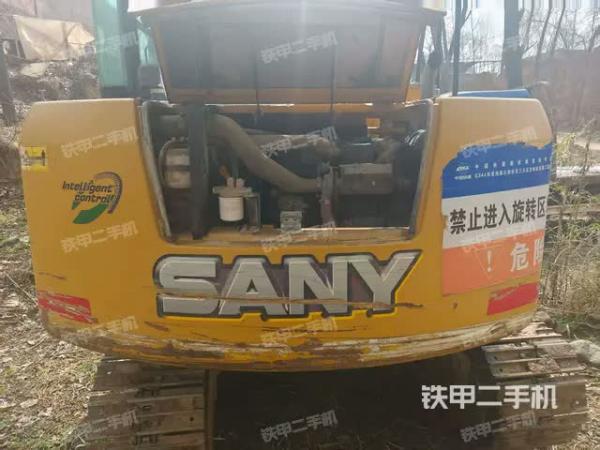
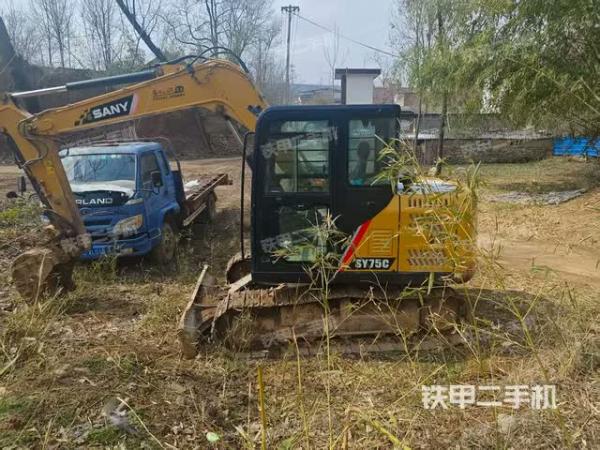
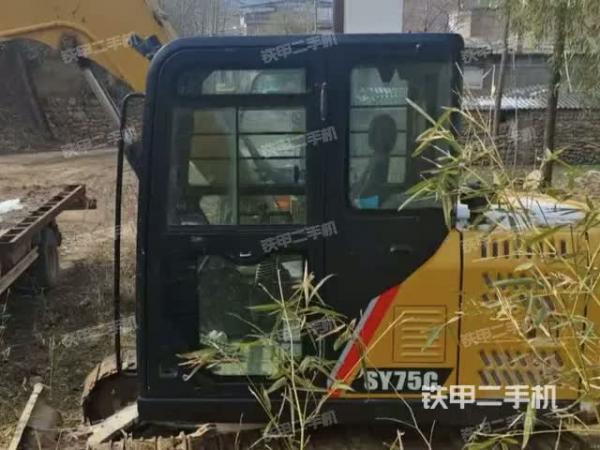
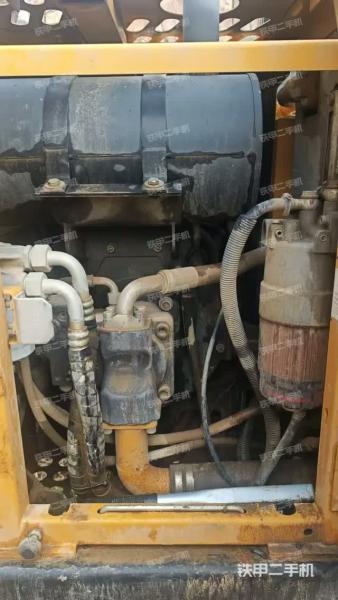
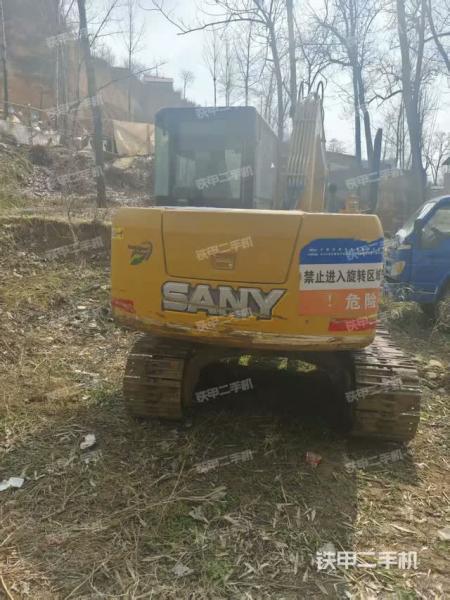
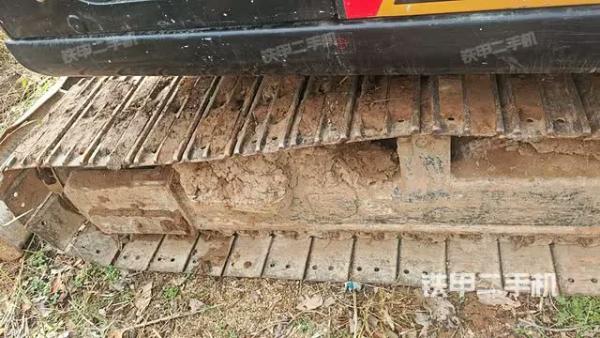
ID:1826839
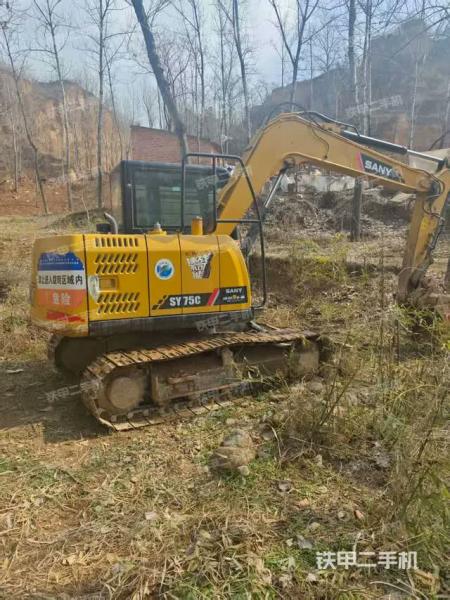
- Brand: SANY
- Model: SY75C
- Year of Manufacture: 2020
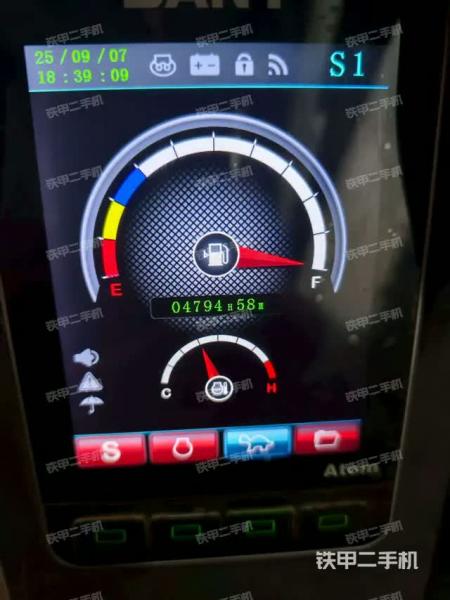
- Hours: 4700 hours
- Location: Henan - Xinxiang
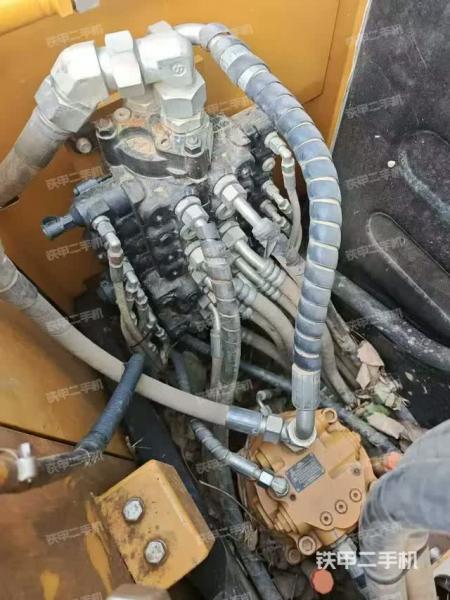
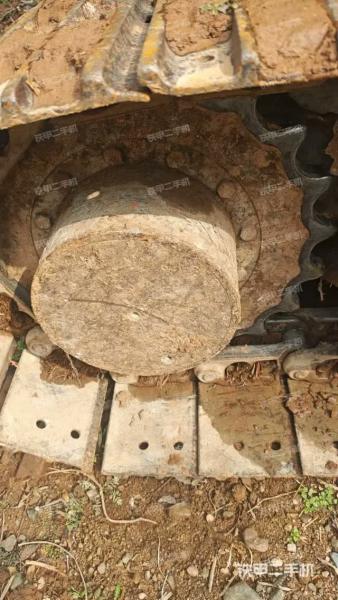
The SANY SY75C, manufactured in 2020 and currently located in Xinxiang, Henan, is a compact yet powerful excavator that fits within the 7-ton class. With 4700 working hours, this machine has already proven its durability in medium-scale construction and infrastructure projects. Priced at $18,960, it represents a cost-effective option for contractors who need reliable performance without the investment of a new unit.
Machine Specifications- Operating weight: 7280 kg
- Bucket capacity: 0.12–0.32 m³ (backhoe type)
- Engine model: Isuzu AU-4LE2X
- Engine power: 43 kW at 2200 rpm
- Maximum torque: 200 Nm at 1600 rpm
- Cylinders: 4
- Displacement: 2.179 L
- Cooling system: Water-cooled
Performance Characteristics- Ground pressure: 33 kPa
- Swing speed: 11.5 rpm
- Gradeability: 70% (35°)
- Bucket digging force: 56 kN
- Arm digging force: 38 kN
- Travel speed: 4.4 km/h (high) and 2.4 km/h (low)
Dimensions and Capacity- Transport length: 6120 mm
- Transport width: 2220 mm
- Transport height: 2720 mm
- Minimum ground clearance: 380 mm
- Tail swing radius: 1800 mm
- Undercarriage length: 2820 mm
- Track gauge: 1750 mm
- Track shoe width: 450 mm
- Track ground length: 2195 mm
- Boom swing radius: 6240 mm
- Maximum digging depth: 4020 mm
- Maximum digging height: 7060 mm
- Maximum dumping height: 5155 mm
- Maximum vertical digging depth: 3290 mm
- Dozer blade lift depth: 350/360 mm
Fuel and Hydraulic Capacities- Fuel tank: 150 L
- Hydraulic tank: 120 L
- Engine oil refill: 9.5 L
Development Background
The SY75C belongs to SANY’s compact excavator series, designed to meet urban and semi-urban project requirements where maneuverability is essential. The machine combines Japanese-Isuzu engine technology with SANY’s hydraulic system, ensuring balance between fuel efficiency and output power. Since its launch, the SY75C has been widely used in municipal works, road repairs, small building foundations, and agricultural applications.
Market Performance
Compact excavators like the SY75C have been gaining popularity worldwide due to increasing urban development. In China, this model has been among the top-selling small-to-medium excavators, often preferred by contractors who manage projects with space limitations. Globally, demand for 7-ton class excavators has grown, with annual sales in this category reaching over 150,000 units worldwide.
Company History and Growth
SANY Heavy Industry, established in 1989, has grown into one of the largest construction equipment manufacturers in the world. It has consistently invested in research and development to compete with international brands such as Caterpillar, Komatsu, and Hitachi. The SY75C is a clear example of SANY’s effort to produce compact machines without sacrificing strength or efficiency.
Practical Applications and Recommendations
This excavator is best suited for:- Municipal construction projects such as road expansion and drainage systems
- Foundation digging in urban housing projects
- Agricultural land leveling and irrigation trenching
- Light demolition in restricted areas
For contractors seeking reliability, regular maintenance is key. Ensuring hydraulic oil replacement, track inspections, and cooling system checks at recommended intervals will extend the machine’s life well beyond its current 4700 working hours.
Anecdote from the Field
In a recent project in rural Henan, a contractor reported that the SY75C handled both irrigation trenching and small-scale demolition without difficulty. Its ability to work for extended hours while consuming less fuel than older models significantly reduced overall operating costs. Stories like this highlight why many operators in China continue to trust the SY75C as a dependable workhorse.
|
|
|
|
| 2021 SANY SY375H Excavator Chongqing-Chongqing $74,157 |
|
Posted by: MikePhua - 09-12-2025, 11:55 PM - Forum: Used Excavators Trade
- No Replies
|
|
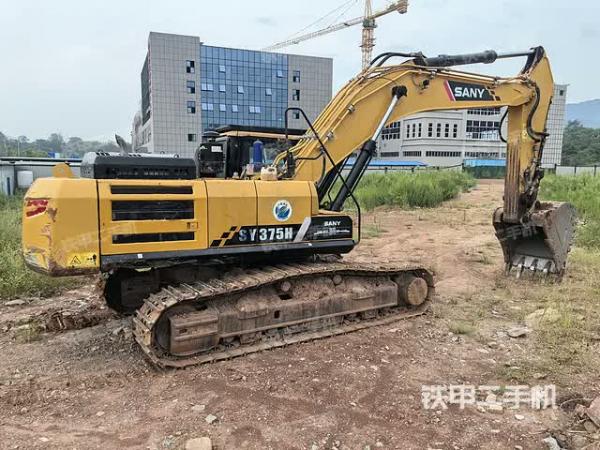
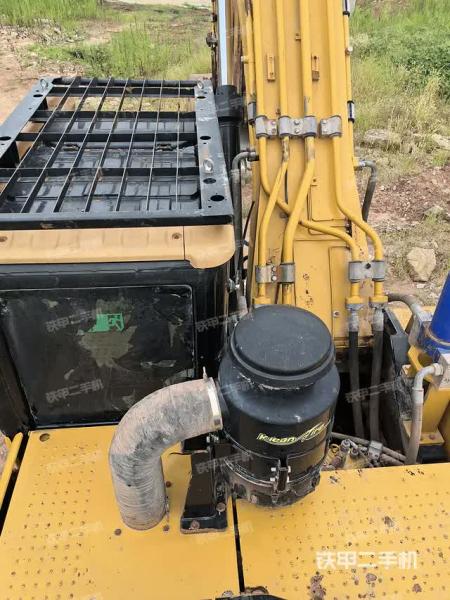
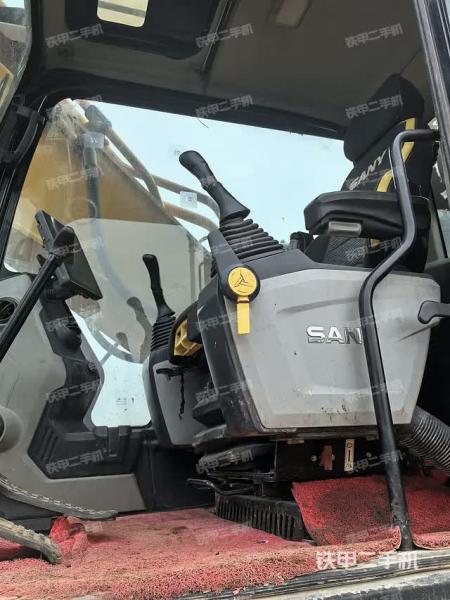
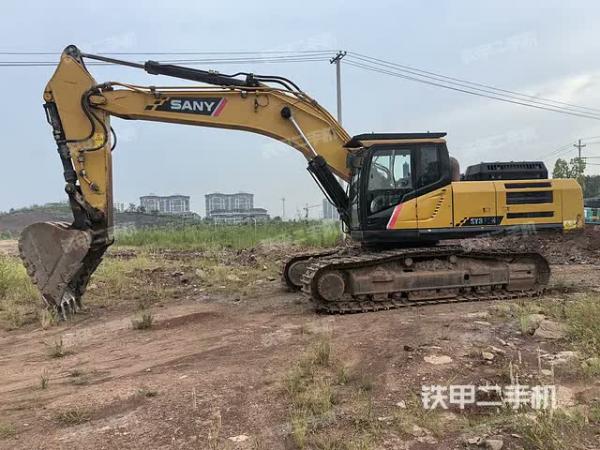
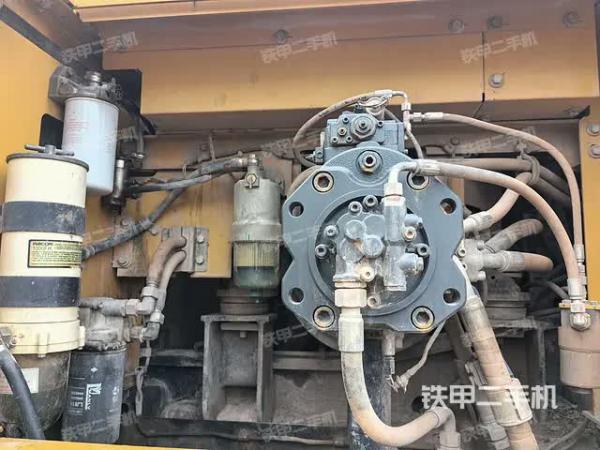
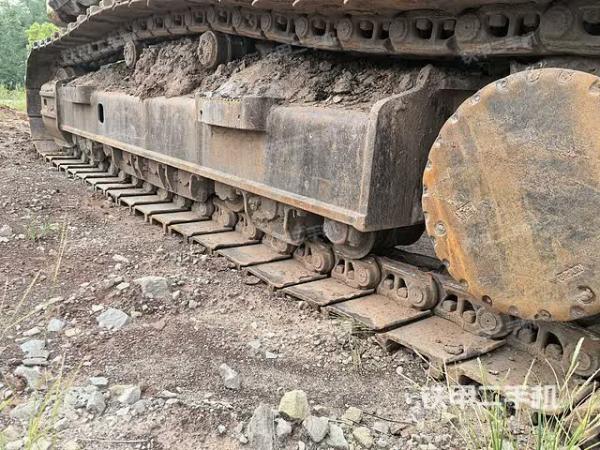
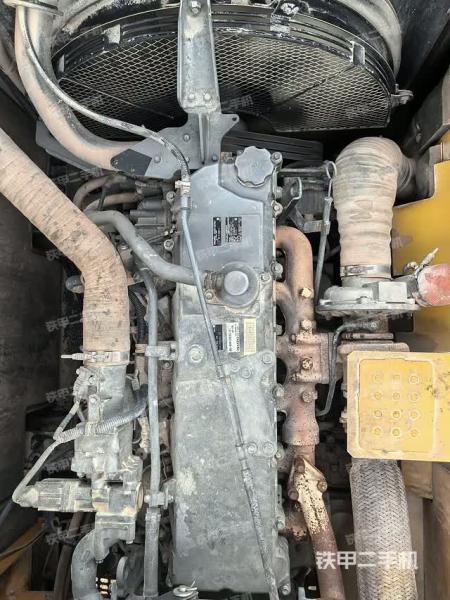
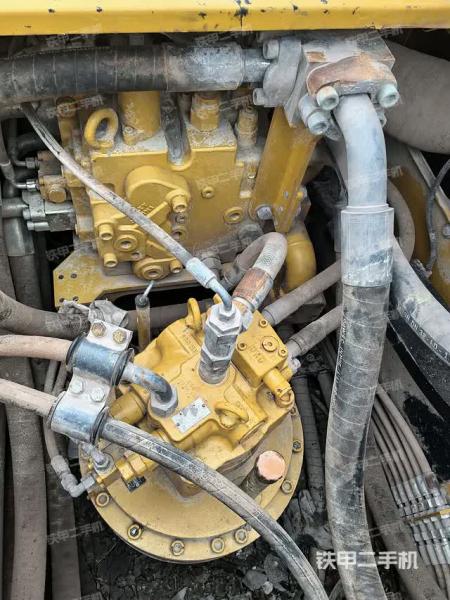
ID:1826824
- Brand: SANY
- Model: SY375H
- Year of Manufacture: 2021
- Hours: 9200 hours
- Location: Chongqing - Chongqing City
The SANY SY375H, manufactured in 2021, represents one of the flagship heavy-duty excavators in the 37-ton class. With 9200 working hours and stationed in Chongqing, this machine highlights the balance between durability, power, and advanced engineering that has helped SANY become a global name in construction equipment.
Development History of the SY375H
The SY375H belongs to the family of large hydraulic excavators that SANY developed in response to the increasing demand for efficiency and fuel economy in mining and large-scale construction projects. Launched as part of the SY-H series, it integrates upgraded hydraulic systems, energy-saving engine design, and smart control technologies. By 2021, SANY had established itself as China’s largest excavator manufacturer, with annual sales surpassing 98,000 units across all models, making the company a global leader. The SY375H played a significant role in projects ranging from hydropower stations in Asia to mining operations in Africa.
Technical Specifications- Operating weight: 37,500 kg
- Bucket capacity: 1.7–2.4 m³ (standard 1.9 m³)
- Engine: GH-6HK1XKSC, 6-cylinder, water-cooled, turbocharged, direct injection, displacement 7.79 L
- Rated power: 212 kW at 2000 rpm
- Maximum torque: 1080 N·m at 1500 rpm
- Hydraulic digging force: Bucket 235 kN, Arm 210 kN
- Swing speed: 8.8 rpm
- Travel speed: 5.5 / 3.5 km/h
- Ground pressure: 68.8 kPa
- Climbing capacity: 70%
- Fuel tank: 540 L, Engine oil refill: 36 L
Dimensions and Working Range- Transport length: 11,425 mm
- Transport width: 3190 mm
- Transport height: 3825 mm
- Minimum ground clearance: 550 mm
- Tail swing radius: 3610 mm
- Max digging depth: 7155 mm
- Max digging height: 9920 mm
- Max dumping height: 7010 mm
- Max digging reach: 10,750 mm
- Vertical digging depth: 5125 mm
Performance in Real Projects
The SY375H is well-suited for quarries, mining, and infrastructure projects requiring long operating cycles. Its high digging forces allow it to handle dense rock layers, while the advanced hydraulic system ensures smoother operation with fuel efficiency improved by nearly 10% compared to older models. In Chongqing, a city known for its mountainous terrain and mega infrastructure projects, such a machine plays an essential role in large-scale earthmoving.
Maintenance and Operating Suggestions
With 9200 hours logged, buyers should focus on hydraulic pump condition, undercarriage wear, and electronic control systems during inspection. Preventive maintenance, such as timely oil replacement and track tension adjustments, ensures another 10,000 hours of reliable service. For mining or continuous-use operations, pairing this machine with a reliable fleet of support equipment enhances productivity.
SANY Corporate Background
Founded in 1989, SANY has transformed from a small welding material factory into one of the top global construction machinery manufacturers. Today, it operates production bases worldwide, including in the United States, Germany, and India. Its excavators consistently rank among the top-selling in the world, reflecting China’s growing competitiveness in high-end heavy equipment.
Conclusion
The 2021 SANY SY375H excavator represents more than just a heavy machine; it reflects decades of industrial growth, innovation, and global expansion. In Chongqing, it serves as a practical example of how modern Chinese equipment has become a cornerstone of both domestic and international construction projects.
|
|
|
|
| 2017 SANY SY215C-10 Excavator Henan-Xinyang $28,089 |
|
Posted by: MikePhua - 09-12-2025, 11:49 PM - Forum: Used Excavators Trade
- No Replies
|
|
ID:1826818
- Brand: SANY
- Model: SY215C-10
- Year of Manufacture: 2017
- Hours: 7100 hours
- Location: Henan - Xinyang
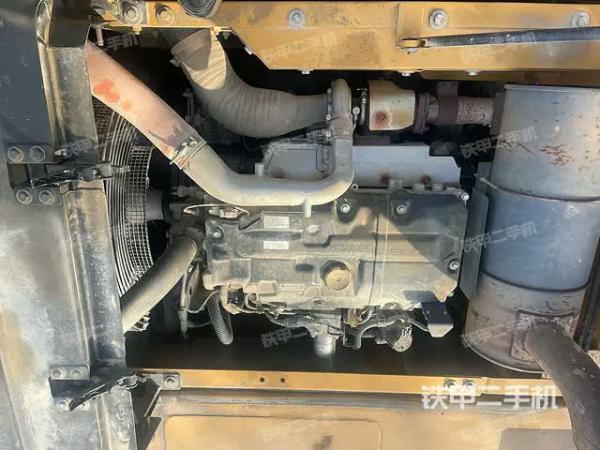
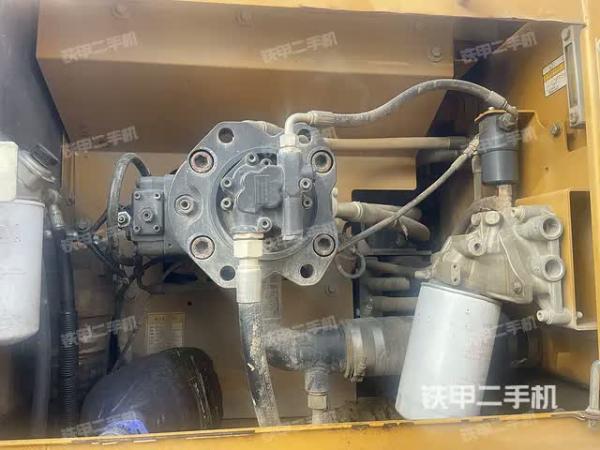
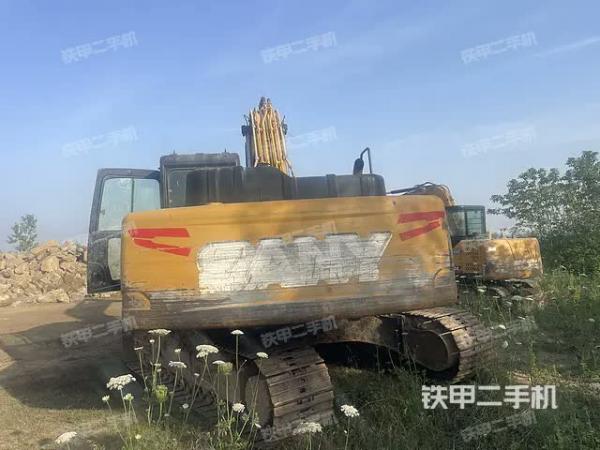
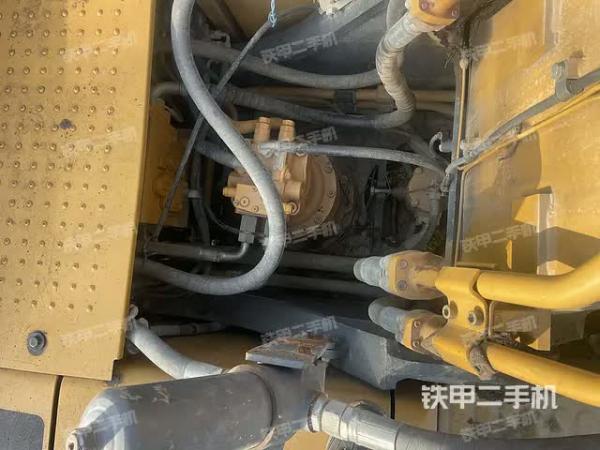
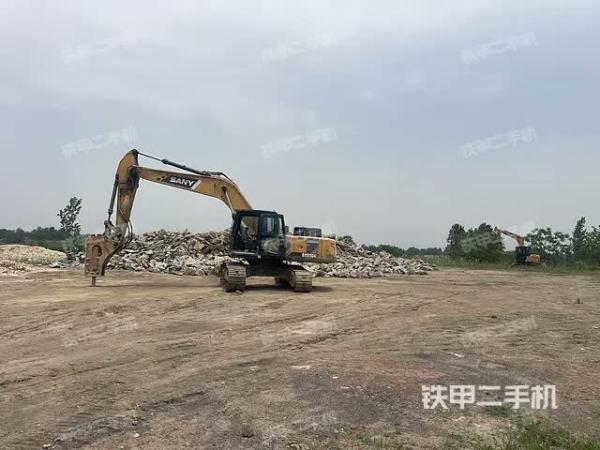
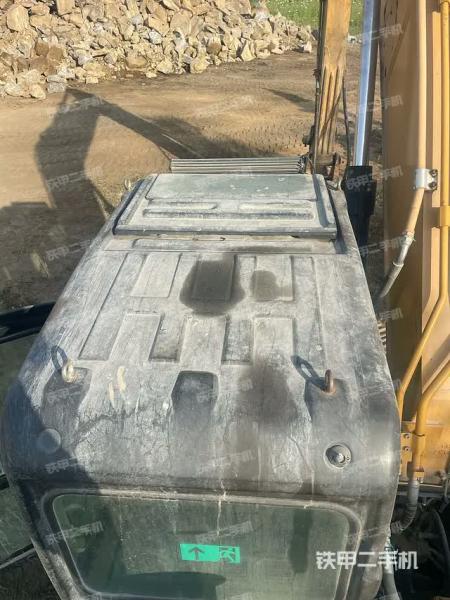
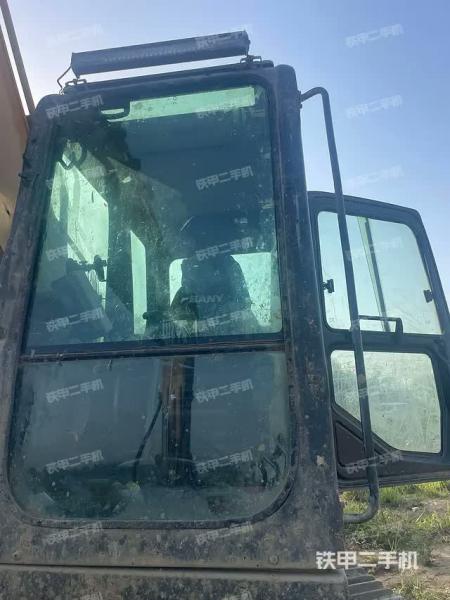
The 2017 SANY SY215C-10 excavator is a mid-sized hydraulic excavator built for versatility, productivity, and durability. With a working weight of 22,000 kg and powered by a robust 118 kW engine, it sits in the 21-ton class, making it a popular choice for medium-scale earthmoving, construction, and quarry projects. Located in Xinyang, Henan Province, this particular unit has logged 7,100 operating hours, which is within a typical lifespan for a machine in its class when well maintained.
Technical Specifications- Operating Weight: 22,000 kg
- Bucket Capacity: 0.8–1.1 m³
- Power: 118 kW at 2000 rpm
- Ground Pressure: 47.4 kPa
- Swing Speed: 11 rpm
- Travel Speed: 5.4 km/h (high) / 3.3 km/h (low)
- Bucket Digging Force: 138 kN
- Arm Digging Force: 103 kN
- Gradeability: 70%
- Dimensions:
- Length: 9680 mm
- Width: 2980 mm
- Height: 3440 mm
- Ground Clearance: 470 mm
- Tail Swing Radius: 2900 mm
- Undercarriage Length: 4250 mm
- Track Gauge: 2380 mm
- Track Shoe Width: 600 mm
- Working Range:
- Max Digging Radius: 10,280 mm
- Max Digging Depth: 6,600 mm
- Max Digging Height: 9,600 mm
- Max Dumping Height: 6,730 mm
Performance and Advantages
The SY215C-10 is designed to balance fuel efficiency with high digging power. Its advanced hydraulic system ensures smooth operation, even under demanding workloads. With a bucket digging force of 138 kN and an arm digging force of 103 kN, it can handle compacted soils and medium-density rock excavation. The machine’s climbing ability of 70% allows it to perform reliably on uneven and sloped terrains, making it highly versatile for diverse job sites.
Manufacturer Background
SANY Heavy Industry, founded in 1989 in Changsha, China, has grown into one of the world’s largest construction machinery manufacturers. By 2020, SANY had ranked among the top three global excavator producers, with annual sales exceeding 100,000 units worldwide. The SY215 series is one of the company’s most successful models, known for its durability and wide adoption in Asia, Africa, and South America.
Practical Use and Maintenance
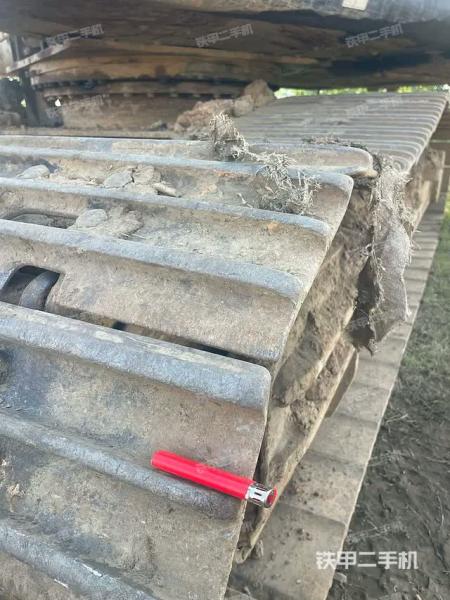
Machines with 7,000+ working hours often require closer inspection of key components such as hydraulic pumps, swing motors, and undercarriage parts. Regular oil analysis, track inspection, and filter changes help extend the working life of the excavator. Buyers should check maintenance records before purchase to ensure the machine has been serviced according to SANY’s standards.
Market Perspective
At a listed price of $28,089, this unit represents an affordable entry point into the 21-ton excavator segment. For small and medium contractors, it offers a cost-effective solution with proven reliability. Considering that new excavators in this class can cost well above $100,000, a used but well-maintained SY215C-10 provides strong value for money.
|
|
|
|
| 2020 SANY SY245H Excavator Henan-Zhengzhou $55,477 |
|
Posted by: MikePhua - 09-12-2025, 11:39 PM - Forum: Used Excavators Trade
- No Replies
|
|
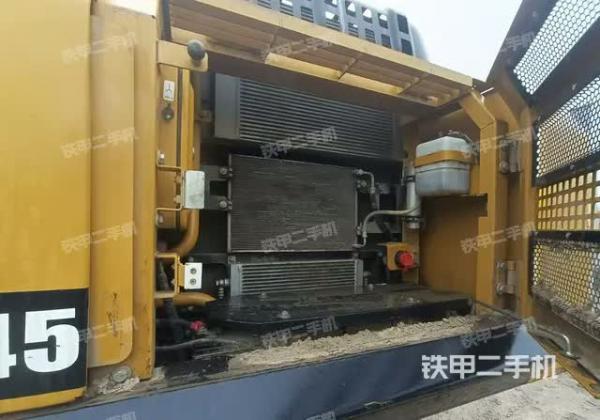
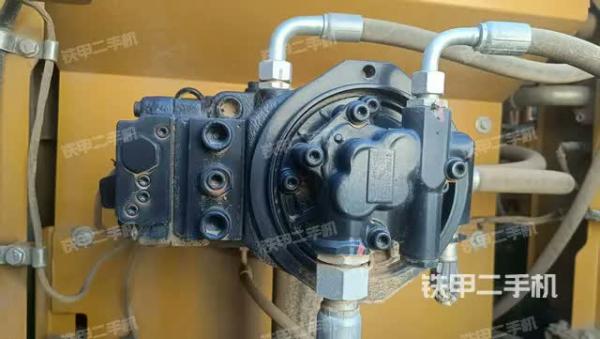
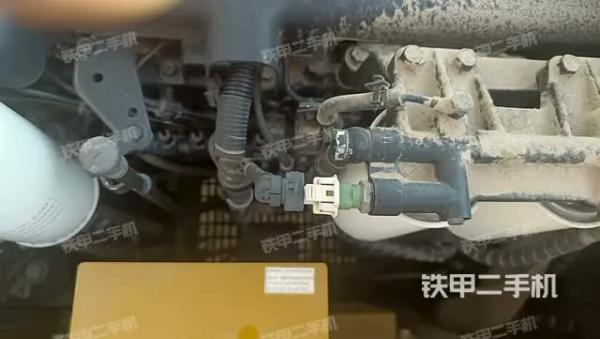
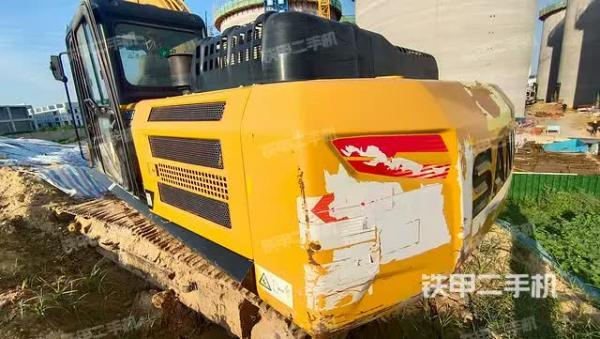
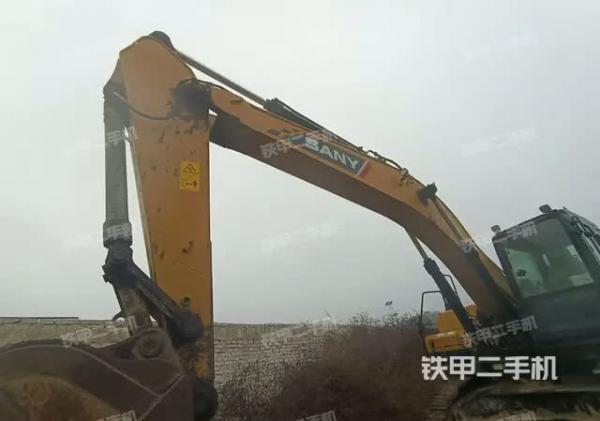
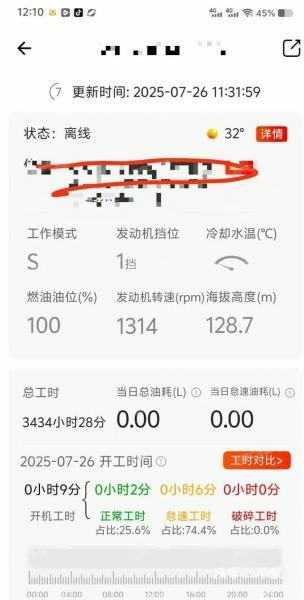
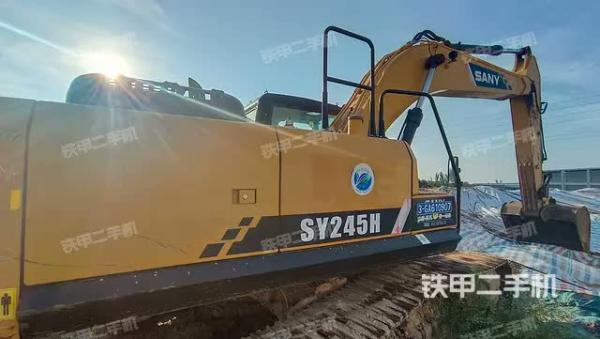
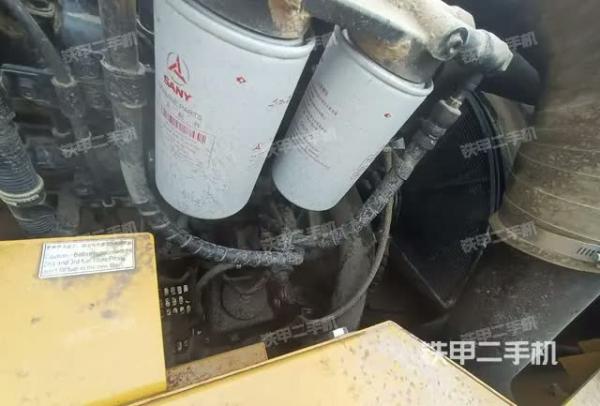
ID:1826815
- Brand: SANY
- Model: SY245H
- Year of Manufacture: 2020
- Operating Hours: 3,400 hours
- Location: Zhengzhou, Henan
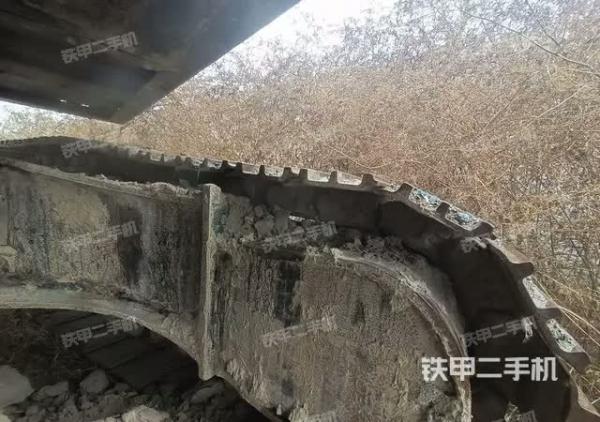
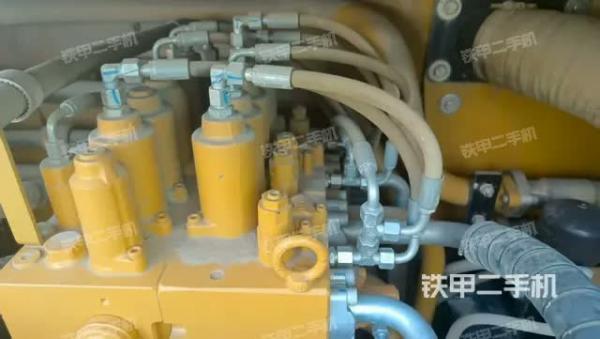
The 2020 SANY SY245H is a 24-ton class hydraulic excavator positioned in the mid-to-large size segment of earthmoving equipment. With 3400 operating hours and located in Zhengzhou, Henan, this machine retains strong working potential while benefiting from proven reliability. Priced at around 55,477 USD, it represents a balance between affordability and capability in the second-hand machinery market.
Development and Brand Background
SANY Heavy Industry, founded in 1989, has grown into one of the world’s top construction equipment manufacturers. The SY series excavators were introduced to compete with international brands such as Caterpillar, Komatsu, and Hitachi. The SY245H, in particular, has gained traction in Asia, Africa, and Europe, with thousands of units sold since its release. By 2020, SANY’s global excavator sales exceeded 90,000 units annually, making it the world’s leading excavator supplier for multiple consecutive years.
Power and Engine System
This model is powered by the D06FRC engine, delivering 147 kW at 2100 rpm. The engine displacement is 6.373 liters with six cylinders, producing a peak torque of 750 Nm at 1350 rpm. Its water-cooled design ensures long-term thermal stability even under continuous heavy-duty operations. For contractors working in regions with high ambient temperatures like central China, this cooling system ensures uninterrupted performance.
Performance Features
The SY245H has several performance highlights:- Bucket digging force of 175 kN
- Arm digging force of 120 kN
- Swing speed of 10.6 rpm
- Travel speed of 5.4/3.4 km/h
- Climbing ability up to 70% grade
With these specifications, the machine can handle tough excavation tasks in rocky terrain and clay-heavy soil, which are common in infrastructure projects across Henan Province.
Hydraulic and Fuel Capacity
Hydraulic efficiency is a defining feature of this model. The hydraulic oil reservoir has a capacity of 277 liters, ensuring consistent pressure during long working shifts. The fuel tank capacity of 475 liters allows extended operation without frequent refueling. These attributes are particularly valued on remote job sites where fuel delivery is not always reliable.
Dimensions and Transport
The transport dimensions are as follows:- Length: 10,290 mm
- Width: 3,190 mm
- Height: 3,190 mm
- Ground clearance: 470 mm
- Minimum swing radius: 3,800 mm
Despite its heavy-duty design, the SY245H remains compact enough for efficient transport between projects. The track gauge of 2,590 mm and a ground pressure of 53.2 kPa make it stable yet versatile for uneven terrain.
Work Range and Applications
The operational reach of the SY245H is extensive:- Maximum digging depth: 6,705 mm
- Maximum digging height: 9,745 mm
- Maximum unloading height: 6,715 mm
- Maximum digging radius: 10,225 mm
These ranges allow it to perform in urban construction, highway expansion, mining support, and large-scale foundation works. Its bucket capacity of 1.3–1.5 cubic meters makes it efficient for both material handling and earthmoving.
Market Value and Investment Insight
At $55,477, this excavator offers excellent value compared to newer models costing well over $120,000. With proper maintenance, units with similar hours can continue performing reliably for another 6,000–8,000 hours. Many contractors prefer buying well-maintained used SANY excavators because of lower ownership costs, easy access to spare parts, and proven durability in demanding projects.
A Real-World Example
In 2021, a mid-sized construction firm in Henan used the SY245H in a riverbank reinforcement project. The excavator operated up to 12 hours a day for several months, lifting heavy rock and soil without major breakdowns. The operator reported that fuel consumption was stable and maintenance was straightforward compared to other brands, highlighting SANY’s advantage in after-sales support.
|
|
|
|
| Using 1960s Dozers for Plowing |
|
Posted by: MikePhua - 09-12-2025, 11:36 PM - Forum: General Discussion
- No Replies
|
|
Introduction
In the 1960s, crawler tractors, commonly known as dozers, became integral to agricultural practices, particularly in plowing fields. These machines, with their robust design and powerful engines, offered farmers an efficient alternative to traditional methods. This article delves into the techniques, considerations, and historical context of using 1960s dozers for plowing, highlighting their advantages and challenges.
The Evolution of Plowing Equipment
Before the advent of motorized dozers, plowing was a labor-intensive task performed using horse-drawn implements. The introduction of crawler tractors revolutionized this process. Manufacturers like John Deere, Oliver, and Cockshutt developed specialized plowing equipment that could be attached to these machines, enhancing their versatility.
For instance, the John Deere 430 Crawler, produced from 1958 to 1960, was a compact yet powerful machine suitable for various tasks, including plowing. Its design allowed for easy attachment of plows, making it a popular choice among farmers during that era.
Techniques for Effective Plowing
When using a dozer for plowing, several techniques ensure efficiency and optimal soil health:
- Adjusting Plow Depth: Setting the plow to an appropriate depth is crucial. Too shallow, and the soil isn't turned adequately; too deep, and the machine may struggle, leading to increased fuel consumption and potential engine strain.
- Maintaining Consistent Speed: Operating the dozer at a consistent speed ensures uniform furrows. Sudden accelerations or decelerations can disrupt the plowing pattern, leading to uneven soil turnover.
- Regular Maintenance: Ensuring that the dozer and plow are in good condition is vital. Regular checks for wear and tear, lubrication of moving parts, and timely replacement of worn-out components can prevent breakdowns and ensure smooth operation.
- Proper Weight Distribution: Ensuring the dozer's weight is evenly distributed helps in maintaining traction, especially in challenging terrains. Uneven weight can lead to slippage or uneven plowing.
Advantages of Using Dozers for Plowing- Increased Efficiency: Dozers can cover large areas in a shorter time compared to manual methods, leading to increased productivity.
- Versatility: Beyond plowing, these machines can be used for tasks like grading, hauling, and land clearing, making them valuable assets on the farm.
- Reduced Labor: The mechanization of plowing reduces the reliance on manual labor, allowing farmers to allocate their workforce to other essential tasks.
Challenges and Considerations
While dozers offer numerous benefits, there are challenges to consider:- Soil Compaction: The weight of the dozer can lead to soil compaction, which may affect water infiltration and root growth. To mitigate this, farmers can use techniques like subsoiling to break up compacted layers.
- Fuel Consumption: Older dozers, especially those from the 1960s, may consume more fuel than modern machines. Regular maintenance and efficient operation can help manage fuel costs.
- Training: Operating a dozer requires skill and training. Farmers must ensure that operators are adequately trained to handle the machinery safely and efficiently.
Historical Significance
The use of dozers in the 1960s marked a significant shift in agricultural practices. Machines like the Oliver OC-9, introduced in 1959, showcased advancements in technology with features like torque converters and power-shift transmissions, enhancing their plowing capabilities. These innovations paved the way for modern agricultural equipment, influencing design and functionality in subsequent decades.
Conclusion
Using 1960s dozers for plowing was a testament to the ingenuity and adaptability of farmers during that era. While challenges existed, the benefits of increased efficiency, versatility, and reduced labor made them invaluable tools on the farm. Understanding the techniques and considerations associated with their use ensures that these machines continue to serve their purpose, preserving a piece of agricultural history.
|
|
|
|
| Axle Seal Replacement on the Bobcat 843 and the Challenges of Single-Piece Axle Design |
|
Posted by: MikePhua - 09-12-2025, 11:35 PM - Forum: Troubleshooting & Diagnosing
- No Replies
|
|
The Bobcat 843 and Its Place in Skid Steer History
The Bobcat 843 skid steer loader was introduced in the 1980s as part of Bobcat’s push into higher-capacity compact equipment. With a rated operating capacity of approximately 1,700 lbs and a robust hydraulic system, the 843 was designed for construction, landscaping, and agricultural use. Bobcat, founded in 1947 and headquartered in North Dakota, pioneered the skid steer concept and remains one of the most recognized names in compact equipment globally.
The 843 featured a chain-driven axle system and a mechanical layout that allowed for high torque transfer in a compact footprint. However, its original single-piece axle design introduced challenges when servicing components like seals and bearings, especially on the rear axle.
Terminology Annotation - Axle Seal: A rubber or composite ring that prevents hydraulic fluid or gear oil from leaking at the axle shaft interface
- End Play: The axial movement of the wheel or axle shaft, used to assess bearing wear
- Chaincase: The enclosed compartment housing the drive chains and sprockets
- Porta-Power: A hydraulic ram tool used to apply force in confined spaces
Identifying Seal Failure and Assessing End Play
A leaking axle seal on the Bobcat 843 often presents as oil seepage around the wheel hub, accompanied by increased end play. If the wheel moves in and out slightly when lifted, the bearings may still be serviceable. However, excessive movement suggests bearing wear and the need for a more comprehensive rebuild.
To assess end play:- Jack up the machine and secure it on stands
- Remove the wheel and manually shift the hub in and out
- Measure movement with a dial indicator or feeler gauge
- Compare against service manual tolerances (typically under 0.010 inches)
If end play exceeds acceptable limits, replacing both the seal and bearing is recommended.
Disassembly Strategy for Rear Axle Seal Replacement
Rear axle seal replacement on the 843 is notably more complex than the front due to limited access and the proximity of hydraulic components. The original single-piece axle requires internal force to be removed, often necessitating a porta-power and shims.
Step-by-step approach:- Steam clean the machine to remove debris and oil residue
- Raise the loader arms and secure the cab in the upright position
- Remove the wheel and steering linkage on the affected side
- Loosen or remove the hydraulic pump mounts for clearance
- Open the chaincase and remove the sprocket retainer bolt (often Loctited and torqued heavily)
- Insert a bottle jack between the axle flange and frame to press the axle outward
- Extract the outer bearing and seal, inspecting the seal surface for scoring or pitting
If the axle shaft is damaged, replacement is necessary. Bobcat offers a two-piece axle retrofit that simplifies future service by allowing external seal installation.
Special Tools and Installation Techniques
Installing the new seal requires precision. For the single-piece axle, a specialized tool centers the seal and sets its depth within the axle tube. Without this tool, misalignment can lead to premature failure.
Recommended tools:- Seal driver matched to axle diameter
- Depth gauge or collar to ensure proper seating
- Torque wrench for sprocket retainer bolt (typically 150–200 ft-lbs)
- Loctite 271 or equivalent for bolt threads
For the two-piece axle, the seal installs from the outside, eliminating the need for internal press tools. This design also reduces labor time and improves long-term serviceability.
Cost Considerations and Dealer Alternatives
Labor costs for rear axle seal replacement can exceed $1,200 at a dealership, not including parts. DIY repair can reduce expenses significantly but requires mechanical skill and proper tooling.
Estimated costs:- Seal and bearing kit: $80–$150
- Replacement axle (if needed): $300–$500
- Specialized seal driver: $50–$100
- Shop time: 6–10 hours depending on experience
Some operators opt to upgrade to the two-piece axle during seal replacement to simplify future maintenance. Others choose to outsource the job entirely, especially if the axle shaft shows wear or the chaincase is contaminated.
Field Anecdotes and Practical Advice
One technician shared that during a rear axle seal replacement, the hub released violently after heating the keyway and striking it with a sledgehammer. The hub shot nearly 20 feet across the shop, underscoring the importance of controlled force and proper restraint.
Another operator noted that breaking the drive chain and using a porta-power was the only reliable method to remove the rear axle on his unit. He recommended steam cleaning the machine beforehand to avoid contamination during disassembly.
Tips for success:- Photograph each step during teardown for reference
- Label bolts and components to avoid confusion
- Replace seals and bearings in pairs to ensure balance
- Inspect chaincase oil for metal shavings or water intrusion
Conclusion
Replacing a leaking axle seal on the Bobcat 843—especially on the rear axle—is a labor-intensive but manageable task with the right tools and preparation. Understanding the differences between single-piece and two-piece axle designs, assessing end play accurately, and using proper installation techniques are key to a successful repair. For owners committed to maintaining their machines, this procedure not only restores performance but extends the life of a classic workhorse in the compact equipment world.
|
|
|
|
| Leveling a Long Gravel Driveway |
|
Posted by: MikePhua - 09-12-2025, 10:33 PM - Forum: Construction & Urban Infrastructure Forum
- No Replies
|
|
Introduction
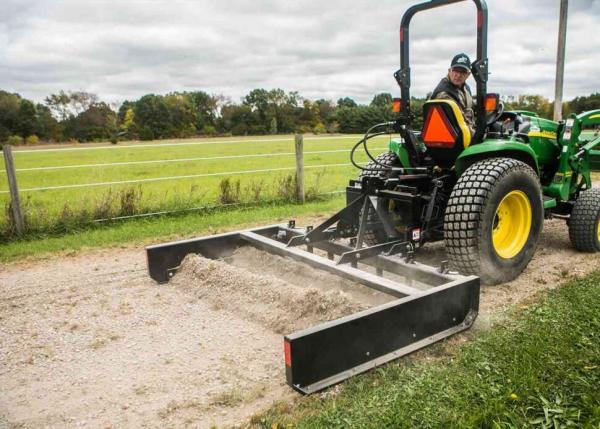
Maintaining a long gravel driveway involves more than just occasional raking. Over time, gravel can become uneven, leading to ruts, washboards, and potholes. Proper leveling ensures a smooth surface, extends the driveway's lifespan, and enhances vehicle safety. This guide delves into effective methods and equipment for leveling a gravel driveway.
Challenges of Gravel Driveways
Gravel driveways are susceptible to various issues: - Ruts and Washboards: Frequent vehicle traffic can create depressions and ridges.
- Potholes: Water erosion and traffic can dislodge gravel, forming holes.
- Drainage Problems: Improper grading can lead to water accumulation, exacerbating damage.
- Material Compaction: Over time, gravel can compact, reducing permeability and increasing wear.
Essential Tools for Driveway Leveling
Several tools can aid in leveling a gravel driveway:- Box Blade: A versatile tool for grading and leveling. It consists of a blade with adjustable scarifiers to break up compacted material.
- Land Plane: A device that automatically levels gravel by using angled blades to smooth the surface as the vehicle moves.
- Drag Harrow: A simple tool that can be towed behind a vehicle to break up clumps and level the surface.
- Driveway Grader: Specialized equipment designed to maintain and level gravel driveways efficiently.
Step-by-Step Guide to Leveling
- Assess the Driveway: Identify areas with significant ruts, washboards, or potholes.
- Prepare the Surface: Use a box blade or similar tool to break up compacted gravel.
- Grade the Driveway: Employ a land plane or driveway grader to level the surface. Ensure proper drainage by creating a slight crown in the middle.
- Compact the Gravel: Use a vibratory roller or similar equipment to compact the gravel, ensuring stability.
- Regular Maintenance: Periodically inspect the driveway and address minor issues before they become major problems.
Best Practices- Proper Drainage: Ensure the driveway has adequate slopes to direct water away from the surface.
- Regular Maintenance: Address small issues promptly to prevent larger problems.
- Quality Gravel: Use a mix of gravel sizes to promote interlocking and stability.
Conclusion
Leveling a long gravel driveway requires the right tools, techniques, and regular maintenance. By addressing issues promptly and using appropriate equipment, you can ensure a smooth, durable, and safe driveway for years to come.
|
|
|
|
| Rebuilding the Transmission on a Caterpillar 426 Backhoe Loader |
|
Posted by: MikePhua - 09-12-2025, 10:32 PM - Forum: Troubleshooting & Diagnosing
- No Replies
|
|
The CAT 426 and Its Transmission Architecture
The Caterpillar 426 backhoe loader, introduced in the late 1980s, was part of CAT’s push into the mid-size utility equipment market. With a four-speed manual transmission integrated with a forward-reverse shuttle, the 426 was designed for versatility and durability in construction, excavation, and municipal work. Unlike later models with electronic controls, the original 426 relied on hydraulically actuated clutch packs housed within a single transmission case.
The transmission features two clutch packs—one for forward and one for reverse—each operated by hydraulic pressure. A torque converter feeds power into the transmission, and a suction screen filters fluid before it reaches the pump. Over time, clutch material can accumulate on the screen, starving the system of oil and leading to clutch failure.
Terminology Annotation - Clutch Pack: A series of alternating friction discs and steel plates used to engage or disengage power flow
- Torque Converter: A fluid coupling that transmits and multiplies engine torque to the transmission
- Suction Screen: A mesh filter located at the pump inlet to prevent debris from entering the hydraulic system
- End Play: The axial clearance between clutch pack components, critical for proper engagement and longevity
Symptoms and Initial Diagnosis
Operators reported strong reverse engagement but complete loss of forward motion. After cleaning the suction screen, the machine regained function briefly before failing again. The screen was found to be clogged with clutch debris, indicating internal wear. Overfilling the transmission fluid did not resolve the issue and introduced new problems, such as breather leaks and gear slippage in higher ranges.
This pattern suggests that the forward clutch pack was compromised, likely due to prolonged operation with restricted oil flow. The presence of air bubbles in the fluid further supports the theory of cavitation or suction leaks.
Disassembly and Component Inspection
During teardown, a broken fiber thrust washer was discovered on the clutch pack shaft. While this could have been the initial failure point, further inspection revealed that the clutch discs were worn beyond service limits. The shift boot was also torn, allowing contaminants to enter the transmission and accelerate wear.
The rebuild kit included:- Forward and reverse clutch packs
- Seal kit
- Bearing kit
- Small parts kit
However, the thrust washer was not included and had to be sourced separately. The parts manual and service information system (SIS) provided conflicting data on clutch pack configuration, requiring careful interpretation.
Clutch Pack Assembly and Stack-Up Strategy
The SIS recommended starting with a steel plate against the piston, followed by alternating friction discs and plates, ending with a plate against the retainer. The target end play was less than 0.100 inches, but no minimum was specified. The parts manual listed six friction discs and six plates per pack, while the rebuild kit contained more components.
Final configuration:- Plate against piston
- Alternate six friction discs and six plates
- Seventh plate against retainer
- Total end play measured at approximately 0.050 inches
This arrangement matched the original teardown and ensured proper clearance. Some operators noted that the final plate might differ slightly in thickness or material, serving as an end plate to prevent rotation against the retainer.
Installation and Field Testing
After reassembly, the transmission was installed and filled with fresh fluid. The machine was tested in both forward and reverse across all gears. Initial performance was strong, with no overheating or hesitation. The loader was roaded to a nearby jobsite and operated for several hours without issue.
Follow-up recommendations:- Replace rear axle fluid with correct CAT gear oil to address brake chatter
- Monitor fluid levels and screen condition after initial operation
- Photograph components during disassembly to aid reassembly
- Lay out parts in order and avoid flipping or mixing during teardown
Lessons from the Field and Practical Advice
One technician emphasized the importance of documenting every step during disassembly. Even experienced mechanics can lose track of part orientation, especially when interrupted or working under pressure. Another shared that overfilling the transmission may temporarily mask suction issues but introduces aeration, heat, and seal stress.
Tips for successful rebuilds:- Use OEM or high-quality aftermarket kits with verified part counts
- Confirm clutch pack stack-up against both manual and teardown evidence
- Replace damaged boots and seals to prevent future contamination
- Pressure test the transmission after installation to verify engagement
Conclusion
Rebuilding the transmission on a CAT 426 backhoe loader requires attention to detail, accurate part identification, and a clear understanding of hydraulic clutch operation. By diagnosing the failure, inspecting components, and assembling the clutch packs with proper end play, operators can restore full functionality and extend the life of the machine. The 426’s mechanical simplicity makes it a rewarding candidate for field repair, provided the technician respects the nuances of its design and the lessons learned from past rebuilds.
|
|
|
|
|



