| Welcome, Guest |
You have to register before you can post on our site.
|
| Online Users |
There are currently 133 online users.
» 0 Member(s) | 122 Guest(s)
Ahrefs, Amazon, Baidu, Bing, Claude, DotBot, Google, Petalbot, Semrush, Sogou, Trendiction
|
| Latest Threads |
Identifying and Sourcing ...
Forum: Parts , Attachments & Tools
Last Post: MikePhua
01-07-2026, 06:29 PM
» Replies: 0
» Views: 346
|
Cat 931B Brake Parts
Forum: Parts , Attachments & Tools
Last Post: MikePhua
01-07-2026, 06:29 PM
» Replies: 0
» Views: 249
|
Choosing Between Cat 228,...
Forum: General Discussion
Last Post: MikePhua
01-07-2026, 06:28 PM
» Replies: 0
» Views: 366
|
Fix It or Part It Out
Forum: General Discussion
Last Post: MikePhua
01-07-2026, 06:27 PM
» Replies: 0
» Views: 320
|
Hydraulic Delay When Lowe...
Forum: Troubleshooting & Diagnosing
Last Post: MikePhua
01-07-2026, 06:27 PM
» Replies: 0
» Views: 380
|
Bale Chopper and Mulcher ...
Forum: General Discussion
Last Post: MikePhua
01-07-2026, 06:26 PM
» Replies: 0
» Views: 274
|
Mini UC Maintenance
Forum: General Discussion
Last Post: MikePhua
01-07-2026, 06:25 PM
» Replies: 0
» Views: 264
|
Locating Wiring Informati...
Forum: General Discussion
Last Post: MikePhua
01-07-2026, 06:24 PM
» Replies: 0
» Views: 300
|
Case Industrial Brown Sub...
Forum: Parts , Attachments & Tools
Last Post: MikePhua
01-07-2026, 06:23 PM
» Replies: 0
» Views: 246
|
Dirt Work in West Virgini...
Forum: Construction & Urban Infrastructure Forum
Last Post: MikePhua
01-07-2026, 06:23 PM
» Replies: 0
» Views: 322
|
|
|
| Hydraulic Pressure Issues in Heavy Equipment |
|
Posted by: MikePhua - 09-13-2025, 12:51 PM - Forum: Troubleshooting & Diagnosing
- No Replies
|
 |
Introduction
Hydraulic systems power many functions in heavy machinery—digging, lifting, pushing, rotating—everything depends on correct hydraulic pressure. When pressure drops, or fluctuates, performance suffers. To understand these issues, one must know what sets hydraulic pressure, what causes it to fail, and how to fix and prevent problems. This article covers common causes, diagnostics, solutions, and real cases to help operators and maintenance teams.
What Sets Hydraulic Pressure - Hydraulic Pump: Generates the pressure and flow needed.
- Control Valves: Direct flow to the right actuator (e.g. cylinder or motor).
- Relief / Pressure Relief Valves: Prevent overpressure by opening when pressure exceeds set limits.
- Hydraulic Fluid: Correct viscosity, cleanliness, fluid level.
- Lines, Seals, Hoses: Integrity (no leaks), correct routing and secure fittings.
Hydraulic pressure is usually measured in psi (or bar), and flow in gallons per minute (or liters per minute). For example, a medium excavator might need 2500-3500 psi (≈170-240 bar) in its main circuit to operate properly.
Common Causes of Pressure Problems
- Low or Incorrect Fluid Level
If fluid is low, pump will draw air (aeration) which reduces pressure. Overfilling may cause foaming.
- Fluid Contamination
Particles, water, or degraded fluid lead to restricted flow, wear, and inefficiencies.
- Leaky Lines, Seals, or Connections
External leaks reduce flow, internal leaks (e.g. worn seals) allow fluid bypass, dropping effective pressure.
- Clogged Filters or Blocked Hydraulic Paths
Filters that are past service interval, or clogged passages in valves or hoses can starve parts of fluid, reducing pressure.
- Pump Wear or Damage
Worn internal parts, damaged gears or pistons in the pump leads to reduced ability to build pressure.
- Relief Valve Misadjustment or Wear
If relief valves open too early or are worn, they relieve pressure prematurely, so circuits don’t receive full pressure.
- High Fluid Temperature
When fluid gets too hot, its viscosity drops; thinner fluid leaks past seals more easily and delivers less pressure under load.
- Aeration and Cavitation
- Aeration: air entering the system, causing spongy or unstable pressure.
- Cavitation: vapor bubbles forming in fluid then collapsing, which damages pump internals and disrupts pressure delivery.
Diagnosis Steps- Check fluid level and top up if low. Use the fluid type recommended by manufacturer.
- Examine fluid condition: look for milky color (water), dark or burnt-smell fluid (overheating or degradation).
- Inspect all hoses, fittings, connections for leaks.
- Replace or clean filters.
- Measure pressure with a test gauge at key points: pump outlet, before big valves, and at actuator. Compare with manufacturer's specs.
- Check relief valve setting; test if it opens at right pressure.
- Monitor fluid temperature; ensure cooler/radiator (if equipped) is functioning.
- Listen for unusual noises: whining, knocking, hissing could indicate air in system, cavitation or damaged pump components.
Solutions & Preventive Measures- Replacement of worn seals, hoses, fittings.
- Regular filter change intervals. Use OEM or high-quality filters with proper ratings.
- Use clean fluid; prevent contamination from dirt or water. Store fluid correctly, use proper venting to avoid water ingress.
- Bleed air out of system after maintenance or if low fluid was present.
- Maintain correct relief valve settings; adjust or replace valves when worn.
- Maintain cooling systems; ensure fluid cooling and ambient airflow are not blocked.
- Operator training: avoid overloading, idling in extreme heat, ensure proper warm-up.
Real-World Cases- A fleet of excavators working in cold weather saw slow hydraulic responsiveness. After inspection, found fluid was wrong viscosity for low temperature; fluid replaced with correct spec and pressure restored.
- In mining equipment, high ambient temperature caused hydraulic oil overheating. Relief valves were opening prematurely due to thinned fluid. Installed larger coolers and better oil coolers; scheduled morning start ups to pre-cool, resulting in 40-50% fewer pressure-related shutdowns.
- Another case: a loader had jerky boom motion. Diagnosis revealed air entering through a loose hose clamp on suction line. Replaced clamp, bled system, and boom smoothness returned.
Key Terms- Aeration: Air entrained in hydraulic fluid; degrades performance.
- Cavitation: Formation and collapse of vapor bubbles in fluid; damages components.
- Relief Valve: Safety valve that limits maximum pressure.
- Viscosity: Thickness or resistance to flow of fluid; changes with temperature.
- Internal Leak: Fluid bypass inside pump, valve, or actuator (not visible externally) reducing pressure.
Conclusion
Hydraulic pressure issues are a major source of performance loss and downtime in heavy equipment. Most problems trace back to fluid condition, leaks, worn components, improper settings or environmental factors like heat. By following diagnostic steps, employing preventive maintenance, and learning from real cases, fleet operators can reduce incidents and extend service life. Regular monitoring of fluid levels, filters, temperature and pressures is essential. Proactive maintenance saves not just repair costs but also lost productivity.
|

|
|
| Caterpillar 994F 装载机详解 |
|
Posted by: MikePhua - 09-13-2025, 12:50 PM - Forum: General Discussion
- No Replies
|
|
一、型号背景与品牌简览
Caterpillar(卡特彼勒)是美国工程机械巨头,以生产矿山、采石场等重载工况下使用的大型装载机、推土机、挖掘机著称。994F 是 Caterpillar 的“巨无霸”轮式装载机之一,其设计目的是在矿山或大型物料装卸作业中提供超强的装载能力和可靠性。这类机器通常与大型矿用自卸车配合使用,多数在砂石、煤炭、矿石等重载场合出现。
二、关键参数
以下是 994F 的主要规格,以便了解其作业能力和运输要求: - 发动机与动力
- 型号:Cat 3516B HD EUI
- 净功率约 1,463 马力(约 1,091 千瓦)在 1,600 rpm
- 最大扭矩约 6,289 lb-ft(约 8,499 N·m)在约 1,100 rpm
- 作业重量与载荷能力
- 运行重量约 193,779-195,434 公斤(约 427,200-430,800 磅)
- 标准额定载荷(Standard Payload)约 35 吨(约 31.7 公吨)
- 高举升配置(High-Lift)和超高举升配置(Super High Lift)载荷略有下降,但能适应更大卸料高度和装载需求
- 铲斗容量与作业范围
- 标准铲斗容量范围约 14-36 立方米(约 18.5-47 立方码)
- 最大卸载高度约 5.77 米(高举升配置时)
- 行走速度前进可达约 22.5 km/h,倒退速度也有不同档位配置
- 结构与液压系统特点
- 液压系统泵组包括多个固定排量活塞泵及一个变排量活塞泵,用于提升/倾斜动作,提供高流量和高压力输出
- 举升臂与铲斗臂采用加固钢结构,以承受高强度循环载荷和扭矩应力
- 尺寸与运输规格
- 全宽(轮胎宽度)约 5.64 米(或以标准轮胎配置为准)
- 高度、长度也为非常庞大的标准,运输中需考虑特殊运输许可与路线规划
三、应用场景与优势- 994F 被广泛用于矿场装车作业。当矿场的自卸车容量巨大(例如 150 吨级别)时,一台 994F 可以在几个往返中装满车斗,从而提高装车效率,减少等待和调度成本。
- 在对抗恶劣环境(如高温、尘土、多砂石碎块区)时,994F 强大的冷卻系统、坚固的铲斗臂结构和耐用轮胎使其成为可靠之选。
- 在一些拍卖记录中,例如某些 994 系列在露天矿场中即使使用多年,也能保持良好结构状态,只需更换耗材和润滑部件即可继续服役。
四、挑战与注意事项- 运输难度:由于这类机器非常宽、高、重,运输时常需申请超重或超宽许可路线。运输成本高且需要预先规划。
- 维护成本:发动机、液压泵组、铲斗臂铰链等都是高应力部件,需要定期检修和使用质量优良的润滑油与过滤器。
- 操作环境要求高:在软土地面、高斜坡或湿滑条件下,轮胎抓地力、稳定性等成为关键。如果基础地面准备不充分(如未压实),可能导致轮胎沉陷或机体不稳定。
五、小故事与真实案例- 在澳洲内陆某矿场,一台 994F 装载机在 2020 年用于装载一批矿石,需要将矿石装满一辆 150 吨级矿用运矿车。该装载作业在高温(约 40°C)和尘土飞扬环境中进行。操作人员报告说,由于其强大的举升力和优良的液压系统,该机在连续作业8小时后仍保持稳定性能,仅在午休时对液压油温进行检查和冷却处理。
- 在另一案例中,某矿山因为使用小型装载机效率低下,改用 994F 后每班装车次数从原来的6次提高到4次就可满载,从而节省燃油、轮胎磨损和人工成本。
六、建议与解决方案- 在购入此类大型装载机前,应实地核查机器的结构状态、铲斗边缘磨损、轮胎状态以及液压系统是否有泄漏。
- 定期进行热身运行,以便液压传动系统各组件温度均匀,避免单点过热导致损伤。
- 使用符合厂家规格的机油与滤芯,特别是液压油与变速箱油。
- 操作人员培训非常关键,熟练掌握负载控制和铲斗操作可延长部件寿命并提高安全性。
七、结语
Caterpillar 994F 装载机是工程机械界的巨无霸,其强大作业能力与稳定性使其在矿场和大型装卸场所中不可替代。无论是装车作业还是推动运输效率的提升,它的表现都极具说服力。然而,高昂的维护与运输成本意味着使用者必须做好充分准备与规划。对于有足够作业量与工况需求的矿业公司或大型基础设施项目而言,994F 是价值极高的投入与长期资产。
|
|
|
|
| Solenoid Valve Problem in Construction Machinery |
|
Posted by: MikePhua - 09-13-2025, 12:50 PM - Forum: Troubleshooting & Diagnosing
- No Replies
|
|
Introduction
Solenoid valves are crucial components in modern construction equipment, playing an essential role in hydraulic and fuel systems. They act as electromechanical switches that regulate the flow of fluids or gases by responding to electrical signals. When these valves fail, machines may experience power loss, hydraulic lockups, or operational delays. Understanding the nature of solenoid valve problems, their causes, and effective solutions is vital for keeping equipment reliable and reducing downtime on job sites.
What is a Solenoid Valve
A solenoid valve consists of two main parts: - The solenoid coil, which creates a magnetic field when energized.
- The valve body, which controls the flow of fluid or gas.
When an electrical current passes through the coil, it generates a magnetic force that moves a plunger or spool, allowing fluid to flow. Once the current stops, a spring or pressure returns the plunger to its default position, closing the valve. These valves are widely used in excavators, loaders, dozers, and compressors for tasks such as fuel injection, hydraulic actuation, and auxiliary attachments.
Common Symptoms of Solenoid Valve Failure
- Intermittent Functionality
Machines may work sporadically, with hydraulics failing to respond consistently.
- Complete Lockout
The valve may fail to open or close, leading to stalled equipment or inoperable attachments.
- Unusual Noises
Buzzing or clicking from the solenoid coil often indicates electrical or mechanical strain.
- Excessive Heat
Overheating solenoids may point to electrical overloads or short circuits.
Root Causes of Solenoid Valve Issues- Electrical Problems: Poor wiring connections, blown fuses, or weak batteries can prevent solenoids from receiving consistent current.
- Contaminated Fluids: Dirt, rust, or sludge in hydraulic or fuel lines can jam the valve internals.
- Overuse and Wear: Continuous cycling of valves, especially in heavy-duty machines, accelerates coil fatigue and plunger wear.
- Environmental Exposure: Dust, water, and extreme temperatures reduce the lifespan of seals and electrical insulation.
A study of hydraulic system failures in excavators revealed that solenoid valve malfunctions accounted for nearly 18% of unplanned downtime, making them one of the most common causes after pump and hose failures.
Maintenance and Troubleshooting Methods
- Electrical Testing
- Use a multimeter to measure coil resistance.
- Typical resistance ranges from 5 to 25 ohms depending on the design. Infinite resistance indicates a broken coil, while near-zero suggests a short circuit.
- Hydraulic Inspection
- Check for leaks around the valve body.
- Flush hydraulic lines if contaminants are detected.
- Cleaning and Reassembly
- Disassemble the valve carefully, clean all internal components, and replace damaged seals.
- Replacement When Necessary
- If a coil has burned out, replacing the entire solenoid assembly is usually more cost-effective than repairing it.
Industry Examples
A construction company in Texas reported frequent failures in the solenoid valves of their excavator fleet during a pipeline project. The problem was traced back to contaminated diesel fuel that caused injector solenoids to stick. After switching to higher-grade filtration systems and scheduling coil resistance checks every 500 operating hours, the failure rate dropped by 70%.
Similarly, a mining contractor in Australia faced issues with hydraulic solenoids overheating in summer temperatures exceeding 40°C. Installing additional cooling fans and using heat-resistant solenoid coils extended the average component life by two years.
Background on Solenoid Use in Heavy Equipment
Solenoid technology became mainstream in construction machinery in the late 20th century, coinciding with the move from mechanical linkages to electronic controls. Manufacturers like Caterpillar, Komatsu, and Hitachi introduced solenoid-controlled systems in the 1980s to improve precision and operator comfort. By 2010, nearly 90% of mid to large-sized excavators relied on solenoid-operated hydraulic valves.
Solenoid valve suppliers often collaborate with OEMs to develop machine-specific solutions. Companies such as Parker Hannifin and Bosch Rexroth have invested heavily in solenoid design, focusing on durability and energy efficiency.
Preventive Measures- Regular Electrical Checks: Inspect wiring harnesses monthly.
- Clean Fluids: Replace hydraulic filters every 250 hours and use certified fuel suppliers.
- Coil Protection: Install weatherproof covers to protect against rain and dust.
- Operator Training: Teach operators to recognize early symptoms like sluggish hydraulics or delayed fuel response.
Conclusion
Solenoid valve problems are a frequent cause of downtime in construction machinery, but with proper maintenance and awareness, their impact can be minimized. Through regular inspection, use of clean fluids, and quick replacement of faulty components, companies can keep their equipment reliable. Real-world cases show that even small preventive steps, such as better filtration or enhanced cooling, can extend solenoid life dramatically. In a sector where uptime directly influences profitability, effective solenoid valve management is not just a technical matter but also a business priority.
|
|
|
|
| The Granddaddy of the Modern Roadtrain |
|
Posted by: MikePhua - 09-13-2025, 12:49 PM - Forum: General Discussion
- No Replies
|
|
The Birth of the Roadtrain Concept
The idea of the roadtrain emerged from the unique challenges of transporting goods across vast and often hostile landscapes. In places like the Australian Outback, where railways were scarce and distances between settlements were immense, traditional trucks struggled to keep up with demand. This gave rise to the concept of linking multiple trailers to a single powerful tractor, creating a vehicle capable of hauling enormous loads over rough terrain. The earliest versions were experimental but laid the groundwork for what would later become the backbone of freight transport in remote regions.
The Role of Military Innovation
Many early roadtrain designs can be traced back to military applications. During World War II, the need to transport heavy equipment, fuel, and supplies across deserts and rugged terrain pushed engineers to create vehicles far larger and stronger than conventional trucks. The concept of the multi-trailer hauler proved invaluable in areas where rail and sea transport were impractical. After the war, this technology transitioned into civilian use, particularly in countries with vast expanses of unpaved land.
Engineering Characteristics
The early roadtrains were feats of engineering. They often used heavy-duty tractors powered by large diesel engines, sometimes exceeding 200 horsepower at a time when that was considered extraordinary. The trailers were connected using robust coupling systems designed to handle articulation across uneven ground. Suspension systems were reinforced to cope with the heavy loads, and braking systems had to be specially engineered to ensure control over multiple trailers. One famous design was capable of pulling as many as four or five trailers, each laden with supplies or livestock.
Key technical features included: - Engine output ranging from 200 to 300 horsepower in early civilian versions
- Trailer payloads exceeding 10 tons each
- Reinforced drawbars and pivoting hitches for flexibility on rough roads
- Braking systems using air or hydraulic assistance to control trailer sway
- Total lengths sometimes surpassing 100 feet, making them giants on the road
Adoption in Australia
Australia became the natural home for the roadtrain. The geography demanded a transport system that could carry supplies across deserts and sparsely populated areas where rail was absent. By the 1950s and 1960s, roadtrains were hauling cattle from remote stations to market, sometimes driving herds of hundreds of animals in a single trip. The economic impact was immense. Livestock producers could now access distant markets, boosting regional development. This was especially transformative in Western Australia and the Northern Territory.
Cultural and Economic Significance
Roadtrains are not just vehicles—they represent resilience and adaptability. In many regions, they are seen as symbols of frontier ingenuity. Drivers often developed reputations as rugged individuals capable of handling machines stretching longer than small-town streets. The roadtrain also became a logistical cornerstone in industries like mining, where massive quantities of ore, fuel, and equipment had to be moved overland. A single roadtrain could replace multiple conventional trucks, reducing costs and manpower.
Challenges and Solutions
Despite their advantages, roadtrains posed challenges. Their sheer size made maneuvering in urban areas nearly impossible, restricting them to rural and industrial routes. Braking and stability were constant concerns, especially when trailers were unevenly loaded. Over time, engineering refinements addressed these problems, including better braking synchronization, load distribution guidelines, and improved suspension. Modern roadtrains use advanced electronic stability systems and engines producing upwards of 600 horsepower, but they owe their existence to the early pioneers.
Stories from the Road
Veteran drivers often recall moments that underscore the difficulties of early roadtrain operation. On dirt roads, dust clouds could blind following vehicles for miles. In the wet season, trucks sometimes sank to their axles in mud, requiring days of recovery. Yet the roadtrain remained essential, and many remote towns would eagerly await the familiar sight of these giants bringing food, mail, and supplies. In one famous anecdote, a driver once used his roadtrain to rescue an entire community stranded by floods, hauling in essential goods when no other transport was possible.
The Legacy
The granddaddy of the modern roadtrain was more than just an oversized truck—it was the solution to a national problem. It bridged the gap between isolated communities and economic centers, laying the foundation for modern logistics in remote regions. Today’s roadtrains, with lengths surpassing 50 meters and gross weights of over 200 tons, continue that legacy, but the early innovators deserve recognition for creating the concept under far harsher conditions.
Conclusion
The history of the roadtrain is a testament to human ingenuity in the face of geographical challenges. From military experiments to economic lifelines in the Outback, the evolution of these massive vehicles reflects both technological progress and cultural identity. The “granddaddy” roadtrain may look primitive compared to today’s models, but without it, modern freight transport in remote regions might never have achieved its current scale. It stands as a symbol of endurance, innovation, and the relentless drive to connect distant worlds.
|
|
|
|
| 2021 Sumitomo SH210LC-6 Excavator Shaanxi-Hanzhong $71,629 |
|
Posted by: MikePhua - 09-13-2025, 12:41 AM - Forum: Used Excavators Trade
- No Replies
|
|
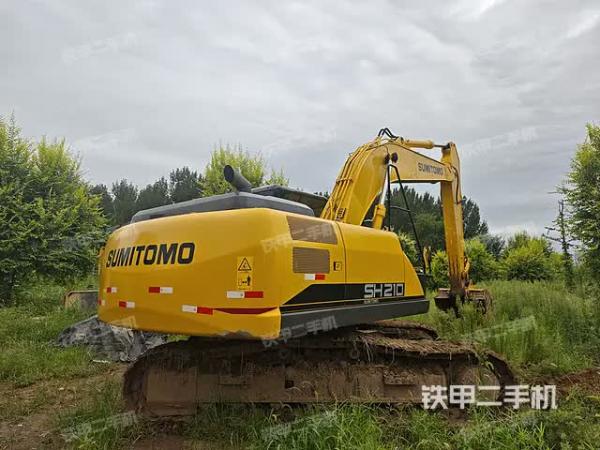
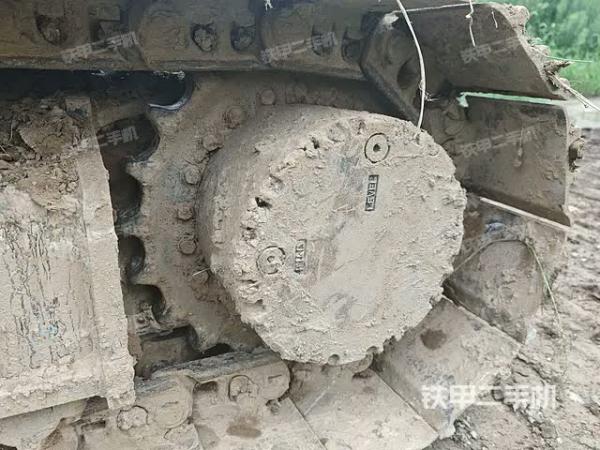
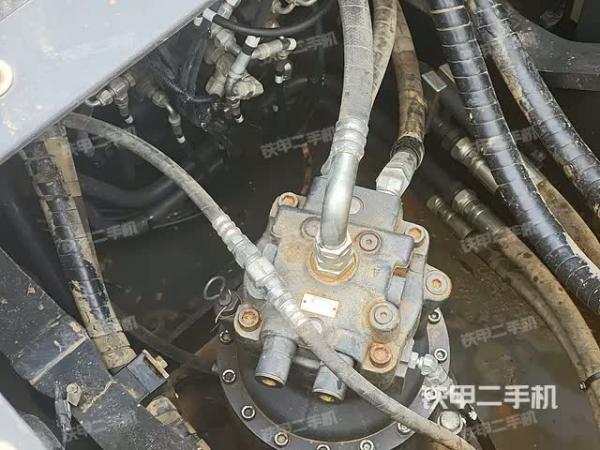
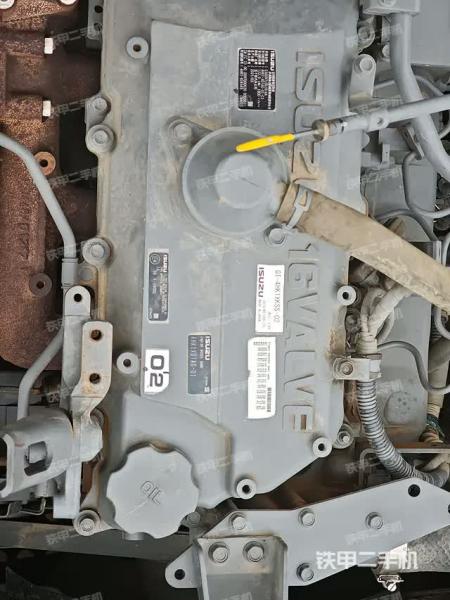
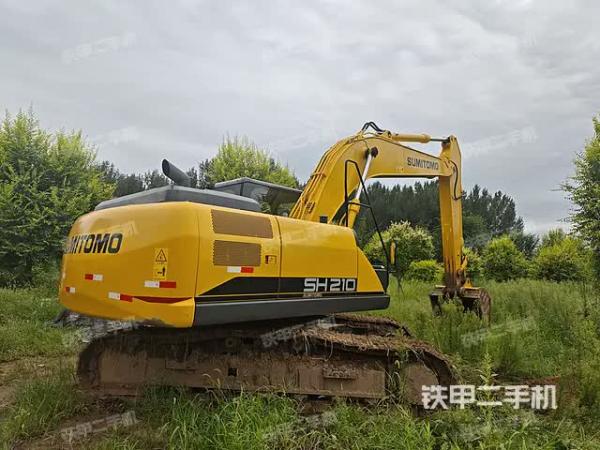
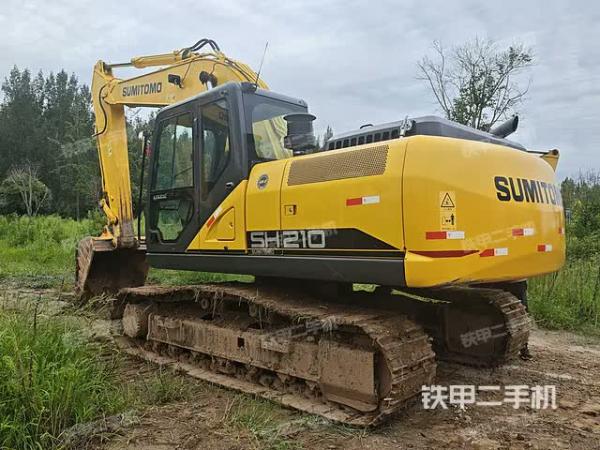
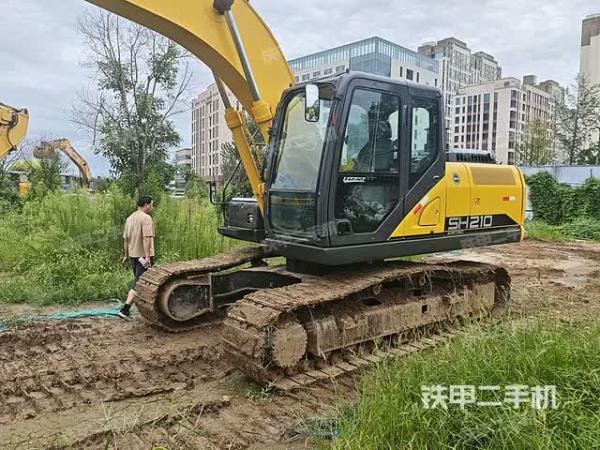
ID:1826898
- Brand: Sumitomo
- Model: SH210LC-6
- Year of Manufacture: 2021
- Hours: 2100 hours
- Location: Shaanxi - Hanzhong
The 2021 Sumitomo SH210LC-6 is a modern medium-sized hydraulic excavator designed for efficiency and durability in heavy construction environments. Produced by Sumitomo Heavy Industries, a company with a history dating back to 1888, this machine embodies over a century of engineering expertise. The SH210LC-6 is part of Sumitomo's sixth-generation excavator series, which emphasizes fuel efficiency, operator comfort, and advanced hydraulic performance.
Specifications- Brand: Sumitomo
- Model: SH210LC-6
- Year of Manufacture: 2021
- Operating Hours: 2100 hours
- Location: Hanzhong, Shaanxi
- Operating Weight: 21 tons
- Power System: Conventional engine
- Manufacturer: Joint venture/imported
- Bucket Type: Backhoe
Performance and Features
The SH210LC-6 provides a balance between power and maneuverability. With its backhoe bucket, it is ideal for medium-depth excavation, trenching, and material handling. Its conventional powertrain ensures reliability in diverse construction conditions, from urban infrastructure projects to road and bridge works.
Operational Capabilities
The machine’s operational design emphasizes stability and smooth hydraulic control. Its track system distributes weight effectively, allowing it to maintain traction on challenging surfaces. The hydraulic system is engineered for responsive boom, arm, and bucket movements, which increases digging efficiency and reduces cycle times.
Maintenance and Efficiency
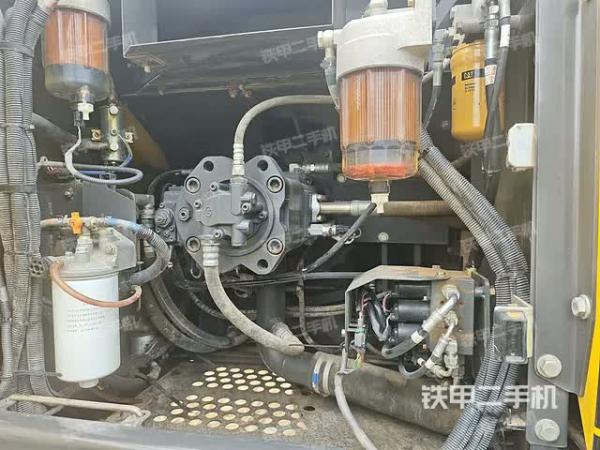
With only 2100 hours of operation, this SH210LC-6 maintains high engine performance and hydraulic integrity. Regular maintenance of the conventional engine, hydraulic oil, and lubrication systems ensures longevity. Sumitomo’s emphasis on durable components and easy-access service points simplifies preventive maintenance for operators.
Applications and Advantages
This excavator is versatile, suitable for construction, landscaping, mining, and utility work. Its 21-ton weight class allows it to handle substantial material loads while remaining agile. Operators benefit from ergonomic controls, minimized vibration, and noise-reduction features, enhancing productivity during long shifts.
Small Story and Context
In Hanzhong, Shaanxi, contractors often rely on medium-sized excavators like the SH210LC-6 for mixed urban and rural projects. One notable case involved a road expansion project where the machine’s precise hydraulic control allowed the excavation of steep embankments without destabilizing adjacent terrain, demonstrating its practical value beyond mere specifications.
|
|
|
|
| 2021 Sany SY245H Excavator Weifang-Shandong $58,707 |
|
Posted by: MikePhua - 09-13-2025, 12:36 AM - Forum: Used Excavators Trade
- No Replies
|
|
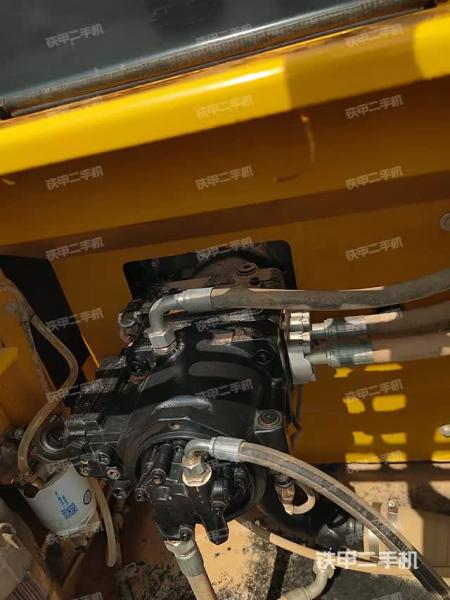
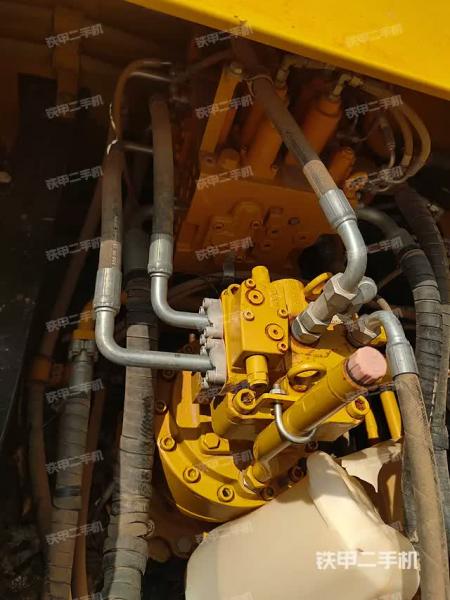
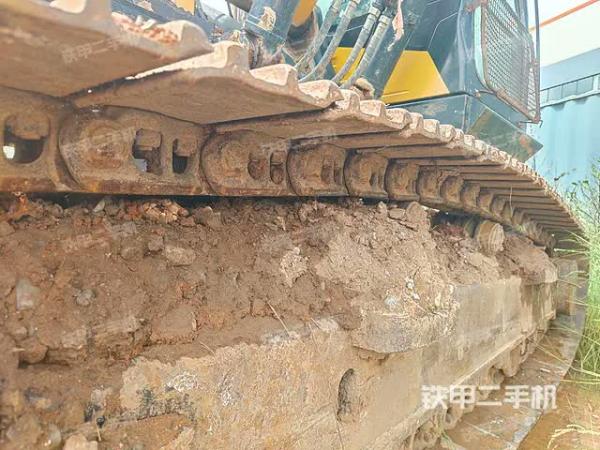
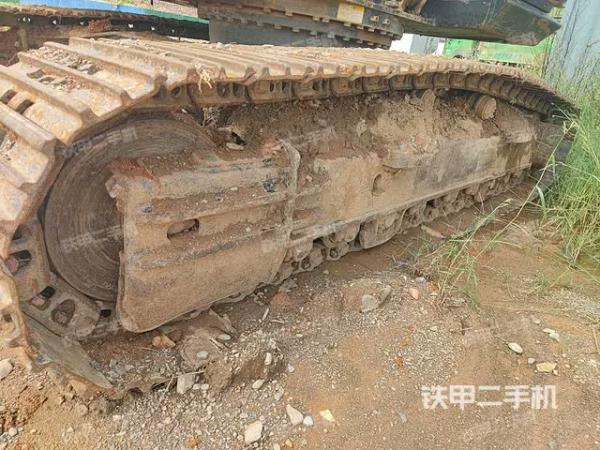
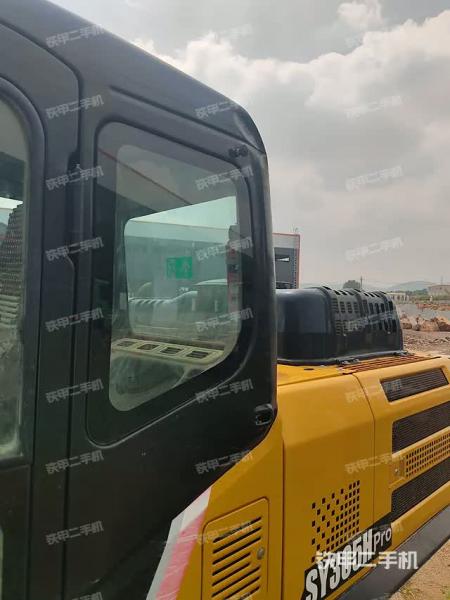
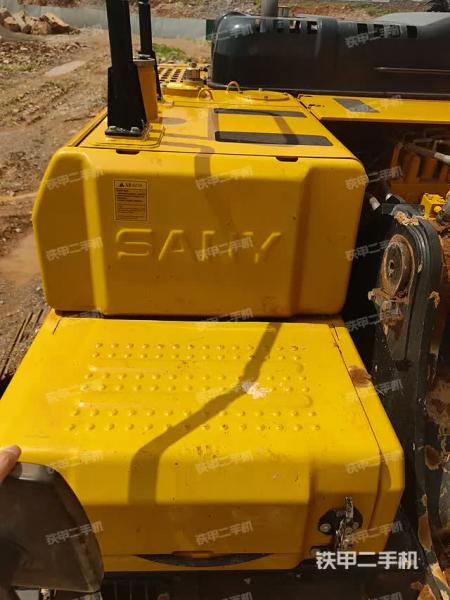
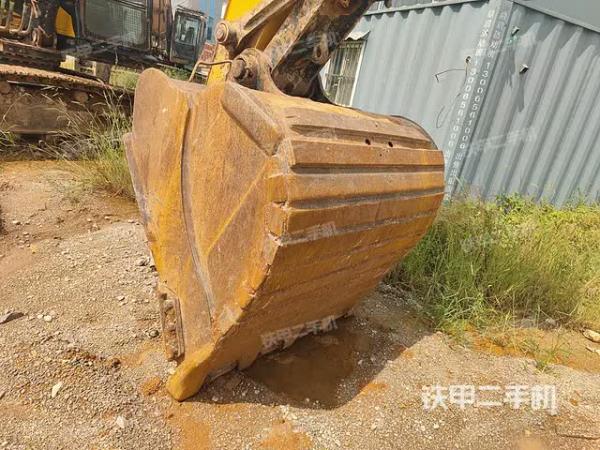
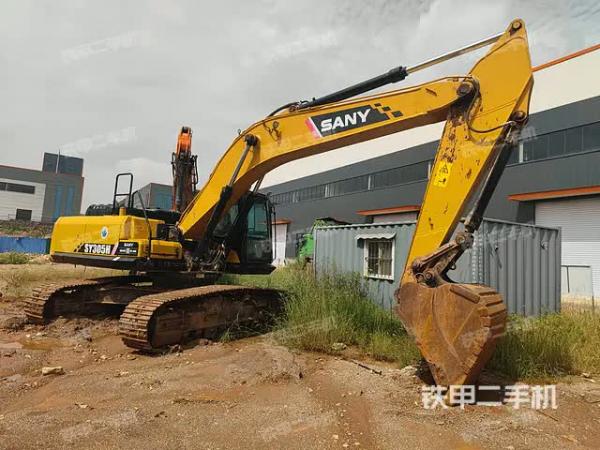
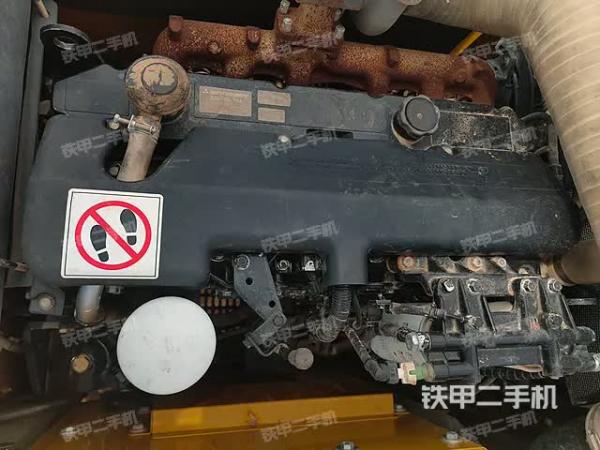
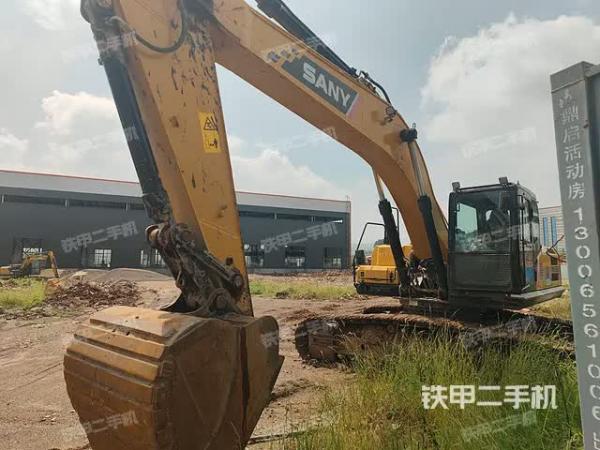
ID:1826897
- Brand: SANY
- Model: SY245H
- Year of Manufacture: 2021
- Hours: 2600 hours
- Location: Shandong - Weifang
The 2021 Sany SY245H is a powerful 24-ton hydraulic excavator designed for large-scale construction and earthmoving operations. Manufactured in China, it combines robust engineering, advanced hydraulic systems, and high efficiency to meet modern construction demands. Sany, established in 1989 in Hunan Province, China, has grown into one of the largest construction machinery manufacturers globally, with the SY series becoming a flagship for mid-to-heavy excavators. The SY245H has gained popularity for its reliability, long service life, and strong resale value.
Engine and Power System- Engine Model: D06FRC
- Rated Power: 147 kW at 2100 rpm
- Cooling System: Water-cooled
- Maximum Torque: 750 N·m at 1350 rpm
- Cylinders: 6
- Displacement: 6.373 L
- Power Type: Conventional diesel
The D06FRC engine offers excellent torque for heavy digging and lifting, ensuring consistent performance even under tough conditions. Its water-cooled system maintains optimal operating temperature for long-term durability.
Performance Metrics- Operating Weight: 25,500 kg
- Ground Pressure: 53.2 kPa
- Slew Speed: 10.6 rpm
- Climbing Ability: 70%
- Bucket Digging Force: 175 kN
- Arm Digging Force: 120 kN
- Travel Speed: 5.4/3.4 km/h
The SY245H excels in both power and mobility, providing high digging force while maintaining stability on uneven terrain. Its 70% grade climbing capacity enables operation on steep slopes, making it ideal for quarry, mining, and infrastructure projects.
Hydraulic System and Oil Capacities- Fuel Tank: 475 L
- Hydraulic Oil Tank: 277 L
- Engine Oil Change Volume: 29 L
- Hydraulic Pump: Load-sensing variable displacement piston pump
The hydraulic system is optimized for precision and efficiency, supporting smooth and responsive movements. This system reduces energy waste and allows operators to perform complex tasks with minimal effort.
Dimensions and Structure- Transport Length: 10,290 mm
- Transport Width: 3,190 mm
- Transport Height: 3,190 mm
- Cab Height: 3,255 mm
- Minimum Ground Clearance: 470 mm
- Front Swing Radius: 3,800 mm
- Rear Swing Radius: 3,105 mm
- Track Length: 4,445 mm
- Track Width: 600 mm
- Track Gauge: 2,590 mm
- Maximum Height at Minimum Swing Radius: 8,016 mm
The robust structure ensures stability during heavy-duty operations, while the wide tracks distribute weight efficiently to prevent sinking on soft ground. The cab design emphasizes operator comfort and visibility, enhancing safety on-site.
Working Range- Maximum Digging Radius: 10,225 mm
- Maximum Digging Depth: 6,705 mm
- Maximum Digging Height: 9,745 mm
- Maximum Dumping Height: 6,715 mm
This excavator is suitable for deep trenching, foundation work, and high-reach demolition tasks. Its long reach and high lifting capabilities make it versatile across multiple applications.
Recommendations and Usage Tips- Regular hydraulic oil checks extend pump life.
- Engine service every 500 hours ensures optimal power.
- Monitor track tension to prevent excessive wear on undercarriage components.
- Ideal for infrastructure projects, mining, and large-scale excavation tasks.
|
|
|
|
| 2017 Hitachi ZX70-5A Excavator Guizhou-Qiandongnan Miao and Dong Autonomous Prefecture $15,308 |
|
Posted by: MikePhua - 09-13-2025, 12:30 AM - Forum: Used Excavators Trade
- No Replies
|
|
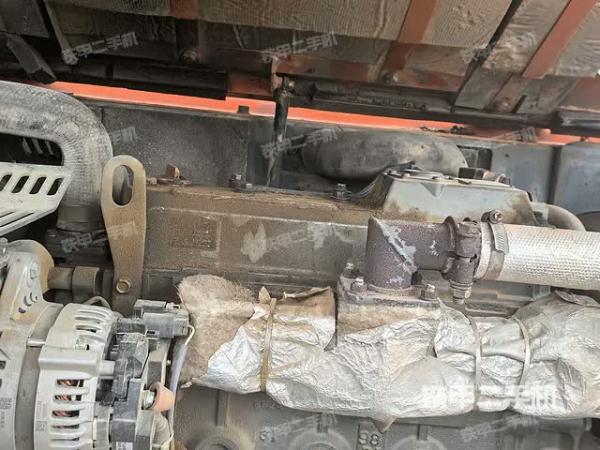
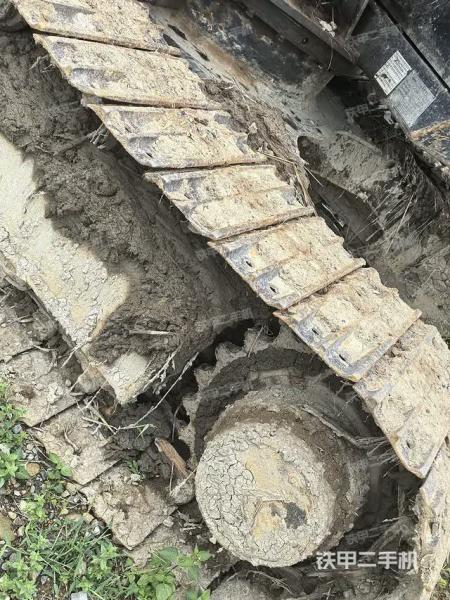
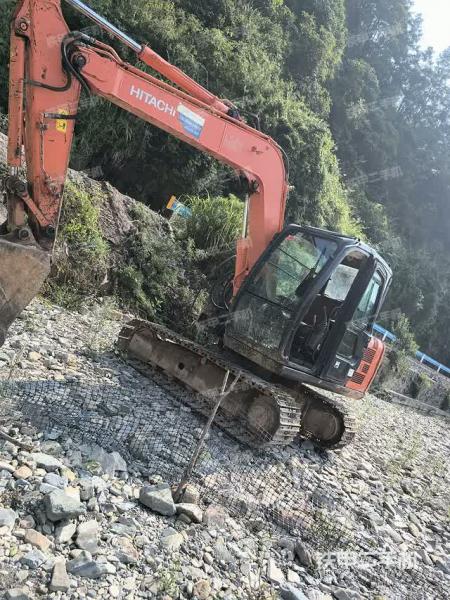
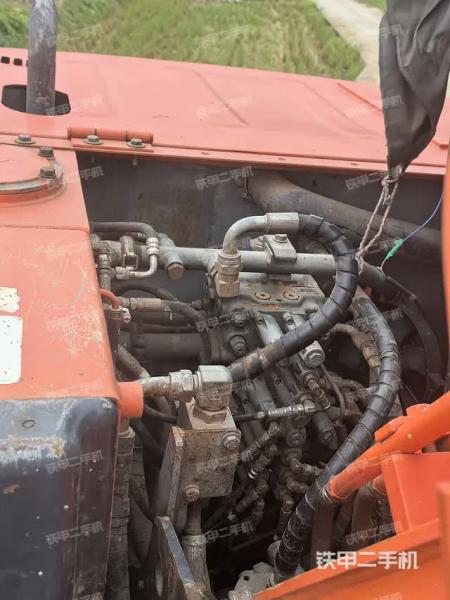
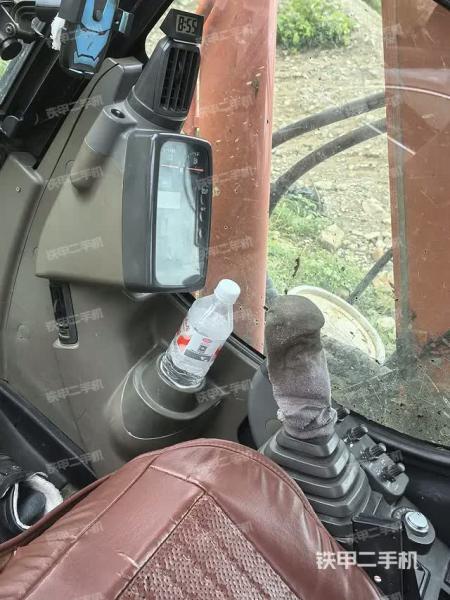
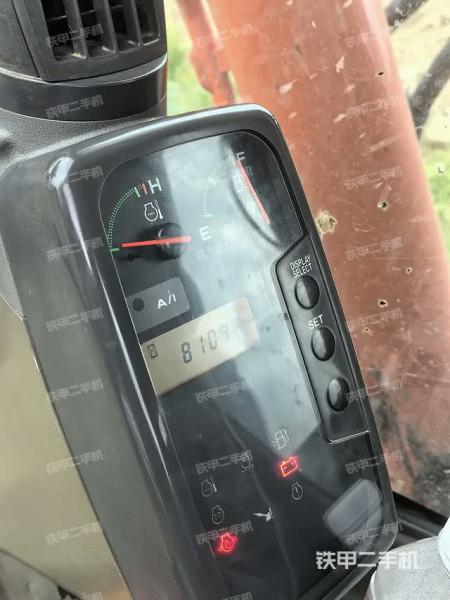
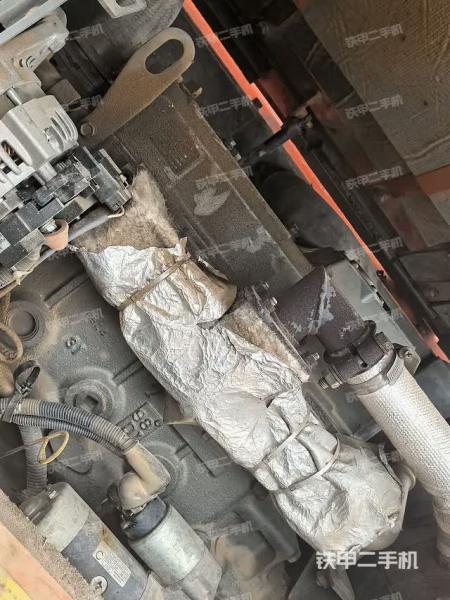
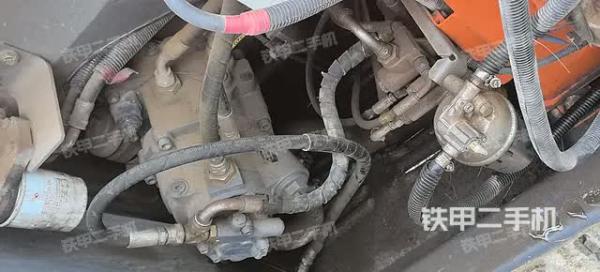
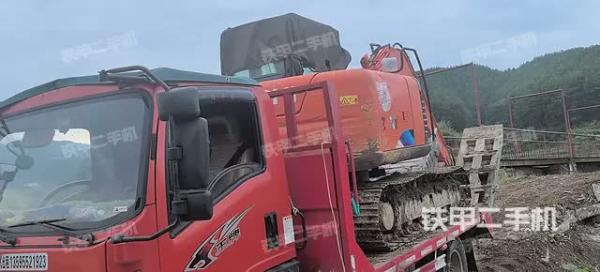
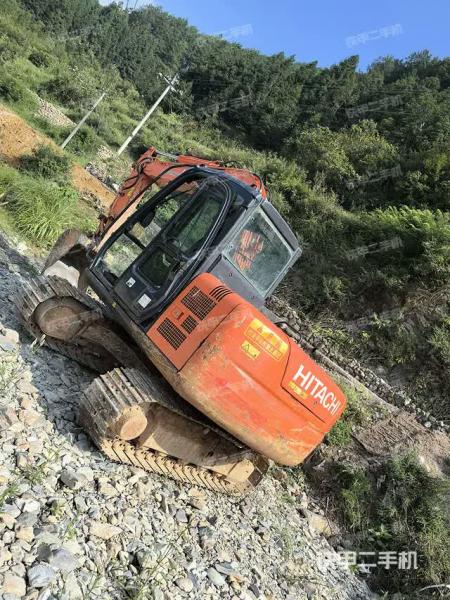
ID:1826887
- Brand: Hitachi
- Model: ZX70-5A
- Year of Manufacture: 2017
- Hours: 8100 hours
- Location: Guizhou - Qiandongnan Miao and Dong Autonomous Prefecture
The Hitachi ZX70-5A, produced in 2017, is a mid-sized hydraulic excavator designed for efficiency and versatility in construction and earthmoving projects. With 8100 operating hours logged, this machine is located in Guizhou-Qiandongnan Miao and Dong Autonomous Prefecture, reflecting its active service history in diverse terrains. Hitachi, established in 1910, has a long-standing reputation for producing durable construction machinery, with global sales exceeding tens of thousands of units annually.
Specifications- Operating Weight: 6700 kg
- Operating Tonnage: 7 tons
- Bucket Capacity: 0.33–0.38 m³
- Boom Length: 3720 mm
- Arm Length: 1620 mm
- Bucket Type: Backhoe
- Power Source: Conventional diesel
Power System- Engine Model: 4TNV98
- Rated Power: 42.4 kW at 2100 rpm
- Cylinders: 4
- Displacement: 3.318 L
- Maximum Torque: 236 N·m at 1350 rpm
- Cooling: Water-cooled, 4-stroke direct injection
Performance Metrics- Ground Pressure: 31 kPa
- Swing Speed: 10.7 rpm
- Climbing Ability: 70%
- Bucket Digging Force: 55 kN
- Arm Digging Force: 38 kN
- Max Traction: 47.8 kN
- Travel Speed: 3.4–5.0 km/h
- Swing Torque: 12.9 N·m
Hydraulic System- Swing Hydraulic Motor: 1 axial piston motor
- Travel Hydraulic Motors: 2 variable axial piston motors
- Main Pump: 3 variable axial piston pumps
- Max Flow: 2×63 / 1×52.5 L/min
- Working Pressure: 26 MPa
- Pilot Pump Flow: 21 L/min, gear type
- Cylinder Specs:
- Bucket: 1×85×55 mm
- Arm: 1×95×60 mm
- Boom: 1×115×65 mm
Fluid Capacities- Fuel Tank: 135 L
- Hydraulic Tank: 60 L
- Engine Oil: 12.3 L
- Coolant: 8 L
- Hydraulic System: 100 L
Dimensions- Transport Length: 6080 mm
- Transport Width: 2260 mm
- Transport Height: 2600 mm
- Cab Height: 2600 mm
- Counterweight Clearance: 760 mm
- Min Ground Clearance: 360 mm
- Front Min Swing Radius: 1720 mm
- Rear Swing Radius: 1750 mm
- Track Width: 450 mm
- Total Track Width: 2200 mm
- Track Ground Contact Length: 2140 mm
Operational Range- Max Digging Radius: 6320 mm
- Max Digging Depth: 4170 mm
- Max Digging Height: 7150 mm
- Max Dumping Height: 5060 mm
- Max Vertical Digging Depth: 3730 mm
- Dozer Blade Lift/Push Depth: 400/280 mm
- Blade Width×Height: 2320×435 mm
- Max Excavation Radius on Idle: 6170 mm
The ZX70-5A excels in compact construction sites, offering a balance between mobility and power. Its moderate weight ensures easier transport and reduced ground pressure, making it ideal for urban or soft-soil applications. Many operators have noted its reliability for repetitive trenching and medium-scale excavation tasks. A small anecdote from Guizhou highlights how a fleet of ZX70-5A excavators dramatically sped up riverbank reinforcement work, showcasing the model’s versatility and robustness.
|
|
|
|
| 2019 Sumitomo SH210-6 Excavator Hubei-Huangshi $84,269 |
|
Posted by: MikePhua - 09-13-2025, 12:22 AM - Forum: Used Excavators Trade
- No Replies
|
|
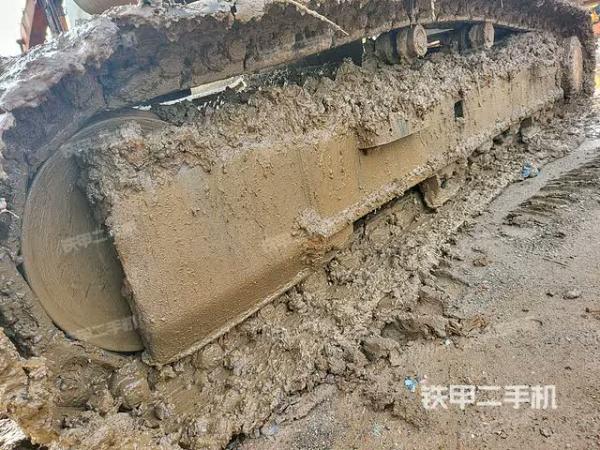
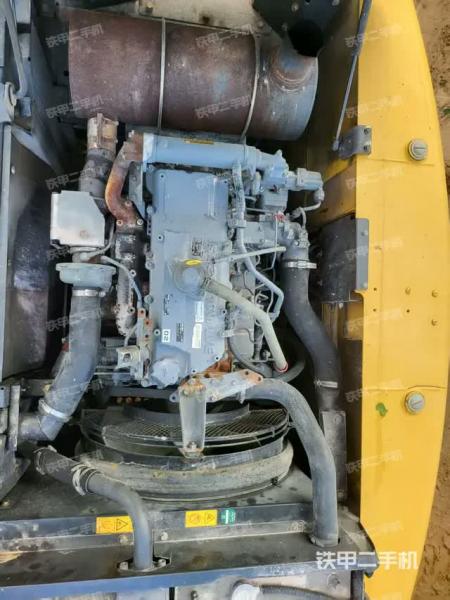
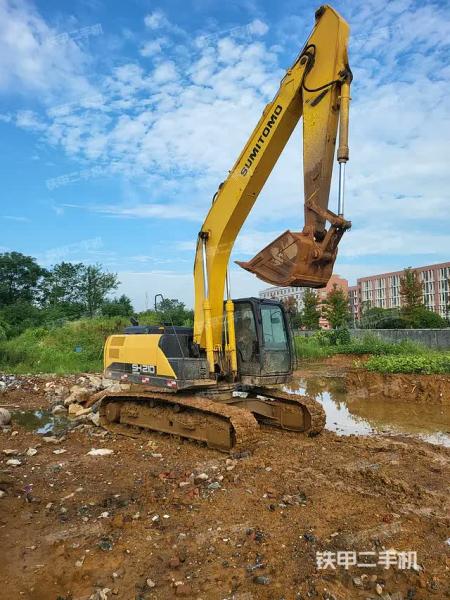
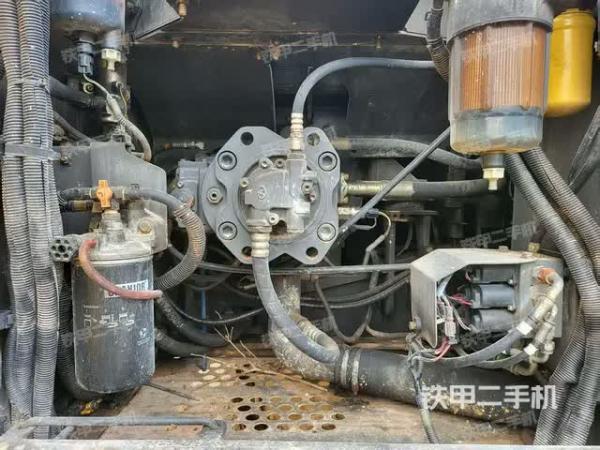
ID:1826880
- Brand: Sumitomo
- Model: SH210-6
- Year of Manufacture: 2019
- Hours: 3900 hours
- Location: Hubei - Huangshi
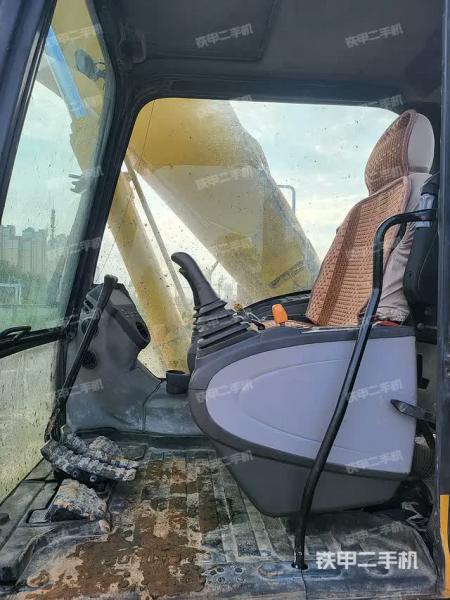
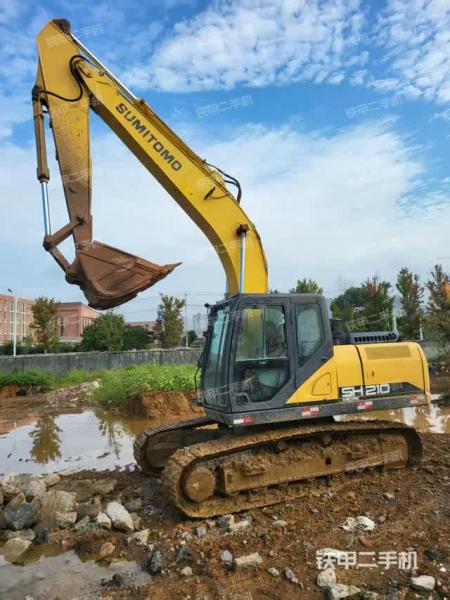
The Sumitomo SH210-6 is a mid-sized hydraulic excavator introduced in 2019, designed for efficiency and durability in heavy construction and earthmoving tasks. Sumitomo, a Japanese manufacturer with over a century of industrial engineering experience, has a reputation for producing reliable, high-performance construction machinery. The SH210-6 is particularly valued in both domestic and international markets for its balance of power, precision, and fuel efficiency.
Specifications- Operating weight: 21,000 kg
- Bucket capacity: 0.85–1.0 m³
- Boom length: 5,700 mm
- Arm length: 2,900 / 2,400 mm
- Engine type: Conventional diesel
- Manufacturer: Joint venture / imported
- Bucket type: Backhoe
Power System- Engine model: Isuzu Gl-4HK1X
- Rated power: 117.3 kW / 1800 rpm
- Displacement: 5.193 L
Performance- Ground pressure: 47 / 36 kPa
- Swing speed: 11.5 rpm
- Gradeability: 70%
- Bucket digging force: 142 / 152 kN
- Arm digging force: 103 / 110 kN
- Travel speed: 5.6 / 3.4 km/h
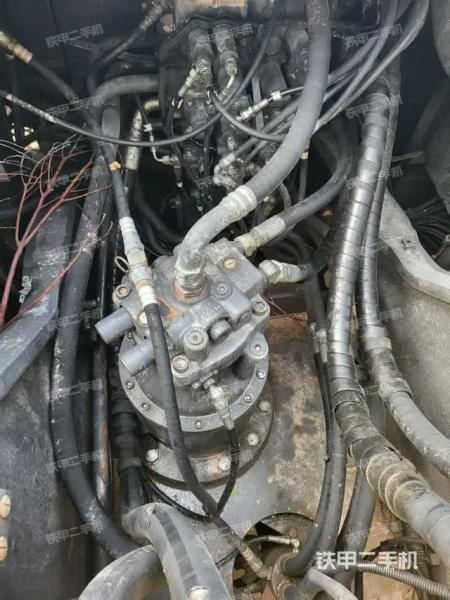
Hydraulic System- Swing hydraulic motor: Fixed displacement piston pump
- Travel hydraulic motor: Variable displacement piston pump
- Main pump type: Dual variable displacement piston pump + gear pump
- Working hydraulic pressure: 34.3 / 36.8 MPa
Fuel and Oil Capacities- Fuel tank: 410 L
- Hydraulic tank: 147 L
- Hydraulic system: 240 L
Dimensions- Transport length: 9,400 mm
- Transport width: 2,800 mm
- Transport height: 2,970 mm
- Counterweight ground clearance: 1,040 mm
- Minimum ground clearance: 440 mm
- Front attachment minimum swing radius: 3,600 mm
- Rear swing radius: 2,750 mm
- Track length: 4,180 mm
- Track width: 600 mm
- Total track width: 2,800 mm
- Track ground contact length: 3,370 mm
Working Range- Maximum digging radius: 9,900 / 9,420 mm
- Maximum digging depth: 6,650 / 6,110 mm
- Maximum digging height: 9,610 / 9,410 mm
- Maximum dumping height: 6,810 / 6,590 mm
- Maximum vertical digging depth: 5,960 / 5,500 mm
Performance Insights
The SH210-6’s high bucket force and optimized hydraulic system allow it to tackle dense soils and heavy lifting efficiently. Its travel and swing motors ensure smooth operation on uneven terrain. For operators seeking long-term reliability, the 2019 model combines low operating hours with advanced Isuzu engine technology, offering reduced fuel consumption and extended maintenance intervals.
Recommended Applications- Road construction and grading
- Medium-to-large scale excavation projects
- Material handling and trenching
- Utility and pipeline installation
|
|
|
|
| 2009 Hitachi ZX60 Excavator Fujian-Fuzhou $7,022 |
|
Posted by: MikePhua - 09-13-2025, 12:18 AM - Forum: Used Excavators Trade
- No Replies
|
|
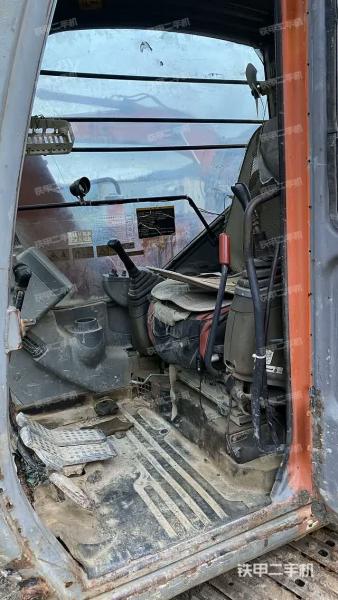
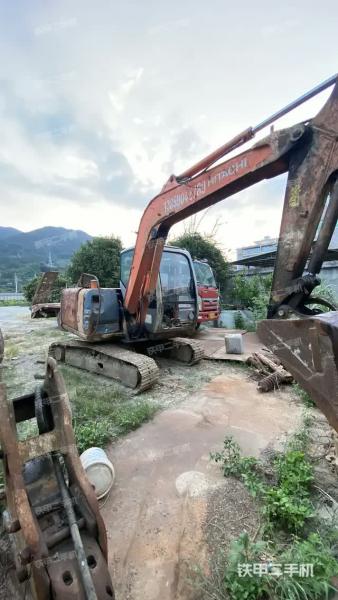
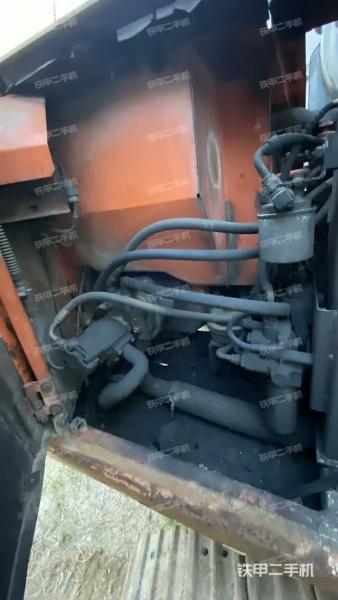
ID:1826877
- Brand: Hitachi
- Model: ZX60
- Year of Manufacture: 2009
- Hours: 15000 hours
- Location: Fujian - Fuzhou
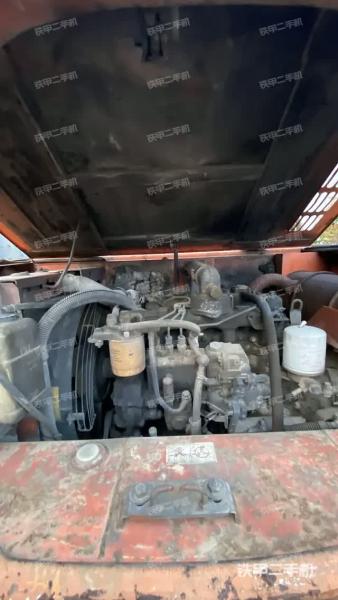
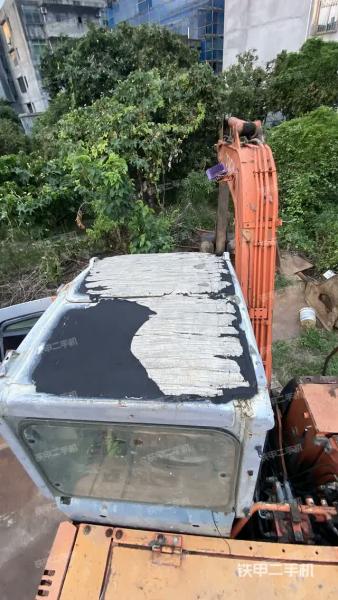
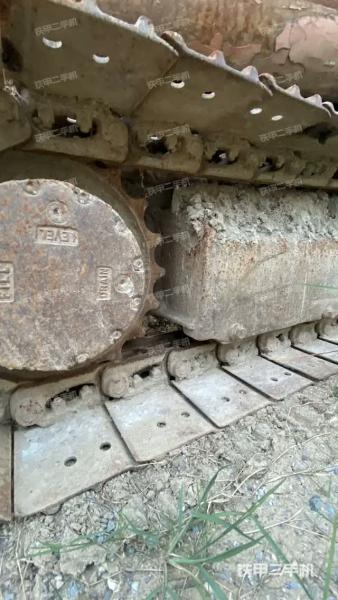
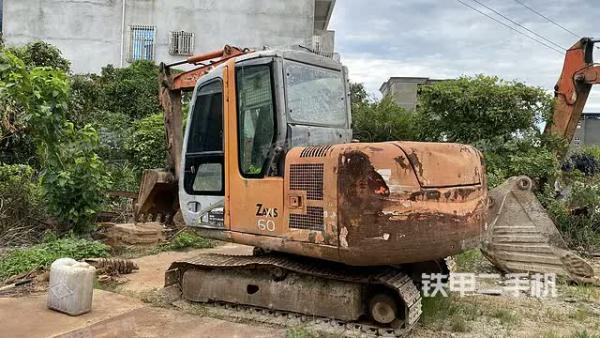
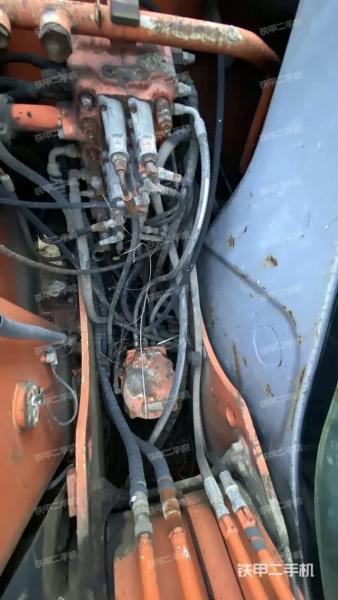
The Hitachi ZX60 is a compact hydraulic excavator that was manufactured in 2009, designed for efficiency in urban construction and small- to medium-scale projects. This model reflects Hitachi's long history of engineering reliability and innovation. The ZX60 is particularly valued for its combination of mobility, digging strength, and fuel efficiency, making it a favorite among contractors working in confined sites.
Brand and Model History
Hitachi Construction Machinery, established as part of the global Hitachi group, has been producing hydraulic excavators for decades. The ZX series has been a staple of their line, combining Japanese engineering standards with robust powertrains. The ZX60, in particular, has achieved significant market penetration in Asia due to its balance of size and performance.
Specifications and Dimensions- Operating weight: 5,850 kg
- Bucket capacity: 0.22 m³
- Arm length: 3.49 m
- Boom length: 1.6 m (reinforced version)
- Origin: Anhui Hefei, China
- Counterweight ground clearance: 620 mm
- Minimum ground clearance: 310 mm
- Transport length: 6,060 mm
- Transport width: 2,060 mm
- Transport height: 2,470 mm
- Track total length: 2,480 mm
- Track width: 400 mm
- Track gauge: 1,600 mm
Power and Engine System- Engine: ISUZU CC-4JG1
- Rated power: 40.5 kW at 2,100 rpm
- Cylinders: 4
- Displacement: 3.059 L
- Cooling: Water-cooled
- Fuel system: Direct injection
- Drive type: Conventional hydraulic
The engine is engineered for longevity and stable torque delivery, capable of supporting continuous operation in challenging environments while maintaining fuel efficiency.
Performance Metrics- Ground pressure: 33 kPa
- Swing speed: 9.3 rpm
- Gradeability: 70% (35°)
- Bucket digging force: 41.4 kN
- Arm digging force: 28.4 kN
- Travel speed: 2.5/4.5 km/h
This excavator excels in medium-duty trenching and site preparation. Its compact design allows for maneuverability in tight spaces without compromising digging power.
Hydraulic System- Main relief pressure: 24.5 MPa
- Swing motor type: Axial piston motor ×1
- Travel motor type: Variable displacement swash plate ×2
- Main pump: Variable piston pumps ×2 + Gear pumps ×2
This system provides precise control of the boom, arm, and bucket, ensuring efficient excavation and reduced cycle times.
Fuel and Oil Capacities- Fuel tank: 120 L
- Hydraulic oil tank: 61 L (full 95 L)
- Engine oil change capacity: 12 L
Ample capacities support extended operation without frequent refueling, a key factor in reducing downtime on remote sites.
Operational Range- Maximum digging radius: 6,250 mm
- Maximum digging depth: 3,850 mm
- Maximum digging height: 5,800 mm
- Maximum dumping height: 4,080 mm
- Maximum vertical digging depth: 3,300 mm
- Dozer blade lift/push depth: 430/400 mm
This excavator is well-suited for landscaping, utility trenching, and small construction projects, offering versatile reach and stable digging performance.
Usage Notes and Recommendations
Operators should conduct routine hydraulic checks and monitor engine oil to maintain peak efficiency. Due to its compact size, the ZX60 is ideal for urban projects or sites with limited access. Its reinforced boom version improves durability for moderately heavy tasks.
|
|
|
|
| 2018 Sany SY245H Excavator Henan-Xinxiang $36,516 |
|
Posted by: MikePhua - 09-13-2025, 12:13 AM - Forum: Used Excavators Trade
- No Replies
|
|
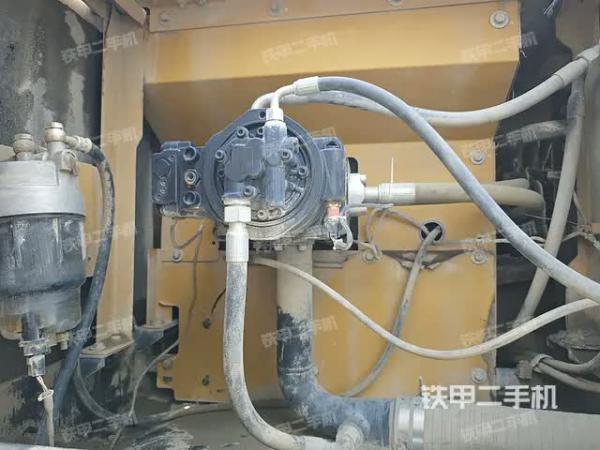
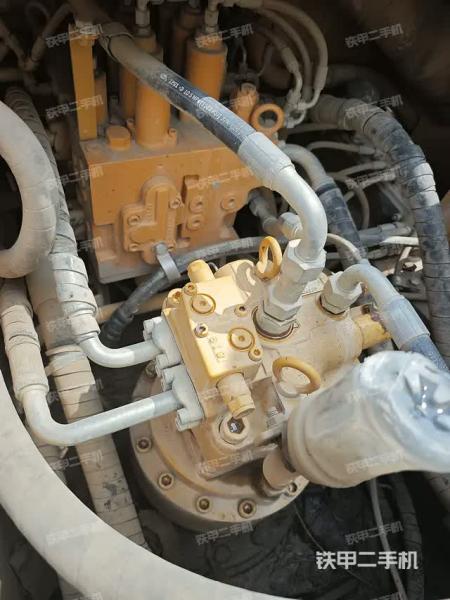
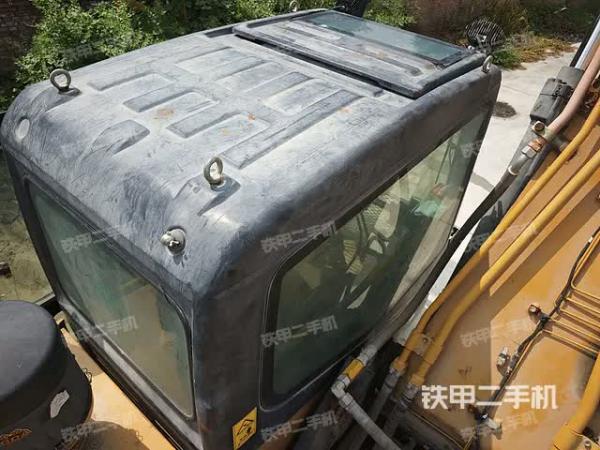
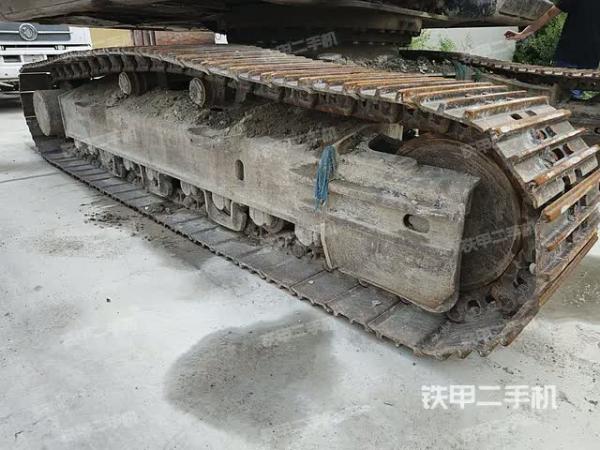
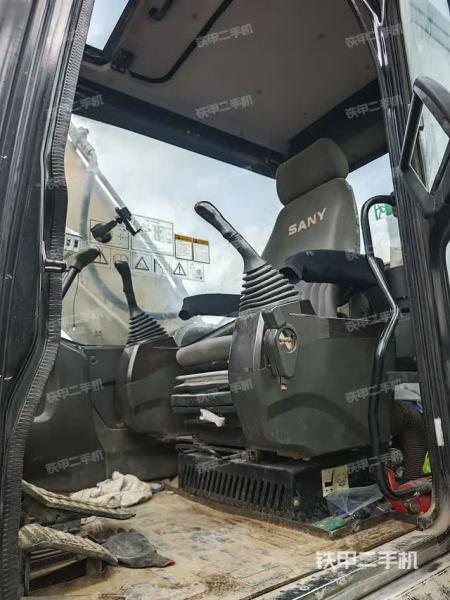
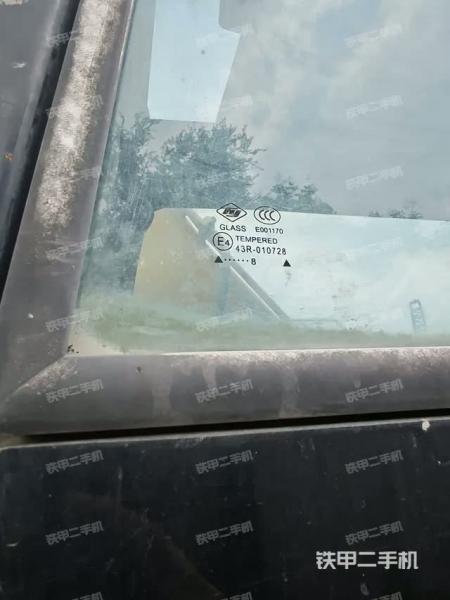
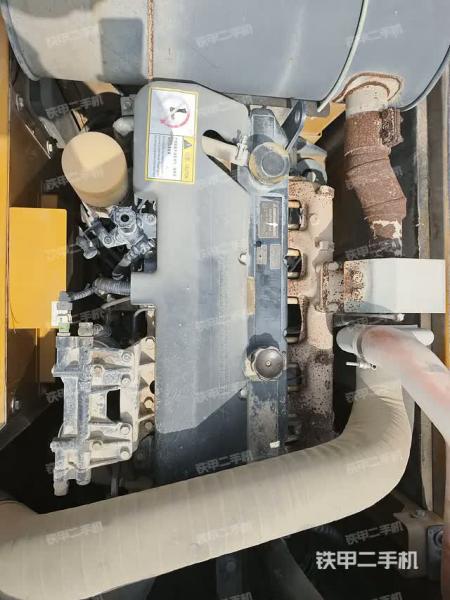
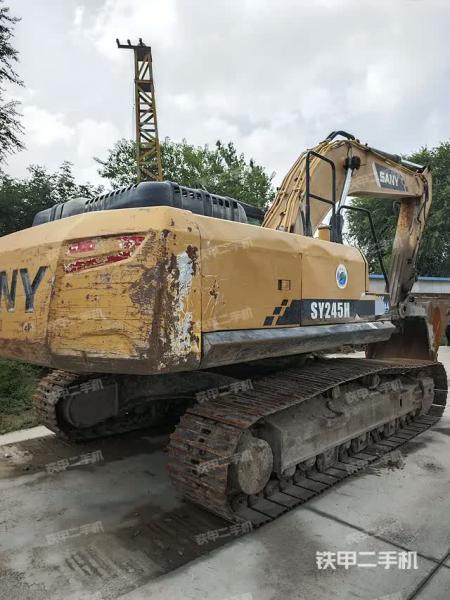
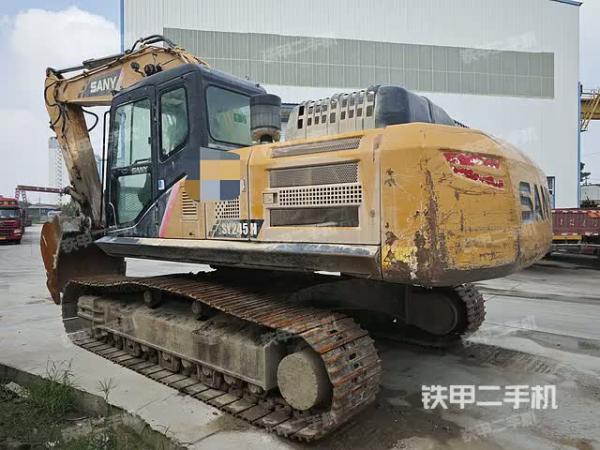
ID:1826870
- Brand: SANY
- Model: SY245H
- Year of Manufacture: 2018
- Hours: 7000 hours
- Location: Henan - Xinxiang
The Sany SY245H is a robust hydraulic excavator designed for heavy-duty construction and earthmoving operations. Manufactured by Sany Heavy Industry, a leading Chinese construction machinery company founded in 1989, the SY245H has become popular globally due to its reliability, efficient performance, and competitive pricing. Sany has sold tens of thousands of SY245H units since its release, with a strong presence in Asia, Africa, and Latin America.
Specifications- Operating Weight: 25,500 kg
- Bucket Capacity: 1.5 m³
- Rated Power: 147 kW at 2,100 rpm
- Engine Model: D06FRC, 6-cylinder, 6.373 L displacement, water-cooled, conventional diesel
- Max Torque: 750 N·m at 1,350 rpm
- Excavator Class: 24 tons
- Bucket Type: Backhoe
Performance- Ground Pressure: 53.2 kPa
- Swing Speed: 10.6 rpm
- Gradeability: 70%
- Bucket Digging Force: 175 kN
- Arm Digging Force: 120 kN
- Travel Speed: High 5.4 km/h / Low 3.4 km/h
Hydraulic and Fuel Capacities- Fuel Tank: 475 L
- Hydraulic Oil Tank: 277 L
- Engine Oil Capacity: 29 L
Dimensions- Transport Length: 10,290 mm
- Transport Width: 3,190 mm
- Transport Height: 3,190 mm
- Cab Height: 3,255 mm
- Minimum Ground Clearance: 470 mm
- Front Working Radius (min swing): 3,800 mm
- Rear Swing Radius: 3,105 mm
- Track Length: 4,445 mm
- Track Gauge: 2,590 mm
- Track Shoe Width: 600 mm
- Track Ground Contact Length: 3,640 mm
- Max Height at Minimum Swing Radius: 8,016 mm
- Carrier Roller (per side): 2
- Track Rollers (per side): 9
- Track Shoes (per side): 49
Operating Range- Maximum Digging Radius: 10,225 mm
- Maximum Digging Depth: 6,705 mm
- Maximum Digging Height: 9,745 mm
- Maximum Dumping Height: 6,715 mm
Practical Insights
The SY245H is ideal for medium-to-large construction projects such as road building, excavation, and foundation work. Operators often appreciate its high digging force and stable undercarriage for uneven terrain. For optimal performance, regular maintenance of hydraulic systems and timely engine oil changes are recommended. Small anecdotes from Chinese construction sites report that SY245H units have handled demanding projects like highway expansions with minimal downtime, emphasizing the machine’s durability.
Suggestions and Solutions- For improved fuel efficiency, operators can monitor RPM and reduce idle time.
- Use high-quality hydraulic oil to prolong cylinder and pump life.
- Track tension should be checked regularly to prevent premature wear.
- For deep excavation projects, pairing the machine with a longer arm option can increase reach and productivity.
|
|
|
|
|



