| Welcome, Guest |
You have to register before you can post on our site.
|
| Online Users |
There are currently 121 online users.
» 0 Member(s) | 110 Guest(s)
Ahrefs, Amazon, Applebot, Bing, Claude, Google, OpenAI, Petalbot, Semrush, Seznam
|
| Latest Threads |
Identifying and Sourcing ...
Forum: Parts , Attachments & Tools
Last Post: MikePhua
01-07-2026, 06:29 PM
» Replies: 0
» Views: 340
|
Cat 931B Brake Parts
Forum: Parts , Attachments & Tools
Last Post: MikePhua
01-07-2026, 06:29 PM
» Replies: 0
» Views: 249
|
Choosing Between Cat 228,...
Forum: General Discussion
Last Post: MikePhua
01-07-2026, 06:28 PM
» Replies: 0
» Views: 361
|
Fix It or Part It Out
Forum: General Discussion
Last Post: MikePhua
01-07-2026, 06:27 PM
» Replies: 0
» Views: 319
|
Hydraulic Delay When Lowe...
Forum: Troubleshooting & Diagnosing
Last Post: MikePhua
01-07-2026, 06:27 PM
» Replies: 0
» Views: 375
|
Bale Chopper and Mulcher ...
Forum: General Discussion
Last Post: MikePhua
01-07-2026, 06:26 PM
» Replies: 0
» Views: 270
|
Mini UC Maintenance
Forum: General Discussion
Last Post: MikePhua
01-07-2026, 06:25 PM
» Replies: 0
» Views: 262
|
Locating Wiring Informati...
Forum: General Discussion
Last Post: MikePhua
01-07-2026, 06:24 PM
» Replies: 0
» Views: 300
|
Case Industrial Brown Sub...
Forum: Parts , Attachments & Tools
Last Post: MikePhua
01-07-2026, 06:23 PM
» Replies: 0
» Views: 245
|
Dirt Work in West Virgini...
Forum: Construction & Urban Infrastructure Forum
Last Post: MikePhua
01-07-2026, 06:23 PM
» Replies: 0
» Views: 317
|
|
|
| 2020 SANY SY305H Excavator Sichuan-Ganzi Tibetan Autonomous Prefecture $40,168 |
|
Posted by: MikePhua - 09-13-2025, 09:29 PM - Forum: Used Excavators Trade
- No Replies
|
 |
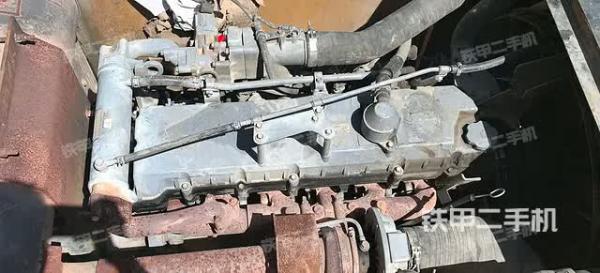
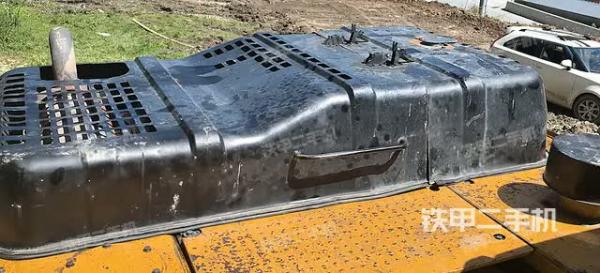
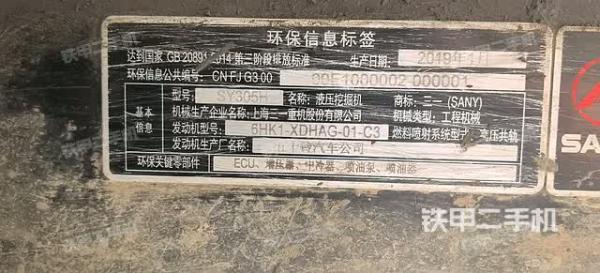
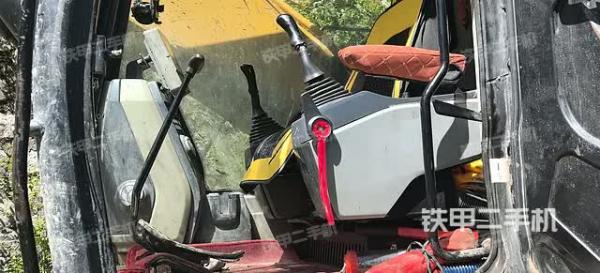
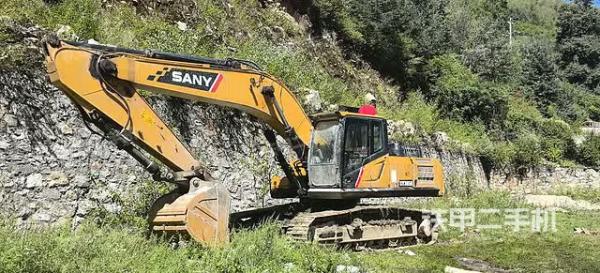
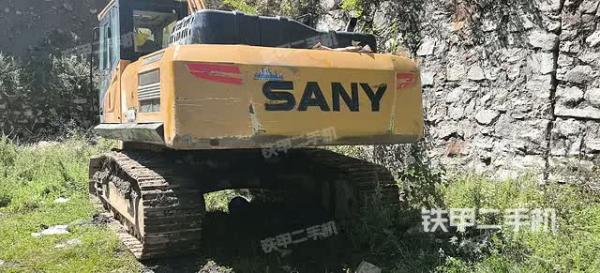
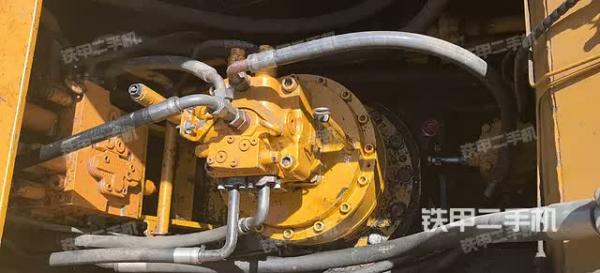
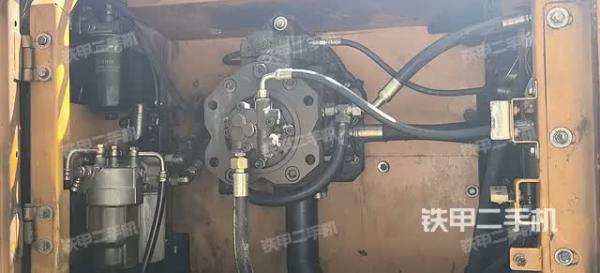
ID:1826930
- Brand: SANY
- Model: SY305H
- Year of Manufacture: 2019
- Hours: 7,941 hours
- Location: Garzê Tibetan Autonomous Prefecture, Sichuan
The 2020 SANY SY305H Excavator is a heavy-duty machine engineered for large-scale construction, mining, and infrastructure projects. SANY Group, founded in 1989 in China, has grown into one of the world’s top construction equipment manufacturers, known for integrating advanced technology with durable machinery. The SY305H model exemplifies SANY’s commitment to power, precision, and reliability. With 7,941 operating hours, this excavator remains highly functional, offering exceptional performance for demanding work environments.
Brand and Model History
SANY launched the SYH series to compete globally with Japanese and European manufacturers, emphasizing fuel efficiency, hydraulic precision, and operator comfort. The SY305H, a 30-ton class excavator, is widely used in heavy civil engineering, mining, and infrastructure projects. Media reports have highlighted SANY’s global expansion and adoption of intelligent hydraulic systems, which reduce fuel consumption while improving productivity and operator safety.
Technical Specifications- Weight and Dimensions
- Operating weight: 31,500 kg
- Transport length: 10,667 mm
- Transport width: 3,190 mm
- Transport height: 3,470 mm
- Cab height: 3,280 mm
- Minimum ground clearance: 550 mm
- Front working device minimum swing radius: 4,000 mm
- Rear swing radius: 3,315 mm
- Track length: 4,840 mm
- Track gauge: 2,590 mm
- Track shoe width: 600 mm
- Track ground contact length: 3,916 mm
- Roller count per side: 2
- Support wheel per side: 8
- Track shoe count per side: 47
- Engine and Power
- Engine model: Isuzu GH-6HK1
- Rated power: 212 kW / 2,000 rpm
- Engine type: 6-cylinder, water-cooled, diesel
- Displacement: 7.79 L
- Maximum torque: 1,080 N·m at 1,500 rpm
- Performance
- Ground pressure: 62.3 kPa
- Swing speed: 9.0 rpm
- Climbing capacity: 70% (35°)
- Bucket digging force: 204 kN
- Arm digging force: 153 kN
- Travel speed: 5.4 / 3.2 km/h
- Hydraulics and Fluids
- Fuel tank: 540 L
- Hydraulic tank: 380 L
- Engine oil change: 2 × 4 L
- Cooling fluid: 35 L
- Operational Range
- Maximum digging radius: 10,870 mm
- Maximum digging depth: 6,815 mm
- Maximum digging height: 10,497 mm
- Maximum unloading height: 7,359 mm
- Maximum vertical digging depth: 6,170 mm
- Bucket capacity: 1.65 m³ (up to 2.0 m³)
- Boom and arm configuration designed for stability and reach
Operational Advantages
The SY305H provides exceptional digging and lifting performance with precise hydraulic control. Its large fuel and hydraulic oil tanks allow prolonged operation in remote or high-altitude areas like the Sichuan-Ganzi Tibetan Autonomous Prefecture. Operators benefit from a spacious, ergonomic cab and reduced vibration for improved safety and efficiency. For best results, regular maintenance of hydraulic systems, track tension, and engine oil is recommended.
Market Value and Applications
At $40,168, this 30-ton excavator offers excellent value for contractors requiring high-capacity machinery. SANY excavators maintain strong resale value due to reliability, durability, and parts availability. The SY305H is ideal for large-scale civil projects, quarrying, and infrastructure development in mountainous regions. Its balance of power, reach, and efficiency makes it a competitive option in the medium-to-heavy excavator market.
Conclusion
The 2020 SANY SY305H Excavator is a robust, reliable, and high-performance machine suitable for heavy-duty excavation and construction tasks. Its powerful engine, large operational range, and intelligent hydraulics make it a practical investment for contractors in challenging environments. Proper maintenance ensures years of productive operation and reduced downtime.
|

|
|
| 2020 Hyundai R215LVS Excavator Jiangsu-Yangzhou $40,168 |
|
Posted by: MikePhua - 09-13-2025, 09:25 PM - Forum: Used Excavators Trade
- No Replies
|
|
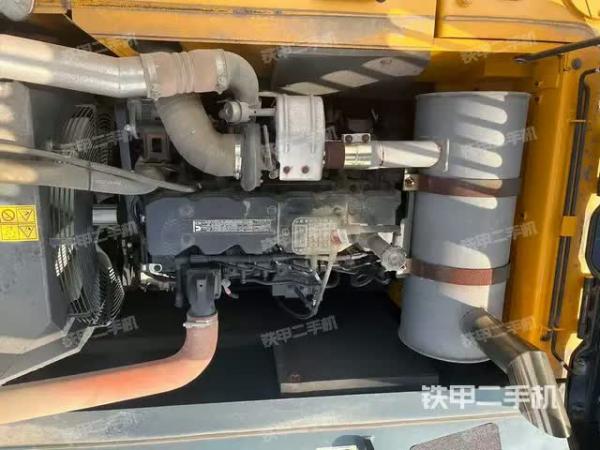
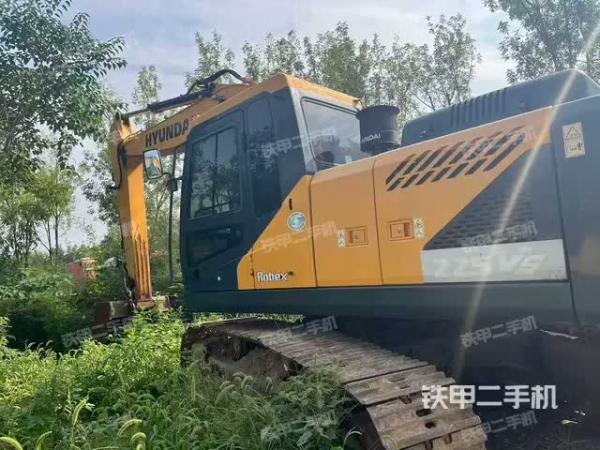
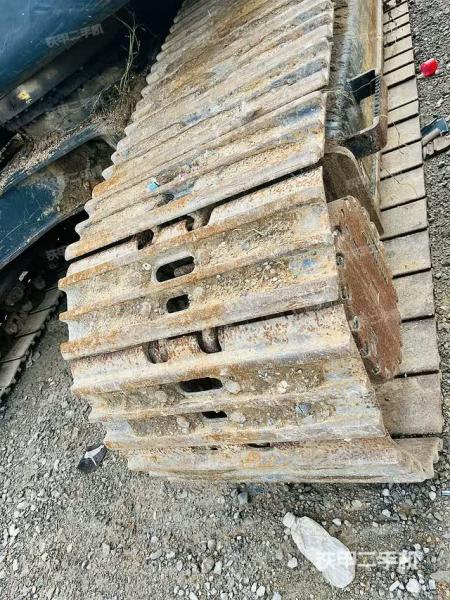
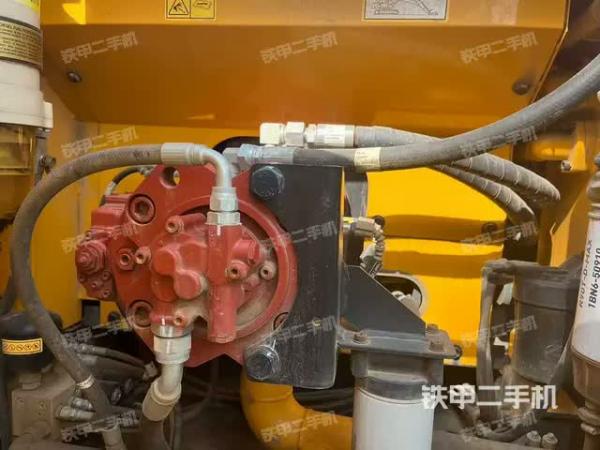
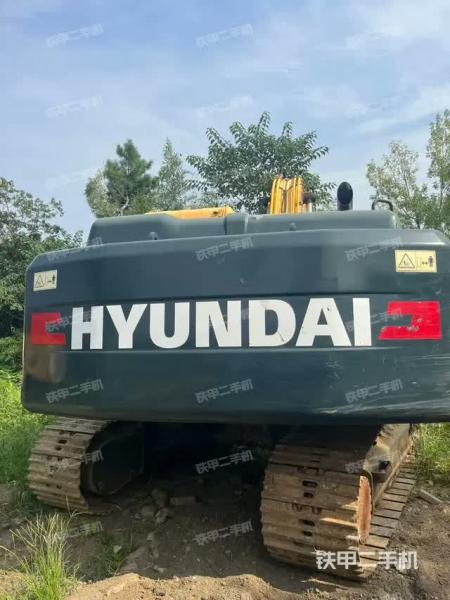
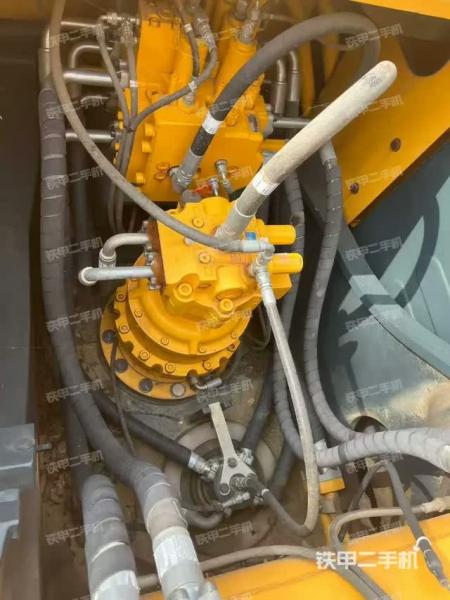
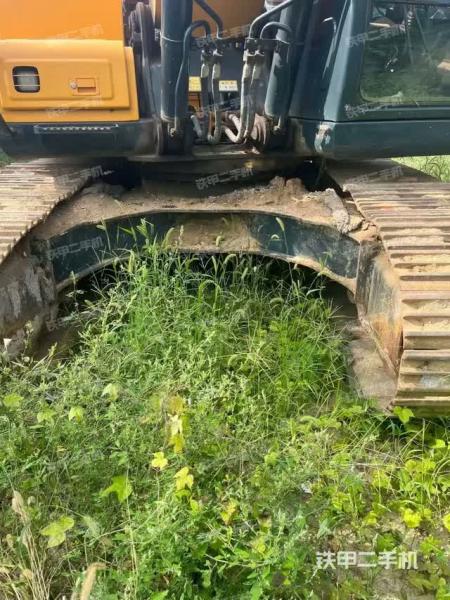
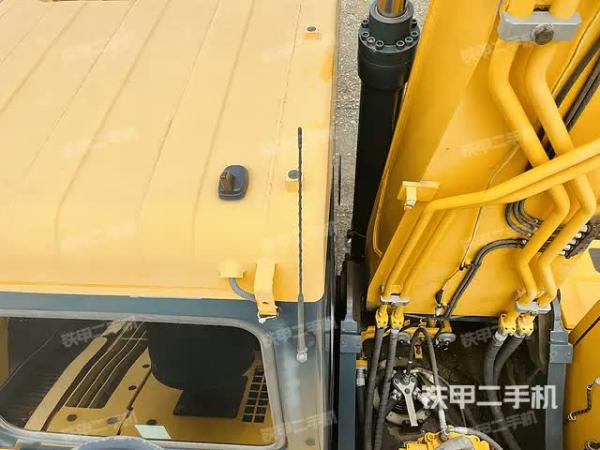
ID:1826929
- Brand: Hyundai
- Model: R215LVS
- Year of Manufacture: 2020
- Hours: 2,000 hours
- Location: Yangzhou, Jiangsu
The 2020 Hyundai R215LVS Excavator represents a modern, high-performance machine designed for medium to large construction projects. Hyundai Construction Equipment, part of the Hyundai Heavy Industries Group established in 1972 in South Korea, has become one of the world’s leading construction equipment manufacturers, known for combining durability, efficiency, and advanced technology. The R215LVS is built for stability, power, and precise hydraulic performance. With only 2,000 hours of operation, this unit remains in excellent working condition, making it a valuable asset for contractors.
Brand and Model History
Hyundai’s R series excavators were developed to compete globally with Japanese and European manufacturers. The R215LVS model focuses on high lifting capacity, extended reach, and reliable diesel power. Hyundai has steadily increased its market share in Asia and North America, with the R215LVS being a popular choice for infrastructure, road construction, and mining applications. News reports highlight Hyundai’s growing adoption of advanced hydraulic systems, contributing to reduced fuel consumption and enhanced operator comfort.
Technical Specifications- Weight and Dimensions
- Operating weight: 21 tons
- Transport length: 9,550 mm
- Transport width: 2,990 mm
- Transport height: 3,080 mm
- Counterweight ground clearance: 1,060 mm
- Rear swing radius: 2,770 mm
- Engine and Power
- Engine model: Cummins QSB6.7
- Rated power: 113 kW / 1,900 rpm
- Engine type: 6-cylinder, 4-stroke, water-cooled, direct injection, turbocharged
- Displacement: 6.7 L
- Maximum torque: 59.7 kN·m at 1,500 rpm
- Hydraulics and Performance
- Main pump maximum flow: 2 × 222 L/min
- Travel hydraulic circuit pressure: 350 MPa
- Swing hydraulic circuit pressure: 265 MPa
- Working hydraulic circuit pressure: 350 MPa
- Pilot circuit pressure: 40 MPa
- Climbing capacity: 70%
- Maximum tractive force: 19,500 kN
- Travel speed: 5.3 km/h
- Boom and Arm
- Boom length: 8,200 mm
- Arm length: 6,300 mm
- Bucket type: Backhoe
- Bucket cylinder: 2 × 120×85×1,290 mm
- Arm cylinder: 1 × 140×100×1,510 mm
- Fluid Capacities
- Fuel tank: 400 L
- Hydraulic tank: 160 L
- Engine oil change volume: 24 L
- Cooling fluid: 35 L
- Hydraulic system: 275 L
Operational Capabilities
The R215LVS can reach a maximum digging radius of 15,220 mm and a maximum depth of 11,760 mm. Maximum digging height reaches 12,550 mm, with a maximum unloading height of 10,280 mm. Its vertical digging depth of 9,610 mm allows for precise excavation in deep foundations. This machine excels in urban infrastructure, highway construction, and quarry operations. For optimal performance, operators should ensure regular hydraulic oil replacement, track maintenance, and engine monitoring.
Market Value and Applications
The 2020 Hyundai R215LVS priced at $40,168 in Jiangsu-Yangzhou represents a competitive value for a medium-duty excavator with advanced hydraulics and low operational hours. Hyundai excavators have strong resale value due to reliability and availability of parts. Market trends indicate increasing demand for durable, fuel-efficient excavators in Asian construction and civil engineering projects.
Conclusion
The 2020 Hyundai R215LVS Excavator is a versatile and powerful solution for contractors requiring reliability, reach, and efficiency. Its advanced hydraulics, robust engine, and precise digging performance make it suitable for large-scale construction projects. With proper maintenance, this unit can provide many more years of service and high operational productivity.
|
|
|
|
| 2021 SANY SY55 Excavator Anhui-Suzhou $13,623 |
|
Posted by: MikePhua - 09-13-2025, 09:22 PM - Forum: Used Excavators Trade
- No Replies
|
|
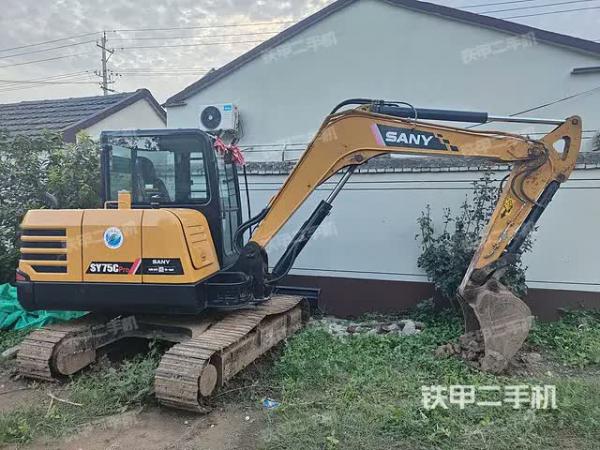
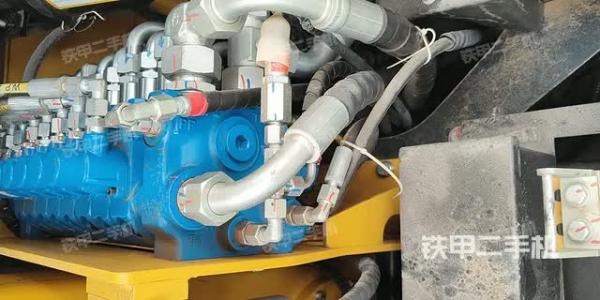
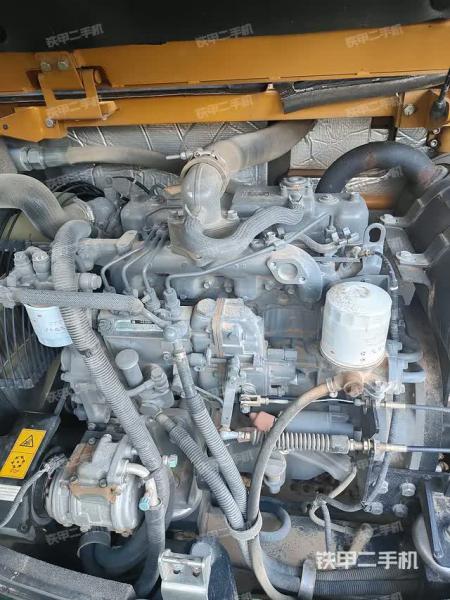
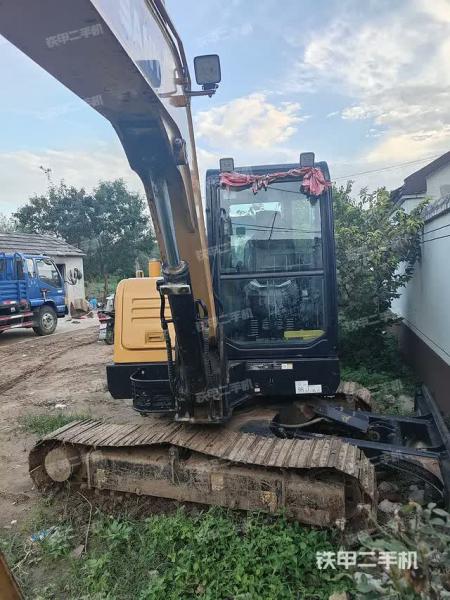
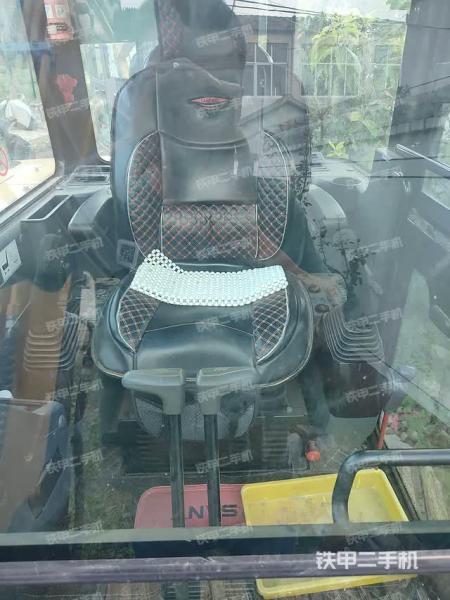
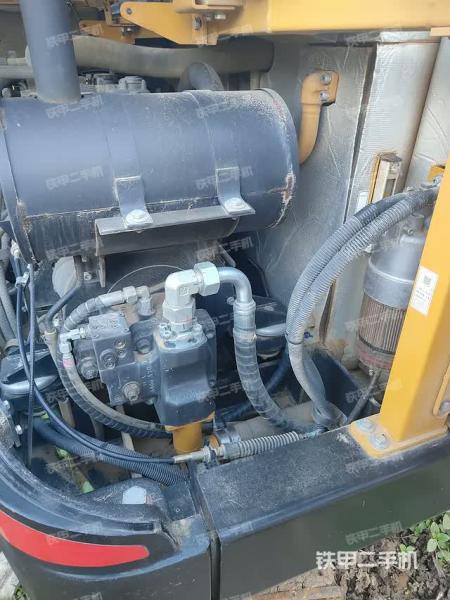
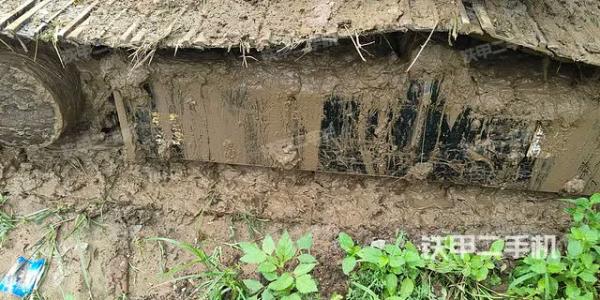
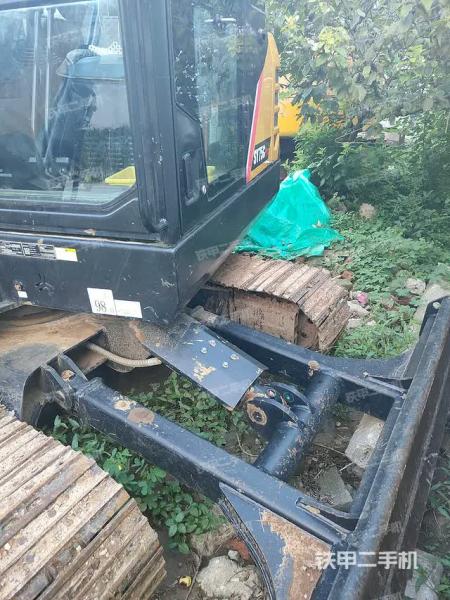
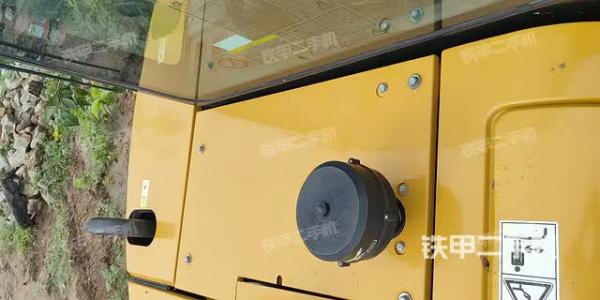
ID:1826917
- Brand: SANY
- Model: SY55
- Year of Manufacture: 2021
- Hours: 2,580 hours
- Location: Suzhou, Anhui
The 2021 SANY SY55 Excavator is a compact and efficient machine designed for urban construction, landscaping, and utility work. SANY Heavy Industry, founded in 1989 in China, has grown into one of the largest construction machinery manufacturers globally, with a strong presence in over 150 countries. The SY55 model reflects SANY’s commitment to producing reliable, fuel-efficient, and durable mini-excavators suitable for both small contractors and large construction projects. With only 2,580 operating hours, this 2021 unit offers substantial service life ahead.
Brand and Model History
SANY Heavy Industry quickly established a reputation for robust engineering and innovation. The SY series, including the SY55, was developed to compete with international mini-excavators, offering advanced hydraulics, improved operator comfort, and optimized fuel consumption. By 2021, the SY55 had gained popularity in both domestic and international markets, supported by SANY’s extensive service network.
Technical Specifications- Weight and Dimensions
- Operating weight: 5 tons
- Compact design for maneuvering in tight urban sites
- Engine and Power
- Power type: Conventional diesel engine
- Manufacturer: Domestic production
- Engine designed for fuel efficiency and reliability
- Bucket and Arm
- Bucket type: Backhoe
- Optimized for digging, trenching, and landscaping operations
Performance and Usage
The SY55’s compact size allows it to work efficiently in confined areas while maintaining solid digging performance for a 5-ton class mini-excavator. Operators benefit from smooth hydraulic response and stable operation during lifting and digging. For long-term performance, it is recommended to regularly inspect hydraulic lines, maintain track tension, and use high-quality diesel and lubricants. Its short operating hours mean it is ideal for contractors looking for a near-new machine at a competitive price.
Market Value and Availability
The 2021 SANY SY55 listed at $13,623 in Anhui-Suzhou reflects both its low operating hours and the competitive mini-excavator market in China. SANY machines have shown strong resale value, particularly when purchased through authorized dealers or with a documented maintenance history. Local news reports indicate growing demand for compact excavators in infrastructure and urban development projects, which supports continued investment in models like the SY55.
Conclusion
The 2021 SANY SY55 Excavator offers a practical, efficient, and reliable solution for small to medium construction projects. Its compact size, robust engineering, and manageable operational costs make it an excellent choice for contractors needing versatility, reliability, and longevity in a mini-excavator. Regular maintenance and careful operation will ensure maximum service life and operational efficiency.
|
|
|
|
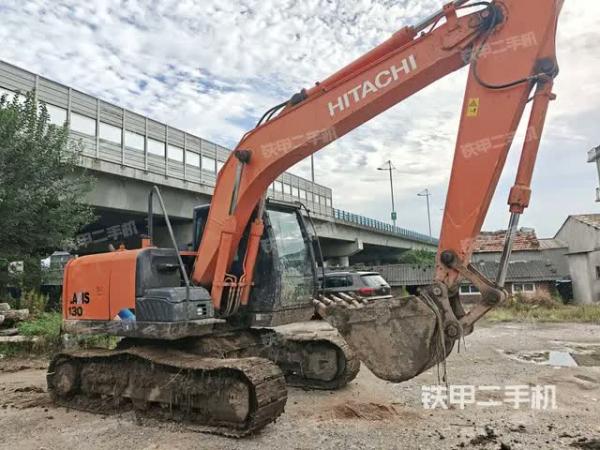
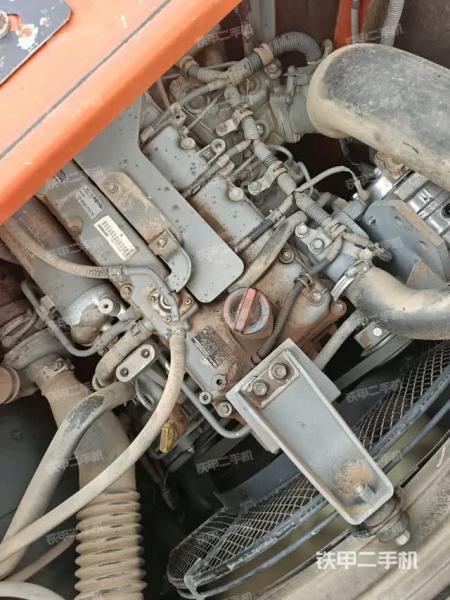
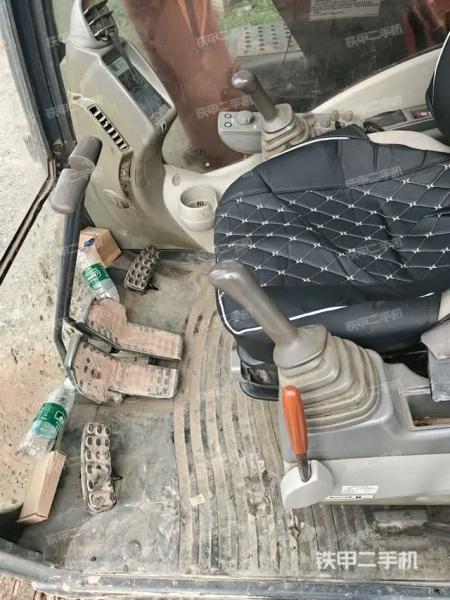
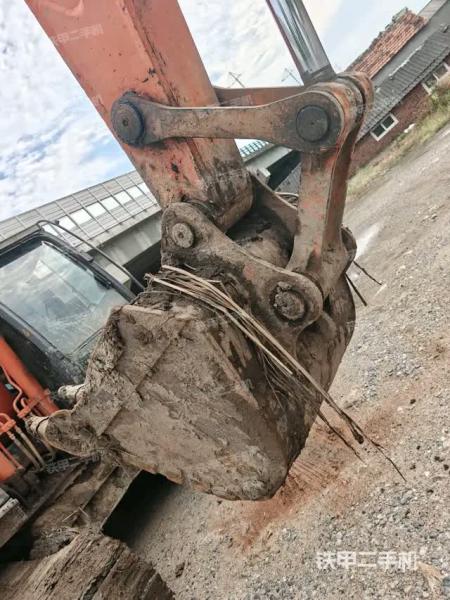
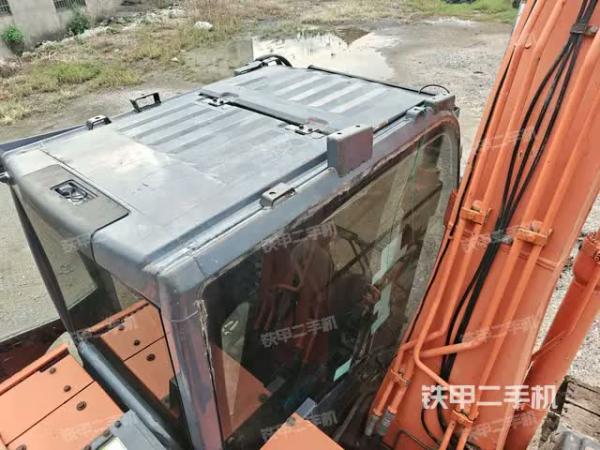
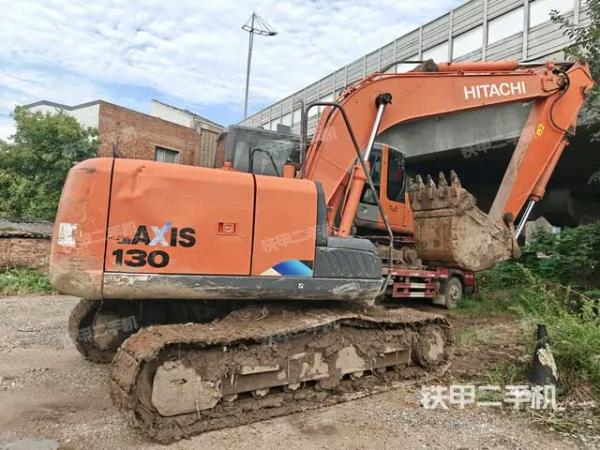
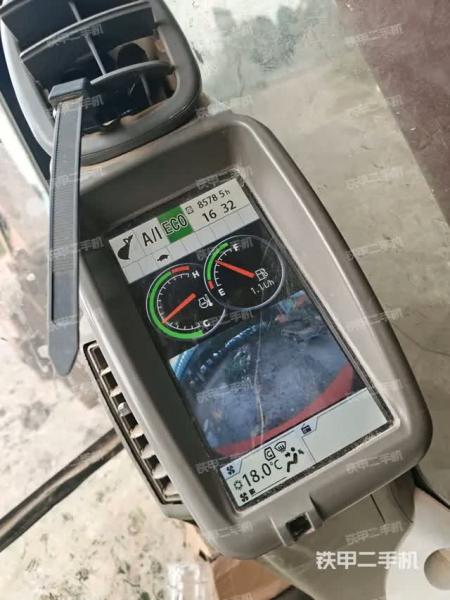
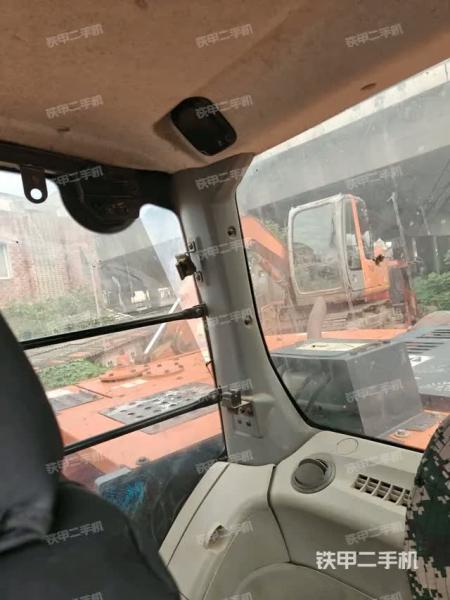
| 2017 Hitachi ZX130-5A Excavator Jiangxi-Jiujiang $26,123 |
|
Posted by: MikePhua - 09-13-2025, 09:18 PM - Forum: Used Excavators Trade
- No Replies
|
|
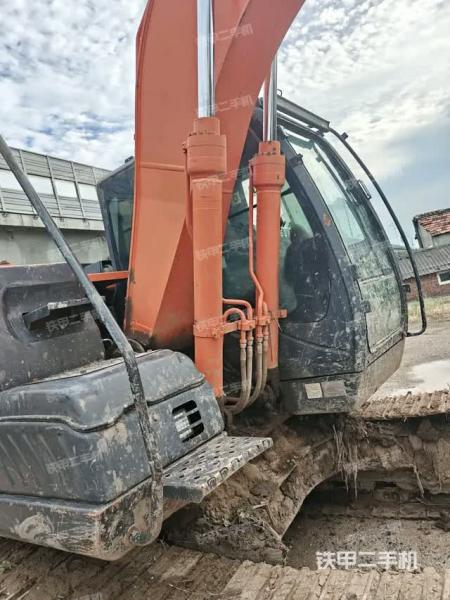
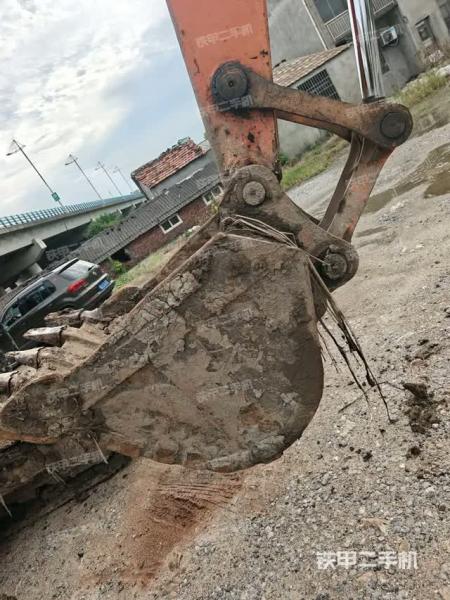
ID:1826644
- Brand: Hitachi
- Model: ZX130-5A
- Year of Manufacture: 2017
- Hours: 8,750 hours
- Location: Jiujiang, Jiangxi
The 2017 Hitachi ZX130-5A Excavator is a mid-sized hydraulic machine designed for efficiency and durability in demanding construction and civil engineering projects. Hitachi Construction Machinery, founded in 1970, has been a global leader in excavator innovation, offering advanced hydraulics, fuel-efficient engines, and operator-friendly cabins. By 2017, the ZX-5A series had achieved significant market penetration, especially in Asia, with thousands of units supporting infrastructure development and urban construction projects. Its balance of power, maneuverability, and reliability makes it a versatile solution for both municipal and private construction needs.
Brand and Model History
Hitachi has a reputation for integrating cutting-edge hydraulic systems with reliable engines and durable undercarriages. The ZX130-5A, part of the 5A series, introduced improvements in hydraulic efficiency, swing speed, and operator comfort. The series is known for enhanced fuel economy and robust structural design, making it a preferred choice for excavation, road construction, and utility projects.
Technical Specifications- Weight and Dimensions
- Operating weight: 12,500 kg
- Transport length: 7,700 mm
- Transport width: 2,490 mm
- Transport height: 2,790 mm
- Cabin height: 2,790 mm
- Ground clearance: 410–840 mm
- Front work equipment minimum swing radius: 2,400 mm
- Rear swing radius: 2,190 mm
- Track gauge: 1,990 mm
- Track width: 500 mm
- Total track width: 2,490 mm
- Track length on ground: 2,880 mm
- Number of carrier wheels per side: 1
- Number of rollers per side: 7
- Track shoes per side: 44
- Boom, Arm, and Bucket
- Bucket capacity: 0.52 m³
- Arm length: 2,520 mm
- Bucket type: Backhoe
- Boom cylinders: 2×105×70 mm
- Arm cylinder: 1×115×80 mm
- Bucket cylinder: 1×100×70 mm
- Engine and Power
- Engine model: Isuzu GJ-4JJ1XKSA-03
- Rated power: 69 kW / 2,000 rpm
- Maximum torque: 354 N·m / 1,600 rpm
- Cylinders: 4
- Displacement: 2.999 L
- Cooling: Water-cooled
- Combustion: 4-stroke, electronic direct injection
- Performance
- Ground pressure: 39 kPa
- Swing speed: 13.3 rpm
- Travel speed: 3.3–5.5 km/h
- Maximum digging force: Bucket 104 kN, Arm 69 kN
- Maximum drawbar pull: 117 kN
- Gradeability: 70%
- Hydraulic System
- Swing hydraulic motor: 1 axial piston motor
- Travel hydraulic motors: 2 variable displacement axial piston motors
- Main pump maximum flow: 2×117 L/min
- Travel hydraulic circuit: 34.3 MPa
- Swing hydraulic circuit: 32.3 MPa
- Working hydraulic circuit: 34.3 MPa
- Pilot circuit: 4.0 MPa, 33.6 L/min
- Main pump type: 2 variable axial piston pumps
- Pilot pump type: 1 gear pump
- Fluid Capacities
- Fuel tank: 280 L
- Hydraulic oil tank: 70 L
- Engine oil: 17 L
- Coolant: 24 L
- Hydraulic system: 170 L
- Operating Range
- Maximum digging radius: 8,300 mm
- Maximum digging depth: 5,540 mm
- Maximum vertical digging depth: 4,750 mm
- Maximum digging height: 8,600 mm
- Maximum unloading height: 6,190 mm
- Maximum digging radius at ground level: 8,170 mm
Practical Usage and Tips
The ZX130-5A is favored for medium-scale construction projects requiring both reach and digging power. Operators should routinely inspect hydraulic lines, track tension, and pivot pins to maintain optimal performance. Using high-quality diesel fuel and adhering to recommended oil change intervals extends engine life. Its advanced swing system and robust boom design allow precise excavation and stable lifting of heavy loads.
Market Value and Availability
With 8,750 operational hours, the 2017 ZX130-5A listed at $26,123 in Jiangxi-Jiujiang reflects a competitive pricing trend for used mid-sized excavators in China. Industry reports indicate growing demand for reliable machines in infrastructure expansion, driving value retention for well-maintained units.
Conclusion
The 2017 Hitachi ZX130-5A Excavator provides an efficient, reliable, and versatile solution for construction professionals. Its combination of power, hydraulic performance, and durability ensures productivity across various applications, including urban development, road construction, and civil engineering projects. Regular maintenance and careful operation maximize its service life and operational efficiency.
|
|
|
|
| 2017 Caterpillar 306E2 Mini Hydraulic Excavator Hunan-Yiyang $10,533 |
|
Posted by: MikePhua - 09-13-2025, 09:10 PM - Forum: Used Excavators Trade
- No Replies
|
|
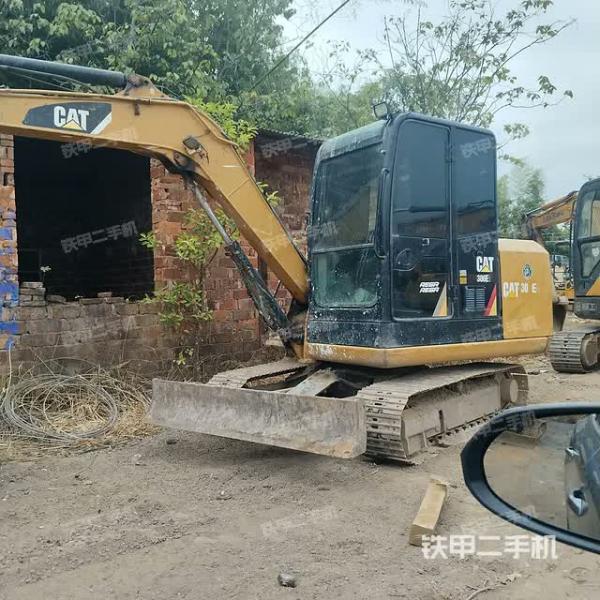
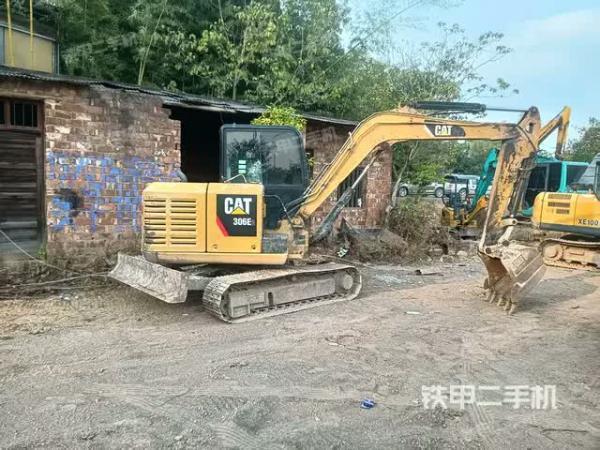
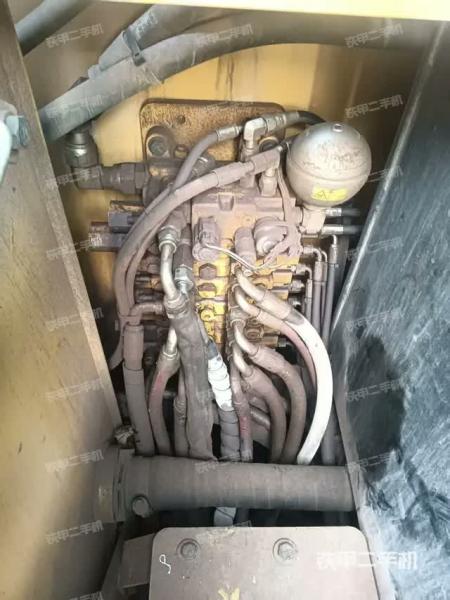
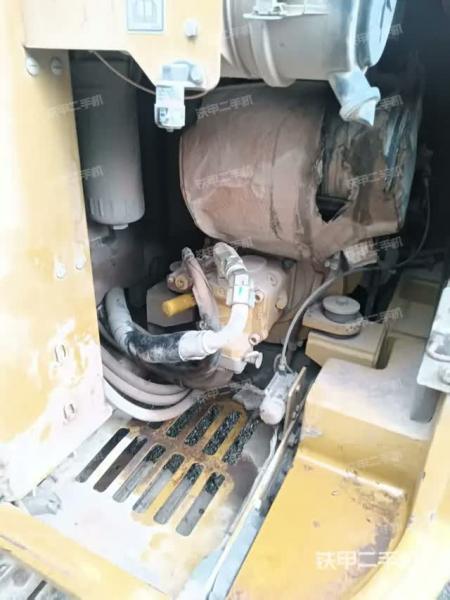
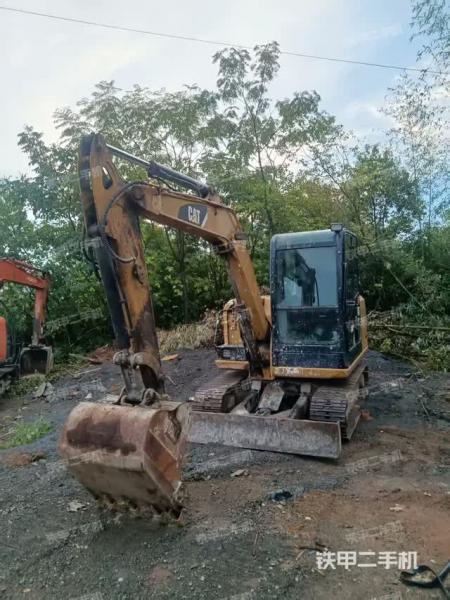
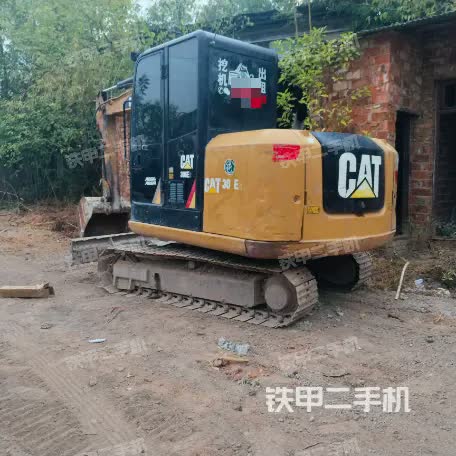
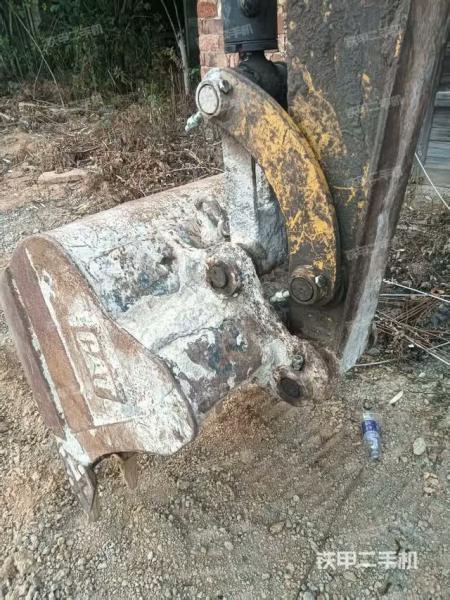
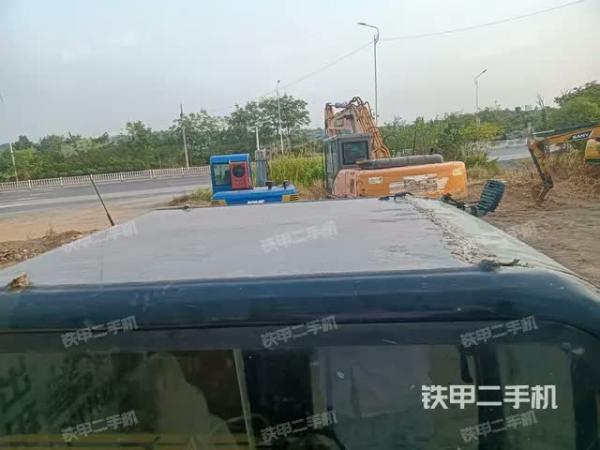
ID:1826903
- Brand: Caterpillar
- Model: 306E2 Mini Hydraulic Excavator
- Year of Manufacture: 2017
- Hours: 8,000 hours
- Location: Yiyang, Hunan
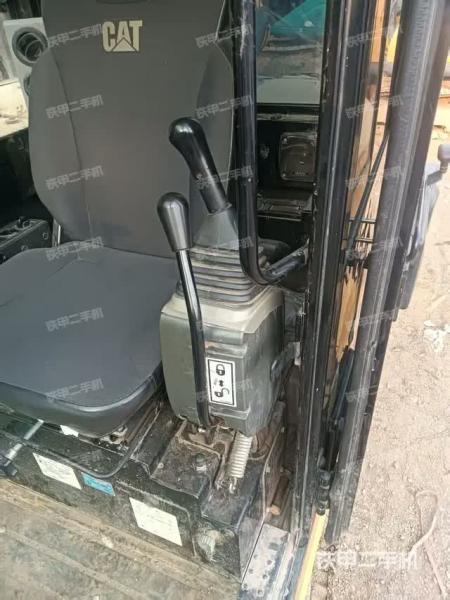
The 2017 Caterpillar 306E2 Mini Hydraulic Excavator represents a balance of performance, reliability, and versatility for small- to medium-scale construction projects. Manufactured by Caterpillar, a global leader in heavy machinery since 1925, this model integrates proven hydraulic technology with compact design, allowing it to operate efficiently in tight spaces. By 2017, the 306E2 series had gained popularity worldwide, with thousands of units sold across Asia, North America, and Europe. Its application ranges from urban construction, landscaping, and utility installation to agricultural tasks, making it a highly versatile asset.
Brand and Model History
Caterpillar, commonly known as CAT, has a long-standing reputation for producing durable and high-performance construction equipment. The 306E2 mini hydraulic excavator is part of the E2 series, which introduced improved fuel efficiency, better hydraulic flow control, and enhanced operator comfort. The 306E2 specifically is designed as a 6-ton compact excavator, bridging the gap between smaller mini-excavators and larger conventional models.
Technical Specifications- Weight and Dimensions
- Operating weight: 5,800 kg
- Transport width: 1,950 mm
- Track length: 2,440 mm
- Track plate width: 400 mm
- Rear swing radius: 1,580 mm
- Boom and Arm
- Boom length: 3,200 mm
- Arm length: 1,650 mm
- Bucket width: 834 mm
- Bucket capacity: 0.25 m³
- Bucket type: Backhoe
- Engine and Power
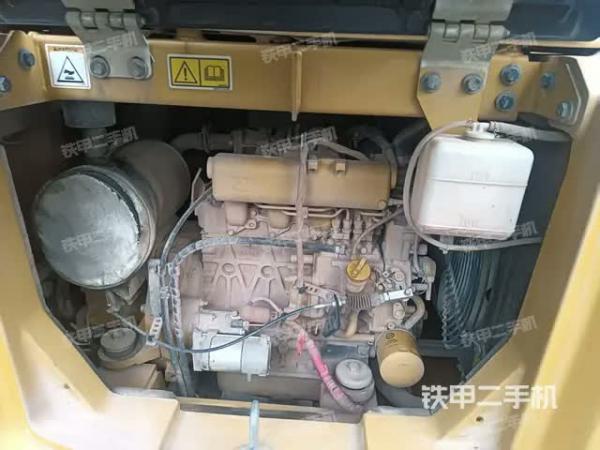
- Model: Cat C2.4 DI Turbo
- Rated power: 34.7 kW (47.2 hp)
- Bore × Stroke: 87 mm × 102.4 mm
- Displacement: 2.4 L
- Traditional power supply, imported components
- Performance
- Swing speed: 10.5 rpm
- Travel speed: 4.3 km/h
- Maximum digging force: Bucket 39 kN, Arm 28 kN
- Swing torque: 14.2 Nm
- Gradeability: 25%
- Fluid Capacities
- Fuel tank: 78 L
- Hydraulic oil tank: 58 L
- Engine oil: 9.5 L
- Coolant: 8.3 L
- Hydraulic system: 85 L
- Operating Range
- Maximum digging depth: 3,870 mm
- Maximum digging height: 5,530 mm
- Maximum unloading height: 3,900 mm
- Maximum reach: 6,090 mm
Practical Usage and Tips
Operators often appreciate the 306E2 for its maneuverability in confined spaces. When planning work, ensure routine checks of hydraulic hoses and track tension to maintain performance. Using high-quality diesel fuel and scheduled engine oil changes improves longevity. For projects requiring precision, the compact backhoe design allows for accurate trenching and landscaping tasks.
Market Value and Availability
The listed price of $10,533 in Hunan-Yiyang reflects the machine’s 2017 model year and 8,000 operational hours. Market trends for used mini-excavators indicate that Caterpillar machines retain value well, particularly models with regular maintenance records. News from local construction firms shows increasing demand for compact machines in urban redevelopment projects, boosting resale value for well-maintained units.
Conclusion
The 2017 Caterpillar 306E2 Mini Hydraulic Excavator remains a reliable and efficient solution for contractors and small business owners. Its compact size, hydraulic efficiency, and solid Caterpillar engineering provide a strong return on investment, whether used in landscaping, municipal works, or light construction. Proper maintenance, awareness of fluid capacities, and careful operation maximize the service life and performance of this versatile excavator.
|
|
|
|
| Troubleshooting Diesel Engine No-Start After Transfer Pump Replacement |
|
Posted by: MikePhua - 09-13-2025, 08:33 PM - Forum: Troubleshooting & Diagnosing
- No Replies
|
|
Replacing a diesel engine's transfer pump is a common maintenance task, but it can sometimes lead to frustrating no-start situations. Understanding the role of the transfer pump and the potential issues that can arise during replacement is crucial for effective troubleshooting.
Understanding the Transfer Pump's Role
The transfer pump, also known as a lift pump, is responsible for supplying fuel from the tank to the high-pressure injection system. In modern diesel engines, this pump ensures that the fuel is delivered at the correct pressure to the injectors. Without proper fuel delivery, the engine will not start or run efficiently.
Common Issues After Replacement
- Air in the Fuel System
One of the most common issues after replacing the transfer pump is air entering the fuel system. Air pockets can prevent the fuel from reaching the injectors, leading to a no-start condition. To resolve this, it's essential to bleed the fuel system to remove any trapped air. This can be done by loosening the fuel lines at the injectors or fuel filter housing and cranking the engine to allow fuel to flow through and expel the air.
- Improper Installation
If the new transfer pump is not installed correctly, it may not function as intended. Ensure that all connections are secure and that the pump is properly aligned. Check for any loose or disconnected wires, especially if the pump is electrically operated.
- Faulty Transfer Pump
Even new parts can be defective. If the pump is not operating correctly, it won't supply fuel to the engine. Listen for the sound of the pump running when the ignition is turned on. If the pump is silent, it may be faulty and require replacement.
- Clogged Fuel Filter
A clogged fuel filter can restrict fuel flow, leading to a no-start condition. After replacing the transfer pump, it's advisable to inspect and replace the fuel filter if necessary. A blocked filter can prevent the engine from receiving adequate fuel.
- Electrical Issues
For electrically operated transfer pumps, ensure that the electrical connections are intact. Check for blown fuses or tripped relays that could prevent the pump from receiving power. Using a multimeter, verify that the pump is getting the correct voltage.
Steps to Diagnose and Fix the Issue
- Check for Air in the Fuel System
Bleed the fuel system to remove any air pockets. This can be done by loosening the fuel lines at the injectors or fuel filter housing and cranking the engine until fuel flows without air bubbles.
- Verify Pump Operation
Turn the ignition on and listen for the sound of the transfer pump running. If the pump is silent, check the electrical connections, fuses, and relays. If the pump is still not operating, it may be defective and need replacement.
- Inspect Fuel Filter
Check the fuel filter for any signs of clogging or contamination. Replace the filter if it appears dirty or blocked.
- Check Electrical Connections
Inspect all electrical connections to the transfer pump. Ensure that wires are securely connected and that there is no corrosion or damage. Use a multimeter to check for proper voltage at the pump terminals.
- Consult Diagnostic Codes
If the engine is equipped with an onboard diagnostic system, use a scan tool to check for any error codes that might indicate the source of the problem.
Preventive Measures
To avoid future no-start issues after replacing the transfer pump, consider the following preventive measures:- Regular Maintenance
Perform regular maintenance on the fuel system, including replacing the fuel filter at recommended intervals.
- Use Quality Parts
Always use high-quality, OEM (Original Equipment Manufacturer) parts for replacements to ensure compatibility and reliability.
- Proper Installation
Ensure that all components are installed correctly and securely. Follow the manufacturer's instructions carefully during installation.
- Monitor Fuel Quality
Use clean, high-quality fuel to prevent contamination of the fuel system. Avoid filling up at stations with questionable fuel quality.
Conclusion
Replacing a diesel engine's transfer pump is a straightforward task, but it can lead to no-start issues if not done correctly. By understanding the common problems and following the diagnostic steps outlined above, you can effectively troubleshoot and resolve these issues. Regular maintenance and attention to detail during installation can help prevent future problems and ensure the reliable operation of your engine.
|
|
|
|
| Enhancing the Case 580B with a Thumb Attachment |
|
Posted by: MikePhua - 09-13-2025, 08:32 PM - Forum: Parts , Attachments & Tools
- No Replies
|
|
The Case 580B backhoe loader, renowned for its versatility and durability, has been a staple in construction and excavation projects. One significant enhancement to its functionality is the addition of a thumb attachment, which transforms the machine's ability to handle materials efficiently.
Understanding Thumb Attachments
A thumb attachment is a device mounted on the dipper arm of a backhoe, allowing the operator to grasp, hold, and manipulate objects such as logs, rocks, and debris. This addition is particularly beneficial for tasks like demolition, landscaping, and material sorting. Thumbs come in two primary types: mechanical and hydraulic. - Mechanical Thumbs: These are manually adjusted and fixed in position. They are simpler in design and installation but offer less flexibility compared to hydraulic thumbs.
- Hydraulic Thumbs: These are powered by the backhoe's hydraulic system, allowing for adjustable positioning and greater control over the material being handled.
Installation Considerations for the Case 580B
Installing a thumb on the Case 580B requires careful consideration of several factors:- Mounting Style: Thumbs can be welded directly to the dipper arm or bolted on using a base plate. Weld-on installations provide a permanent solution, while bolt-on options offer flexibility and easier removal.
- Size and Compatibility: Selecting the correct size thumb is crucial. For the Case 580B, a 36-inch thumb is commonly recommended, but it's essential to measure the dipper arm and bucket to ensure proper fit.
- Hydraulic Integration: If opting for a hydraulic thumb, the backhoe's hydraulic system must be evaluated to ensure it can support the additional load and flow requirements. Some operators have reported challenges with hydraulic integration, such as pressure relief valve issues, which can affect performance.
Benefits of Adding a Thumb
The addition of a thumb to the Case 580B offers several advantages:- Increased Versatility: A thumb allows for more precise handling of materials, making tasks like sorting and lifting more efficient.
- Improved Productivity: With better control over materials, operators can complete tasks more quickly and with less effort.
- Enhanced Safety: A thumb provides a secure grip on materials, reducing the risk of accidental drops and potential injuries.
Challenges and Solutions
While the benefits are clear, some challenges can arise:- Hydraulic System Compatibility: Ensuring the backhoe's hydraulic system can handle the additional load is crucial. Some operators have addressed this by installing pressure relief valves to protect the system.
- Installation Complexity: Proper installation is vital to ensure the thumb functions correctly. Operators have shared experiences of using welding and fabrication skills to achieve a secure and functional installation.
Conclusion
Adding a thumb attachment to the Case 580B backhoe loader significantly enhances its capabilities, making it a more versatile and efficient tool for various tasks. By carefully considering the type of thumb, installation method, and hydraulic compatibility, operators can maximize the benefits of this enhancement. As with any modification, proper planning and execution are key to ensuring optimal performance and longevity of the equipment.
|
|
|
|
| Mastering Heavy Lifting: The Art and Science of Crane Operations |
|
Posted by: MikePhua - 09-13-2025, 08:32 PM - Forum: General Discussion
- No Replies
|
|
Crane operations are a cornerstone of modern construction, enabling the transportation and placement of massive loads with precision and safety. From towering skyscrapers to intricate bridge installations, cranes are indispensable in shaping our infrastructure.
The Evolution of Crane Technology
Crane technology has undergone significant advancements since its inception. Early cranes were simple machines powered by human or animal labor, utilizing basic pulleys and ropes. The Industrial Revolution introduced steam-powered engines, allowing for more substantial lifting capacities. In the 20th century, the development of hydraulic and electric systems further enhanced crane capabilities, leading to the powerful machines we see today.
One notable example is the Taisun crane in Yantai, China, which holds the world record for the heaviest weight lifted by a crane. In 2008, Taisun lifted a barge weighing 20,133 metric tons, showcasing the immense power and precision achievable with modern crane technology.
Key Components and Terminology
Understanding crane operations requires familiarity with specific components and terminology: - Boom: The long arm of the crane that extends to lift and move loads.
- Counterweights: Heavy materials placed on the opposite side of the load to balance the crane during operation.
- Hoist: The mechanism that raises and lowers the load.
- Outriggers: Extendable supports that stabilize the crane during lifting operations.
- Overhaul Hook Ball: A heavy weight attached above the crane's hook to maintain cable tension when no load is present.
Safety Protocols in Crane Operations
Safety is paramount in crane operations due to the potential hazards involved. Standard safety protocols include:- Pre-Operation Inspections: Thorough checks of the crane's mechanical and structural components to ensure functionality.
- Load Calculations: Accurate determination of the load's weight and center of gravity to prevent tipping.
- Environmental Assessments: Monitoring weather conditions, such as wind speed, to ensure safe operating environments.
- Operator Training: Ensuring that crane operators are adequately trained and certified to handle the equipment safely.
One tragic incident highlighting the importance of safety occurred in 1999 during the construction of Miller Park in Milwaukee, Wisconsin. The collapse of the "Big Blue" crane resulted in the deaths of three workers. Investigations revealed that exceeding the crane's rated capacity and ignoring safety protocols contributed to the disaster.
Innovations in Crane Design
Modern cranes incorporate various innovations to enhance performance and safety:- Computerized Load Monitoring Systems: These systems provide real-time data on load weight and crane stability, aiding operators in making informed decisions.
- Advanced Materials: The use of high-strength alloys and composites reduces crane weight while maintaining structural integrity.
- Telematics: Remote monitoring allows for predictive maintenance and immediate response to operational issues.
- Modular Designs: Cranes can be customized with interchangeable components to suit specific tasks, improving versatility.
Conclusion
Crane operations are a blend of engineering precision and skilled execution. The continuous evolution of crane technology and safety practices ensures that these machines remain reliable and efficient in handling the demanding tasks of modern construction. As infrastructure projects grow in complexity and scale, cranes will undoubtedly continue to play a pivotal role in shaping our built environment.
|
|
|
|
| Bobcat T190 Parts and Service Manuals |
|
Posted by: MikePhua - 09-13-2025, 08:31 PM - Forum: Parts , Attachments & Tools
- No Replies
|
|
Introduction
The Bobcat T190 is a compact track loader renowned for its versatility and durability in various industries, including construction, landscaping, and agriculture. Introduced in the early 2000s, the T190 model has become a staple in the Bobcat lineup, offering operators a reliable machine for a multitude of tasks. To maintain its optimal performance, access to comprehensive parts and service manuals is essential.
Accessing the Parts Manual
The parts manual for the Bobcat T190 provides detailed diagrams and part numbers for all components of the machine. This manual is crucial for identifying specific parts needed for repairs or replacements. It is available through various channels: - Official Bobcat Website: Bobcat offers an online parts catalog where users can search for parts by model number, serial number, or product type. This resource provides access to the most current parts information directly from the manufacturer.
- Third-Party Retailers: Websites like eBay and Amazon list printed and digital versions of the T190 parts manual. These manuals often include exploded views and part numbers, aiding in the identification and ordering of parts.
Obtaining the Service Manual
The service manual for the Bobcat T190 is an invaluable resource for maintenance and repair procedures. It covers topics such as diagnostics, disassembly, reassembly, and troubleshooting. This manual is essential for technicians and experienced operators who perform in-depth servicing of the machine. It is available through:- Official Bobcat Website: Bobcat provides digital versions of the service manual, tailored to specific serial number ranges. These manuals are updated to reflect the latest service procedures and specifications.
- Third-Party Retailers: Printed copies of the service manual are available from various online retailers. These manuals are often comprehensive, including wiring diagrams, hydraulic schematics, and maintenance schedules.
Importance of Serial Number Specific Manuals
Bobcat equipment manuals are often specific to certain serial number ranges. This specificity ensures that the manual corresponds accurately to the components and configurations of a particular machine. When purchasing a manual, it is crucial to verify that the serial number range matches your equipment to ensure compatibility.
Conclusion
Access to the correct parts and service manuals is vital for the upkeep and repair of the Bobcat T190. Whether through official channels or reputable third-party retailers, obtaining these manuals ensures that operators and technicians can perform maintenance and repairs efficiently, keeping the machine in optimal working condition.
|
|
|
|
| Caterpillar D9G Injector Troubleshooting and Maintenance |
|
Posted by: MikePhua - 09-13-2025, 08:31 PM - Forum: Troubleshooting & Diagnosing
- No Replies
|
|
The Caterpillar D9G bulldozer, a robust machine introduced in the 1960s, has been a workhorse in heavy construction and mining operations. A critical component of its performance is the fuel injection system, which ensures optimal engine efficiency and power delivery. Over time, issues can arise within this system, leading to operational challenges. Understanding common injector-related problems and their solutions is essential for maintaining the D9G's performance.
Common Injector-Related Issues
- Hard Starting and Misfiring
Operators have reported difficulties in starting the D9G, often accompanied by engine misfires. These issues can be attributed to several factors:- Sticking Injection Pump Rack: The fuel rack, which regulates fuel delivery, can become stuck due to internal corrosion or debris. This prevents proper fuel metering, leading to hard starting and misfires. Lubricating the rack and ensuring free movement can resolve this issue.
- Clogged or Faulty Injectors: Over time, injectors can become clogged with carbon deposits or wear out, leading to uneven fuel distribution. Cleaning or replacing the injectors can restore proper engine function.
- Low Fuel Pressure
Adequate fuel pressure is crucial for injector operation. Insufficient pressure can result from:- Faulty Fuel Transfer Pump: The transfer pump supplies fuel to the injection pump. If it's not functioning correctly, fuel pressure drops, affecting injector performance. Testing the pump's output and replacing it if necessary can rectify this issue.
- Air Leaks in the Fuel System: Air entering the fuel lines can cause cavitation and inconsistent fuel delivery. Inspecting and sealing any leaks ensures a steady fuel supply to the injectors.
- Injector Sealing Problems
Improper sealing between the injector and the cylinder head can lead to:- Air Entrapment: Air entering the combustion chamber instead of fuel disrupts the air-fuel mixture, causing misfires and reduced engine power.
- Injector Damage: Poor sealing can lead to carbon buildup and injector tip erosion.
Addressing sealing issues involves inspecting the injector seats and using appropriate tools to restore proper sealing surfaces.
Maintenance and Troubleshooting Tips- Regular Inspection: Periodically check injectors for signs of wear, carbon buildup, or leaks.
- System Bleeding: After maintenance, ensure the fuel system is properly bled to remove air pockets that can affect injector performance.
- Use Quality Fuel: Contaminated or low-quality fuel can accelerate injector wear.
- Professional Servicing: For complex issues, consult with professionals experienced in servicing Caterpillar equipment.
Conclusion
The fuel injection system is vital for the Caterpillar D9G's engine performance. By understanding common injector-related issues and implementing regular maintenance practices, operators can ensure the longevity and efficiency of their machines. Addressing problems promptly and effectively minimizes downtime and enhances productivity in demanding work environments.
|
|
|
|
|



