| Welcome, Guest |
You have to register before you can post on our site.
|
| Online Users |
There are currently 180 online users.
» 0 Member(s) | 167 Guest(s)
Ahrefs, Amazon, Applebot, Bing, Claude, DotBot, Facebook, OpenAI, Petalbot, Semrush, Seznam, Twitter
|
| Latest Threads |
Identifying and Sourcing ...
Forum: Parts , Attachments & Tools
Last Post: MikePhua
01-07-2026, 06:29 PM
» Replies: 0
» Views: 340
|
Cat 931B Brake Parts
Forum: Parts , Attachments & Tools
Last Post: MikePhua
01-07-2026, 06:29 PM
» Replies: 0
» Views: 249
|
Choosing Between Cat 228,...
Forum: General Discussion
Last Post: MikePhua
01-07-2026, 06:28 PM
» Replies: 0
» Views: 361
|
Fix It or Part It Out
Forum: General Discussion
Last Post: MikePhua
01-07-2026, 06:27 PM
» Replies: 0
» Views: 319
|
Hydraulic Delay When Lowe...
Forum: Troubleshooting & Diagnosing
Last Post: MikePhua
01-07-2026, 06:27 PM
» Replies: 0
» Views: 375
|
Bale Chopper and Mulcher ...
Forum: General Discussion
Last Post: MikePhua
01-07-2026, 06:26 PM
» Replies: 0
» Views: 270
|
Mini UC Maintenance
Forum: General Discussion
Last Post: MikePhua
01-07-2026, 06:25 PM
» Replies: 0
» Views: 262
|
Locating Wiring Informati...
Forum: General Discussion
Last Post: MikePhua
01-07-2026, 06:24 PM
» Replies: 0
» Views: 300
|
Case Industrial Brown Sub...
Forum: Parts , Attachments & Tools
Last Post: MikePhua
01-07-2026, 06:23 PM
» Replies: 0
» Views: 245
|
Dirt Work in West Virgini...
Forum: Construction & Urban Infrastructure Forum
Last Post: MikePhua
01-07-2026, 06:23 PM
» Replies: 0
» Views: 317
|
|
|
| Caterpillar D4 LGP Dozer: Precision and Performance in Challenging Terrain |
|
Posted by: MikePhua - 09-13-2025, 10:37 PM - Forum: General Discussion
- No Replies
|
 |
Introduction
The Caterpillar D4 LGP (Low Ground Pressure) dozer stands as a testament to Caterpillar Inc.'s commitment to engineering excellence. Designed for optimal performance in soft, marshy, or uneven terrains, the D4 LGP combines advanced technology with robust engineering to deliver precision and efficiency.
Historical Evolution
Caterpillar's journey with the D4 series began in 1936 with the introduction of the RD4, a diesel-powered successor to the CAT 30 gas model. Over the decades, the D4 has undergone significant transformations, incorporating advancements in engine technology, transmission systems, and operator comfort. The modern D4 LGP model reflects these continuous improvements, offering enhanced capabilities for contemporary construction and land development projects.
Technical Specifications - Engine: The D4 LGP is powered by the Cat® C4.4 engine with twin turbochargers, delivering a net power of 130 horsepower (97 kW) at 2,100 rpm. This engine complies with U.S. EPA Tier 4 Final, EU Stage V, and Korea Tier 5 emissions standards.
- Operating Weight: Approximately 30,882 lbs (14,008 kg), providing the necessary stability for challenging terrains.
- Ground Pressure: Low ground pressure of 4.5 psi (31 kPa), reducing soil compaction and preventing damage to sensitive surfaces.
- Blade Capacity: Equipped with a Variable Pitch Angle Tilt (VPAT) blade, the D4 LGP offers a blade capacity of 4.98 yd³ (3.81 m³), allowing for efficient material handling.
- Dimensions:
- Width of Standard Shoe: 30 inches (760 mm), enhancing flotation in soft conditions.
- Transport Length: Approximately 4.731 meters (15.5 feet).
- Transport Width: 2.76 meters (9.1 feet).
- Transport Height: 2.965 meters (9.7 feet).
Technological Advancements
The D4 LGP integrates several advanced technologies to enhance productivity and operator efficiency:- Cat Grade with Slope Assist™: This system assists operators in achieving consistent grading slopes without the need for GPS or laser control, reducing the learning curve and increasing productivity.
- Cat Grade with 3D: For more complex grading tasks, this system provides real-time 3D design data, allowing for precise execution of grading plans.
- Eco Modes: These modes optimize engine and ground speed to deliver up to 18% more fuel efficiency, contributing to lower operating costs.
Applications
The D4 LGP is ideally suited for a variety of applications:- Land Development: Its low ground pressure and versatile blade make it effective for shaping and preparing land for construction.
- Road Construction: The dozer's precision grading capabilities are beneficial in creating smooth, stable roadbeds.
- Reclamation Projects: Its ability to operate on soft or uneven ground makes it valuable in reclaiming marshy or degraded land.
Operator Comfort and Safety
Caterpillar prioritizes operator comfort and safety in the D4 LGP design:- Cab Design: The spacious cab offers excellent visibility, reducing operator fatigue and enhancing safety.
- Climate Control: Equipped with air conditioning and heating systems, the cab maintains a comfortable environment in various weather conditions.
- Ergonomics: Controls are intuitively placed, and the seat is adjustable to accommodate operators of different sizes, promoting comfort during extended shifts.
Maintenance and Durability
The D4 LGP is engineered for durability and ease of maintenance:- Service Intervals: Extended service intervals reduce downtime and maintenance costs.
- Access Points: Strategically placed access points simplify routine maintenance tasks, ensuring that the dozer remains in optimal working condition.
Conclusion
The Caterpillar D4 LGP dozer exemplifies the fusion of advanced technology, robust engineering, and operator-centric design. Its capabilities make it a valuable asset in a range of applications, from land development to road construction. Caterpillar's commitment to innovation ensures that the D4 LGP continues to meet the evolving demands of the construction industry.
|

|
|
| Transmission Failure in Volvo L45G Wheel Loaders: Diagnosis and Solutions |
|
Posted by: MikePhua - 09-13-2025, 10:36 PM - Forum: Troubleshooting & Diagnosing
- No Replies
|
|
Introduction
The Volvo L45G wheel loader, part of Volvo Construction Equipment's G-series, is renowned for its versatility and efficiency in various construction and material handling tasks. However, like all complex machinery, it is susceptible to mechanical issues, with transmission failures being a notable concern among operators. Understanding the causes, symptoms, and solutions to transmission problems in the L45G is crucial for maintaining optimal performance and minimizing downtime.
Common Causes of Transmission Failures
- Clutch Pack Wear: Over time, the clutch packs within the transmission can wear out due to prolonged use or improper maintenance. This wear can lead to slipping, delayed engagement, or complete failure to shift gears.
- Hydraulic Pressure Issues: The transmission relies on hydraulic pressure to engage gears. Low or fluctuating hydraulic pressure, often caused by leaks, pump failures, or clogged filters, can result in erratic shifting or loss of power.
- Electrical Sensor Malfunctions: Modern transmissions are equipped with electronic sensors that monitor and control gear shifts. Faulty sensors or wiring issues can send incorrect signals to the transmission control unit, leading to improper shifting or failure to engage gears.
- Contaminated Transmission Fluid: Contaminants such as dirt, metal shavings, or moisture in the transmission fluid can cause internal damage to components, leading to overheating, corrosion, or mechanical failure.
Symptoms of Transmission Problems
Operators should be vigilant for the following signs, which may indicate transmission issues:- Unusual noises such as whining, grinding, or clunking during gear shifts.
- Delayed or harsh engagement of gears.
- Erratic or slipping gears, especially under load.
- Warning lights or error codes related to the transmission system.
- Loss of power or inability to move the loader.
Diagnostic Procedures
To accurately diagnose transmission issues in the L45G, the following steps are recommended:
- Check Transmission Fluid: Inspect the fluid level and condition. Low or dirty fluid can lead to inadequate lubrication and overheating.
- Inspect Hydraulic System: Check for leaks, damaged hoses, or malfunctioning pumps that could affect hydraulic pressure.
- Scan for Error Codes: Use diagnostic tools to retrieve fault codes from the transmission control unit. Codes related to sensors or solenoids can pinpoint specific issues.
- Test Drive: Operate the loader under various conditions to observe shifting behavior and identify any irregularities.
Repair and Maintenance Solutions
Depending on the diagnosed issue, the following solutions may be appropriate:- Clutch Pack Replacement: If wear is detected, replacing the clutch packs can restore proper shifting and engagement.
- Hydraulic System Repair: Addressing leaks, replacing faulty pumps, or cleaning filters can restore proper hydraulic pressure.
- Sensor and Wiring Repair: Replacing faulty sensors or repairing damaged wiring can resolve electronic control issues.
- Fluid Replacement: Draining and replacing contaminated fluid, along with cleaning the system, can prevent further internal damage.
Preventive Measures
To minimize the risk of transmission failures, operators should:- Regularly Check Fluid Levels: Ensure that transmission fluid is at the correct level and in good condition.
- Maintain Hydraulic System: Regularly inspect and maintain the hydraulic system to ensure proper pressure and function.
- Monitor for Warning Signs: Be attentive to any unusual noises or shifting behaviors and address them promptly.
- Follow Manufacturer's Maintenance Schedule: Adhere to Volvo's recommended maintenance intervals and procedures for the L45G.
Case Study: Addressing Transmission Issues in the Field
A construction company operating a fleet of Volvo L45G loaders reported intermittent transmission failures characterized by erratic shifting and loss of power. Upon inspection, it was discovered that several machines had contaminated transmission fluid, likely due to inadequate filtration and prolonged intervals between fluid changes. After replacing the fluid and cleaning the systems, the issues were resolved, leading to improved performance and reduced downtime.
Conclusion
Transmission failures in the Volvo L45G wheel loader can stem from various causes, including mechanical wear, hydraulic issues, and electronic malfunctions. By understanding these potential problems and implementing regular maintenance practices, operators can ensure the longevity and reliability of their equipment. Prompt diagnosis and appropriate repairs are essential to minimize downtime and maintain optimal performance.
|
|
|
|
| Korean Truck Tires: Quality, Innovation, and Market Dynamics |
|
Posted by: MikePhua - 09-13-2025, 10:36 PM - Forum: Parts , Attachments & Tools
- No Replies
|
|
Introduction
South Korea has emerged as a significant player in the global tire industry, particularly in the commercial vehicle segment. Korean truck tires are renowned for their reliability, performance, and technological advancements. This article delves into the evolution of Korean truck tires, highlighting key manufacturers, technological innovations, and their impact on the global market.
Major Korean Tire Manufacturers
Hankook Tire
Established in 1941 as Chosun Tire Company, Hankook Tire is South Korea's largest tire manufacturer. The company rebranded to Hankook Tire Manufacturing in 1968. Hankook's commitment to innovation is evident in its development of the i-Flex, an air-free tire that integrates the wheel and tire into a single unit, offering improved fuel efficiency and reduced maintenance . Additionally, Hankook introduced the Kinergy AS EV tire, designed specifically for electric vehicles, utilizing vegetable oil resin and aramid for enhanced performance and durability .
Kumho Tire
Founded in 1960 as Samyang Tire, Kumho Tire is South Korea's second-largest tire manufacturer. In 2018, the Chinese company Doublestar acquired a 45% stake in Kumho Tire . Kumho's Gwangju plant, which produces 12 million tires annually, accounts for nearly 20% of the company's global output. In May 2025, production at this facility was halted due to a fire, leading to significant supply chain disruptions .
Nexen Tire
Founded in 1942, Nexen Tire has grown to become a prominent tire manufacturer in South Korea. The company has pioneered the development of Korea's first V-shaped directional tires and patented nano-technology, contributing to its reputation for innovation and quality .
Technological Innovations
Korean tire manufacturers have been at the forefront of technological advancements in the tire industry. Hankook's i-Flex tire represents a significant leap in tire technology, integrating the wheel and tire into a single unit to eliminate the need for air and reduce maintenance . The Kinergy AS EV tire showcases Hankook's commitment to sustainability and performance, utilizing eco-friendly materials and design to meet the unique demands of electric vehicles .
Market Dynamics and Global Reach
Korean truck tires have gained global recognition for their quality and performance. Manufacturers like Hankook, Kumho, and Nexen export their products worldwide, supplying tires to major automakers and commercial vehicle fleets. The strategic acquisition of Kumho Tire by Doublestar has further expanded its global presence, allowing for increased production capacity and market penetration .
Conclusion
South Korea's tire industry, led by manufacturers like Hankook, Kumho, and Nexen, has made significant contributions to the global tire market. Through continuous innovation and a commitment to quality, Korean truck tires have established themselves as a reliable choice for commercial vehicles worldwide. As the industry continues to evolve, Korean manufacturers are poised to remain at the forefront of tire technology and market development.
|
|
|
|
| Hydraulic Drive Motors in Excavators: Understanding Their Role and Maintenance |
|
Posted by: MikePhua - 09-13-2025, 10:35 PM - Forum: Parts , Attachments & Tools
- No Replies
|
|
Introduction
Hydraulic drive motors are integral components in modern excavators, enabling precise control and efficient operation of various functions such as swing, travel, and implement movements. These motors convert hydraulic energy into mechanical motion, providing the necessary torque and speed for the machine's operations.
Types of Hydraulic Motors
Excavators utilize different types of hydraulic motors, each suited for specific applications: - Radial Piston Motors: Known for high torque output at low speeds, making them ideal for applications requiring substantial force, such as swing drives in excavators.
- Axial Piston Motors: Offer variable displacement and are commonly used in travel drives, providing efficient power transmission.
- Gear Motors: Typically used in auxiliary functions like fan drives or small implement drives due to their simplicity and cost-effectiveness.
Common Failures and Maintenance
Hydraulic drive motors are subject to wear and potential failure due to various factors:- Contamination: Dirt, water, or air in the hydraulic fluid can cause internal damage, leading to motor failure.
- Seal Leaks: Worn or damaged seals can result in fluid leakage, reducing efficiency and causing overheating.
- Improper Lubrication: Insufficient or incorrect lubrication can increase friction, leading to premature wear.
Regular maintenance practices include:- Fluid Analysis: Periodically checking the hydraulic fluid for contaminants and replacing it as needed.
- Seal Inspections: Regularly inspecting seals for signs of wear or damage and replacing them promptly.
- Lubrication Checks: Ensuring that all moving parts are adequately lubricated to minimize friction and wear.
Case Study: Preventing Final Drive Motor Failure
In a recent case, an excavator experienced a sudden loss of mobility. Upon inspection, it was found that the final drive motor had failed due to contamination in the hydraulic fluid. The contamination had caused internal wear, leading to the motor's failure. The issue was traced back to a clogged case drain filter, which had allowed contaminants to enter the system. After replacing the motor and implementing a more rigorous maintenance schedule, including regular fluid analysis and case drain filter inspections, the excavator's performance was restored, and further failures were prevented.
Conclusion
Hydraulic drive motors are vital for the efficient operation of excavators. Understanding their types, common failure modes, and maintenance practices can help in prolonging their lifespan and ensuring the machine's reliability. Regular maintenance and timely interventions are key to preventing costly repairs and downtime.
|
|
|
|
| Effective Methods for Cleaning a Gas Tank |
|
Posted by: MikePhua - 09-13-2025, 10:35 PM - Forum: General Discussion
- No Replies
|
|
Introduction
Cleaning a gas tank is essential for maintaining optimal engine performance, especially in vintage vehicles, motorcycles, or equipment that has been in storage. Over time, fuel degradation can lead to varnish buildup, rust formation, and sediment accumulation, all of which can clog fuel lines and injectors. Addressing these issues promptly ensures longevity and reliability of the engine.
Safety Precautions
Before embarking on the cleaning process, prioritize safety: - Ventilation: Work in a well-ventilated area to disperse fumes.
- Fire Safety: Keep fire extinguishers nearby and eliminate any ignition sources.
- Protective Gear: Wear gloves, goggles, and a mask to shield against chemicals and debris.
Step-by-Step Cleaning Process
- Drain the Tank: Empty the fuel tank completely. If the tank has a drain valve, use it; otherwise, carefully siphon or remove the fuel.
- Inspection: Check for visible rust, holes, or heavy sediment. Minor rust can often be cleaned, but extensive damage may require professional repair or replacement.
- Cleaning Agents:
- Vinegar: Soak the tank with white vinegar to dissolve rust. Agitate periodically. After 24–48 hours, rinse thoroughly with water.
- Evapo-Rust: This commercial product effectively removes rust without harming the metal. It's reusable and non-toxic.
- Acetone or Denatured Alcohol: Ideal for removing varnish and old fuel residues. Pour into the tank, shake, and drain.
- Mechanical Agitation: For stubborn deposits, add small chains, nuts, or lead shot to the tank. Seal the opening and shake vigorously to dislodge debris.
- Rinsing: After cleaning, rinse the tank multiple times with clean water to remove any remaining cleaning agents.
- Drying: Allow the tank to air dry completely. Using compressed air can expedite this process.
- Sealing (Optional): If the tank has minor rust or pitting, consider applying a fuel tank sealant to prevent future corrosion.
Alternative Methods- Pressure Washing: For tanks with large openings, a pressure washer can remove loose debris effectively.
- Chemical Cleaners: Products like Seafoam can break down varnish and sludge. Pour into the tank, agitate, and drain.
- Professional Services: For heavily corroded or antique tanks, professional cleaning services, such as those offered by radiator shops, can provide thorough cleaning and sealing.
Maintenance Tips- Use Clean Fuel: Always use fresh, clean fuel to prevent buildup.
- Fuel Additives: Periodic use of fuel additives can help keep the fuel system clean.
- Regular Inspections: Check the fuel system regularly for signs of contamination or wear.
Conclusion
Regular cleaning of the gas tank is crucial for maintaining engine performance and longevity. By following the appropriate cleaning methods and safety precautions, you can ensure that your vehicle or equipment runs smoothly and efficiently.
|
|
|
|
| Underground Electrical Wire Locators: History, Technology, and Applications |
|
Posted by: MikePhua - 09-13-2025, 10:35 PM - Forum: Parts , Attachments & Tools
- No Replies
|
|
Introduction: The Importance of Locating Underground Electrical Wires
Accurate detection of underground electrical wires is crucial for ensuring safety during excavation and construction projects. Striking an unmarked utility line can lead to severe consequences, including electrical hazards, service interruptions, and costly repairs. Underground wire locators, also known as cable locators or cable avoidance tools (CATs), are specialized instruments designed to detect and trace buried electrical cables, thereby preventing accidental damage.
Historical Development of Underground Wire Locators
The evolution of underground wire locating technology has been marked by significant milestones: - 1931 – Metallascope: Dr. Gerhard Fischer, an engineer from California, patented the Metallascope, a pioneering device resembling modern utility locators. He utilized an aircraft radio detection finder to invent this tool, which laid the foundation for future developments in underground utility detection .
- 1964 – Depthometer: Bell Laboratories introduced the Depthometer, a device featuring twin sensing aerial antennas. This innovation allowed for improved sensitivity and the ability to estimate the depth of buried utilities, enhancing the precision of underground detection .
- 1980s – Signal Induction Technology: The introduction of signal induction technology enabled locators to transmit a specific signal onto a utility line, allowing for more accurate tracing, even when the line was not energized.
- 2000s – Advanced Electromagnetic and GPR Systems: The integration of electromagnetic (EM) technology and ground-penetrating radar (GPR) systems marked a significant advancement. These systems provided enhanced depth estimation and the ability to detect non-metallic utilities, broadening the scope of underground detection .
Operating Principles of Underground Wire Locators
Modern underground wire locators operate based on two primary principles:- Passive Detection: This method involves detecting existing electromagnetic fields emitted by live cables. It is effective for locating energized lines but may not detect de-energized or untraceable utilities.
- Active Detection: In this approach, a signal transmitter is used to induce a specific signal onto a utility line. The locator then detects this signal, allowing for precise tracing of both energized and de-energized lines .
Applications of Underground Wire Locators
Underground wire locators are employed in various industries and scenarios:- Construction and Excavation: Before digging, contractors use locators to identify the presence of underground utilities, preventing accidental strikes and ensuring worker safety.
- Utility Maintenance and Repair: Utility companies utilize locators to pinpoint the location of faults or damaged sections in underground networks, facilitating efficient repairs.
- Archaeology and Heritage Preservation: In archaeological sites, locators help identify buried structures or artifacts without disturbing the ground, preserving the integrity of historical sites .
Case Study: Preventing Utility Strikes in Urban Construction
In a recent urban development project, a construction team used an underground wire locator to survey the excavation site before commencing work. The locator identified several unmarked electrical lines beneath the surface. By rerouting the planned excavation paths, the team avoided potential utility strikes, saving the project from costly delays and ensuring the safety of workers.
Conclusion
The development of underground wire locators has significantly improved the safety and efficiency of excavation and construction activities. From the early innovations of the Metallascope to the advanced systems incorporating EM and GPR technologies, these tools have become indispensable in modern infrastructure projects. As urban areas continue to develop and the complexity of underground utility networks increases, the role of underground wire locators will remain vital in preventing accidents and ensuring the integrity of essential services.
|
|
|
|
| Posi-Track Technology: Revolutionizing Compact Track Loaders |
|
Posted by: MikePhua - 09-13-2025, 10:34 PM - Forum: General Discussion
- No Replies
|
|
Introduction to Posi-Track
Posi-Track is a proprietary undercarriage system developed by ASV Inc., a company founded by snowmobile pioneers Edgar Hetteen and Gary Lemke in 1983. Initially, ASV focused on snowmobiles but shifted to compact equipment in the early 1980s due to low snowfall affecting their business. In 1990, ASV introduced the first Posi-Track rubber track loader, combining the power of a steel-tracked dozer with the versatility of a loader-mounted quick-coupler, catering to the construction, agricultural, and landscaping industries.
Key Features and Advantages
- Low Ground Pressure
Posi-Track loaders exert minimal ground pressure, typically as low as 3.1 psi, allowing them to operate on delicate surfaces like turf without causing damage.
- Enhanced Traction and Stability
The rubber track undercarriage provides superior traction and stability, enabling operators to work on steep or uneven terrains with confidence.
- Versatility
Posi-Track loaders can carry a wide range of attachments, making them adaptable for various tasks such as grading, digging, and material handling.
- Comfort and Visibility
Modern Posi-Track models feature spacious, pressurized cabs with large windows, offering operators enhanced comfort and visibility during operation.
Popular Posi-Track Models- RT-25
- Operating Weight: 1,703 kg
- Rated Operating Capacity: 302 kg
- Engine Power: 24.7 hp
- Ground Pressure: 3.1 psi
- Ideal for tight spaces and residential applications.
- RT-40
- Operating Weight: 1,817 kg
- Rated Operating Capacity: 931 kg
- Engine Power: 38.2 hp
- Ground Pressure: 3.3 psi
- Suitable for landscaping and small construction projects.
- RT-50
- Operating Weight: 2,349 kg
- Rated Operating Capacity: 907 kg
- Engine Power: 53.8 hp
- Ground Pressure: 3.0 psi
- Designed for mid-size jobs requiring strength and agility.
- RT-120 Forestry
- Operating Weight: 5,559 kg
- Rated Operating Capacity: 1,699 kg
- Engine Power: 120 hp
- Ground Pressure: 4.3 psi
- Tailored for forestry applications with enhanced lifting capabilities.
Development and Market Impact
Since the introduction of the Posi-Track in 1990, ASV has continually innovated and expanded its lineup of compact track loaders. The company's commitment to quality and performance has solidified its position in the market, with the Posi-Track becoming a preferred choice for professionals in various industries. The launch of the RT-120 Forestry model in 2018, featuring a 120 hp engine, marked a significant milestone, offering enhanced power and performance for demanding applications.
Conclusion
Posi-Track technology has transformed the landscape of compact track loaders, offering unmatched versatility, low ground pressure, and superior traction. ASV's dedication to innovation continues to drive the evolution of this technology, ensuring that professionals have the tools they need to tackle a wide range of tasks efficiently and effectively.
|
|
|
|
| 2019 Sany SY365H Excavator Guangdong-Maoming $25,983 |
|
Posted by: MikePhua - 09-13-2025, 09:41 PM - Forum: Used Excavators Trade
- No Replies
|
|
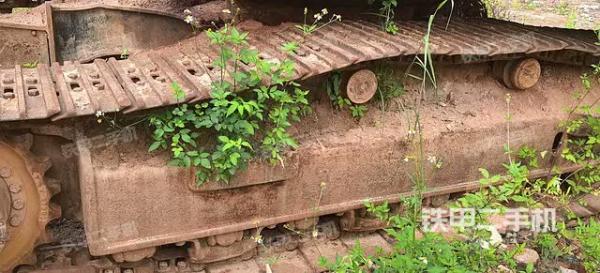
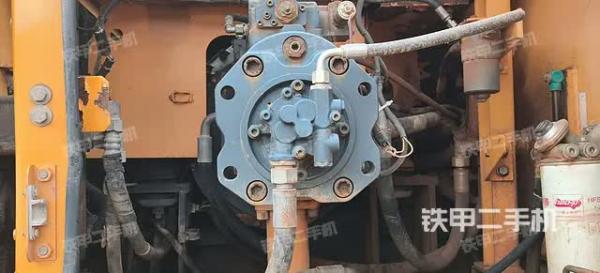
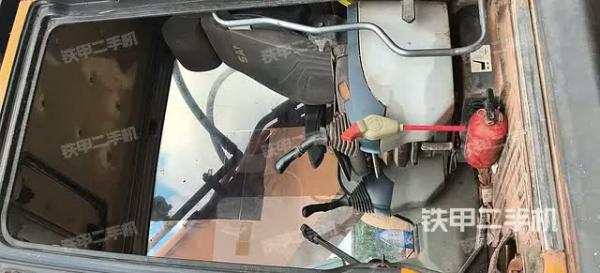
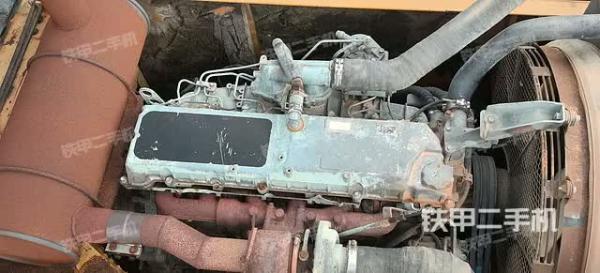
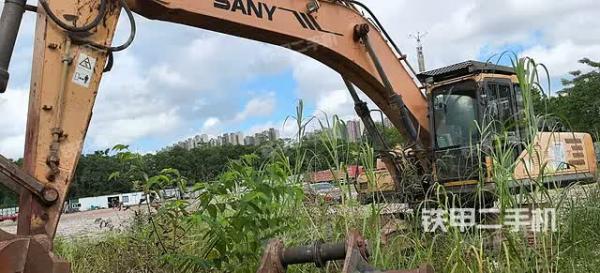
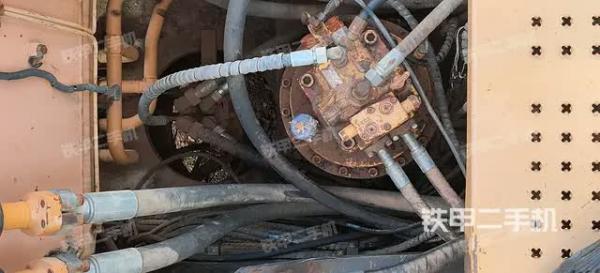
ID:1826025
- Brand: SANY
- Model: SY365H
- Year of Manufacture: 2019
- Hours: 10,503 hours
- Location: Maoming, Guangdong
The 2019 Sany SY365H is a heavy-duty excavator designed for large-scale construction, mining, and infrastructure projects. Manufactured in China, it represents the advanced engineering capabilities of Sany Heavy Industry, a company founded in 1989 that has grown into one of the largest construction machinery producers globally. By 2019, Sany had sold thousands of units in domestic and international markets, making the SY365H a proven performer in its class.
Specifications- Operating weight: 36,000 kg
- Bucket capacity: 1.6–2.32 m³
- Rated power: 212 kW at 2000 rpm
- Engine: GH-6HK1XKSC, water-cooled, 6-cylinder, turbocharged
- Maximum torque: 1080 N·m at 1500 rpm
- Ground pressure: 65 kPa
- Slewing speed: 9.5 rpm
- Maximum gradeability: 70% (35°)
- Bucket digging force: 235 kN
- Arm digging force: 180 kN
- Travel speed: 5.5/3.5 km/h
Engine and Power System
The SY365H is equipped with a GH-6HK1XKSC engine that balances power and fuel efficiency. Its water-cooled, six-cylinder turbocharged design ensures reliable performance under prolonged heavy workloads. With a displacement of 7.79 L, it delivers substantial torque for high digging force while maintaining stable operation in extreme conditions.
Hydraulic System- Fuel tank capacity: 690 L
- Hydraulic oil tank: 380 L
- Engine oil change volume: 36 L
The robust hydraulic system features high-capacity pumps and cylinders, allowing precise control of the boom, arm, and bucket movements. Operators benefit from smooth operation, high digging speed, and effective load handling, which increases overall productivity.
Dimensions and Undercarriage- Transport length: 11,530 mm
- Transport width: 3,190 mm
- Transport height: 3,545 mm
- Cab height: 3,320 mm
- Minimum ground clearance: 550 mm
- Front swing radius: 4,495 mm
- Rear swing radius: 3,560 mm
- Track length: 5,065 mm
- Track width: 600 mm
- Track gauge: 2,590 mm
- Track ground contact length: 4,140 mm
The wide undercarriage provides excellent stability during digging and lifting, even on uneven terrain. The SY365H’s tracked design ensures optimal traction and minimal ground disturbance, essential for construction on sensitive sites.
Operational Range- Maximum digging radius: 10,780 mm
- Maximum digging depth: 7,050 mm
- Maximum digging height: 9,890 mm
- Maximum unloading height: 6,920 mm
- Maximum vertical digging depth: 3,970 mm
With its long reach and high digging depth, the SY365H is ideal for quarrying, trenching, and foundation work. Operators can achieve precise earthmoving in deep excavation tasks without compromising stability.
Additional Features and Recommendations
Sany SY365H machines are known for their low maintenance requirements, durable components, and high resale value. For optimal performance, operators should regularly check hydraulic oil levels, inspect track tension, and monitor engine temperature. Adding a high-quality hydraulic filter can extend system life and reduce downtime.
Notable Applications
In recent years, the SY365H has been deployed in large infrastructure projects such as highway construction in Guangdong Province and deep excavation for industrial complexes. Its combination of power, reach, and durability has made it a trusted machine in both domestic and international markets.
|
|
|
|
| 2020 Sany SY375H Excavator Jiangsu-Yangzhou $55,898 |
|
Posted by: MikePhua - 09-13-2025, 09:37 PM - Forum: Used Excavators Trade
- No Replies
|
|
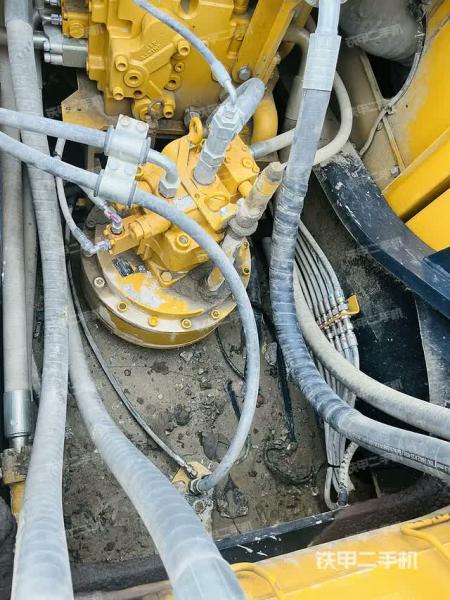
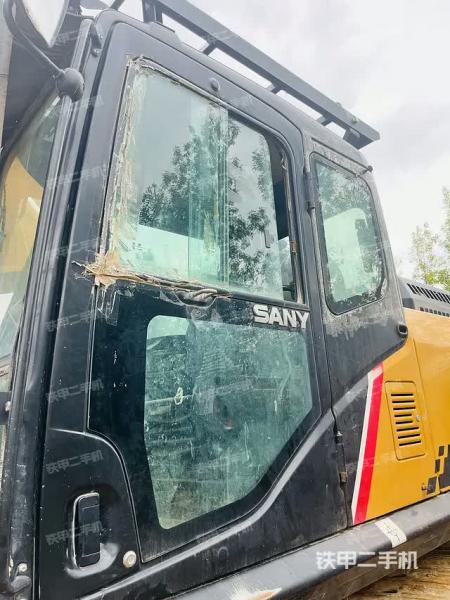
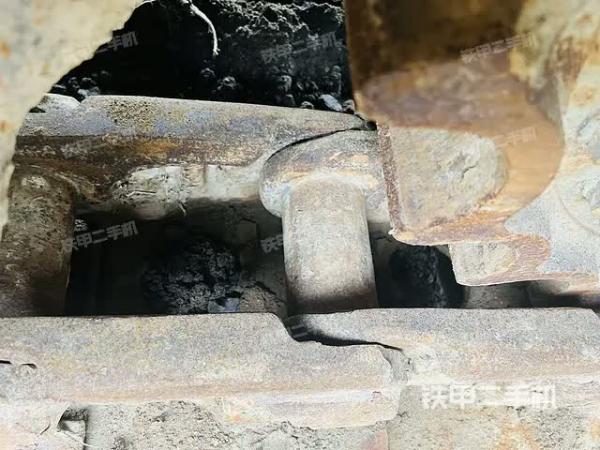
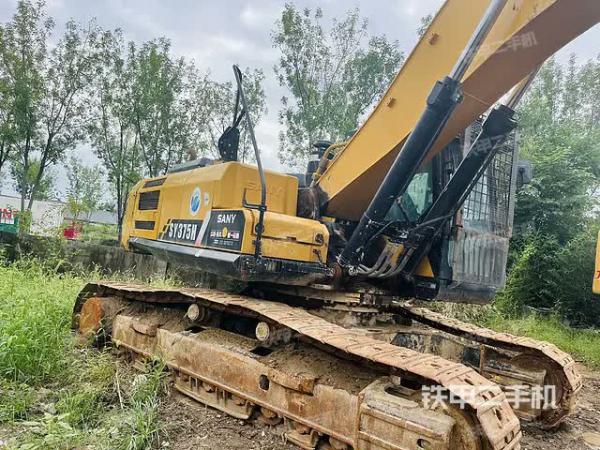
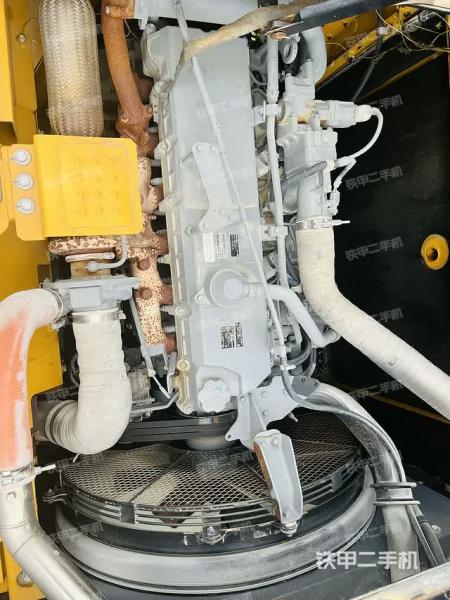
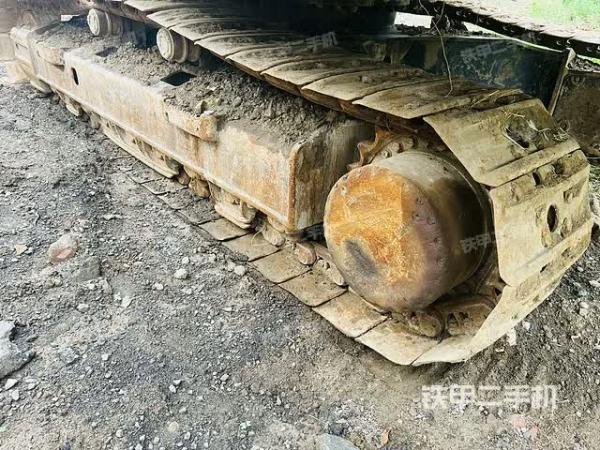
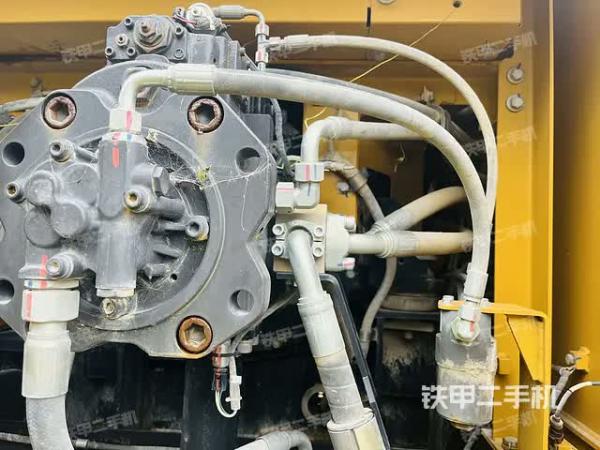
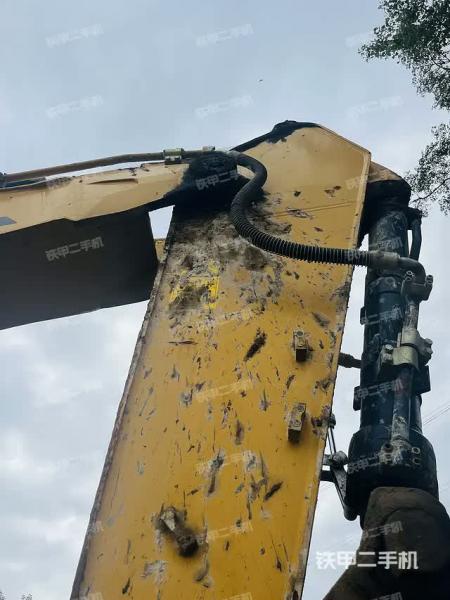
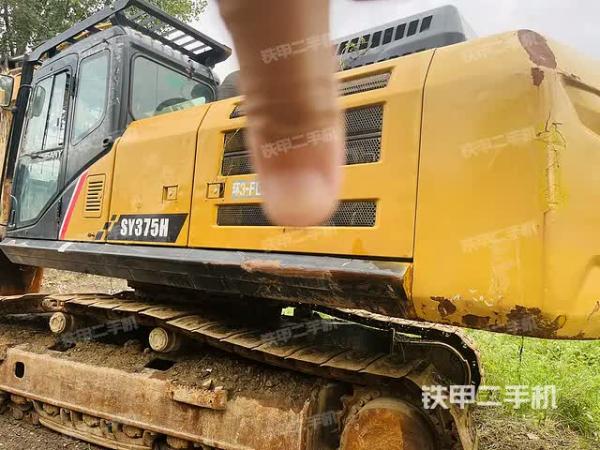
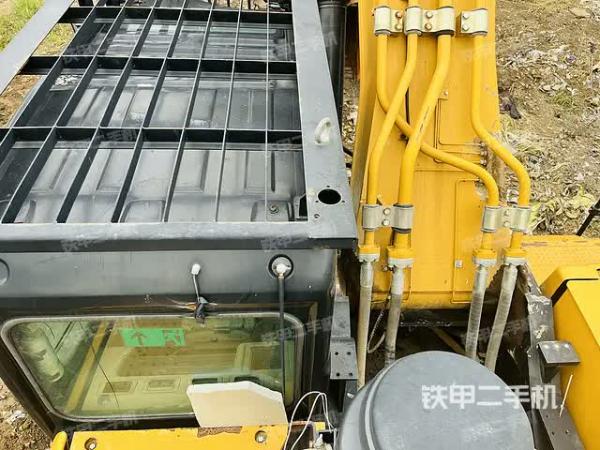
ID:1826938
- Brand: SANY
- Model: SY375H
- Year of Manufacture: 2020
- Hours: 10,000 hours
- Location: Yangzhou, Jiangsu
The Sany SY375H is a 37-ton hydraulic excavator introduced in 2020, widely recognized for its reliability in heavy-duty construction projects. Produced by Sany Heavy Industry, a leading Chinese construction equipment manufacturer established in 1989, the SY375H has contributed to Sany’s global growth, which includes over 200,000 units sold worldwide. Its robust design combines traditional power systems with advanced hydraulic technology, ensuring both efficiency and durability.
Engine and Power System
The SY375H is powered by the GH-6HK1XKSC engine, a 6-cylinder, 4-stroke, water-cooled diesel engine with direct injection and turbocharged intercooling. It delivers 212 kW at 2000 rpm, with a maximum torque of 1080 N·m at 1500 rpm. The 7.79-liter displacement ensures high efficiency for large-scale earthmoving, while the turbocharged and intercooler system enhances fuel economy under heavy loads.
Performance Specifications
The excavator offers a bucket digging force of 235 kN and an arm digging force of 210 kN, making it suitable for both hard and soft soil operations. It has a slope capability of 70%, a travel speed of 5.5/3.5 km/h, and a ground pressure of 68.8 kPa. Its 8.8 rpm swing speed ensures smooth rotation for precise positioning, critical for trenching and foundation work.
Hydraulic System and Capacities
The SY375H uses a conventional hydraulic system, providing reliable operation for heavy-duty tasks. The fuel tank holds 540 liters, and engine oil replacement requires 36 liters. Hydraulic oil is optimized for both lifting and digging functions, with the cylinders sized to provide stability and high efficiency.
Dimensions and Operational Range- Operating weight: 37,500 kg
- Bucket capacity: 1.7–2.4 m³ (typical 1.9 m³)
- Transport length: 11,425 mm
- Transport width: 3,190 mm
- Transport height: 3,825 mm
- Cab height: 3,440 mm
- Minimum ground clearance: 550 mm
- Front working radius: 4,390 mm
- Rear swing radius: 3,610 mm
- Track length: 5,100 mm
- Track gauge: 2,590 mm
- Track shoe width: 600 mm
- Ground contact length: 4,140 mm
- Max digging radius: 10,750 mm
- Max digging depth: 7,155 mm
- Max digging height: 9,920 mm
- Max dumping height: 7,010 mm
- Max vertical digging depth: 5,125 mm
Usage and Application
The SY375H excels in large construction, mining, and infrastructure projects due to its high bucket capacity and strong digging force. Operators benefit from its balanced stability and powerful hydraulic system. Companies often report reduced cycle times and increased productivity when using this model for foundation excavation, road construction, and heavy trenching. Its fuel efficiency and engine durability also minimize long-term operational costs.
Maintenance and Recommendations
Regular inspection of hydraulic hoses, track tension, and engine oil levels is crucial for maximizing service life. Using recommended Sany hydraulic fluids and keeping the cooling system clean ensures consistent performance in high-temperature environments. Operators should schedule 500-hour maintenance checks, including filter replacement, lubrication, and torque checks on all pins and joints.
|
|
|
|
| 2018 Komatsu PC60-8 Excavator Hunan-Yongzhou $15,168 |
|
Posted by: MikePhua - 09-13-2025, 09:33 PM - Forum: Used Excavators Trade
- No Replies
|
|
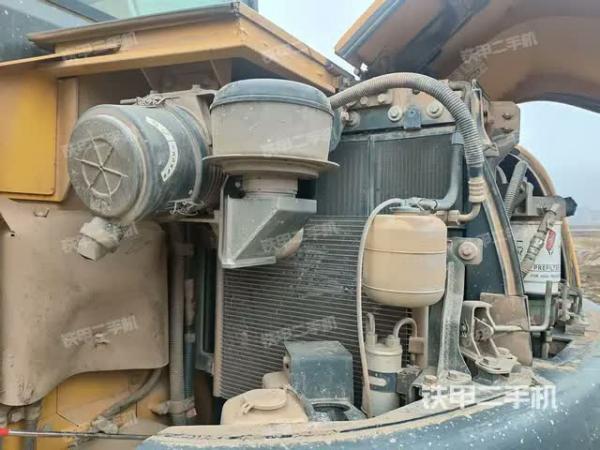
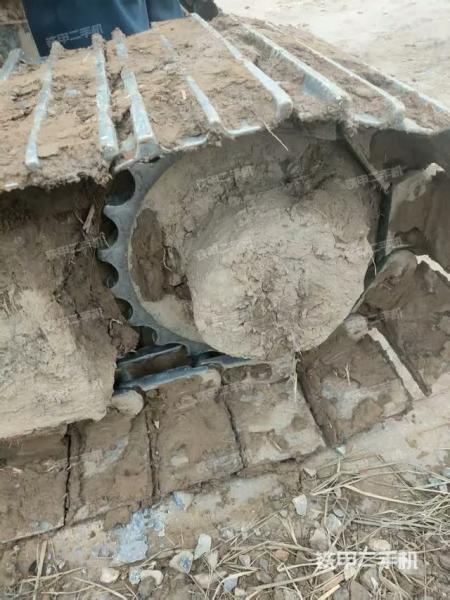
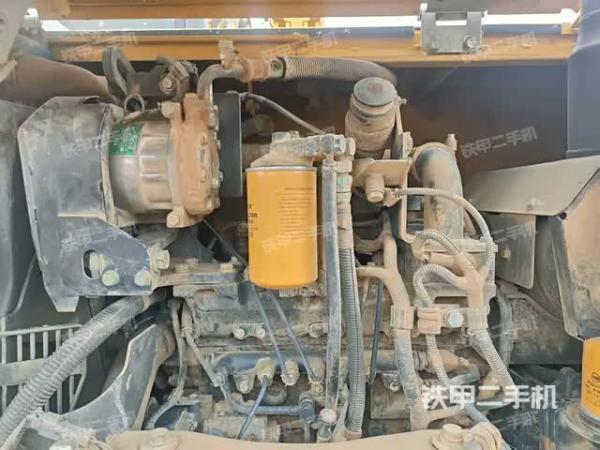
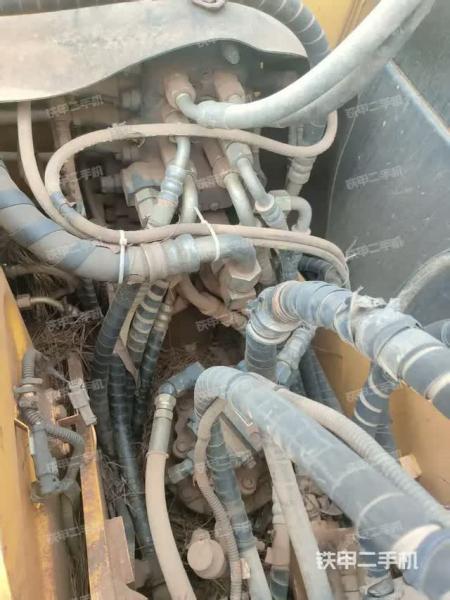
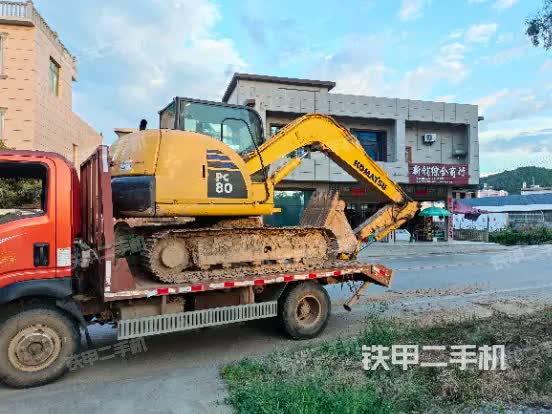
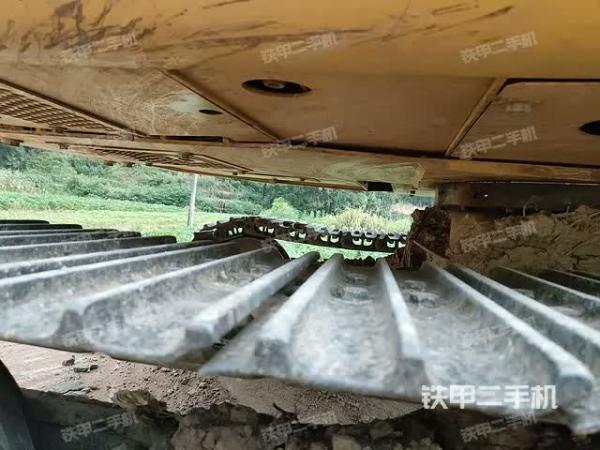
ID:1826935
- Brand: Komatsu
- Model: PC60-8
- Year of Manufacture: 2018
- Hours: 8,200 hours
- Location: Yongzhou, Hunan
The Komatsu PC60-8 is a compact hydraulic excavator launched in 2018, designed for efficiency in medium-scale construction and earthmoving tasks. Manufactured by Komatsu, a Japanese heavy machinery leader with a history dating back to 1921, the PC60-8 belongs to a series renowned for durability and fuel efficiency. This particular unit has logged 8200 hours of operation and is located in Yongzhou, Hunan province. Komatsu’s PC60 series has been globally popular, with thousands of units sold annually, especially in Asia and Europe.
Specifications- Operating weight: 6180 kg
- Rated capacity: 6 tons
- Bucket capacity: 0.25–0.37 m³
- Origin: Jining, Shandong, China
- Bucket type: Backhoe
- Power source: Conventional diesel engine, imported/partnership model
Power System- Engine model: Komatsu SAA4D95LE-5
- Rated power: 40.7 kW at 1950 rpm
- Displacement: 3.26 L
- Cylinders: 4
- Bore × stroke: 95 mm × 115 mm
- Cooling: Water-cooled
- Turbocharged four-stroke operation
Performance- Ground pressure: 28.4 kPa
- Swing speed: 10 rpm
- Bucket digging force: 54.8 kN
- Arm digging force: 39.8 kN
- Maximum drawbar pull: 56.6 kN
- Travel speed: 2.8–4.5 km/h
Hydraulic System- Main pump type: Variable displacement piston pump
- Maximum flow: 172 L/min
- Travel circuit pressure: 24.5 MPa
- Swing circuit pressure: 21.1 MPa
- Work circuit pressure: 24.5 MPa
- Pilot circuit pressure: 2.9 MPa
- Bucket cylinder: 1 × 90 × 710 mm
- Arm cylinder: 1 × 100 × 865 mm
- Boom cylinder: 1 × 115 × 840 mm
Fluid Capacities- Fuel tank: 130 L
- Hydraulic tank: 95 L
- Engine oil change: 12.5 L
- Coolant: 10 L
Dimensions- Transport length: 6035 mm
- Transport width: 2225 mm
- Transport height: 2620 mm
- Counterweight clearance: 750 mm
- Minimum ground clearance: 350 mm
- Front working equipment minimum swing radius: 1700 mm
- Rear swing radius: 1750 mm
- Track length: 2765 mm
- Track gauge: 1700 mm
- Track shoe width: 450 mm
- Track total width: 2150 mm
- Track ground contact length: 2130 mm
Operational Range- Maximum digging radius: 6190 mm
- Maximum digging depth: 3900 mm
- Maximum digging height: 7030 mm
- Maximum unloading height: 4925 mm
- Maximum vertical digging depth: 3350 mm
- Maximum digging radius at idle: 6045 mm
Applications and Recommendations
The PC60-8 is ideal for small-to-medium construction, urban development, and utility works. Operators benefit from low fuel consumption and precise hydraulic response. Maintenance advice includes regular inspection of hydraulic hoses, track tension, and engine oil change every 500 hours to maintain optimal performance. The excavator’s compact size allows access to confined spaces without compromising lifting and digging capability.
|
|
|
|
|



