| Welcome, Guest |
You have to register before you can post on our site.
|
| Online Users |
There are currently 153 online users.
» 0 Member(s) | 138 Guest(s)
Ahrefs, Amazon, Applebot, Baidu, Bing, DataForSeo, DotBot, MJ12, OpenAI, Semrush, Seznam, Sogou, Trendiction, Yandex
|
| Latest Threads |
Identifying and Sourcing ...
Forum: Parts , Attachments & Tools
Last Post: MikePhua
01-07-2026, 06:29 PM
» Replies: 0
» Views: 386
|
Cat 931B Brake Parts
Forum: Parts , Attachments & Tools
Last Post: MikePhua
01-07-2026, 06:29 PM
» Replies: 0
» Views: 257
|
Choosing Between Cat 228,...
Forum: General Discussion
Last Post: MikePhua
01-07-2026, 06:28 PM
» Replies: 0
» Views: 407
|
Fix It or Part It Out
Forum: General Discussion
Last Post: MikePhua
01-07-2026, 06:27 PM
» Replies: 0
» Views: 329
|
Hydraulic Delay When Lowe...
Forum: Troubleshooting & Diagnosing
Last Post: MikePhua
01-07-2026, 06:27 PM
» Replies: 0
» Views: 395
|
Bale Chopper and Mulcher ...
Forum: General Discussion
Last Post: MikePhua
01-07-2026, 06:26 PM
» Replies: 0
» Views: 283
|
Mini UC Maintenance
Forum: General Discussion
Last Post: MikePhua
01-07-2026, 06:25 PM
» Replies: 0
» Views: 272
|
Locating Wiring Informati...
Forum: General Discussion
Last Post: MikePhua
01-07-2026, 06:24 PM
» Replies: 0
» Views: 313
|
Case Industrial Brown Sub...
Forum: Parts , Attachments & Tools
Last Post: MikePhua
01-07-2026, 06:23 PM
» Replies: 0
» Views: 254
|
Dirt Work in West Virgini...
Forum: Construction & Urban Infrastructure Forum
Last Post: MikePhua
01-07-2026, 06:23 PM
» Replies: 0
» Views: 337
|
|
|
| Capturing Heavy Equipment in Action: Insights from Shared Photos and Operator Experiences |
|
Posted by: MikePhua - 07-30-2025, 09:01 PM - Forum: General Discussion
- No Replies
|
 |
The Value of Visual Documentation
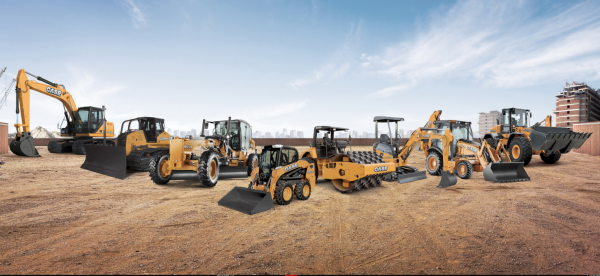
Sharing photos of equipment—whether dozers, excavators, or loaders—goes beyond mere showcase; it’s a powerful tool for education, inspiration, and operational planning. Well-documented images provide real-world insights into machine condition, site context, and usage scenarios. From tool placement to worksite challenge, a single photo can tell a thousand stories.
Real‑World Usage Stories
Operators have shared images showing everything from undercarriage maintenance to hydraulic attachments in action. One contractor posted shots of replacing idlers on a crawler—highlighting the value of proper lifting tools and technique. Another shared everyday scenes from farm work, showing community land clearing and home‑built implements in use.
These pictorial snippets often spark helpful dialogue: someone may ask about clutch alignment seen in a photo, or comment on a novel lifting hook rigged on a utility truck.
Why Photos Matter for Maintenance and Buying Decisions
Photos capturing wear points—like worn sprockets, tensioned tracks, or rust issues—help prospective buyers assess condition remotely. Mechanics and fleet managers rely on shared visuals to spot: - Track stretching or chain elongation
- Hydraulic cylinder wear or leaks
- Paint condition and corrosion hotspots
- Aftermarket modifications or DIY fixes
When combined with written notes, photos can form a powerful maintenance log or buying checklist.
Operator Engagement and Community Insights
Picture‑sharing often leads to community learning. Someone posted a hammer-like knock‑out punch tool on the back of a truck, sparking a thread about purpose-built field tools versus DIY hacks. These tool‑sharing stories create a culture of peer problem‑solving—highlighting solutions like using locking devices to safely lift heavy idlers during undercarriage service.
Terminology Clarification- Idler: A wheel at the front or rear of a crawler track system that guides and tensions the track.
- Knock‑out Punch (Back‑out Punch): A tool used to remove pins or bushings; often seen in mechanic rig setups.
- Sprocket: The toothed wheel that drives the track chain; wear leads to poor track engagement or slippage.
Case Story: A Crawler Undercarriage Repair
An operator shared images of a Case Dozer undercarriage mid‑service: the idler off, track removed, and a hydraulic jack supporting the frame. One seasoned commenter recognized the technique and warned about proper clamp use: “Never lift with a C‑clamp; that’s an idler‑lifting device.” This exchange underscored best practices, safe rigging, and tool selection in field maintenance.
Best Practices for Sharing Equipment Photos
When posting or archiving equipment photos, consider:- Taking both wide‑angle photos and close‑ups of wear areas
- Including tool tools or attachments in use to illustrate application
- Noting time, hours, and site conditions in captions
- Showing field‑made fixes or custom rigs for peer feedback
Community Stories and Broader Relevance
An urban contractor shared pictures of assembling giant timber sets for a high-end residence. The job involved delicate rigging, careful placement of structural trusses, and scenic backgrounds. Shared photos sparked a lively exchange about crane radius, sling types, and payload limits—offering learning moments well beyond the initial post.
Similarly, a municipality posted compaction photos from infrastructure maintenance. Civilians saw rollers compacting base and asphalt lifts, and commented on visibility, safety setups, and vibration control—helping the contractor advocate machine choices to clients.
Summary
Photos of heavy equipment are far more than visuals—they’re windows into field operations, machine condition, and community knowledge. Whether undergoing maintenance, performing a custom rig, or working on site, images combined with captions drive useful conversations and practical learning. For operators, mechanics, and buyers alike, visual documentation offers context that words alone can’t capture.
If you'd like, I can help draft guidance on taking effective equipment photos or compiling a visual maintenance checklist.
|

|
|
| Komatsu PC95-1 Track Power Loss: A Diagnostic Journey |
|
Posted by: MikePhua - 07-30-2025, 08:53 PM - Forum: Troubleshooting & Diagnosing
- No Replies
|
|
Introduction: When Movement Falters
The Komatsu PC95-1 excavator, a mid-1990s compact powerhouse, is known for its reliability and versatility. But even trusted machines can falter. One operator’s experience with sluggish track movement—despite healthy engine performance and responsive hydraulics elsewhere—offers a compelling case study in methodical troubleshooting and mechanical intuition.
Key Terminology Explained - Travel Motors: Hydraulic motors that drive the tracks, enabling forward and reverse movement.
- Hydraulic Control Valves: Components that direct pressurized fluid to various actuators.
- Pilot Lines: Low-pressure lines that activate main hydraulic valves.
- Throttle Linkage: Mechanical connection between the throttle lever and engine governor.
- Two-Speed Travel: A feature allowing the operator to switch between low and high track speeds.
Initial Observations: A Machine That Crawls
The excavator in question had approximately 8,000 hours and showed signs of neglect. Key symptoms included:- Engine revving only to 1500 RPM due to throttle linkage issues.
- All hydraulic functions (boom, bucket, blade, swing) operating normally at reduced RPM.
- Tracks moving slowly with a 5–10 second delay after pedal engagement.
- No noticeable engine load when attempting to move the tracks.
- Hydraulic oil leaking steadily from control valves beneath the travel pedals.
Despite the sluggish track response, the rest of the hydraulic system appeared functional, suggesting the main pump was not the root cause.
Troubleshooting Strategy: Narrowing the Field
The operator’s methodical approach included:- Ordering OEM Manuals
A crucial step for understanding system layout and specifications.
- Inspecting Throttle Linkage
Restoring full engine RPM could improve hydraulic output across the board.
- Evaluating Hydraulic Leaks
Steady leakage from control valves may indicate internal bypass or pressure loss affecting travel motors.
- Testing for Two-Speed Travel
Determining whether the machine had a speed selector could help isolate control issues.
Historical Insight: The PC95-1’s Design Philosophy
Komatsu’s PC95-1 was built during a transitional era when compact excavators began incorporating more sophisticated hydraulics. While not as electronically complex as modern machines, it still relied on precise valve timing and pressure regulation. The travel system, in particular, was sensitive to pilot pressure and valve integrity.
In older machines, travel motors often shared hydraulic pathways with other functions. A leak or blockage in one area could subtly affect another. This interconnectedness demands a holistic diagnostic approach.
Case Study: The Oregon Machinist’s Excavator
The operator, a machinist by trade, approached the problem with a blend of mechanical experience and curiosity. His background in repairing hydraulic cylinders and valves gave him an edge, but he acknowledged limited experience with full-system hydraulics.
His early hypothesis—that the main pumps were likely fine—was supported by strong swing and boom performance. The focus shifted to:- Control Valve Integrity
Leaks under the pedals suggested worn seals or damaged spools.
- Pilot Pressure Delivery
Weak or delayed pilot signals could prevent timely valve actuation.
- Travel Motor Condition
Internal wear or contamination might cause sluggish response without triggering engine load.
Best Practices for Diagnosing Track Power Loss- Restore Full Engine RPM
Ensure throttle linkage allows the engine to reach rated speed for optimal hydraulic output.
- Check for Valve Leaks
Inspect and rebuild leaking control valves to restore pressure integrity.
- Test Pilot Pressure
Use gauges to verify pilot signal strength and timing.
- Inspect Travel Motors
Look for signs of internal leakage, contamination, or wear.
- Flush Hydraulic System
Remove debris and moisture that may affect valve and motor performance.
Anecdote: The Excavator That Needed a Wake-Up Call
A similar case involved a PC120 that refused to track properly. After weeks of diagnostics, the culprit was a clogged pilot filter—hidden beneath a panel and overlooked during routine service. Once replaced, the machine sprang to life, reminding the crew that even small components can have outsized effects.
Conclusion: Diagnosing with Patience and Precision
The Komatsu PC95-1’s track power issue illustrates the importance of systematic troubleshooting. From throttle linkage to valve leaks, each clue builds a clearer picture. For operators and mechanics alike, the lesson is clear: listen to the machine, follow the fluid, and never underestimate the value of a well-worn manual and a sharp eye. In the world of heavy equipment, persistence isn’t just a virtue—it’s a necessity.
|
|
|
|
| Delco MT40 Starter: Oil Wick and Oilite Bearings Maintenance |
|
Posted by: MikePhua - 07-30-2025, 08:52 PM - Forum: Parts , Attachments & Tools
- No Replies
|
|
The Delco MT40 starter is a popular electric starter motor used in heavy-duty machinery, including construction equipment, agricultural machines, and industrial vehicles. These starters are essential for ensuring smooth engine start-ups, providing the necessary power to get the engine running. One crucial aspect of maintaining the Delco MT40 starter is understanding the role of oil wicks and Oilite bearings, which are vital components for the smooth operation of the starter motor. In this article, we’ll dive into the functions of these components, common issues, and how to properly maintain them to extend the lifespan of your Delco MT40 starter.
What is a Delco MT40 Starter?
A starter motor is an electric motor that is responsible for initiating the internal combustion engine's operation. The Delco MT40 is one of the models in the Delco Remy range, known for its robust construction and reliability in various demanding applications. Starter motors like the MT40 are designed to convert electrical energy into mechanical energy, turning the engine’s flywheel to initiate the engine’s cycle.
Key Features of the Delco MT40 Starter: - High Torque Output: Delco MT40 starters provide sufficient torque to start large diesel or gas engines.
- Durability: The MT40 is built for heavy-duty applications, offering long-lasting performance under harsh conditions.
- Efficient Design: The motor’s design helps minimize energy loss, making it a highly efficient option for starting engines quickly and reliably.
Understanding Oil Wick and Oilite Bearings in the Delco MT40 Starter
Two critical components that ensure the smooth operation of the Delco MT40 starter motor are the oil wick and Oilite bearings. These components work together to reduce friction, prevent overheating, and extend the lifespan of the starter.
1. Oil Wick:
An oil wick is a small, absorbent piece of material that helps distribute oil to key moving parts in a motor or machine. In the context of the Delco MT40 starter, the oil wick is used to lubricate the bearings, armature, and other friction-prone components within the starter.- Function: The oil wick continually supplies a small amount of lubricant to the starter’s internal parts, reducing friction and wear. This lubrication helps maintain optimal performance, particularly under heavy loads.
- Material: Oil wicks are typically made of porous materials that are capable of holding oil, such as felt or cotton, allowing them to deliver a constant supply of lubricant.
- Maintenance: Over time, the oil wick can become worn out or dried out, leading to insufficient lubrication. Regular inspection and re-oiling of the wick are crucial for preventing premature wear of the starter motor components.
2. Oilite Bearings:
Oilite bearings are a type of sintered bronze bearing that contains tiny pores filled with lubricant. These bearings are designed to provide continuous lubrication without the need for external oiling. They are commonly used in applications where regular lubrication is difficult or impractical.- Function: Oilite bearings are self-lubricating, meaning they release oil from the tiny pores within the bearing material. This helps reduce friction between the bearing and the moving parts, allowing the starter motor to operate smoothly and efficiently.
- Material: Oilite bearings are made from a special bronze alloy that is porous, enabling the material to hold lubricating oil.
- Maintenance: Although Oilite bearings are designed to be low-maintenance, they can still wear out over time, particularly if the oil supply is compromised. Regular inspection of the starter motor, including checking for wear on the bearings, can help avoid issues like overheating or seizing.
Common Issues with Oil Wick and Oilite Bearings
While the oil wick and Oilite bearings in the Delco MT40 starter are designed for longevity and performance, they can encounter several issues that affect the starter motor’s overall efficiency and function.
1. Dried-Out Oil Wick
One of the most common issues with the oil wick is that it can become dry over time, especially if the starter motor is not in regular use. A dried-out oil wick will fail to supply the necessary lubrication to the bearings and other moving parts, leading to increased friction, overheating, and eventual motor failure.- Symptoms: If the oil wick is dried out, you may notice increased noise or grinding sounds from the starter, slower cranking speeds, or even complete failure to start the engine.
- Solution: Regular inspection and re-oiling of the wick can prevent this issue. If the wick appears damaged or excessively dry, it may need to be replaced.
2. Worn Oilite Bearings
Oilite bearings, although self-lubricating, can wear out over time, particularly under heavy use. When the oil supply within the bearing is depleted or when excessive friction occurs, the bearings may fail, leading to overheating and potential damage to the starter motor.- Symptoms: Worn Oilite bearings can cause the starter motor to operate with increased resistance, leading to poor performance, slow cranking, or a burning smell.
- Solution: If the bearings show signs of wear or damage, they should be replaced promptly to avoid further damage to the starter motor.
3. Contaminated Oil Wick or Bearings
Dirt, debris, or contamination can block the oil wick or the pores in Oilite bearings, disrupting their ability to lubricate effectively. Contaminants can cause increased friction, leading to faster wear and potential motor failure.- Symptoms: Difficulty in starting the engine, strange noises from the starter, or visible dirt or grime in the motor compartment may indicate contamination.
- Solution: Regular cleaning and maintenance of the starter motor, including replacing the oil wick and inspecting the bearings, can help prevent this issue. Ensure that the surrounding environment is clean and free from contaminants that may affect the starter’s internal components.
Maintaining the Delco MT40 Starter: Best Practices
Proper maintenance of the Delco MT40 starter, particularly the oil wick and Oilite bearings, is crucial for ensuring the motor operates efficiently over its lifespan. Here are some best practices for maintaining these components:
1. Regularly Inspect and Replace the Oil Wick- Check the condition of the oil wick every few months or after every 100 hours of use.
- If the oil wick is dry, cracked, or damaged, replace it with a new one to ensure proper lubrication.
- Apply a high-quality motor oil to the oil wick to keep it well-lubricated.
2. Check the Condition of the Oilite Bearings- Inspect the Oilite bearings for wear, especially if the starter motor has been used extensively.
- If the bearings are showing signs of excessive wear or overheating, replace them with new ones.
- Lubrication from the Oilite bearing itself should be sufficient, but make sure that no contaminants have clogged the bearing’s pores.
3. Clean the Starter Motor Regularly- Dirt and debris can interfere with the oil wick and bearings, so cleaning the starter motor periodically is essential.
- Use compressed air or a soft brush to remove debris from the starter motor’s components.
4. Keep the Electrical System in Check- Ensure that the electrical system supplying the starter motor is functioning correctly. Poor voltage or incorrect wiring can cause additional stress on the starter, affecting the oil wick and bearings over time.
Real-World Example: Delco MT40 Starter Maintenance
A contractor working on a large construction site experienced repeated issues with the starting system of their equipment. After several failed attempts to start their backhoe, they discovered that the starter motor was overheating and making strange grinding noises. Upon inspection, it was found that the oil wick in the Delco MT40 starter had dried out, leading to insufficient lubrication and damage to the Oilite bearings. The contractor promptly replaced the oil wick and bearings, re-oiled the components, and cleaned the motor. After these simple maintenance steps, the backhoe started reliably, and the issue was resolved.
Conclusion
The Delco MT40 starter is a reliable and robust component in many heavy-duty machines. However, like any mechanical system, it requires proper maintenance to ensure longevity and optimal performance. Regular inspection and maintenance of key components like the oil wick and Oilite bearings can prevent common issues such as overheating, friction, and motor failure. By following best practices and addressing any wear or damage promptly, you can extend the life of your Delco MT40 starter and maintain smooth operations on your worksite.
|
|
|
|
| Troubleshooting and Replacing the Fuel Injection Pump on a CAT 420D Backhoe |
|
Posted by: MikePhua - 07-30-2025, 08:52 PM - Forum: Troubleshooting & Diagnosing
- No Replies
|
|
Introduction to the CAT 420D Fuel System
The CAT 420D is a widely-used backhoe loader known for its versatility, strong digging capabilities, and overall reliability. At the heart of its diesel engine lies a crucial component: the fuel injection pump. This pump is responsible for delivering the correct amount of fuel at the right pressure to the injectors, ensuring proper combustion. When the pump malfunctions, the machine can suffer from hard starts, rough idling, loss of power, or complete failure to start.
The fuel system in the 420D, particularly the 3054 engine, uses a mechanically controlled rotary-style fuel injection pump, typically manufactured by Stanadyne or similar OEMs. Understanding the symptoms of failure and the procedures for service and replacement is key to keeping the machine in working order.
Common Symptoms of Fuel Pump Failure
Fuel injection pump issues on the CAT 420D often manifest in several ways: - Hard Starting or No Start: This is one of the earliest signs. If the fuel pump fails to pressurize the system properly, injectors will not deliver enough fuel for ignition.
- Engine Stalling or Power Loss: A weak or inconsistent fuel supply can cause the engine to bog down under load or lose power abruptly.
- Air in the Fuel System: If air is being drawn into the lines, it may indicate leaks at fittings or deterioration in the primer or filter head.
- Fuel Leaks: Over time, seals in the pump degrade, leading to external leaks and loss of pressure.
- Increased Fuel Consumption or Black Smoke: Poor fuel atomization from a faulty pump may lead to incomplete combustion, causing visible exhaust smoke.
Understanding the Fuel Injection Pump’s Role
The fuel injection pump in the 420D does more than just send fuel to the injectors—it meters the amount, adjusts timing, and in some models, even modulates idle speed based on load. The pump is timed directly to the engine via a gear drive, so precise installation is critical to avoid performance problems or damage.
Terminology Clarification- Injection Timing: The precise moment fuel is injected into the cylinder relative to piston position—critical for efficient combustion.
- Governor: A mechanical or hydraulic system within the pump that controls fuel flow based on engine load and throttle input.
- Lift Pump: Often confused with the main injection pump, this low-pressure pump feeds fuel from the tank to the injection system.
Case Study: Diagnosing a Dead Machine
A contractor in Georgia reported a CAT 420D that suddenly refused to start after running fine for months. After verifying that fuel was reaching the injection pump, attention turned to the solenoid that controls fuel shutoff—a common failure point. The fuel shutoff solenoid had failed internally, preventing fuel delivery even though the starter cranked normally. Replacing the solenoid restored full function, avoiding the cost of a full pump rebuild.
Troubleshooting Steps Before Pump Replacement
Before condemning the fuel injection pump, several checks should be performed:- Verify Fuel Delivery: Check that fuel is reaching the pump using the primer bulb or lift pump. Replace clogged filters and inspect for air leaks.
- Test Fuel Shutoff Solenoid: Ensure the solenoid energizes with the key on. A failed solenoid prevents the pump from delivering fuel.
- Check for Timing Issues: If the pump has been removed or loosened, it may be out of time. Use timing marks and service manual procedures to verify alignment.
- Inspect Return Lines: Blocked or pinched return lines can cause over-pressurization or poor operation.
Removing and Replacing the Injection Pump
If the pump is determined to be the issue, careful removal and replacement are required. Here’s a general overview of the steps:
- Disconnect Battery: Prevent accidental cranking or electrical short.
- Remove Air Intake Components: Gain access to the side of the engine.
- Drain Fuel System: Minimize spills and contamination.
- Mark Timing Positions: Use paint or a punch to mark gear-to-pump alignment if factory timing marks aren’t visible.
- Disconnect Linkages and Lines: Remove throttle and return lines, followed by fuel feed and return lines.
- Unbolt Pump: Use care when removing the gear drive—on some models, special tools are needed to pull the gear from the tapered shaft.
- Install New/Rebuilt Pump: Align timing marks exactly, torque bolts to spec, and prime the system carefully.
After installation, the system must be fully primed to remove air, or the machine will not start.
Rebuilding vs. Replacing
Many owners are tempted to rebuild a faulty pump to save cost. However, rebuilding requires precision tools, calibration benches, and clean room conditions. Unless the owner is highly experienced or has access to a qualified diesel shop, replacing with a remanufactured pump is often more practical.
Ownership Insight: Preventing Future Issues
To avoid fuel injection problems in the future:- Use Clean, Treated Fuel: Diesel contamination is a leading cause of injection system failure.
- Change Fuel Filters Regularly: Follow the OEM schedule and inspect for signs of water or sludge.
- Bleed Air After Every Service: Use the hand primer or electric lift pump to ensure air is purged from the lines.
- Keep Fuel Tank Sealed: Prevent dirt or condensation from entering the system.
A Note on Parts Availability
As the 420D ages, OEM parts availability may vary by region. However, many aftermarket suppliers offer compatible pumps or rebuild services. Be sure to verify part numbers, especially since several variations of the 3054 engine exist across different production years.
Conclusion
The fuel injection pump on the CAT 420D is a vital component that directly impacts starting, power, and fuel efficiency. While it may appear daunting, many of its issues—such as solenoid failure, air intrusion, or filter blockage—can be addressed without replacing the pump. When replacement becomes necessary, following a precise process and understanding the timing and system layout is crucial.
For owner-operators and small fleet managers, being able to identify and resolve these issues quickly means more uptime and fewer costly service calls—exactly the kind of knowledge that pays off in the field.
|
|
|
|
| Exploring the JCB 3CX Model Range: A Comprehensive Guide |
|
Posted by: MikePhua - 07-30-2025, 08:50 PM - Forum: General Discussion
- No Replies
|
|
The JCB 3CX backhoe loader has long been recognized as one of the most versatile and powerful machines in the construction, agricultural, and utility sectors. With its combination of strength, maneuverability, and ease of use, it has become a go-to machine for tasks ranging from trenching and digging to material handling and lifting. JCB offers a wide range of models within the 3CX series, each designed to meet specific operational needs and conditions. In this article, we will explore the different models within the JCB 3CX range, their key features, and the various factors you should consider when selecting the right one for your job.
What is a JCB 3CX?
A backhoe loader, commonly referred to as a JCB 3CX, is a versatile piece of heavy machinery that combines the capabilities of both a tractor loader and a backhoe excavator. It is equipped with a front loader for moving materials and a rear backhoe for digging, making it one of the most multifunctional machines on a job site. The JCB 3CX is widely used in construction, landscaping, and public utility work due to its ability to handle a range of tasks with ease.
Key Features of the JCB 3CX - Powerful Engine: The JCB 3CX typically features a powerful diesel engine that provides both fuel efficiency and the necessary power for demanding tasks.
- Advanced Hydraulics: With robust hydraulic systems, the 3CX can lift and dig with precision, offering superior performance compared to many other backhoe loaders.
- Compact Design: Despite its power, the JCB 3CX is designed with a compact size that makes it easy to maneuver in tight spaces.
- Durability: Built to withstand the rigors of daily work, the JCB 3CX has a reputation for reliability and longevity.
The JCB 3CX Model Range
The JCB 3CX series comes in several variations, with each model tailored to different job site needs and applications. The range includes models that differ in engine size, hydraulic power, and additional features such as advanced electronics and operator comfort enhancements.
1. JCB 3CX Classic
The 3CX Classic is the base model in the 3CX range. It’s designed for those looking for a simple, cost-effective solution for typical backhoe loader tasks.- Engine Power: The 3CX Classic is equipped with a 55 kW (74 hp) engine, providing enough power for general construction and agricultural work.
- Main Features:
- Standard hydraulic system
- No advanced electronics
- Suitable for general digging, trenching, and material handling tasks
2. JCB 3CX Eco
The 3CX Eco is an eco-friendly version of the classic model, built for operators who prioritize fuel efficiency and lower emissions without compromising on performance.- Engine Power: The 3CX Eco is powered by a 55 kW (74 hp) engine with a focus on fuel economy.
- Main Features:
- EcoMode for fuel-saving operation
- Emission reduction technology
- Lower running costs over time
- Excellent for construction and utility tasks where fuel efficiency is critical
3. JCB 3CX 4×4
This model is perfect for rough terrains and outdoor worksites. The 3CX 4×4 comes with four-wheel drive (4WD) capabilities, giving it enhanced traction and the ability to handle tougher conditions than standard models.- Engine Power: The 3CX 4×4 usually comes with a 74-81 kW (100-110 hp) engine, providing ample power for tough jobs.
- Main Features:
- Four-wheel drive for enhanced traction
- Great for muddy or uneven surfaces
- Excellent for demolition or excavation in rugged environments
- Additional lifting and digging power
4. JCB 3CX Sitemaster
The 3CX Sitemaster is designed for construction professionals who need a powerful and reliable machine with superior comfort. With a focus on operator ergonomics, this model offers better visibility and a more comfortable working environment.- Engine Power: The 3CX Sitemaster offers engines ranging from 74 kW (100 hp) to 97 kW (130 hp), depending on the configuration.
- Main Features:
- Spacious, air-conditioned operator cab
- Enhanced lifting and digging capabilities
- Improved hydraulic performance for efficient use of attachments
- Stronger lifting arms and backhoe for heavy-duty work
5. JCB 3CX Pro
The 3CX Pro model is a high-end version aimed at those who need maximum productivity with cutting-edge technology. It comes equipped with advanced features such as GPS tracking, telematics, and an enhanced operator environment.- Engine Power: Typically ranges between 81 kW (110 hp) to 97 kW (130 hp) engines for maximum performance.
- Main Features:
- Telematics for fleet management and diagnostics
- GPS system for improved precision on large construction projects
- High-quality suspension and shock-absorbing seats for operator comfort
- Enhanced backhoe and loader arms for more efficient material handling and digging
Choosing the Right JCB 3CX Model
When deciding which JCB 3CX model to select, it’s important to consider the specific needs of your job site and operation. Below are some factors to consider:
1. Job Site Type- For General Construction and Urban Work: The JCB 3CX Classic or Eco models are great for lighter construction work, trenching, and material handling in standard conditions.
- For Rough Terrain or Demolition: The 3CX 4×4 is the best choice for sites with uneven terrain, mud, or obstacles. Its four-wheel drive ensures the machine can handle rough conditions.
- For High-Performance Tasks: The 3CX Pro or 3CX Sitemaster is the ideal choice for high-demand applications, including large-scale construction, heavy-duty lifting, and excavation in tough environments.
2. Fuel Efficiency and Emissions- If minimizing fuel consumption and reducing emissions are priorities for your operation, the JCB 3CX Eco is the best option. Its EcoMode and emission-reducing technology can lead to significant long-term savings.
3. Operator Comfort- For extended hours on-site, comfort is key. If operator ergonomics are a priority, the 3CX Sitemaster provides an enhanced working environment with air conditioning, better seat comfort, and improved visibility.
4. Technology and Productivity- If you need high-tech features such as GPS and telematics to improve operational efficiency, the 3CX Pro is your best bet. These advanced systems allow you to manage your fleet more effectively and ensure higher productivity on-site.
Real-World Example: The JCB 3CX in Action
A construction company in the UK was working on a major urban development project. They needed a reliable backhoe loader that could work in tight spaces and handle materials efficiently. The company opted for the JCB 3CX Eco, which provided excellent fuel economy, helping them reduce operational costs while still delivering the required power for trenching and material handling. The machine performed exceptionally well, allowing the team to complete the job on schedule and within budget.
In a different scenario, a landscaping company in Canada was tasked with preparing a site with rough, uneven ground for a new public park. The company chose the JCB 3CX 4×4, which offered the necessary power and traction to maneuver through the challenging terrain. The added four-wheel-drive capability ensured the machine was up to the task, and the team completed the job efficiently.
Conclusion
The JCB 3CX series offers a range of backhoe loaders designed to meet a variety of needs. From the Classic for everyday tasks to the Pro for high-tech, high-performance jobs, there’s a JCB 3CX model for every application. Understanding the specific requirements of your job site—whether it's fuel efficiency, rough terrain handling, operator comfort, or advanced technology—will help you choose the perfect model for your needs.
No matter which model you choose, the JCB 3CX provides the reliability, performance, and versatility needed to tackle almost any task with ease.
|
|
|
|
| Diagnosing a Stubborn Stabilizer: The CAT 420EIT Case Study |
|
Posted by: MikePhua - 07-30-2025, 08:50 PM - Forum: Troubleshooting & Diagnosing
- No Replies
|
|
Introduction: When One Leg Refuses to Budge
Stabilizers are essential for backhoe balance and safety, especially during digging operations. When one refuses to lower, it’s more than an inconvenience—it’s a mechanical mystery. This article explores a real-world troubleshooting journey involving a CAT 420EIT backhoe, where one stabilizer leg remained stubbornly raised. Through methodical diagnostics, mechanical insight, and a few surprises, the issue was ultimately resolved.
Key Terminology Explained - Stabilizer Cylinder: Hydraulic actuator that extends or retracts the stabilizer leg.
- Valve Bank: Assembly of hydraulic control valves directing fluid to various components.
- Pilot Line: Low-pressure hydraulic line that activates main valve functions.
- Poppet Valve: A spring-loaded valve that controls fluid flow and prevents backflow.
- Relief Valve: A safety valve that limits pressure in the hydraulic system.
- Spool Valve: A sliding valve component that directs hydraulic flow based on lever position.
Initial Observations: Heat and Hissing
The operator noticed that the hydraulic lines leading to the malfunctioning stabilizer cylinder were warm even at idle, while the working side remained cool. This suggested unintended fluid flow. Additionally:- No sound or movement occurred when attempting to lower the leg.
- Audible flow noise was present even when controls were untouched.
- Swapping pilot lines changed the direction of the sound but not the outcome.
These clues pointed toward a valve issue rather than a mechanical blockage.
Mechanical Culprit: A Bent Rod and Damaged Cylinder
Upon further inspection, the stabilizer cylinder was found to have a severely bent rod. Attempts to salvage it revealed additional damage:- Scored cylinder wall
- Damaged piston
- Compromised gland
The decision was made to replace the entire cylinder. However, the new unit introduced a new problem: the stabilizer began drifting down slowly on its own.
Secondary Issue: Valve Wear and Internal Debris
CAT technicians identified worn poppets in the valve bank as the likely cause of the drift. The operator disassembled the valve and discovered metal fragments—likely remnants from the failed cylinder—lodged inside. After replacing the poppet kits, the drift persisted, albeit more slowly.
Further investigation revealed that the relief valve on the affected valve section was allowing unintended fluid bypass. Replacing the relief valve resolved the issue completely.
Troubleshooting Tips and Best Practices- Check for Heat
Warm hydraulic lines at idle may indicate unintended flow or valve leakage.
- Listen for Flow Sounds
Hissing or rushing sounds without control input suggest internal valve issues.
- Swap Pilot Lines
Reversing pilot inputs can help isolate control valve faults.
- Inspect Cylinder Internals
Bent rods often accompany hidden damage to pistons and seals.
- Disassemble and Clean Valves
Metal debris can compromise valve seats and poppets, leading to persistent drift.
- Test Cylinder Integrity
Disconnect hoses and observe for movement or leakage to rule out internal bypass.
Anecdote: The Valve That Refused to Quit
One technician recalled a similar case where a stabilizer drifted despite a new cylinder. After hours of diagnostics, the culprit was a single scratch on the poppet seat—barely visible but enough to cause leakage. “You could hang your fingernail on it,” he said, “and that’s all it took.”
Historical Context: Hydraulic Evolution in Backhoes
Older backhoes relied on simpler mechanical linkages and open-center hydraulics. Modern machines like the CAT 420EIT use pilot-operated valves and pressure-compensated systems, offering precision but demanding cleaner fluid and tighter tolerances. This shift has made diagnostics more complex but also more rewarding for those who master it.
Conclusion: Persistence Pays Off
The CAT 420EIT stabilizer saga underscores the importance of methodical troubleshooting. From bent rods to hidden valve damage, each step revealed a layer of complexity. In the end, it wasn’t just about fixing a leg—it was about understanding the machine’s language. And for those willing to listen, even the hiss of a valve can tell a story worth solving.
|
|
|
|
| Understanding the Hamm H13i Compactor: Performance, Applications, and Ownership Experience |
|
Posted by: MikePhua - 07-30-2025, 08:49 PM - Forum: General Discussion
- No Replies
|
|
Introduction to the Hamm H13i
The Hamm H13i is a single-drum soil compactor manufactured by Hamm AG, a German brand under the Wirtgen Group known for its high-quality compaction equipment. Designed for heavy-duty earthwork and road-building applications, the H13i brings together robust engineering, intelligent controls, and practical performance features. It’s tailored for compaction tasks on cohesive and mixed soils, embankments, base layers, and landfill sites.
With a market shift toward greater fuel efficiency, operator comfort, and smart diagnostics, the H13i fits well into mid-sized fleet operations and public infrastructure projects.
Key Features and Specifications - Operating Weight: Approximately 27,000 lbs (12,250 kg), giving it the mass needed for deep compaction on large sites.
- Engine: Deutz TCD 4.1 L4, four-cylinder, turbocharged diesel engine, typically delivering around 130–140 HP, compliant with Tier 4 Final emissions.
- Drum Width: 84 inches (2,130 mm), which provides good surface coverage while maintaining maneuverability.
- Centrifugal Force: Two-stage adjustable settings, with a maximum force of around 56,200 lbs, allowing for both light and deep compaction.
- Amplitude and Frequency: Multiple amplitude settings, with a high amplitude for deep layers and low amplitude for surface finishes.
- Traction and Drive: Hydrostatic all-wheel drive with rear-axle differential lock, improving performance on slopes or soft ground.
- Vibration Control: The drum vibration system can be turned on or off based on material and compaction stage.
Applications in the Field
The H13i is a versatile machine that adapts to a range of compaction jobs:- Highways and Airport Runways: Its ability to handle thick lifts and long working shifts makes it ideal for highway base layers or airfield runways.
- Embankment and Dam Projects: The weight and drum size offer excellent compaction depth on fills and slopes.
- Landfill and Waste Management Sites: Optional smooth or padfoot drums make it suitable for non-uniform or moisture-sensitive substrates.
- Municipal and Civil Works: While large, it is compact enough for urban infrastructure work if access allows.
Operator Experience and Cabin Comfort
The H13i offers a well-designed operator platform, featuring:- Ergonomic Controls: Intuitive joystick and display systems reduce fatigue and training time.
- Visibility: A raised, central operator position offers excellent sightlines around the drum and edges.
- Comfort Features: Some versions include air suspension seats, climate control, and reduced in-cab vibration through rubber-mounted cabins.
A municipal contractor in the Midwest noted that the H13i’s visibility and responsive control layout allowed new operators to perform confidently within hours. He also praised its smooth travel control when compacting across varied material layers.
Maintenance Considerations
Hamm designed the H13i for ease of maintenance with ground-level service access and modular components:- Daily Checks: Coolant, engine oil, and hydraulic fluid levels are easily accessible via grouped service points.
- Diagnostic System: Onboard systems alert the operator to engine faults or hydraulic system pressures via a digital display.
- Filter Access: Engine, air, and hydraulic filters are mounted for quick removal, reducing downtime.
Regular upkeep is essential for machines operating in dusty or high-vibration environments. The compactor’s cooling system should be cleaned frequently, especially in summer months or landfill operations where dust and debris can clog radiators.
Terminology Clarification- Centrifugal Force: The outward force generated by the drum’s eccentric weights during vibration, crucial for soil compaction depth.
- Amplitude: The vertical movement of the drum; higher amplitude compacts thicker lifts, lower amplitude finishes surfaces.
- Frequency: The number of drum vibrations per minute—adjusted to match soil type and layer thickness.
- Tier 4 Final: Emissions standard requiring diesel engines to reduce particulate matter and NOx via advanced after-treatment.
Case Story: Slope Compaction Success
In a mountain road project in Colorado, contractors used the H13i to compact base material along a steep gradient. Thanks to its hydrostatic drive and automatic traction control, it performed with minimal slippage. By adjusting amplitude settings, the crew compacted both lower subgrades and final wearing layers efficiently without swapping machines.
The operator noted that while the machine had no GPS system like larger rollers, its physical feedback and compaction indicators made judging compaction progress manageable with some experience.
User Feedback and Ownership Tips- Initial Setup: Make sure to calibrate the vibration system based on soil type. Over-compaction can lead to surface cracking, while under-compaction risks future settlement.
- Hydraulic Monitoring: Periodically check lines for leaks or signs of wear, especially after working on rocky or abrasive ground.
- Fuel Efficiency: Despite its power, the H13i is relatively fuel-efficient thanks to its electronically managed engine. Still, keep idle time to a minimum.
Conclusion
The Hamm H13i soil compactor represents a balanced blend of mechanical strength, intelligent engineering, and operator-focused design. It’s well-suited for both large contractors and municipalities who need reliable, versatile compaction equipment for infrastructure and earthworks.
Its adaptability to different soil types, ease of maintenance, and modern comfort make it a strong candidate for long-term fleet use. Whether working on rural highways or landfill cells, the H13i delivers dependable performance and efficient results.
|
|
|
|
| Understanding Fuel Pump Solenoid Issues in the 1885 JD 410B |
|
Posted by: MikePhua - 07-30-2025, 08:48 PM - Forum: General Discussion
- No Replies
|
|
The John Deere 410B backhoe loader is a trusted piece of equipment in the construction, agricultural, and utility sectors. Its durability and versatility make it an essential tool for various tasks such as digging, lifting, and grading. However, like all complex machinery, the JD 410B may experience mechanical issues that can affect performance. One such issue is related to the fuel pump solenoid. In this article, we’ll explore the role of the fuel pump solenoid, how to identify common problems, and steps to troubleshoot and resolve these issues.
What is a Fuel Pump Solenoid?
A fuel pump solenoid is an electromagnetic component that plays a critical role in regulating the fuel supply to the engine. It is typically found on diesel engines, such as the one in the John Deere 410B, where it controls the flow of fuel from the tank to the engine.
The solenoid works by opening or closing a valve based on the electrical signals it receives. When the ignition key is turned, it sends a signal to the solenoid to allow fuel to flow to the pump, which is then delivered to the engine.
Key Functions of a Fuel Pump Solenoid: - Regulation of Fuel Flow: The solenoid ensures that the fuel system operates efficiently by regulating the flow of diesel fuel.
- Start-up Assistance: At the moment of engine start-up, the solenoid opens to allow fuel to flow from the tank to the engine, enabling the combustion process.
- Shutdown Mechanism: The solenoid can also close the fuel flow when the engine is turned off, preventing fuel leakage and ensuring safe operation.
Common Fuel Pump Solenoid Issues in the JD 410B
The fuel pump solenoid can encounter several issues that may prevent the John Deere 410B from starting or running smoothly. These problems are often electrical or mechanical in nature and can be traced to the solenoid’s inability to open or close correctly.
1. Solenoid Not Activating- Issue: One of the most common problems is the solenoid failing to activate when the ignition is turned on. This can result in a complete lack of fuel flow to the engine.
- Cause: A common cause is a faulty ignition switch or wiring problem. If the solenoid is not receiving the correct signal from the ignition system, it won’t open to allow fuel to flow to the engine.
- Solution: Check the wiring connections and ensure that the ignition switch is functioning properly. Inspect the solenoid itself for any visible signs of wear or damage. Testing the solenoid with a multimeter can confirm whether it’s receiving the correct voltage.
2. Solenoid Sticking or Jammed- Issue: In some cases, the solenoid may get stuck or jammed in the closed position, blocking fuel flow entirely.
- Cause: Dirt, debris, or corrosion inside the solenoid can cause it to stick. Additionally, the fuel filter may be clogged, increasing the pressure in the system and causing the solenoid to fail.
- Solution: Clean the solenoid and ensure there is no debris in the system. If corrosion is present, use an appropriate solvent to clean the parts. Check the fuel filter and replace it if necessary.
3. Weak or Insufficient Fuel Flow- Issue: Sometimes, the solenoid activates, but it doesn’t allow enough fuel to flow through the system, causing the engine to run poorly or stall.
- Cause: This can happen if the solenoid is partially damaged, or if the fuel filter is clogged, reducing fuel pressure to the engine.
- Solution: Inspect the fuel filter and lines for blockages. Replace the fuel filter and clean the fuel lines to ensure that the system is free from debris.
4. Electrical Problems- Issue: The solenoid may not function correctly due to electrical faults, such as a blown fuse, damaged relay, or broken wiring.
- Cause: Electrical issues like short circuits or worn-out connectors can interrupt the signal that activates the solenoid.
- Solution: Check the fuse and relay related to the solenoid. Use a multimeter to test the wiring and connectors for continuity. Replace any faulty electrical components.
How to Troubleshoot Fuel Pump Solenoid Problems
Troubleshooting fuel pump solenoid issues in the JD 410B requires a systematic approach. Below is a step-by-step guide to diagnosing and fixing common solenoid problems:
Step 1: Inspect the Ignition System- Ensure that the ignition system is working properly. If the solenoid is not activating when you turn the ignition key, the problem may lie in the ignition switch or associated wiring.
- Test the ignition switch for continuity and ensure that it is sending the correct signal to the solenoid.
Step 2: Check Wiring and Connections- Inspect all wiring and electrical connections to the solenoid. Look for loose or damaged wires, particularly near the solenoid and ignition switch.
- Use a multimeter to test for power at the solenoid. If there is no power, trace the problem back to the source (ignition switch, fuse, etc.).
Step 3: Test the Solenoid with a Multimeter- Disconnect the solenoid from the fuel pump and use a multimeter to check the resistance of the solenoid coil. A faulty solenoid will show an open circuit or very high resistance.
- If the solenoid does not respond correctly to voltage, it may need to be replaced.
Step 4: Clean the Solenoid- If the solenoid seems to be sticking or not operating smoothly, remove it from the fuel pump and clean it with a non-corrosive solvent.
- Inspect the solenoid for signs of wear or corrosion. Replace any worn-out or damaged components.
Step 5: Inspect the Fuel Filter- Check the fuel filter for blockages or clogs, as a clogged filter can reduce fuel pressure and prevent the solenoid from opening properly.
- If the filter is clogged, replace it with a new one and clean any debris from the fuel system.
Step 6: Replace the Solenoid if Necessary- If the solenoid shows signs of internal damage or corrosion, it may be time to replace it entirely. Be sure to use a genuine John Deere solenoid to maintain compatibility and performance.
Real-World Example: Troubleshooting a JD 410B with a Sticking Fuel Pump Solenoid
A contractor in Florida was using a John Deere 410B for a landscaping project when the machine suddenly failed to start. Despite turning the ignition key, the engine showed no signs of life. After checking the battery and electrical connections, the contractor found that the fuel pump solenoid wasn’t activating.
Upon closer inspection, they found that the solenoid was jammed due to dirt and debris, preventing fuel from flowing to the engine. The contractor cleaned the solenoid, replaced the fuel filter, and inspected the fuel lines for blockages. Once everything was cleaned and reassembled, the 410B started up without any issues, and the project resumed.
This example highlights the importance of regularly cleaning and maintaining components like the fuel pump solenoid, especially when working in dusty or debris-filled environments.
Conclusion
The fuel pump solenoid is a vital component of the John Deere 410B backhoe loader’s fuel system. If the solenoid fails, it can cause issues such as difficulty starting the engine or poor engine performance. Common problems include electrical faults, solenoid sticking, and insufficient fuel flow. By following the troubleshooting steps outlined in this article, operators and mechanics can diagnose and fix solenoid-related issues efficiently, ensuring that the machine remains operational and reliable for demanding tasks.
Regular maintenance of the fuel system, including cleaning the solenoid and replacing the fuel filter, can prevent these issues from arising and extend the life of the machine.
|
|
|
|
| The Yutani-Kobelco Excavator: Legacy, Troubleshooting, and Cold Start Mysteries |
|
Posted by: MikePhua - 07-30-2025, 08:47 PM - Forum: General Discussion
- No Replies
|
|
Introduction: A Machine with Dual Identity
The Yutani MD140 excavator, often considered interchangeable with the Kobelco SK120, represents a transitional moment in construction equipment history. Built in the mid-1990s and powered by an Isuzu diesel engine, this machine blends Japanese engineering with American field experience. Though no longer in production, its legacy persists in yards and job sites where reliability and simplicity still matter.
Key Terminology Explained - Idle Control Light: A dashboard indicator that signals the engine’s idle management system status.
- Throttle Lever: A mechanical or electronic control that adjusts engine RPM.
- Cold Start Behavior: The way an engine responds during initial ignition, especially in low temperatures.
- ECM (Engine Control Module): The onboard computer that manages fuel delivery, timing, and idle functions.
- Glow Plugs: Heating elements used to assist diesel engine ignition in cold conditions.
The Problem: Cold Start and Idle Delay
Operators have reported a peculiar issue with the Yutani MD140: upon startup, the engine idles regardless of throttle input. After 15–20 minutes, the idle control light flashes approximately ten times, and only then does the engine respond normally. The colder the ambient temperature, the longer the delay.
This behavior suggests a fault in the idle control system, possibly linked to:- A malfunctioning ECM or sensor.
- Faulty throttle position sensor.
- Glow plug or preheat system failure.
- Sticky fuel solenoids or cold-sensitive hydraulic sensors.
Historical Context: Yutani’s Place in Excavator Evolution
Yutani was once a respected name in Japanese construction machinery, later absorbed into Kobelco’s lineage. Machines like the MD140 were often sold under dual branding, with parts and service manuals cross-referenced between Yutani and Kobelco models. This overlap has helped owners maintain their equipment long after official support faded.
In the late 1980s and early 1990s, Japanese manufacturers competed fiercely in the global excavator market. Yutani’s collaboration with Kobelco allowed it to leverage shared components and design philosophies, making machines like the MD140 durable and relatively easy to service—if one knows where to look.
Case Study: Diagnosing the Idle Issue in Winter
A contractor in Ohio described how his MD140 refused to rev up during cold mornings. After extensive trial and error, he discovered that warming the cab electronics with a portable heater reduced the delay. This pointed to a temperature-sensitive electrical fault, possibly in the ECM or idle control relay.
Another operator found success by bypassing the idle control module temporarily, allowing manual throttle control until the machine warmed up. While not a permanent fix, it enabled continued operation during peak winter months.
Best Practices for Troubleshooting Idle Control Issues- Check Electrical Connections
Inspect wiring harnesses for corrosion, especially near the ECM and throttle sensors.
- Test Idle Control Module
Use a multimeter to verify voltage and signal continuity during startup.
- Warm the Cab Electronics
If cold weather exacerbates the issue, consider preheating the control panel area.
- Inspect Fuel Delivery System
Ensure solenoids and injectors are not sticking due to thick fuel or moisture.
- Consult Cross-Reference Manuals
Use Kobelco SK120 documentation to identify compatible parts and diagnostic procedures.
Anecdote: The Excavator That Smelled Like Victory
One mechanic recalled a Yutani MD140 that had been parked for years. After a full fluid change and a few hours of coaxing, the machine roared to life—its exhaust smelling faintly of old diesel and triumph. The idle issue persisted, but the crew adapted by scheduling warm-up time into their daily routine. “She’s got personality,” the foreman joked, “just like the guy who runs her.”
Conclusion: Machines with Memory
The Yutani MD140 is more than a relic—it’s a reminder that engineering isn’t just about precision, but adaptation. Its quirks, like delayed idle response, challenge operators to think creatively and troubleshoot with patience. And in doing so, they become part of the machine’s story—one that spans continents, decades, and the quiet hum of an engine finally waking up.
|
|
|
|
| Understanding and Maintaining the Case 850E Dozer: Performance, Reliability, and Real-World Insights |
|
Posted by: MikePhua - 07-30-2025, 08:47 PM - Forum: General Discussion
- No Replies
|
|
Overview of the Case 850E
The Case 850E is a mid-sized crawler dozer that has earned a reputation for being durable, easy to maintain, and versatile on a variety of job sites. Produced during the late 1980s and early 1990s, the 850E was part of Case’s successful 850 series, known for their dependable mechanical components and field serviceability.
These machines are still found in operation today, especially among independent contractors, farmers, and small land developers who value simplicity over digital complexity.
Core Features and Specifications - Engine: The 850E typically comes with a Case 6T-590 engine, a 6-cylinder, naturally aspirated diesel engine delivering around 75–80 horsepower.
- Transmission: Power shift transmission with 3 speeds forward and 3 in reverse, allowing smooth directional changes under load.
- Undercarriage: Conventional track system with sealed and lubricated track chains, offering decent flotation and durability.
- Blade Options: Straight blade (S-blade) or angle blade, depending on configuration. Hydraulic blade tilt and lift.
- Weight: Operating weight ranges from 17,000 to 18,000 lbs, depending on configuration and attachments.
- Hydraulics: Simple open-center hydraulic system with gear pump, known for ease of service and decent lifting force.
Common Use Cases and Strengths
The Case 850E shines in applications such as:- Road building and maintenance
- Land clearing and farm work
- Small-scale grading
- Utility trench backfilling
- Forest trail maintenance
Its mechanical simplicity and reasonable size make it ideal for areas where maneuverability and ease of transport matter as much as raw power.
Mechanical Simplicity as an Advantage
Unlike modern electronically controlled machines, the 850E uses straightforward mechanical linkages and analog gauges. This makes field repairs more feasible and reduces downtime caused by electronic diagnostics or sensor failures.- No ECM (Engine Control Module): Mechanics can diagnose most problems with basic tools and mechanical know-how.
- Manual Blade Control: Offers tactile feedback and is often preferred by experienced operators for fine grading.
Known Weak Points and Maintenance Insights
No machine is without its quirks, and the 850E has several that owners should watch for:- Steering Clutch and Brake Wear: As with many dozers, the steering clutches and brakes require regular adjustment and eventual rebuilds. Sluggish or inconsistent turning is often the first sign of wear.
- Transmission Oil Leaks: Over time, seals and gaskets around the transmission and final drives can develop leaks. Proper maintenance schedules help catch these early.
- Undercarriage Wear: Track chains, rollers, and sprockets are wear items. Machines used in rocky or abrasive soil conditions will need more frequent undercarriage servicing.
- Hydraulic Cylinders: Leaks from lift or tilt cylinders are common but usually easy to repair with seal kits.
Terminology Clarification- Power Shift Transmission: Allows gear changes without clutching, improving operator efficiency.
- Final Drives: Gear sets located at the end of the drive axles that multiply torque to the tracks.
- Open-Center Hydraulics: A simple hydraulic circuit where fluid flows continuously unless redirected by operator controls.
- Sealed and Lubricated Tracks (SALT): Track pins and bushings are permanently lubricated to reduce wear and extend life.
Case Study: A Farm Application
A small-scale rancher in Texas purchased a used Case 850E for clearing mesquite brush, creating access roads, and maintaining pond berms. The machine was chosen specifically because it had no electronic systems, making it easier to maintain in a rural setting far from service centers. After investing in a steering clutch rebuild and replacing the tilt cylinder seals, the dozer provided over 1,000 hours of reliable service with minimal additional investment.
Tips for Buying a Used 850E- Inspect the Undercarriage: Replacing an undercarriage can cost as much as half the value of the machine.
- Test Steering Response: Uneven steering indicates brake or clutch issues.
- Check Hydraulic Response: Look for slow blade movement or hydraulic leaks under load.
- Review Service History: Prior maintenance of the transmission, engine, and final drives is critical.
- Start Cold: A well-maintained engine will start cleanly and without excessive smoke.
Why the 850E Still Matters
In an age of smart machines and telematics, the Case 850E remains relevant because of its reliability, simplicity, and ease of repair. It occupies a unique space between compact tractors and heavy dozers—affordable to own, straightforward to maintain, and capable of serious work. Its continued use across rural properties and small construction outfits attests to its enduring value.
Summary
The Case 850E is more than just an old bulldozer—it's a proven tool that balances mechanical ruggedness with field versatility. While it requires ongoing attention to steering, hydraulics, and undercarriage wear, it rewards its operator with reliable performance and lower ownership costs. Whether used for clearing land, building trails, or maintaining backroads, the 850E represents a smart choice for those who value function over flash and independence over dealership reliance.
|
|
|
|
|



