| Welcome, Guest |
You have to register before you can post on our site.
|
| Forum Statistics |
» Members: 74
» Latest member: Tomo
» Forum threads: 47,413
» Forum posts: 47,419
Full Statistics
|
| Online Users |
There are currently 113 online users.
» 0 Member(s) | 100 Guest(s)
Ahrefs, Amazon, Baidu, Bing, Claude, DotBot, Google, MJ12, OpenAI, Semrush, Seznam, Sogou, Trendiction
|
| Latest Threads |
Identifying and Sourcing ...
Forum: Parts , Attachments & Tools
Last Post: MikePhua
01-07-2026, 06:29 PM
» Replies: 0
» Views: 427
|
Cat 931B Brake Parts
Forum: Parts , Attachments & Tools
Last Post: MikePhua
01-07-2026, 06:29 PM
» Replies: 0
» Views: 266
|
Choosing Between Cat 228,...
Forum: General Discussion
Last Post: MikePhua
01-07-2026, 06:28 PM
» Replies: 0
» Views: 446
|
Fix It or Part It Out
Forum: General Discussion
Last Post: MikePhua
01-07-2026, 06:27 PM
» Replies: 0
» Views: 335
|
Hydraulic Delay When Lowe...
Forum: Troubleshooting & Diagnosing
Last Post: MikePhua
01-07-2026, 06:27 PM
» Replies: 0
» Views: 404
|
Bale Chopper and Mulcher ...
Forum: General Discussion
Last Post: MikePhua
01-07-2026, 06:26 PM
» Replies: 0
» Views: 291
|
Mini UC Maintenance
Forum: General Discussion
Last Post: MikePhua
01-07-2026, 06:25 PM
» Replies: 0
» Views: 280
|
Locating Wiring Informati...
Forum: General Discussion
Last Post: MikePhua
01-07-2026, 06:24 PM
» Replies: 0
» Views: 317
|
Case Industrial Brown Sub...
Forum: Parts , Attachments & Tools
Last Post: MikePhua
01-07-2026, 06:23 PM
» Replies: 0
» Views: 259
|
Dirt Work in West Virgini...
Forum: Construction & Urban Infrastructure Forum
Last Post: MikePhua
01-07-2026, 06:23 PM
» Replies: 0
» Views: 342
|
|
|
| Understanding the CAT 277C Yellow Exclamation Warning and Beeper: Causes, Diagnostics, and Solutions |
|
Posted by: MikePhua - 08-02-2025, 01:19 PM - Forum: Troubleshooting & Diagnosing
- No Replies
|
 |
Introduction to the CAT 277C Warning System
The CAT 277C compact track loader is equipped with a comprehensive operator warning system designed to alert users to potential faults or operational issues. Among these alerts, the yellow exclamation mark warning light, often accompanied by an audible beeper, is a common indicator that signals attention is needed but does not necessarily mean an immediate shutdown.
This warning is a gateway to identifying various system statuses, ranging from minor faults to conditions requiring maintenance or operator intervention.
Common Causes of the Yellow Exclamation Warning and Beeper Activation
• Low hydraulic fluid level or pressure: A drop in hydraulic pressure can trigger the warning, often due to leaks, worn pump components, or clogged filters.
• Engine coolant temperature high: Overheating can cause the alert to prevent damage; causes include blocked radiators or faulty thermostats.
• Engine oil pressure low: A critical issue that can indicate oil pump failure, leaks, or low oil levels.
• Electrical system faults: Including alternator issues, battery voltage drops, or sensor malfunctions.
• Operator presence system fault: Problems with the seat switch or safety interlocks can activate warnings.
• Transmission or drivetrain anomalies: Such as excessive temperature, slipping, or sensor faults.
Diagnostic Steps to Identify the Root Cause
- Check the Operator Information Display: The CAT 277C uses an electronic display that often provides detailed fault codes or messages when the yellow warning appears. These can narrow down the problem area.
- Inspect Fluid Levels and Condition: Confirm engine oil, coolant, and hydraulic fluid levels meet specifications; look for contamination or leaks.
- Scan for Diagnostic Trouble Codes (DTCs): Using a Cat Electronic Technician (ET) tool or compatible diagnostic software can retrieve stored faults for precise troubleshooting.
- Visual and Physical Inspection: Look for obvious issues like damaged wiring, disconnected sensors, or loose components.
- Test Critical Sensors: Pressure sensors, temperature sensors, and switches should be checked for proper operation with multimeters or scan tools.
Typical Repair and Maintenance Actions
• Refill or replace hydraulic fluid if low or contaminated.
• Repair hydraulic leaks or replace worn hoses and seals.
• Flush cooling system and inspect radiator; replace faulty thermostats or fans.
• Change engine oil and filters, check oil pump operation.
• Repair or replace damaged wiring, connectors, or faulty sensors.
• Reset or recalibrate operator presence system components.
Terminology Explained
• Hydraulic pressure sensor: Measures fluid pressure to ensure the hydraulic system is functioning properly.
• Operator presence system: Safety feature that detects if the operator is seated and prevents unintended operation.
• Diagnostic Trouble Codes (DTCs): Electronic codes stored in the machine’s control module that indicate specific faults.
• Electronic Technician (ET) tool: Official Cat diagnostic software used by technicians to read codes and perform adjustments.
Real-World Case Examples
A CAT 277C owner reported a persistent yellow exclamation warning accompanied by a beeper. After checking fluid levels and finding them adequate, the diagnostic revealed a faulty hydraulic pressure sensor. Replacement resolved the warning and restored normal operation.
In another case, the warning was due to a failing alternator causing voltage fluctuations, which tripped the electrical system fault alert. After alternator replacement and battery testing, the warning cleared.
Preventive Tips to Avoid Warning Activation
• Perform regular maintenance, including fluid checks and scheduled replacements.
• Use genuine CAT parts to ensure sensor and component reliability.
• Keep electrical connections clean and secure.
• Address minor warnings promptly to prevent escalation to major faults.
Summary List of Causes and Actions
• Hydraulic fluid low or leak — Check and refill, repair leaks
• Engine overheating — Inspect cooling system, flush, repair components
• Low engine oil pressure — Check oil level, pump, and filters
• Electrical faults — Test alternator, battery, wiring, sensors
• Operator presence system issue — Inspect seat switch and wiring
• Transmission/drivetrain alerts — Diagnose temperature and sensor status
Why Understanding the Warning System Matters
Timely recognition and diagnosis of the yellow exclamation warning and beeper on the CAT 277C prevent costly downtime and avoid damage to critical systems. Proper use of diagnostic tools and systematic troubleshooting ensures the machine operates safely and efficiently.
Conclusion
The yellow exclamation mark warning and beeper on the CAT 277C are important early indicators of a range of potential issues, from hydraulic pressure irregularities to electrical or operator safety system faults. A structured approach combining operator display information, fluid inspections, sensor testing, and diagnostic scanning provides the best route to resolving these warnings promptly, keeping the equipment productive and reliable.
|

|
|
| Choosing the Correct Belt for Case 1845C Skid Steer |
|
Posted by: MikePhua - 08-02-2025, 01:19 PM - Forum: Parts , Attachments & Tools
- No Replies
|
|
The Case 1845C skid steer loader, popular for its power and versatility, is a workhorse in construction, agriculture, and landscaping industries. One essential maintenance task is replacing belts, which drive various components like the alternator, air conditioning, and hydraulic pumps. However, finding the correct belt for the Case 1845C can be a challenge for some operators and technicians. This article will guide you through the process of selecting the right belt for this skid steer, discuss common issues, and offer helpful tips for maintaining your machine’s performance.
Understanding the Importance of a Correctly Fitted Belt
Belts in heavy equipment like the Case 1845C serve a vital role in transferring power from the engine to critical systems. These systems can include: - Alternators: For generating electrical power.
- Hydraulic Pumps: For operating hydraulic components such as the lift arms and bucket.
- Air Conditioning Systems: To keep the operator comfortable in hot conditions.
If the belt is too loose, too tight, or the wrong size, it can cause reduced efficiency, excessive wear, and even engine damage. Therefore, selecting the correct belt is critical for ensuring the machine runs smoothly and avoids costly breakdowns.
Common Issues When Replacing the Belt on the Case 1845C
One of the most frequent problems when replacing belts on a Case 1845C is identifying the exact size and type of belt. This is especially problematic when:- Incorrect Belt Size: Using a belt that is too long or too short can cause misalignment of the pulleys, leading to inefficient power transfer and potentially damaging the engine.
- Misidentified Belt Type: There are several types of belts available, including V-belts, serpentine belts, and cogged belts. Selecting the wrong type can cause slipping or poor performance.
- Incorrect Tension: The belt needs to be tensioned properly. Too tight, and it could stress the engine components; too loose, and it could slip off during operation.
How to Find the Correct Belt for the Case 1845C
To avoid the problems mentioned above, it's essential to correctly identify the belt required for your Case 1845C. Follow these steps:
Step 1: Check the Operator's Manual
The first step in identifying the correct belt is to refer to the operator’s manual. The manual will provide detailed specifications for the type, size, and tension settings for all belts used in the skid steer.- Belt Type: The manual will specify whether you need a V-belt, serpentine belt, or another type.
- Belt Dimensions: It will list the correct belt length and width (in inches or millimeters).
- Tensioning Instructions: The manual will also provide guidance on how much tension the belt should have and the process for adjusting it.
Step 2: Inspect the Existing Belt (If Possible)
If the existing belt is still intact and operational, you can inspect it to determine the type and size. Look for any markings or numbers on the belt itself. These could indicate the manufacturer, belt size, and model number, which will help in sourcing the correct replacement. If the belt is too worn out or damaged to read these markings, it’s better to use the dimensions and specifications from the operator's manual.
Step 3: Visit a Trusted Equipment Dealer
If you have difficulty identifying the right belt or sourcing it locally, reach out to a trusted Case equipment dealer. They will have access to the correct part numbers and will assist in ensuring that you get the right fit.
Step 4: Online Resources
You can also search for the correct belt using online equipment parts databases, such as the official Case website or aftermarket suppliers. These websites typically allow you to search by model number and year to find the exact parts needed.
Tips for Proper Belt Installation and Maintenance
Once you’ve obtained the correct belt for your Case 1845C, proper installation and maintenance are key to ensuring optimal performance. Here are some tips:
Correct Installation- Proper Alignment: When installing the belt, ensure that it sits perfectly aligned with all pulleys. A misaligned belt can lead to premature wear and inefficient power transfer.
- Tensioning: Use the correct tensioning tool (if required) to ensure that the belt is neither too tight nor too loose. Many modern machines have automatic tensioning systems, but older models may require manual adjustments.
- Re-check Alignment: After installation, rotate the components manually (if possible) to check if the belt runs smoothly.
Routine Inspections- Visual Inspections: Regularly check the belt for signs of wear, cracking, or glazing. Worn-out belts should be replaced immediately to avoid further damage.
- Listen for Noises: A squealing or whining sound during operation may indicate that the belt is too loose or needs replacing.
- Check Tension: Over time, belts can stretch or lose tension. Periodically check the tension and adjust if necessary.
Keep the Pulleys Clean- Debris Removal: Dirt and debris can cause the belt to slip or become damaged. Clean the pulleys regularly to avoid this issue.
- Lubrication: Make sure the pulleys and other related components are adequately lubricated to reduce friction on the belt.
Replacing the Belt on the Case 1845C: Step-by-Step Process
Here is a general guide for replacing the belt on a Case 1845C:
- Turn Off the Engine: Ensure that the engine is turned off and the key is removed.
- Locate the Belt: Identify the belt you need to replace by consulting the manual or inspecting the system.
- Remove the Old Belt: Loosen any tensioning mechanisms or pulleys, then remove the old belt from the system.
- Install the New Belt: Place the new belt onto the pulleys, ensuring proper alignment and tensioning.
- Adjust the Tension: Use the correct tools to adjust the belt tension according to the specifications in the manual.
- Test the System: Start the machine and listen for any unusual sounds. Operate the skid steer to ensure everything is functioning correctly.
Conclusion
Replacing the belt on your Case 1845C is an essential part of routine maintenance that ensures the proper functioning of the machine’s power systems. By carefully selecting the correct belt, properly installing it, and regularly maintaining it, you can extend the lifespan of your machine and avoid costly repairs. Always remember to consult the operator's manual for guidance on belt specifications and maintenance procedures, and don’t hesitate to seek professional help if needed. By taking these steps, you ensure that your skid steer operates efficiently, helping you get the job done.
|
|
|
|
| Caterpillar Stationary Engine Tier Standards: Emissions, Compliance & Applications |
|
Posted by: MikePhua - 08-02-2025, 01:19 PM - Forum: General Discussion
- No Replies
|
|
Overview of Caterpillar Stationary Engines
Caterpillar manufactures a wide range of stationary engines designed for industrial, agricultural, power generation, and construction equipment applications. These engines vary in size, power output, and emissions compliance depending on intended use and regulatory region. The engines typically run on diesel, natural gas, or propane fuel, and their design adapts to meet evolving environmental regulations, primarily governed by EPA and CARB standards in the US.
Emission Tier Standards Explained
The Environmental Protection Agency (EPA) defines Tier standards for non-road and stationary engines, outlining allowable limits for pollutants such as nitrogen oxides (NOx), particulate matter (PM), carbon monoxide (CO), and hydrocarbons (HC). These Tiers are progressive: - Tier 1 (1996–2000): Introduced initial controls on NOx and PM, reducing emissions significantly compared to uncontrolled engines.
- Tier 2 (2001–2006): Further tightened NOx and PM limits, expanding emission controls to a broader range of engine sizes.
- Tier 3 (2006–2014): Emphasized advanced after-treatment technologies like diesel particulate filters (DPF) and selective catalytic reduction (SCR) to lower emissions.
- Tier 4 (2014–present): The most stringent, requiring significant reductions in NOx and PM using complex exhaust after-treatment systems.
Stationary vs. Mobile Tier Compliance
Caterpillar’s stationary engines follow a similar tiered approach as mobile engines but with some distinctions:- Stationary engines tend to have more consistent operating conditions, allowing manufacturers to optimize emissions control systems differently from mobile equipment.
- Regulations may allow slightly different emission limits for stationary engines due to their fixed locations and continuous operation patterns.
- Stationary engines used in power generation or pumping applications often comply with NSPS (New Source Performance Standards) alongside Tier regulations.
Key Caterpillar Stationary Engine Families and Tier Status
• C Series (e.g., C4.4, C7.1, C9.3, C15, C18, C27)
– Available in Tier 2, Tier 3, and Tier 4 configurations depending on engine size and emission regulations.
– Popular in generator sets, pumps, and compressors.
• G Series (natural gas engines such as G3516, G3600)
– Meet Tier 2 and Tier 4 emission standards using lean-burn and stoichiometric combustion strategies with after-treatment.
– Common in industrial power generation.
• XQ and C Series Modular Packages
– Configured for rapid deployment with integrated emissions controls and customized to meet local emission laws.
Technical Details on Emission Reduction Technologies- Selective Catalytic Reduction (SCR): Uses urea injection to chemically reduce NOx emissions into nitrogen and water vapor.
- Diesel Particulate Filters (DPF): Capture and periodically burn off particulate matter to minimize soot emissions.
- Exhaust Gas Recirculation (EGR): Recirculates a portion of exhaust gas back into the combustion chamber to lower combustion temperatures and reduce NOx formation.
Real-World Application Stories
A power plant upgrading its Caterpillar generator sets from Tier 2 to Tier 4 experienced noticeable improvements in air quality compliance and reduced particulate emissions, though the initial retrofit cost was substantial due to SCR and DPF installation. The plant reported longer engine life and lower maintenance costs due to improved combustion control and cleaner exhaust.
In agricultural settings, stationary Cat engines power irrigation pumps reliably for thousands of hours annually. Operators appreciate the improved fuel efficiency and compliance of Tier 3 and Tier 4 engines, which also help avoid local fines for emissions violations.
Terminology Clarifications
• Tier 4 Final: The highest emissions standard currently enforced for stationary and non-road engines in the US.
• NSPS: Standards that regulate pollutant emissions from new stationary sources, including stationary engines.
• Lean-burn engine: Engine that operates with excess air, reducing combustion temperature and NOx emissions.
• Stoichiometric combustion: Precise air-fuel mixture for complete combustion, often paired with catalytic converters.
Summary List of Caterpillar Stationary Engine Tiers
• Tier 1: Basic NOx and PM control, first emissions standard phase
• Tier 2: Stricter emissions caps with broader engine size coverage
• Tier 3: Introduction of after-treatment like DPF and SCR
• Tier 4: Most stringent, requiring advanced after-treatment, low emissions
Why Understanding Tier Standards Matters
For operators, fleet managers, and equipment specifiers, knowing the specific Tier rating of a Caterpillar stationary engine affects compliance, operational permits, and environmental impact. Choosing the right engine tier can reduce emissions-related fines, improve fuel economy, and extend equipment life. Understanding the technologies behind emissions reduction helps anticipate maintenance needs and optimize engine performance in diverse industrial applications.
Conclusion
Caterpillar stationary engines have evolved through Tier 1 to Tier 4 emissions standards, integrating advanced technologies such as SCR, DPF, and EGR to meet tightening environmental regulations. Their broad application in power generation, pumping, and industrial operations makes comprehension of Tier standards essential for effective equipment management, regulatory compliance, and sustainable operations.
|
|
|
|
| Replacing Hydraulic Hoses on a 1982 Case 580D: A Comprehensive Guide |
|
Posted by: MikePhua - 08-02-2025, 01:18 PM - Forum: General Discussion
- No Replies
|
|
The 1982 Case 580D is a popular backhoe loader known for its versatility and durability in construction, farming, and utility applications. Over time, however, the hydraulic hoses on such machines can wear out, crack, or rupture due to extended use, age, or exposure to harsh conditions. Replacing these hoses is essential to maintain the performance and safety of the machine. This article explores the process of hydraulic hose replacement on a 1982 Case 580D, offering a detailed guide for operators and technicians.
Understanding Hydraulic Systems in the Case 580D
Hydraulic systems in construction machinery like the Case 580D are responsible for powering various components, such as the boom, bucket, stabilizers, and steering. These systems rely on pressurized hydraulic fluid to transfer energy and enable movement. Hydraulic hoses play a crucial role in carrying the fluid to and from the cylinders and motors that drive these components.
Types of Hydraulic Hoses in the Case 580D - Pressure Lines: These hoses carry the pressurized hydraulic fluid to the actuators and cylinders.
- Return Lines: These hoses return the hydraulic fluid to the reservoir after it has been used by the hydraulic components.
- Breather Hoses: These help maintain proper pressure within the hydraulic system by venting excess air or gas.
Common Symptoms of Faulty Hydraulic Hoses
Before delving into the hose replacement process, it’s important to recognize the signs of faulty hydraulic hoses. Common symptoms include:- Oil Leaks: The most obvious sign of a damaged hose is oil leaking from the system. This can lead to low hydraulic fluid levels, compromising machine performance.
- Loss of Power: If a hose is cracked or blocked, the hydraulic pressure may drop, resulting in slower or less responsive movements from the boom, bucket, or other hydraulic-powered components.
- Visible Damage: Cracks, bulges, or abrasions on the hose surface can weaken the hose, leading to eventual rupture.
- Warning Lights: Some machines, including the Case 580D, may have warning systems that alert the operator to low hydraulic fluid levels, which can be caused by hose damage.
Step-by-Step Guide to Replacing Hydraulic Hoses on the Case 580D
Replacing hydraulic hoses on a backhoe loader requires careful attention to detail and the proper tools. Here’s a step-by-step guide to replacing hydraulic hoses on a 1982 Case 580D.
Step 1: Preparation and Safety Measures
Before starting the replacement process, take the following preparatory steps:- Power Down the Machine: Turn off the engine and disconnect the battery to ensure safety.
- Relieve Hydraulic Pressure: Activate the hydraulic system to relieve pressure. You can do this by operating the machine's controls to move the cylinders to their full extension or retraction.
- Raise the Backhoe: Position the machine so that the backhoe arm and bucket are raised off the ground for easy access to the hydraulic hoses.
- Wear Protective Gear: Hydraulic fluid can be hazardous to skin and eyes, so wear gloves and safety glasses to protect yourself.
Step 2: Identify the Damaged Hose- Locate the Hose: Inspect the hydraulic system carefully and identify the damaged hose(s). This may require visual inspection or using a pressure gauge to determine where the pressure drop is occurring.
- Trace the Hose Route: Determine how the hose is routed through the machine. It’s helpful to know the path of the hose before removal, as this will assist in the installation of the new hose.
Step 3: Remove the Damaged Hose- Loosen the Fittings: Use the appropriate tools, such as wrenches or socket sets, to loosen and disconnect the hose fittings from the hydraulic ports. Be mindful of the orientation of the hose to make reinstallation easier.
- Drain Fluid: Expect hydraulic fluid to leak when disconnecting the hose. Have a catch basin ready to collect the fluid and avoid spills.
- Remove the Hose: Once the fittings are loosened, carefully remove the damaged hose. Keep track of any clamps or supports that hold the hose in place so they can be reused with the new hose.
Step 4: Measure and Cut the New Hose- Obtain the Correct Replacement Hose: Hydraulic hoses come in different sizes, lengths, and pressure ratings. Ensure that you order the correct hose for the 1982 Case 580D by consulting the operator’s manual or contacting the manufacturer for specifications.
- Measure the Length: Measure the length of the old hose to ensure you order the correct replacement. If needed, add a small amount of slack for flexibility, but avoid making the hose too long, as this could result in unnecessary movement or wear.
- Cut the Hose: If you are using bulk hydraulic hose, carefully cut it to the required length using a hose cutter or hacksaw. Ensure the cut is straight to allow for a proper seal at the fittings.
Step 5: Install the New Hose- Attach the Fittings: Securely install the new hose by attaching the fittings to the hydraulic ports. Use the correct torque specifications to ensure the fittings are tight but not over-torqued, which could cause damage.
- Secure the Hose: If the hose is secured by clamps or supports, ensure that it is properly positioned and fastened to prevent rubbing or abrasion against other parts of the machine.
- Check for Clearance: Make sure that the new hose has enough clearance to move with the machine’s hydraulic components without becoming pinched or stretched.
Step 6: Test the System- Refill Hydraulic Fluid: If any fluid was lost during the replacement process, refill the hydraulic reservoir with the appropriate fluid.
- Check for Leaks: Start the machine and test the hydraulic system by operating the backhoe and its components. Check for any signs of leakage or loss of pressure.
- Test Performance: Ensure that the hydraulic system operates smoothly and that the repaired hose doesn’t cause any slow or erratic movements.
Additional Tips for Maintaining Hydraulic Hoses on the Case 580D
To ensure the longevity of your new hydraulic hoses and maintain the efficiency of the hydraulic system, consider the following tips:- Inspect Regularly: Perform routine inspections of the hydraulic hoses to check for wear, cracks, or leaks. Regular maintenance can prevent major breakdowns.
- Clean the Hoses: Keep the hoses clean and free from debris. Dirt and grime can cause damage to the hose material over time.
- Avoid Overloading: Overloading the hydraulic system can cause undue stress on the hoses. Always adhere to the recommended load limits and avoid operating the machine beyond its capacity.
Conclusion
Replacing hydraulic hoses on a 1982 Case 580D is a crucial maintenance task that ensures the backhoe loader continues to operate efficiently and safely. While the process requires proper tools and attention to detail, it can be accomplished with a little know-how and preparation. By following the steps outlined above and regularly maintaining the hydraulic system, you can extend the life of your Case 580D and avoid costly repairs down the line.
|
|
|
|
| Hydraulic Pressure & Performance Specifications for the Caterpillar 307 Series Excavators |
|
Posted by: MikePhua - 08-02-2025, 01:18 PM - Forum: General Discussion
- No Replies
|
|
Machine Overview & Hydraulic System Fundamentals
The Cat 307 series (including 307, 307C, 307E2, and 307.5) features a load‑sensing hydraulic system with a variable‑displacement axial‑piston pump, designed to automatically match hydraulic output to engine demand. This configuration delivers precision control and fuel efficiency by adjusting pump flow and pressure as needed .
Standard Operating Pressures (at nominal engine speed ~2,400 rpm)
These pressure figures represent system limits under load:
• Equipment (boom, stick, bucket): 4,134 psi (285 bar)
• Travel motors: 4,134 psi (285 bar)
• Swing circuit: 3,626 psi (250 bar)
• Auxiliary circuits (primary & secondary): Flow and pressure identical to equipment circuit (~4,134 psi, 131 L/min primary, 33 L/min secondary)
In earlier 307C units, spec sheets differ slightly with travel pressure listed at around 4,400 psi (305 bar) depending on specific model and configuration .
Maximum Hydraulic Flow Capabilities
Pump output capacities vary across models:
• Cat 307 and 307E2: ~154 L/min (40.9 gal/min) at 2,400 rpm
• Cat 307.5: ~167 L/min (44 gal/min) at 2,400 rpm
Digging Forces
• Standard stick: ~37–38 kN (8,340–8,504 lb)
• Long stick (307.5): ~33.7 kN (7,579 lb)
Lift Capacities (ISO‑standard limits)
307 series machines adhere to ISO 10567:2007 lift capacity standards, strictly operating within roughly 87% of hydraulic lifting capacity or 75% tipping capacity. Actual lift charts are available for each configuration but generally follow structured rating tables .
Summary Table of Hydraulic Specs
• Operating Pressure – Equipment / Travel: 4,134 psi (285 bar)
• Swing Circuit Pressure: 3,626 psi (250 bar)
• Pump Flow:
– 307/307E2: ~154 L/min (40.9 gal/min)
– 307.5: ~167 L/min (44 gal/min)
• Auxiliary Flow: Primary ~131 L/min, Secondary ~33 L/min (both at ~4,134 psi)
• Stick Dig Force: ~37.1–37.8 kN (8,300–8,500 lb)
• Bucket Dig Force: ~50–55 kN (11,000–12,300 lb)
• Swing Speed: ~10–11 rpm
Pressure vs. Flow Behavior
As a load‑sensing system, the Cat variable‑displacement pump reduces pressure as flow increases under load—therefore flow and pressure are inversely related, and cannot be achieved simultaneously at maximum values .
Field Applications & Testing Anecdote
During hydraulic horsepower testing, operators on 307C units used aftermarket pressure kits to verify that equipment pressure remained near specs under high hydraulic demand, while flow varied based on function. This confirmed the behavior characteristic of load-sensing systems—peak pressures during boom work, and reduced pressures with high-volume auxiliary use .
Terminology Clarified
• Load‑Sensing Hydraulics: System that automatically limits pump pressure and adjusts flow to match demand, improving efficiency.
• Variable‑Displacement Pump: Hydraulic pump which changes its output volume as needed.
• Primary/Secondary Aux Circuits: Dedicated circuits for auxiliary tools attachment, with flow independent from main boom/stick circuits.
• Pressure‑Flow Tradeoff: Under load, the pump allows flow to rise at the expense of reduced pressure to prevent overloading engine/pump.
Why These Specs Matter
Knowing precise operating pressures and flow capacities enables reliable troubleshooting—such as verifying if travel motors are starved of flow or if boom operation is limited by low pressure. When using pressure gauges on test ports, correct comparisons to spec values are essential.
Conclusion
Whether working on a Cat 307, 307C, 307E2, or 307.5, the key hydraulic system values remain consistent: - ~4,134 psi for equipment and travel pressure
- ~3,626 psi for swing pressure
- Flow up to ~167 L/min depending on model
- Aux circuits match equipment pressure but split flows
Understanding the load-sensing dynamics of these excavators helps in diagnosing sluggish operation, verifying test readings, and determining proper component replacements or maintenance thresholds.
|
|
|
|
| Mack Underwater Recovery: Challenges and Considerations |
|
Posted by: MikePhua - 08-02-2025, 01:17 PM - Forum: General Discussion
- No Replies
|
|
Underwater recovery operations involve the retrieval of sunken or submerged vehicles, machinery, or cargo, often under extremely challenging conditions. One of the key vehicles used for such operations is the Mack truck, which is well-known for its heavy-duty capabilities. This article explores the intricacies of using Mack trucks in underwater recovery scenarios, detailing the operational challenges, necessary equipment, and safety considerations involved in such operations.
The Role of Mack Trucks in Underwater Recovery
Mack trucks, renowned for their strength and durability, play a crucial role in underwater recovery missions. These trucks are commonly used in heavy lifting, winching, and hauling operations necessary for retrieving sunken objects or machinery. A primary reason for their use is their robust design, which allows them to carry heavy loads over challenging terrain or through rough conditions.
Types of Mack Trucks Used in Underwater Recovery - Mack Granite: Known for its versatility, the Mack Granite is often used in underwater recovery due to its ability to handle a wide range of equipment and attachments. It’s equipped with powerful winches and hydraulic systems that assist in lifting heavy objects from the depths of the water.
- Mack Pinnacle: The Pinnacle series is another popular choice for underwater recovery, especially in situations that require a longer reach or greater stability. Its customizability allows for specialized equipment, such as underwater lifting devices or dredging attachments, to be added.
Challenges of Underwater Recovery Operations
Underwater recovery presents a unique set of challenges that operators must address to successfully complete the mission. These challenges often stem from environmental factors, the nature of the recovery operation, and the limitations of the equipment being used.
1. Environmental Conditions- Water Depth: The deeper the water, the more difficult it becomes to access the object or vehicle in question. In some cases, recovery operations must be carried out at depths exceeding 100 feet, which requires specialized underwater equipment and trained personnel.
- Visibility: In murky or deep waters, visibility is often severely limited. This can make it difficult for operators to identify the exact location of the object and plan the recovery strategy effectively.
- Currents and Weather: Strong currents, stormy weather, and fluctuating tides can complicate recovery efforts. These environmental conditions increase the risk of delays and potential safety hazards.
2. Heavy Lifting and Recovery- Weight of the Object: Many recovery operations involve lifting heavy equipment, such as trucks, machinery, or even large containers, from the bottom of rivers, lakes, or seas. Mack trucks equipped with powerful winches and cranes are often used to assist in these lifting operations, but the sheer weight of the object presents significant challenges.
- Winching and Rigging: Successful underwater recovery often requires complex rigging and winching techniques. The Mack trucks, often outfitted with hydraulic winches, can help pull heavy objects from underwater locations, but the rigging process must be done carefully to avoid damage to the equipment or the object being recovered.
3. Safety Concerns- Operator Safety: Working in or around water, especially in deep or turbulent environments, poses significant risks. It is essential that operators are trained in underwater recovery procedures and understand how to handle emergency situations, such as equipment malfunctions or the accidental release of the recovered object.
- Equipment Damage: The underwater environment can be harsh on equipment, especially sensitive electronic components. Mack trucks used in these operations need to be robust enough to withstand exposure to water, mud, and other debris without suffering damage.
Equipment Required for Mack Underwater Recovery
To ensure a successful underwater recovery operation, a variety of equipment is required in addition to the Mack truck itself. This equipment ranges from specialized lifting devices to diving gear and remote-operated vehicles (ROVs).
1. Hydraulic Winches- Hydraulic winches are critical in underwater recovery because they provide the power needed to pull heavy objects from underwater locations. These winches are typically mounted on the Mack trucks and connected to the object being recovered using heavy-duty cables or chains.
2. Cranes and Lifting Devices- Cranes are used to lift objects that have been freed from the water. Often, the Mack truck is equipped with a crane that has a long reach, allowing for precise lifting and placement. These cranes can be fitted with custom lifting hooks or slings, depending on the nature of the object.
3. ROVs and Underwater Cameras- Remote-operated vehicles (ROVs) and underwater cameras are invaluable tools in underwater recovery. These devices allow operators to visually inspect the site and get a closer look at the object to be recovered. ROVs can even be equipped with manipulator arms for lighter tasks, such as detaching objects or rigging them for recovery.
4. Diving Equipment- In some underwater recovery operations, divers are needed to attach lifting cables or assess the object’s condition. Divers must be equipped with safety gear, including wetsuits, buoyancy compensators, and diving computers to ensure their safety during the operation.
5. Recovery Mats and Slings- Recovery mats or slings are often used in the rigging process to help distribute the weight of the object and make lifting easier. These mats are designed to protect the equipment from damage while offering a secure way to attach lifting cables.
Case Study: Successful Underwater Recovery Using Mack Trucks
One notable case of Mack trucks in underwater recovery involved the retrieval of a sunken construction vehicle from a river. The operation was complicated by the vehicle’s heavy weight and the muddy, fast-moving waters. Using a Mack Granite truck equipped with a hydraulic winch, operators were able to attach the necessary rigging and carefully pull the vehicle from the riverbed. The successful operation was a testament to the reliability of the Mack truck, as it provided both the power and stability required to lift a submerged object weighing several tons.
Conclusion: The Essential Role of Mack Trucks in Underwater Recovery
Mack trucks have proven to be an invaluable asset in underwater recovery operations. Their durability, combined with powerful hydraulic systems and the ability to be outfitted with specialized lifting equipment, makes them well-suited for these challenging tasks. While the environmental conditions and the heavy lifting demands of underwater recovery present significant obstacles, Mack trucks equipped with the right tools and trained operators can overcome these challenges and ensure the success of the operation.
In addition to Mack trucks, the proper support equipment, such as hydraulic winches, cranes, ROVs, and diving gear, is essential to carrying out a safe and efficient recovery mission. With the right approach, these powerful trucks continue to play a crucial role in lifting sunken vehicles, machinery, and other valuable assets from beneath the water’s surface.
|
|
|
|
| Legendary Caterpillar D7 Bulldozer: History, Variants & Real‑World Insights |
|
Posted by: MikePhua - 08-02-2025, 01:16 PM - Forum: General Discussion
- No Replies
|
|
Introduction to the Caterpillar D7
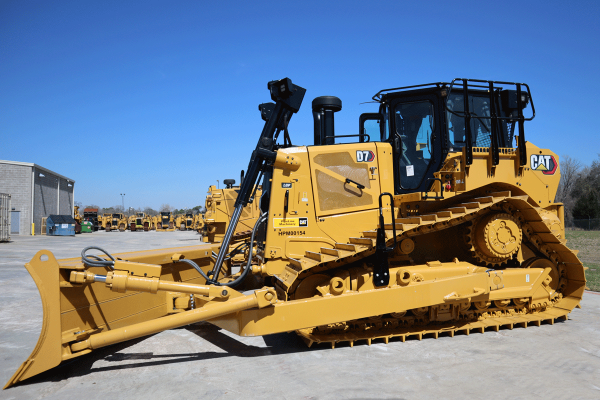
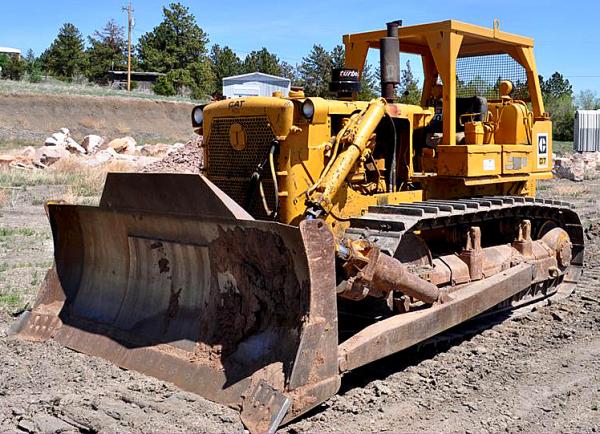
The Caterpillar D7 is a medium-class bulldozer introduced in 1938 and continuously evolved ever since . Early variants like the RD-7 and D7C emerged from the iconic D-8800 diesel engine lineage, while later updates ushered in turbocharged power and high-drive undercarriage innovations .
Generations & Evolution
• RD-7 & D7C (1938 – 1955)
– Powered by D‑8800 4‑cyl engine producing ~93–108 hp
– Featured a forward/reverse lever, oil clutch, and manual track adjusters
• D7E / D7F (1961 – 1969)
– Turbocharged D339T engine with 160 hp, rising later to 180 hp
– Introduced power-shift transmission on some models
• D7G / D7H (1974 – 1986)
– D7G delivered ~200 hp, followed by D7H at 215 hp
– High sprocket elevated undercarriage debuted on D7H
• D7R / D7R Series II (1996 onward)
– Refinements in powertrain, comfort, and control systems
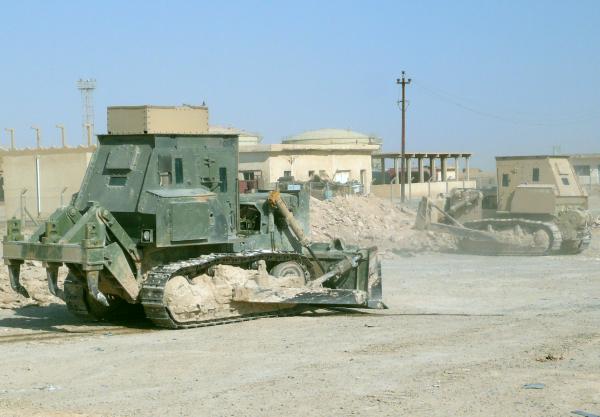
– Optional armored variants used in military and pipe-laying operations
• D7E Hybrid (2008–2020)
– Diesel-electric drive harnessing C9.3 tier 4 engine powering AC motors
– Achieved 25 % better fuel efficiency and 10 % higher productivity than D7R Series II
• Modern D7 (2020–present)
– Cat C9.3B engine with Tier 4 Final compliance
– Operating weight ~65,644 lb, 265 hp, and equipped with high-drive undercarriage and fully automatic 4‑speed transmission
Why the D7 Matters
• Military service record
– Utilized in three major conflicts: WWII, Korea, Vietnam
– Armored variants employed by multiple militaries including US and Israeli forces
• High‑drive design advantages
– Elevated sprocket layout improves suspension longevity, traction, and drive component durability
– Enables compact powertrain layout beneath the operator cab
• Versatility in blades and rigs
– Offered with Straight (S), Universal (U), Angle, and S-U combination blades, suited for grading to heavy push work
Legendary Case Examples & Stories
• WWII Utility & Innovation
– The D7 served as the US Army’s "Tractor, Heavy, M1", clearing roads, towing artillery, and building fortifications. The armor-modified D7A was part of “Hobart’s Funnies” during D-Day
• Vietnam-era Rome Plows
– Specially converted D7E models cleared jungle and trench lines using large-frame Rome plows under combat conditions
• Modern Pipeline Builds
– D7 dozers with angle blades and winch packages used to build crossings across steep trench conditions while controlling spoil placement
• Armored wartime use
– Armored D7G bulldozers saw extensive use by the IDF and US forces in operations like Ramadi and Iraq mine-clearing missions
Glossary of Key Terms
• High‑drive / Elevated sprocket: Sprocket mounted above track rollers, isolating drive train stress and improving longevity.
• Powershift transmission: Multi-gear automatic transmission allowing shifting under load.
• Tier 4 / Stage V engine: Emission-compliant C9.3B diesel engine with reduced particulate output.
• S-U blade: Blade combining straight face and sill curvature—ideal for carrying materials and controlled grading.
Model Range Summary (bullet list)
• RD-7 / D7C: 80–108 hp; track adjusters; lever-shift transmission
• D7E / D7F: 160–180 hp; option for powershift
• D7G / D7H: 200–215 hp; high-drive introduced on D7H
• D7R / R2: 240 hp; improved hydraulics, operator comfort
• D7E Hybrid: Diesel-electric drive; ~10 % better fuel and productivity
• D7 (2020+): 265 hp; Tier 4 engine; 4-speed automatic; high drive undercarriage
Why the D7 Still Matters Today
From early four-cylinder designs to modern Tier 4 power, the D7’s evolution mirrors advancements in earthmoving technology. Its adaptability across civil, industrial, and military roles has kept it relevant for over eight decades. Whether in pipeline work, armored combat engineering, or routine grading, the D7 continues to deliver durability, productivity, and proven performance.
The Caterpillar D7 bulldozer is more than a machine—it’s a legacy of innovation and resilience. Each generation built on a lineage of capability, reliability and real-world versatility.
|
|
|
|
| Troubleshooting Propel and Pump Wiring Issues on the 690E |
|
Posted by: MikePhua - 08-02-2025, 01:15 PM - Forum: Troubleshooting & Diagnosing
- No Replies
|
|
The 690E, a popular model in the construction and heavy machinery industry, is known for its durability and performance in various environments. However, like any complex piece of machinery, issues can arise—particularly with the electrical systems that control critical functions such as propulsion and hydraulics. One common problem faced by operators is wiring issues affecting the propel and pump systems. In this article, we will break down the causes, symptoms, and solutions for wiring problems with the 690E, and offer some tips on preventive maintenance to avoid future problems.
Understanding the Propel and Pump Systems
Before diving into troubleshooting, it's essential to understand the basic operation of the propel and pump systems in the 690E. - Propel System: The propel system in a heavy machine like the 690E is responsible for driving the machine forward or backward. It’s controlled by the electrical wiring connected to the drive motors and the transmission system. If the wiring to the propel system malfunctions, the machine may experience poor or no movement at all.
- Pump System: The pump system provides the necessary hydraulic pressure to operate various functions on the machine, including lifting, tilting, and moving attachments. The hydraulic pump is powered by the engine, and its efficiency is directly impacted by the electrical wiring that controls the pump motor.
Both systems are essential for the overall function of the 690E, and any disruption in the wiring could lead to significant performance issues.
Common Causes of Propel and Pump Wiring Issues
The wiring system on the 690E controls a variety of functions, and issues with this system can arise from several different sources. Here are some common causes of wiring problems in the propel and pump systems:
1. Loose or Corroded Wiring Connections- Cause: Over time, vibrations and exposure to harsh conditions can cause wiring connections to loosen or corrode. Corroded terminals can prevent proper contact, while loose connections may intermittently fail, affecting system performance.
- Symptoms: The machine may experience erratic propulsion, such as sudden stops, delayed starts, or unresponsiveness to throttle changes. The pump system may also exhibit inconsistent hydraulic pressure or failure to engage.
- Solution: Inspect all wiring connections thoroughly, focusing on areas where connections are exposed to moisture or frequent movement. Clean any corroded terminals and tighten loose connections. Consider using dielectric grease on terminals to help prevent future corrosion.
2. Short Circuits or Frayed Wires- Cause: A short circuit can occur when a wire’s insulation is worn or damaged, causing it to come into contact with a metal surface or another wire. Similarly, frayed wires may cause inconsistent electrical flow or even complete failure of the system.
- Symptoms: If a short circuit occurs, the system may experience power loss or fail completely. In some cases, fuses may blow, or circuit breakers may trip, causing the machine to stop functioning.
- Solution: Inspect all wiring for signs of wear, fraying, or damage. Repair or replace any damaged wires and ensure that all wiring is properly insulated. Check for short circuits by inspecting the wires and testing the electrical system with a multimeter.
3. Faulty Wiring Harnesses- Cause: A faulty wiring harness is another common issue, especially in older machines. Over time, the wiring harness can degrade, leading to poor electrical connections and erratic system behavior.
- Symptoms: Intermittent or total loss of power to the propel or pump system. The machine may experience random stoppages or fail to respond to input commands from the operator.
- Solution: If the wiring harness is found to be faulty, it will need to be repaired or replaced. Replacing the entire harness may be costly but is often necessary to restore the machine’s full functionality.
4. Electrical Faults in the Control Panel- Cause: The control panel of the 690E, where the operator inputs commands, may suffer from electrical faults, affecting communication with the propel and pump systems. These faults could be caused by damaged switches, fuses, or wiring within the panel.
- Symptoms: The propel or pump systems may fail to respond to commands, or the control panel may show error messages indicating an electrical issue.
- Solution: Inspect the control panel for any signs of wear, corrosion, or damaged components. Replace any faulty switches, fuses, or wiring. Ensure that the panel is properly sealed to prevent moisture ingress.
5. Power Supply Issues- Cause: Problems with the power supply, such as a weak battery or malfunctioning alternator, can cause electrical systems to operate erratically.
- Symptoms: If the power supply is compromised, the propel and pump systems may experience delays in response time, or the machine may fail to start.
- Solution: Test the battery voltage and the alternator output. Ensure that the battery is fully charged and that the alternator is providing sufficient power. If needed, replace the battery or alternator to restore proper system operation.
Troubleshooting the Propel and Pump Wiring Issues
Once the cause of the wiring issue has been identified, you can begin troubleshooting the problem. Follow these steps:
1. Visual Inspection- Perform a thorough visual inspection of the wiring system, checking for obvious issues like loose connections, frayed wires, or corrosion. Pay particular attention to areas where wires are exposed to external conditions.
2. Testing with a Multimeter- Use a multimeter to test for continuity and voltage across key components in the propel and pump systems. This will help identify short circuits, damaged wires, or other electrical faults.
3. Check for Fault Codes- Many modern 690E models are equipped with diagnostic tools that can read fault codes. Use the diagnostic software or manual error code list to identify any electrical issues related to the propel or pump systems.
4. Inspect the Fuses and Relays- Check the fuses and relays controlling the propel and pump systems. A blown fuse or malfunctioning relay could disrupt power to the systems. Replace any damaged fuses or relays as needed.
Preventive Measures and Maintenance Tips
To avoid future wiring issues, consider implementing the following preventive measures:- Regularly inspect wiring: Perform routine inspections of the wiring system, especially in areas with high vibration or exposure to the elements.
- Clean and protect terminals: Use dielectric grease to protect electrical terminals from moisture and corrosion. Clean the terminals regularly to ensure optimal contact.
- Test electrical systems periodically: Use a multimeter to check for any signs of wear or voltage irregularities.
- Replace worn or damaged wires immediately: Don’t wait for issues to escalate—replace frayed or damaged wires as soon as they are detected.
Conclusion
Wiring issues affecting the propel and pump systems in the 690E can cause significant disruptions to machine performance. By understanding the common causes of these problems and following a systematic troubleshooting approach, operators can quickly identify and resolve wiring faults. Additionally, adhering to regular maintenance practices will help ensure the longevity of the wiring system and prevent future electrical failures.
|
|
|
|
| Cat 3176C Engine: Understanding Oil Leaks into the Bell Housing |
|
Posted by: MikePhua - 08-02-2025, 01:14 PM - Forum: Troubleshooting & Diagnosing
- No Replies
|
|
Machine Context and Issue Summary
When a Cat 3176C diesel engine starts leaking engine oil into the transmission bell housing, it can cause clutch slippage, contamination, and potential transmission damage. This issue usually indicates a seal or gasket failure either along the rear crankshaft, drive coupling, or front timing cover, rather than external leaks.
Key Symptoms to Observe
• Engine oil appearing inside the bell housing or on clutch components
• No visible leaks externally around the engine or transmission
• Transmission oil loss without external spill
• Oil inside the bell housing resembling engine oil rather than gear oil
Primary Causes and Root Failures
Drawing from documented diagnostics and expert commentary, common causes include: - Rear crankshaft seal failure: A worn or improperly installed rear main seal allows engine oil to be forced out under pressure, entering the bell housing .
- Drive coupler O‑ring or lip seal failure: On machines where the flywheel drives a charge or scavenge pump, failed O‑rings or seals between engine and transmission can leak internal transmission or engine oil into the housing .
- Cracked or deteriorated front cover or camshaft spacer gasket: Common on Cat 3176 engines, a compromised front timing cover or upper cam cover can leak and allow oil migration into the crankcase and sometimes paths toward the bell housing .
- Transmission overpressure forcing oil past crank seal: In rare cases, excessive transmission fluid or blocked ventilation can push oil backward through a weak seal into the engine side .
Diagnostic Workflow (Bullet‑style List)- Visually inspect oil residue inside the bell housing and trace origin
- Confirm if the leak is engine oil (sticky, darker) vs transmission fluid
- Drain transmission and engine oil; observe if oil transfer continues with engine off
- Remove transmission or engine to access and inspect:
• Rear main crank seal
• Drive gear coupling O‑rings or lip seal
• Front timing cover gasket and upper camshaft spacer
- Use dye or oil sampling to differentiate oil types and pressure behavior
- Pressure test transmission case vent/breather; overpressure may highlight flow-back risks
Real‑World Anecdotes
One machine operator noticed sticky, gear-like oil coating bell housing components only a few hours after oil change—yet no external leakage. A lab analysis confirmed engine oil. Upon inspection, the rear crankshaft seal was improperly seated, allowing oil to seep backward into the transmission space. Replacing the seal cured it.
Another equipment technician working on a grader found the drive coupler between engine flywheel and transmission charge pump had dual O‑rings; both had hardened and developed microleaks. Once replaced, oil migration into the bell housing ceased—even under load.
A third case involved an older Cat 3176 with a cracked upper camshaft spacer. Oil feeding the camshaft routed through a worn aluminum spacer gasket and leaked past the front cover into the engine back. Over time it pooled and ran into the bell housing. Replacing the spacer gasket and front cover cured ongoing leaks .
Terminology Clarified
• Rear main seal: Seals the crankshaft at the back of the engine block; failure allows pressurized oil leakage.
• Drive coupler O‑rings/lip seals: Seal the drive shaft interfacing between engine flywheel and transmission or pump shafts.
• Flywheel housing/bell housing: Enclosure between engine and transmission where clutches or torque converters reside.
• Front timing cover gasket: Seals timing gears and camshaft support; leaking gaskets may flow oil into engine compartments.
Maintenance and Prevention Checklist- Use proper OEM rear crankshaft seals and install per torque and alignment specs
- Inspect drive coupling seals during rebuilds or if transmission oil is lost without external leak
- Replace front timing cover gasket and upper camshaft spacer gasket proactively on high‑hour engines
- Confirm transmission vent/breather is clear to prevent internal pressure buildup
- Sample engine and transmission oil to confirm oil type (engine vs transmission fluid)
Why This Saves Time and Costs
Misdiagnosis often leads operators to assume external leaks or clutch/transmission failure. Yet these issues usually stem from the engine side. Replacing transmission or clutch assemblies without checking engine seals is costly and often unnecessary. A clear diagnostic process focused on seals and internal coupling components can resolve most cases without excessive tear‑down.
Conclusion
When engine oil accumulates inside the bell housing of a machine powered by a Cat 3176C, it almost always points to internal seal failures—especially the rear main seal, drive coupler O‑rings, or timing cover gasket. External leaks are rare in these cases. A systematic inspection that targets these components and oil type verification will often identify the culprit. With proper repairs, the machine’s reliability and clutch life can be restored efficiently and economically.
|
|
|
|
| Troubleshooting Bouncy Platform on Upright Tiger After Hose Replacement |
|
Posted by: MikePhua - 08-02-2025, 01:14 PM - Forum: Troubleshooting & Diagnosing
- No Replies
|
|
In the world of aerial lifts and platforms, machine reliability is paramount. Equipment failures can be both dangerous and costly. A common issue faced by operators of upright Tiger lifts after hose replacement is a bouncy or unstable platform. This article will explore the reasons behind this problem, provide tips for troubleshooting, and offer maintenance advice to avoid such issues in the future.
Understanding the Problem: Bouncy Platform After Hose Replacement
The issue at hand involves a bouncy platform on an Upright Tiger aerial lift following the replacement of hydraulic hoses. After replacing a hydraulic hose or performing related maintenance on these machines, it is not uncommon for operators to notice that the platform becomes unsteady or bouncy when raised.
This erratic platform movement may be caused by several issues within the hydraulic system. Given that aerial lifts are typically used in high-stakes environments, ensuring they operate smoothly is crucial for both the safety of the operators and the efficiency of the machine. Let’s delve deeper into the potential causes of this issue.
Possible Causes of a Bouncy Platform
Several factors can contribute to a bouncy or unstable platform after hydraulic hose replacement. These may include:
1. Air in the Hydraulic System - Cause: One of the most common causes of erratic platform behavior is air in the hydraulic lines. When the hoses are replaced, air may enter the system if the lines are not properly bled or purged.
- Symptoms: The platform may bounce, hesitate, or have uneven movements, especially when raised or lowered.
- Solution: To fix this, operators need to properly bleed the hydraulic system. This can be done by cycling the boom several times and ensuring that all air is purged from the lines. If the system has a designated bleed valve, it should be used according to the manufacturer’s instructions.
2. Incorrect Hose Routing or Installation- Cause: Improper installation of the new hoses can result in kinks or obstructions that prevent the smooth flow of hydraulic fluid. Additionally, if the hoses are routed incorrectly, it can affect the pressure or flow rate in the hydraulic system.
- Symptoms: The platform may experience jerky or unsteady movement, as the hydraulic fluid struggles to flow correctly.
- Solution: Carefully inspect the hose routing to ensure it follows the manufacturer’s guidelines. Ensure the hoses are free of bends, kinks, or any obstructions that could limit fluid flow.
3. Faulty or Improperly Installed Hydraulic Valve- Cause: If the hydraulic valve that controls the movement of the platform was not properly installed or adjusted during the hose replacement, it could lead to issues with pressure regulation.
- Symptoms: The platform could exhibit erratic motion or fail to maintain a steady position once raised.
- Solution: Double-check the hydraulic valve’s installation. Ensure that it is functioning correctly and that all connections are secure. Test the valve for leaks and verify that it is properly adjusted to maintain appropriate pressure levels.
4. Low Hydraulic Fluid Levels- Cause: If the hydraulic fluid level is low or there is a leak in the system, the fluid may not be able to reach the necessary pressure to operate the lift correctly.
- Symptoms: The platform may move slowly, unevenly, or bounce when raised.
- Solution: Check the hydraulic fluid levels and top them up if necessary. Additionally, inspect the system for any signs of leakage. Leaks could be due to improperly tightened fittings or damaged seals during the hose replacement process.
5. Faulty Hydraulic Pump or Motor- Cause: A malfunctioning hydraulic pump or motor can cause fluctuations in pressure, leading to a bouncy or unstable platform. After replacing the hoses, if the pump or motor is not delivering consistent fluid pressure, it may cause the platform to behave unpredictably.
- Symptoms: The lift may not rise at a consistent speed, or the platform may bounce or struggle to maintain its position.
- Solution: Inspect the hydraulic pump and motor for proper operation. Test the output pressure and compare it with the manufacturer’s recommended levels. If the pump or motor is faulty, it may need to be repaired or replaced.
Preventive Measures and Maintenance Tips
To prevent future occurrences of bouncy platforms and ensure the longevity of your Upright Tiger aerial lift, regular maintenance and careful handling during repairs are essential. Here are some helpful tips:
1. Regular Hydraulic System Maintenance- Check hydraulic fluid levels regularly and top them up as necessary.
- Inspect the hydraulic hoses and fittings for any signs of wear or damage.
- Clean the hydraulic filter periodically and replace it as recommended by the manufacturer.
2. Proper Hose Replacement Techniques- When replacing hydraulic hoses, always use the correct replacement parts and follow the manufacturer’s guidelines for hose routing and installation.
- Be sure to fully bleed the hydraulic system after hose replacement to remove any air from the lines.
3. Thorough Inspection and Testing- After any hydraulic maintenance, thoroughly test the lift before use. Check for smooth operation, stable platform movement, and consistent pressure.
- If any issues are noticed, immediately troubleshoot the problem and address it before using the machine further.
4. Use of High-Quality Parts- Always use high-quality, OEM (original equipment manufacturer) parts when replacing hoses or other components. Subpar parts can lead to system inefficiencies or failures over time.
Conclusion
A bouncy platform on an Upright Tiger after hydraulic hose replacement is a common issue that can be resolved by carefully addressing the possible causes. The most likely culprits include air in the hydraulic system, incorrect hose routing, low hydraulic fluid levels, or issues with the hydraulic valve or pump.
By properly diagnosing the problem, following the correct maintenance procedures, and using quality parts, operators can ensure their lifts remain in top operating condition, preventing unnecessary downtime and improving safety on the job site.
Remember, aerial lifts like the Upright Tiger are vital for many high-reach tasks, so regular checks and proper maintenance are crucial for ensuring reliable performance.
|
|
|
|
|



