| Welcome, Guest |
You have to register before you can post on our site.
|
| Forum Statistics |
» Members: 79
» Latest member: cioCruch
» Forum threads: 47,411
» Forum posts: 47,417
Full Statistics
|
| Online Users |
There are currently 318 online users.
» 0 Member(s) | 309 Guest(s)
Ahrefs, Amazon, Bing, Claude, DuckDuckGo, Google, OpenAI, Petalbot, Semrush
|
| Latest Threads |
Identifying and Sourcing ...
Forum: Parts , Attachments & Tools
Last Post: MikePhua
01-07-2026, 06:29 PM
» Replies: 0
» Views: 516
|
Cat 931B Brake Parts
Forum: Parts , Attachments & Tools
Last Post: MikePhua
01-07-2026, 06:29 PM
» Replies: 0
» Views: 282
|
Choosing Between Cat 228,...
Forum: General Discussion
Last Post: MikePhua
01-07-2026, 06:28 PM
» Replies: 0
» Views: 540
|
Hydraulic Delay When Lowe...
Forum: Troubleshooting & Diagnosing
Last Post: MikePhua
01-07-2026, 06:27 PM
» Replies: 0
» Views: 440
|
Bale Chopper and Mulcher ...
Forum: General Discussion
Last Post: MikePhua
01-07-2026, 06:26 PM
» Replies: 0
» Views: 318
|
Mini UC Maintenance
Forum: General Discussion
Last Post: MikePhua
01-07-2026, 06:25 PM
» Replies: 0
» Views: 307
|
Locating Wiring Informati...
Forum: General Discussion
Last Post: MikePhua
01-07-2026, 06:24 PM
» Replies: 0
» Views: 340
|
Case Industrial Brown Sub...
Forum: Parts , Attachments & Tools
Last Post: MikePhua
01-07-2026, 06:23 PM
» Replies: 0
» Views: 274
|
Dirt Work in West Virgini...
Forum: Construction & Urban Infrastructure Forum
Last Post: MikePhua
01-07-2026, 06:23 PM
» Replies: 0
» Views: 371
|
D207 P Hydraulic Steering...
Forum: Parts , Attachments & Tools
Last Post: MikePhua
01-07-2026, 06:22 PM
» Replies: 0
» Views: 302
|
|
|
| Caterpillar D8K: A Detailed Overview and Troubleshooting Guide |
|
Posted by: MikePhua - 08-10-2025, 06:30 PM - Forum: Troubleshooting & Diagnosing
- No Replies
|
 |
The Caterpillar D8K is a legendary bulldozer known for its power, durability, and heavy-duty performance in construction, mining, and earthmoving operations. Launched in the 1970s, it has become a staple in many industries requiring reliable, high-capacity machinery. This article provides an in-depth look at the D8K, including its key features, common issues, troubleshooting tips, and advice for maintaining this powerhouse.
Introduction to the Caterpillar D8K
The Caterpillar D8K is part of the D8 series of crawler tractors, often referred to as bulldozers. It was manufactured from the early 1970s until the mid-1980s. Known for its robust performance, the D8K is primarily used for land clearing, grading, and mining tasks. Powered by a Caterpillar 3306 engine, the D8K has an operating weight between 36,000 to 38,000 pounds, depending on configuration. It is equipped with a Turbocharged diesel engine that produces 180 to 220 horsepower, making it ideal for tough, heavy-duty tasks.
Key Specifications of the Caterpillar D8K
Here’s a summary of the important specifications: - Engine Model: Caterpillar 3306
- Horsepower: 180 - 220 hp
- Operating Weight: 36,000 to 38,000 pounds
- Blade Capacity: Varies depending on the blade configuration (e.g., straight, semi-U, or full-U)
- Fuel Tank Capacity: Approximately 70 gallons (265 liters)
- Track Type: Crawler tracks for stability on rough terrain
- Transmission: Powershift transmission with three forward and three reverse speeds
- Length: About 16 feet (4.88 meters)
- Width: Approximately 10 feet (3.05 meters)
- Height: 11 feet (3.35 meters)
Common Issues with the D8K
While the D8K is a workhorse, it’s not immune to issues over time. Here are some of the most common problems that operators may encounter:
1. Engine Overheating- Cause: Overheating is one of the more common issues with older D8K models. This can be caused by a variety of factors, such as low coolant levels, a clogged radiator, or a failing water pump.
- Solution: Regular maintenance of the cooling system is essential. Check the coolant levels and ensure the radiator and hoses are clear of debris. If the engine continues to overheat, inspect the water pump and replace if needed. Flushing the radiator periodically helps prevent clogging and ensures proper heat dissipation.
2. Hydraulic Leaks- Cause: Hydraulic system leaks can occur due to worn seals, loose fittings, or damage to hydraulic hoses. The D8K relies heavily on its hydraulic system for lifting and pushing heavy loads, so any leak can severely impact performance.
- Solution: Regularly inspect hydraulic lines for cracks, leaks, and wear. Tighten loose fittings, replace damaged hoses, and swap out any worn-out seals. Be sure to top off hydraulic fluid levels after repairs to maintain system performance.
3. Transmission Slippage- Cause: Slipping in the transmission can occur due to low hydraulic pressure or a failure in the powershift system. The D8K’s transmission relies on proper hydraulic pressure to shift smoothly.
- Solution: If the transmission is slipping, start by checking the transmission fluid level and condition. Dirty or low fluid can impair performance, so replacing the fluid and filter may solve the issue. If the problem persists, the transmission pump may need to be inspected or replaced.
4. Track Wear and Tension Issues- Cause: The D8K operates on heavy-duty crawler tracks that can suffer from wear over time. If the track tension is not correctly maintained, it can lead to uneven wear, reducing the lifespan of the tracks and sprockets.
- Solution: Regularly check the track tension and adjust it as needed to ensure proper alignment and wear distribution. Also, inspect the track pads for wear and replace them if they become too worn down.
5. Electrical Problems- Cause: Like many older machines, the D8K can experience electrical issues, including problems with the alternator, battery, or wiring. Corroded connections or faulty wiring can cause intermittent issues with starting and performance.
- Solution: Inspect the battery and connections regularly for corrosion or wear. Ensure the alternator is charging properly by testing it with a multimeter. If necessary, replace any damaged wires or connectors. Keep the electrical system clean and free from moisture to avoid issues.
6. Blower and Air Filter Blockages- Cause: A clogged air filter or blower system can reduce engine performance and cause inefficient fuel combustion, leading to power loss or engine damage.
- Solution: Clean or replace the air filter at regular intervals, especially in dusty conditions. If the engine struggles to start or power delivery is weak, inspect the blower and air intake system for any blockages or restrictions.
Preventive Maintenance Tips for the D8K
To extend the life of the D8K and reduce the frequency of repairs, regular maintenance is essential. Here are a few tips to keep your machine running smoothly:
- Hydraulic System Checks: The hydraulic system is crucial for the machine’s performance. Regularly check the oil levels and inspect for leaks. Replacing the hydraulic filter and fluid at the recommended intervals will keep the system working optimally.
- Track and Undercarriage Inspections: Inspect the undercarriage and tracks regularly for damage. Proper tension on the tracks helps prevent uneven wear and extends their lifespan.
- Cooling System Maintenance: Ensure the radiator and cooling system are in good condition. Flush the cooling system every year to remove contaminants and prevent overheating.
- Transmission and Engine Care: Check fluid levels for both the transmission and engine regularly. Perform oil changes as per the manufacturer’s recommended intervals to maintain engine health.
- Battery and Electrical System: Keep the battery connections clean and check the alternator to ensure it is working correctly. Replace worn-out electrical components as needed.
Upgrading and Modifications
As the D8K ages, many owners choose to upgrade certain components to improve efficiency or address common wear problems. Here are some recommended upgrades:- Enhanced Cooling Systems: Installing an upgraded radiator or intercooler system can improve cooling efficiency, especially in high-temperature environments.
- Improved Tracks: Upgrading to high-performance tracks designed for tough terrain can extend the life of the undercarriage and improve traction.
- Electronic Monitoring Systems: Adding modern monitoring systems that track engine performance, hydraulic pressures, and track health can help with preventive maintenance and early detection of problems.
Case Study: D8K in Land Reclamation
One notable case of the D8K's effectiveness is its use in land reclamation projects, such as clearing forested areas for development. The D8K’s power and durability make it a go-to choice for clearing heavy brush, grading large areas, and pushing soil or debris. A notable example occurred in the Pacific Northwest, where a fleet of D8Ks was used to reclaim and level thousands of acres of land for residential development. Over several years, the machines demonstrated outstanding reliability, with only routine maintenance and minor repairs required.
Conclusion
The Caterpillar D8K remains a valuable machine in the heavy equipment industry, offering unmatched power and durability. While older models like the D8K can face challenges such as hydraulic leaks, track wear, and engine issues, regular maintenance and timely repairs ensure long-term functionality.
By staying proactive with maintenance, upgrading key components, and keeping an eye out for common issues, operators can keep the D8K running at optimal performance. With its impressive track record, the D8K continues to be a favorite choice for heavy-duty tasks across the world.
|

|
|
| Oil in the Radiator: Diagnosing Contamination in Heavy-Duty Engines |
|
Posted by: MikePhua - 08-10-2025, 06:30 PM - Forum: Troubleshooting & Diagnosing
- No Replies
|
|
Introduction – When Coolant Turns Murky
Imagine pausing in the heat of a job site to check your heavy machine’s radiator—and noticing a slick, oily sheen instead of clean coolant. This subtle sign can signal serious internal trouble, from cracked engine oil coolers to leaking injector sleeves. Understanding the source and taking swift action is crucial to preserving engine life.
Possible Causes of Oil or Fuel Contamination in Coolant
Here are the key suspects behind unexpected oiliness in the radiator:
• Failed Engine Oil Cooler (Heat Exchanger) - Functions by keeping engine oil and coolant separate yet thermally adjacent.
- A ruptured internal seal allows oil to enter the coolant—or vice versa—leading to cross-contamination.
• Injector Sleeve Leaks or Fuel Intrusion- Leaks near injector sleeves can allow diesel—or less commonly gasoline—to enter the coolant.
- Fuel contamination may mimic oil-like appearance.
• Blown Head Gasket, Cracked Head, or Block Failure- These allow coolant, oil, or combustion gases to transfer between systems internally. Symptoms include milky oil, white smoke, overheating, pressure in the radiator, or bubbles appearing.
Recognizing the Warning Signs (Symptom Checklist)
Diagnosing contamination starts with keen observation. Look for these red flags:- Visual indicators:
- Oily or slick residue in coolant reservoir or radiator.
- Milky, frothy, or foam-like appearance on oil dipstick or under oil cap.
- Performance issues:
- Engine overheating, white steam from exhaust, rough idle, or misfires.
- System pressure anomalies:
- Bubbles in coolant under load, radiators spitting coolant, or unexplained coolant loss.
- Community insight (via Reddit):
Quote:“Oil is not coolant. Coolant is not oil… all roads lead to the engine eating itself eventually.”
A stark reminder not to delay.
“Integrated oil or trans cooler might be leaking into the radiator… Far more common than a head gasket failure.”
Suggested Diagnostic Actions & Solutions
- Fluids Inspection
- Check oil dipstick and radiator fluid for oil or milkiness.
- Note any rise in oil level or change in coolant color/consistency.
- Pressure and Leak Testing
- Use cooling‐system pressure test to reveal hidden leaks.
- Consider combustion‐gas (block) tester to detect exhaust gases in coolant.
- Compression or Leak‐Down Testing
- Helps determine if head gasket or cylinder cracks are present.
- Inspect the Oil Cooler
- If present, inspect or replace the heat exchanger to prevent oil–coolant mixing.
- Check Injectors and Sleeves (especially on diesel engines)
- Pressure test individual injector circuits to find fuel compromises into coolant.
- Record and Repair
- Once the root cause is identified, replace the damaged component—whether gasket, cooler, head, or injector sleeve. Proactively flush and refill fluids once repairs are done.
A Brief Anecdote: The Site Supervisor's Wake-Up Call
On a sun-baked afternoon, a construction supervisor noticed unusual bubbles in the coolant of his Cat loader—but no overheating or external leaks. After conducting a pressure test, diagnostics revealed a failing oil cooler. A quick replacement averted a catastrophic engine failure. That afternoon became a reminder: unseen internal failures can ruin a machine unless you investigate anomalies early.
Conclusion – Proactive Checks Preserve Power
Oil-like contamination in the radiator should never be dismissed—it may signal cooling system compromise, internal coolant crossover, or structural component failure. Methodical inspection, testing, and prompt intervention can save both engine life and repair costs. Stay sharp, monitor indicators carefully, and address issues before they escalate.
|
|
|
|
| Volvo EC160B 128 PID 45-4 Code: Troubleshooting and Solutions |
|
Posted by: MikePhua - 08-10-2025, 06:28 PM - Forum: Troubleshooting & Diagnosing
- No Replies
|
|
The Volvo EC160B, a mid-sized excavator, is renowned for its reliability and efficiency in various construction applications. However, like any complex machinery, it can present certain challenges, including electronic and hydraulic system faults. One of the more common issues that operators may encounter is the appearance of the "128 PID 45-4" error code. This article will delve into the specifics of this error code, its potential causes, and how to troubleshoot and resolve the issue.
Understanding the 128 PID 45-4 Code
In modern Volvo excavators, diagnostic codes play a crucial role in identifying system faults. The "128 PID 45-4" code is typically related to the machine's electrical or sensor systems, often involving the pressure sensor or hydraulic system performance. The code indicates that there is a malfunction detected within the system, which can impact performance and efficiency.
The breakdown of the error code "128 PID 45-4" is as follows: - 128: This indicates the specific diagnostic code for a sensor or system failure.
- PID: This stands for "Parameter Identification," referring to the specific parameter or sensor in question.
- 45-4: This is a specific parameter or sensor fault code indicating issues related to the hydraulic system, specifically the pressure sensor or the control valve.
Common Causes of the 128 PID 45-4 Code
Several factors could trigger the "128 PID 45-4" error code. These causes can range from minor sensor issues to more serious hydraulic system failures. Below are the most common causes:
1. Faulty Pressure Sensor- Cause: A malfunctioning pressure sensor is one of the most common culprits of the 128 PID 45-4 code. The sensor monitors hydraulic pressure and communicates data to the machine's ECU (Electronic Control Unit). If the sensor malfunctions or fails, it can trigger the fault code.
- Solution: Inspect the sensor for any signs of damage or wear. If necessary, replace the pressure sensor to restore accurate pressure readings and clear the fault code.
2. Hydraulic System Leaks- Cause: Hydraulic fluid leaks can cause a drop in system pressure, leading to inconsistent performance and the activation of diagnostic codes such as 128 PID 45-4.
- Solution: Check all hydraulic hoses, fittings, and seals for leaks. If a leak is found, repair or replace the damaged components. It’s also important to monitor the hydraulic fluid level and ensure it’s within the recommended range.
3. Contaminated Hydraulic Fluid- Cause: Dirty or contaminated hydraulic fluid can affect the performance of the hydraulic system and cause pressure irregularities. This can trigger the PID 45-4 fault code.
- Solution: If contaminated fluid is suspected, perform a hydraulic fluid flush and replace it with clean, recommended hydraulic oil. Regular maintenance of the hydraulic system, including changing fluid at recommended intervals, will help avoid this issue.
4. Faulty Control Valve- Cause: A malfunctioning hydraulic control valve may cause pressure inconsistencies, which can lead to the 128 PID 45-4 code. Control valves regulate the flow of hydraulic fluid and need to function correctly to maintain system pressure.
- Solution: Inspect the hydraulic control valve for proper operation. If the valve is found to be faulty, it may need to be repaired or replaced.
5. Wiring or Connection Issues- Cause: Loose or corroded electrical connections in the hydraulic pressure sensor or related components can cause communication problems and result in the activation of the fault code.
- Solution: Inspect all wiring and electrical connections related to the hydraulic pressure sensor. Clean and secure any loose or corroded connections to ensure proper operation.
Troubleshooting the 128 PID 45-4 Code
When the 128 PID 45-4 error code appears on the Volvo EC160B, follow these troubleshooting steps to isolate the cause:
Step 1: Check Hydraulic Fluid- Ensure the hydraulic fluid is at the proper level and not contaminated. Low or dirty fluid can cause pressure issues that trigger error codes. If necessary, change the fluid and flush the system.
Step 2: Inspect the Pressure Sensor- The pressure sensor is a critical component that monitors the hydraulic system's pressure. Inspect the sensor for damage or wear. If the sensor is faulty, replace it with a new one.
Step 3: Examine Hydraulic System for Leaks- Inspect all hydraulic hoses, seals, and connections for signs of leaks. Leaking hydraulic fluid can result in pressure drops, which will trigger the error code. Repair any leaks found.
Step 4: Test the Control Valve- Check the hydraulic control valve for proper operation. A malfunctioning valve can disrupt hydraulic flow and cause pressure issues. If necessary, clean or replace the valve.
Step 5: Check Electrical Connections- Inspect the wiring and electrical connections to ensure there are no loose or corroded connections. Poor electrical connections can cause intermittent faults and trigger the 128 PID 45-4 code.
Step 6: Reset the ECU- After addressing the potential issues, reset the ECU to clear the fault code. If the code persists after completing the troubleshooting steps, further diagnostic work may be necessary.
Preventive Maintenance and Tips
To minimize the chances of encountering the 128 PID 45-4 code in the future, consider implementing the following preventive maintenance strategies:
- Regular Fluid and Filter Changes: Change hydraulic fluid and filters at the intervals recommended in the owner’s manual. Clean fluid helps maintain proper pressure and reduces wear on hydraulic components.
- Routine Inspection: Inspect hydraulic hoses, sensors, and electrical connections regularly to identify potential issues before they become major problems.
- Monitor for Leaks: Check for hydraulic leaks at every service interval. Leaks can lead to pressure loss and trigger diagnostic codes, reducing the machine’s efficiency.
- Use Quality Parts: Always use OEM (Original Equipment Manufacturer) parts for sensor replacements and other hydraulic components. Using subpar parts can result in inconsistent performance and recurring faults.
- Operator Training: Ensure that operators are well-trained in the proper operation of the Volvo EC160B. Improper operation can strain the hydraulic system, leading to issues like the 128 PID 45-4 code.
Conclusion
The 128 PID 45-4 code in the Volvo EC160B is typically a result of issues within the hydraulic system, often related to pressure sensors, control valves, or fluid contamination. By understanding the common causes and following a structured troubleshooting process, operators and technicians can efficiently address the problem and restore the machine to full functionality.
Regular maintenance and attention to the hydraulic system are crucial in preventing recurring issues. Following best practices for hydraulic fluid management, sensor calibration, and electrical connections will help ensure the longevity and reliable performance of the Volvo EC160B excavator.
Recommendation: For optimal performance and longevity, perform routine inspections and address issues promptly to avoid major breakdowns that can result in costly repairs and downtime.
|
|
|
|
| Adams 666 Motor Grader: A Detailed Exploration of Design, History, and Practical Know-How |
|
Posted by: MikePhua - 08-10-2025, 06:27 PM - Forum: General Discussion
- No Replies
|
|
Introduction – A Classic Reborn
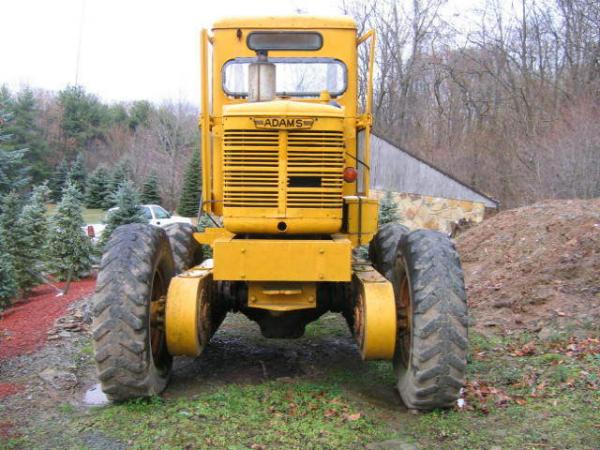
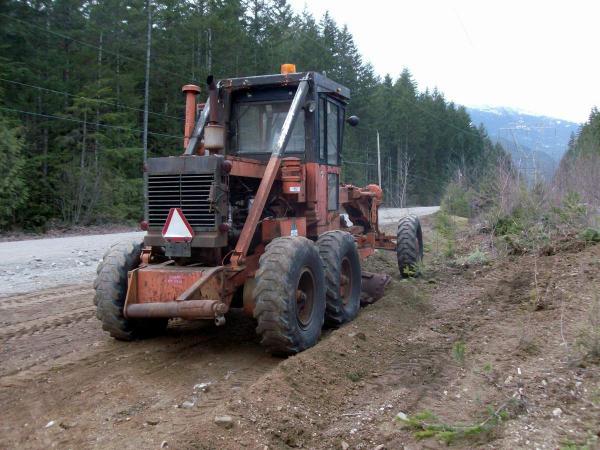
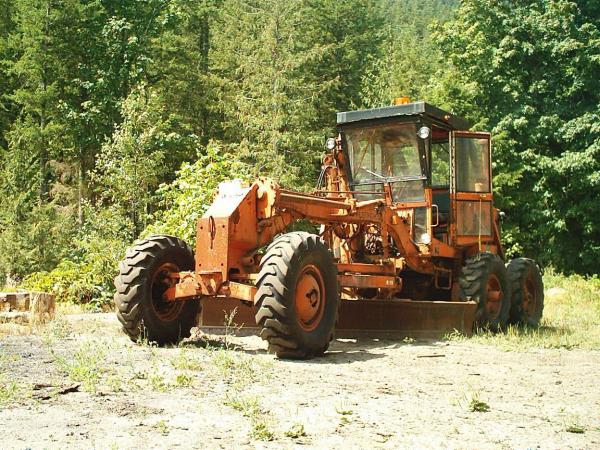
The Adams 666 motor grader stands as a compelling echo of mid-century heavy equipment design. Its lineage traces back to the era’s practical ingenuity—an era when manufacturers shaped machinery to meet competitive specifications and unspoken demands of rugged environments.
Mechanical Design & Engineering Heritage - The grader adopts a “finger-slapper” control system, featuring dog-clutch-actuated shafts for blade positioning. A design typical of motor graders from the 1930s through early post-WWII years, predating the widespread hydraulic actuation era.
- It closely resembles a Caterpillar #12 of the 1950s—so much so that Adams likely aligned its design deliberately to match government bid specifications that heavily favored Cat machines.
- Early models were often powered by an International Harvester UD-14 engine, a gas-to-diesel “switch-over” hybrid that commenced operation on gasoline, then shifted to diesel via a clever internal valve and throttle arrangement.
- Later Adams 666 units upgraded to more powerful engines—Detroit Diesel 12V- or 6-71 series, or Cummins models—enhancing capability and performance.
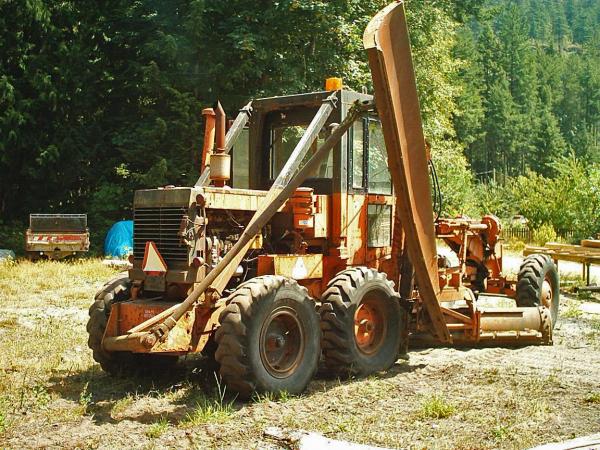
Special Features – The Snow Wing
One distinctive option on the Adams 666 was the snow wing—a side blade that could be lowered to increase clearing width or slope snowbanks. A versatile implement, it highlights the grader’s all-season adaptability—especially in northern or snowy regions.
Terminology Highlighted- Finger-slapper control: A pre-hydraulic mechanism using mechanical clutches for blade movement—reliable yet labor-intensive.
- Dog-clutch system: Manual pawl-like linkages engaging shafts to transfer motion—simpler but requiring operator skill.
- Gas-Diesel switch-over engine (UD-14): Dual-fuel setup that starts on gas, warmed-up units then flip a lever to increase compression and switch to diesel—an elegant transitional technology.
- Snow wing: Supplemental blade assembly mounted to the side of the grader, useful in winter or edge grading.
Real-World Vignettes & Insights- A Canadian contractor once restored an Adams 666 found in near-offroad condition. Equipped with a later Detroit engine and snow wing, it became the go-to machine for spring road cleanup and forest service contracts—its rugged simplicity proving invaluable.
- At auction, a 1965 Adams 666 motor grader—non-running, Detroit-powered, with 165-inch moldboard—highlighted how vintage units still attract interest for parts, nostalgia, or restoration.
- In period newspaper listings, an Adams 666 complete with snow and accessory equipment was priced at around $4,000 in 1966, reflecting both desirability and utility in northern markets.
Technical Resources & Maintenance Support- A complete Parts Manual (WAB-P-666/777) featuring exploded diagrams and part numbers exists—useful for sourcing and repair planning.
- The Operator’s Manual includes instructions on controls, shift patterns, fluid capacities, and maintenance procedures—essential for safe and effective use.
- Sakura and SureFilter data indicate compatible filter specifications for the Adams 666—covering air, fuel, and oil filters—critical for upkeep.
Practical Tips, Suggested Actions & Solutions- Restoration Tip: Begin with a clean, detailed inspection—especially of the clutch shafts, moldboard pivot, and snow wing brackets. Seek out OEM parts or fabricate spares if originals are scarce.
- Maintenance Strategy: Stock essential filters using provided specs. Regular oil and filter changes, especially on hybrid engines like the UD-14, extend life and smooth operation.
- Operational Advice: Train operators on the manual dog-clutch controls. Though low-tech, proficiency minimizes blade misalignment and wear.
- Upgrade Option: Consider retrofitting a small hydraulic blade control kit, modernizing usability while preserving vintage mechanics. If maintaining originality, ensure any retrofit is reversible.
- Parts Acquisition: Leverage the Parts Manual to identify common wear components. Salvage yards or vintage equipment enthusiasts can often supply NOS or compatible substitutes.
A Short Anecdote
An old grader restorer in the Midwest once recounted discovering a mint-condition Adams 666 behind an abandoned barn. After reviving its UD-14 engine and lubricating the dog clutches, it ran with smooth power. One morning, the owner’s daughter rode along, enthralled by the simple mechanical hum. For her, it wasn't just a machine—it was a story forged in steel, steam, and subtle human persistence.
Conclusion – Bridging Tradition and Utility
The Adams 666 motor grader exemplifies a fascinating slice of heavy equipment history—an interplay of manual engineering, spec-driven design, and practical versatility. Whether revived for utility or cherished by enthusiasts, its robust mechanics, thoughtful options like the snow wing, and accessible support documentation make it a machine with depth, character, and enduring utility.
|
|
|
|
| John Deere 450H LGP: A Comprehensive Review and Considerations for Use |
|
Posted by: MikePhua - 08-10-2025, 06:26 PM - Forum: General Discussion
- No Replies
|
|
The John Deere 450H LGP (Low Ground Pressure) is a versatile and powerful dozer designed for heavy-duty operations, particularly in soft, muddy, or swampy terrains where traditional track machines might struggle. This article will explore the features, benefits, and key considerations for owning or operating a John Deere 450H LGP dozer, including potential maintenance issues and performance tips.
Overview of the John Deere 450H LGP Dozer
The John Deere 450H LGP is part of the Deere H-Series dozers, known for their durability, power, and excellent performance in rugged environments. With a focus on low ground pressure, this dozer is ideal for operations where minimizing soil compaction is crucial, such as land clearing, forestry, and heavy construction in soft terrains.
Key Specifications: - Engine: 4.5L turbocharged diesel
- Power Output: 105 horsepower
- Operating Weight: Approximately 16,000 lbs
- Ground Pressure: 4.2 psi (low ground pressure for soft or sensitive soil)
- Track Length: 100 inches (standard)
- Blade Capacity: 6.5 cubic yards (varies by blade type)
These specs make the 450H LGP a reliable choice for operators needing high efficiency in challenging environments. With its powerful engine and excellent maneuverability, it is a machine that balances power with flexibility.
Benefits of the John Deere 450H LGP
The low ground pressure design of the 450H LGP makes it an excellent choice for applications that require minimizing soil disturbance. It is particularly effective in:- Soft Ground and Wet Conditions: The extended track length and wider stance allow the dozer to operate efficiently on soft soil without sinking or causing excessive soil compaction.
- Forestry and Land Clearing: Its ability to navigate through dense forest areas and clear vegetation without causing environmental damage is a significant advantage.
- Site Preparation and Construction: Whether grading or trenching, the 450H LGP offers smooth, reliable performance on construction sites, including those with uneven, muddy, or rocky terrain.
Recommendation: For work in particularly marshy or swampy areas, the 450H LGP's low ground pressure and high flotation capacity will be invaluable. However, it’s essential to pair the dozer with the right blade configuration to optimize efficiency for each task.
Common Applications for the John Deere 450H LGP
The versatility of the 450H LGP makes it suitable for a variety of applications across different industries:
- Land Clearing: Its ability to operate on soft soil makes it a top choice for clearing land in wetlands or marshy environments.
- Site Development: From grading to leveling, the dozer performs well on construction sites, particularly when working on areas that need extensive soil redistribution.
- Forestry: The 450H LGP excels in forestry operations, where maneuverability and minimal soil disturbance are critical when clearing trees and brush.
- Agricultural Projects: Whether for land leveling or preparing soil for planting, this dozer provides reliable performance in agricultural settings, especially in areas with soft or wet ground.
Maintenance Considerations and Common Issues
As with any heavy machinery, regular maintenance is key to ensuring the longevity and smooth operation of the John Deere 450H LGP. Here are some common issues to watch out for and general maintenance tips:
1. Hydraulic System and Pumps- The 450H LGP features a robust hydraulic system, but like all hydraulic systems, it requires routine maintenance to avoid leaks or pressure loss.
- Issue: Over time, the hydraulic pumps and valves may wear out, resulting in reduced performance or failure to engage the dozer’s blade effectively.
- Solution: Regularly check hydraulic fluid levels and inspect the system for any leaks or signs of wear. Replace hydraulic fluid at intervals specified by the manufacturer to maintain peak performance.
2. Track Wear and Tension- The tracks are the primary contact with the ground and experience the most wear, especially when operating in tough environments.
- Issue: Track chains can stretch or wear unevenly, especially in tough or abrasive terrains.
- Solution: Regular track inspections are crucial. Ensure track tension is within recommended ranges to avoid damage to the undercarriage. Keeping the tracks clean from debris and mud will also prolong their lifespan.
3. Engine and Cooling System- The engine, particularly in diesel-powered dozers like the 450H, can suffer from overheating or premature wear if not maintained properly.
- Issue: The engine’s cooling system may clog or fail, leading to overheating, especially when working in heavy-duty conditions.
- Solution: Ensure the radiator and cooling system are cleaned periodically, especially in environments with dust, debris, or vegetation. Inspect the belts, hoses, and water pump for wear.
4. Electrical and Sensor Issues- The John Deere 450H LGP is equipped with various sensors and electrical systems to monitor engine health, hydraulic performance, and system diagnostics.
- Issue: Electrical faults can occur in the form of dead batteries, faulty wiring, or issues with sensors.
- Solution: Perform periodic inspections of the electrical system. Clean battery terminals and ensure the wiring is intact. Pay attention to error codes and have the machine checked if any alerts appear.
Performance Tips and Best Practices
To get the most out of your John Deere 450H LGP, it's important to consider the following performance tips:
- Proper Blade Selection: The right blade type can drastically improve efficiency. Choose from semi-u blades, straight blades, or angle blades based on the specific task. For example, the semi-u blade is ideal for pushing material over long distances without excessive spilling.
- Avoid Overloading: While the 450H LGP is a powerful machine, overloading the blade or pushing beyond the machine's rated capacity can cause unnecessary wear on the engine and undercarriage.
- Watch for Soil Conditions: Keep track of changing soil conditions throughout the day, especially if weather conditions are affecting ground stability. Ensure that the tracks and undercarriage remain clean to maintain the dozer’s low ground pressure advantage.
- Operator Training: Proper operator training is essential to maximize the performance of the dozer. Operators should be familiar with the machine’s limitations and understand how to work in soft, wet ground without causing damage to the soil or the machine.
Recommendation: Train operators to monitor the machine's gauges and diagnostics closely to avoid pushing the dozer too hard in tough conditions.
Conclusion: The John Deere 450H LGP’s Role in the Modern Construction Fleet
The John Deere 450H LGP is a reliable and versatile machine well-suited for soft ground construction, land clearing, forestry, and agricultural tasks. Its low ground pressure and powerful engine make it an excellent choice for tackling difficult terrains without sacrificing performance. By maintaining the dozer properly and understanding its capabilities, operators can ensure its longevity and high performance.
When considering purchasing or renting the 450H LGP, it's important to account for the terrain and tasks you will be performing. With proper maintenance and the right application, this dozer will provide years of reliable service.
Recommendation: Always match the dozer’s blade type to the specific job for maximum efficiency. Regular inspection and maintenance of the tracks, hydraulic system, and engine will help keep the John Deere 450H LGP running smoothly on any project.
|
|
|
|
| Euclid’s Legacy in Heavy Hauling: A Tale of Parts, Innovation, and Enduring Reliability |
|
Posted by: MikePhua - 08-10-2025, 06:26 PM - Forum: General Discussion
- No Replies
|
|
Introduction – The Anatomy of a Workhorse
In the gritty world of large-scale hauling, Euclid emerged as a pioneer—crafting some of the first purpose-built off-highway dump trucks. Its machines were clad in a signature bright green livery and engineered to endure the harshest environments—from quarries to mining sites. At the heart of their renown lay one critical strength: a robust parts ecosystem that underpinned unmatched reliability and serviceability.
Core Components That Keep Euclid Haulers Rolling
Every Euclid truck is more than steel and paint. Its longevity stems from well-designed, serviceable parts and systems fine-tuned for rugged duty: - Axles and drivetrain components—power transmissions meant to bear massive loads and torque, often available as rebuilt options to extend service life.
- Air systems—including air dryers, cartridges, sensors, and ABS parts, critical for both braking and engine operation.
- Brake assemblies—from lining kits to calipers, pads, and seal groups; many parts available through aftermarket specialists.
- Seals, gaskets, friction materials—covering everything from graphite and paper-carbon to cork and bronze, essential for maintaining hydraulics, exhaust, and load-bearing integrity.
Terminology Spotlight—What the Jargon Means- Axle Rebuilds: Refurbished axle assemblies that restore structural strength and precision steering under extreme loads.
- Air Dryer Cartridge: Filters moisture out of compressed air systems to prevent freezing or corrosion in valves and brakes.
- Seal Groups & Graphite Bearings: Provide leak-tight joints and durable surfaces for high-heat, high-pressure applications.
- Service Manuals: Official documentation listing part numbers, exploded diagrams, and torque specs—key for accurate maintenance.
Real Stories from the Field
In a west-coast quarry, an operations manager once recounted how a misfire in the air system caused an unexpected brake failure. The team turned the crisis into a mid-shift repair—swapping in a new air dryer cartridge and sensor from stock parts within an hour. The downtime was short, and production resumed with minimal impact. A tale that speaks to the value of parts readiness.
Another anecdote comes from a long-serving service tech: “I’ve seen the bronze bearings on Euclid loaders run 10,000 hours with just seasonal grease—no fancy treatment. That’s precision engineering and smart material choice at work.”
Practical Parameters and Maintenance Tips
To enhance uptime and extend service intervals:- Maintain a core stock of critical consumables:
• Air dryer cartridges and ABS sensors
• Brake pads, caliper kits, seal groups
• Graphite-based and bronze components
- Use factory or OEM-part manuals to ensure correct torque settings, part compatibility, and service procedures.
- Choose rebuilt drivetrains or axles when wear is significant—often more cost-effective than full replacements.
- Implement regular inspections focused on wear-prone areas like seals, brakes, and bearings to catch failures early.
- Leverage aftermarket suppliers to source parts efficiently and at competitive rates.
A Mini Case Study: Patchwork in a Remote Mine
At a remote copper mine, a haul truck developed a persistent brake squeal. Without immediate access to OEM dealers, the on-site team sourced a seal kit, a set of brake pads, and graphite friction parts from a regional supplier. Within a few hours, the truck was back in operation—its brakes quieted and dependable again. The moral? A resilient parts strategy can mean the difference between halted production and seamless continuity.
Conclusion – The Parts That Define Performance
Euclid’s legacy in heavy hauling endures not just through its storied engineering, but through a structured parts ecosystem that remains accessible—even decades later. Whether sourced new, rebuilt, or from aftermarket channels, the right components—and knowing how to use them—are what keep these green giants grinding on. With smart stocking, disciplined servicing, and informed part selection, operators can sustain peak performance long after production lines have ceased.
|
|
|
|
| Cranes, Concrete Pumps, and Manlifts on the Sea to Sky Project: Key Insights and Considerations |
|
Posted by: MikePhua - 08-10-2025, 06:22 PM - Forum: General Discussion
- No Replies
|
|
The Sea to Sky project is a major infrastructure development that has attracted attention for its ambitious scope and the challenges it presents. Among the most important equipment used on this project are cranes, concrete pumps, and manlifts, all of which are integral to the construction process. This article will provide an in-depth look at these machines, their roles in the project, and what you should know if you're involved in similar construction projects.
The Role of Cranes in Major Construction Projects
Cranes are often the backbone of large construction projects, particularly in complex, vertical builds like those involved in the Sea to Sky project. They are responsible for hoisting heavy materials such as steel beams, concrete, and equipment into place.
Types of Cranes Used
The Sea to Sky project likely utilized several types of cranes, each chosen for their specific capabilities:
- Tower Cranes
- These cranes are permanently installed on the site and are ideal for high-rise construction. They can lift materials at great heights, providing the ability to move items across vast distances.
- Specifications:
- Reach: 150-250 feet
- Capacity: 5-20 tons
- Use: Moving heavy materials across the site, lifting concrete forms, steel beams, etc.
- Mobile Cranes
- These cranes are versatile and can be moved to different parts of the job site. They are used for lifting large, heavy items that may need to be relocated across a short distance.
- Specifications:
- Reach: 100-150 feet
- Capacity: 10-50 tons
- Use: Ideal for lifting machinery, equipment, and bulk materials on-site.
- Crawler Cranes
- With their tracked bases, crawler cranes can handle rough terrain and provide stability. They are used for moving extremely heavy loads over uneven ground.
- Specifications:
- Reach: Up to 400 feet
- Capacity: 50+ tons
- Use: Heavy lifting and working in challenging ground conditions.
Safety and Efficiency
Using cranes in construction requires skilled operators and strict safety protocols. Operators must ensure that the crane is properly configured for the load it is handling, and that all safety measures, such as load charts, are adhered to. Cranes must also be regularly maintained to avoid mechanical failures, which can cause delays and safety hazards.
Recommendation: It's crucial for operators to conduct a thorough inspection of crane components like the boom, cables, and hydraulics before every use. Additionally, understanding the weight limits and working radius of each crane is essential to avoid accidents.
Concrete Pumps: Essential for High-Rise Projects
Concrete pumping is a crucial part of many large-scale construction projects, particularly when it comes to pouring concrete at elevated levels. The Sea to Sky project likely used concrete pumps to pour large volumes of concrete for foundations, columns, and slabs.
Types of Concrete Pumps
There are several types of concrete pumps, but the two main types used on such projects are:
- Boom Pumps
- These are truck-mounted pumps with a large extendable arm, allowing concrete to be pumped to elevated locations such as the upper floors of a building.
- Specifications:
- Reach: 60-100 feet (depending on the model)
- Output: 80-150 cubic yards per hour
- Use: Pouring concrete at heights or in areas that are difficult to access with other equipment.
- Line Pumps
- These are more compact and can be used to pump concrete through pipes to areas that might be further away from the truck. They are typically used for flatwork, foundations, and when more precise control over the concrete flow is needed.
- Specifications:
- Reach: Limited by the length of the hose or pipe
- Output: 60-80 cubic yards per hour
- Use: Pouring concrete in areas that are hard to access or where only small amounts of concrete are needed.
Common Issues and Solutions
Concrete pumps, like all heavy machinery, can face issues that lead to downtime. Some common problems include hose blockages, pump wear and tear, or malfunctioning pressure gauges.
Solution: Regular maintenance, including cleaning the lines and checking for wear, can help avoid these problems. Operators should also monitor the pressure closely to avoid overloading the pump, which can cause malfunctions.
Recommendation: Ensure that the pump is regularly inspected, and that the hoses and pipes are cleaned immediately after use to avoid blockages that can delay the project.
Manlifts: Improving Worker Access and Safety
Manlifts are used extensively in construction for providing workers with safe and efficient access to elevated areas. In the Sea to Sky project, manlifts would have been crucial for workers to access the high-rise structures, install windows, perform electrical work, and more.
Types of Manlifts
The two primary types of manlifts used in construction projects are:
- Boom Lifts
- These lifts have an extendable arm with a platform at the end, allowing workers to reach great heights. They can be moved around the job site and positioned precisely where needed.
- Specifications:
- Reach: 40-150 feet
- Load Capacity: 500-1000 pounds
- Use: Ideal for accessing high areas or reaching over obstacles.
- Scissor Lifts
- Unlike boom lifts, scissor lifts use a crisscrossing support structure to raise the platform vertically. These lifts are more stable than boom lifts and are often used for tasks such as interior construction, maintenance, or painting.
- Specifications:
- Reach: 20-50 feet
- Load Capacity: 500-1000 pounds
- Use: Best for work at moderate heights and in environments that require stability.
Safety Considerations
While manlifts are essential tools, they also pose risks. Workers must be trained to operate them properly, and safety features such as fall arrest systems should be used at all times.
Recommendation: Always ensure the lift is stable before use, check the hydraulic and electrical systems for functionality, and use proper fall protection when working at height.
The Role of Equipment in the Success of Large-Scale Projects
The Sea to Sky project is a prime example of how cranes, concrete pumps, and manlifts work together to complete a high-rise project efficiently and safely. The use of these machines allowed workers to access difficult-to-reach areas, lift heavy materials, and pour concrete at high altitudes.
By ensuring that each machine is properly maintained and operated, the project can avoid delays and meet its construction deadlines. Safety, precision, and the use of the right equipment for the job are all crucial factors for the successful completion of large-scale construction projects.
Conclusion: Optimizing Equipment Use on Large Projects
Cranes, concrete pumps, and manlifts are indispensable tools in any major construction project, especially those involving high-rise buildings or challenging terrain like the Sea to Sky project. Proper selection, maintenance, and operation of these machines can ensure that a project runs smoothly, meets deadlines, and avoids costly repairs. As construction technology continues to evolve, staying informed about the latest advancements in equipment will help improve productivity and safety on site.
Recommendation: Regular maintenance, proper operator training, and efficient coordination between different types of machinery will lead to a more successful project outcome.
|
|
|
|
| Track vs. Wheel: Deciding on Equipment That Matches Your Terrain and Budget |
|
Posted by: MikePhua - 08-10-2025, 06:22 PM - Forum: General Discussion
- No Replies
|
|
Introduction – A Grinder’s Dilemma
Imagine you're a landowner navigating your muddy plot after a spring thaw. You spot a tracked machine advertised at a bargain—could this be your ticket to conquering the mud? Or should you opt for a wheeled unit outfitted with over-the-tire (OTT) tracks, promising flexibility at lower cost? This dilemma is one many face, blending practical realities of terrain, cost, and the long game of maintenance.
Understanding the Terrain and Ground Pressure - Ground pressure refers to the weight a machine exerts per unit area. Tracked machines spread their mass across a wide belt, creating low pressure—excellent for soft ground like mud, sand, or snow. Wheels, especially narrow ones, concentrate weight at sharp points, elevating ground pressure and increasing the risk of bogging down. Tracked units, in contrast, “float” better and deliver enhanced traction and stability.
- In real-world terms, users working in soggy or uneven terrain often find tracked machines essential for getting the job done—while wheeled machines remain efficient on firm surfaces.
Cost Comparison: Upfront vs. Maintenance- Wheeled machines: Lower upfront price, cheaper tires, easier replacements, simpler undercarriage—less maintenance hassle.
- Tracked machines: Higher initial cost due to complex undercarriage systems like rollers, sprockets, and rubber tracks. Maintenance is pricier—tracks wear quicker, and cleaning is essential to avoid damage. Still, in challenging terrains, the performance may justify the expense.
Real-World Perspectives and Stories
One owner got a robust tracked machine (a T-180 with 1,500 rough hours and a trailer) for $9K—driving hours just to test it, the operator knew cost savings mattered more than prestige or brand. Maintenance was tolerated so long as it didn’t escalate into major repairs.
Another user advised caution with certain systems like ASV tracks—citing concerns about reliability and advising a thorough undercarriage inspection and cost estimate from a dealer before buying.
On a different note, landscaping professionals often find wheeled loaders advantageous—speedy and nimble on pavement—while track loaders shine in soft or sensitive ground, offering better flotation, smoother grading, and reliability in seasons when wheels would falter.
Terminology Explained- Over-the-tire (OTT) tracks: Rubber or steel track systems installed over existing tires, improving traction and flotation without investing in a fully tracked machine. Easier to swap on and off, but still don’t match a true track undercarriage in performance or durability.
- Undercarriage: The assembly beneath a tracked machine—rollers, idlers, sprockets, track belts—that supports and propels. It requires diligent cleaning and care, especially in muddy or abrasive environments.
When to Choose Which: Decision Factors
Consider these key dimensions when choosing your machine:- Terrain Conditions
- Soft, muddy, uneven, or hilly terrain → Prefer tracked.
- Hard, paved, or well-graded surfaces → Wheeled works fine, especially with OTT option in wet spells.
- Budget Constraints
- Tight initial budget or low annual hours → Wheeled may offer more accessible entry and lower upkeep.
- Heavy, year-round use on soft ground → Tracked may deliver better ROI despite higher maintenance.
- Availability & Reliability
- Look into undercarriage history and cost of wear parts before purchasing a tracked machine. Ask dealers upfront about potential expenses.
- Wheeled options tend to offer simpler, cheaper maintenance cycles—but be sure OTT tracks are rugged enough for your conditions if used.
Supplementary Tips and Solutions- Test drive both: Rent a tracked and a wheeled unit for a weekend to compare traction, efficiency, and comfort.
- Factor in attachments and specs: Ensure sufficient lift reach, payload capacity, auxiliary hydraulic flow, and tipping capacity for your needs.
- Budget for tires or tracks: For instance, a new undercarriage may cost several thousand, but if tracked machine achieves ~1,000 hours, per-hour cost can balance with tires over time.
- Operator comfort matters: Tracked machines typically ride smoother over rough terrain—reducing fatigue and potentially avoiding breakdowns.
A Mini Case Study
A nursery operator accustomed to digging large holes across soft, uneven fields found that wheeled loaders often sank, even leaving holes beneath his feet. Tracked loaders became indispensable to maintain smooth operations despite higher replacement costs—though tires still lasted over 3,000 hours when conditions were right.
Conclusion – Choose with Purpose
If your operation plods through mud, shifting terrain, or wet seasons, a tracked machine may be a worthy investment—if you budget for inspections and parts. If your work happens on solid ground and speed or cost-efficiency matters, a wheeled machine with optional OTT tracks might be the smarter, more versatile tool. Balance your budget, the terrain, your expected hours, and willingness for maintenance—and you'll find the right match.
|
|
|
|
| Buying a 1997 Case 580 Super L: Key Considerations and Expert Advice |
|
Posted by: MikePhua - 08-10-2025, 06:19 PM - Forum: General Discussion
- No Replies
|
|
The Case 580 Super L is a popular backhoe loader known for its reliability, versatility, and power. If you are considering purchasing a used 1997 model, there are several critical factors you should be aware of to ensure that you’re making a smart investment. This article will break down the essential aspects of the Case 580 Super L, from its performance and maintenance issues to key tips for evaluating a used unit.
Overview of the 1997 Case 580 Super L
The 1997 Case 580 Super L is part of the legendary Case 580 series of backhoe loaders. These machines are highly regarded for their durable construction, strong hydraulic systems, and ability to handle a wide variety of tasks. Designed to be versatile on both construction sites and landscaping operations, the 580 Super L is equipped with a powerful engine, robust hydraulic systems, and a stable undercarriage.
Here are the key specifications of the 1997 Case 580 Super L: - Engine: 4.5L 4-cylinder diesel engine
- Horsepower: 95 hp
- Operating Weight: Approx. 16,000 lbs (varies by configuration)
- Loader Bucket Capacity: 1.0 to 1.2 cubic yards
- Backhoe Digging Depth: 14-16 feet (varies by model and configuration)
- Transmission: Powershift transmission
- Maximum Lift Height: 10-12 feet
The Case 580 Super L is designed to be efficient on rough terrains, offering good lifting capacity and a smooth ride. But as with any heavy equipment purchase, especially used machinery, there are several potential issues to keep an eye on.
Common Issues with the 1997 Case 580 Super L
While the Case 580 Super L is known for its durability, older models like the 1997 version can develop issues over time. Below are some of the most common concerns for buyers of used 580 Super L models:
- Hydraulic System Wear and Tear
- The hydraulic system is central to the performance of the 580 Super L, powering both the loader and backhoe arms. Over time, hydraulic cylinders, pumps, and hoses can wear out, leading to issues such as slow operation, leaks, or total hydraulic failure.
- Solution: Inspect the hydraulic system thoroughly before purchasing. Look for signs of leaking fluid around cylinders, valves, and hoses. Check the hydraulic fluid for contaminants, and ensure the pump operates at the correct pressure.
- Engine Issues
- As with any used machine, the engine can suffer from wear and tear. Common problems include difficulty starting, excessive exhaust smoke, or loss of power. If the engine is not properly maintained, it can lead to more significant issues such as overheating or oil consumption.
- Solution: Have the engine thoroughly inspected by a mechanic who can check for compression, inspect the fuel system, and confirm the condition of critical components like the alternator, starter motor, and cooling system.
- Transmission Problems
- The 580 Super L is equipped with a powershift transmission, which provides smooth shifting under load. However, over time, the transmission can wear, resulting in slipping gears or jerky operation.
- Solution: Test the transmission by shifting through all gears during a test run. Listen for any grinding noises, and make sure the transmission shifts smoothly without hesitation or jolting. If issues are present, check the fluid level and quality.
- Tires and Undercarriage Wear
- The tires and undercarriage of the 580 Super L can take a beating over time, especially if the machine has been used on rough, uneven ground. Worn tires can lead to poor traction, while a damaged undercarriage can affect the machine's ability to perform tasks such as digging or lifting.
- Solution: Inspect the tires for uneven wear, cracks, or cuts. Check the undercarriage for any signs of damage or excessive wear, especially in the pins and bushings that link the loader and backhoe arms to the frame.
- Electrical System and Wiring Issues
- Electrical problems can be tricky to diagnose but are relatively common in older equipment. Faulty wiring, dead batteries, or malfunctioning alternators can lead to starting issues or intermittent operation of key systems.
- Solution: Check the battery condition and clean the terminals to ensure good contact. Inspect all wiring for fraying or damage. Test all electrical components, such as lights, gauges, and the ignition system, to ensure proper operation.
Key Tips for Evaluating a Used Case 580 Super L
When evaluating a used Case 580 Super L, follow these guidelines to ensure you're getting the best deal:
- Ask for Maintenance History
- A well-maintained machine is far less likely to have issues compared to one with an uncertain maintenance record. Ask the seller for detailed maintenance records, including repairs, fluid changes, and parts replacements.
- Solution: Look for evidence that the machine has been regularly serviced, including hydraulic fluid and filter changes, engine oil changes, and greasing of moving parts.
- Perform a Thorough Walk-Around Inspection
- Examine the machine closely, checking for visible damage, excessive wear, and signs of neglect. Look for cracks, rust, or signs of previous welding on the frame or undercarriage.
- Solution: Take a flashlight to inspect hard-to-see areas like the hydraulic hoses, undercarriage, and engine compartment.
- Test All Functions
- A functional test is crucial to ensure that the machine operates as expected. Operate the backhoe, loader, and all key features like the bucket and boom. Listen for unusual noises or jerky movements, which can indicate hydraulic or mechanical problems.
- Solution: Test the loader arms, boom, and backhoe functions to verify smooth operation. Check for any strange sounds or slow responses during the operation.
- Check Fluid Levels and Quality
- Inspect all fluid levels, including hydraulic oil, engine oil, and transmission fluid. Check the condition of the fluid – it should not be excessively dark or gritty. Dirty fluid can be an indication that the machine has not been properly maintained.
- Solution: Request a sample of hydraulic fluid and engine oil to inspect for contaminants or unusual textures.
- Work with a Professional Mechanic
- If you’re unfamiliar with heavy equipment, consider hiring a professional mechanic or technician to conduct a pre-purchase inspection. They can identify hidden issues that might not be obvious to an untrained eye.
- Solution: Work with a technician who is familiar with Case equipment to ensure you’re not missing any potential red flags.
Things to Consider Before Buying- Cost of Ownership: Beyond the purchase price, consider ongoing costs such as maintenance, repairs, and insurance. Factor in the cost of any immediate repairs that may be necessary.
- Usage and Application: Determine whether the machine is suited for the type of work you need it for. The Case 580 Super L is versatile, but it may not be the best fit for specific tasks like high-lift operations or certain digging depths.
- Availability of Parts: The Case 580 Super L is a popular model, so parts are generally easy to find. However, be sure to check whether the specific parts you may need are readily available.
- Resale Value: Consider how the 580 Super L will hold its value in the future. As a well-built machine, it generally holds up well over time, making it a good option if you plan to sell it after a few years.
Conclusion: Is the Case 580 Super L Right for You?
The 1997 Case 580 Super L is a reliable, powerful machine that has stood the test of time. However, like any used heavy equipment, it’s essential to thoroughly inspect the machine, check its maintenance history, and perform a functional test to ensure it’s in good working condition. By paying attention to the common issues, inspecting the critical systems, and asking the right questions, you can ensure that you’re making a sound investment that will serve you well on the job site. With proper maintenance and care, the Case 580 Super L can continue to be a workhorse for many years to come.
|
|
|
|
| Understanding the Hydraulic Pump Lubrication for Hitachi EX200LC |
|
Posted by: MikePhua - 08-10-2025, 06:19 PM - Forum: General Discussion
- No Replies
|
|
Owning and maintaining a Hitachi EX200LC can be daunting, especially when owners like you—new to excavator maintenance—encounter components like the hydraulic pump dipstick and remain uncertain about the right lubricant. Let's walk through a clear, detailed guide to help you navigate this with confidence.
** Hydraulic Pump Oil: What You Need to Know**
While the original forum conversation mentioned a hydraulic pump dipstick (model HPV116C W-23A), precise lubricant recommendations are commonly not listed in general manuals. However, heavy-equipment practice and related technical guides suggest: - Typical lubricant: Use 80W-90 gear oil, suitable for case or pump lubrication, unless the manufacturer specifies otherwise.
- Confirm via OEM sources: Check with Hitachi service manuals or contact dealers to verify correct viscosity grade or specialized hydraulic/pump oils.
** Supportive Practices for Lubrication Systems**
To ensure optimal lubrication and avoid system issues like contamination or part wear, consider these industry-trusted strategies:- Centralized Lubrication Systems: Many excavators—including versions of the EX200LC—feature centralized greasing systems for critical components such as bucket pins, boom, linkages, and swing bearings. These systems grant safe, efficient maintenance access and help provide consistent lubrication across all pivot points .
- Hydraulic Cylinder Maintenance: Pay attention to cylinder components (e.g., boom or arm cylinders), as issues often stem from:
- Worn or damaged seals
- Pitted chrome rods
- Contaminated hydraulic fluid
- Inadequate lubrication or poor flushing
- Swing Gearbox & Seal Management: A failing turntable seal may cause grease to become soupy—mixing with oil—which signals internal leak contamination. The solution typically involves:
- Removing and cleaning the swing cavity
- Replacing seals and bearings as needed
- Repacking with suitable high-quality grease
** Learning from Anecdotes**- A seasoned operator once discovered soupy, oily grease around a swing bearing seal. The fix required a full gearbox tear-down, inspection of gears, and replacement of both the seal and swing bearing—highlighting how vital grease integrity is to excavator longevity.
- Another familiar scenario: A neglected centrally lubricated pin, hard to reach manually, caused accelerated pin wear and pin-bushing failure. The centralized system saved the day in later models—reminding us of the value of regular greasing and system checks.
** Enhanced Reference: EX200LC Engine & Specs**
Although you’re focused on hydraulic pump lubrication, knowing the machine’s broader specs enhances context and fills in missing details. According to technical publications:- Engine: Turbocharged Isuzu A-6BG1T, output approx 98 kW (132 hp) .
- Operating Weight: Approximately 20 400 kg (45,000 lb) .
- Hydraulic System Capacity: Around 200 L, with auxiliary pressure at nearly 5 000 psi .
** Summary List: Key Recommendations**- Use 80W-90 gear oil for the hydraulic pump unless OEM documentation indicates otherwise.
- Regularly inspect and grease centralized lubrication points to prevent wear.
- Monitor cylinder seals and rods; clean and replace as needed to avoid hydraulic failure.
- If swing grease turns soupy:
- Disassemble and clean
- Replace seals/bearings
- Repack with proper grease
- Enhance your understanding using machine specifications for weight, fluid volumes, and engine output.
|
|
|
|
|



