| Welcome, Guest |
You have to register before you can post on our site.
|
| Forum Statistics |
» Members: 79
» Latest member: cioCruch
» Forum threads: 47,411
» Forum posts: 47,417
Full Statistics
|
| Online Users |
There are currently 262 online users.
» 0 Member(s) | 251 Guest(s)
Ahrefs, Applebot, Bing, Claude, DotBot, Google, MJ12, OpenAI, Petalbot, Semrush
|
| Latest Threads |
Identifying and Sourcing ...
Forum: Parts , Attachments & Tools
Last Post: MikePhua
01-07-2026, 06:29 PM
» Replies: 0
» Views: 517
|
Cat 931B Brake Parts
Forum: Parts , Attachments & Tools
Last Post: MikePhua
01-07-2026, 06:29 PM
» Replies: 0
» Views: 282
|
Choosing Between Cat 228,...
Forum: General Discussion
Last Post: MikePhua
01-07-2026, 06:28 PM
» Replies: 0
» Views: 542
|
Hydraulic Delay When Lowe...
Forum: Troubleshooting & Diagnosing
Last Post: MikePhua
01-07-2026, 06:27 PM
» Replies: 0
» Views: 440
|
Bale Chopper and Mulcher ...
Forum: General Discussion
Last Post: MikePhua
01-07-2026, 06:26 PM
» Replies: 0
» Views: 318
|
Mini UC Maintenance
Forum: General Discussion
Last Post: MikePhua
01-07-2026, 06:25 PM
» Replies: 0
» Views: 308
|
Locating Wiring Informati...
Forum: General Discussion
Last Post: MikePhua
01-07-2026, 06:24 PM
» Replies: 0
» Views: 341
|
Case Industrial Brown Sub...
Forum: Parts , Attachments & Tools
Last Post: MikePhua
01-07-2026, 06:23 PM
» Replies: 0
» Views: 274
|
Dirt Work in West Virgini...
Forum: Construction & Urban Infrastructure Forum
Last Post: MikePhua
01-07-2026, 06:23 PM
» Replies: 0
» Views: 372
|
D207 P Hydraulic Steering...
Forum: Parts , Attachments & Tools
Last Post: MikePhua
01-07-2026, 06:22 PM
» Replies: 0
» Views: 302
|
|
|
| Restoring Traction: Grouser Bar Replacement on the Deere 850J LGP Dozer |
|
Posted by: MikePhua - 08-10-2025, 08:34 PM - Forum: General Discussion
- No Replies
|
 |
Understanding Grouser Wear and Its Impact on Performance
Grousers—those raised bars welded onto the track pads of a dozer—play a critical role in traction, stability, and grading efficiency. On low ground pressure (LGP) machines like the Deere 850J LGP, which are designed for soft or swampy terrain, grouser height and integrity are especially vital. As grousers wear down, the machine loses grip, becomes less efficient in pushing material, and may struggle on inclines or wet surfaces.
Operators often face a decision: replace the entire track pad assembly or weld on new grouser bars. The latter is a cost-effective solution that restores performance without the expense of full undercarriage replacement.
Terminology Clarification
- Grouser Bar: A steel bar welded to the surface of a track pad to provide traction.
- LGP (Low Ground Pressure): A configuration using wider track pads to distribute weight over a larger area, reducing ground disturbance.
- Cleat Height: The vertical measurement of the grouser bar from the pad surface, directly affecting traction.
- Beveled Bar: A grouser bar with angled edges to facilitate welding and reduce stress concentration.
Welding New Grousers: Process and Considerations
Replacing worn grousers involves welding new bars onto the existing track pads. The process varies depending on the condition of the original grousers and the desired final cleat height.
Key steps include: - Cleaning the pad surface thoroughly to remove rust, oil, and debris
- Aligning new grouser bars to match the original spacing and orientation
- Using pre-beveled bars for better weld penetration and reduced prep time
- Welding with a high-amperage wire welder (typically 300 amps with .045 wire)
- Optional grinding or cutting of old grousers to level the surface if cleat height is critical
Suggested Parameters for Grouser Bar Installation- Bar thickness: ¾" to ⅞" depending on terrain and machine weight
- Weld type: Continuous bead along both sides of the bar
- Welding wire: .045" flux-core or solid wire with appropriate shielding gas
- Preheat: Recommended in cold climates to prevent cracking
- Cleat height target: Match OEM spec or slightly exceed for aggressive terrain
Cost and Sourcing Insights
Operators report sourcing grouser bars from local dealers or specialty suppliers. For example:- 86 bars for a full set may cost between $900–$1,000
- Bars often come pre-beveled and cut to length
- Some suppliers offer custom sizing for specific pad widths
Field Anecdote: D8H Grouser Retrofit
A farmer in North Dakota retrofitted his Caterpillar D8H with new grouser bars by welding them directly onto the worn originals. He used a wire welder and completed the job without removing the old bars. The result was a noticeable improvement in traction during field clearing, especially in wet clay. He noted that the bars were easy to install and came ready to weld, saving time and labor.
Solutions for Enhanced Traction and Longevity
To maximize the effectiveness of grouser replacement:- Monitor wear patterns and replace bars before they reach less than ½" cleat height
- Use higher-grade steel bars for abrasive environments
- Apply anti-corrosion coating post-weld in humid or coastal regions
- Consider alternating bar thicknesses for mixed terrain applications
- Maintain consistent weld quality to prevent bar detachment under load
Preventive Maintenance Recommendations- Inspect track pads monthly for wear and cracking
- Measure cleat height regularly and document changes
- Check weld integrity after 100 hours of operation post-installation
- Clean pads after working in mud or snow to prevent accelerated wear
- Rotate track chains periodically to balance wear across pads
Conclusion: A Practical Upgrade for Performance and Cost Control
Welding new grouser bars onto the Deere 850J LGP is a practical and proven method to restore traction without the expense of full pad replacement. With proper welding technique, material selection, and maintenance, operators can extend undercarriage life and maintain peak performance in challenging terrain. Whether clearing farmland, grading slopes, or working in marshy conditions, fresh grousers mean a firmer grip and a more confident push.
|

|
|
| Troubleshooting Common Hydraulic Issues in Heavy Equipment |
|
Posted by: MikePhua - 08-10-2025, 08:33 PM - Forum: Troubleshooting & Diagnosing
- No Replies
|
|
Hydraulic systems are vital to the operation of most heavy machinery, such as excavators, cranes, and loaders. These systems rely on fluid to transmit power, which makes them highly efficient for lifting, pushing, and other functions. However, like all mechanical systems, they can develop faults over time. A common problem faced by operators is when the hydraulic system of a machine starts acting up, leading to reduced performance, leaks, or even failure of the equipment to operate.
In this article, we’ll address how to diagnose and troubleshoot some common hydraulic problems that affect heavy machinery. We will also discuss steps for repairing these issues and provide tips for maintaining the hydraulic system to avoid future complications.
Understanding Hydraulic Systems in Heavy Equipment
Before we dive into troubleshooting, it's important to understand how hydraulic systems function in heavy machinery. The hydraulic system relies on fluid, usually oil, to transfer force and energy. The system consists of several key components: - Pump: The pump is responsible for generating pressure within the hydraulic system. It moves the fluid to various parts of the system.
- Hydraulic Fluid: Fluid is the lifeblood of any hydraulic system. It is used to transfer energy and lubricate internal components.
- Valves: Valves control the flow of fluid within the system, regulating pressure and directing fluid to the correct areas.
- Cylinders: Hydraulic cylinders use the pressurized fluid to create movement. They are commonly used for lifting or pushing tasks.
- Hoses and Fittings: These components carry the hydraulic fluid from one part of the system to another.
When any of these components fail, the hydraulic system’s performance can suffer, causing a reduction in lifting power, speed, or overall efficiency.
Common Hydraulic Problems in Heavy Equipment
Several hydraulic issues can arise in heavy machinery, and recognizing them early can prevent expensive repairs. Below are some of the most common hydraulic issues in heavy equipment:
1. Low Hydraulic Pressure- Symptoms: Slow operation of the hydraulic cylinders, difficulty lifting or pushing, or a general decrease in the machine's lifting capacity.
- Possible Causes:
- Low fluid levels in the system.
- Faulty pump or pump failure.
- Worn-out pressure relief valve.
- Internal leaks in cylinders or hoses.
- Solution:
- Check and top up the hydraulic fluid to the correct level.
- Inspect the pump and replace it if necessary.
- Check the pressure relief valve and adjust or replace if malfunctioning.
- Inspect all hoses and cylinders for leaks, and replace any damaged parts.
2. Hydraulic Fluid Leaks- Symptoms: Visible fluid dripping from hoses, cylinders, or the pump. You may notice puddles of fluid beneath the machine.
- Possible Causes:
- Worn or damaged seals or hoses.
- Loose fittings or connections.
- Corrosion of metal components.
- Solution:
- Inspect the hoses, seals, and fittings for signs of wear or damage.
- Tighten any loose fittings and replace damaged hoses or seals.
- Regularly clean and check for signs of corrosion, especially in areas exposed to harsh conditions.
3. Overheating of Hydraulic Fluid- Symptoms: The hydraulic system runs hotter than usual, causing a rise in temperature. You may also notice the fluid becoming discolored or thick.
- Possible Causes:
- Low fluid levels or incorrect type of hydraulic fluid.
- A malfunctioning cooling system.
- Excessive load on the equipment.
- Solution:
- Check the fluid level and ensure it is at the correct level and type.
- Inspect the cooling system for clogs or damage, and clean or replace filters as needed.
- Avoid overloading the equipment to prevent overheating of the hydraulic system.
4. Poor Hydraulic Response- Symptoms: Sluggish or erratic movement of hydraulic cylinders, unresponsive controls, or jerky movements during operation.
- Possible Causes:
- Air in the hydraulic lines.
- Contaminated hydraulic fluid.
- Faulty valves or solenoids.
- Solution:
- Bleed the hydraulic system to remove any trapped air.
- Drain and replace the contaminated fluid with fresh, clean hydraulic oil.
- Inspect the valves and solenoids, replacing any that are malfunctioning.
5. Noise from the Hydraulic System- Symptoms: Unusual grinding, whining, or hissing sounds coming from the hydraulic pump or cylinders during operation.
- Possible Causes:
- Low hydraulic fluid.
- Air in the system.
- Worn-out pump or motor.
- Solution:
- Check the fluid levels and top them off as necessary.
- Bleed the system to remove air and ensure proper fluid circulation.
- Inspect the pump and replace it if worn or damaged.
Troubleshooting Hydraulic Problems
Now that we’ve outlined the common issues, here’s a step-by-step approach to troubleshooting hydraulic problems:
- Inspect the Fluid Level and Quality:
- Step: Begin by checking the hydraulic fluid level. Low fluid is a common cause of poor hydraulic performance.
- What to Look For: If the fluid is low, top it up. If the fluid looks dirty or has particles in it, consider changing the fluid.
- Check for Leaks:
- Step: Examine hoses, fittings, seals, and cylinders for any visible signs of leaks.
- What to Look For: Leaks can be difficult to see, but check for dampness or fluid puddles around the machinery after use.
- Test the Pump:
- Step: If there is no visible leakage, but you’re still facing issues with lifting power or sluggish operation, the pump could be faulty.
- What to Look For: If the pump is noisy or doesn’t appear to be delivering fluid properly, it may need replacing.
- Inspect the Valves:
- Step: If the machinery is not responding properly to controls, the issue could lie in the hydraulic valves or solenoids.
- What to Look For: Listen for unusual sounds when operating the controls. Malfunctioning valves can cause jerky movements or an unresponsive system.
- Check the Fluid Temperature:
- Step: If overheating is suspected, check the temperature of the hydraulic fluid using a thermometer or the machine’s temperature gauge.
- What to Look For: Overheated fluid can damage the system, so ensure that the cooling system is functioning and that the fluid is at the proper temperature.
Preventive Maintenance Tips
To avoid future hydraulic issues, follow these preventive maintenance tips:
- Regularly Check Fluid Levels: Maintain the correct fluid levels and check for contamination regularly.
- Clean and Replace Filters: Ensure the system’s filters are clean and replace them as needed to prevent debris from clogging the system.
- Inspect for Leaks: Periodically inspect hoses, seals, and cylinders for leaks. Even small leaks can lead to bigger issues over time.
- Monitor Temperature: Keep an eye on the hydraulic fluid temperature, and ensure the cooling system is operating correctly.
- Use the Right Fluid: Always use the type of hydraulic fluid specified by the manufacturer. Using the wrong type can lead to system failure.
Conclusion
Hydraulic issues in heavy equipment are common, but with proper troubleshooting and maintenance, they can often be fixed without the need for costly repairs. By understanding the common causes of hydraulic problems and performing regular checks on the system, operators can keep their machines running smoothly and safely. Always refer to the manufacturer’s manual for specific maintenance schedules and troubleshooting guidelines.
|
|
|
|
| Identifying and Repairing a Cut Wire on a Caterpillar 303.5 Mini Excavator |
|
Posted by: MikePhua - 08-10-2025, 08:33 PM - Forum: General Discussion
- No Replies
|
|
When purchasing a used Caterpillar 303.5 mini excavator, it's common to encounter various issues, including cut or disconnected wires. These can arise from previous repairs, modifications, or neglect. Identifying and addressing these electrical anomalies is crucial for the machine's optimal performance and longevity.
Understanding the Electrical System of the CAT 303.5
The CAT 303.5 mini excavator is equipped with a sophisticated electrical system that controls various functions, including the engine, hydraulics, and safety features. The system comprises: - Engine Control Module (ECM): Manages engine performance and diagnostics.
- Solenoids: Control hydraulic flow to different parts of the machine.
- Sensors: Monitor parameters like temperature, pressure, and position.
- Wiring Harness: Connects all electrical components, ensuring proper communication.
A cut wire, especially near critical components like the battery or solenoids, can disrupt these functions, leading to operational issues.
Common Causes of Cut Wires
Several factors can lead to wires being cut or disconnected:
- Previous Repairs: Technicians may have cut wires for troubleshooting or replacing components.
- Aftermarket Modifications: Owners might have altered the electrical system to add features or accessories.
- Wear and Tear: Over time, wires can degrade due to exposure to elements or mechanical wear.
- Accidental Damage: Physical damage during operation can sever wires.
Steps to Identify and Repair a Cut Wire
If you discover a cut wire, follow these steps to identify and repair it:
- Safety First: Disconnect the battery to prevent electrical shocks or short circuits.
- Locate the Cut Wire: Trace the wire from its origin to its endpoint. Use the machine's wiring diagram for guidance.
- Determine the Function: Identify the component the wire connects to. This could be a solenoid, sensor, or ECM.
- Check for Continuity: Use a multimeter to check if the wire is part of a continuous circuit. This helps determine if it's live or inactive.
- Repair or Replace: Depending on the wire's condition, either repair it by stripping and reconnecting the ends or replace it entirely.
- Test the System: After repairing, reconnect the battery and test the machine's functions to ensure everything operates correctly.
Case Study: A Real-World Example
A user reported finding a cut wire near the battery of their CAT 303.5 mini excavator. Despite the wire being cut, the machine operated normally. This situation highlights the importance of understanding the wiring system, as some wires may be redundant or serve as backups. However, it's always advisable to repair any cut wires to maintain the integrity of the electrical system.
Preventive Measures
To prevent future issues with cut wires:- Regular Inspections: Periodically check the wiring harness for signs of wear or damage.
- Proper Storage: When not in use, store the excavator in a sheltered area to protect it from environmental factors.
- Use Protective Sleeving: Cover wires with protective sleeves to shield them from abrasion and external damage.
- Professional Maintenance: Engage qualified technicians for repairs and modifications to ensure adherence to manufacturer standards.
Conclusion
Identifying and repairing cut wires on a CAT 303.5 mini excavator is essential for maintaining its performance and safety. By understanding the electrical system, recognizing potential causes of wire damage, and following systematic repair procedures, you can ensure the longevity and reliability of your equipment. Regular maintenance and vigilance are key to preventing electrical issues and ensuring smooth operation.
|
|
|
|
| Navigating Hitachi Parts Procurement: Online Access, Compatibility, and Maintenance Strategy |
|
Posted by: MikePhua - 08-10-2025, 08:32 PM - Forum: Parts , Attachments & Tools
- No Replies
|
|
The Importance of Reliable Parts Sourcing in Heavy Equipment Maintenance
For operators and technicians working with Hitachi excavators and construction machinery, sourcing genuine parts is not just a logistical task—it’s a cornerstone of uptime, safety, and performance. Whether maintaining a ZX200, EX120, or a legacy UH series, the availability and accuracy of parts directly influence repair timelines and operational costs. With the rise of digital platforms, online parts catalogs have become essential tools for identifying, ordering, and verifying components.
Terminology Clarification
- OEM (Original Equipment Manufacturer): Parts produced by the original manufacturer, ensuring compatibility and quality.
- Aftermarket Parts: Components made by third-party manufacturers, often more affordable but with variable quality.
- Parts Manual: A technical document listing part numbers, diagrams, and assembly breakdowns for specific models.
- Serial Number Prefix: A unique identifier that distinguishes production batches and model variants.
- Exploded View Diagram: A schematic showing how parts fit together, useful for disassembly and reassembly.
Challenges in Online Parts Identification
While online catalogs offer convenience, they also present challenges:
- Model confusion: Similar model names (e.g., EX200 vs. EX200-2) may have different hydraulic systems or electrical configurations.
- Serial number dependency: Accurate part identification often requires the full serial number, not just the model name.
- Regional variations: Machines built for different markets (e.g., Japan vs. North America) may use different components.
- Legacy support: Older models may have discontinued parts or require cross-referencing with newer equivalents.
Suggested Parameters for Effective Online Parts Lookup - Always input the full serial number prefix (e.g., 1ZK, 5HK) to narrow down results
- Use exploded view diagrams to confirm part placement and compatibility
- Cross-check part numbers with physical tags or stamped identifiers on the machine
- Verify hydraulic fittings and thread types (JIS vs. NPT) before ordering
- Consult service bulletins for updated part substitutions or recalls
Solutions for Streamlined Procurement
To improve accuracy and reduce downtime:- Maintain a digital archive of parts manuals for each machine in your fleet
- Use barcode or QR code tagging on frequently replaced components
- Partner with authorized Hitachi dealers who offer VIN-based lookup tools
- Create a shared database of verified part numbers and supplier sources
- Schedule preventive maintenance around parts availability windows
Field Anecdote: The Case of the Misidentified Seal Kit
A technician in Alberta ordered a boom cylinder seal kit for a ZX160LC-3 using a generic model lookup. Upon disassembly, the seals didn’t match—the machine had a modified cylinder from a previous rebuild. After contacting the dealer with the full serial number and cylinder casting code, the correct kit was identified. The lesson: never assume uniformity across machines, even within the same model family.
Industry Insight: Digitization of Parts Catalogs
Hitachi, like many OEMs, has transitioned from printed manuals to interactive online platforms. These systems often include:- Real-time inventory updates
- VIN-based lookup tools
- Integrated ordering systems with dealer networks
- Technical service bulletins and installation guides
In 2022, Hitachi Construction Machinery announced expanded support for legacy models via its digital parts portal, allowing operators to access diagrams and part numbers for machines dating back to the 1980s.
Preventive Maintenance Recommendations- Audit your fleet quarterly to identify machines with aging or high-wear components
- Stock critical wear parts (filters, seals, belts) based on usage cycles
- Train technicians to use online catalogs effectively, including serial number decoding
- Document all part replacements with date, source, and part number for future reference
- Monitor supplier lead times and adjust maintenance schedules accordingly
Conclusion: Precision in Parts Means Power in the Field
Sourcing Hitachi parts online is more than a convenience—it’s a strategic advantage when done correctly. By leveraging serial number data, exploded diagrams, and verified supplier channels, operators can ensure that every replacement part fits, functions, and lasts. In the high-stakes world of heavy equipment, precision in procurement translates directly to performance in the field. Whether you're rebuilding a swing motor or replacing a cab harness, the right part at the right time makes all the difference.
|
|
|
|
| Troubleshooting Swing Bearing Issues and Popping Bolts on Terex RT555-1 Cranes |
|
Posted by: MikePhua - 08-10-2025, 08:32 PM - Forum: Troubleshooting & Diagnosing
- No Replies
|
|
The Terex RT555-1 is a robust, versatile rough-terrain crane designed to handle demanding lifting tasks across construction sites, including difficult terrains. However, like any piece of heavy machinery, issues can arise over time. One common problem reported with this crane is swing bearing failure, marked by popping bolts around the swing area. This can cause disruptions in crane operations, affecting both safety and efficiency.
In this article, we’ll explore the causes of popping bolts on the swing bearings of the Terex RT555-1 crane, discuss troubleshooting methods, and provide guidance on maintenance and preventive measures to avoid future issues.
Understanding Swing Bearings on Cranes
A swing bearing (also known as a slewing bearing) is a crucial component in any crane, especially a rough-terrain model like the Terex RT555-1. It allows the crane’s upper structure, including the boom and cab, to rotate 360 degrees atop the undercarriage. This rotational movement is vital for precise positioning of the load during lifting operations.
The swing bearing typically consists of:
- Outer Race: The large circular component attached to the crane’s undercarriage.
- Inner Race: Attached to the upper structure of the crane.
- Rolling Elements: Usually ball bearings or rollers, which allow smooth rotation between the inner and outer races.
- Seal and Lubrication: To protect the bearing from contaminants and ensure smooth, efficient operation.
A properly functioning swing bearing is essential for smooth operation and load control. If bolts are popping or the bearing is malfunctioning, it can severely affect the crane's performance.
Common Causes of Popping Bolts and Swing Bearing Issues
When popping bolts are observed on the Terex RT555-1 crane’s swing bearing, it’s often a sign of deeper issues related to the bearing's installation, condition, or operation. Below are the primary causes of these problems:
1. Overloading of the Crane- Cause: The swing bearing and associated bolts are designed to withstand certain loads and stresses. Excessive load or lifting beyond the crane’s capacity can cause abnormal stress on the bearing, leading to bolt loosening and popping.
- Symptoms: Bolts becoming loose, popping sounds when the crane swings, and difficulty in maintaining precise boom movements.
- Solution: Always ensure that the crane is not operating beyond its rated lifting capacity. Adhere to the crane’s load chart and use appropriate rigging for the load.
2. Improper Installation or Assembly- Cause: If the swing bearing is not installed correctly or if the bolts are not torqued to the manufacturer’s specifications, they may become loose or fail over time.
- Symptoms: Loose or missing bolts, visible gaps in the bearing, unusual sounds during operation.
- Solution: During installation, ensure that all bolts are properly tightened and torque-tested. Use the manufacturer’s guidelines for bolt tightening procedures and ensure that the bearing is properly aligned during installation.
3. Wear and Tear- Cause: Over time, the swing bearing can experience wear and tear due to repeated rotation and stress, especially if the crane is used heavily or on uneven surfaces.
- Symptoms: Increased play in the bearing, difficulty in rotating the upper structure, or increased vibration during operation.
- Solution: Inspect the swing bearing regularly for signs of wear. If worn-out parts are detected, replace the bearings or components as necessary.
4. Lack of Lubrication or Contamination- Cause: The swing bearing needs proper lubrication to reduce friction and wear between the inner and outer races. Lack of lubrication or the presence of contaminants (dirt, water, etc.) can cause the bearing to seize, leading to pressure on the bolts and eventual failure.
- Symptoms: Grinding or squealing noises, signs of leakage, or visible dirt around the bearing.
- Solution: Regularly check and top off the lubricant in the swing bearing and ensure that seals are intact. Use only the recommended lubricant for the bearing type and avoid contamination during maintenance.
5. Misalignment of the Upper Structure- Cause: If the upper structure (such as the boom or counterweights) is not properly aligned on the undercarriage, it can place uneven pressure on the swing bearing and bolts.
- Symptoms: Uneven rotation, resistance while rotating the crane, or popping bolts.
- Solution: Regularly check the alignment of the crane’s upper structure and ensure that all components are in proper position. Any signs of misalignment should be corrected immediately.
Troubleshooting Popping Bolts on Terex RT555-1 Cranes
Here’s a step-by-step guide for troubleshooting the swing bearing and popping bolts on a Terex RT555-1 crane:
Step 1: Visual Inspection- Action: Perform a thorough visual inspection of the swing bearing and associated bolts. Look for any missing bolts, cracked parts, or any signs of loose hardware.
- Solution: Tighten or replace any bolts that have come loose or appear worn out. Ensure that the swing bearing appears intact and aligned.
Step 2: Check the Load Limits- Action: Review the crane’s load charts and make sure that the machine has not been overloaded during operation.
- Solution: If the crane has been lifting loads beyond its capacity, ensure future lifts stay within the specified limits.
Step 3: Inspect for Lubrication and Contamination Issues- Action: Check the condition of the swing bearing’s lubrication and seals. Inspect for dirt, water ingress, or leaks around the bearing area.
- Solution: Replace any contaminated or low-quality lubricant. Clean the area to remove debris and ensure proper sealing.
Step 4: Examine the Bolts and Tighten as Necessary- Action: Tighten all bolts to the manufacturer’s specified torque values. Pay special attention to any bolts that show signs of wear or damage.
- Solution: Use a torque wrench to ensure the bolts are correctly tightened. If any bolts are missing or damaged, replace them immediately with OEM (Original Equipment Manufacturer) parts.
Step 5: Test the Swing Bearing Operation- Action: After tightening the bolts and addressing potential causes, test the swing bearing by operating the crane. Observe the swing action for any unusual noises or irregular movement.
- Solution: If the problem persists, further disassembly of the swing bearing may be needed to check for internal wear or alignment issues.
Preventive Maintenance for Swing Bearings on Terex RT555-1 Cranes
To prevent future issues with the swing bearing and popping bolts, consider the following maintenance practices:
- Regular Inspection: Periodically inspect the swing bearing for wear, bolts for tightness, and lubrication levels.
- Lubrication Maintenance: Ensure the swing bearing is well-lubricated and that seals are intact to prevent dirt and moisture from contaminating the bearing.
- Torque Checks: Regularly check and torque all bolts in the swing area to prevent loosening and potential failure.
- Avoid Overloading: Always adhere to the load chart and avoid overloading the crane, especially when operating under challenging conditions.
- Professional Maintenance: If the crane has been heavily used, consider scheduling professional maintenance for an in-depth inspection of the swing bearing assembly.
Conclusion
Popping bolts in the swing bearing of the Terex RT555-1 crane can lead to operational issues, but with proper maintenance and troubleshooting, these problems can be resolved. By understanding the potential causes of these issues—from overloading to lubrication problems—and following a structured diagnostic process, you can ensure your crane operates efficiently and safely. Regular inspection and adhering to manufacturer guidelines for maintenance will help extend the life of the crane’s swing bearing and prevent future failures.
|
|
|
|
| Troubleshooting the JLG 60GR Boom Lift: Engine Behavior, Drive Limitations, and Control Logic |
|
Posted by: MikePhua - 08-10-2025, 08:31 PM - Forum: Troubleshooting & Diagnosing
- No Replies
|
|
Overview of the JLG 60GR Boom Lift
The JLG 60GR is a towable articulating boom lift designed for elevated work in construction, maintenance, and industrial settings. It features a compact footprint, a telescoping boom, and a dual-fuel Wisconsin VG4D engine capable of running on gasoline or propane. While the machine is mechanically straightforward, its control logic and engine response can present challenges—especially when operating above horizontal elevation or navigating uneven terrain.
Terminology Clarification
- Boom Elevation Limit Switch: A sensor that detects when the boom exceeds a horizontal position, triggering changes in engine behavior or drive logic.
- Mercury Switch: A tilt-sensitive switch used to control engine RPM or drive functions based on boom angle.
- Governor: A mechanical or electronic device that regulates engine speed in response to load.
- Vaporizer/Regulator: A component in propane systems that converts liquid propane to vapor and regulates flow to the engine.
- Dual-Fuel Engine: An internal combustion engine capable of operating on two fuel types—typically gasoline and propane.
Engine Performance Issues at Elevated Boom Angles
Operators have reported that when the boom passes the horizontal plane, the engine RPM drops dramatically—from 2400 RPM to around 800 RPM—causing the engine to surge and eventually stall. This behavior is consistent across boom elevation, swing, and extension functions. Once the engine dies, auxiliary power allows limited movement (boom in/out and swing), but not boom down—forcing operators to descend manually.
This issue is particularly hazardous and suggests a misconfigured or malfunctioning control logic tied to the boom elevation limit switch.
Root Cause Analysis
- Incorrect governor adjustment: The engine fails to compensate for load changes, especially when the boom is elevated.
- Faulty mercury switches: These may incorrectly signal the control system to reduce RPM or disable drive functions.
- Improper vaporizer heating: Propane vaporizers not properly heated by airflow or exhaust may freeze, starving the engine of fuel.
- Modified control logic: Previous owners may have altered the wiring or replaced components with incompatible substitutes.
Suggested Diagnostic Parameters - Idle RPM: 1600–1800 (platform control active)
- High RPM: 2400 (boom below horizontal)
- RPM after elevation: Should remain above 1800; drop to 800 indicates fault
- Vaporizer temperature: Should remain above freezing; frost indicates fuel starvation
- Mercury switch continuity: Test with multimeter during boom elevation
Recommended Solutions and Adjustments- Disconnect mercury switches temporarily to test engine behavior without elevation logic interference
- Inspect and adjust governor linkage; ensure it responds to load changes
- Replace or relocate vaporizers to ensure proper heating (preferably air-heated with cooling fins)
- Rewire control logic to bypass faulty switches or install modern tilt sensors
- Clean and inspect throttle solenoid and linkage chain for binding or slack
Drive System Limitations and Torque Issues
The JLG 60GR is a 2-wheel drive machine, inherently limited in traction and torque. Operators report poor mobility on level hard-packed ground, with the machine unable to climb out of shallow dips unless moving downhill or using momentum.
With mercury switches connected, drive torque is further reduced—suggesting that one switch governs drive logic, limiting power when the boom is elevated.
Solutions for Improved Mobility- Operate in low drive mode for increased torque; use high drive only for momentum-based movement
- Disconnect mercury switches to restore full drive power (with caution and safety awareness)
- Inspect drive motor and hydraulic lines for flow restrictions or wear
- Ensure high drive toggle switch is functioning and properly wired
Field Anecdote: A Painful Lesson in Manual Descent
One operator, frustrated by repeated engine stalls, resorted to using scaffolding instead of the lift. Ironically, he fell from the scaffold and fractured his heel—highlighting the importance of resolving lift issues rather than bypassing them. After recovery, he revisited the machine and discovered that disconnecting the mercury switches restored full functionality, both in boom movement and drive torque.
Preventive Maintenance Recommendations- Inspect and clean vaporizer regularly; ensure proper heating source
- Test mercury switches quarterly and replace if inconsistent
- Adjust governor per Wisconsin VG4D manual specifications
- Monitor engine temperature during extended use in hot weather
- Document all wiring modifications and control logic changes
Conclusion: Restoring Confidence in an Aging Boom Lift
The JLG 60GR, while mechanically sound, suffers from outdated control logic and sensitive engine behavior when operating above horizontal. By understanding the interplay between tilt sensors, fuel delivery, and engine load response, operators can restore reliability and safety. Whether through modern sensor upgrades or careful governor tuning, the key lies in diagnosing the root causes—not just treating the symptoms. In the world of elevated work platforms, a well-tuned lift is not just a convenience—it’s a lifeline.
|
|
|
|
| Caterpillar 259B Series 3 Compact Track Loader: Performance, Design, and Applications |
|
Posted by: MikePhua - 08-10-2025, 08:31 PM - Forum: General Discussion
- No Replies
|
|
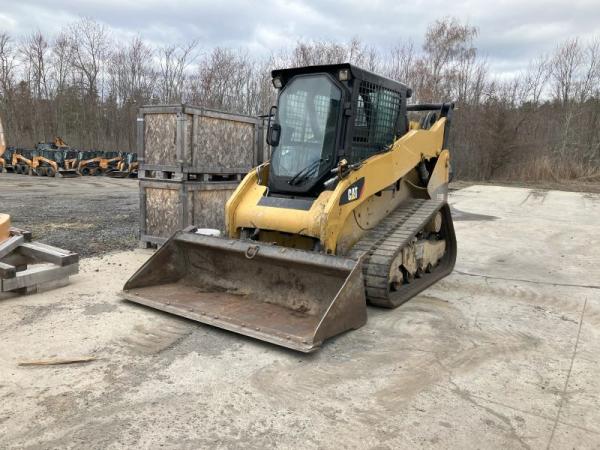
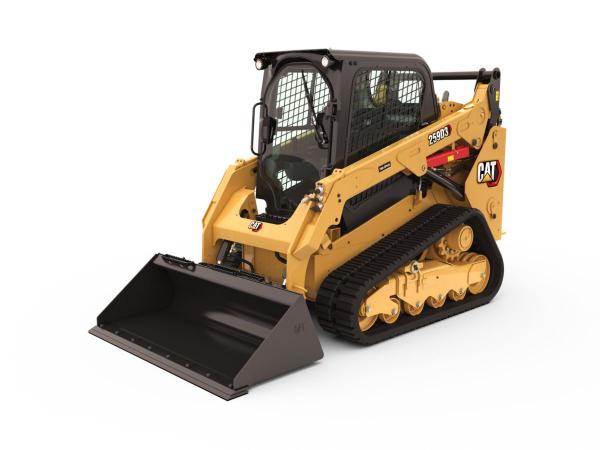
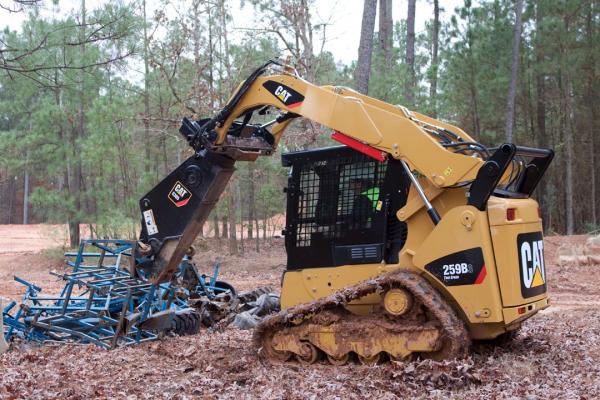
The Caterpillar 259B Series 3 Compact Track Loader (CTL) exemplifies a blend of power, versatility, and operator comfort. Designed for various construction and landscaping tasks, the 259B Series 3 offers features that enhance productivity and efficiency in diverse working conditions.
Engine and Performance - Engine Model: Caterpillar C3.4T DIT
- Gross Power: 74 hp (55.2 kW)
- Net Power: 71 hp (52.9 kW)
- Displacement: 3.3 L
- Rated Operating Capacity: 2,950 lb (1,338 kg) at 50% tipping load
- Tipping Load: 5,899 lb (2,676 kg)
- Maximum Travel Speed: 8.5 mph (13.7 km/h)
- Operating Weight: 9,226 lb (4,182 kg)
- Hydraulic Flow: Up to 22.0 gpm (83.3 L/min) at 3,335 psi (23,000 kPa)
- Ground Pressure: 5.0 psi (34.4 kPa) with 15.7 in (400 mm) wide tracks
Undercarriage and Track System- Track Type: Steel-embedded rubber
- Track Width Options: 12.6 in (320 mm) standard; 15.7 in (400 mm) optional
- Track Length on Ground: 59 in (1,495 mm)
- Suspension: Fully independent, steel-embedded rubber track undercarriage
- Axles: Heavy-duty torsion axles that move independently to absorb shocks
- Rollers: Triple-flange cast-iron rollers with Duo-Cone seals
- Idlers: Large, heavy-duty idlers with recoil system
Hydraulic System and Attachments- Auxiliary Hydraulic Flow: Up to 22.0 gpm (83.3 L/min) at 3,335 psi (23,000 kPa)
- Hydraulic Hoses: ToughGuard XT™ for abrasion resistance
- Quick Coupler: Standard universal; optional hydraulic actuated
- Work Tools Compatibility: Wide range of Cat Work Tools available
Operator Station and Comfort- Cab Design: Spacious with excellent visibility
- Controls: Pilot-operated joysticks
- Suspension Seat: Optional for enhanced comfort
- Climate Control: Optional air conditioning and heating
- Floor Mat: Removable for easy cleaning
- Armrest: Ergonomic, contoured, and padded
Applications
The Caterpillar 259B Series 3 is suitable for various tasks, including:- Construction: Excavation, grading, and material handling
- Landscaping: Soil preparation, trenching, and debris removal
- Agriculture: Feeding, tilling, and irrigation system installation
- Utility Work: Trenching for pipes and cables
Maintenance and Serviceability- Cooling Package: Tilt-up design for easy access
- Engine Access: Rear door opens 90 degrees
- Hydraulic Components: Cab tilts rearward for access
- Daily Maintenance: Easily accessible points
- Wiring: Color-coded and numbered for identification
Conclusion
The Caterpillar 259B Series 3 Compact Track Loader combines power, versatility, and operator comfort, making it a valuable asset for various industries. Its robust design and advanced features ensure productivity and efficiency in demanding environments.
|
|
|
|
| Diagnosing Control Power Failure in the Genie TMZ-34/19: Circuit Board Insights and Repair Strategies |
|
Posted by: MikePhua - 08-10-2025, 08:30 PM - Forum: Troubleshooting & Diagnosing
- No Replies
|
|
Understanding the Genie TMZ-34/19 Electrical Architecture
The Genie TMZ-34/19 is a towable articulating boom lift designed for elevated work in construction, maintenance, and facility operations. Its electrical system is built around a control board that manages power distribution to key components, including the keyswitch, joystick, and safety interlocks. When the machine experiences a “no power at controls” issue, the fault often lies within the control board circuitry or its associated wiring.
In one documented case, the operator traced the issue to a lack of voltage at the keyswitch—specifically, no output from pin 2 on the connection board. Upon removing the board, a visibly burned resistor labeled R1 was discovered in the lower corner, with its markings no longer legible. This component failure halted voltage flow and disabled the control interface.
Terminology Clarification
- Keyswitch: The ignition switch that activates the control system and enables machine operation.
- PCB (Printed Circuit Board): A board containing electronic components and conductive pathways that manage electrical signals.
- Resistor: A passive electrical component that limits current flow and divides voltage within a circuit.
- Solenoid: An electromechanical device that converts electrical energy into linear motion, often used to control hydraulic valves or relays.
- Pinout: The configuration of electrical connections on a connector or board, indicating signal paths and voltage assignments.
Common Symptoms of Board Failure - No voltage at keyswitch or joystick
- No response from control panel despite charged batteries
- Burned or damaged components on the PCB
- Intermittent power loss during operation
- Unresponsive safety interlocks or emergency stop circuits
Root Cause Analysis: Burned Resistor R1
The failure of resistor R1 suggests one or more of the following:
- Overcurrent Event: A short circuit or surge may have exceeded the resistor’s rated capacity.
- Component Aging: Heat cycling and vibration can degrade solder joints and resistor integrity over time.
- Incorrect Load Distribution: If downstream components draw excessive current, the resistor may act as a sacrificial fuse.
- Environmental Exposure: Moisture, dust, or corrosion can compromise board performance, especially in outdoor applications.
Suggested Diagnostic Parameters
To evaluate and repair the board:- Identify the resistor’s original value using schematic references or manufacturer documentation
- Measure voltage at key pins (e.g., pin 2 of the keyswitch) during power-up
- Inspect surrounding components for collateral damage (e.g., capacitors, diodes)
- Test continuity across traces leading to and from R1
- Use a thermal camera or infrared thermometer to detect hotspots during operation
Recommended Solutions and Repair Strategies- Replace R1 with a resistor of matching resistance (ohms), wattage, and tolerance rating
- If value is unknown, consult Genie technical support or reverse-engineer based on circuit behavior
- Clean the board with isopropyl alcohol to remove carbon residue and inspect for micro-cracks
- Reflow solder joints to restore conductivity
- If multiple components are compromised, consider full board replacement or upgrade
Upgrade Considerations: Blue vs. Green Boards
Operators have noted the existence of “blue” and “green” board variants. The blue board is often cited as an upgraded version with improved reliability and component layout. While some suppliers previously offered upgrade kits, availability has become limited. If sourcing a replacement board:- Verify compatibility with machine serial number and model (e.g., T3499-695)
- Confirm pinout and connector type match existing harness
- Ensure firmware or logic programming aligns with lift functions
Field Anecdote: A Lift That Wouldn’t Wake Up
A technician in Ohio encountered a TMZ-34/19 that failed to power up after a thunderstorm. Upon inspection, the control board showed signs of water ingress and a scorched resistor. After replacing the resistor and sealing the board with conformal coating, the lift resumed normal operation. The technician added a weatherproof enclosure to prevent future damage—a simple fix that saved thousands in downtime.
Preventive Measures for Electrical Longevity- Install moisture barriers or enclosures around sensitive electronics
- Use dielectric grease on connectors to prevent corrosion
- Perform quarterly inspections of control boards and wiring harnesses
- Label and document pinouts for easier troubleshooting
- Replace aging components proactively during scheduled maintenance
Conclusion: Precision Repair for Reliable Elevation
The Genie TMZ-34/19’s control board is the nerve center of its operation. A single failed resistor can disable the entire lift, but with careful diagnostics and targeted repair, functionality can be restored. Understanding the board’s layout, signal paths, and component behavior empowers technicians to make informed decisions—whether replacing a resistor or upgrading the entire board. In the world of aerial work platforms, electrical clarity is the key to safe and efficient elevation.
|
|
|
|
| Troubleshooting the Temperature Gauge Warning Buzzer on CAT 320L Excavator |
|
Posted by: MikePhua - 08-10-2025, 08:29 PM - Forum: Troubleshooting & Diagnosing
- No Replies
|
|
The CAT 320L is a reliable and powerful hydraulic excavator widely used in construction, excavation, and heavy-duty operations. One of the critical systems in any machine like the CAT 320L is the cooling system, which ensures the engine doesn't overheat during operation. However, issues can arise, such as the temperature gauge warning buzzer activating unexpectedly, indicating a potential problem with the engine’s cooling system.
This article will guide you through understanding why the temperature gauge warning buzzer might come on and provide practical steps for troubleshooting and resolving the issue.
Understanding the Temperature Gauge System
The temperature gauge system of the CAT 320L consists of several components working together to monitor the engine’s temperature:
- Temperature Sensor: Located on the engine block, the sensor detects the engine's internal temperature.
- Temperature Gauge: Displays the temperature reading to the operator, allowing them to monitor engine health.
- Warning Buzzer: Alerts the operator if the engine temperature exceeds a safe limit.
- Cooling System: Comprising the radiator, coolant pump, thermostat, and hoses, the cooling system regulates engine temperature by dissipating heat.
Possible Causes for the Warning Buzzer to Activate
If the temperature gauge warning buzzer is going off, it typically indicates one of several issues. The most common causes for a temperature-related alarm on the CAT 320L are:
1. Overheating of the Engine- Cause: The engine might be overheating due to insufficient cooling or failure in the cooling system.
- Symptoms: You may notice higher-than-normal engine temperatures on the gauge, along with the buzzing alarm.
- Possible Issues:
- Low Coolant Levels: Insufficient coolant in the radiator can prevent proper heat dissipation.
- Coolant Leaks: Any leaks in the system, such as a cracked radiator or a loose hose, can cause coolant loss and overheating.
- Radiator Blockages: Dirt or debris blocking the radiator’s airflow can cause the engine to overheat.
- Faulty Thermostat: If the thermostat is stuck closed, the coolant may not flow properly, leading to higher temperatures.
2. Faulty Temperature Sensor or Gauge- Cause: The temperature sensor or gauge may be malfunctioning, providing inaccurate readings.
- Symptoms: The buzzer activates despite the engine being at a normal temperature, or the temperature gauge shows incorrect readings.
- Possible Issues:
- Wiring Issues: Damaged or corroded wires leading to the sensor can result in false readings.
- Defective Sensor: A faulty sensor may not send the correct temperature data to the gauge, triggering the alarm unnecessarily.
3. Engine Load or Operating Conditions- Cause: The engine might be under excessive load or operating in extreme conditions that contribute to overheating.
- Symptoms: The buzzer activates only under heavy load or extended use in high temperatures.
- Possible Issues:
- High Ambient Temperature: Operating in hot climates or direct sunlight can push the engine temperature higher.
- Heavy Excavation Work: Intense workloads, such as digging into hard soil or continuous operation, may result in the engine running hotter.
- Insufficient Idle Time: Lack of idle time between tasks could lead to overheating, especially in machines working non-stop for extended periods.
Steps to Diagnose and Resolve the Issue
Here’s a step-by-step approach to diagnosing and addressing the temperature gauge warning buzzer on your CAT 320L:
Step 1: Check Coolant Levels- Action: Begin by inspecting the coolant reservoir to ensure it is filled to the proper level.
- Tip: Always allow the engine to cool before opening the radiator cap to avoid burns from hot coolant or steam.
- Solution: If the coolant is low, top it up with the appropriate coolant for your machine. Check for any visible leaks around hoses, radiator, or pump.
Step 2: Inspect the Cooling System- Action: Visually inspect the radiator, hoses, and thermostat for any damage or blockages.
- Tip: Use a soft brush to clean dirt or debris from the radiator fins and ensure airflow is not obstructed.
- Solution: If you find any blockages or damaged parts, repair or replace them as necessary. If the radiator is leaking, consider having it pressure-tested for leaks.
Step 3: Test the Temperature Sensor- Action: The next step is to test the temperature sensor. Disconnect the sensor and check its wiring for corrosion or damage.
- Solution: If the sensor’s wiring appears to be intact, use a multimeter to test its resistance. If the resistance reading is outside the acceptable range, replace the sensor.
Step 4: Check the Thermostat- Action: A faulty thermostat may be stuck closed, causing the coolant to fail to circulate correctly.
- Solution: Remove the thermostat and test it by placing it in hot water. It should open when heated. If it does not, replace the thermostat.
Step 5: Inspect the Warning System and Wiring- Action: If the above components are functioning correctly but the warning buzzer continues, the issue may be related to the warning system or gauge itself.
- Solution: Check the wiring connections to the temperature gauge and buzzer. Inspect for any loose or corroded connections. If the wiring looks fine, the problem may lie within the gauge or buzzer, both of which might need replacement.
Step 6: Reduce Engine Load- Action: If you notice the buzzer only activates during heavy operation or in extreme temperatures, consider reducing the engine load or taking more frequent breaks.
- Solution: Allow the engine to cool by idling it for short periods. If possible, reduce the strain on the engine by adjusting your operating conditions or using a smaller attachment for lighter tasks.
Preventative Maintenance Tips
To avoid dealing with overheating issues and temperature-related alarms in the future, consider the following preventative measures:
- Regular Coolant Checks: Always monitor the coolant levels and check for any signs of leakage. Replace the coolant as recommended in the service manual.
- Routine Radiator Cleaning: Clean the radiator regularly to remove dirt, grass, and other debris that can block airflow.
- Thermostat Replacement: Replace the thermostat every 2-3 years or according to the manufacturer’s recommendations.
- Monitor Operating Conditions: Be mindful of the engine’s load and temperature. Avoid prolonged heavy operation, especially in hot weather, and take necessary breaks to allow the engine to cool.
Conclusion
The temperature gauge warning buzzer on your CAT 320L excavator is an important alert that shouldn't be ignored. Overheating can cause long-term damage to the engine and reduce the machine’s performance. By following a systematic approach to diagnose the problem and conducting regular maintenance on the cooling system, temperature sensors, and other related components, you can keep the CAT 320L running smoothly and avoid costly repairs.
|
|
|
|
| Komatsu Crawler Excavators: Evolution, Specifications, and Applications |
|
Posted by: MikePhua - 08-10-2025, 08:29 PM - Forum: General Discussion
- No Replies
|
|
Komatsu Ltd., a global leader in construction and mining equipment, has a rich history of innovation and excellence. Established in 1921 in Komatsu, Japan, the company has consistently advanced the capabilities of heavy machinery. One of its notable contributions to the industry is the development of crawler excavators, machines designed for stability and versatility in various terrains.
Historical Background
Komatsu's journey into hydraulic excavators began in 1967 with the introduction of the H51 model. This marked a significant shift from traditional cable-operated machines to hydraulic systems, offering improved efficiency and control. Over the years, Komatsu has expanded its range of crawler excavators, catering to diverse construction and mining needs.
Technical Specifications of Komatsu Crawler Excavators
While specific models like the H5 are not detailed in the provided sources, Komatsu's current lineup offers a range of crawler excavators with varying specifications to meet different operational requirements.
Komatsu PC55MR-5 - Engine Power: 38 HP @ 2,400 rpm
- Operating Weight: 5,150 - 5,270 kg
- Bucket Capacity: 0.055 - 0.18 m³
- Dimensions: Compact design suitable for urban construction
- Features: Advanced hydraulic system, ergonomic cabin, fuel-efficient engine
Komatsu PC80MR-5- Engine Power: 46.2 kW (62 HP)
- Operating Weight: Approximately 8,000 kg
- Bucket Capacity: 0.12 - 0.27 m³
- Digging Depth: Up to 4.335 m
- Features: Hydraulic electronic controls, high-resolution LCD monitor, selectable working modes
Applications in Construction and Mining
Komatsu crawler excavators are renowned for their stability and versatility, making them ideal for a variety of applications:- Urban Construction: Models like the PC55MR-5 are designed for confined spaces, making them suitable for tasks such as trenching and foundation work in urban environments.
- Road Construction: The PC80MR-5's digging depth and power make it effective for roadbed preparation and drainage installation.
- Mining Operations: Larger Komatsu models are employed in mining for tasks like overburden removal and material handling, thanks to their robust design and high lifting capacities.
Maintenance and Longevity
Regular maintenance is crucial to ensure the longevity and optimal performance of Komatsu crawler excavators:- Hydraulic System: Regularly check and replace hydraulic filters to prevent system contamination.
- Undercarriage: Inspect tracks and rollers for wear; timely replacement can prevent costly repairs.
- Engine Care: Adhere to the manufacturer's schedule for oil changes and air filter replacements to maintain engine efficiency.
Case Study: Komatsu PC120-5
A notable example of Komatsu's engineering excellence is the PC120-5 model, produced between 1990 and 1998. This mid-size excavator was widely used in various construction projects due to its balance of power and maneuverability.- Engine Power: Approximately 81 kW (108 HP)
- Operating Weight: Around 12,000 kg
- Bucket Capacity: Varied depending on configuration
- Applications: Used in road construction, utility installation, and landscaping projects.
Conclusion
Komatsu's commitment to innovation and quality has solidified its position as a leader in the heavy equipment industry. Its range of crawler excavators, from compact models like the PC55MR-5 to the robust PC120-5, showcases the company's ability to meet diverse operational needs. By adhering to regular maintenance schedules and selecting the appropriate model for specific tasks, operators can ensure efficient and reliable performance in various construction and mining applications.
|
|
|
|
|



