| Welcome, Guest |
You have to register before you can post on our site.
|
| Online Users |
There are currently 456 online users.
» 0 Member(s) | 445 Guest(s)
Ahrefs, Amazon, Applebot, Bing, Claude, DotBot, Google, OpenAI, Semrush, Seznam
|
| Latest Threads |
Identifying and Sourcing ...
Forum: Parts , Attachments & Tools
Last Post: MikePhua
01-07-2026, 06:29 PM
» Replies: 0
» Views: 520
|
Cat 931B Brake Parts
Forum: Parts , Attachments & Tools
Last Post: MikePhua
01-07-2026, 06:29 PM
» Replies: 0
» Views: 283
|
Choosing Between Cat 228,...
Forum: General Discussion
Last Post: MikePhua
01-07-2026, 06:28 PM
» Replies: 0
» Views: 548
|
Hydraulic Delay When Lowe...
Forum: Troubleshooting & Diagnosing
Last Post: MikePhua
01-07-2026, 06:27 PM
» Replies: 0
» Views: 443
|
Bale Chopper and Mulcher ...
Forum: General Discussion
Last Post: MikePhua
01-07-2026, 06:26 PM
» Replies: 0
» Views: 320
|
Mini UC Maintenance
Forum: General Discussion
Last Post: MikePhua
01-07-2026, 06:25 PM
» Replies: 0
» Views: 310
|
Locating Wiring Informati...
Forum: General Discussion
Last Post: MikePhua
01-07-2026, 06:24 PM
» Replies: 0
» Views: 343
|
Case Industrial Brown Sub...
Forum: Parts , Attachments & Tools
Last Post: MikePhua
01-07-2026, 06:23 PM
» Replies: 0
» Views: 274
|
Dirt Work in West Virgini...
Forum: Construction & Urban Infrastructure Forum
Last Post: MikePhua
01-07-2026, 06:23 PM
» Replies: 0
» Views: 374
|
D207 P Hydraulic Steering...
Forum: Parts , Attachments & Tools
Last Post: MikePhua
01-07-2026, 06:22 PM
» Replies: 0
» Views: 303
|
|
|
| Choosing Compatible Hydraulic Fluids for Bobcat S300: Mixing, Replacement, and Field-Proven Alternatives |
|
Posted by: MikePhua - 08-12-2025, 10:19 AM - Forum: General Discussion
- No Replies
|
 |
Introduction: When OEM Fluid Isn’t an Option
Hydraulic and hydrostatic systems in compact equipment like the Bobcat S300 rely on specialized fluids to maintain pressure, lubrication, and temperature control. But what happens when the original Bobcat-branded fluid isn’t available—or when an attachment might introduce a different oil type? This article explores safe alternatives to Bobcat hydraulic/hydrostatic fluid, explains fluid classifications, and offers practical advice for mixing, replacement, and contamination prevention.
Terminology Note: Understanding Hydraulic Fluid Types
- AW (Anti-Wear) Hydraulic Oil: Contains additives to reduce wear on pumps and valves.
- R&O (Rust and Oxidation) Oil: Designed to prevent corrosion and oxidation, but lacks anti-wear additives.
- ISO Viscosity Grade: A numerical designation (e.g., ISO 32, 46) indicating fluid thickness at operating temperature.
- 30W Transmission Oil: A multi-purpose lubricant sometimes used in hydraulic systems, especially in older or cross-platform machines.
The Question: What Can Safely Replace Bobcat Hydraulic Fluid?
Operators of the Bobcat S300 often ask whether common hydraulic oils can be used in place of Bobcat’s proprietary fluid. The answer depends on climate, system design, and compatibility with attachments. Several field-tested alternatives have proven effective: - AW32 or AW46 hydraulic oil
- 30W transmission oil (in mild climates or older systems)
- High-quality branded oils from Shell, Chevron, Conoco, or Valvoline
Field Observations and Recommendations
- AW32 vs. AW46
- AW32 is thinner and better for colder climates
- AW46 offers better protection in warmer environments
- Both contain anti-wear additives and are widely available at auto parts stores
- Quality Matters
- Lower-grade oils may leave residue in containers, indicating poor additive dispersion
- Premium oils (e.g., Shell Tellus, Chevron Rando) leave clean buckets and offer better long-term protection
- Valvoline hydraulic oil (often sold under NAPA brand) is considered reliable
- Mixing Concerns with Attachments
- When borrowing attachments (e.g., brush cutters), fluid cross-contamination can occur
- To prevent mixing, purge the attachment by disconnecting one coupler and running your machine’s oil through it briefly
- This ensures compatibility and avoids additive conflicts
Suggested Parameters and Fluid Specs- ISO Grade:
- AW32 = ISO 32 viscosity (~32 cSt at 40°C)
- AW46 = ISO 46 viscosity (~46 cSt at 40°C)
- Operating Temperature Range:
- AW32: -20°C to 40°C
- AW46: 0°C to 60°C
- Recommended Brands:
- Shell Tellus S2
- Chevron Rando HD
- Conoco Super Hydraulic
- Valvoline/NAPA AW Hydraulic Oil
Solutions and Best Practices- Choose AW32 or AW46 based on climate and workload
- Avoid mixing fluids unless compatibility is confirmed
- Use high-quality oils with clear additive packages
- Purge attachments before use to prevent contamination
- Label fluid types on machines and attachments for clarity
- Keep spare fluid and filters on hand for emergency top-offs
Field Anecdote: The Diesel Mishap
In Australia, a night serviceman accidentally filled a Bobcat hydraulic tank with diesel after confusing containers. The machine ran briefly before hoses cracked under pressure. After a full flush and seal replacement, the operator switched to AW46 hydraulic oil and never looked back. The incident became a cautionary tale about labeling and training—and the resilience of well-built systems.
Preventive Measures and Long-Term Advice- Train operators and service techs on fluid identification
- Store hydraulic fluids in clearly marked containers
- Use fluid sampling kits to detect contamination early
- Replace filters after fluid changes or cross-contamination events
- Document fluid types used in each machine for fleet consistency
Conclusion: Compatibility Is a Matter of Chemistry and Caution
Replacing Bobcat hydraulic/hydrostatic fluid isn’t just about finding a similar viscosity—it’s about understanding additive packages, system demands, and contamination risks. AW32 and AW46 oils offer safe, proven alternatives when chosen carefully. In compact equipment, fluid choice affects everything from pump life to attachment performance. And when in doubt, purge, test, and protect—because the cost of a wrong mix is more than just downtime.
|

|
|
| Common Model Issues in Heavy Equipment: A Comprehensive Guide |
|
Posted by: MikePhua - 08-12-2025, 10:18 AM - Forum: General Discussion
- No Replies
|
|
In the world of heavy equipment, each model comes with its own unique set of challenges. From construction machinery to earthmovers, operators and fleet managers regularly encounter issues that require troubleshooting, part replacements, or even design modifications. Understanding the most common problems in popular equipment models can help prevent downtime and improve operational efficiency.
This article will provide an in-depth look at the most common issues that arise with popular heavy equipment models. By breaking down the typical problems, providing solutions, and highlighting real-world examples, we can better prepare operators to tackle these challenges head-on.
Understanding Common Issues in Heavy Equipment Models
Heavy equipment is designed to handle tough, high-impact tasks, but over time, even the most robust machinery can experience wear and tear. Each machine model has certain tendencies, and understanding these common issues can save both time and money. Below are some of the most frequent challenges that operators face with specific models and tips for addressing them.
1. Engine Issues
One of the most critical components of any piece of heavy equipment is its engine. The engine is the powerhouse that drives the entire machine, and any issues here can lead to significant downtime and costly repairs.
Common Engine Problems: - Overheating: This can be caused by clogged radiators, failing water pumps, or low coolant levels. Overheating may lead to complete engine failure if not addressed promptly.
- Loss of Power: Decreased power output could be a result of clogged fuel filters, faulty injectors, or a worn-out turbocharger.
- Oil Leaks: These are often found around seals, gaskets, or the engine pan. Oil leaks can cause engine parts to run dry, leading to increased wear and potential engine damage.
Suggested Solutions:- Regularly check the coolant and oil levels.
- Inspect and replace air filters and fuel filters as needed.
- Perform routine maintenance, such as changing the oil and keeping an eye on exhaust emissions.
- Ensure that the radiator is clean and free from debris that might cause overheating.
2. Hydraulic System Failures
The hydraulic system is vital for lifting, digging, and various other functions in heavy equipment. Hydraulic failures can halt operations completely and are often expensive to repair.
Common Hydraulic Problems:- Leaking Hoses and Seals: Over time, seals and hoses can degrade, leading to hydraulic fluid leaks. This not only reduces system efficiency but can also cause environmental hazards.
- Slow Response Time: If the hydraulic system is slow to respond, it could be a sign of air in the lines, low fluid levels, or a malfunctioning pump.
- Overheating: Hydraulic fluid that becomes too hot can break down, leading to a loss of efficiency and possible damage to hydraulic components.
Suggested Solutions:- Regularly inspect hoses and seals for wear and replace them as needed.
- Ensure that hydraulic fluid is topped up and that there is no contamination in the system.
- Install and maintain cooling systems to prevent overheating of hydraulic components.
- Consider using synthetic hydraulic fluids that have higher resistance to heat breakdown.
3. Transmission and Drivetrain Issues
The drivetrain, including the transmission and differentials, plays a crucial role in the operation of heavy equipment. Transmission problems can be some of the most expensive to repair, and downtime due to drivetrain issues can be very costly.
Common Transmission Issues:- Slipping Gears: When gears fail to engage properly, it could indicate worn-out clutches or problems with the transmission fluid.
- Grinding or Jerking: This could be a sign of low fluid levels, overheating, or internal damage within the transmission.
- Loss of Forward or Reverse Motion: This could occur due to a damaged torque converter or issues within the transmission pump.
Suggested Solutions:- Regularly check transmission fluid levels and replace it at manufacturer-recommended intervals.
- Keep the transmission cool by ensuring proper airflow and heat dissipation.
- Schedule routine inspections to identify any potential issues before they become serious problems.
4. Electrical Problems
Electrical systems in heavy equipment are crucial for starting the engine, powering lights, and ensuring the proper functioning of control systems. Faulty electrical components can be a nuisance and a serious roadblock in operations.
Common Electrical Problems:- Dead Battery or Alternator Failure: Over time, batteries lose their charge capacity. Alternator failure can result in the battery not receiving a charge, leading to equipment failure.
- Wiring Corrosion or Damage: Exposure to extreme weather or chemicals can cause wires to corrode, leading to electrical shorts or failures.
- Faulty Sensors: Many machines rely on sensors to monitor temperature, pressure, and other factors. A malfunctioning sensor can lead to incorrect readings and system errors.
Suggested Solutions:- Perform regular battery and alternator tests, especially in extreme temperatures.
- Inspect the wiring system for any signs of wear, corrosion, or damage. Replace damaged wires immediately to avoid further issues.
- Use high-quality, weather-resistant cables to minimize wear from environmental exposure.
5. Undercarriage Wear and Tear
The undercarriage is one of the most critical parts of equipment such as excavators, bulldozers, and track loaders. Its main job is to ensure mobility, but it takes a lot of abuse during operations, especially in rough or abrasive environments.
Common Undercarriage Issues:- Track Stretching or Breakage: Tracks can stretch or break due to excessive load, poor maintenance, or rough terrain.
- Worn-out Rollers and Idlers: Over time, rollers and idlers that support the tracks can wear down, leading to less efficient movement and higher fuel consumption.
- Excessive Wear on the Sprocket Teeth: The sprockets are the key components that help drive the tracks. If worn out, they can cause track slipping and reduce performance.
Suggested Solutions:- Inspect tracks, rollers, and sprockets regularly for signs of wear. Replace worn components before they lead to further damage.
- Maintain proper track tension to ensure even wear and optimal performance.
- Use track guards or pads in particularly rough or abrasive environments to protect the undercarriage.
6. Bucket and Attachment Issues
Buckets and attachments are essential components that vary from machine to machine, but they often face wear and tear, especially in high-load applications.
Common Issues:- Bucket Wear and Cracks: Continuous use leads to metal fatigue, especially around the bucket’s cutting edge.
- Attachment Malfunctions: Hydraulic connections or pins on attachments can wear out, causing leaks or failure of the attachment to function properly.
- Pin and Bushing Wear: Over time, the pins and bushings that secure attachments can wear, leading to loose fittings and poor functionality.
Suggested Solutions:- Regularly check the condition of the bucket and other attachments for wear or cracks. Replace cutting edges or repair cracks promptly to avoid further damage.
- Inspect hydraulic connections and pins for leaks or looseness.
- Lubricate pins and bushings frequently to avoid premature wear.
Real-World Example: CAT D8T Undercarriage
A construction company operating a fleet of CAT D8T bulldozers noticed consistent issues with track wear and stretching. Upon closer inspection, the company found that the undercarriage components, such as the rollers and sprockets, were showing signs of premature wear. After performing a routine service and replacing several components, the machine's productivity increased, and the equipment's lifespan was significantly extended.
Conclusion: Preventative Maintenance and Early Detection
Heavy equipment models, like any other complex machinery, require regular maintenance and attention to keep them running efficiently. By understanding the common issues that can arise with certain models, operators and fleet managers can be proactive in addressing potential problems. This approach not only reduces downtime but also increases the lifespan of equipment, saving time and money in the long run.
Regular inspections, prompt repairs, and adherence to manufacturer-recommended maintenance schedules are crucial for keeping machinery in peak condition. Ultimately, preventing problems before they occur is the most cost-effective way to maintain a productive and reliable fleet of heavy equipment.
|
|
|
|
| Case 580CK Backhoe Loader: Troubleshooting Cold Start and Hydraulic Sluggishness |
|
Posted by: MikePhua - 08-12-2025, 10:18 AM - Forum: General Discussion
- No Replies
|
|
Introduction
The Case 580CK backhoe loader, a cornerstone in construction and agricultural operations, is renowned for its durability and performance. However, some operators have reported issues with starting the engine and sluggish hydraulic functions, particularly in cold weather conditions. This article delves into these challenges, offering insights into potential causes and practical solutions.
Cold Start Challenges
Cold weather can significantly impact the starting performance of diesel engines. In the case of the 580CK, several factors contribute to cold start difficulties: - Thickened Diesel Fuel: Diesel fuel can gel in low temperatures, leading to clogged fuel lines and filters. This condition is particularly prevalent in regions where temperatures drop below freezing.
- Weak Batteries: Cold temperatures can reduce battery efficiency, leading to insufficient cranking power. Even new batteries can struggle to provide the necessary amperage in extreme cold.
- Inoperative Glow Plugs: Glow plugs are essential for pre-heating the combustion chamber in cold conditions. If these are faulty or not functioning, starting becomes challenging.
- Worn Starter Motors: Over time, starter motors can wear out, leading to slow cranking speeds. In cold conditions, this issue is exacerbated.
Hydraulic Sluggishness in Cold Weather
Hydraulic systems in the 580CK can exhibit sluggishness when temperatures drop. The primary reasons include:- Increased Fluid Viscosity: Cold temperatures cause hydraulic fluid to thicken, increasing resistance and reducing flow. This leads to slower actuator response times.
- Air Entrapment: Cold weather can cause condensation within the hydraulic system, leading to air bubbles. These bubbles compress under pressure, causing erratic hydraulic movements.
- Contaminated Fluid: Moisture and debris can contaminate hydraulic fluid, leading to blockages and reduced efficiency.
Practical Solutions
To mitigate cold start and hydraulic sluggishness issues, consider the following steps:
- Use Anti-Gel Additives: Incorporate anti-gel additives into the diesel fuel to prevent gelling in low temperatures.
- Install Block Heaters: A block heater warms the engine coolant, facilitating easier starts in cold weather.
- Regular Battery Maintenance: Ensure batteries are fully charged and in good condition. Consider using battery blankets to retain heat.
- Check Glow Plugs: Regularly test glow plugs for proper operation. Replace faulty plugs promptly.
- Use Winter-Grade Hydraulic Fluid: Opt for hydraulic fluids with lower pour points to ensure smooth operation in cold conditions.
- Implement Pre-Operation Warm-Up: Allow the engine and hydraulic system to warm up at idle before engaging in heavy operations.
- Regular System Bleeding: Periodically bleed the hydraulic system to remove air pockets, ensuring consistent performance.
Case Study: Operator Experience
An operator reported that their 580CK backhoe loader exhibited sluggish hydraulic functions upon startup, which improved after the machine warmed up. Upon inspection, the hydraulic fluid was found to be at the correct level but appeared dark and contained particles. After replacing the fluid and cleaning the system, the hydraulic performance improved significantly, with quicker response times even in cold conditions.
Conclusion
Cold weather poses unique challenges for the Case 580CK backhoe loader, affecting both engine starting and hydraulic system performance. By understanding the underlying causes and implementing the suggested solutions, operators can ensure reliable operation of their equipment year-round. Regular maintenance and proactive measures are key to extending the lifespan and efficiency of the 580CK.
|
|
|
|
| Reviving the 1983 Dynahoe 1900: Diagnosing Hydraulic Stall and Fuel System Weakness |
|
Posted by: MikePhua - 08-12-2025, 10:17 AM - Forum: General Discussion
- No Replies
|
|
Introduction: A Classic Backhoe with Modern Troubles
The Dynahoe 1900, built in the early 1980s, is a robust tractor-loader-backhoe powered by a Detroit Diesel 3-53 engine. Known for its brute strength and straightforward mechanical design, the 1900 remains a favorite among vintage equipment enthusiasts. But when a machine sits idle for over a decade, even the simplest systems can become complex puzzles. This article explores a real-world case of hydraulic stalling and drive weakness in a 1983 Dynahoe 1900, tracing the issue through fuel delivery, torque converter behavior, and hydraulic valve logic.
Terminology Note: Key Components in Focus
- Detroit Diesel 3-53: A two-stroke, three-cylinder diesel engine known for high RPM operation and distinctive sound.
- Torque Converter: A fluid coupling between engine and transmission that allows smooth power transfer and load absorption.
- Hydraulic Gear Pump: A fixed-displacement pump used to supply fluid to the loader, backhoe, and outriggers.
- Governor Rack: A mechanical linkage inside the injector pump that regulates fuel delivery based on throttle input.
- Return Fuel Orifice: A calibrated fitting that controls fuel flow back to the tank, maintaining injector pressure.
The Problem: Engine Stalls Under Hydraulic Load
After sitting unused for 15 years, the Dynahoe was brought back to life with fresh diesel, new batteries, and a hand-cranked engine prime. The Detroit Diesel ran well at idle and flat terrain, but activating any hydraulic function—boom, bucket, outriggers—caused the engine to stall. The machine also struggled to climb hills, suggesting reduced power delivery.
Initial Observations and Clues - No black smoke during stall—indicates fuel starvation, not overload
- Hydraulic pump confirmed as gear type
- Torque converter present—engine slows under load
- Boom sometimes moves briefly before stalling
- Feathering controls allows partial movement
- Hydraulic leaks present but not catastrophic
- Machine stored indoors after startup—no ice plug suspected
Root Causes and System Behavior
- Fuel Delivery Restriction
- The Detroit 3-53 requires high fuel flow and pressure to maintain power under load. A weak or obstructed return line, collapsed hose, or faulty fuel pump seal can cause starvation. One test revealed minimal return flow—suggesting internal restriction.
- Sticky Governor Rack
- The governor rack inside the injector pump may stick after long periods of inactivity. If it fails to respond to throttle input, fuel delivery remains low, causing the engine to stall under hydraulic demand.
- Return Orifice Misplacement
- The 90-degree brass fitting on the cylinder head includes a calibrated orifice (often stamped “60”) that regulates return pressure. If replaced with a generic fitting, injector pressure drops, weakening performance.
- Hydraulic Valve Misconfiguration
- The Dynahoe includes a “Heavy Lift” switch labeled “Crane/Dig.” If set to “Crane,” hydraulic flow is restricted to prevent overloading. This setting can cause stalling if not properly configured.
Recommended Diagnostic Steps- Remove valve cover and inspect governor rack for free movement
- Check fuel return flow at tank—should be a steady ¼" stream under pressure
- Inspect fuel pump for seal integrity and air leaks
- Verify presence and calibration of return orifice fitting
- Test hydraulic functions with “Dig” mode selected
- Confirm engine RPM reaches 2700 under load—critical for Detroit 2-strokes
- Inspect torque converter for excessive slippage or wear
Suggested Parameters and Thresholds- Engine RPM: 2700 governed speed for full power
- Fuel pressure at injectors: ~60 PSI
- Return orifice size: #60 stamped fitting
- Hydraulic pilot pressure: ~300 PSI typical for gear pump systems
- Torque converter stall speed: Should allow engine to maintain RPM under load
Solutions and Repair Strategy- Replace collapsed fuel hoses with steel or reinforced lines
- Clean and lubricate governor rack; verify full travel
- Install correct return orifice fitting
- Replace fuel pump seal if air intrusion detected
- Set lift switch to “Dig” for full hydraulic flow
- Flush hydraulic system and inspect relief valves for blockage
- Monitor engine response during hydraulic activation and adjust throttle linkage
Field Anecdote: The Electric Pump Revelation
One technician installed an electric fuel pump to assist priming. While testing, he noticed fuel leaking from the back of the mechanical pump—revealing a failed seal that allowed air intrusion under load. Replacing the seal for under $5 restored full power and eliminated stalling. This highlights how minor components can cause major symptoms.
Preventive Measures and Long-Term Advice- Run Detroit 2-strokes at governed speed—low RPM causes power loss
- Inspect fuel system annually for hose degradation and seal wear
- Keep spare orifice fittings and fuel pump seals in inventory
- Label hydraulic mode switches clearly for operators
- Document all repairs and test results for future reference
- Avoid prolonged idling—Detroit engines carbon up quickly without load
Conclusion: Old Iron, New Lessons
The Dynahoe 1900’s hydraulic stalling wasn’t a hydraulic failure—it was a fuel delivery and control issue. By understanding the interplay between engine behavior, hydraulic demand, and fuel system integrity, operators can restore vintage machines to full functionality. In the world of classic equipment, the fix often lies not in replacing parts, but in rediscovering how they were meant to work. And sometimes, the loudest machines teach the quietest lessons.
|
|
|
|
| Understanding and Utilizing Backdragging with Wheel Loaders: Techniques and Considerations |
|
Posted by: MikePhua - 08-12-2025, 10:17 AM - Forum: General Discussion
- No Replies
|
|
Backdragging is a valuable technique for operators of wheel loaders and similar heavy equipment. It is commonly used for clearing and leveling surfaces, especially when precision is key, such as in grading, snow removal, and material distribution. By understanding the mechanics of backdragging and applying the right techniques, operators can achieve superior results in their tasks.
What is Backdragging?
Backdragging refers to the process of moving material (soil, snow, gravel, etc.) in reverse while dragging the bucket of the machine along the surface. This technique is often used when an operator wants to spread or level a material over a large area or needs to clear a surface with fine control.
In the case of a wheel loader, backdragging typically involves: - Reversing the machine while keeping the bucket close to the ground.
- Using the cutting edge of the bucket to push and spread materials backward, often along roads or other prepared surfaces.
- Maintaining control over the material to avoid unnecessary disruption or displacement.
Benefits of Backdragging
Backdragging is more than just a reversing technique; it offers several advantages in various applications:
- Leveling and Grading:
- This technique is particularly effective for grading work. It helps achieve a smooth, level surface by evenly distributing material across an area. For instance, when creating an even foundation for a road or a parking lot, backdragging ensures a consistent depth and smooth finish.
- Fine Control:
- Unlike pushing material forward, backdragging allows for better control over the spread of the material. The operator can finesse the movement of the bucket, offering a higher level of precision when it comes to grading or clearing surfaces.
- Surface Clearing:
- In tasks such as snow removal or clearing debris, backdragging can help in removing material without disturbing the underlying surface. This is particularly useful when working on roads or areas where minimal disruption is desired.
- Efficient Snow Removal:
- Backdragging is particularly popular in snow removal operations, where the goal is to push snow away from a surface, like a parking lot or road. The bucket scrapes the snow up and spreads it backward in a controlled fashion, helping clear large areas quickly.
Backdragging Techniques: How to Do It Right
While backdragging can be highly effective, it requires proper technique to achieve the best results. Here are some key steps and tips to follow for efficient and safe backdragging:
1. Proper Machine Setup:- Bucket Positioning: Position the bucket slightly above the surface before engaging backdragging. Lowering the bucket too much can cause the material to be disturbed or overly compacted. The bucket should maintain a slight angle to avoid pushing material in an uneven manner.
- Machine Speed: Backdragging should be done at a moderate speed. Too fast, and the material won’t be spread evenly; too slow, and the work will take much longer than necessary. Find a speed that allows the material to be efficiently moved without losing control.
2. Reversing with Control:- Start reversing the wheel loader slowly, keeping the bucket level to the ground and maintaining an appropriate distance from the surface. This is key to preventing the loader from lifting the material too high or dumping it too unevenly.
3. Overlap the Passes:- For larger areas, overlapping your passes ensures even coverage. Each successive pass should slightly overlap the previous one to avoid leaving lines of uneven material or gaps.
4. Use the Bucket Edge:- The cutting edge of the bucket plays a crucial role in moving and spreading material. For effective backdragging, use the edge to scrape and distribute material evenly. This is particularly useful when leveling or spreading gravel, soil, or snow.
5. Adjust for Material Type:- Different materials require different approaches. For instance, loose dirt or gravel can be moved efficiently, but heavy, compacted snow or clay may require more power and a more controlled movement. Always adjust your backdragging technique based on the material you’re working with.
Common Issues and Solutions in Backdragging
Like any technique, backdragging can come with its own set of challenges. Here are some of the most common issues and practical solutions:
1. Uneven Material Distribution:- Cause: If the bucket is too high or tilted incorrectly, the material may not be spread evenly, leading to lumps and uneven surfaces.
- Solution: Ensure that the bucket is kept level and slightly above the surface to control the flow of material. Maintain a consistent speed, and overlap passes to achieve an even distribution.
2. Bucket Not Engaging Properly:- Cause: Sometimes, the bucket may not scrape properly, especially when dealing with compacted materials like gravel or clay.
- Solution: If the bucket is not properly engaging with the surface, lower the bucket slightly to ensure contact. For tougher materials, a stronger hydraulic setting or adjustments to the bucket angle may be needed.
3. Excessive Spillage:- Cause: If the material is too loose or the machine is moving too quickly, it can cause spillage over the side of the bucket, leading to material loss.
- Solution: Slow down the machine, and make sure the bucket is tilted to allow material to be properly contained within the bucket. Adjust your approach to ensure better control over loose materials.
4. Lack of Traction:- Cause: Backdragging on icy or slippery surfaces can sometimes lead to traction issues, especially with snow or ice.
- Solution: For slippery surfaces, use chains or consider adding weight to the wheel loader for better traction. Alternatively, consider using the bucket to break up hard-packed material before backdragging.
When Should You Not Backdrag?
While backdragging is incredibly useful, it’s not always the right technique for every situation. Here are a few scenarios where backdragging might not be the best choice:- When the Surface is Too Soft or Loose: On extremely soft or loose surfaces, backdragging can cause material to be unevenly displaced, leaving ruts or depressions in the surface.
- When Moving Large Quantities of Material Quickly: If you need to move large amounts of material over a long distance, pushing the material may be a faster and more efficient method than backdragging.
- When Dealing with Large Obstacles: If there are large rocks, debris, or other obstacles, backdragging may not be effective in clearing the area. In such cases, using the bucket to lift and move the material might be a better option.
Conclusion
Backdragging is an essential skill for wheel loader operators, especially in tasks like grading, snow removal, and material distribution. With the right technique, it provides excellent precision, control, and efficiency. Whether you’re working on a construction site, clearing snow from a parking lot, or performing any task that requires the even spreading of materials, understanding the nuances of backdragging will help you achieve the best results.
Remember, the key to successful backdragging lies in maintaining the proper machine setup, controlling the speed and angle of the bucket, and adjusting your technique according to the material you’re working with. By doing so, you’ll ensure a smooth and level finish, helping you complete tasks more effectively and in less time.
|
|
|
|
| Case 580CK Backhoe Loader: Addressing Hydraulic Sluggishness Upon Cold Start |
|
Posted by: MikePhua - 08-12-2025, 10:16 AM - Forum: Troubleshooting & Diagnosing
- No Replies
|
|
Introduction
The Case 580CK backhoe loader, a staple in construction and agricultural operations, is renowned for its durability and performance. However, some operators have reported a common issue: the machine's hydraulic system exhibits sluggishness or unresponsiveness until it reaches operating temperature. This phenomenon can lead to delays and potential wear if not addressed promptly.
Understanding the Hydraulic System
The hydraulic system in the 580CK is responsible for powering various functions, including the loader and backhoe operations. It relies on hydraulic fluid to transmit force. When the system is cold, the fluid's viscosity increases, leading to higher resistance and reduced flow, which can cause sluggish performance until the fluid warms up and thins out.
Common Symptoms
Operators experiencing this issue might notice: - Delayed or unresponsive loader and backhoe movements upon initial startup.
- Hydraulic functions that become more responsive after the machine has been running for several minutes.
- Inconsistent performance during cold weather operations.
Potential Causes
Several factors can contribute to hydraulic sluggishness in cold conditions:
- High Viscosity of Hydraulic Fluid: Cold temperatures cause the hydraulic fluid to thicken, increasing its viscosity and resistance to flow.
- Aging or Contaminated Hydraulic Fluid: Over time, hydraulic fluid can degrade or become contaminated, leading to increased viscosity and potential blockages.
- Worn Hydraulic Components: Components such as pumps, valves, and seals can wear out, leading to inefficiencies and sluggish performance.
- Improper Fluid Levels: Low hydraulic fluid levels can cause air to enter the system, leading to erratic movements and sluggish performance.
Troubleshooting Steps
To diagnose and address the issue:
- Check Hydraulic Fluid: Ensure the fluid is at the proper level and appears clean. If the fluid is dark or contains particles, consider replacing it.
- Inspect for Leaks: Examine hoses, fittings, and seals for signs of leaks or damage. Even minor leaks can introduce air into the system, affecting performance.
- Monitor Fluid Temperature: Use a thermometer to check the temperature of the hydraulic fluid. If the fluid remains cold for an extended period, there might be issues with the fluid circulation or the machine's warm-up process.
- Test Hydraulic Functions: Operate the loader and backhoe functions and observe their responsiveness. Note any delays or inconsistencies.
Case Study: Operator Experience
An operator reported that their 580CK backhoe loader exhibited sluggish hydraulic functions upon startup, which improved after the machine warmed up. Upon inspection, the hydraulic fluid was found to be at the correct level but appeared dark and contained particles. After replacing the fluid and cleaning the system, the hydraulic performance improved significantly, with quicker response times even in cold conditions.
Preventive Measures
To prevent hydraulic sluggishness:- Regular Fluid Changes: Replace hydraulic fluid at intervals recommended by the manufacturer or based on operating conditions.
- Use Appropriate Fluid: Select hydraulic fluid with the correct viscosity for the operating temperature range.
- Maintain Fluid Levels: Regularly check and maintain proper fluid levels to ensure optimal system performance.
- Inspect Components: Periodically check hydraulic components for wear and replace them as needed to maintain system efficiency.
Conclusion
Hydraulic sluggishness in the Case 580CK backhoe loader during cold starts is a common issue that can be mitigated with proper maintenance and attention to the hydraulic system. By following the recommended troubleshooting steps and preventive measures, operators can ensure consistent performance and extend the lifespan of their equipment.
|
|
|
|
| Diagnosing Backup Alarm and Reverse Light Failures on the CAT 980H: Electrical Logic, ECM Signals, and Retrofit Risks |
|
Posted by: MikePhua - 08-12-2025, 10:15 AM - Forum: Troubleshooting & Diagnosing
- No Replies
|
|
Introduction: When Safety Systems Go Silent
Backup alarms and reverse lights are critical safety features on heavy equipment like the CAT 980H wheel loader. Their failure not only compromises visibility and awareness on busy job sites but can also signal deeper electrical issues. This article explores a real-world case involving a non-functional backup alarm and reverse lights, despite the strobe beacon working correctly. We’ll unpack the electrical architecture, explain how ECM signals govern alarm behavior, and offer practical steps for diagnosis and repair.
Terminology Note: Key Electrical Components
- ECM (Electronic Control Module): The onboard computer that manages engine and powertrain functions, including safety signals.
- Fuse Panel: A centralized location for circuit protection; each fuse corresponds to a specific system or accessory.
- Strobe Beacon: A high-visibility warning light, often mounted on the cab or rear of the machine.
- Rotary Light Switch: The main switch in the cab that controls exterior lighting functions.
The Problem: No Power to Alarm or Reverse Lights
The operator of a CAT 980H reported that the backup alarm and reverse lights were non-functional, while the strobe beacon continued to operate normally. The machine had recently been fitted with new LED reverse lights, but no fuse or ground connection could be located for the alarm or lights. This raised questions about whether the lights were factory-installed or aftermarket additions.
Initial Observations and Clues - Strobe beacon operational—suggests partial circuit integrity
- No power detected at reverse lights or alarm
- Fuse #10 confirmed for beacon circuit
- Backup alarm signal traced to Powertrain ECM
- Reverse lights not shown on standard electrical schematic—likely aftermarket
- Rear flood lights controlled by rotary switch, not tied to reverse gear
Root Causes and System Behavior
- ECM-Controlled Alarm Signal
- The backup alarm is not powered by a traditional fuse. Instead, it receives a signal directly from the Powertrain ECM when reverse gear is engaged. If the ECM fails to send this signal—due to wiring faults, sensor errors, or software issues—the alarm will not activate.
- Aftermarket Reverse Light Wiring
- The reverse lights may have been added post-factory and wired into the backup alarm circuit. If so, they rely on the ECM-generated signal, which is not designed to power high-current lighting. This can overload the circuit or confuse the ECM logic.
- Missing or Misrouted Ground
- Both the alarm and lights require a solid ground connection. If the ground wire was disconnected or corroded during the LED retrofit, the circuit may appear dead even if voltage is present.
- Incorrect Fuse Identification
- Operators often search for a dedicated fuse for the alarm or reverse lights. However, the alarm is ECM-controlled, and the lights may not be fused at all if added improperly.
Recommended Diagnostic Steps- Confirm machine serial number and consult full electrical schematic
- Trace wires from reverse lights to identify wire numbers and colors
- Check ECM output signal when reverse gear is engaged
- Inspect ground connections near rear frame and light mounts
- Test voltage at alarm and light terminals with reverse gear active
- Verify fuse #10 for beacon circuit integrity
- Use multimeter to check continuity and resistance across alarm circuit
Suggested Parameters and Thresholds- ECM output voltage to alarm: ~12V when reverse engaged
- Reverse light current draw: <5 amps per LED fixture
- Ground resistance: <0.5 ohms for reliable operation
- Fuse rating for beacon circuit: Typically 10–15 amps
- Wire gauge for reverse lights: Minimum 16 AWG for LED, 14 AWG for halogen
Solutions and Repair Strategy- Rewire reverse lights to a dedicated circuit with proper fuse and switch
- Avoid tapping into ECM-controlled alarm signal for lighting
- Replace backup alarm if no response with confirmed ECM signal
- Clean and reseat ground terminals; apply dielectric grease
- Install inline fuse for reverse lights if missing
- Label all retrofit wiring for future diagnostics
Field Anecdote: The Quarry Retrofit Misstep
In a limestone quarry in Pennsylvania, a CAT 980H was retrofitted with high-output LED reverse lights. The technician tapped into the backup alarm wire, assuming it was a switched 12V source. Within days, the alarm failed, and the lights flickered intermittently. A diagnostic revealed that the ECM signal was overloaded, causing intermittent faults. Rewiring the lights to a separate switch and fuse resolved the issue—and restored the alarm’s function.
Preventive Measures and Long-Term Advice- Avoid using ECM-controlled circuits for aftermarket accessories
- Use relay-based circuits for high-current lighting additions
- Document all wiring changes and label connectors
- Perform regular function checks of alarms and lights during pre-shift inspections
- Train technicians on ECM logic and signal behavior
- Keep spare alarms and LED fixtures in fleet inventory
Conclusion: Safety Systems Demand Respectful Wiring
The CAT 980H’s backup alarm and reverse light failure was not a simple fuse issue—it was a lesson in electronic control logic. By understanding how the ECM governs safety signals and respecting the limitations of factory wiring, operators and technicians can avoid unintended consequences. In heavy equipment, every beep and flash is a promise of safety. And that promise begins with proper power.
|
|
|
|
| Troubleshooting the Dipper Cylinder Mid-Stroke Issue on the Yanmar Vio30-1 |
|
Posted by: MikePhua - 08-12-2025, 10:15 AM - Forum: Troubleshooting & Diagnosing
- No Replies
|
|
The Yanmar Vio30-1 is a highly regarded compact excavator, known for its precision, power, and reliability in the construction and excavation industries. Like any heavy machinery, it is subject to wear and tear over time, leading to occasional mechanical issues. One common issue that operators encounter with the Vio30-1 is when the dipper cylinder stops mid-stroke. This can hinder the excavator's performance and cause significant delays on the job site if not addressed promptly.
In this article, we will discuss the possible causes of a dipper cylinder stopping mid-stroke, how to troubleshoot this problem, and potential solutions to ensure smooth and reliable performance from your Vio30-1.
Understanding the Dipper Cylinder’s Function
The dipper cylinder on an excavator, including the Yanmar Vio30-1, is responsible for extending and retracting the dipper arm. It allows the operator to position the boom and bucket with precision to dig, lift, and move materials. The dipper cylinder works in conjunction with other hydraulic components, such as the main boom, bucket cylinders, and hydraulic pump.
Any disruption in the operation of the dipper cylinder can severely affect the excavator's performance, as it directly impacts the ability to dig and maneuver the arm. Therefore, it's crucial to understand the possible issues that can cause the cylinder to stop mid-stroke.
Common Symptoms of Dipper Cylinder Issues
Before diving into the troubleshooting steps, it is essential to identify the specific symptoms that signal a dipper cylinder issue.
1. Sudden Halting of the Dipper Cylinder Mid-Stroke
This is the most noticeable symptom. The cylinder stops moving, even though the operator continues to operate the controls. This could happen during either extension or retraction. - Possible Causes:
- Hydraulic fluid problems (low fluid, contamination, etc.)
- Air trapped in the hydraulic system
- Blocked or damaged hydraulic lines
- Faulty valve or solenoid issues
- Worn or damaged seals in the cylinder
2. Jerky or Uneven Movement
In some cases, the dipper cylinder may not stop completely, but it may move erratically or unevenly. This behavior can make it difficult to control the movement of the dipper arm.- Possible Causes:
- Hydraulic fluid contamination or incorrect fluid type
- Worn seals or O-rings in the cylinder or valve
- Pressure relief valve malfunctions
3. Reduced Power in the Dipper Cylinder
Sometimes, the dipper cylinder will continue to move, but with significantly reduced force. This can be especially noticeable when the operator is attempting to extend or retract the dipper arm under load.- Possible Causes:
- Low hydraulic fluid levels
- A failing hydraulic pump
- Blocked hydraulic filters or lines
- Air in the hydraulic system
Step-by-Step Troubleshooting Process
To effectively address the issue of the dipper cylinder stopping mid-stroke, it's important to follow a logical, systematic approach. Here’s a step-by-step guide to troubleshooting:
Step 1: Check Hydraulic Fluid Levels
Hydraulic fluid is vital for the smooth operation of all cylinders, including the dipper cylinder. If the fluid level is low, it can cause inconsistent movement, jerky actions, or a complete stop.- Action:
- Verify the hydraulic fluid level by checking the dipstick or fluid reservoir.
- If the fluid level is low, top it up with the appropriate hydraulic fluid specified by Yanmar.
- Check for any signs of contamination in the fluid. If the fluid appears dirty or discolored, perform a fluid change.
Step 2: Inspect the Hydraulic Filters
Hydraulic filters prevent dirt, debris, and contaminants from entering the hydraulic system. Clogged filters can lead to reduced fluid flow and increased pressure in the system, causing malfunctions.- Action:
- Inspect the hydraulic filters for blockages or damage.
- If the filters are clogged, replace them with new ones. Always use filters recommended by Yanmar to ensure compatibility and performance.
Step 3: Bleed the Hydraulic System
Air trapped in the hydraulic system can create pressure fluctuations, resulting in jerky or halted cylinder movement. Bleeding the system can help release air and restore smooth function.- Action:
- Locate the bleed valves on the hydraulic lines connected to the dipper cylinder.
- Open the bleed valves while operating the hydraulic system to release trapped air.
- Be sure to check for any signs of air bubbles in the fluid. Repeat the process until all air has been purged.
Step 4: Check for Hydraulic Leaks
Leaking hydraulic fluid can cause pressure loss, leading to erratic movement or complete failure of the dipper cylinder.- Action:
- Inspect all hydraulic hoses, connections, and the dipper cylinder itself for signs of leaks.
- Tighten any loose fittings and replace any damaged hoses or seals. Ensure that all connections are secure and free from wear.
Step 5: Examine the Control Valve
A malfunctioning control valve can cause interruptions in the fluid flow to the dipper cylinder, which can result in the cylinder stopping mid-stroke.- Action:
- Inspect the control valve for signs of damage or malfunction.
- If the valve is sticking or malfunctioning, clean or replace the valve components.
- Check the solenoids, as electrical failures in these components could also result in the cylinder stopping unexpectedly.
Step 6: Inspect the Dipper Cylinder for Mechanical Damage
Mechanical damage to the dipper cylinder itself can cause it to stop mid-stroke or fail to operate correctly.- Action:
- Visually inspect the dipper cylinder for any signs of wear or damage, such as dents, cracks, or signs of leakage from the cylinder seals.
- If the cylinder appears damaged, disassemble it and inspect the internal components.
- Replace any damaged parts, such as seals, pistons, or rods, and reassemble the cylinder.
Additional Tips and Preventative Measures
Preventing issues with the dipper cylinder in the future can save both time and money. Regular maintenance and proactive measures are key to keeping your Yanmar Vio30-1 in optimal condition.
1. Regular Hydraulic Fluid Changes
Hydraulic fluid plays a crucial role in the system’s performance. Regular fluid changes prevent contamination, reduce wear on hydraulic components, and ensure smooth operation.- Tip: Change the hydraulic fluid as per the manufacturer's recommended intervals or sooner if contamination is suspected.
2. Routine Inspection of Seals and O-rings
Seals and O-rings are subject to wear and can cause leaks or pressure loss when damaged. Regular inspection and replacement of these components can prevent most cylinder malfunctions.- Tip: Keep spare seals and O-rings on hand to replace them as needed during routine maintenance.
3. Proper Storage and Care
After use, always ensure that the machine is stored properly and that it undergoes routine cleaning to remove dirt and debris from the hydraulic system.- Tip: If the excavator is not being used for extended periods, it’s a good idea to clean and lubricate the hydraulic system to prevent rust or corrosion.
Conclusion
Dealing with a dipper cylinder that stops mid-stroke on the Yanmar Vio30-1 excavator can be frustrating, but with a methodical approach to troubleshooting, the issue can usually be resolved quickly. By checking the hydraulic fluid, inspecting filters, bleeding the system, and ensuring all components are functioning properly, you can restore full function to the machine.
Adhering to regular maintenance practices and addressing issues promptly will ensure that your excavator remains reliable, helping you to maximize productivity on the job site. By following the steps outlined above, you'll be well-equipped to handle this and similar hydraulic system issues in the future.
|
|
|
|
| Troubleshooting Electrical Starting Issues in the Caterpillar 420D Backhoe Loader |
|
Posted by: MikePhua - 08-12-2025, 10:15 AM - Forum: Troubleshooting & Diagnosing
- No Replies
|
|
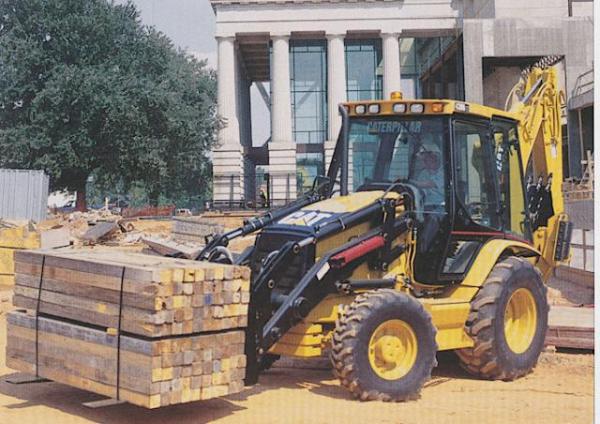
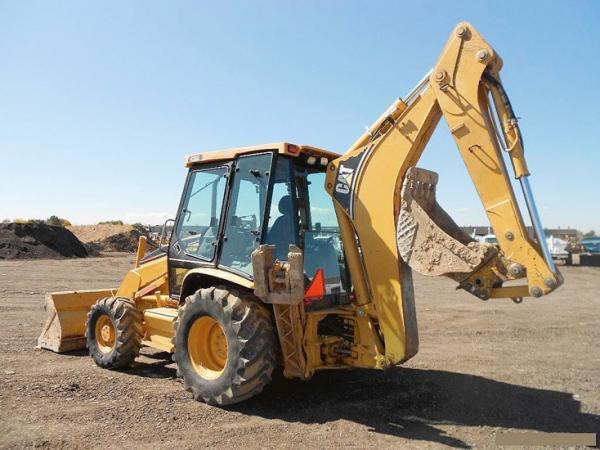
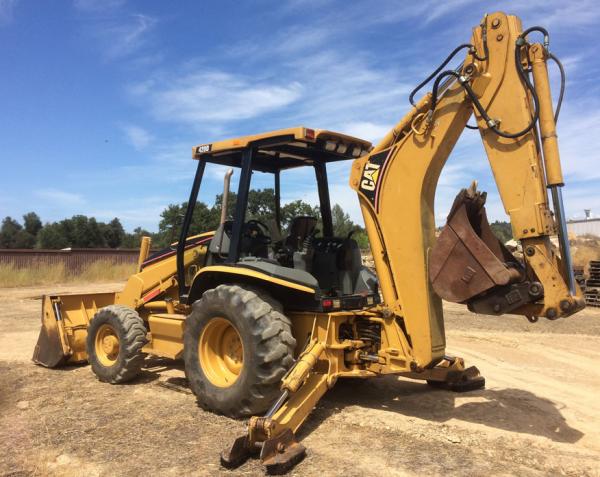
Introduction
The Caterpillar 420D backhoe loader is a versatile and robust machine widely used in construction and agricultural applications. However, like any complex machinery, it can encounter electrical starting issues that may prevent it from starting. Understanding the common causes and troubleshooting steps can help operators and technicians address these problems effectively.
Common Symptoms of Electrical Starting Issues
Operators have reported various symptoms when facing electrical starting issues with the 420D, including: - No Crank Condition: Turning the key results in no engine cranking, though dashboard lights and alarms may function normally.
- Starter Motor Silence: The starter motor remains silent despite attempts to start the engine.
- Intermittent Starting: The machine starts intermittently, often after multiple attempts.
Potential Causes and Troubleshooting Steps
- Battery and Connections
- Battery Voltage: Ensure the battery is fully charged. A low or dead battery is a common cause of starting issues.
- Battery Terminals: Check for corrosion or loose connections at the battery terminals. Clean and tighten as necessary.
- Ground Connections: Verify that all ground connections are secure and free from corrosion. A poor ground connection can prevent the starter from receiving adequate power.
- Ignition Switch and Relay
- Ignition Switch Functionality: Test the ignition switch for proper operation. A faulty switch may not send the start signal to the starter relay.
- Starter Relay (K1): Inspect the starter relay for continuity. If the relay is faulty, it may not close the circuit to the starter solenoid.
- Starter Motor and Solenoid
- Starter Motor Condition: If the starter motor is silent despite receiving power, it may be faulty and require replacement.
- Starter Solenoid: Check the solenoid for proper operation. A malfunctioning solenoid may prevent the starter motor from engaging.
- Safety Interlocks
- Neutral Safety Switch: Ensure the machine is in neutral. The neutral safety switch prevents starting if the machine is in gear.
- Parking Brake: Verify that the parking brake is engaged. Some models require the parking brake to be set before starting.
- Wiring and Fuses
- Wiring Inspection: Inspect all wiring for signs of wear, corrosion, or damage. Damaged wires can interrupt the starting circuit.
- Fuses: Check all relevant fuses for continuity. A blown fuse can disrupt the starting process.
Case Study: Troubleshooting a 420D with No Start Condition
An operator reported that their 420D backhoe loader would not start. When turning the key, the electric fuel pump activated, but the starter remained silent. The battery was charged, and all connections appeared secure. Further investigation revealed that the digital hour meter was blank, indicating a potential electrical issue.
Testing the starter trigger terminal with a test light revealed no voltage during the start attempt. This suggested a problem upstream, possibly with the ignition switch or starter relay. Upon inspecting the starter relay, it was found to be faulty and was replaced. After replacement, the machine started normally, resolving the issue.
Preventive Maintenance Tips
To minimize the risk of electrical starting issues:- Regular Battery Maintenance: Clean terminals and check voltage regularly.
- Inspect Wiring: Periodically check wiring for signs of wear or corrosion.
- Test Safety Interlocks: Ensure all safety switches are functioning correctly.
- Replace Faulty Components Promptly: Address any issues with the ignition switch, starter relay, or solenoid immediately to prevent further complications.
Conclusion
Electrical starting issues in the Caterpillar 420D backhoe loader can stem from various components, including the battery, ignition system, starter motor, and safety interlocks. Systematic troubleshooting and regular maintenance are essential for identifying and resolving these issues promptly. By following the outlined steps and preventive measures, operators can ensure reliable starting performance and minimize downtime.
|
|
|
|
| Troubleshooting Electrical Failures in the CAT TH514 Telehandler: A Case Study in Sensor Logic and Hydraulic Control |
|
Posted by: MikePhua - 08-12-2025, 10:13 AM - Forum: Troubleshooting & Diagnosing
- No Replies
|
|
Introduction: When Electronics Paralyze Hydraulics
The CAT TH514 telehandler, branded but built on JLG architecture, integrates hydraulic functionality with electronic control systems. When implement functions fail—such as boom lift, tilt, or extension—the root cause may lie not in the hydraulics themselves, but in the sensors, controllers, and logic inhibitors designed to protect the machine. This article explores a complex case of electrical failure in a TH514, where hydraulic functions were disabled due to faulty sensor readings and controller miscommunication. We’ll unpack the system architecture, decode fault codes, and offer practical solutions for restoring functionality.
Terminology Note: Key Components and Signals
- UGM (Universal Gateway Module): The central controller managing sensor inputs and hydraulic outputs.
- LSI (Load Sensor Interface): A system that monitors load conditions and disables functions if unsafe parameters are detected.
- CAN Bus: A communication protocol used to transmit data between electronic modules.
- Boom Angle Sensor: Measures the angle of the boom to assist in load moment calculations.
- Solenoid Voltage: The electrical signal sent to hydraulic solenoids to activate functions.
The Problem: Hydraulic Functions Disabled Despite Clean System
After a hydraulic system flush and control valve reseal, the TH514 exhibited hard steering and no implement response. The pump had previously been replaced due to a start-up issue traced to a blocked dump line. Steering was restored by correcting hose routing, and pilot pressure was adjusted to 30 bar. However, boom lift and extension remained intermittent or non-functional. Diagnostic codes revealed multiple electrical faults:
- 8519 – LSI out of calibration
- 2346 – Boom angle sensor not responding
- 8519 (logged) – LSI load cell out of range
- Crab steer light flashing – Resolved by disabling 4-wheel steer in configuration
- Yellow “Machine System Distress” warning – Permanently active
Electrical Observations and Anomalies - Solenoids received a continuous 8 volts, regardless of function activation
- Datalog showed voltage spikes up to 19 volts on a 12V system
- Boom angle sensor intermittently read 99 degrees, then reset after power cycle
- Swapping solenoid wires allowed boom lowering—confirming electrical control issue
- High resistance found in LSI sensor power supply circuit
Root Causes and System Behavior
- Sensor Faults Triggering Safety Inhibitors
- The TH514’s controller is programmed to disable hydraulic functions if sensor inputs are missing, out of range, or inconsistent. This includes boom angle, load cell, and LSI readings. Even if hydraulics are mechanically sound, the system will refuse to operate under perceived unsafe conditions.
- Voltage Spike Damage
- A suspected 24V jump-start on the 12V system likely damaged the UGM, LSI display, and load sensor. This explains the 19V readings and persistent fault codes. Electrical components in telehandlers are sensitive to overvoltage and require surge protection during troubleshooting.
- Controller Logic and Inhibitor Programming
- The controller uses logic gates to determine whether a function is safe to execute. If any input is flagged as invalid, the system inhibits movement. This design protects inexperienced operators but complicates diagnostics.
Recommended Diagnostic Steps- Inspect and test all sensor circuits for continuity and resistance
- Replace damaged load cell and boom angle sensor
- Verify solenoid voltage during active function requests
- Use a handheld analyzer (e.g., 330-5251) to access calibration menus
- Perform LSI system check and recalibration using service manual procedures
- Confirm CAN bus integrity and module communication
Suggested Parameters and Thresholds- Pilot pressure: 30 bar (435 psi)
- Maximum pump pressure: 280 bar (4060 psi)
- Solenoid activation voltage: 12V nominal
- Load cell calibration tolerance: ±10 raw counts
- Boom angle sensor range: 0–90 degrees typical
Solutions and Repair Strategy- Replace damaged UGM, LSI display, and load cell
- Repair or replace wiring harness sections with high resistance
- Recalibrate LSI system using analyzer and service manual (UENR6264)
- Avoid future voltage spikes by using regulated jump-start equipment
- Document all fault codes and clear after repairs to verify resolution
- Test boom movement and implement functions after sensor replacement
Field Anecdote: The Ghana Telehandler Revival
In New Abirem, Ghana, a TH514 sat idle for months after a failed hydraulic flush and pump replacement. Multiple technicians had attempted fixes, but none addressed the electrical faults. Once the operator bypassed site protocol and entered the cab, he discovered the fault codes and voltage anomalies. After replacing the controller and sensors, hydraulic functions returned—though LSI warnings persisted until full calibration was completed. The suspected cause: a 24V jump-start during a hard-start episode, which quietly damaged the electronics.
Preventive Measures and Long-Term Advice- Always use voltage-regulated jump-start tools
- Inspect sensor connectors and latches during routine service
- Train technicians on controller logic and fault code interpretation
- Keep spare sensors and analyzers in fleet inventory
- Log voltage anomalies and correlate with fault codes for future reference
- Avoid hydraulic flushes without cleaning cylinders and checking electrical systems
Conclusion: In Telehandlers, Electronics Are the Gatekeepers of Motion
The TH514’s failure to respond to hydraulic commands was not mechanical—it was digital. Faulty sensors, damaged controllers, and misinterpreted voltages created a cascade of logic inhibitors that disabled movement. This case underscores the importance of understanding how electronic systems govern hydraulic behavior. In modern telehandlers, fixing the hydraulics is only half the battle. The other half is convincing the machine it’s safe to move.
|
|
|
|
|



