| Welcome, Guest |
You have to register before you can post on our site.
|
| Online Users |
There are currently 797 online users.
» 0 Member(s) | 788 Guest(s)
Ahrefs, Amazon, Bing, Claude, DotBot, Google, MJ12, OpenAI, Semrush
|
| Latest Threads |
Identifying and Sourcing ...
Forum: Parts , Attachments & Tools
Last Post: MikePhua
01-07-2026, 06:29 PM
» Replies: 0
» Views: 526
|
Cat 931B Brake Parts
Forum: Parts , Attachments & Tools
Last Post: MikePhua
01-07-2026, 06:29 PM
» Replies: 0
» Views: 283
|
Choosing Between Cat 228,...
Forum: General Discussion
Last Post: MikePhua
01-07-2026, 06:28 PM
» Replies: 0
» Views: 554
|
Hydraulic Delay When Lowe...
Forum: Troubleshooting & Diagnosing
Last Post: MikePhua
01-07-2026, 06:27 PM
» Replies: 0
» Views: 445
|
Bale Chopper and Mulcher ...
Forum: General Discussion
Last Post: MikePhua
01-07-2026, 06:26 PM
» Replies: 0
» Views: 320
|
Mini UC Maintenance
Forum: General Discussion
Last Post: MikePhua
01-07-2026, 06:25 PM
» Replies: 0
» Views: 311
|
Locating Wiring Informati...
Forum: General Discussion
Last Post: MikePhua
01-07-2026, 06:24 PM
» Replies: 0
» Views: 344
|
Case Industrial Brown Sub...
Forum: Parts , Attachments & Tools
Last Post: MikePhua
01-07-2026, 06:23 PM
» Replies: 0
» Views: 275
|
Dirt Work in West Virgini...
Forum: Construction & Urban Infrastructure Forum
Last Post: MikePhua
01-07-2026, 06:23 PM
» Replies: 0
» Views: 374
|
D207 P Hydraulic Steering...
Forum: Parts , Attachments & Tools
Last Post: MikePhua
01-07-2026, 06:22 PM
» Replies: 0
» Views: 303
|
|
|
| Restoring Electrical Integrity on the Ford 555 Backhoe: Wiring Diagrams, Troubleshooting, and Field Wisdom |
|
Posted by: MikePhua - 08-12-2025, 04:13 PM - Forum: Troubleshooting & Diagnosing
- No Replies
|
 |
The Importance of Wiring Diagrams in Legacy Equipment
The Ford 555 tractor-loader-backhoe, especially models from the late 1970s and early 1980s, remains a workhorse on farms, construction sites, and rural properties. But as these machines age, electrical issues become increasingly common—ranging from non-functional gauges to starter failures and lighting problems. Without a proper wiring diagram, diagnosing and repairing these faults can feel like chasing shadows through a maze of faded wires and corroded terminals.
Understanding the Electrical System of the Ford 555
The Ford 555’s electrical system is relatively simple by modern standards, but it still includes multiple circuits that interact with mechanical and hydraulic components. A wiring diagram serves as a roadmap, showing how power flows from the battery to switches, relays, lights, and sensors.
Key circuits include: - Starting and charging system
- Instrument cluster and gauges
- Lighting (headlights, tail lights, work lights)
- Safety switches (neutral start, seat switch)
- Auxiliary accessories (horn, beacon, etc.)
Terminology Explained
- Ground Path: The return route for electrical current; poor grounding causes erratic behavior
- Fuse Block: A panel containing fuses that protect individual circuits from overload
- Solenoid: An electromagnetic switch used to engage the starter motor
- Continuity Test: A diagnostic method using a multimeter to check if electricity can flow through a wire or component
Field Story: A North Carolina Fix with a Diagram in Hand
An operator in Ronda, North Carolina was struggling with intermittent starter engagement on his Ford 555. After acquiring a wiring diagram from another owner, he traced the issue to a corroded connection at the neutral safety switch. With the diagram as a guide, he bypassed the faulty section temporarily and ordered a replacement harness. The machine was back in service within hours—saving a costly dealer visit.
Common Electrical Issues on the Ford 555
1. Starter won’t engage- Check solenoid wiring and neutral safety switch
- Inspect ignition switch for wear
2. Gauges not working- Verify power to instrument cluster
- Test sending units and ground connections
3. Lights flicker or fail- Inspect fuse block and light switch
- Check for broken wires near articulation points
4. Battery drains overnight- Look for parasitic draw from accessories
- Disconnect circuits one by one to isolate the fault
Recommended Solutions and Preventive Measures- Acquire a wiring diagram specific to your serial number range
- Label wires during repairs to aid future troubleshooting
- Use dielectric grease on connectors to prevent corrosion
- Replace brittle or cracked insulation with heat-shrink tubing
- Install a battery disconnect switch to prevent parasitic drain
Additional Parameters to Monitor- Battery voltage: Should remain above 12.4V at rest
- Charging voltage: 13.8–14.2V when running
- Fuse ratings: Match OEM specifications to avoid overload
- Wire gauge: Use appropriate thickness for each circuit
- Ground resistance: Should be less than 0.2 ohms
Where to Find Wiring Diagrams
While original service manuals are ideal, many owners rely on scanned diagrams shared by fellow operators. Libraries, agricultural repair shops, and online forums often serve as valuable resources. In one case, a librarian in Michigan helped a patron locate a diagram for a 3-cylinder diesel Ford 555 from 1979—demonstrating how community support can bridge technical gaps.
Conclusion: Wiring Diagrams Are More Than Just Paper
For owners of legacy machines like the Ford 555, a wiring diagram is a lifeline. It transforms guesswork into strategy and empowers even novice mechanics to tackle electrical repairs with confidence. Whether you're restoring a backhoe for farm use or keeping a fleet machine alive, understanding the wiring is the first step toward reliability. In the world of heavy equipment, clarity starts with a clean circuit—and a well-marked diagram.
|

|
|
| Troubleshooting and Fixing Charging Issues on RC-30 Skid Steers |
|
Posted by: MikePhua - 08-12-2025, 04:13 PM - Forum: Troubleshooting & Diagnosing
- No Replies
|
|
Skid steer loaders, like the RC-30, are integral pieces of equipment used across construction, landscaping, and agricultural operations. Their reliability is paramount, especially when they are part of critical tasks. However, even the most reliable machines can encounter electrical issues, such as charging problems. If your RC-30 isn’t charging properly, it can lead to battery drain, reduced performance, and eventually complete shutdown. This guide will walk you through the common causes of charging issues on the RC-30, their potential solutions, and tips to ensure your machine stays in top condition.
Understanding the Charging System on the RC-30
The RC-30 skid steer uses a standard 12V electrical system to power its functions. The main components that work together in the charging process are: - Alternator: Responsible for generating electrical power to charge the battery and supply energy to the machine's systems.
- Battery: Stores electrical energy for starting the engine and powering the machine’s electrical components.
- Voltage Regulator: Controls the output of the alternator to ensure a steady voltage to the battery, preventing overcharging or undercharging.
- Wiring and Connections: All electrical components are connected via wiring, which, if faulty, could interrupt the charging process.
Common Causes of Charging Issues
If your RC-30 is experiencing charging issues, several components may be at fault. Below are the most common culprits:
1. Faulty Alternator
The alternator is the heart of the charging system. If it malfunctions, it will not generate enough power to charge the battery. Symptoms of a faulty alternator include:- Dim lights: Electrical lights may appear dimmer than usual, especially under load.
- Battery warning light: The battery light on the dashboard may illuminate, signaling that the alternator is not functioning properly.
- Dead battery: If the alternator is not charging the battery, it can lead to a fully drained battery, preventing the machine from starting.
Solution: Test the alternator output with a multimeter. At idle, a healthy alternator should produce around 13.5 to 14.5 volts. If the voltage is lower or higher, the alternator may need to be replaced or repaired.
2. Voltage Regulator Failure
The voltage regulator controls the flow of electrical power from the alternator to the battery. If the regulator fails, it can cause improper charging or overcharging, both of which are detrimental to the battery and the alternator itself.
Solution: Inspect the voltage regulator for any visible signs of wear or damage. A multimeter can be used to check the regulator's output. In many cases, a faulty regulator will need to be replaced.
3. Loose or Corroded Battery Terminals
A simple but often overlooked issue is loose or corroded battery terminals. Even if the alternator and regulator are functioning properly, poor connections can prevent the battery from receiving a proper charge.
Solution: Inspect the battery terminals for corrosion. Clean the terminals with a wire brush and ensure that the connections are tight. Apply some dielectric grease to prevent future corrosion.
4. Broken or Frayed Wiring
The wiring that connects the alternator, regulator, and battery can become worn, broken, or frayed over time, especially on machines that are used heavily or in harsh environments.
Solution: Check the wiring harness for any visible damage or signs of wear. Pay particular attention to the connections at the alternator, battery, and voltage regulator. Repair or replace any damaged wires.
5. Faulty Fuse or Relay
Fuses and relays play a critical role in protecting the electrical components of the charging system. If a fuse blows or a relay fails, it can interrupt the charging process.
Solution: Inspect the fuses and relays connected to the charging system. Replace any blown fuses or faulty relays. Ensure that the fuses are of the correct rating to avoid further issues.
Additional Diagnostic Steps
If the obvious issues have been ruled out but the charging problem persists, you may need to perform further diagnostic checks:- Test the Battery: A weak or aging battery may not hold a charge properly. Consider having the battery tested at a local auto parts store to determine if it needs to be replaced.
- Check the Ground Connections: A poor ground connection can lead to intermittent charging issues. Inspect the ground connections to ensure they are clean and secure.
- Inspect the Drive Belt: The alternator is driven by a belt, and if the belt is loose or worn, it may not spin the alternator efficiently, reducing charging capacity. Replace or tighten the drive belt as needed.
Preventive Maintenance Tips
Maintaining the electrical system of your RC-30 is essential for preventing charging issues and ensuring the longevity of your machine. Here are some tips for ongoing maintenance:
- Regularly Clean Battery Terminals: Check and clean the battery terminals every 100 hours or so. Keeping the terminals clean prevents corrosion and ensures a solid connection.
- Inspect the Alternator and Regulator: Every few months, inspect the alternator and voltage regulator for signs of wear. Keep an eye on the battery voltage using a multimeter to catch any potential issues early.
- Check Wiring and Belts: Periodically inspect all wiring, especially in areas where the wires may be exposed to damage, like near moving parts or areas with high vibration. Replace belts before they become too worn.
- Monitor Voltage Levels: If your machine has a voltmeter, monitor the charging voltage regularly to ensure it remains within the optimal range.
Conclusion: Keeping Your RC-30 Running Smoothly
Charging problems on an RC-30 skid steer can be frustrating, but with the right troubleshooting steps, these issues can be quickly diagnosed and fixed. Start by checking the alternator and voltage regulator, and don’t forget the importance of clean, secure battery connections. Regular preventive maintenance will help extend the life of your electrical components, reducing the likelihood of costly repairs and downtime.
If you are unable to resolve the issue on your own or the problem persists after replacing components, it’s advisable to seek help from a professional technician with experience working on skid steers. By staying on top of maintenance and addressing issues promptly, you can ensure your RC-30 continues to operate efficiently and reliably for years to come.
|
|
|
|
| Painting Dozers: Techniques, Tools, and Time-Saving Tips for a Professional Finish |
|
Posted by: MikePhua - 08-12-2025, 04:12 PM - Forum: General Discussion
- No Replies
|
|
Why Repainting Heavy Equipment Is Worth the Effort
Repainting a dozer isn’t just about aesthetics—it’s about preserving metal surfaces, boosting resale value, and restoring pride in your fleet. Whether you're working with a vintage Caterpillar D3 or a well-used D6, a fresh coat of paint can transform a machine’s appearance and extend its service life. But the process demands more than just a spray gun—it requires preparation, patience, and the right materials.
Preparation Is Everything
The success of any paint job hinges on surface prep. Simply washing the machine isn’t enough. Old paint must be scuffed, sanded, or blasted to ensure proper adhesion of primers and topcoats.
Recommended prep steps: - Degrease all surfaces thoroughly
- Sandblast or mechanically scuff old paint
- Mask off hydraulic fittings, glass, and decals
- Repair dents or weld imperfections before priming
- Clean again with solvent to remove dust and residue
Terminology Explained
- Etching Primer: A primer that chemically bonds to bare metal, improving adhesion
- Acrylic Enamel: A durable topcoat paint often used on heavy equipment
- Reducer: A solvent added to paint to control viscosity and sprayability
- Hardener: A catalyst that accelerates curing and improves durability
- Airless Sprayer: A high-pressure system that atomizes paint without compressed air
Field Story: Winter Painting in Wisconsin
One operator painted a D4 dozer during the winter using a small automotive sprayer. He applied two coats of self-etching primer and three coats of Caterpillar yellow acrylic enamel. While the finish looked great, he noted that the small paint pot required frequent refills, slowing the process. His neighbors—professional auto painters—recommended switching to an airless sprayer for faster coverage and less fuss with reducers.
Spraying Techniques and Air Pressure Tips
Spraying heavy equipment requires finesse. Too much pressure causes runs; too little leads to orange peel texture. One operator found success using just 10–15 psi at the gun, spraying from 12–18 inches away. Lower pressure reduced overspray and helped control paint flow on vertical surfaces.
Best practices:- Use low pressure for vertical panels to avoid runs
- Maintain consistent distance and overlap strokes by 50%
- Spray in warm, dry conditions to aid curing
- Use a larger paint pot or pressure-fed system for uninterrupted spraying
Sandblasting vs. Media Blasting
Sandblasting is effective but can leave pitting on metal surfaces. While some worry about roughness, others argue that these micro-pits help primer grip better. Alternatives like soda blasting or plastic media blasting offer gentler cleaning but may not be aggressive enough for rust removal.
Pros and cons:- Sandblasting: Fast and thorough, but may pit surfaces
- Soda blasting: Gentle, environmentally friendly, but less effective on rust
- Media blasting: Customizable with different grit types for tailored results
Additional Parameters to Monitor- Paint thickness: Aim for 3–5 mils per coat for durability
- Cure time: Allow 24–48 hours before heavy use
- Temperature: Ideal range is 60–80°F for spraying
- Humidity: Keep below 60% to prevent blushing or poor adhesion
- Nozzle size: Use 1.8–2.2 mm for thicker enamel paints
Suggested Solutions and Equipment Upgrades- Upgrade to an airless sprayer for faster coverage
- Use quick-change masking systems to protect decals and fittings
- Install a portable paint booth or tarp enclosure to control overspray
- Keep a paint log with reducer ratios, pressure settings, and ambient conditions
- Consider outsourcing to professional facilities for large machines
Auction Yard Option: Fast and Professional
Some operators recommend taking machines to auction yards like Ritchie Bros., where state-of-the-art facilities can blast and paint a dozer in a single day. While material costs may be modest, labor savings are significant—especially for large machines requiring extensive disassembly.
Conclusion: A Labor of Pride and Preservation
Painting a dozer is a demanding but rewarding task. With proper prep, the right tools, and a bit of patience, even a backyard job can rival professional results. Whether you're restoring a classic or refreshing a workhorse, a well-executed paint job protects your investment and showcases your commitment to quality. In the world of heavy equipment, a clean coat isn’t just cosmetic—it’s a statement.
|
|
|
|
| Understanding and Resolving Hydraulic Valve Issues in the Caterpillar IT18 Loader |
|
Posted by: MikePhua - 08-12-2025, 04:11 PM - Forum: Troubleshooting & Diagnosing
- No Replies
|
|
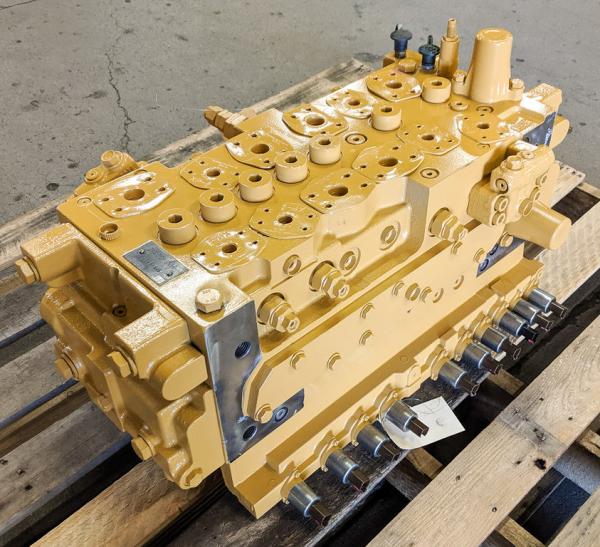
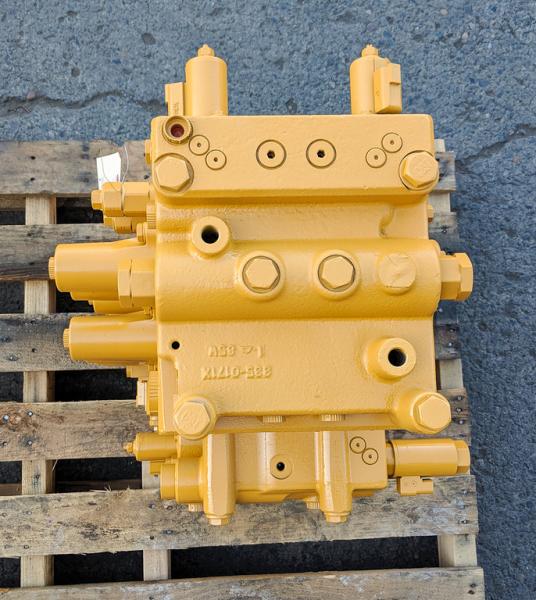
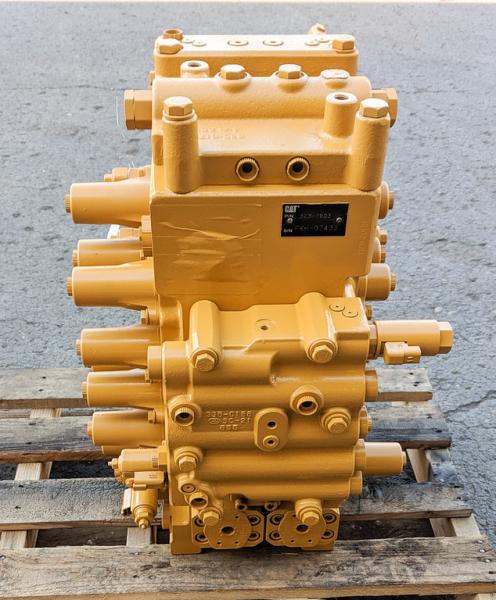
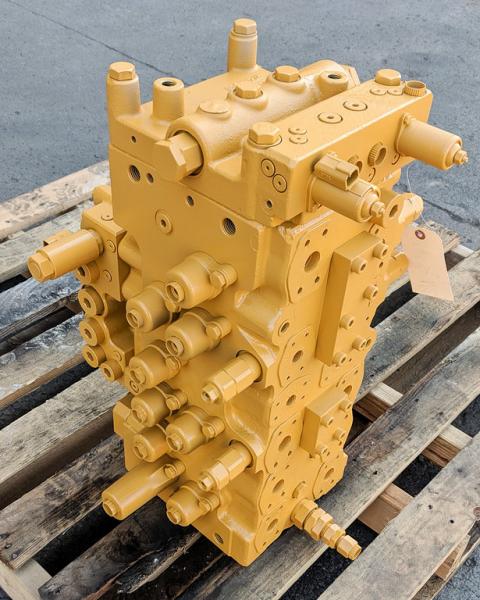
The Caterpillar IT18 loader, a versatile and durable piece of machinery, has been a staple in construction and material handling since its introduction in the 1980s. However, like all heavy equipment, it is susceptible to wear and tear over time. One common issue that operators encounter is hydraulic valve malfunctions, particularly concerning the main hydraulic valve. This article delves into the causes, symptoms, and solutions for such issues, drawing from real-world experiences and expert insights.
Understanding the Hydraulic System
The hydraulic system in the IT18 loader is responsible for powering various functions, including lifting, tilting, and steering. Central to this system is the main hydraulic valve, which controls the flow of hydraulic fluid to different cylinders. Over time, components within this valve can degrade, leading to performance issues.
Common Symptoms of Hydraulic Valve Issues
Operators may notice several signs indicating problems with the hydraulic valve: - Tilt Cylinder Drift: A noticeable drop in the tilt-up cylinder when the loader is stationary, suggesting internal leakage within the valve.
- Inconsistent Boom Operation: Erratic boom movements or failure to hold positions can point to issues with the control valve.
- Unresponsive Controls: Delayed or unresponsive joystick movements may indicate a malfunctioning valve spool or control valve.
Diagnostic Steps
To accurately diagnose hydraulic valve issues:
- Visual Inspection: Check for external leaks around the valve and associated hoses.
- Pressure Testing: Use a pressure gauge to test the system's pressure against manufacturer specifications.
- Flow Testing: Measure the flow rate to ensure it aligns with the loader's requirements.
- Internal Inspection: If accessible, disassemble the valve to inspect for worn or damaged components.
Case Study: IT18 Loader Tilt Cylinder Drift
An operator reported significant drift in the tilt-up circuit of a 1986 IT18 loader, with the tilt-down function remaining stable. After repacking all cylinders and inspecting for external leaks, the issue persisted. The operator deduced that the problem likely stemmed from the main hydraulic valve, which is located in a confined space, making inspection challenging. This scenario underscores the importance of thorough diagnostics and the challenges posed by the loader's design.
Solutions and Recommendations
Addressing hydraulic valve issues requires a systematic approach:- Component Replacement: Replace worn or damaged valve components, such as spools, seals, and springs.
- System Flushing: Flush the hydraulic system to remove contaminants that could cause further damage.
- Fluid Replacement: Use the manufacturer's recommended hydraulic fluid to ensure optimal performance.
- Regular Maintenance: Implement a routine maintenance schedule to monitor and address potential issues proactively.
Preventative Measures
To extend the lifespan of the hydraulic system:- Avoid Overloading: Do not exceed the loader's rated capacity, as excessive load can strain the hydraulic system.
- Proper Warm-Up: Allow the loader to warm up before heavy use to ensure the hydraulic fluid reaches optimal operating temperature.
- Quality Fluids: Always use high-quality hydraulic fluids and replace them as per the manufacturer's guidelines.
Conclusion
Hydraulic valve issues in the Caterpillar IT18 loader can significantly impact its performance and reliability. By understanding the system's components, recognizing symptoms early, and implementing effective diagnostic and maintenance practices, operators can mitigate these issues and ensure the longevity of their equipment. As with any complex machinery, proactive care and attention to detail are key to maintaining optimal performance.
|
|
|
|
| Mastering Asphalt Distributor Operations: Precision Spraying, Calibration, and Daily Maintenance |
|
Posted by: MikePhua - 08-12-2025, 04:09 PM - Forum: General Discussion
- No Replies
|
|
The Challenge: Applying Emulsion at Precise Rates
In mill-and-overlay projects involving paving fabric, precision in applying asphalt emulsion is critical. For example, when installing glass-reinforced paving fabric over 108,000 square yards, the distributor must spray PG 58-28 oil at exactly 0.13 gallons per square yard. This ensures proper adhesion without oversaturation, which could compromise the pavement structure or create a slippery, unsafe surface.
While experienced distributor drivers make this look easy, the task demands calibration, equipment familiarity, and attention to detail—especially when transitioning from subcontracted professionals to in-house crews.
Understanding Distributor Truck Systems
Modern distributor trucks are equipped with computerized controls that allow operators to input desired spray rates, monitor tank levels, and adjust bar widths. Older models, however, rely on mechanical shot charts and manual calibration.
Key components include: - Spray bar: Adjustable in width and height, controls distribution pattern
- Pump: Pressurizes and circulates emulsion through the system
- Nozzles: Determine spray angle and flow rate
- Control system: Ranges from manual levers to digital interfaces
- Calibration chart or software: Converts gallons per square yard into pump speed and truck speed
Terminology Explained- PG 58-28: A performance-graded asphalt binder designed for specific temperature ranges
- Shot chart: A reference table used to manually set spray rates based on truck speed and nozzle configuration
- Maximizer 2: A model of distributor truck with advanced computerized controls
- Clean-out procedure: A daily maintenance routine using diesel to flush emulsion from the system
Difficulty Scale: How Hard Is Precision Spraying?
On a scale of 1 to 10:- New computerized distributors: 2–3 (easy, assuming calibration is correct)
- Older mechanical distributors: 5–7 (requires experience and consistency)
- Uncalibrated or malfunctioning systems: 8–10 (high risk of error and mess)
Field Story: Wyoming Crew Takes on In-House Spraying
A contractor in Wyoming decided to self-perform the emulsion spraying to save $6,000. While they had the equipment and drivers, their team lacked experience in precision spraying. The challenge was to apply 55 tons of oil for the fabric—not the full 400 tons allocated for the leveling course. Misapplication could result in nearly 1.0 gallon per square yard—turning the road into a swimming pool of asphalt.
With guidance from experienced operators, they learned to calibrate the truck, verify nozzle settings, and monitor spray rates in real time. The result was a successful application and a valuable skill added to their crew’s capabilities.
Daily Maintenance and Pump Priming Tips
Operators of newer distributor models like the Rosco Maximizer 2 have reported issues with pump startup after overnight shutdowns. Unlike older Etnyer models, which respond quickly to diesel priming, newer systems may strain or whine before engaging.
Recommended solutions:- At shutdown, suck diesel through the spray bar to flush emulsion
- Pour a small amount of diesel into the intake cap and let it soak overnight
- Ensure nozzles are clean and free of hardened residue
- Check pump seals and pressure relief valves for wear
Additional Parameters to Monitor- Spray rate: 0.13 gal/SY for fabric, higher for leveling courses
- Pump pressure: Should match nozzle and bar configuration
- Truck speed: Must be consistent to maintain uniform application
- Temperature: Emulsion viscosity changes with ambient and binder temperature
- Nozzle spacing: Affects overlap and uniformity
Suggested Solutions and Best Practices- Calibrate the distributor before each project using test passes
- Train drivers on both manual and computerized systems
- Maintain a log of spray rates, temperatures, and nozzle settings
- Use GPS or onboard sensors to track coverage and avoid overlap
- Flush system daily with diesel to prevent clogging and pump strain
Conclusion: Precision and Preparation Drive Success
Operating an asphalt distributor truck may seem straightforward, but precision spraying requires calibration, consistency, and care. Whether using a modern Maximizer or a vintage Etnyer, the key is understanding your equipment and maintaining it properly. With the right training and attention to detail, even first-time crews can achieve professional results—saving money and building confidence in their capabilities.
|
|
|
|
| Understanding Caterpillar Diagnostic Software: Tools for Efficient Equipment Maintenance |
|
Posted by: MikePhua - 08-12-2025, 04:09 PM - Forum: General Discussion
- No Replies
|
|
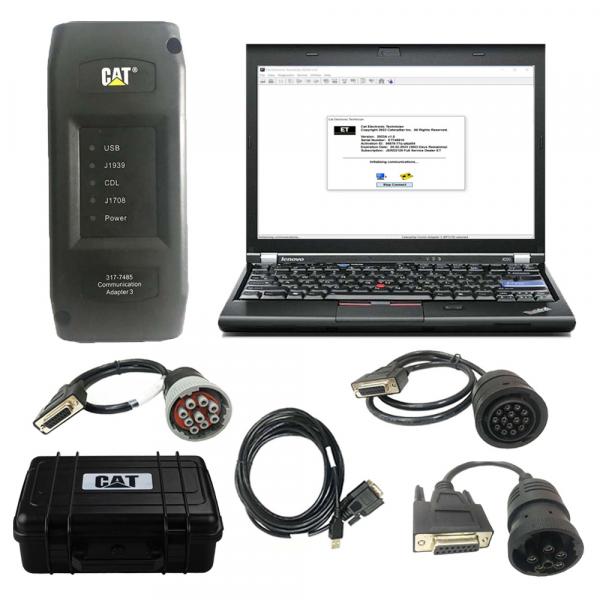
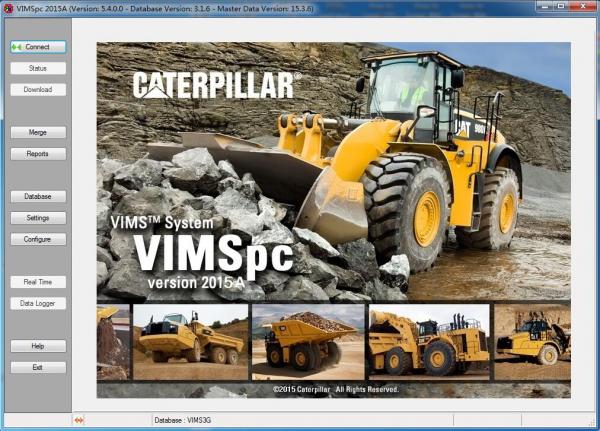
Caterpillar, a leading manufacturer in the heavy equipment industry, provides a suite of diagnostic software tools designed to assist technicians in maintaining and servicing their machinery. These tools enable users to communicate with the equipment's Electronic Control Module (ECM), diagnose issues, perform calibrations, and update software, ensuring optimal performance and longevity of the machines.
Caterpillar Electronic Technician (CAT ET)
The CAT ET is a comprehensive diagnostic software essential for servicing electronically controlled Caterpillar engines and machines. When connected to an ECM, technicians can: - Diagnose existing and potential problems to identify current issues and predict failures.
- Configure and calibrate products to ensure equipment operates within specifications.
- Obtain data for analysis, including real-time monitoring of machine performance.
Key features include:- Displaying parameter status and active diagnostics.
- Clearing and viewing logged diagnostics.
- Performing diagnostic tests and calibrations.
- Uploading new software to ECMs.
- Generating reports and analyzing data.
Jaltest Diagnostic Software
Jaltest offers a multi-brand diagnostic solution compatible with over 100 equipment brands, including Caterpillar. Its capabilities include:- Reading fault codes and system measurements.
- Troubleshooting symptoms.
- Performing special functions like forced regenerations.
- Accessing technical information, wiring diagrams, and component specifications.
This versatility is valuable for mixed-brand equipment fleets, streamlining diagnostics.
Caterpillar Communication Adapter (CA3)
The CA3 is an official Caterpillar hardware tool that connects PC-based service software to Caterpillar machines. It allows technicians to:- Access the ECM.
- Retrieve real-time performance data.
- Facilitate diagnostics and maintenance procedures.
Choosing the Right Diagnostic Tool
When selecting diagnostic tools, consider these scenarios:- For exclusive Caterpillar fleets: Use CAT ET software combined with the CA3 adapter.
- For multi-brand equipment fleets: Jaltest diagnostic software is recommended.
- If you have budget constraints: Look into third-party diagnostic solutions that may offer cost-effective alternatives.
Conclusion
Caterpillar’s diagnostic software solutions like CAT ET and Jaltest are vital for maintaining heavy machinery. They help reduce downtime, improve maintenance accuracy, and extend equipment lifespan. Selecting the appropriate tool depends on fleet composition, required features, and budget.
|
|
|
|
| Choosing the Best Skid Steer Bucket: Key Considerations and Recommendations |
|
Posted by: MikePhua - 08-12-2025, 04:07 PM - Forum: Parts , Attachments & Tools
- No Replies
|
|
When it comes to selecting the best bucket for a skid steer, there is no one-size-fits-all answer. The ideal bucket depends on the specific tasks at hand, the type of material being moved, and the features required to ensure efficiency and safety. Skid steer buckets come in various shapes, sizes, and configurations, each designed for specific applications. In this article, we will explore the key factors to consider when choosing the best skid steer bucket for your needs, including bucket types, materials, and recommendations for maximizing performance.
Key Considerations When Selecting a Skid Steer Bucket
1. Bucket Type
There are various types of buckets available, each designed to handle specific tasks and materials. The type of bucket you choose will directly affect the performance and versatility of your skid steer. - Standard Buckets: These are the most commonly used buckets and are great for general material handling such as dirt, gravel, and sand. They are usually flat-bottomed and have a mild curve to allow for efficient scooping.
- Heavy-Duty Buckets: These are reinforced buckets designed for tough jobs, such as moving large rocks, demolition debris, and other heavy materials. The extra reinforcement ensures the bucket can handle the increased load without bending or warping.
- V-Shaped Buckets: Perfect for handling materials that need to be funneled or pushed forward, such as mulch, snow, or sand. The V-shape allows the bucket to scoop and direct materials efficiently.
- Low Profile Buckets: These buckets are ideal for tasks that require visibility and precision, such as loading materials into a tight space. Their lower profile design allows for better visibility of the work area.
- Rock Buckets: These buckets are designed with larger gaps between the tines, allowing for the separation of smaller materials like dirt and debris from larger rocks. They're ideal for clearing out rocks and similar materials from a worksite.
- Root Rake Buckets: Perfect for land clearing, these buckets have tines to grab and move tree roots, branches, and other large debris.
2. Material Handling Capacity
Another important consideration is the material handling capacity of the bucket. This refers to the amount of material the bucket can safely lift and carry. It is directly related to the capacity of the skid steer itself.- Light Materials: If you are handling lightweight materials like mulch, sand, or snow, a standard bucket with a moderate capacity should suffice. However, you will need to ensure that the bucket can handle the volume and density of the material being moved.
- Heavy Materials: For denser materials like gravel, rocks, or concrete, you will need a bucket designed for heavy-duty use. These buckets are typically made from thicker steel and are reinforced with stronger edges.
3. Bucket Width and Shape
The width and shape of the bucket are important for both lifting efficiency and material containment.- Narrow Buckets: Ideal for working in confined spaces or for more precise tasks, narrow buckets allow you to get into tight areas while still moving material effectively.
- Wide Buckets: These are used for moving large amounts of material over a large area. They are particularly useful for clearing or scooping up loose materials such as sand or gravel.
- Curved vs. Flat: Curved buckets are better for scooping and retaining material, while flat-bottomed buckets are useful for leveling or grading tasks.
4. Durability and Construction Materials
Durability is key when selecting a skid steer bucket. Buckets need to withstand the harsh conditions of a worksite, from rocks and debris to heavy-duty lifting and constant wear. The material and design of the bucket will determine how long it can last before needing replacement.- High-Grade Steel: Most heavy-duty buckets are made from high-grade steel, which provides strength and resistance to wear. It’s also corrosion-resistant, making it ideal for outdoor use.
- Reinforced Edges: For heavy-duty applications, reinforced edges (using high-strength steel or carbide teeth) are essential. These reinforced edges ensure that the bucket maintains its shape even when handling tough materials.
- Wear Plates and Teeth: Adding wear plates or teeth to the bucket can extend its lifespan. These can be added to the edges of the bucket to improve durability and prevent premature damage.
5. Compatibility with Skid Steer Model
Not all buckets are compatible with all skid steers. Ensuring that the bucket you choose fits your machine is critical. Some key compatibility considerations include:- Mounting System: Most skid steers use either a standard quick attach or a universal mounting system. Ensure that the bucket you select matches the type of mount your skid steer uses.
- Machine Capacity: Ensure that the bucket's capacity is suited to the size and lifting capabilities of your skid steer. Overloading your skid steer with a bucket that is too large can reduce efficiency and increase wear on the machine.
Best Skid Steer Bucket Recommendations
Here are a few recommended buckets based on various tasks and needs.
1. Best All-Purpose Bucket: The Standard General Purpose Bucket- Use Case: Suitable for most residential and light commercial applications, including moving dirt, sand, gravel, and light materials.
- Key Features:
- Made from high-quality steel for durability.
- Moderate capacity for versatility.
- Rounded edges for efficient scooping.
2. Best Heavy-Duty Bucket: The Heavy-Duty Rock Bucket- Use Case: Ideal for handling tough materials such as rocks, concrete, and demolition debris. This bucket can endure the rough conditions of demolition and large-scale construction jobs.
- Key Features:
- Reinforced steel construction.
- Large capacity for heavy materials.
- Strong, wear-resistant edges for increased longevity.
3. Best for Precision Work: The Low-Profile Bucket- Use Case: Ideal for tasks that require precision, such as loading materials in tight spaces or when visibility is key.
- Key Features:
- Low profile design allows for better visibility.
- Ideal for delicate or precision work.
- Suitable for light to medium material handling.
4. Best for Land Clearing: The Root Rake Bucket- Use Case: Perfect for land clearing and moving large debris such as tree roots, stumps, and branches.
- Key Features:
- Strong tines for grabbing large debris.
- Reinforced design for tough land-clearing jobs.
- Helps in separating roots and rocks from soil.
5. Best for Snow Removal: The V-Shaped Bucket- Use Case: Designed for moving loose materials like snow, sand, and mulch. The V-shape helps funnel material efficiently.
- Key Features:
- V-shaped design allows for effective material collection and direction.
- Ideal for large-volume snow removal or sand clearing jobs.
Conclusion: Selecting the Right Skid Steer Bucket for the Job
Choosing the best skid steer bucket depends on the job you intend to perform. Whether you're handling light materials, performing heavy-duty tasks, or working in confined spaces, selecting the right bucket can significantly improve efficiency and performance. Consider the size of the job, the material being moved, and your skid steer's capabilities when making a decision. With the right bucket in hand, you can tackle a variety of tasks with ease, ensuring that your skid steer works at its highest potential.
|
|
|
|
| Hydraulic Pressure Adjustment for Auxiliary Attachments on the Volvo ECR88 (2007): Thumb Installation and System Tuning |
|
Posted by: MikePhua - 08-12-2025, 04:07 PM - Forum: General Discussion
- No Replies
|
|
The Situation: Installing a Hydraulic Thumb on a Compact Excavator
The Volvo ECR88, particularly the 2007 model, is a compact radius excavator designed for tight spaces and versatile attachments. When outfitting this machine with a hydraulic thumb—a common upgrade for handling debris, rocks, and demolition material—proper pressure regulation becomes critical. In one case, an operator successfully installed the thumb but found that the auxiliary hydraulic circuit was delivering 5000 psi, far exceeding the recommended 1500 psi for the thumb’s cylinder. This raised concerns about component damage, control sensitivity, and long-term reliability.
Understanding the Auxiliary Hydraulic System
The ECR88 features a load-sensing hydraulic system with multiple pressure-reducing valves and flow control options. The auxiliary circuit, typically used for attachments like thumbs, grapples, or augers, draws from the same hydraulic pump but may require different pressure settings depending on the tool.
Key components involved: - Main control valve: Houses pressure relief and flow control valves
- Auxiliary circuit: Routed to quick couplers on the boom or stick
- Thumb cylinder: A single-acting or double-acting hydraulic actuator
- Pilot control system: Manages valve actuation via joystick input
- Pressure relief valve: Limits maximum pressure to protect components
Terminology Explained- PSI (Pounds per Square Inch): A unit of pressure; 5000 psi is typical for digging functions but excessive for auxiliary tools
- Pressure Reducing Valve: A valve that lowers pressure downstream to match the needs of specific attachments
- Pilot Pressure: Low-pressure signals used to control high-pressure hydraulic valves
- Flow Control Valve: Regulates the volume of hydraulic fluid, affecting speed and responsiveness
Risks of Overpressure in Thumb Operation
Operating a hydraulic thumb at 5000 psi can lead to:- Cylinder seal failure due to excessive force
- Bent or cracked thumb linkage
- Reduced control finesse, making delicate operations difficult
- Increased wear on hoses and fittings
- Safety hazards if the thumb snaps or binds under load
Field Story: Caribbean Contractor’s Thumb Retrofit
A contractor in the Caribbean installed a new thumb on his ECR88 and was pleased with its mechanical function—but alarmed by the high pressure reading. Despite checking the main valve group and confirming factory specs, he couldn’t locate a dedicated pressure-reducing valve for the auxiliary line. This scenario is common in retrofits, where the thumb is added post-factory and the hydraulic system isn’t preconfigured for lower-pressure operation.
Recommended Solutions and Adjustments
- Install an Inline Pressure-Reducing Valve
Add a valve between the auxiliary port and the thumb cylinder. Set it to 1500 psi to protect the thumb.
- Use a Flow Control Valve for Speed Management
If the thumb moves too quickly, install a flow restrictor to smooth operation.
- Check for Factory Auxiliary Relief Settings
Some ECR88 models have adjustable relief valves on the auxiliary spool. Consult service manuals or dealer support.
- Use a Pressure Gauge to Confirm Settings
Install a test gauge on the auxiliary line to monitor real-time pressure during operation.
- Consider a Pilot-Controlled Proportional Valve
For advanced control, retrofit a proportional valve that adjusts pressure and flow based on joystick input.
Additional Parameters to Monitor- Thumb cylinder bore and stroke: Match pressure to mechanical limits
- Hose rating: Ensure hoses are rated for at least 3000 psi, even if operating at 1500 psi
- Valve response time: Slow valves may cause jerky thumb movement
- Attachment weight: Heavier thumbs may require slightly higher pressure but still below digging circuit levels
Preventive Measures and Long-Term Tips- Label auxiliary pressure settings near the couplers for future reference
- Train operators to avoid full joystick deflection when using the thumb
- Inspect hoses and fittings monthly for signs of overpressure fatigue
- Keep a log of hydraulic adjustments and attachment configurations
Conclusion: Precision Matters in Attachment Integration
Adding a hydraulic thumb to the Volvo ECR88 enhances its versatility, but without proper pressure tuning, the upgrade can become a liability. Whether through inline valves, factory adjustments, or custom control setups, managing auxiliary pressure is essential to safe and effective operation. For contractors working in demolition, landscaping, or utility trenching, a well-calibrated thumb isn’t just a tool—it’s an extension of the operator’s finesse.
|
|
|
|
| Snow Removal Pricing: Key Considerations and Best Practices |
|
Posted by: MikePhua - 08-12-2025, 04:06 PM - Forum: General Discussion
- No Replies
|
|
Snow removal is an essential service during the winter months, ensuring safety for both residential and commercial properties. The cost of snow removal, however, can vary widely depending on several factors, including the size of the area to be cleared, the type of equipment used, and the specific services requested. In this article, we will explore how snow removal pricing is determined, common pricing models, and best practices for both customers and contractors to ensure fair and effective pricing.
Factors Affecting Snow Removal Pricing
Several factors contribute to the pricing of snow removal services. Understanding these variables can help both contractors and clients make informed decisions.
1. Area Size and Complexity
The size of the area to be cleared is one of the most significant factors affecting pricing. A large commercial lot will naturally cost more to clear than a small residential driveway. Complexity also matters—properties with winding driveways, multiple steps, or hard-to-reach areas may require more time and specialized equipment. - Residential Driveways: Typically smaller and more straightforward, these are usually priced based on width and length.
- Commercial Properties: These can include large parking lots, sidewalks, and access roads, all of which increase the cost.
- Complexity: The more complex the layout, the more time and resources will be required for the job.
2. Snowfall Amount and Frequency
The amount of snow and the frequency of snowfalls during the winter season are other critical considerations. In areas that receive heavy, frequent snowfalls, contractors may offer different pricing to account for the increased workload.- Light Snowfall: A small dusting of snow that doesn't accumulate might be priced lower than a heavy snowfall that requires extensive clearing.
- Heavy Snowfall: Large snowstorms often require additional time and equipment, and might lead to higher fees.
- Snow Accumulation: If snow is left to accumulate over multiple days, the cost to clear it can rise significantly due to the increased depth and compactness of the snow.
3. Equipment Used
The type of equipment used for snow removal plays a role in pricing. Larger equipment, such as skid steers, loaders, or snowplows, can clear large areas more quickly but might come with higher costs. For smaller areas, a simple snow blower or shovel might be sufficient and less expensive.- Snowplows: Ideal for clearing large parking lots, roads, or driveways, but come with higher equipment costs.
- Shovels & Snow Blowers: Used for smaller areas or more delicate surfaces, these tools are generally more affordable but may take longer.
4. Service Frequency
Snow removal services can be priced based on how frequently they are required. Many contractors offer both per-storm rates and seasonal contracts.- Per-Storm Rates: These are typically used for clients who need snow removal only when it snows, with pricing based on the size of the area and depth of snow.
- Seasonal Contracts: A seasonal contract includes unlimited snow removals for the duration of the season. These contracts are popular for commercial properties, as they provide consistent coverage regardless of how often it snows.
Common Pricing Models for Snow Removal
There are several different ways snow removal services can be priced. The method chosen often depends on the client's needs, the contractor's preferences, and the type of job at hand.
1. Per-Inch Pricing
One of the most common pricing models is charging based on the number of inches of snow that accumulates. This method is typically used for residential properties.- Example: $30 for every inch of snow cleared from a driveway.
- Pros: Simple and transparent.
- Cons: Unpredictable, especially in areas with frequent snowfalls of varying depths.
2. Flat Rate
Flat rate pricing involves charging a set amount for clearing a specific area, regardless of the amount of snow that falls. This is often used for both residential and commercial properties.- Example: $100 to clear a driveway, regardless of how much snow accumulates.
- Pros: Predictable pricing for customers.
- Cons: Contractors may lose money if the snowfall is particularly heavy or expensive to clear.
3. Seasonal Contracts
A seasonal contract allows customers to pay a set amount at the beginning of the season, which covers snow removal services for the entire winter. This pricing model is common for businesses and larger properties.- Example: $500 for unlimited snow removal services throughout the winter season.
- Pros: Customers get consistent service, and contractors receive upfront payment.
- Cons: If the winter season is unusually mild, contractors may not earn as much as they would with per-storm pricing.
4. Hourly Rates
In some cases, snow removal may be billed hourly. This is common when the scope of the job is difficult to determine in advance, such as in areas with challenging terrain or large parking lots.- Example: $100 per hour to clear snow.
- Pros: Fair for both contractors and customers, as pricing adjusts based on time and effort.
- Cons: May lead to unexpected costs if the job takes longer than anticipated.
Examples of Snow Removal Pricing
Let’s break down a few examples of snow removal pricing for different scenarios:
1. Residential Driveway- Area: 20-foot x 40-foot driveway
- Pricing Model: Per-inch pricing
- Example: $25 per inch of snow
- 3 inches of snow: $75 for the job
- 6 inches of snow: $150 for the job
2. Commercial Parking Lot- Area: 100-car parking lot
- Pricing Model: Seasonal contract
- Example: $2,000 for unlimited snow removal during the winter season
3. Large Parking Lot with Difficult Terrain- Area: 50,000-square-foot parking lot with uneven terrain
- Pricing Model: Hourly rate
- Example: $125 per hour for plowing
- Total job takes 4 hours: $500
How to Determine Fair Snow Removal Pricing
For both customers and contractors, understanding the factors that influence pricing can help ensure fairness. Here are some tips for determining reasonable rates:
For Customers:- Get Multiple Quotes: Reach out to several contractors to compare rates. Don’t settle for the first quote you receive.
- Consider the Equipment: Ensure that the contractor has the proper equipment for your property size. Larger equipment might come at a higher cost but can clear snow more efficiently.
- Discuss Service Details: Clarify the frequency of snow removal, the specific services included (e.g., salting, sidewalk clearing), and what happens during extreme weather events.
For Contractors:- Account for Equipment Costs: Consider fuel, maintenance, and wear-and-tear when pricing jobs. Larger equipment requires higher costs for upkeep.
- Factor in Labor: Labor costs for snow removal should include operator wages and time for clearing the property.
- Offer Discounts for Long-Term Contracts: Consider offering a discount for customers who commit to seasonal contracts.
Conclusion: Fair and Transparent Pricing is Key
Snow removal pricing can be complex, but with a clear understanding of the factors involved, both customers and contractors can ensure fair pricing. Whether you're a homeowner looking to keep your driveway clear or a business owner maintaining a large parking lot, it’s important to consider all of the variables, from the size of the area to be cleared to the equipment required. By doing so, you can ensure that snow removal services are both effective and cost-efficient.
|
|
|
|
| Old Iron at Jondaryan Heritage Festival: A Celebration of Australia's Agricultural History |
|
Posted by: MikePhua - 08-12-2025, 04:06 PM - Forum: General Discussion
- No Replies
|
|
The Jondaryan Heritage Festival, held annually at the historic Jondaryan Woolshed in Queensland, is a vibrant celebration of Australia's agricultural and industrial past. This event brings together enthusiasts and collectors to showcase vintage machinery, offering a glimpse into the tools and technologies that shaped the nation's rural landscape.
The Historic Jondaryan Woolshed
Constructed between 1859 and 1861, the Jondaryan Woolshed is one of Queensland's oldest and most significant heritage-listed buildings. Originally part of the expansive Jondaryan Station, it played a pivotal role in the wool industry during the 19th century. The woolshed is renowned for its association with the 1891 Shearers' Strike, a key event in the development of the Australian labour movement. Today, it serves as a museum and cultural site, preserving the history of early pastoralism in Queensland.
Showcasing Vintage Machinery
The festival's "Old Iron" display is a highlight, featuring a diverse array of vintage machinery that demonstrates the evolution of agricultural practices. Participants often bring restored equipment to life, offering live demonstrations that captivate attendees. For instance, a pull-type grader hitched to a Rumley Oil Pull tractor showcases how roads were graded in the early 1900s. Other exhibits include a crawler lineup featuring models like the David Brown 50TD, Allis Chalmers HD5 Mk2, and Cletrac BD, along with a Le Tourneau D Pull scraper.
Community Engagement and Education
Beyond machinery displays, the festival serves as an educational platform, offering workshops, demonstrations, and talks on topics ranging from vintage machinery restoration to the history of Australian pastoralism. This engagement fosters a deeper appreciation for the technological advancements that have influenced modern agriculture. The event also provides an opportunity for collectors and enthusiasts to network, share knowledge, and celebrate their shared passion for preserving Australia's agricultural heritage.
Looking Ahead: The 2025 National Heritage Machinery Rally
In 2025, the Jondaryan Woolshed will host the 19th National Heritage Machinery Rally from August 23 to 25, 2025. This event, known as "Steaming Under the Southern Cross," will feature over 500 exhibits, including 60 to 70 steam engines and vintage machines, many over 100 years old. Organized by local groups such as the Toowoomba and District Old Machine Society, Steaming On the Downs, and the Queensland Steam and Vintage Machinery Society, the rally aims to attract upwards of 20,000 visitors, highlighting the region's rich agricultural history.
Conclusion
The Jondaryan Heritage Festival stands as a testament to Australia's agricultural and industrial history, offering a unique opportunity to experience the "Old Iron" that once powered the nation's rural landscape. Through its displays and educational programs, the festival ensures that the legacy of these machines continues to inspire future generations.
|
|
|
|
|



