| Welcome, Guest |
You have to register before you can post on our site.
|
| Online Users |
There are currently 121 online users.
» 0 Member(s) | 109 Guest(s)
Ahrefs, Amazon, Applebot, Baidu, Bing, Claude, DotBot, Google, MJ12, OpenAI, Semrush
|
| Latest Threads |
Identifying and Sourcing ...
Forum: Parts , Attachments & Tools
Last Post: MikePhua
01-07-2026, 06:29 PM
» Replies: 0
» Views: 528
|
Cat 931B Brake Parts
Forum: Parts , Attachments & Tools
Last Post: MikePhua
01-07-2026, 06:29 PM
» Replies: 0
» Views: 283
|
Choosing Between Cat 228,...
Forum: General Discussion
Last Post: MikePhua
01-07-2026, 06:28 PM
» Replies: 0
» Views: 561
|
Hydraulic Delay When Lowe...
Forum: Troubleshooting & Diagnosing
Last Post: MikePhua
01-07-2026, 06:27 PM
» Replies: 0
» Views: 447
|
Bale Chopper and Mulcher ...
Forum: General Discussion
Last Post: MikePhua
01-07-2026, 06:26 PM
» Replies: 0
» Views: 323
|
Mini UC Maintenance
Forum: General Discussion
Last Post: MikePhua
01-07-2026, 06:25 PM
» Replies: 0
» Views: 314
|
Locating Wiring Informati...
Forum: General Discussion
Last Post: MikePhua
01-07-2026, 06:24 PM
» Replies: 0
» Views: 346
|
Case Industrial Brown Sub...
Forum: Parts , Attachments & Tools
Last Post: MikePhua
01-07-2026, 06:23 PM
» Replies: 0
» Views: 275
|
Dirt Work in West Virgini...
Forum: Construction & Urban Infrastructure Forum
Last Post: MikePhua
01-07-2026, 06:23 PM
» Replies: 0
» Views: 377
|
D207 P Hydraulic Steering...
Forum: Parts , Attachments & Tools
Last Post: MikePhua
01-07-2026, 06:22 PM
» Replies: 0
» Views: 304
|
|
|
| Comprehensive Analysis of Oil Leakage From the Steering Wheel on a Case 580D Backhoe Loader: Causes, Diagnosis, and Solutions |
|
Posted by: MikePhua - 08-13-2025, 05:51 PM - Forum: Troubleshooting & Diagnosing
- No Replies
|
 |
Understanding the Issue: Oil Leaking from the Steering Wheel
Oil leaking from the center of the steering wheel on a Case 580D backhoe loader is typically a symptom of a hydraulic fluid leak within the steering control system. This phenomenon usually occurs when hydraulic oil escapes from seals positioned inside or near the steering column or steering control valve. The leaked oil can travel up through the steering shaft and drip around or out of the steering wheel center, especially noticeable after operating the backhoe for some time.
This type of leak affects steering responsiveness and safety, making prompt identification and repair essential.
Common Causes of Steering Wheel Oil Leaks on Case 580D - Worn or Damaged Steering Valve Input Shaft Seal
The steering valve input seal is a common culprit. This seal prevents hydraulic fluid from leaking where the steering control shaft enters the valve housing. Over time, heat, wear, and contamination cause the seal to deteriorate or harden, leading to oil seepage that travels up the steering column.
- Leaking Hydraulic Hoses or Connections
Although leaks usually originate at the steering control valve, damaged or loose hydraulic lines feeding the valve can drip fluid that migrates toward the steering wheel.
- Faulty Steering Control Valve Components
Internal wear or damage to the steering valve can increase hydraulic pressure or cause seals to fail, leading to external leaks.
- Accumulated Oil Residue and Poor Seal Seating
Oil leaking may pool in recesses behind the steering wheel. If not cleaned or if a new seal is not installed correctly with proper lubrication, oil can continue to seep or drip.
Symptoms and Indicators- Oil visibly dripping from the center area of the steering wheel after backhoe operation.
- Oil presence on the floor beneath the machine, especially after steering-intensive work.
- Steering may feel less responsive or have noticeable resistance.
- Oil stains or wetness around the steering column shaft housing.
- Intermittent leaking that may pause during forward driving or bucket operation but resumes with steering input.
Diagnostic Steps- Remove the Steering Wheel
Access the steering valve and input shaft seal by carefully removing the steering wheel, often a challenging step requiring special pullers or tools.
- Inspect the Steering Valve Input Shaft Seal
Check for cracks, hardening, or deformation of the seal. Look for oil residue indicating seepage paths.
- Examine Hydraulic Hoses and Connections
Inspect for damaged hoses, loose fittings, or visible fluid leaks around the valve and steering circuit.
- Clean Recess Areas
Thoroughly clean accumulated oil from the steering shaft recess and surrounding housing to spot fresh leaks clearly.
- Check Steering Control Valve Operation
If possible, bench test or monitor the steering valve under pressure to detect abnormal leakage or internal wear.
Solutions and Repair Recommendations- Seal Replacement
Replace the input shaft seal with a new OEM or high-quality aftermarket seal. Use light lubricant during installation to ensure seal longevity and prevent damage.
- Hydraulic Hose Maintenance
Repair or replace any faulty hoses and tighten fittings to eliminate external leaks feeding oil toward the steering wheel.
- Steering Valve Service
Rebuild or replace the steering control valve if internal wear or multiple seal failures are evident, ensuring restored system integrity.
- Clean and Prepare Surfaces
Prior to reassembly, clean all mating surfaces of oil and dirt to promote proper seal seating and avoid persistent minor leaks.
- Regular Inspection and Early Repair
Early detection and timely replacement of worn seals prevent more significant hydraulic damage and safety hazards.
Practical Tips- Use proper steering wheel removal tools such as bearing pullers or threaded pullers to prevent damage to the steering shaft or wheel assembly.
- During seal installation, ensure correct seal orientation and avoid cutting or deforming the seal lips.
- Lubricate seals lightly with clean hydraulic oil or appropriate installation grease.
- Document leakage progress and service dates for maintenance records and warranty purposes.
- After repair, monitor steering response and inspect for leaks regularly, especially after heavy backhoe use.
Terminology Explained- Steering Valve Input Shaft Seal: A rubber or synthetic seal that prevents hydraulic fluid from leaking out where the steering control shaft enters the valve housing.
- Steering Control Valve: A valve controlling hydraulic fluid flow to the steering cylinders in response to operator input.
- Hydraulic Hose: Flexible tubing carrying pressurized hydraulic fluid to and from components.
- Seal Seating: The proper placement and compression of seals to prevent fluid escape.
- Bearing Puller: A tool used to remove gears, pulleys, or wheels pressed onto shafts.
- OEM (Original Equipment Manufacturer): Parts made by the original manufacturer of the equipment, ensuring compatibility and quality.
Case Story: Steering Wheel Leak Repair on a Case 580E Backhoe
An operator of a Case 580E noted hydraulic oil dripping from the steering wheel center after engaging the backhoe. Diagnosis found that the input shaft seal on the orbital steering control valve had failed. Using a bearing puller, the steering wheel was carefully removed, and the old seal was extracted. The seal replacement process involved cleaning the area, lubricating the new seal, and careful installation without damaging the lip. After reassembly, the leak stopped, and steering responsiveness improved significantly. The operator highlighted the importance of patience during steering wheel removal and seal installation, sharing this as a valuable lesson for others.
Summary of Causes and Solutions for Steering Wheel Oil Leaks on Case 580D- Causes:
- Worn or damaged input shaft seal
- Leaking hydraulic hoses or fittings
- Steering valve internal wear
- Improper seal installation or dirty surfaces
- Solutions:
- Replace input shaft seal with lubricated new seal
- Inspect and repair hydraulic hoses and fittings
- Service or replace steering control valve as needed
- Clean oil recesses before seal installation
- Use appropriate steering wheel removal tools carefully
Conclusion
Oil leaking from the steering wheel on a Case 580D backhoe loader is a clear sign of hydraulic steering system seal failure, most commonly the steering valve input shaft seal. Prompt diagnosis, careful steering wheel removal, and meticulous seal replacement are essential to restore the steering system’s integrity and prevent further hydraulic fluid loss. Maintaining hydraulic hoses and ensuring clean assembly conditions complement seal repair efforts for lasting results.
By understanding the components involved, symptoms, and repair procedures, operators and technicians can efficiently address and resolve this issue, enhancing machine safety, steering performance, and minimizing downtime.
This detailed overview combines technical knowledge, practical repair advice, and real-world examples to provide a comprehensive resource for those tackling steering wheel oil leaks in heavy equipment like the Case 580D.
|

|
|
| Utilizing Dragline Clamshell Buckets and Trojan Loaders in Sewer Construction Projects |
|
Posted by: MikePhua - 08-13-2025, 05:50 PM - Forum: Construction & Urban Infrastructure Forum
- No Replies
|
|
In the realm of sewer construction, the integration of specialized heavy equipment is paramount to ensure efficiency and precision. Among the various machinery employed, the dragline clamshell bucket and the Trojan loader stand out for their unique capabilities in handling the diverse challenges presented by such projects.
Dragline Clamshell Buckets: Precision in Excavation
Dragline clamshell buckets are renowned for their ability to excavate deep trenches with minimal disruption to surrounding areas. These buckets operate through a system of cables and pulleys, allowing them to scoop and lift materials from significant depths. Their design enables precise control, making them ideal for tasks where accuracy is crucial, such as digging along existing sewer lines or near sensitive infrastructure.
A notable example of their application is in urban sewer rehabilitation projects, where the need to replace aging pipelines without disturbing the surface is critical. The clamshell bucket's ability to operate in confined spaces and its minimal footprint make it an invaluable tool in such scenarios.
Trojan Loaders: Versatility in Material Handling
Trojan loaders, with their robust build and versatile design, are commonly used in sewer construction for tasks ranging from material loading to site preparation. Their articulated steering allows for maneuverability in tight spaces, while their lifting capacity ensures efficient handling of heavy materials like concrete pipes and construction debris.
In a case study from a recent sewer expansion project, a Trojan loader was instrumental in transporting pre-cast concrete sections to the installation site. Its ability to navigate through narrow access points and its powerful lifting capabilities expedited the construction process, demonstrating the loader's indispensable role in modern sewer projects.
Synergy Between Equipment: Enhancing Operational Efficiency
The combination of dragline clamshell buckets and Trojan loaders offers a synergistic approach to sewer construction. While the clamshell bucket excels in precise excavation, the Trojan loader complements this by efficiently handling and transporting materials. This collaborative use of equipment ensures that projects are completed on time and within budget.
For instance, in a large-scale sewer replacement project, the clamshell bucket was used to excavate trenches with precision, while the Trojan loader facilitated the swift removal of excavated material and the delivery of new pipes. This coordinated effort minimized downtime and maximized productivity.
Conclusion: The Importance of Specialized Equipment in Sewer Construction
The integration of specialized equipment like dragline clamshell buckets and Trojan loaders into sewer construction projects underscores the industry's commitment to efficiency and precision. By leveraging the unique capabilities of these machines, contractors can navigate the complexities of modern sewer systems, ensuring that infrastructure development meets the growing demands of urban populations.
As urbanization continues to accelerate, the role of such specialized machinery will only become more pronounced, highlighting the need for ongoing innovation and adaptation in construction practices.
|
|
|
|
| Detailed Analysis of Caterpillar 140H Overheating Issues: Causes, Solutions, and Practical Guidance |
|
Posted by: MikePhua - 08-13-2025, 05:50 PM - Forum: Troubleshooting & Diagnosing
- No Replies
|
|
Introduction to Caterpillar 140H Overheating Challenges
The Caterpillar 140H motor grader is a robust machine designed for heavy-duty earthmoving and road maintenance tasks. Like all powerful diesel engines, it requires efficient cooling to maintain optimal operation. Overheating can severely degrade performance, cause unscheduled downtime, and lead to expensive repairs. Understanding the causes of overheating in the 140H and applying thorough inspection and maintenance strategies is essential to keep this equipment running reliably on demanding job sites.
Common Causes of Overheating in the Caterpillar 140H - Coolant System Deficiencies
Insufficient coolant volume or degraded coolant quality greatly limits heat absorption and transfer. Coolant leaks from damaged hoses, radiator cracks, or loose clamps reduce fluid levels and pressure. Old or contaminated coolant loses its ability to prevent corrosion and efficiently absorb heat, while blockages inside hoses or passages impede fluid circulation.
- Radiator and Cooling Airflow Issues
Radiator cores clogged by dirt, dust, leaves, or mud reduce airflow and heat dissipation. Lack of regular cleaning causes heat to build up quickly, especially when working in dusty or muddy environments common for graders. Radiator fan malfunctions, such as a faulty fan clutch or an inoperative electric fan, reduce air movement through the heat exchanger, resulting in higher engine temperatures.
- Faulty Thermostat or Cooling System Components
A stuck or malfunctioning thermostat can prevent proper coolant circulation, trapping heat in the engine block. Water pumps worn out or damaged may fail to sustain coolant flow. Additionally, air trapped in the cooling system prevents efficient heat transfer and leads to localized overheating.
- Engine and Mechanical Factors
Excessive engine loads, such as operating at high RPM for prolonged periods or under heavy grading conditions, increase heat generation. Issues like clogged air filters reduce combustion efficiency, raising engine temperature. Internal engine problems such as blown head gaskets or worn seals can also manifest as overheating symptoms.
Symptoms Indicative of Overheating- Elevated engine temperature gauges or warning lights.
- Visible steam or coolant vapor near the radiator or engine.
- Coolant boiling noises or bubbling in overflow tanks.
- Reduced engine power or shutdown due to thermal protection.
- Unusual smells such as sweet antifreeze odor or burnt coolant.
- Frequent trips to coolant refill and visible signs of leaks.
Practical Steps to Diagnose and Resolve Overheating- Inspect Coolant Level and Quality:
Check reservoir and radiator fill levels ensuring the right coolant mixture (typically a 50/50 mix of antifreeze and water). Identify discoloration or particulates signaling contamination.
- Examine Radiator and Air Flow:
Clean radiator fins regularly using compressed air or low-pressure water sprays to remove debris. Inspect fan operation, including mechanical fan clutch engagement and electric fan functionality. Replace defective components quickly.
- Check Hoses and Connections:
Look for leaks, cracks, soft spots, or swelling in coolant hoses. Tighten clamps and replace any damaged hoses to prevent coolant loss and pressure drops.
- Test Thermostat and Water Pump:
Replace a thermostat that fails to open at correct temperature. Evaluate the water pump for impeller wear or leakage that compromises coolant circulation.
- Bleed the Cooling System:
Remove air pockets by properly bleeding the system according to manufacturer instructions to ensure continuous coolant flow.
- Monitor Engine Operating Conditions:
Avoid prolonged idling or high-load operation without airflow. Implement operator training on optimal machine handling to prevent overheating from excessive load or RPM.
- Check Other Cooling Components:
Inspect the radiator cap for correct pressure rating and proper sealing. Verify that overflow tanks and coolant recovery systems operate correctly.
Additional Recommendations and Preventive Measures- Establish a routine maintenance schedule for inspecting coolant condition, radiator cleanliness, and hose integrity.
- Use manufacturer-recommended coolant types and change intervals to prevent corrosion and scaling inside the system.
- Include cooling system checks in pre-operation inspections, especially before heavy use or hot weather conditions.
- Train operators to recognize early overheating signs and respond promptly by reducing load or shutting down machinery safely.
- Consider installing auxiliary cooling products such as oil coolers or additional fans on high-demand work sites or in hot climates.
Terminology Explained- Coolant: A fluid designed to absorb engine heat, usually a water and antifreeze mixture.
- Radiator: Heat exchanger that passes coolant through finned tubes to release heat into the air.
- Fan Clutch: A temperature-sensitive device that engages/disengages the radiator fan based on cooling needs.
- Thermostat: A valve that regulates coolant flow based on engine temperature to ensure quick warm-up and prevent overheating.
- Water Pump: Mechanical or belt-driven pump circulating coolant through the engine and radiator.
- Air Bleeding: Process of removing trapped air from the cooling system for proper coolant flow.
Case Illustration: Resolving Persistent Overheating on a 140H Grader
A road construction crew operating a Caterpillar 140H grader in dusty conditions noted persistent overheating after about 20 minutes of grading. Initial troubleshooting showed adequate coolant levels but clogged radiator fins filled with dust and small debris. Cleaning the radiator and replacing a malfunctioning fan clutch restored normal engine temperatures during extended operations. Additional operator training emphasized periodically pausing to allow cooling and avoiding over-revving on steep grades. This resulted in reduced downtime, lower repair costs, and safer operations, underscoring the value of combined mechanical and operational interventions.
Summary of Key Actions- Maintain proper coolant levels and flood the system correctly.
- Keep radiator clean and ensure fan operation is reliable.
- Replace faulty thermostats, water pumps, or radiator caps as needed.
- Routinely inspect hoses and clamps for leaks and damage.
- Train operators on machine handling techniques to minimize heat buildup.
Conclusion
Overheating in the Caterpillar 140H grader arises primarily from cooling system issues, air flow restrictions, and operational stresses. A proactive approach involving vigilant maintenance of coolant, radiator, hoses, and fan systems, combined with attentive operator practices, can largely prevent overheating events. Early identification of symptoms, thorough inspection, and prompt repair preserve engine health, reduce costly breakdowns, and maintain high productivity on challenging working sites.
This comprehensive perspective equips equipment owners, technicians, and operators with practical knowledge to diagnose, solve, and prevent overheating, ensuring the Caterpillar 140H performs safely and efficiently year-round.
|
|
|
|
| Volvo vs Doosan: A Comprehensive Comparison of Heavy Equipment Brands |
|
Posted by: MikePhua - 08-13-2025, 05:49 PM - Forum: General Discussion
- No Replies
|
|
When selecting heavy equipment for construction projects, two brands often come into consideration: Volvo and Doosan. Both have established themselves in the industry, but they cater to different needs and preferences. This article delves into a detailed comparison between Volvo and Doosan, examining their history, product offerings, performance, and user experiences.
Brand Histories and Market Evolution
Volvo Construction Equipment traces its origins to 1832 in Eskilstuna, Sweden. Over the years, it has grown into a global leader in construction machinery, known for its commitment to quality, safety, and environmental sustainability. Volvo's product range includes wheel loaders, hydraulic excavators, articulated haulers, motor graders, soil and asphalt compactors, pavers, backhoe loaders, skid steers, and milling machines .
Doosan Infracore, now rebranded as Develon, was founded in 1896 in Seoul, South Korea. The company has undergone significant transformations, including acquisitions and mergers, to become a prominent player in the construction equipment industry. In 2021, Hyundai Heavy Industries acquired a controlling stake in Doosan Infracore, leading to the rebranding to Develon in 2023 .
Product Offerings and Technological Advancements
Both Volvo and Doosan offer a range of construction equipment, but their approaches and technological innovations differ.
Volvo emphasizes operator comfort, fuel efficiency, and advanced safety features. For instance, the Volvo EC950F Crawler Excavator boasts a powerful engine and advanced hydraulics, making it suitable for heavy-duty tasks. The EW240E Crawler Excavator offers enhanced fuel efficiency and reduced emissions, aligning with Volvo's commitment to sustainability.
Doosan, under its Develon brand, focuses on providing robust machinery with high performance at competitive prices. The DX300LC-5 Crawler Excavator is known for its powerful engine and efficient hydraulics, delivering excellent digging performance. The DX225LC-5 offers improved fuel efficiency and reduced maintenance costs, appealing to cost-conscious operators.
Performance and Reliability
In real-world applications, both brands have demonstrated reliability and performance, though user experiences vary.
A contractor shared their experience with a Volvo machine, noting, "I like the hydraulics of the Volvo a lot better than my new cat." This indicates a preference for Volvo's hydraulic systems, which are known for their smooth operation and precision .
Conversely, a user on Reddit commented on Doosan's performance, stating, "Doosan is an aggressively better machine. They separated themselves and are purely Korean machines now." This highlights Doosan's evolution and focus on producing high-quality, Korean-made equipment .
Cost Considerations and Value
Cost is a significant factor in equipment selection. While Volvo machines are often priced higher, they offer advanced features and long-term reliability, which can justify the investment. On the other hand, Doosan machines provide competitive pricing without compromising on performance, making them an attractive option for budget-conscious buyers.
For example, the Volvo EC950F Crawler Excavator is priced higher than the Doosan DX300LC-5, but it offers advanced features such as a more powerful engine and enhanced operator comfort. The Doosan DX300LC-5, while more affordable, still delivers excellent performance and fuel efficiency.
User Experiences and Feedback
User feedback plays a crucial role in understanding the practical aspects of equipment performance.
A contractor shared their experience with a Volvo machine, stating, "Volvo had grease banks. Terex didn't. Terex had more bucket pin bushing wear, on fewer hours." This highlights Volvo's attention to maintenance features, which can extend the lifespan of the equipment.
Another user commented on Doosan's performance, saying, "Doosan is an aggressively better machine. They separated themselves and are purely Korean machines now." This underscores Doosan's commitment to producing high-quality, Korean-made equipment .
Conclusion
In conclusion, both Volvo and Doosan offer reliable and efficient construction equipment. Volvo stands out for its advanced features, operator comfort, and commitment to sustainability, making it suitable for projects where these factors are paramount. Doosan, now Develon, offers robust machinery at competitive prices, appealing to those seeking performance without a premium cost.
Ultimately, the choice between Volvo and Doosan depends on specific project requirements, budget constraints, and personal preferences. It's essential to evaluate the specific models, their features, and how they align with the demands of your projects to make an informed decision.
Glossary of Terms - Crawler Excavator: A type of excavator mounted on tracks, offering stability and mobility on rough terrains.
- Hydraulics: Systems that use fluid pressure to perform mechanical tasks, such as lifting or digging.
- Fuel Efficiency: The ability of a machine to perform tasks while consuming minimal fuel.
- Operator Comfort: Features designed to enhance the comfort and safety of the machine operator.
- Maintenance Features: Design elements that facilitate easy and cost-effective maintenance of the equipment.
Recommendations- For projects requiring advanced features and operator comfort, consider Volvo's EC950F or EW240E models.
- For cost-effective solutions without compromising performance, explore Doosan's DX300LC-5 or DX225LC-5 models.
- Always assess the specific needs of your project, including terrain, workload, and budget, before making a selection.
- Consult with equipment dealers and operators to gather firsthand experiences and insights.
- Consider the availability of after-sales support and spare parts in your region.
By carefully evaluating these factors, you can select the equipment that best aligns with your project requirements and operational goals.
|
|
|
|
| Comprehensive Guide to Brake Band Maintenance and Adjustment on Caterpillar D3C Bulldozer |
|
Posted by: MikePhua - 08-13-2025, 05:48 PM - Forum: General Discussion
- No Replies
|
|
The brake system on the Caterpillar D3C bulldozer is integral to its performance, ensuring safe and efficient operation. Proper maintenance and adjustment of the brake bands are essential for optimal functionality. This guide provides detailed instructions on inspecting, adjusting, and replacing brake bands, along with troubleshooting common issues.
Understanding the Brake System
The D3C bulldozer employs a spring-applied, hydraulically released brake system. The brake band encircles the brake drum, which is connected to the final drive. When the brake pedal is engaged, hydraulic pressure releases the brake band, allowing it to tighten around the drum and slow down the machine. The system's design ensures that the brake is only applied when necessary, preventing unnecessary wear.
Tools and Equipment Required
Before beginning any maintenance, ensure you have the following tools: - Wrenches and sockets (9/16" and 7/16")
- Torque wrench
- Hydraulic jack and stands
- Safety gloves and goggles
- Service manual for D3C bulldozer
Step-by-Step Brake Band Adjustment
- Accessing the Brake Adjuster
- Lift the seat to locate the brake adjuster. In some models, there may be an extension near the seat for easier access.
- Remove any covers to expose the adjuster.
- Adjusting the Brake Band
- Tighten the adjuster screw until it just touches the brake drum.
- Back out the screw approximately 1.5 turns and tighten the lock nut to secure the position.
- Setting Pedal Free Play
- Ensure the brake pedal has a free play of 5 to 6 inches. This allows for proper engagement and disengagement of the brake.
- Final Adjustments
- After setting the free play, recheck the brake band tension and pedal response. Make any necessary fine adjustments to ensure smooth operation.
Common Issues and Troubleshooting- Brake Dragging: If the brake pedal feels stiff or the machine drags, the brake band may be too tight. Loosen the adjuster slightly to alleviate pressure.
- Insufficient Braking: If the machine doesn't stop effectively, the brake band may be too loose or worn. Inspect the band for wear and replace if necessary.
- Uneven Brake Wear: This can result from improper adjustment or a malfunctioning hydraulic system. Regularly inspect the brake components and ensure the hydraulic system is functioning correctly.
Maintenance Tips- Regularly inspect the brake bands for signs of wear or damage.
- Keep the brake system clean and free from debris.
- Lubricate moving parts as per the manufacturer's recommendations.
- Replace worn or damaged components promptly to maintain safety and performance.
Case Study: Brake Band Replacement on D3C
A common scenario involves a D3C bulldozer experiencing poor turning response. Upon inspection, it was found that the steering clutch and brake band were worn. Replacing the worn components and adjusting the brake band restored proper functionality, highlighting the importance of regular maintenance.
Conclusion
Proper maintenance and adjustment of the brake bands on the Caterpillar D3C bulldozer are crucial for safe and efficient operation. By following the steps outlined in this guide and addressing common issues promptly, operators can ensure the longevity and reliability of their equipment. Always consult the service manual for specific instructions and torque specifications related to your model.
|
|
|
|
| A Detailed Exploration of Vintage Heavy Machinery in New Zealand: History, Preservation, and Practical Insights |
|
Posted by: MikePhua - 08-13-2025, 05:47 PM - Forum: General Discussion
- No Replies
|
|
The Evolution of Heavy Machinery in New Zealand
The story of heavy machinery in New Zealand is deeply intertwined with the country's agricultural development, infrastructure growth, and industrial advances over the last century and more. From early steam-powered engines to modern multi-purpose tractors and specialized construction equipment, these machines played a key role in transforming the rugged and often challenging New Zealand landscape into productive farms, accessible roads, and thriving communities.
Initially, New Zealand’s farming mechanization began with the import of large, heavy machines such as steam engines and tractors from the UK and other countries. The first tractors like the Ivel and Kinnard Haines arrived around 1904 but were quite cumbersome and difficult to start, requiring inventive warming techniques such as fires or blowtorches to get engines running. Despite early hesitation, mechanization gradually took hold as farmers sought to improve efficiency amid labor shortages and increasing production demands.
By the early 20th century, steam power was pivotal. Portable and traction steam engines were common on farms powering threshing mills, cutting chaff, and hauling wool bales. The late 19th century saw traction engines used on tussockland for plowing and load hauling despite limited cultivated land. However, by mid-century, internal combustion engines began to dominate, offering greater flexibility, speed, and ease of use.
Local Innovation and Machinery Manufacturing
New Zealand was also home to pioneering manufacturers contributing uniquely to agricultural technology. Firms like Reid & Gray emerged from European settler expertise, producing implements such as ploughs, harrows, threshing machines, and chaff cutters. Some local products, for example, Andrews & Beaven chaff cutters, found export markets abroad, showcasing Kiwi ingenuity.
While the country leaned heavily on imported machinery from the United States and Europe, local assembly and adaptation were common, particularly for specialized needs like aircraft for aerial topdressing introduced in the mid-20th century. This blend of import and local manufacture helped create a distinctive machinery landscape suited to New Zealand’s varied farming and terrain challenges.
The Role of Steam and Transition to Gasoline and Diesel
The 19th and early 20th centuries in New Zealand saw steam-powered machines as the backbone of heavy farm operations. Steam-powered shearing machines revolutionized wool harvesting on large farms, and steam-driven milking machines appeared by the 1890s. By 1919, New Zealand farms had over a thousand steam-powered engines, both portable and traction types.
The 1920s and 1930s introduced crawler tractors for hill country and wet terrain farming. They were preferable to wheeled tractors in rough conditions and initially ran on kerosene or petrol, eventually evolving to use diesel engines. Wheeled tractors gained popularity later after rubber tires improved speed and transport efficiency, particularly after the 1930s.
One notable advancement was the Ferguson hydraulic three-point linkage introduced after World War II, allowing for easier and more flexible machinery towing, radically altering tractor utility and design.
Preservation and Presentation: Vintage Machinery Museums
In recent decades, there has been a growing movement in New Zealand to preserve and celebrate this rich machinery heritage through museums and collections. The Tokomaru Steam Engine Museum, for instance, opened in 1970 and is famous for housing the largest collection of working steam engines in the country. It preserves stationary and traction engines that represent an important chapter in New Zealand’s industrial history.
Another example is the Thornbury Vintage Tractor Museum in Southland, home to a rare 1914 Avery tractor and numerous other restored vintage machines spanning over a century of agricultural innovation. Founded by local farmers and enthusiasts, the museum highlights how past generations adapted machinery to New Zealand’s unique conditions.
Such institutions play crucial roles by: - Educating new generations about farming mechanization history.
- Preserving culturally significant equipment and restoration knowledge.
- Offering insights into early technological advances and their evolution.
- Inspiring sustainable practices by reflecting on traditional techniques.
Practical Considerations and Lessons from Vintage Machinery
Studying vintage machinery teaches valuable lessons for modern equipment users and manufacturers:- Early tractors and engines were complex to start and maintain, highlighting the importance of reliability and user-friendliness in machine design.
- The transition from steam to internal combustion marked a huge leap in operational efficiency and versatility.
- Local manufacturing helped tailor equipment to regional needs, a practice relevant to modern supply chains adjusting to local conditions.
- Preservation efforts show the importance of maintenance, documentation, and restoration skills — factors crucial to extending the life of current equipment.
- Stories from operators who worked with these machines underscore adaptability, such as using improvised warming techniques or manually intensive controls, reminding modern users of the human aspect behind mechanical evolution.
Terminology Defined- Traction Engine: A mobile steam engine primarily used for hauling or powering machinery.
- Crawler Tractor: A tractor with continuous tracks allowing better traction in soft or uneven terrain.
- Three-Point Linkage: A hydraulic system for attaching implements to a tractor, enabling lifting and lowering of equipment.
- Portable Steam Engine: A steam engine designed to be moved between locations, often used to drive stationary machinery.
- Topdressing Aircraft: Planes used to spread fertilizer or seed on farmland, introduced mid-20th century for efficient coverage.
Case Story: From Rust to Glory - Restoring a 1914 Avery Tractor
One remarkable restoration story comes from a local farmer who discovered a rusting 1914 Avery tractor along a country road near Thornbury. This find sparked a community effort to restore vintage tractors and preserve New Zealand’s farming heritage. Years of dedicated volunteer work revived the tractor and many other machines, creating a museum that educates visitors and keeps history alive. The project exemplifies how passion and knowledge can rescue industrial icons from oblivion.
Additional Advice for Enthusiasts and Operators- When dealing with vintage machinery, seek original manuals, parts catalogs, and expert consultations to ensure authenticity and safety during restoration or operation.
- Understand that older machines may require specialized fueling and starting techniques, such as engine warming or manual priming.
- Proper storage conditions help preserve machinery, including protection from moisture to mitigate rust and degradation.
- Engage with vintage machinery communities and forums to share knowledge, find parts, and gain practical advice.
- Use lessons from past mechanization to inform sustainability efforts in current machine use and agricultural practices.
Summary of Key Points- New Zealand’s mechanization journey began with large, steam-powered equipment and gradually transitioned to versatile tractors and machinery.
- Local manufacturing complemented imports, creating a unique machinery landscape.
- Preservation efforts via museums maintain historical knowledge and celebrate innovation.
- Understanding early machinery challenges informs safer and more efficient modern practices.
- Vintage machinery serves as a bridge connecting past agricultural heritage with current and future technology.
This detailed exploration celebrates New Zealand’s vintage heavy machinery legacy by blending technological history, practical advice, and inspiring stories. It underlines the country’s rich tradition of innovation, adaptation, and preservation, providing insights crucial for enthusiasts, operators, and historians alike.
|
|
|
|
| Comprehensive Guide to Track Packing and Maintenance for Heavy Equipment |
|
Posted by: MikePhua - 08-13-2025, 05:46 PM - Forum: General Discussion
- No Replies
|
|
Understanding Track Packing and Its Importance
Track packing refers to the accumulation and compaction of mud, dirt, gravel, snow, or debris inside the tracks, undercarriage, and around rollers and sprockets of tracked heavy equipment. While some natural buildup is inevitable during normal use, excessive or compacted track packing can cause serious issues that affect machine performance, safety, and longevity.
Proper track maintenance and controlling track packing are critical to prevent accelerated wear, component damage, and potential machine downtime on construction sites, landscaping projects, or any terrain involving tracked machinery such as excavators, bulldozers, and compact track loaders.
Common Causes and Effects of Track Packing - Cause: Operating in wet, muddy, sandy, or snowy conditions where debris easily accumulates inside the track chain and undercarriage components.
- Effect: Packed material jams moving parts causing increased friction, higher wear rates on track seals, rollers, sprockets, and idlers.
- Consequence: Reduced track life, decreased machine efficiency, higher fuel consumption, possible derailment of tracks, and costly repairs.
Daily Inspection and Cleaning Best Practices- Perform daily visual inspections of tracks, focusing on embedded debris between track links and under rollers.
- Use pressure washers or air compressors to remove mud, gravel, and debris, especially from tight spaces between track components.
- Pay close attention to rollers, idlers, sprockets, and track chains to ensure no excessive buildup impedes movement.
- Clean out mud and dirt after operating in wet or sticky conditions to prevent compaction.
- Check for cuts, tears, or missing chunks in rubber tracks and any signs of worn metal parts to catch early damage caused by packing.
Correct Track Tensioning to Reduce Packing Damage- Maintaining proper track tension is essential. Over-tightened tracks increase stress on bearings, seals, and other undercarriage parts, accelerating wear, while loose tracks can slip and trap debris.
- Follow manufacturer’s specifications for track sag measurement and adjustment, commonly done by adding or releasing grease from the track adjuster.
- Adjust track tension after running the machine briefly on-site so the packing conditions and operational temperature are accounted for.
- Avoid operating on frozen tracks as attempts to move them can cause damage.
Practical Tips for Minimizing Track Packing- Drive smoothly and avoid abrupt turns or frequent backing up, which increases debris intrusion and track stress.
- Reduce travel speeds over soft or muddy terrain to limit track compaction.
- When possible, operate machines on firmer or well-prepared ground to reduce mud buildup.
- Implement a regular cleaning schedule tailored to environmental conditions.
- Use appropriate attachments or clearing tools like track scrapers designed to dislodge packed material from tracks.
Impact of Neglected Track Packing: Case Examples
In one instance, a forestry operator neglected regular track cleaning, leading to thick mud packing inside the undercarriage. Over time, this caused premature seal failures, increased wear on idler wheels, and several instances where tracks derailed mid-operation, resulting in production delays and high repair costs.
Another construction contractor observed improved track life and smoother machine operation by instituting a protocol of inspecting and hosing down tracks daily during winter mud season, significantly reducing downtime caused by track-related issues.
Additional Maintenance Recommendations- Schedule annual undercarriage inspections to check for wear due to packing and other factors.
- Replace worn components promptly to prevent cascading failures.
- Use OEM or quality aftermarket parts to ensure durability and fit.
- Train operators on the impact of track packing and proper operation techniques.
- Consider investing in undercarriage condition monitoring technology that predicts wear and alerts teams to excessive packing or component stress.
Terminology Explained- Track Packing: Accumulation and compaction of foreign materials inside the track and undercarriage.
- Track Tension: The optimal tightness of the track measured by sag distance to ensure efficient operation.
- Idlers: Large wheels that guide and support the track.
- Rollers: Wheels under the track frame that support the machine’s weight.
- Undercarriage: The assembly of components under the machine including tracks, rollers, idlers, and sprockets.
- Track Derailment: The event of the track chain coming off the sprockets or rollers due to misalignment or debris interference.
Summary of Key Track Packing and Maintenance Points- Inspect and clean tracks daily, especially post wet or muddy use.
- Maintain proper track tension per manufacturer guidelines.
- Use cleaning tools and pressure washers to remove embedded debris.
- Train operators on gentle maneuvering to reduce packing risk.
- Conduct regular undercarriage inspections and promptly fix worn parts.
- Avoid operating on frozen or heavily compacted tracks.
- Implement preventive practices to extend track and component lifespan.
Conclusion
Track packing poses a significant risk to the performance and lifespan of heavy equipment tracks and undercarriage components. Diligent cleaning, proper track tensioning, and routine inspections can drastically reduce wear, prevent costly repairs, and keep machines running efficiently. Operators and maintenance personnel who understand and implement these practices ensure safer, more productive job sites and maximize the value of their tracked equipment investments.
By combining practical maintenance routines with operator awareness, challenges related to track packing become manageable, turning potential downtime into consistent operational reliability.
This guide synthesizes industry best practices and real-world experiences to provide a thorough resource for heavy equipment professionals seeking to master track packing prevention and maintenance.
|
|
|
|
| Caterpillar Service Information System (SIS): A Comprehensive Guide |
|
Posted by: MikePhua - 08-13-2025, 05:46 PM - Forum: General Discussion
- No Replies
|
|
The Caterpillar Service Information System (SIS) is an essential digital platform designed to provide detailed service and parts information for Caterpillar equipment. It serves as a vital resource for technicians, fleet managers, and equipment owners, offering access to maintenance manuals, wiring diagrams, parts catalogs, and diagnostic tools. With the introduction of SIS 2.0, Caterpillar has enhanced the user experience, making it more intuitive, mobile-friendly, and efficient.
Key Features of SIS 2.0 - Extensive Database: SIS 2.0 houses over 2 million service graphics, 1.5 million part numbers, and 44,000 parts and service documents, covering Caterpillar products from 1977 to the present.
- Cloud-Based Access: The platform is cloud-based, allowing users to access information from any device without the need for plugins or software installations.
- Mobile Compatibility: SIS 2.0 is optimized for mobile devices, enabling users to access service information on-the-go.
- Intuitive Interface: The user-friendly interface reduces the learning curve, making it easier for users to navigate and find the information they need.
- Integration with Parts Ordering: Users can add parts directly to their shopping cart and proceed to order through Parts.cat.com, streamlining the parts procurement process.
Common Applications of SIS- Diagnostic Support: Technicians can use SIS to access diagnostic trouble codes (DTCs), interpret fault codes, and find troubleshooting procedures to resolve equipment issues.
- Maintenance Planning: The system provides maintenance schedules, service intervals, and procedures to help users plan and perform routine maintenance tasks.
- Parts Identification: Users can identify and locate parts using parts catalogs and diagrams, ensuring they order the correct components for repairs.
- Repair Procedures: SIS offers detailed disassembly and assembly instructions, hydraulic and electrical schematics, and torque specifications to guide technicians through repair processes.
Case Study: Utilizing SIS for Efficient Repairs
A construction company operating a fleet of Caterpillar excavators faced frequent hydraulic system failures. By utilizing SIS 2.0, technicians accessed detailed hydraulic schematics and diagnostic procedures, enabling them to identify and replace faulty components promptly. This proactive approach reduced downtime and improved the reliability of the equipment.
Accessing SIS- Online Access: Users can access SIS 2.0 through the official Caterpillar website or authorized dealer portals.
- Mobile App: The Cat SIS2GO app is available for download on iOS and Android devices, providing access to service information on mobile platforms.
Conclusion
The Caterpillar Service Information System (SIS) is a comprehensive tool that enhances the efficiency and effectiveness of equipment maintenance and repair. With its extensive database, user-friendly interface, and mobile compatibility, SIS empowers users to perform tasks with confidence and precision. By leveraging SIS, equipment owners and technicians can ensure optimal performance and longevity of their Caterpillar machinery.
|
|
|
|
| In-Depth Overview of the ASV RC60 Multi-Terrain Loader: Features, Specifications, and Practical Insights |
|
Posted by: MikePhua - 08-13-2025, 05:45 PM - Forum: General Discussion
- No Replies
|
|
Introduction to the ASV RC60
The ASV RC60 is a versatile multi-terrain loader designed to deliver exceptional performance across a range of ground conditions. Renowned for its robust build, balanced design, and efficient operation, it is a trusted choice for construction, landscaping, agriculture, and other demanding utility tasks. The RC60 blends power, maneuverability, and operator comfort to provide reliable productivity.
Key Technical Specifications - Operating Weight: Approximately 2,957 kg (6,520 lbs), providing a solid, stable platform for heavy lifting and maneuvering.
- Engine: 4-cylinder, turbocharged Perkins diesel engine delivering 44.7 kW (60 hp) and impressive 190 Nm torque, ensuring strong, consistent power across applications.
- Rated Operating Capacity: About 1,900 lbs (approximately 862 kg) at 50% tipping load, allowing the handling of sizeable loads with confidence.
- Ground Pressure: Very low at 3.7 psi (25.5 kPa), enhancing capability to work on soft or sensitive ground conditions without causing excessive damage.
- Track System: Patented Posi-Track undercarriage with 15-inch wide tracks and patented weight distribution minimizes ground disturbance while enhancing traction. The track system features elevated sprockets with replaceable roller sprockets and independent torsion axles on each side for a smoother ride.
- Maximum Travel Speed: Around 13 km/h (8 mph), providing quick maneuvering capabilities on job sites.
- Lift and Hydraulic Performance: The machine offers an efficient hydraulic system with 20670 kPa (3,000 psi) maximum system pressure, auxiliary flow of 61 LPM (16 gpm), and push-to-connect couplers mounted on loader arms for easy attachment changes.
Performance and Capability
The RC60’s turbocharged engine combined with the efficient hydraulic system provides a powerful yet fuel-efficient tool ideal for digging, carrying, loading, and grading tasks. The low ground pressure and wide track design make it especially suited for sensitive turf or soft soils where minimal ground impact is paramount.
Its robust build and weight distribution enhance stability and tipping resistance, making it highly reliable when lifting or transporting heavy loads. The elevated sprocket design not only improves undercarriage durability but also enhances operator comfort by reducing vibrations.
Operator Comfort and Control
Operator experience is optimized with:- Ergonomic pilot-operated hydraulic joysticks controlling loader lift, lower, tilt, and auxiliary hydraulic systems.
- A spacious operator station featuring an adjustable contour vinyl seat with a built-in presence switch and a lap bar with a 51 mm wide seat belt.
- Controls for drive speed and direction integrated into a left-hand joystick, offering intuitive operation.
- Multifunctional display with engine oil pressure, hydraulic oil temperature, engine temperature, battery voltage, hourmeter, and fuel gauge for continuous monitoring.
- Optional air-conditioned cab, along with sound insulation and ample lighting for extended operator comfort in various environments.
- Excellent ground clearance of 305 mm (12 inches) enabling safe travel over obstacles like logs, rocks, and uneven terrain.
Durability and Maintenance Features
The RC60 is engineered for longevity and ease of maintenance:- The undercarriage is designed with 12 high-density polyurethane and rubber wheels per track, featuring sealed roller bearings for extended service life.
- Elevated drive sprockets reduce exposure to ground debris, minimize wear, and simplify maintenance.
- The cooling system combines a side-by-side radiator and oil cooler to maintain system temperatures and performance even in prolonged heavy-duty use.
- Push-to-connect hydraulic couplers allow quick attachment changes while the built-in pressure relief valve protects system components from overpressure.
- The electrical system includes a 770 CCA battery and a 65 Amp alternator to ensure consistent power availability for all machine functions and accessories.
Terminology Explained- Posi-Track Undercarriage: A patented track system technology designed to distribute weight evenly across tracks with elevated sprockets and independent torsion axles to improve traction, ride comfort, and durability.
- Tipping Load: The maximum safe load a machine can carry before tipping, with the rated operating capacity generally set at 50% of this to include safety margins.
- Hydraulic Flow (LPM/gpm): The volume of hydraulic fluid delivered by the pump, critical for operating attachments and auxiliary tools efficiently.
- Turbocharged Diesel Engine: An engine with a turbine-driven forced induction system to increase power and efficiency by forcing extra air into the combustion chamber.
- Auxiliary Hydraulic System: Provides hydraulic power to operate attachments like augers, grapples, trenchers, and others.
- Elevated Sprocket: A design feature where the drive sprocket is raised above the track, reducing impact with debris for longer component life.
Case Story: Enhancing Efficiency in Landscaping
A landscaping company purchasing the ASV RC60 found it ideal for maneuvering tight urban spaces and working on soft lawn surfaces without leaving deep tracks. The machine’s ability to load heavy mulch and soil, combined with smooth hydraulic control of attachments, resulted in improved job site productivity. Operators praised the comfortable ride and responsive controls, highlighting reduced fatigue during long workdays. Its track system enabled work in wet conditions that would immobilize comparable skid steers.
Suggestions and Practical Advice- Use the RC60’s low ground pressure advantage on turf and soft ground to avoid costly site restoration.
- Regularly inspect and clean the undercarriage, especially the elevated sprockets, to prevent debris accumulation and premature wear.
- Employ the push-to-connect couplers for quick attachment swaps to maximize machine versatility on varied tasks.
- Choose genuine ASV or manufacturer-recommended replacement parts to uphold durability and performance.
- Consider optional cab upgrades for operator comfort, especially in extreme weather environments.
- Train operators to leverage the smooth joystick controls and hydraulic functions to enhance precision and productivity.
Summary List of Key Features- Operating Weight: 2,957 kg (6,520 lbs)
- Engine: 44.7 kW / 60 hp, 4-cylinder turbocharged Perkins diesel
- Ground Pressure: 3.7 psi (25.5 kPa)
- Rated Operating Capacity: 1,900 lbs (862 kg) at 50% tipping load
- Track Width: 15 inches; Patented Posi-Track system with elevated sprockets and torsion axle suspension
- Hydraulic System Max Pressure: 20670 kPa / 3,000 psi
- Auxiliary Flow: 61 LPM (16 gpm)
- Max Travel Speed: 13 km/h (8 mph)
- Operator Controls: Dual joysticks with pilot hydraulic operation
- Ground Clearance: 305 mm (12 in)
- Electrical: 770 CCA battery, 65 Amp alternator
- Safety: Built-in operator presence switch, lap bar, seat belt, ROPS/FOPS certified
Conclusion
The ASV RC60 is a powerful, versatile multi-terrain loader emphasizing strong performance, low ground impact, and operator comfort. Its innovative Posi-Track undercarriage and turbocharged engine enable productivity across a variety of challenging conditions, from soft turf to urban job sites. Maintenance-friendly design and robust hydraulics make the machine dependable and adaptable, suitable for numerous industries including landscaping, construction, and agriculture.
Operators and owners who understand the RC60’s capabilities and maintain it properly enjoy enhanced efficiency, extended machine life, and improved job site outcomes. This loader exemplifies how smart engineering and thoughtful design create machines that handle tough jobs with finesse and reliability.
|
|
|
|
| Caterpillar 336 Excavator Display Messages: Troubleshooting and Solutions |
|
Posted by: MikePhua - 08-13-2025, 05:44 PM - Forum: Troubleshooting & Diagnosing
- No Replies
|
|
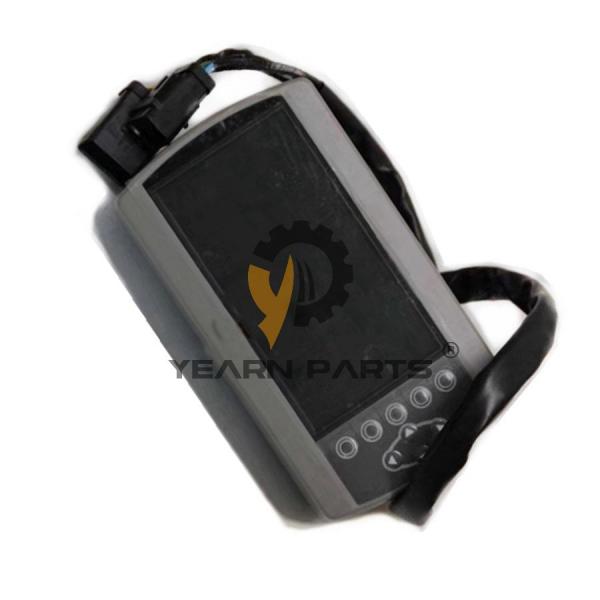

Introduction
The Caterpillar 336 series excavators are renowned for their performance and reliability in demanding construction environments. However, operators may encounter various display messages on the monitor panel, signaling potential issues that require attention. Understanding these messages and knowing how to address them is crucial for maintaining optimal machine performance and minimizing downtime.
Common Display Messages and Their Meanings
- "Loss of Communication with Engine"
- Description: This message indicates a disruption in the communication between the engine and the electronic control module (ECM).
- Possible Causes:
- Loose or corroded wiring connections.
- Faulty ECM or engine sensors.
- Issues with the Cat Data Link (CDL).
- Recommended Actions:
- Inspect and clean all wiring connections.
- Check for any visible damage to the ECM and sensors.
- Use a diagnostic tool to read and clear any stored codes.
- If the message persists, consider updating the ECM software or replacing faulty components.
- "Fuel Filter Plugged"
- Description: This message appears when the fuel filter is clogged, restricting fuel flow to the engine.
- Possible Causes:
- Contaminated or poor-quality fuel.
- Extended intervals between fuel filter replacements.
- Recommended Actions:
- Replace the fuel filter with a genuine Caterpillar part.
- Drain and inspect the fuel tank for contaminants.
- Use high-quality fuel and consider adding a fuel additive to prevent future clogging.
- "DEF Quality Poor"
- Description: This message indicates that the Diesel Exhaust Fluid (DEF) quality is below the required standard.
- Possible Causes:
- Use of low-quality or contaminated DEF.
- Improper storage conditions leading to DEF degradation.
- Recommended Actions:
- Replace the DEF tank contents with fresh, high-quality DEF.
- Ensure proper storage conditions to prevent contamination.
- Regularly monitor DEF quality and replace as necessary.
Diagnostic Tools and Techniques
To effectively diagnose and address display messages, utilizing the appropriate diagnostic tools is essential.- Cat ET (Electronic Technician): A proprietary diagnostic tool that interfaces with the machine's ECM to read and clear fault codes, monitor system parameters, and perform calibrations.
- Cat App: The Cat App provides remote monitoring capabilities, allowing operators and fleet managers to receive alerts and view machine health data in real-time.
- Manual Inspection: In conjunction with electronic diagnostics, manual inspection of wiring harnesses, sensors, and connectors can help identify physical issues that may not be detected electronically.
Case Study: Resolving a Communication Issue
A construction company operating a fleet of Cat 336 excavators encountered intermittent "Loss of Communication with Engine" messages on several machines. Upon investigation, technicians discovered that the Cat Data Link connectors were corroded due to exposure to harsh environmental conditions. After cleaning and sealing the connectors, the communication issues were resolved, and the display messages ceased.
Preventative Measures
To minimize the occurrence of display messages and ensure the longevity of the excavator:- Regular Maintenance: Adhere to the manufacturer's recommended maintenance schedule, including timely replacement of filters, fluids, and components.
- Quality Consumables: Use only genuine Caterpillar parts and high-quality fluids to prevent issues related to substandard materials.
- Environmental Considerations: Operate the machine within the specified environmental conditions and protect sensitive components from exposure to contaminants.
Conclusion
Understanding and addressing display messages on the Caterpillar 336 excavator is vital for maintaining machine performance and preventing costly repairs. By utilizing diagnostic tools, performing regular maintenance, and taking preventative measures, operators can ensure the reliability and efficiency of their equipment.
|
|
|
|
|



