| Welcome, Guest |
You have to register before you can post on our site.
|
| Online Users |
There are currently 776 online users.
» 0 Member(s) | 766 Guest(s)
Ahrefs, Amazon, Bing, Claude, Facebook, Google, MJ12, OpenAI, Semrush, Twitter
|
| Latest Threads |
Identifying and Sourcing ...
Forum: Parts , Attachments & Tools
Last Post: MikePhua
01-07-2026, 06:29 PM
» Replies: 0
» Views: 533
|
Cat 931B Brake Parts
Forum: Parts , Attachments & Tools
Last Post: MikePhua
01-07-2026, 06:29 PM
» Replies: 0
» Views: 285
|
Choosing Between Cat 228,...
Forum: General Discussion
Last Post: MikePhua
01-07-2026, 06:28 PM
» Replies: 0
» Views: 569
|
Hydraulic Delay When Lowe...
Forum: Troubleshooting & Diagnosing
Last Post: MikePhua
01-07-2026, 06:27 PM
» Replies: 0
» Views: 450
|
Bale Chopper and Mulcher ...
Forum: General Discussion
Last Post: MikePhua
01-07-2026, 06:26 PM
» Replies: 0
» Views: 327
|
Mini UC Maintenance
Forum: General Discussion
Last Post: MikePhua
01-07-2026, 06:25 PM
» Replies: 0
» Views: 318
|
Locating Wiring Informati...
Forum: General Discussion
Last Post: MikePhua
01-07-2026, 06:24 PM
» Replies: 0
» Views: 351
|
Case Industrial Brown Sub...
Forum: Parts , Attachments & Tools
Last Post: MikePhua
01-07-2026, 06:23 PM
» Replies: 0
» Views: 279
|
Dirt Work in West Virgini...
Forum: Construction & Urban Infrastructure Forum
Last Post: MikePhua
01-07-2026, 06:23 PM
» Replies: 0
» Views: 380
|
D207 P Hydraulic Steering...
Forum: Parts , Attachments & Tools
Last Post: MikePhua
01-07-2026, 06:22 PM
» Replies: 0
» Views: 305
|
|
|
| Kubota KX61-2 Hydraulic Problems: Diagnosis and Solutions |
|
Posted by: MikePhua - 08-14-2025, 04:44 PM - Forum: Troubleshooting & Diagnosing
- No Replies
|
 |
The Kubota KX61-2 is a compact, yet powerful mini-excavator designed for tight workspaces where larger machinery may not fit. It is widely used in construction, landscaping, and utility work for its excellent digging capabilities and maneuverability. However, like all hydraulic systems, the KX61-2's hydraulic components can experience issues that affect performance, potentially leading to downtime and costly repairs. In this article, we will explore common hydraulic problems with the Kubota KX61-2, how to diagnose them, and the solutions that can help restore full functionality.
Understanding the Kubota KX61-2 Hydraulic System
The Kubota KX61-2 mini-excavator relies heavily on its hydraulic system to operate critical functions such as the boom, arm, bucket, and tracks. The system operates by using pressurized hydraulic fluid to transmit power from the engine to the various hydraulic cylinders that control movement and lifting.
Key components of the KX61-2's hydraulic system include:
- Hydraulic Pump: Generates the pressure needed to operate the cylinders.
- Hydraulic Cylinders: Act as actuators that convert hydraulic pressure into mechanical motion (i.e., lifting the boom, moving the arm).
- Hydraulic Reservoir: Holds the hydraulic fluid, which circulates through the system.
- Control Valves: Regulate the flow of hydraulic fluid to the various cylinders.
- Filters: Keep the hydraulic fluid clean by removing contaminants that could cause damage to components.
If any of these components are faulty, the hydraulic system’s performance can degrade, leading to issues such as slow or unresponsive movement, erratic operation, or even complete system failure.
Common Hydraulic Issues in the Kubota KX61-2
Several hydraulic problems can affect the Kubota KX61-2, ranging from minor leaks to more significant issues involving the pump or valves. Understanding the symptoms, causes, and solutions for these issues can help operators maintain their machines more effectively.
1. Slow or Weak Hydraulic Response
Symptoms: The machine's boom, arm, or bucket moves slowly or struggles to lift heavy loads.
Possible Causes:- Low Hydraulic Fluid Levels: If the hydraulic fluid level is low, the system will not be able to generate the necessary pressure to power the cylinders.
- Clogged Hydraulic Filter: A clogged filter can restrict fluid flow, leading to reduced performance.
- Faulty Hydraulic Pump: If the pump is damaged or worn, it may not generate the correct hydraulic pressure.
- Air in the Hydraulic System: Air trapped in the system can lead to sluggish or erratic hydraulic function.
Solution:- Check Fluid Levels: Regularly inspect the hydraulic fluid level and top it up if needed. Always use the correct type of hydraulic fluid as specified by Kubota to ensure compatibility.
- Replace the Hydraulic Filter: Over time, filters can become clogged with debris, reducing fluid flow. Replace the filter according to the manufacturer’s recommended intervals.
- Inspect and Test the Hydraulic Pump: If the pump appears to be malfunctioning, it should be tested for proper pressure output. If it’s not producing the correct pressure, replacing the pump may be necessary.
- Bleed the System: If air has entered the system, the hydraulic system should be bled to remove any trapped air. This will restore full hydraulic efficiency.
2. Hydraulic Leaks
Symptoms: Visible hydraulic fluid leaking from various components, such as hoses, cylinders, or fittings.
Possible Causes:- Worn Seals or O-Rings: Hydraulic seals and O-rings degrade over time and may start leaking fluid.
- Damaged Hoses or Fittings: Cracked or worn hoses and fittings can develop leaks, leading to fluid loss.
- Loose Connections: Loose connections between hoses, cylinders, or pumps can cause leaks.
Solution:- Inspect for Leaks: Visually inspect all hydraulic hoses, cylinders, and fittings for signs of leakage. Pay close attention to areas where hoses connect to the control valve or hydraulic cylinders.
- Replace Worn Seals: If seals or O-rings are leaking, replace them promptly. Worn seals can also lead to internal damage to components if not addressed.
- Repair or Replace Damaged Hoses: Any hoses that are cracked or showing signs of wear should be replaced to prevent further fluid loss.
3. Overheating Hydraulic Fluid
Symptoms: The hydraulic fluid temperature gauge reading higher than normal or sluggish hydraulic operation.
Possible Causes:- Contaminated Hydraulic Fluid: Dirt, water, or other contaminants in the fluid can cause increased friction, leading to overheating.
- Blocked Hydraulic Cooler: The hydraulic cooler helps maintain the correct fluid temperature. If it becomes clogged with dirt or debris, it will be less effective at cooling the fluid.
- Excessive Load or Continuous Operation: Running the excavator at full capacity for extended periods can cause the fluid to overheat.
Solution:- Check Fluid Quality: If the fluid is contaminated or dirty, replace it with clean hydraulic fluid. Regularly check the fluid for signs of contamination.
- Clean the Hydraulic Cooler: Periodically clean the hydraulic cooler to ensure it is functioning effectively. Ensure that it is free from dirt, debris, and other blockages.
- Allow Cooldown Periods: Avoid operating the mini-excavator under maximum load for long periods. Providing regular cooldown breaks can help prevent fluid overheating.
4. Erratic Hydraulic Operation
Symptoms: The loader’s movement is jerky, inconsistent, or unresponsive, especially when switching between functions (boom, bucket, arm).
Possible Causes:- Faulty Control Valves: If the control valve malfunctions, it may not distribute the hydraulic fluid evenly, causing uneven movement.
- Worn or Damaged Hydraulic Cylinders: Worn cylinders can leak fluid internally, leading to inconsistent movement.
- Low Hydraulic Pressure: If the system is not maintaining adequate pressure, it can lead to jerky or erratic operation.
Solution:- Inspect the Control Valves: Check the control valves for proper operation. If the valves are not functioning smoothly, they may need to be replaced.
- Examine the Hydraulic Cylinders: Inspect the hydraulic cylinders for leaks or signs of damage. If the cylinder seals are worn, they should be replaced.
- Test Hydraulic Pressure: Using a pressure gauge, check the hydraulic pressure to ensure it is within the correct range. If the pressure is too low, there may be an issue with the pump or other components.
5. Hydraulic Pump Failure
Symptoms: Complete loss of hydraulic function, or the loader operates with very little or no power.
Possible Causes:- Contaminated Hydraulic Fluid: Contaminated fluid can damage the pump over time, leading to complete failure.
- Excessive Wear: If the pump is operating for long periods without proper maintenance, it may wear out.
- Improper Fluid Level: Running the system with low fluid can cause the pump to overheat and fail.
Solution:- Change the Hydraulic Fluid: Replace any contaminated fluid and clean the system thoroughly.
- Inspect and Replace the Hydraulic Pump: If the pump is worn or damaged beyond repair, it will need to be replaced. This may require professional assistance to ensure proper installation.
Preventive Maintenance for the Kubota KX61-2
Proper maintenance is crucial to ensuring the long-term reliability of the Kubota KX61-2 mini-excavator's hydraulic system. Here are some preventive measures to reduce the likelihood of hydraulic issues:
- Regular Fluid Checks: Always check the hydraulic fluid levels before use. Low fluid levels can result in poor system performance and increased wear.
- Routine Fluid Changes: Follow the manufacturer’s recommendations for hydraulic fluid changes. Contaminated or old fluid can cause significant damage to the hydraulic system.
- Inspect the Filters: Replace hydraulic filters regularly to prevent debris from contaminating the fluid and damaging the system.
- Clean the Undercarriage: Keep the undercarriage and hydraulic components free of dirt and debris to prevent clogging and wear.
- Monitor System Performance: Pay attention to any changes in the machine’s operation, such as sluggish movement or unusual noises, as these could be early signs of hydraulic issues.
Conclusion
Hydraulic problems on the Kubota KX61-2 mini-excavator can significantly impact its performance and productivity. However, many of these issues can be prevented or resolved with timely maintenance and attention. By regularly inspecting and maintaining the hydraulic system, including checking fluid levels, replacing filters, and addressing leaks or contamination, operators can ensure the long-term reliability and efficient operation of their machines. If issues persist, it’s crucial to diagnose the problem promptly and seek professional assistance when necessary to avoid costly repairs and downtime.
|

|
|
| Detailed Overview of the Insley 660C Excavator: Features, Specifications, and Practical Insights |
|
Posted by: MikePhua - 08-14-2025, 04:43 PM - Forum: General Discussion
- No Replies
|
|
The Insley 660C excavator is a robust and capable heavy-duty machine designed primarily for large-scale construction, excavation, and material handling tasks. This excavator is recognized for its strong operational length and weight capacity, making it suitable for demanding job sites where power and reach are critical.
Design and Dimensions
The Insley 660C, closely related to models like the H600C, typically features an operating length of approximately 30 feet 2 inches. This length includes the boom and arm extended position, indicating a substantial reach for excavation and loading. The machine's width and height dimensions fall near 9 feet 11 inches and 10 feet 1 inch respectively, offering a stable platform for operation and maneuverability.
Weighing around 38,500 pounds, the 660C belongs to the heavier category of excavators, designed for tasks that require heavy lifting and extensive digging capabilities. Its size and mass provide the stability needed for lifting large payloads and working in tough terrain.
Engine and Powertrain
While specific engine details for the 660C are less publicly detailed, machines in this class typically feature powerful diesel engines designed to deliver ample horsepower necessary for continuous heavy-duty operations. These engines are built to handle tough environments, providing consistent power output with good fuel efficiency in relation to the working load.
The powertrain generally incorporates a hydraulically driven system that manages the excavator's boom, arm, and bucket movements with precision and strength. The hydraulic system pressure and flow ratings support efficient operation of heavy attachments, maximizing versatility.
Operational Capabilities
The Insley 660C is engineered to handle deep digging, long reach, and substantial material displacement. Its boom and arm offer extensive reach lengths useful for excavating trenches, foundations, or moving bulk materials. The durable bucket attachments, which can be swapped or tailored for specific tasks, enhance productivity on various ground conditions including rocky or compact soils.
Hydraulic controls allow for smooth, responsive movements, essential when working in confined spaces or delicate environments that require precise manipulation of materials. Operators can take advantage of swing and slew capabilities to position the boom and bucket with fine control.
Operator Environment
Operator comfort and safety are prioritized in the cab design. Typical features include an ergonomic seat with adjustable settings, well-placed joysticks and controls for intuitive operation, and ample glass area for clear visibility of the work zone. Climate controls and noise insulation contribute to reducing operator fatigue during long shifts.
Maintenance and Reliability
The Insley 660C, like other heavy excavation equipment, requires regular maintenance including hydraulic fluid checks, engine oil changes, and inspection of structural components. Given its use in harsh conditions, wear parts such as bucket teeth, pins, and bushings should be monitored and replaced as needed to prevent downtime.
Operators are advised to follow manufacturer guidelines for lubrication and inspection schedules, and to use genuine parts for repairs to maintain optimal performance and extend machine life.
Applications and Worksite Examples
This excavator excels in industrial and large construction projects including bridge building, site development, and large-scale excavation. In historical contexts, similar Insley excavators were known for their use in infrastructure projects and mining operations where size and durability were paramount.
One notable case involved a bridge construction project where the 660C was used to dig deep foundations while handling heavy structural components, leveraging its strength and reach to maintain project timelines efficiently.
Suggestions and Enhancements
For operators working in abrasive or rocky environments, upgrading bucket teeth and adding protective kits on hydraulic lines can enhance durability. When frequent machine transport is needed, specialized trailers designed for heavy equipment are recommended to ensure safe and efficient relocation.
Investments in operator training on hydraulic control finesse can improve operational efficiency and reduce wear on components, thus lowering long-term maintenance costs.
Summary of Key Specifications - Operating Length: Approximately 30 feet 2 inches
- Width: Near 9 feet 11 inches
- Height: Around 10 feet 1 inch
- Operating Weight: Approximately 38,500 pounds
- Power: Heavy-duty diesel engine (specific horsepower typically high to support large machine class)
- Hydraulic System: High flow and pressure to support large bucket and auxiliary attachments
- Application: Suitable for large construction, mining, and heavy excavation tasks
- Operator Features: Ergonomic cab with climate control, adjustable seating, and excellent visibility
The Insley 660C excavator remains a reliable and powerful machine option for operators needing extended reach and heavy lifting capacity in challenging construction environments. With proper maintenance and operator skill, it is a workhorse that can deliver high productivity and longevity on demanding projects.
|
|
|
|
| Komatsu D51PX-22 Tracking Problems: Diagnosis, Causes, and Solutions |
|
Posted by: MikePhua - 08-14-2025, 04:43 PM - Forum: Troubleshooting & Diagnosing
- No Replies
|
|
The Komatsu D51PX-22 is a highly regarded bulldozer designed for a variety of earthmoving tasks, including construction, mining, and forestry operations. One of its key features is its undercarriage system, which plays a crucial role in maintaining traction and stability while navigating rough terrain. However, tracking problems can sometimes arise, affecting the machine's performance and efficiency. In this article, we’ll explore the common causes of tracking issues with the Komatsu D51PX-22, how to diagnose these problems, and the solutions that can help restore optimal performance.
Understanding the Komatsu D51PX-22 Undercarriage System
The undercarriage of the Komatsu D51PX-22 is essential for its ability to move efficiently over various surfaces. It includes several critical components:
- Tracks: The continuous loop of steel links, shoes, and pins that provides traction.
- Track Rollers: The components that support the tracks and help distribute the weight of the machine evenly.
- Idlers: The parts that guide the tracks at the front and help maintain the proper tension.
- Track Tensioners: Systems that maintain the correct tension of the tracks, preventing them from becoming too loose or too tight.
- Sprockets: The gears that engage with the track links, enabling the machine to move.
These parts work together to ensure smooth operation, providing the traction and support needed for efficient work on soft or uneven surfaces. When any component experiences wear or malfunction, tracking problems can occur, affecting the performance of the machine.
Common Causes of Komatsu D51PX-22 Tracking Problems
Several factors can contribute to tracking issues with the Komatsu D51PX-22, ranging from wear and tear on the undercarriage components to improper maintenance. Understanding these potential causes is the first step in diagnosing and addressing the problem.
1. Improper Track Tension
Symptoms: Uneven wear on the tracks, noisy operation, and difficulty maintaining traction.
Possible Causes:- Over-tightened Tracks: If the tracks are too tight, they can cause excessive friction, leading to premature wear of the undercarriage components and reduced track life.
- Loose Tracks: If the tracks are too loose, they may slip, causing inefficient operation and increased wear on the track rollers and sprockets.
Solution:- Check Track Tension: Regularly inspect the track tension using a tension gauge and adjust it to the recommended settings as per the manufacturer’s guidelines. Generally, the track tension should be tight enough to prevent slipping but loose enough to avoid excessive wear on the components.
- Adjust Tension as Needed: The track tension should be adjusted periodically based on operating conditions, especially if working in conditions that may cause the tracks to loosen or tighten.
2. Worn Track Rollers and Idlers
Symptoms: Uneven track movement, jerky motion, or reduced stability during operation.
Possible Causes:- Wear and Tear: Over time, track rollers and idlers wear down from continuous use, causing the tracks to lose their proper alignment and leading to tracking issues.
- Debris and Contaminants: Dirt, mud, and other debris can build up around the rollers and idlers, causing them to wear unevenly and reducing their ability to maintain the correct track alignment.
Solution:- Inspect Rollers and Idlers: Regularly inspect the track rollers and idlers for signs of wear, such as pitting, cracking, or excessive play. If these parts are worn beyond the manufacturer’s specifications, they should be replaced.
- Clean the Undercarriage: Remove debris from the undercarriage to prevent it from causing additional wear on the rollers and idlers. Cleaning the components after each use, especially in muddy or dusty environments, can help extend their lifespan.
3. Sprocket Wear
Symptoms: Slipping tracks, decreased traction, or difficulty moving under load.
Possible Causes:- Excessive Wear on Teeth: The teeth of the sprockets can wear down from constant engagement with the track links. Once the teeth are worn, the sprockets may no longer properly engage with the tracks, causing slippage and reduced performance.
- Misalignment: If the sprockets are misaligned, they may not engage the track links correctly, leading to uneven wear and tracking problems.
Solution:- Inspect the Sprockets: Regularly check the condition of the sprocket teeth for signs of wear or damage. If the teeth are significantly worn, the sprockets should be replaced.
- Check for Alignment: Ensure that the sprockets are properly aligned with the tracks. Misalignment may be caused by worn bearings or other components, and realignment or replacement may be necessary to restore proper function.
4. Track Link Wear and Damage
Symptoms: Reduced traction, uneven movement, or visible cracks or breaks in the track links.
Possible Causes:- General Wear: Track links naturally wear down over time from constant use, especially in harsh operating conditions.
- Impact Damage: Hard impacts, such as hitting rocks or large obstacles, can cause cracks or breaks in the track links, leading to more severe tracking issues.
Solution:- Inspect Track Links: Regularly check the track links for signs of wear, cracks, or damage. If any links are severely worn or damaged, they should be replaced to prevent further damage to the undercarriage.
- Use Track Guards: Install track guards or wear plates on the tracks if working in particularly rough environments to protect the track links from excessive wear and impact damage.
5. Undercarriage Misalignment
Symptoms: The tracks appear to drift or pull to one side, resulting in uneven movement or tracking.
Possible Causes:- Worn or Damaged Undercarriage Components: Over time, parts of the undercarriage, including the rollers, sprockets, and tensioners, can wear unevenly or become misaligned, causing the tracks to drift.
- Improper Installation: If the undercarriage components were not installed correctly, it could lead to misalignment and tracking issues.
Solution:- Check for Wear or Damage: Inspect all undercarriage components for signs of wear or damage, paying special attention to the rollers, tensioners, and sprockets. Replace any worn or damaged parts.
- Re-align the Undercarriage: If misalignment is suspected, check the installation of all undercarriage components to ensure they are correctly aligned. This may require professional assistance, depending on the severity of the issue.
6. Hydraulic System Issues
Symptoms: Uneven track movement, sluggish response, or difficulty in maintaining consistent movement.
Possible Causes:- Hydraulic Pressure Loss: The hydraulic system controls the tension and movement of the tracks. A loss of hydraulic pressure, whether due to leaks or component failure, can cause the tracks to move unevenly or not function properly.
- Contaminated Hydraulic Fluid: Dirty or contaminated hydraulic fluid can affect the efficiency of the hydraulic system, leading to uneven movement of the tracks.
Solution:- Inspect Hydraulic System: Check the hydraulic system for any signs of leaks or pressure loss. Ensure that the hydraulic fluid is at the correct level and that the fluid is clean.
- Replace Hydraulic Filters: Regularly replace the hydraulic filters to ensure clean fluid is circulating through the system, preventing damage to components.
Preventive Maintenance for the Komatsu D51PX-22
To prevent tracking problems from occurring, regular maintenance is essential. Here are some preventive measures to keep the Komatsu D51PX-22 operating smoothly:
- Track Tension Checks: Periodically check the track tension and adjust it according to the manufacturer’s recommendations.
- Undercarriage Inspections: Inspect the undercarriage components regularly for signs of wear, damage, or misalignment, and replace worn parts promptly.
- Clean the Undercarriage: After working in muddy or dusty conditions, clean the undercarriage to prevent debris buildup.
- Fluid Checks: Regularly check the hydraulic fluid levels and condition to ensure the system is functioning properly.
- Sprocket and Track Link Inspection: Check the sprockets and track links for signs of wear and replace them as needed to maintain optimal performance.
Conclusion
Tracking problems on the Komatsu D51PX-22 are common but can be managed effectively with regular maintenance and prompt attention to any signs of wear or malfunction. By understanding the potential causes of tracking issues, such as improper track tension, worn components, or hydraulic problems, and implementing the recommended solutions, you can keep your bulldozer running smoothly and avoid costly repairs. Regular inspections, proper adjustments, and early intervention are key to maintaining the longevity and performance of your Komatsu D51PX-22.
|
|
|
|
| How to Properly Bleed a Diesel Fuel System After Replacing the Fuel Filter |
|
Posted by: MikePhua - 08-14-2025, 04:42 PM - Forum: General Discussion
- No Replies
|
|
Replacing the fuel filter in a diesel engine is essential for maintaining optimal performance and preventing damage to the fuel system. However, after changing the fuel filter, it's crucial to remove any air trapped in the fuel lines to ensure the engine starts and runs smoothly. This process is known as "bleeding" the fuel system.
Understanding the Importance of Bleeding the Fuel System
Diesel engines rely on a pressurized fuel system to deliver fuel to the injectors. Air trapped in the fuel lines can cause the fuel pump to lose prime, leading to starting issues or poor engine performance. Properly bleeding the system ensures that fuel flows uninterrupted to the injectors, allowing the engine to operate efficiently.
Step-by-Step Guide to Bleeding the Fuel System
- Ensure Safety Measures
- Turn off the engine and allow it to cool down.
- Wear appropriate safety gear, including gloves and safety glasses.
- Work in a well-ventilated area away from open flames or sparks.
- Prepare the Necessary Tools
- Wrench or socket set
- Clean rags or towels
- Fuel-safe container for catching spilled fuel
- Locate and Open the Bleed Valve
- Find the bleed valve on the fuel filter housing.
- Place a clean rag beneath the valve to catch any fuel that may spill.
- Loosen the bleed valve slightly using the appropriate tool.
- Activate the Primer Pump
- Locate the manual primer pump, often found on the fuel lift pump.
- Pump the primer lever several times until you see a steady stream of fuel without air bubbles coming from the bleed valve.
- This action forces fuel through the system, pushing out any trapped air.
- Tighten the Bleed Valve
- Once only fuel flows from the bleed valve, tighten it securely to prevent leaks.
- Check for Fuel Flow at the Injectors
- If the engine still doesn't start, loosen the fuel lines at the injectors slightly.
- Crank the engine briefly to allow fuel to flow through the lines.
- Tighten the fuel lines once a steady stream of fuel is observed.
- Test the Engine
- Attempt to start the engine.
- If it starts and runs smoothly, the bleeding process is complete.
- If issues persist, repeat the bleeding process or consult a professional mechanic.
Troubleshooting Common Issues- Engine Cranks but Doesn't Start
- Ensure all bleed valves are tightened properly.
- Check for any fuel leaks in the system.
- Verify that the fuel tank has an adequate amount of fuel.
- Intermittent Engine Stalling
- Inspect the fuel filter for proper installation and sealing.
- Check the fuel lines for blockages or restrictions.
- Ensure the fuel pump is functioning correctly.
Preventative Maintenance Tips- Regularly Replace Fuel Filters
- Follow the manufacturer's recommended schedule for fuel filter replacement to prevent clogging and ensure optimal fuel flow.
- Inspect Fuel Lines Periodically
- Look for signs of wear, leaks, or damage in the fuel lines.
- Replace any compromised fuel lines promptly to maintain system integrity.
- Use High-Quality Fuel
- Purchase fuel from reputable sources to minimize the risk of contaminants entering the fuel system.
- Keep the Fuel Tank Clean
- Regularly inspect and clean the fuel tank to prevent sediment buildup, which can clog the fuel filter and lines.
Real-World Example: Overcoming Fuel System Challenges
A farmer in rural Nebraska faced repeated starting issues with his diesel tractor after changing the fuel filter. Despite following standard procedures, the engine would crank but fail to start. Upon further inspection, it was discovered that the fuel lines had developed micro-cracks, allowing air to enter the system. After replacing the damaged lines and properly bleeding the system, the tractor started without issue. This experience underscores the importance of thoroughly inspecting all components of the fuel system during maintenance.
Conclusion
Properly bleeding the fuel system after a filter change is essential for ensuring your diesel engine operates efficiently. By following the outlined steps and addressing common issues promptly, you can maintain the health of your engine and prevent costly repairs. Regular maintenance and attention to detail are key to keeping your diesel engine running smoothly for years to come.
|
|
|
|
| Comprehensive Overview of the Bobcat E45 Mini Excavator: Design, Features, and Practical Insights |
|
Posted by: MikePhua - 08-14-2025, 04:37 PM - Forum: General Discussion
- No Replies
|
|
The Bobcat E45 is a versatile compact excavator designed to excel in a variety of construction, landscaping, and earthmoving tasks. With its zero tail swing design and carefully engineered features, it optimally blends maneuverability, power, and operator comfort to enhance productivity and job site safety.
Operating Characteristics and Design
The Bobcat E45 weighs approximately 10,077 pounds (4,570 kg), positioning it in the mid-range weight class for compact excavators. One of the standout design elements is its zero tail swing capability, which means the rear of the machine does not extend beyond the width of the tracks when rotating. This configuration significantly improves the operator’s ability to work closely around obstacles such as buildings, trees, and utility poles without risking damage to either the machine or the surroundings.
The excavator’s dimensions include a width of about 77.2 inches (1,960 mm) and an operating height close to 99.7 inches (2,533 mm), making it compact enough for tight urban or confined site work. Its maximum digging depth is roughly 10.8 feet (3.3 meters), and the machine can reach out to about 18.6 feet (5.6 meters) at ground level, striking a well-balanced ratio between reach and compactness.
Engine and Performance
At its heart, the E45 is powered by a robust diesel engine rated around 42.7 horsepower (approximately 31.8 kW). This engine meets Tier 4 emissions standards, ensuring reduced environmental impact and compliance with current regulations. Operating with a maximum governed speed of about 2,200 RPM, the machine is designed to deliver steady power for demanding tasks, from trenching to material handling.
The hydraulic system supports auxiliary flow at about 20 gallons per minute and a system pressure near 3,045 psi, which facilitates the use of various attachments, including hydraulic thumbs and quick couplers. The bucket digging force reaches approximately 7,650 pounds-force, offering strong penetration and efficient excavation in hard soils.
Operator Comfort and Controls
A crucial aspect of the Bobcat E45’s appeal lies in its operator cab. This space is carefully designed to reduce fatigue and optimize productivity. It features a spacious interior with well-positioned ergonomic controls, adjustable seats, and armrests. Large windows provide excellent visibility, allowing the operator to maintain precise control over tasks and enhance site safety.
Additionally, the cab often includes heating and air conditioning capabilities, making it suitable for a broad range of environmental conditions—from hot summers to cold winters. Noise insulation is thoughtfully incorporated to ensure a lower noise environment, helping protect operator hearing and concentration.
Versatility and Attachments
The E45 supports a variety of attachments that extend its utility beyond digging. The quick-change attachment system enables operators to switch efficiently between different bucket sizes, clamps, and other specialized tools, adapting to tasks such as grading, material handling, or debris clearing. Some buckets are equipped with replaceable teeth to maintain optimal digging performance and prolong attachment life.
Notably, an offset boom with fingertip control improves maneuverability and working efficiency, especially in confined spaces, while allowing more floor space inside the cab and better overall operator comfort.
Maintenance and Operational Tips
Regular maintenance for the Bobcat E45 typically includes oil and filter changes, hydraulic fluid checks, and greasing of pivot points. Monthly maintenance costs average around $500, reflecting both the machine's complexity and versatility.
Operators are advised to closely monitor hydraulic fluid cleanliness and avoid damage to protective plastic components, which, while durable, can be susceptible to minor impacts during operation. The machine includes clear maintenance guides and checklists to assist with upkeep.
Practical Use Cases and Stories
Construction workers often praise the Bobcat E45 on urban job sites where space is at a premium. For instance, a small city landscaping firm used the E45’s zero tail swing to remodel an alleyway quickly, navigating tight corners and avoiding parked vehicles effortlessly, which would have been challenging for larger excavators.
In agricultural settings, the E45’s precise controls and versatile attachments allowed a farm operator to install irrigation systems in rocky soil efficiently, combining trenching with sensitive plant protection thanks to the machine’s controllable boom offset and compact footprint.
Suggested Enhancements and Solutions
For those operating in extremely abrasive or rocky environments, upgrading to hardened bucket edges and teeth can reduce wear and prolong service life. Additionally, operators experiencing long hours in the cab may consider supplementary seat cushioning or vibration dampening to enhance comfort further.
When frequent transport between sites is necessary, investing in proper trailer systems designed for machines around 10,000 pounds ensures safe and efficient relocation.
Summary of Key Specifications - Operating Weight: Approximately 10,077 lbs (4,570 kg)
- Engine Power: 42.7 HP diesel, Tier 4 compliant
- Maximum Digging Depth: Around 10.8 feet (3.3 meters)
- Maximum Reach at Ground Level: About 18.6 feet (5.6 meters)
- Bucket Digging Force: Approximately 7,650 lbf
- Width: 77.2 inches (1,960 mm)
- Hydraulic System: 20 gal/min flow, 3045 psi pressure
- Zero Tail Swing Design
The Bobcat E45 embodies a balance of power, precision, and comfort suitable for diverse construction and landscaping needs, making it a reliable choice for operators requiring a compact yet capable excavator on-site.
|
|
|
|
| Case 1840 Loader Hydraulics: Understanding and Troubleshooting Common Issues |
|
Posted by: MikePhua - 08-14-2025, 04:37 PM - Forum: General Discussion
- No Replies
|
|
The Case 1840 skid steer loader is known for its rugged build, reliable performance, and versatility in a variety of applications, from construction to landscaping. Like any piece of heavy machinery, the hydraulic system of the Case 1840 is critical to its operation, powering everything from the lift arms to the bucket and attachments. However, hydraulic issues can arise over time, affecting performance and leading to costly repairs if not addressed promptly. In this article, we will explore common hydraulic problems with the Case 1840, their causes, troubleshooting steps, and potential solutions.
Overview of the Case 1840 Hydraulic System
The hydraulic system in the Case 1840 loader powers various components, including the lift arms, auxiliary hydraulics for attachments, and steering. It is designed to provide smooth, powerful operation, allowing the loader to lift heavy loads and operate attachments with ease. The hydraulic system includes several key components:
- Hydraulic Pump: Responsible for generating the hydraulic pressure needed to operate the system.
- Hydraulic Reservoir: Holds the hydraulic fluid, which circulates through the system.
- Hydraulic Cylinders: Convert hydraulic pressure into mechanical force to move the loader's lift arms and other components.
- Hydraulic Hoses and Lines: Transport hydraulic fluid between the pump, cylinders, and other components.
- Control Valves: Regulate the flow of hydraulic fluid to different parts of the system, ensuring proper movement of the loader's various functions.
- Relief Valve: Protects the system from excess pressure by diverting fluid when necessary.
While the system is designed for durability, issues such as leaks, blockages, or component failure can lead to decreased efficiency, slow operation, or even complete failure of the hydraulic system.
Common Hydraulic Issues in the Case 1840 Loader
Several hydraulic issues may arise during the operation of the Case 1840 loader, each with its own set of symptoms and causes. Understanding these problems and their solutions is key to minimizing downtime and maintaining the loader’s performance.
1. Slow or Unresponsive Hydraulic Lift
Symptoms: The lift arms or bucket move slowly, erratically, or fail to lift at all.
Possible Causes:- Low Hydraulic Fluid Levels: Insufficient fluid can cause the pump to work inefficiently, leading to slower response times.
- Air in the Hydraulic System: Air trapped in the system can reduce hydraulic efficiency and cause delayed or jerky movement.
- Faulty Hydraulic Pump: If the pump is damaged or worn, it may not generate enough pressure to lift the load.
- Clogged Hydraulic Filter: A clogged filter can restrict the flow of hydraulic fluid, leading to poor performance.
Solution:- Check Fluid Levels: Ensure that the hydraulic fluid is at the proper level. Low fluid can cause poor lifting performance, and topping it up might resolve the issue.
- Bleed the System: If air is trapped, bleeding the hydraulic system to remove air bubbles can restore normal function.
- Inspect and Replace the Hydraulic Pump: If the pump is malfunctioning, it may need to be replaced.
- Replace the Hydraulic Filter: Regularly replacing the filter ensures that it does not become clogged and restrict the fluid flow.
2. Hydraulic Leaks
Symptoms: Visible oil on the ground beneath the loader or around hydraulic components.
Possible Causes:- Worn or Damaged Hydraulic Hoses: Over time, hoses can crack or become damaged, leading to leaks.
- Faulty Seals or O-Rings: Worn seals and O-rings around cylinders, valves, or the pump can leak hydraulic fluid.
- Loose Fittings: Loose or improperly tightened fittings can allow hydraulic fluid to escape.
Solution:- Inspect Hoses and Fittings: Regularly inspect all hydraulic hoses and fittings for signs of wear, cracks, or damage. Replace any damaged hoses or fittings immediately.
- Check and Replace Seals: If seals or O-rings are leaking, they should be replaced to restore the integrity of the system.
- Tighten Fittings: Ensure that all fittings are properly tightened to prevent leaks.
3. Hydraulic Fluid Overheating
Symptoms: The hydraulic system operates sluggishly, or the fluid temperature gauge reads higher than normal.
Possible Causes:- Contaminated Hydraulic Fluid: Contaminated fluid can increase friction and cause excessive heat buildup.
- Inadequate Cooling: The hydraulic cooler may be dirty or malfunctioning, preventing the fluid from cooling effectively.
- Excessive Workload: Operating the loader for extended periods under heavy loads can cause the fluid to overheat.
Solution:- Change the Hydraulic Fluid: Ensure that the hydraulic fluid is clean and at the correct viscosity. Contaminated or old fluid can increase friction and cause overheating.
- Clean the Hydraulic Cooler: Inspect the cooler for dirt, debris, or blockages that could affect its ability to dissipate heat. Clean the cooler regularly to ensure efficient operation.
- Reduce Load and Operating Time: Avoid overloading the machine and provide adequate breaks to let the hydraulic system cool down.
4. Jerky or Erratic Steering
Symptoms: The steering system is unresponsive or jerks when turning the wheel.
Possible Causes:- Low Steering Fluid: The steering system relies on hydraulic fluid for operation. Low fluid levels can cause erratic steering behavior.
- Air in the Steering System: Air bubbles trapped in the system can cause jerky or delayed steering.
- Faulty Steering Cylinder: A malfunctioning steering cylinder can cause poor control or erratic movement.
- Clogged Hydraulic Lines: A blockage in the hydraulic lines can restrict fluid flow to the steering system, causing irregular movements.
Solution:- Check Fluid Levels: Ensure that the steering hydraulic fluid is at the recommended level. If the fluid is low, top it up and inspect for leaks.
- Bleed the Steering System: Remove any trapped air by bleeding the system to restore smooth steering operation.
- Inspect the Steering Cylinder: If the cylinder is leaking or malfunctioning, it may need to be replaced.
- Check Hydraulic Lines: Inspect the lines for any signs of blockage, leaks, or damage, and replace any faulty parts.
5. Loss of Hydraulic Pressure
Symptoms: The loader operates with reduced power, and the lift or steering systems struggle to function.
Possible Causes:- Faulty Relief Valve: A malfunctioning relief valve can cause a drop in hydraulic pressure.
- Internal Leak in the Pump: A worn-out or damaged hydraulic pump can lead to a loss of pressure.
- Clogged Hydraulic Filter or Lines: A clogged filter or line can restrict fluid flow and reduce pressure.
Solution:- Inspect the Relief Valve: If the relief valve is stuck or faulty, it should be repaired or replaced.
- Check the Hydraulic Pump: If the pump is not generating enough pressure, it may need to be replaced.
- Replace the Hydraulic Filter: A clogged filter should be replaced to restore proper fluid flow and pressure.
Preventive Maintenance for the Case 1840 Hydraulic System
Preventing hydraulic issues before they become major problems is essential for the longevity of your Case 1840 loader. Here are some preventive maintenance tips to keep your hydraulic system running smoothly:
- Regular Fluid Checks: Check the hydraulic fluid levels regularly, ensuring they are at the correct levels. Low fluid can cause a variety of issues, including sluggish operation and potential damage to components.
- Change the Hydraulic Fluid: Follow the manufacturer’s recommendations for fluid changes. Over time, hydraulic fluid can degrade, leading to inefficiency and potential system damage.
- Inspect Hoses and Lines: Check all hydraulic hoses and lines for signs of wear, cracking, or leaks. Replace any hoses that are damaged or worn to prevent leaks and maintain proper fluid pressure.
- Clean the System: Keep the hydraulic system clean by regularly inspecting and cleaning the components, such as the filter, cooler, and pump.
- Operate Within Limits: Avoid overloading the machine or operating it under excessively heavy loads for extended periods. Overworking the hydraulic system can lead to overheating and premature wear.
- Check for Leaks: Inspect the system for any hydraulic fluid leaks, which can cause system failure if not addressed.
Conclusion
The hydraulic system of the Case 1840 loader is essential to its operation, powering the lift arms, bucket, and steering components. While it is designed for durability, issues such as low fluid levels, leaks, overheating, and pressure loss can impact performance. Regular maintenance and timely troubleshooting can help prevent these issues and ensure that your machine runs efficiently for years to come. By following the recommended maintenance practices and addressing problems promptly, you can extend the life of your Case 1840 loader and keep it working at peak performance.
|
|
|
|
| Diagnosing Fault Code 113.298.02 on the CAT D6R: Brake Pedal Switch Troubles and Field Solutions |
|
Posted by: MikePhua - 08-14-2025, 04:36 PM - Forum: Troubleshooting & Diagnosing
- No Replies
|
|
Introduction: When a Fault Code Disrupts a Workhorse
The Caterpillar D6R dozer is a staple in earthmoving fleets, known for its durability and mechanical simplicity. But even the most reliable machines can throw a wrench into operations when fault codes appear unexpectedly. One such code—113.298.02—relates to the service brake pedal switch and can trigger intermittent or erratic behavior in the transmission control system. This article breaks down the meaning of the code, explains the underlying systems, and offers practical steps for diagnosis and repair.
Understanding the Fault Code Structure
Caterpillar fault codes follow a structured format:
- MID 113: Refers to the transmission control module
- CID 298: Identifies the brake pedal switch circuit
- FMI 02: Indicates an erratic, intermittent, or incorrect signal
In plain terms, fault code 113.298.02 means the transmission controller is receiving unreliable data from the brake pedal switch—often due to misalignment, wear, or electrical issues.
Terminology Clarification
- Service Brake Pedal Switch: A sensor that detects when the brake pedal is fully depressed. It signals the controller to engage the parking brake or interrupt transmission functions.
- PWM (Pulse Width Modulation): A method of controlling voltage by varying the duty cycle of a signal. Used in some brake systems for fine control.
- Component Data Display Mode: A diagnostic mode that shows live data from machine sensors and switches.
- CONN 19: A specific connector in the wiring harness associated with the brake pedal switch.
How the Brake Pedal Switch Works
On the D6R, the brake pedal switch plays a critical role in safety and control: - When the pedal is pressed to the floor, the switch closes its contacts
- This sends a signal to the transmission controller to engage the parking brake
- It also disables forward/reverse travel to prevent unintended movement
- If the switch is misaligned or faulty, the controller may receive false signals, triggering fault codes or erratic behavior
Field Anecdote: The Flash That Warned the Technician
A technician in Saskatchewan was troubleshooting a D6R with this fault code. While probing the switch terminals with the master switch ON, he accidentally shorted a live wire with his screwdriver—resulting in a bright flash and a scorched terminal. The lesson? Always disconnect power or isolate the circuit before testing. The switch carries 24 volts and can arc if mishandled.
Diagnostic Steps and Testing Procedure
To confirm the issue and resolve the fault:
1. Access the switch behind the cover above the brake pedal
2. Unplug connector CONN 19 (wires: 198-RD and G731-GY)
3. Use a multimeter to test continuity across the switch terminals
4. The switch should be open (no continuity) until the pedal is nearly at the floor
5. When fully depressed, the contacts should close, showing continuity
6. If the switch behaves erratically, replace or adjust it
7. Check wire terminals for corrosion, loose screws, or damaged insulation
Adjustment Tips- Loosen the mounting screws and reposition the switch to ensure it activates only at full pedal depression
- Use a feeler gauge to set consistent clearance between the pedal and switch actuator
- Confirm that the switch does not trigger prematurely, which can confuse the controller
Electrical Safety and Precautions- Always turn off the master switch before working on live circuits
- Use insulated tools when probing connectors
- Label wires before disconnecting to avoid miswiring
- Avoid testing PWM circuits with basic multimeters—use compatible diagnostic tools
Component Compatibility and Voltage Notes- The brake pedal switch operates on 24 volts, unlike some PWM-controlled components that use 5 volts
- The hand-operated park button shares the same voltage circuit
- Mixing up these systems can lead to misdiagnosis or component damage
Preventive Maintenance Recommendations- Inspect the brake pedal switch quarterly for wear or misalignment
- Clean connectors with contact cleaner and apply dielectric grease
- Check pedal travel and linkage for binding or excessive play
- Log fault codes and resolution steps for future reference
- Train operators to report erratic brake behavior immediately
Conclusion: A Small Switch with Big Consequences
The CAT D6R’s fault code 113.298.02 may point to a simple switch, but its implications for safety and control are significant. By understanding the electrical and mechanical interplay behind the brake pedal switch, technicians can resolve the issue confidently and prevent future disruptions. In the world of heavy equipment, even the smallest component can make or break a day’s work—and knowing how to tame a fault code is part of keeping the iron moving.
|
|
|
|
| Effective Techniques for Removing Pond Sludge Using Backhoe and Loader Bucket Extensions |
|
Posted by: MikePhua - 08-14-2025, 04:36 PM - Forum: General Discussion
- No Replies
|
|

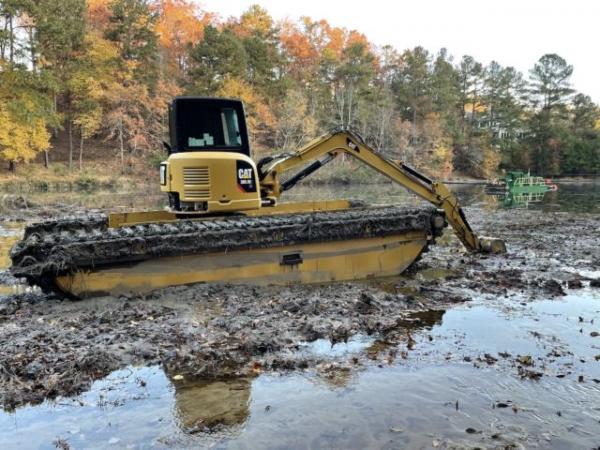
Pond maintenance is crucial for preserving aquatic ecosystems, ensuring water quality, and enhancing the aesthetic appeal of water bodies. One of the most challenging tasks in pond upkeep is the removal of accumulated sludge, which consists of organic matter, silt, and debris that settle at the bottom over time. This article explores various methods and equipment, particularly focusing on the use of backhoe and loader bucket extensions, to efficiently remove pond sludge.
Understanding Pond Sludge and Its Impact
Pond sludge forms due to the decomposition of organic materials like leaves, algae, and aquatic plants. Over time, this accumulation can lead to reduced water depth, poor water quality, and diminished oxygen levels, adversely affecting fish and plant life. Regular removal of this sludge is essential to maintain a healthy pond environment.
Challenges in Sludge Removal
Removing pond sludge presents several challenges: - Depth and Accessibility: Ponds with significant depths or irregular bottoms can make it difficult to reach and remove sludge effectively.
- Sticky Consistency: Sludge often has a sticky consistency, making it prone to adhering to equipment, which can hinder efficient removal.
- Equipment Limitations: Standard excavation equipment may not be designed for aquatic environments, limiting their effectiveness in sludge removal.
Utilizing Backhoe and Loader Bucket Extensions
Backhoe and loader bucket extensions are valuable tools for extending the reach of equipment, allowing operators to access and remove sludge from deeper or hard-to-reach areas of a pond.
1. Backhoe Bucket Extensions
Backhoe bucket extensions, also known as boom extensions, increase the reach of the backhoe, enabling it to access areas that would otherwise be out of reach. These extensions are particularly useful for cleaning the pond's edges and deeper sections without the need to reposition the entire machine.
Advantages:- Extended Reach: Allows access to deeper sections of the pond.
- Increased Efficiency: Reduces the need for repositioning, saving time.
Considerations:- Stability: Operating with an extended boom can affect the machine's stability; caution is required.
- Weight Distribution: Additional weight from the extension can impact the machine's balance.
2. Loader Bucket Extensions
Loader bucket extensions can be attached to the front-end loader to increase its capacity and reach. These extensions are beneficial for scooping and transporting larger volumes of sludge.
Advantages:- Increased Capacity: Allows handling of larger volumes of material.
- Versatility: Can be used for various tasks beyond sludge removal.
Considerations:- Maneuverability: The added length can affect the loader's maneuverability in confined spaces.
- Attachment Compatibility: Ensure the extension is compatible with the loader's specifications.
3. Specialized Attachments
In addition to extensions, specialized attachments can enhance the efficiency of sludge removal:- Muck Buckets: Designed with features to handle sticky and dense materials, making them ideal for sludge removal.
- Skimming Buckets: Useful for removing surface layers of sludge without disturbing the underlying sediment.
- Quick Spade Attachments: These attachments can be mounted on loaders or skid steers to dig and remove compacted sludge efficiently.
Best Practices for Sludge Removal
To ensure effective and safe sludge removal:- Assess Pond Conditions: Evaluate the pond's depth, bottom composition, and accessibility before choosing equipment.
- Use Appropriate Attachments: Select attachments that match the consistency and volume of the sludge.
- Operate Safely: Always follow safety guidelines to prevent accidents and equipment damage.
- Regular Maintenance: Regularly remove sludge to prevent excessive buildup and maintain pond health.
Conclusion
Removing pond sludge is a vital task for maintaining a healthy aquatic environment. Utilizing backhoe and loader bucket extensions, along with specialized attachments, can significantly enhance the efficiency and effectiveness of sludge removal operations. By carefully selecting the appropriate equipment and following best practices, pond owners can ensure the longevity and vitality of their water bodies.
|
|
|
|
| Solving Skid Steer Tire Failures: Pressure, Ply, and Practical Field Fixes |
|
Posted by: MikePhua - 08-14-2025, 04:35 PM - Forum: Troubleshooting & Diagnosing
- No Replies
|
|
Introduction: When Flat Tires Become a Daily Headache
Skid steers are built for rugged terrain, tight turns, and high torque—but their tires often bear the brunt of that abuse. For operators working on rocky, uneven ground, repeated tire failures can feel like sabotage. One Mustang 960 owner experienced four flats in two weeks, including a blowout on a brand-new tire. This article explores the root causes of frequent flats, offers practical solutions, and shares field-tested advice to keep your machine rolling.
Understanding Tire Vulnerability in Skid Steers
Skid steers exert intense lateral forces during tight turns, especially on abrasive surfaces like shot rock or broken concrete. Unlike wheeled loaders or excavators, they pivot on the spot, which can shred tread and sidewalls if the tires aren’t up to the task.
Common causes of tire failure include: - Overinflation reducing flexibility and increasing puncture risk
- Low ply ratings unable to resist sharp debris
- Poor-quality rubber compounds that crack or tear under stress
- Lack of internal protection like tubes or sealants
- Aggressive driving habits on hostile terrain
Terminology Clarification
- Ply Rating: Indicates the tire’s strength and load capacity. Higher ply means thicker sidewalls and better puncture resistance.
- Bead: The edge of the tire that sits on the rim. Popping the bead means the tire has come off the rim due to low pressure or impact.
- Foam-Filled Tires: Tires injected with polyurethane foam to eliminate flats. Heavier and more expensive, but virtually indestructible.
- Tire Slime: A liquid sealant that plugs small punctures from the inside. Useful for slow leaks and thorn-prone environments.
Pressure Matters: Finding the Sweet Spot
Running tires at 60 psi may seem like a way to prevent bead loss, but it can backfire. Overinflated tires become rigid, making them more susceptible to tears and punctures from sharp rocks.
Recommended pressure ranges:- Light-duty work on soft ground: 30–35 psi
- Mixed terrain with moderate debris: 40–45 psi
- Heavy-duty work on rocky surfaces: 50–55 psi
- Avoid exceeding 60 psi unless specified by manufacturer
Field anecdote:
An operator in Alabama switched from 60 psi to 35 psi and immediately noticed fewer punctures. The tires flexed more over rocks, absorbing impacts instead of splitting. He also began making wider turns to reduce lateral stress.
Choosing the Right Tire: Ply, Brand, and Build
Not all skid steer tires are created equal. Some budget brands use softer rubber compounds that crack under load, even if they cost $240 or more.
Tips for selecting durable tires:- Opt for 10–12 ply ratings for maximum toughness
- Look for bead protectors to shield the rim edge
- Avoid brands with a history of blowouts or premature wear
- Consider retreaded “caps” with reinforced casings for longevity
- Water-fill tires to add weight and help detect leaks early
Field anecdote:
A contractor in Pennsylvania replaced his Carlisle tires with Samson L-4s and saw a dramatic drop in flats. The higher ply rating and tougher casing handled asphalt, gravel, and demolition debris without issue.
Repair Options: Plug, Patch, or Replace
When a tire fails, the repair strategy depends on the damage:- Small punctures: Use tire slime or plug kits
- Sidewall cuts: Usually non-repairable—replace the tire
- Tread tears: May be patched if not too deep
- Bead damage: Requires professional remounting or replacement
- Foam-filled tires: Cannot be patched—must be replaced entirely
Note: Tubes can help in some cases but make plugging impossible. They’re best used in environments where bead loss is common but punctures are rare.
Driving Habits That Reduce Tire Damage
Operator technique plays a major role in tire longevity:- Avoid turning on a dime—use gradual arcs when possible
- Don’t drive over sharp debris unless necessary
- Slow down on rough terrain to reduce impact force
- Keep tires clean to spot damage early
- Train employees to recognize terrain hazards and adjust accordingly
Field anecdote:
One business owner joked that a former employee could get a flat without starting the machine. After switching to solid tires for that operator, the problem disappeared—though ride comfort took a hit.
Preventive Maintenance Tips- Inspect tires daily for cuts, bulges, or embedded debris
- Check pressure weekly and adjust based on terrain
- Rotate tires monthly to balance wear
- Clean rims and valve stems to prevent leaks
- Keep a log of tire replacements and repairs to spot patterns
Conclusion: A Balanced Approach to Skid Steer Tire Survival
Flat tires are more than a nuisance—they’re a productivity killer. But with the right combination of tire selection, pressure management, driving habits, and preventive care, operators can dramatically reduce failures. Whether you’re working on rocky Texas soil or urban demolition sites, investing in quality tires and smart technique pays off in uptime and peace of mind. And remember: sometimes the cheapest tire is the most expensive mistake.
|
|
|
|
| Exploring the Benefits of Cross Dump Belly Dump Trailers |
|
Posted by: MikePhua - 08-14-2025, 04:34 PM - Forum: General Discussion
- No Replies
|
|
In the realm of heavy hauling, the choice of trailer significantly impacts efficiency, safety, and operational costs. Among the various options, cross dump belly dump trailers have garnered attention for their unique design and functionality. This article delves into the advantages and considerations of using cross dump belly dump trailers, providing insights for operators and fleet managers.
Understanding Cross Dump Belly Dump Trailers
A cross dump belly dump trailer is a type of bottom dump trailer where the unloading gates are oriented perpendicular to the trailer's length, allowing for a wider and more controlled material spread. Unlike traditional belly dumps that release material in a straight line, cross dump trailers can spread material across a broader area, making them ideal for applications requiring uniform distribution.
Advantages of Cross Dump Belly Dump Trailers
- Enhanced Material Distribution
The primary benefit of cross dump trailers is their ability to spread materials evenly across a wider area. This is particularly advantageous in road construction and maintenance projects where uniform distribution of gravel or asphalt is crucial.
- Increased Stability
Cross dump trailers maintain a low center of gravity and do not require the bed to be raised for unloading. This design minimizes the risk of tipping, even on uneven or soft ground, enhancing safety during operation.
- Improved Payload Efficiency
By eliminating the need for hydraulic systems to raise the bed, cross dump trailers reduce the overall weight of the unit. This weight reduction allows for a higher payload capacity, enabling operators to transport more material per trip.
- Versatility in Unloading
The design of cross dump trailers allows for controlled unloading, facilitating windrowing—a process where material is deposited in a long, narrow line. This feature is beneficial for tasks such as laying down road base or creating berms.
Considerations When Using Cross Dump Belly Dump Trailers
- Material Size Limitations
The gates of cross dump trailers are designed to handle specific material sizes. Larger or oversized materials may become lodged in the gates, leading to blockages and potential damage. It's essential to ensure that the materials being transported are within the size specifications of the trailer.
- Terrain Constraints
While cross dump trailers offer stability, they require sufficient clearance beneath the trailer for proper unloading. Operating in areas with uneven terrain or obstacles can impede the unloading process and may cause operational delays.
- Specialized Training Requirements
Operating a cross dump belly dump trailer may require specialized training to ensure safe and efficient use. Operators should be familiar with the trailer's unique unloading mechanisms and the specific requirements of the materials being transported.
Case Study: Application in Road Construction
In a recent road construction project, a fleet of cross dump belly dump trailers was utilized to lay down a new gravel base. The trailers' ability to spread the material evenly across a wide area reduced the need for additional equipment, such as graders, and expedited the project timeline. The uniform distribution of material also contributed to a smoother and more durable road surface.
Conclusion
Cross dump belly dump trailers offer distinct advantages in specific hauling applications, particularly where uniform material distribution is essential. Their design enhances stability, increases payload efficiency, and provides versatility in unloading. However, operators must consider material size limitations, terrain constraints, and the need for specialized training to maximize the benefits of these trailers. By carefully evaluating the specific requirements of each project, fleet managers can determine whether a cross dump belly dump trailer is the optimal choice for their operations.
|
|
|
|
|



