| Welcome, Guest |
You have to register before you can post on our site.
|
| Online Users |
There are currently 226 online users.
» 0 Member(s) | 217 Guest(s)
Ahrefs, Amazon, Applebot, Bing, Claude, Google, OpenAI, Semrush
|
| Latest Threads |
Identifying and Sourcing ...
Forum: Parts , Attachments & Tools
Last Post: MikePhua
01-07-2026, 06:29 PM
» Replies: 0
» Views: 537
|
Cat 931B Brake Parts
Forum: Parts , Attachments & Tools
Last Post: MikePhua
01-07-2026, 06:29 PM
» Replies: 0
» Views: 285
|
Choosing Between Cat 228,...
Forum: General Discussion
Last Post: MikePhua
01-07-2026, 06:28 PM
» Replies: 0
» Views: 573
|
Hydraulic Delay When Lowe...
Forum: Troubleshooting & Diagnosing
Last Post: MikePhua
01-07-2026, 06:27 PM
» Replies: 0
» Views: 451
|
Bale Chopper and Mulcher ...
Forum: General Discussion
Last Post: MikePhua
01-07-2026, 06:26 PM
» Replies: 0
» Views: 333
|
Mini UC Maintenance
Forum: General Discussion
Last Post: MikePhua
01-07-2026, 06:25 PM
» Replies: 0
» Views: 320
|
Locating Wiring Informati...
Forum: General Discussion
Last Post: MikePhua
01-07-2026, 06:24 PM
» Replies: 0
» Views: 353
|
Case Industrial Brown Sub...
Forum: Parts , Attachments & Tools
Last Post: MikePhua
01-07-2026, 06:23 PM
» Replies: 0
» Views: 279
|
Dirt Work in West Virgini...
Forum: Construction & Urban Infrastructure Forum
Last Post: MikePhua
01-07-2026, 06:23 PM
» Replies: 0
» Views: 381
|
D207 P Hydraulic Steering...
Forum: Parts , Attachments & Tools
Last Post: MikePhua
01-07-2026, 06:22 PM
» Replies: 0
» Views: 307
|
|
|
| Troubleshooting the Case 621B XT Wheel Loader: No Movement in 1st and 2nd Gears |
|
Posted by: MikePhua - 08-14-2025, 10:20 PM - Forum: Troubleshooting & Diagnosing
- No Replies
|
 |
Introduction
The Case 621B XT wheel loader is a versatile machine widely used in construction and agricultural operations. However, operators have reported instances where the loader fails to move in 1st and 2nd gears, while functioning normally in higher gears. Understanding the potential causes and solutions for this issue is crucial for efficient operation and maintenance.
Understanding the Case 621B XT Transmission System
The Case 621B XT is equipped with a powershift transmission system, allowing for smooth gear transitions without the need for clutch engagement. This system relies on hydraulic pressure and electronic controls to manage gear selection and shifting. The transmission operates in multiple gears, with 1st and 2nd gears providing lower speeds for tasks requiring more torque, and higher gears offering increased speed for transport and less demanding tasks.
Common Symptoms and Initial Observations
Operators have reported that the loader exhibits the following symptoms: - No Movement in 1st and 2nd Gears: The loader fails to move forward or reverse when shifted into these gears.
- Normal Operation in 3rd and 4th Gears: The loader operates as expected in higher gears, indicating that the transmission is functional in those ranges.
These symptoms suggest a specific issue affecting the lower gears of the transmission system.
Potential Causes
- Low Hydraulic Pressure: The transmission relies on hydraulic pressure to engage gears. Insufficient hydraulic pressure can prevent the engagement of 1st and 2nd gears. This can be caused by low fluid levels, a failing hydraulic pump, or clogged filters.
- Faulty Transmission Solenoid: The transmission solenoid controls the flow of hydraulic fluid to the transmission. A malfunctioning solenoid may fail to direct fluid appropriately, hindering gear engagement.
- Electrical Issues: The Case 621B XT's transmission system is electronically controlled. Faulty wiring, corroded connectors, or issues with the transmission control module (TCM) can disrupt communication and affect gear shifting.
- Internal Transmission Problems: Worn or damaged internal components, such as clutch packs or bands, can prevent the engagement of specific gears.
Diagnostic Steps
- Check Hydraulic Fluid Levels: Ensure that the hydraulic fluid is at the recommended levels and that the fluid is clean. Contaminated or low fluid can cause erratic transmission behavior.
- Inspect Hydraulic System Components: Examine the hydraulic pump, filters, and lines for signs of wear or blockages. Replace any faulty components as necessary.
- Test the Transmission Solenoid: Using a multimeter, check the resistance of the transmission solenoid. A reading outside the manufacturer's specifications indicates a faulty solenoid that needs replacement.
- Inspect Electrical Connections: Check all wiring and connectors related to the transmission system for signs of corrosion or damage. Ensure that all connections are secure and free from contaminants.
- Scan for Diagnostic Trouble Codes (DTCs): Use a compatible diagnostic tool to scan the transmission control module for any stored DTCs. Address any codes that are present.
- Consult the Service Manual: Refer to the Case 621B XT service manual for detailed procedures and specifications related to the transmission system.
Case Studies and Real-World Examples
In a similar scenario, a Case 621B XT loader exhibited no movement in 1st and 2nd gears. Upon inspection, it was found that the transmission solenoid had failed, preventing hydraulic fluid from reaching the necessary components. Replacing the solenoid restored normal operation in all gears.
Preventative Maintenance Tips- Regularly Check Hydraulic Fluid Levels: Maintaining proper fluid levels ensures that the transmission system operates efficiently.
- Replace Hydraulic Filters Periodically: Clogged filters can restrict fluid flow and cause transmission issues.
- Inspect Electrical Connections: Regularly check for signs of wear or corrosion in wiring and connectors.
- Follow Manufacturer's Maintenance Schedule: Adhering to the recommended maintenance intervals helps prevent unforeseen issues.
Conclusion
The Case 621B XT wheel loader's transmission system is complex, and issues such as no movement in 1st and 2nd gears can arise from various causes. By systematically diagnosing potential problems and performing regular maintenance, operators can ensure the longevity and reliability of their equipment. Always consult the service manual and consider seeking professional assistance when necessary.
|

|
|
| Troubleshooting a Kohler 50kW Diesel Generator Post-Hurricane Outage |
|
Posted by: MikePhua - 08-14-2025, 10:19 PM - Forum: Troubleshooting & Diagnosing
- No Replies
|
|
Introduction
In the aftermath of a hurricane, reliable backup power is crucial. A Florida-based operator experienced a significant issue with his Kohler 50kW generator powered by a John Deere diesel engine. After running smoothly for over 20 hours during the storm, the generator shut down unexpectedly following a 12-hour power outage caused by the utility company. Attempts to restart the generator were unsuccessful, with the controller displaying an "alternator current/alternator shutdown" error code. Despite efforts, the code persisted, preventing the generator from starting. Interestingly, the Deere Service Advisor software showed no engine-related faults, and Kohler's SiteTech software also failed to clear the code, rendering the generator inoperable.
Understanding the System
The Kohler 50REOZJD model is equipped with an AMP402 controller and a John Deere 4045HF485 engine, operating at 1800 RPM. With only 290 hours of runtime, the generator is relatively new. The "alternator current/alternator shutdown" code typically indicates issues with the alternator's output, such as low voltage or frequency irregularities. However, the persistence of this code, even after power cycling and using diagnostic software, suggests a more complex underlying problem.
Potential Causes and Diagnostic Steps
- Controller Malfunction: The AMP402 controller may have developed a fault, leading to erroneous shutdowns. Performing a hard reset by disconnecting the battery and allowing the system to power down completely might help. If the issue persists, consider replacing the controller.
- Alternator Issues: Inspect the alternator for any signs of damage or wear. Check the slip rings and brush assembly for wear, as these components are vital for generating the necessary voltage. A malfunction here could trigger the shutdown code.
- Wiring and Connections: Loose or corroded connections can lead to voltage drops, causing the controller to interpret it as an alternator failure. Thoroughly inspect all wiring and connectors for integrity.
- Diagnostic Software Limitations: While Deere's Service Advisor software didn't show engine codes, it might not capture all generator-specific faults. Kohler's SiteTech software is tailored for generator diagnostics and might provide more accurate insights.
Real-World Insights
In a similar scenario, a Kohler generator experienced a "locked rotor shutdown" error after a storm. The issue was traced back to worn slip rings and brushes in the alternator, which failed to generate the required voltage, leading to the shutdown. Regular maintenance and timely replacement of these components can prevent such issues.
Preventative Measures
- Regular Maintenance: Conduct monthly inspections, including checking oil levels, fuel quality, and air filters. Run the generator under load periodically to ensure all systems function correctly.
- Surge Protection: Install surge protectors to safeguard the generator from power spikes during outages.
- Proper Installation: Ensure the generator is installed in a well-ventilated area, away from moisture and debris, to prevent environmental factors from affecting its performance.
Conclusion
The situation with the Kohler 50kW generator underscores the importance of understanding the intricate components of backup power systems. While diagnostic tools provide valuable information, hands-on inspection and a methodical approach are often necessary to identify and resolve issues. By adhering to regular maintenance schedules and being proactive in addressing potential problems, operators can ensure their generators remain reliable during critical times.
|
|
|
|
| Understanding and Troubleshooting the John Deere 310SG F497 Intermittent Error Code: Causes, Solutions, and Practical Insights |
|
Posted by: MikePhua - 08-14-2025, 10:18 PM - Forum: Troubleshooting & Diagnosing
- No Replies
|
|
The John Deere 310SG backhoe loader is a reliable and versatile machine, but like any complex equipment, it can experience intermittent error codes that challenge operators and technicians. One such code, F497, has been reported as appearing sporadically without impacting machine performance significantly, yet understanding its meaning and addressing potential causes is important for preventing future issues.
What Does the F497 Code Mean?
The error code F497 corresponds to a fault related to the injection pump solenoid resistance being too high. Specifically, it indicates that the electrical resistance measured in the wiring or solenoid circuit of the fuel injection pump is beyond acceptable limits, which can impair proper fuel delivery control. - Injection Pump: A device that controls the timing and amount of diesel fuel injected into the engine cylinders.
- Solenoid: An electrically activated valve or actuator that modulates the injection pump based on signals from the engine control unit (ECU).
- Resistance Too High: Means that the electrical pathway to the solenoid has increased resistance, often due to wiring issues or solenoid problems itself.
This code can be intermittent because electrical resistance issues can fluctuate with temperature changes, vibration, or connector condition, causing occasional communication interruptions between the ECU and injection pump solenoid.
Common Causes of F497 Intermittent Code
- Wiring Harness Problems
- Frayed, broken, or corroded wires can increase circuit resistance.
- Loose or oxidized connectors cause poor electrical contact.
- Vibrations and flexing of cables can exacerbate intermittent faults.
- Faulty Injection Pump Solenoid
- Internal coil damage or aging can alter solenoid resistance.
- Heat-related expansion/contraction causes temporary faults.
- ECU or Sensor Issues
- Less common, but possible ECU input failure or calibration errors.
- Sometimes diagnostic tools or firmware updates are needed to clear faults.
- Environmental Effects
- Moisture ingress causing corrosion.
- Extreme temperatures affecting resistance or component behavior.
Symptoms and Operational Impact- The machine may show the F497 code on the display during operation, especially under load or after running for some time.
- Despite the code, machines often run normally with no noticeable loss of power or strange behavior.
- The code often clears itself after shutdown and restart.
- Persistent faults could lead to fuel delivery irregularities, engine performance issues, harder starting, or decreased fuel efficiency if unresolved.
Real-World Case Examples
One operator of a 2007 John Deere 310SG noted two occurrences of the F497 code while running the loader under normal conditions. Both times, the machine idled down and restarted without the code returning. No operational symptoms accompanied the code. This suggested a minor or transient electrical anomaly rather than a severe failure.
In other scenarios, intermittent F497 codes have eventually led to inspection and replacement of wiring connectors and the pump solenoid coil, resolving the issue and preventing recurrence.
Recommended Diagnostic and Repair Procedures- Visual and Physical Inspection:
- Examine all wiring harnesses linked to the injection pump solenoid for damaged wires, pinched sections, or corrosion.
- Disconnect, clean, and inspect connectors; use dielectric grease to improve contact and moisture resistance.
- Resistance Measurement:
- Using a multimeter, measure the solenoid coil resistance and compare to manufacturer specifications.
- Measure circuit resistance from the ECU to solenoid to detect any high-resistance sections.
- Electrical Load Test:
- Monitor electrical current draw during machine operation to detect erratic solenoid performance.
- Replacement of Components:
- Replace faulty solenoid coils or wiring harness sections as required.
- Ensure any replaced parts are OEM or high-quality equivalents for reliability.
- System Reset and ECU Check:
- Clear the code via diagnostic tools after repairs.
- Perform ECU firmware updates if manufacturer releases are available.
- Environmental Protection:
- Inspect and improve sealing around connectors to prevent water intrusion.
- Secure wiring to avoid excessive movement and wear.
Maintenance Tips to Prevent Future F497 Codes- Regularly inspect the injection pump wiring, especially after heavy use or rough terrain operation.
- Keep connectors clean and dry.
- Use protective wraps or conduit around wiring harnesses exposed to mechanical stress or environmental hazards.
- Follow manufacturer-recommended maintenance schedules for the injection pump and fuel system.
- Periodically test electrical system integrity during routine inspections.
Technical Parameters and Considerations- Injection Pump Solenoid Resistance: Typical coil resistance values vary but generally range between a few ohms up to tens of ohms; deviations from this range indicate faults.
- Operating Temperature Range: Electrical resistance can vary with temperature; designs factor in a broad operating range.
- Diagnostic Code Memory: The ECU records fault codes temporarily; intermittent codes may not immediately trigger service warnings.
Conclusion
The John Deere 310SG F497 intermittent error code is a signal pointing to a high resistance fault in the injection pump solenoid circuit, often caused by wiring or solenoid issues. While machines may continue to operate normally during such faults, addressing underlying electrical problems promptly helps avoid progressive failures, engine performance loss, and costly downtime.
By performing careful inspections, resistance testing, connector cleaning, and component replacements, operators and technicians can effectively troubleshoot and resolve the F497 code. Regular preventive maintenance and environmental protections extend component life and reduce recurrence risks.
This detailed understanding blends technical insight with practical repair strategies, empowering owners of the John Deere 310SG to maintain smooth fuel injection control and dependable machine operation under varied working conditions.
If you experience intermittent F497 codes, start troubleshooting with thorough wiring inspections and solenoid resistance measurements, then progress to repairs or replacements as needed while monitoring machine performance closely.
This proactive approach ensures your John Deere 310SG backhoe loader remains a reliable asset on the jobsite.
Terminology Reference:- ECU (Engine Control Unit): The computer controlling engine functions including fuel injection.
- Solenoid Coil: An electromagnetic coil that actuates valves through electric current.
- Resistance: Measure of how much a component resists electrical current flow, typically measured in ohms.
- Diagnostic Tool: Electronic device used to read and clear machine error codes.
|
|
|
|
| Detailed Guide to Detroit Diesel DD 6V53 Engine Repair: Specifications, Maintenance, and Troubleshooting |
|
Posted by: MikePhua - 08-14-2025, 10:16 PM - Forum: Parts , Attachments & Tools
- No Replies
|
|
The Detroit Diesel DD 6V53 engine is a robust, two-stroke, V6 diesel powerplant widely used in heavy equipment, industrial machinery, and marine applications. Known for its durability and high power-to-weight ratio, the 6V53’s maintenance, repair, and overhaul require specialized knowledge of its unique design, components, and operating principles. This guide provides a comprehensive overview of the DD 6V53 engine repair based on service manual insights, enriched with terminology explanations, practical advice, and relevant examples.
Overview of the Detroit Diesel DD 6V53 Engine - Engine Type: Two-stroke, V-type 6-cylinder diesel engine
- Displacement: Approximately 5.22 liters (318 cubic inches)
- Bore and Stroke: Bore of 3.875 inches (98.4 mm), stroke of 4.50 inches (114.3 mm)
- Compression Ratio: Usually 17:1 (standard) to 21:1 depending on model
- Power Output: Around 216 to 233 horsepower depending on turbocharging and tuning
- Weight: Approximate weight varies from 674 kg (1485 lbs) to 769 kg (1695 lbs) for turbocharged versions
- Cooling System: Liquid-cooled with fan or raw water pump for marine applications
- Lubrication: Full pressure lubrication system supplying main, rod, camshaft bearings, and rocker arm mechanisms
Key Components and Terminology- Blower (Roots-type supercharger): Found mounted between the cylinder banks, it forces air into the cylinders to facilitate scavenging, a critical aspect of two-stroke operation.
- Injector Follower: Part of the fuel injection pump mechanism that adjusts fuel delivery based on engine demand.
- Governor: Controls engine speed by regulating fuel injection; mounted at the rear of the blower in this model.
- Cylinder Block: Made of cast iron with precise counterbores for cylinder liners, main bearing bores, and oil galleries.
- Cylinder Liners: Replaceable sleeves where piston movement occurs; their precise fit and flatness are essential for longevity and compression.
- Main Bearings and Connecting Rod Bearings: Support rotating components and must be carefully inspected for wear and proper clearances.
- Rocker Arms and Pushrods: Mechanisms transferred from cam lobes that open and close valves; valve lash settings require precision adjustment.
- Oil Cooler: Maintains oil temperature within operational range to prevent breakdown and wear.
Typical Maintenance and Repair Procedures- Engine Disassembly and Inspection:
- Clean the engine thoroughly before disassembly to prevent contamination.
- Check cylinder liner counterbores for depth (ideally around 0.300" to 0.302") and smoothness; variations >0.0015" indicate the need for machining or replacement.
- Assess the flatness of the block surface within tight tolerances (transverse and longitudinal) to avoid gasket sealing issues.
- Inspect main bearing bores with caps torqued to specifications to check for wear or deformation.
- Valve Lash Adjustment:
- Remove rocker cover, rotate the engine to position injectors fully depressed.
- Use precise feeler gauges (commonly 0.026") to set exhaust valve clearance.
- Lock adjustments with tight but controlled torque to avoid wear or damage.
- Lubrication System Servicing:
- Drain old oil and replace with specified lubricating oil grades.
- Change oil filters; recommended use of replaceable element type filters prevents debris from circulating.
- Fuel System Checks:
- Clean or replace fuel filters and strainers regularly.
- Inspect injection pump and test injector spray patterns for proper atomization and timing.
- Cooling System Maintenance:
- Use soft or treated water to prevent corrosion in cooling jackets.
- Check and service heat exchangers, water pumps, and thermostats.
- Starting and Electrical System:
- Ensure batteries and starter motors are in good condition.
- Adjust air shut-off valves and maintain clean air intakes to avoid water ingress, which can cause fuel contamination or engine damage.
Practical Tips and Troubleshooting- Always wait at least 30 seconds between starter motor engagements to avoid overheating and damage.
- For cold weather starts, use appropriate aids such as intake heater plugs or antifreeze in the cooling system.
- Avoid mixing different lubricant brands or types without verifying compatibility.
- Regularly monitor engine temperature (operating range roughly 160°F to 185°F) to prevent overheating.
- Attend to any abnormal noises such as knocking or whining, which may indicate bearing wear or blower issues.
Notable Case Insights
One marine operator aboard a vessel powered by a 6V53 reported recurrent overheating due to blocked raw water intake and a malfunctioning thermostat. Regular inspection and replacement of cooling components restored normal operation, emphasizing the criticality of cooling maintenance in harsh environments.
An industrial user detailed the success of a complete valve lash adjustment and injector overhaul after experiencing reduced power and rough idling, illustrating common symptoms of neglected fuel and valve maintenance.
Parameters and Specifications for Reference- Cylinder liner counterbore depth: Approximately 0.300" - 0.302" with max variation 0.0015"
- Valve lash clearance: Around 0.026" for exhaust valve adjustment using feeler gauges
- Torque specs: Main bearing caps, rocker assembly bolts, and other fasteners must be tightened within specified ranges (commonly 12–16 ft-lbs for air box covers and tighter values for main caps)
- Lubricant capacities and grades: Follow Detroit Diesel recommendations for oil viscosity and filter type to maintain engine health
- Compression ratio: 17:1 to 21:1, impacting power and efficiency
Recommended Solutions and Upgrades- Use high-quality genuine or OEM parts for seals, filters, and injectors to ensure longevity.
- Consider oil analysis periodically to detect early signs of contamination or wear metals.
- Employ torque wrenches for critical engine bolts to meet precise specifications.
- When rebuilding, steam clean the block and blow out oil galleries to remove all rust preventive compounds.
- Upgrade cooling systems or install temperature gauges if operating in extreme climates or heavy-duty use.
- Document all maintenance activities for future troubleshooting and resale value.
Summary
The Detroit Diesel DD 6V53 is a durable, hallmark two-stroke diesel engine requiring diligent care around its unique blower-assisted design, valve adjustment needs, and lubrication and cooling systems. Successful repair and maintenance hinge on strict adherence to inspection tolerances, precise component adjustments, and routine fluid and filter replacements. Combining this technical knowledge with practical experience ensures reliable performance and longevity, whether in industrial, marine, or heavy equipment applications.
This detailed understanding empowers mechanics and operators to effectively service the 6V53 engine, troubleshoot common faults, and apply best practices that sustain this legendary powerplant’s reputation for rugged dependability under demanding conditions.
|
|
|
|
| Understanding the Hydraulic Port Locations on the Hitachi EX200-3 Excavator |
|
Posted by: MikePhua - 08-14-2025, 10:16 PM - Forum: General Discussion
- No Replies
|
|
Introduction
The Hitachi EX200-3 excavator is a robust machine widely used in construction and heavy-duty applications. Understanding the hydraulic system, particularly the hydraulic port locations, is crucial for maintenance, troubleshooting, and efficient operation. This article delves into the hydraulic port configurations of the EX200-3, offering insights into their functions and significance.
Hydraulic System Overview
The EX200-3 features a closed-center hydraulic system, designed to provide consistent pressure and flow to various attachments. This system ensures that the machine operates efficiently, with minimal energy loss. Key components include the hydraulic pump, control valves, actuators, and hydraulic ports.
Hydraulic Port Locations
While specific diagrams are not available, the hydraulic ports on the EX200-3 are typically located: - On the Hydraulic Pump: Ports for high-pressure lines that deliver fluid to the control valves.
- Control Valve Block: Ports for directing hydraulic fluid to various actuators.
- Auxiliary Ports: Located on the boom or arm for attachments requiring hydraulic power.
Importance of Hydraulic Ports
Properly functioning hydraulic ports ensure that fluid is directed accurately and efficiently throughout the system. Leaks, blockages, or misrouted lines can lead to decreased performance or system failure.
Maintenance Tips- Regular Inspections: Check for leaks or signs of wear around hydraulic ports.
- Cleanliness: Keep ports and surrounding areas clean to prevent contamination.
- Proper Sealing: Ensure that all connections are tight and seals are intact.
Conclusion
Understanding the hydraulic port locations and their functions on the Hitachi EX200-3 is essential for maintaining the machine's performance and longevity. Regular maintenance and awareness of the hydraulic system's components can prevent issues and ensure efficient operation.
|
|
|
|
| Comprehensive Guide to Case 580K Phase I Transaxle Oil Options: Specifications, Maintenance, and Practical Advice |
|
Posted by: MikePhua - 08-14-2025, 10:15 PM - Forum: General Discussion
- No Replies
|
|
The Case 580K Phase I backhoe loader, a classic and dependable piece of heavy machinery, relies on its transaxle system for efficient power transmission to the wheels and loader functions. The transaxle oil plays an essential role in lubrication, cooling, and protection of gears and bearings within this transmission system. Understanding the correct oil types, specifications, maintenance practices, and troubleshooting tips ensures optimal performance and extends the life of the transaxle.
What is a Transaxle and the Role of Oil?
The transaxle combines the functions of transmission and axle assemblies into one unit. It handles torque conversion, gear reduction, and power delivery to the wheels. Proper lubrication with the correct oil maintains the internal components by reducing friction and wear, preventing overheating, and protecting against corrosion and contamination.
Common Oil Types for Case 580K Phase I Transaxle - Universal Tractor Transmission Fluid (UTTO): Typically recommended for many Case transmissions. This type combines hydraulic oil properties with gear oil protection, suitable for units with wet brakes.
- SAE Gear 80 (or SAE 80 Gear Oil): A gear oil with appropriate viscosity for the transaxle. Not to be confused with motor oil, it provides the correct film strength and anti-wear characteristics.
- Case Hy-Tran Ultra: A specialized transmission and hydraulic oil recommended for later series but sometimes compatible with earlier equipment depending on specifications.
- Hydraulic Transmission Oil (e.g., Case TCH fluid): Historically used in Case equipment, now often replaced by newer Hy-Tran formulations.
- Multi-Viscosity Oils (e.g., 15W40 engine oil): Used in some instances, especially for engine oil or in certain hydraulic sections, but not ideal for transaxle lubrication.
Oil Capacity and Change Intervals- The transaxle oil capacity for Case 580K Phase I is approximately 2.5 to 3 gallons, depending on the exact model and setup.
- Regular oil changes are critical to prevent contamination buildup and wear.
- Interval recommendations often range from 500 to 1000 hours of operation, with frequent checks for color, viscosity, and presence of metal particles.
- Use a clean drain pan and refill with the manufacturer- or equipment-specific approved oil.
Parameters and Performance Characteristics for Transaxle Oil- Viscosity: Must maintain a stable film across operating temperature ranges (typically SAE 80 gear oil viscosity is standard).
- Shear Stability: Resisting viscosity breakdown under high mechanical stress.
- Anti-Wear Additives: Zinc-free or zinc-based additives improve gear and bearing longevity.
- Water Tolerance: Ability to tolerate and separate small water contaminations without losing performance.
- Corrosion Inhibition: Prevents rust and oxidation inside the transaxle housing.
- Foam Resistance: Limiting foam formation to avoid aeration and loss of lubrication efficacy.
Common Issues with Incorrect or Poor-Quality Oil- Excessive wear and scoring on gears and bearings.
- Overheating due to decreased lubrication efficiency.
- Oil leakage from improper seal compatibility.
- Premature oil degradation causing sludge or varnish deposits.
- Reduced clutch or brake performance inside the transaxle.
Maintenance Recommendations and Best Practices- Always use oils meeting or exceeding Case specifications or equivalents designed for tractor transmissions.
- Use clean, sealed containers to avoid contamination during oil changes.
- Periodically inspect drain plugs and magnetic plugs for metal shavings.
- Check oil color and smell regularly—dark, burnt, or milky oil signals contamination or overheating.
- Replace oil filters according to the service schedule to maintain cleanliness.
- Avoid mixing different oil types or brands without confirming compatibility.
- Maintain proper transaxle oil levels, checking with the dipstick or fill plug as per the operator’s manual.
Case Story
One restoration enthusiast found after changing the original transaxle oil in an aged 580K, switching to a premium SAE 80 gear oil with enhanced anti-wear additives brought noticeable improvements in gear smoothness and quieter operation. Before, the machine exhibited occasional grinding noises during shifts under load, which were eliminated by correct lubrication and timely oil changes.
Related Industry Insights
Modern CNH Industrial transmission and hydraulic oils, such as Hy-Tran Premium and MultiGrade formulations, offer advanced additives and water tolerance that extend fluid life and equipment protection. These are becoming standard recommendations for newer equipment but can also be considered for older machines with proper consultation.
Summary of Recommended Oils for Case 580K Phase I Transaxle- Universal Tractor Transmission Fluid (UTTO)
- SAE 80 Gear Oil (SAE GEAR80)
- Case Hy-Tran Ultra (for hydraulic and transmission systems compatible)
- Avoid using engine oils or automotive gear oils not designed for tractor transmissions.
Additional Tips- When selecting an oil, always reference your specific 580K Phase I operator or service manual.
- Consult with authorized Case dealers or professional technicians for tailored recommendations.
- Using the correct oil not only enhances performance but also reduces long-term maintenance costs and prevents unexpected failures.
- Keep a maintenance log documenting oil changes with dates, oil type, and equipment hours.
By adhering to proper oil selection, interval maintenance, and attentive monitoring, operators of the Case 580K Phase I can ensure prolonged transaxle life, improved machine reliability, and cost-effective operation for demanding work environments. This practical knowledge supports maintaining the legacy of these dependable backhoe loaders for years to come.
|
|
|
|
| Understanding Hydraulic Flow in Skid Steer Loaders: A Comprehensive Guide |
|
Posted by: MikePhua - 08-14-2025, 10:14 PM - Forum: General Discussion
- No Replies
|
|
Introduction
Hydraulic flow is a critical parameter in the performance of skid steer loaders. It determines how effectively the machine can power various attachments, impacting productivity and efficiency on the job site. Understanding hydraulic flow—measured in gallons per minute (GPM)—is essential for operators and fleet managers to ensure optimal equipment performance.
What Is Hydraulic Flow?
Hydraulic flow refers to the volume of hydraulic fluid delivered through the loader's auxiliary hydraulic circuit per minute. This flow powers attachments such as augers, brush cutters, and snow blowers. The flow rate is typically specified in GPM and is a key factor in determining the compatibility of attachments with the loader's hydraulic system.
Standard Flow vs. High Flow
Skid steer loaders are generally categorized into two types based on their hydraulic flow capabilities: - Standard Flow: Typically ranges from 17 to 25 GPM. Suitable for attachments like pallet forks, trenchers, and augers.
- High Flow: Ranges from 30 to 45 GPM. Designed for high-demand attachments such as stump grinders, mulchers, and cold planers.
Some modern loaders offer multiple flow options, allowing operators to switch between standard and high flow as needed. For instance, the Bobcat S86 model offers three hydraulic flow options—standard, high, and super flow—providing versatility for various applications.
Hydraulic Flow and Attachment Compatibility
Using an attachment that requires a higher flow than the loader's capacity can lead to underperformance and potential damage. Conversely, using a low-flow attachment on a high-flow system may result in inefficient operation and increased wear. Therefore, it's crucial to match the attachment's required flow with the loader's output.
Calculating Hydraulic Horsepower
Hydraulic horsepower (HP) can be calculated using the formula:
Hydraulic HP = (Flow in GPM × Pressure in PSI) ÷ 1,714
For example, a loader with a high-flow system delivering 30 GPM at 3,500 PSI would have:
Hydraulic HP = (30 × 3,500) ÷ 1,714 ≈ 61.3 HP
This calculation helps in assessing the power available for operating attachments.
Real-World Applications
Understanding hydraulic flow is vital for selecting the appropriate equipment for specific tasks. For example, in a construction project requiring the use of a cold planer, a high-flow skid steer loader would be necessary to provide the required power for efficient operation. Using a standard-flow loader in such applications could lead to suboptimal performance and increased operational costs.
Maintenance Considerations
Regular maintenance of the hydraulic system is essential to ensure consistent performance. This includes checking and replacing hydraulic fluid, inspecting hoses and connections for leaks, and ensuring the hydraulic pump operates within specified parameters. Neglecting these maintenance tasks can lead to decreased hydraulic efficiency and potential system failures.
Conclusion
Hydraulic flow is a fundamental aspect of skid steer loader performance. By understanding the differences between standard and high-flow systems, calculating hydraulic horsepower, and ensuring proper maintenance, operators can maximize the efficiency and longevity of their equipment. Always refer to the manufacturer's specifications and match attachments accordingly to achieve optimal performance.
|
|
|
|
| Exploring the Toyota SDK8 Skid Steer Loader: Specifications, Performance, and Maintenance |
|
Posted by: MikePhua - 08-14-2025, 10:13 PM - Forum: General Discussion
- No Replies
|
|
Introduction
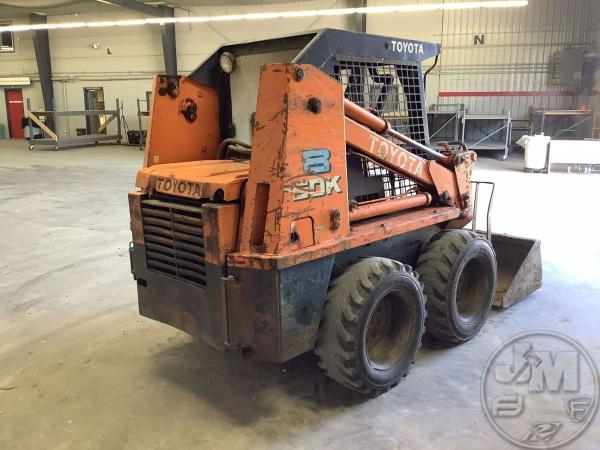
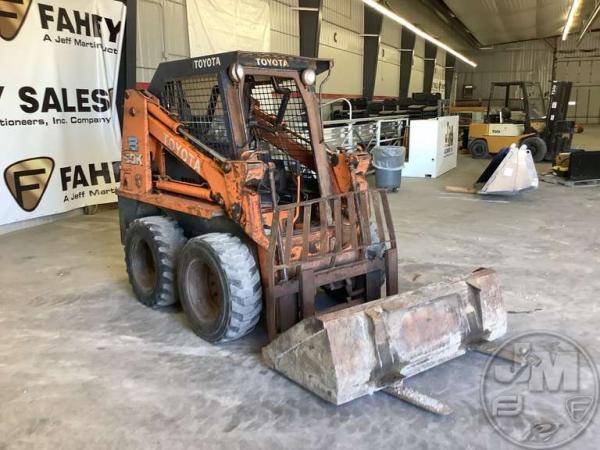
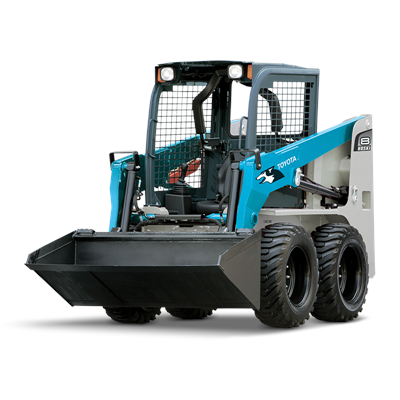
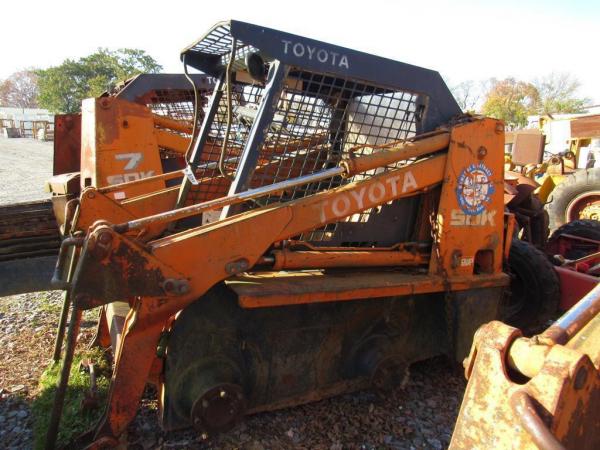
The Toyota SDK8 Skid Steer Loader, often referred to as the Huski 5SDK8 in Australia, is a robust and versatile piece of construction equipment. Manufactured by Toyota Material Handling, this machine is designed to handle a variety of tasks, from lifting and digging to material handling and site preparation. Its compact size and powerful performance make it a valuable asset on construction sites, landscaping projects, and agricultural operations.
Key Specifications
The Toyota SDK8 boasts several features that contribute to its efficiency and reliability: - Engine Power: 52 horsepower diesel engine, providing ample power for demanding tasks.
- Operating Weight: Approximately 5,877 lbs (2,667 kg), offering a balance between stability and maneuverability.
- Lift Capacity: Operating load of 650 kg (1,433 lbs), with a tipping load of 1,300 kg (2,866 lbs), suitable for various attachments and materials.
- Dimensions: Length: 9 ft 6 in (2,896 mm), Width: 5 ft 0 in (1,524 mm), Height: 6 ft 4 in (1,930 mm), allowing access to confined spaces.
- Hydraulic System: Equipped with a high-pressure hydraulic system to power attachments efficiently.
Performance and Versatility
The SDK8's hydrostatic drive system ensures smooth operation and precise control. Its high lift capacity and self-leveling bucket feature enhance productivity, especially when handling heavy loads. The machine's compact dimensions enable it to navigate tight spaces, making it ideal for urban construction sites and landscaping tasks.
Maintenance and Common Issues
Regular maintenance is crucial to prolong the life of the SDK8. Common maintenance tasks include checking and replacing hydraulic fluid, inspecting the engine and filters, and ensuring the integrity of the drive system. Operators have reported issues such as weak response on one side, often due to air in the hydraulic system or faulty components. Addressing these issues promptly can prevent more significant problems and downtime.
Parts Availability and Support
While the SDK8 is a reliable machine, sourcing replacement parts can be challenging due to its age and limited availability in certain regions. However, online platforms and specialized dealers offer parts such as fuel filters, oil filters, and hydraulic components. For instance, Fleetguard offers the FF5114 fuel filter and LF3313 oil filter, compatible with the SDK8's engine.
Real-World Applications
The SDK8 has been utilized in various projects, from residential landscaping to large-scale construction. Its ability to handle different attachments, such as 4-in-1 buckets and pallet forks, adds to its versatility. For example, in urban construction projects, the SDK8's compact size allows it to operate in confined spaces, reducing the need for larger, more cumbersome equipment.
Conclusion
The Toyota SDK8 Skid Steer Loader is a testament to Toyota's commitment to quality and innovation in construction equipment. Its combination of power, versatility, and compact design makes it a valuable tool for various applications. With proper maintenance and attention to common issues, the SDK8 can continue to serve operators effectively for years to come.
|
|
|
|
| Comprehensive Guide to the Electrical Wiring and Troubleshooting of the Cat 289D Compact Track Loader |
|
Posted by: MikePhua - 08-14-2025, 10:11 PM - Forum: Troubleshooting & Diagnosing
- No Replies
|
|
The Caterpillar 289D compact track loader is a highly regarded piece of machinery in construction and industrial sectors, endowed with sophisticated hydraulics and electronic controls that improve performance and operator convenience. Understanding its electrical wiring system is essential for troubleshooting, repair, and maintenance, especially for complex issues like circuit faults or non-responsive displays.
Overview of the Cat 289D Electrical System
The 289D operates on a 12-volt electrical system powered by an 80-amp alternator. The system includes essential components such as the ignition key start/stop switch, advanced displays in the operator cab, lighting systems, sensors, solenoids controlling hydraulic functions, and various relays and fuses.
The wiring harness connects these components, delivering power and transmitting control signals. Circuitry is designed to handle high electrical loads and includes protective measures like fuses and circuit breakers to avoid damage under fault conditions.
Key Electrical Components and Their Functions - Battery and Alternator: Provide and recharge electrical power to the system; the alternator maintains battery charge during engine operation.
- Ignition Switch: Initiates engine start and controls power flow to electrical subsystems.
- Advanced Display Module: Shows machine parameters and error codes; critical for diagnostics.
- Lighting: Includes cab lighting and external work lights powered through the electrical system.
- Relays and Fuses: Protect circuits and enable switching of high-current loads through low-current electrical signals.
- Sensors and Switches: Monitor operational parameters such as engine temperature, hydraulic pressure, and safety interlocks.
- Solenoids: Operate hydraulic valves electronically via electrical control.
Common Wiring Issues and Symptoms- Dead or Non-Responsive Displays: Often caused by power disruption, blown fuses, damaged wiring, or water intrusion.
- Intermittent Electrical Failures: Loose or corroded connectors, fractured wires, or vibration-induced damage can cause erratic behavior.
- Starter or Ignition Problems: Faulty ignition switches or wiring faults can prevent the engine from cranking.
- Lighting Failures: Blown bulbs, bad grounds, or wiring faults can cause lights to fail.
- Overheating or Short Circuits: Insulation damage or improper wiring can lead to electrical shorts and overheating, risking component failure.
Illustrative Cases and Stories
One operator experienced failure of the advanced display following a battery that had been unsecured and shorted against the frame, causing the display to go dead. The replacement part, costing approximately $1200, was verified for necessity after thorough wiring diagnostics revealed no alternative repair.
Another scenario involved troubleshooting starter motor failures traced back to corroded battery cables and frayed wiring harnesses, highlighting the importance of inspecting all wiring connection points regularly, especially connectors exposed to harsh environments.
Troubleshooting Steps- Visual Inspection: Check all wiring harnesses, connectors, and terminals for signs of corrosion, breaks, or damage.
- Fuse and Relay Testing: Use a multimeter to verify continuity and function of fuses and relays; replace faulty components promptly.
- Voltage Checks: Measure voltage at key points such as battery terminals, ignition switch, and display power inputs to confirm proper power delivery.
- Ground Integrity: Ensure frame and component grounds are clean, secure, and have low resistance.
- Connector Cleaning: Disconnect and clean connectors using electrical contact cleaner to remove oxidation that impedes conductivity.
- Wiring Diagram Consultation: Use detailed wiring schematics to trace circuits accurately and identify signal paths.
- Diagnostic Tools: Employ fault code readers or diagnostic software where applicable to interpret error codes displayed by the advanced monitor.
Recommended Maintenance and Solutions- Regularly secure battery terminals and bracket to prevent shorts.
- Replace damaged or aged cables with OEM or equivalent high-quality parts.
- Protect wiring harnesses from abrasion and moisture by using conduit and sealing exposed connections.
- Keep electrical components dry and free of dust accumulation.
- When installing replacement advanced displays or other modules, verify compatibility with machine serial number and configuration.
- Consider adding fuse or circuit breaker upgrades for enhanced protection.
- Train operators on proper shutdown procedures to avoid electrical system strain.
Parameter Considerations and Technical Notes- The alternator delivers 80 amperes at 12 volts, sufficient for typical electrical loads including additional lighting or attachments.
- Wiring insulation should withstand temperatures and vibration typical of heavy equipment operation.
- Relay coil voltages and contact ratings are matched to expected current loads for specific circuits.
- Connectors are designed for secure lock and environmental resistance to water and dirt ingress.
- Electrical system voltage should typically measure about 12.6 volts at rest and 13.5 to 14.5 volts with the engine running (alternator charging).
Additional Practical Advice- Always disconnect the battery before performing electrical repairs to prevent shorts.
- Use wiring diagrams tailored to the serial range of the 289D for greatest accuracy.
- Document all wiring repairs and replacements for future reference and troubleshooting.
- In cases of repeated component failure, investigate root causes like voltage spikes or grounding issues.
- Engage authorized Cat dealers or certified technicians for complex diagnostics or when proprietary software access is required.
Conclusion
The Caterpillar 289D compact track loader electrical wiring system is a well-engineered network supporting vital machine functions and operator safety. Understanding its components, common faults, and troubleshooting strategies can save significant time and repair costs. By following systematic diagnostic approaches, maintaining wiring integrity, and employing quality replacement parts, operators and technicians can ensure reliable electrical performance for this versatile machine in varied working conditions.
This comprehensive insight aims to equip users with detailed knowledge and practical know-how to address and prevent electrical problems, extending the service life and operational efficiency of the Cat 289D compact track loader.
|
|
|
|
| Understanding and Addressing Gear Problems in Heavy Equipment |
|
Posted by: MikePhua - 08-14-2025, 10:11 PM - Forum: Parts , Attachments & Tools
- No Replies
|
|
Introduction
Heavy equipment plays a pivotal role in construction, mining, and various industrial sectors. Among its intricate components, the gearbox stands out as a critical element responsible for transmitting power and ensuring efficient operation. Understanding common gear-related issues and their solutions is essential for maintaining optimal performance and minimizing downtime.
Common Gearbox Issues
- Wear and Tear: Over time, gears experience wear due to constant friction and load. This can lead to reduced efficiency and potential failure.
- Overheating: Excessive heat can cause the lubricant to degrade, leading to increased friction and potential gear damage.
- Contamination: Dirt, metal particles, and other contaminants can enter the gearbox, causing abrasive wear and potential blockages.
- Misalignment: Improper alignment of gears can lead to uneven load distribution, causing premature wear and potential failure.
- Lubrication Failure: Inadequate or degraded lubrication can result in increased friction, leading to overheating and wear.
Diagnostic Tools and Techniques
To effectively diagnose and address gearbox issues, several tools and techniques can be employed:- Vibration Analysis: Detects imbalances or misalignments within the gearbox.
- Thermography: Identifies hot spots indicating potential overheating.
- Oil Analysis: Assesses the condition of the lubricant and detects contaminants.
- Ultrasonic Testing: Detects internal flaws or cracks within the gear components.
Preventive Maintenance Practices
Implementing regular maintenance practices can significantly reduce the risk of gear-related issues:- Regular Inspections: Conduct routine checks for signs of wear, leaks, or unusual noises.
- Lubricant Management: Ensure proper lubrication levels and replace degraded oils promptly.
- Cleanliness: Maintain a clean environment to prevent contamination.
- Alignment Checks: Regularly verify the alignment of gears to ensure even load distribution.
Case Study: Excavator Gearbox Failure
In a notable incident, an excavator experienced sudden power loss during operation. Upon inspection, it was discovered that the gearbox had failed due to overheating and lack of proper lubrication. The root cause was traced back to infrequent oil changes and the use of substandard lubricant. This led to a comprehensive review of maintenance protocols and the implementation of stricter lubrication schedules, resulting in improved equipment reliability.
Conclusion
Gear problems in heavy equipment can lead to significant downtime and repair costs. By understanding common issues, employing diagnostic tools, and adhering to preventive maintenance practices, operators can ensure the longevity and efficiency of their machinery. Regular training and staying informed about best practices are essential for maintaining optimal equipment performance.
|
|
|
|
|



