| Welcome, Guest |
You have to register before you can post on our site.
|
| Online Users |
There are currently 675 online users.
» 0 Member(s) | 664 Guest(s)
Ahrefs, Amazon, Baidu, Bing, Bytespider, Claude, Google, MJ12, OpenAI, Semrush, Trendiction
|
| Latest Threads |
Identifying and Sourcing ...
Forum: Parts , Attachments & Tools
Last Post: MikePhua
01-07-2026, 06:29 PM
» Replies: 0
» Views: 538
|
Cat 931B Brake Parts
Forum: Parts , Attachments & Tools
Last Post: MikePhua
01-07-2026, 06:29 PM
» Replies: 0
» Views: 286
|
Choosing Between Cat 228,...
Forum: General Discussion
Last Post: MikePhua
01-07-2026, 06:28 PM
» Replies: 0
» Views: 575
|
Hydraulic Delay When Lowe...
Forum: Troubleshooting & Diagnosing
Last Post: MikePhua
01-07-2026, 06:27 PM
» Replies: 0
» Views: 451
|
Bale Chopper and Mulcher ...
Forum: General Discussion
Last Post: MikePhua
01-07-2026, 06:26 PM
» Replies: 0
» Views: 333
|
Mini UC Maintenance
Forum: General Discussion
Last Post: MikePhua
01-07-2026, 06:25 PM
» Replies: 0
» Views: 322
|
Locating Wiring Informati...
Forum: General Discussion
Last Post: MikePhua
01-07-2026, 06:24 PM
» Replies: 0
» Views: 353
|
Case Industrial Brown Sub...
Forum: Parts , Attachments & Tools
Last Post: MikePhua
01-07-2026, 06:23 PM
» Replies: 0
» Views: 279
|
Dirt Work in West Virgini...
Forum: Construction & Urban Infrastructure Forum
Last Post: MikePhua
01-07-2026, 06:23 PM
» Replies: 0
» Views: 382
|
D207 P Hydraulic Steering...
Forum: Parts , Attachments & Tools
Last Post: MikePhua
01-07-2026, 06:22 PM
» Replies: 0
» Views: 307
|
|
|
| Case 580 CK Transmission Overhaul Kit Detailed Overview |
|
Posted by: MikePhua - 08-15-2025, 12:32 PM - Forum: Parts , Attachments & Tools
- No Replies
|
 |
The Case 580 CK backhoe loader is a classic and reliable machine widely used in construction and agriculture. Central to its performance is the power shuttle transmission, a sophisticated hydraulic system that facilitates smooth gear shifting, essential for efficient operation. Over time, wear and component fatigue in the transmission demand an overhaul to restore functionality and extend service life. This article provides a comprehensive and detailed understanding of a Case 580 CK transmission overhaul kit, the overhaul process, related technical concepts, and practical insights for maintenance and repairs.
Power Shuttle Transmission Role
The power shuttle transmission in the Case 580 CK is a hydraulic-based gearbox system designed to enable rapid forward and reverse directional changes without the need to stop or clutch fully. It significantly improves operator efficiency, especially in tasks requiring frequent directional changes, like digging or loading. The transmission combines clutch packs, hydraulic pumps, and specialized valves to manage torque delivery smoothly.
Need for Overhaul Kit
Over time, the transmission can develop issues such as slipping in forward gears, difficulty shifting, fluid leaks, or unusual noises. These symptoms typically indicate worn clutch discs, damaged seals, worn bearings, or faulty valve components inside the transmission assembly. An overhaul kit is essential to replace these critical components and restore transmission reliability without the full expense of replacing the entire transmission.
Components Commonly Included in an Overhaul Kit
A typical Case 580 CK transmission overhaul kit contains carefully selected parts designed to refurbish the transmission assembly comprehensively: - New clutch discs and friction plates for both forward and reverse clutch packs.
- Heavy-duty O-rings, quad rings, and oil seals ensuring fluid tightness.
- Snap rings and retaining rings to secure clutch and shaft assemblies.
- Pressure plates, springs, and belleville washers to maintain clutch pack pressure.
- Rebuilt or new bearings critical for smooth shaft rotation and preload.
- Gaskets to seal mating surfaces and oil pans.
- Hydraulic pump seals and control valve rebuild components.
- Detailed instructions or reference diagrams for assembly and torque specifications.
Overhaul Process Overview
The overhaul procedure for the Case 580 CK transmission involves several precise and careful steps:
- Preparation and Safety: Ensure the machine is parked securely with all hydraulic pressure relieved. Drain transmission fluids and remove the transmission assembly following manufacturer guidelines.
- Disassembly: Systematically dismantle the transmission, removing clutch packs, shafts, valves, and housings. Carefully document or mark components to track positions during reassembly.
- Inspection: Examine all mechanical parts for wear, cracks, or deformation. Pay special attention to clutch discs for burning or glazing, bearing races for pitting, and seals for deterioration.
- Cleaning: Thoroughly clean the transmission housing, oil passages, and components to remove sludge, metal particles, and old fluid residues.
- Parts Replacement: Install all new parts from the overhaul kit, ensuring correct orientation and placement of clutch packs, seals, and snap rings. Replace bearings if worn or as preventative maintenance.
- Reassembly: Carefully reassemble transmission components, following torque specifications for bolts and screws, and ensuring all oil passages are unobstructed.
- Testing: Refill with manufacturer-recommended transmission fluid, then conduct functional testing for smooth gear shifting, absence of leaks, and proper pressure build-up in clutch packs.
Technical Terms Clarified- Clutch Pack: A stack of friction and steel plates compressed to transmit power in gear shifting.
- Belleville Washer: A type of spring washer shaped like a disc, used to maintain consistent pressure on clutch packs.
- Quad Ring: A sealing ring with four contact surfaces providing improved sealing over traditional O-rings.
- Snap Ring: A retaining ring that fits into grooves on shafts or inside bores to hold components in place.
- Torque Specification: The precise rotational force required to tighten bolts for proper clamping without causing damage.
- Hydraulic Pump: A component circulating fluid to engage or disengage clutch packs and power transmission functions.
Practical Recommendations- Always source genuine or high-quality overhaul kits designed specifically for the Case 580 CK to ensure compatibility and durability.
- Follow the transmission rebuild or service manual closely, paying attention to torque specs and assembly sequences.
- Consider replacing bearings proactively during overhaul to prevent premature failures.
- Clean all parts meticulously to avoid contamination that can lead to further wear.
- Use recommended transmission fluids and change them regularly to maintain hydraulic system health.
- If unsure, seek advice or services from experienced technicians familiar with Case power shuttle transmissions.
A Related Maintenance Experience
An operator of a 1960s Case 580CK shared that after noticing the backhoe slipping in forward motion and slow shifting, they conducted a complete transmission teardown using an overhaul kit. They discovered worn forward clutch discs and flattened belleville washers causing pressure loss. Replacing these components with those in the overhaul kit restored smooth forward shifting and eliminated slipping. The operator emphasized the importance of correct snap ring seating, noting that misplacement could cause excessive wear and mechanical binding, a valuable lesson for technicians.
Summary
The Case 580 CK transmission overhaul kit is a vital resource for restoring the critical power shuttle transmission system, enabling reliable directional shifting and prolonged machine life. Understanding its components, the detailed rebuild process, and technical terminology equips operators and mechanics to maintain this durable machine effectively. Regular maintenance, quality parts, and precise assembly practices ensure the Case 580 CK continues to perform efficiently in demanding construction environments.
|

|
|
| Greasing Pin and Bushing Connections in Heavy Equipment |
|
Posted by: MikePhua - 08-15-2025, 12:31 PM - Forum: General Discussion
- No Replies
|
|
Introduction
In the realm of heavy equipment maintenance, the lubrication of pin and bushing connections is paramount. These components endure significant stress and wear due to constant movement and heavy loads. Proper greasing not only extends the lifespan of these parts but also enhances the overall performance and reliability of the machinery.
Understanding Pin and Bushing Connections
Pins and bushings serve as pivotal points in various heavy equipment components, such as excavators, bulldozers, and loaders. They facilitate movement between parts like booms, buckets, and blades. Over time, these connections can suffer from wear, leading to issues like reduced mobility, increased maintenance costs, and potential equipment failure.
The Role of Lubrication
Lubrication plays a critical role in maintaining the integrity of pin and bushing connections. Modern pins and bushings often feature grease grooves on their inner diameters. These grooves allow lubricants to form a protective film, reducing friction and wear. Regular application of lubricant helps expel contaminants, such as dirt and water, which can compromise the effectiveness of the grease and accelerate wear .
Recommended Greasing Intervals
The frequency of greasing pin and bushing connections depends on several factors, including the type of equipment, operating conditions, and manufacturer recommendations. However, general guidelines suggest: - Daily Greasing (8–10 operating hours): High-stress components like excavator boom pins and track systems should be greased daily to ensure optimal performance .
- Weekly Greasing (40–50 operating hours): Lower-load components, such as steering joints and swing bearings, typically require greasing on a weekly basis.
- Bi-weekly Greasing: Hydraulic cylinders and other less frequently used parts may be greased every two weeks, depending on usage.
It's important to note that extreme operating conditions, such as working in muddy or dusty environments, may necessitate more frequent greasing.
Choosing the Right Grease
Selecting the appropriate grease is crucial for the longevity of pin and bushing connections. High-quality greases, such as those with a 5% molybdenum disulfide (moly) content, offer superior protection under heavy loads. These greases adhere well to metal surfaces, providing a durable lubricating film that withstands high pressures .
Best Practices for Lubrication
To maximize the effectiveness of lubrication:- Clean Grease Fittings: Before applying grease, clean the grease fittings to prevent contaminants from entering the lubrication system.
- Apply Adequate Grease: Use the recommended amount of grease. Over-greasing can lead to excess grease accumulation, attracting dirt and debris, while under-greasing can result in insufficient lubrication.
- Rotate Pins and Bushings: Periodically rotating pins and bushings can help distribute wear evenly, extending the lifespan of these components.
- Monitor for Wear Indicators: Be vigilant for signs of wear, such as unusual noises or reduced movement efficiency, which may indicate the need for lubrication or component replacement.
Conclusion
Regular and proper greasing of pin and bushing connections is essential for maintaining the performance and longevity of heavy equipment. By adhering to recommended greasing intervals, selecting the appropriate lubricants, and following best practices, operators can ensure their machinery operates efficiently and reliably, minimizing downtime and costly repairs.
|
|
|
|
| Caterpillar D5 LGP Track-Type Tractor Detailed Overview |
|
Posted by: MikePhua - 08-15-2025, 12:31 PM - Forum: General Discussion
- No Replies
|
|
The Caterpillar D5 LGP (Low Ground Pressure) is a powerful and versatile medium-sized crawler tractor designed for demanding construction, forestry, and land management tasks where low ground pressure and high maneuverability are essential. Its robust construction, advanced technology features, and balanced performance make it a popular choice for operators needing a machine that excels in soft or sensitive ground conditions while delivering efficient dozing and grading capabilities.
Engine and Powertrain
At the heart of the D5 LGP is the Cat C7.1 engine delivering a net power of approximately 170 horsepower (127 kW). This engine balances power and fuel efficiency, enabling reliable performance throughout a variety of challenging jobs. The tractor is equipped with a fully automatic 3-speed powershift transmission, allowing seamless acceleration and infinite ground speed adjustment. This means operators simply set their desired speed, and the machine automatically optimizes power delivery and fuel efficiency without manual gear changes.
Undercarriage and Tracks
The LGP model is distinguished by its wide undercarriage designed to minimize ground pressure, an essential feature for working in soft soils, wetlands, and sensitive terrain. Key undercarriage specifications include: - Track gauge of about 2,160 mm (85 inches) providing stability and balance.
- Wide track shoes measuring approximately 840 mm (33 inches) to spread the machine’s weight over a larger area.
- Ground contact length near 3,116 mm (123 inches).
- Low ground pressure around 32.6 kPa (4.7 psi), reducing soil disturbance and improving flotation.
- Ample ground clearance of around 473 mm (18.6 inches) allowing clearance over obstacles.
This wide, stable undercarriage reduces soil compaction and enables the D5 LGP to operate effectively in forested or environmentally sensitive areas.
Dimensions and Operating Weight- Operating weight of roughly 19,170 kg (42,263 lbs), inclusive of blade and standard equipment.
- Overall machine width approximately 3,000 mm (118 inches).
- Height around 3,200 mm (126 inches).
- Length varies with blade configuration, typically about 4,150 mm (163 inches).
These dimensions strike a balance between substantial power and manageability, allowing the D5 LGP to fit into tighter working areas than larger dozers while still delivering heavy pushing force.
Blade Options and Capabilities
The D5 LGP comes equipped with flexible blade options suited for various applications:- VPAT (Variable Pitch, Angle, and Tilt) blade for versatility in dozing and fine grading.
- Semi-Universal blades offer robust material handling capabilities.
- Foldable VPAT blades for easier transport and maneuverability.
- Waste/Landfill blades designed for heavy material handling and landfill work.
Operators can choose blade types based on task demands, enhancing machine productivity in specific applications.
Operator Environment and Technology
Caterpillar has focused on operator comfort and productivity in the D5 LGP’s cab design. Features include:- Spacious cab with excellent visibility due to increased glass area and a steep hood angle.
- Integrated Roll Over Protective Structure (IROPS) for enhanced operator safety.
- Comfortable air suspension seats with multiple adjustments and options for cloth or deluxe leather heated/ventilated versions.
- User-friendly 8-inch or optional 10-inch full-color touchscreen display showing machine information, service alerts, and operating parameters.
- Integrated rearview camera and multiple LED lighting options for improved site awareness and operational safety.
- Ergonomically designed controls with optional adjustable armrests and wrist pads.
Advanced technology choices improve grading accuracy and ease of operation. The system integrates Cat technology like Grade with 3D and Slope Assist™ systems to enhance precision in grading tasks, reducing operator fatigue and increasing jobsite efficiency.
Performance and Productivity
The D5 LGP’s strengths include:- Up to 13% more power to the ground compared to predecessor models, increasing dozing productivity.
- Optimized steering and tighter turning radius support faster cycle times and nimble maneuvering around obstacles.
- Seamless acceleration from the fully automatic transmission enables smooth machine control and improved responsiveness.
- Distribution of weight and balance for superior grading results and machine stability.
These features allow operators to execute earthmoving, land clearing, and grading jobs faster and with higher quality outcomes.
Maintenance and Serviceability
Caterpillar designed the D5 LGP for ease of maintenance to maximize uptime:- Fast cab removal capability supports quick access for service.
- Easy-to-reach service points for fluid checks and filter changes.
- Fast fuel fill options and fuel pump system minimize downtime.
- Durable undercarriage components with SystemOne™ technology for extended wear life.
Regular maintenance schedules and use of genuine Cat parts ensure reliable performance and long machine life.
Technical Terms Explained- LGP (Low Ground Pressure): A machine configuration featuring wider tracks to spread weight and reduce soil pressure, ideal for soft or sensitive ground.
- VPAT Blade: A blade with adjustable pitch, angle, and tilt to adapt to various dozing and grading tasks.
- IROPS: Integrated Roll Over Protective Structure, a safety feature protecting the operator in rollover incidents.
- Grade with 3D and Slope Assist™: Advanced technology systems assisting operators to achieve precise grading by using GPS and sensors.
- Powershift Transmission: A transmission type that changes gears under load without clutching, offering seamless power delivery.
- Ground Pressure: The amount of force a machine exerts on the ground per unit area, lower values help prevent soil compaction.
- Track Gauge: The distance between the two tracks, wider gauges improve stability.
- Ground Clearance: The vertical distance between the ground and the lowest part of the machine frame, important for obstacle negotiation.
- Grouser Height: The height of the raised cleats on the track shoes that provide traction.
A Practical Story
A forestry contractor shared how the Cat D5 LGP became instrumental in accessing and preparing wetland sites for logging operations. The machine’s wide tracks and low ground pressure minimized environmental impact, while the powerful engine and advanced controls allowed efficient clearing and grading. Reliable service support and comfortable operator cabin contributed to long workdays with reduced fatigue. The success with the D5 LGP led the company to rely on this machine as a go-to solution for sensitive terrain projects.
Recommendations- Select the LGP model for jobs requiring low soil disturbance and excellent flotation.
- Use the appropriate blade type based on project needs to optimize productivity.
- Keep up with scheduled maintenance and inspections to preserve machine longevity.
- Employ advanced Cat technology features to improve job accuracy and reduce rework.
- Ensure operators are trained on both machine controls and grading technologies for best results.
The Caterpillar D5 LGP continues to stand out as a durable, efficient, and operator-friendly crawler tractor tailored for demanding applications where ground conditions challenge conventional dozers. Its blend of power, technology, and low ground impact capability helps contractors and operators tackle diverse projects with confidence and precision.
|
|
|
|
| Caterpillar D6C Dozer Track Issues: Diagnosis and Solutions |
|
Posted by: MikePhua - 08-15-2025, 12:30 PM - Forum: Troubleshooting & Diagnosing
- No Replies
|
|
Introduction
The Caterpillar D6C dozer, a staple in heavy construction and land clearing, is renowned for its durability and performance. However, like all machinery, it is susceptible to wear and mechanical issues over time. One of the most critical components to monitor is the track system, which includes the tracks, rollers, idlers, and sprockets. Addressing track-related problems promptly can prevent costly repairs and downtime.
Common Track Issues
- Track Misalignment
Misalignment can cause the tracks to derail or wear unevenly. This issue often arises from:- Worn or Damaged Rollers: These can lead to improper track guidance.
- Sprocket Wear: Worn sprockets may not engage the track links correctly.
- Frame Misalignment: Bent or damaged track frames can misalign the entire track system.
Solution: Regularly inspect rollers and sprockets for wear. Measure the alignment of the track frames and replace any damaged components.
- Track Derailment
Tracks may derail if they are too loose or if there is excessive wear on the track components. This can be caused by:- Worn Track Links: Over time, track links can elongate, leading to slack.
- Improper Tensioning: Incorrect track tension can cause the tracks to come off the rollers.
Solution: Ensure proper track tension by adjusting the track adjusters. Replace worn track links and check for any obstructions that may cause derailment.
- Hydraulic Issues Affecting Track Movement
Hydraulic problems can lead to uneven track movement or loss of power to one track. Common causes include:- Hydraulic Leaks: Leaks in the hydraulic system can reduce pressure, affecting track movement.
- Faulty Valves or Pumps: Malfunctioning components can disrupt hydraulic flow.
Solution: Inspect the hydraulic system for leaks and repair any damaged components. Ensure that hydraulic valves and pumps are functioning correctly.
- Final Drive Failures
The final drive transmits power from the engine to the tracks. Failures in this system can result in loss of track movement. Causes include:- Bearing Failures: Over time, bearings can wear out, leading to play in the final drive.
- Seal Failures: Damaged seals can lead to oil leaks and contamination.
Solution: Regularly check the final drive for play and oil leaks. Replace worn bearings and seals as necessary.
Maintenance Tips- Regular Inspections: Conduct routine checks of the track system, including rollers, sprockets, and track links.
- Proper Lubrication: Ensure all moving parts are adequately lubricated to reduce wear.
- Timely Repairs: Address minor issues promptly to prevent them from escalating into major problems.
- Operator Training: Educate operators on proper machine handling to minimize unnecessary strain on the track system.
Conclusion
Maintaining the track system of the Caterpillar D6C dozer is essential for optimal performance and longevity. By understanding common track issues and implementing regular maintenance practices, operators can ensure their equipment remains in top condition, reducing downtime and repair costs. Always consult the manufacturer's guidelines and seek professional assistance when needed.
|
|
|
|
| Left Track Slower Than Right on CX36B Excavator |
|
Posted by: MikePhua - 08-15-2025, 12:29 PM - Forum: Troubleshooting & Diagnosing
- No Replies
|
|
Uneven track speeds on excavators like the Case CX36B can cause operational difficulties, including veering to one side and reduced efficiency. Understanding the causes, diagnostics, and possible solutions is essential for owners and operators to maintain smooth machine operation and prevent costly repairs.
Common Causes of Uneven Track Speed - Hydraulic Flow Imbalance: The CX36B uses hydraulic travel motors to drive each track. If one hydraulic line or motor delivers less flow or pressure, that track will move slower. Issues in the hydraulic pump, control valves, or hoses can cause flow discrepancies.
- Travel Motor or Final Drive Problems: Wear or partial failure in one travel motor or the final drive gear can reduce track speed on that side.
- Swivel Joint Issues: The hydraulic swivel joint connects stationary and rotating parts; damage or wear here can restrict flow to one motor.
- Mechanical Resistance: A tight idler, damaged track components, or incorrect track tension on one side create extra drag, slowing the track.
- Track Length Difference: Unequal track lengths cause the machine to pull to the shorter side, creating the impression of one track moving slower.
- Control Valve or Pilot Valve Issues: Valves controlling hydraulic flow need to move freely; a stuck pilot or control valve can limit flow to one track.
Diagnosis and Testing Methods
To accurately pinpoint the issue, systematic testing is important:- Pressure Testing: Measure hydraulic pressures at test ports on both drive motors. Similar pressures with differing track speeds suggest mechanical issues rather than hydraulic flow problems.
- Flow Testing: Check the hydraulic flow by removing drain lines or using flow meters to see if one side receives less hydraulic fluid.
- Line Swapping Test: Cross hydraulic lines feeding the left and right travel motors. If the slow track switches sides, the problem is in the hydraulic motor or pump. If it stays on the same side, likely mechanical or control components on that side are at fault.
- Control Valve Movement Check: Confirm full movement of pilot travel valves and control valve spools to rule out valve sticking.
- Visual Inspection: Examine tracks, idlers, sprockets, and final drives for wear or damage. Check track tension to ensure it’s within manufacturer specifications.
- Swivel Joint Check: Test or replace the swivel joint if suspected to restrict flow.
Technical Terms Explained- Travel Motor: A hydraulic motor powering an individual track.
- Final Drive: Gearbox attached to the travel motor that drives the sprocket and track.
- Swivel Joint: A rotating hydraulic coupling enabling fluid flow to the upper structure.
- Pilot Valve: A small valve controlling flow to the main control valve.
- Drain Line: A hydraulic return line carrying excess fluid back to the reservoir.
- Control Valve Spool: Internal sliding component controlling hydraulic fluid direction.
Practical Solutions- Ensure hydraulic fluid levels and cleanliness to prevent pump or valve malfunctions.
- Repair or replace faulty travel motors or final drive components causing slower track movement.
- Replace or service the swivel joint if flow restriction is detected.
- Adjust track tension to recommended settings to prevent drag.
- Conduct valve servicing to restore full movement and proper control flow.
- If necessary, rebuild or replace the hydraulic pump if uneven flow outputs are confirmed.
User Story and Insight
An operator of a 2007 CX36B faced a left track moving slower than the right, despite equal pressure readings at the travel motors. After confirming full pilot valve movement and similar pressure values, the next step was to pull the case drain line to analyze hydraulic flow volume. The operator planned to cross the hydraulic lines feeding the motors to verify whether the problem followed the hydraulic supply or remained on the same side, which would indicate a mechanical or motor-specific fault. This cautious and methodical approach prevented unnecessary expenses and helped target the real cause of the problem effectively.
Recommendations- Start troubleshooting by swapping hydraulic lines to isolate whether the problem is hydraulic or mechanical.
- Maintain hydraulic system health with regular fluid changes and filter maintenance.
- Check and adjust track tension regularly to avoid mechanical drag issues.
- Use pressure and flow gauges during diagnosis for accurate troubleshooting.
- Address symptoms promptly to avoid exacerbating wear on the travel motors or final drives.
By following a systematic diagnostic process combined with careful component inspection and maintenance, operators of the CX36B can resolve uneven track speed problems efficiently, prolonging equipment life and ensuring smoother operation on the job site.
|
|
|
|
| Caterpillar D5C Dozer: Performance, Maintenance, and Common Issues |
|
Posted by: MikePhua - 08-15-2025, 12:28 PM - Forum: General Discussion
- No Replies
|
|
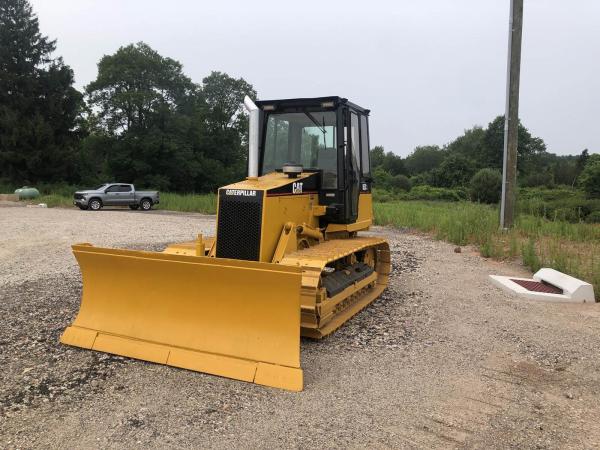
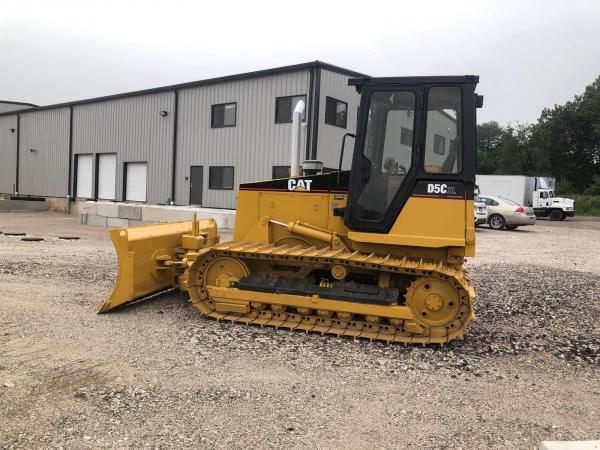
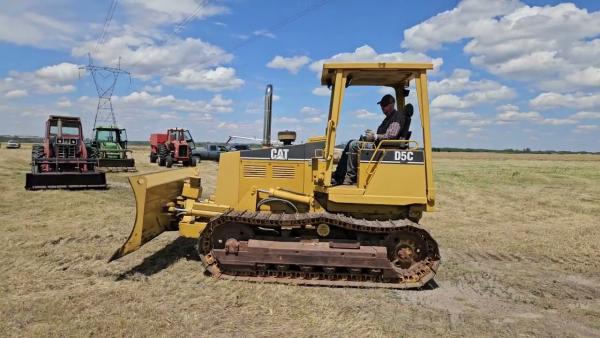
Introduction
The Caterpillar D5C, introduced in the early 1990s, is a mid-sized track-type tractor designed for a variety of construction and earthmoving tasks. Renowned for its durability and versatility, the D5C has been a staple in both commercial and government projects worldwide. This article delves into its specifications, performance capabilities, common maintenance challenges, and offers insights into its continued relevance in the heavy equipment industry.
Specifications and Performance
The D5C is powered by the Caterpillar 3046T engine, a turbocharged four-cylinder diesel engine known for its reliability and fuel efficiency. Key specifications include: - Engine Power: Approximately 90 horsepower (67 kW)
- Operating Weight: Around 18,600 lbs (8,400 kg)
- Blade Width: 9 feet (2.74 meters)
- Length (without blade): 9.85 feet (3.0 meters)
- Height: 8.99 feet (2.74 meters)
- Track Width: 18 inches (45 cm)
These dimensions and power output make the D5C suitable for tasks such as grading, trenching, and land clearing, offering a balance between maneuverability and power.
Common Maintenance Challenges
While the D5C is a robust machine, operators and owners should be aware of several common issues that may arise:
- Hydraulic System Leaks: Over time, seals and hoses in the hydraulic system can wear, leading to leaks. Regular inspection and maintenance are crucial to prevent fluid loss and ensure optimal performance.
- Fuel System Contamination: Air leaks in the fuel lines or clogged filters can cause engine stalling or rough running. It's advisable to inspect fuel lines for leaks and replace filters as part of routine maintenance.
- Electrical System Failures: Issues with the alternator or wiring can lead to charging problems. Ensuring all electrical connections are clean and secure can mitigate these issues.
- Transmission Problems: Some operators have reported issues with the transmission, particularly in the Hystat models, where fuel starvation or sediment filter clogging can cause engine stalling.
Maintenance Tips
To prolong the life of the D5C and maintain its performance:- Regular Fluid Checks: Monitor engine oil, hydraulic fluid, and coolant levels. Regularly changing these fluids as per the manufacturer's recommendations can prevent premature wear.
- Track Maintenance: Inspect tracks for wear and proper tension. Uneven wear can indicate alignment issues or the need for adjustments.
- Cooling System Care: Ensure the radiator and cooling fins are clean to prevent overheating. Debris can obstruct airflow, leading to engine temperature issues.
- Scheduled Inspections: Adhere to a regular maintenance schedule, including checking the undercarriage, blade, and other critical components.
Conclusion
The Caterpillar D5C remains a reliable and versatile machine in the heavy equipment sector. By understanding its specifications, being aware of common maintenance challenges, and adhering to a proactive maintenance regimen, operators can ensure the longevity and efficiency of their D5C dozers.
|
|
|
|
| Axles for a 12 Ton Trailer: Comprehensive Overview |
|
Posted by: MikePhua - 08-15-2025, 12:27 PM - Forum: Parts , Attachments & Tools
- No Replies
|
|
When selecting axles for a 12-ton trailer, understanding the specific requirements and technical details is crucial to ensure safe and efficient towing, durability, and compliance with load regulations. This detailed article explores key considerations, specifications, components, and maintenance aspects of 12-ton trailer axles, providing insights supported by examples and practical suggestions.
Axle Capacity and Load Rating
A 12-ton trailer axle is designed to support a gross vehicle weight rating (GVWR) of approximately 24,000 pounds (around 12 tons per axle). These axles are engineered with heavy-duty materials and components to ensure they handle such significant loads safely on highways and job sites. Trailers with dual axles typically have two 12-ton axles, doubling the capacity to support heavier equipment or cargo.
Dimensions and Track Width
Typical overall lengths of 12-ton trailer axles range between 89 inches to 92 inches, which impacts stability and maneuverability. The track width (distance between wheel mounting surfaces) is commonly around 1,840 to 1,850 millimeters (about 72.4 to 72.8 inches). Wider track widths improve lateral stability during transit, especially at highway speeds, but may reduce turning agility in tight spaces.
Brake Systems
Braking components on these axles include large-diameter brake drums or discs—often with measurements around 420 millimeters in diameter with widths of 180 to 200 millimeters. The braking system may be electric or hydraulic, with self-adjusting features to maintain consistent brake performance under heavy loads. Notably, axle models may include oil-bath hubs that improve lubrication and reduce maintenance intervals.
Bearing and Suspension
High-quality bearings such as 33118, 33213, or larger series (32219, 33215, 32222, 32314) are used to support heavy loads while minimizing friction and wear inside the axle assembly. The suspension system typically consists of multiple-leaf slipper springs, approximately 3 inches by 6 leaves, designed to absorb shocks and distribute weight evenly across the axles.
Construction and Materials
Trailer axles for this capacity are commonly made from robust steel tubing approximately 3 to 5 inches in diameter for the axle tubes, which provide the strength needed to support combined static and dynamic loads. The frame and cross-members of the trailer complement the axle's structural integrity, often fabricated from high-tensile steel I-beams and channels rated for the trailer's weight demands.
Additional Features - Some axles come equipped with magnetic drain plugs that help detect metallic particles in lubricant, signaling wear before critical failures occur.
- Torque tubes between I-beam frames distribute load evenly and reduce trailer sway.
- Self-adjusting electric brakes increase safety and reduce the need for manual brake adjustments.
- Sealed bearings and oil-bath hubs enhance durability and withstand harsh operating environments.
- Dual or tandem axles improve payload distribution and handling.
Practical Tips for Choosing and Maintaining Axles- Always confirm the axle’s gross weight rating matches or exceeds your trailer's intended maximum payload.
- Check that axle track width aligns with your trailer’s tire and fender setup to prevent rubbing or misalignment.
- Opt for axles with self-adjusting brakes and oil-bath hubs for easier maintenance.
- Regularly inspect bearings, seals, and brake components for wear or contamination.
- Use quality greases and lubricants recommended by manufacturers to prolong axle life.
- Consider upgrading to axles with enhanced corrosion protection, especially for trailers operating in wet or salted-road conditions.
A User Experience
A trailer fleet owner shared that after upgrading to 12-ton German type axles with larger brake drums and improved bearings, their trailers exhibited significantly better handling and braking stability under full loads. The oil-bath hubs reduced maintenance time and costs substantially. The owner highlighted the importance of precise axle length matching the trailer width, which enhanced the vehicle’s overall stability and reduced tire wear.
Terminology Explained- Gross Vehicle Weight Rating (GVWR): Maximum weight the axle or trailer is rated to carry including cargo, equipment, and the trailer itself.
- Track Width: Distance between the centers of the two wheels mounted on the axle.
- Oil Bath Hub: A hub assembly that encloses wheel bearings in oil to reduce friction and extend service life.
- Leaf Springs: Suspension component made of metal strips layered in a spring to absorb shocks and weight.
- Magnetic Drain Plug: A plug that collects metal particles in lubricants, helping monitor wear inside the axle.
- Torque Tube: A structural component that improves load distribution and reduces sway in trailers.
- Self-Adjusting Brakes: Brake systems that automatically maintain brake shoe clearance for consistent performance.
Summary
Axles for a 12-ton trailer must offer robust construction, reliable braking, and durable bearings to handle heavy payloads safely and efficiently. Choosing the right axle includes considering capacity, dimensions, braking systems, and maintenance features such as oil-bath hubs and magnetic drain plugs. Proper selection and care contribute to improved trailer stability, safety, and longevity, making them vital components in the transport and heavy equipment industries.
|
|
|
|
| Hitachi UH103LC Final Drive: Troubleshooting and Maintenance |
|
Posted by: MikePhua - 08-15-2025, 12:26 PM - Forum: Troubleshooting & Diagnosing
- No Replies
|
|
Introduction
The Hitachi UH103LC excavator, a robust machine designed for various construction tasks, relies heavily on its final drive system for mobility. The final drive, comprising components like the planetary gearbox, hydraulic motor, and drive sprockets, transmits power from the engine to the tracks. Over time, wear and tear can lead to issues that may compromise the machine's performance.
Common Final Drive Issues
- Hydraulic Leaks
Hydraulic leaks are among the most prevalent issues in final drive systems. These leaks can emanate from various seals and gaskets, leading to a loss of hydraulic fluid and reduced system efficiency. Regular inspection of hydraulic lines and connections is essential to identify and rectify leaks promptly.
- Excessive Noise
Unusual noises emanating from the final drive, such as grinding or whining sounds, often indicate internal component wear. These noises can result from insufficient lubrication, worn bearings, or damaged gears. Addressing these issues early can prevent more severe damage and costly repairs.
- Overheating
Overheating of the final drive can occur due to several factors, including low oil levels, high ambient temperatures, or excessive load. Overheating can lead to premature wear of internal components and, if left unchecked, complete system failure.
- Loss of Power
A noticeable decrease in the machine's power or sluggish movement can be attributed to issues within the final drive. Causes may include worn-out gears, damaged hydraulic motors, or internal leaks. Regular maintenance and timely replacement of worn parts can mitigate these problems.
Maintenance and Troubleshooting Tips- Regular Inspections: Periodically check the final drive for signs of wear, leaks, and unusual noises. Early detection of issues can prevent costly repairs.
- Lubrication: Ensure that the final drive is adequately lubricated. Use the manufacturer's recommended oil type and change intervals to maintain optimal performance.
- Monitor Operating Conditions: Avoid overloading the machine and operate it within the specified limits to prevent undue stress on the final drive components.
- Professional Servicing: For complex issues, consult with professionals experienced in final drive repairs. They can provide accurate diagnostics and effective solutions.
Conclusion
Maintaining the final drive of the Hitachi UH103LC excavator is crucial for ensuring its longevity and performance. By understanding common issues and adhering to regular maintenance practices, operators can minimize downtime and extend the service life of their equipment. Always consult the manufacturer's guidelines and seek professional assistance when necessary to keep the final drive system in optimal condition.
|
|
|
|
| Komatsu 850B Master Cylinder Repair Guide |
|
Posted by: MikePhua - 08-15-2025, 12:25 PM - Forum: Troubleshooting & Diagnosing
- No Replies
|
|
The master cylinder in a Komatsu 850B motor grader plays a crucial role in the hydraulic brake system, converting pedal force into hydraulic pressure to ensure safe stopping and control. When issues arise, properly diagnosing and repairing the master cylinder is essential for maintaining machine safety and performance. This detailed guide covers the master cylinder’s repair process, common problems, technical explanations, and maintenance tips to keep the Komatsu 850B operating reliably.
Role and Importance of the Master Cylinder
The master cylinder acts as the heart of the hydraulic brake system on the 850B. When the brake pedal is pressed, the master cylinder pressurizes brake fluid, which transfers force through brake lines to apply brakes on the wheels or components. A failure or leak in the master cylinder reduces braking efficiency and can lead to hazardous situations on the jobsite.
Common Symptoms Indicating Master Cylinder Issues - Soft or spongy brake pedal feel.
- Brake pedal sinking slowly under constant pressure.
- Visible hydraulic fluid leaks near the cylinder or pedal area.
- Reduced braking force or inconsistent brake function.
- The need to pump the brake pedal repeatedly to achieve braking.
Recognizing these signs early and addressing cylinder problems can prevent further damage or safety risks.
Master Cylinder Removal Procedure
Due to the master cylinder’s location and connection complexity, removal involves several steps to ensure safety and prevent component damage:- Remove the left floor plate to access the master cylinder area.
- Detach the hydraulic lines or hoses connecting to the master cylinder carefully to avoid fluid spillage.
- Remove bolts, lock washers, and nuts attaching the master cylinder to its mounting bracket.
- Disconnect the clevis pin and cotter pin linking the push rod to the brake pedal; then remove the master cylinder with its mounting bracket.
- In some models, removing the brake pedals and mounting bracket assembly may be necessary for clear access.
Inspection and Diagnosis
Once removed, the master cylinder should be inspected for:- External leaks or cracks in the housing.
- Worn or damaged seals, which are the most common sources of internal leaks.
- Corrosion or pitting inside the cylinder bore that affects smooth piston movement.
- Condition of the push rod clevis and pedal linkage for wear or deformation.
Any detected damage, especially to seals or the cylinder bore, usually requires either full rebuild or replacement of the master cylinder.
Repair and Reassembly Steps- Clean all parts thoroughly to remove dirt and old fluid.
- Replace all seals and O-rings with recommended kit components to ensure a secure, leak-free restoration.
- Inspect and lubricate the cylinder bore lightly to aid piston movement.
- Reassemble the master cylinder pistons carefully, ensuring correct orientation and fit.
- Reinstall the master cylinder and mounting bracket to frame, securing all bolts with lock washers.
- Reconnect the push rod to the brake pedal using clevis pins and new cotter pins.
- Reattach hydraulic lines carefully, then bleed the brake system to remove trapped air, restoring proper hydraulic pressure.
Technical Terms Explained- Master Cylinder: Converts pedal force into hydraulic pressure to operate brakes.
- Clevis Pin: A fastener connecting the brake pedal to the push rod on the master cylinder.
- Cotter Pin: A locking pin used to secure the clevis pin in place.
- Seal Kit: Replacement components including rubber seals and O-rings for restoring hydraulic tightness.
- Brake Pedal Free Travel: The distance the pedal moves before resistance is felt, important for proper brake response.
- Bleeding the Brake System: Removing air bubbles from hydraulic lines to ensure firm brake activation.
Practical Tips and Cautions- Use only genuine or high-quality seal kits designed for Komatsu 850B to ensure compatibility.
- Avoid contaminating hydraulic fluid with dirt or moisture during repair.
- Always check the brake pedal free travel adjustment after reassembly to ensure safe operation.
- When bleeding brakes, follow manufacturer instructions to maintain system integrity.
- Regular inspection of hydraulic lines and master cylinder seals can prevent sudden failures.
A User Experience
A maintenance technician shared a story about a Komatsu 850B that developed a slow brake pedal response. Upon inspection, the master cylinder seals were worn out, causing internal leakage. After procuring a genuine rebuild kit, the seals were replaced successfully. Post-repair, the brake pedal felt firm, and the grader’s braking performance was restored, preventing further operational delays. This highlights the importance of routine checks and timely repairs in heavy equipment safety systems.
Summary
Repairing the master cylinder on the Komatsu 850B motor grader is a vital maintenance task that requires careful removal, thorough inspection, seal replacement, and precise reassembly. Understanding the master cylinder’s function and common failure symptoms helps operators maintain brake performance and ensure safety. With proper tools, genuine parts, and diligent procedures, the repair process can extend the life of the master cylinder and keep the grader reliable during demanding work.
|
|
|
|
| Bobcat 442 Mini Excavator: Performance, Common Issues, and Maintenance Insights |
|
Posted by: MikePhua - 08-15-2025, 12:24 PM - Forum: General Discussion
- No Replies
|
|
Introduction
The Bobcat 442 mini excavator, a product of Bobcat's collaboration with Terex, has garnered attention for its robust performance and versatility in various construction and landscaping tasks. While it shares similarities with the Terex TC75, the 442 stands out with its unique features and design tailored to meet the demands of compact excavation projects.
Performance and Capabilities
The Bobcat 442 is equipped with a turbocharged Deutz engine, providing ample power for tasks such as moving large fir trees and handling challenging terrains. Operators have praised its smooth and responsive controls, which contribute to precise movements and efficient operation. The machine's design emphasizes operator comfort, with a spacious cabin and intuitive controls that reduce fatigue during extended use.
Common Issues and Maintenance Considerations
Despite its strengths, the Bobcat 442 is not without its challenges. One notable issue reported by users is the occurrence of hydraulic leaks. For instance, a mechanic encountered a situation where a hydraulic leak was traced to a crack in the stick cylinder barrel. This crack, running lengthwise and located beneath a 90-degree fitting, required meticulous welding and repair efforts to restore functionality. Such issues highlight the importance of regular inspections and prompt attention to potential hydraulic system concerns.
Another reported problem involves the low oil pressure warning light illuminating despite normal engine performance. In one case, the operator installed a manual gauge to verify oil pressure levels, confirming that the engine was operating within standard parameters. The root cause was identified as a faulty connection on the circuit board in the right-hand control side, emphasizing the need for thorough diagnostics when facing electronic system alerts.
Maintenance Tips
To ensure the longevity and optimal performance of the Bobcat 442, operators should adhere to a proactive maintenance schedule. Regularly checking hydraulic hoses and connections can prevent unexpected leaks and system failures. Additionally, monitoring electronic systems for error codes and addressing them promptly can mitigate potential issues before they escalate. Utilizing OEM parts during repairs and replacements can maintain the integrity of the machine and ensure compatibility with existing components.
Conclusion
The Bobcat 442 mini excavator offers a blend of power, precision, and comfort, making it a valuable asset for various excavation tasks. While it presents certain maintenance challenges, a diligent approach to regular inspections and timely repairs can prolong its service life and maintain its performance standards. Operators considering the 442 should weigh its capabilities against potential maintenance requirements to determine its suitability for their specific needs.
|
|
|
|
|



